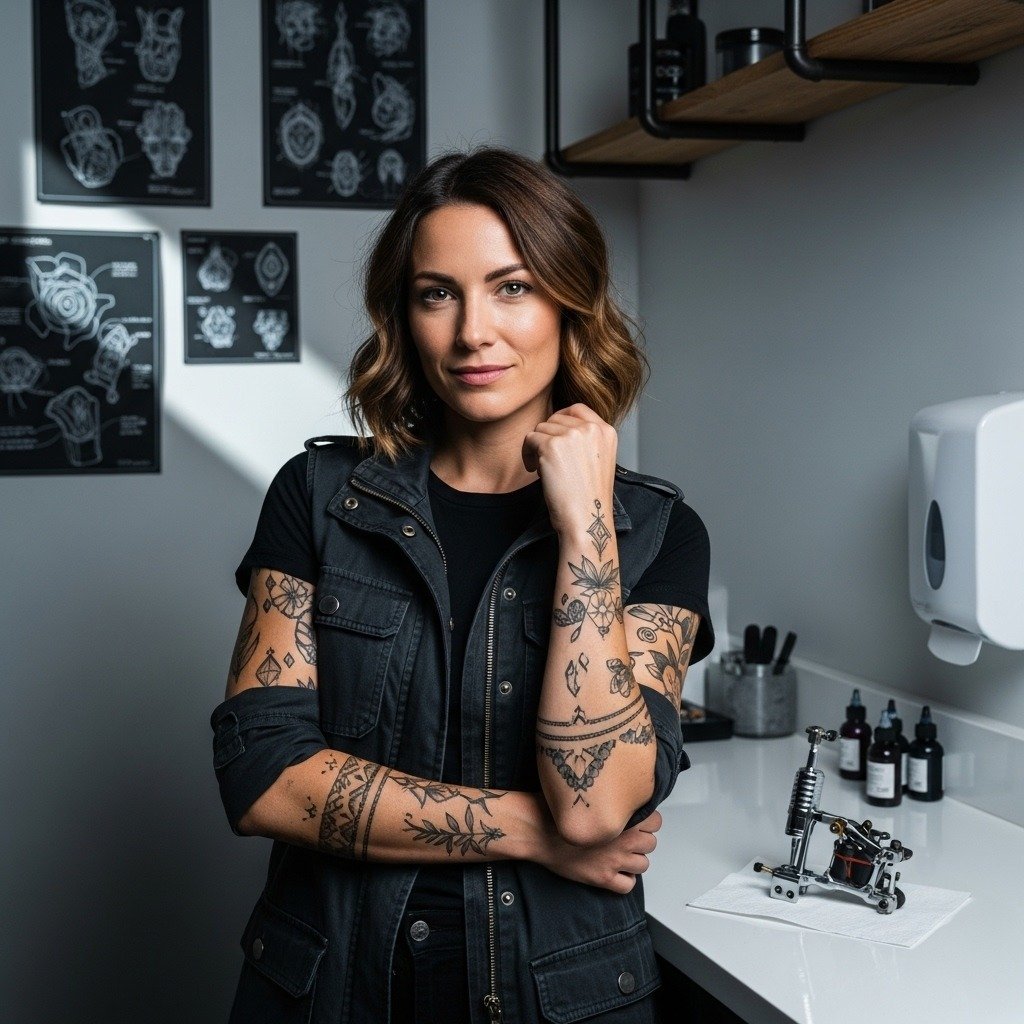
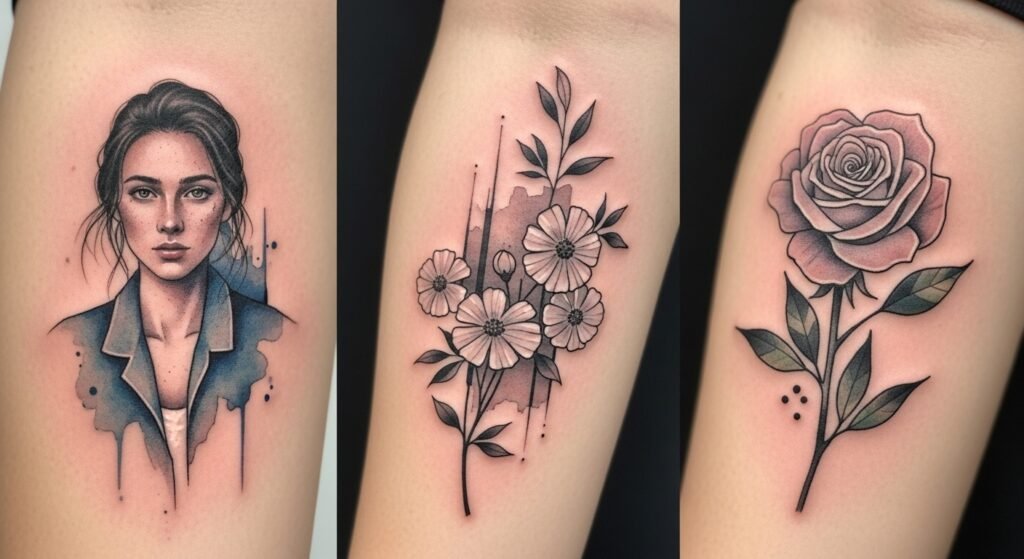
I spent months staring at watercolor tattoo feeds before I understood the real question: which watercolor pieces stay soft and readable after healing? I learned that the trick is pairing painterly washes with confident linework or contrast so colors don’t blur into mush as skin ages.
These picks focus on watercolor styles—soft washes, splashes, and paint-like blends—paired with placements that let them breathe. They work for first-timers and collectors. I leaned on 2025 trends and what actually looks good after a year or more of wear.
Delicate Watercolor Wildflower on Inner Wrist
Style/Technique: Watercolor / Fine Line
Pain Level: Low (2-3/10)
Session Time: 1–2 hours
Best For: First tattoo, visible daily

I love this because the wrist gives a small canvas for soft washes. It reads like a little painting. Expect mild discomfort. Heal time: 2–3 weeks for surface, full settle in 2 months. Avoid heavy outlines if you want a dreamy look; a tiny solid anchor line helps the color age better. Ask for good color saturation on initial work.
Watercolor Hummingbird on Shoulder Blade
Style/Technique: Watercolor / Neo-Traditional mix
Pain Level: Low-Medium (3-4/10)
Session Time: 2–3 hours
Best For: Statement piece, easy to hide with clothing
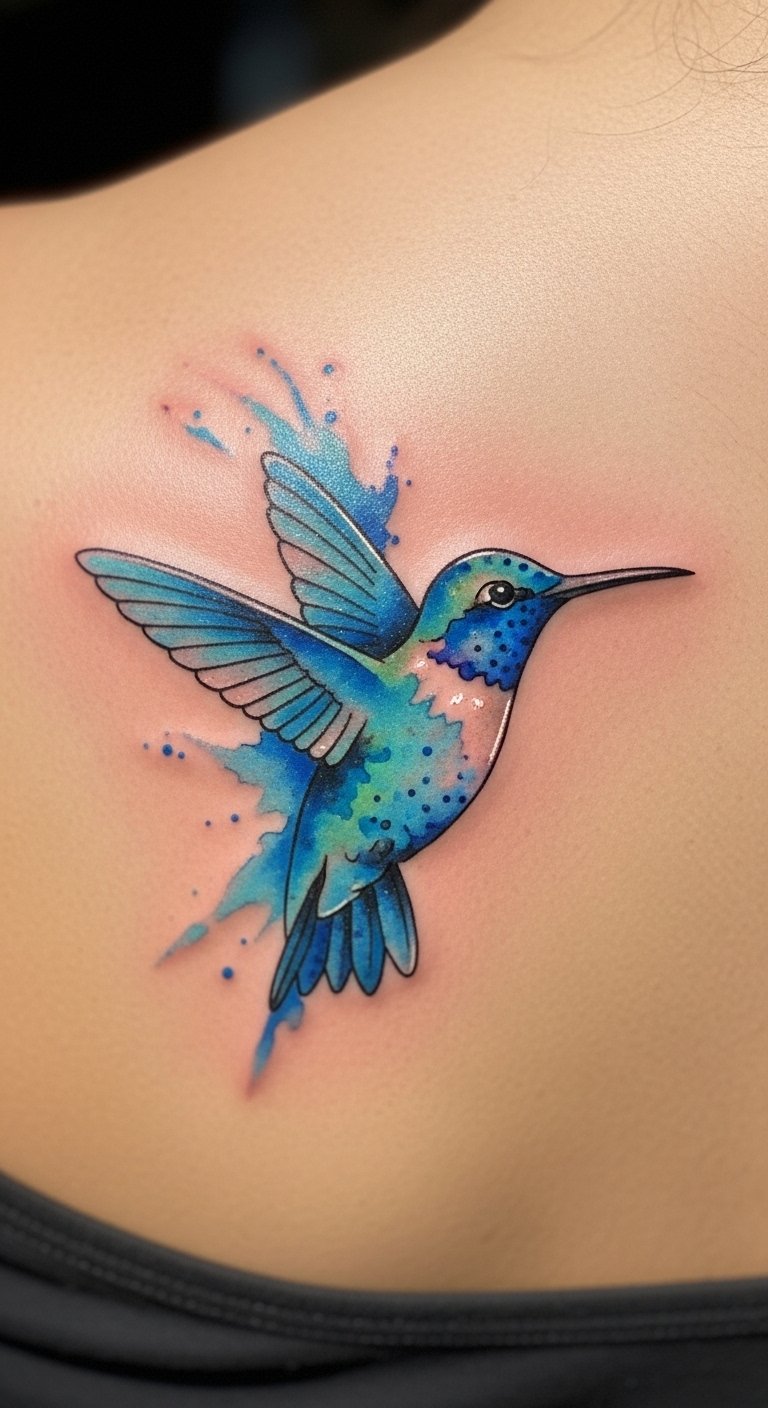
This placement lets the tattoo sit flat and heal cleanly. Watercolor wings look like brushstrokes. Expect soreness when sleeping on it first week. Colors can mute with time—opt for deeper blues to keep vibrancy. Common mistake: too-fine tiny dots that blur; choose an artist experienced in color packing.
Splashy Abstract Back Piece Across Upper Back
Style/Technique: Large Watercolor / Abstract
Pain Level: Medium (4/10)
Session Time: Multiple sessions
Best For: Collector piece, visible with open-back tops

A large wash plays with negative space and movement. Healing is straightforward if you avoid friction from straps. Expect multiple sessions to layer color without overworking skin. Ask for color layering rather than raw saturation to prevent blowouts. This ages well if anchored with minimal linework.
Minimalist Watercolor Moon Behind Ear
Style/Technique: Watercolor / Minimalist
Pain Level: High-Medium (5-6/10)
Session Time: 30–60 minutes
Best For: Subtle placement, test piece

Tiny watercolor behind the ear looks delicate but the area is tender. Healing needs careful cleaning; avoid hair oils. Colors may fade faster due to sun and hair products. Common error: expecting bright neon—pick muted tones for longevity. Use an artist who tattoos small color blocks precisely.
Watercolor Cherry Blossom Sleeve on Forearm
Style/Technique: Watercolor / Illustrative Sleeve
Pain Level: Medium (3-5/10)
Session Time: 3–5 sessions
Best For: Visible sleeve, floral lovers
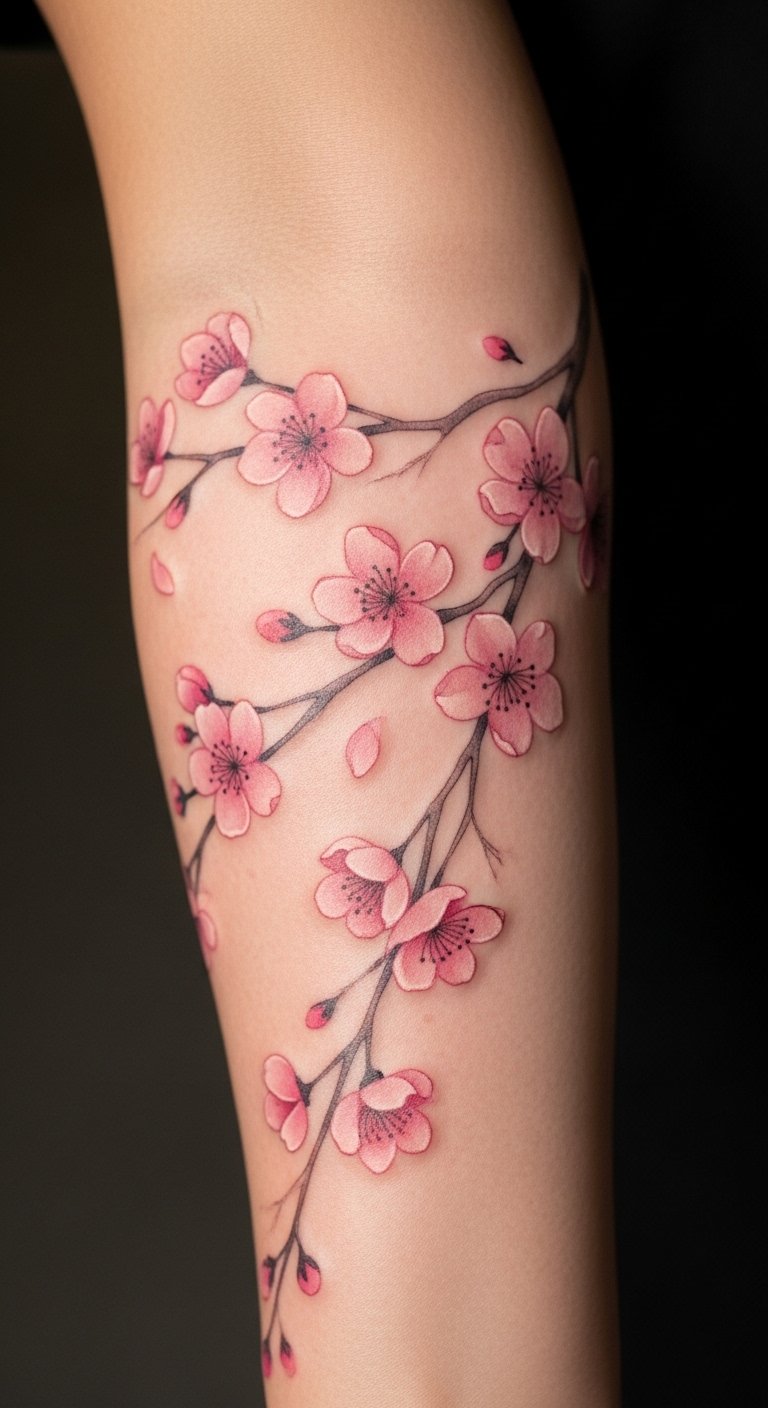
A sleeve lets watercolor breathe around the arm’s curves. The forearm tolerates sessions well. Expect peeling the first week and gentle moisturization after. Watercolor benefits from occasional line anchors so blossoms don’t merge. Avoid tiny floating petals with no contrast.
Monochrome Indigo Watercolor Raven on Chest
Style/Technique: Watercolor / Monochrome
Pain Level: Medium-High (5/7/10)
Session Time: 2–3 hours
Best For: Dramatic, age-resistant
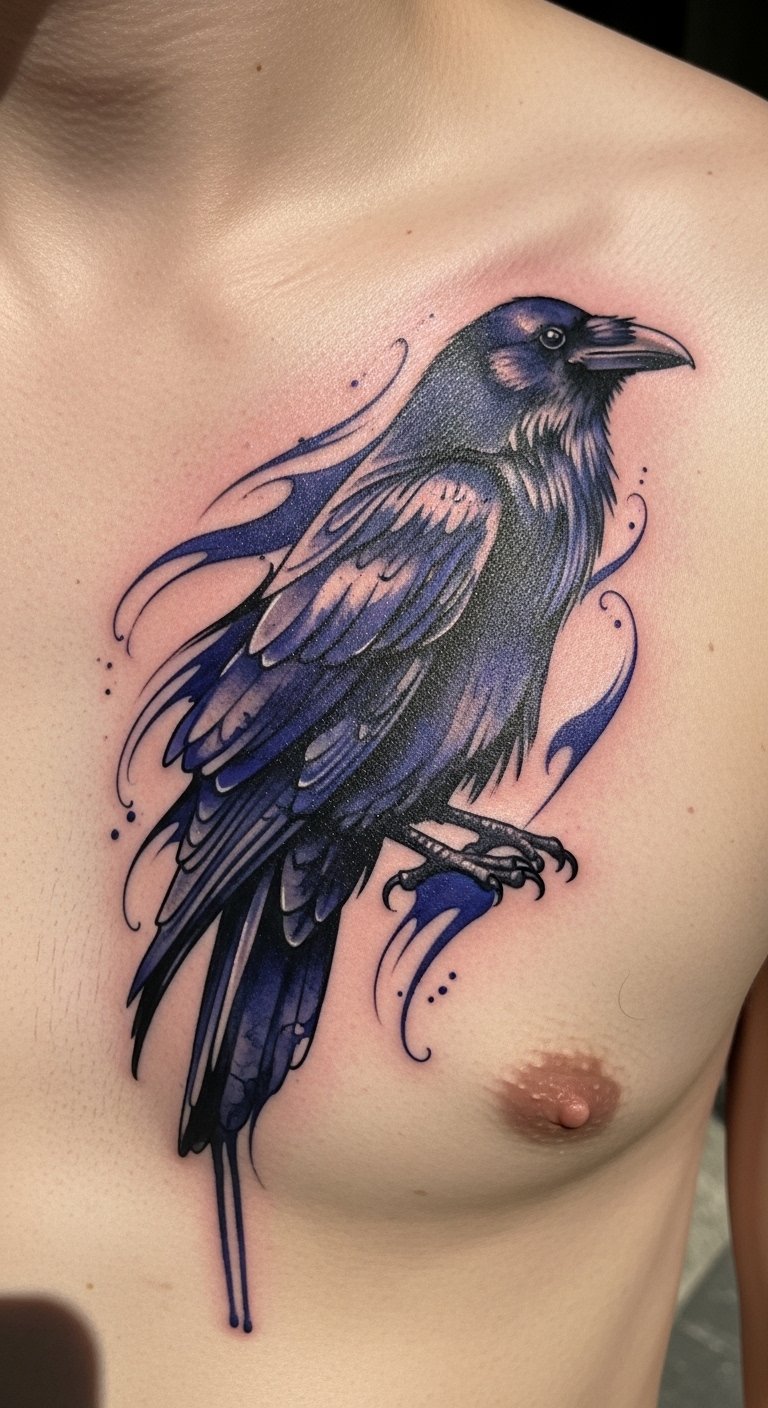
Monochrome watercolor ages better than high-neon palettes. Chest placement can be tender near sternum. Healed photos show strong tonal contrast keeps the design readable. Avoid pale yellows or very light pinks here. Ask for bold mid-tones to avoid early fading.
Watercolor Dog Portrait on Thigh (Micro-Realism + Wash)
Style/Technique: Micro-Realism + Watercolor
Pain Level: Low (3/10)
Session Time: 2–4 hours
Best For: Meaningful portrait, easy to hide
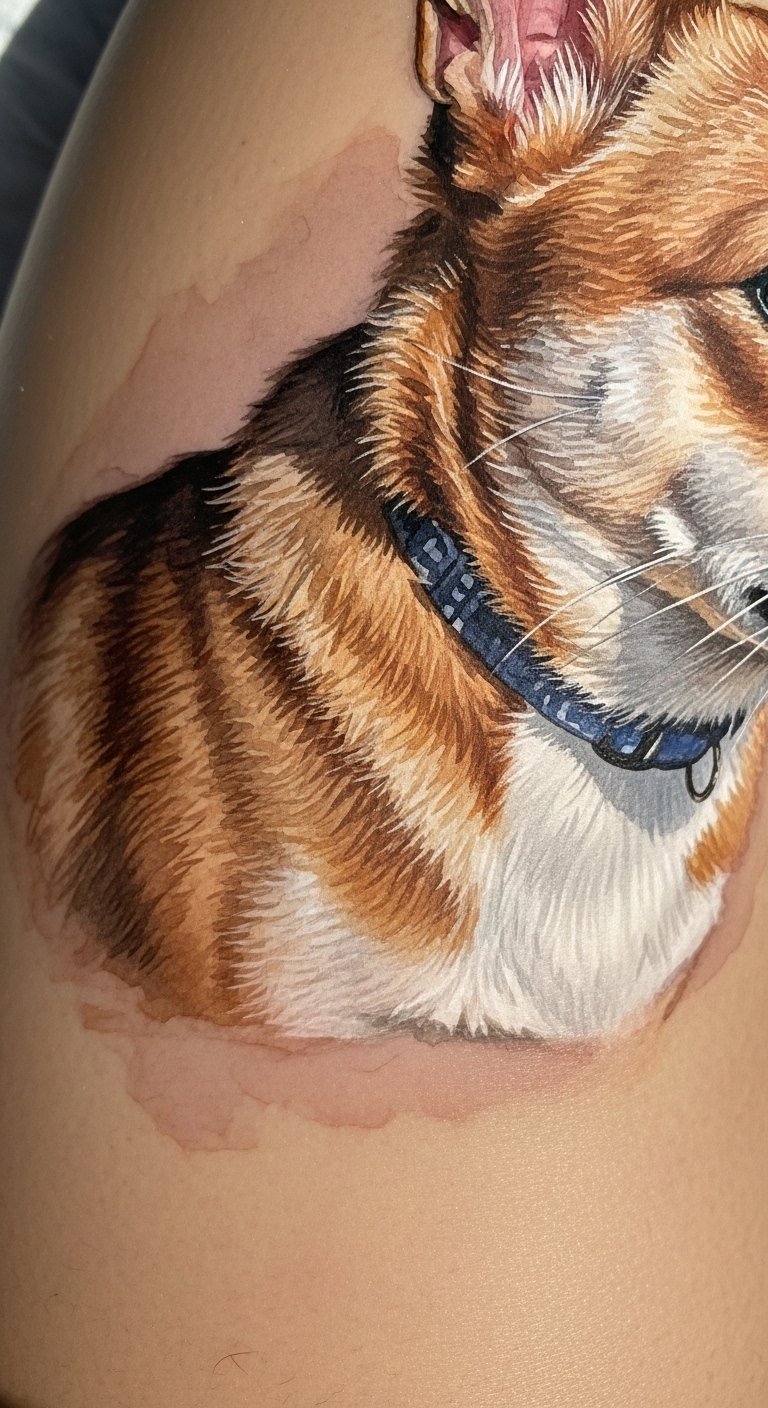
I found watercolor halos pair well with detailed portraits—line realism in the subject, washes around it. Thigh heals nicely and tolerates longer sessions. Avoid overly light background washes; they may disappear on healed skin. Request healed photos of similar work from the artist.
Watercolor Galaxy on Upper Arm
Style/Technique: Watercolor / Space-Themed
Pain Level: Low-Medium (3-4/10)
Session Time: 1–2 hours
Best For: Bold but wearable

Galaxy washes look great with scattered white highlights for stars. Upper arm placement is low pain and ages well. White highlights fade faster—expect touch-ups if you want them bright. Artists with color-blending experience make the soft gradients last.
Watercolor Lotus on Ribcage
Style/Technique: Watercolor / Fine Line Accent
Pain Level: High (7-8/10)
Session Time: 1–2 hours
Best For: Personal piece, hidden placement
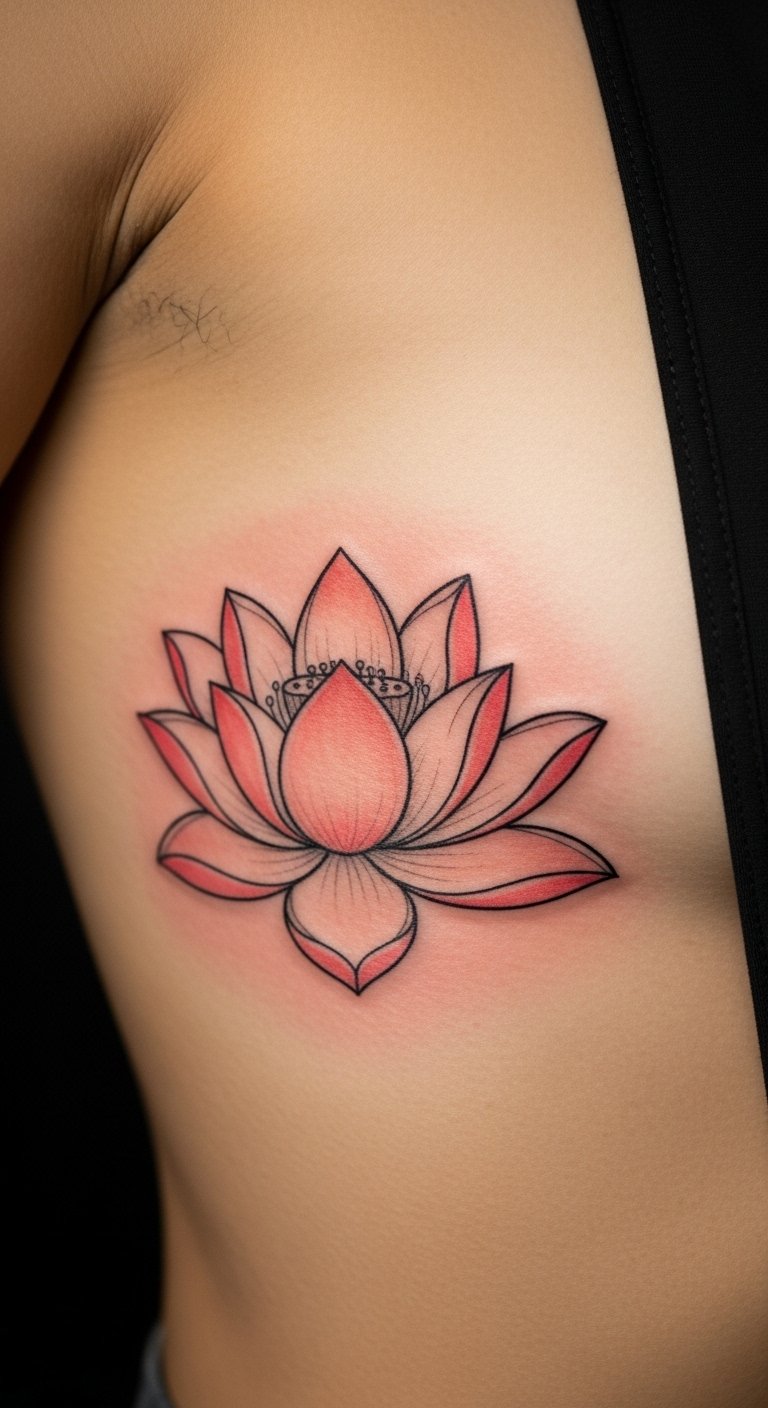
Ribcage is tender but gives a lovely curved canvas. Expect significant discomfort. Healing needs careful movement control to avoid scabbing in creases. Watercolor here is ethereal but choose stronger pigments so the design remains visible after healing. Don’t skimp on aftercare.
Watercolor Botanical Calf Wrap
Style/Technique: Watercolor / Botanical Wrap
Pain Level: Low-Medium (3-4/10)
Session Time: 2–3 hours
Best For: Visible in summer, hideable with pants
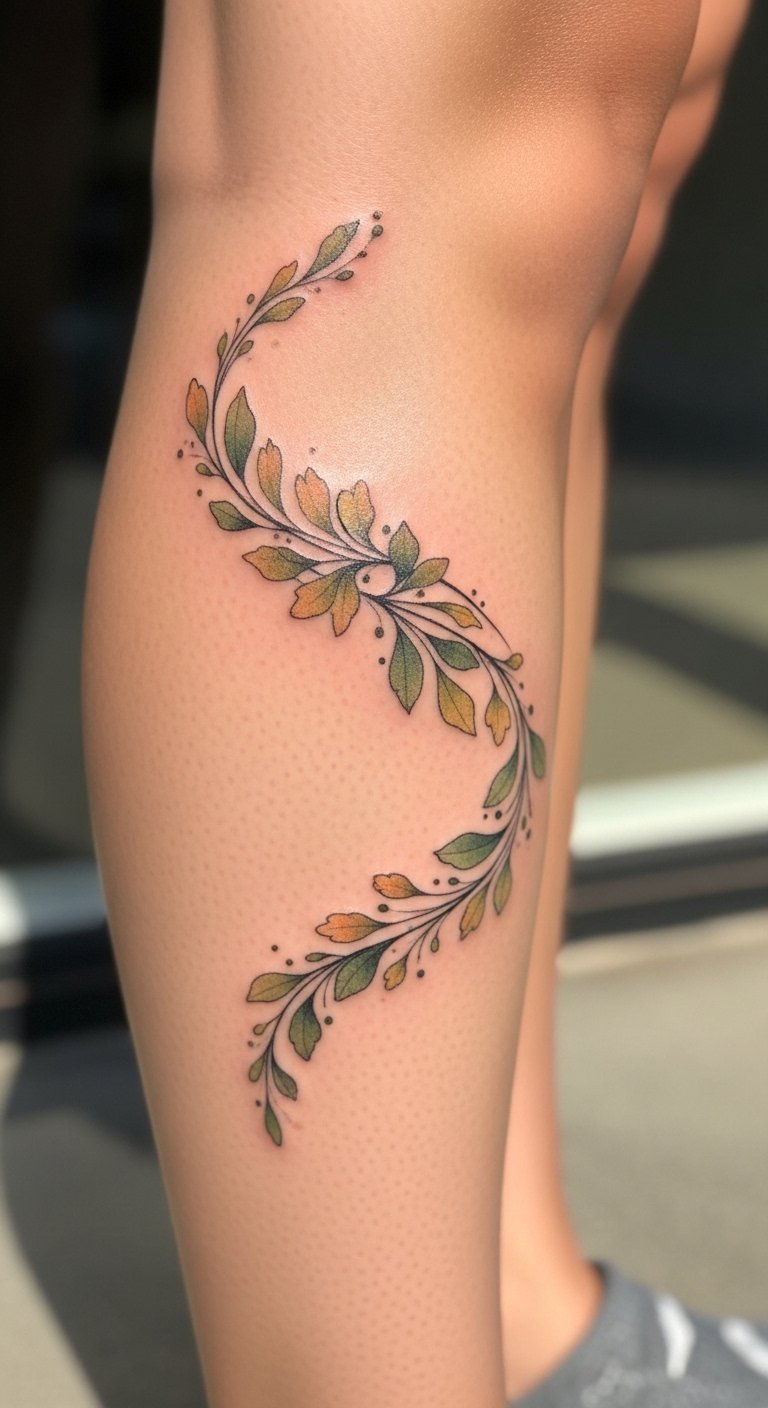
Calf skin handles watercolor washes well. Movement aids blood flow and healing, but socks and boots can chafe. Colors hold nicely if you avoid constant sun. A frequent mistake is too many tiny elements—simplify for longevity.
Watercolor Nebula Behind Knee
Style/Technique: Watercolor / Abstract
Pain Level: High (6-7/10)
Session Time: 1–2 hours
Best For: Statement when sitting or bending
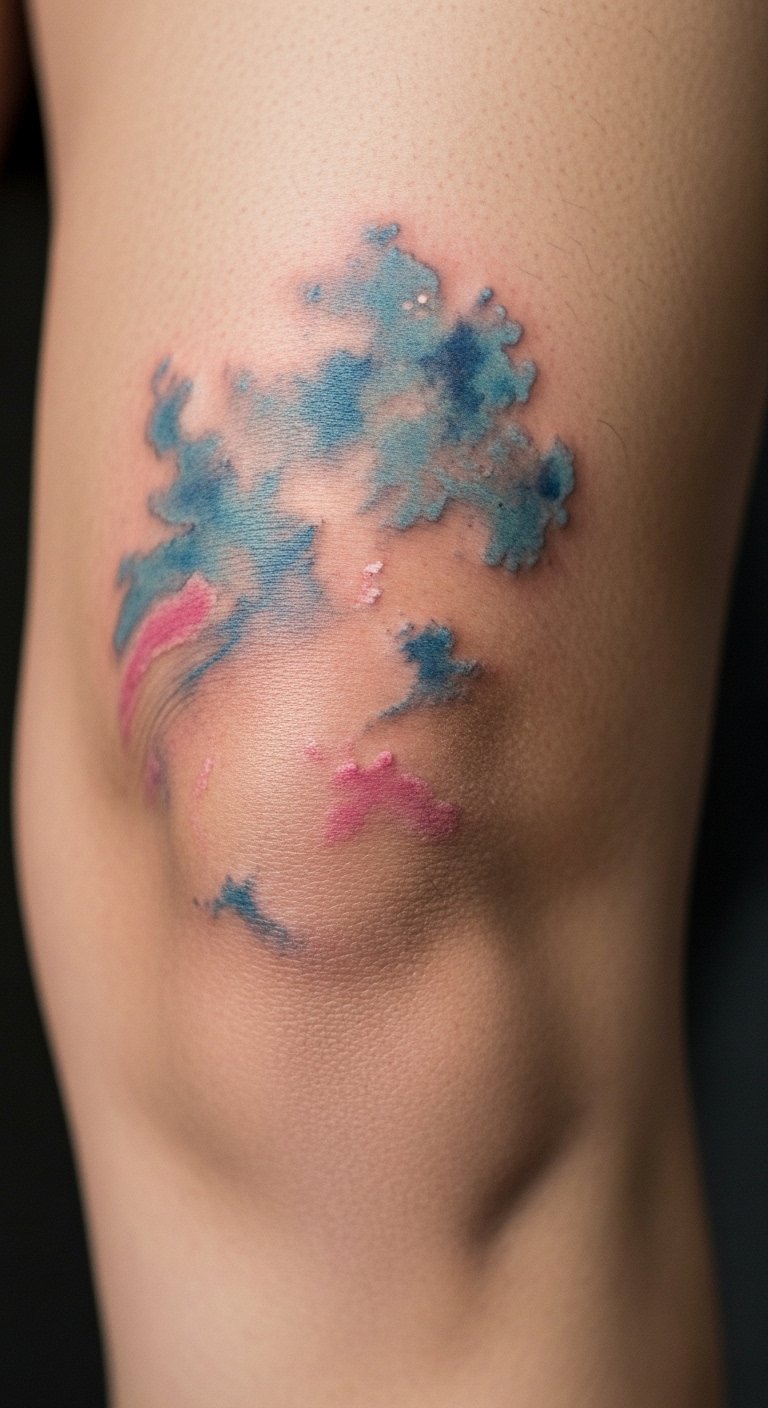
This area hurts and requires careful aftercare because creasing can affect healing. Expect slower surface healing. The payoff is a surprising peek of color when you move. Ask about placement to avoid extreme creases.
Watercolor Feather on Collarbone
Style/Technique: Watercolor / Fine Line Anchor
Pain Level: Medium (4-5/10)
Session Time: 1–2 hours
Best For: Feminine, visible neckline

Collarbone tattoos show beautifully with tops that expose the area. Bone proximity increases pain but creates striking results. Keep washes moderate; thin pale colors can fade. A thin black spine prevents blurring.
Watercolor Abstract Finger Accent
Style/Technique: Micro Watercolor / Minimalist
Pain Level: High (7/10)
Session Time: 30–60 minutes
Best For: Tiny accent, experimental

Fingers are high maintenance—ink fades fastest here. I only recommend finger watercolor if you accept touch-ups. Avoid detailed shapes; keep it simple. Artists often advise against heavy washes due to skin type.
Watercolor Sun and Waves on Side Hip
Style/Technique: Watercolor / Minimalist Scene
Pain Level: Medium-High (5-6/10)
Session Time: 1–2 hours
Best For: Hidden but sensual placement
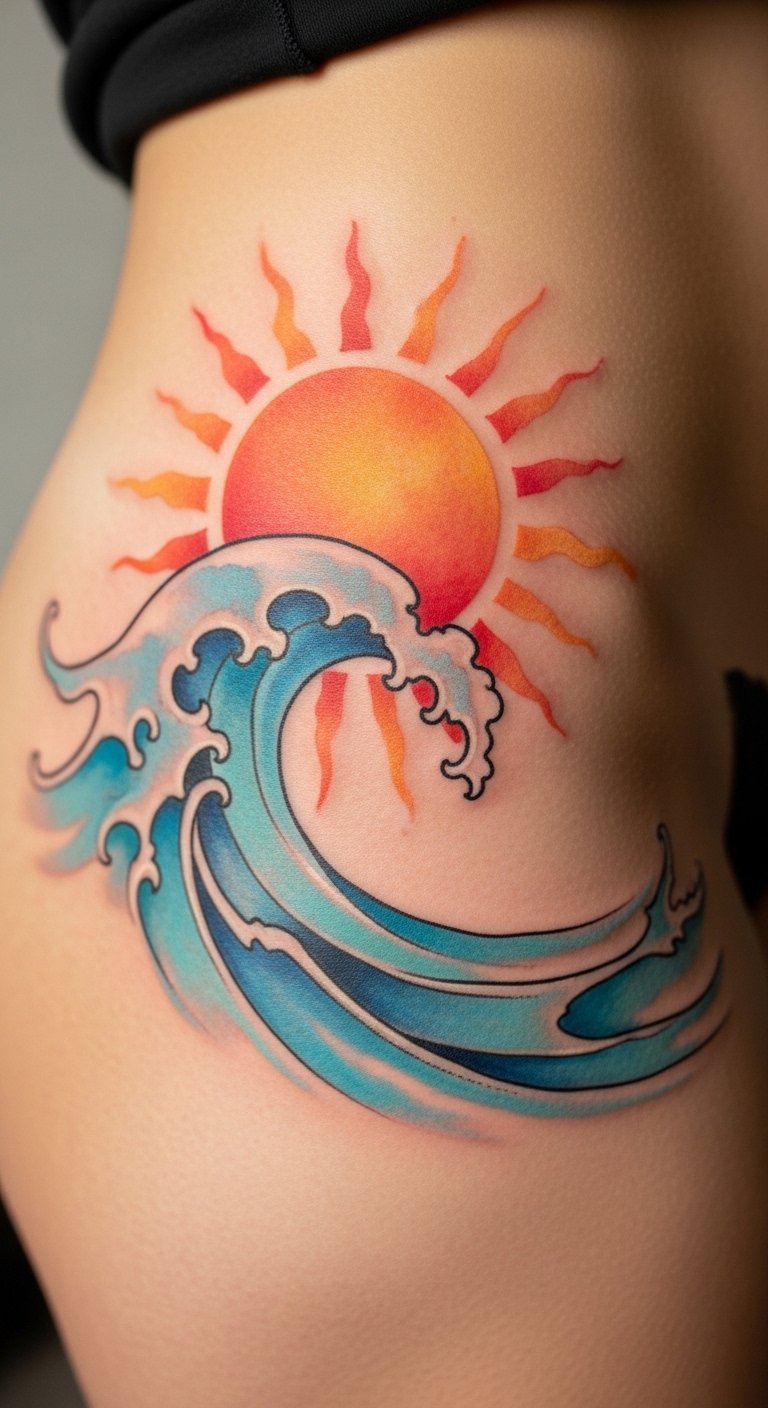
Hip skin can be tender and stretch during movement. Colors settle nicely if you avoid overworking. Ask for reference healed pieces on similar skin tones. Avoid ultra-pale fills which often disappear.
Watercolor Minimal Line Mountains on Ankle
Style/Technique: Watercolor / Minimalist + Line
Pain Level: High (6/10)
Session Time: 1 hour
Best For: Small travel-inspired piece

Ankle hurts more due to thin skin. Keep the piece small. Watercolor washes need solid line anchors to avoid bleeding. Expect faster fading; sunscreen helps.
Watercolor Peony on Upper Thigh
Style/Technique: Watercolor / Neo-Traditional Touch
Pain Level: Low (3/10)
Session Time: 2–3 hours
Best For: Flattering, coverable
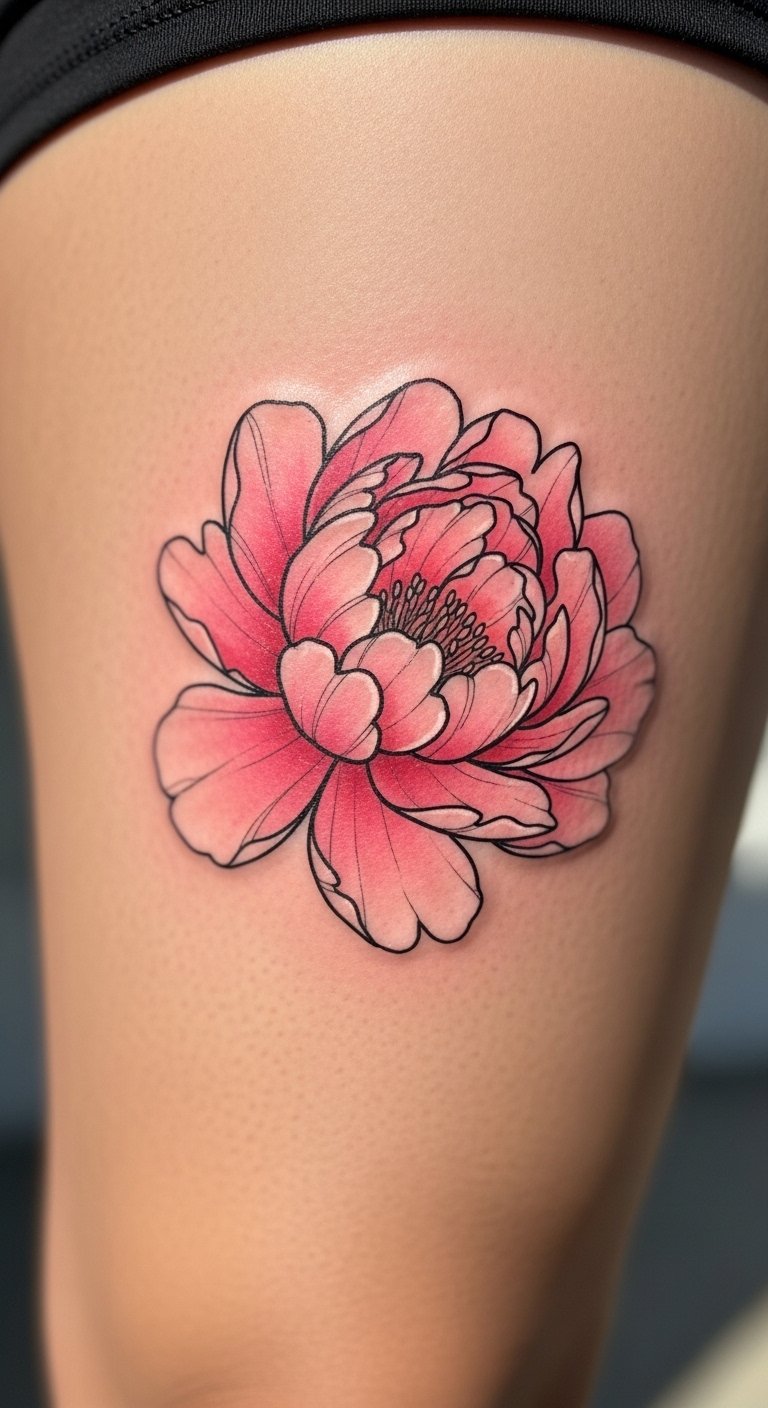
Thigh is forgiving and great for saturated washes. It heals nicely with minimal friction. Watercolor peonies look painterly and age well if shaded with midtones. Avoid too many tiny dots inside petals.
Watercolor Abstract Forearm Band
Style/Technique: Watercolor / Abstract Band
Pain Level: Medium (3-4/10)
Session Time: 1–2 hours
Best For: Bold, repeatable motif
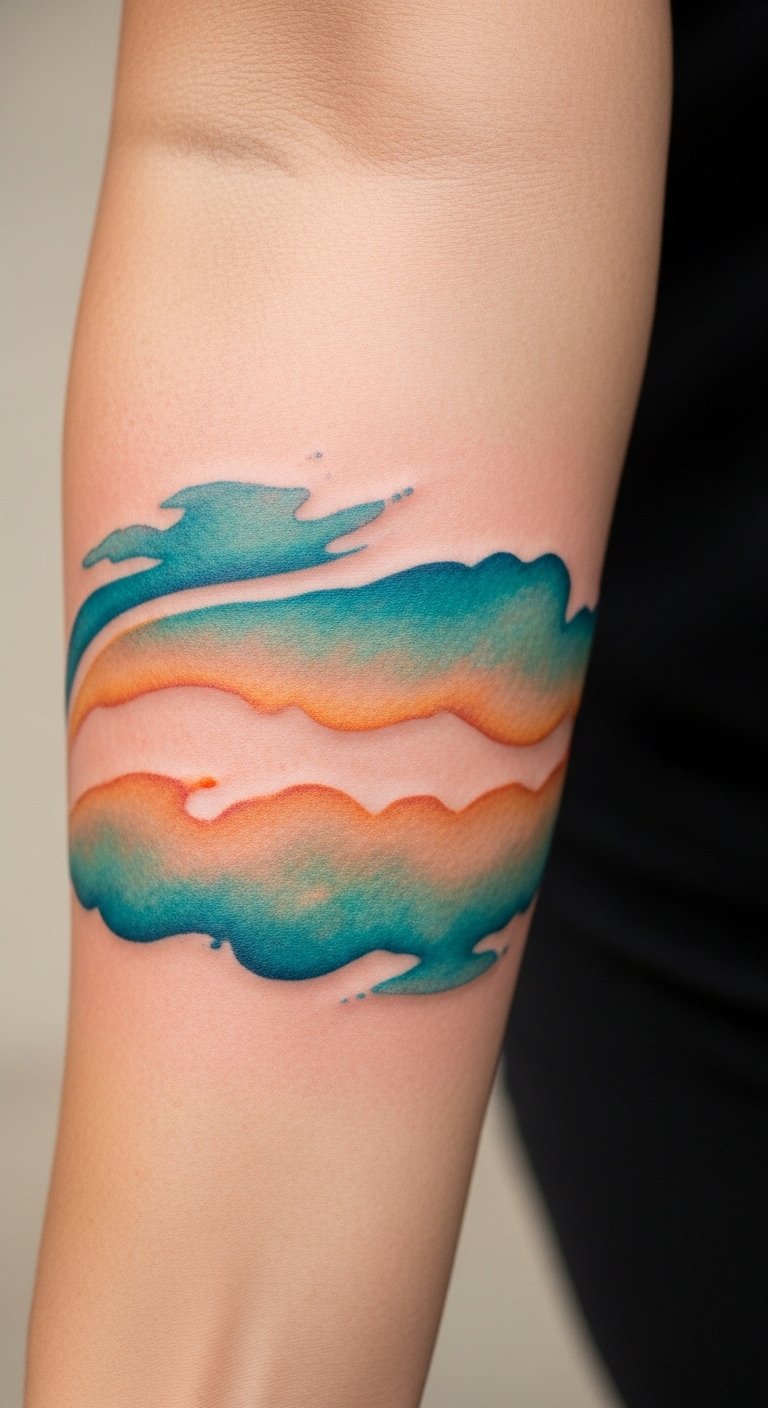
Bands flow with the arm. Forearm is low pain and easy to maintain. Pure wash bands need negative space to keep definition. Ask for healed examples of similar bands.
Watercolor Jellyfish on Side Rib
Style/Technique: Watercolor / Flowing Linework
Pain Level: High (7/10)
Session Time: 1–2 hours
Best For: Organic motion, hidden when wanted

Rib placement is sensitive but stunning. The flowing tentacles pair well with soft washes. Expect tenderness when breathing deeply during sessions. Choose pigments that keep some opacity to avoid disappearing.
Watercolor Pine Tree Silhouette on Upper Back
Style/Technique: Watercolor / Silhouette Contrast
Pain Level: Low (3/10)
Session Time: 1–2 hours
Best For: Timeless nature piece

Silhouettes with watercolor backgrounds age well—the strong dark shape holds while washes soften. Upper back is forgiving. Avoid tiny branch detail that blurs; favor bold silhouette lines.
Watercolor Map Fragment on Ribcage
Style/Technique: Watercolor / Cartographic Accent
Pain Level: High (7/10)
Session Time: 1–2 hours
Best For: Travel memory, personal meaning

Maps with watercolor backgrounds read like keepsakes. Keep coastlines slightly bolder to survive healing. Placement is intimate and meaningful.
Watercolor Peacock Tail on Lower Back
Style/Technique: Watercolor / Decorative Plume
Pain Level: Medium (4-5/10)
Session Time: 2–3 hours
Best For: Decorative curve, statement

Lower back offers a broad canvas. Colors fare well with occasional sun protection. Make sure feathers have contrast; too-soft fills can blur into one tone.
Watercolor Koi Fish on Calf
Style/Technique: Watercolor / Japanese-Inspired
Pain Level: Low-Medium (3-4/10)
Session Time: 2–3 hours
Best For: Flowing motion, visible in shorts

Koi with watercolor splashes look dynamic. Calf heals reliably. Avoid isolated pale yellow highlights; choose richer oranges.
Watercolor Constellation on Sternum
Style/Technique: Watercolor / Micro + Dotwork
Pain Level: High (7-8/10)
Session Time: 1–2 hours
Best For: Intimate, symbolic piece

Sternum is painful but striking. White highlights fade faster—expect subtlety over brightness. Dot anchors help keep star placements readable.
Watercolor Orchid Behind Shoulder
Style/Technique: Watercolor / Botanical
Pain Level: Medium (4/10)
Session Time: 1–2 hours
Best For: Feminine, elegant placement

This placement is popular and ages gracefully. Colors hold if you avoid over-thinning pigment. Ask for healed images to see true color.
Watercolor Geometric + Wash on Sternum to Chest
Style/Technique: Watercolor / Geometric Contrast
Pain Level: High (7/10)
Session Time: Multiple sessions
Best For: Modern, structured-dreamy mix
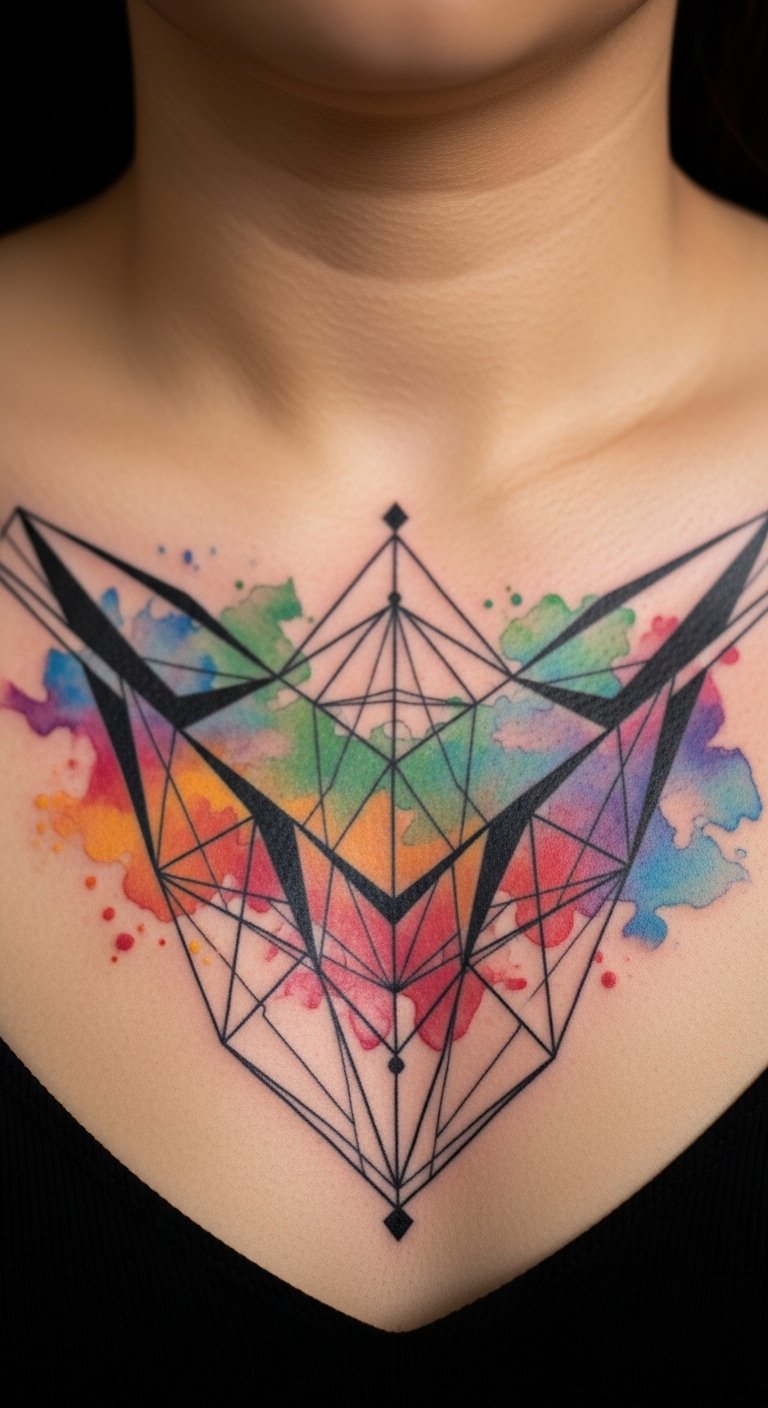
Mixing bold geometry with watercolor wash gives longevity—black shapes keep structure while washes soften. Expect longer healing near bones. Avoid overly intricate geometry that loses clarity.
Watercolor Crescent Galaxy on Inner Bicep
Style/Technique: Watercolor / Celestial
Pain Level: Medium (4/10)
Session Time: 1–2 hours
Best For: Visible when flexed, personal placement

Inner bicep is tender but sheltered. Galaxy washes show motion. Keep washes controlled to avoid spreading into surrounding skin.
Tattoo Prep and Aftercare Essentials
Aftercare Essentials:
- Aquaphor Healing Ointment, 14oz tube — Recommended for first 3–5 days
- Saniderm Transparent Adhesive Bandage, 6-inch roll — Second-skin method for early healing
- CeraVe Fragrance-Free Moisturizing Lotion — Daily moisturizer after initial ointment
- Dr. Bronner's Unscented Castile Soap — Gentle wash for first 2 weeks
- Mad Rabbit Tattoo Balm — Long-term balm to keep colors vibrant
- Hustle Butter Deluxe — Vegan aftercare option
- SPF 50 Sunscreen Stick for Tattoos — Daily protection to prevent fading
- Hydrocolloid Bandages for Small Tattoos — For spot protection
- Tattoo Numbing Cream with 5% Lidocaine — Ask artist before use, for sensitive placements
- Saniderm Tattoo Bandage Starter Kit — Popular starter option
- Microfiber Pillowcase for Sleeping During Healing — Reduce friction while sleeping
- Tattoo Aftercare Kit (Assorted) — For a complete starter set
Before your appointment:
- Tattoo stencil transfer paper — If experimenting with placement at home
Long-term maintenance:
Frequently Asked Questions
Q: How bad does a watercolor tattoo hurt?
A: Pain depends on placement. Outer arm/thigh = 2–4/10. Ribs/ankle/sternum = 7–8/10. Watercolor designs often use less heavy blackwork, but washes can require repeated passes. For sensitive spots try numbing cream with 5% lidocaine (ask your artist first).
Q: How do watercolor tattoos hold up long-term?
A: Colors fade faster without contrast anchors. Black or dark linework helps a watercolor piece remain readable. Daily SPF 50 sunscreen is the single best habit to prevent fading.
Q: How long to heal and what to expect?
A: Surface healing 2–3 weeks; full settle 2–3 months. Expect peeling and dull color early. Use Aquaphor first days, then switch to fragrance-free lotion.
Q: Can I get a watercolor tattoo over older ink or scars?
A: Watercolor cover-ups can work, but they need smart contrast and possibly layered sessions. Scars take ink differently; healed examples from the artist are essential.
Q: Are certain colors worse for fading?
A: Yellow and pale pastels fade faster. Deep blues, teals, and indigo hold longer. Black and dark neutrals age best.
Q: Do tattoos look different on darker skin tones?
A: Yes. Subtle pastel washes can be muted. High-contrast washes and darker pigments translate better. Ask to see healed work on similar skin tones.
Q: Can I exercise after getting a watercolor tattoo?
A: Wait 48–72 hours minimum. For flex areas or large washes, wait longer to avoid excessive sweat and friction. Keep the area clean and dry during early healing.
Conclusion
Start with one clear idea and a short consultation. I always ask to see healed pieces similar to my skin tone and placement. Protect your piece with Aquaphor early and sunscreen long-term. Which watercolor vibe are you leaning toward?
Sources:
- Statista — share of people with tattoos in the U.S. (survey data): https://www.statista.com/statistics/378350/share-of-people-with-tattoos-us/
- American Academy of Dermatology — tattoos and sun exposure guidance: https://www.aad.org/public/everyday-care/skin-care-seasons/sun/tattoos-sun