

Someone I know spent months scrolling portfolios before realizing the real problem was not finding a pretty tree. It was picking a style that actually holds up on her skin. I have spent time in five shops across Brooklyn and seen fine line pieces age differently than bold blackwork. Read on for ten tree tattoo ideas, why each one works for certain bodies, and what to say at your consult to get the result you want.
1. Minimalist interconnected roots outline on the wrist
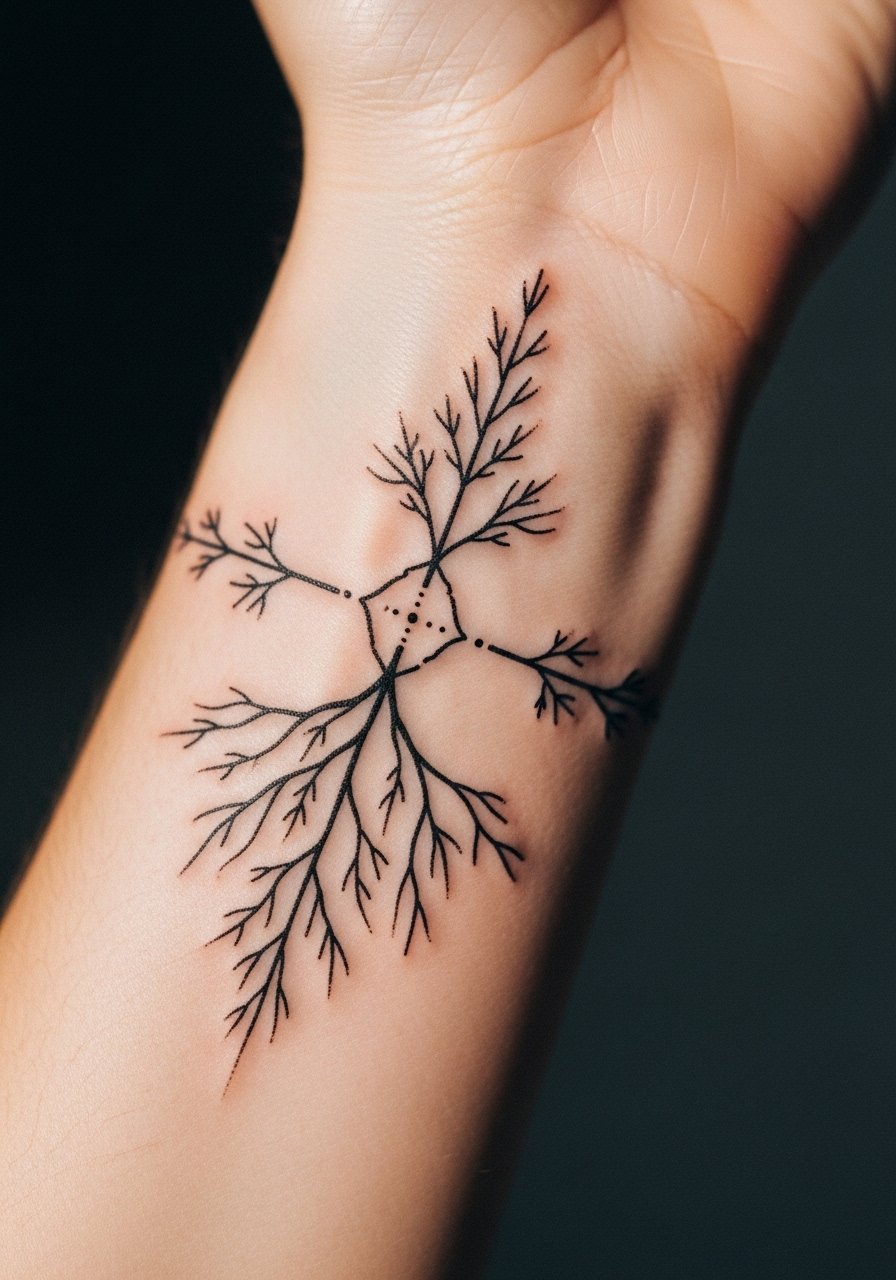
Someone I know picked a tiny roots outline because she wanted something discreet that still read as family lineage. Ask your artist for slightly heavier linework than a hairline so the negative space between roots holds up. This placement is a low pain zone and usually fits in a single short session. The common mistake is asking for ultra-micro detail that fills less than two inches, which blurs after a year. Expect touch-ups around year two if you want the lines crisp, and mention you sleep on your side so the artist can plan spacing to avoid early rubbing from bracelets or watches.
2. Fine line willow branch on the inner forearm
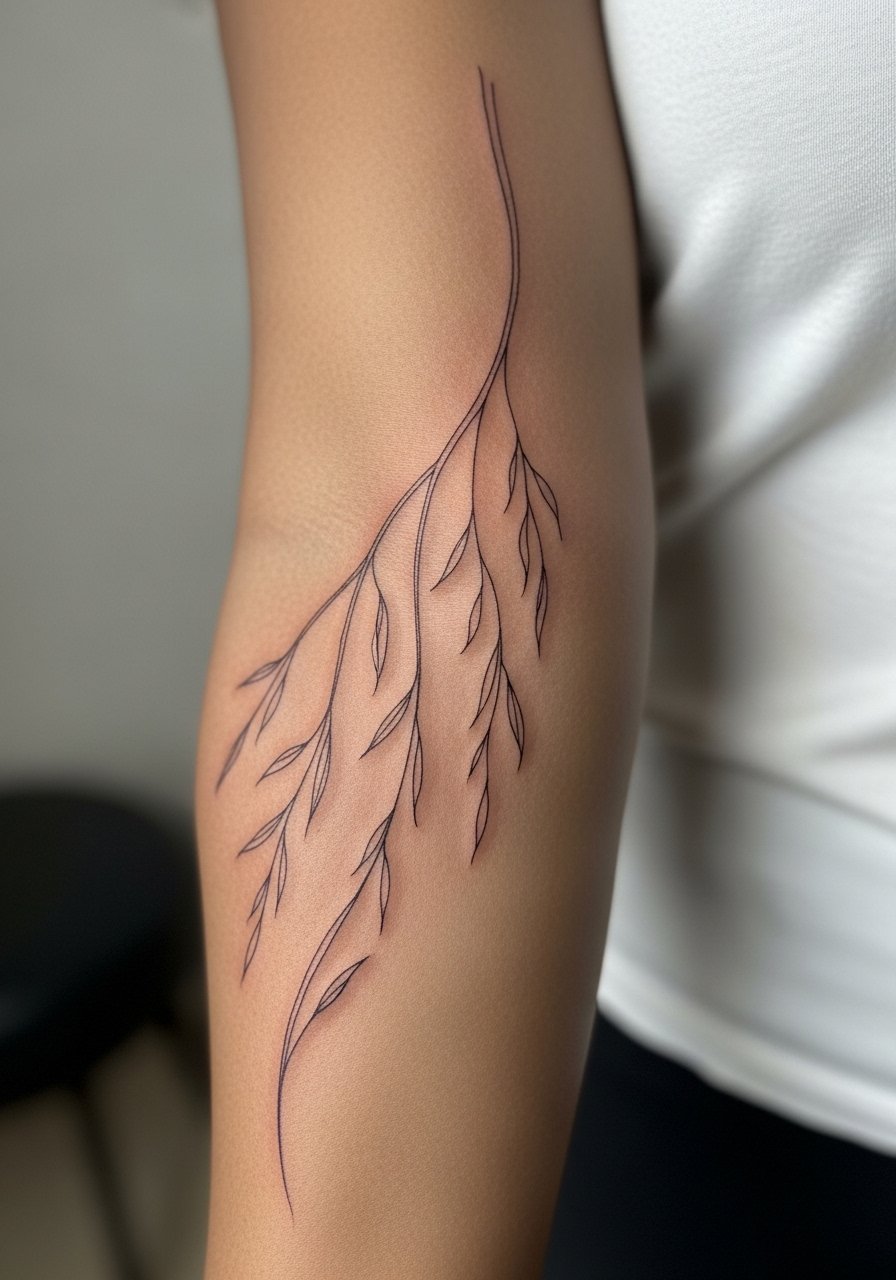
When I tell people about willow branches I call out the two camps on fine line durability. One group says fine line blurs quickly on moving skin and needs yearly touch-ups. The other group argues that with proper spacing and depth the lines settle cleanly for years. Ask your artist where they stand and bring multiple reference photos that show exact line weight. This placement has low to moderate pain and usually two short sessions. A mistake I see is packing too many tiny twigs into a small area. Keep the composition airy so the silhouette reads from a distance and the detail survives at six months and at two years.
3. Blackwork oak tree with roots on the thigh

Fair warning, the thigh is forgiving for large blackwork but it changes if your body does. I have seen this design age well because bold saturation resists fading and photographs better on darker tones. Tell your artist you want heavy saturation and distinct negative space around the roots so shading does not muddy. Sessions are longer, often two appointments. A common error is making the trunk too narrow for the planned size. Expect lower blowout risk than on thin-skinned areas, but if you plan significant weight change ask about placement shifts so branches do not distort after weight loss.
4. Watercolor cherry blossom tree on the shoulder blade
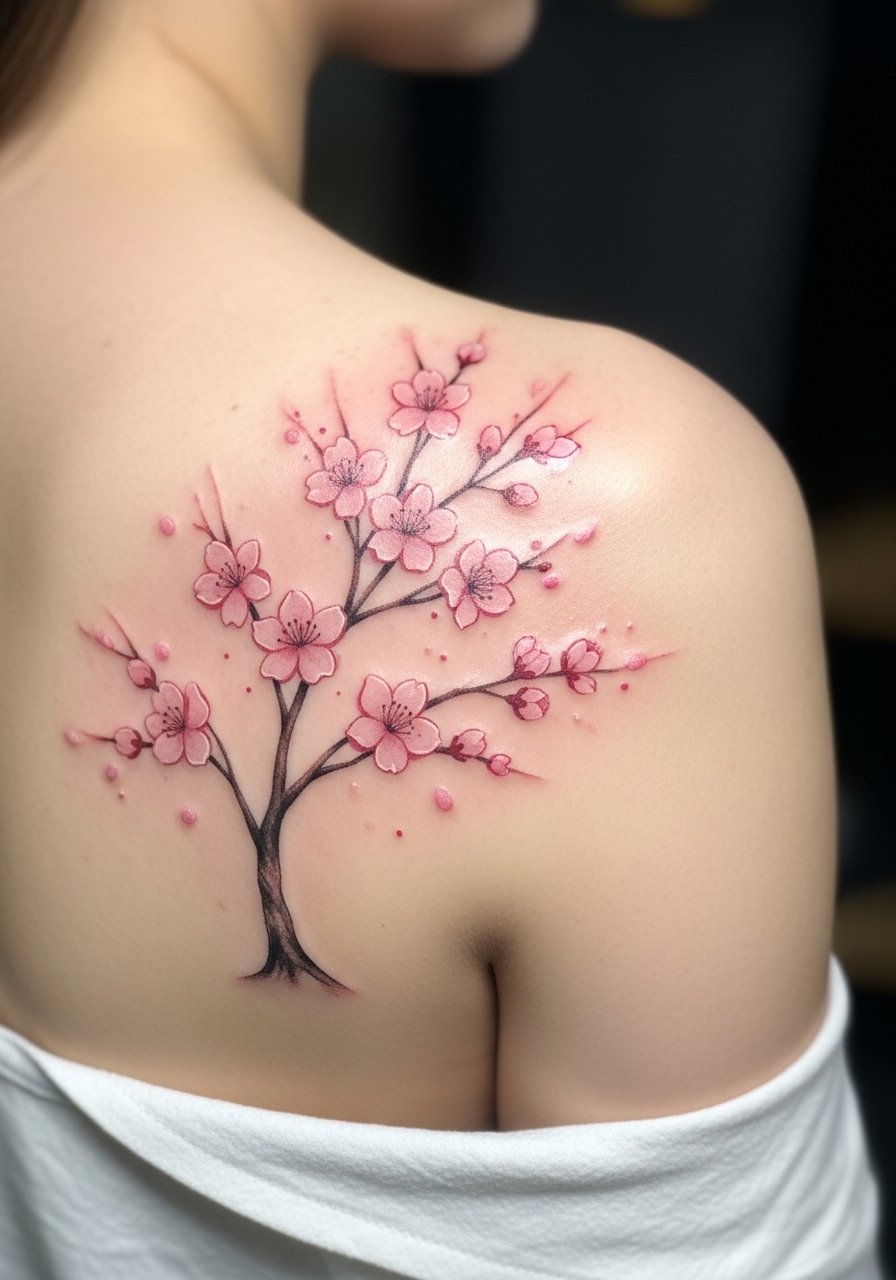
Most watercolor pieces from years ago faded into patchy color because artists overloaded thin washes without strong anchors. This version holds up when the blossoms sit atop defined black or gray branch outlines. The shoulder blade is moderate pain and usually needs one to two sessions. A common mistake is asking for full saturation across a tiny area. Request blossoms as accents rather than full coverage so the color reads longer. Sun exposure is the main enemy here, so plan for sunscreen when the area is uncovered.
5. Neo-traditional maple in fall on the upper arm

There is a certain visual impact when strong outlines meet painterly color, and the upper arm gives the artist room to tell that seasonal story. Bring palette samples and say whether you prefer color or a black and gray alternative. Sessions often span two to three appointments. The usual mistake is scaling a complex leaf pattern too small which causes early loss of leaf detail. On darker skin, ask for higher contrast in leaf veins and slightly thicker outlines so colors read clearly in photos.
6. Micro-realism lone pine silhouette on the collarbone

When you want wilderness vibes without a sleeve, micro-realism on the collarbone reads very personal but needs careful depth control. Tell your artist you want a small silhouette with layered gray washes and a sharp outer contour. Pain is moderate because the collarbone sits close to bone and one session usually covers it. A typical mistake is cramming too many trees into a tiny space which flattens the illusion. Expect fine shading to soften by two years and plan a touch-up if you want the original contrast restored.
7. Ornamental Celtic tree knot on the back or calf
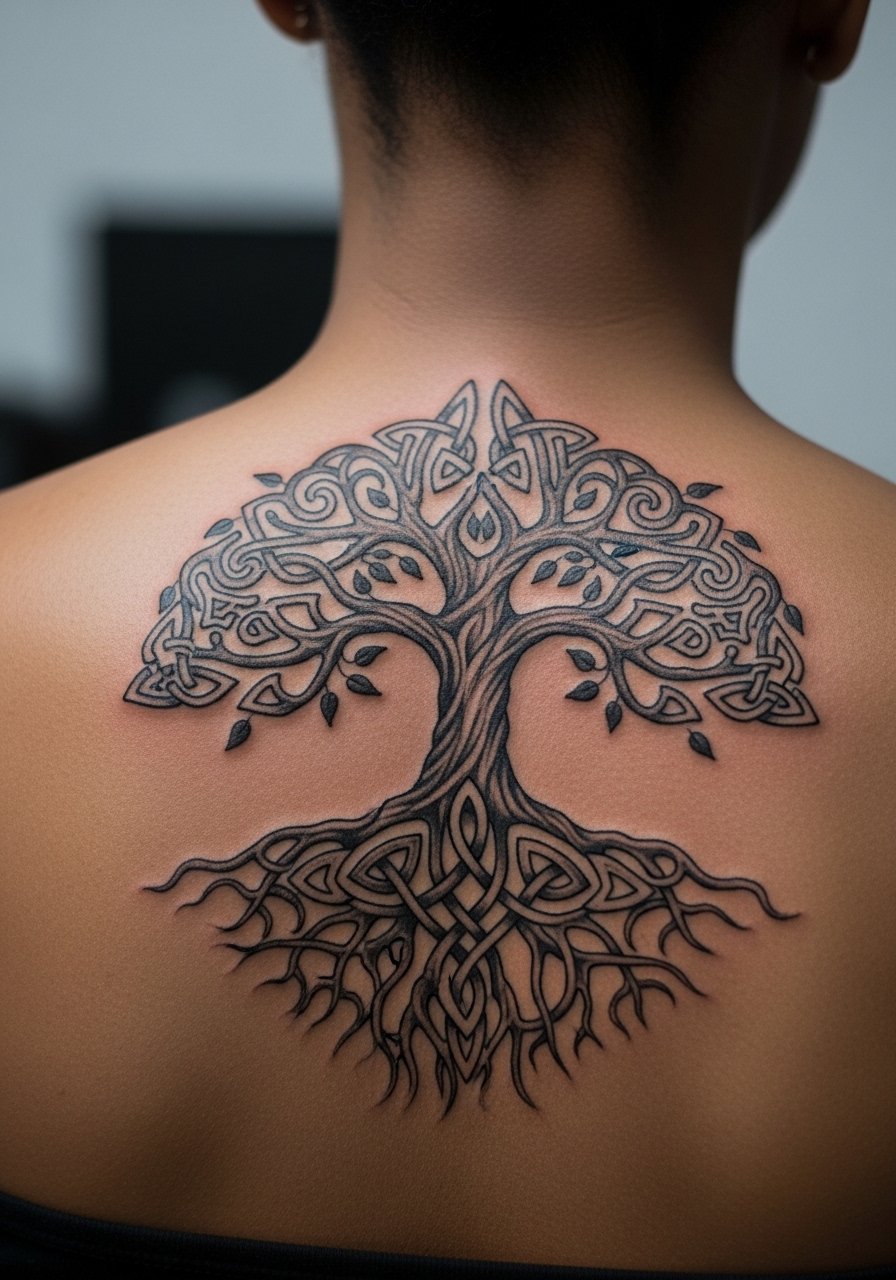
When a design traces to a cultural tradition it is respectful to acknowledge origin. This knotwork links to Celtic motifs, so some people choose slight personal variations rather than a direct historic replica. Ask your artist about their experience with knotwork and request clear diagrams of knot crossings before the stencil is applied. This piece usually takes two sessions and favors larger canvas areas like the back or calf. The mistake I often see is attempting an ornate knot too small, which reads as a blotch after healing. Plan for a touch-up window around year two to reinstate crisp intersections.
8. Ignorant style bare tree sketch on the ankle or finger

The biggest mistake with ignorant style is putting it on a finger or other high-abrasion spot and expecting longevity. Fingers and hands require a specialized approach and artists who do them often charge for extra sessions. If you choose the ankle the piece can look intentionally raw and last longer. Expect low session time for small pieces and a higher fade rate on fingers. Hand and finger work also carry professional considerations so think about visibility before booking. When you consult, say you want the sketch to read deliberately imperfect and ask about a yearly touch-up plan.
9. Traditional Japanese bonsai tree across the forearm
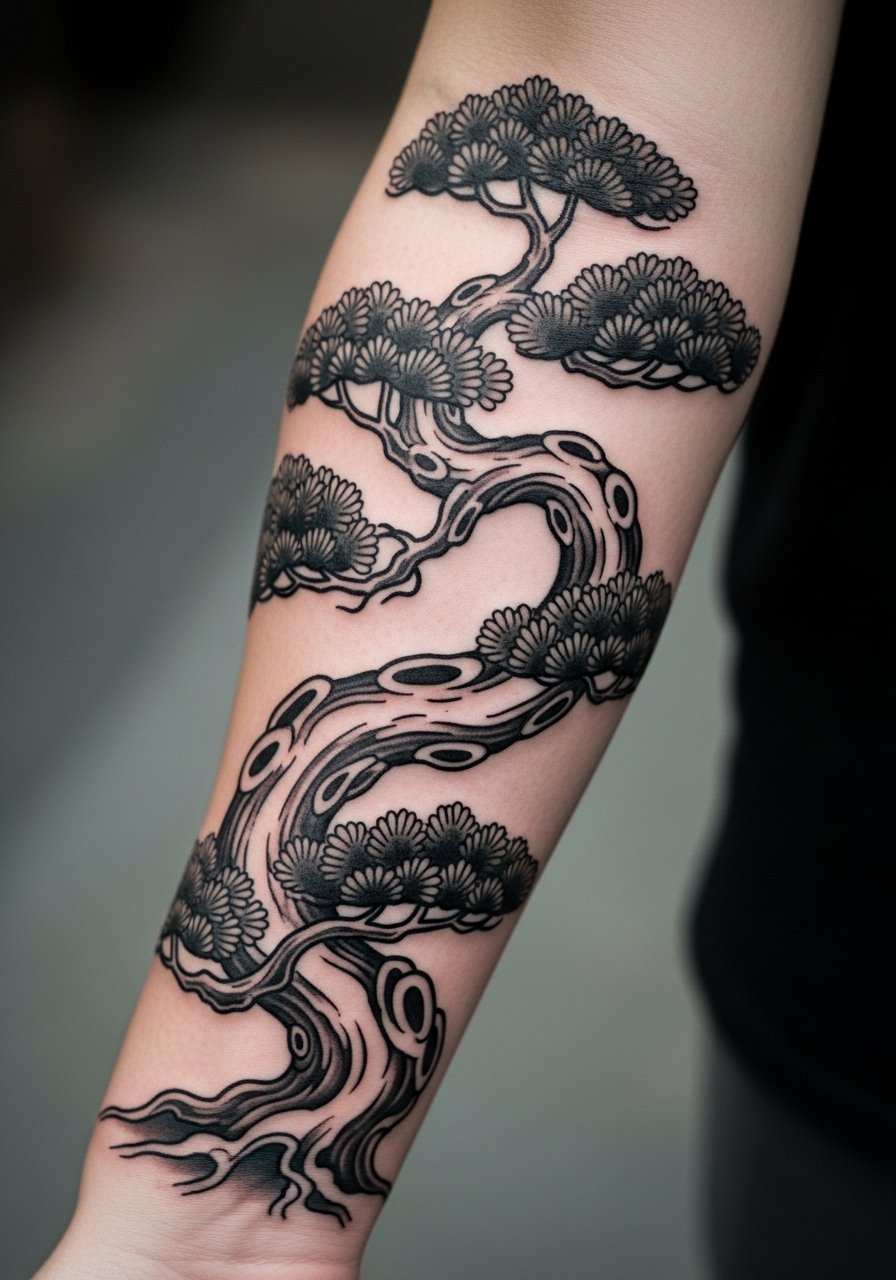
I bring this one up for anyone who wants balance and narrative in a long, visible piece. This style uses controlled outlines and layered saturation to keep color readable over time. Sessions are longer and can span three to five appointments for full forearm coverage. A common error is treating bonsai as a small flash piece instead of allowing it the negative space it needs. If you care about cultural context, mention the traditional lineage and ask the artist how they interpret that visually. Forearm skin holds pigment well but sun protection matters for long-term saturation.
10. Fine line family tree silhouette behind the ear or on the wrist
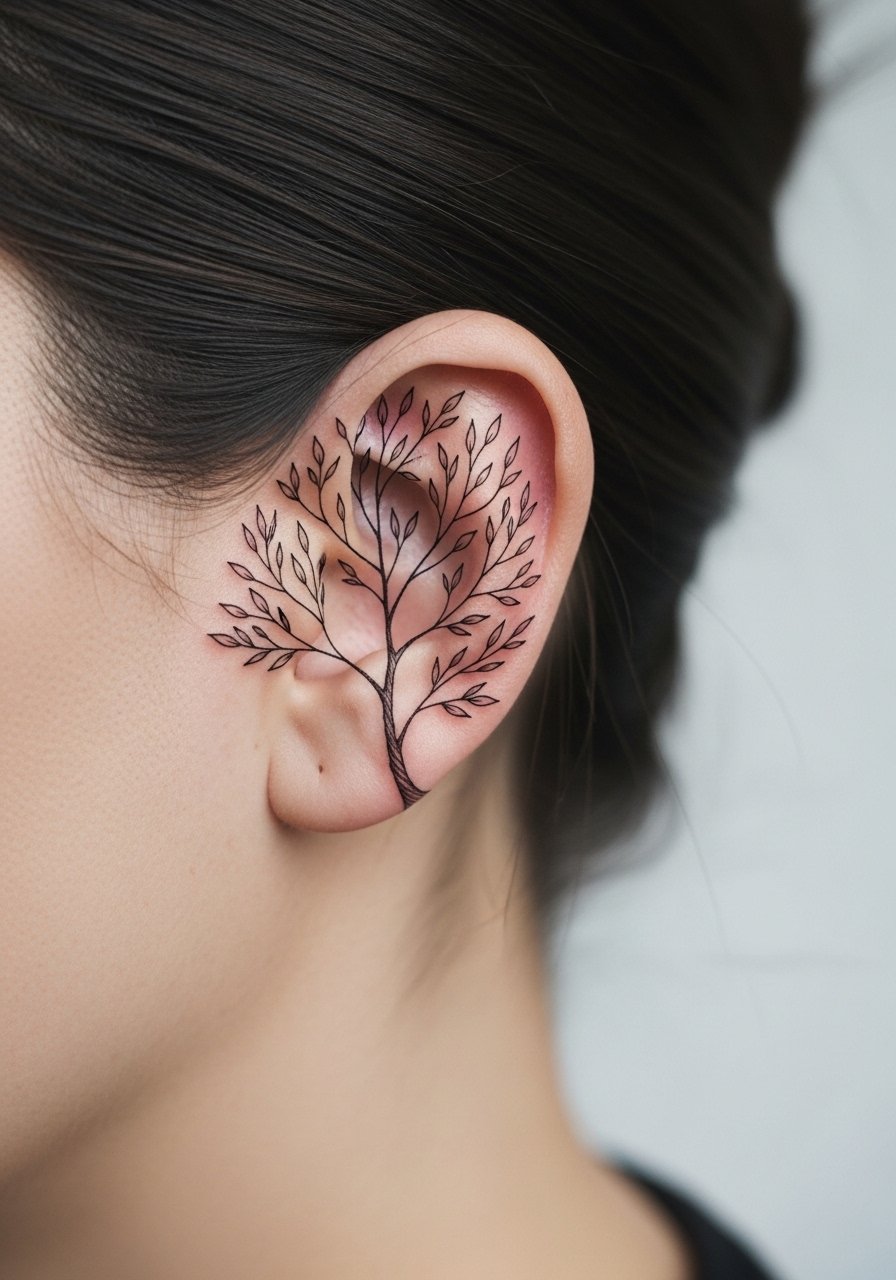
When people want a lineage nod that stays subtle they often ask for a micro family tree behind the ear. Fair warning, the behind-the-ear area and wrist both move and rub, so fine line work needs a bit of breathing room. Tell your artist which branches should be most visible and whether you want initials or tiny symbols integrated. Session time is short but expect touch-ups sooner than on thicker-skinned areas. The mistake is requesting names in fonts too small for the chosen placement. Plan realistic spacing so the silhouette remains legible after a year.
Tattoo Prep and Aftercare Essentials
When your appointment is on the books, having the right prep items and aftercare staples makes healing smoother. Below are items grouped by when to use them and why they matter. I include practical descriptors rather than relying on brand hype so you can find comparable options easily.
Healing and aftercare essentials
Fragrance-free healing balm. Use a thin layer during the initial week if your artist recommends an ointment phase. It soothes without added scents that can irritate.
Medical-grade occlusive bandage, second skin roll. Helpful for active lifestyles or when your piece sits where clothing rubs. Follow your artist's timing if you choose a barrier dressing.
Gentle pH-balanced foam cleanser. Use for the daily clean rinse during the first two weeks. Avoid scrubs and exfoliants.
Pre-appointment prep
Lightweight fragrance-free moisturizer for a week before. Hydrated skin takes ink more predictably than dehydrated skin.
Antibacterial hand soap for the person cleaning your tattoo. Keeps the area cleaner during early aftercare.
Long-term maintenance
Broad-spectrum sunscreens stick or lotion for tattoos. Sunscreen protects color and saturation when areas are exposed.
Silicone scar treatment sheets. Useful if raised scarring develops, apply only after initial healing is complete.
Mainstream option, use sparingly
Saniderm adhesive bandage roll. Some people swear by adhesive dressings for the first 24 to 48 hours while others prefer dry healing. Ask your artist which camp they fall into and follow their timing.
Every tattoo is different. Always follow your artist's specific aftercare instructions. Consult a dermatologist if you have skin concerns or unusual healing issues.
Frequently Asked Questions
Q: Will fine line tree tattoos blur if I get a full sleeve?
A: Fine line on a sleeve can blur faster than bolder work because there is more movement and friction. If you want fine line across a large area ask for intentional spacing, slightly thicker primary contours, and plan for touch-ups after one to three years. Bring sleeve references so the artist can show healed examples.
Q: Do watercolor-style cherry blossom trees need different aftercare than traditional ones?
A: The first two weeks are similar, but watercolor pieces benefit from sun avoidance longer because thin color washes can fade faster. I advise sunscreen after full healing and keeping the area covered where possible for months. If you are outdoors a lot, consider asking for stronger outline anchors so the blossoms read longer.
Q: How does weight change affect a thigh oak tree with roots?
A: Large pieces on the thigh handle normal weight fluctuations well, but significant loss or gain can shift composition and stretch details. If you anticipate body changes place focal elements where skin moves less and discuss future touch-ups with your artist. Planning a slightly larger scale helps maintain the look over time.
Q: Are hand or finger tree sketches worth it for longevity?
A: Hand and finger work fades and blurs faster because of constant friction and washing. If you want that area, seek an artist who specializes in hands and expect periodic touch-ups. Consider ankle or behind-the-ear versions if longevity is a priority.
Q: Which tree tattoo style holds up best on darker skin tones?
A: Bold blackwork and slightly heavier outlines tend to photograph and heal more consistently on darker skin tones. Discuss contrast and line weight with the artist and ask to see healed photos on similar skin tones. A small trial patch or a conservative test area can also give practical insight.
Q: How soon should I book a touch-up for a micro-realism collarbone pine?
A: For micro realism expect to check color and contrast at six to twelve months. Collarbone shading can soften as the skin settles, so a touch-up around the one-year mark is typical if you want the original depth restored. If your piece sits near clothing seams watch for early rubbing and mention that when you book the touch-up.