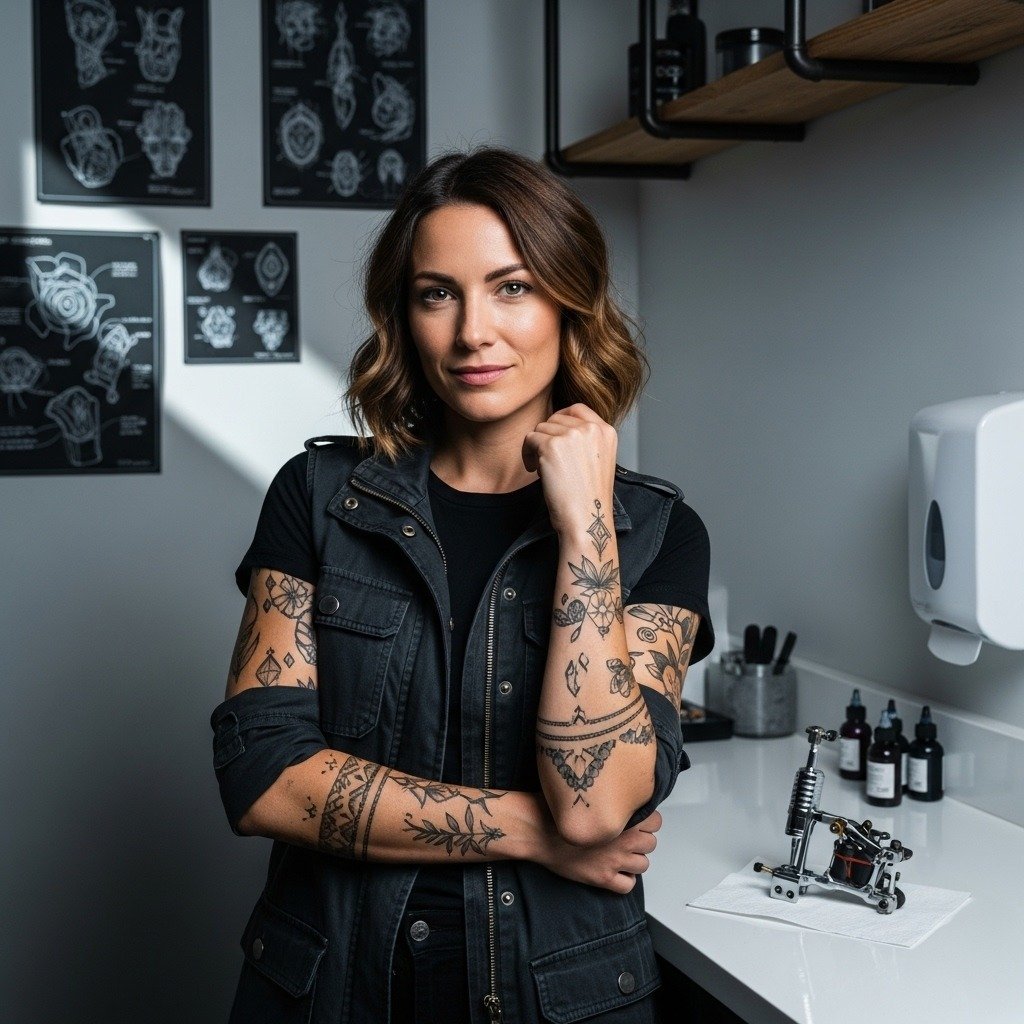

Cover-up inspiration often looks simple online, but real fix work depends on solving the old tattoo's problem, not repeating it at larger scale. The best cover-ups use pockets of deep shadow, layered texture, and a composition that absorbs old lines. Read these practical ideas with placement notes, what to bring to the consult, and realistic aging cues so the new piece reads intentional instead of corrective.
1. Blackwork Geometric Panel on the Inner Forearm

A geometric blackwork panel is a reliable option when the old ink is dense and linework has bled. The heavy black fills bury old lines, while repeating patterns break up recognizable shapes. Bring a mapped tracing of the old tattoo to your consult and ask the artist to sketch the pattern so it aligns with the old lines. Common mistake is going too small. If the original was saturated, scale up so negative spaces become part of the design rather than awkward gaps. Expect a two to three hour session and plan for a touch-up at six months. For showing the finished piece, half-rolled sleeves pair well with the forearm placement, so wear a half-rolled Oxford shirt when you want it visible.
2. Neo-Traditional Rose Panel for Outer Arm

Neo-traditional roses work because petals and shadow cavities give artists places to mask old lines without awkward patches. For faded script or small symbols, a dense center with layered petals around it often hides letters best. During the consult, request a scale mockup showing petal overlap against the old ink so you can see where the dark anchors will sit. A common aging error is overly fine highlight lines inside petals; ask for bolder linework inside the darkest areas to preserve contrast. Outer arm sessions feel moderate on pain and usually fit in a two to three hour block. To show the new roses, try a rolled-sleeve tee that frames the bicep.
3. Dark-Centered Sunflower for Forearm or Wrist

A dark-centered floral gives artists a pre-built hiding spot for saturated ink. If the old mark is script or a small symbol, bury the lines inside the sunflower core and use petal layers to distract from edges. Specific consult item: have the artist draw where the old ink will land inside the center so you can confirm coverage without oversizing. Small petals with too-fine highlights age poorly around the wrist because of frequent washing and friction. Expect a shorter session, often under two hours for a wrist or lower forearm piece, and plan to avoid bracelets on that wrist during healing. When you want to show it off, pair the forearm with a minimalist watch on the opposite wrist.
4. Fine Illustrative Floral for Small Wrist Cover-Ups
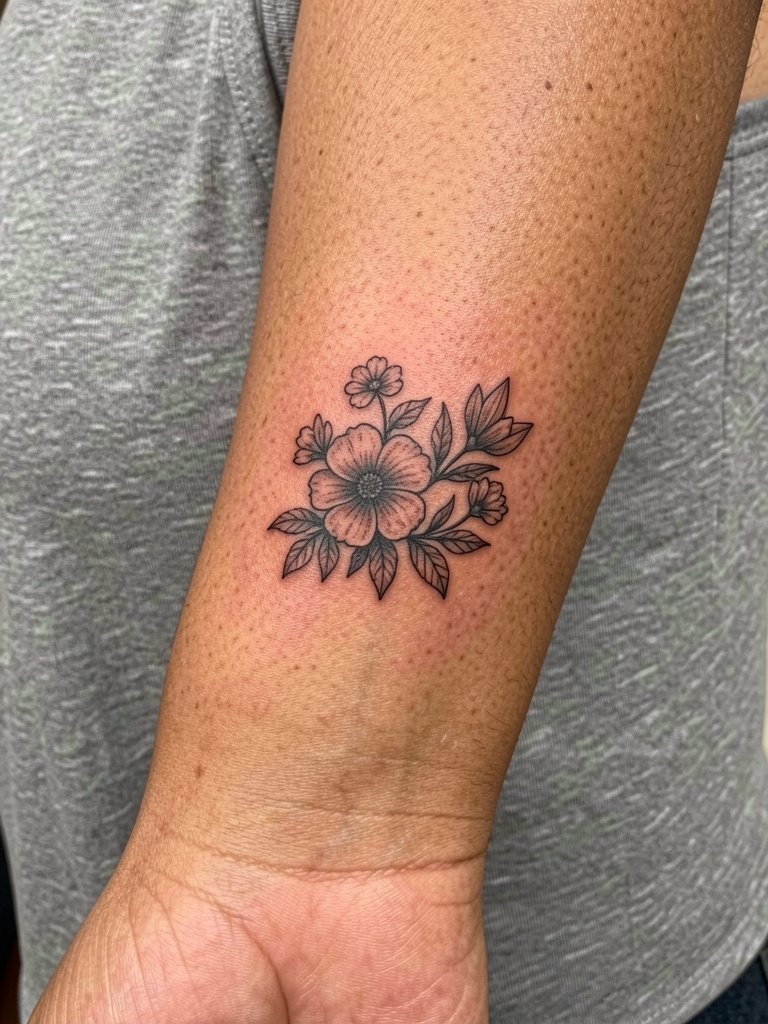
Small wrist cover-ups are one of the few places florals can work without turning into oversized patches. The trick is to keep center darkness high and avoid thin micro-details that the wrist will blur. Tell the artist you want the darkest values concentrated centrally, and show a reference at the actual scale you plan to wear. A common mistake is asking for tiny filigree that disappears after six months. Session time is usually under 90 minutes, but the wrist sees more fading so expect a touch-up window within a year. For visibility, wear a dainty chain bracelet on the opposite wrist for balance.
5. Animal Portrait with Deep Shadow Anchors on the Shoulder Blade
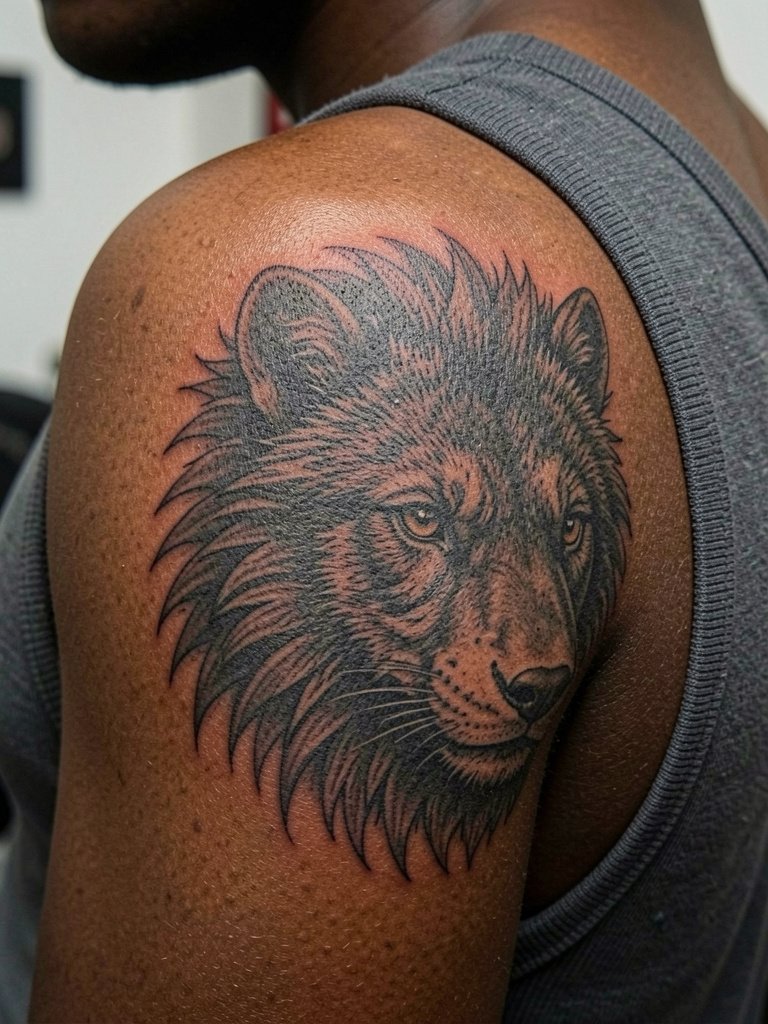
Animal portraits hide old ink with fur texture and a dark focal point, like an eye or shaded muzzle. This style suits shoulder blades because the area gives room for scale and wrap. At the consult, request a grayscale mockup showing where the darkest fur or feather will overlap the old lines. Pain on the shoulder blade is moderate, but the shape of the bone can make sessions longer because artists adjust angle frequently. An error to avoid is asking for too much mid-tone blending when the old tattoo needs solid black anchors instead. For outfits, an easy option is a wide strap tank that frames the shoulder cap.
6. Japanese Wave Panel for Back or Calf

Japanese motion motifs work because the background elements let artists reshape and absorb awkward old edges. These panels are best when the old tattoo is irregular or spread out. Ask the artist for a composition sketch that routes waves and clouds through the old lines so nothing looks forced. Many people underestimate time. These panels usually require multiple sessions for full saturation and shading. Laser fading can speed things up if the old ink is solid black, but it is not always necessary if the new composition uses deep shadow pockets. For showing the piece, open-back tops or dresses frame upper back panels nicely.
Before You Book
The first six ideas above cover both small wrist fixes and larger panel conversions, so a few practical items make the session and the first week less awkward.
- Stencil transfer paper kit. Lets you preview placement on skin before inking, which is useful when routing a wave or rose around the old tattoo shape.
- Topical numbing cream. Applied per product instructions before shoulder or rib sessions can reduce break discomfort for longer sessions.
- Thin protective film roll. Keeps forearm and wrist cover-ups clean during the first week of friction from clothing and hand use.
- Fragrance-free gentle body wash. Cleans the healing area without added perfumes that irritate fresh ink.
- Aquaphor healing ointment. A thin layer in the first 48 hours helps retain moisture while allowing the linework and saturation to settle.
7. Underwater Scene With Layered Coral on the Upper Arm
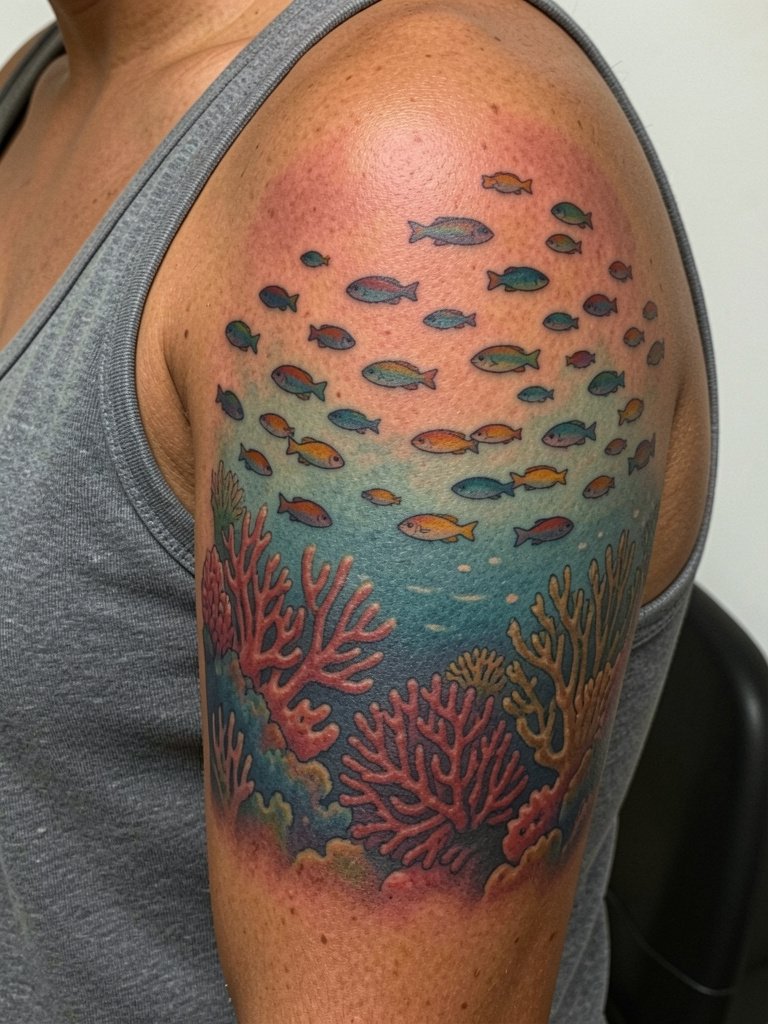
Underwater compositions use chaotic texture and color shifts to disguise awkward old shapes. If the old tattoo has hard edges, ask for overlapping coral and fish that sit across those edges rather than trying to erase them. A session for this is often medium to long depending on color complexity, and saltwater or sun exposure in the healing window speeds fading, so plan wardrobe and sun protection. A common mistake is asking for pastel washes only; pair those with darker anchors so the old lines do not re-emerge. For daytime visibility, a wide strap tank frames the arm without rubbing the area.
8. Botanical Vine Flow for Ribcage
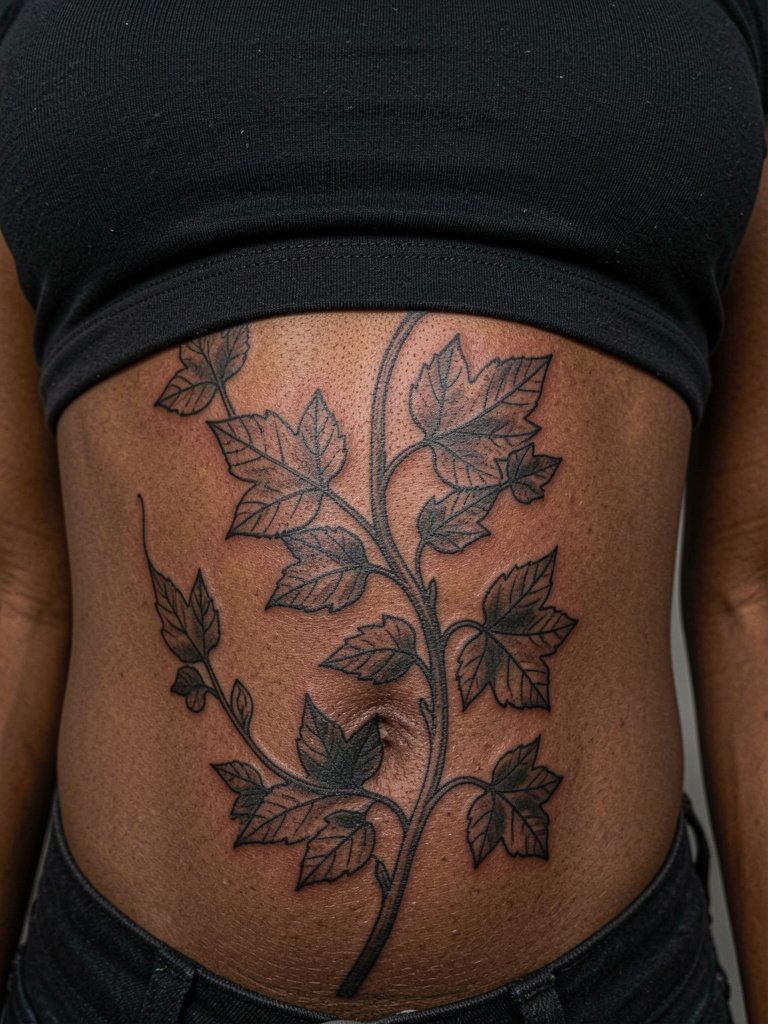
Ribcage work gives artists a long canvas for organic flow, which is ideal for wrapping around lettering or old symbols. The main tradeoff is pain and movement. Expect higher sensitivity and longer breaks. Request slightly wider spacing between parallel vines so breath-related skin stretch does not merge lines over time. The ribcage often needs a two-session approach: blocking in the darkest values first, then refining. A frequent mistake is insisting on single-needle filigree in a high-motion area. For session wear, choose a loose button-front shirt that opens fully.
9. Script Rework Into an Ornamental Band at Collarbone or Ankle

Turning old script into an ornamental band keeps the sentiment but hides problematic letters. The key is to have the artist redraw letterforms so that stems become vine elements and crossbars become leaf accents. Bring the original tattoo and a photo of the new scale so the artist can show how the letters will be absorbed. Many small script reworks fail because artists copy the exact thin spacing. Ask for slightly bolder main strokes where the old ink was darkest. Collarbone pieces pair with a wide V-neck top that frames the band.
10. Skull with Smoke and Floral Frame on the Chest

Skulls provide natural dark hollows that hide old ink well, especially when paired with smoke, petals, or ornamental framing. For chest placements consider how breathing and chest movement affect linework over time. Request a composition where the eye sockets align over the densest parts of the old tattoo. A common error is adding too many fine teeth details that blur with motion. Sessions on the chest can be more painful and may need shorter passes. If the old tattoo is very dense, discuss fading options or larger dark anchors up front so the piece reads as a cohesive chest composition rather than a patch.
11. Blackout Panel Conversion for a Forearm or Sleeve

Blackout is a clear option when the old tattoo is too dense to hide with ornamentation. One camp calls blackout a legitimate aesthetic choice and not merely damage control. The other camp argues blackout is too extreme for many people and should be a last resort only when no artistic cover-up works. If you are considering blackout, confirm how the artist plans to handle texture and sweating so the saturation will be even. Sessions are long and often split across multiple visits. For wardrobe during healing, choose loose shirts that do not rub the forearm.
12. Sunflower or Dark-Center Floral on the Ankle

Ankle coverage needs thought because of high friction and shoe rubbing. A dark center anchors the design while petals soften the edges. Request the artist place the darkest ink away from where shoe collars hit and add a protective buffer of negative space. People often ask for delicate linework at the ankle and then need touch-ups when the lines fade from friction. Session time is short, but healing needs extra care to avoid constant rubbing. For showing the ankle, low-profile sneakers or strappy sandals work well, and a cropped pant helps frame the design.
13. Large Organic Image on the Upper Thigh

Upper thigh pieces let artists scale up and use texture to solve awkward old shapes. The extra canvas means you can convert a cluttered small tattoo into a coherent scene without obvious cropping. Ask for a mockup at actual size so the artist can show how leaf edges will overlap the old lines. A mistake is keeping the same layout and simply enlarging it without rethinking flow. Thigh sessions are moderate in pain and usually done seated, so plan clothing that pulls down easily without pressure during the appointment.
14. Biomechanical or Texture-Heavy Calf Cover-Up

Biomech and heavy texture work on the calf use dense shading and layered plates to hide old outlines. This is a good choice when the previous design has solid shapes that need masking. Ask the artist to place the darkest plates over the most saturated old areas and to reserve negative grooves to create motion. Avoid asking for too many fine dotted transitions that the calf will smooth out over time. Calf sessions are comfortable for many people and fit into mid-length sessions. To show the piece, cropped trousers or a midi skirt frame the area without rubbing.
15. Full-Color Neo-Traditional Back Composition With Heavy Shadows
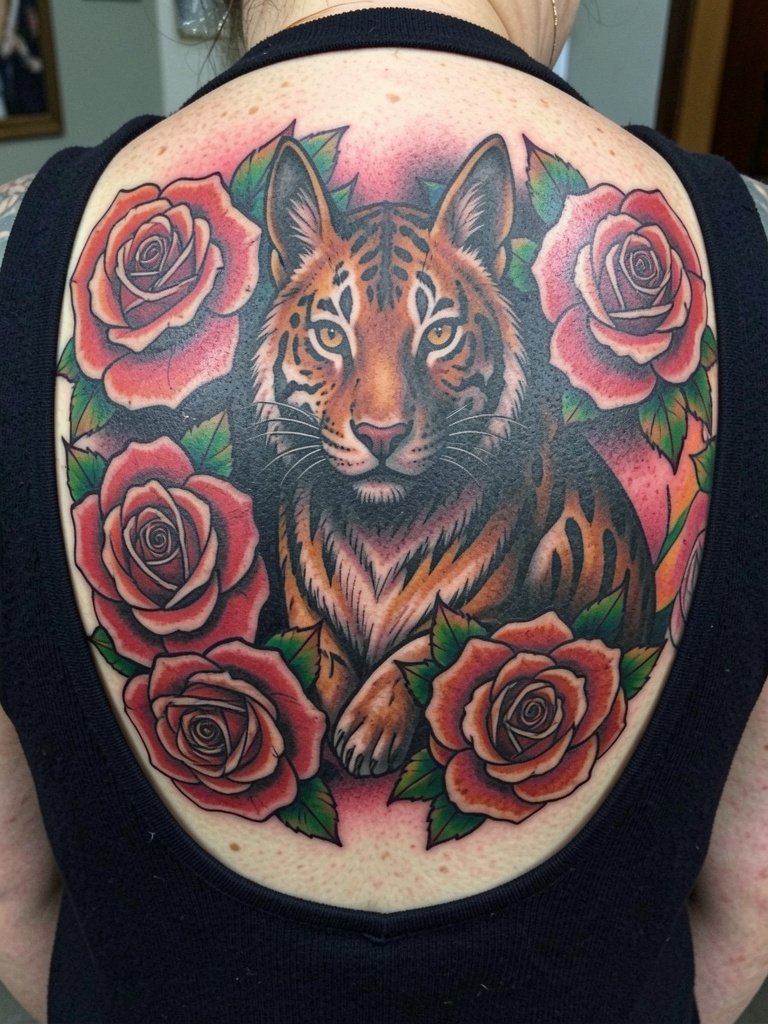
Full-color cover-ups can perform well when saturation is combined with deep shadow anchors. One camp believes black and grey ages more predictably and avoids muddiness over time. The other camp believes that saturated color gives artists more tools to bury old lines because hue variation plus shadows creates stronger visual distraction. For very dense old ink, plan a multi-session schedule and ask the artist to show healed color samples on similar skin tones. Large back pieces need multiple visits for blending, and long-term touch-ups may be part of the plan.
Frequently Asked Questions
Q: How do I know if my tattoo needs laser fading before a cover-up?
A: If the old ink is heavily saturated black or the piece has thick block letters, fading will expand your design options. If the old tattoo is lighter, a skilled artist can often design around it using dark anchors and texture. Bring a clear photo of the healed old tattoo and ask the studio to show healed cover-up examples on similar saturation levels.
Q: Which placements age worst for fine single-needle detail?
A: Wrists, fingers, and high-motion spots like the ribcage and inner thigh blur detail faster. For those areas prefer slightly bolder linework and higher contrast. For wrists, plan a touch-up window at one year and avoid ultra-fine filigree.
Q: Where can I find healed cover-up portfolios and artists near me without naming specific shops?
A: Search social platforms using problem-focused hashtags like #coveruptattoo, #coveruptattoos, #laserfade, and style tags such as #neotraditionaltattoo or #blackworktattoo. Use location filters on Instagram and TikTok, try booking platforms that let you search portfolios, and read Reddit threads for client experiences. Prioritize portfolios that show the old tattoo, the healed follow-up, and placement in the same picture.
Q: What should I wear to a shoulder or back appointment?
A: Wear a loose tank or a button-front shirt that opens fully so the artist has clear access without fabric pressure. For back work consider an open-back top to make removal and redressing easier during long sessions.
Q: How often will I need touch-ups after a cover-up?
A: Expect touch-ups within six months to a year for small placements, and plan on one to two follow-up sessions for larger, color-heavy cover-ups over the first two years. Dark anchors usually hold best, but color may need periodic refresh depending on sun exposure and skin type.