
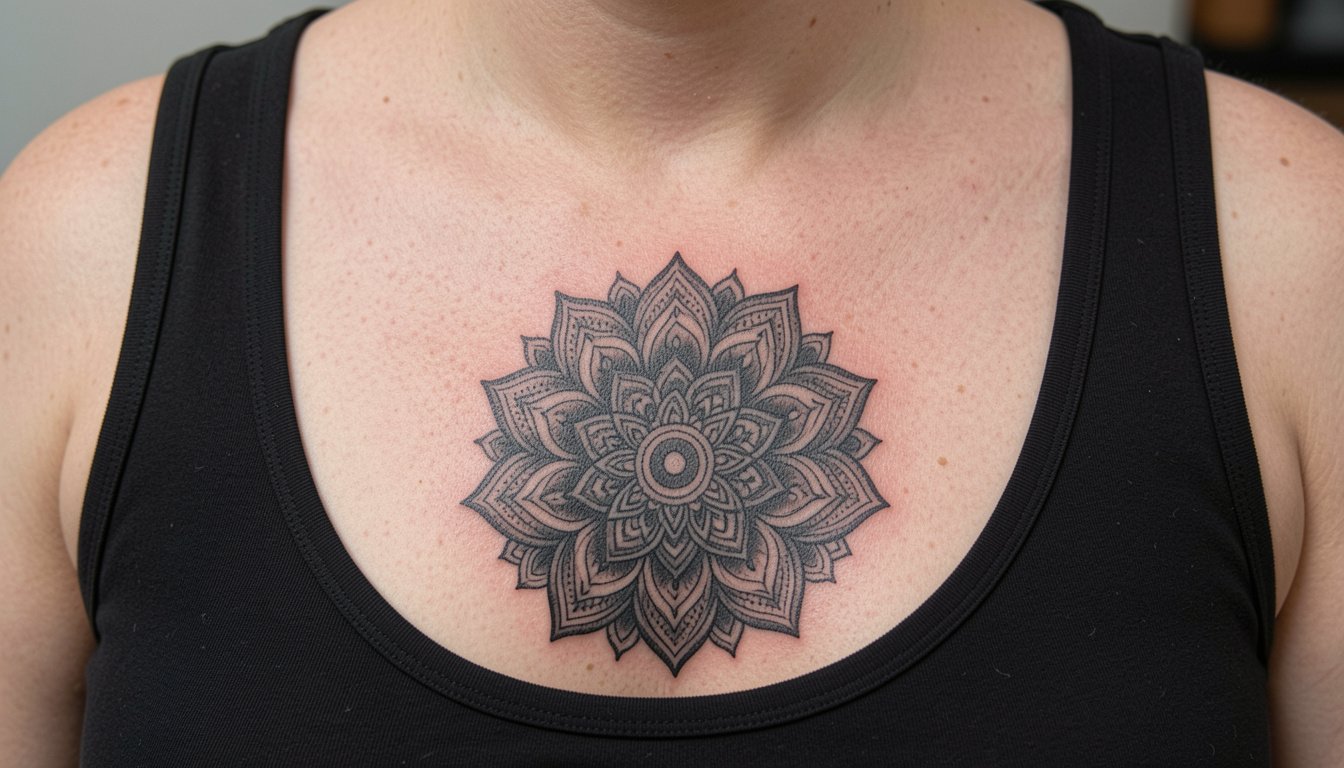
Small symbolic tattoos are doing something new. The designs that still read clean years from now are not always the tiniest, most single-needle pieces on save boards. They are the ones where spacing, linework depth, and placement were chosen with aging in mind. Read these 23 ideas to see how specific styles, wardrobe tips, and realistic session expectations keep a symbol legible and meaningful for the long run.
1. Small Butterfly on the Inner Wrist
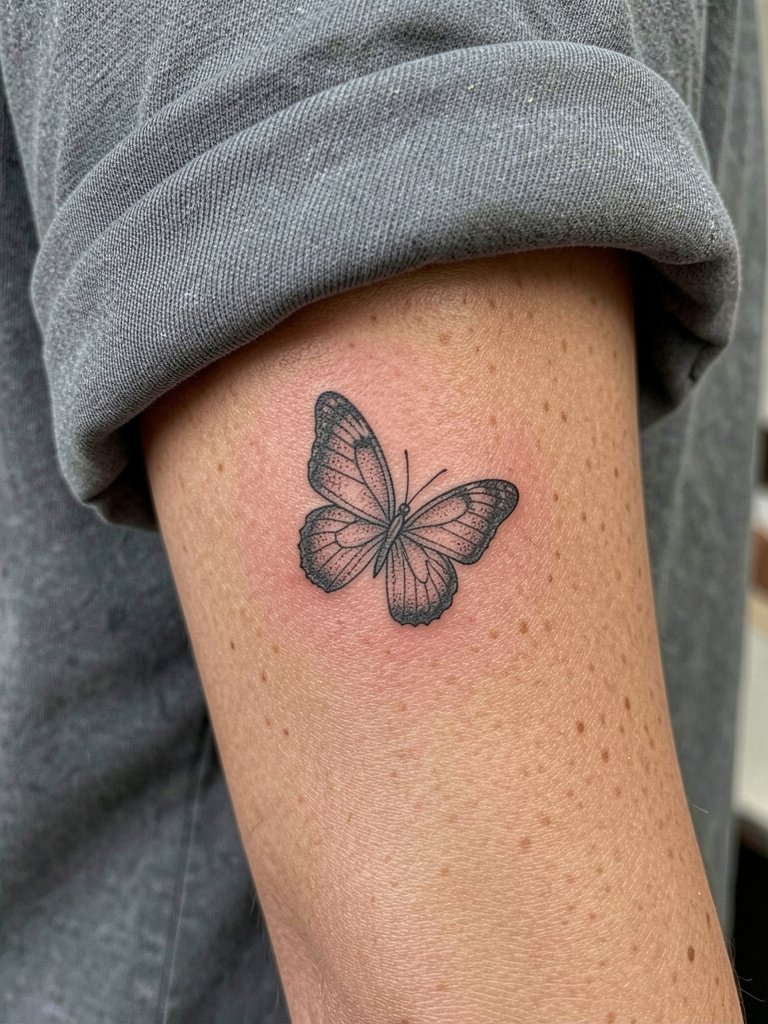
A tiny butterfly reads instantly as transformation, but tiny wing details blur if the design is overspecified. Scale the wings to at least two inches across to keep the antennae and wing veins from merging as the tattoo ages. For this placement expect low session time and mild wrist sensitivity when the artist works over bone. The common mistake is tiny filigree that looks brilliant fresh and softens into a smudge by year two. To show it off, wear slim bangles on the opposite wrist and stack thin rings, like minimalist rings, so the butterfly catches the eye without competing with heavy cuffs.
2. Curved Snake Along the Ribcage
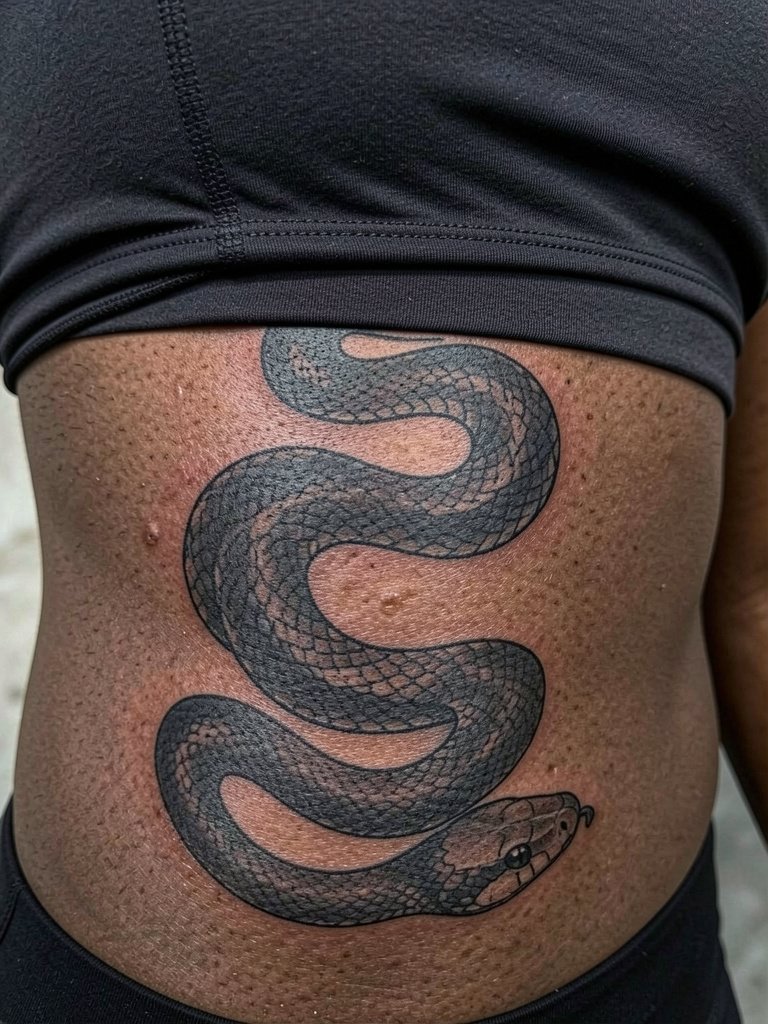
Snakes are flexible designs that follow the body curve and read strong on the ribs. This placement is higher pain and prone to more movement, so request slightly bolder linework and spacing between scales. The common aging problem is placing a dense scale pattern too small, which invites blowout and blurring. Bring references that show scale size and ask for healed examples on similar skin tones. Session feel ranges from moderate to intense depending on rib angle and breathing. For privacy and comfort, wear an oversized shirt that lifts easily, like a fitted cropped top in a normal position, so the artist can access the area without fabric tugging.
3. Medusa Portrait on the Outer Forearm
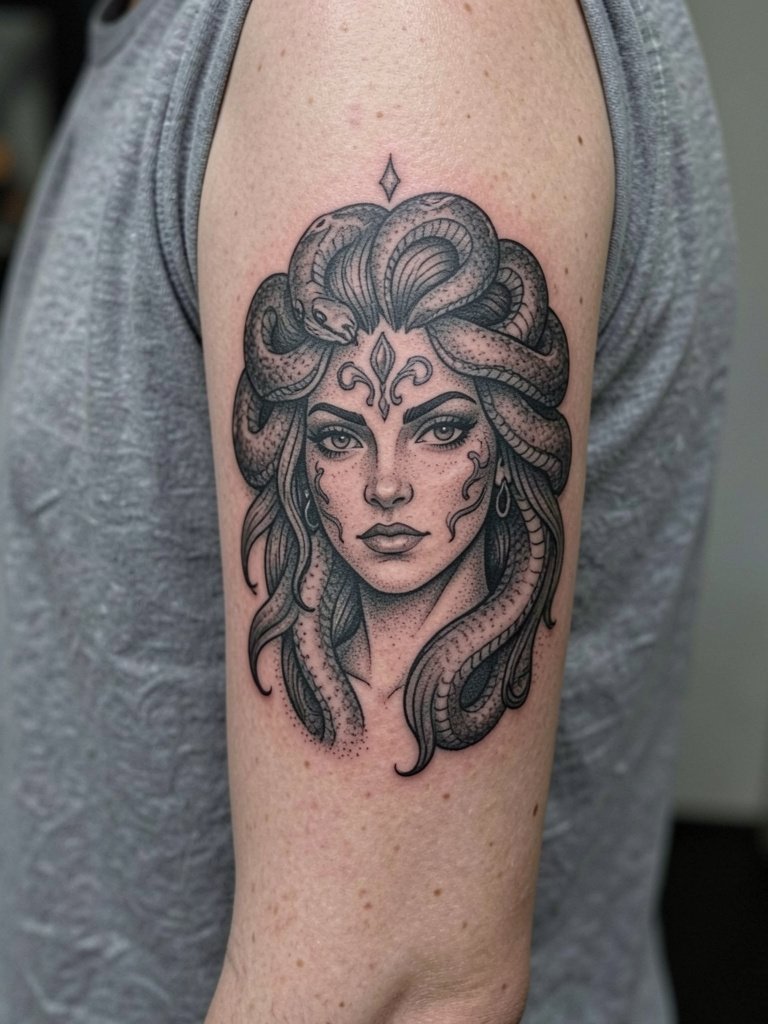
Medusa motifs are trending as symbols of survival. This forearm spot gives the artist room for detail and allows slightly tighter shading than a wrist piece. A common mistake is packing too much tiny stipple into the face, which loses contrast after a year. Ask for reference healed shots showing stipple density and linework spacing. The session is steady with moderate discomfort near the ulna. Pair this with structured tees and an oversized denim jacket to make the portrait a focal point when you want to show it.
4. Small Lotus Over the Sternum
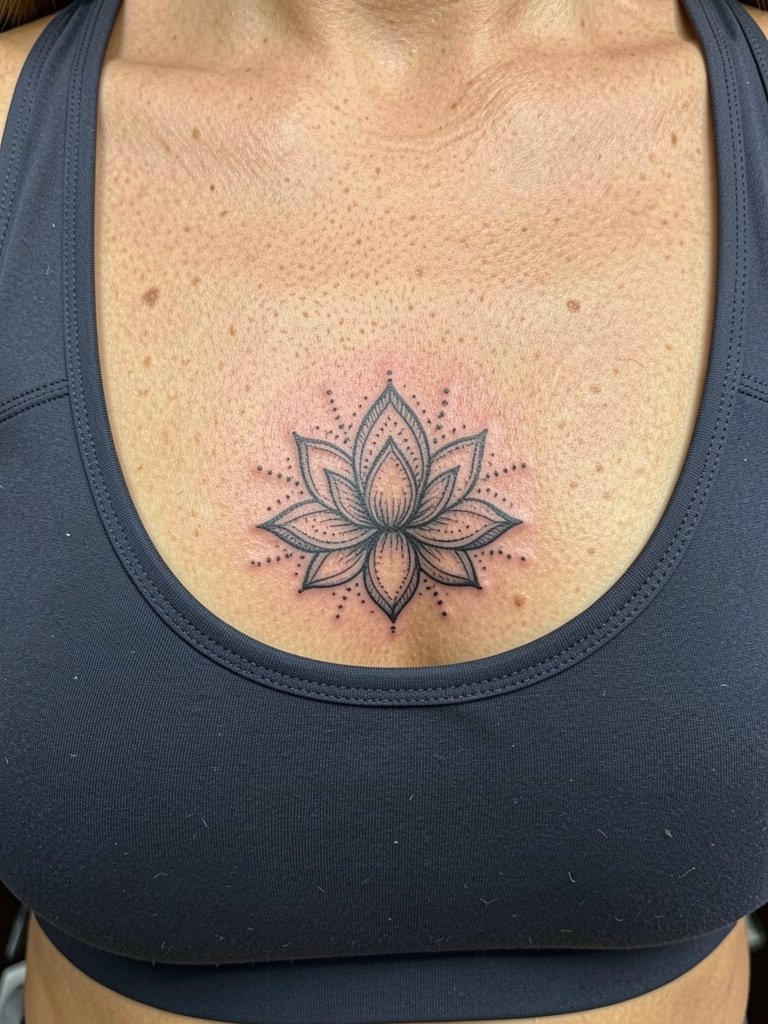
Lotus designs suit the sternum because symmetry and negative space make them read clearly. This is an intimate placement and can be painful. One-year healed photos are the only reliable preview, because the sternum area can soften depending on body movement and bra straps. Respect the lotus origin by asking for geometric balance rather than decorative appropriation. For session access and later styling, a body chain or long pendant can echo the central composition, for example a body chain necklace.
5. Rising Phoenix on the Upper Arm
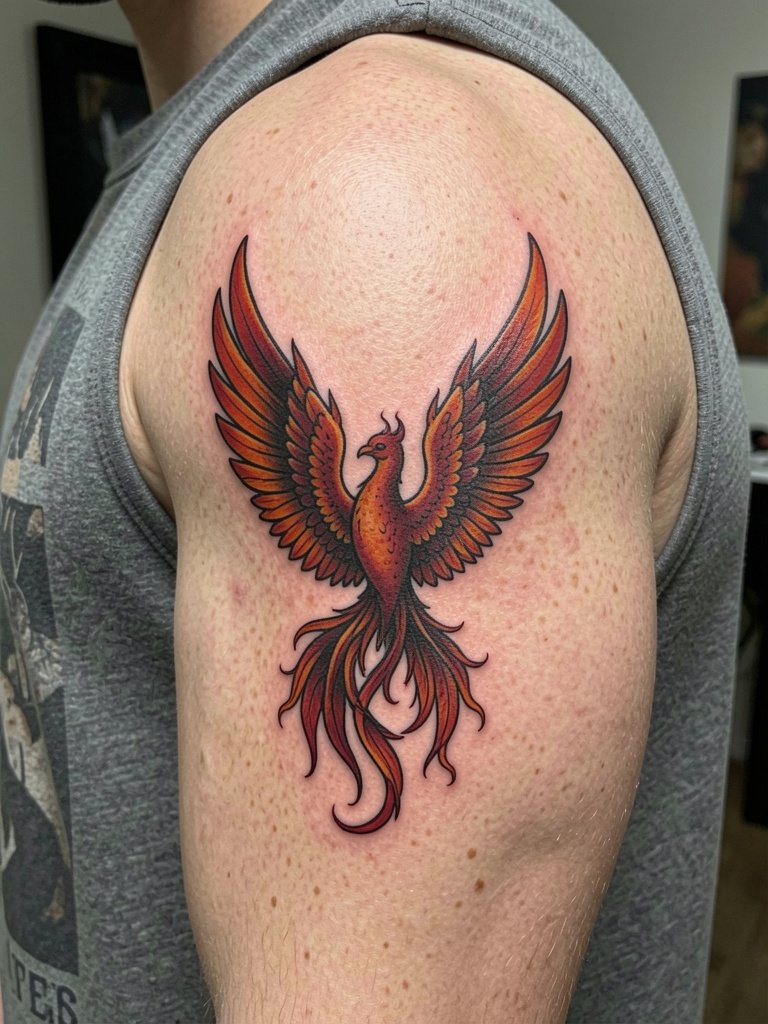
A phoenix is a classic rebirth symbol and benefits from medium scale so wing detail keeps its shape. Expect multiple sessions if you want saturated color and layered shading. The mistake is trying to shrink a full-feathered phoenix into a wrist-sized piece. This placement tolerates heavier saturation and age well if the artist avoids tiny internal lines. For a casual show-off look pair the piece with a sleeveless muscle tee so the wing silhouette reads cleanly.
6. Geometric Mandala on the Shoulder Blade
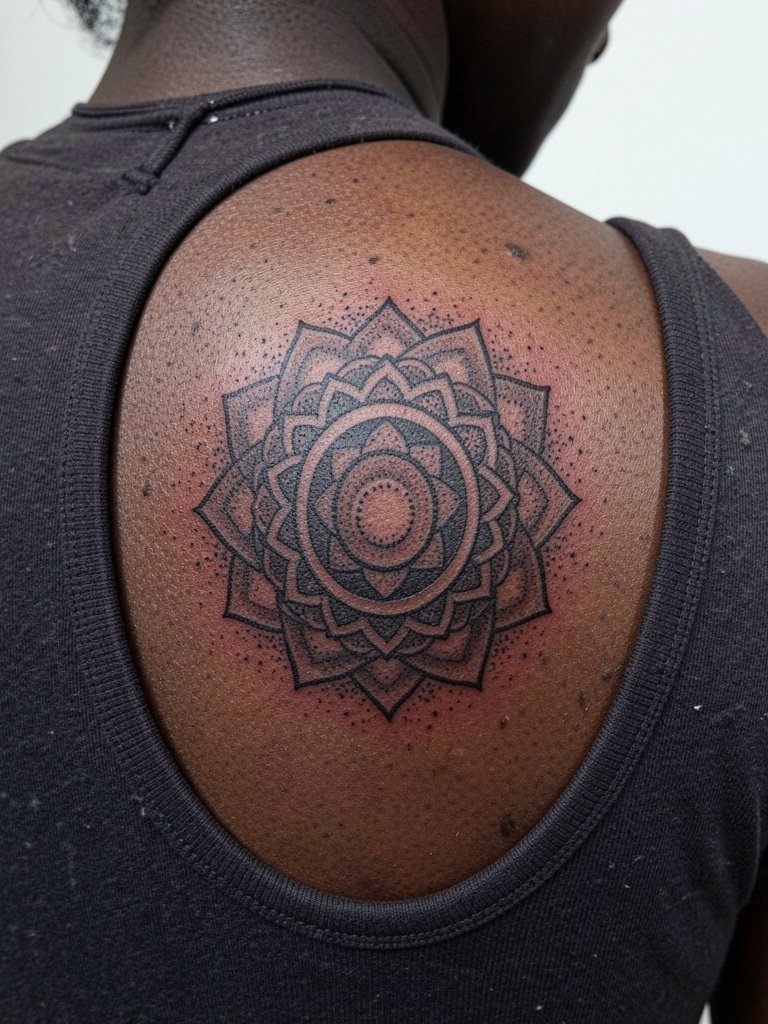
Mandala work relies on perfect spacing and consistent linework. If done too small the inner rings blur into each other as the skin ages. For the shoulder blade, the artist can use finer detail than on high-movement zones, but request healed shots at the same scale. Include a sentence about cultural origin respect because mandala patterns have spiritual roots. The session tends to be comfortable and allows for steady shading. Avoid asking for excessive micro-lines in the innermost rings.
Pre-Session Essentials
The first six ideas include several small wrist and chest pieces that face different early-healing challenges. A few targeted items smooth the first week and protect finer linework.
- Tattoo-specific ointment stick. Convenient for tiny symbols because it applies a thin layer without over-saturating the needle channels.
- Fragrance-free healing cream tube. Lighter than petroleum ointment and useful when single-needle linework seems to trap heavy greases.
- Second-skin film alternative pack. For people who had adhesive irritation before, gentler film options reduce edge lift while keeping the area protected.
- Non-petroleum balms from indie brands set. These let oily or acne-prone skin use a lighter barrier during the first week.
- Unscented antibacterial body wash. Mild cleansing for daily showers prevents irritation for fine line and chest work.
7. Tiny Infinity Name on the Inner Forearm
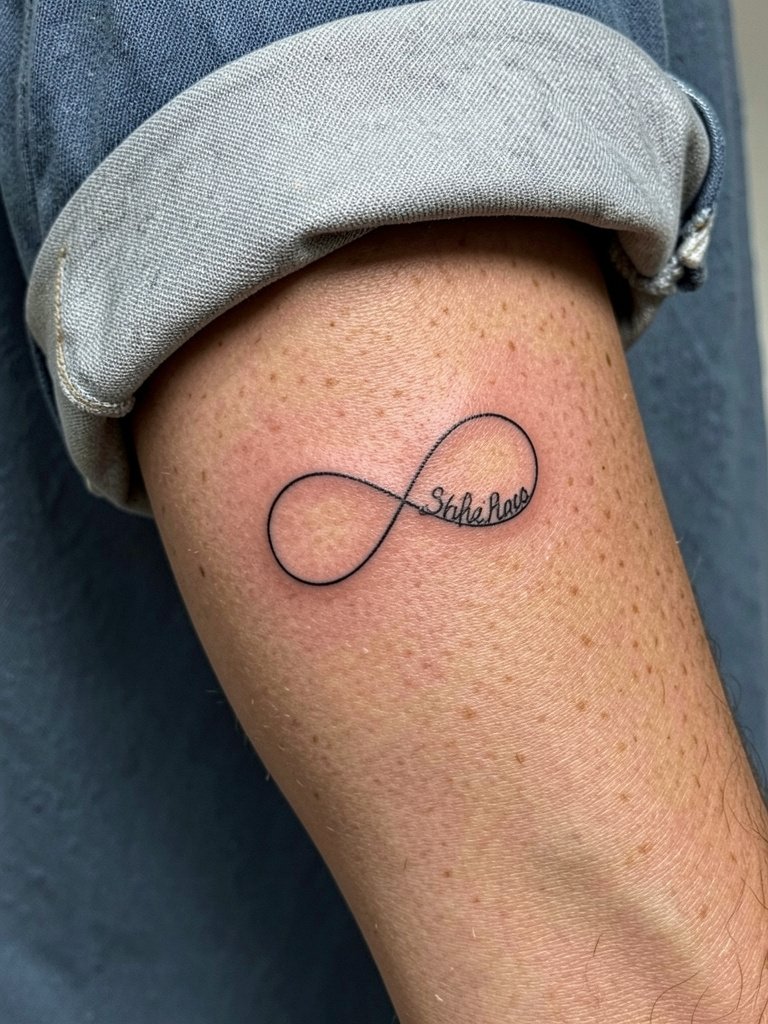
Combining an infinity symbol with a name is a popular family or memorial idea. For the forearm, size the name so letters do not compress into the loop of the infinity. The typical error is using a delicate script that vanishes after healing. Bring two reference photos scaled at different sizes so the artist can show how the name reads at three and five inches. To style the piece, try a watchless wrist and a set of minimalist rings to keep the focus on the forearm band.
8. Crescent Moon and Tiny Stars on the Ankle
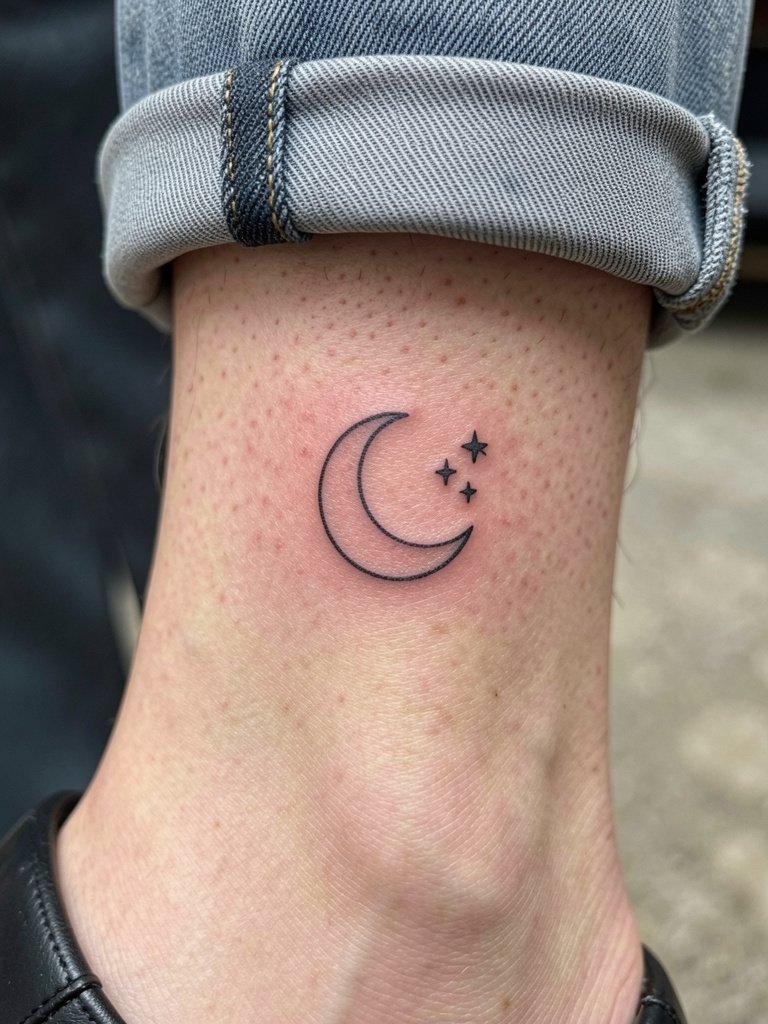
Moon symbols are versatile and read well in small sizes on low-friction zones like the ankle. The main risk is shoe rubbing if the placement sits where socks or shoe collars rest. Keep the crescent simple and avoid internal shading that will lose definition. Session pain is low. For showing off, pair with low-top sneakers and cropped pants, and consider ankle socks no show so the moon appears when you want it to.
9. Simple Spiral on the Inner Forearm
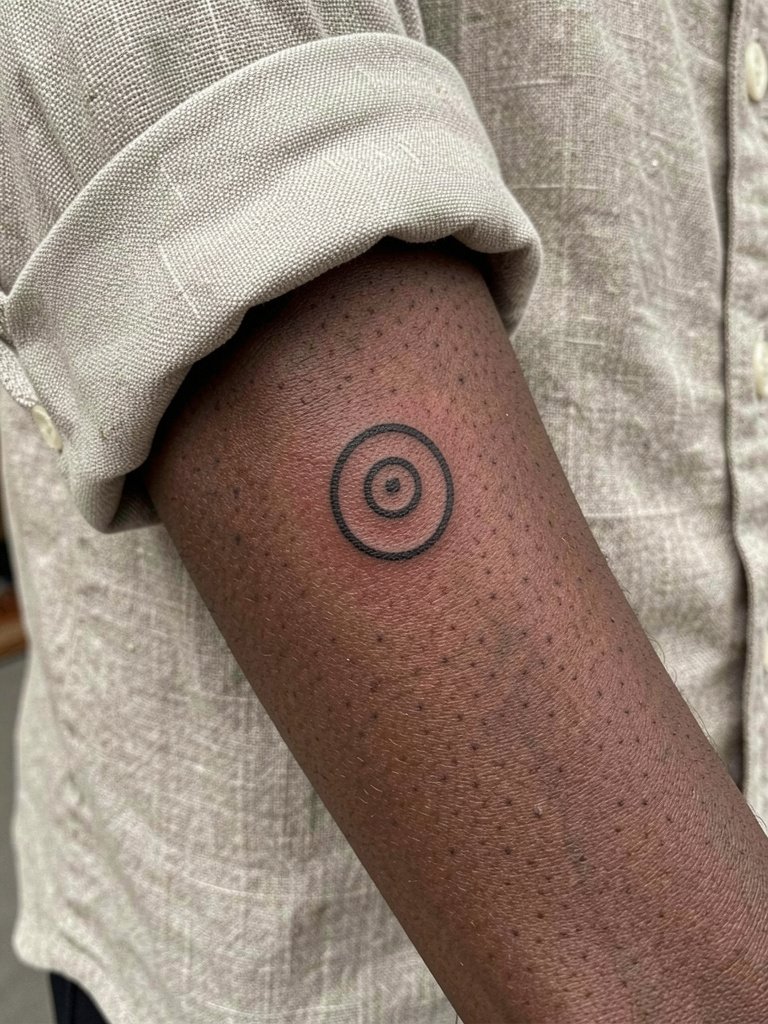
Spiral tattoos read as inward journey symbols and work best when executed as a single unbroken line with modest diameter. The mistake is making the spiral too tight, which invites softening and early loss of the central space. This placement benefits from slightly stronger linework than a behind-the-ear micro symbol. Expect a short session and a slow fade in high-sun exposure. For session wear, choose a loose short sleeve or rolled cuff shirt so the artist can lay down a clean stencil without friction.
10. Peacock Feather on the Outer Upper Arm
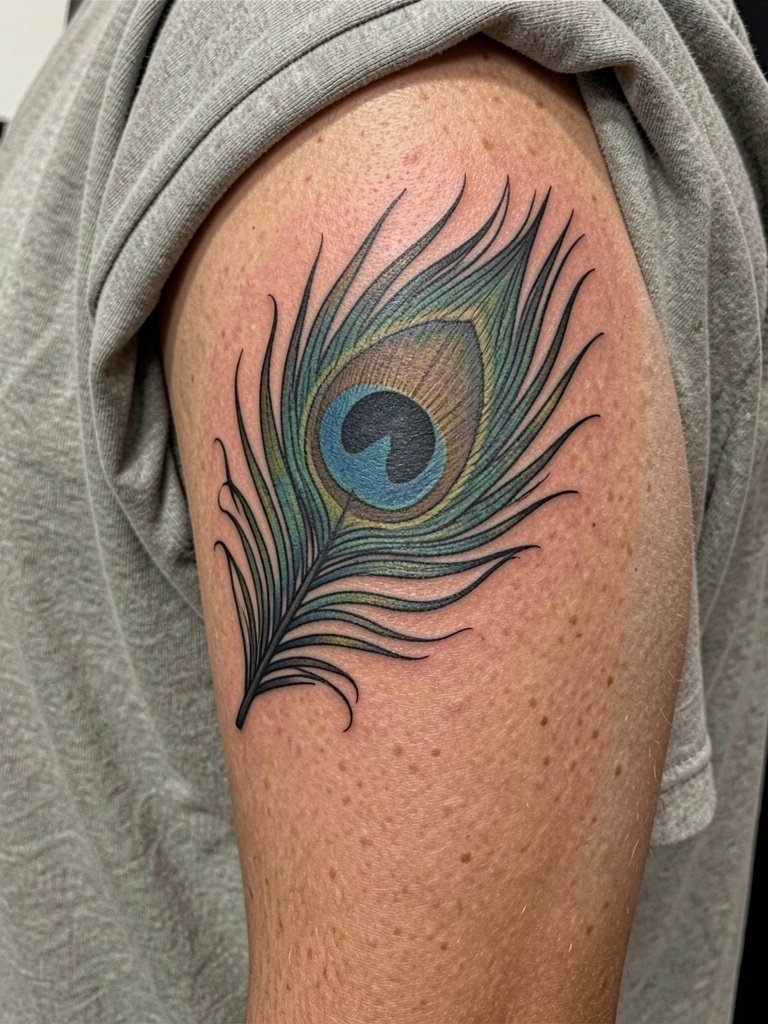
A peacock or its feather is a showy symbol that benefits from color saturation and well-spaced barbs. For the outer upper arm, color holds better than on high-sun forearms if you avoid tiny internal detail. The common error is demanding a full-feather texture at a very small size. Session time depends on color layering. If you like to reveal the design casually, pair it with an oversized tee and rolled sleeves so the feather shows with movement, for example boxy t shirt women.
11. Interlaced Celtic Knot on the Forearm
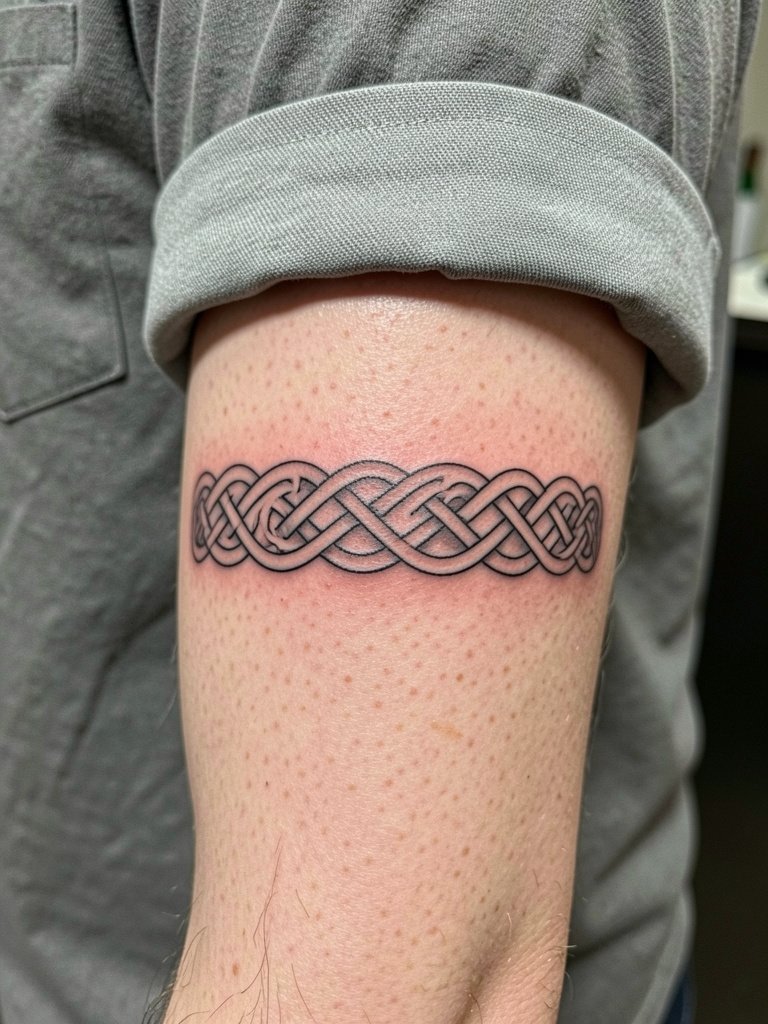
Celtic knotwork needs generous spacing and bold enough band width to avoid the pattern blurring together. The mistake is shrinking the knot into a small bracelet size with tight crossings. At forearm scale the knot keeps its interlaced identity for many years. One practical tip is to choose fewer crossings that read at the intended size. Pair with a casual denim jacket or a boxy t shirt women look to let the forearm motif be visible without competing accessories. Respect cultural origins by asking about regional knot styles rather than copying unrelated symbols.
12. Small Skull on the Calf
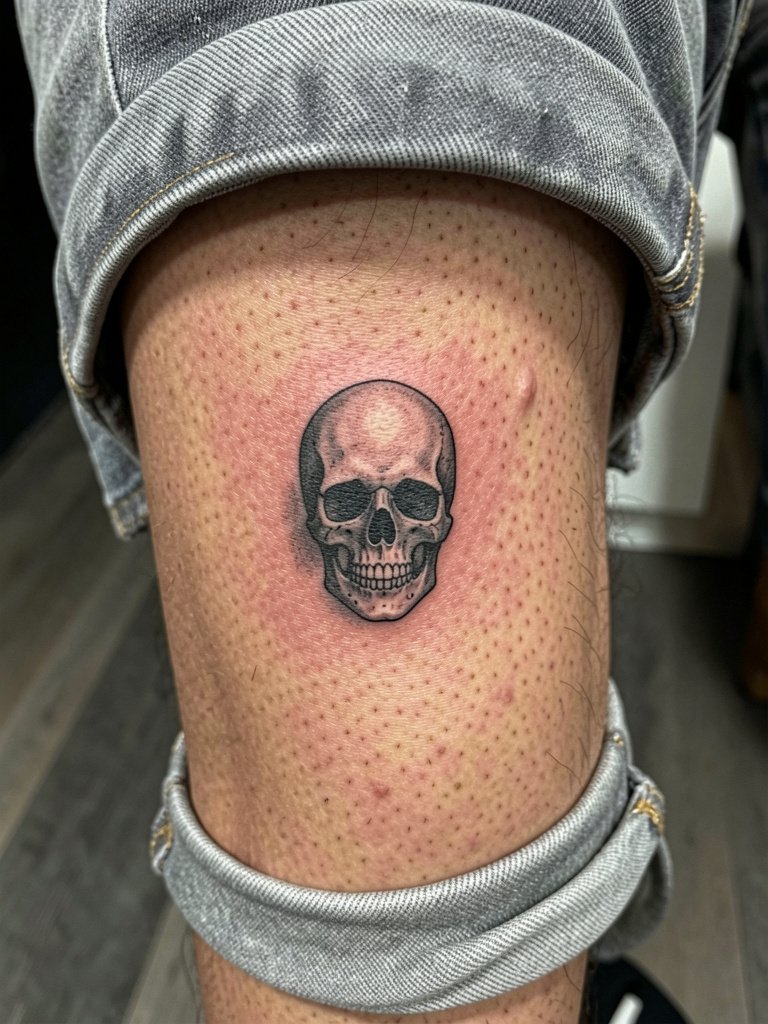
Skull motifs read as mortality symbols and can be executed at small scale if shading is restrained. The calf is a forgiving spot for contrast, but the common error is heavy micro-shading that fills in over time. For longevity pick simpler shadow shapes with clear highlights so the jawline and eye sockets stay readable. Session pain is low to moderate. Avoid adding too many tiny teeth details that will soften into a block of gray.
13. Realistic Owl on the Outer Forearm
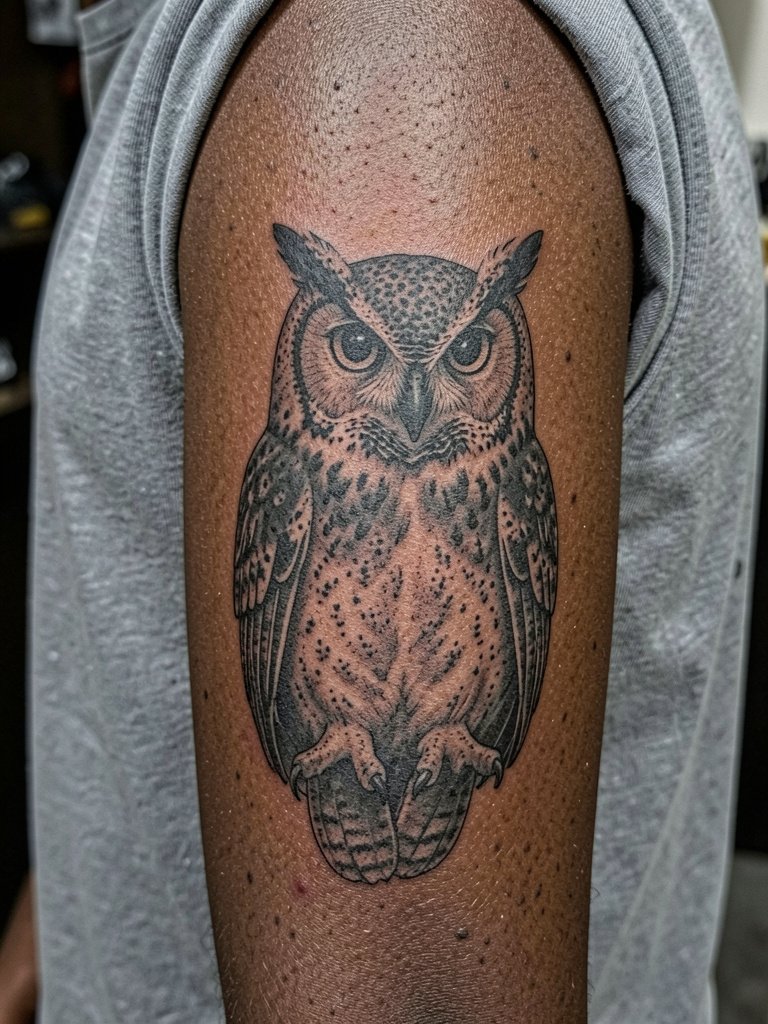
Owl tattoos convey wisdom and mystery and benefit from strong eye contrast to stay readable on darker skin tones. The typical mistake is soft midtone fills that reduce eye contrast. Ask for hardened pupil contrast and healed images on similar skin tones. The session can be detail-heavy and may take a couple of passes. To frame an outer forearm owl, wear sleeveless tops or structured tees and consider an oversized denim jacket for a staged reveal.
14. Regal Lion on the Chest
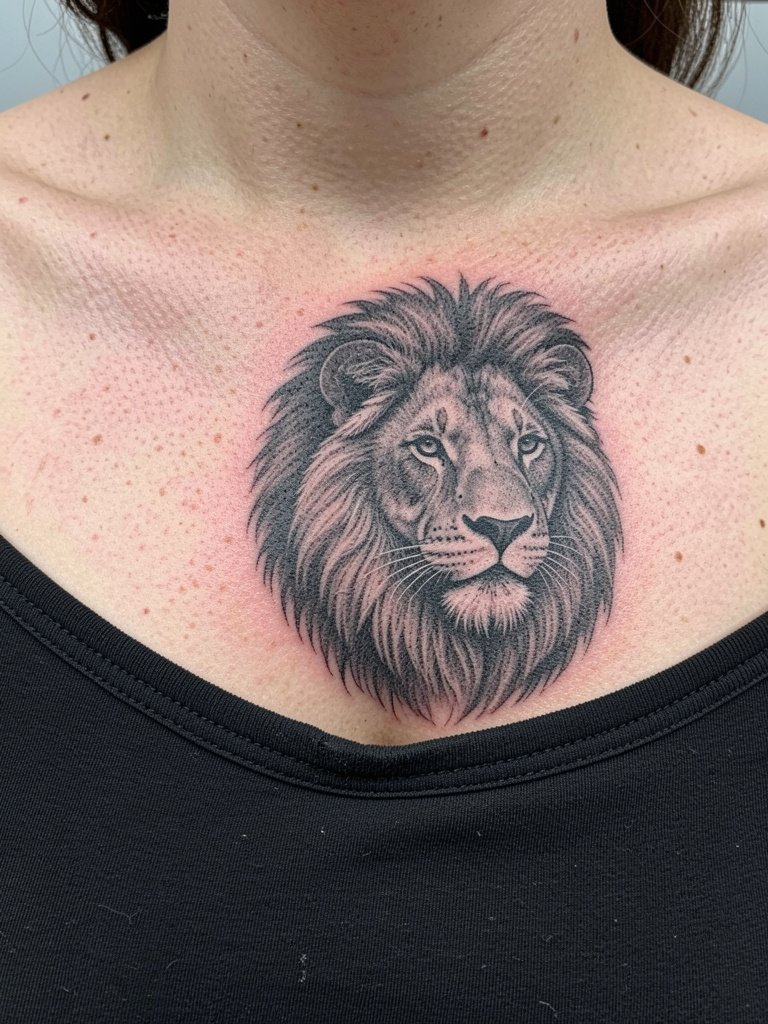
Lion portraits work well on the chest because the broader canvas keeps mane detail distinct. The frequent error is cramming too many thin mane lines into a small chest patch. For durability, request stronger linework around the eyes and nose and softer stipple in the mane to keep contrast. Session times can be long for portrait realism. For styling pair the piece with an off shoulder top to frame the collarbone and lion gaze.
15. Small Angel on the Shoulder
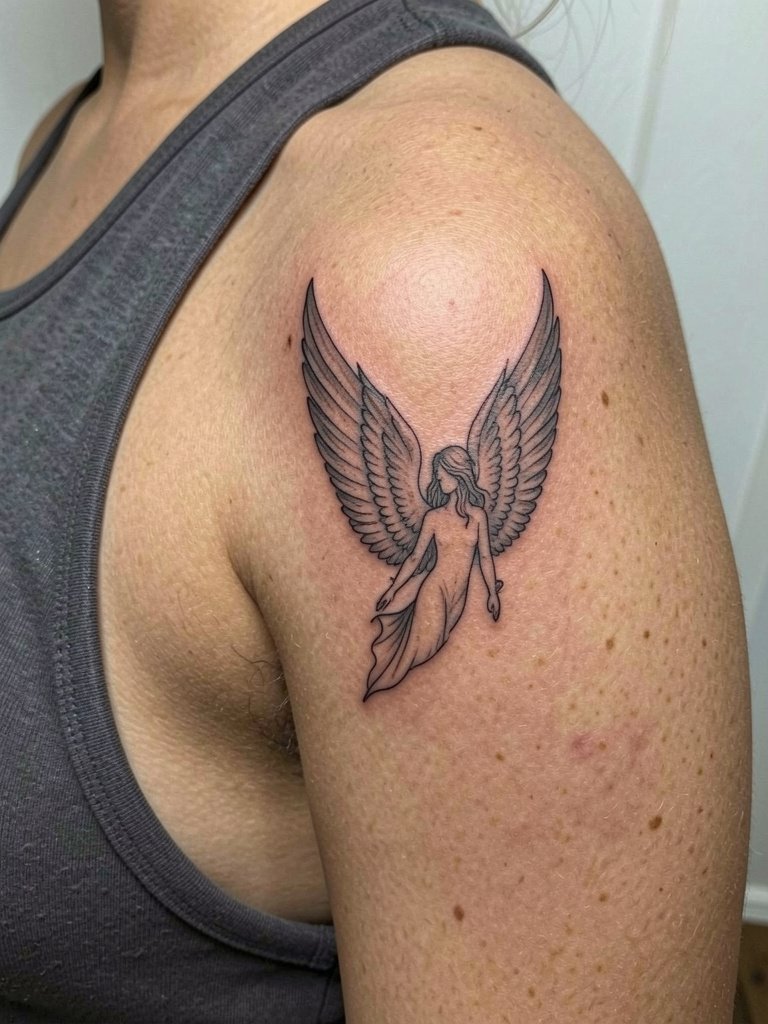
Angel imagery is common for memorial pieces and benefits from simple silhouette work on the rounded shoulder. The main mistake is overcomplicating the wings with tiny linework that breaks down as the shoulder moves. Ask the artist to show how the silhouette reads at a six-month healed marker. Pain is mild on the shoulder cap and session time is short. For session access wear a racerback tank top so the artist can reach the area without tugging fabric.
16. Compass Rose Near the Sternum
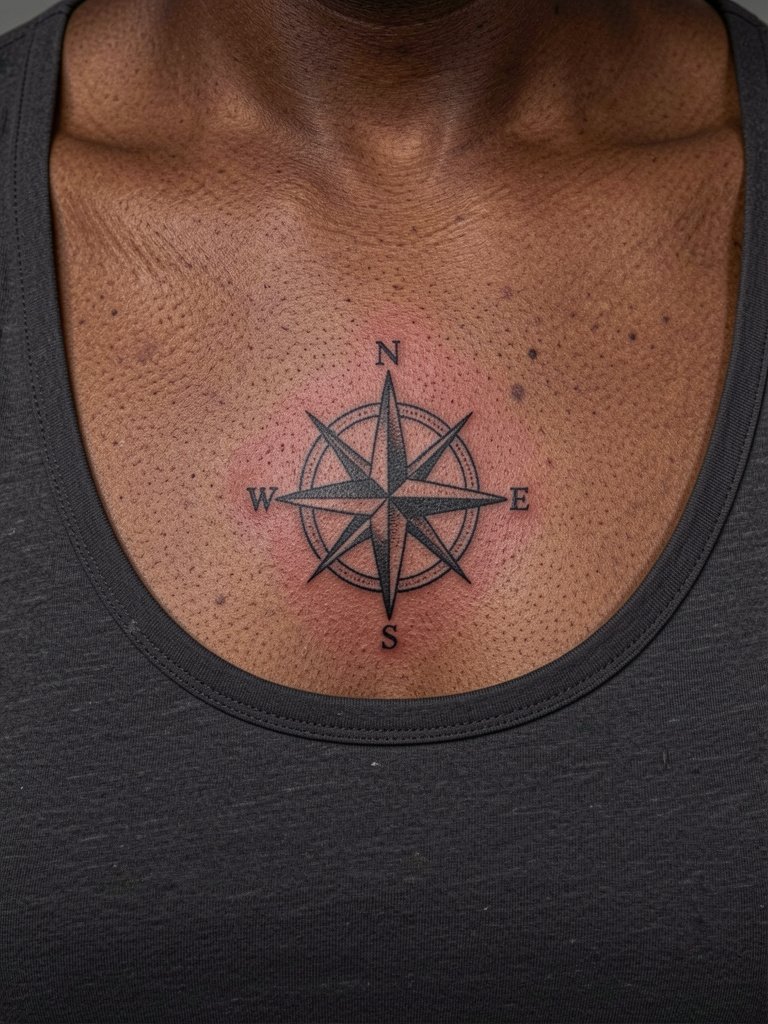
A compass tattoo signals guidance and pairs well with the sternum because the central location gives symmetry. Fine radial lines must be spaced wide enough so cardinal points remain distinct as the piece ages. Sternum work can be sensitive and may require breath control during the session. The design reads well when centered, and you should plan for a single session with a possible touch-up later if you opt for thin radial lines.
17. Tree of Life on the Upper Back
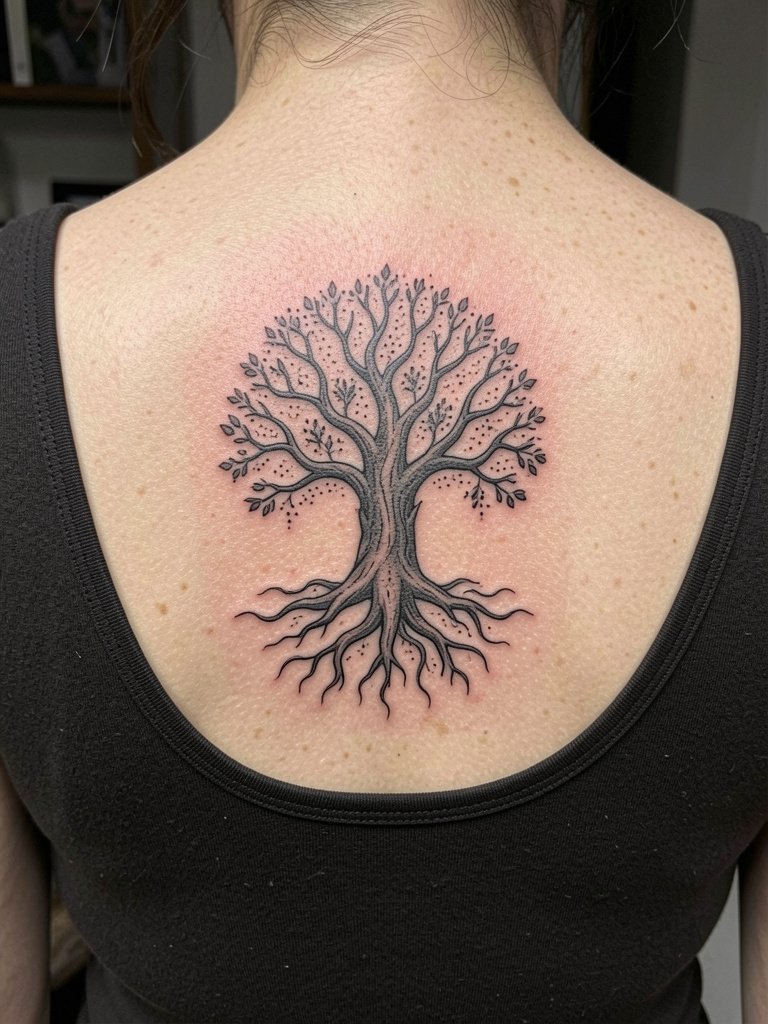
Tree of life compositions benefit from verticality that keeps roots and branches separate. On the upper back the skin is stable and the design ages gracefully if the root detail is not overly fine. Common mistakes are tiny root filigree that loses definition over time. Sessions can be longer for larger tree pieces, though a medium design fits into one session. For wardrobe think loose or cropped tops that peek the tree at the back without constant friction.
18. Simple Arrow on the Inner Forearm
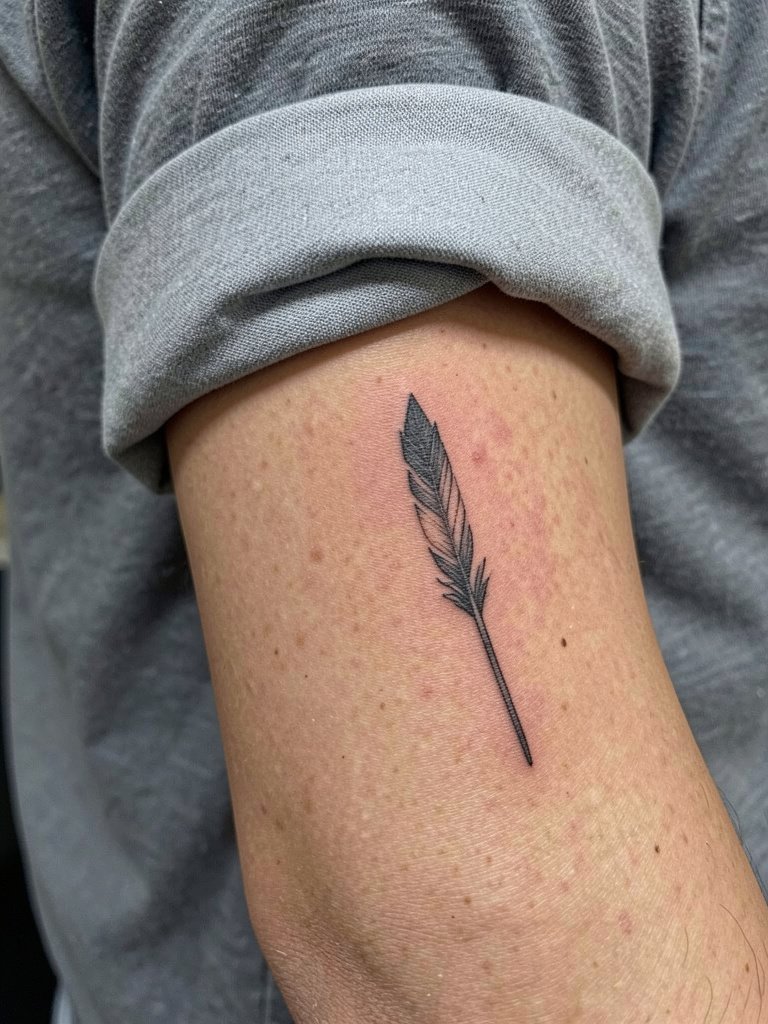
Arrows signify direction and are ideal for first-timer symbolic work. Thin shafts work on the forearm but increase line thickness slightly if you want the arrow to stay crisp over time. The usual mistake is forcing ornate feathering that does not survive movement. Session pain is low. For appointment wear a loose short sleeve shirt that rolls without constricting the forearm.
19. Anchor on the Ankle
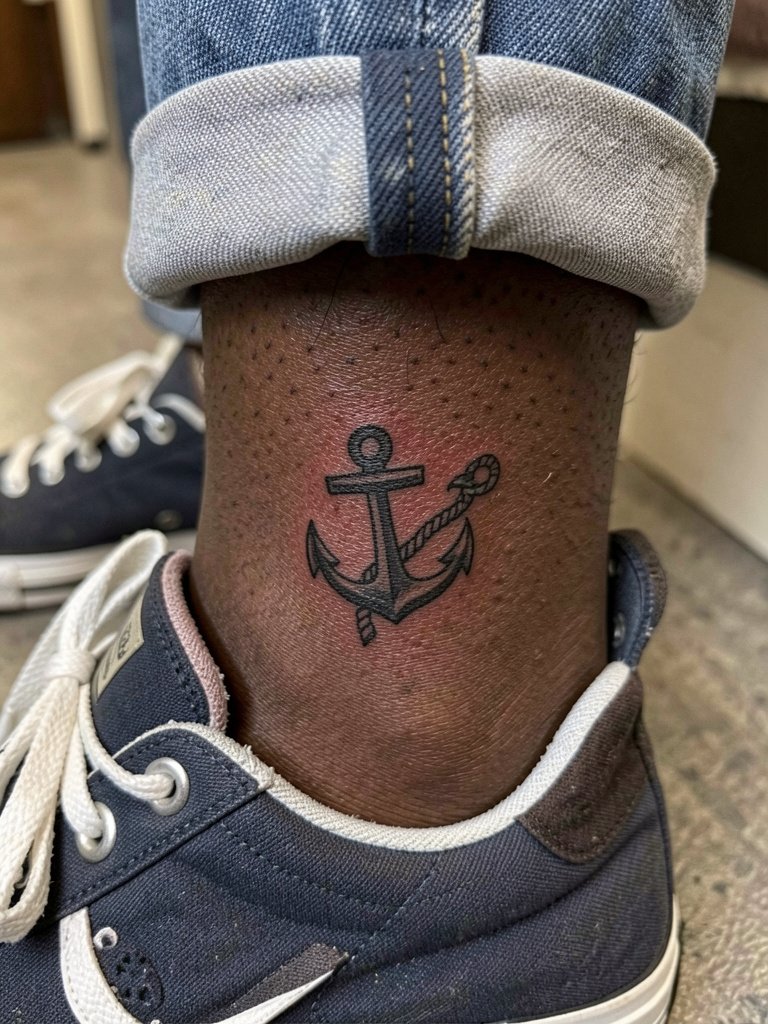
Anchor designs work when the shank and flukes are bold enough to survive daily shoe contact and washing. For ankle placements keep the bottom of the anchor clear of sock rubbing. A common mistake is placing tiny rope detail where friction will rub it first. Session is brief with low pain. Choose cuffed jeans or low-rise shorts for the appointment so the ankle is easy to access.
20. Tiny Bee Behind the Ear
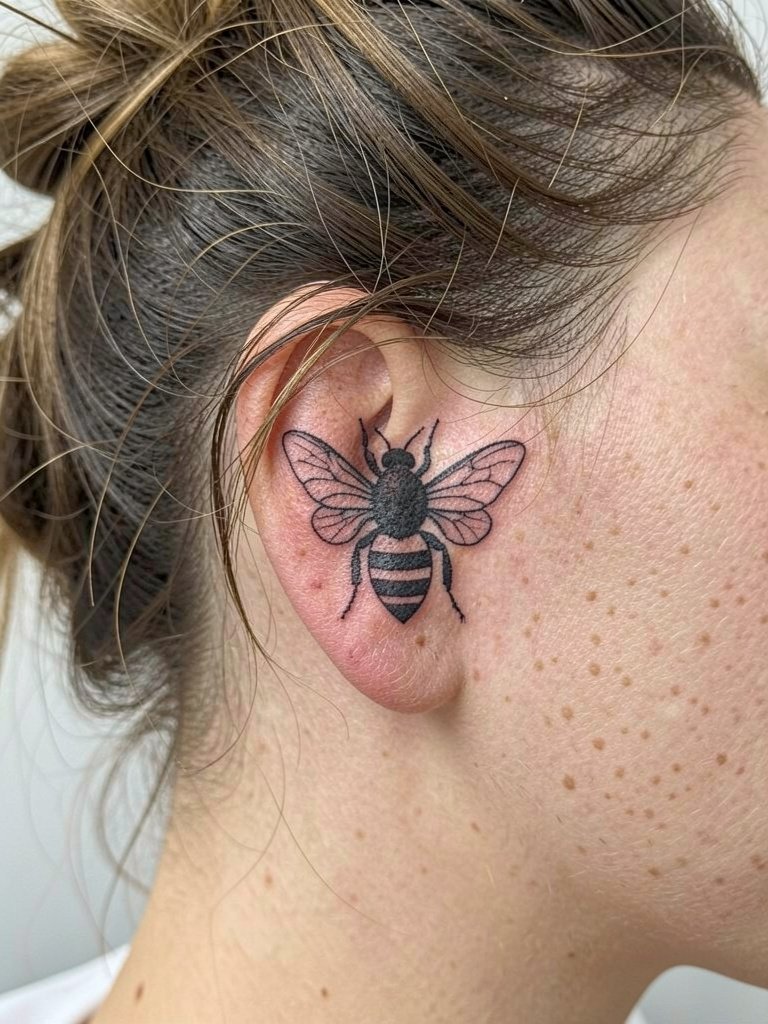
A tiny bee is a charming, private symbol and reads best as a simple silhouette behind the ear. Be aware that this placement needs an artist who is experienced with micro work on delicate skin. Common mistakes include wanting tiny wing filigree that the area cannot hold. Session time is short and discomfort is mild but the healing zone is often rubbed by hair. For the appointment tie your hair up and bring a hair claw clip so the artist has clear access.
21. Key and Lock Pair on the Ribcage and Inner Arm
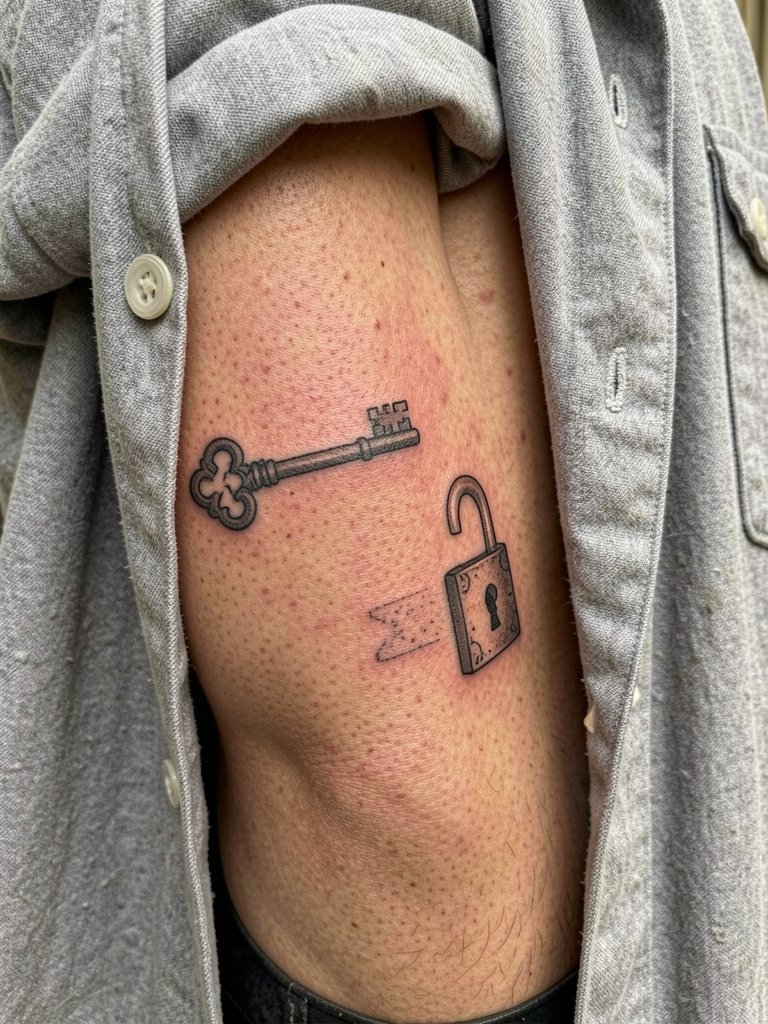
A key and lock pair is a classic combination. The ribcage lock should be bold with negative space so it does not fill in, while the inner arm key can carry finer linework. The main error is asking for matching micro-detail on both pieces when the rib will see more movement. Expect rib sessions to be more painful and to require breath control. For session wear a loose button-down that the artist can slide aside without tugging.
22. Heartbeat Line with Coordinates on the Wrist
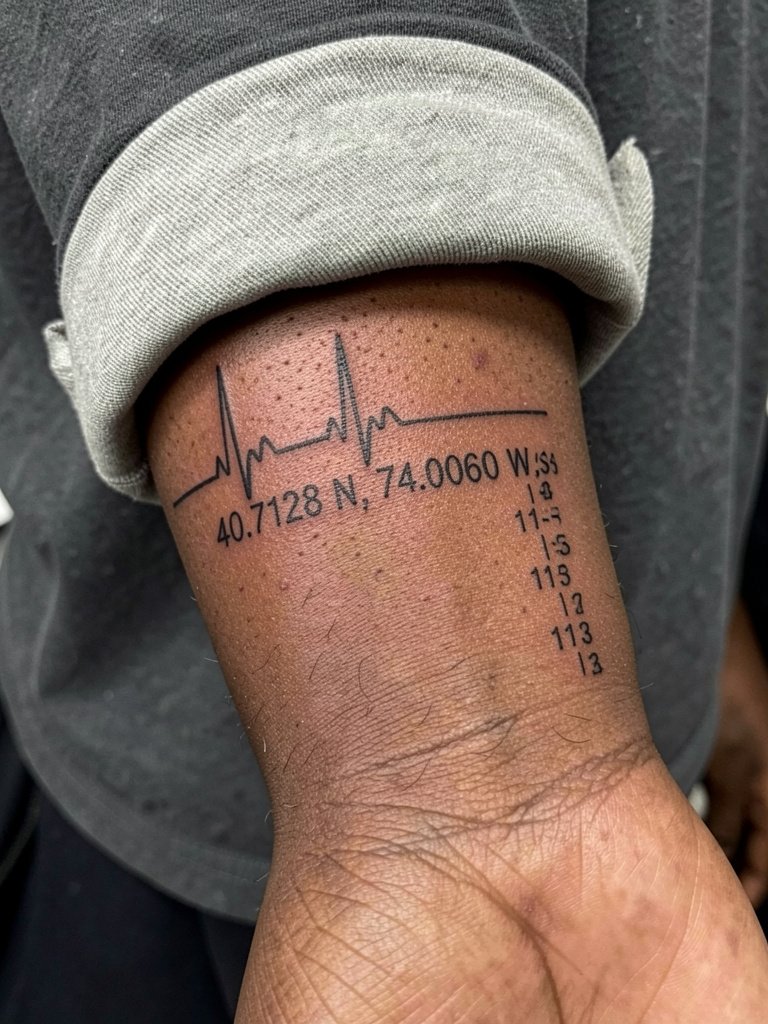
Heartbeat lines and coordinates are precise elements that need exact spacing so the numbers do not compress into the EKG peaks. The mistake is picking tiny numerals that the wrist cannot hold. For legibility choose slightly wider numerals and ask the artist to draw the sequence in-place on the skin so you can read it before inking. Session time is short and sensitivity is mild. For showing the piece, wear a watchless wrist and cropped sleeves.
23. Geometric Mountain Range on the Forearm
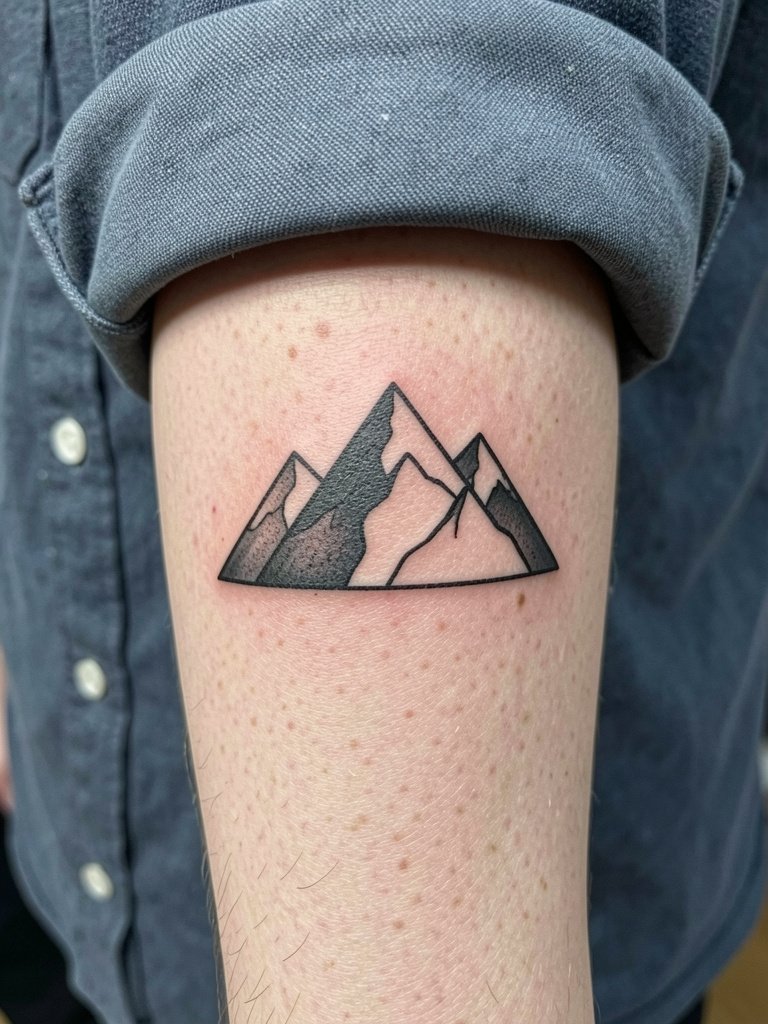
A geometric mountain strip reads well when the designer uses stepped triangles and leaves breathing room between peaks. The common mistake is cramming layering lines too tightly. Match the peak spacing to the forearm length so the composition reads at arm-rest. Session pain is moderate. For styling, rolled cuffs and cropped shirts create a clean horizon line, and a rolled cuff shirt lets you show the range without overexposing the area.
Frequently Asked Questions
Q: How much can I expect to pay for a small symbolic tattoo like these?
A: Small symbolic tattoos often fall into a general range depending on shop minimums and region. Expect most fine line wrist or ankle work to start around $100 to $300 for a single session, while medium pieces that require color or multiple sessions can range higher. Tipping is commonly between 15 and 25 percent if you want to reward careful linework.
Q: Will fine line tattoos fade faster than bolder pieces?
A: Artists and collectors split on this. One camp points out that fine line fades and blurs faster because thinner details are more vulnerable to skin movement and sun exposure. The other camp says fine line lasts when scaled correctly and placed on low-movement areas with adequate spacing. Look at healed examples at one and three years to see how a specific artist executes fine detail before committing.
Q: Should I use second-skin film or dry healing for a small symbol?
A: This debate is active. One side argues second-skin film dressings make the first three days cleaner and reduce friction and bacteria risk. The opposing side prefers dry healing or lighter ointments to avoid trapped moisture, irritation, and adhesive issues. Many artists recommend the method they have seen work on their clients, so ask how they handle the first 48 to 72 hours and request a one-page aftercare summary.
Q: Where can I find healed examples and artists who do these styles?
A: Search hashtags like #symbolictattoo, #finelinetattoo, #blackworktattoo, and #tattoomeaning on Instagram and TikTok, then filter results by your city. Use Pinterest to compare symbol variations and Reddit communities to see real healed photos and pricing discussions. For a local search try "[your city] + fine line tattoo studio" and prefer portfolios that show healed work, not just fresh flash.
Q: How should I dress for the appointment depending on placement?
A: Match clothes to access and comfort. For wrist and ankle pieces wear shorts or cropped pants and short sleeves that roll up easily. For sternum or ribcage work choose a strapless bra or a fitted sports bra so the artist can reach the area without tugging. For back and shoulder pieces wear loose tops or tanks that slide off one shoulder. Bringing layered clothing that you can remove without touching the new tattoo makes the session smoother.
Q: I have darker skin. What should I ask for to keep symbols readable?
A: On darker skin tones ask for slightly stronger linework and bolder contrast in the focal area so the design holds its shape after healing. Request healed photos from that artist showing a similar skin tone and scale. Avoid ultra-fine filigree for high-movement spots and prefer clear silhouettes, stronger pupils or eye contrast for animals, and selective saturation for color pieces that need readable highlights.