

Someone I know spent eight months scrolling portfolios before realizing the real problem was not finding a cool design. It was figuring out which tiny style would still read clearly after a year of sun, sleeves, and life. I spent time in five shops across Brooklyn and chatted with an artist at a Brooklyn shop who specializes in fine line. What follows is a tight set of small tattoos for men that work now and age with fewer surprises.
1. Fine Line Arrow on Inner Forearm
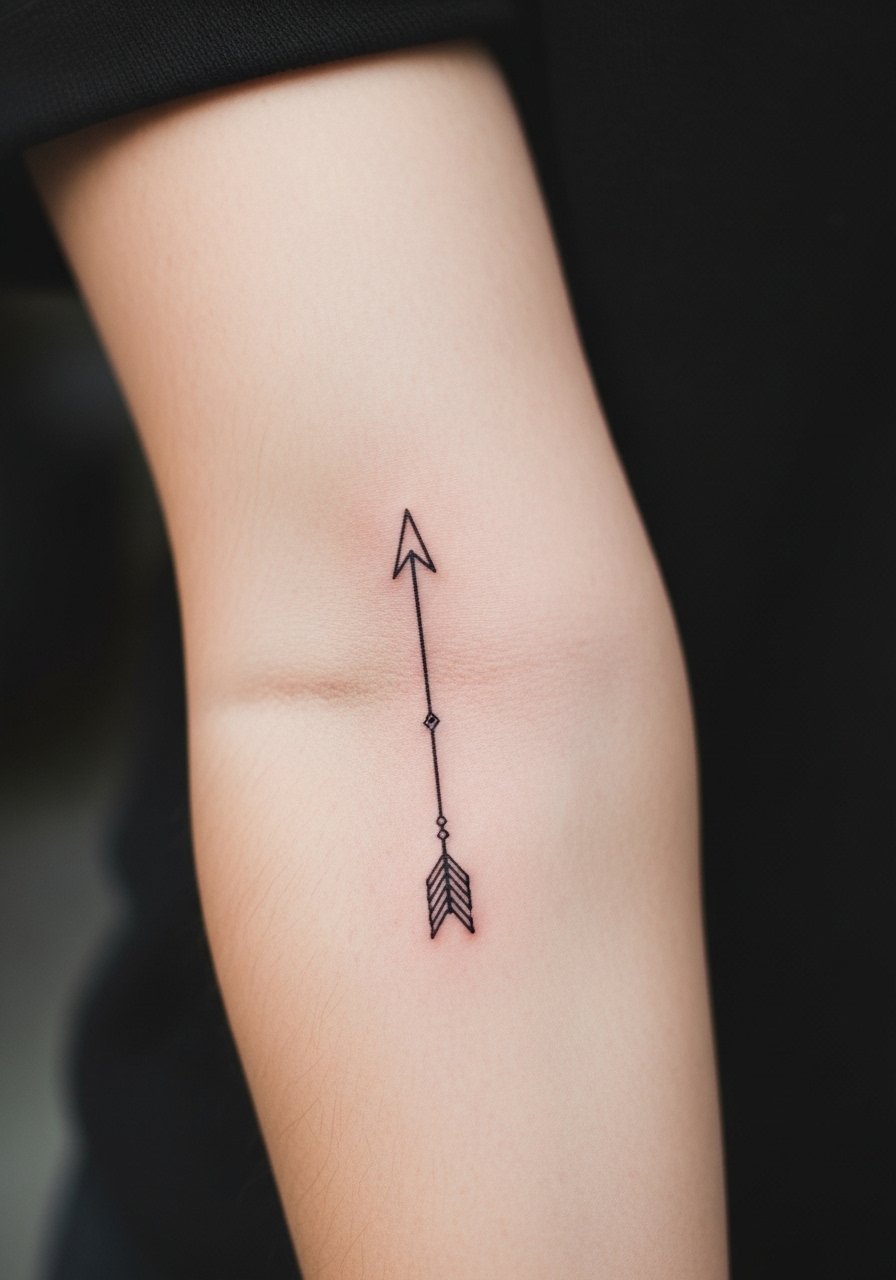
Someone I know first saw this on a friend's forearm and liked how clean the linework read without bulk. Tell your artist you want slightly heavier primary lines and spaced hatch marks instead of a single hairline. The inner forearm tolerates fine line well because the skin is flat, but fine line fans split into two camps about longevity. One camp says ultra-thin arrows can blur after two years and need touch-ups. The other camp argues that modest line weight and spacing keep the motif legible for five years or more. Pain is low, a single short session usually, and expect a touch-up maybe around year three if you want it crisp.
2. Fine Line Wolf Head on Wrist
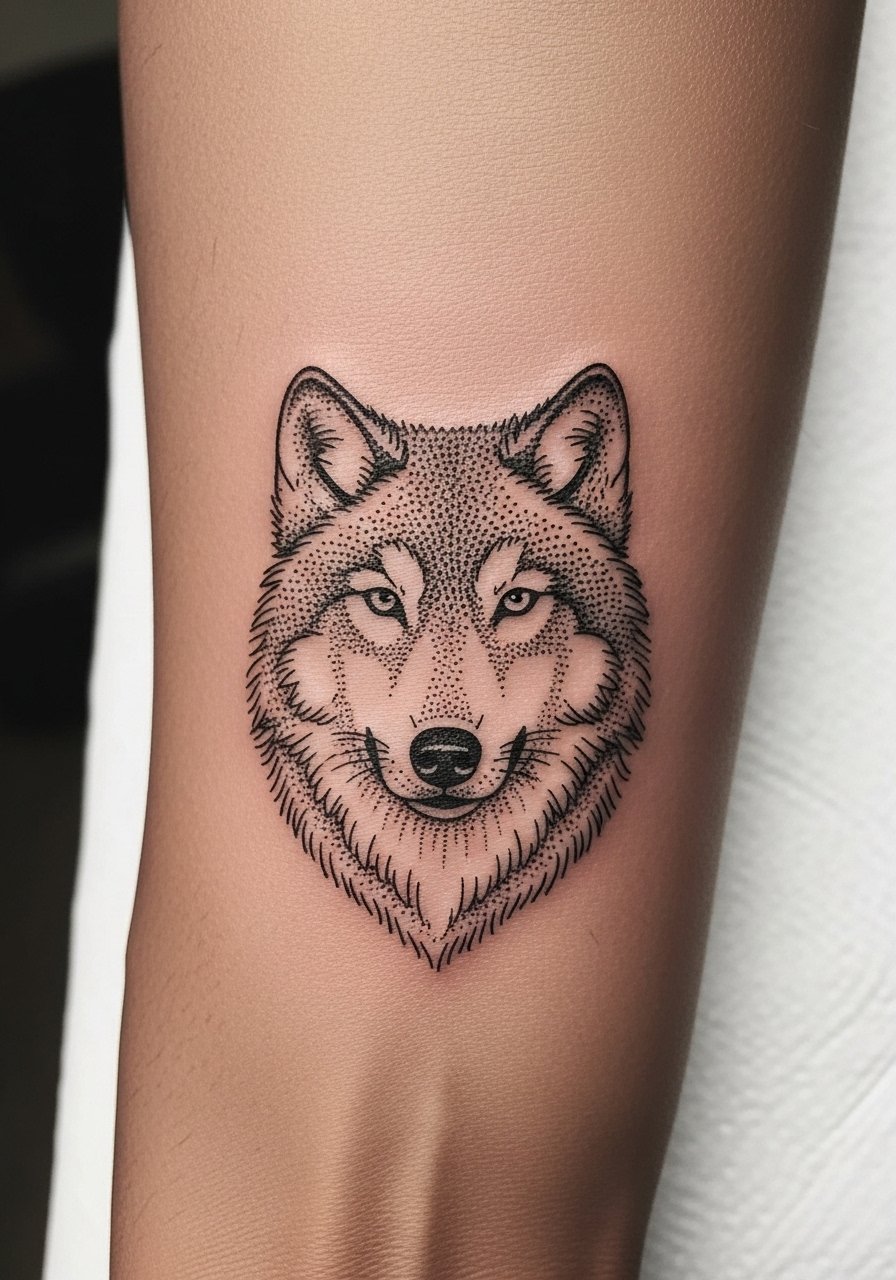
Fair warning: the wrist sits on high-movement skin and gets sun. That speeds fading and increases blowout risk if the lines are too tight. For this one ask for dot work for texture rather than continuous ultra-thin contour, and ask to see healed wrist photos in the artist's portfolio. The session is short but can feel scratchy when the needle crosses the bone. Expect a touch-up window at two to four years depending on how much sun you get. This one suits anyone after a subtle strength symbol but who plans a maintenance touch-up down the line.
3. Micro-Realism Lion Portrait on Upper Bicep
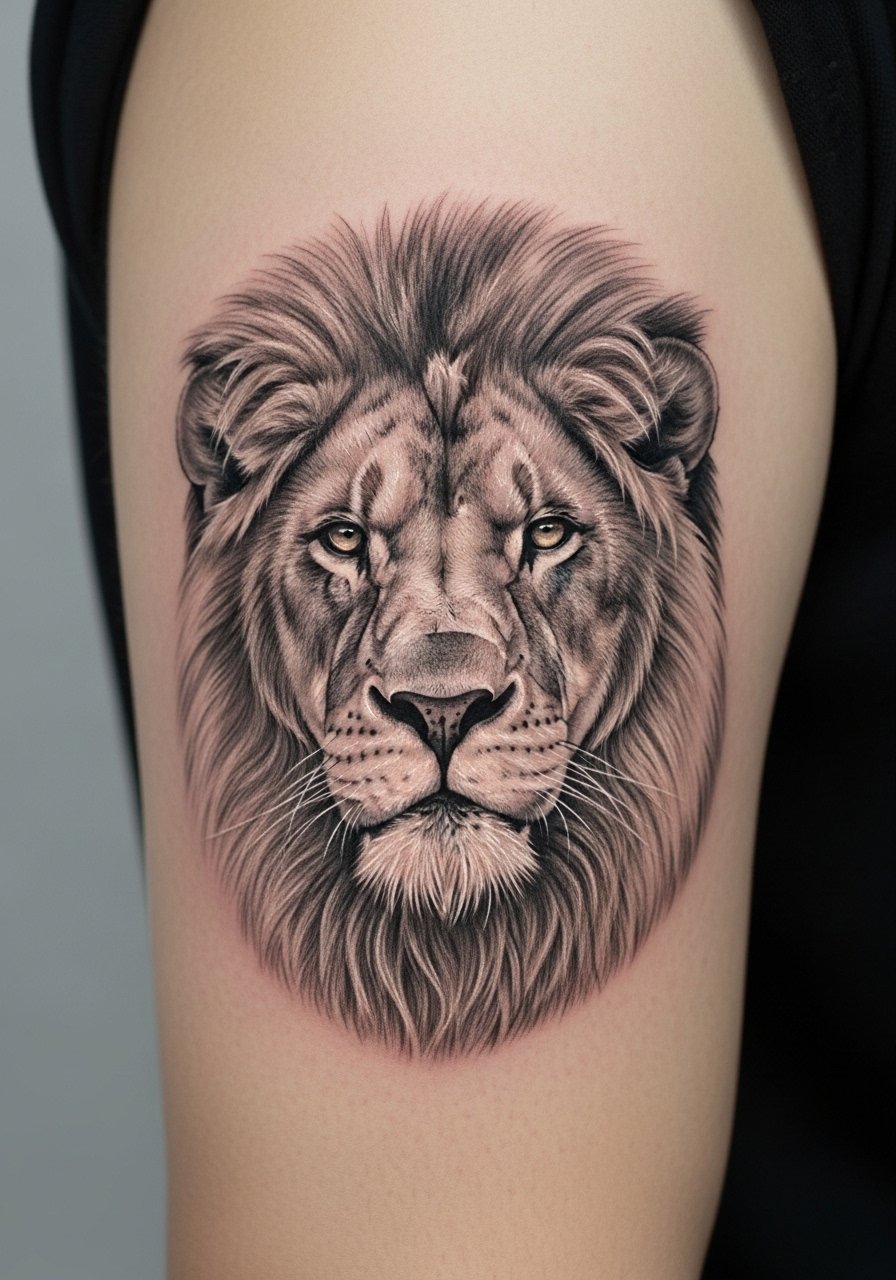
Most micro-realism portraits look their best early and then slowly soften as the edges feather. This lion works because you request slightly more negative space around the eyes and heavy focal contrast, so the key features read even after slight spreading. Tell your artist to plan for two short sessions and to bring healed references for micro portraits on arm flesh. The bicep is forgiving on blowout, but saturation matters. Expect the sharpest look at six months and more muted contrast by year three, with a possible touch-up to restore highlights later.
4. Traditional Tiny Ship on Ankle

There is something about saturated black outlines that still reads well on ankles despite the small size. The ankle can be sore while tattooing because the skin is thin over bone, so plan for a quick session and a lightweight sock afterward. The common mistake is shrinking the ship too much and losing the mast silhouette. Ask for bold outlines and slightly simplified sails so the design keeps its structure as it settles. Ankle tattoos might rub on shoes while healing, so a short-term bandage helps prevent scabbing issues.
5. Geometric Compass on Center Chest

Most people underestimate how chest movement affects tight geometry. One camp says chest skin stretches and can blur thin geometry, while the other camp says precise depth and spacing stops the lines from bleeding. Ask the artist where they place the central anchor points and request slightly thicker primary spokes. Pain is moderate near the sternum, and the chest can need a careful aftercare regimen to avoid scabbing across the whole piece. This placement reads as a personal guide and holds up if you allow the design room to breathe.
6. Blackwork Spiderweb on Finger
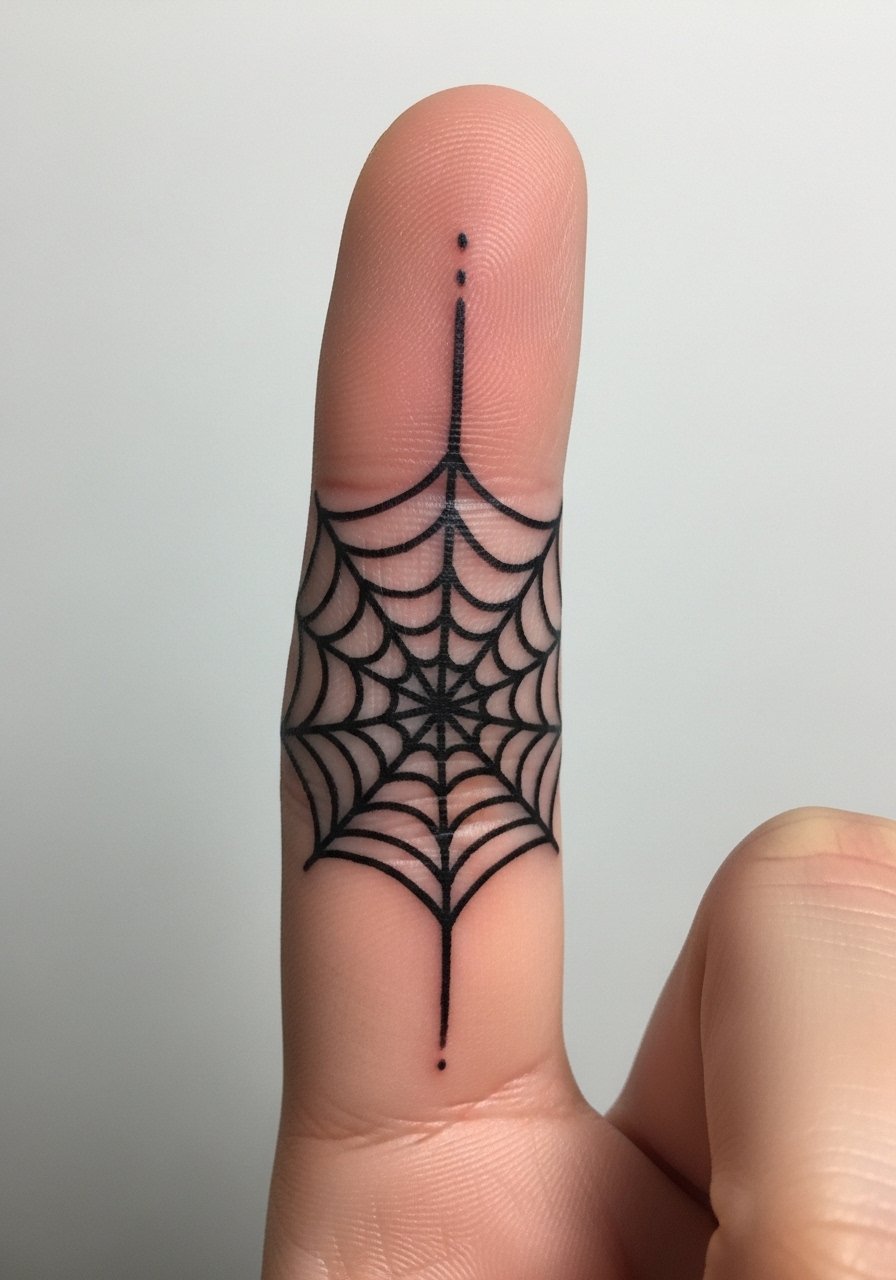
When you sit down for this, bring examples of healed finger pieces. Fingers heal oddly and often demand touch-ups. The biggest mistake is expecting a one-and-done. One camp argues fingers draw attention and blur quickly because of thin skin and constant washing. The opposing view says bold blackwork will maintain contrast longer than fine lines. For best results pick compact, bold segments instead of ultra-fine webs. Pain is sharp but brief. Expect a likely touch-up within 12 to 24 months.
7. Neo-Traditional Melting Watch on Outer Forearm
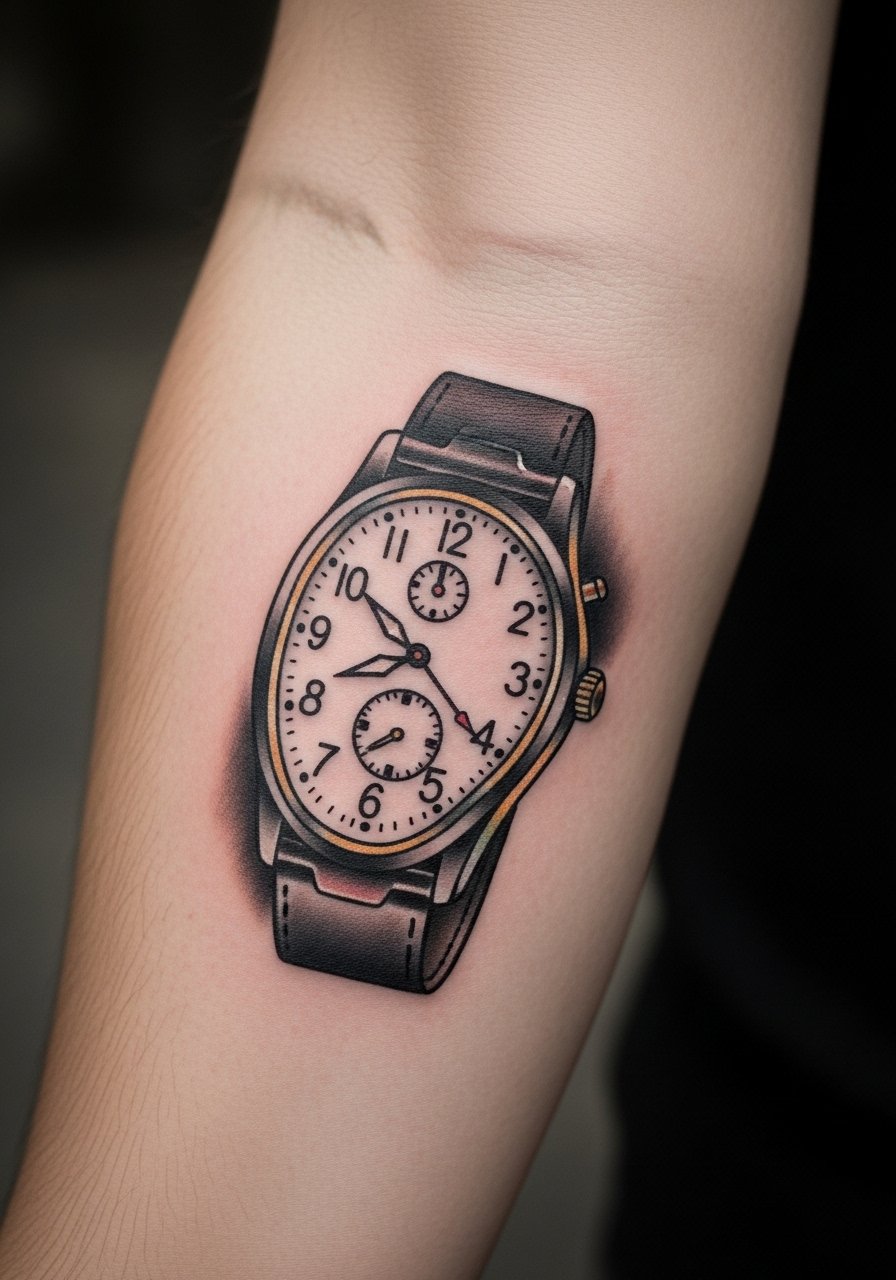
There is a visual effect that carries over when you scale surreal motifs down. For the melting watch, request strong primary outlines and muted color fields so the melting details do not resolve into a blur. The forearm is a forgiving canvas and usually tolerates saturation well. Tell the artist you want slightly thicker anchor lines around the face to preserve structure. The session is comfortable and often one sit. At two years you will notice softer edges, but a thoughtful touch-up can re-establish the contrast without repainting the whole piece.
8. Minimalist Tree Outline on Ribcage

Fair warning: the ribcage rates high on pain and also stretches with breathing and weight change. Artists split on fine line there. One group says ribs distort thin contours and blur within a couple of years. The other group says careful depth and spacing let fine branches keep their shape. If you take this route, ask for slightly bolder trunk lines and airy branch gaps. Healing can feel tender, and expect a touch-up window sooner than with forearm pieces. This placement suits someone prepared for the commitment of sitting and a longer healing window.
9. Ignorant Style Snake Coil on Back of Hand

There is raw appeal to sketchy, ignorant style because it reads like a personal sketch you carry. Hand pieces still affect some hiring decisions, so think about career context before booking. The mistake I see is asking for sketch details so small they disappear after healing. Ask the artist to exaggerate the scribbles and keep the coil bold where it crosses knuckles. The hand heals fast and then dulls; expect a likely touch-up within 12 months. Session pain is moderate and the area will be visible during healing.
10. Watercolor Celestial Planet on Shoulder Blade

Most watercolor pieces age based on how much saturation and line anchor they have. To keep a small planet readable ask for a fine black anchor outline or a stipple ring around the core color. The shoulder blade is low friction and heals reliably, so it is a forgiving spot for soft gradients. Expect the color to soften at six months and require a color-boost touch-up at year two or three if you want vibrant tones. Sessions are comfortable and often complete in one sitting.
11. Fine Line Matchstick with Flame on Thumb
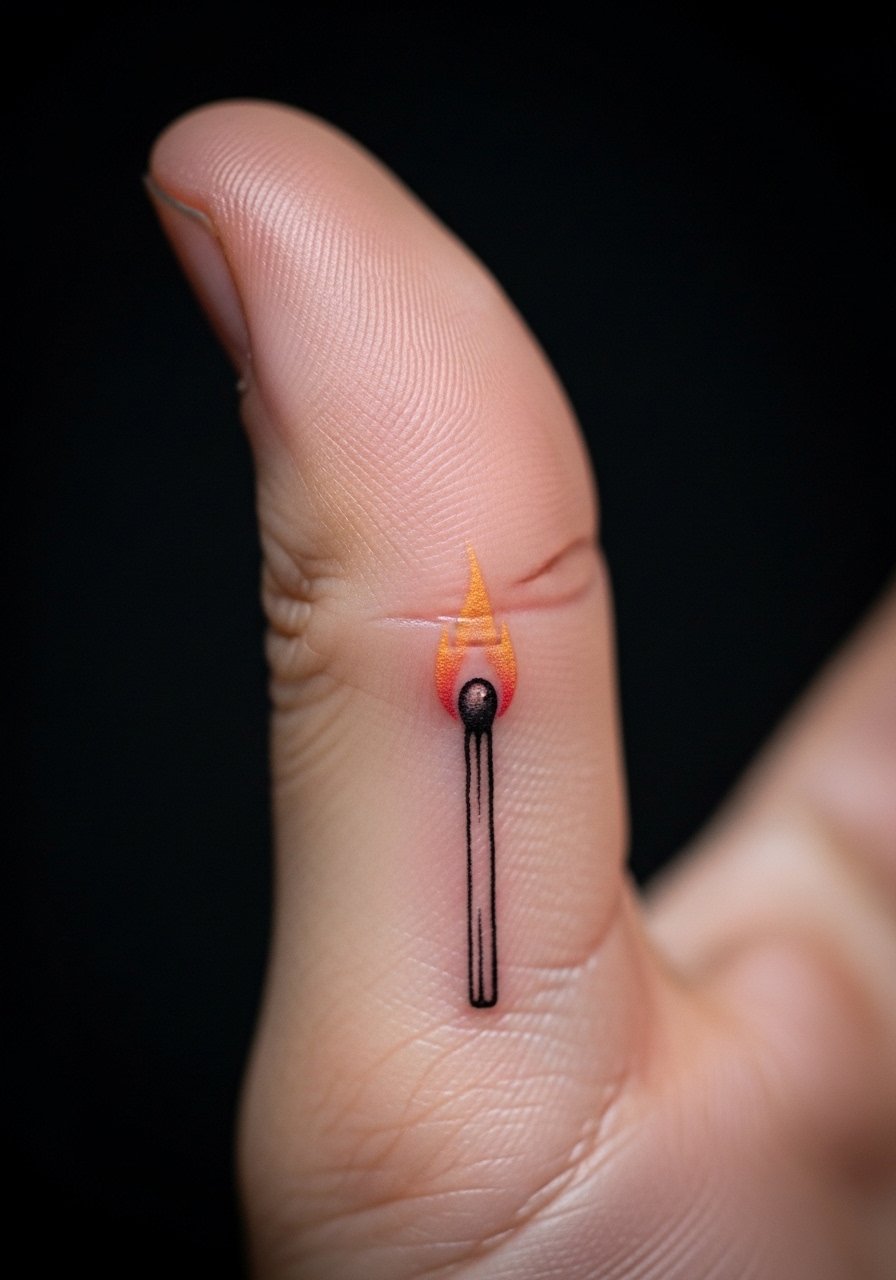
The thumb is a tough zone for fine line. Tell your artist to use short, confident line segments and avoid hairline strokes that vanish. The common mistake is pushing too much micro detail which fills in as the skin regenerates. Expect frequent exposure to water and friction, so budget touch-ups earlier than for arm pieces. The session is quick but can feel intense near the joint. Plan to inspect healed photos before deciding if you want deeper saturation.
12. Ornamental Cyber Sigil on Side Neck

When you sit down with an artist for a neck sigil ask where they place the top and bottom anchor points to avoid collar irritation. Neck tattoos read bold even when small because of proximity to the face. This placement can still influence professional impressions, so think about visibility and wardrobe. Pain is noticeable and sessions are short. The piece will soften over time, so plan for a touch-up at two to three years if you want crisp geometry. Ask the artist for healed neck examples before booking.
13. Black and Gray Skull Cross on Calf
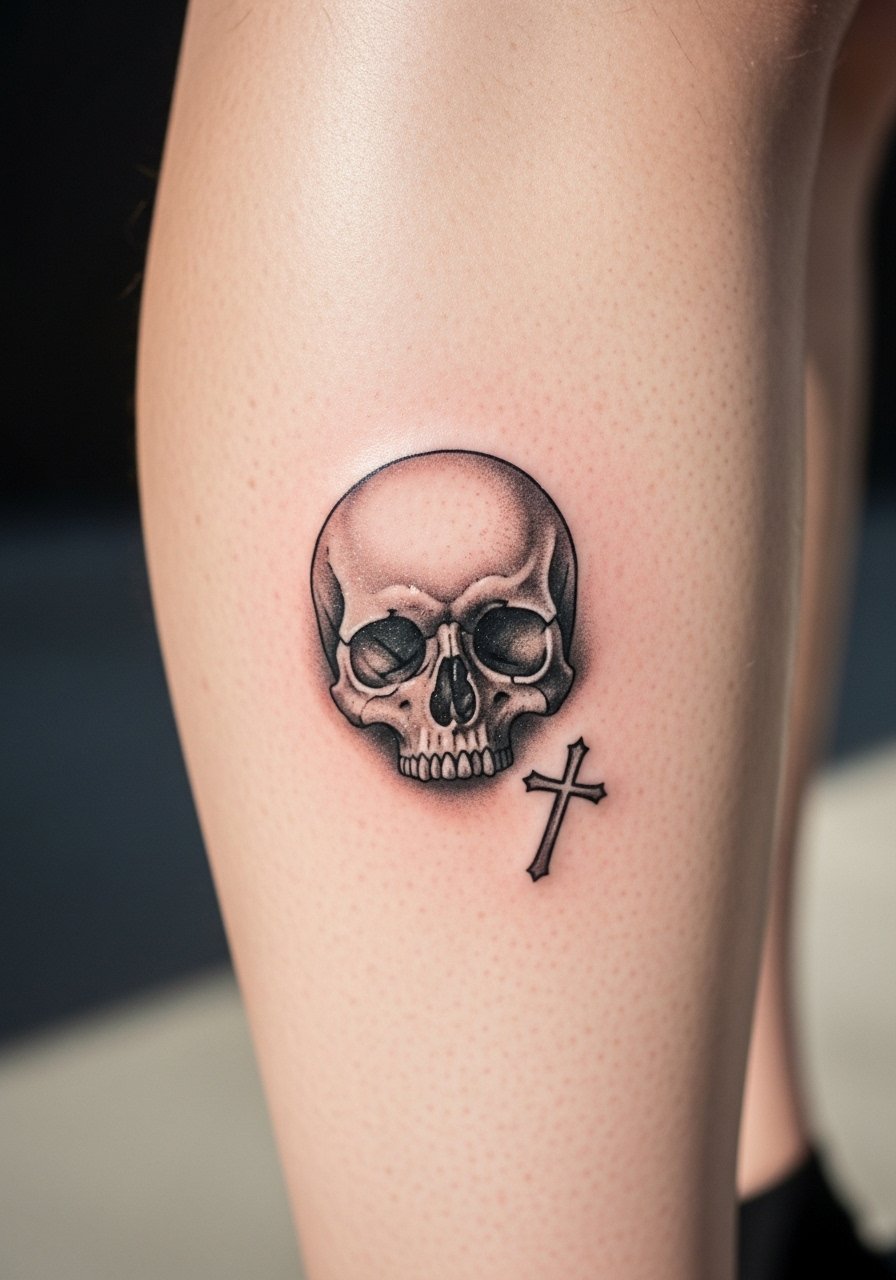
There is a practical benefit to calf placement. The leg gives room for detail while staying easy to conceal. If you want the shading to last request local contrast and avoid pushing midtones too close together. The mistake I see is asking for dense gray washes in a tiny area which can blend into a flat patch after a year. Sessions are comfortable and often a single visit. Expect the piece to hold its value with minimal touch-ups, unless you get heavy sun exposure.
14. Lego Character Quirk on Inner Wrist
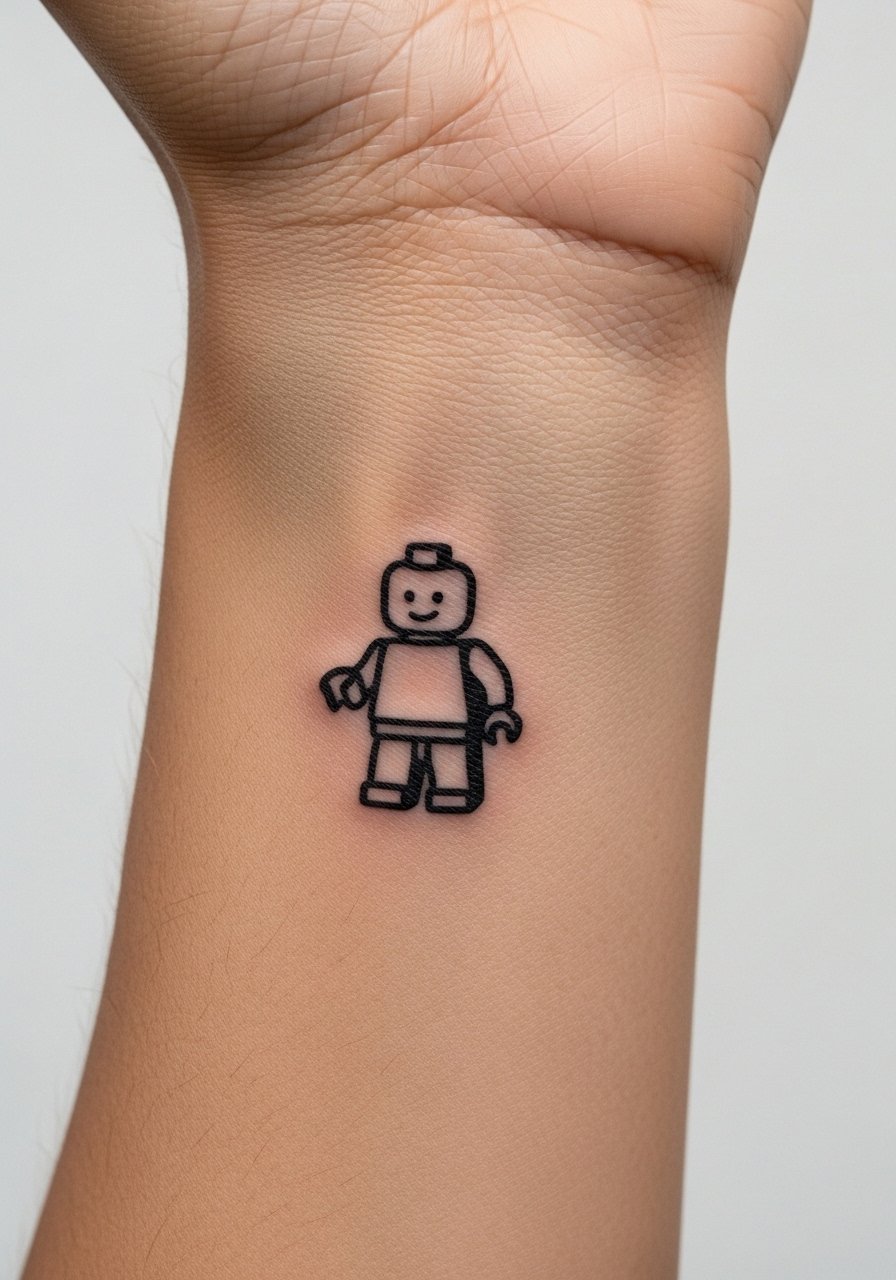
When a design references a modern toy or hobby, small scale needs simplified geometry. Tell the artist you want the figure reduced to primary shapes and clear negative space. The wrist is exposed, so you will see earlier fading and may want a maintenance appointment at two years. The session is quick and the area feels scratchy at times. This idea brings a playful edge without asking for a full commitment to a larger piece.
15. Kiss Mark Realism on Outer Forearm

When you pick realism at small scale, the tonal anchor points matter. For a kiss mark ask for a slightly stronger outline and selective saturation so the shape keeps reading at a glance. The forearm is excellent for small realism and usually takes ink well. The common mistake is asking for micro texture that dissolves as it heals. Session time is short, and touch-up needs depend on exposure and how much lotion you use afterward.
Tattoo Prep and Aftercare Essentials
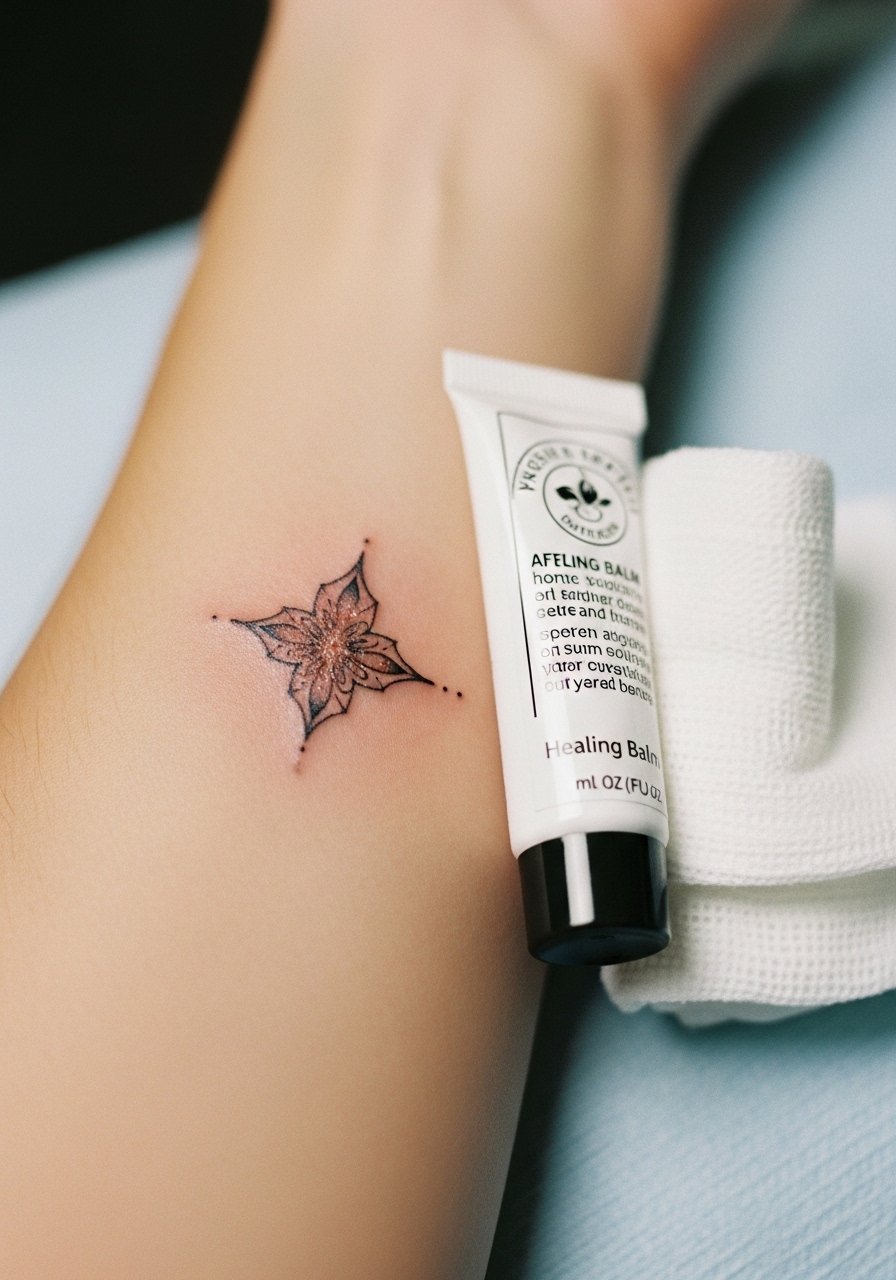
I include a short, practical shopping list for healing and prep. From spending time in shops I learned artists favor lightweight, non-comedogenic products and sterile occlusive options for the first 24 to 48 hours. Below are straightforward items to have on hand. Pick products that match your skin sensitivity. If you have eczema or skin conditions check with a dermatologist before use.
Fragrance-free gentle foaming cleanser. Use in the first week to clean the area twice daily. A pH-neutral cleanser removes blood and plasma without stripping the ink, and it helps reduce crusting.
Lightweight fragrance-free balm. Apply a thin layer after cleansing to keep the skin supple. Look for a non-greasy texture so the area can breathe.
Medical-grade second skin bandage, 6-inch roll. Useful for the first 24 hours on friction areas like ankles or hands. It protects from rubbing and keeps a clean environment.
Aquaphor Healing Ointment. If your skin tends to crack, this can help during the early dry phase. This is the one mainstream product listed here.
High-SPF broad-spectrum mineral sunscreen stick. After healing, daily SPF prevents ink breakdown and color loss. Mineral sticks are easy to reapply.
Non-irritating electric trimmer or shaving oil. Use before an appointment to remove hair without micro-cuts. Fresh nicks complicate the tattoo process.
UV-protective mineral SPF for long-term maintenance. Keep a travel tube handy for exposed pieces like forearms and calves.
Gentle exfoliating body wash for long-term texture management. A light weekly exfoliant helps remove dead skin and keeps healed lines crisp without attacking the tattoo.
Every tattoo is different. Always follow your artist's specific aftercare instructions. Consult a dermatologist if you have skin concerns or unusual healing issues.
Frequently Asked Questions
Q: Will a fine line arrow on my inner forearm need touch-ups often?
A: It depends on your lifestyle and sun exposure. If you get regular sun on that arm or do a lot of lifting that rubs clothing across the area plan for a touch-up at year three. Ask your artist for slightly heavier primary lines if longevity is a priority.
Q: Do finger and thumb tattoos blur faster than forearm pieces?
A: Yes, fingers and thumbs are high-wear zones because of washing and thin skin. Expect earlier fading and a higher chance of touch-ups within 12 to 24 months. If you want durability, pick bolder blackwork on fingers rather than ultra-fine detail.
Q: How should I prepare for a ribcage minimalist tree given the pain and stretch?
A: Hydrate in the days before and avoid alcohol that thins blood. Be ready for higher pain levels and bring loose clothing for after the session. Ask the artist about slightly thicker trunk lines so branches keep their shape as the skin settles.
Q: Does micro-realism on the bicep age differently than a micro portrait on the calf?
A: Yes, the bicep moves more with muscle and can soften contrast faster if you train heavily. Calf flesh is more stable and often keeps midtone detail longer. Discuss placement trade-offs with your artist and ask to see healed examples of similar placements.
Q: Are there aftercare products you recommend for oily or acne-prone skin?
A: Pick non-comedogenic, fragrance-free options like a lightweight balm and a gentle foaming cleanser. The fragrance-free balm linked above is a good example to look for. If you have ongoing acne use a dermatologist consult before applying occlusives.
Q: Should I get a prototype or flash piece if I am unsure about a cyber sigil on my neck?
A: A temporary transfer or a skin-safe sticker test is a smart move. It shows scale and daily visibility without commitment. If you like the placement for a few weeks, move forward and ask the artist for healed neck photos with similar geometry.