
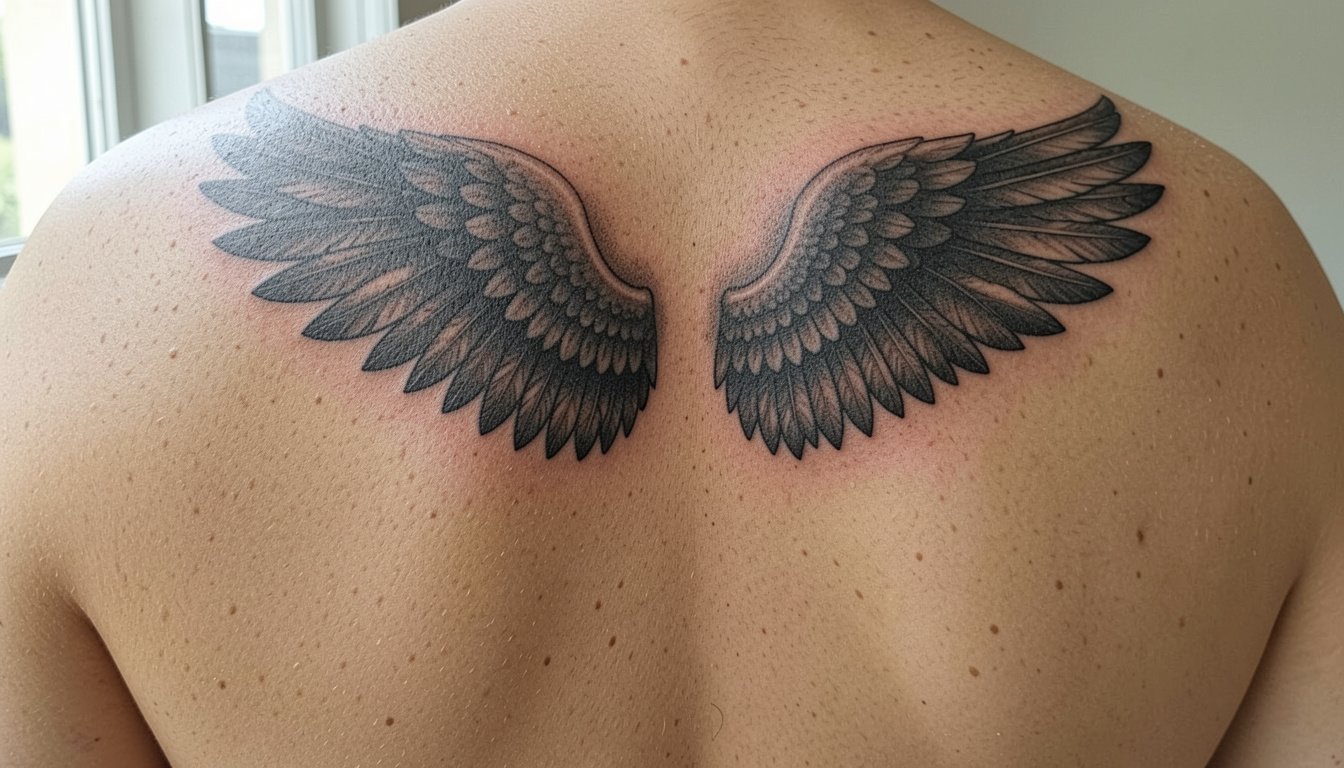
The Seraphim trend online looks cinematic and ornate, but the versions that wear well are the ones planned around silhouette and wing spacing from day one. A rushed stencil that crams six wings into a small canvas will blur into a single dark shape within a few years. Pick a concept that matches the placement and the line weight you'd live with at year five, and you will still like the silhouette when the piece has healed twice over. First up is a compact option that keeps the multi-wing silhouette legible.
1. Compact Six-Wing on Upper Chest
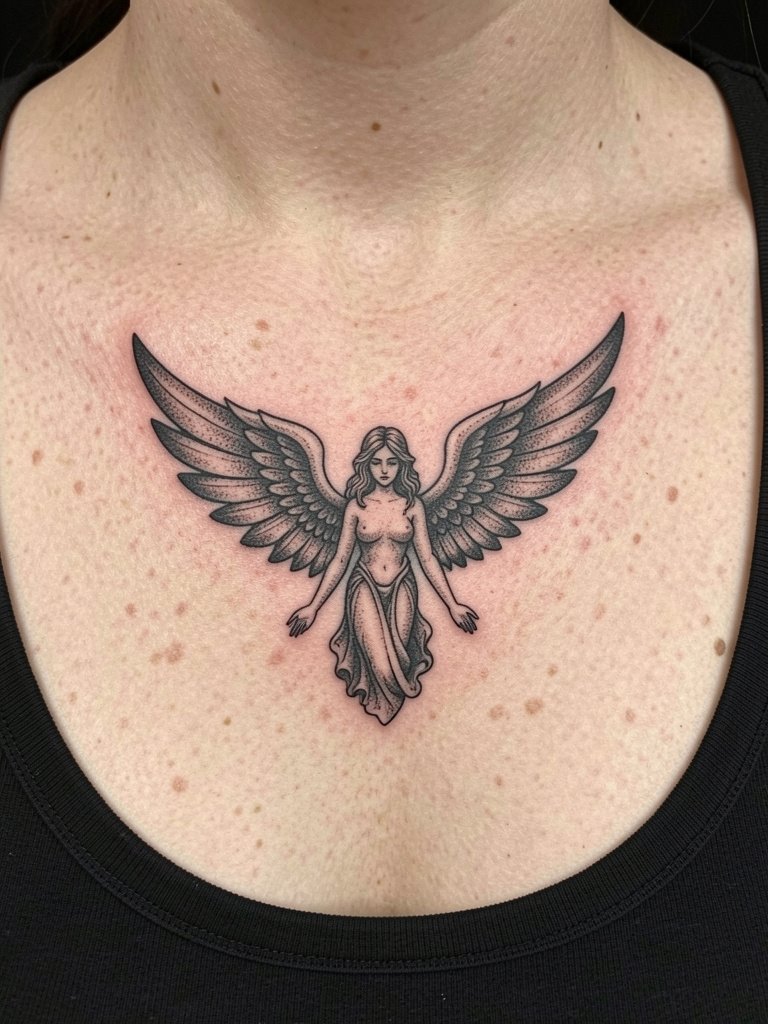
A chest Seraphim reads sacred when the wings keep open negative space instead of filling every millimeter. I recommend this version if you want a visible piece without jumping straight to a full back panel. Discuss exact wing spacing with your artist, pointing to how much negative halo you want around the head so the six-wing silhouette stays distinct. Small, over-dense feathers age into a muddy patch, so choose slightly heavier linework and stipple shading rather than micro single-needle detail. Session time typically runs two to three hours. For the appointment wear an open-collar shirt that allows the artist access to the upper chest and collarbone.
2. Fine Line Wrist Seraphim Emblem

Choose this if you want a wearable, discreet Seraphim that still reads as angelic. The wrist eats the finest single-needle detail over time, so request slightly bolder primary contour lines and let the halo detail be airy dot work. A common mistake is asking for micro-feather texture inside a two-inch emblem. That version blurs by year two. Expect a short session under an hour and a likely touch-up at six months for crisp halo edges. For showing it off try open-collar shirts that keep the wrist visible or roll up a soft linen sleeve for summer looks.
3. Six-Wing Back Panel in Black and Grey

A full back Seraphim is the place for biblical detail and the extra wings that define the theme. Expect multiple long sessions spread across weeks. The advantage here is scale. With room to breathe the feathers get texture that survives heavy use and sun exposure better than tiny work. One mistake is squeezing a back composition down into a single chest session. That compresses the winglines and raises blowout risk. For aftercare planning anticipate two to three full touch-up windows in the first year. If you plan to show it often pick open-back tops or backless dresses for nights out.
4. Throat Seraphim With Guardian Motif

Neck placements make the imagery feel protective and immediate. For throat work request bold silhouette and limited fine internal detail so the design remains readable from a distance. One common aging issue is overfilling tiny hairline feathers that bleed into one another. Pain here is higher than the forearm, and the session may need a brief break mid-design. Wear a button-down or zip hoodie to the session so you can uncover the area easily. To frame it in everyday outfits try thin chain necklaces that sit above the design rather than over it.
5. Revelation Sleeve With Filigree Panels

Sleeves let you stage the Seraphim across panels, with ornamental scrollwork dividing wing sections. If you want a narrative sleeve, bring three reference images that show feather rhythm at different scales so the artist can design transitions. A common error is insisting on micro details near joints where motion causes early blur. Expect multiple sessions lasting three to four hours each. For session wear bring a short-sleeve or rolled-sleeve shirt so the artist can reach both upper arm and forearm. To show off the sleeve, try rolled linen sleeves or muscle tanks for clear visibility.
6. Minimal Line-Work Thigh Seraphim

The upper thigh is forgiving of size and subtle detail. A minimalist Seraphim here offers privacy and lower daily abrasion. Request slightly heavier outer contour lines than your reference so the silhouette does not soften too quickly. One real mistake is choosing single-needle wings on a high-friction zone close to the shorts hem. That version fades unevenly. Session time is generally under two hours and touch-ups are commonly scheduled at six to nine months. For showing the piece pick swimwear or high-slit skirts. For the appointment wear bike shorts or loose shorts so the artist can work without fabric interference.
Before You Book
The chest, wrist, and thigh pieces above all ask different session planning and aftercare. A few targeted products smooth the appointment and the first week of healing.
-
Stencil transfer paper kit. Lets you preview exact line placement on skin, which is especially helpful for compact wrist and throat stencils from ideas above.
-
Topical numbing cream. Applied before shorter but sensitive sessions like the throat or sternum to ease initial needle sensitivity without changing linework.
-
Thin protective film roll. Keeps exposed spots like the wrist and ankle clean during the first week of frequent washing.
-
Fragrance-free body wash. Gentle cleansing for healing areas that helps avoid irritation from scented products.
-
Aquaphor healing ointment. A mainstream option many artists recommend for the initial thin layer while fine line work seals.
7. Neo-Traditional Shoulder Seraphim With Flame Motif

Shoulder caps let you use bold linework and solid color fills that age predictably. The flame motif introduces motion and contrast, so ask for saturated color fills rather than delicate watercolor blends that can become patchy. One common error is requesting very soft watercolors on the shoulder without considering sun exposure. That approach tends to need earlier saturation touch-ups. Sessions are moderate in length with low blowout risk. For outfit pairing choose short sleeves or tank tops to frame the shoulder when you want to show it.
8. Multi-Eye Seraphim Back Thigh Composition

The multi-eye motif reads intense and symbolic when placed on the outer thigh where the design gets scale. I suggest grouping eye elements with clear spacing so they do not lock into a dense block. A frequent mistake is pushing tiny eye details into a small canvas. That reduces their individuality over time. The thigh is a low-movement zone so stipple shading works well and ages slowly. Session wear should be loose shorts or skirts so the artist can access the outer thigh without fabric tugging. When you want to reveal the work, long skirts with a thigh slit put the composition on display.
9. Watercolor Halo Seraphim on Upper Arm

Watercolor techniques make the Seraphim feel ethereal but demand planning for longevity. One camp of artists warns that large soft color fields fade and puddle if placed over high-motion zones. The other camp points to careful layering and stronger outlining as a fix that keeps watercolors readable. Ask for clear anchor lines around the halo so the color sits inside a stable border. Expect a multi-pass color session and a touch-up at the six to twelve month mark. For outfits choose short sleeves or rolled cuffs to let the upper-arm wash show.
10. Ornamental Filigree Collarbone Seraphim
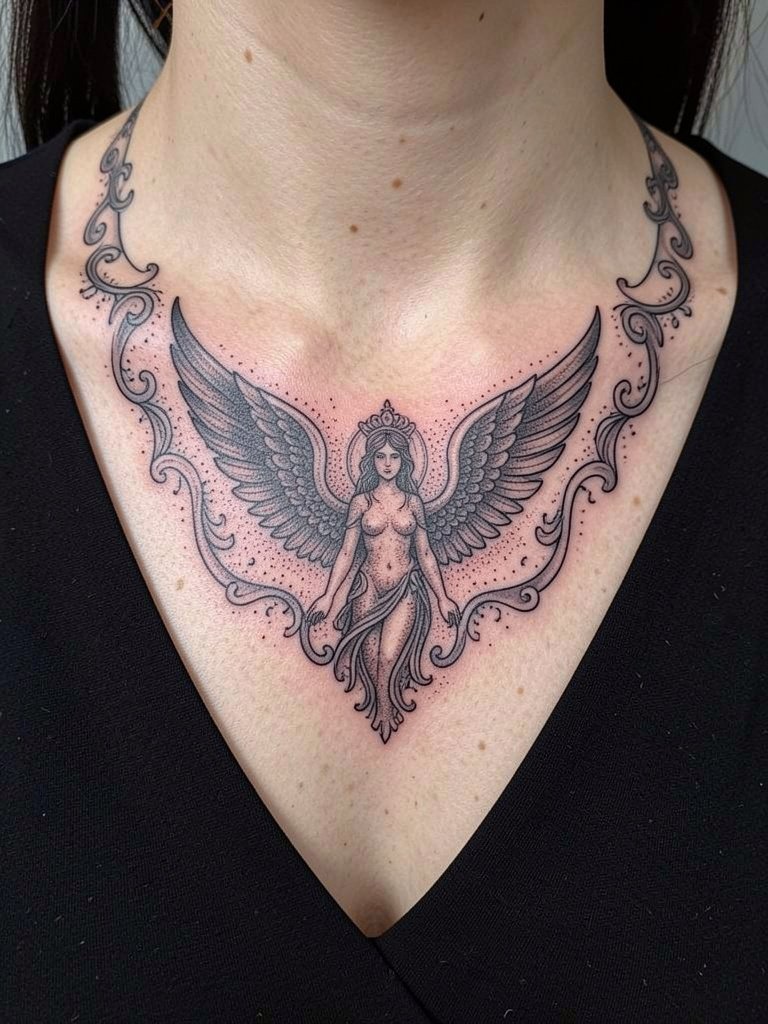
Collarbones suit ornamental framing because the bone provides natural rhythm for filigree. When you choose this placement ask for mirrored spacing that respects the clavicle curve so the design breathes with body movement. A common mistake is centering heavy weight right above the clavicle which causes unpleasant tension and faster flattening of the dots. Sessions are usually under two hours but may need a second pass for perfect symmetry. For evening looks try wide V-neck tops that frame the filigree without covering it.
11. Mandorla-Framed Seraphim Sternum Piece

Sternum pieces present visual reward for careful planning and a readiness for pain and healing commitment. If you want a ceremonial framing, request the mandorla to provide the central focus and to leave the breast crease free of heavy ink. One mistake is pushing micro detail too close to the sternum edge. That detail distorts with movement and requires early touch-ups. Plan for a session with breaks and wear a fitted sports bra for modest coverage during travel home. For modest occasions try low-cut fitted tops that reveal the central motif.
12. Dot Work Halo on Nape
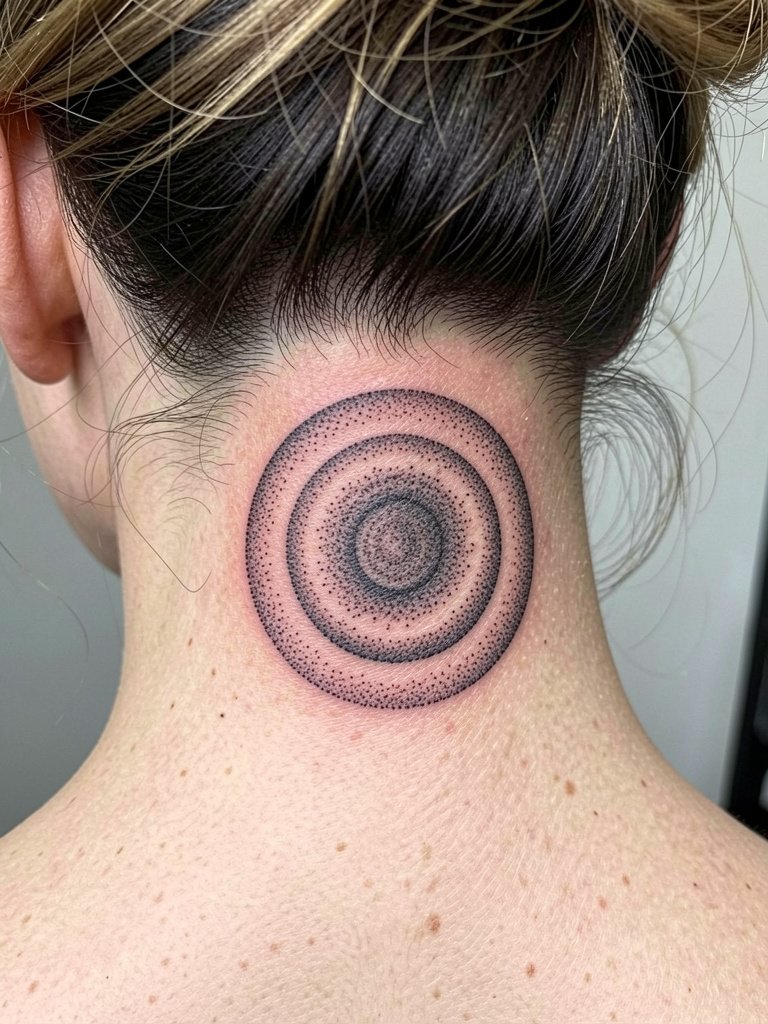
The nape is subtle and intimate while still offering occasional reveal when hair is up. Dot work holds well here if you avoid over-dense stippling. A common error is requesting ultra-fine stipple across a large area. That version can look patchy after sun exposure. Sessions are short, and shielding the area from direct sun speeds even fading. For showing it off use loose updos or hair clips. For the session plan to have hair tied up and wear a wide-neck top for easy access to the nape.
13. Geometric Seraphim Over Ribcage
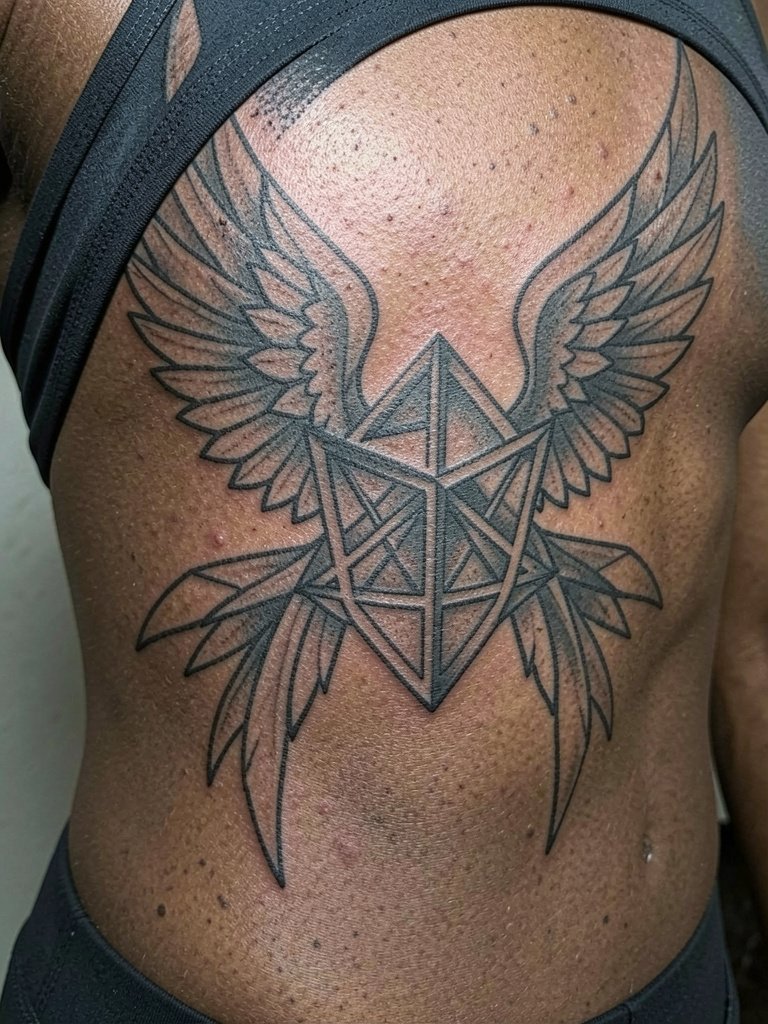
Ribcage tattoos demand honest pain tolerance and planning for movement. One camp of artists says fine line on ribs blurs because of skin stretch. The other camp says with slightly wider spacing and controlled depth fine line can settle well. If you prefer the minimal look, ask for measured spacing and a mock-up at 75 percent scale to visualize how the lines will breathe. Sessions will be slower and may need breaks. Wear a fitted cropped top so the artist has clear access without fabric being moved.
14. Small Ankle Seraphim with Loop Wing

Ankle tattoos face friction from socks and shoes so prioritize clean silhouettes over tiny feather articulation. A common mistake is asking for micro-feather lines that blur under friction. Choose a compact black silhouette with one or two interior accents and expect a one-hour session. For daytime looks roll your jeans or wear cropped trousers. For the appointment wear pants that pull on and off without sliding over the ankle repeatedly.
15. Half-Sleeve Seraphim With Halo and Script

When pairing a halo with script choose scale carefully. Script inside a halo often loses legibility if the letters are too fine. Bring the exact word and preferred font so the artist can render it at a readable size. A frequent mistake is insisting on tiny cursive under a halo. That text will likely need a touch-up early. Sessions for a half-sleeve run multiple hours. For showing the piece roll sleeves or use short-sleeve tees that make the half-sleeve visible.
16. Calf Seraphim With Sacred Flame
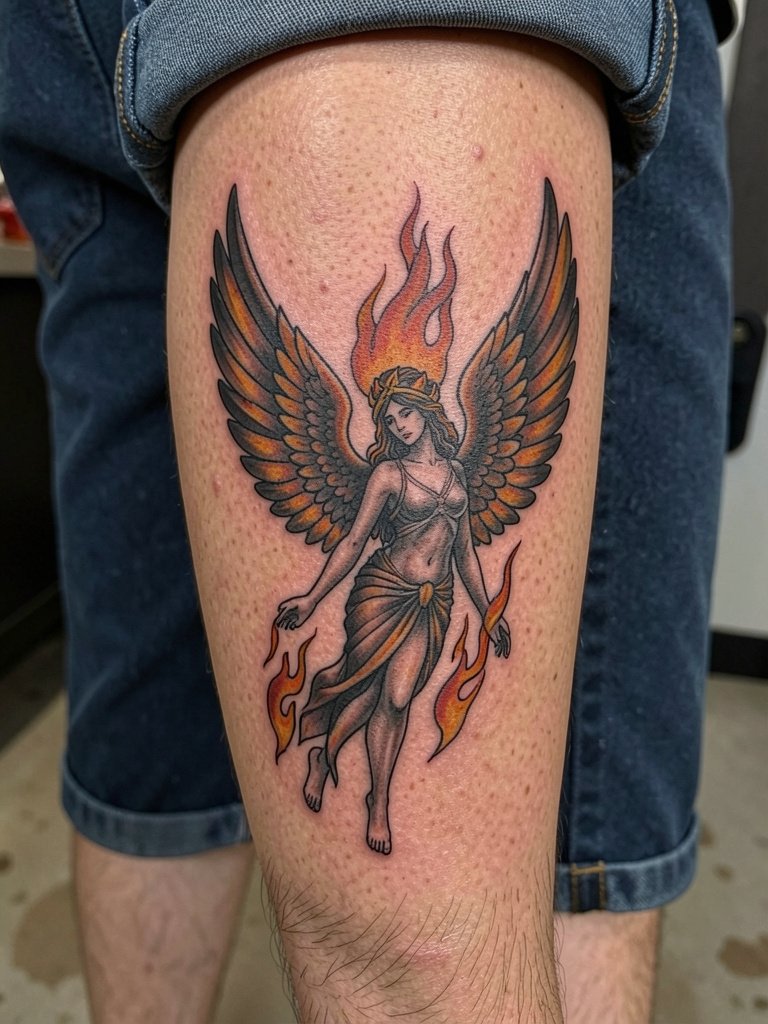
Calf placements handle vertical compositions well, which suits a stacked wing plus flame motif. The calf is low blowout risk but check how the wing tips wrap around the muscle. A mistake is letting the wing tips sit too close to the knee crease where motion can distort edges. Sessions can be completed in two to three hours. To show the design wear cropped trousers or heeled sandals. For the appointment choose shorts or pants with a flexible hem so the artist can access the entire calf easily.
17. Inner Bicep Seraphim Portrait

The inner bicep gives a private canvas for portrait-style Seraphim work. Because the skin there is slightly softer, ask for clear heavier outlines around the portrait edges so the face stays defined. A typical error is trusting tiny hairline lashes that vanish into time. Sessions are moderate in length and healing requires gentle movement limitation for a few days. For the session wear a tank top and arrive with the arm relaxed. When you want to show the piece wear sleeveless shirts or tuck hair back to keep the region visible.
18. Single-Wing Back of Hand Accent

Hand work is high-exposure and demands honest expectations on fading. One camp of tattooers says small hand work should be bold and simple because frequent washing and friction exhaust detail. The other camp still uses finer contours but plans for yearly touch-ups. If you like the hand placement, ask for a simple silhouette with a bold leading edge. Expect faster fade and a possible touch-up within the first year. For session wear short sleeves and avoid tight cuffs. To display the piece choose minimal rings and bracelets that do not cover the wing.
19. Thigh Wrapped Neo-Classical Seraphim

A wrapped thigh piece allows a cinematic pose for the Seraphim. Because the area has low daily abrasion, realism and shading work well. One mistake people make is squeezing small portrait detail into narrow vertical strips. That compresses the figure. Sessions will likely last multiple hours. For showing pick skirts or swim bottoms that reveal the upper thigh. For the appointment wear shorts that can be easily pulled down or off without dragging over the ink.
20. Small Ankle Chain Wing Accent

When the ankle is your canvas, solid silhouettes perform better than filigree. Avoid requests for ultra-thin links that will disappear under friction. Plan for a quick session and a likely touch-up at six months. For everyday wear pick shoes that do not rub directly against the ink in the first two weeks. For display try cropped jeans or sandals. For the session choose trousers that slide on and off without dragging over the freshly inked area.
21. Chest-Centered Six-Wing with Halo

A centered chest piece reads ceremonial when the halo is used to balance the wings. Make sure the halo diameter matches the clavicle spacing so the piece feels proportional at shoulder width. A common mistake is over-tightening the halo which crowds the wing tips. Session length varies and pain near the sternum can be substantial. For clothing choose tops with wide necklines that sit below the halo so the work is visible without fabric covering.
22. Forearm Negative-Space Seraphim

Negative-space approaches use surrounding black to form the wing, which helps the shape remain visible at distance. If you want this effect ask for sample stencils so you can see how the skin gaps will read once healed. The main risk is over-filling which removes the negative contrast. Forearms are low pain and tend to keep saturation well. For showing off wear rolled sleeves or short-sleeve shirts. For the session wear a loose short-sleeve that the artist can roll up without moving the arm excessively.
23. Throat Side-Silhouette Seraphim

Side-neck placements are statement-driven and need bold silhouette choices. Ask the artist to show how the wing curves with the jawline so the shape reads in both profile and front views. A common mistake is letting feather tips intrude on the hairline which complicates visibility. Sessions are shorter but the area heals with sensitivity. To display the piece tuck hair behind the ear and wear open-collar jackets. For the appointment bring a hair tie and a wide-neck top so the artist can work without obstruction.
24. Minimal Foot Arch Seraphim Accent

Foot arches heal under pressure from shoes so simplicity is your friend. Ask for a compact silhouette that follows the arch curve instead of a complex feather array. A frequent mistake is demanding intricate interior detail that will not survive shoe friction. Sessions are short but healing requires avoiding closed shoes for at least a week. For display pick sandals and ankle-wrap shoes. For the appointment wear slip-on shoes that do not press on the foot.
25. Ornamental Hip Seraphim Panel

The hip is ideal for ornamental framing that reads as ceremonial when scaled correctly. Request the ornamental scroll to be drafted so it follows the waist curve, and avoid too many micro filigree elements near the waistband. One error is placing very fine detail right at the waistline where fabric rub speeds fading. Sessions vary and the area often needs a touch-up at the nine to twelve month mark. For showing the piece choose low-rise jeans or cropped tops that expose the lateral hip. For the appointment wear low-rise pants that the artist can move without pulling.
26. Full Thigh Realism Seraphim Scene
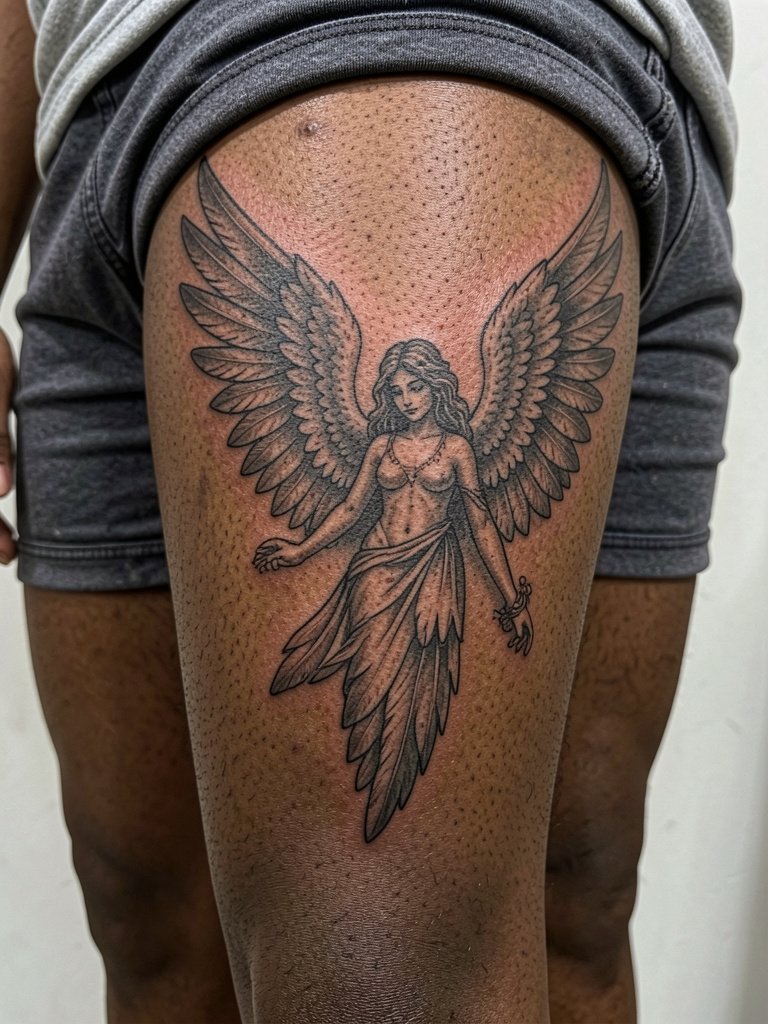
Full thigh realism gives you dramatic scale and clean feather gradation because the skin is stable and not sun-exposed daily. If you want photoreal texture ask for high-resolution healed examples from the artist and discuss touch-up timelines to maintain saturation. A common mistake is compressing a realism scene into too narrow a strip which makes the shading look muddy. Sessions will be long and may require multiple days. For showing select skirts or swimwear that reveal the upper thigh. For the appointment wear shorts that remove easily without tugging over the fresh ink.
27. Fine Line Inner Wrist Seraphim Script Accent
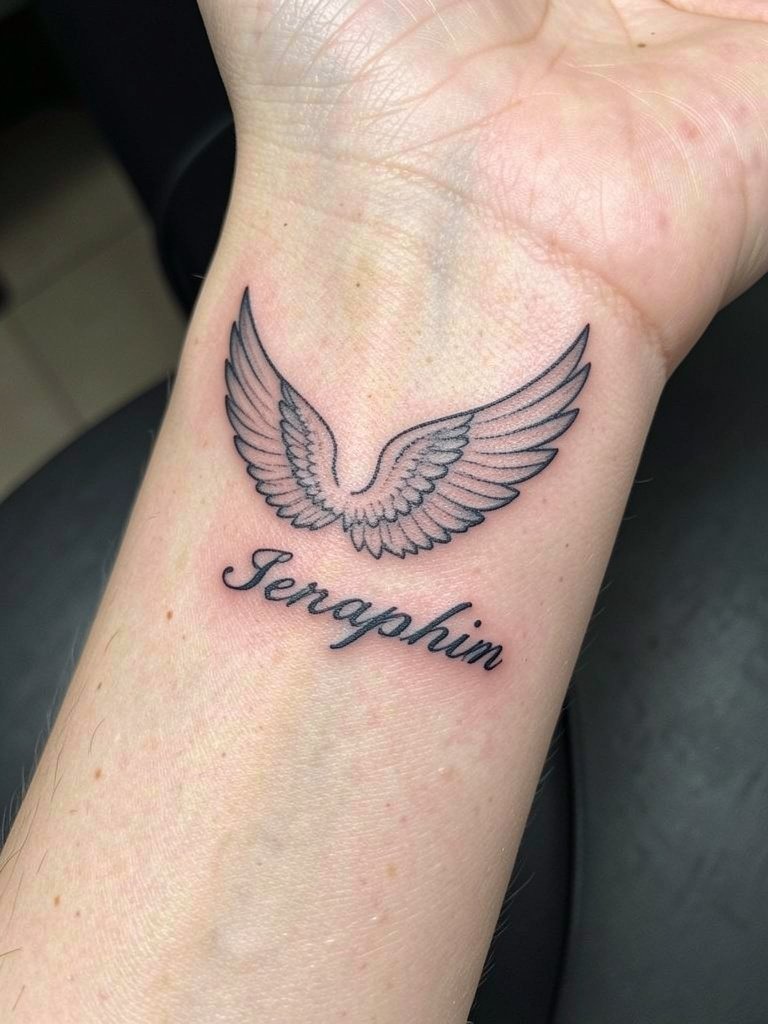
Inner wrist script sits close to the surface and needs readable scale. Bring the exact word in the font you want so the artist can test scale on skin. A frequent mistake is tiny lowercase script that loses spacing after six months. Ask for a hair stronger primary contour line for the wing and slightly wider script spacing. Session time is short and many clients schedule a touch-up at the six-month mark. For daily wear choose bracelets that sit above the piece so they do not rub the script. For the session wear a short-sleeve or rolled sleeve so the artist has clear access.
Frequently Asked Questions
Q: How much should I expect to tip for a multi-session Seraphim piece?
A: In the United States tipping usually falls between 15 and 25 percent of the service amount per session for work you are happy with. For large multi-session pieces plan tipping per appointment rather than front-loading the whole project at the end. That approach keeps each session feeling fair and also reflects the day-to-day effort your artist puts in.
Q: Where can I find healed Seraphim portfolios and local artists without naming specific people?
A: Search hashtags like #seraphimtattoo, #angeltattoo, and #blackandgreytattoo on image and video platforms and filter results by location. Use Pinterest to compare wing structures and frame ideas. For local options add your city to queries such as "religious tattoo artist" or "angel tattoo studio" then check portfolio photos for healed shots and guest-spot announcements.
Q: Which ages better for Seraphim work, black and grey or color?
A: There is a debate in the community. One camp favors black and grey because it tends to hold contrast and patina for longer with less visible correction. Another camp favors color accents to add life and narrative, and they will point to well-saturated work that aged nicely when placed and shielded properly. My practical view is match color use to placement and sun exposure and prepare for color touch-ups earlier than pure black work.
Q: How long before a Seraphim neck or chest piece can be exposed to normal sunlight?
A: Healed skin tolerates normal sunlight but you should keep fresh work out of direct sun for at least two weeks and use sunscreen after full healing. For placements that are frequently exposed like the chest and neck, plan on applying high SPF sunscreen after the first month to guard saturation, and expect some color shift over years.
Q: Can I plan outfit pairings for different placements while I pick the design?
A: Yes. Think about how you want to show the work day to day. For chest and collarbone pieces wide V-necks or scoop tanks work well. For sleeves and shoulders rolled sleeves and muscle tanks do the job. If you want a quick wardrobe suggestion try rolled linen shirts for sleeves and open-back dresses for large back panels.