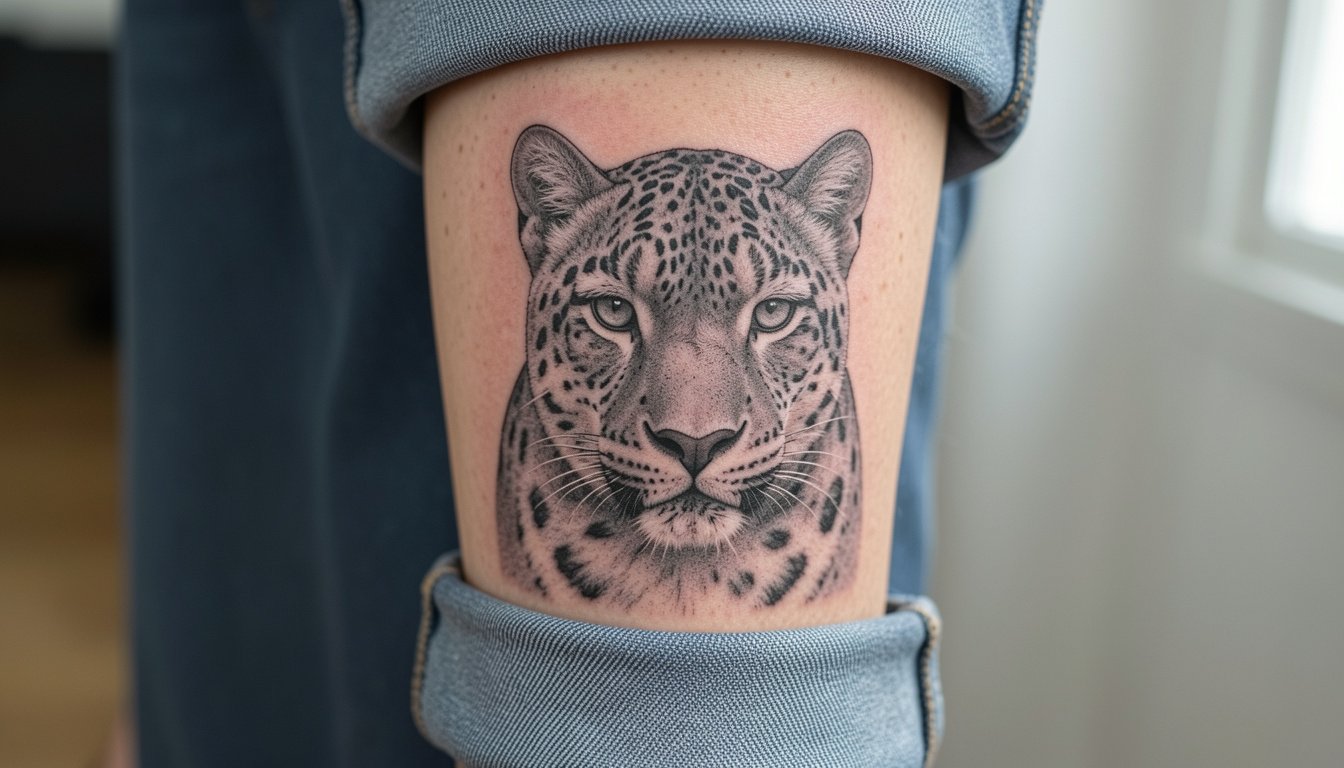
Realistic snow leopard work looks best when the artist plans for contrast, not just delicate fur strokes. Fine single-needle fur that mimics each whisker often softens into a gray smudge over time, while controlled contrast and varied texture keep facial features readable for years. Below are hands-on approaches and placements to help your next snow leopard hold definition without losing the soft, photoreal feel.
1. Snow Leopard Head on the Shoulder Blade
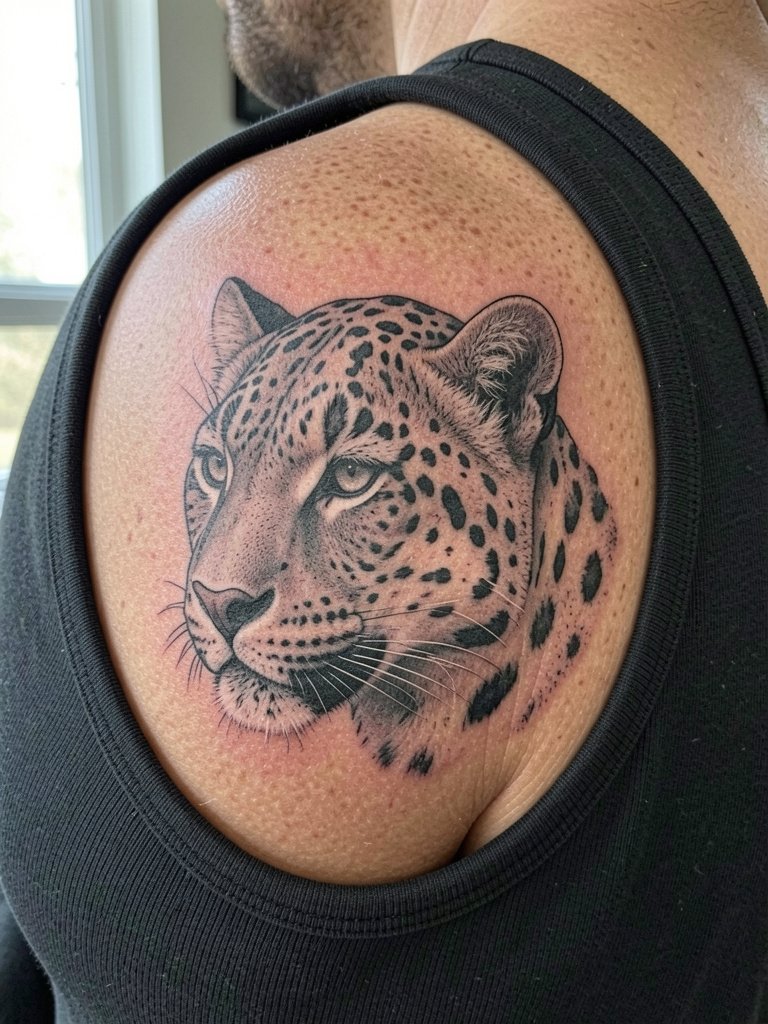
A shoulder blade portrait reads well because there is flat canvas and low friction from clothing. I recommend slightly bolder linework around the eyes and nose so those focal points keep contrast as the fur stippling softens. Ask for a layered stipple approach rather than uniform single-needle texture, and bring a face-close photo showing the exact gaze you want. Session time is usually two to three hours for a medium head, and pain is moderate. Common mistake is insisting on ultra-fine whiskers that disappear at year two. For evenings out, this placement pairs with open-back tops that let the shoulder sit cleanly against light fabrics.
2. Micro-Realism Snow Leopard on Inner Forearm
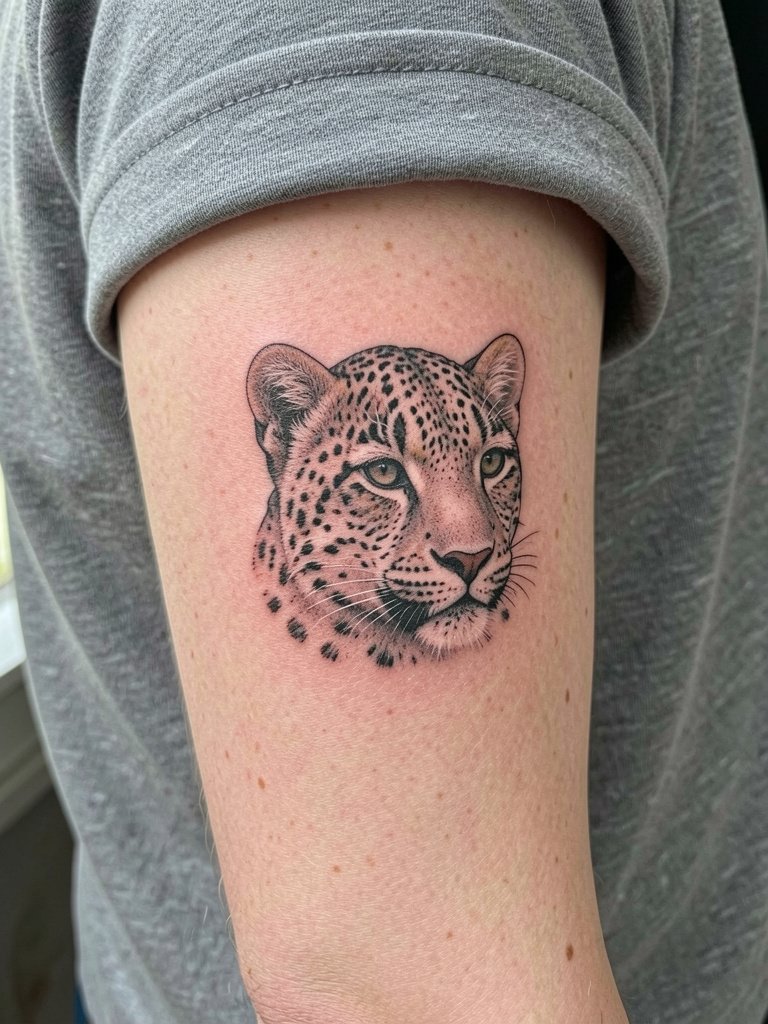
Micro-realism reads great on the inner forearm if scale is handled with care. The inner forearm tends to soften fine detail over time, so plan for a hair heavier line weight around core features. During consultation, request example photos at the exact size you want so the artist can show how whisker detail holds at three versus five inches. Expect a one to one-and-a-half hour session and light to moderate pain. Blowout risk is low here if the needle depth is controlled. For daily wear and to show it off, try a rolled-sleeve linen button-up that frames the inner forearm.
3. Snow Leopard Half-Sleeve with Rocky Backdrop
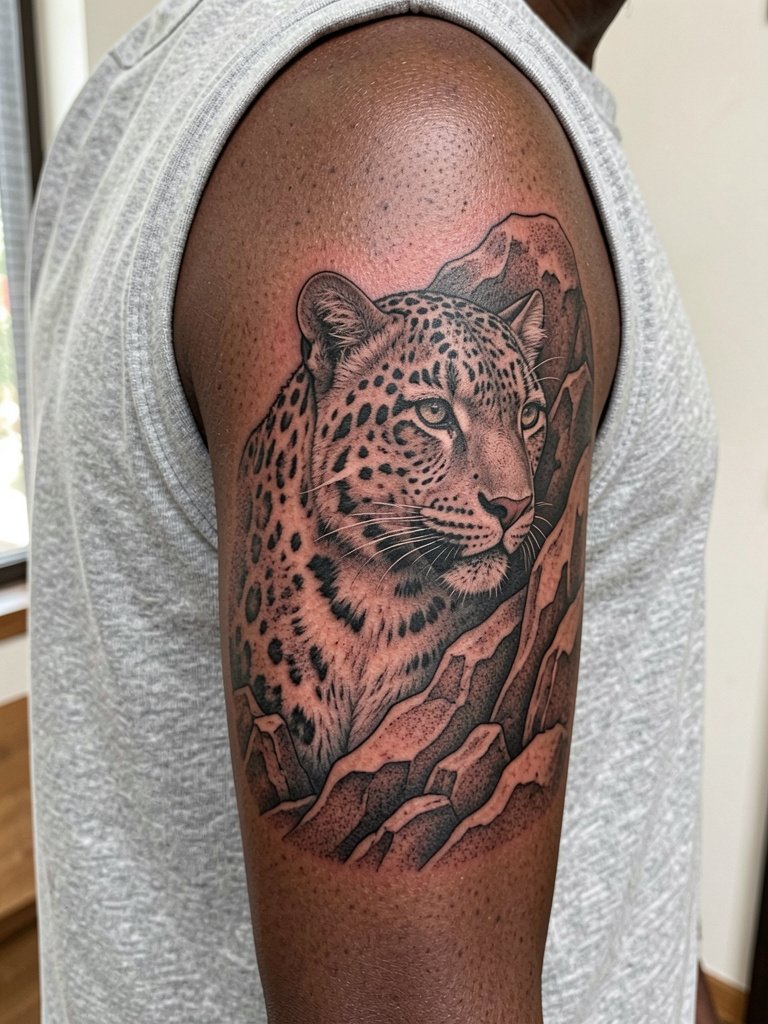
A half-sleeve lets you add environmental texture so the snow leopard does not rely only on fur detail to read. I suggest broader shadow planes behind the head and selective saturation in the eyes to keep the focal point over time. Discuss staging with your artist so the composition wraps the arm naturally and the lines do not follow the bicep fold, which can distort the face. Sessions will be multiple hours across two or three visits and pain runs moderate. For showing the sleeve, sleeveless vests or crop tank tops work with the arm flow.
4. Minimalist Snow Leopard Silhouette on the Ribcage
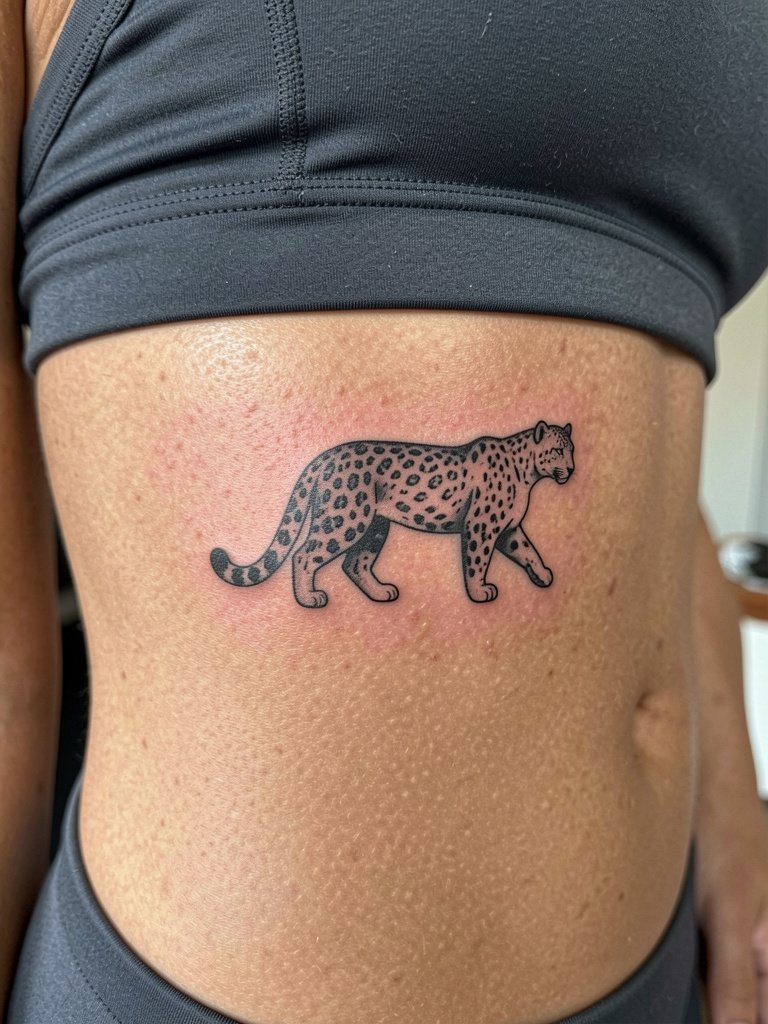
Ribcage work is notorious for being a high-pain zone and for how skin stretch affects fine detail. Fine-line fur often blurs here. Fine line on ribs splits artists into two camps. One group argues the skin stretch and motion blur lines within two years, especially near the lower rib folds. The other group says with slightly wider spacing and controlled needle depth the design settles and reads clearly. If you want a minimalist approach, go silhouette or slightly thicker contour lines, and plan a touch-up at year one.
5. Snow Leopard Eye Close-Up on the Calf
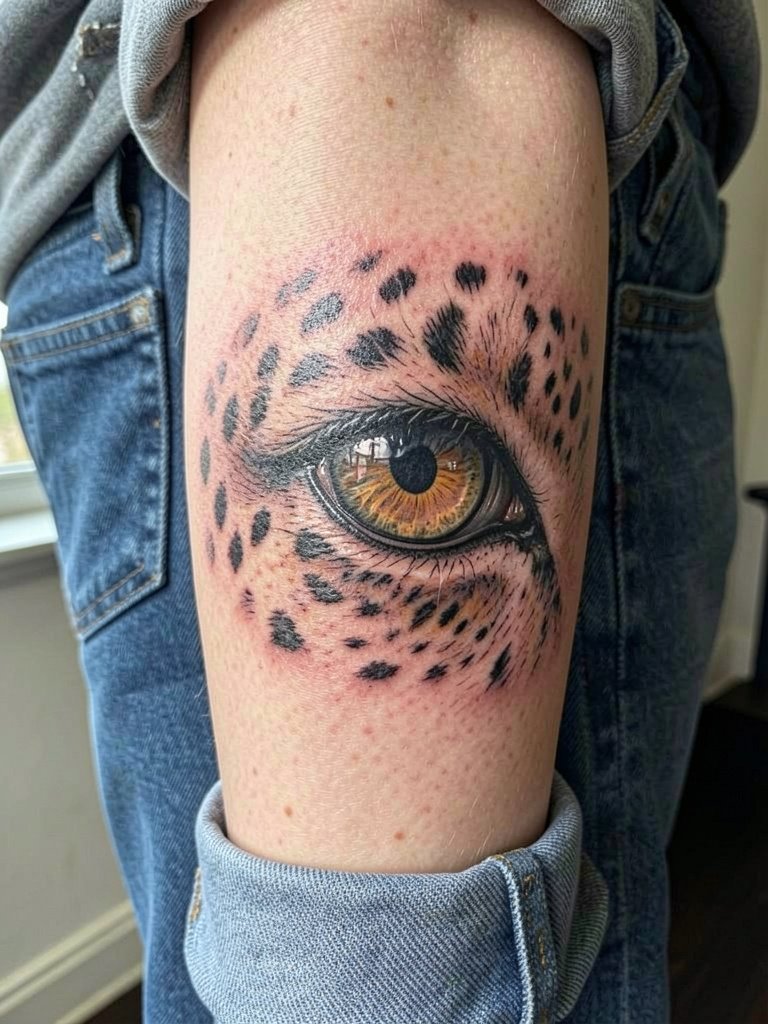
Focal close-ups like an eye need deep saturation in tight areas so highlights keep contrast as the skin ages. Ask for a high-saturation pass in the pupil and a stippled catchlight. The calf is lower-pain and handles saturation well, so a one to two hour session can get a very crisp result. A common mistake is skimping on the dark underlayer to protect the highlights. For footwear pairings, ankle boots or mid-calf socks that stop below the design let the eye remain visible, and a lightweight cuffed jean works well.
6. Snow Leopard Paw Print Trail Along the Collarbone
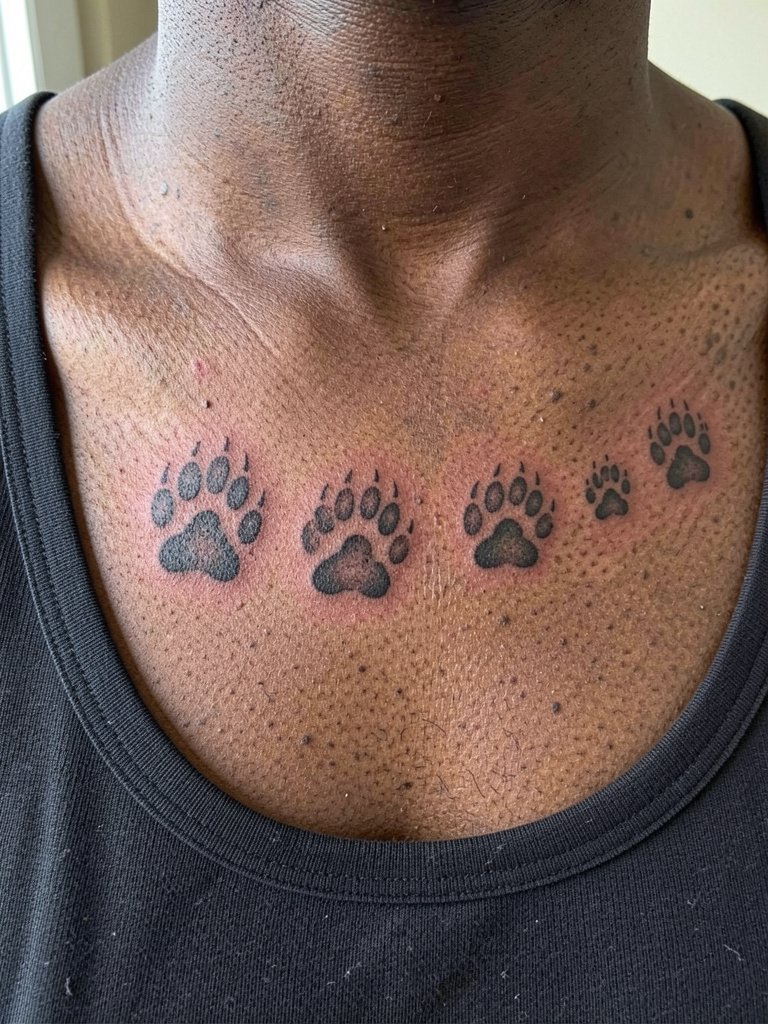
Small tracks across the collarbone are delicate but visible when spaced properly. The collarbone area sees motion and clothing friction, so leave gaps between prints and ask for slightly bolder outer contours on the prints. Session time is short, around 45 to 75 minutes, and pain is mild to moderate depending on how close to the bone the ink lands. Mistakes happen when prints are scaled too small. For a night out, these show best with wide V-neck blouses that let the prints breathe.
Pre-Session Essentials
The shoulder, forearm, calf, and collarbone pieces above have different access and friction needs. A few practical items smooth the chair day and the first week of healing.
-
Stencil transfer paper kit. Lets you preview linework placement on skin before the needle hits, which is helpful for the forearm and collarbone layouts above.
-
Topical numbing cream. Applied per instructions about 30 to 45 minutes before larger rib or sternum sessions eases the initial burn without altering saturation.
-
Thin protective film roll. Useful for small finger or wrist tracks to guard against daily rubbing during the first 48 hours.
-
Fragrance-free body wash. Gentle cleansing helps the fine stipple work on the calf and shoulder heal without irritation.
-
Aquaphor healing ointment. A thin layer for the first days keeps tattooed skin moisturized while avoiding clogged channels in delicate single-needle areas.
7. Snow Leopard Face Half-Profile on the Thigh

Upper-thigh portrait offers a canvas for larger detail and keeps friction low when seated. I prefer adding soft stipple shading across the jaw and a slightly darker rim around the eye to maintain the gaze over time. Tell the artist your preferred viewing distance so they can map contrast for how you want it seen. Sessions typically run two to three hours and pain is moderate. For showing the piece, a high-waisted midi skirt with a side slit reveals the thigh elegantly.
8. Geometric Snow Leopard Integrated into a Sleeve
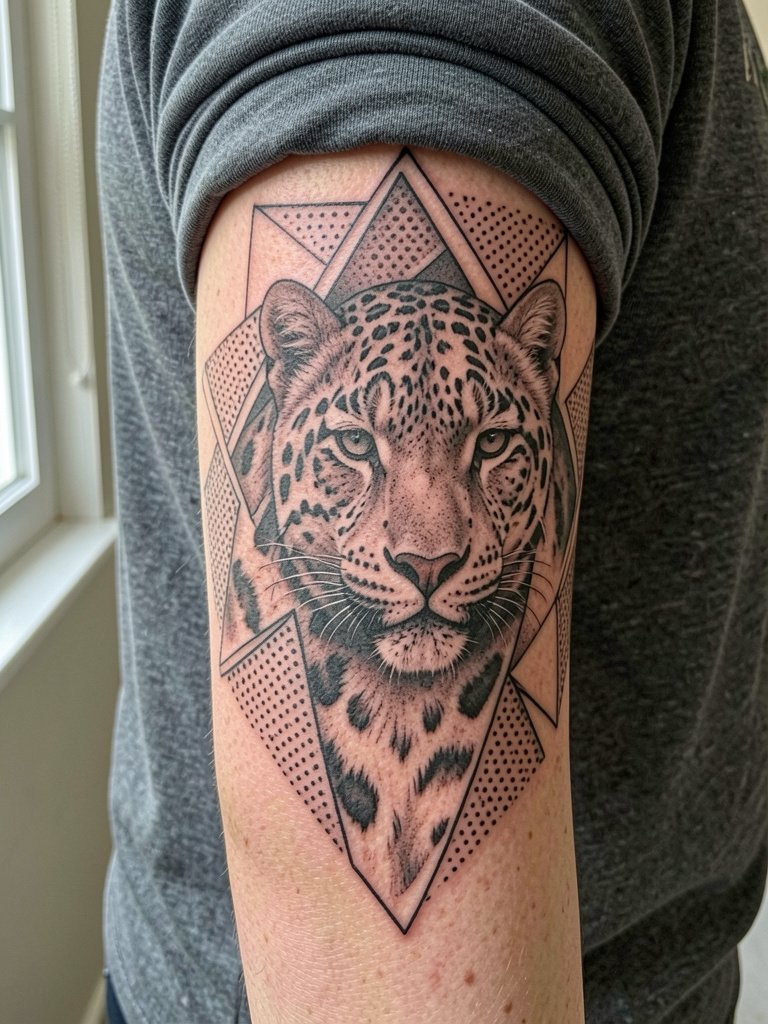
Combining realism with geometry helps the eye find structure as texture softens. Ask for the geometric elements to have slightly wider linework so they remain crisp against stipple. Discuss where negative space sits so the portrait does not get lost among the shapes. Sleeve sessions are multi-visit and the inner forearm area has different aging than the outer. A common mistake is matching the same scale of dot work across the whole sleeve. For daily wear bring stretch linen shirts that roll cleanly and show the forearm.
9. Watercolor-Toned Snow Leopard Along the Rib Side
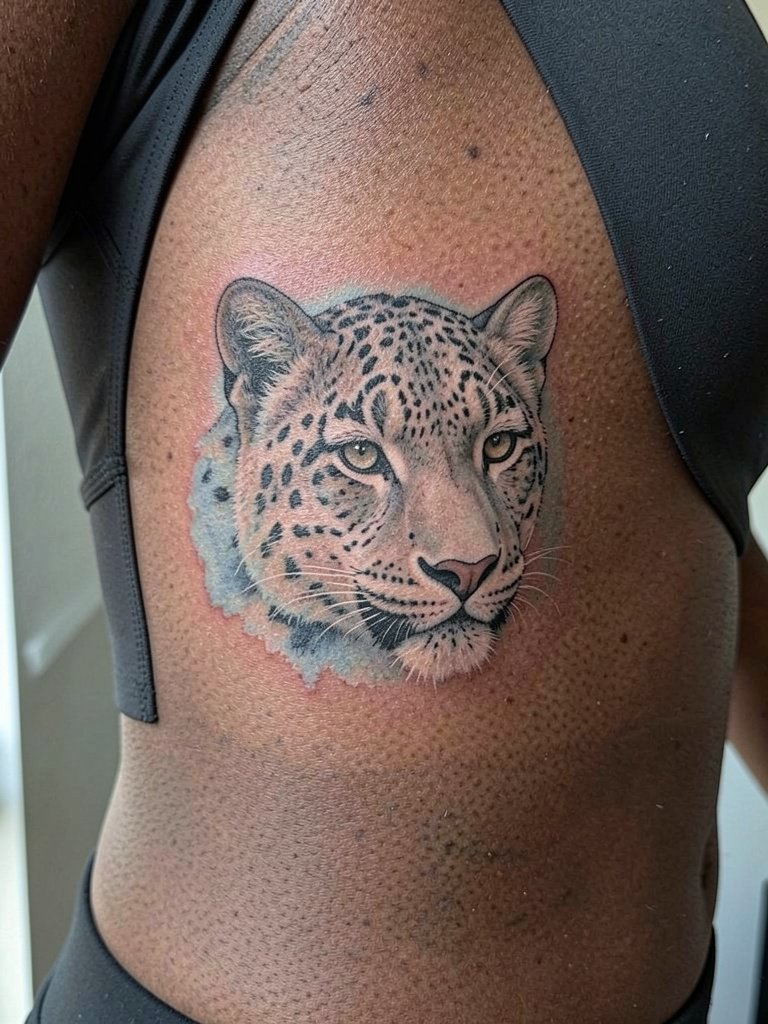
Watercolor accents can add mood but they fade faster than black and grey. If you want color, ask the artist for a subtle wash that complements the grey tones and plan on a color touch-up at the two-year mark. Fine watercolor edges that blend into fur may look soft at six months and more muted at two years. Pain is higher on ribs and the session will be longer. If you prefer to show color occasionally, wear a cropped wrap top that frames the side torso without rubbing.
10. Small Snow Leopard Silhouette Behind the Ear
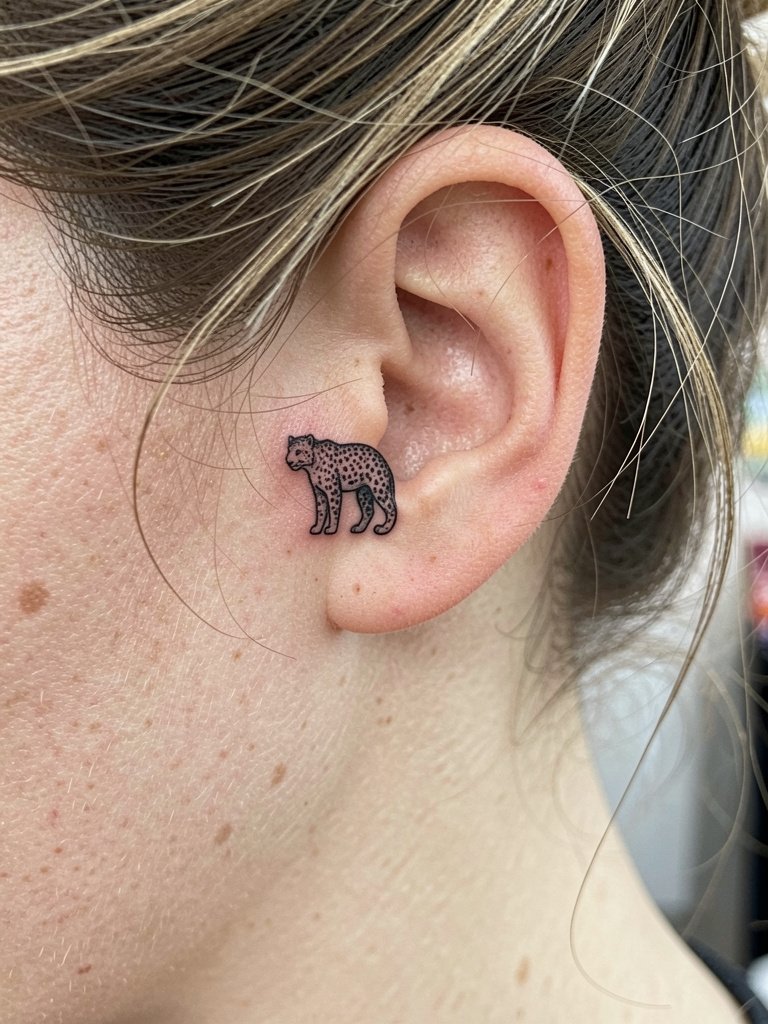
Behind-the-ear pieces are charming but require specialized experience because the area is thin and healing differs from flat skin. Ask for a slightly bolder contour so the silhouette keeps shape, and expect a 30 to 45 minute session with sharp local pain. Mistakes usually come from using single-needle detail that vanishes. If you need to keep it private, hair updos work well. No affiliate clothing link here because session wear is minimal.
11. Snow Leopard on the Sternum, Gaze Upward
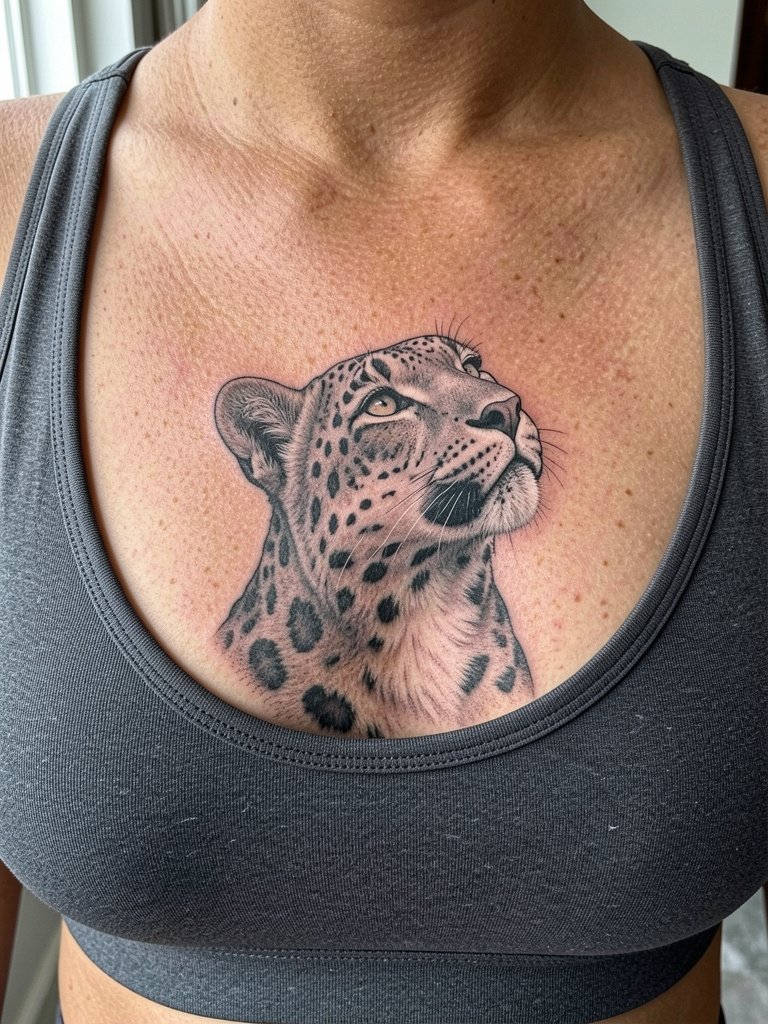
Sternum portraits demand a careful approach because the skin there moves with breathing and has variable thickness. Fine-line fur can blur quickly in this zone. Fine line on ribs splits artists into two camps. One side says the constant motion makes ultra-fine detail fail within a couple of years. The other side counters that slightly increased spacing and deliberate depth can preserve fine work. For a sternum piece, plan for slightly larger texture and a scheduled touch-up. Wear a fitted sports bra on the session day for easy access.
12. Snow Leopard Tongue-Out Playful Micro on the Wrist
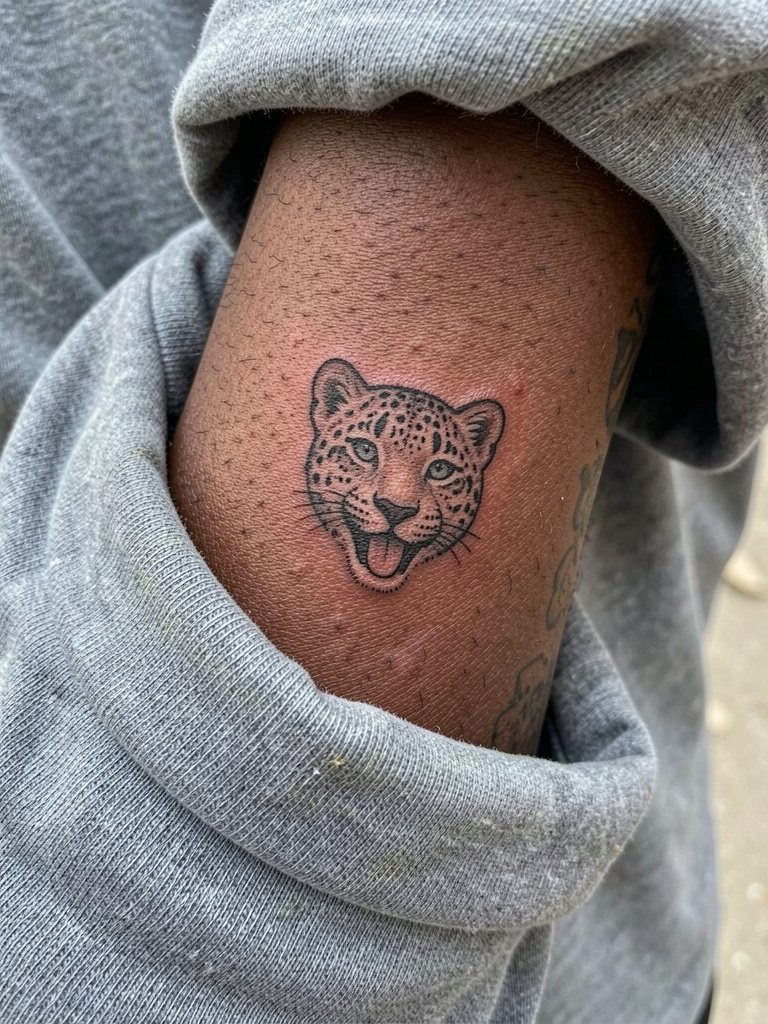
Wrist micro-realism is visible but the wrist takes a lot of wash and hand use. For longevity, request reinforced linework around the mouth and slightly denser shading in dark spots. Sessions are quick, 30 to 60 minutes, with light to moderate pain. A frequent error is making the piece too small. For day-of comfort wear a loose cuffed linen shirt that the artist can roll without pressure on the wrist.
13. Snow Leopard in Negative Space on the Upper Back
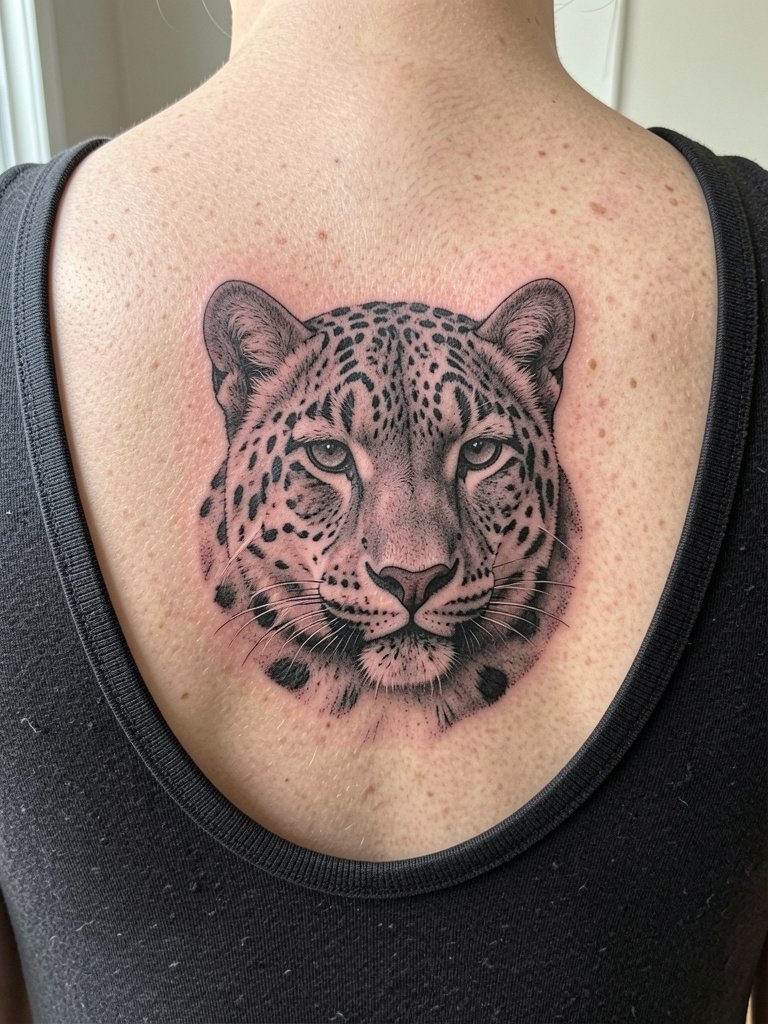
Negative-space realism looks striking and ages well because the surrounding saturation keeps edges sharp. Tell the artist you want clearly defined negative edges and ask to preview the stencil against skin to ensure the silhouette breathes. Expect a two-hour session and moderate pain. Mistakes happen when the black fields are too flat; ask for subtle texture within dark zones. For swim season this placement pairs well with racerback swimsuits that show the upper back.
14. Snow Leopard and Moon Scene on the Outer Thigh
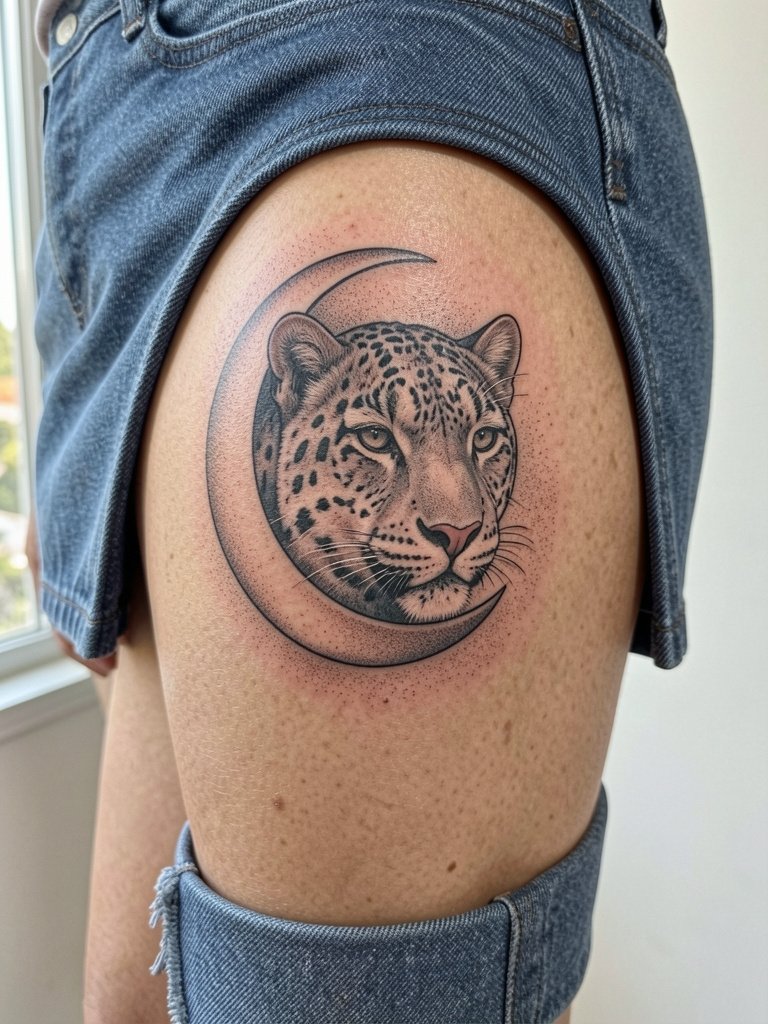
Outer thigh gives you room for decorative elements like a moon without compromising facial detail. Ask for contrast separation between lunar highlights and fur texture so both read at a glance. The thigh tolerates dense saturation, so plan for a single longer session. A mistake is tight composition that gets hidden under clothes. For evenings out choose a high-waisted skirt with side slit that reveals the art.
15. Snow Leopard Hydrodynamic Pose on the Side of the Calf

Motion poses look dynamic when directional fur lines and shading guide the eye. Request longer flow lines in the fur and ask the artist to map how the calf muscle movement affects the pose when standing and walking. Sessions are usually under two hours for a medium design and pain is low to moderate. A common mistake is adding too much background noise which competes with the motion. For footwear a low-profile trainer or rolled-hem shorts keep the calf visible.
16. Snow Leopard Small Medallion on the Nape
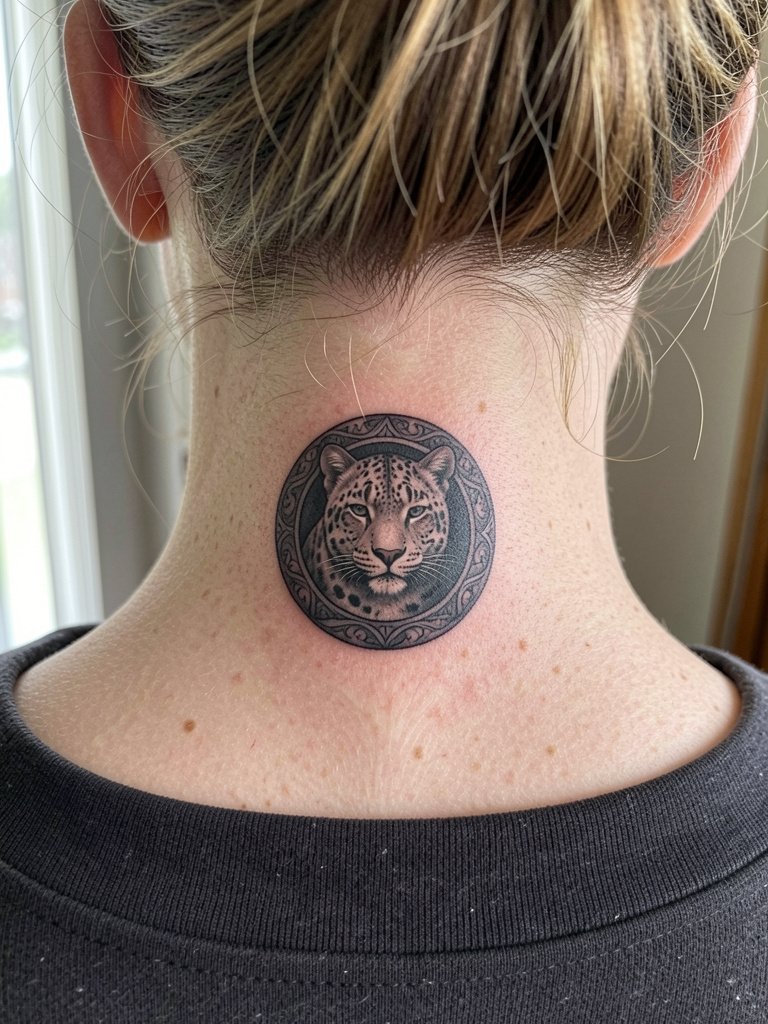
The nape is a discreet spot that still allows decoration. Discuss border thickness so the medallion does not soften into the hairline. Sessions are short and pain is moderate. A typical mistake is too-small ornamental detail that clogs as hair grows. For visibility, style hair in a loose bun; a simple hair claw keeps the area exposed without strain.
17. Snow Leopard Face with Floral Accents on the Upper Arm
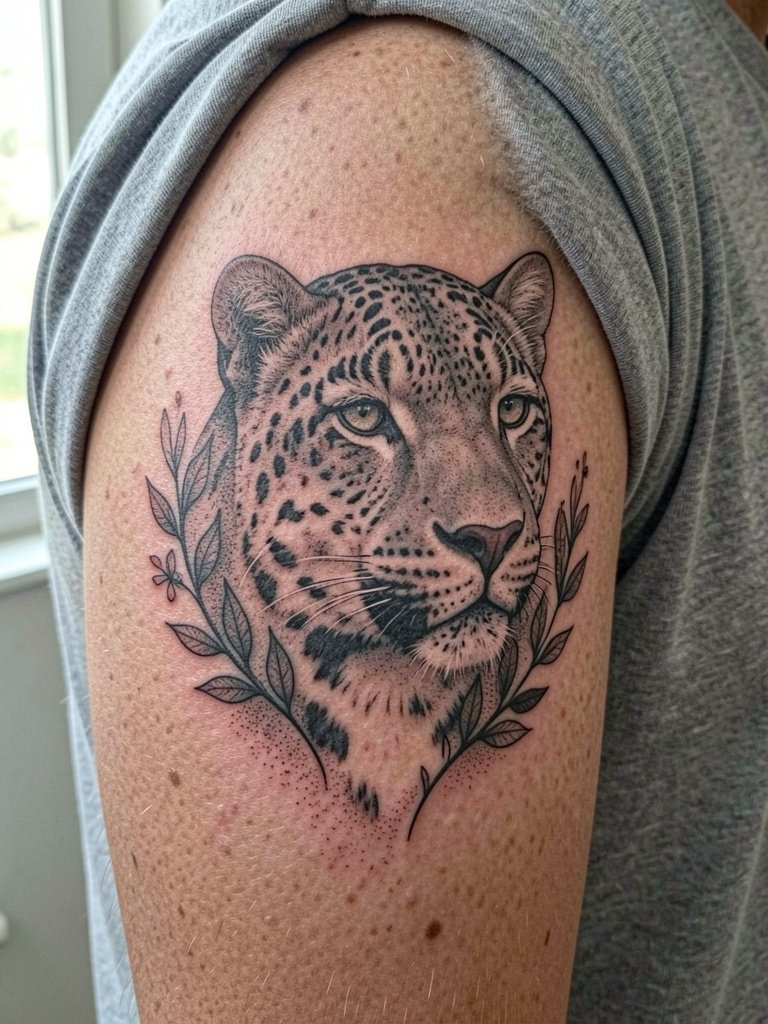
Combining botanical elements softens the portrait edges without losing focus. Ask the artist to keep the floral work in dot work so it ages at a similar rate as the fur. Session time is usually around two hours, and the upper arm is forgiving on pain. Mistakes include overloading the portrait with color-filled flowers which can draw attention away from the face. For showing the piece, short-sleeve linen shirts are ideal.
18. Tiny Snow Leopard Head on a Finger Side
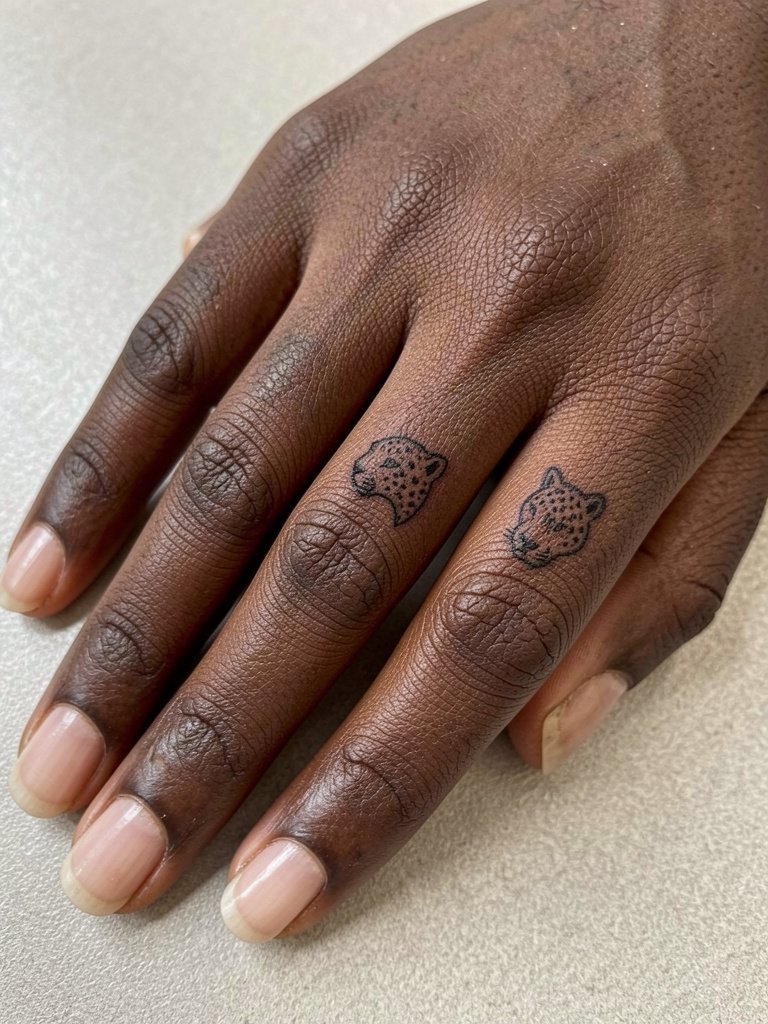
Finger tattoos are high-friction and fade quickly. Reinforced contours and accepting that touch-ups will be needed are realistic expectations. Discuss with your artist that the contour should be slightly bolder and that two-week aftercare must minimize rubbing. Sessions are short but painful. A common mistake is choosing complex fur detail for the finger. For presentation, minimalist rings or bare hands work best.
19. Snow Leopard Portrait with Snowflake Highlights on the Chest
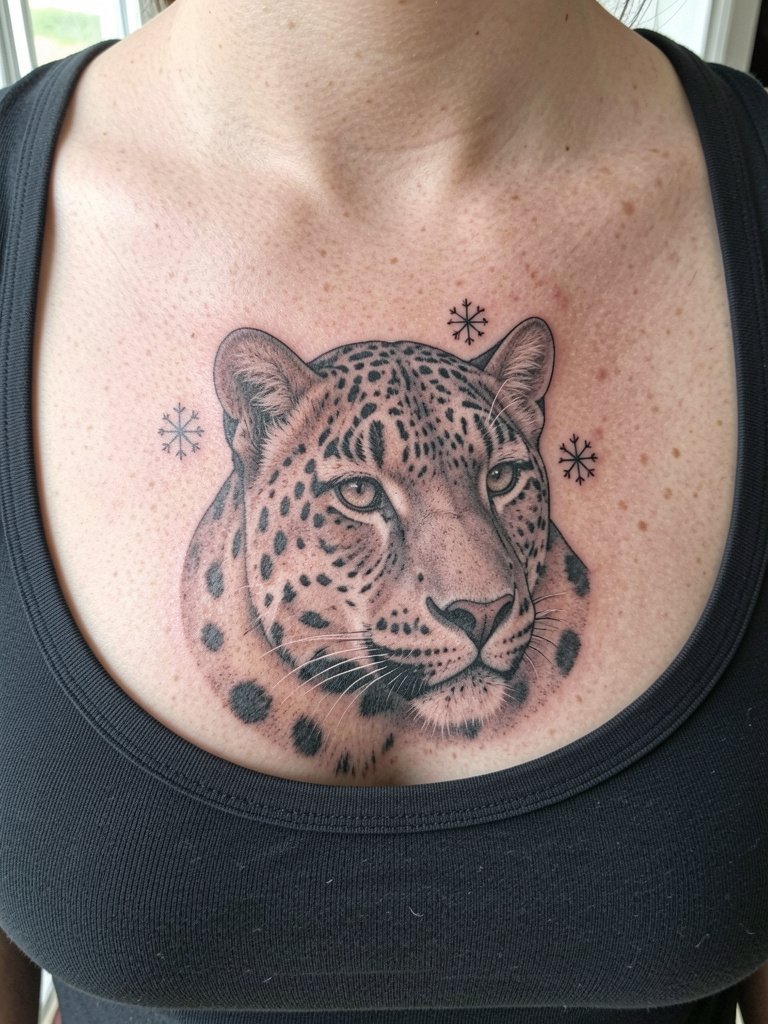
Chest portraits can be dramatic and they show well with small decorative highlights. Ask for crisp micro-geometry in the snowflake elements so they stay readable. Expect a two-hour session and moderate pain. The mistake I see most is putting micro snowflake detail too close to the fur where it blends. For styling, open-neck blouses let the chest work stand out.
20. Snow Leopard Sitting on a Rock Across the Lower Back
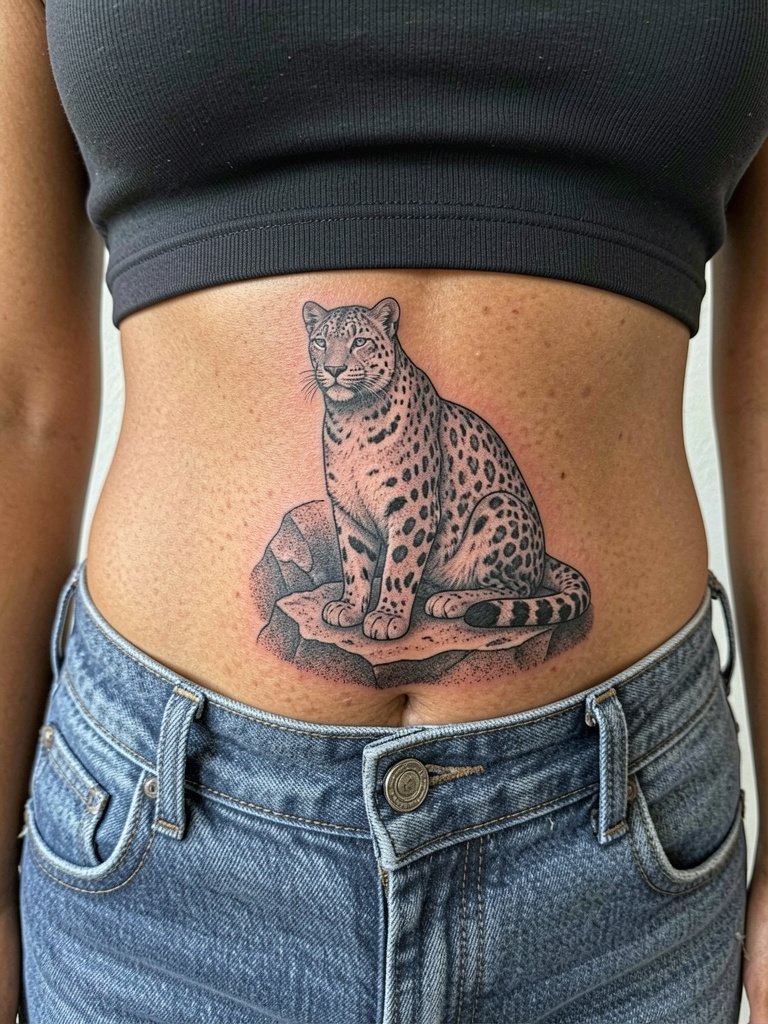
Lower-back scenes let you work larger while keeping the piece private. Ensure the rock base has enough contrast so the leopard silhouette does not blur into the background. Sessions are longer and the skin can be sensitive near the spine. People often underestimate how the waistband will rub during the first week. For comfort choose low-rise waistbands that sit below the artwork on session day.
21. Snow Leopard Face with Geometric Halo on the Upper Chest
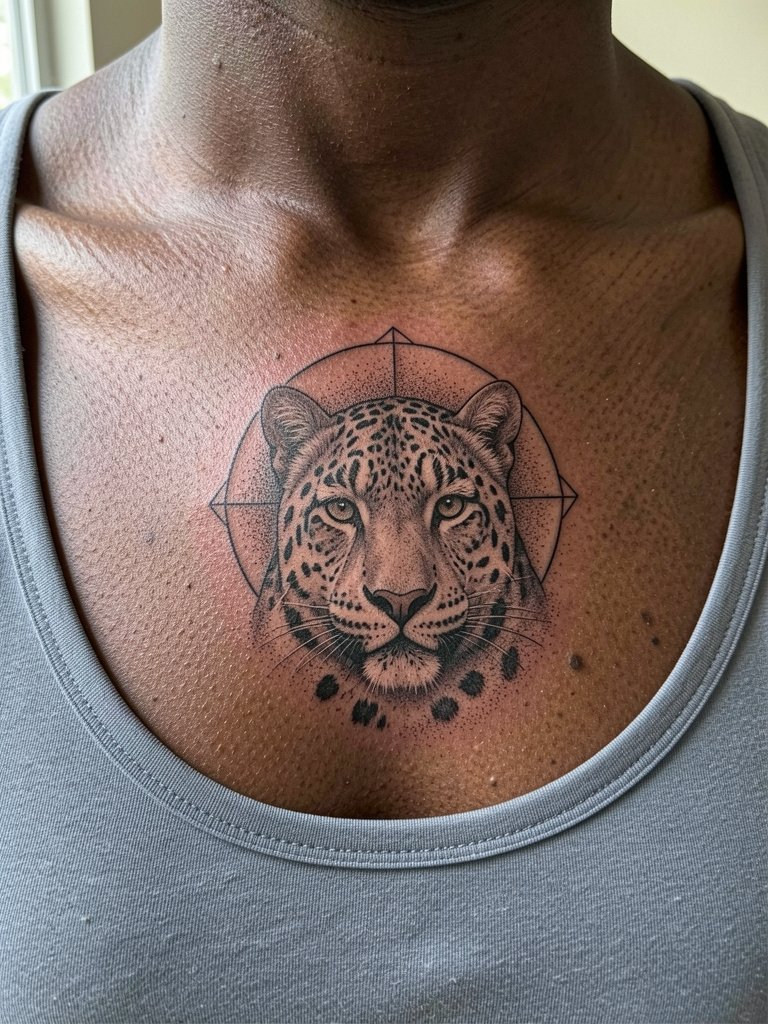
A geometric halo helps the portrait keep its focal pull as fine detail fades. Ask the artist to keep the halo slightly bolder than the internal stippling so it frames the face. Chest work can be sensitive but heals predictably with good aftercare. A common mistake is halo elements that are too intricate for the skin movement in this zone. For styling pair with open-collar blouses that showcase the chest art.
22. Snow Leopard Nose Close-Up on the Finger Side of the Thumb

Thumb-side micro work has a high wear rate because of washing and handling. Reinforced marks and accepting touch-ups are part of the plan. Sessions are brief and pain is fairly sharp. The usual misstep is overcomplicating the area with whisker detail. Keep expectations realistic and protect the area while healing with minimal contact.
23. Snow Leopard Muzzle with Textured Whisker Dots on the Outer Forearm
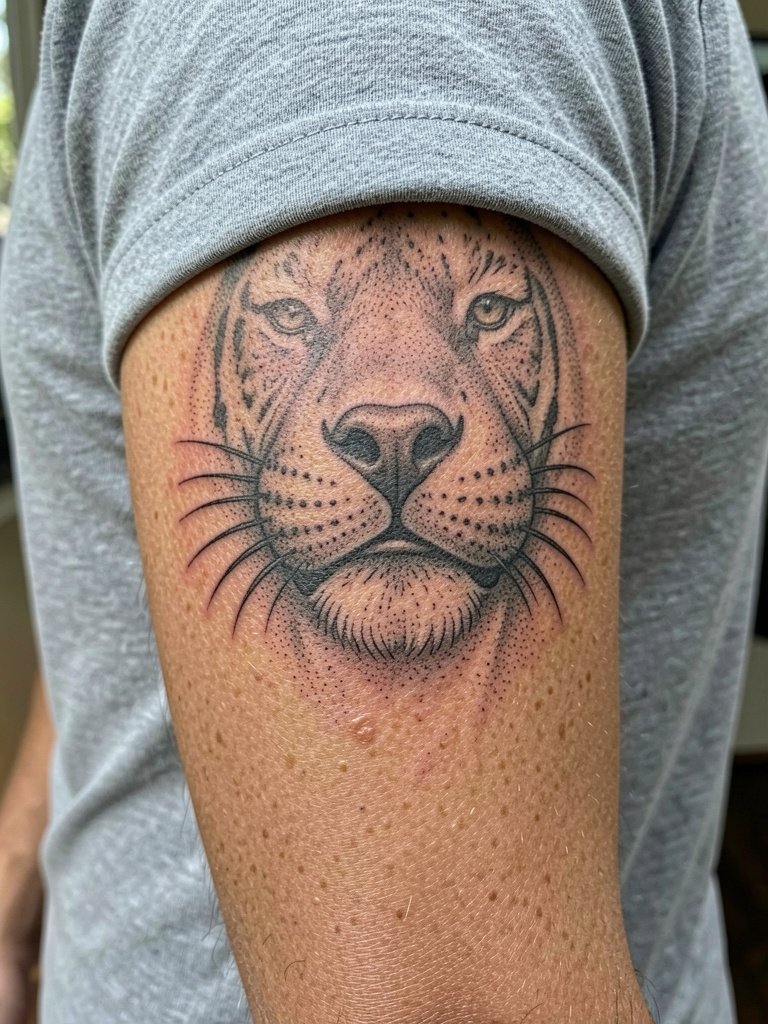
Outer forearm is forgiving and shows micro textures well. Request denser dot work in the whisker pads and ask for a local contrast map so the muzzle keeps definition over time. Sessions are one to two hours and pain is low. The mistake is trusting a single thin pass for the whisker dots. For styling, casual rolled sleeves let the forearm show off.
24. Snow Leopard Full-Back Spread with Mountain Range
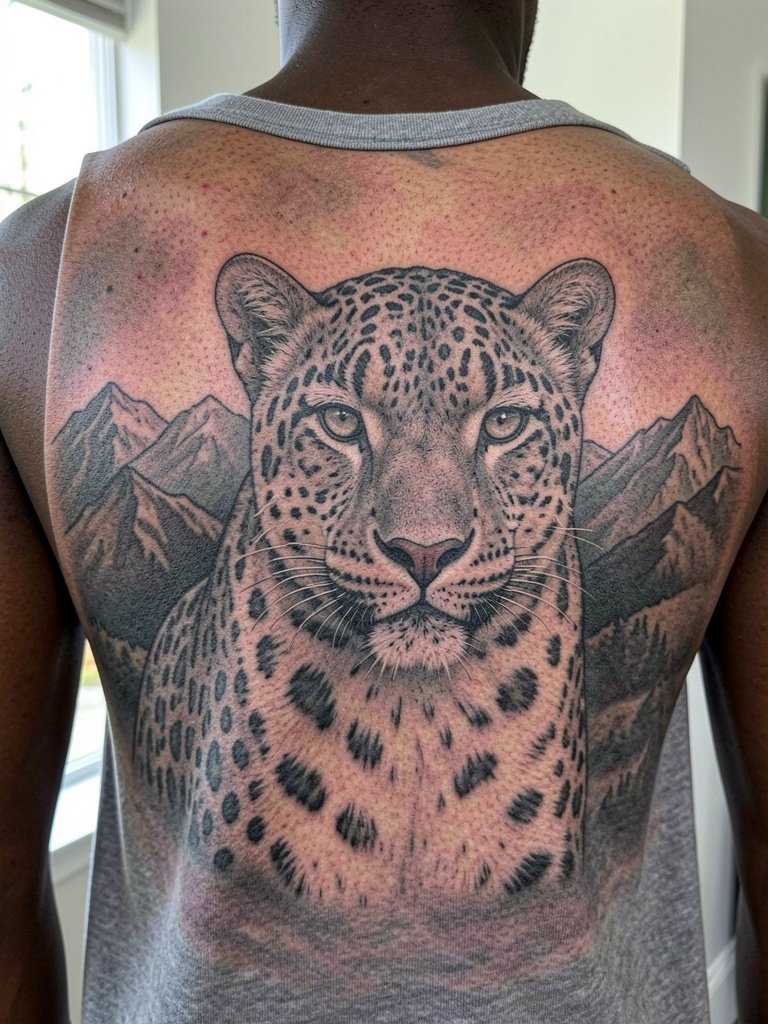
Full-back realism is ambitious and holds best when the artist stages large planes of contrast and reserves fine stipple for facial features only. Talk through long-term touch-up plans because large saturated fields can fade unevenly. Sessions are multiple long visits and pain varies by area. Avoid cluttering the mountains with tiny texture that competes with the face. For revealing the back piece wear a wide-back tank top with minimal straps.
25. Snow Leopard Calm Gaze on the Inner Bicep
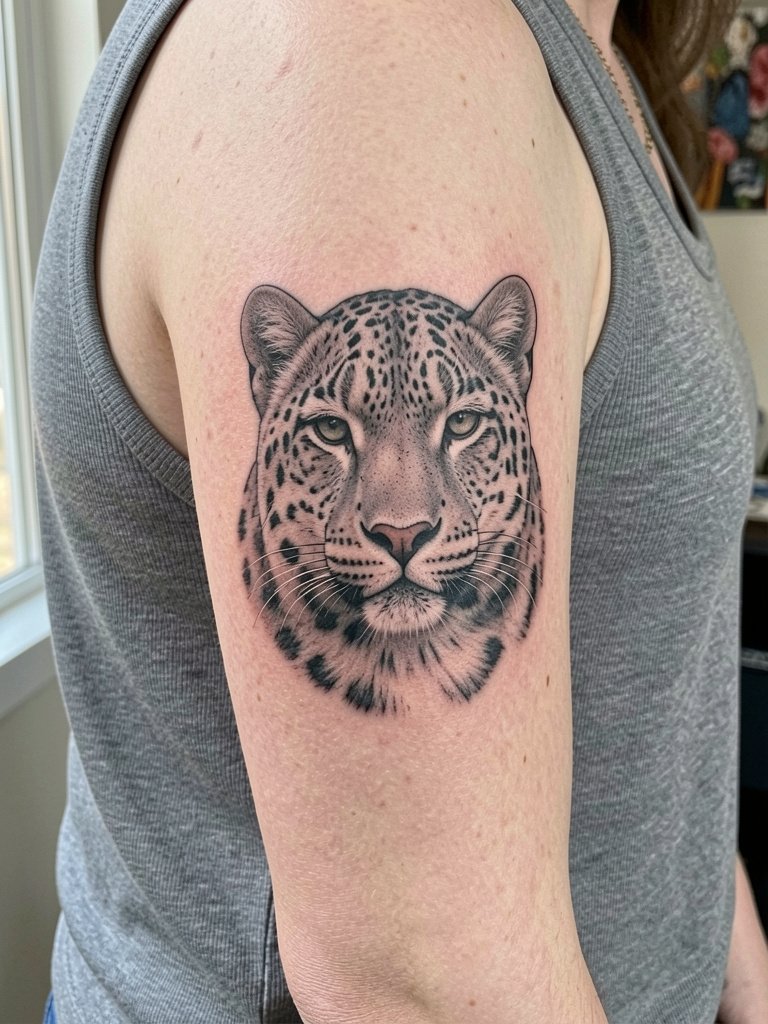
Inner bicep can be tricky because it sits close to the axilla but is softer for detail. Ask for slightly heavier linework around the eyes and a layered stipple for the fur. The arm relaxed at the side during stencil placement avoids accidental armpit printing. Sessions are one to two hours and pain is moderate. Mistakes include relying on single-needle whiskers that vanish. For the session wear a sleeveless top for easy access.
26. Snow Leopard Silhouette with Mountain Negative Space on the Hip
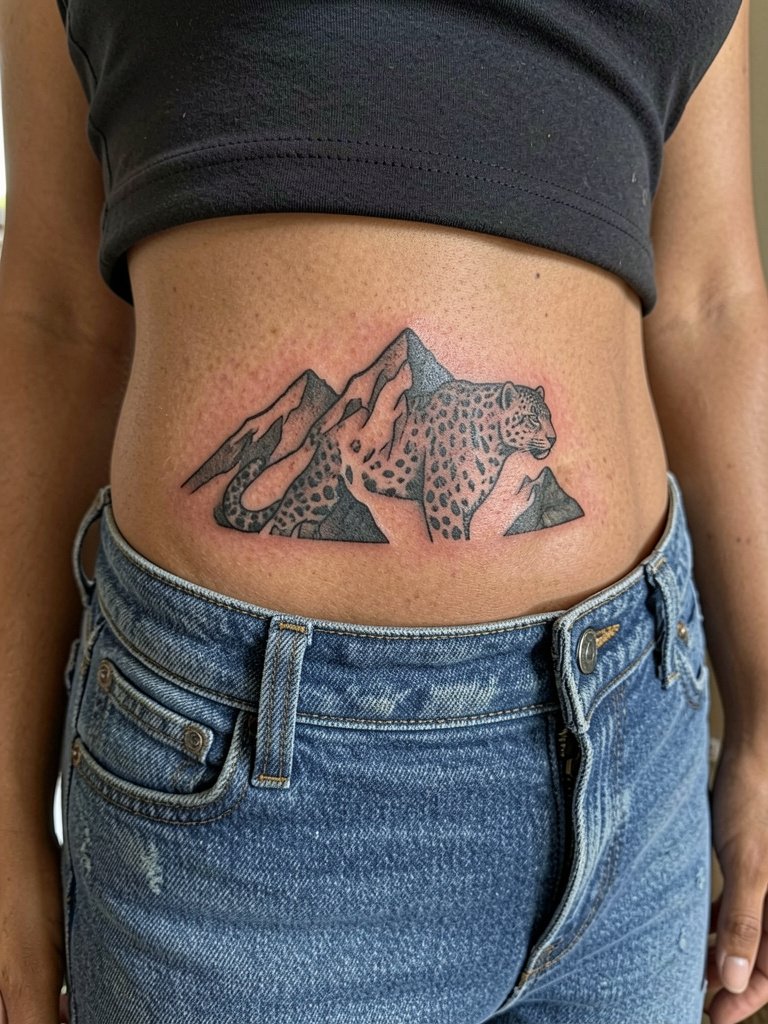
Hip silhouettes pair well with fashion-forward looks. The hip handles silhouette work well because bold shapes age predictably. Ask for a bold outer line and preserve negative space inside the mountains. Sessions are moderate in length and pain varies by proximity to bone. Avoid tiny internal detail near the waistband that will rub. For nights out a low-rise jean and cropped tee show the hip area cleanly.
27. Snow Leopard Minimal Eye and Paw Duo on the Ankle
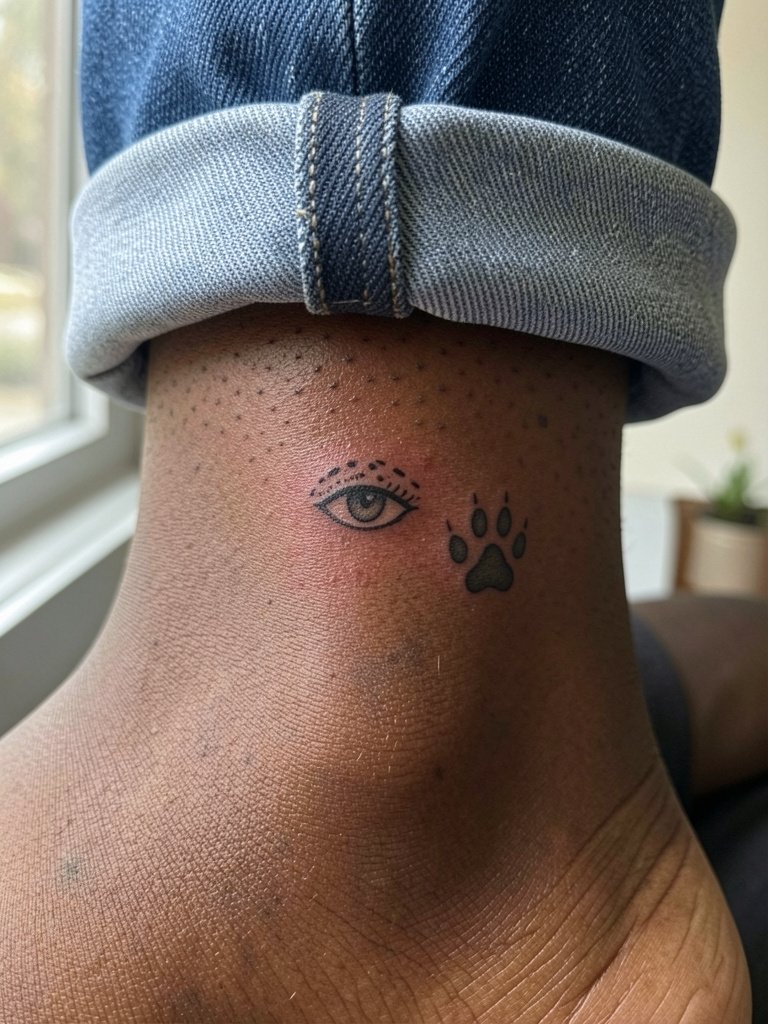
Ankle duo pieces give you a visible small statement that survives everyday use if you accept a maintenance schedule. Request slightly bolder outlines for the paw and denser saturation in the eye's pupil. Sessions are short and pain is moderate. Mistakes include making the paw too detailed for the small scale. For showing off pick shoes that stop below the cuff, and consider a pair of cuffed denim shorts to keep the ankle visible.
Frequently Asked Questions
Q: How long will a realistic snow leopard tattoo keep fine fur detail before it softens?
A: It depends on placement and initial contrast. Inner wrists and ribs tend to lose micro-detail faster, often within two to three years, while calves and thighs hold stipple longer. A practical plan is to request slightly heavier contrast in focal areas and expect a touch-up around year one to two for micro-realism pieces.
Q: Where can I find healed examples and portfolios without naming artists directly?
A: Search platform tags like #RealisticBigCatTattoo and #HealedRealism on social apps, filter by location if you want in-person shops, and browse portfolio sites with keywords like "realistic snow leopard healed" to see varied skin tones. Reddit tattoo threads often show long-term healed shots that reveal aging patterns.
Q: Are there realistic placement rules if I want a small snow leopard on a finger or thumb?
A: Expect faster fading and frequent touch-ups for fingers and thumbs because of friction and washing. Ask for reinforced contours and plan short sessions with realistic expectations. If you need an everyday visible piece choose the outer forearm or calf instead.
Q: Does color help or hurt the longevity of a snow leopard tattoo?
A: Color can help by creating contrast when used sparingly, but pale watercolor washes fade faster than black and grey. If you add color, request small saturated anchors like the iris or subtle cool washes and plan on a color touch-up timeline at two years.
Q: What should I wear to a sternum or ribcage session to make access easy?
A: Choose fitted, breathable garments that expose the area without being pulled during the session. For ribs or sternum a fitted sports bra or cropped tank in normal worn position works best. Bring a loose button-down you can re-dress into after the session to avoid rubbing.