
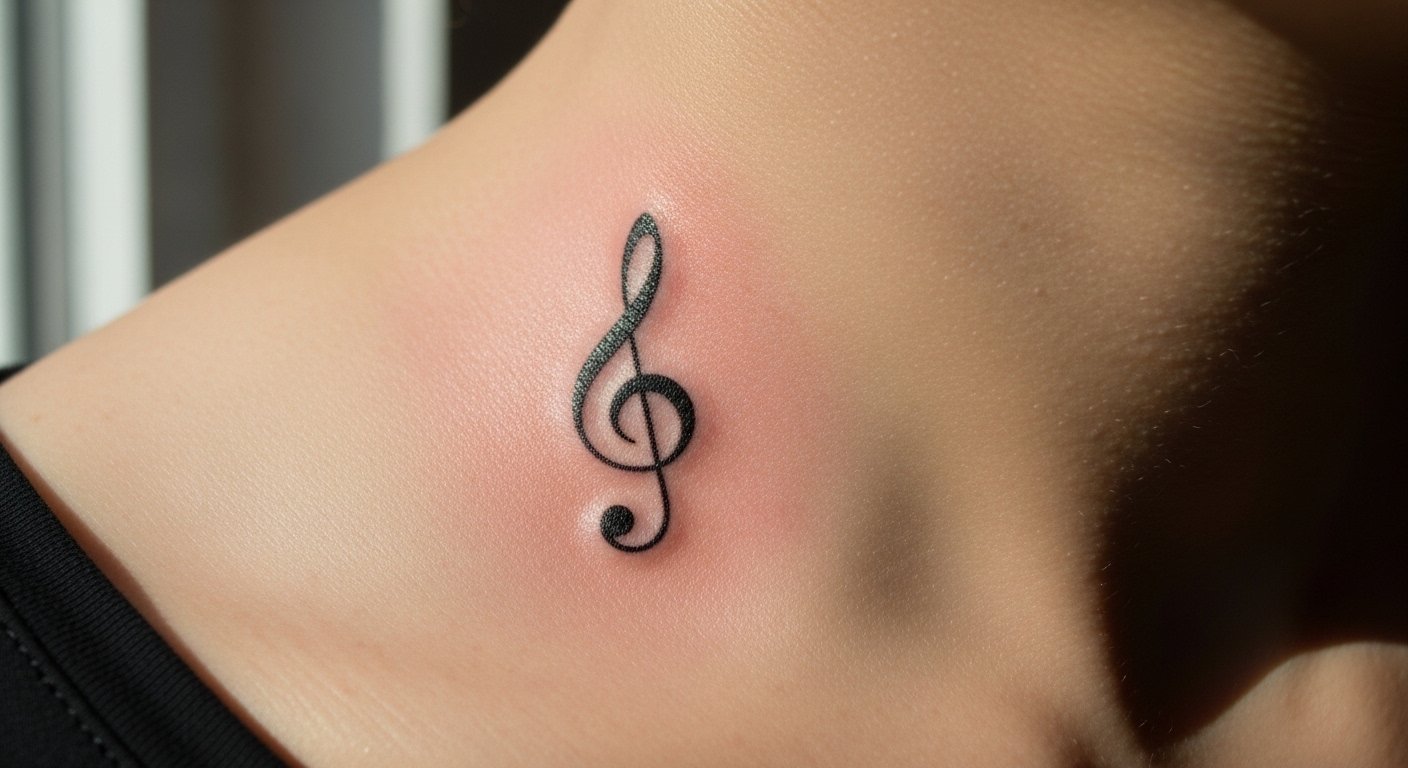
Someone I know spent months scrolling through music tattoo feeds before realizing the real problem was not the art itself. It was knowing which style would still look crisp after a year, what to ask at the consultation, and how much sting a wrist band actually feels like. Below are 15 music related tattoos that are trending now, each with the small practical details you will want before you book.
1. Treble clef with cascading musical notes on the wrist
Someone I know first saw this on a friend and liked how the cascade sat with wrist movement. Fine line suits the treble clef because it looks delicate when you raise your hand. Fair warning, the wrist is a high-motion area so linework must have a little more depth than ultra-fine work to avoid early blur. Tell your artist you want slightly heavier linework on the clef stem and lighter notes for contrast. Expect a one-session touch-up conversation at around six to twelve months. Pain sits around a four out of ten on the wrist. The biggest mistake is asking for tiny notes with hairline strokes. Ask for reference photos showing healed pieces with similar wrist placement.
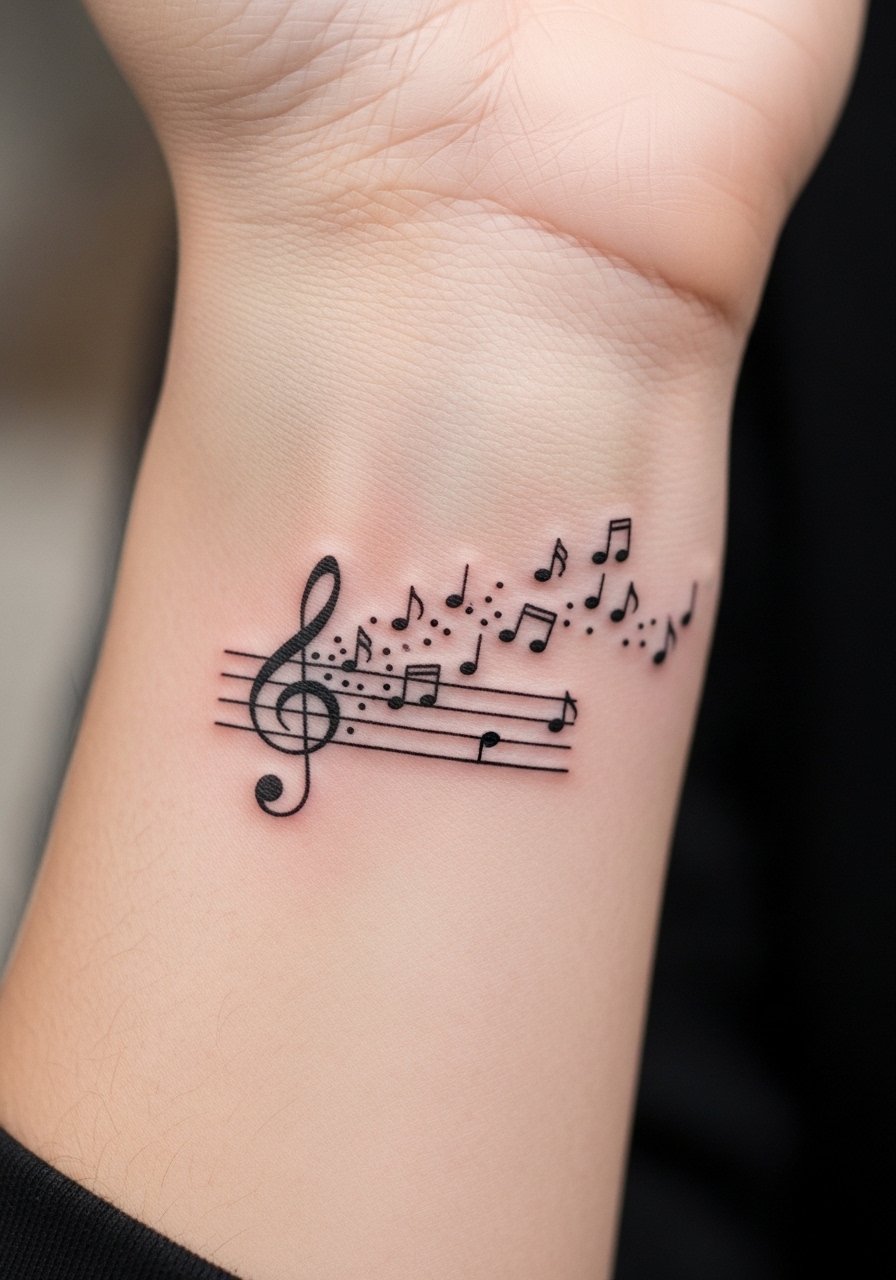
2. Soundwave strip from a favourite song on the inner bicep
Fair warning: inner bicep can feel tender when the arm is lifted, but a linear blackwork soundwave wears beautifully there. I recommend exporting a high-resolution audio file with a clear one-second clip. At the consultation say you want the original file and a mirrored test print so the artist can scale peaks without losing spacing. Soundwaves are unforgiving when compressed, so avoid asking for extreme compression that squashes the peaks together. At six months the waveform should still read as distinct peaks. Expect a single session under two hours and a possible touch-up at year two for density. Use this to mark a performance or a voice memo you recorded.
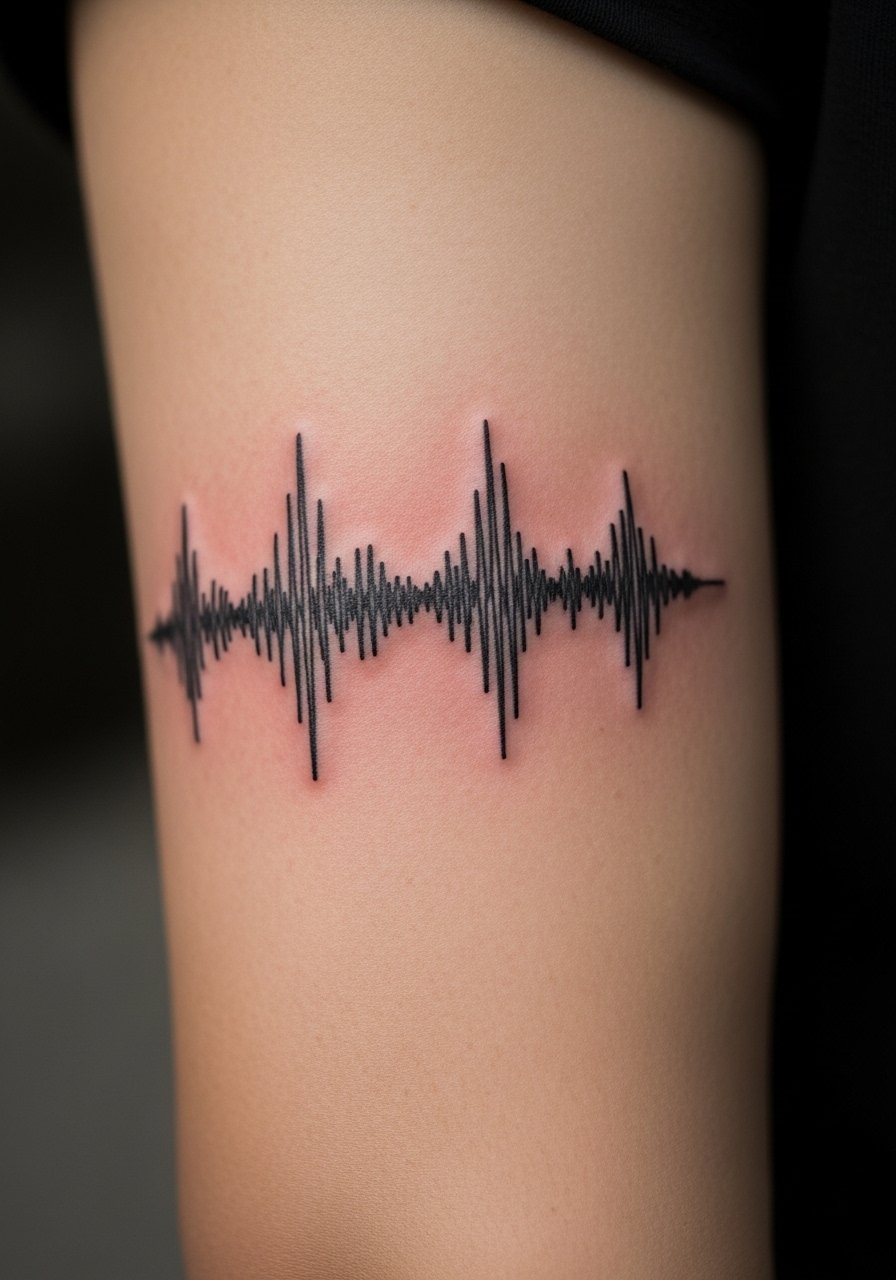
3. Guitar outline with string details on the forearm
When you want to play with rock energy without full realism, a guitar outline reads well on the forearm. In consultations bring photos that show the forearm wrapped and extended so the artist can plan for curvature. The forearm is forgiving for detail and heals with solid saturation if the artist spaces the strings correctly. Common mistake is packing too many micro-strings into a small outline. If you want the strings to look accurate at two years, ask for slightly bolder string lines and a simple shadow under the body. Session time is usually one to two hours and pain is moderate. This suits players who still want their instrument visible while they play.
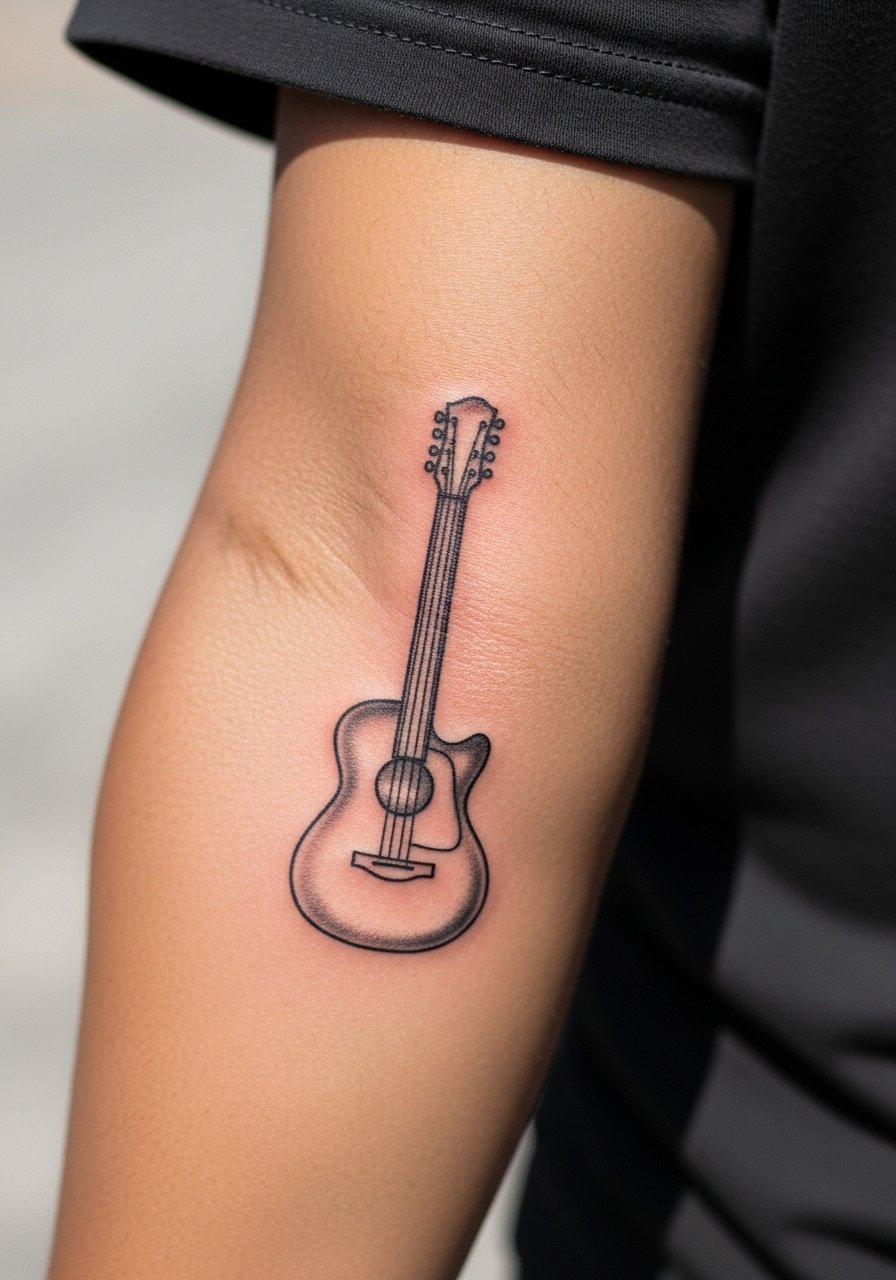
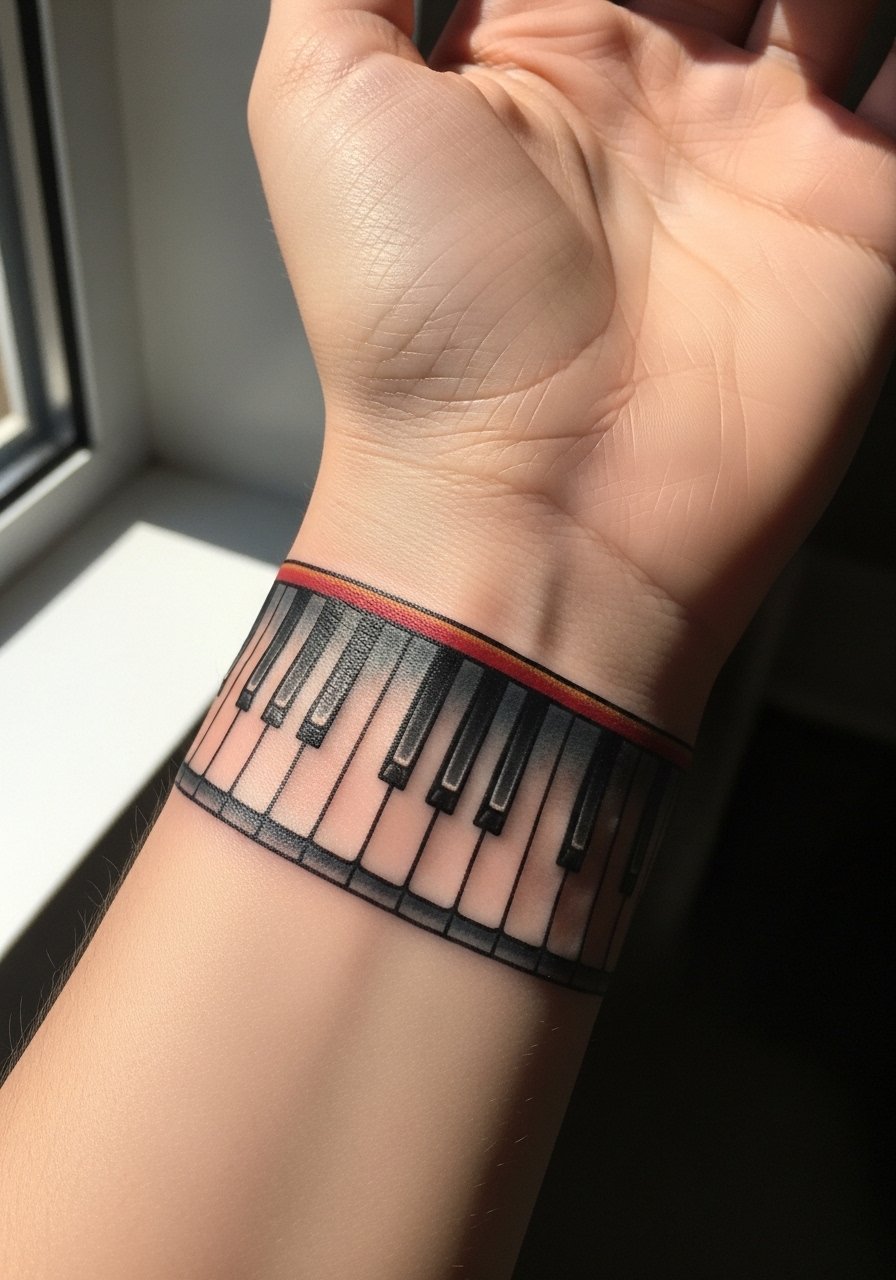
4. Piano key band wrapping the wrist
Most piano key bands that age badly are drawn too thin or too tight around the wrist. Bands need breathing room so keys do not compress when skin moves. For a wraparound wrist band, ask your artist for a mockup that shows how the keys read when the wrist is flat and when it is turned. Expect a one to two hour session. Pain is low to moderate depending on the inner wrist exposure. At six months keys often need a small saturation touch-up if they were done very thin. Bands read differently on thicker wrists, so resizing the keys for proportion helps the design stay legible for years.
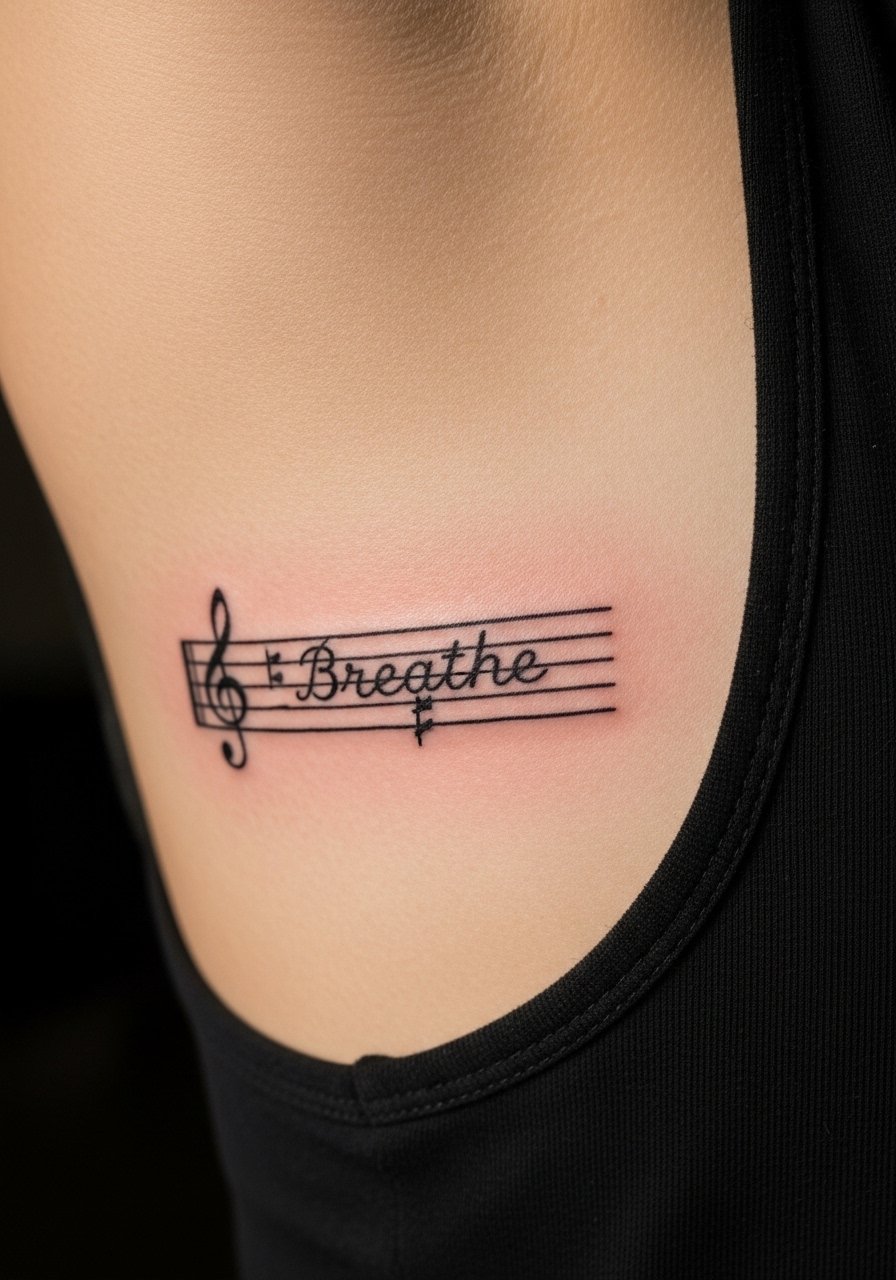
5. Musical staff with a short lyrics snippet on the ribcage
Fair warning, the ribcage is a seven or eight on the pain scale for many people. That intensity buys you a clean flat canvas for a lyrical staff. When you bring lyrics, bring the exact text you want. For example use the one word "Breathe" in lowercase minimalist script if you want discreet placement. The biggest aging issue is choosing an ultra-fine script that vanishes into skin texture on ribs. Tell your artist you want slightly more letter spacing and a bolder baseline so the staff stays readable at two years. Plan for one session and expect to discuss touch-up timelines, since movement in this area affects script legibility.
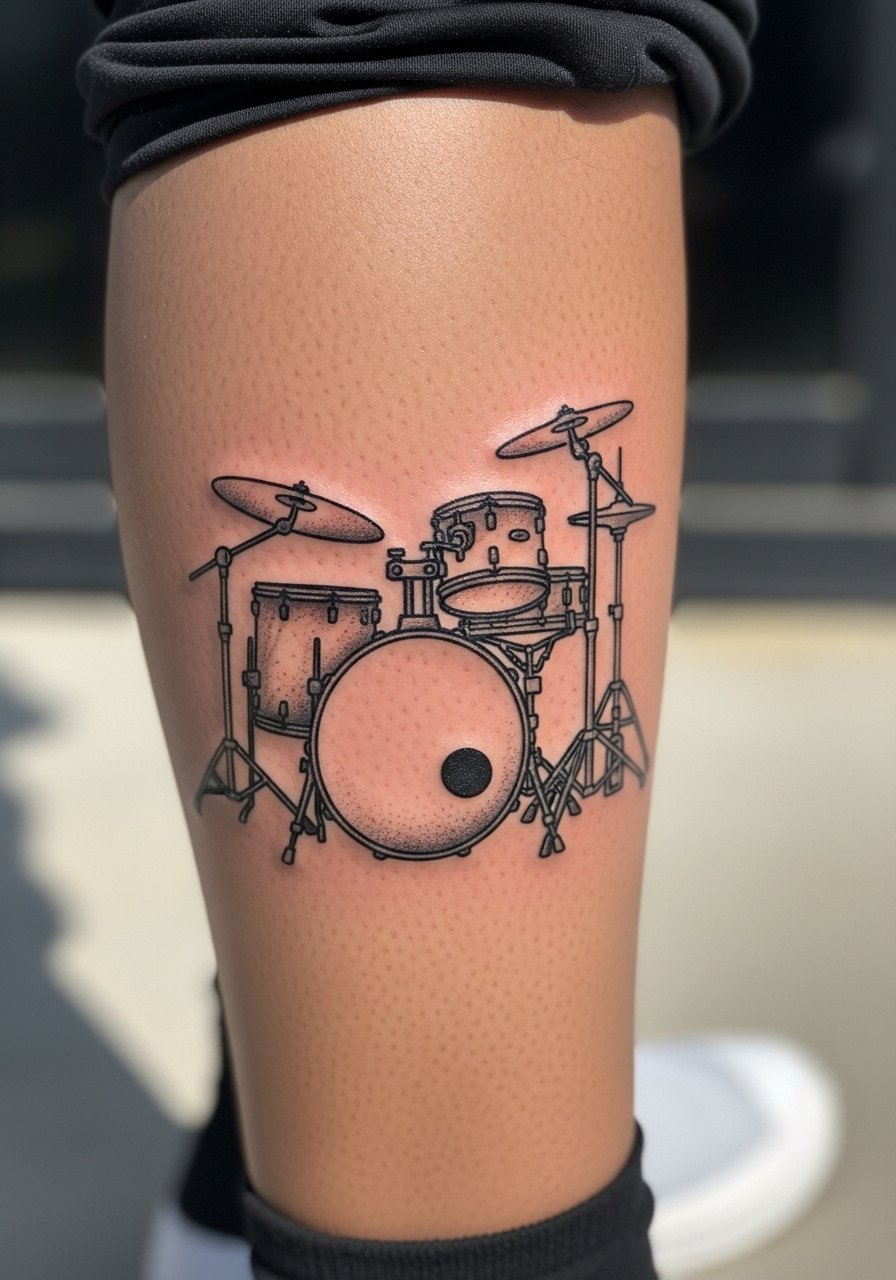
6. Drum kit silhouette on the calf
There is something about bold black silhouettes that reads from a distance and holds up on heavier muscle areas like the calf. Visual impact works in your favor here because muscle contours give the drum kit natural dimension. For percussionists who want energy rather than photorealism, a simplified silhouette with negative space for cymbals is the recommendation. Expect two sessions if you ask for tonal fills. Pain is moderate and tolerable on the calf. A common mistake is placing a detailed kit on a small calf and losing the visual shorthand. Ask for scale mockups and consider thicker outlines to limit blowout risk over time.
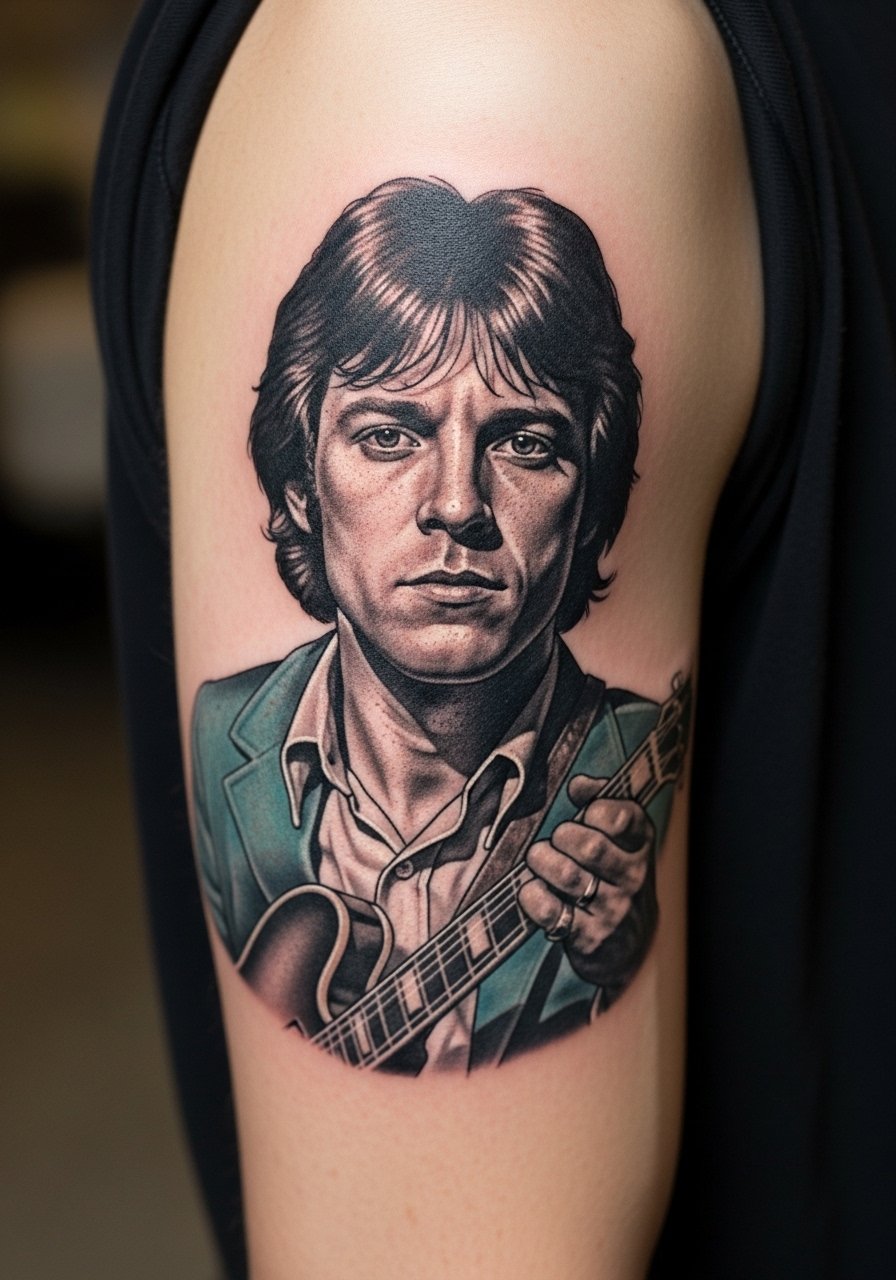
7. Album cover reimagined as micro-realism on the upper arm
Artists split on whether heavy color portraits age better than blackwork for album art. One camp says saturated color lets portraits pop for the first two years. The other camp prefers blackwork portraits for longevity and less touch-up. Ask your artist where they stand and request healed-photo references in the same skin tone. Micro-realism takes patience and often two to three sessions for layering and saturation. Upper arm flesh is forgiving and holds detail well. The common error is asking for too small a portrait. If you want an album cover that still reads after five years, scale it larger and plan for a touch-up schedule.
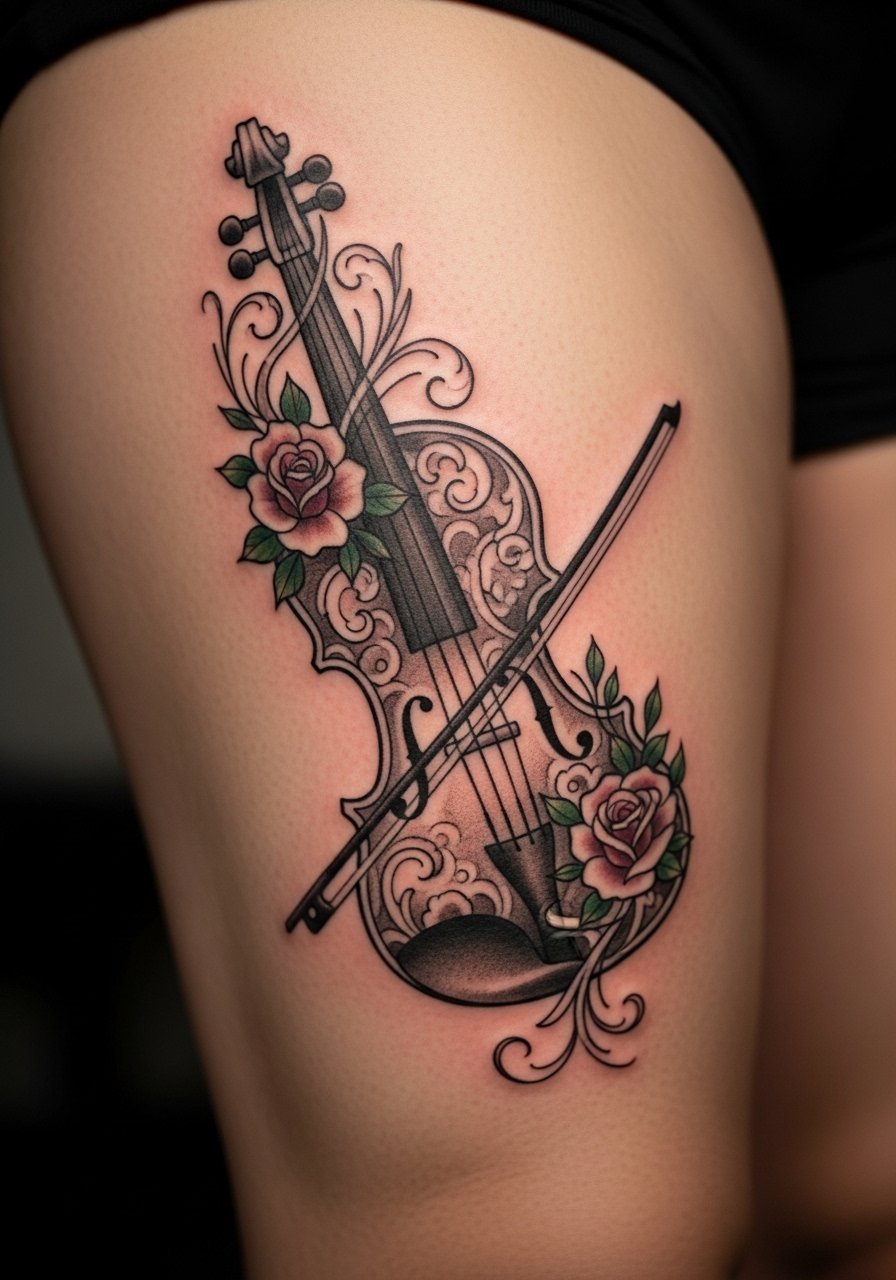
8. Violin with floral accents on the thigh
When you want classical elegance with softer edges, the thigh provides a large canvas for ornamental neo-traditional pieces. Someone I know chose a violin with roses that curl along the f-holes and the result felt like a wearable illustration. Thigh placement reduces blowout risk and keeps detail intact as weight shifts are gradual there. Tell your artist to anchor the violin with a central shadow and let the florals frame, not hide, the instrument. Sessions are usually one to two hours per pass. The main mistake is asking for tiny petal stippling that can blur at year two. Opt for slightly more saturation in petal edges.
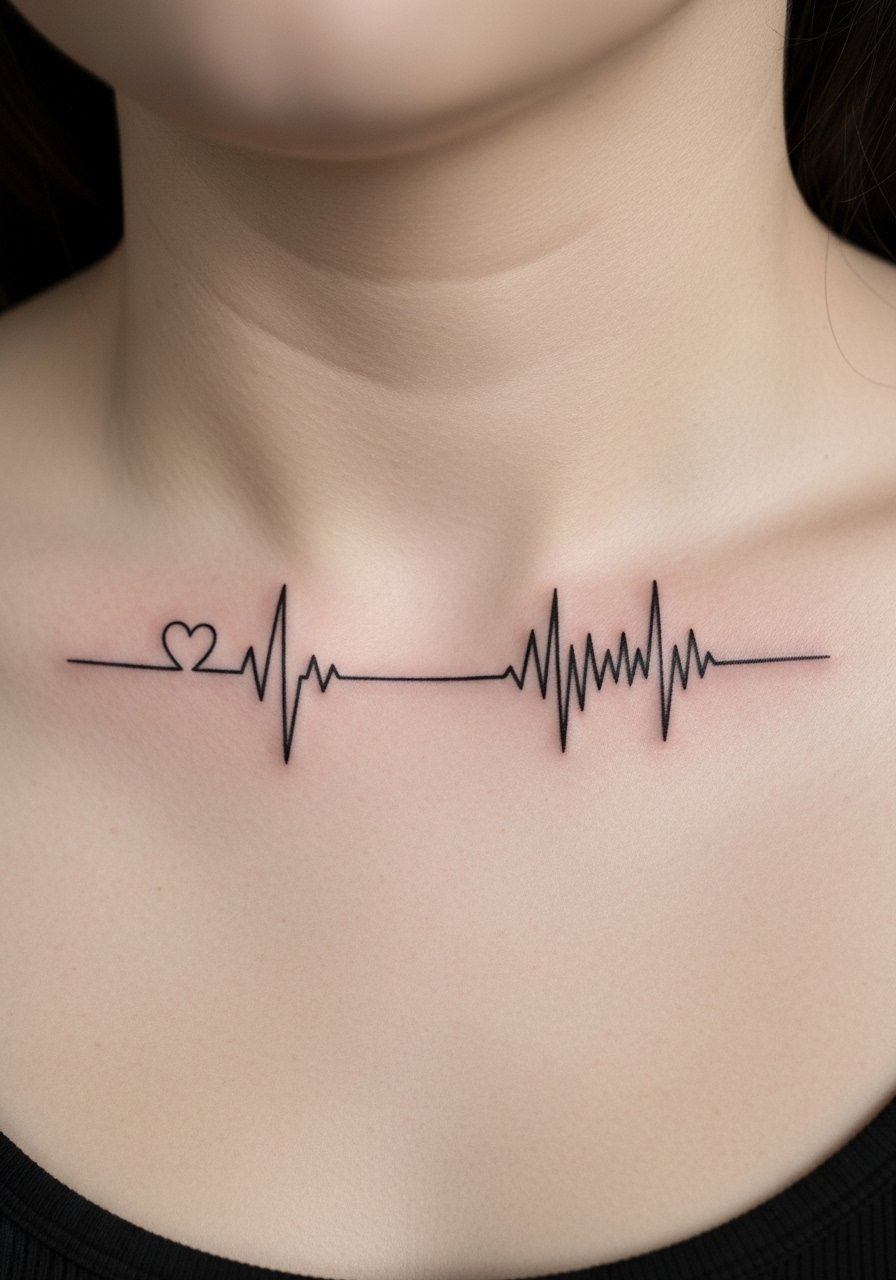
9. Heartbeat that morphs into a soundwave along the collarbone
When you want an emotional marker that reads like life and sound, collarbone placement is subtle and wearable. At consultation, bring the voice memo or song clip you want translated into a waveform and show the artist the exact point where heartbeat meets waveform. Expect a linear one-session piece that feels slightly more painful at the collarbone ridge. A common requirement is keeping the waveform narrow enough to sit under clothing lines. At six months, look for slight softening of peaks in thin work. Ask for a touch-up slot at year one if you want to maintain peak contrast.
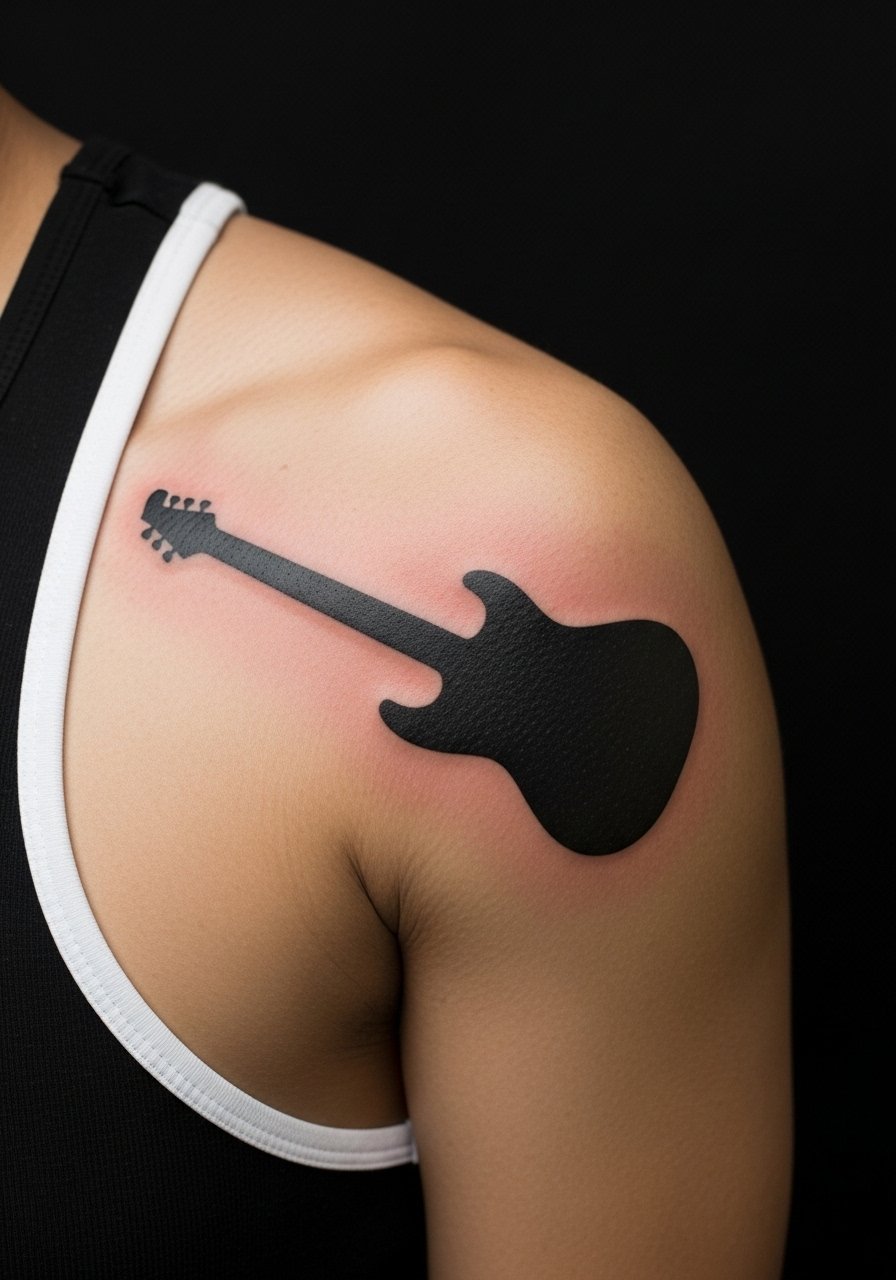
10. Bold electric guitar silhouette on the shoulder
Fair warning, shoulder pieces need to read when you wear short sleeves. Bold lines and saturated blacks keep an electric guitar silhouette legible from across a room. When you consult, ask the artist to show the silhouette on a template with a T-shirt overlay so you know scale. Shoulder flesh heals well for large black areas so saturation holds. Sessions can span two to three hours. People sometimes ask for excessive interior detail that gets lost with muscle movement. For longevity, favor thicker outlines and fewer small internal flourishes.
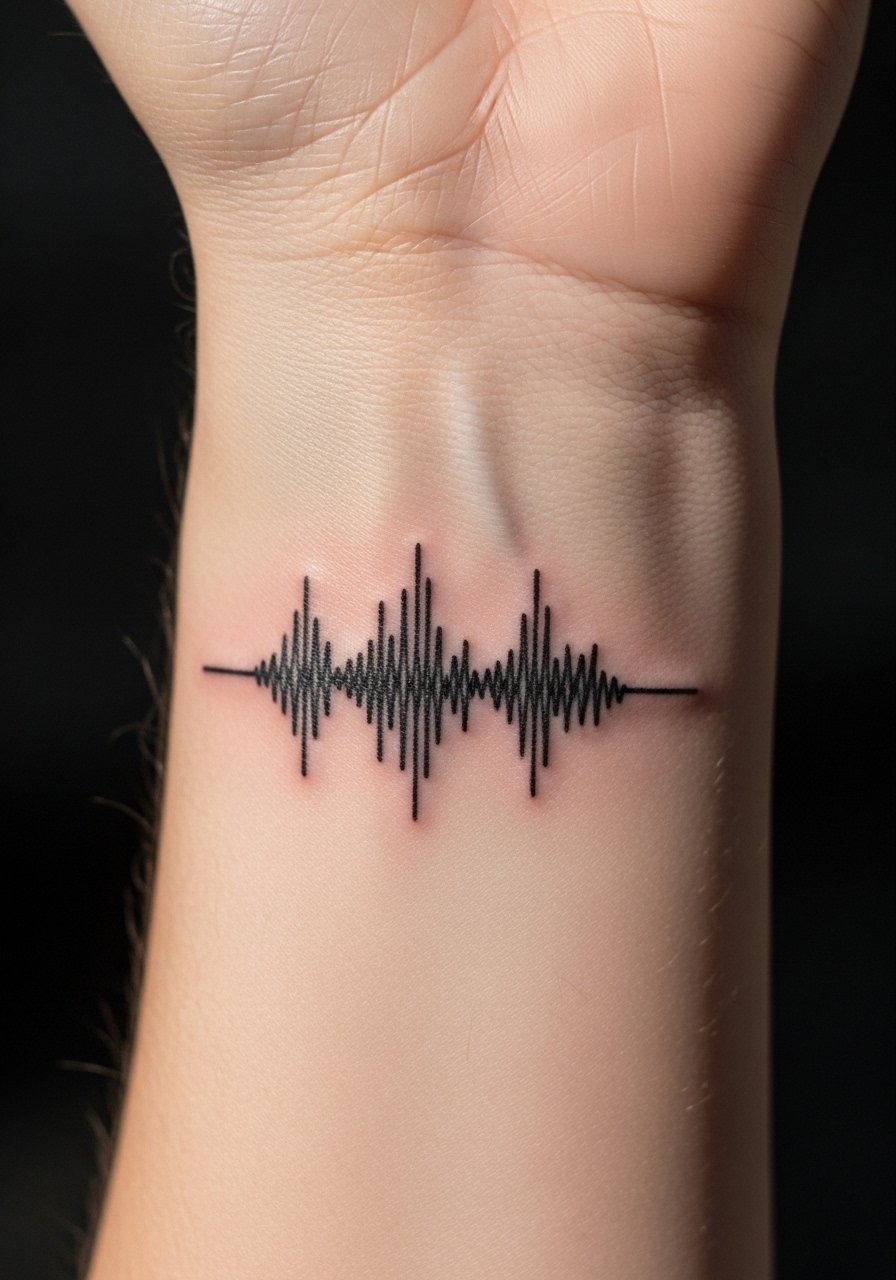
11. Personal voice soundwave on the inner wrist
When a song clip feels too public, a private voice memo turned into a tiny wrist waveform can be the solution. In the consult bring an actual recorded snippet. I always ask people to test the waveform printed at the final size so the peaks are readable. Inner wrist is a fidget zone so lines can soften faster. Expect a single short session of under an hour and plan for a touch-up at 12 to 24 months. The main mistake is compressing the audio so peaks crowd together. Keep it simple and clear. Hand placements sometimes require specialized aftercare because of constant washing.
12. Lyrics in an artist's handwriting on the forearm
When you want hyper-personal script, asking for your favorite artist or friend to write the lyric creates a unique line. For visible text include the exact phrase in your reference. Example phrase in the image prompt: "Memento Mori" in thin serif if you want a timeless look. The forearm keeps script flat so letters remain legible. Major mistake is choosing tiny cursive that curls into illegibility. Tell your artist to map out letter spacing and to tattoo a slightly firmer stroke for key letters. Pain is low to moderate and session time is usually under two hours. Expect a touch-up if the script sits near heavy-motion areas.
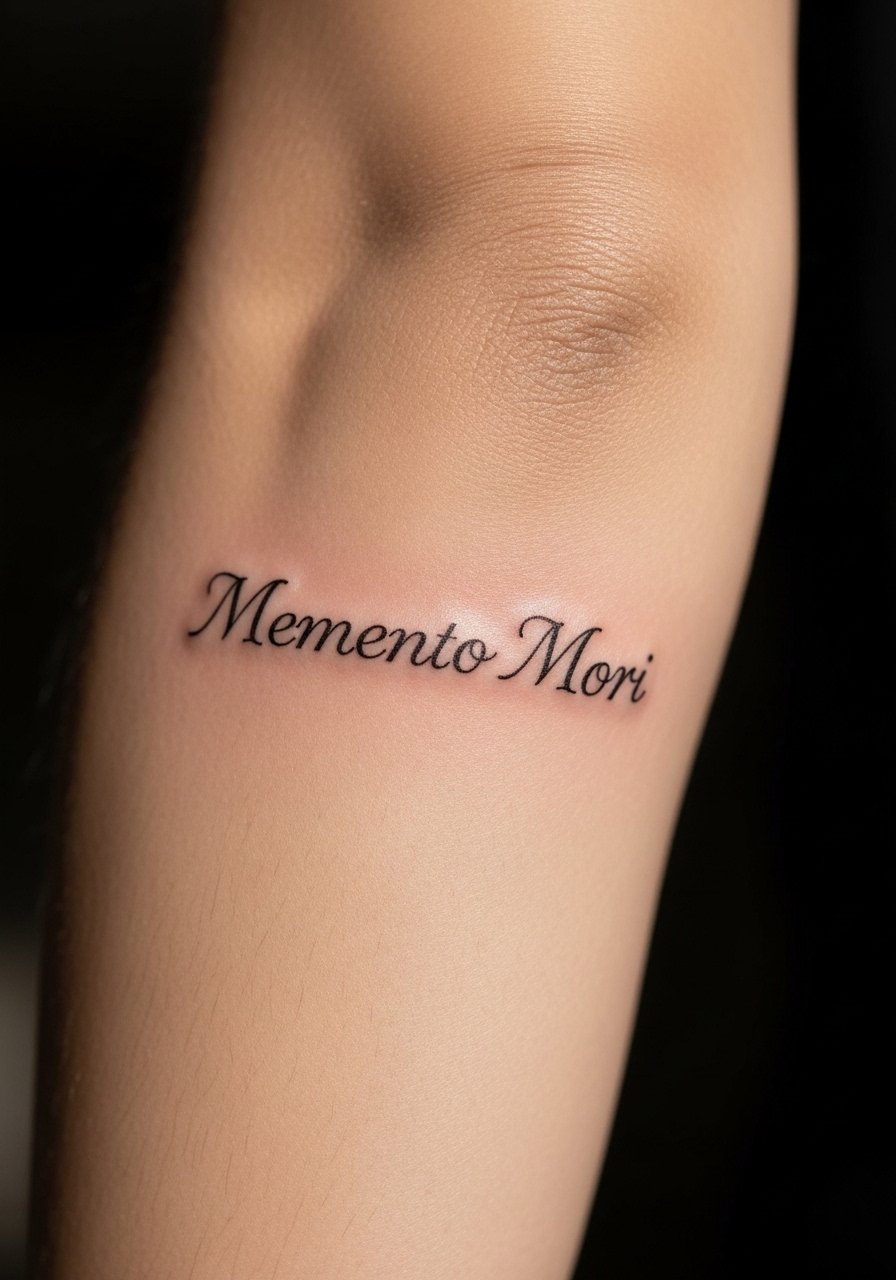
13. Album art as a patchwork sleeve built over concert years
When you plan a sleeve as an evolving patchwork, think of each concert or tour as a separate flash to stitch into place. Consultation becomes a planning session more than a single booking. I recommend mapping out three to five future placements with your artist so new pieces can sit harmoniously without crowding detail. The error most people make is treating the sleeve as a spontaneous walk-in. For sleeves you want an artist who can plan negative space and saturation flow. Expect multiple sessions over months and periodic touch-ups as the sleeve ages. Use discovery pathways like local convention directories to find artists who specialize in continuity.
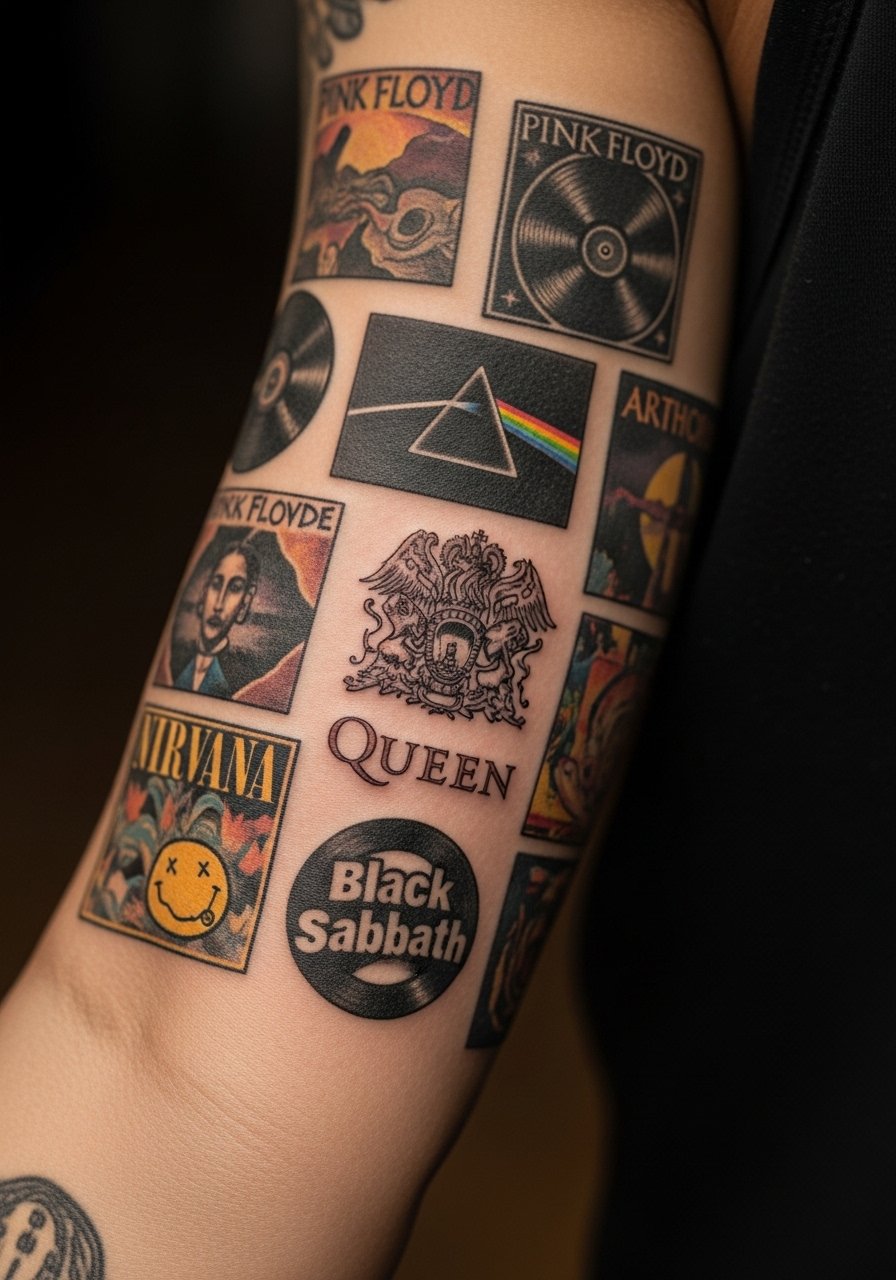
14. Minimalist note clusters behind the ear for festival season
Mistake lead: asking for a crowded cluster in a tiny behind-ear spot shrinks the note shapes into blobs. Behind the ear is a sensitive placement and heals with different scabbing patterns. If you want festival-friendly minimal notes, ask for three well-spaced notes in a small arch rather than a dense cluster. Tell your artist you will likely wear hair down, so sizing should suit occasional reveals. Pain is sharp but short. These are perfect for someone who wants summer visibility without a large commitment. Be realistic about long-term touch-ups since the area sees sun exposure when hair is up.
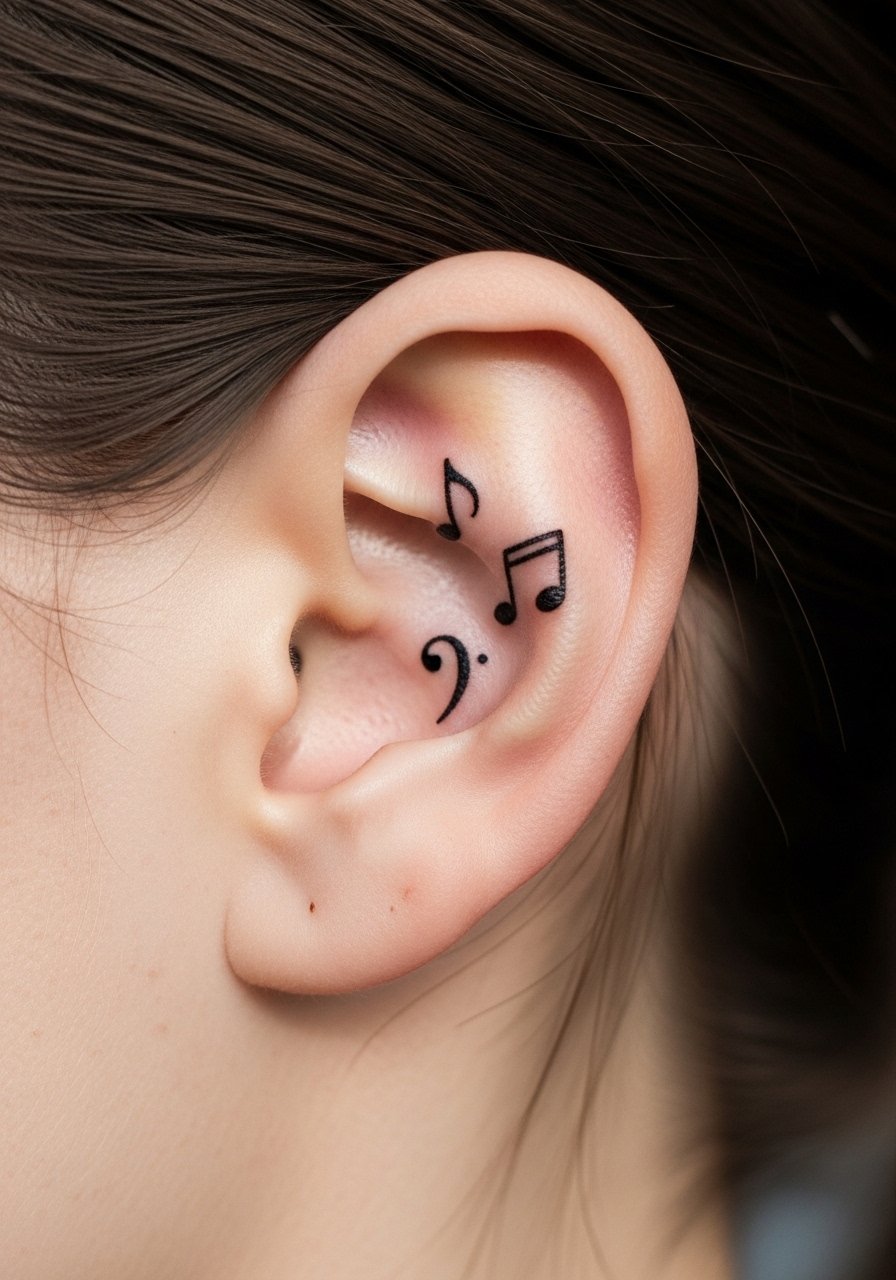
15. Instrument combined with a pulse wave over the sternum
Controversy lead: sternum pieces divide artists into two camps. One group warns that sternum motion causes early blurring and suggests bold, simplified shapes. The other group says careful needle depth and spacing will keep detail for years. If you are drawn to an instrument fused with your personal pulse, plan for a design that prioritizes clear silhouettes and moderate saturation. Sternum work can be more painful than nearby placements. Tell your artist you want a test stencil while standing and lying down so the composition reads in both positions. Expect at least two sessions and a possible touch-up after one year.
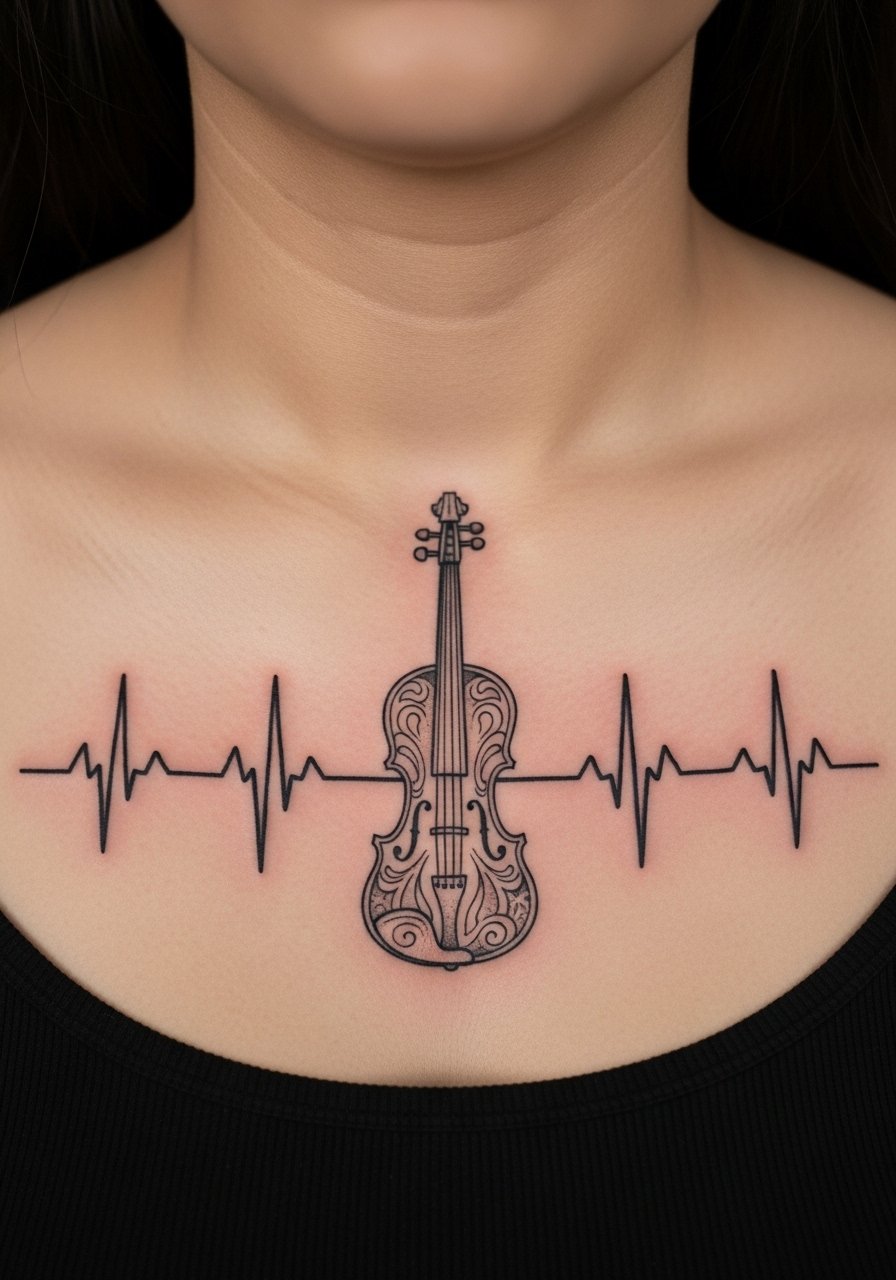
Tattoo Prep and Aftercare Essentials
When I talk to people about first music tattoos they often ask what to buy. Below are essentials that cover prep, immediate healing, and long-term care. Where Research Section 9b was thin on brand names I list specific product descriptors you can search for on Amazon. One mainstream option is included for contexts where artists recommend an occlusive bandage.
Fragrance-free gentle foaming cleanser for new ink. Use in the first 48 hours when your artist says to wet the area. A gentle foaming action removes excess plasma without stripping saturation.
Unscented tattoo healing balm, lightweight, non-greasy. Apply thinly during days three to fourteen to prevent cracking. Works well for script and fine line pieces.
Medical-grade second skin bandage, 6-inch roll. Useful if your artist recommends occlusion for the first 24 hours or for areas that rub on clothing.
Lightweight fragrance-free balm for long-term moisturizing. Keeps saturated color vibrant and reduces flaking over months.
Hydrating mineral sunscreen SPF 30 in gentle formula. Use on healed tattoos to prevent UV fading once your artist clears sun exposure.
Silicone scar sheet for raised touch-up areas. For slightly raised or textured healed spots, these help soften the area over weeks.
Compact sterile scissors and lint-free gauze pack. Handy for trimming bandage edges and cleaning without tugging.
Hypoallergenic adhesive tape strips. Use when you need a secondary hold over dressings for active placements like wrists or calves.
Saniderm or similar breathable occlusive film. Only one mainstream product is listed here. Artists who favor occlusion recommend these for the first 24 to 72 hours. If you use it, follow your artist's exact timing.
Every tattoo is different. Always follow your artist's specific aftercare instructions. Consult a dermatologist if you have skin concerns or unusual healing issues.
Frequently Asked Questions
Q: Will fine line musical notes on the wrist blur within a year?
A: It depends on line weight and placement. From what I have seen, ultra-fine single-needle notes on high-motion zones like the wrist soften faster. Ask for slightly heavier base strokes and expect a touch-up between six and eighteen months if you want crisp peaks.
Q: Are soundwave tattoos accurate when translated from a song file and do they need special sizing?
A: Yes, they can faithfully reproduce a clip but only if the source file is high resolution and the artist scales the waveform properly. Bring the original audio and request a printout at the final size so peaks do not compress. Inner bicep and collarbone work well for longer strips.
Q: How should I prep for a multi-session album art portrait sleeve to make the pieces sit together?
A: Treat it as a project. Plan the negative space and palette in a consultation and book touch-up slots during planning. I recommend mapping three to five future placements and asking the artist to orient each patch for flow. Sleeping and hydration before sessions also help saturation.
Q: Do different styles need different aftercare products, like balm versus occlusive film?
A: It depends on artist preference and the style. Many artists recommend occlusive film for dense blackwork and a lightweight unscented balm for fine line and script once initial scabbing passes. Use the specific aftercare product your artist suggests and follow their timing.
Q: Will getting lyrics in a friend’s handwriting cause complications with readability over time?
A: Handwriting can be beautiful but it must be scaled and spaced correctly. I suggest tattooing at a slightly bolder stroke than the original pen sample and spacing letters a bit more than the handwriting shows. That approach keeps the character while improving long-term readability.
Q: How often should I plan touch-ups for instrument silhouettes and micro-realism portraits?
A: Plan for at least one touch-up within the first two years for portraits, especially color work. Bold instrument silhouettes often hold longer but expect minor adjustments at two to five years depending on sun exposure and placement.
Q: Can behind-ear minimal note clusters survive regular festival exposure and sun?
A: They can, but the area sees concentrated sun when hair is up. Use a healed mineral sunscreen for festivals and expect touch-ups sooner than on covered areas. Also check with the artist about scab care since that spot scabs differently.