
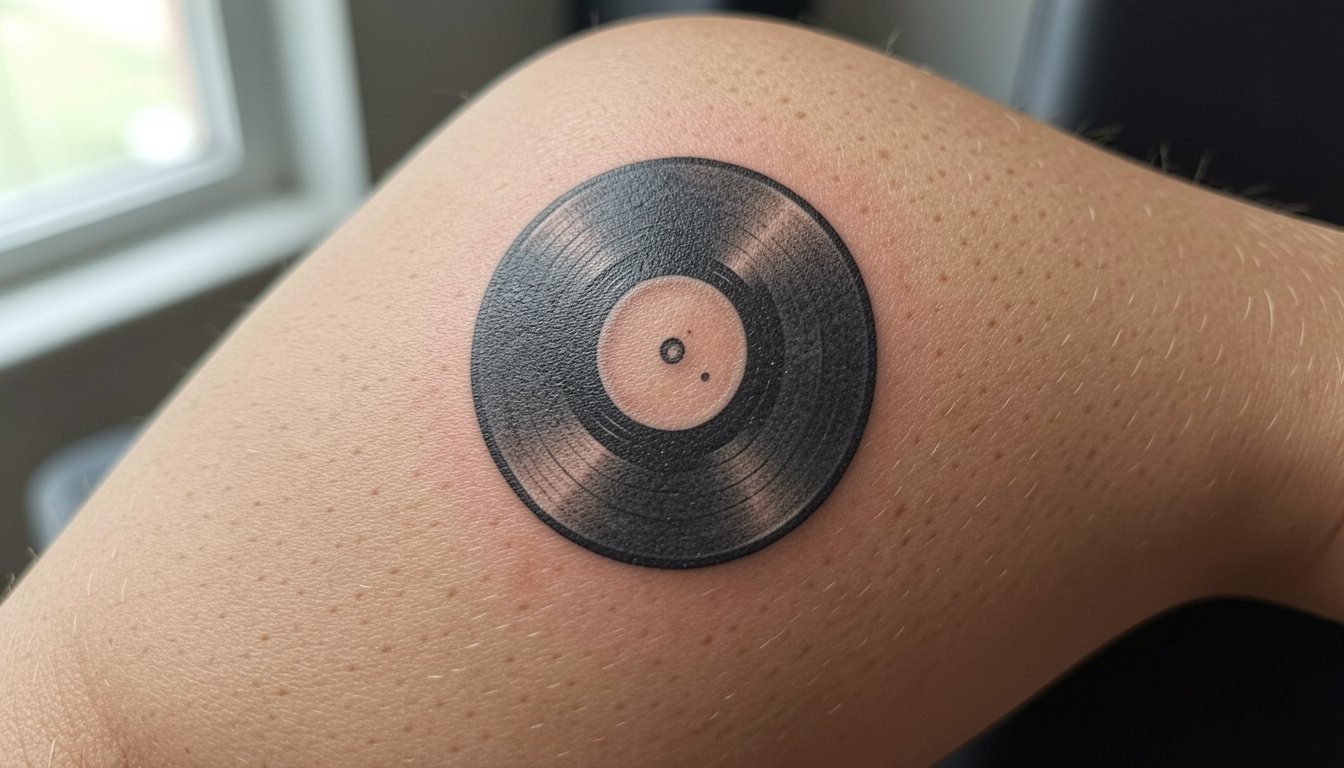
A tiny symbol can say you live for music without shouting it from your sleeve. Pick the right scale, line weight, and placement and that small note or lyric will still read clean after a few years. Start with pieces that give the artist room to space lines and plan touch-ups, and you avoid the usual fine-line regret most people only notice after their healed photos show up fuzzy.
1. Fine Line Musical Note on the Wrist
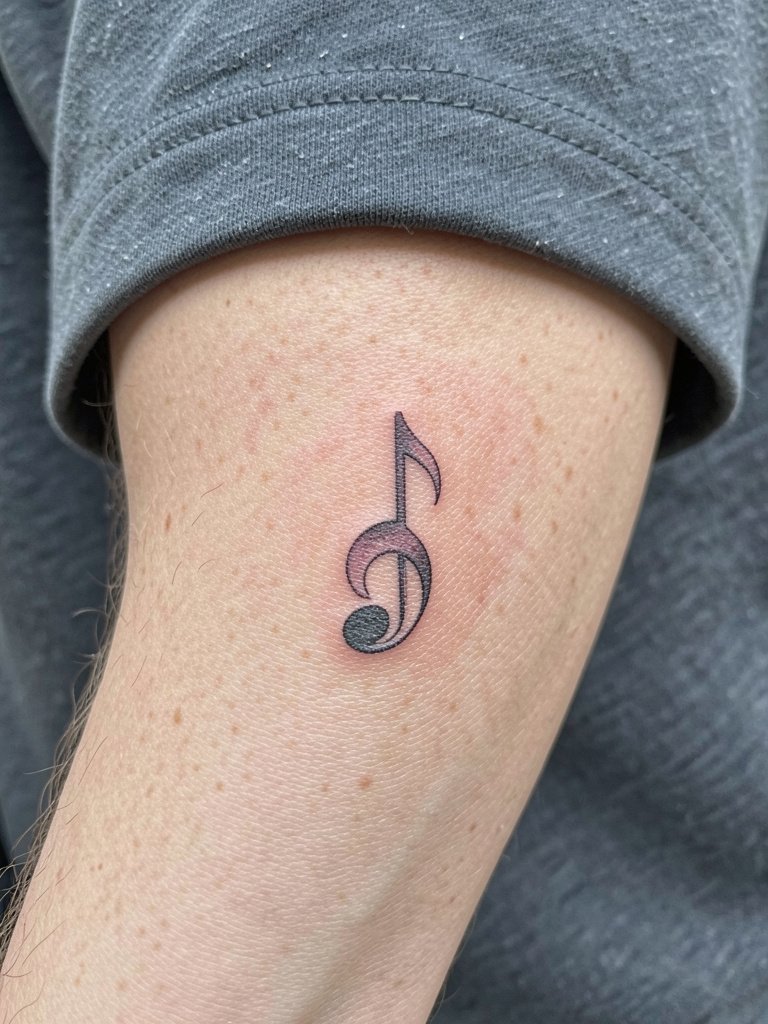
A single-needle note on the wrist reads elegant at first but it can blur if placed too tiny or if line weight is wafer-thin. One camp prefers the ultra-fine look for its delicate vibe, and I have seen those pieces look ethereal in fresh photos. The other camp favors a slightly heavier single-needle line for longevity, and they point to healed shots where micro blur is minimal. Plan the size so the stem is at least two millimeters wide at the thinnest visible part, and bring a reference showing exact scale. Session time is usually 15 to 30 minutes and wrist sensitivity lands around a 4 of 10. For showing it off, layer with a thin chain bracelet set so the ink peeks through during warm months.
2. Soundwave Band Across the Forearm
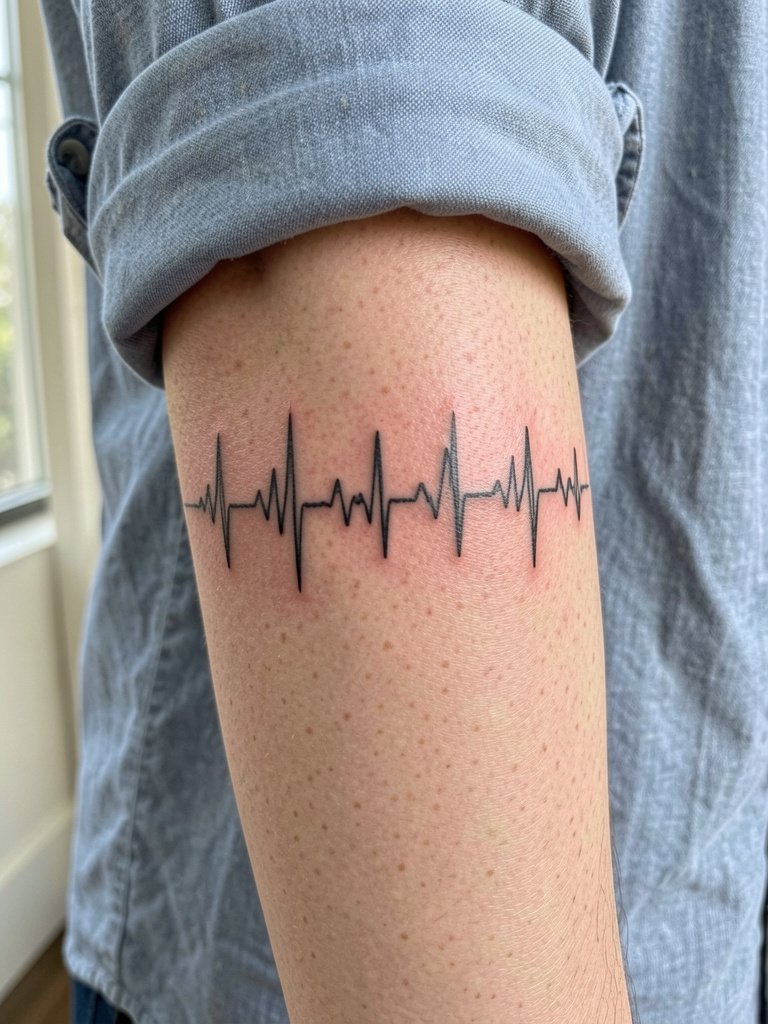
A waveform can be truly personal because it encodes a specific audio moment, and some fans swear it feels custom in a way a note cannot. Other people argue waveforms are overused and read like a stock idea unless you alter composition or add negative space. One camp sees the waveform as an intimate signature that needs minimal fuss. The opposing camp thinks a clever layout or a unique break keeps it from feeling generic. For technical talk, bring the exact audio file and a scaled printout so the artist can test scannability at the size you want. Expect 30 to 60 minutes for a narrow strip. Pair this with a linen shirt for rolled sleeves when you want it visible.
3. Guitar Silhouette on the Inner Forearm

A compact guitar headstock or partial body reads as a musician's mark without needing a full instrument portrait. Specify whether you want a true silhouette or a minimalist outline with interior negative space so the artist knows how much saturation to plan. Common mistakes include asking for ultra-detail in a spot that flexes when you move, which causes lines to blur after two years. On the inner forearm the skin moves moderately and touch-up at year two is common for tiny detail. Session time is often 45 minutes. For day-of wear, choose a button-down with easy roll sleeves so the artist can access the palm-up surface without tugging.
4. Piano Keys Wrapping the Wrist
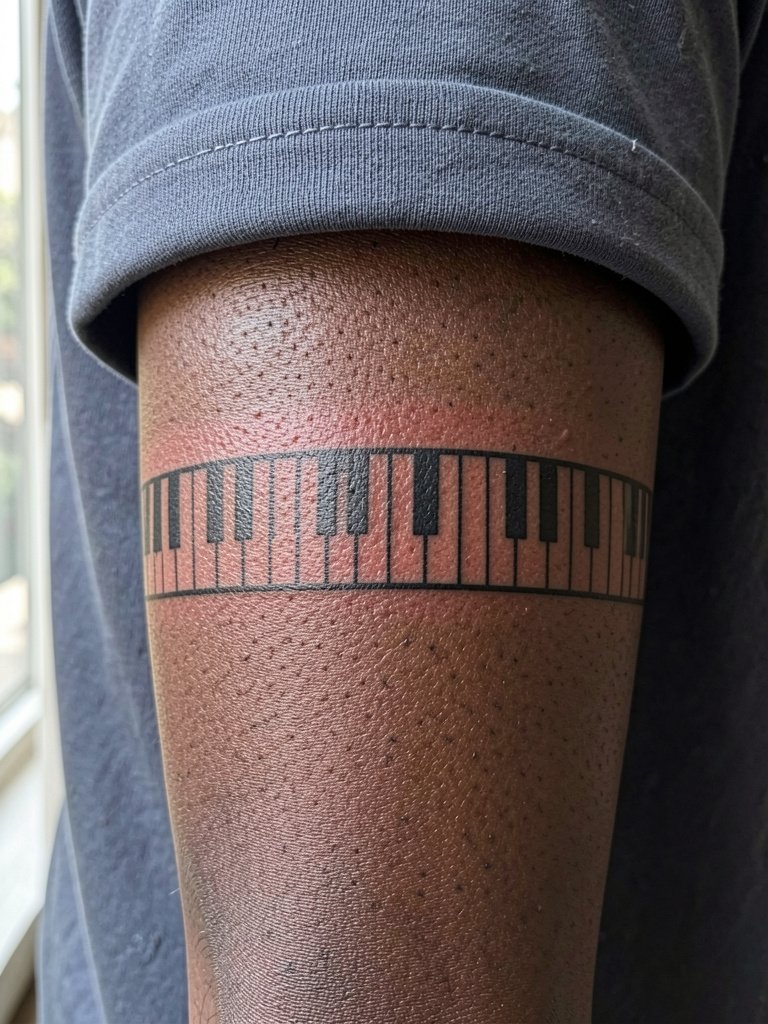
Wrapping keys can function like jewelry, but a common error is cramming too many keys into a tiny circumference and losing separation as the skin settles. Ask for simplified key blocks and slightly wider gaps so the band keeps its rhythm after healing. For wrists expect a 30 to 60 minute session and a pain level around 4. Blowout risk exists if the lines cross the bone or sit too close to creases. Show the artist a wrist measurement so they can scale the keys to your anatomy. To wear it intentionally, try stacking the tattoo with a minimalist watch on the opposite wrist so the design reads like an accessory.
5. Treble Clef Behind the Ankle
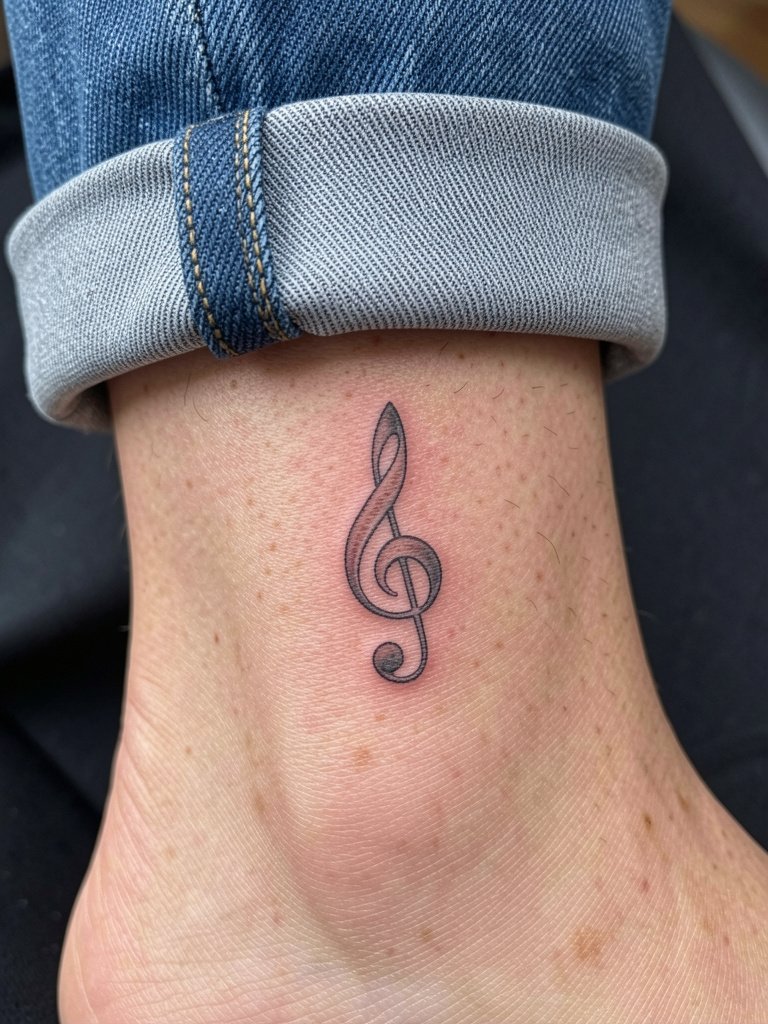
Ankle placements face friction from socks and shoes so crisp filigree can lose definition quickly. A treble clef with slightly thicker linework and clear open counters lasts cleaner than the ultra-fine alternative. Session time is often 20 to 40 minutes and the pain level can hit 5 to 6 because of thin skin over bone. Tell the artist about your typical shoe wear so they can position the design clear of pressure points. For style, pair the placement with cropped straight jeans so it shows off in summer sandals.
6. Trailing Notes Up the Inner Arm
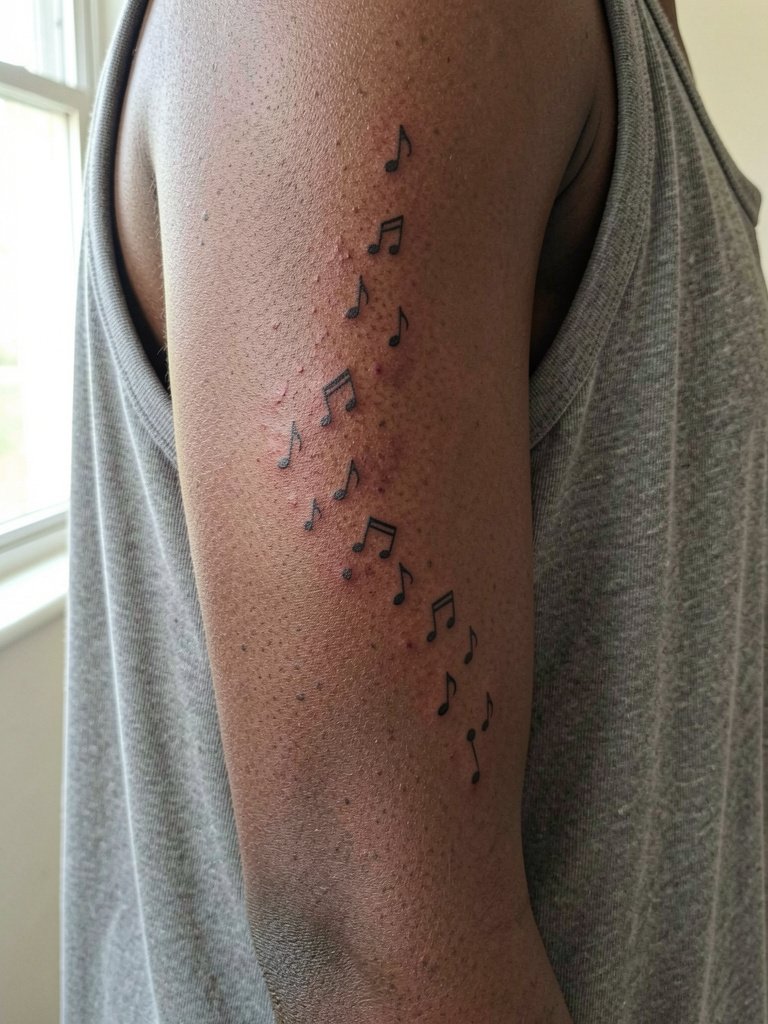
A note cluster gives expansion potential and reads more custom than a lone symbol, but the inner arm is a place where lines can soften due to stretch. Request a layout mockup that shows negative space between notes scaled to your arm length, and bring two reference photos at different sizes. Typical session time for an expandable trail is 30 to 90 minutes depending on count. Expect a touch-up at year two for the smallest dots. For the day of the session wear a loose tank top so the artist can work on the medial surface without fabric interference.
Session Day Picks
The wrist, ankle, and inner arm pieces above each have different access needs, so a couple of small items smooth the chair time and the first week.
-
Stencil transfer paper kit. Lets you preview exact scale on skin before inking, which is especially helpful for the wrist band and note trail proposals above.
-
Topical numbing cream. Applied per instructions and used selectively eases wrist and ankle sensitivity without affecting linework.
-
Thin protective film roll. Useful when a tattoo sits near the shoe line or watch strap during the first few days of healing.
-
Fragrance-free gentle body wash. Cleanses without irritating fresh linework and avoids scented irritants.
-
Aquaphor healing ointment. A widely used option for the initial thin-layer moisture phase that many people find effective for linework protection.
7. Headphones Micro-Realism on the Upper Arm
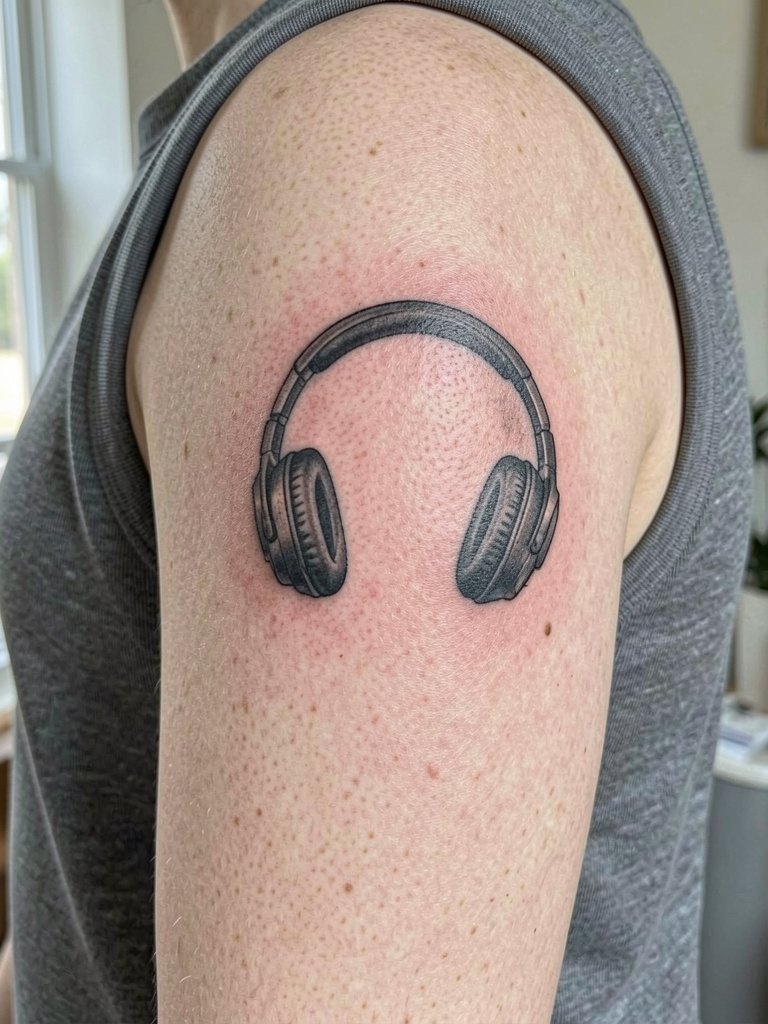
Headphone micro-realism works as a modern audiophile badge and reads well at medium sizes that allow stipple shading. Discuss with the artist how much interior shading you want versus clean contours, because tiny texture that looks great fresh can soften into muddiness on smaller scales. Upper arm sessions are comfortable for most people and often finish in one to two hours. Expect lower blowout risk here than on wrist or ankle. For show-off outfits pick a muscle tee or sleeveless top that frames the shoulder line.
8. Vinyl Record with Custom Label on Outer Forearm
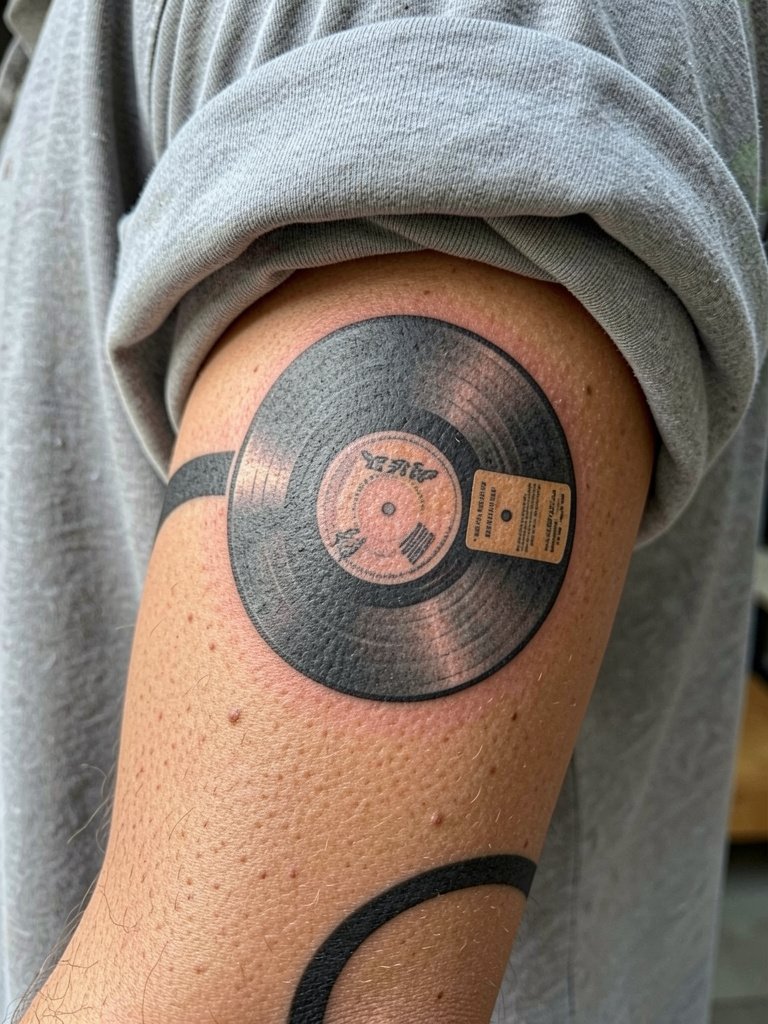
A vinyl motif gives retro flair and a tiny label area lets you personalize with initials or a date. Avoid packing tiny lettering into the label unless the artist can show healed examples at the exact font size you want. Medium forearm pieces usually run one to two sessions depending on color. If you want a colored label discuss saturation goals because small color patches fade faster than black. For outfits, rolled sleeves and a relaxed fit tee make the piece readable in casual looks.
9. Micro-Realism Microphone on the Inner Forearm
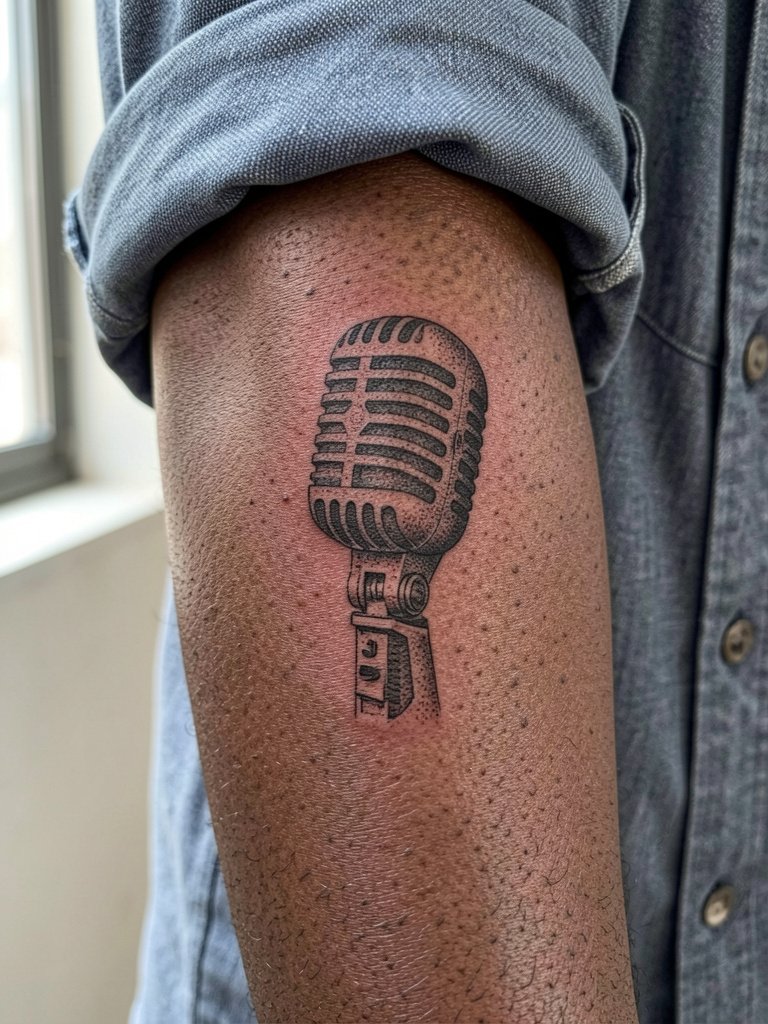
A small realistic mic can honor performers without portrait work, but the grille detail must be simplified for the scale you choose. Ask for a healed portfolio shot showing similar dot work on comparable skin tones so you know how stipple shading sits over time. Inner forearm detail has moderate longevity, and a touch-up at year two is common for micro textures. Session time is 60 to 120 minutes depending on fine stippling. For studio visits wear a rolled cuff button-down so the artist can work comfortably on the palm-up area.
10. Single-Word Lyric on the Collarbone
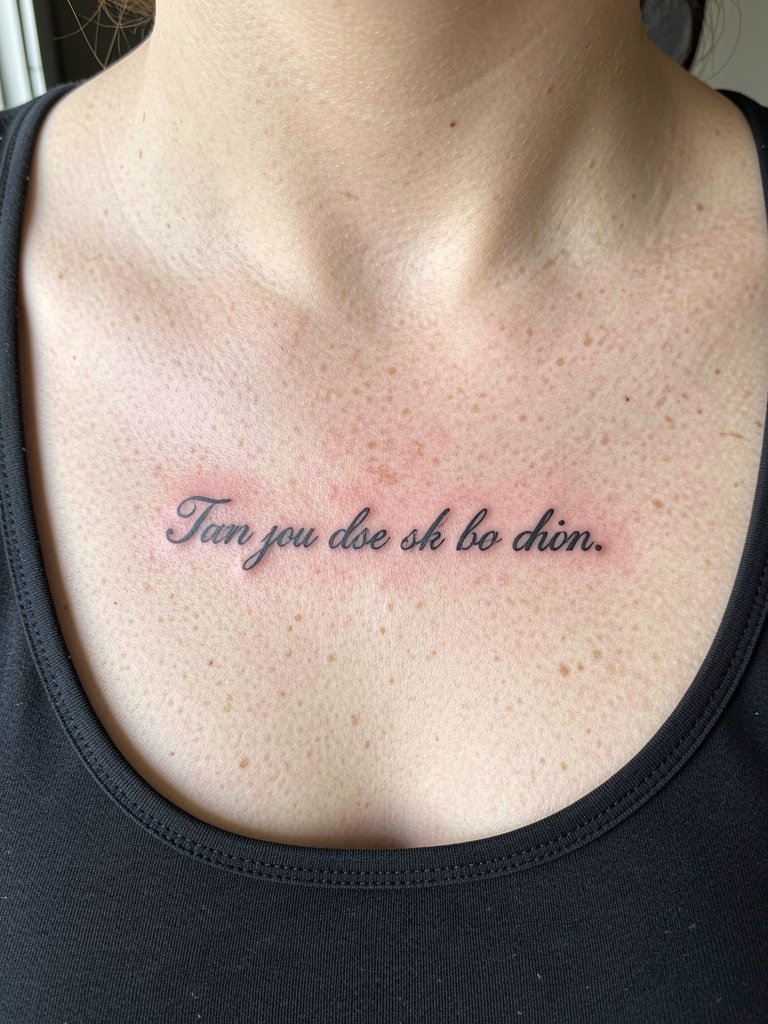
Short lyric fragments on the collarbone need letterforms that are bold enough to survive stretch and sun exposure. One argument in the community is that lyric tattoos preserve exact words that anchor a feeling. Another view warns that tiny script blurs and dates the wearer to a moment. If you want a line that lasts, pick a typeface with open counters and ask for a slightly increased letter height. Collarbone sessions are quick at 20 to 40 minutes but can sting because of thin skin. Wear a wide-neck top so the artist has chest access without fabric rubbing.
11. Music Staff Band Around the Arm
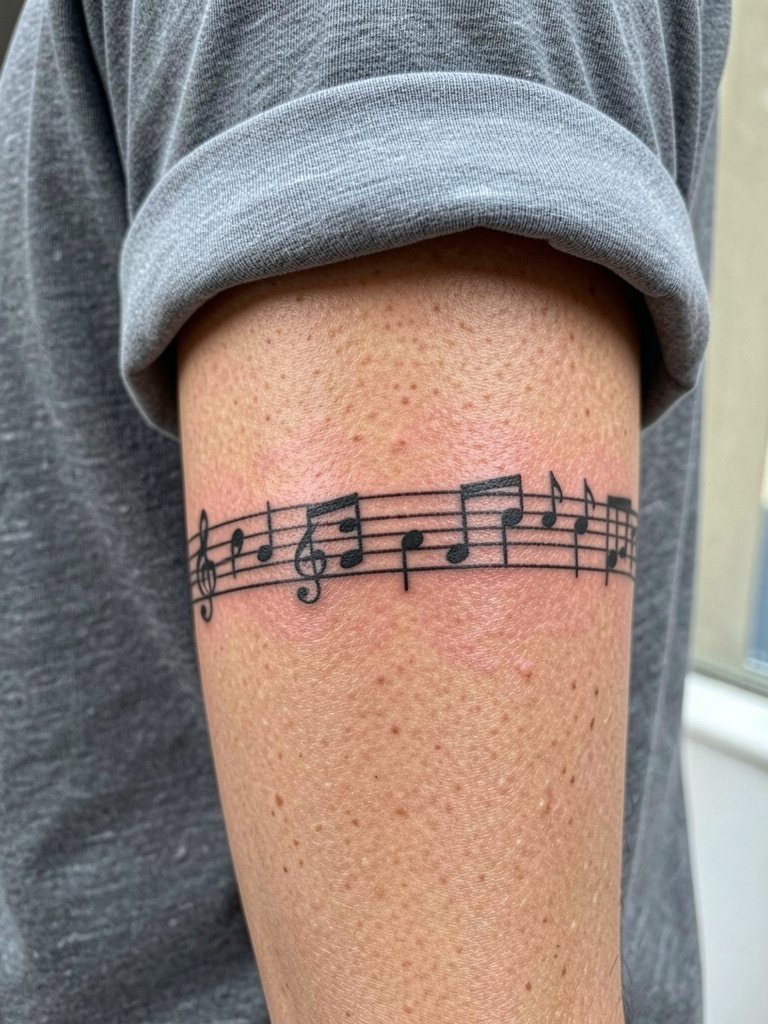
A staff band can act as subtle jewelry, but staff lines must be spaced wide enough to survive natural line spread. A common mistake is matching the exact printed staff spacing from sheet music, which is too tight for human skin. Tell the artist the width you want and request a mockup wrapped on your arm so they can show the read at three distances. Expect a 45 to 90 minute session. For wearing options try stackable thin bracelets on the opposite wrist so the band reads as part of an arm set.
12. Instrument Portrait on the Thigh
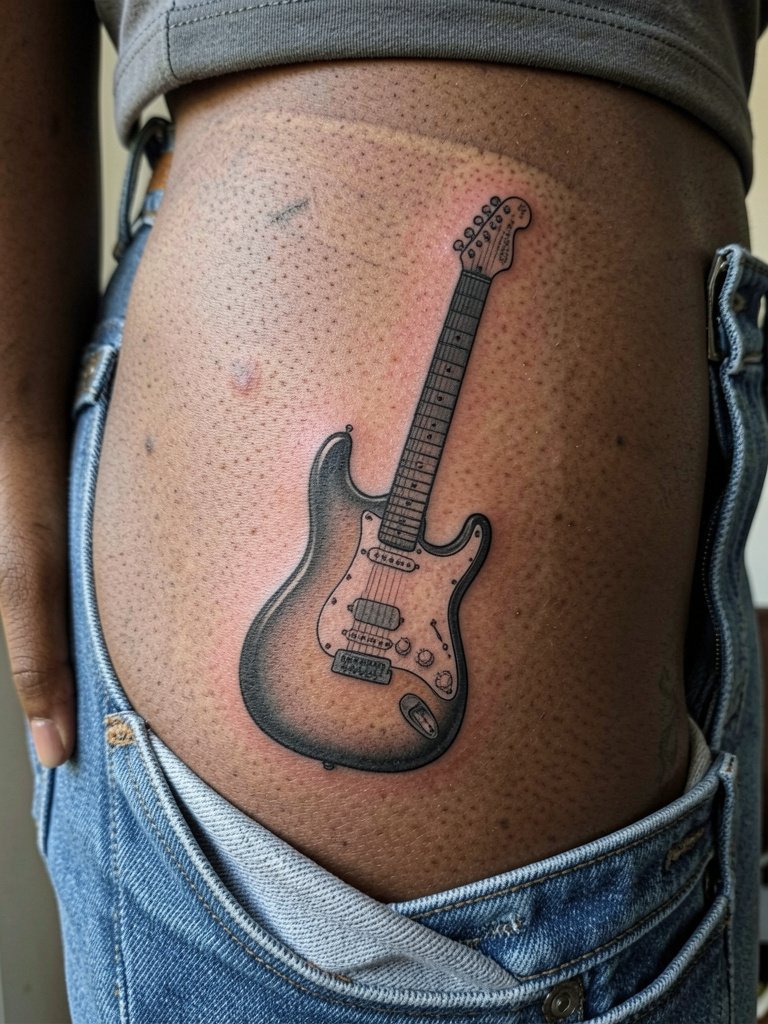
Larger instrument portraits allow artistry with shading and texture. On thighs you get room to keep linework open, which lowers blowout risk. Discuss how much realism you want and whether elements like wood grain are symbolic or literal. Multi-session work is common and touch-ups after heavy sweating seasons may be needed. Thigh sessions are typically lower on the pain chart and can run from one to three hours. If the piece will peek out in summer try high-waisted shorts or a soft cropped tee that frames the placement.
13. Abstract Equalizer Bars on the Calf
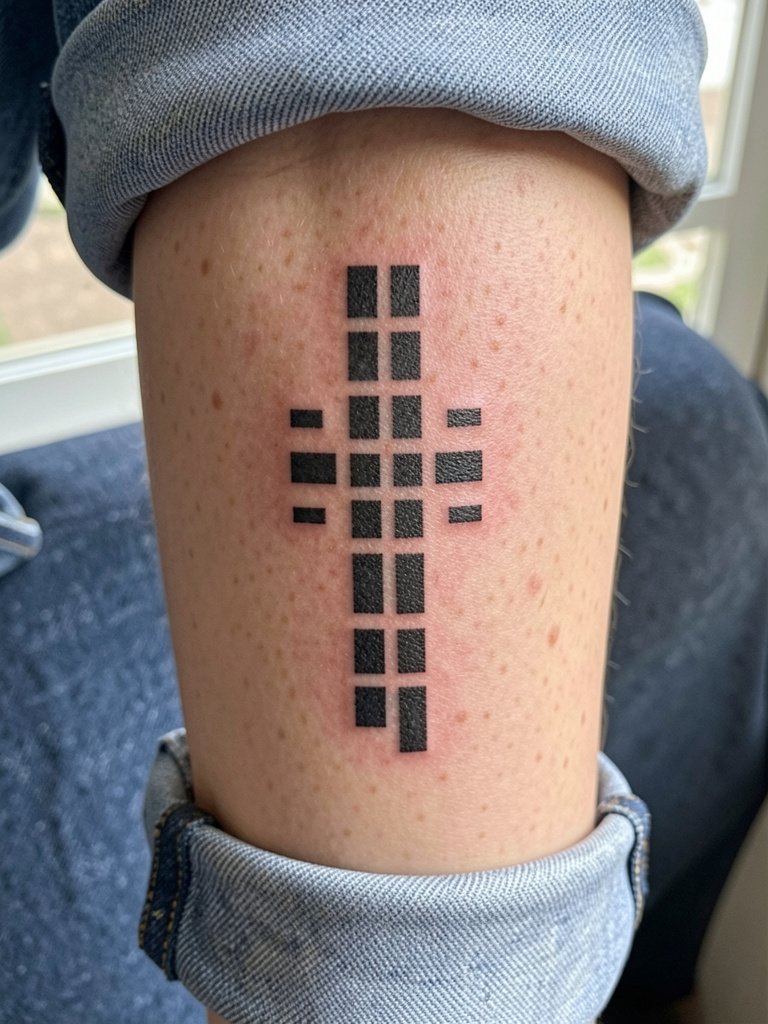
Equalizer bars make a modern, nonliteral music mark and age well if you keep bars bold and spaced. A frequent mistake is requesting ultra-tight narrow bars that bleed into one another over time. Ask for test squares on skin to see how crisp a one-millimeter black block holds up after healing. Calf work is low pain and usually completes in one session. For display, cuff your jeans or wear low top sneakers so the silhouette reads clearly.
14. Note Plus Heart Micro Combo on the Collarbone
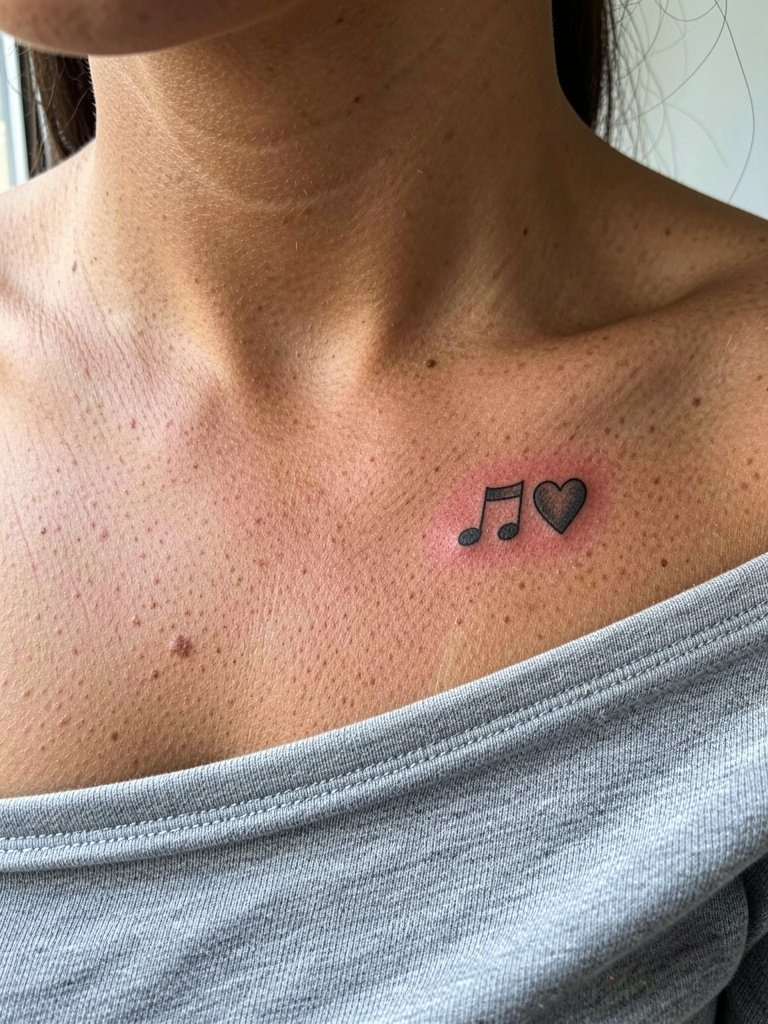
Combining a note with another tiny symbol softens the music motif and personalizes it. Keep the heart filled and the note outline slightly bolder so one element does not swallow the other after healing. Show your artist the exact spacing you want in a chest mockup because the collarbone has movement and sun exposure that can reduce contrast. Expect a 20 to 45 minute session. For dressing, layered delicate necklaces or an off-shoulder blouse frames the area without rubbing the fresh ink.
15. Patchwork Mini Set for a Sleeve Starter
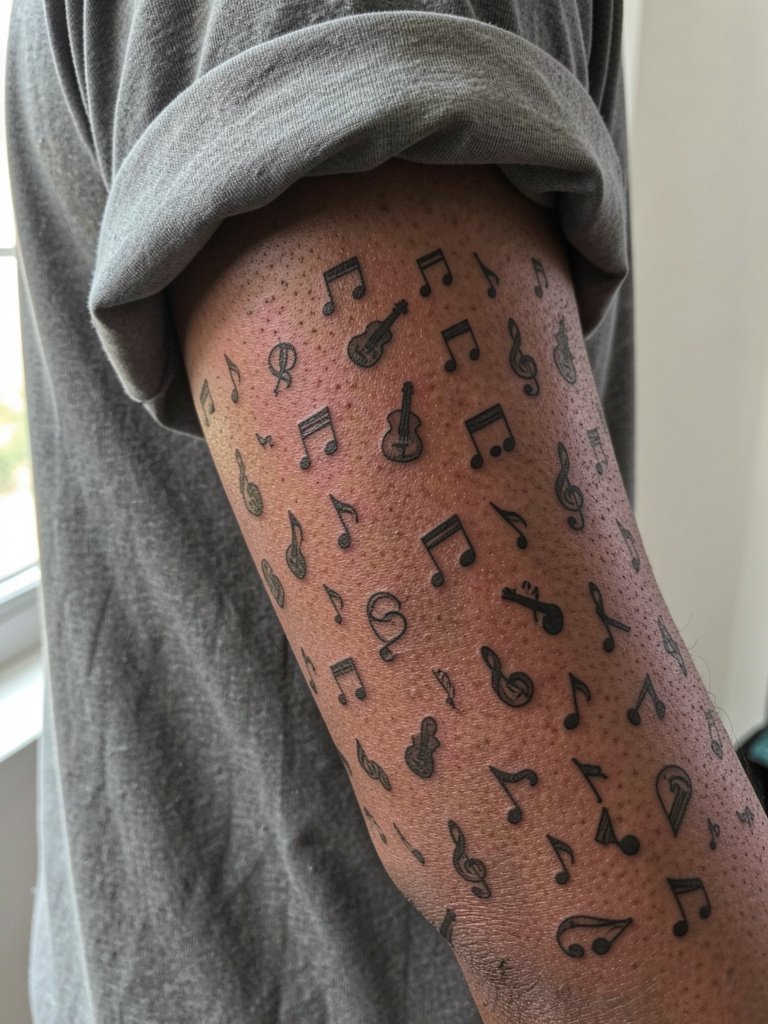
Building a patchwork collection over time gives you a visual playlist instead of one big commitment, but plan spacing ahead so future pieces have room. Request a rough arm map from the artist showing intended negative space and possible expansion tracks. Common mistakes include placing too many small items too close together, which creates a crowded look after touch-ups. Sessions are short for each mini piece but cumulative cost adds up. For styling pair this with sleeveless tops that let individual icons read.
16. Minimalist Clef on the Ribcage
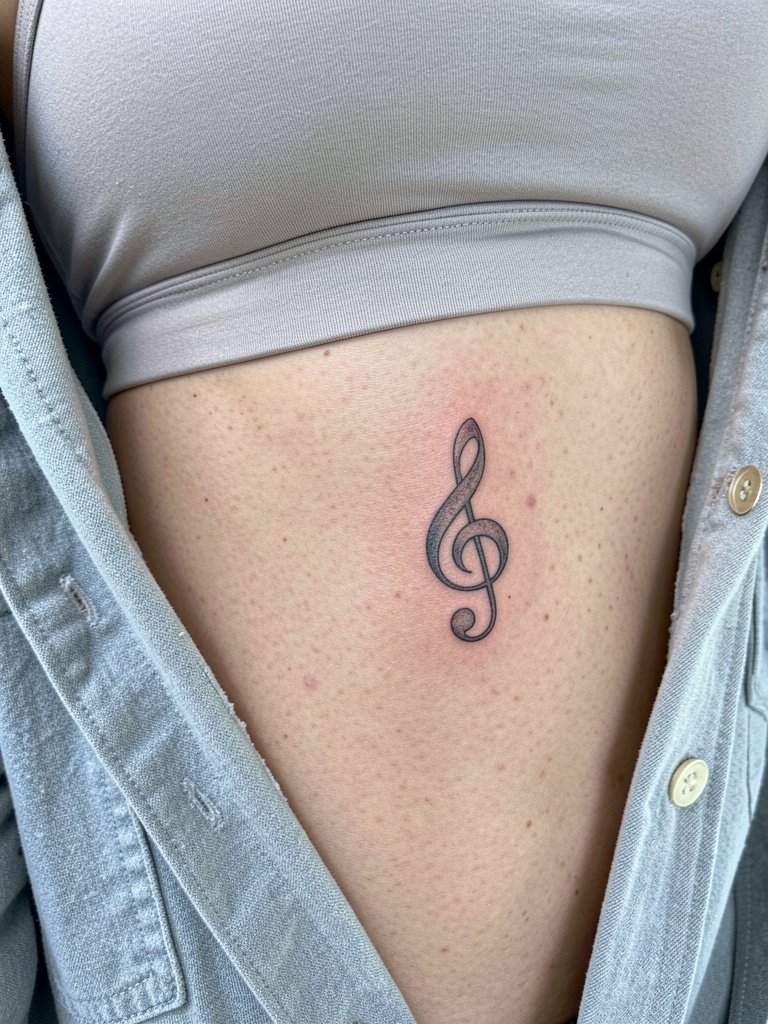
Ribcage pieces face stretch and movement so thin scripts or ultra-fine clefs can blur. One group of artists says fine line never lasts on ribs because skin there moves and lines spread. Another group argues that with slightly increased depth and spacing, a fine clef can settle and still read in healed photos. If you choose ribs, request a mockup at a scale you can measure on your body and plan for a possible touch-up. Sessions can be intense and usually break into two short passes if needed. For the appointment wear a soft sports bra that the artist can move aside without stretching fabric.
17. Geometric Note Cluster on the Nape
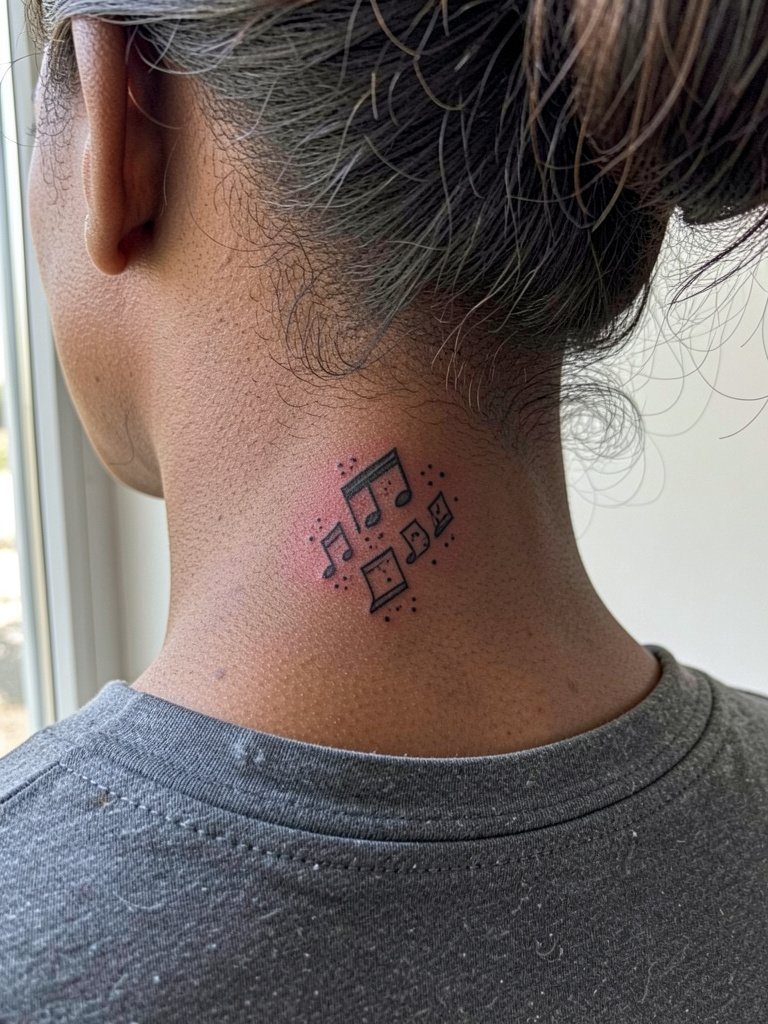
Behind-the-hairline pieces are subtle and behave differently when you wear your hair up. Keep linework bold enough to survive clothing contact and hair oils. Discuss dot work and stipple shading density so the artist can advise on prolonged visibility under hair. Nape sessions are quick and surprisingly tolerable. For showing the piece, consider wide-neck tops or an updo and a wide-neck top that frames the area.
18. Minimal Bird Silhouette with Soundwave Ring

Combining an abstract waveform with a small silhouette makes the design personal while adding a readable anchor. The waveform should be scaled to avoid thin peaks that will soften. A mistake people make is asking for both elements at micro scale where one overwhelms the other. Inner bicep placement is moderately risky for single-needle detail and often needs a touch-up at two years. Sessions run 45 to 90 minutes. For the visit choose a loose tank top so the artist can access the medial surface easily.
19. Retro Radio on the Upper Chest
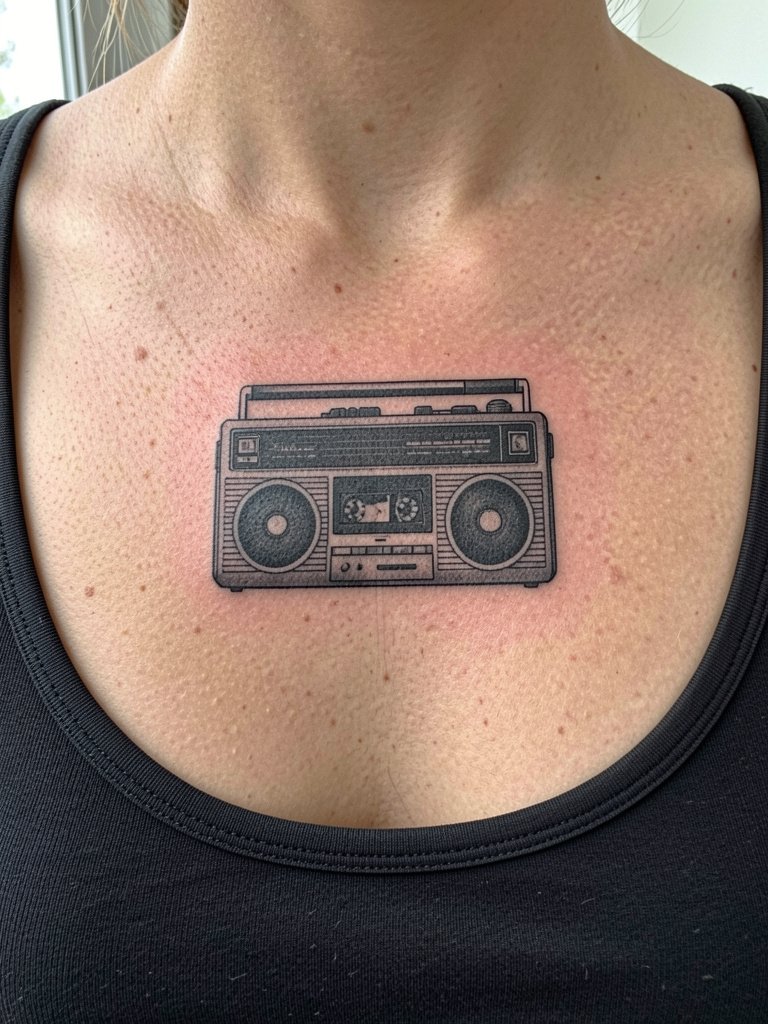
A retro radio portrait reads nostalgic and pairs with soft shading for volume. Chest work requires attention to symmetry and to how the sternum moves during breathing. If you want color, talk about saturation and fade expectations because small color blocks can lose intensity faster than black. Sessions vary from 60 to 180 minutes depending on size. For the session wear a scoop-neck top that gives clean access without fabric rubbing.
20. Micro Dot Work Clef on the Wrist Side
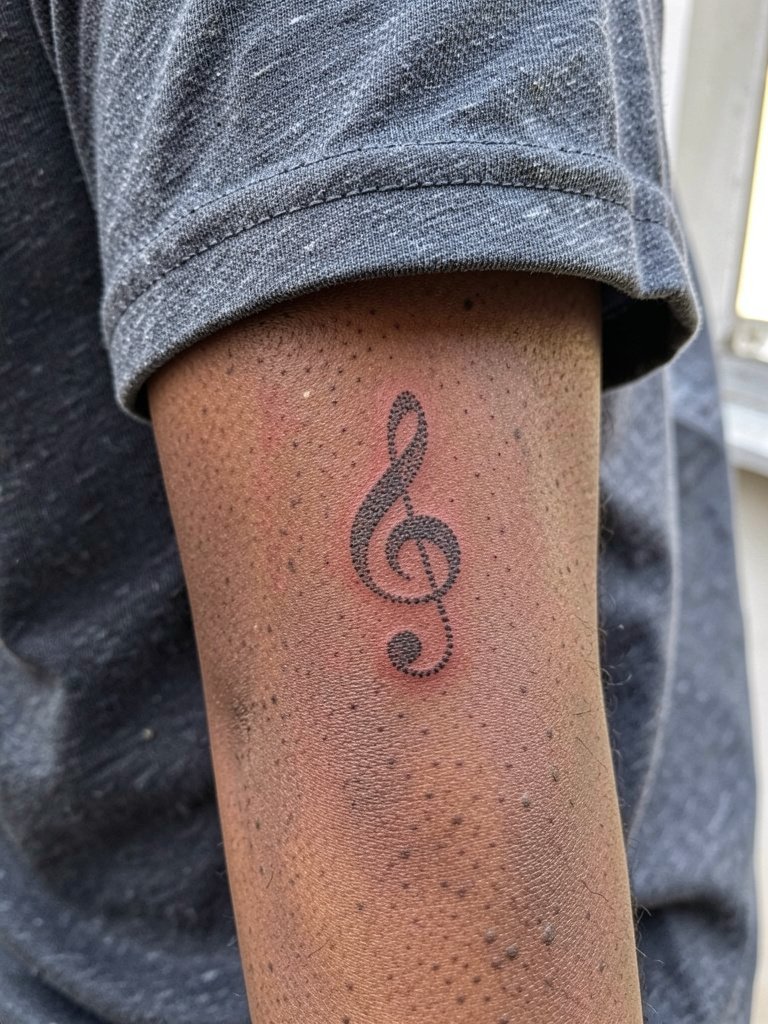
Dot work gives texture without continuous lines, but on the wrist the tiny dots can spread into a softer patch if placed too closely. Request a sample area or a test dot density chart on comparable skin so you see how the stippling heals. Sessions are short at about 30 to 60 minutes. Expect a touch-up window around the six to twelve month mark for dot definition. For accessories try stacking with a minimalist watch on the opposite wrist so the dotwork has contrast.
21. Bass Clef Behind the Ear
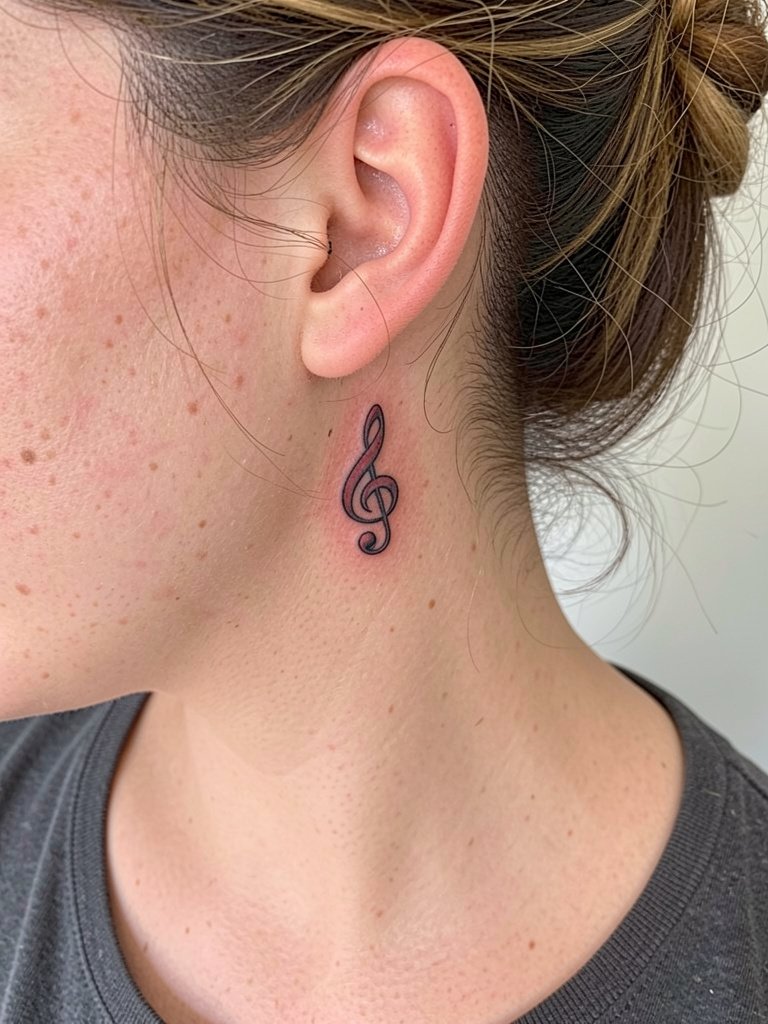
Behind-the-ear placements need an artist experienced with small, high-movement hairline areas. Keep the clef simple and slightly bolder than the thinnest single-needle line to maintain contrast through hair oils and brushing. Sessions are typically 15 to 30 minutes and healing is straightforward if you avoid heavy hair products for a week. For visibility choose short hair or an updo and consider a layered necklace set to draw the eye to the area.
22. Lyric Ribbon Along the Rib Line
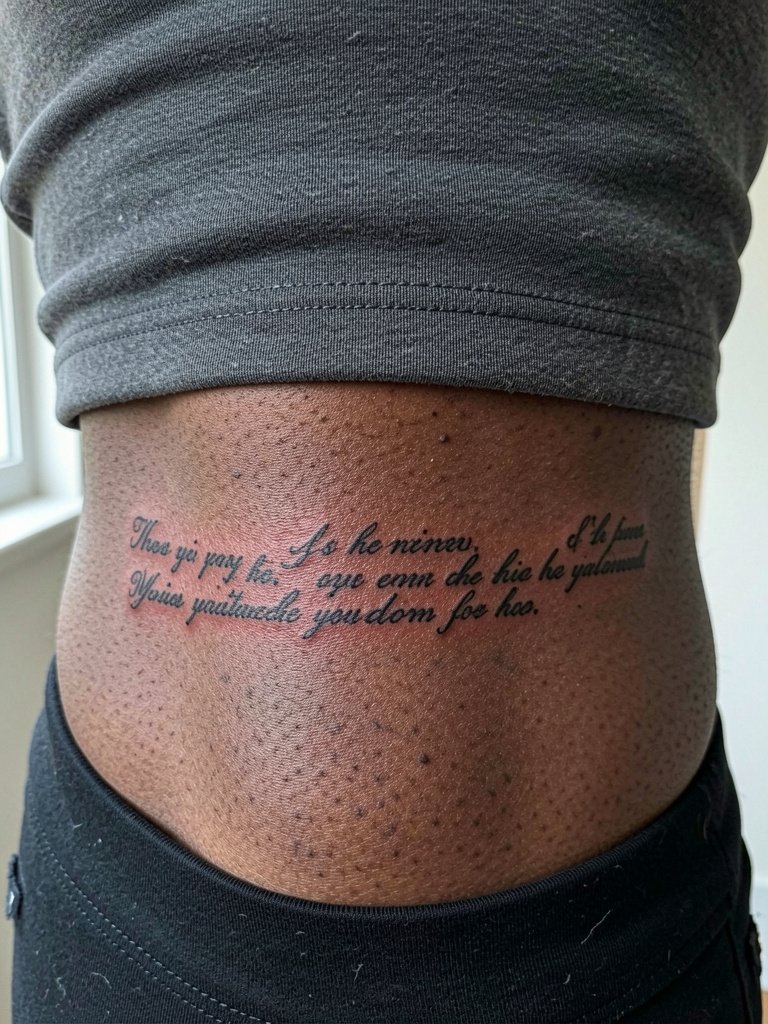
Longer lyric ribbons need measured letter size because text shrinks visually when wrapped around curves. One camp keeps lyrics short and local to reduce blur, and the other camp will lay out longer scripts but with increased spacing and bolder strokes. Decide in advance how many words you truly want on the ribs and ask for a scaled paper stencil. Ribcage sessions can be higher on pain and often split into short passes. For the appointment wear a button-up lounge shirt that avoids pressure on the area.
23. Tiny Tempo Mark on the Index Finger
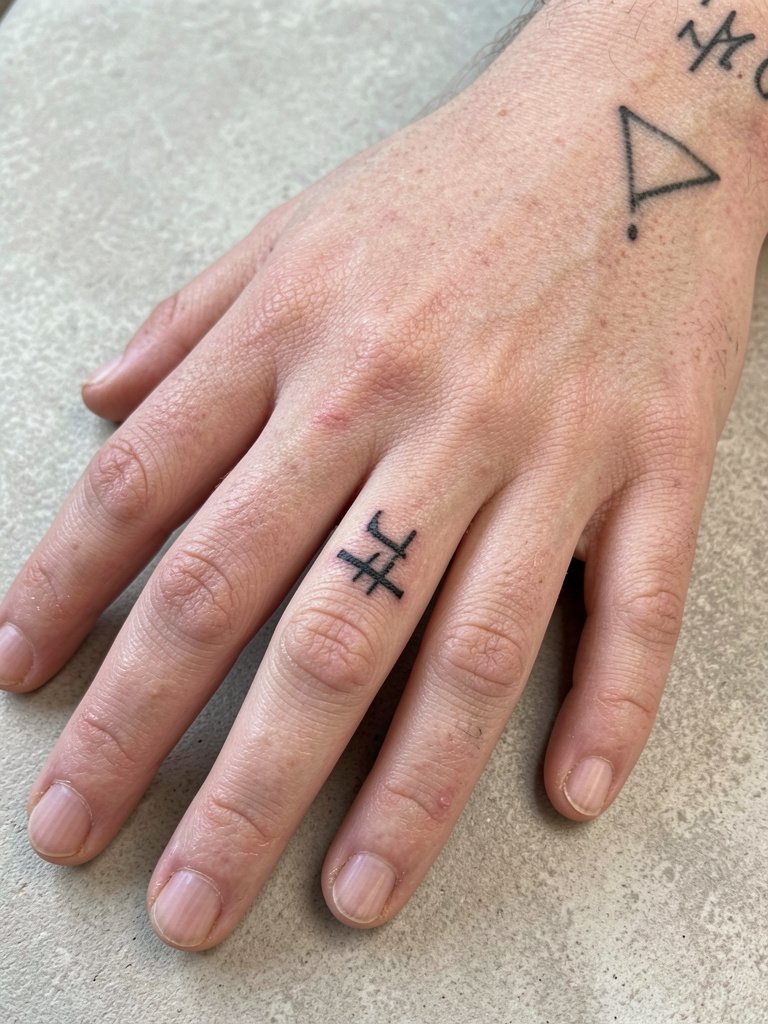
Finger tattoos sit in a high-friction zone and need bolder micro blackwork to remain legible. The common mistake is asking for ultra-fine script on a finger which fades within months. If you want a tempo mark on the finger, request heavier saturation and accept that multiple small touch-ups may be part of the plan. Session time is short but healing needs care because of frequent washing. For showing the piece, short-sleeved looks or rolled cuffs and a dainty bracelet stack can frame the hand without rubbing the fresh ink.
Frequently Asked Questions
Q: How do I pick between a single-needle lyric and a symbol if I care about longevity?
A: Short scripts need more open letterforms and a slightly larger letter height than the smallest font you like. Symbols often age better because they rely on shape not tiny counters, but a well-scaled single-word can hold up if the artist increases line weight and spacing. Expect scripts to need a touch-up sooner than a bold symbol, and bring examples of healed script on similar skin tones.
Q: Are soundwave tattoos actually private, or do they look generic?
A: A soundwave is private when it encodes a specific audio file and the waveform is altered by composition choices. Some people think waveforms feel very personal and others call them overused. If you want it to feel unique, add a negative-space element or pair it with another motif so it does not read like a stock shape.
Q: Where can I find current portfolios and healed photos for music-focused tattoos without naming artists?
A: Search social platforms with hashtags such as #musictattoo, #soundwavetattoo, and #finelinetattoo and filter by location to find nearby studios. Use "healed" as a keyword to see aged results. Reddit communities focused on tattoos often have threads with candid healing photos and pricing discussion which can help set expectations without needing specific artist names.
Q: How much will a tiny note or single-word lyric typically cost?
A: Costs vary by studio minimum and city, but tiny pieces are often charged at or above the shop minimum because of prep, stencil work, and sanitation. Avoid quoting a flat number online and expect the artist to price based on final scale and placement. Bringing a few reference images helps the artist give an accurate estimate.
Q: What should I wear to a forearm or ribcage session for comfort and easy access?
A: For forearm work wear a button-down or a short sleeve that rolls up easily. For ribcage or sternum sessions wear a soft sports bra or a loose button-up that can be moved aside without pulling on the area. Choose garments that you can remove or adjust without stretching the skin where the tattoo will sit.
Q: How often will I need touch-ups for these music designs?
A: Small fine-line pieces often need touch-ups between one and three years, depending on placement and daily wear. Bold blackwork and medium-sized instrument portraits generally hold longer. Plan touch-ups as part of a maintenance rhythm rather than a failure of the initial work.
Q: Do color music tattoos fade faster than black and gray?
A: Color can look lively at first but small saturated patches often lose vibrancy sooner than black and gray, particularly on sun-exposed spots. If longevity matters choose black and gray or reserve bold color for larger, well-saturated areas where the pigment has room to breathe.