
Someone I know spent eight months scrolling tattoo feeds before realizing the real problem was not picking a pretty picture. It was knowing which style would actually hold up on their skin and where a design would sit during daily life. These 25 mother nature tattoos for beginners highlight easy-to-wear designs, what to ask your artist, and common mistakes that make a lovely idea age poorly.
1. Watercolor Mother Earth Portrait on Outer Upper Arm

Someone I know first saw this style on a friend's arm and booked a session immediately. Watercolor brings soft washes and blended color that read like a painting when fresh. Tell your artist you want strong linework for the face with loose color washes around it to keep form as it fades. A common mistake is asking for ultra-pale washes that disappear after six months. Expect one session of two hours for a medium piece and a possible touch-up at year two for vibrancy. On the outer arm pain is mild and the placement moves less, so blowout risk is low.
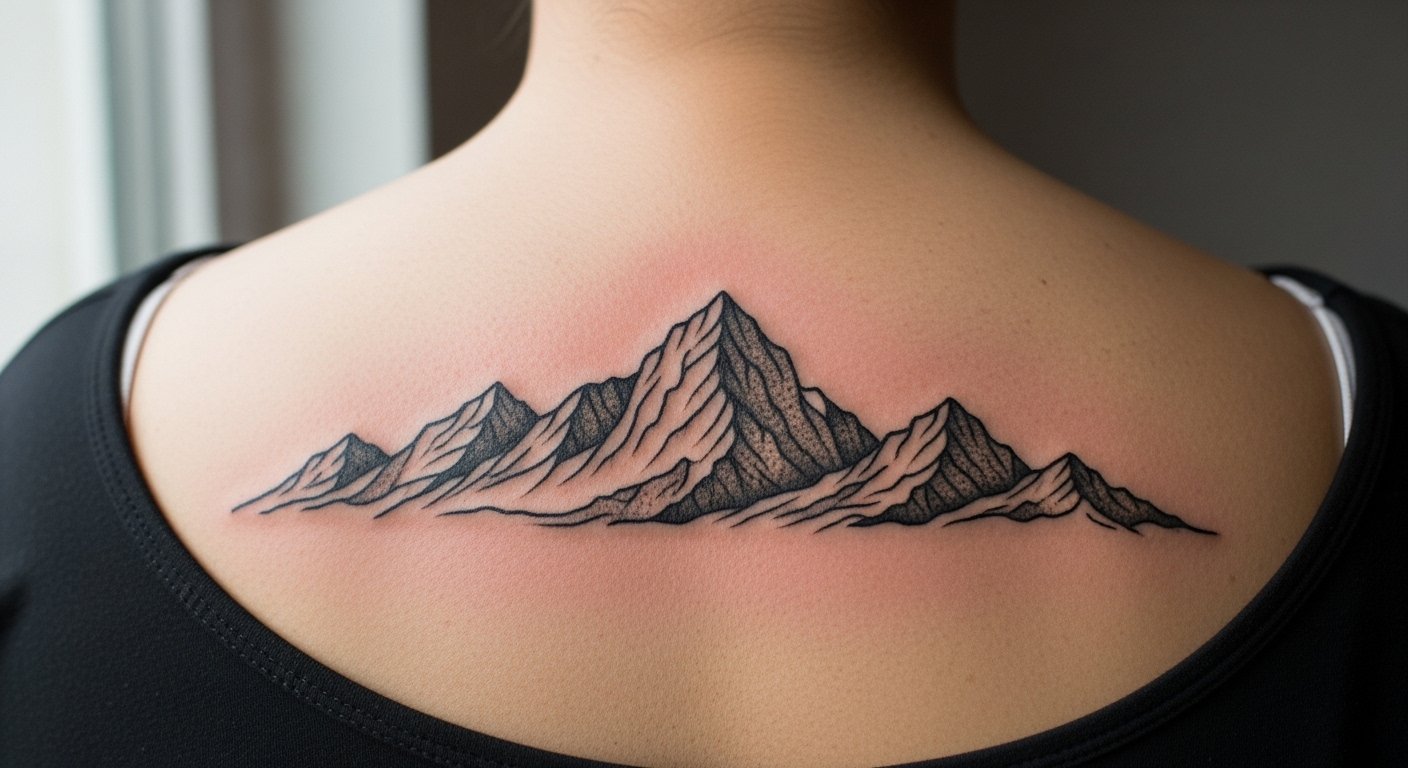
2. Blackwork Jagged Mountains with Sunset Border for the Back

Fair warning, the back allows scale but also stretches with body changes. Blackwork holds up because saturation is high and contrast stays visible as skin ages. When you consult, ask for slightly thicker linework in the border so the silhouette reads at a distance. One common aging problem is tiny inner details that merge over time on large back pieces. Expect one to two sessions and moderate pain across the scapula. If you want dramatic negative space, show examples of healed back pieces so your artist spaces lines for longevity.
3. Neo-Traditional Water Hair Sleeve Starter Panel on Outer Arm
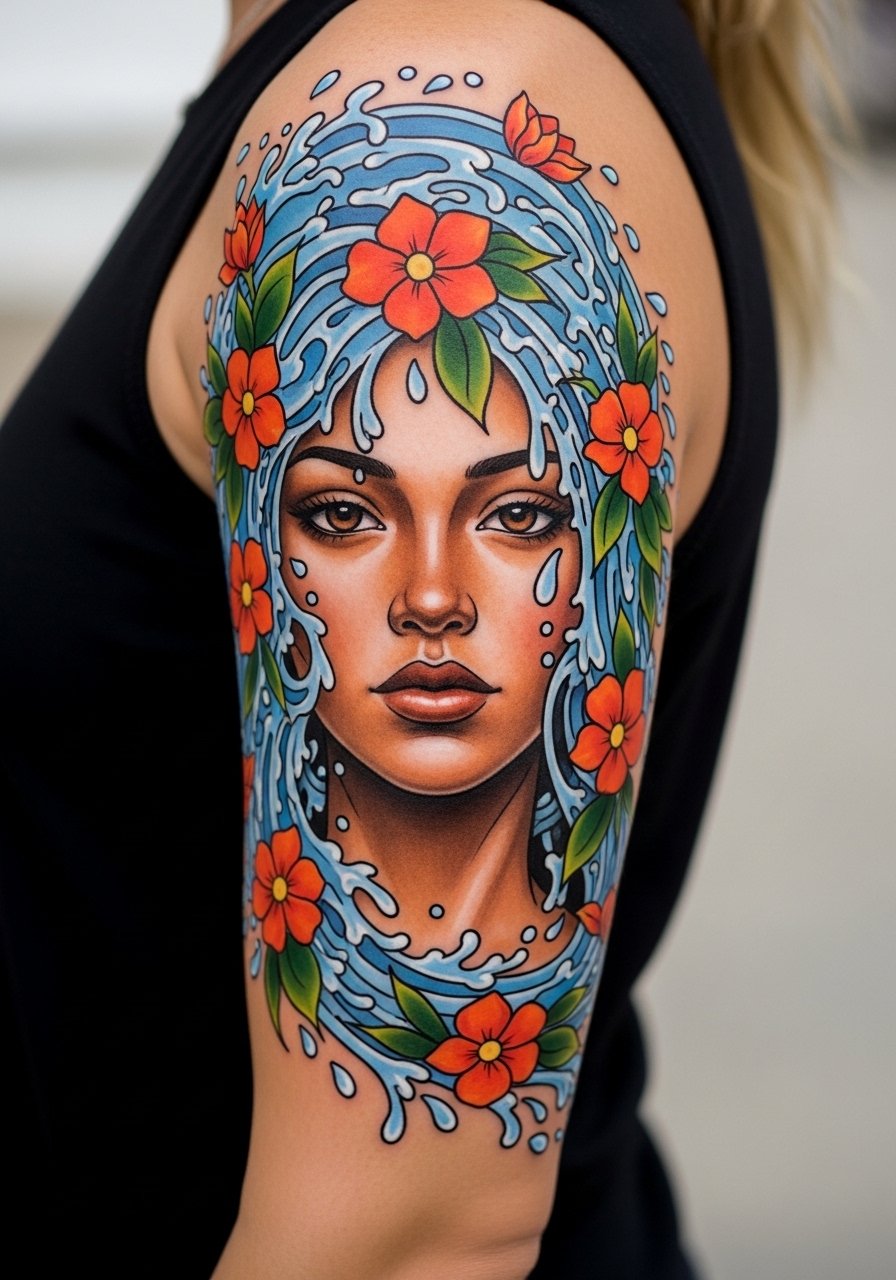
When you sit down with your artist for this one, bring references that show the exact hair flow you want. Neo-traditional needs bold outlines and solid color saturation to survive sleeve blending and multiple sessions. The mistake I see is asking for extremely fine outlines for a sleeve starter; those lines vanish when the arm is completed. Expect three to five sessions for a full sleeve, each lasting a few hours. Pain on the outer arm is tolerable for most beginners. Plan touch-ups after one to three years if saturation softens.
4. Minimalist Tree Breaking a Black Circle on Forearm
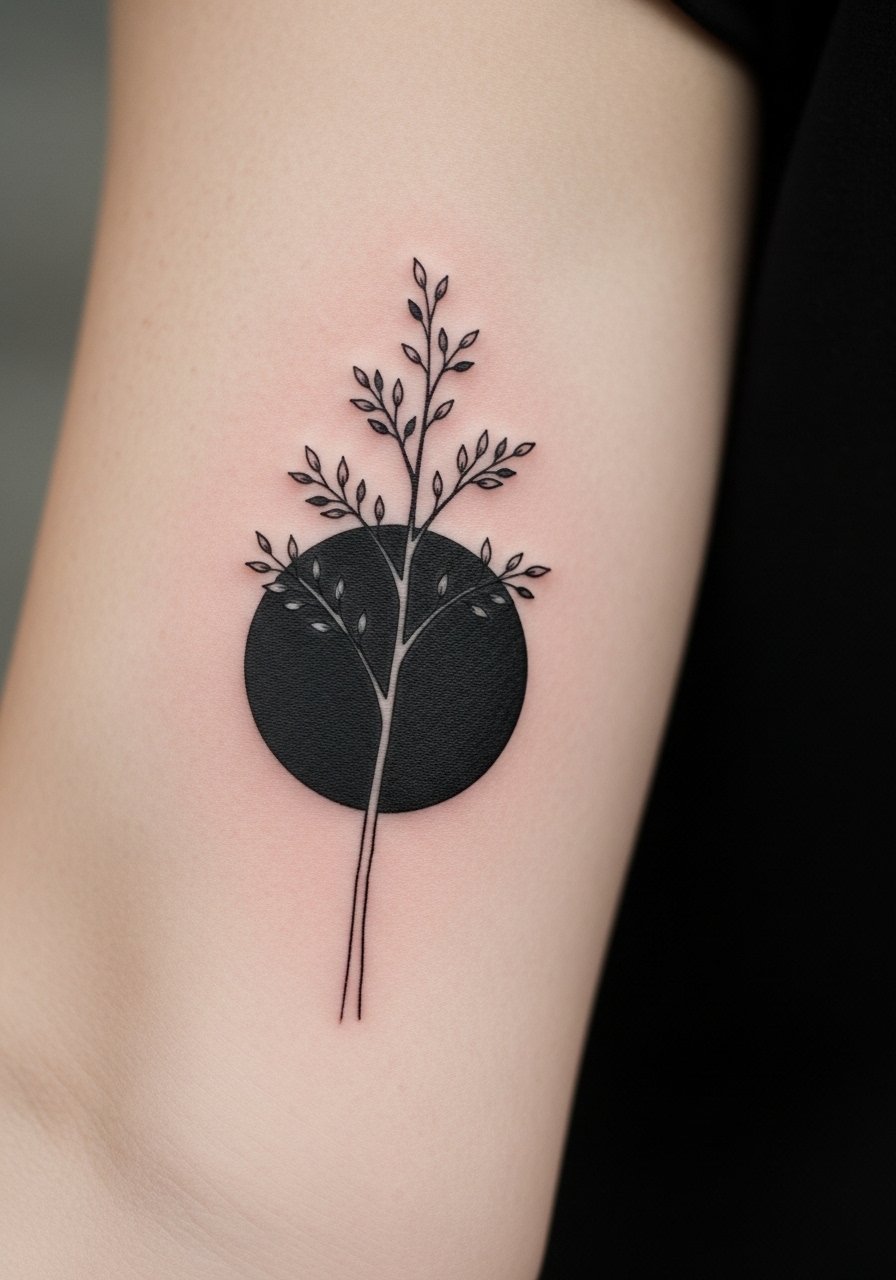
I often recommend this as a first visible piece for someone who wants a subtle statement. Minimalist linework needs proper spacing so tiny branches do not blur together later. Tell your artist you want single-needle style for stems but slightly thicker trunk lines for longevity. The common mistake is scaling the branches too small on forearm width. Session time is usually under an hour and pain is low. At six months the contrast stays sharp, and at two years expect softening that calls for a small touch-up if you like crisp edges.
5. Traditional Face Crowned with Roses Across the Upper Back

There is a visual impact to classic traditional shading and bold outlines that works well on the back. One in three people I talk to prefers traditional for pieces that must read from afar. Ask your artist to keep outlines bold and color blocks simple so the roses keep shape as skin moves. A mistake is overloading the background with tiny filler that clutters during healing. Expect two to four sessions depending on size and moderate discomfort near the spine. Plan for touch-ups in three to five years for areas with repeated sun exposure.
6. Geometric Mandala Weaving Planets on Wrist
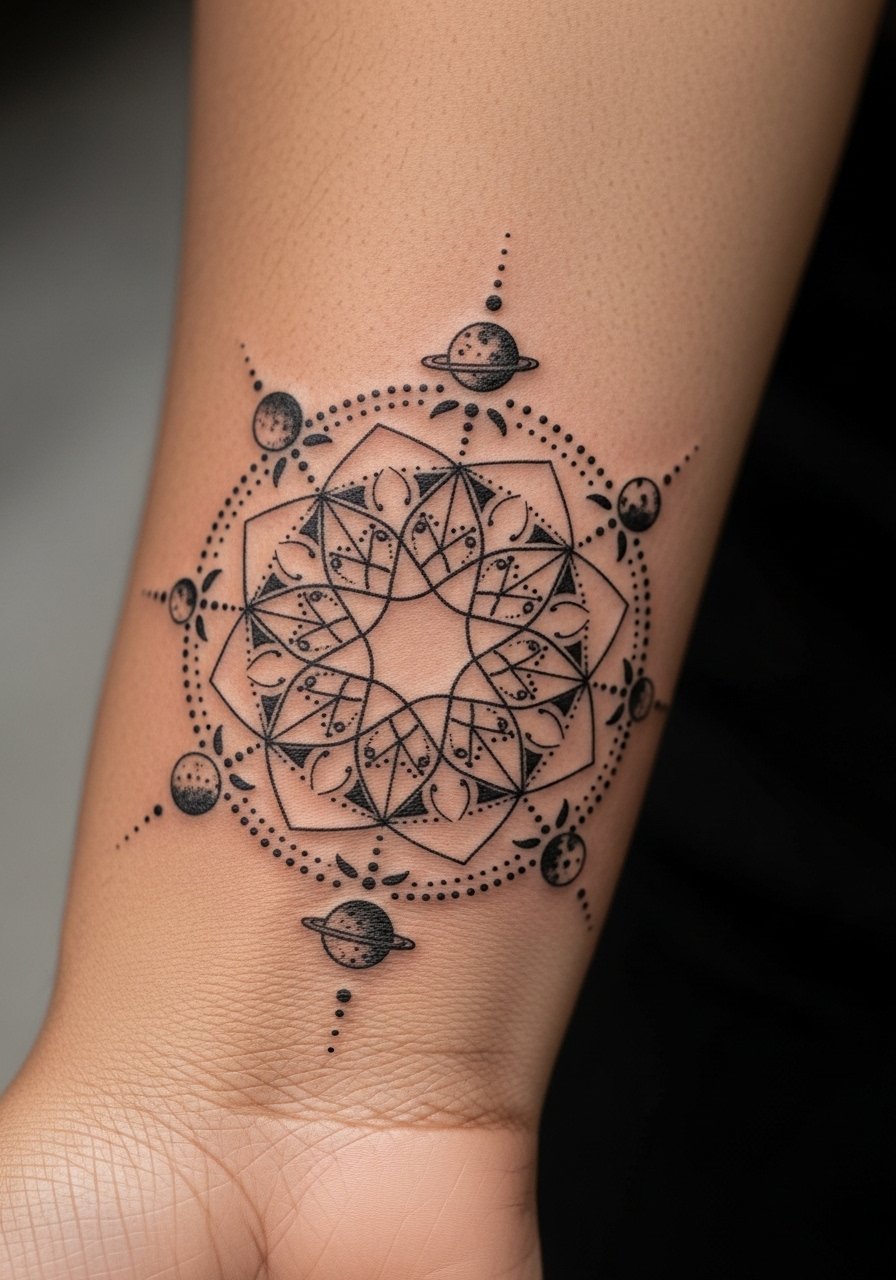
The wrist suits small geometric pieces but the lines need room or they will bleed. The biggest error is shrinking a complex mandala to a size where spokes are a hair apart. Tell the artist you want larger negative spaces between concentric rings so dot work keeps clarity. Expect a single session of under two hours and mild to moderate pain near the wrist bone. Artists split on whether tight mandalas hold up here. One group says very fine geometry blurs within two years. The other says with deliberate spacing and heavier linework it can last longer. Ask your artist how they space rings on wrists before booking.
7. Black and Grey Realism of a Tree and Owl on Sleeve
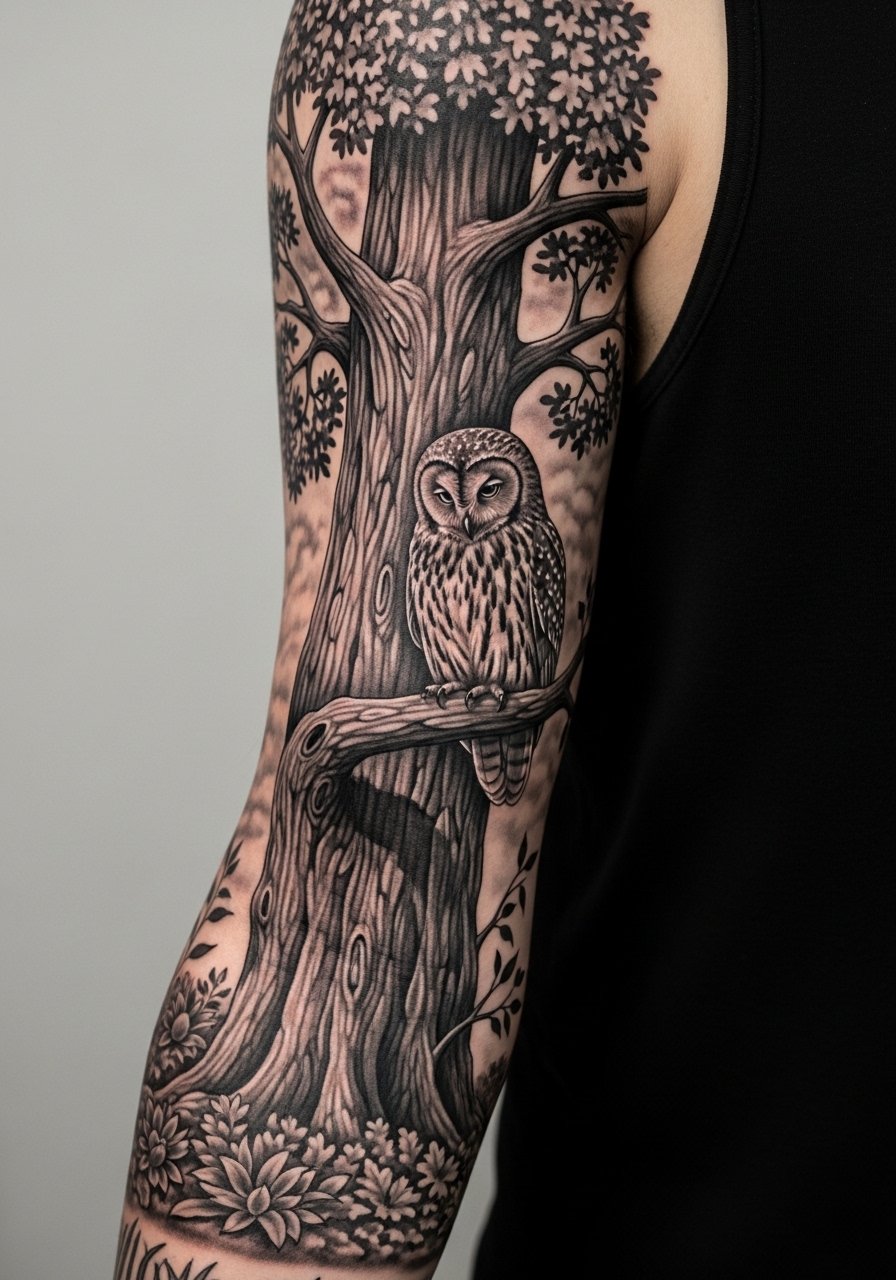
Visual impact lead works here because realism relies on smooth gradients and contrast. For a sleeve, tell your artist you want mid-tone saturation and clear focal points so the composition reads at arm length. A common mistake is packing the sleeve with too many small creatures that merge. Expect two to four sessions and moderate pain, with back of arm areas feeling more sensitive. At two years realism can still read well if contrast is maintained. Plan for an occasional touch-up to revive mid-tone gradients.
8. Watercolor Organic Scene on Thigh
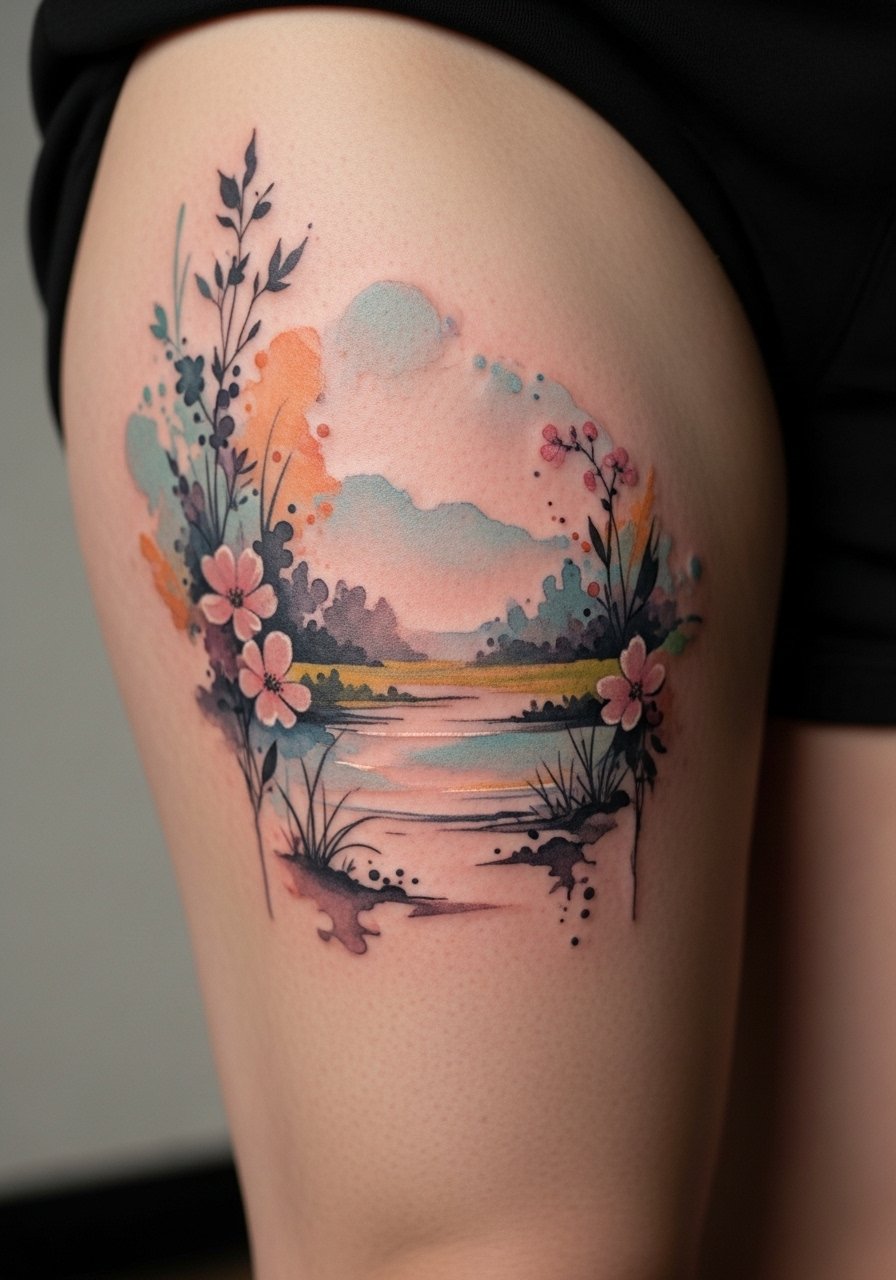
Most watercolor tattoos on thighs behave well because the area is less sun exposed. Say you want soft color washes that do not rely on delicate linework. The mistake is asking for only faint ink in large areas which fades into a bruise-like look. Expect a single session for a small to medium piece and pain that ranges from mild to moderate on the upper thigh. At six months the washes should still have character, and at two years colors may trend softer. Keep sun protection in mind to slow fading.
9. Tiny Potted Plant on Ankle
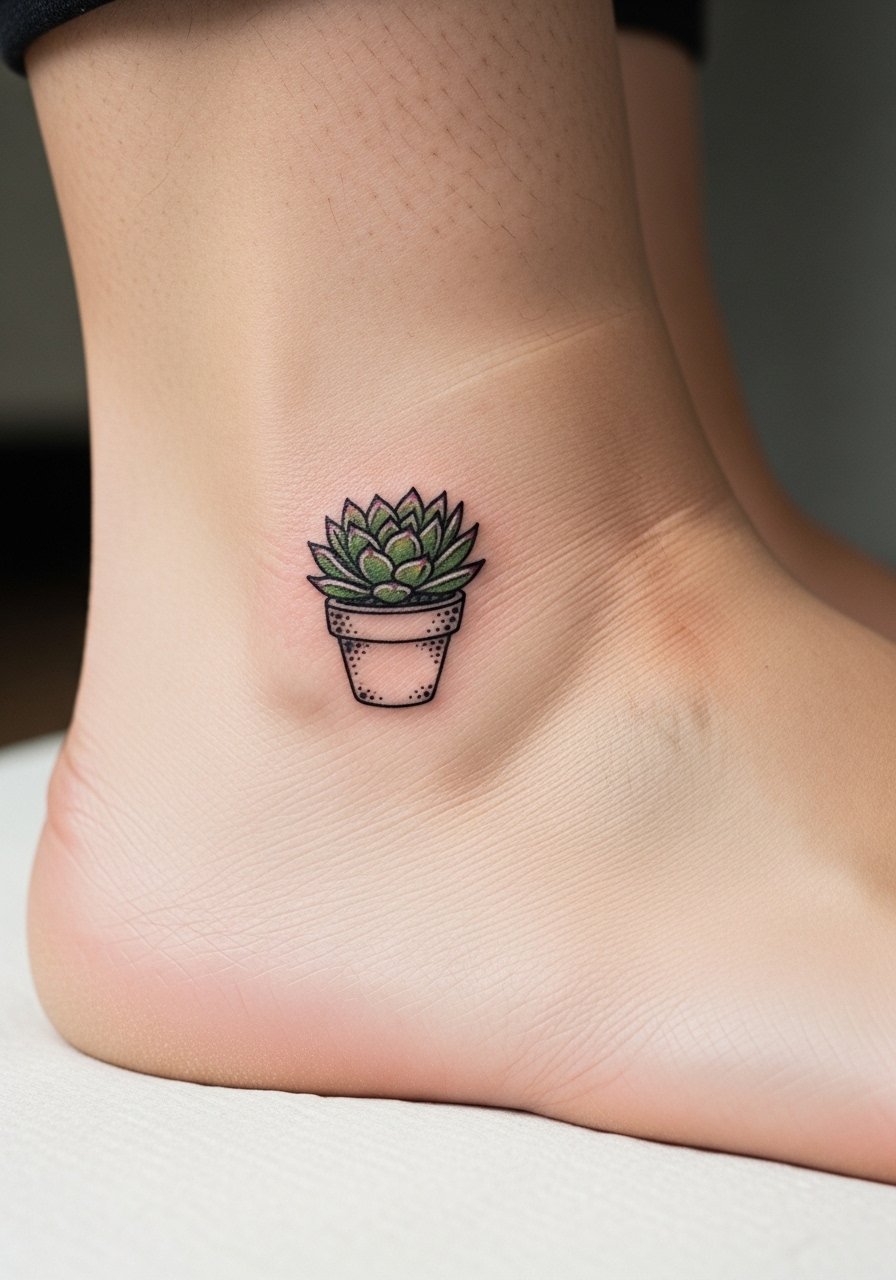
Personal observation lead applies because people love tiny plant tattoos as a low-commitment starter. For a tiny ankle piece ask for slightly bolder stems than you might imagine so the pot and leaves stay distinct. A common mistake is putting too many leaves on a 1.5 inch design. Session time is short and pain is mild to moderate because the ankle is bony. At two years expect slight softening and perhaps a touch-up if you want the green to pop again.
10. Floral Crown Behind the Ear

Consultation lead matters here because behind-ear pieces need clear edge control. Tell your artist you want high contrast in the outline and small color accents only in the petals. The main mistake is pushing for too much color where the area cannot hold saturation. Expect a quick session of under an hour and mild pain. These spots see less sun but sometimes more friction from hair. At one year petals may need a small touch-up to restore saturation.
11. Stipple Shaded Mushroom Cluster on Inner Arm
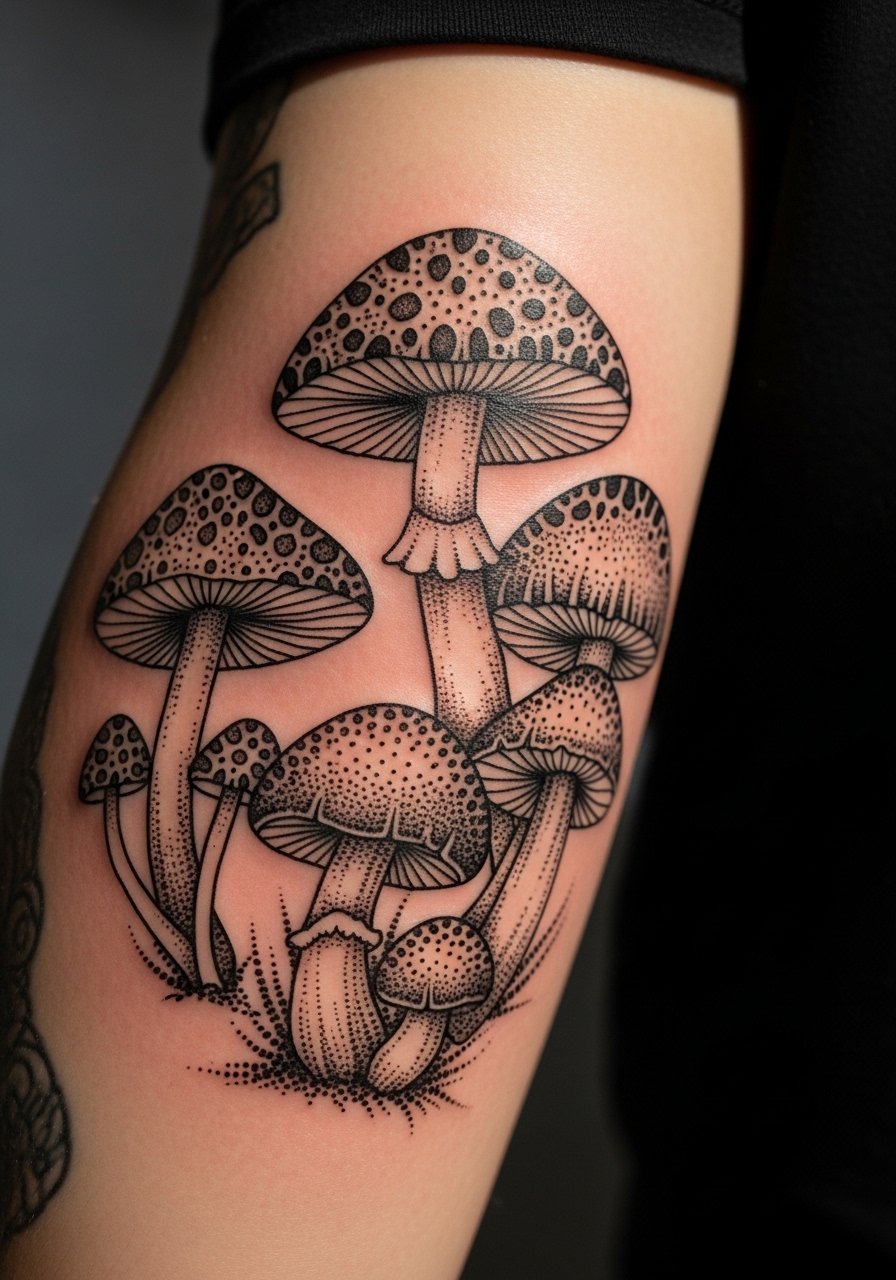
Visual texture in stipple shading can hold up better than thin continuous shading in certain placements. When you describe it to an artist, mention you want denser stipple at shadow points and lighter dots toward highlights. A typical error is asking for overly dense stipple everywhere, which reads muddy later. Session time is about one to two hours and pain is low on the inner arm. At two years stipple remains readable if dot spacing was generous during the tattooing.
12. Dot Work Crescent Moon with Branches on Wrist
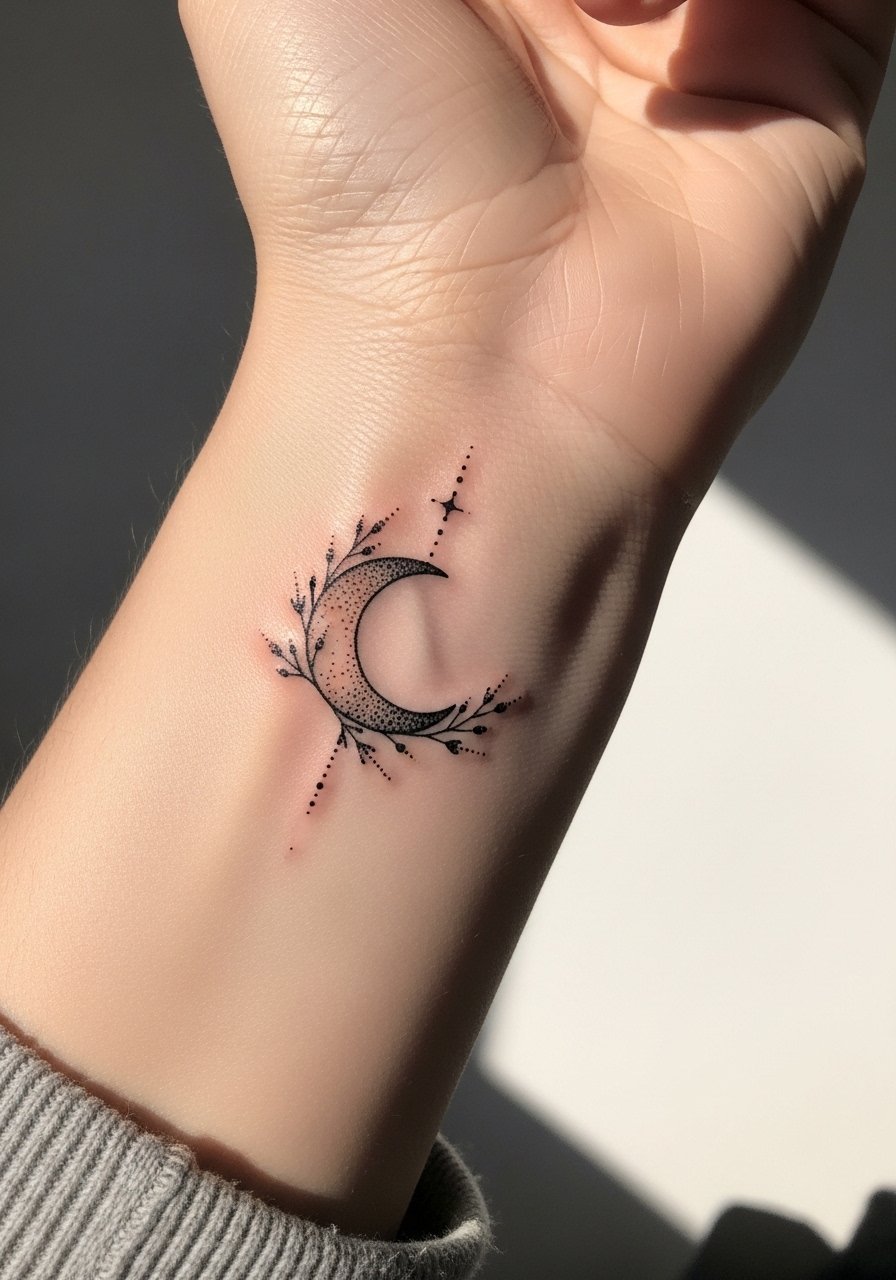
Mistake lead is useful because dot work needs breathing room. If you want a crescent moon with delicate negative space, ask the artist to space dots so the crescent retains its silhouette. The wrist can be sensitive so session time is short and pain is mild to moderate. Dot work often shows its age more slowly than fine line because the distribution of dots creates texture rather than a single thin line. Expect a subtle softening over two to three years.
13. Fine Line Wave on Ribcage
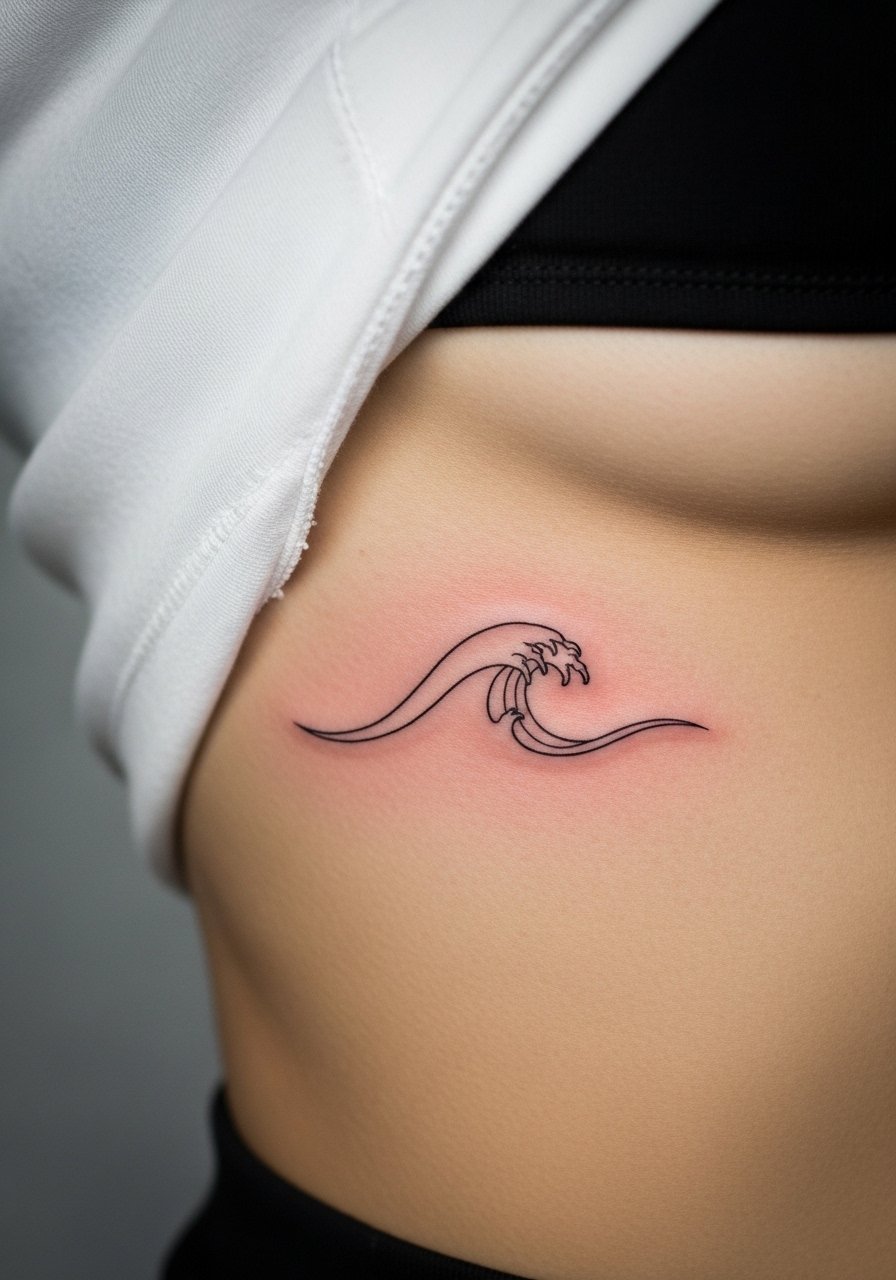
Controversy lead applies because artists split on fine line rib tattoos. One camp argues the skin on the ribs stretches and shifts and causes lines to blur within two years. The other camp says with careful needle depth and spacing, fine lines can settle neatly on ribs. If you prioritize fine line here, ask the artist about healed examples on ribs in their portfolio. Session time is brief but pain is higher on the ribs. Expect a possible touch-up window at year two depending on your skin movement and aftercare.
14. Small Seedling on Side of Finger

Pain warning lead is relevant because finger tattoos fade faster and need care. Tell your artist you accept that finger pieces often need touch-ups and request a slightly bolder stem to improve longevity. The common mistake is expecting a one-time session to last unchanged. Session time is under an hour but the finger wears abrasive contact and sun daily. At one year you may notice fading and patchiness. Plan on a touch-up within one or two years if you choose fingers.
15. Silhouette of a Continent with Floral Overlay on Ankle
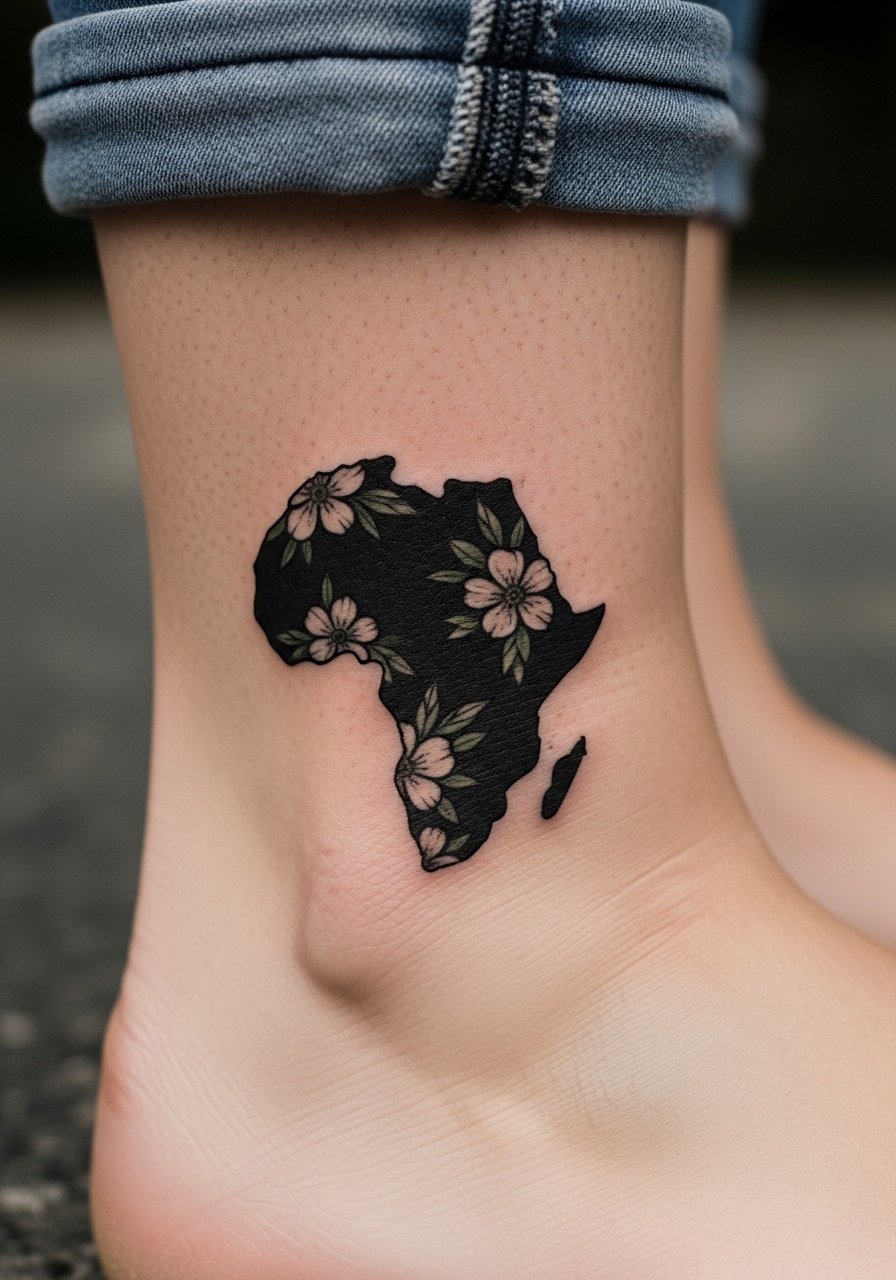
Consultation lead here helps because geography plus florals requires balance. Specify that the silhouette is the anchor and the flowers are accents so the continent shape does not get lost. A mistake I see is matching too many tiny botanical elements to a small silhouette which muddies the design. Session is short and pain is mild. This placement keeps edges readable if you avoid excessive tiny details.
16. Sunflower Shoulder Blade Accent
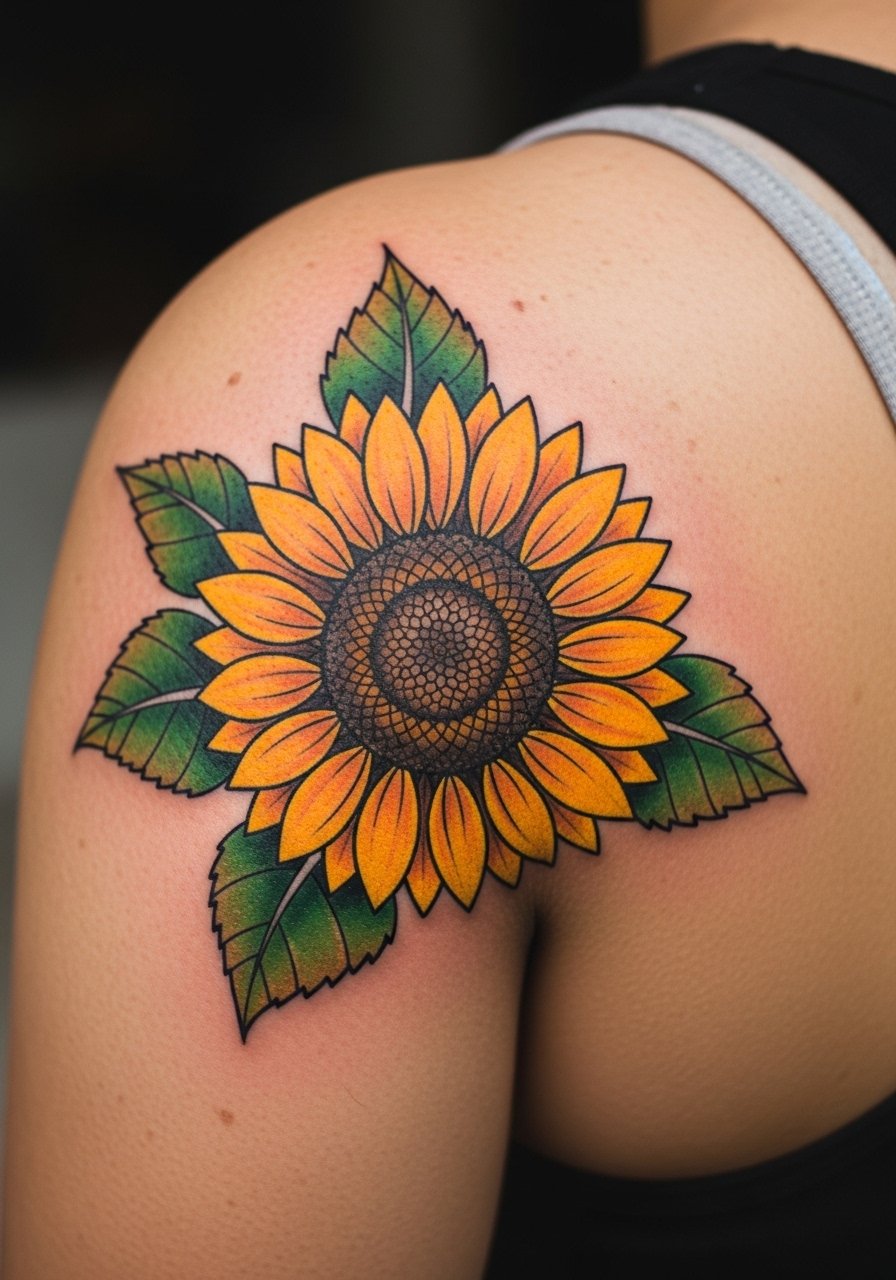
Visual impact lead fits because shoulder blades suit single larger blooms. When you consult, ask for a strong center disk and simplified petals so the piece reads if you wear a tank top. The common mistake is packing the petals with micro-detail that blurs with time. Session time is about one to two hours and discomfort is low to moderate. At two years expect color to soften and possibly a top-up to restore yellow saturation.
17. Crescent Moon and Branches on Top of Hand
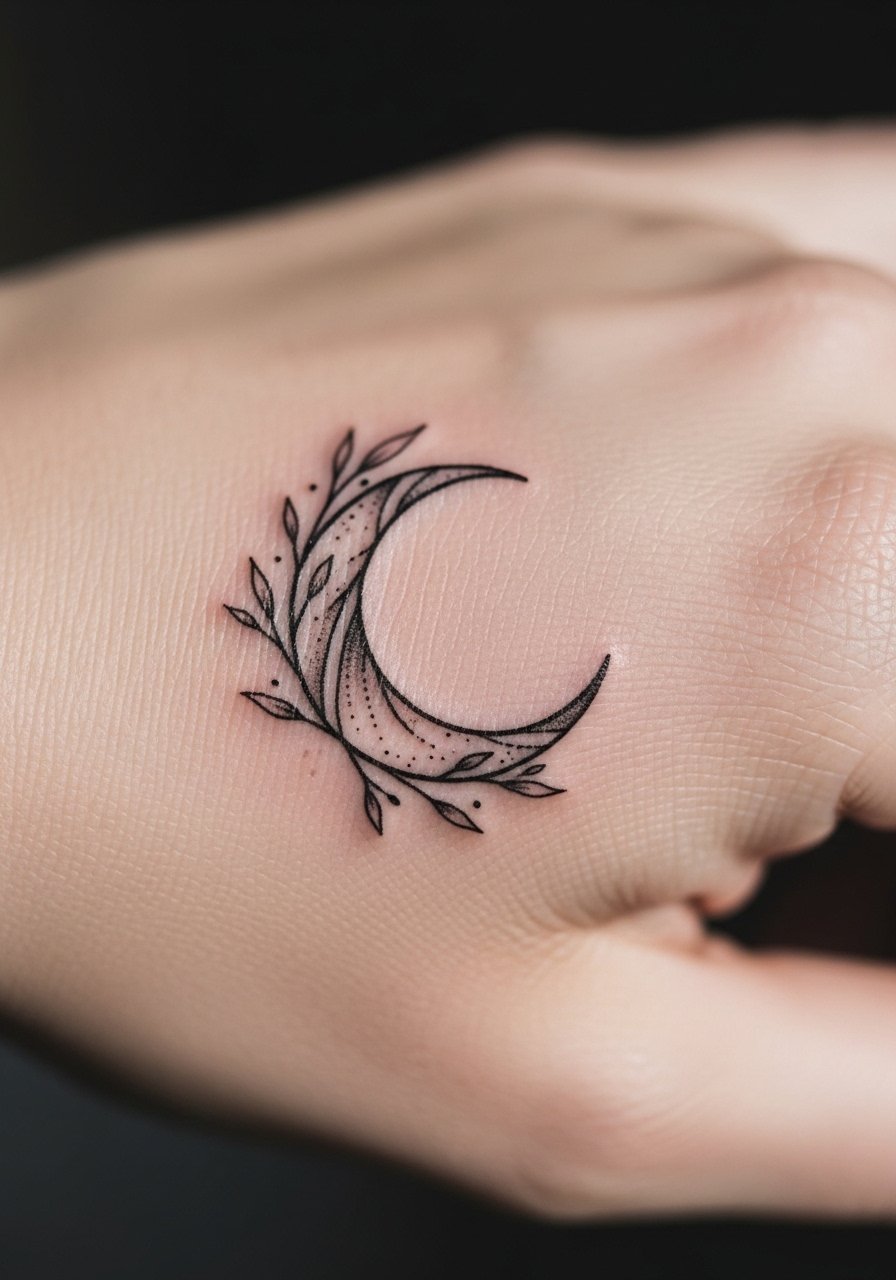
Sensitive placement note applies because hand tattoos affect visibility and some jobs may factor this in. The hand takes more wear and often requires touch-ups. For this design tell your artist to plan for thicker outlines where the design meets knuckles to prevent early breakdown. Session time is short and pain is moderate. Expect maintenance touch-ups a year or two after the initial healing.
18. Earth Portrait with Tiny City Skyline at the Bottom on Full Back

Aging and body change lead is important because full back pieces stretch with weight changes and posture. Ask your artist how the skyline will sit across the lumbar curve so it does not warp. The mistake is placing crisp architectural detail over an area that shifts with bending. Expect multiple sessions and moderate to higher discomfort near the spine. Plan for touch-ups if you notice line warp after a year of normal activity.
19. Botanical Hair Portrait That Blends into a Landscape on Upper Arm

Unique idea lead is relevant because this layered concept is under-covered. When you consult, bring examples that show the exact blend point between hair and landscape so the flow is intentional. A common error is making the blend too busy which loses the face focus. Expect one to two sessions for a medium panel and mild pain on the outer arm. This design ages well if face linework is slightly bolder than the surrounding details.
20. Surreal Sunset Border Framing a Mountain Scene on Lower Back

Unique idea lead again because surreal border framing is less common and can be customized for guest spots within the composition. Tell your artist you want the border to be a structural element so the interior can be simplified. The mistake people make is asking for dense interior detail that competes with the border lines. Expect one to two sessions and moderate pain near the lower back. Plan on checking healed examples from your artist to see how the border ages on curved anatomy.
21. Geometric Mandala with Tiny Planets on Inner Wrist

Mistake lead applies because wrists need larger spacing for geometry. Ask for radial spacing at the design stage so the planet icons do not sit on lines. Session time is under two hours and pain is mild to moderate. Expect slow softening of sharp corners, and possible touch-up after two years to keep crisp geometry.
22. Illustrative Realism Woman's Face with Flowers on Forearm
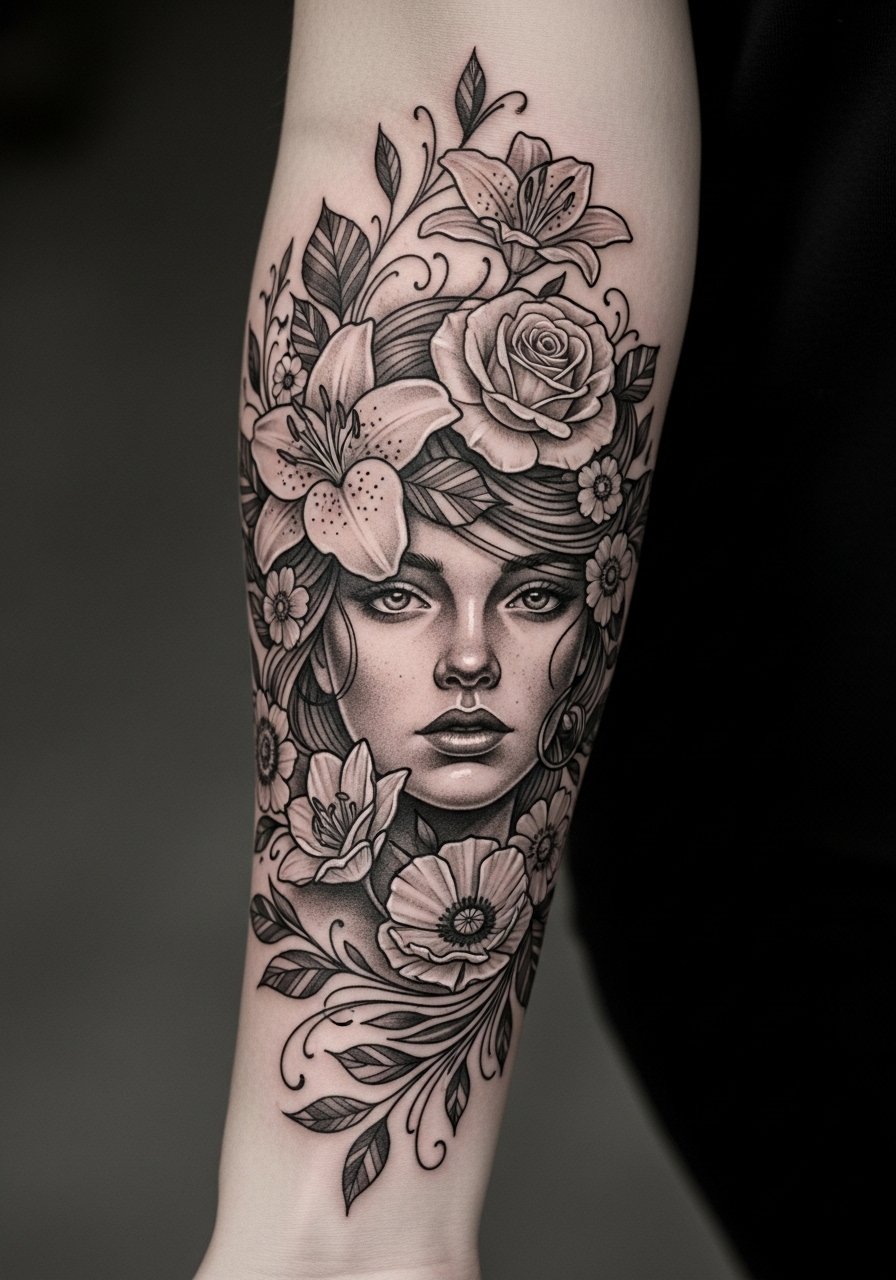
Personal observation lead matters since this forearm placement shows well for portraits. Tell your artist you want the face detail slightly bolder than the floral filler so the portrait remains the focal point. A common mistake is packing the forearm with too many fine floral lines that distract from the face. Expect one to two sessions for a medium portrait and mild pain. Forearm portrait detail can hold for several years if contrast is maintained.
23. Minimalist Leaf Behind the Ear
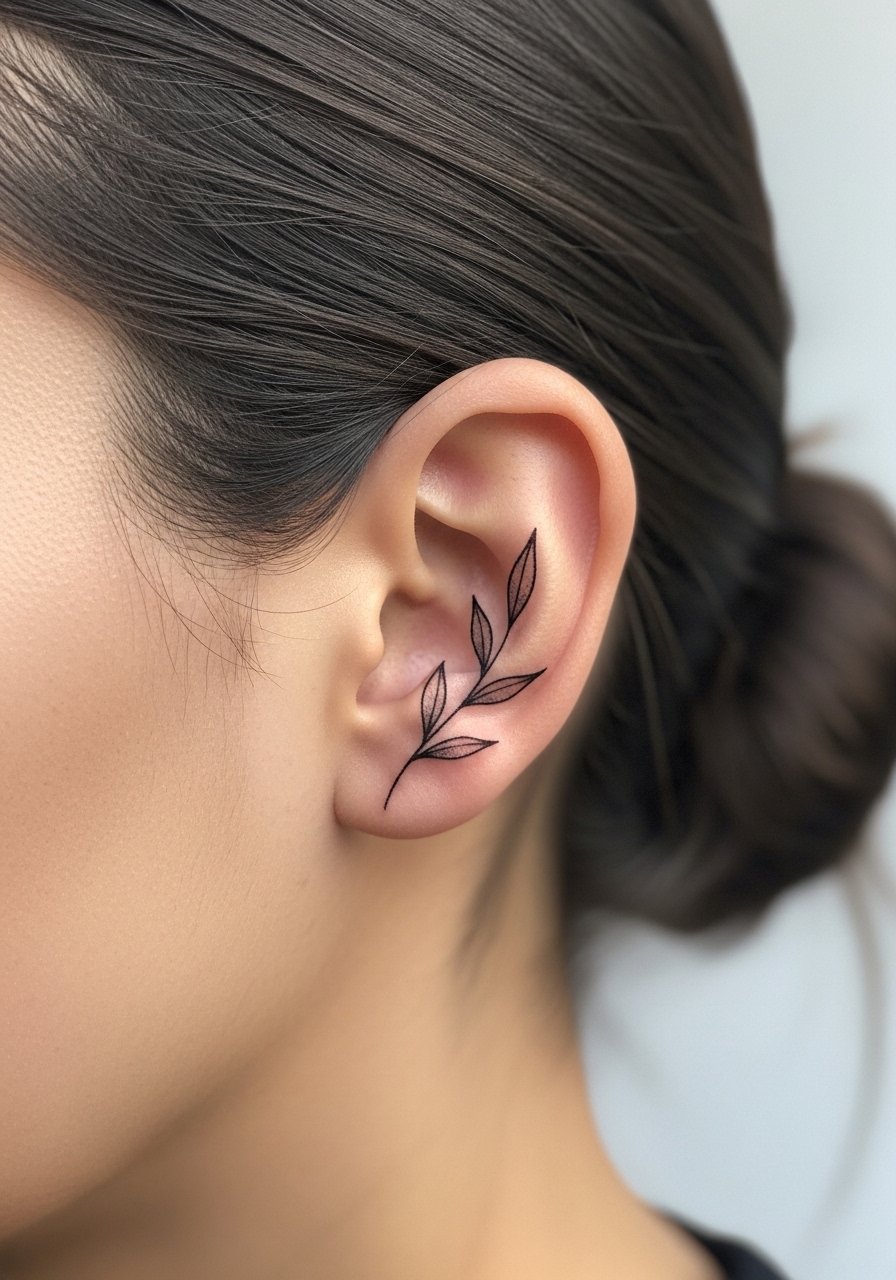
Advice lead fits because behind-ear pieces need careful sizing. Ask for a slightly thicker stem than the most delicate idea you found so the leaf keeps definition. Session time is very short and pain is mild. At two years you may notice slight softening from hair oils and friction but the spot is easy to retouch because of its small size.
24. Fine Line Mountain Range on Collarbone
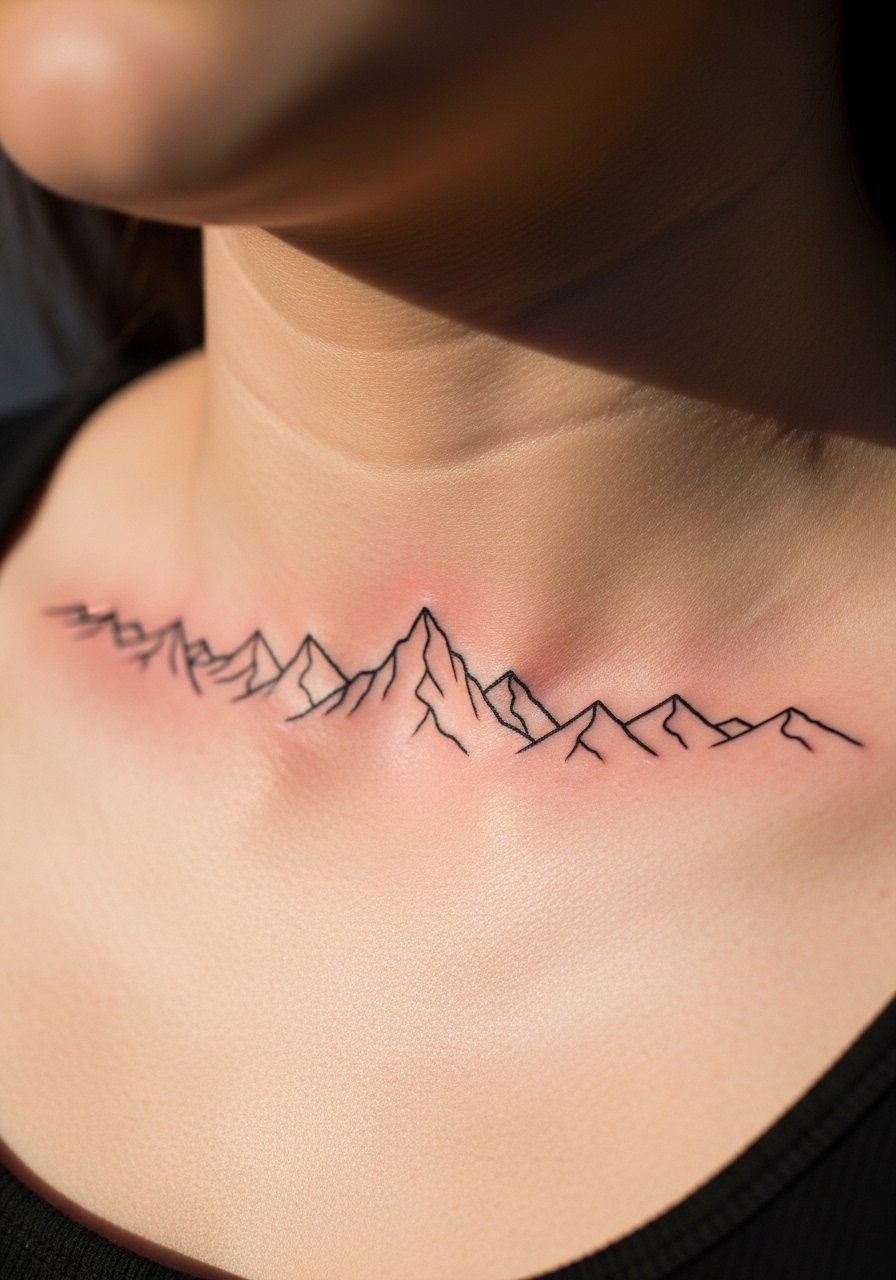
Mistake lead is useful because collarbone linework needs room to breathe. If you make the peaks too close together they can blur into a single band. Tell the artist you want slight line weight variance so peaks are readable even as the skin moves. Session time is short and pain can be moderate because the collarbone is bony. Expect a subtle softening at one to two years and a small touch-up if you want to restore crispness.
25. Traditional Rose and Leaf Thigh Panel

Visual impact lead closes the list because classic florals on the thigh age reliably. Request bold centers and simplified leaf blocks so the rose remains legible under clothing friction. The common mistake is adding too many tiny veins in leaves which blend after healing. Expect one to two sessions with mild pain on the outer thigh. Thigh placement protects color from daily sun so touch-ups are less frequent than on arms.
Tattoo Prep and Aftercare Essentials

I recommend a short prep plan for first timers. Get a good night's sleep and hydrate well beforehand. Eat a balanced meal before your session and avoid alcohol the day of. Bring loose clothing for the healed placement. Aftercare matters for how these mother nature tattoos look at six months and beyond. I have visited five shops across Brooklyn and one artist there emphasized sun protection and gentle moisturizing as the top two longevity steps.
Shopping list
Fragrance-free gentle foaming cleanser for tattooed skin. Use in the first week to keep the area clean without stripping oils. Good for preventing scabbing from drying too fast.
Lightweight fragrance-free balm for daily moisturizing. Apply thin layers after the initial healing phase to maintain saturation and soothe tightness.
Medical-grade second skin bandage, single-use sheets. Ideal for covering small areas during the first night or for overnight protection when needed.
Microfiber travel wrap for sessions and aftercare storage. Keeps your tattoo protected in transit and stores aftercare items hygienically.
Silicone scar and color fade reducer sheet, low-profile. Use months after healing for areas that need evened texture and color retention.
Non-slip bandage strip roll, 6-inch width. Useful for wrapping larger thigh or back pieces while sleeping during early healing.
Saniderm-style occlusive transparent film strip. This is the one mainstream product I include. Use it as directed for short-term protection on small fresh tattoos.
Fragrance-free mineral sunscreen stick for healed tattoos. Daily sun protection keeps color from washing out over seasons.
Every tattoo is different. Always follow your artist's specific aftercare instructions. Consult a dermatologist if you have skin concerns or unusual healing issues.
Frequently Asked Questions
Q: Will watercolor mother nature tattoos need different aftercare than traditional ones?
A: Yes, from what I've gathered watercolor washes rely more on color saturation and delicate gradients so they benefit from gentle moisturizing and strict sun avoidance during the first six months. Keep the area covered in strong sun and use a mineral sunscreen stick once fully healed. A single light touch-up at one to two years is common for maintaining the washes.
Q: Do fine line designs blur faster on curved placements like ribs and collarbone?
A: Fine line can blur sooner on high-movement and thin-skin areas. Artists split into two camps. One camp says rib and collarbone skin shifts cause fine lines to smudge within a couple of years. The other camp says careful spacing and slightly heavier initial linework can make fine line survive. Ask your artist to show healed examples from those placements so you know which approach they favor.
Q: How often should I expect touch-ups for blackwork mountains on the back?
A: For bold blackwork, I tell people an initial touch-up is not unusual after the first session group because artists sometimes reserve saturation for a follow-up. After that, many blackwork pieces only need a refresh every three to five years depending on sun exposure and weight changes. Sun protection slows the need for touch-ups.
Q: Are there special considerations for hand and finger mother nature tattoos?
A: Hand and finger tattoos face daily wear, frequent washing, and sun, so they fade faster than torso pieces. If you choose a hand or finger design, expect periodic touch-ups and tell your artist you accept that maintenance. Choosing slightly bolder lines and simplified shapes improves how long the image lasts.
Q: What should I say to an artist when booking a botanical hair portrait that blends into a landscape?
A: Bring clear reference images that show the exact blend point you want and specify which element must stay the focal point. Ask how they plan spacing so the hair does not overpower the landscape or vice versa. I have seen this balance done well when the portrait linework is a hair stronger than the surrounding filler.
Q: Can I use an occlusive film for the first few nights for any of these designs?
A: Many artists recommend short-term use of occlusive film for small to medium pieces to protect from friction and bacteria during the initial 24 to 72 hours. If you try this option follow the product instructions exactly and monitor for irritation. If you have sensitive skin consult a dermatologist before using adhesive films.
Q: Where do I look for healed examples and community feedback for mother nature tattoos?
A: Use style-specific hashtags on social platforms and check tattoo directories for location-tagged portfolios. I also recommend browsing r/tattoos for candid healed photos and asking a local studio for in-person examples from recent clients.