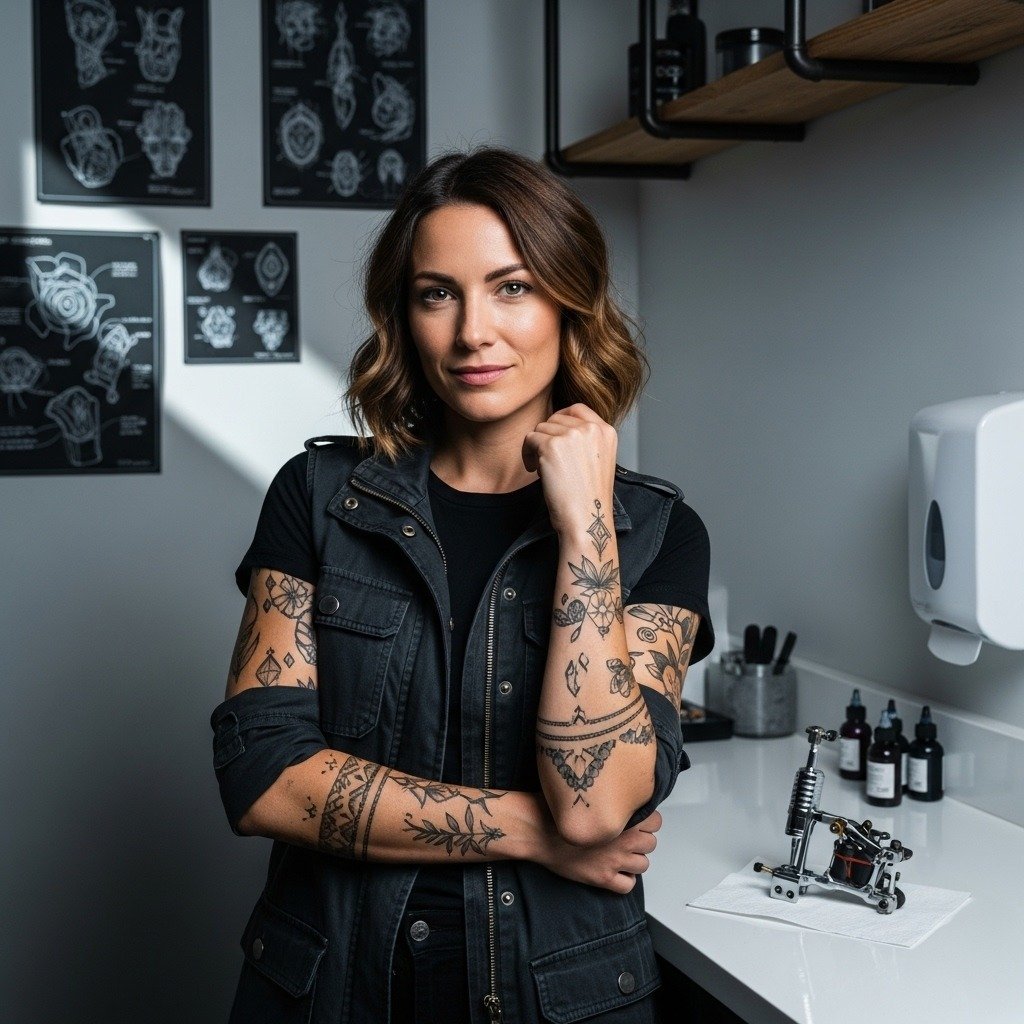
Someone I know got halfway through a sleeve and realized the problem was not the art. It was mismatched linework, a guest artist canceling three times, and blackwork that photographed flat on darker skin. Patchwork can solve those headaches if you pick the right filler, talk through line weight, and plan sessions around real-life schedules. Below are 12 mens patchwork tattoos that work as standalone pieces and as smart glue between older work.
1. Bold Traditional Skull and Dagger Patchwork Sleeve
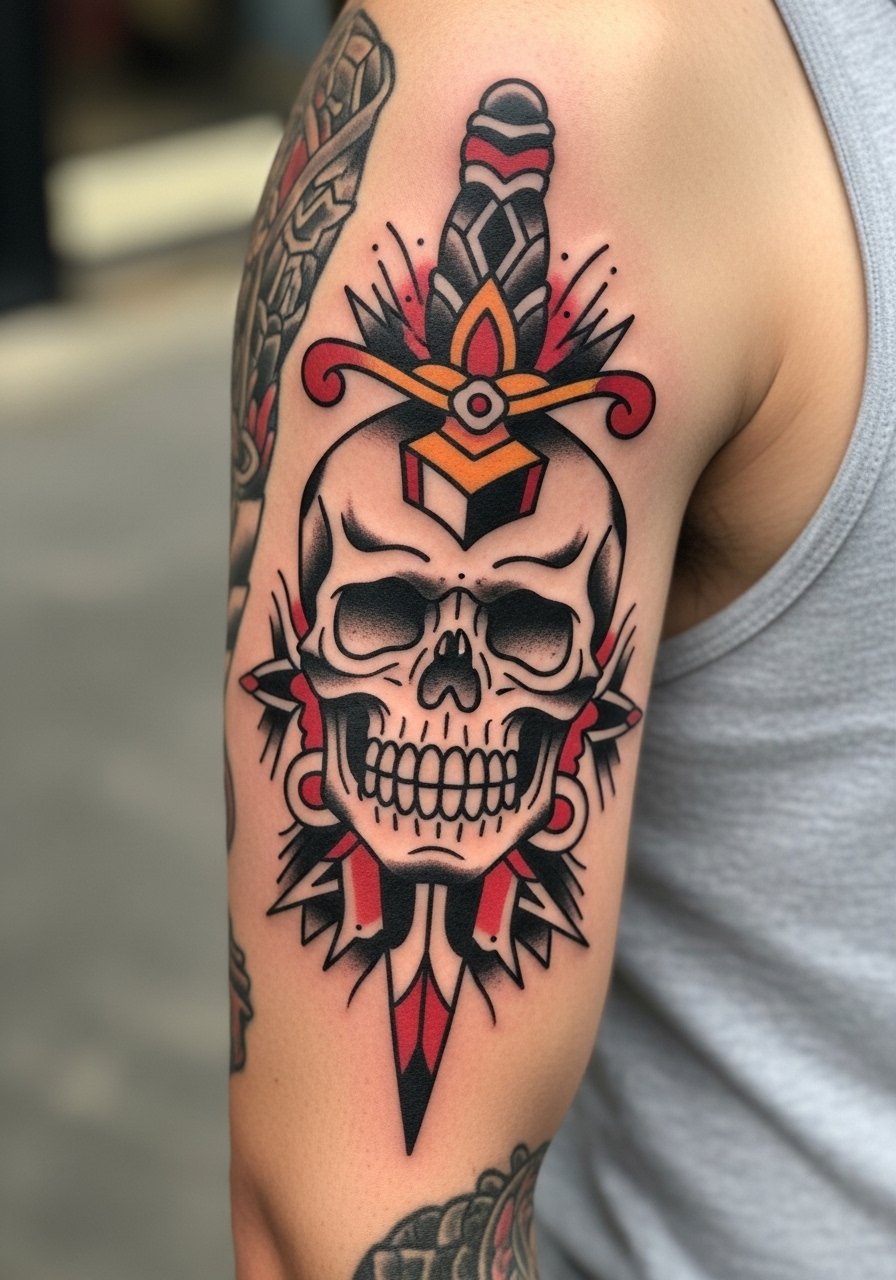
Someone I know started a sleeve with a single flash skull and ended up building a cohesive patchwork sleeve over two years. Expect outer forearm to shoulder pain that is moderate to high depending on the shoulder blade, and sessions that run from three to five hours for full clusters. Tell your artist you need consistent outline weight across old and new pieces so the skull does not look like a sticker stuck on later. A common mistake is shrinking traditional motifs to fit tight gaps. Keep roses and daggers large enough to read from a distance. At year two the thick outlines keep contrast, but expect color top-ups in five years if you swim or tan a lot.
2. Dark Realism Wolf Portrait Filler
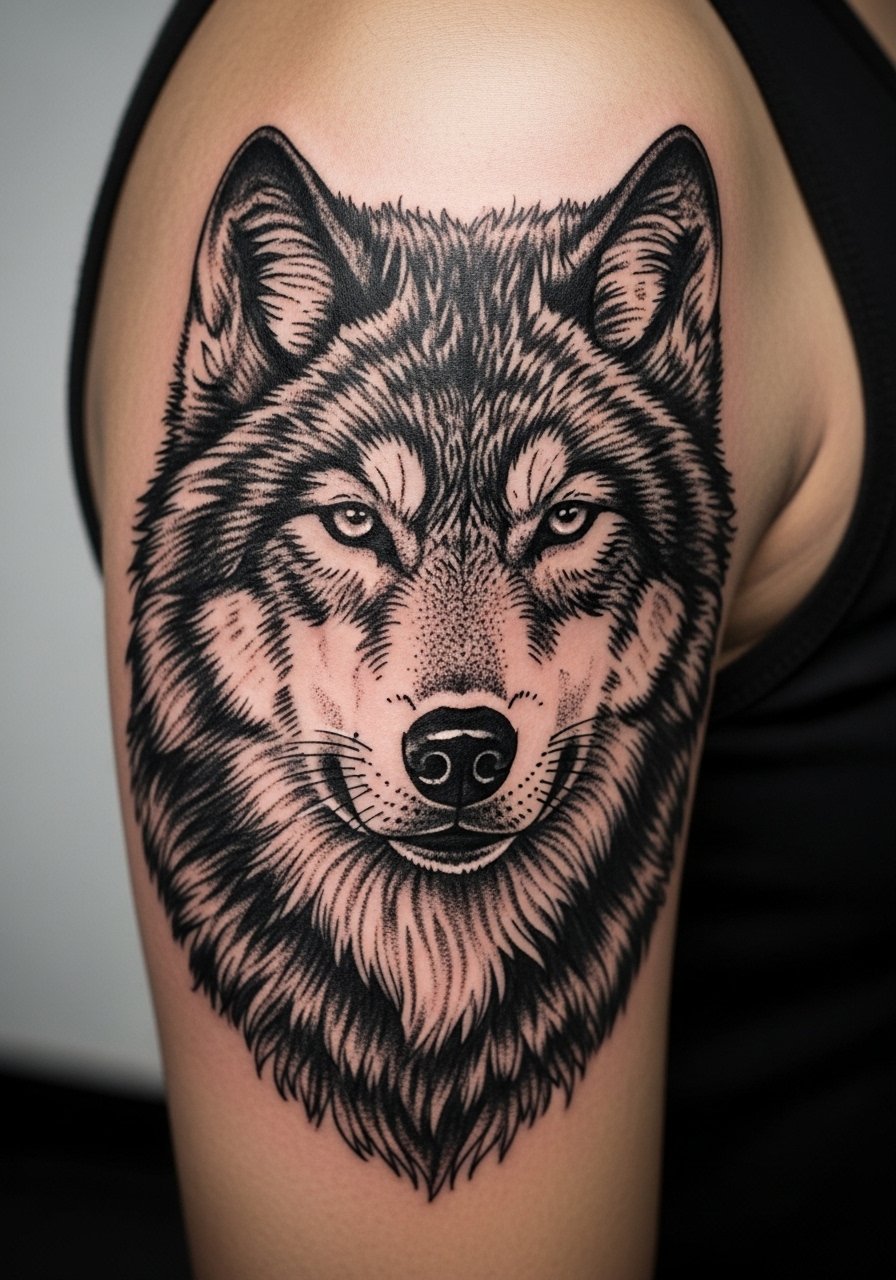
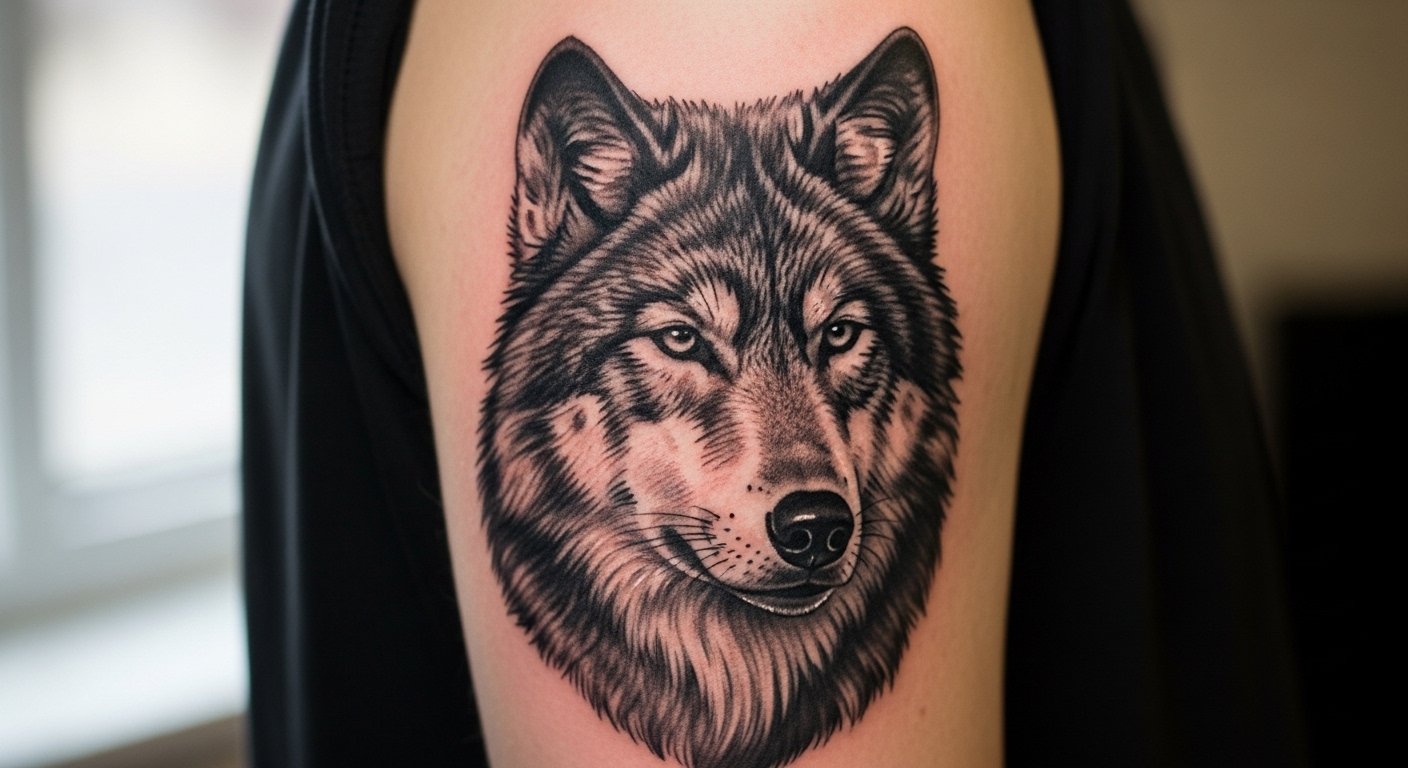
Fair warning: upper-arm realism requires a steady machine hand and patience. The session feels like long stretches of needle movement with brief breaks, but most guys say the payoff is the intensity. Use this filler when you need a bold anchor between traditional pieces that read from across a room. During consultation ask for reference photos that match the tonal range you want and request healed examples on similar skin tone when possible. Realism ages by losing midtone detail first, so expect a touch-up at year two to restore fur texture. A mistake I keep seeing is asking for too-small portraits that simply lose detail when healed.
3. Geometric Mandala Connectors
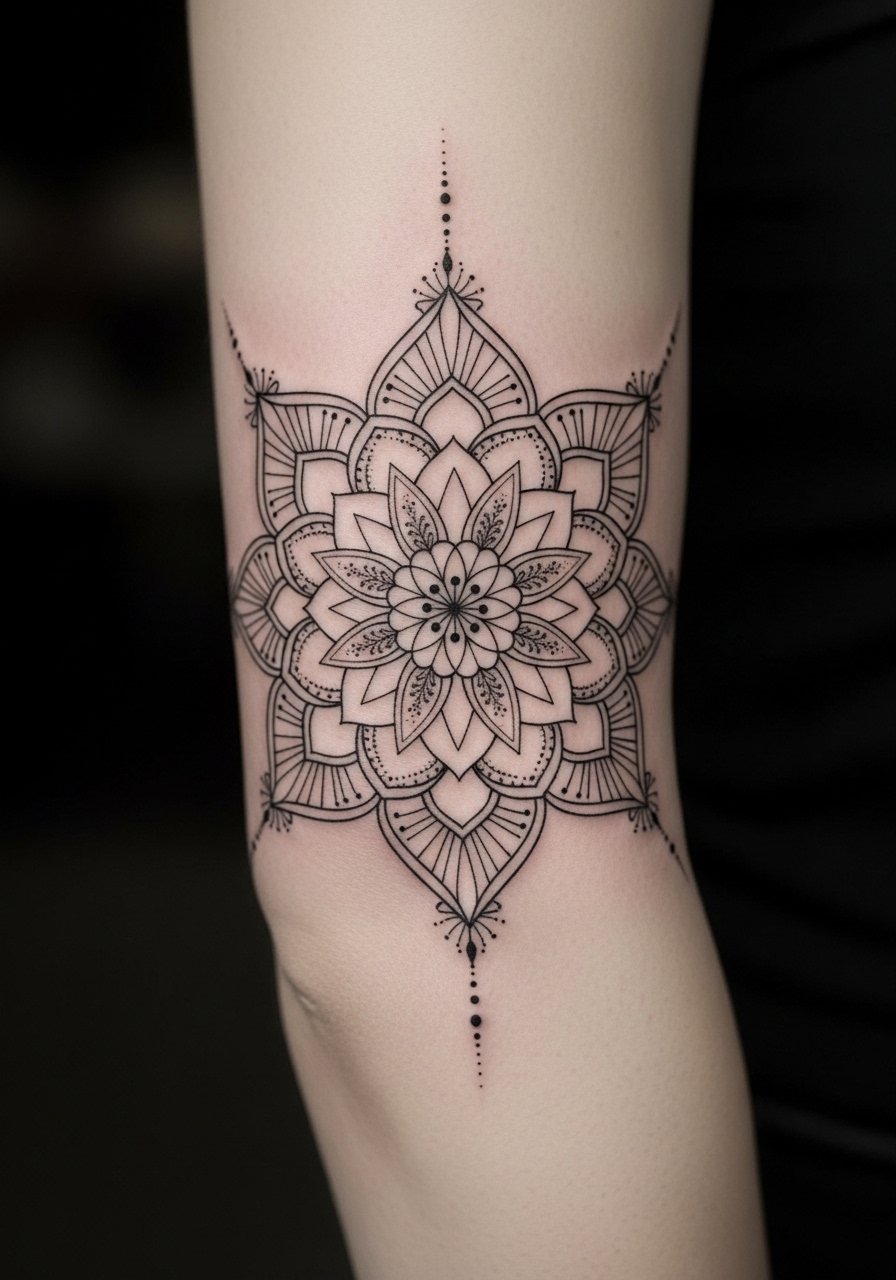
The biggest mistake with geometric connectors is going too small. Lines need breathing room to avoid blowout at the elbow. If you want mandala work over a moving joint, tell your artist you want thicker linework near the joint and finer detail away from it. This placement can be higher on the pain chart because of thin skin near the elbow. Geometric pieces are great when you need to bridge mismatched styles because their symmetry reads as intentional structure. Expect single-session work for small connectors and a touch-up at year one if lines feather. For guys who sweat a lot, mention that to your artist so they can plan spacing for future fading.
4. Neo-Traditional Anchor and Swallow Cluster
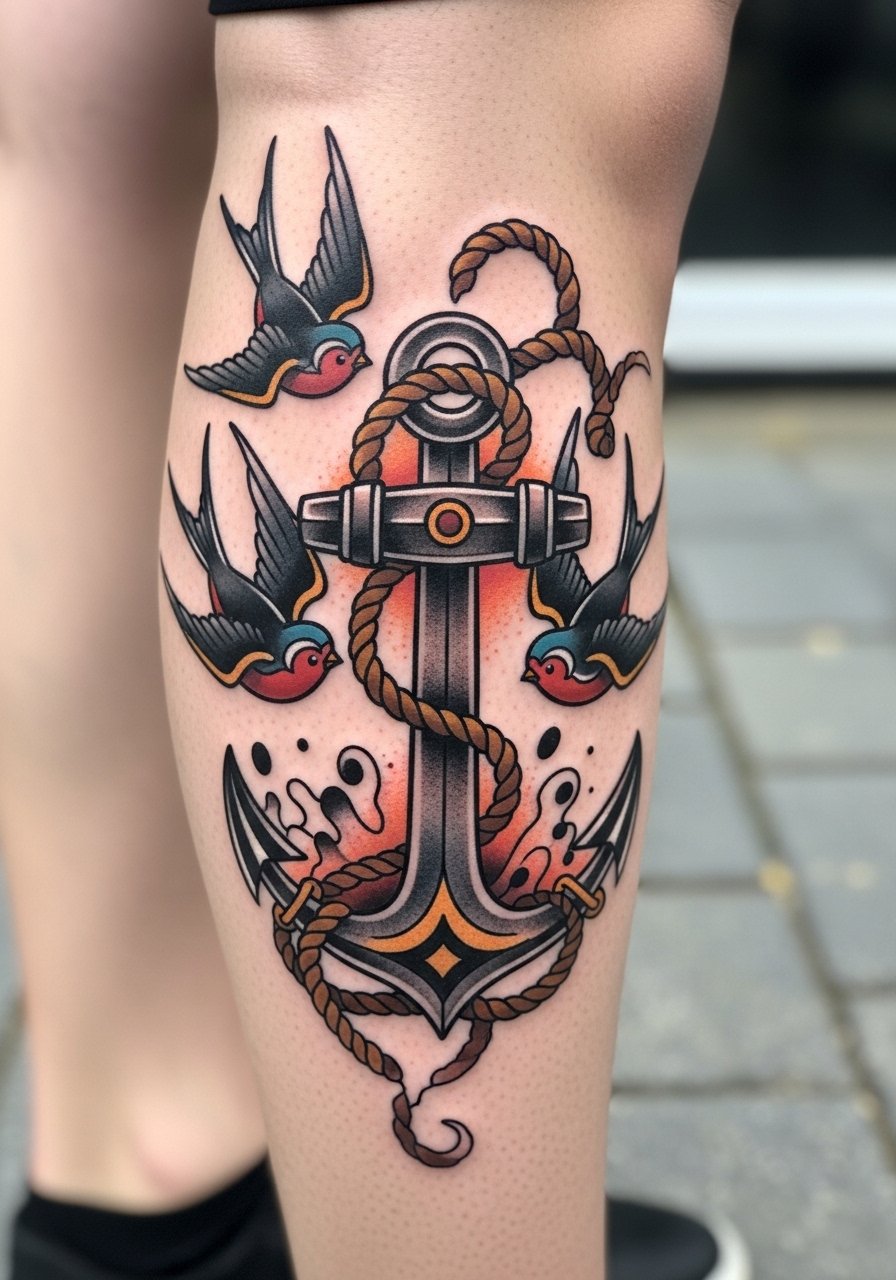
When you want nostalgia without looking dated, use neo-traditional clusters to link older American pieces with color. These read well on chest and calf and feel like moderate pain areas. Bring portfolio shots of the exact color saturation you want and specify the tones that must match your older ink. A common misstep is matching color exactly to faded pieces instead of refreshing them together. Plan three shorter sessions rather than one marathon if you combine this with other chest work. Over two years the saturated color tends to lose brightness, so factor a touch-up into your long-term plan.
5. Blackwork Mechanical Gear Patch
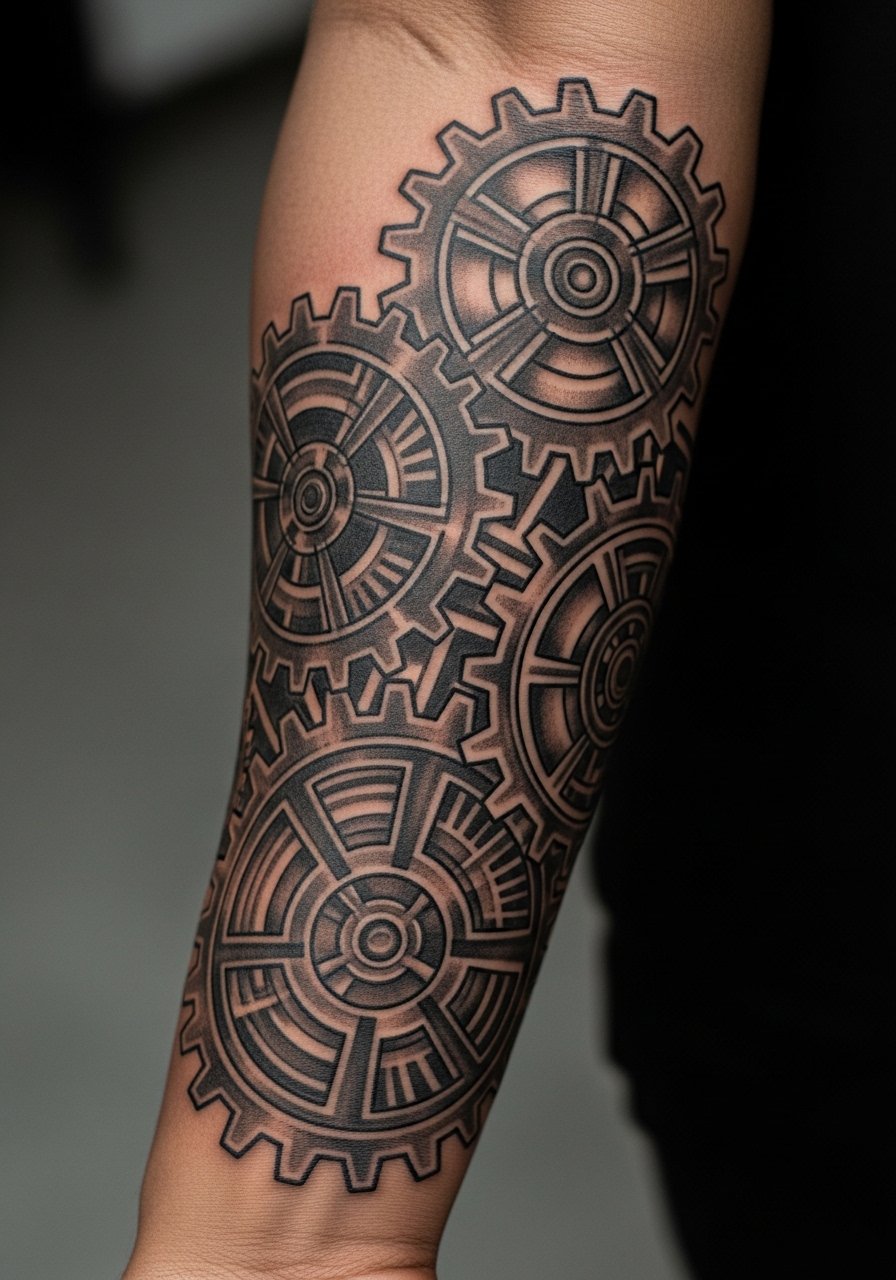
There is a reason guys choose mechanical gears for forearms. They hide scars and give a mechanical rhythm that ties unrelated pieces together. Tell your artist you want intentional negative space so the gears read as connected parts and not blobs. Forearm pain is moderate and most sessions finish in two sittings. A real mistake is overfilling small gaps, which causes the piece to look muddy after healing. For elbows, use gear motifs as negative-space fillers to mask stretch marks. Expect solid black to maintain contrast longer than thin linework, but schedule a touch-up if you lift weights and stretch the area.
6. Traditional Japanese Dragon Segment
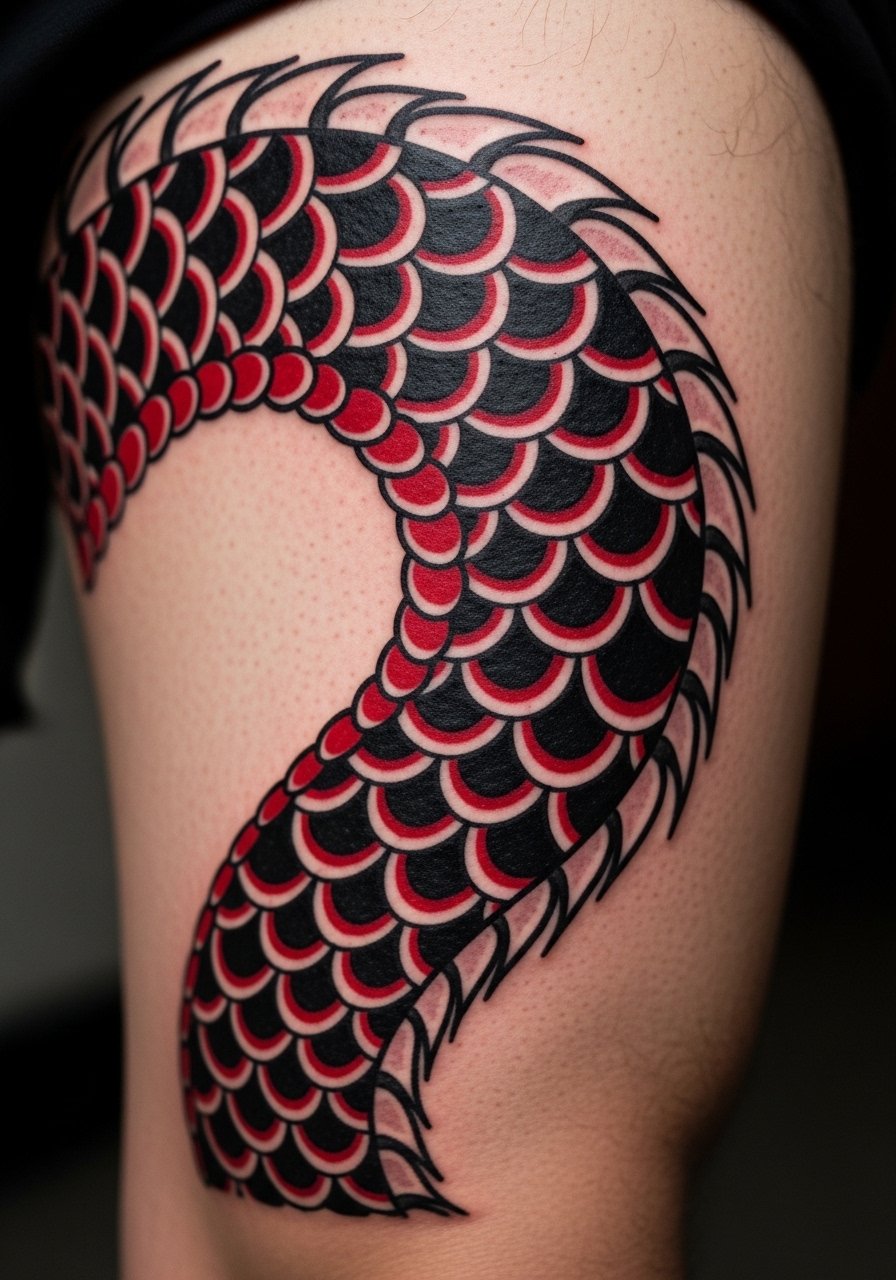
When you want a piece that can scale into an epic sleeve over years, dragon segments win. Thigh or back placement handles larger panels and resists distortion during body changes better than forearms. In consultation mention scale and surrounding empty areas so the artist can plan flow across future segments. The common error is trying to compress Japanese motifs into tiny patches, which kills the sense of movement. These sessions can be long and often require four or more sittings per large segment. Expect heavy outlines to hold for years and color touch-ups at intervals depending on sun exposure.
7. Micro-Realism Eagle Head Filler
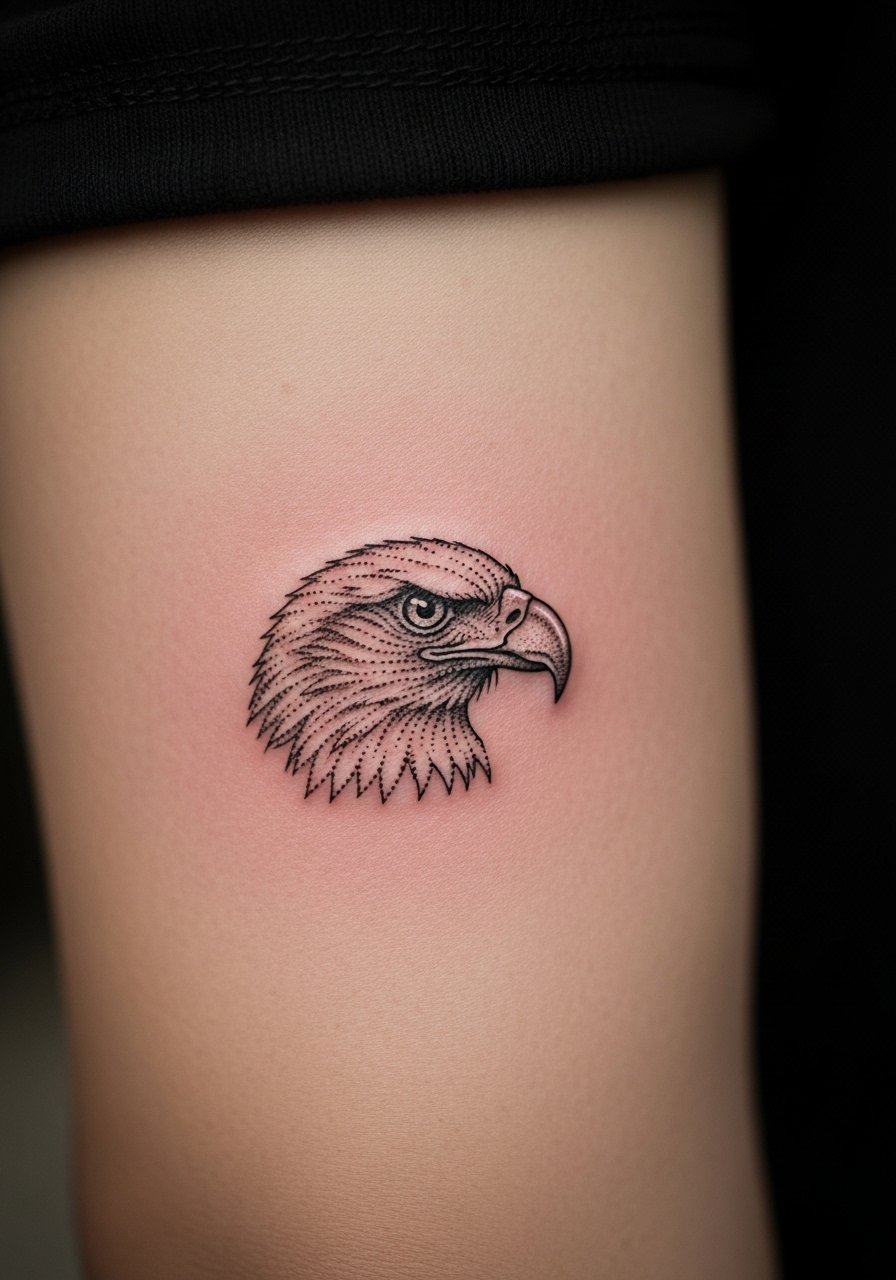
When space is tight, micro-realism gives you detail without overpowering adjacent work. Inner bicep is a higher pain area because of thin tissue, but sessions are short one to two hours. Tell the artist you want crisp contrast rather than a washed dotwork approach so the piece still reads when healed. The aging pattern shows loss of very fine dots first, so plan for a touch-up after 18 months if you want razor detail long term. A mistake I see is requesting micro scale next to heavy blackwork with no soft transition. Use small ornamental frames or dot gradients to blend them.
8. Ornamental Sacred Geometry Frame
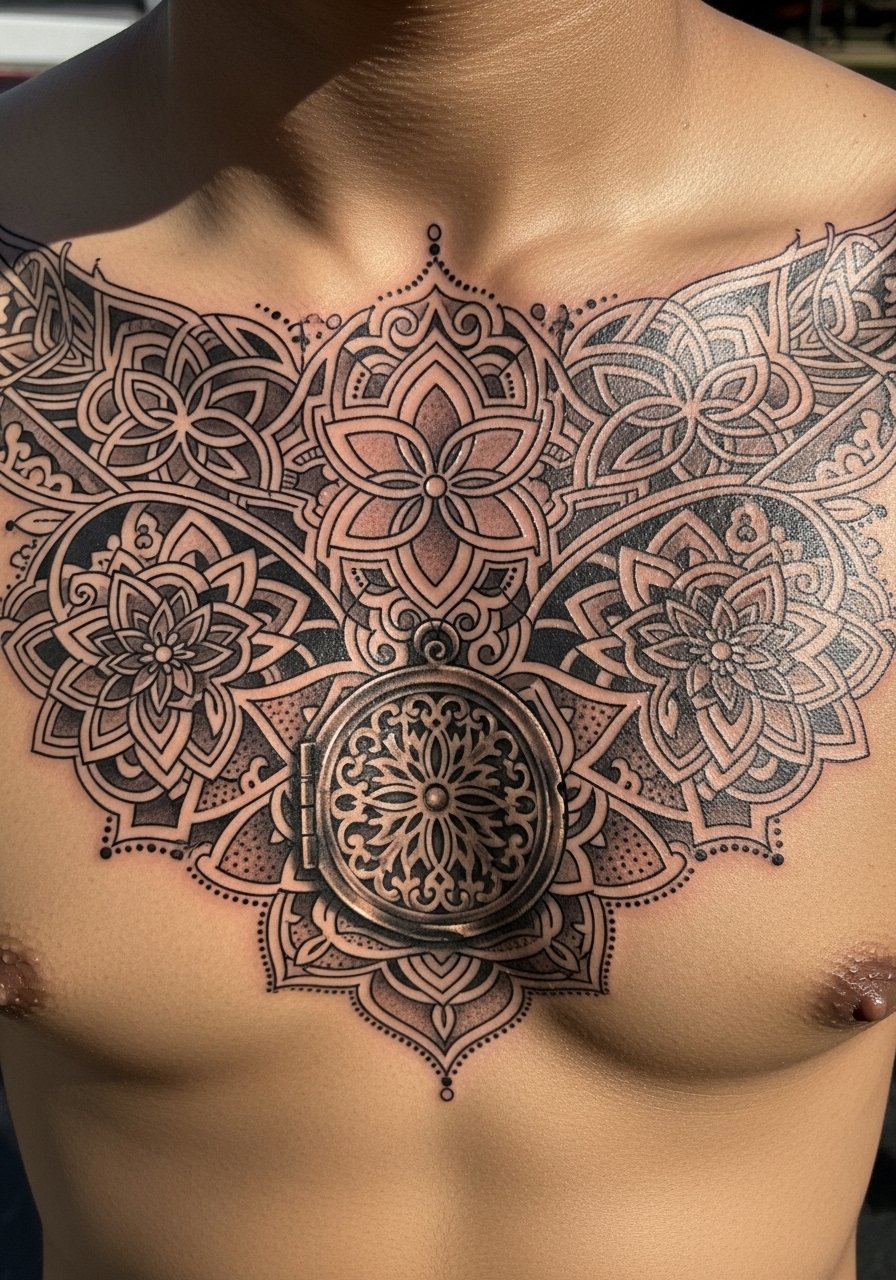
If older pieces need tidy framing, sacred geometry makes a calm border that does not fight for attention. When you sit down with the artist, point out which old outlines to hide and which to highlight. Shoulders and upper chest handle precise linework nicely and pain is usually moderate. A common mistake is asking for razor-thin lines right next to bold older outlines. Instead ask for graduated line weight to marry the two. Expect two sessions for a shoulder cap frame and a touch-up window around year two for line crispness.
9. Illustrative Pin-Up Girl Accent on the Calf
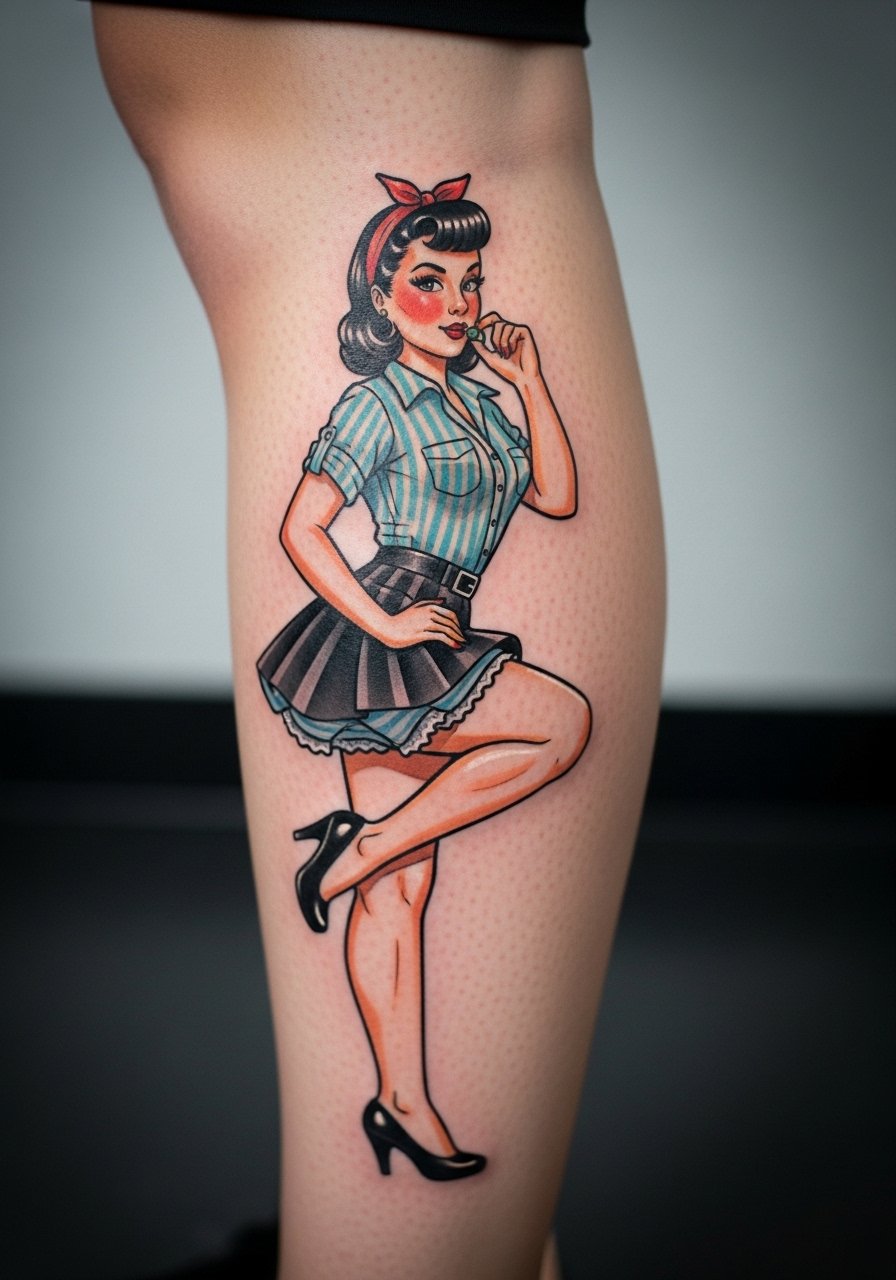
Calf placement suits collectors who cycle or lift because it flexes with motion and hides stretch when you bulk. For a playful pin-up accent, specify color palette and face style during consultation so it does not clash with other figurative pieces. The session feels tolerable because muscle pads the needle. A frequent mistake is requesting hyper-detailed faces at small scales. Keep the figure slightly larger for readable features. Over time the color will soften, and a two-year touch-up is common for vibrant accents that serve as focal anchors.
10. Ignorant Style Bear Claw Patch on Knuckles
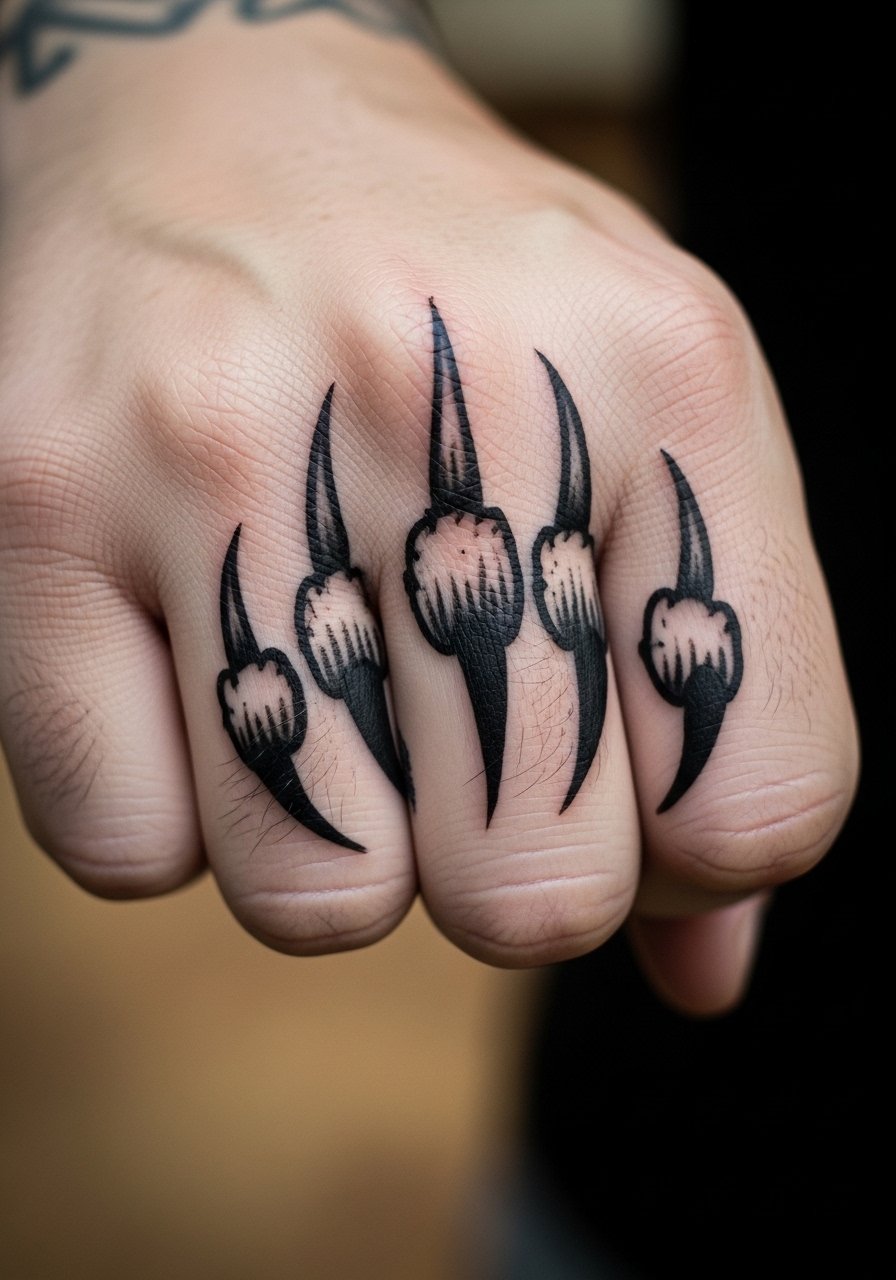
Knuckle patchwork is under-covered but powerful for evolution tattoos that change with hand gestures. Hand placement is high pain and may affect job visibility, so think about professional considerations. For knuckles, go bold and rough to avoid early feathering. The ignorant style's sketchy lines age in an authentic way, but expect faster fading and touch-ups within a year because hands see constant wear. Tell your artist you want heavy outline anchors and accept that some fading is part of the aesthetic. Booking with studios that do healed portfolios of hands helps you judge likely outcomes.
11. Watercolor Rose Filler Edge
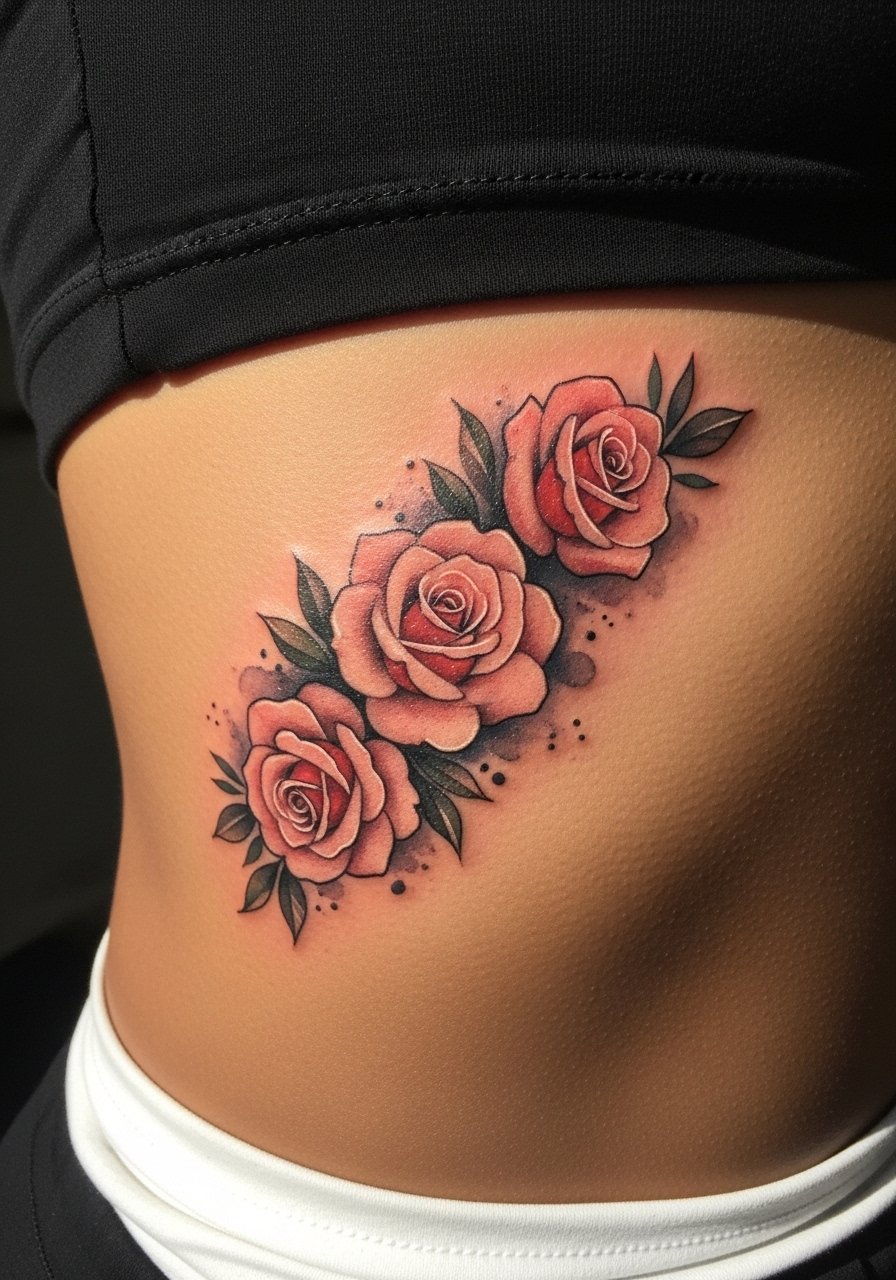
Most watercolor pieces from a few years back faded into blotchy color. If you still want watercolor accents, use them as small edge fillers that do not shoulder the sleeve. Ribcage placement is painful and the session feels intense but short. During consultation ask the artist to keep watercolor washes small and pair them with a nearby bold outline to anchor the palette. The debate here is clear because some artists say watercolor is too fragile for sleeves while others adapt layering techniques to make it last. If you choose watercolor, expect touch-ups sooner than for blackwork and plan placement where sun exposure is limited.
12. Fine Line Compass Connector on Collarbone
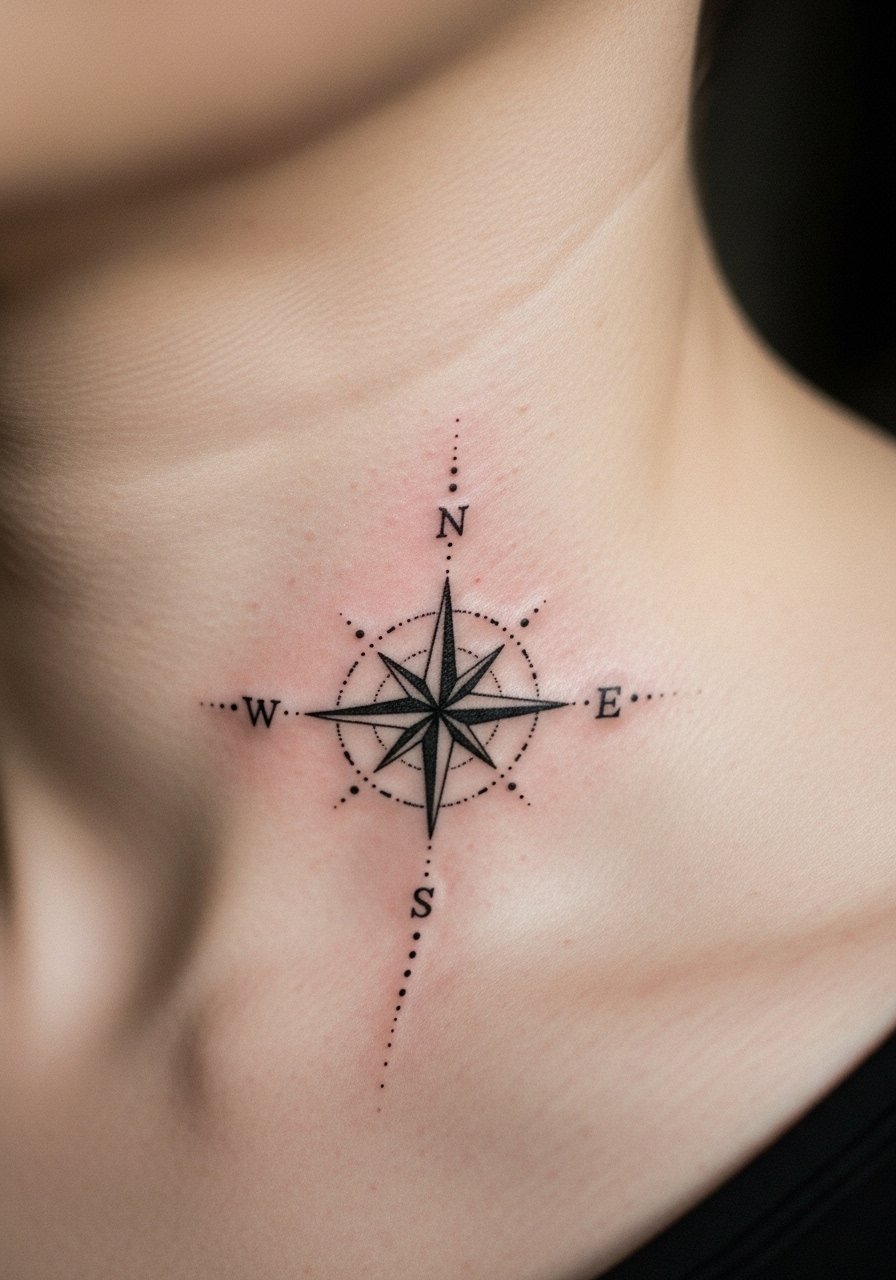
Fine line on collarbone splits artists into two camps. One camp argues the thin skin and motion blur lines within two years. The other camp insists that with correct needle depth and spacing fine line settles well. Ask your artist which side they are on and request healed examples on collarbones. This placement leans toward high pain because the bone is close to the surface, and sessions are usually one short sitting. A common mistake is asking for ultra-fine script nearby without a buffer zone. Expect touch-ups by year three if you want the compass to keep sharp cardinal points.
Tattoo Prep and Aftercare Essentials
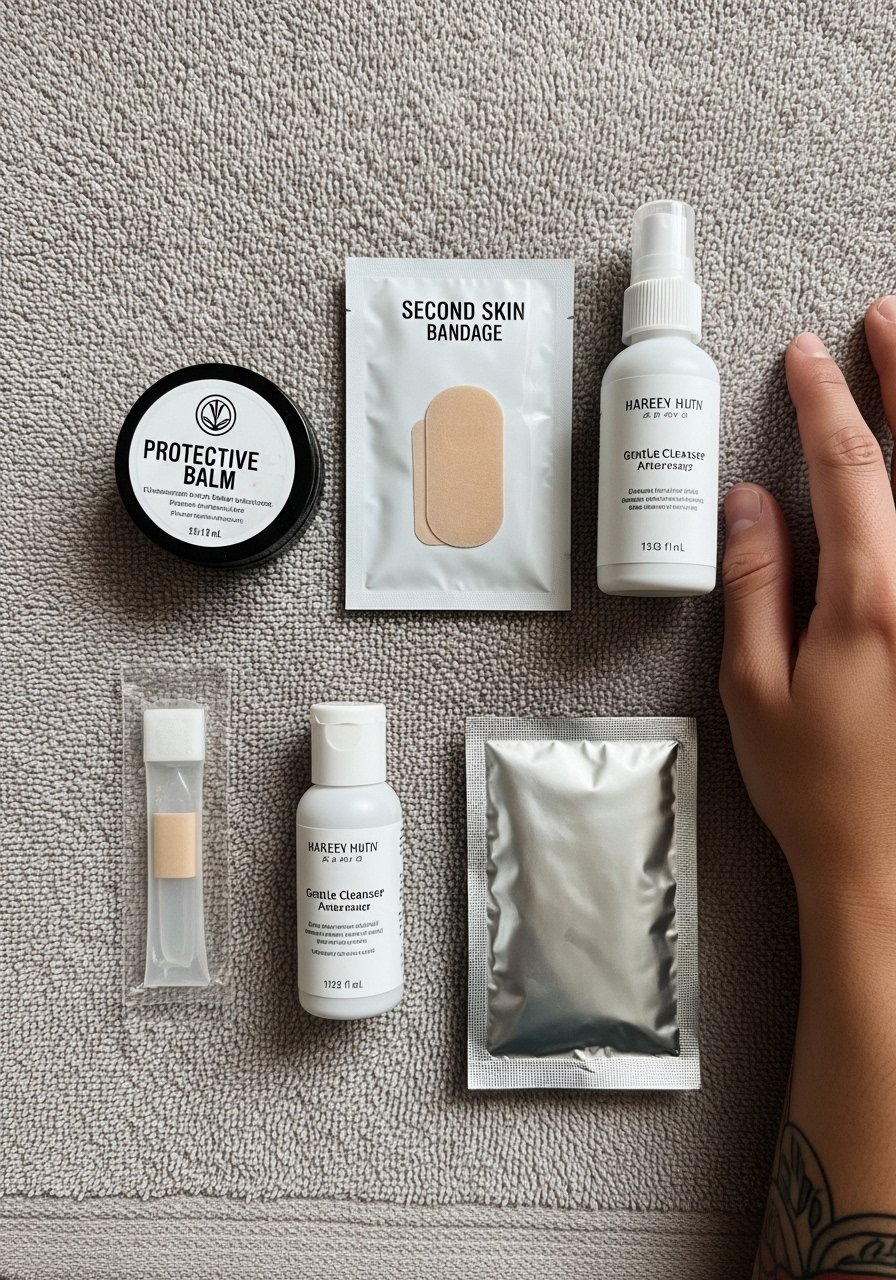
If you are getting patchwork, plan prep and aftercare like a project. Book sessions with a deposit to avoid last-minute cancellations and confirm guest-spot schedules on Booksy or local directories. For oily skin mention that before your session so your artist can recommend breathable balms over heavy occlusives. There is a split between people who swear by wound coverings and those who prefer dry healing. Name both camps and decide based on your skin type and activity level so you do not trap moisture or over-dry the area.
Shopping list
Australian Tea Tree Ink Fix. Indie anti-inflammatory ointment favored by forum users for irritated patchwork edges. Use sparingly on spot redness during the scab stage to reduce itch.
Green Sheep Balm. Lightweight balm from the UK praised for winter healing without greasiness. Good for dry climates or low-activity days.
Hada Labo Lotion (light moisturizer). Gentle hydration recommended by guest artists for use after removing an occlusive dressing. Apply minimal amounts to avoid residue.
Indie Soy Butter Tattoo Balm. A softer balm that users report reduces scabbing on heavy blackwork. Best for night-time application on solid fills.
Lightweight fragrance-free balm. Generic gentle balm for first two weeks when you need moisture without clogging pores.
Medical-grade second skin bandage. Use for the first three days if you are active and need a waterproof barrier that breathes.
Hustle Butter Deluxe. A single mainstream balm option that absorbs faster than heavier ointments and can help prevent pore clogging for oily skin types.
Fragrance-free gentle foaming cleanser. Use daily in the first two weeks to keep the area clean without stripping natural oils.
Every tattoo is different. Always follow your artist's specific aftercare instructions. Consult a dermatologist if you have skin concerns or unusual healing issues.
Frequently Asked Questions
Q: My sleeve looks like a patchwork of styles. How do I stop that from happening when I add new pieces?
A: Start by matching line weight and saturation, not exact imagery. Tell your artist to anchor new pieces with the same outline thickness as your heaviest existing work. Use geometric connectors or ornamental frames as neutral bridges and confirm healed portfolio photos before booking.
Q: I have darker skin and my blackwork photos look flat. What should I ask for so it pops in person and in photos?
A: Ask for heavier outlines and higher saturation in black fills, and request healed examples on similar skin tones. Photographers can wash out contrast, so get reference shots under natural light. If you plan to post, ask the artist for a healed shot after a touch-up to show real-life depth.
Q: An artist canceled my last booking twice. How do I avoid rescheduling that wrecking my healing window?
A: Use booking platforms like Booksy or local directories and confirm deposits that specify reschedule policies. Ask about guest spot schedules up front and plan sessions with at least a one-week buffer before travel or events.
Q: Do watercolor fillers need different aftercare than traditional blackwork?
A: Generally yes. Watercolor washes depend more on pigment dispersion, so avoid long sun exposure and heavy moisturizing that could spread softer tones. Use gentle cleansers and a lightweight balm rather than thick occlusives, and expect earlier touch-ups than solid black pieces.
Q: Will fine line connectors blur into surrounding bold pieces if I get a full sleeve?
A: It depends on technique and placement. Fine line can blur faster next to heavy blackwork, so ask for buffer spacing or graduated line weight. If your artist is in the "fine line works" camp, request healed examples on similar placements. Plan on touch-ups earlier than you would for solid traditional lines.
Q: Are knuckle or hand patchwork tattoos worth it for a long-term sleeve plan?
A: They can be, but hands fade faster and often need yearly touch-ups. Knuckles make a strong wearable story piece that evolves with wear. Think about job visibility and accept that maintenance is part of the choice.