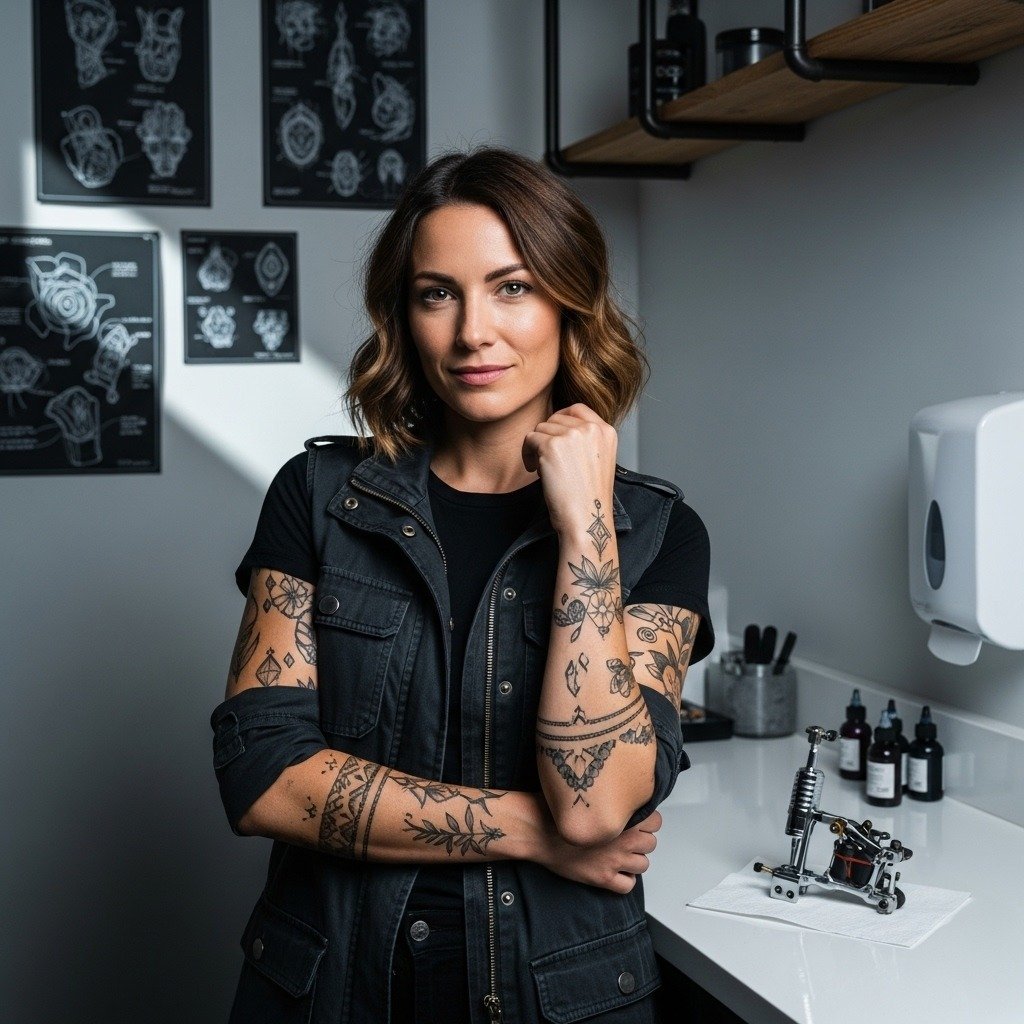
The smallest son tattoos that still read true after five years are not the wispy script versions you see plastered across feeds. Tiny single-needle names often blur into a faint line, while slightly bolder, well-spaced marks keep their intent and shape. If you want a tribute that ages with the relationship, pick motifs that can be scaled, pair the line weight to the placement, and choose a wardrobe that frames the work rather than hides it.
1. Father and Son Holding Hands Silhouette, Inner Forearm
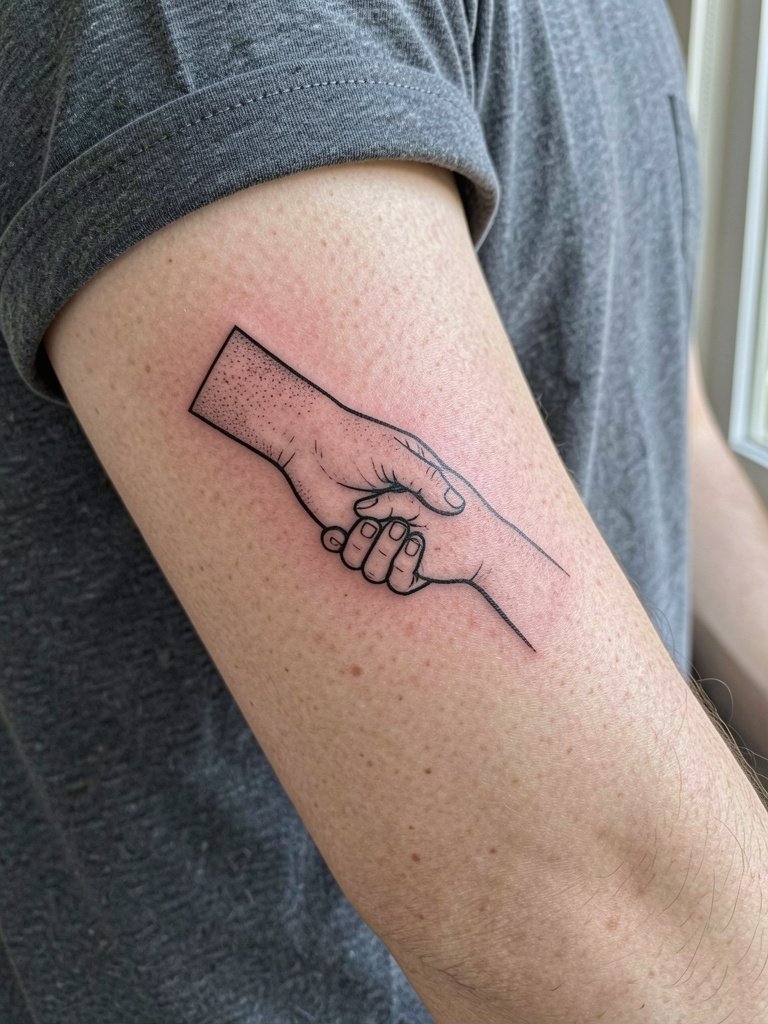
A holding-hands silhouette reads instantly and keeps the emotion simple. I recommend a slightly heavier single-needle contour than the thinnest script because the inner forearm sees regular friction and thin lines can soften by year two. Bring a reference that shows exact hand scale so the artist can set the silhouette to read clearly at three inches. Common mistakes are trying to cram fingerprints or tiny faces into the hands. For showing it off, rolled-cuff button-downs frame the forearm well and let the negative space around the silhouette breathe. Session time is often under an hour and pain is low to moderate.
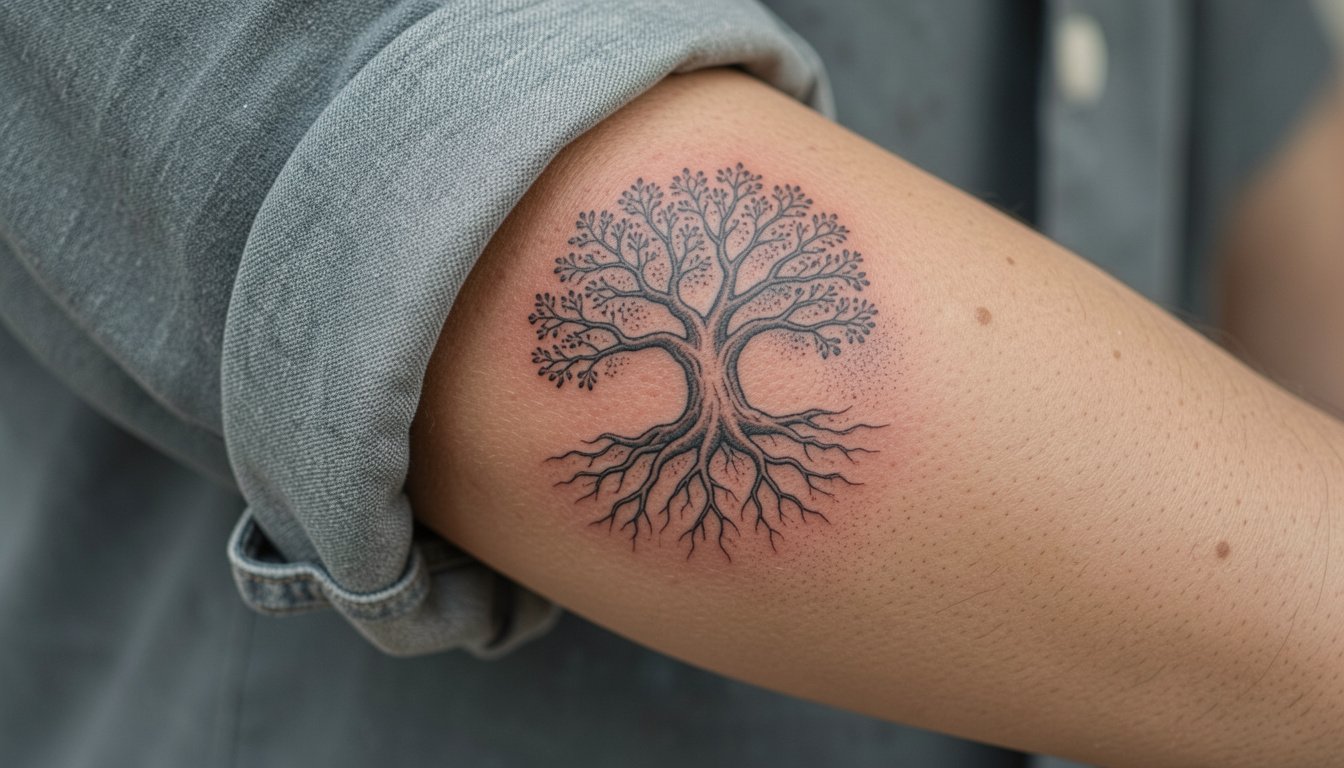
2. Tree Ring Timeline, Inner Forearm

Tree rings work as a timeline motif that ages visually without needing names. The trick is to keep the rings bold enough that the inner grooves do not merge over time. In consultation, ask the artist to show the ring spacing at the exact size you plan to wear so you can judge readability at six months and two years. A common version that ages poorly uses extreme micro lines close together. For session wear, a short sleeve tee gives easy access. Pair the piece with a slim bracelet on the opposite wrist for balanced framing during casual outfits.
3. Initials in Script, Wrist
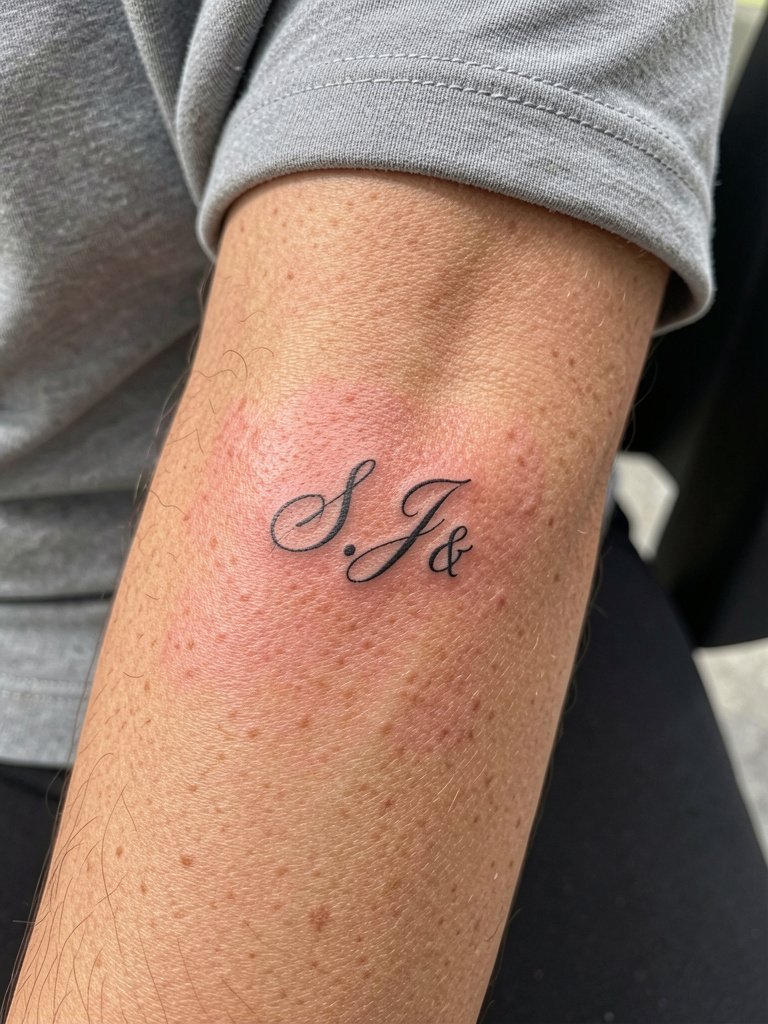
Initials are direct and discreet when kept simple. On the wrist, leave extra letter spacing and ask for thicker downstrokes so the script reads after a touch-up window. The most common mistake is copying a tiny Instagram script verbatim without accounting for wrist motion. Wrist pieces are visible daily so style them with a slim watch on the opposite arm to highlight the placement. Expect a ten to twenty minute session and plan for a touch-up after the first year if you want the script to stay crisp.
4. Birthdate in Roman Numerals, Inner Forearm
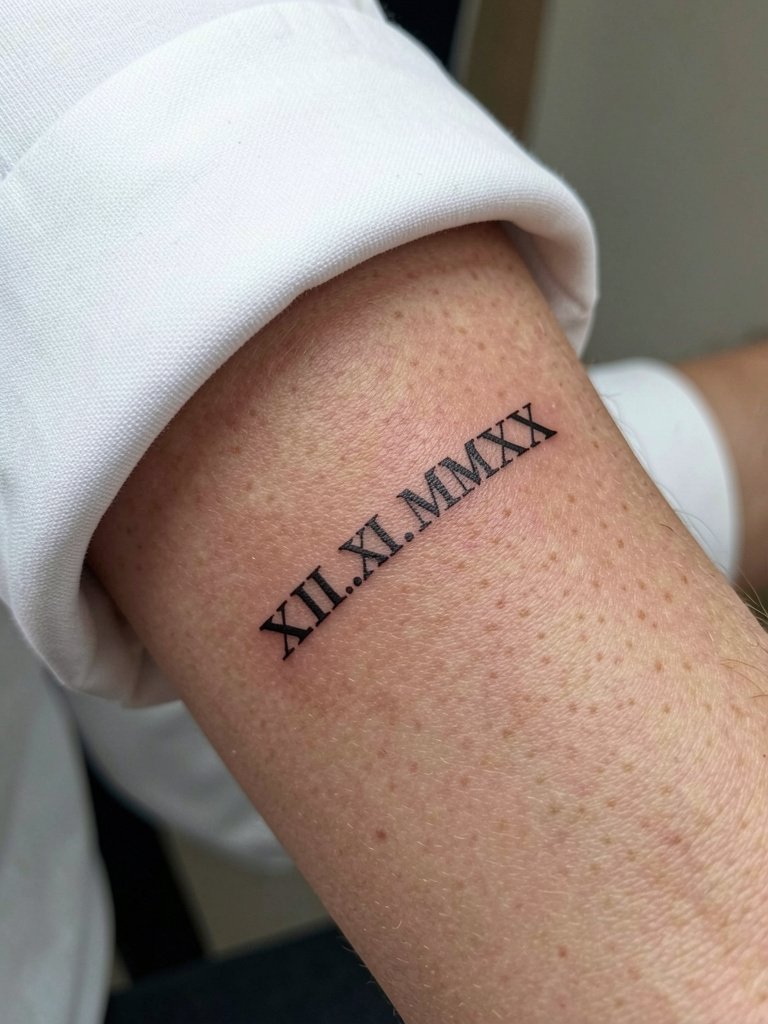
Dates compress memory into a tidy symbol that rarely feels dated. Roman numerals add visual weight and limit fuss over font choice. Ask the artist to space numerals as if they were five characters not nine so the glyphs do not crowd. A common error is choosing a fancy serif at a tiny scale which becomes illegible. This placement pairs well with rolled sleeves and raw denim for casual outfits that let the forearm show. Pain on the inner forearm is generally low and most of these fit into a single quick session.
5. Infinity with Heart Accent, Wrist
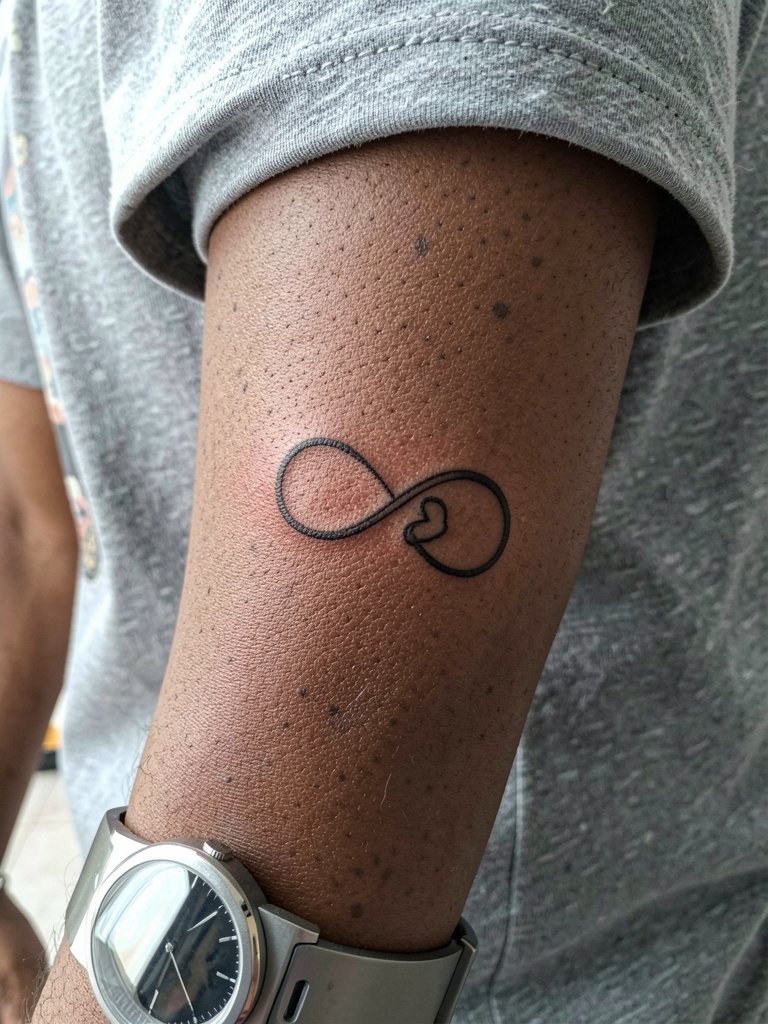
That compact infinity motif feels like an endless bond while staying small. On the wrist, increase line weight slightly from what you see on screens. The wrist rubs against clothing and accessories so micro-line infinities can already look faint three years out. For the appointment, skip bracelets on the tattoo wrist and wear a short sleeve tee. A slim watch on the opposite wrist helps orient the eye when you show the design.
6. Shared Hobby Icon Pairing, Shoulder
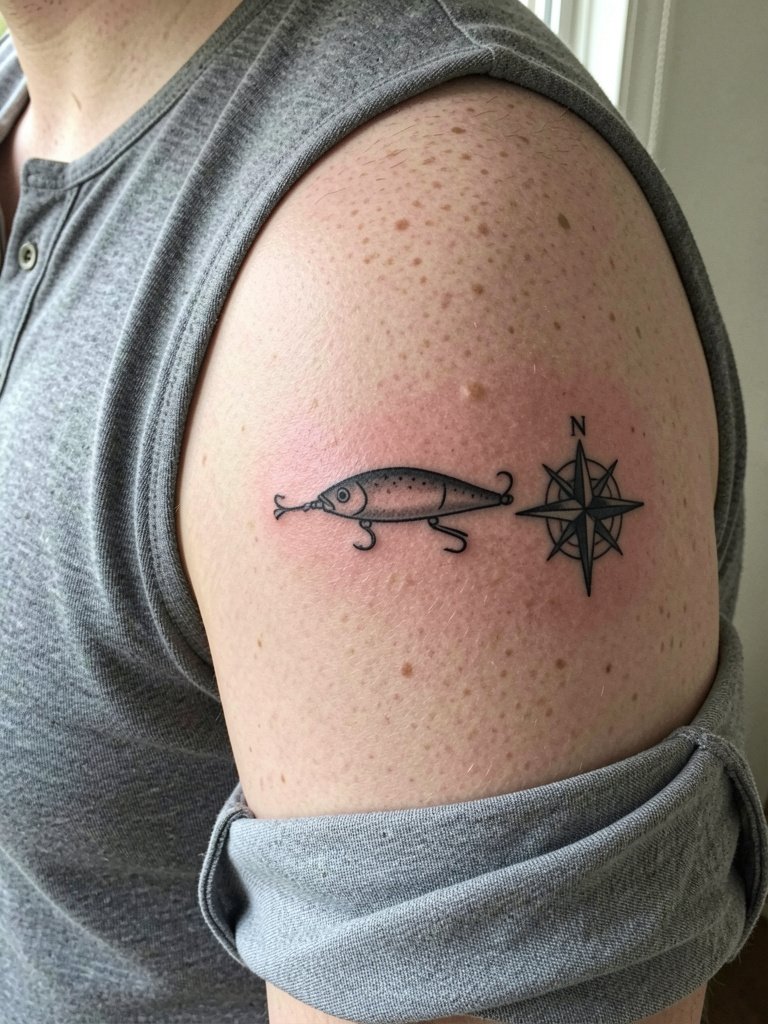
Matching hobby imagery feels specific instead of generic. For shoulder placement ask the artist to show both the icon at actual size and scaled up so you can choose how visible it will be in shirts. A common aging issue is over-detail at small scale; using simplified silhouettes avoids early blurring. For showing this work try a fitted henley or rolled sleeves so the outer shoulder sits in a natural frame. Expect a short session and low-to-moderate pain.
Session Day Picks
Small tribute pieces and forearm work share common needs, so these five items smooth the session and first week for many of the designs above.
-
Stencil transfer paper kit. Lets you preview the exact linework on skin before the needle goes down, which matters for initials and script motifs in ideas above.
-
Topical numbing cream. Apply as directed about 45 minutes before the appointment to take the edge off wrist or rib sessions without changing the artist's ability to judge depth.
-
Thin protective film roll. Useful for protecting wrist, hand, and ankle tattoos during the first few days of heavy washing and friction.
-
Fragrance-free gentle body wash. Cleanses the area without irritating fresh linework during the early healing phase.
-
Aquaphor healing ointment. A thin layer for the first couple of days helps keep fine line work moist without clogging the needle channels.
7. Matching Micro Symbols, Wrist Pair

Matching micro symbols are still a popular way to show connection without loud imagery. One camp argues matching tattoos are the clearest shared symbol. The other camp prefers one-sided tributes that capture one person’s private feelings without coordinating. If you go matching, agree on scale and line weight together so both pieces age the same. For the session wear no bracelets and bring two reference photos so the artist can match linework spacing. These wrist pieces usually take twenty minutes each and often need a one-year touch-up for micro work.
8. Minimalist Symbol Behind the Ear
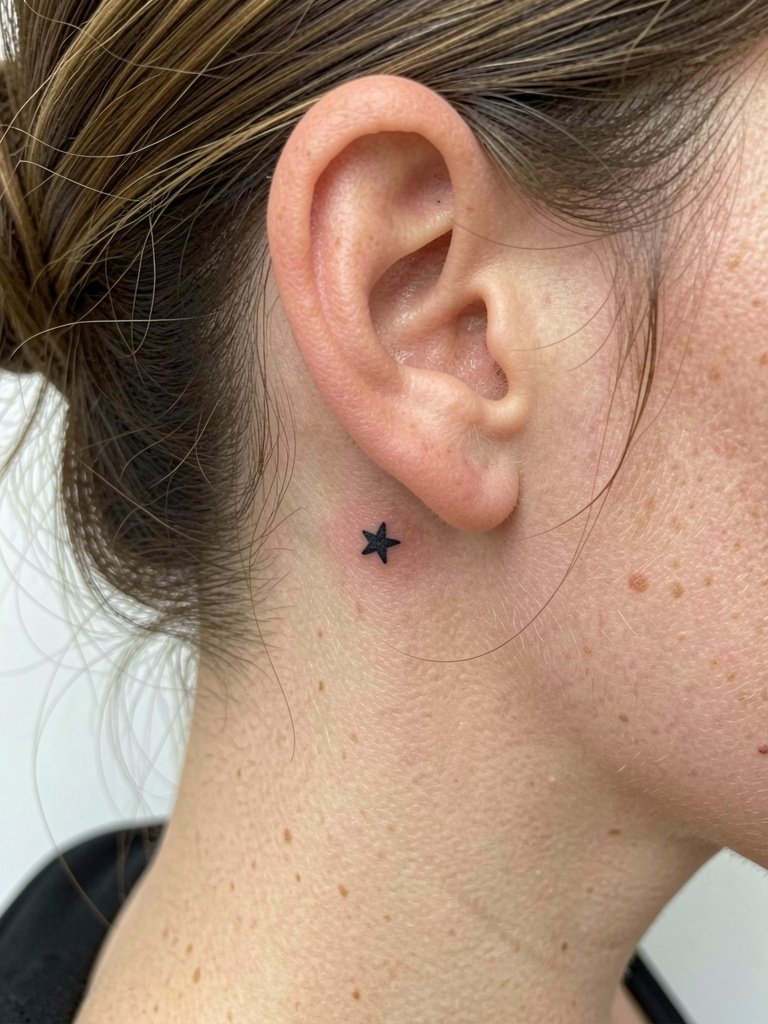
Behind-the-ear symbols are discreet and personal. They work best as solid silhouettes rather than delicate filigree because the area is small. If you plan to use initials in that spot pick a single character at most and ask for heavier contour. Expect low session time but a higher chance of touch-ups because the skin shifts with hair growth. For visibility, tuck hair back or use a small stud earring to frame the area.
9. Memorial Family Tribute, Upper Chest Below Clavicle
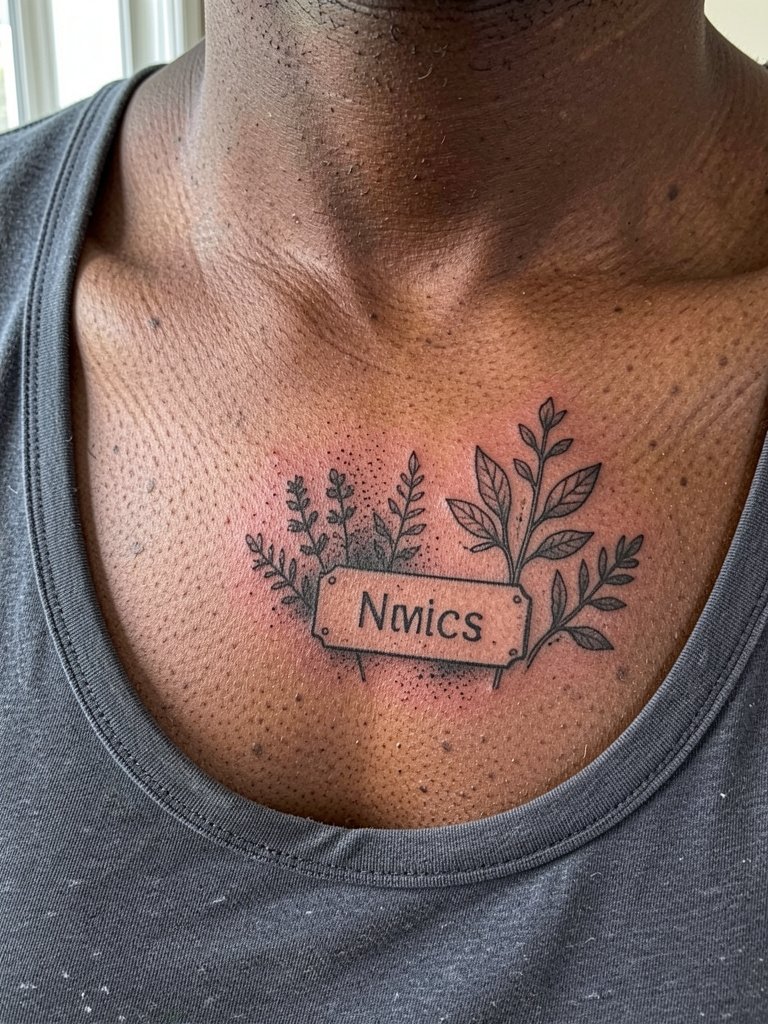
Memorial tributes on the upper chest sit close to the heart and can be private yet visible. For sizing, ask the artist how the piece looks under an open-collar shirt at actual size. A poor version tries to include too many names or tiny images and becomes unreadable. Session pain here is moderate and touch-ups are common in year one. Opt for scoop-neck shirts and layered chains when you want the tattoo to show in a considered way.
10. Child Portrait in Micro-Realism, Outer Upper Arm

Portraits are the most literal tribute. One camp says portraits preserve a likeness and feel deeply meaningful. The other camp warns they are risky because a poor likeness or shifting facial features can date the work badly and require costly cover-ups. If you choose a portrait, prioritize artists with proven healed realism photos and ask for medium size rather than micro for longevity. Expect multiple sessions and a longer touch-up timeline.
11. Praying Hands or Spiritual Motif, Inner Forearm
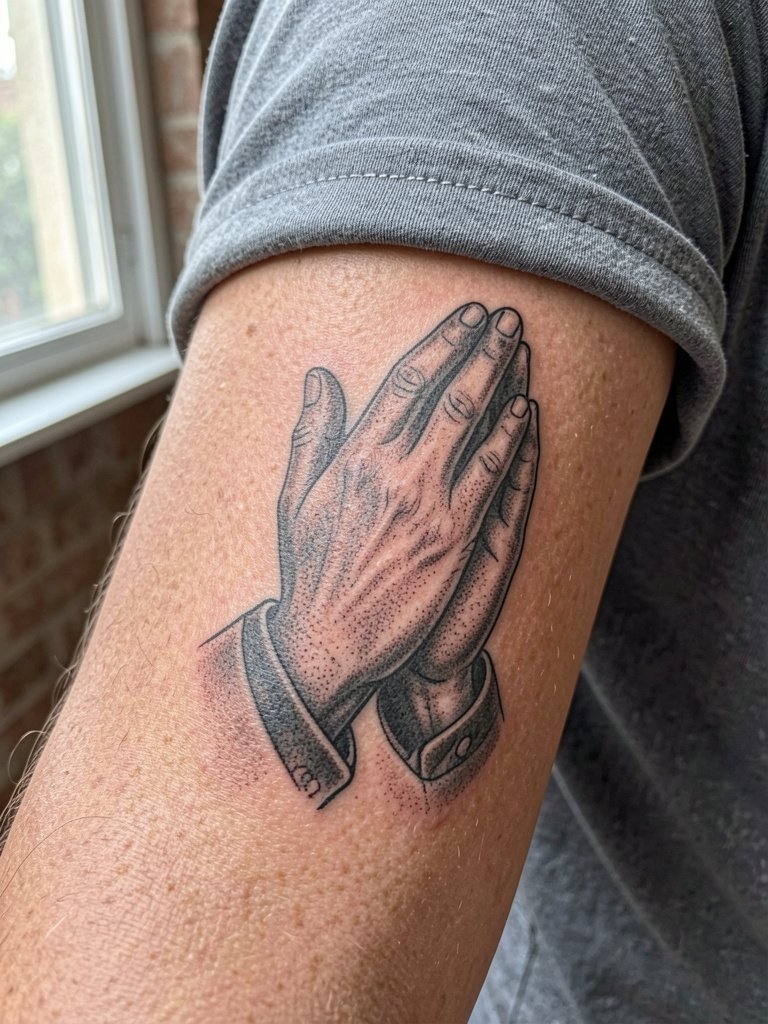
Faith-based motifs can be very intentional. For the inner forearm have the artist map the gestures in the reference photo to your arm curvature so the hands do not look distorted when the arm is relaxed. The most common mistake is crowding fine shading into a small area which can blur. For outfits, a long-sleeve rolled up to just below the design frames the piece. Expect moderate pain and a single session for a medium-size praying hands design.
12. Tree Motif Representing Lineage, Outer Forearm
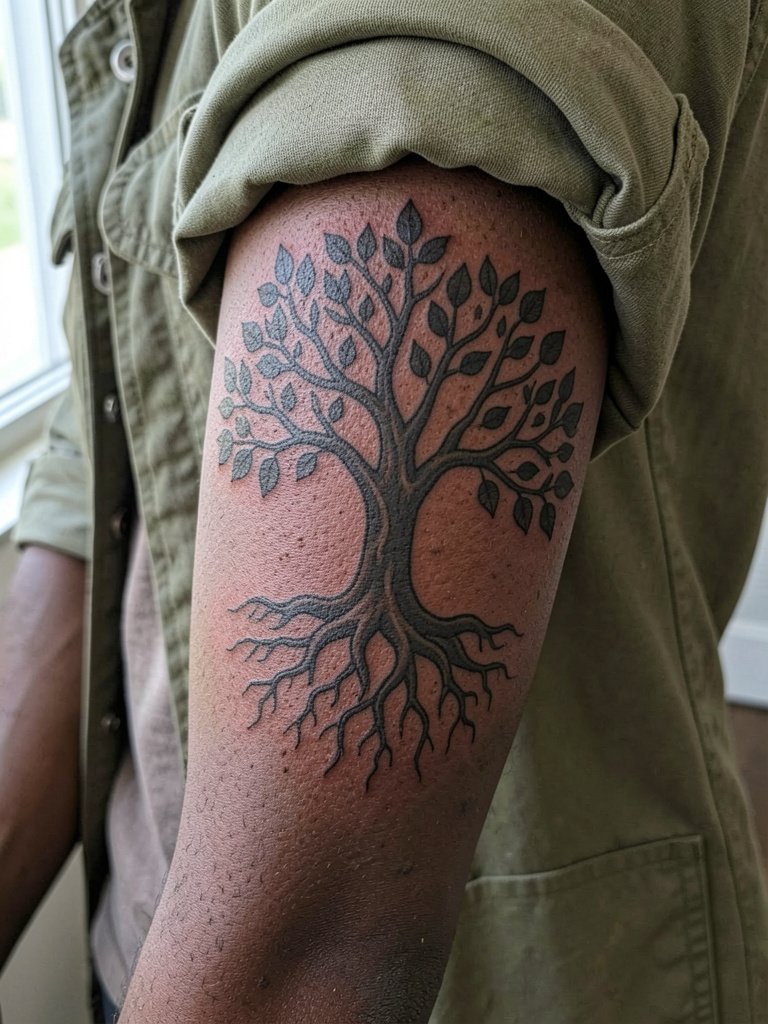
Trees read as lineage and growth without literal faces. On the outer forearm ask for bolder roots and slightly less thin twig detail because that area sees more sun and friction. The version that ages poorly uses tiny twig shading instead of simple negative-space leaves. This placement pairs well with rolled sleeves, fitted henleys, and field jackets that open the arm visually. Session time is usually an hour and touch-ups depend on how much sun exposure the forearm receives.
13. Tiny Footprint or Handprint, Calf
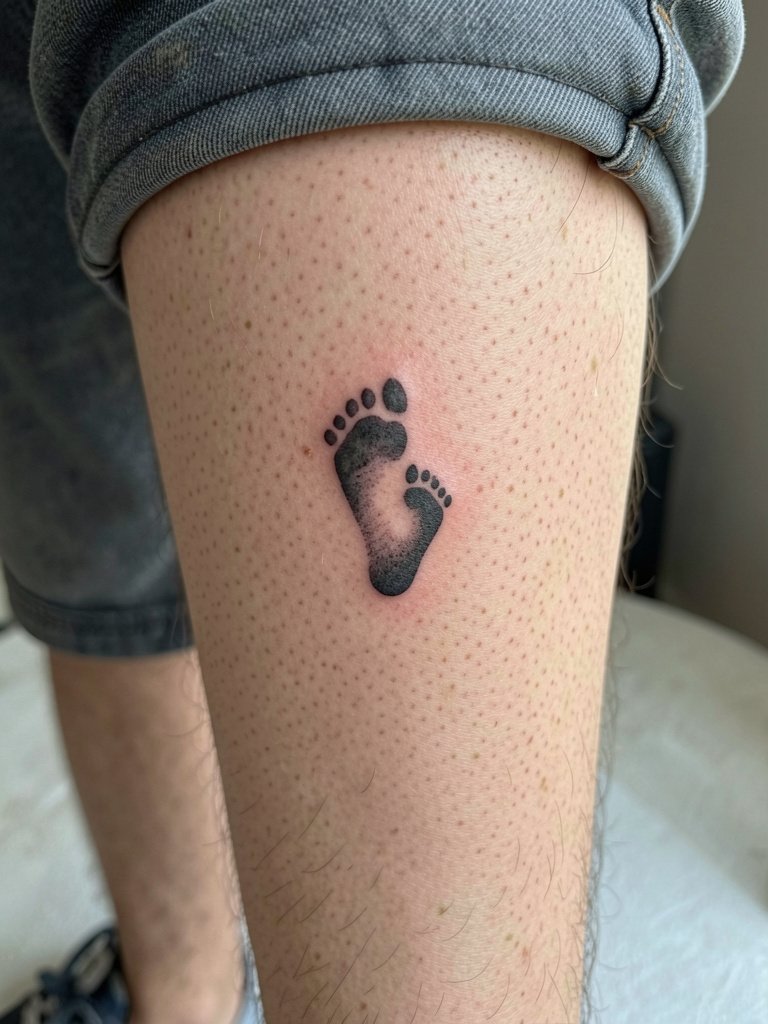
A footprint or handprint preserves a literal memory in a compact symbol. For the calf choose a scale that keeps the toes distinct because small toes can blur at tiny sizes. Discuss with the artist whether to stylize the print or replicate a scan; stylized prints age more predictably. Pair the calf design with low-top sneakers and rolled denim for casual display. Calf sessions are low pain for most and heal well with minimal friction.
14. Coordinates of Birthplace, Inner Forearm
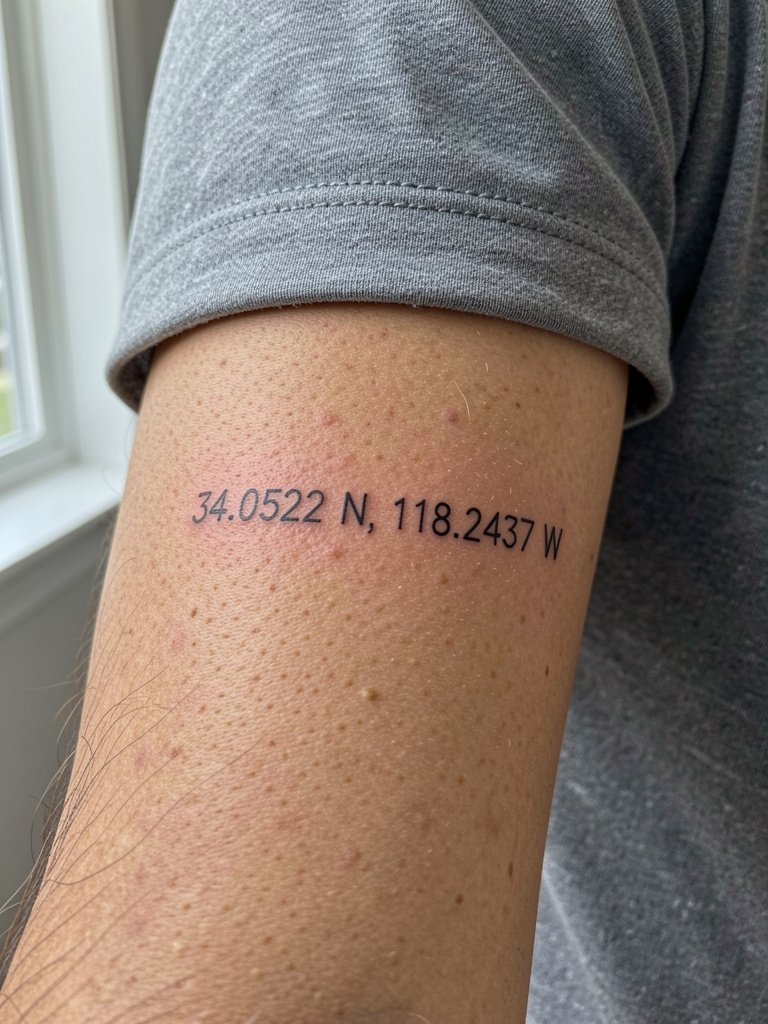
Coordinates translate a place and a memory into a compact, private mark. Keep the numbers spaced like a short code rather than a long sentence so they remain legible. A common mistake is using tiny serif numbers that become fuzzy. Wear a wristwatch on the other arm to balance this inner forearm placement when you want to show it. Expect a quick session and low pain.
15. One-Word Phrase in Handwritten Script, Ribcage

Short quote-based ribcage tattoos allow privacy and intimacy. Be aware ribcage skin moves more and fine single-needle script can blur. One group of artists says fine line on ribs blurs within two years because the skin stretches when you move. Another group says slightly heavier line weight and spaced lettering settles fine, and they will show healed images to support that. If you pick the rib, specify exact line weight and ask for a healed photo reference. Pain is high on this placement so schedule accordingly and wear loose button-downs for easy access.
16. Lock and Key Motif, Shoulder Blade
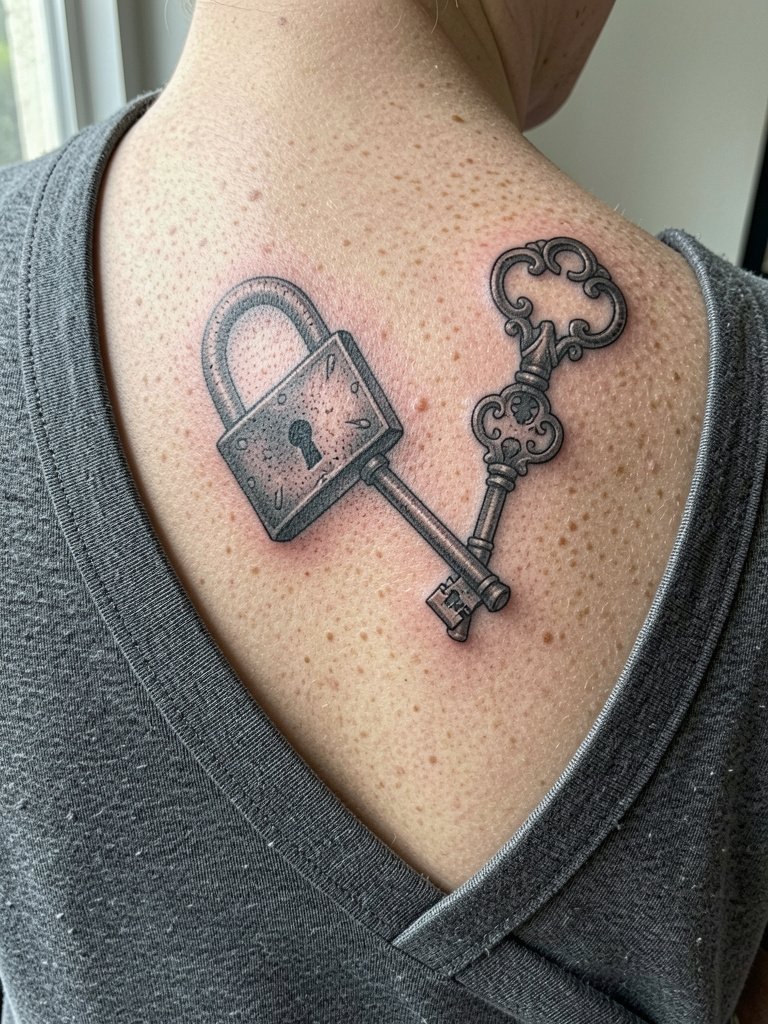
Lock-and-key sets make a subtle metaphor for protection and access. On the shoulder blade allow the artist to position the lock so the key sits naturally when you move. The usual mistake is too much tiny fluting on the metal which blurs. For showing off the area choose open-collar tops or scoop-necks that naturally expose the back. Expect moderate pain and a single session for a medium-sized lock.
17. Compass with Initial, Outer Forearm
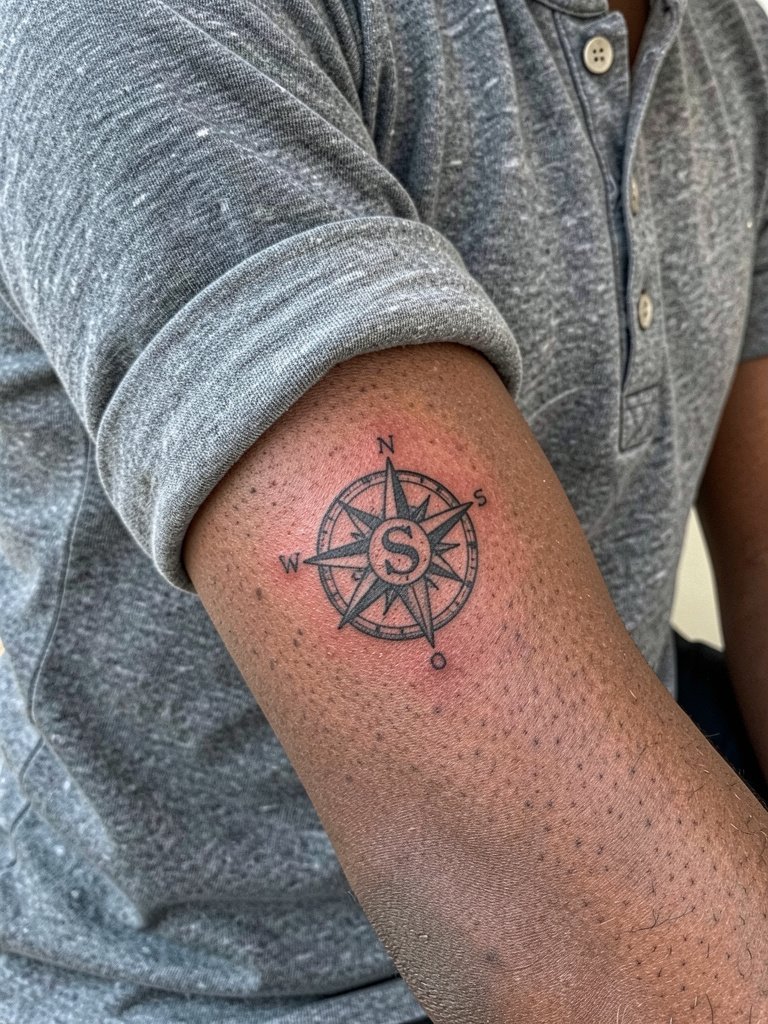
A compass suggests guiding presence and direction. For outer forearm work choose bolder cardinal points and simpler internal detail so the motif remains clear at a distance. A common version that ages badly tries to include ornate ropework inside the small compass. Pair the piece with rolled sleeves or fitted field jackets to keep the forearm visually framed. Sessions are usually under an hour and healing is predictable.
18. Animal Totem, Calf or Outer Thigh
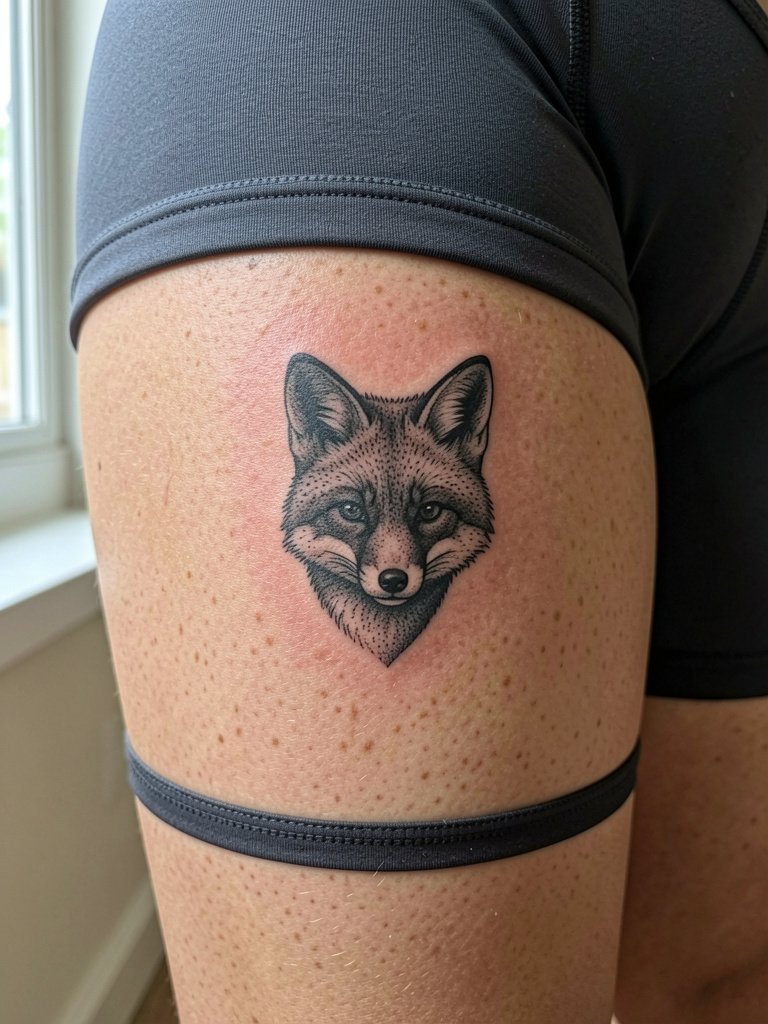
Animal motifs work when they match a personal story, such as an animal you bonded with on trips with your son. For thigh or calf work pick a size that preserves whisker and fur texture rather than tiny strokes. The most common mistake is forcing hyper-detail into a small badge. For session wear, drawstring shorts make access easy and keep movement minimal. Pain is lower on the thigh and calf, and touch-ups are rare unless the area sees heavy friction.
19. Minimal Mountain Range Silhouette, Inner Forearm
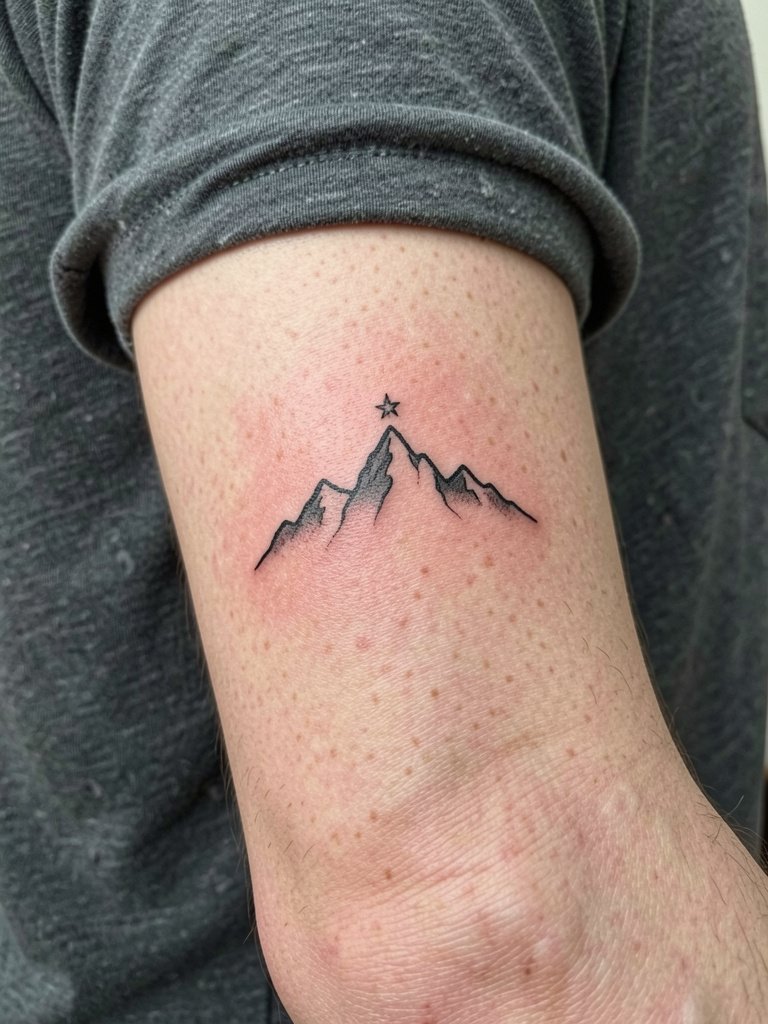
Landscape silhouettes are quietly specific if they reference a place you visited together. Ask for a version that reads at three inches rather than a wafer-thin outline so the peaks stay crisp. A common mistake is adding tiny contour lines that blur. For clothing, a rolled sleeve or raw denim shorts let the piece sit in daily outfits. Sessions are fast and pain is low to moderate on the inner forearm.
20. Hand-Drawn Child Doodle Replicated, Upper Arm
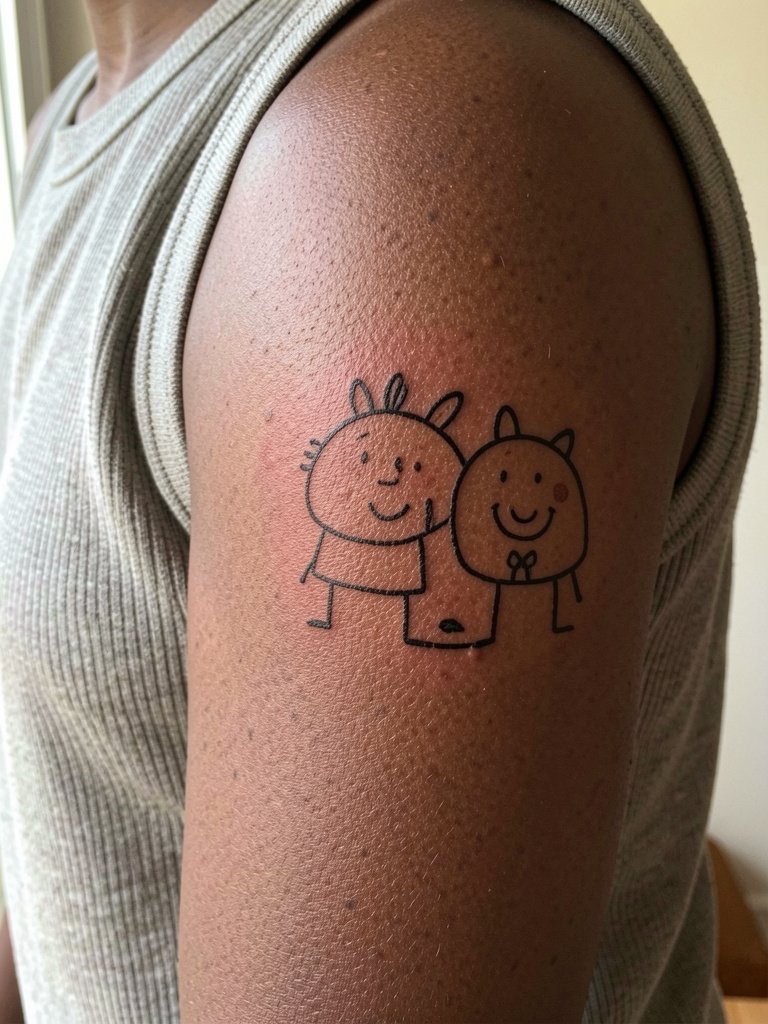
Turning a child’s drawing into a tattoo keeps the moment exactly as drawn and often feels more honest than polished imagery. When you bring the doodle, ask the artist to trace it directly and then show a cleaned-up stencil at the intended size. The common mistake is over-polishing which erases the charm. For the session wear a sleeveless top so the artist can position the piece naturally. Upper-arm sessions are low pain and heal reliably.
21. Shared Path or Journey Line, Inner Forearm
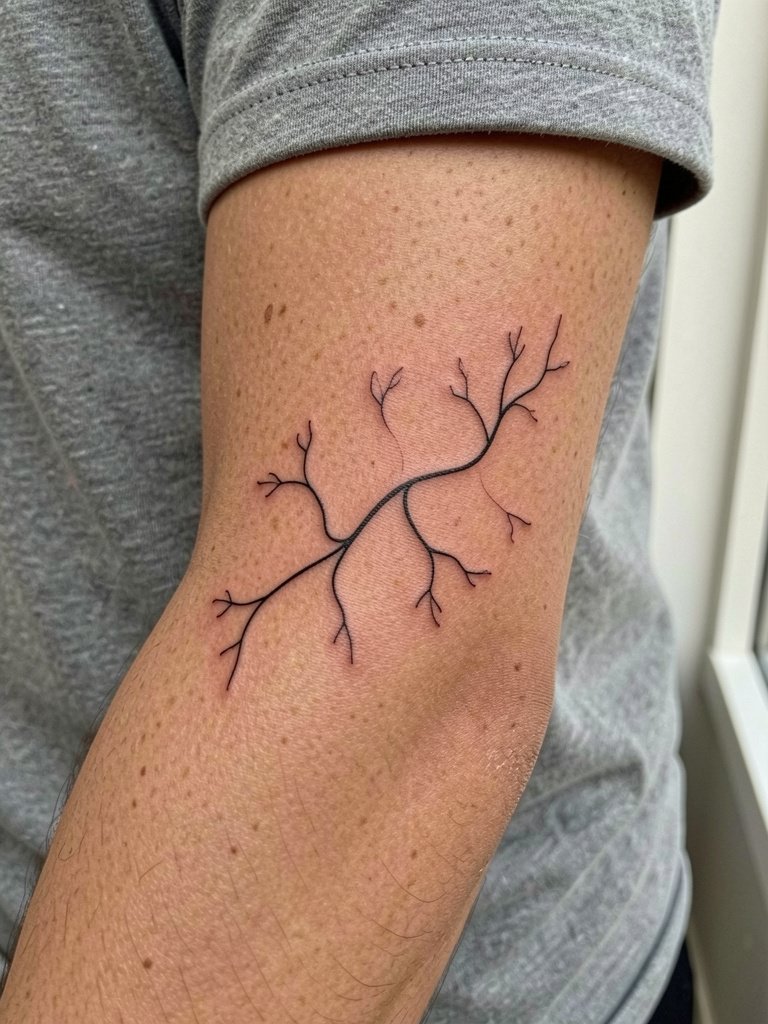
Journey lines are a less literal way to show support and shared direction. Make the line slightly thicker than display screen previews to avoid it disappearing as the skin settles. Artists often recommend spacing branches wider than you think at the stencil stage. For session wear a short sleeve tee. Expect a short session and plan for a touch-up in the first year if you want the line to remain crisp.
22. Small Constellation of Birth Star, Inner Forearm
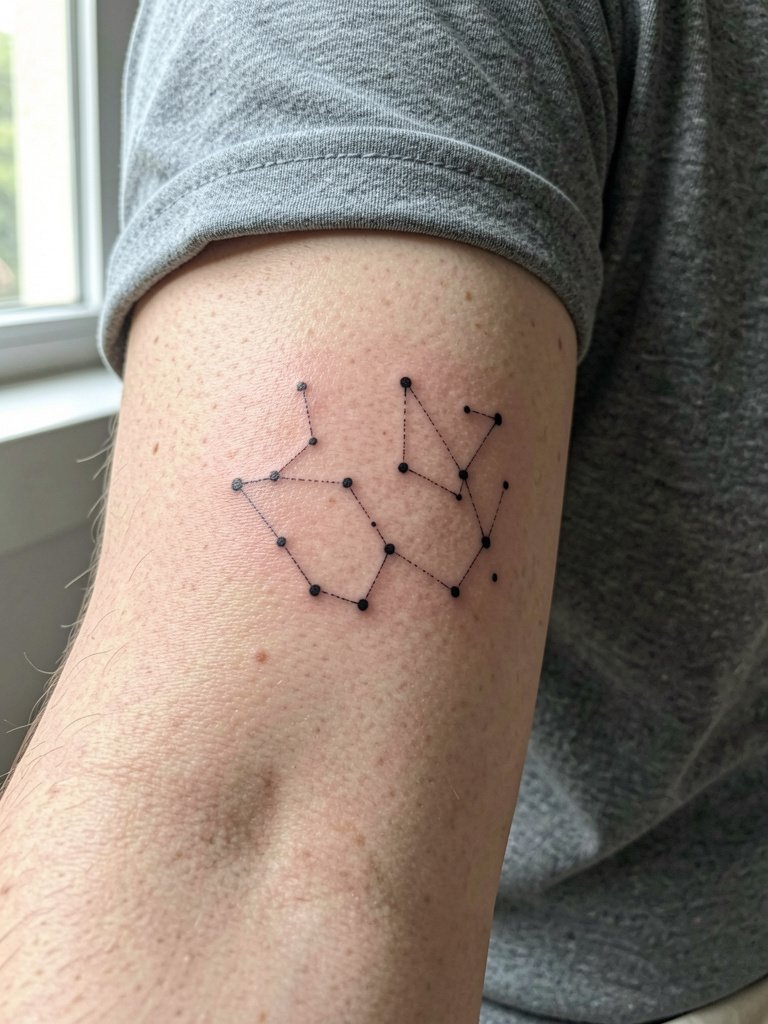
Star maps and constellations are subtle and personal. For dot work keep the central dots slightly larger than the connector lines so the pattern still reads after two years. A mistake is placing connector lines too close to dots which causes early merging. For a casual reveal pair the forearm with a slim gold bracelet on the opposite wrist. Sessions are brief and pain is low.
23. Matching Knot or Family Knot, Wrist or Ankle

Knots symbolize unbreakable ties and work well small. Keep knot lines bold enough to hold their pattern because tiny interlacing lines can blur on wrists and ankles. A common error is over-complicating the knot at micro scale. For ankle placement roll your jeans cuff or wear low-rise shoes to show the work naturally. Sessions are short and touch-ups may be needed after frequent shoe rubbing.
24. Clock Showing Birth Time, Upper Chest
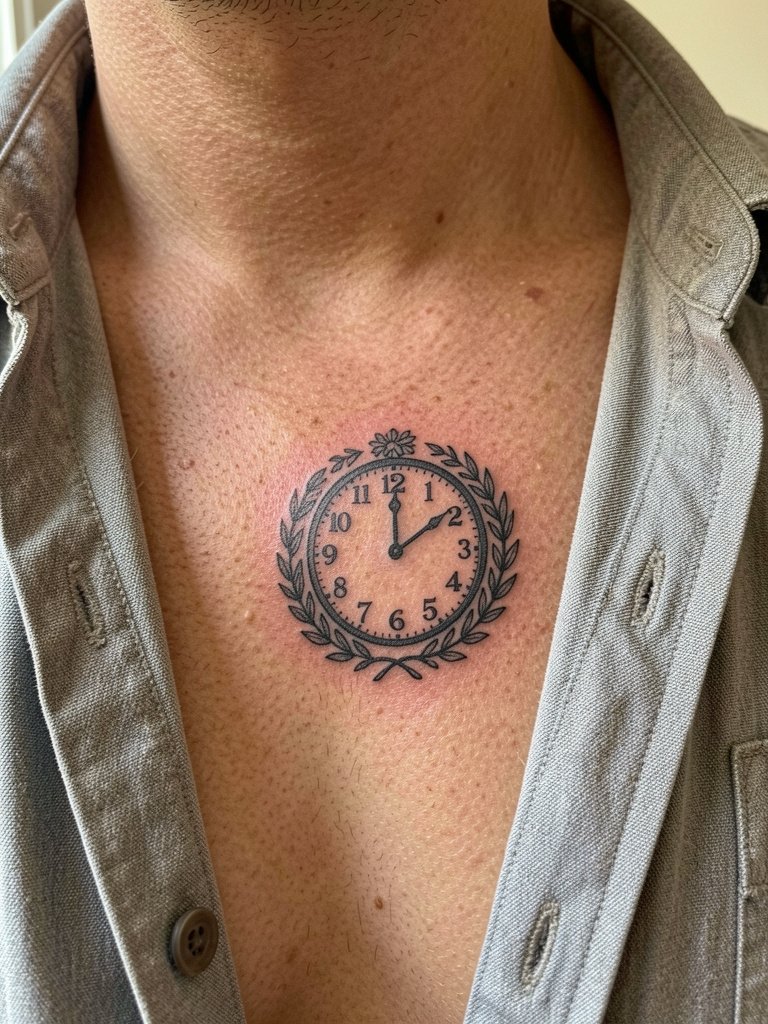
A clock pointing to birth time compresses a moment into a readable glyph. Use bold hands and minimal numerals so the face does not get muddled. The common mistake is adding tiny Roman numerals around a small dial that lose definition. For show-off pairing, an open-collar shirt or scoop-neck tee keeps the clavicle area visible. Expect moderate pain and a stable healed result if sized correctly.
25. Morse Code of a Name, Wrist or Inner Forearm
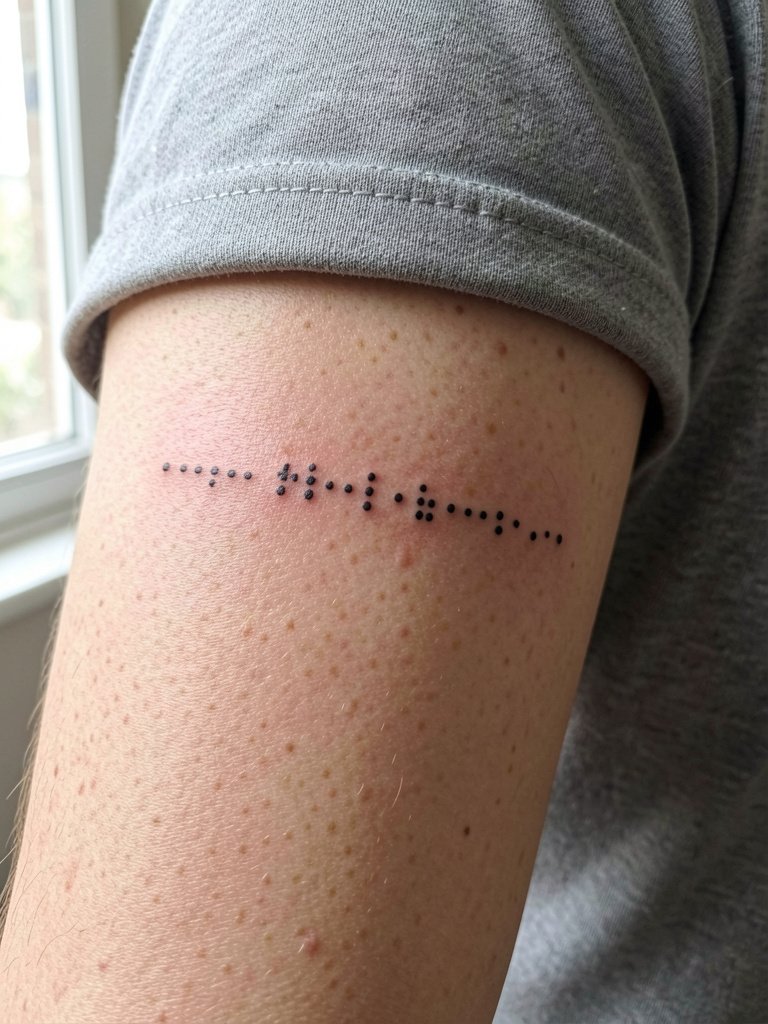
Morse code turns a name into a private pattern that reads only if you know the key. Keep the dots slightly larger than the dashes to maintain a tactile rhythm. The mistake many people make is spacing too tightly which makes the code unreadable later. A slim watch on the opposite wrist balances the look when you want to show it. Sessions are quick and pain levels are low.
26. Fingerprint Heart or Abstract Print, Inner Forearm or Chest
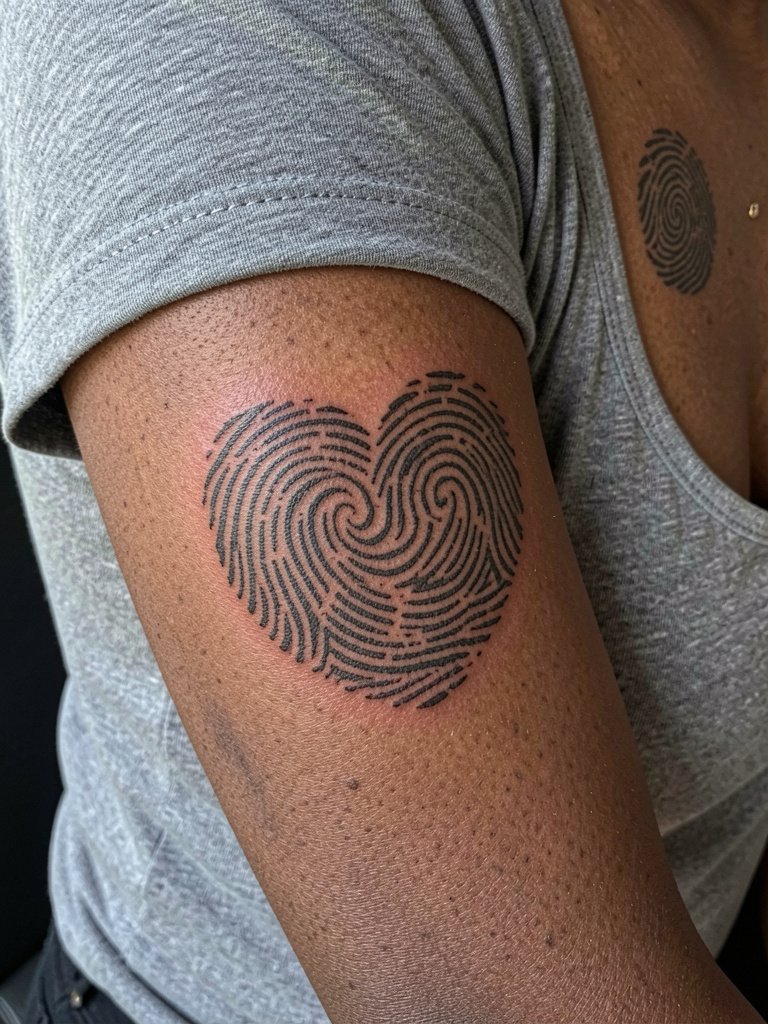
Using fingerprint patterns stylized into a heart keeps the mark personal while converting to a durable graphic. Ask the artist to simplify whorls into broader swirls so the ridges do not collapse into a blurred mass. The common error is copying a live fingerprint scan at full fidelity at a tiny scale. For display try a scoop-neck or rolled sleeve depending on placement. Expect a moderate session for larger chest placements and lower pain on the forearm.
27. Abstract Line Portrait of a Moment, Inner Forearm
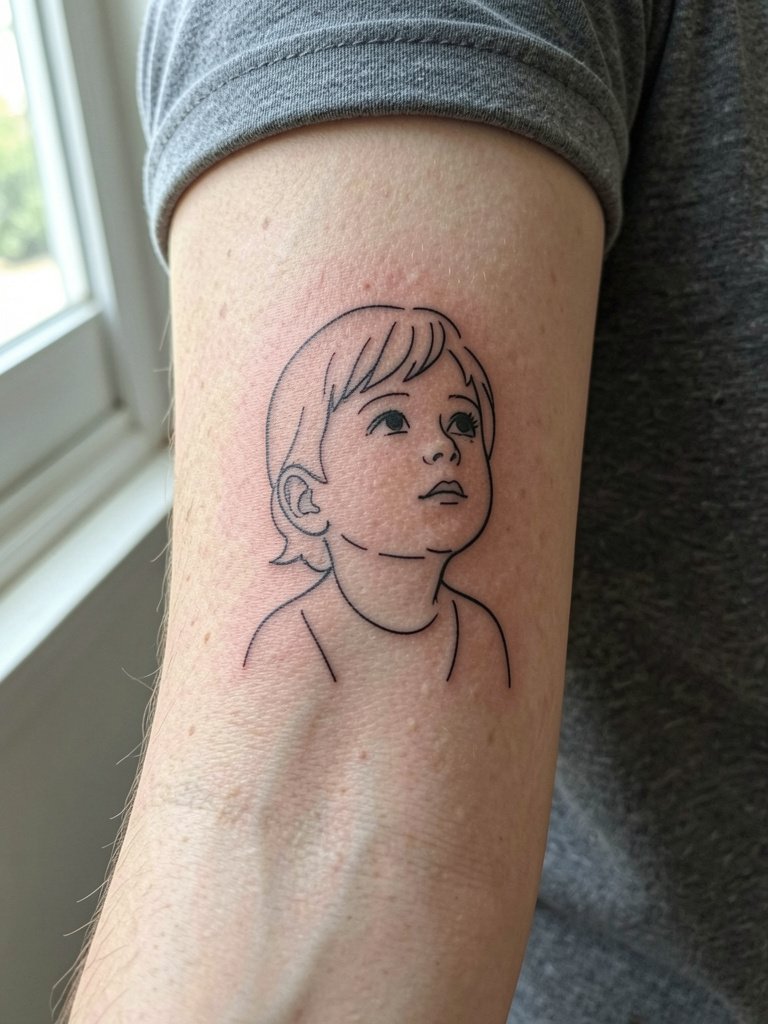
A continuous line portrait captures a pose or mood in an elegant, nonliteral way. Request the artist to show how the single stroke reads when scaled to your forearm so the face remains recognizable without tiny detail. People often pick too small a scale and lose the gesture. This design pairs well with rolled linen shirts in neutral tones that make the single stroke stand out. Session time is typically under an hour with low to moderate pain.
Frequently Asked Questions
Q: How do I avoid a son tattoo that looks generic in a year?
A: Pick details that tie the image to a specific memory or hobby instead of defaulting to hearts or infinity loops. Opt for slightly larger spacing and heavier downstrokes on scripts so the lines do not blur. Bring two reference photos at the final size you want so the artist can show exactly how the design will read at six months and two years.
Q: Where can I find healed examples and local portfolios without naming individual artists?
A: Search platform hashtags like #sontattoo #fathersontattoo and #familytattooideas while filtering by your city on image apps to surface local portfolio shots. Reddit threads that focus on healed photos are useful for seeing how a style ages across skin tones. Look for portfolio galleries labeled healed rather than fresh, and ask studios whether they keep after-healing galleries available.
Q: How do I choose placement if I want privacy but still want to see the tattoo occasionally?
A: The ribcage and upper chest stay private and are easy to conceal under shirts. The inner forearm and wrist are visible daily and better for frequent viewing. If you want a mix pick an upper chest piece that you can reveal with scoop-neck shirts or a forearm piece you can cover with long sleeves for formal situations.
Q: Do script and icons age differently and which should I pick for longevity?
A: Script needs breathing room and slightly heavier downstrokes because small cursive can become mushy as the skin settles. Icons and simple silhouettes often hold up visually longer because they rely on shape not tiny strokes. If your relationship to the motif might change, an icon or a stylized version of a memory can age more gracefully.
Q: How much pain and session time can I expect across the placements in this list?
A: Expect low to moderate pain for wrist, forearm, calf, and upper arm pieces which usually fit into one short session. Ribcage and sternum are higher pain and may be split across sessions. Portraits and larger illustrative pieces often need multiple sessions and longer cumulative time. Bring comfortable clothes that give easy access to the placement and plan breaks for longer sessions.
Q: Are matching tattoos always the best choice for a son tribute?
A: One camp believes matching tattoos are the clearest shared symbol because both people visibly wear the same mark. Another camp thinks individual tributes often age better emotionally because they express one person’s relationship without forcing the other party into the same design. Think about whether you want a coordinated visual in public or a private reminder that can evolve on its own.