
Someone I know spent months scrolling and still felt stuck because the real problem was not finding a pretty image. It was choosing a style that holds up, that reads right on the spot you want it, and that both friends can live with for years. I hear regrets about tiny fonts, about one palm healing differently than the other, and about fine line work that blurred fast. Read through these 25 friendship-focused designs, where I call out placement tradeoffs, what to ask your artist, and which ideas age cleanly so you both feel good long after the stencil dries.
1. Simple Lightning Bolt on Inner Wrist
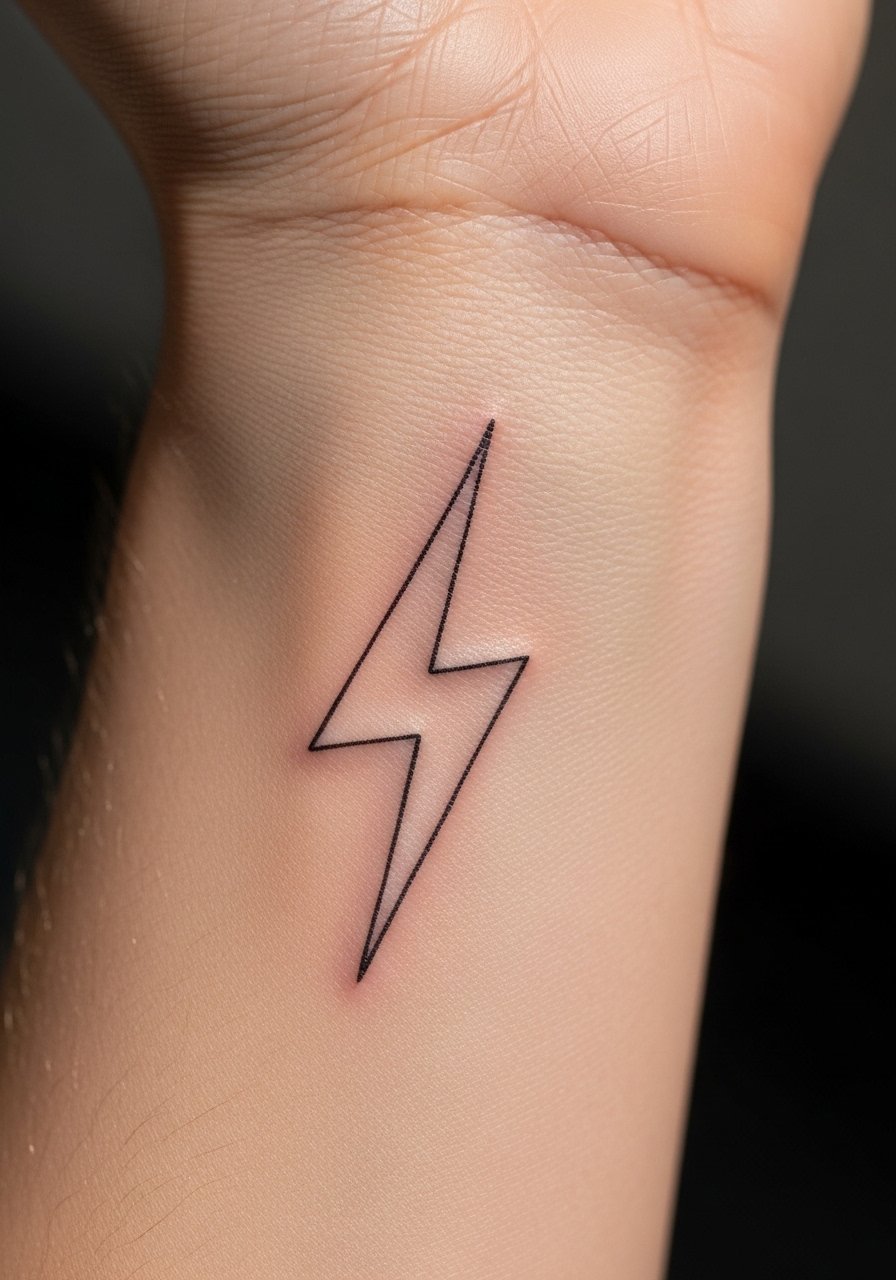
Someone I know first noticed this on a friend's wrist and said it read like a private shorthand. Recommend it to duos who want something tiny and bold. Tell your artist you want slightly thicker linework than a hairline so the bolt keeps shape after a year. The inner wrist is a low-to-moderate pain area that sees a lot of sun and friction, so expect some softening at six months and a touch-up around year two. The common mistake is going too small. When the bolt is under half an inch the negative space can fill in. If you want near-identical pieces, plan for complementary angles so they do not look cloned.
2. Twin Flames Forearm Pair
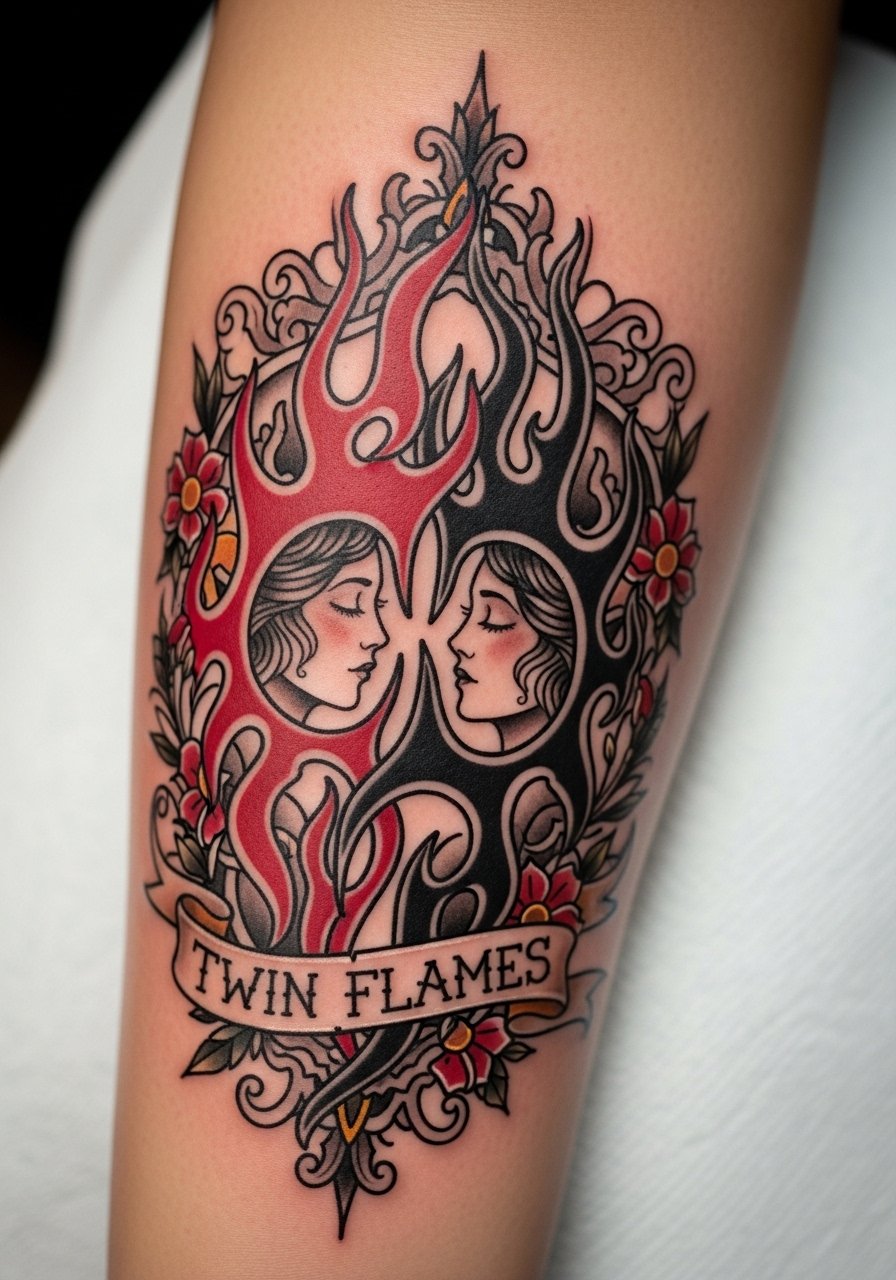
If you want something with drama and color this forearm pair reads like a duo signature. During consultation ask for clear line weight references and a mid-tone red that holds without muddying. There is a debate among artists about bold color versus restrained palettes. One camp favors saturated neo-traditional work for longevity and visibility. The other camp prefers minimalist black for subtlety. Decide which camp you fall into before booking. Forearms are moderate on pain and show well in photos. Expect one session for small-medium flames and possible touch-up after a year if saturation drops.
3. Micro Sushi Rolls on Side Finger
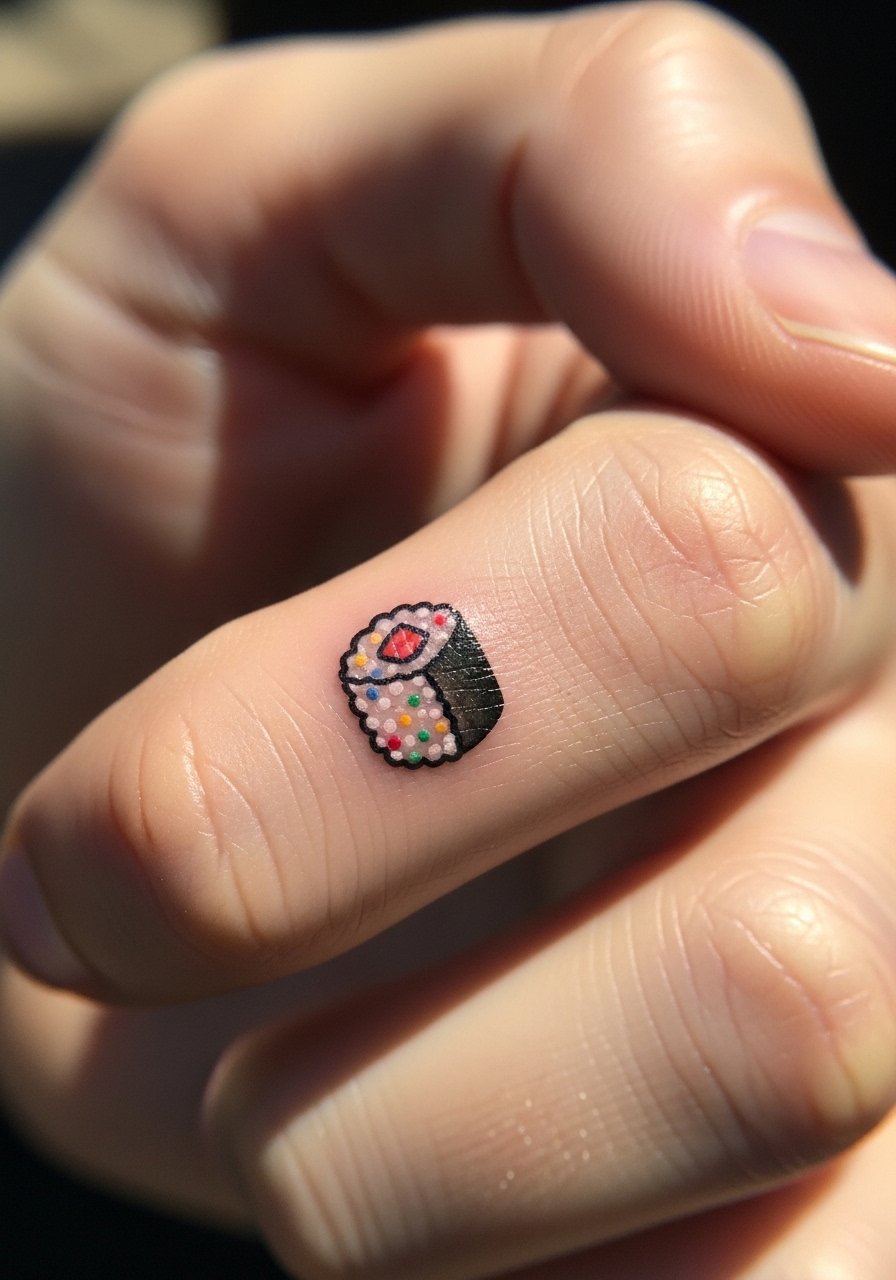
Food-themed duos love these when shared trips or inside jokes about late-night orders tie the design to a memory. Fingers heal unpredictably. Tell the artist you want solid pigment in the outline and a slightly larger scale than a stamped dot. The mistake is asking too small. Micro color on fingers can fade faster because of constant washing and friction. Expect touch-ups around year one and prepare for potential softening of tiny color details. If you want long-term permanence, consider placing the sushi on the hand side rather than the finger edge.
4. Triple Hearts Along Collarbone
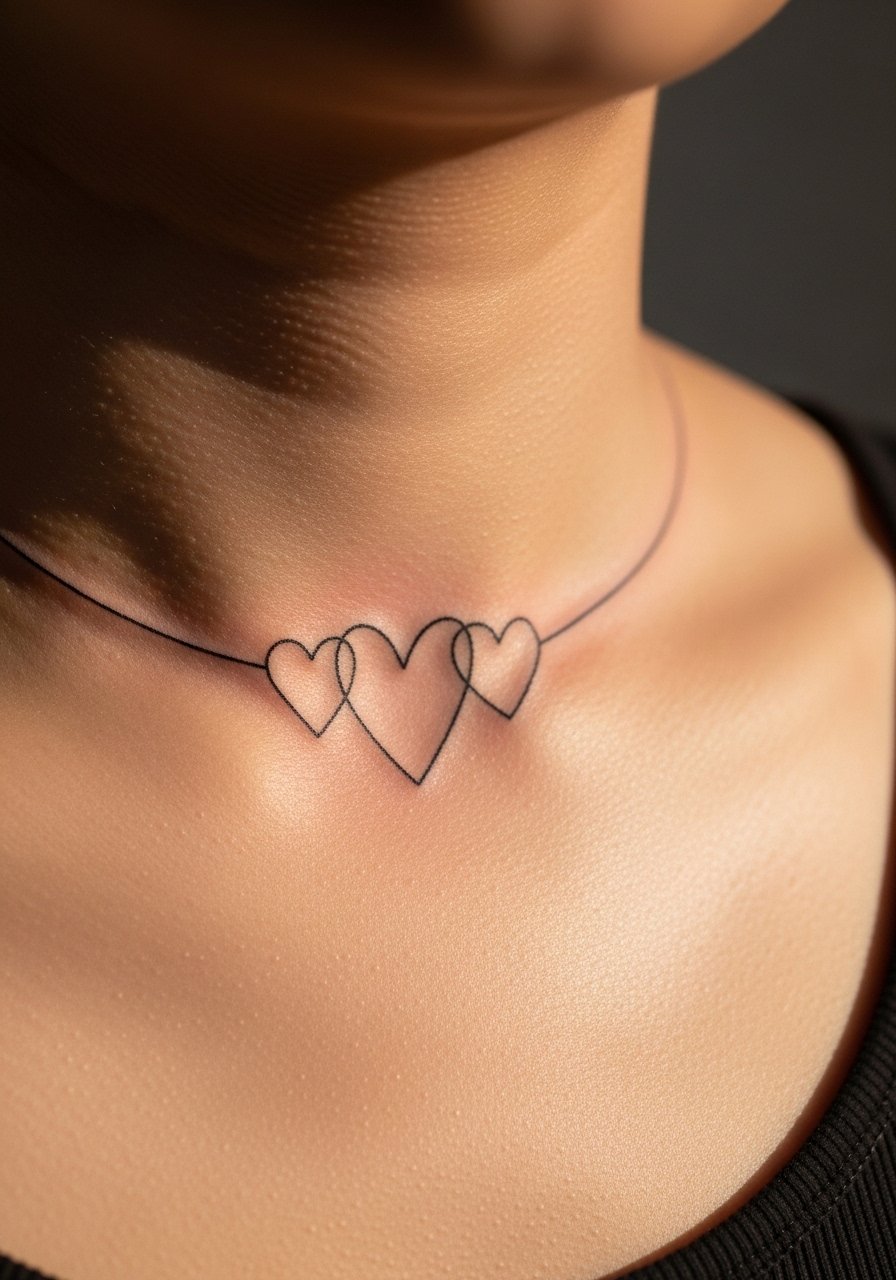
For trios this layout reads clean and symmetrical. I suggest slightly wider spacing than first instinct, especially on collarbones where movement can warp tiny marks. Ask the artist for consistent spacing and a scale that sits at about two inches across so each heart keeps shape. Collarbone pain is higher than forearm but the area photographs well. A common mistake is clustering the hearts too close to the clavicle joint where healing can be patchy. Expect stable results at six months and gentle softening at year three, with a touch-up if lines spread.
5. Wine Glass Heart on Ankle
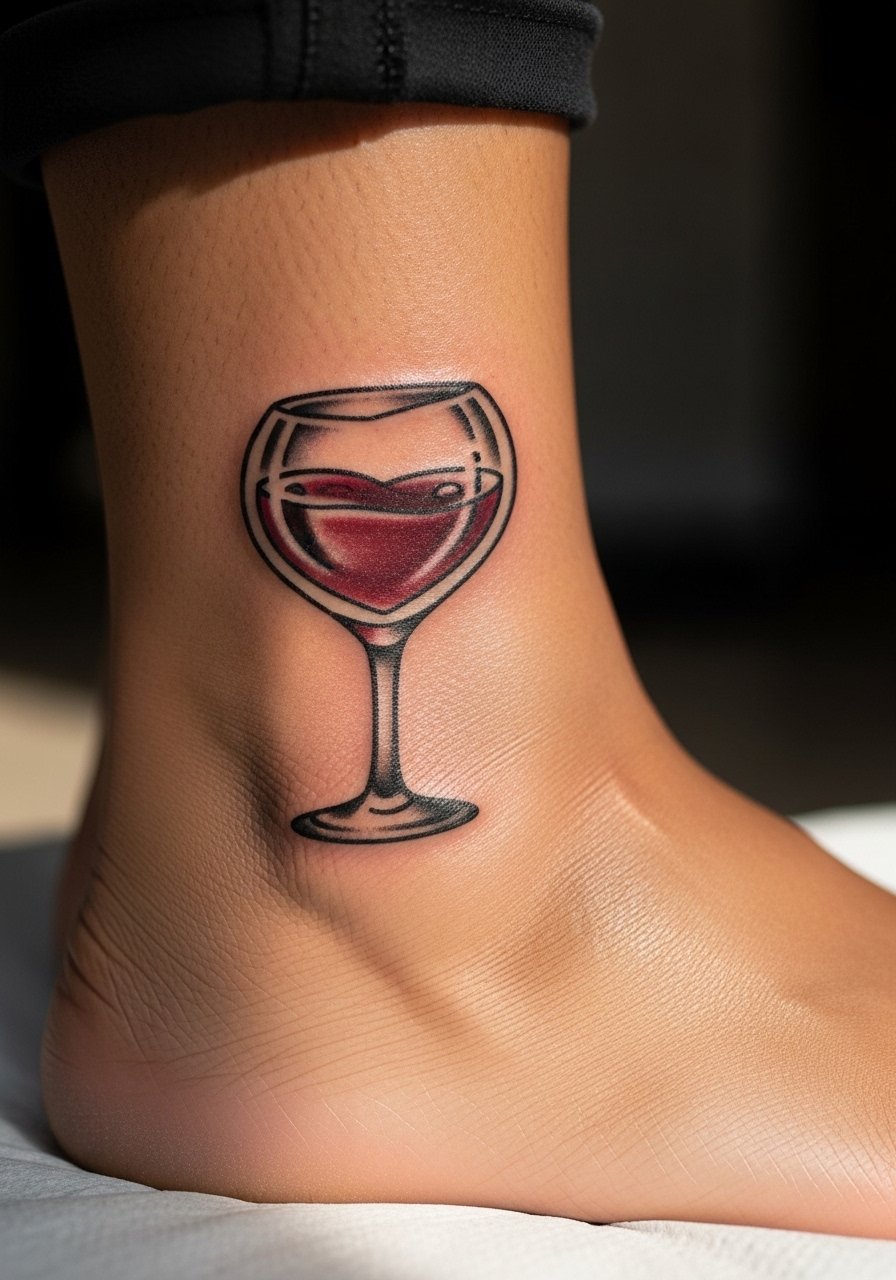
This one suits friends who bonded over nights out and shared playlists. The ankle takes beats during sessions but it is a forgiving spot for small decorative pieces. When you consult, show the exact stem thickness you prefer and whether you want red saturation inside the glass. The typical error is overcomplicating the stem area, which looks cluttered when tiny. Ankles rub against socks and boots so plan for a touch-up at year two if color drops. If either friend travels for work, think about visibility and footwear before placement.
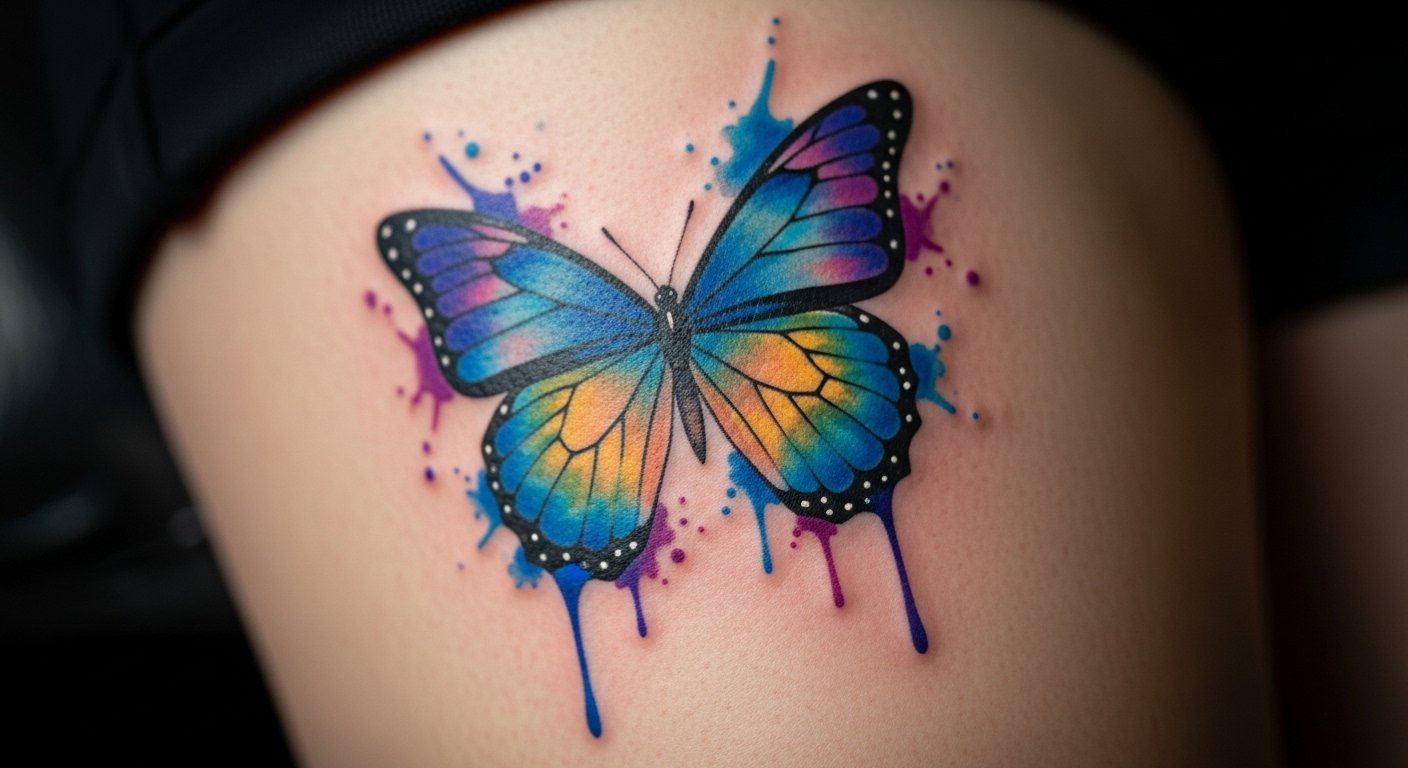
6. Watercolor Butterflies on Thigh
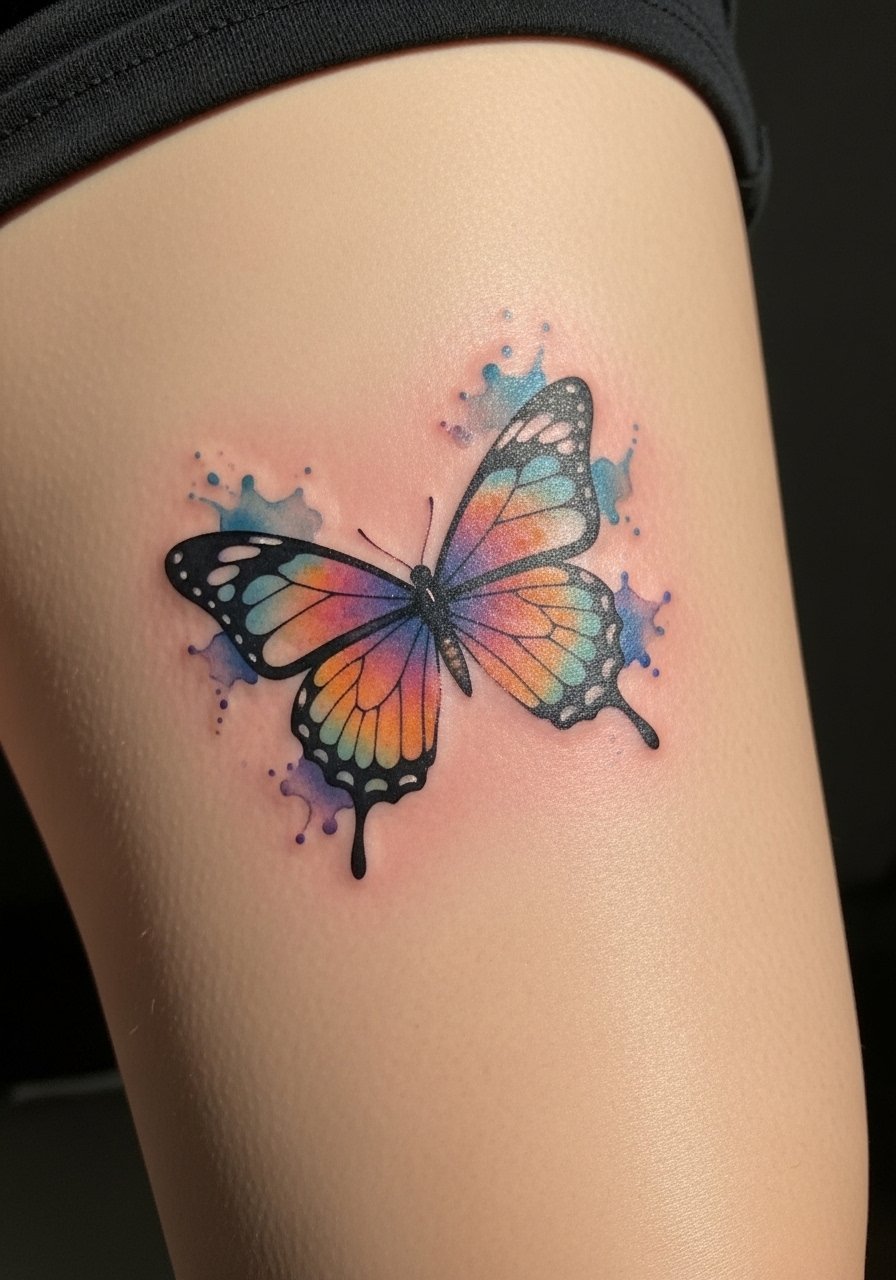
Watercolor butterflies are expressive and scale well on thighs where there is room for painterly detail. Most watercolor pieces from earlier trends faded because artists used too little saturation and not enough contrast for outline support. Ask for a slight outline or soft stipple to help the color stay readable. Thighs are lower on pain and protect color well from sun. A common mistake is selecting overly pastel palettes without sufficient contrast. Expect outstanding photos at six months and slower fade if you protect the area from UV.
7. Matchstick and Flame on Inner Wrist
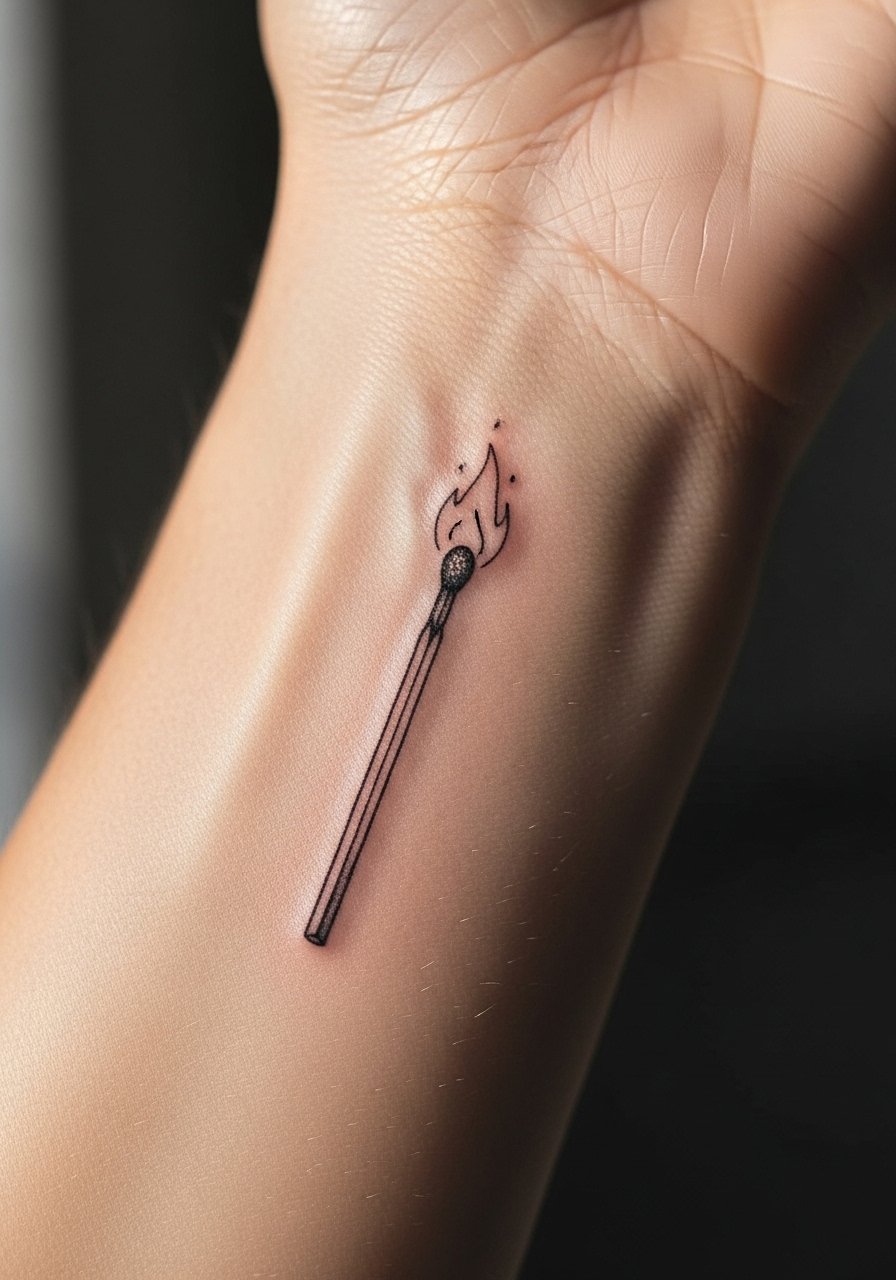
This symbolic option reads like "you strike me" without being literal. Inner wrist demand for fine single-needle work makes it popular but there is a debate about fine line on wrists. One camp says wrists blur faster so go bold. The other camp says with the right depth and spacing fine line holds. Ask the artist which approach they prefer. The inner wrist can sting more than the forearm. Keep the design at 1.5 to 2 inches so the match head keeps its shape and does not blossom into a blob.
8. Koi Fish Pair on Calf
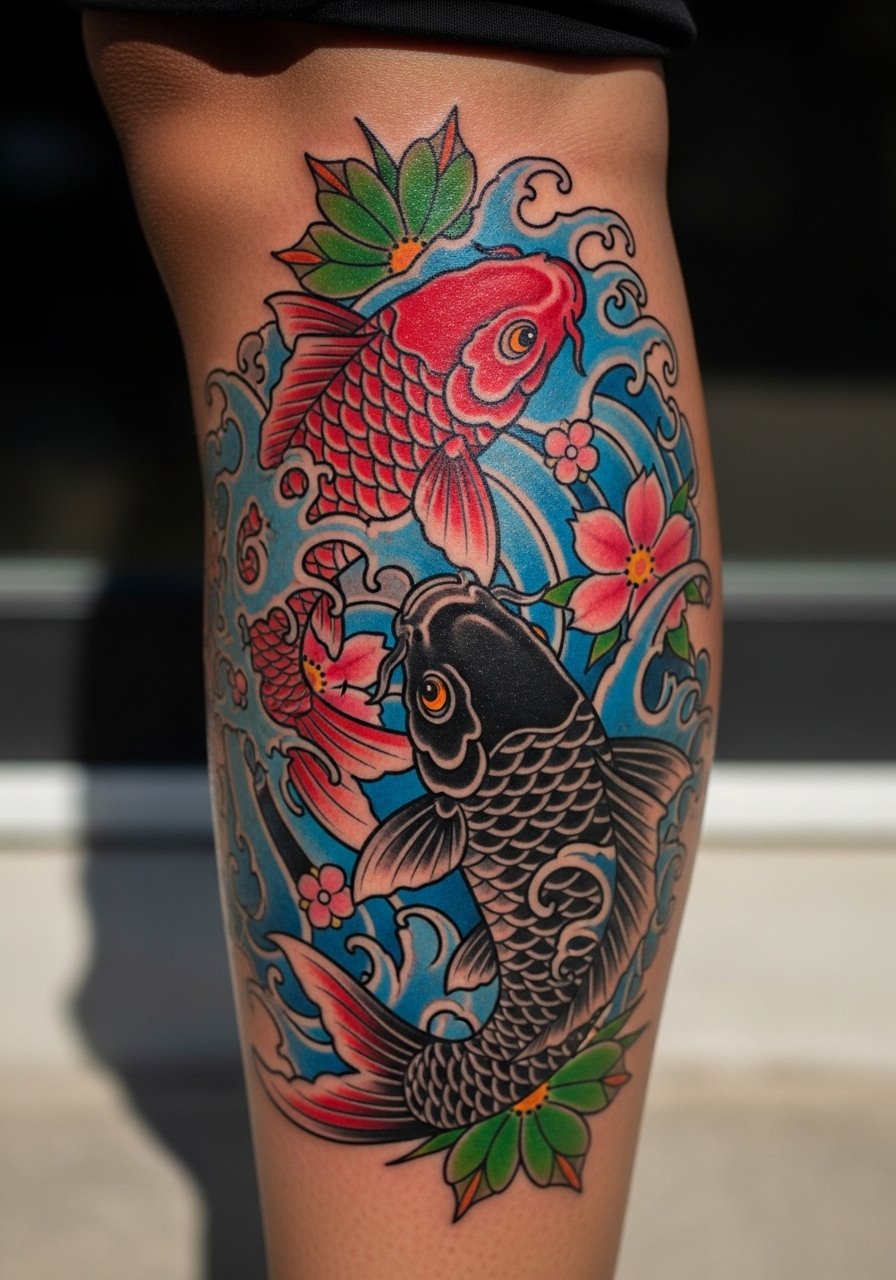
Koi are about resilience which makes them a strong choice for friends who weathered a lot together. Calves offer canvas and aging tends to be kind there because the skin moves less and sun exposure is variable. For these, tell your artist you want clear contrasts between the two fish so they read as a pair when standing side by side. Common mistakes are squashing too many details into a small patch. Expect one to two sessions depending on size and a touch-up timeline around year two for color maintenance.
9. XO Micro Script on Ring Finger
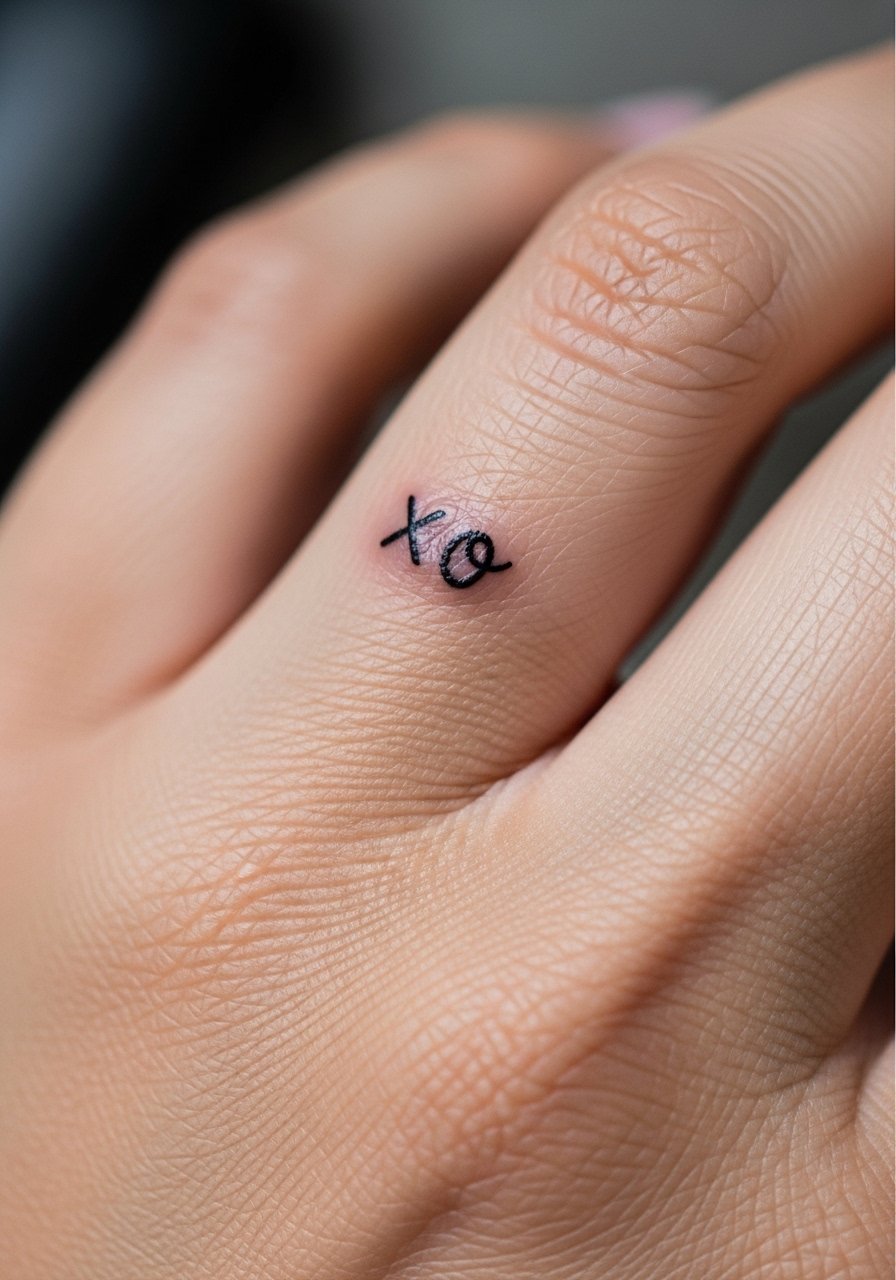
XO shorthand is simple and intimate. Finger placements are notorious for fading faster than other spots. Ask for slightly bolder stroke width than a hairline and discuss ink depth so the letters do not blur into smudges. The common regret is choosing font too thin. Pain is low to moderate on fingers but healing is slower due to frequent use. Expect a touch-up within the first year. If matching exactness matters, consider placing them on corresponding fingers rather than mirrored positions.
10. Crescent Moon Shoulder Blade Pair
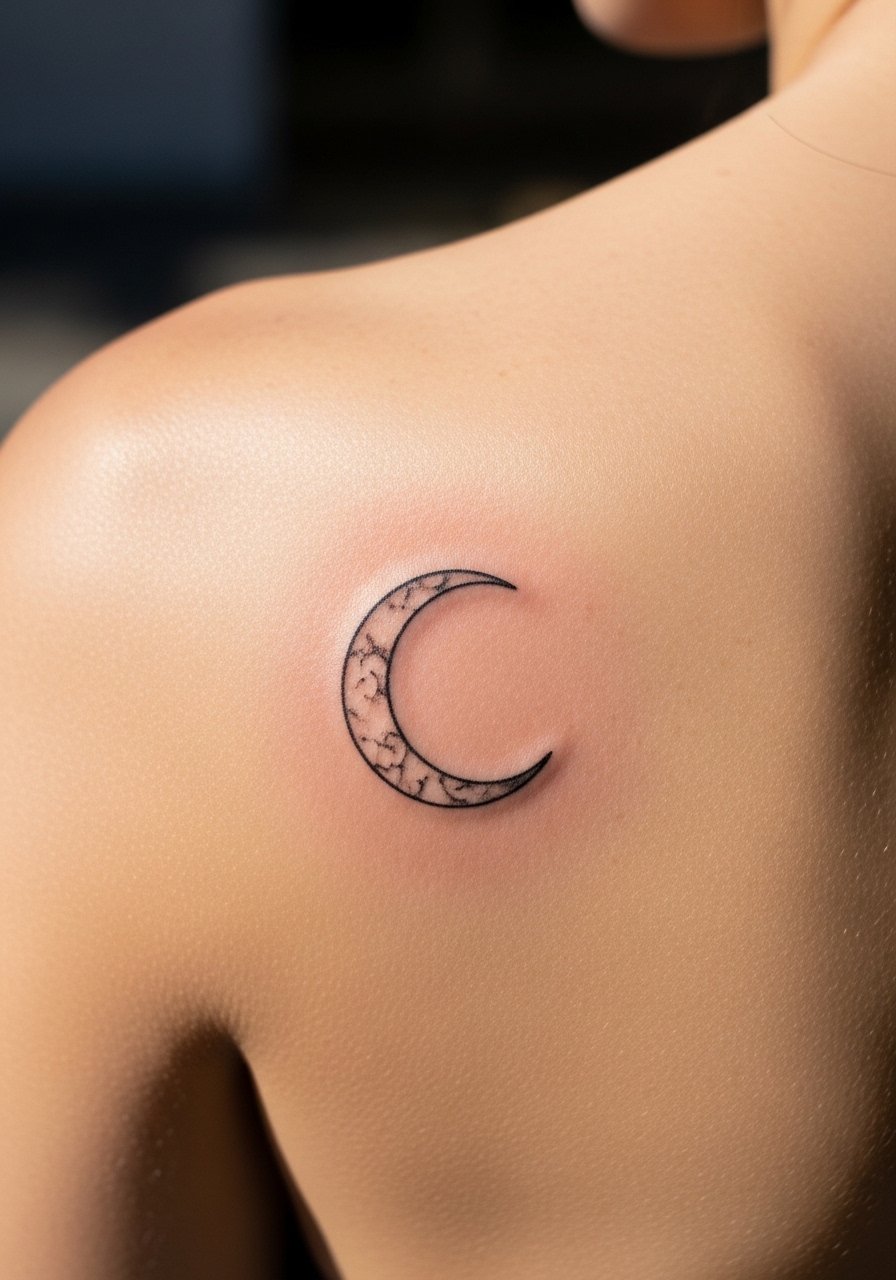
Fine line celestial pieces photograph well and feel private when placed on shoulder blades. There is a genuine split among artists on whether ultra-fine work holds on areas that stretch. One camp accepts the risk and uses extremely spaced lines. The other prefers slightly thicker strokes for durability. Bring reference photos that show line weight and spacing. Shoulder blades are low on pain and low on friction during healing. Expect crisp results at six months and a slow softening of the finest strokes by year three.
11. Sun and Moon Opposite Forearms
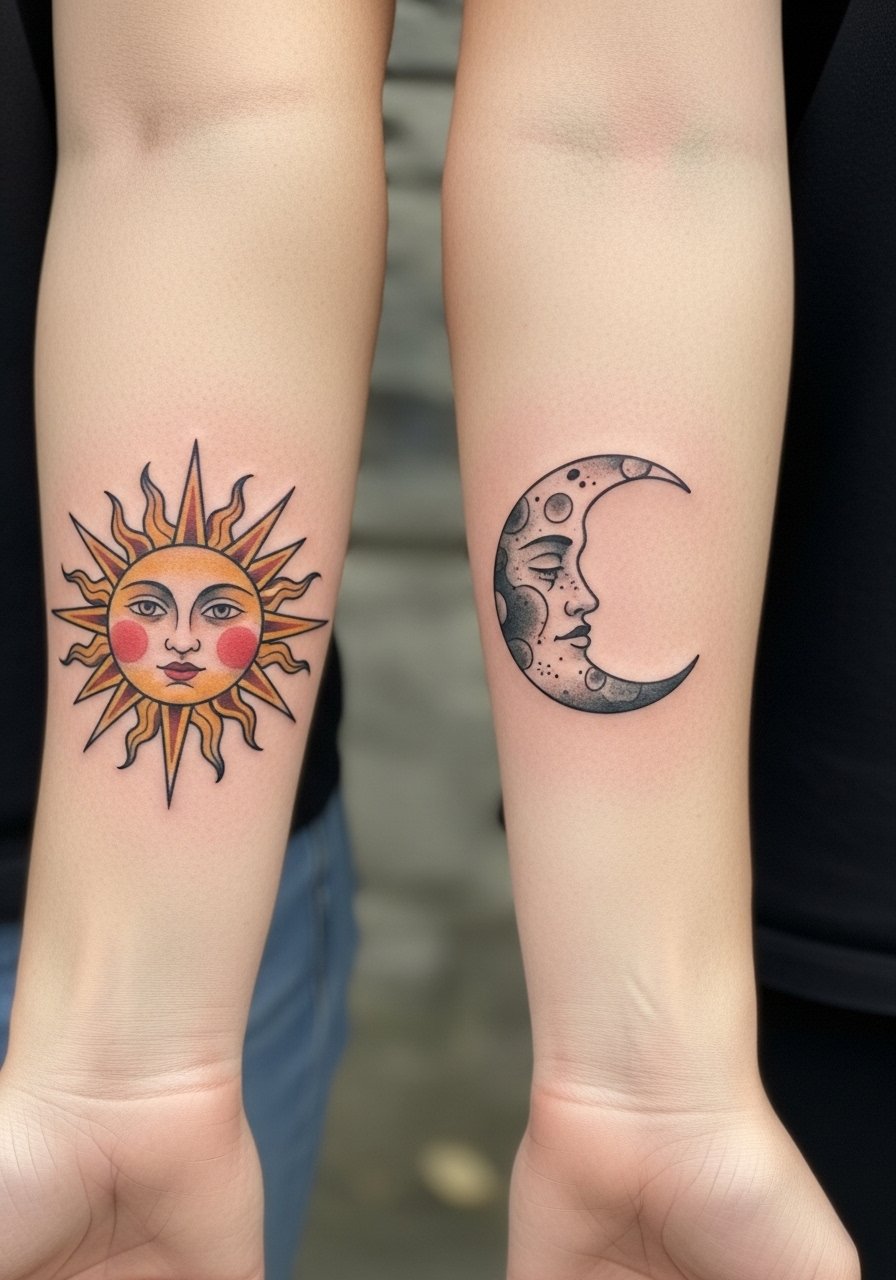
This opposite-yet-balanced pairing works well if you want complementary stories rather than carbon copies. Forearms offer visibility and are easy to photograph together. During the consult specify scale so the pieces read as a set when arms are side by side. A common mistake is making one piece twice the saturation of the other. Forearms are moderate on pain and tolerate detail. Expect mild fading in sun-exposed areas and possible touch-ups at two to three years for saturation balance.
12. Puzzle Pieces on Ankles
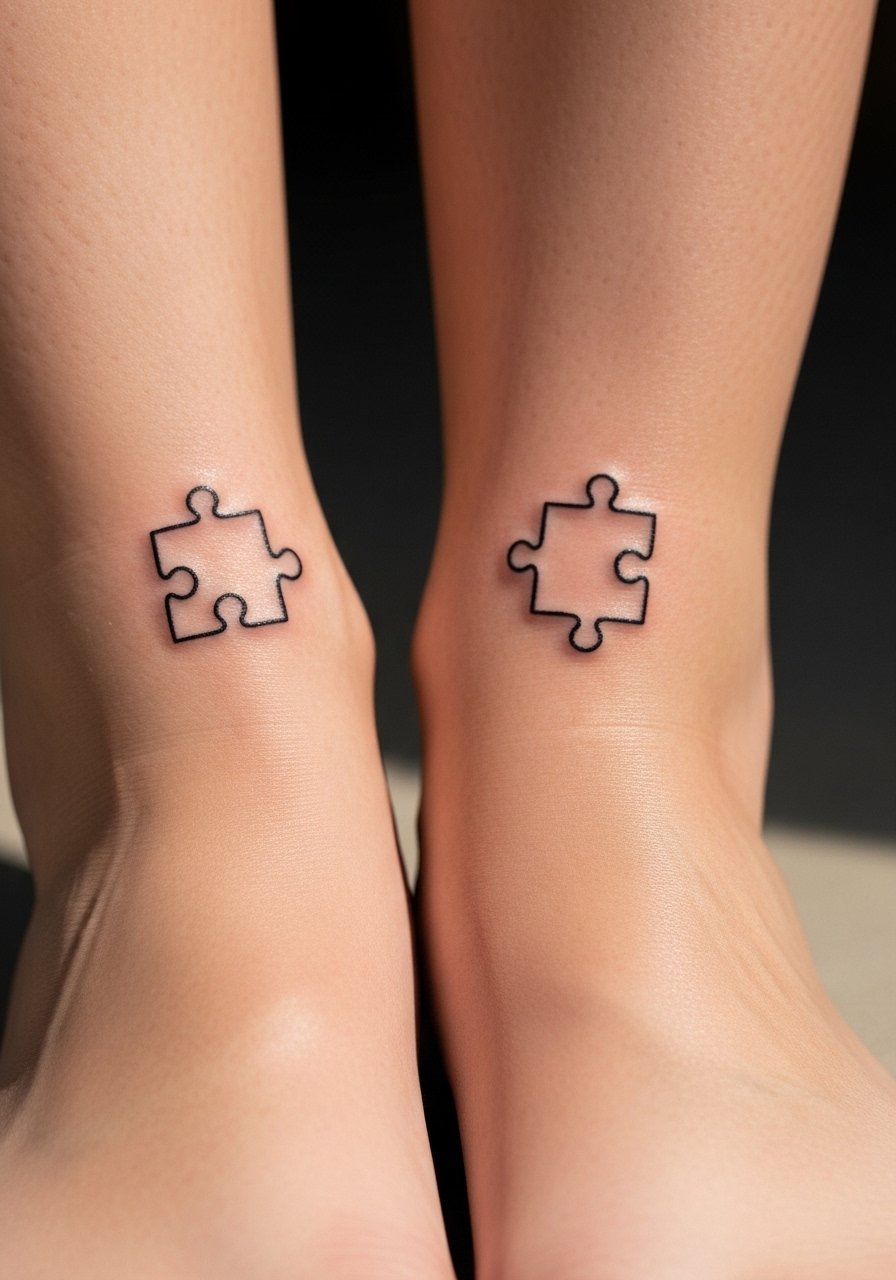
If you prefer symbolic complementarity, puzzle pieces are clear without matching pixel for pixel. Tell your artist you want interlocking edges exaggerated slightly so they remain legible. Ankles move and can scab if socks rub, so protect the area during healing. The common error is making pieces too small which leads to softening and lost corner points. For trios, vary the orientations so each person has unique negative space. Expect clarity at six months and subtle rounding of corners over time.
13. Anchor and Wheel Nautical Pair
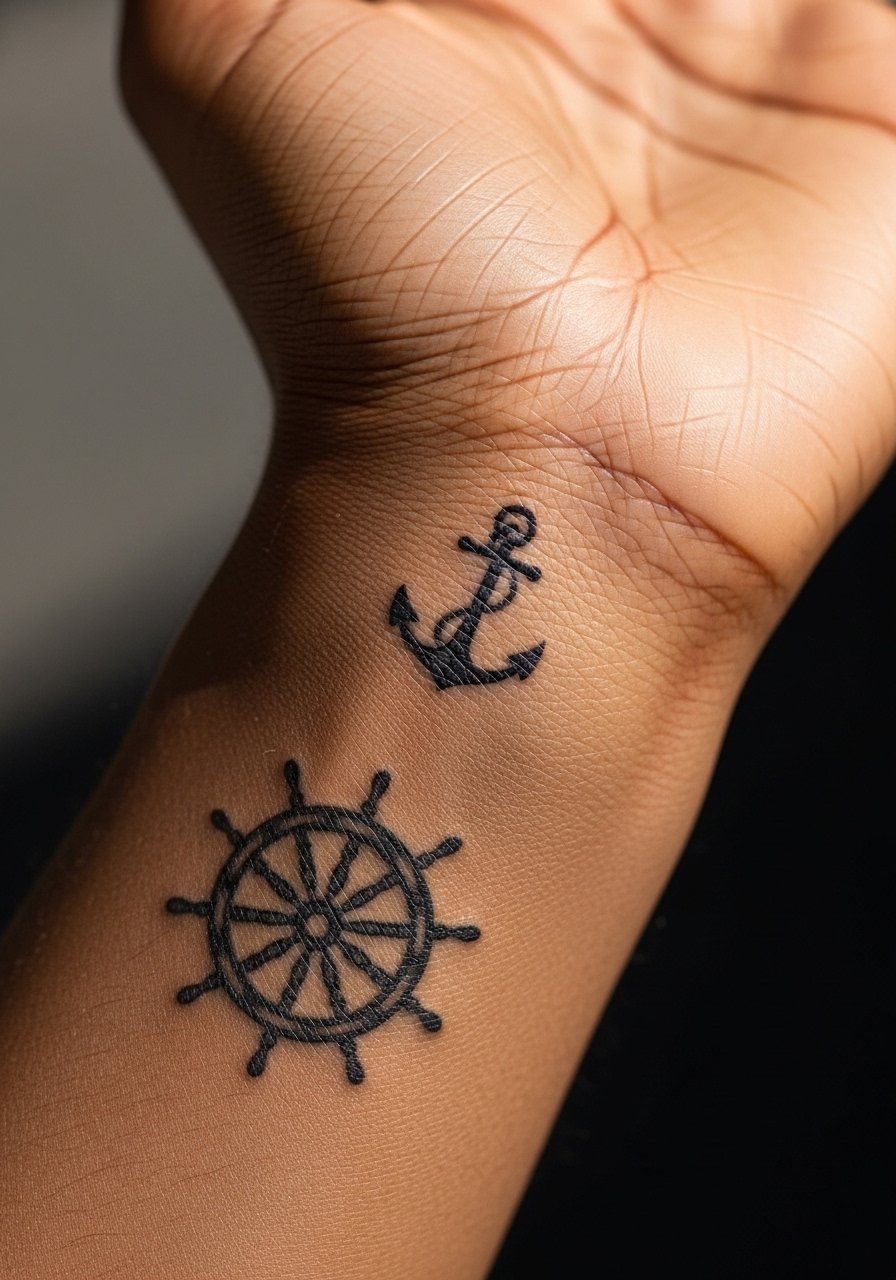
This combo is for friends who balance stability and adventure. Wrists are showy but also high-friction zones. Ask for a slightly heavier outline than you might pick for torso work so edges keep crisp. The mistake is asking for tiny spokes on the wheel which blur. If one friend prefers blackwork and the other wants color, communicate scale to keep visual parity. Wrist tattoos often need touch-ups by year two if exposed to sun and constant washing.
14. Twin Blossoms Behind the Ear
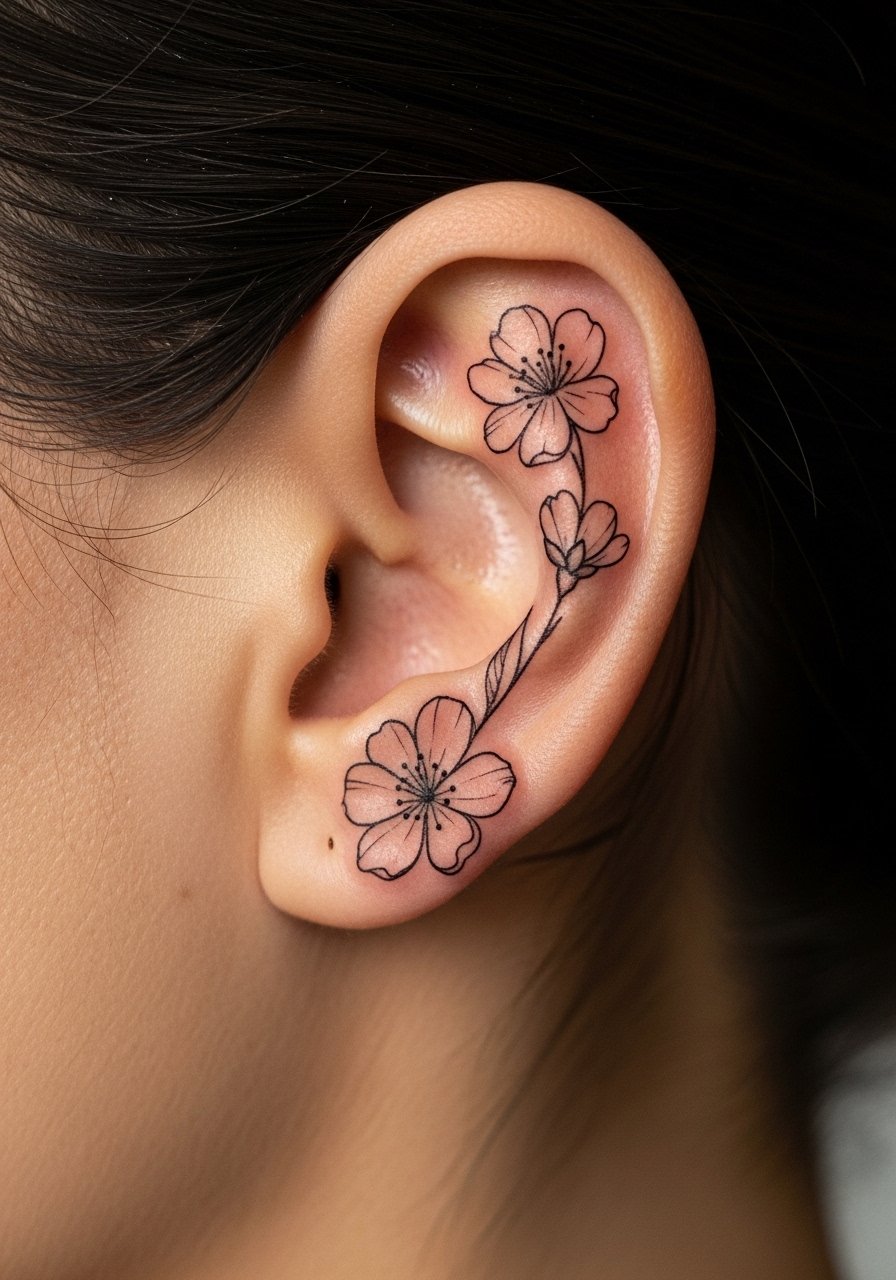
Behind-ear placements are discreet and tender to tattoo. Suggest slightly bolder petal edges so the floral motif shows in photos. Because this spot is delicate, pick an artist used to tiny placements. The typical error is choosing dense shading that looks patchy as it heals. Keep size small and outline-focused. Pain is higher than an arm but sessions are short. Expect softening after a year and plan for touch-ups if you want crisp petal edges long term.
15. Minimalist Mountain Range on Inner Forearm
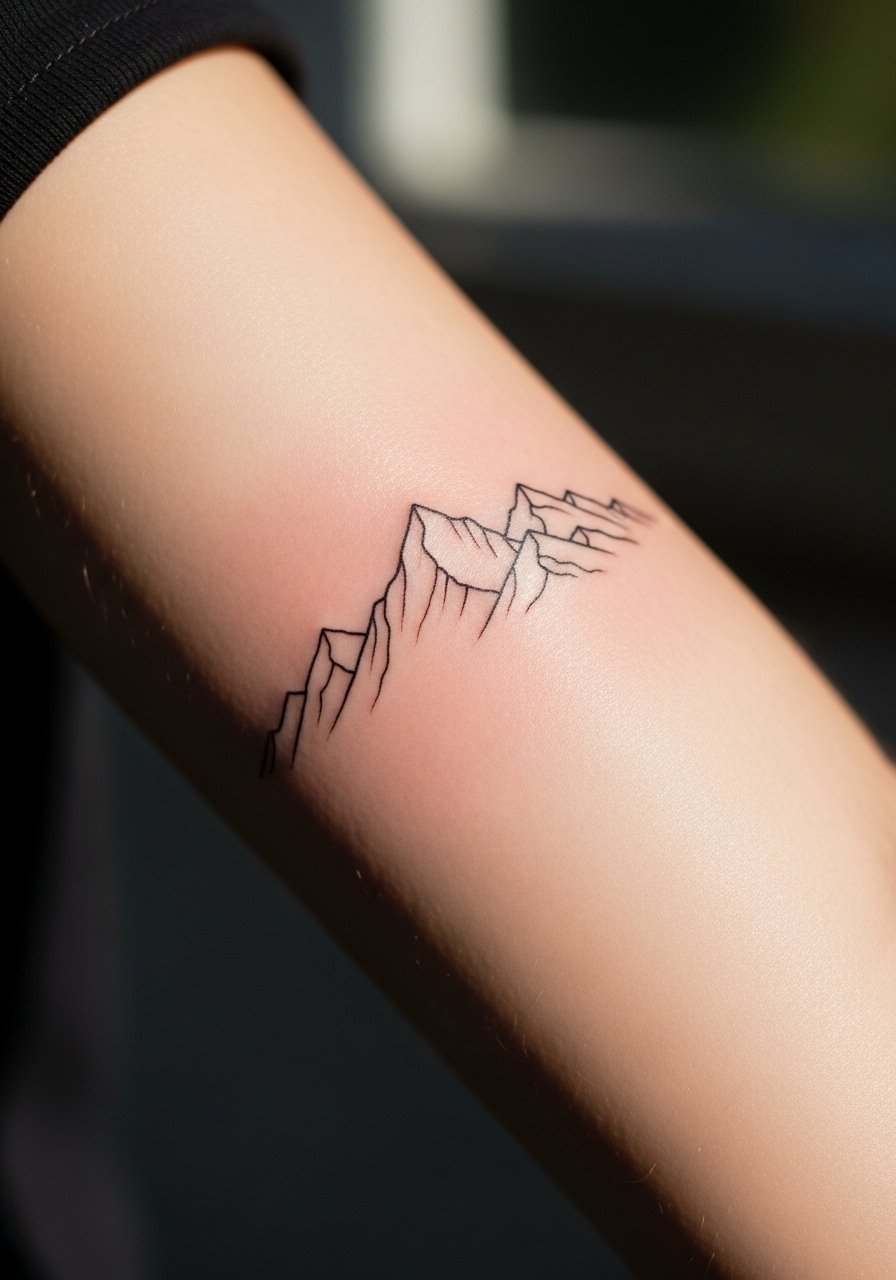
For friends who hike together this reads like a shared map. The inner forearm handles linework nicely. Ask for slightly increased line spacing so peaks remain distinct after healing. A mistake is compressing too many switchbacks into a small band which looks muddy later. Forearm pain is mild and aging there is forgiving. Expect excellent healed photos at six months and minimal touch-ups if you avoid heavy sun exposure.
16. Tiny Coordinates on Side of Wrist
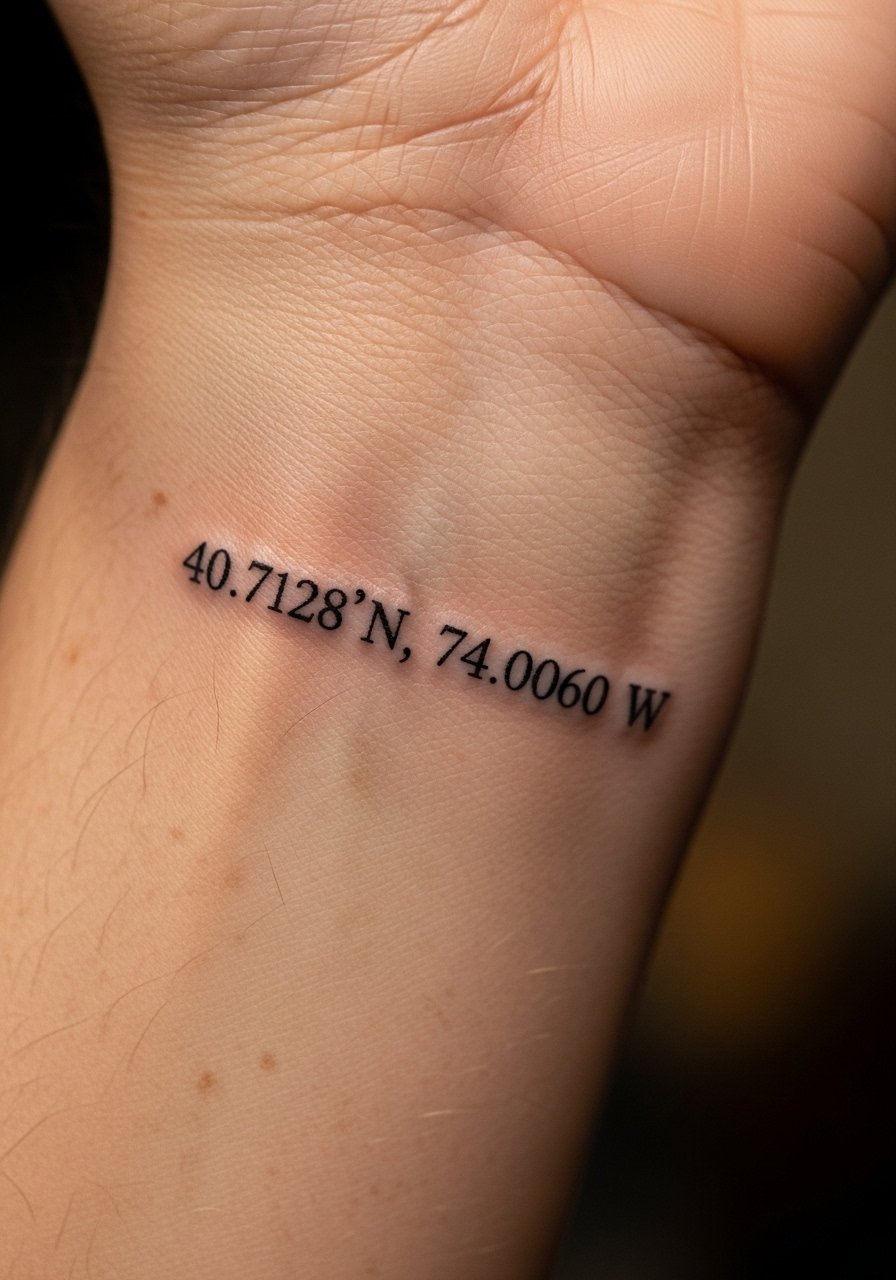
Using exact coordinates ties a design to a place and a memory. Be explicit in the image reference. Tell your artist you want a monospace font and a clear baseline so numbers do not compress. The wrist can blur small numerals, so upsizing to keep each digit legible is wise. The common mistake is picking a font that looks good digitally but loses legibility when shrunk. Expect a touch-up at year two if digits begin to soften.
17. Matching Constellation Segments on Upper Arm
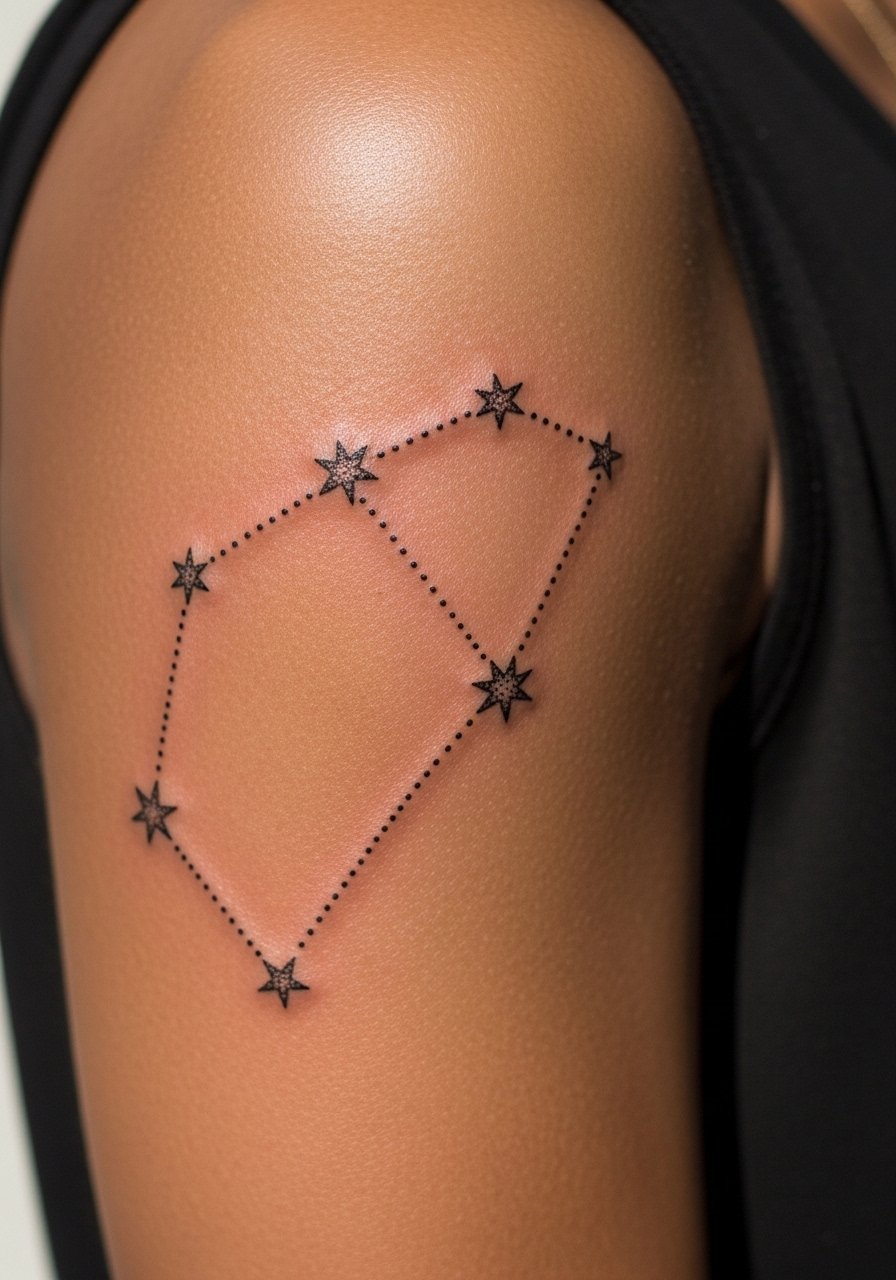
Constellation segments let each friend carry part of a whole. Upper arms are forgiving and allow for dot work that ages well. During consultation show whether you want true-to-sky spacing or a stylized cluster. Artists split on whether single-dot stars hold up without solid anchors. One approach is to use slightly larger dots for anchor points. Upper arms are moderate on pain and photograph nicely. Expect subtle fading in the finest dots and plan a tidy touch-up after a couple of years if needed.
18. Pizza Slice Duo on Thumb
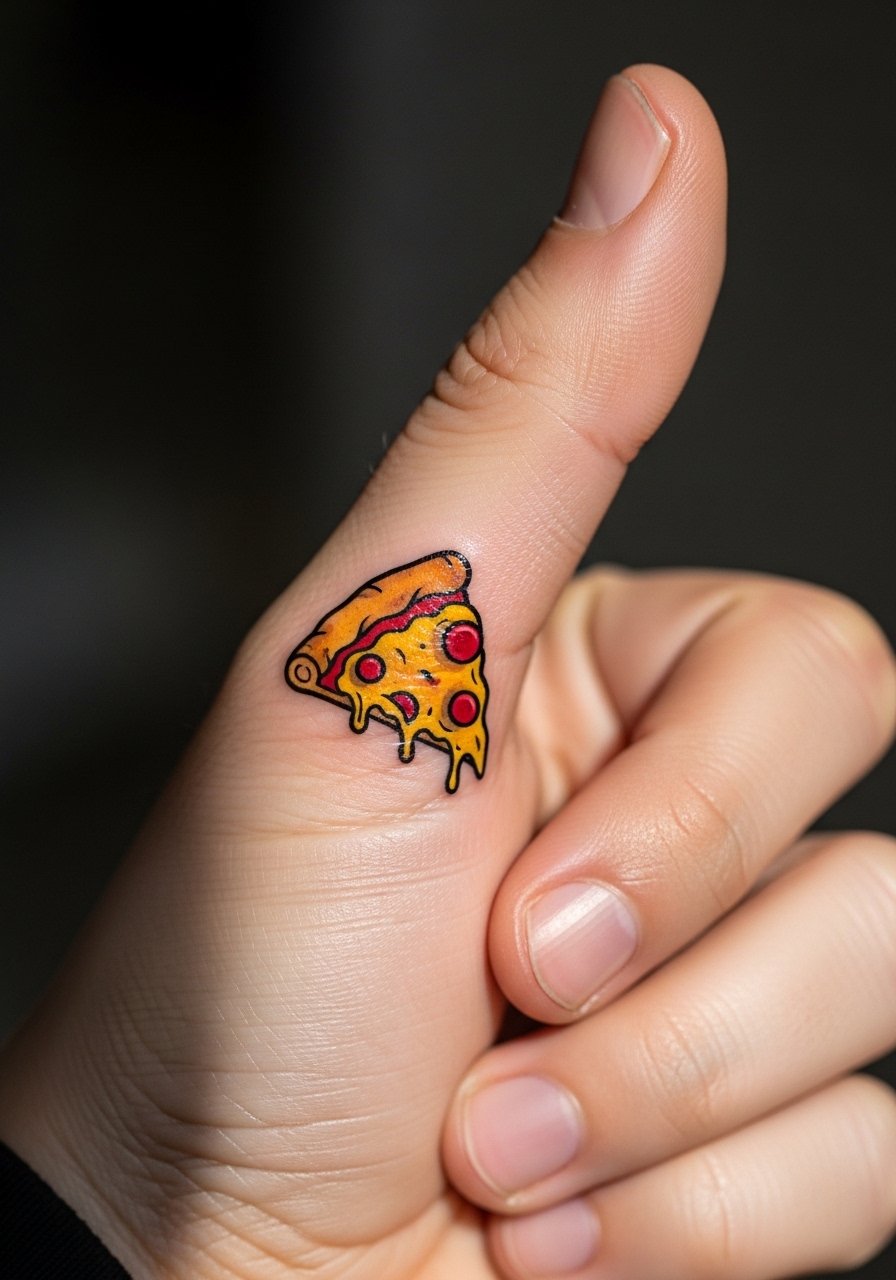
For lighthearted pairs this is playful and immediate. Thumb and hand placements are high-risk for fading. Ask for a bolder outline and less micro-shading so the slice keeps definition. The common regret is overly detailed toppings that vanish. Healing can be bumpier because of constant use. Anticipate at least one touch-up within the first year. If you want longevity, consider moving the slice to the inner wrist instead.
19. Coffee Cups on Inner Biceps
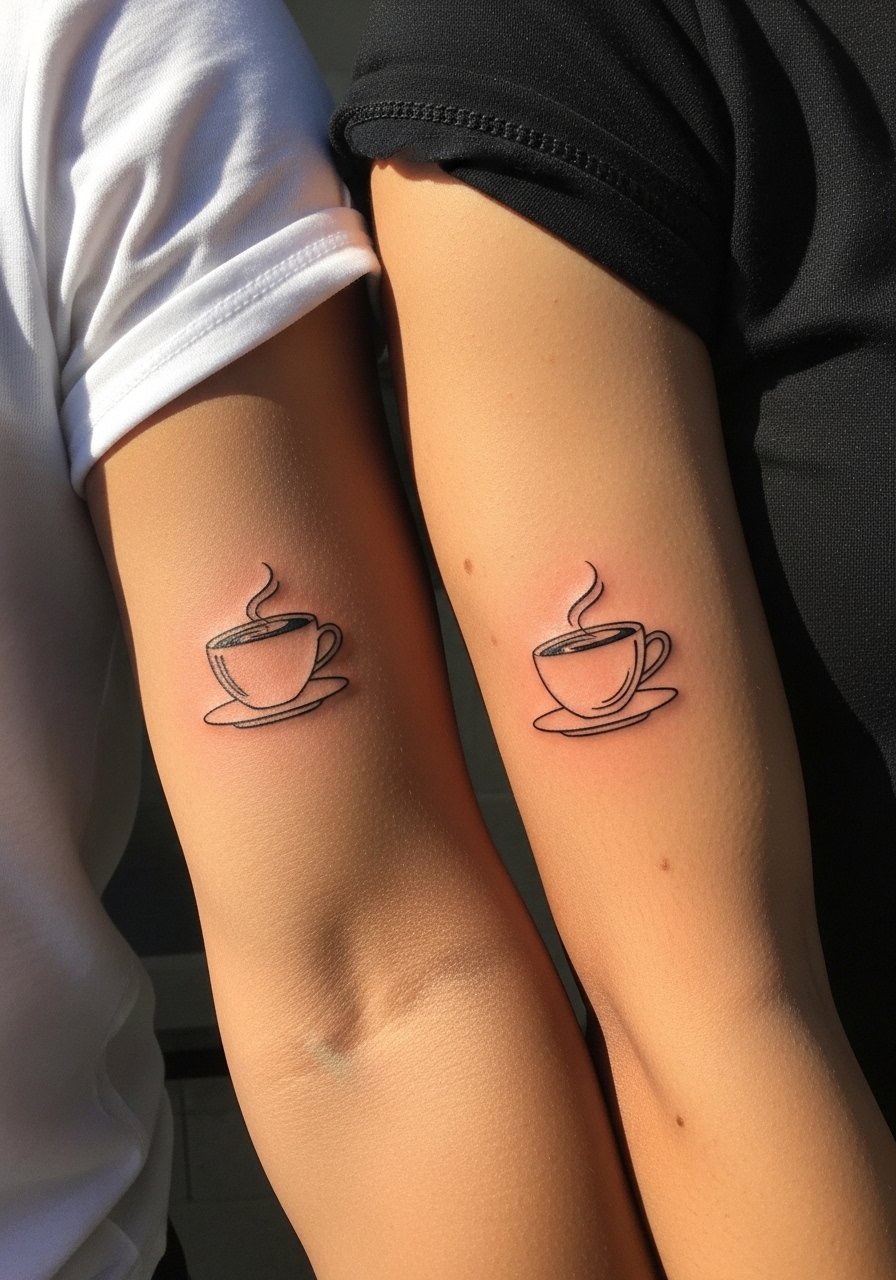
Inner biceps are subtle and private, a good fit for morning ritual symbolism. Ask your artist for a relaxed mug shape rather than rigid geometry so it photographs naturally with movement. The frequent error is over-detailing handles which blur. Pain is lower on the inner bicep than on bone-heavy areas. Expect steady results at six months and only occasional touch-ups if the cups are kept out of direct sun.
20. Paw Prints on Shoulder Blade
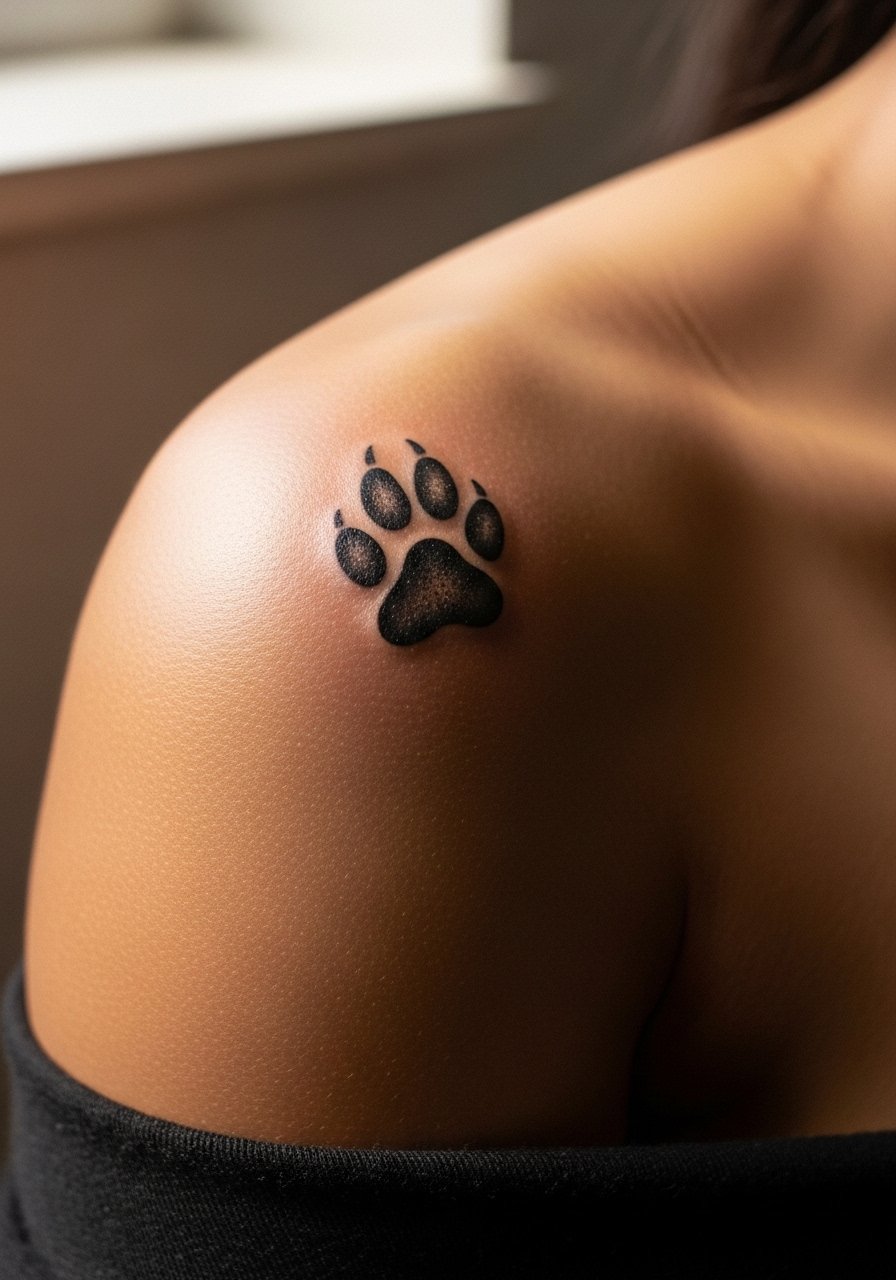
Pet-owner duos often choose paw prints as a shared memorial. Shoulder blades protect ink from constant friction and sun, which helps in longevity. When you consult, specify whether you want a real paw impression or stylized shapes. The mistake is making prints too tiny which read like smudges at distance. Expect good healed detail at six months and slow softening after several years. If the design references a specific pet, bring a photo to translate paw shape accurately.
21. Lock and Key Complementary Pair on Ribs and Side
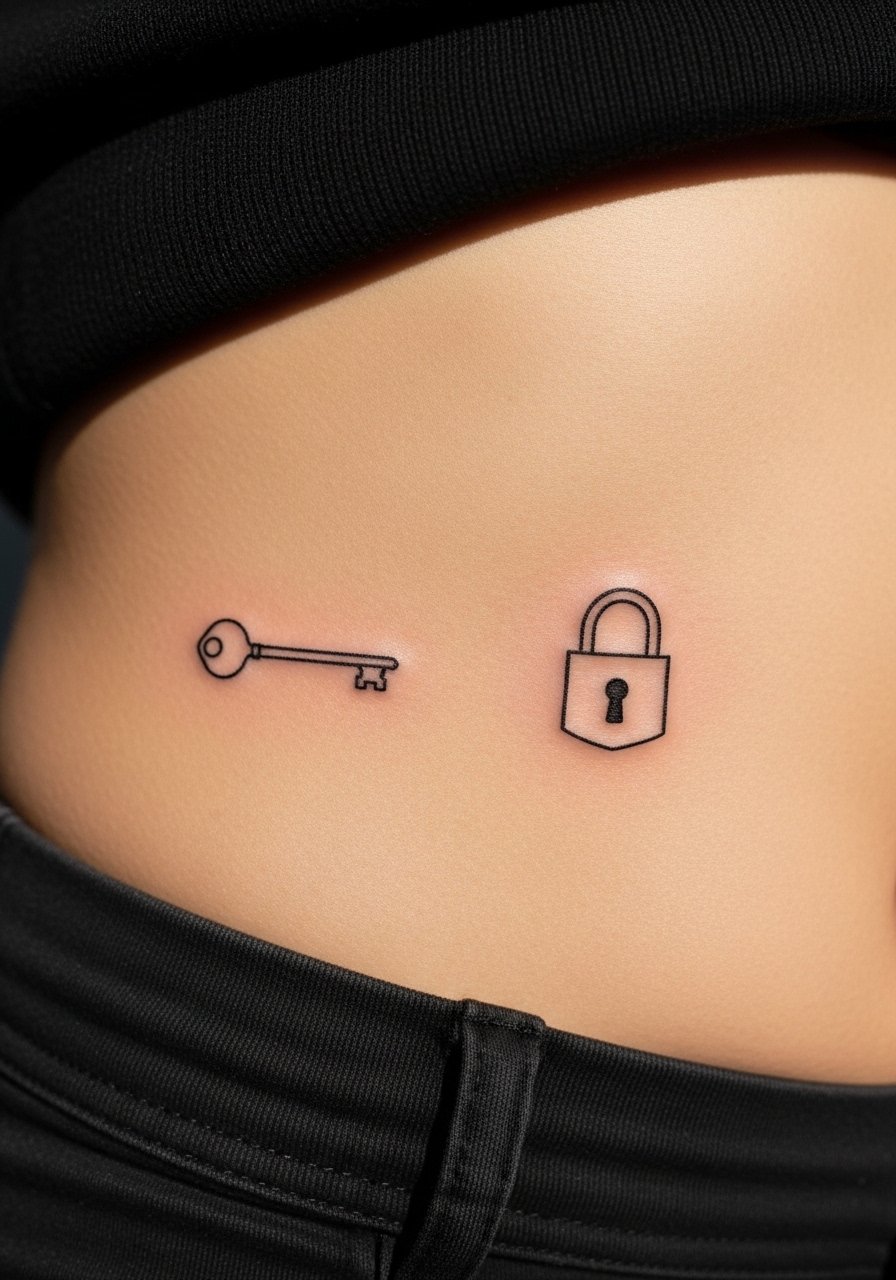
Ribcage locks and hip keys are intimate and complementary in meaning. Fair warning ribs are among the higher pain zones. Plan for a patient, short session or two. Ask the artist to match scale so the motifs read as a pair even when not adjacent. The frequent mistake is making the key too ornate which can lose its teeth in small sizes. Expect some softening in five years and consider a touch-up if you want crisp edges.
22. Stippled Mandala Half-Half on Wrist
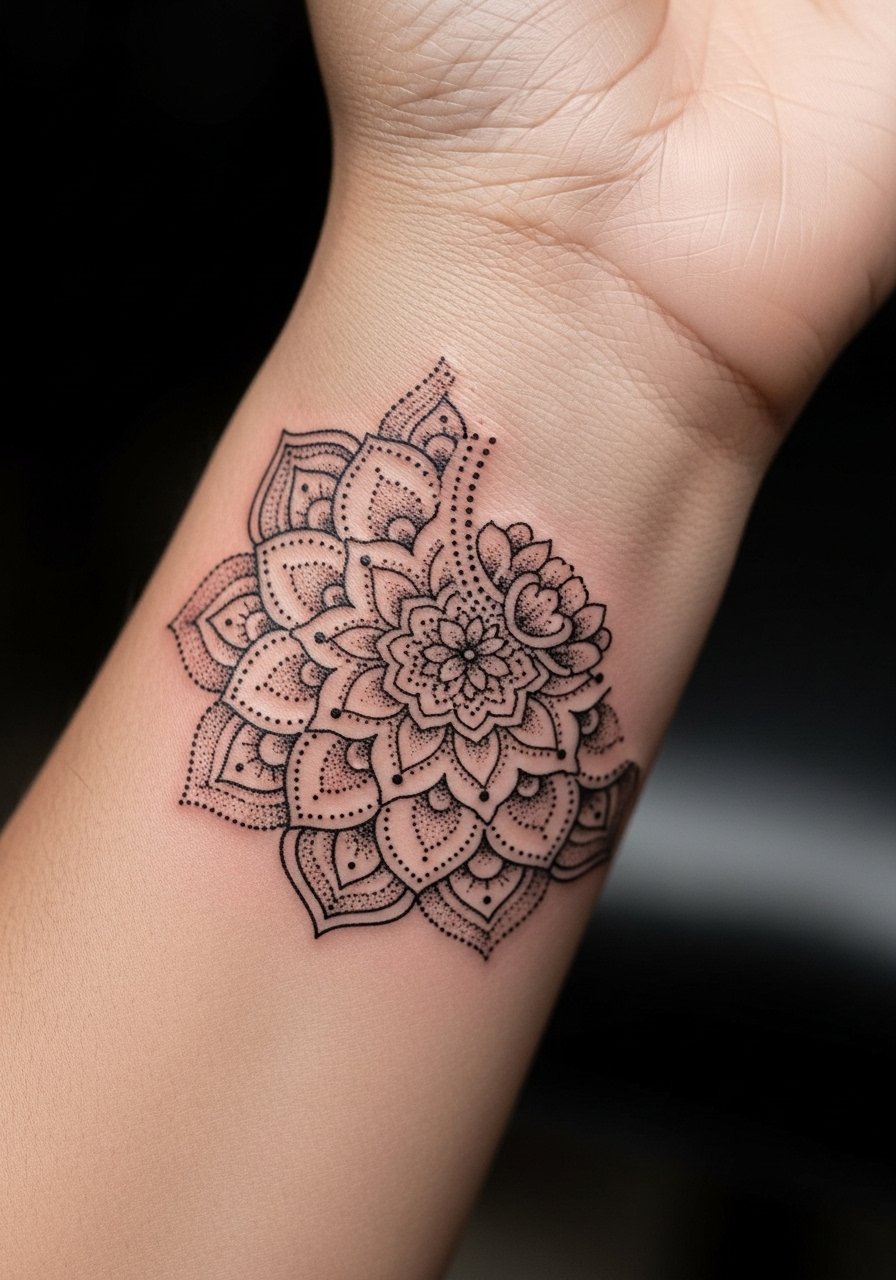
Mandala patterns trace to sacred art traditions so respect matters. Note that this design has cultural roots in South Asian and Buddhist practices. Many people adapt motifs with personal variations rather than direct replicas. Wrist stipple work plays with spacing so the dots age into texture rather than blur. The common mistake is compressing too many spokes close to bone. Pain is moderate at the wrist and dot work can take longer to heal. Expect a subtle patina at two years and possible touch-ups to keep crisp contrast.
23. Minimalist Wave on Top of Foot
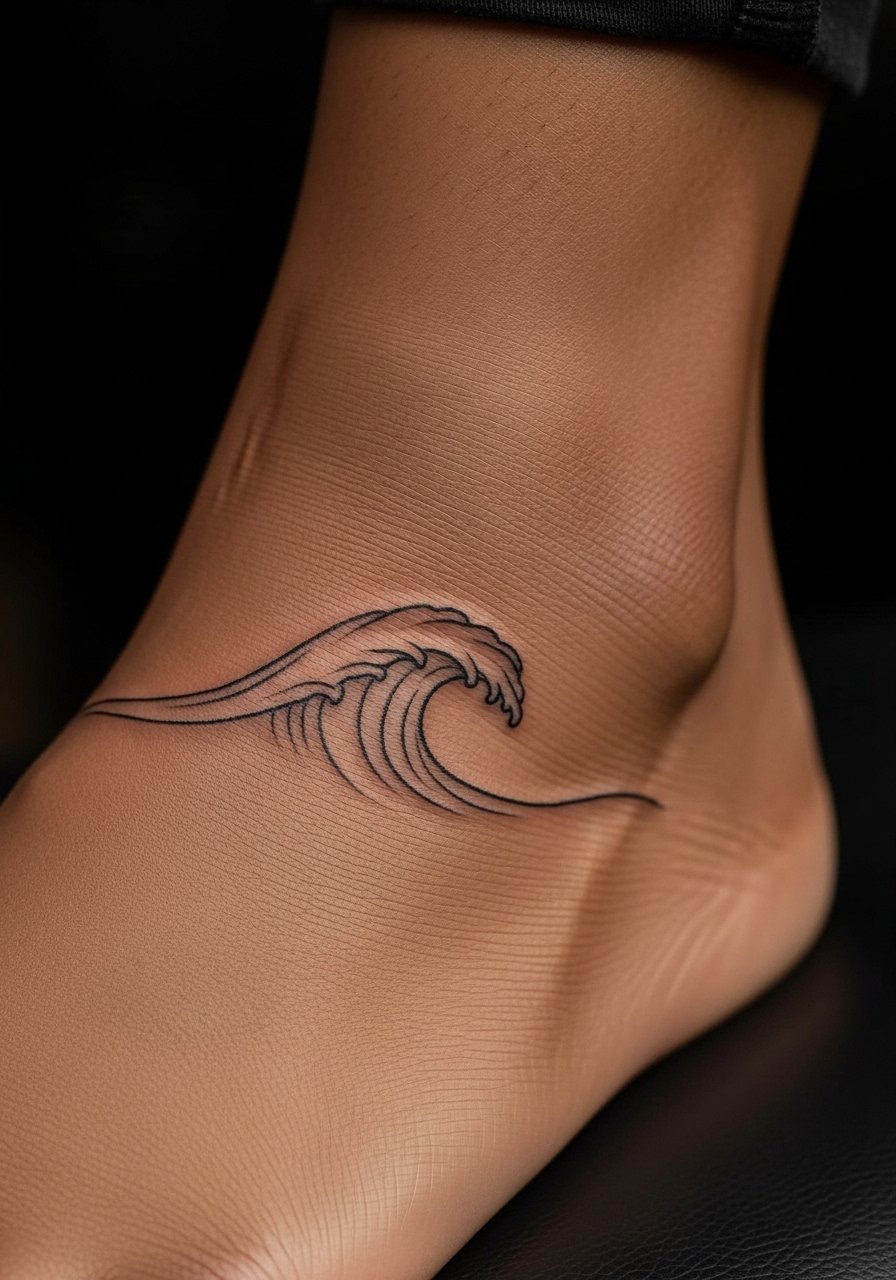
Wave tattoos capture a shared love of the water and travel. The top of foot is a thin-skinned, high-movement area so expect more discomfort during the session. Ask for a slightly thicker crest line to preserve shape. The mistake is asking for dense shading which can heal patchy on feet. Shoes and socks can irritate the site during healing. Plan for a touch-up at year one if wave lines soften.
24. Musical Note Pair Behind Ear
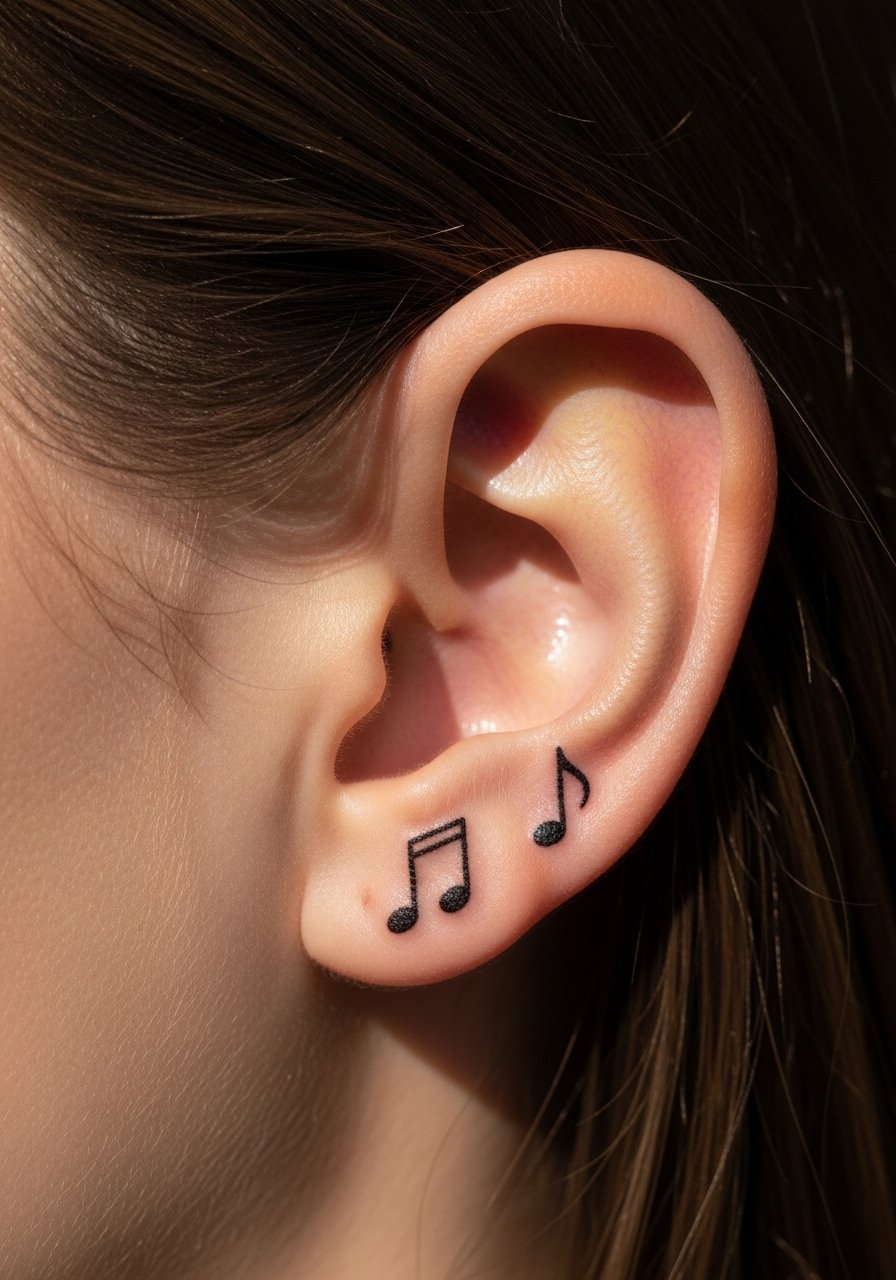
For playlist partners this placement is private and sweet. Behind-ear tattooing is quick but can twinge. Choose a bold enough note head so it does not vanish into hairline blurs. The common error is selecting an ornate clef in too-small scale. If you both move frequently or have long hair, consider visibility needs before booking. Expect good healed clarity at six months and only occasional touch-ups.
25. Geometric Arrow Pair on Inner Forearm
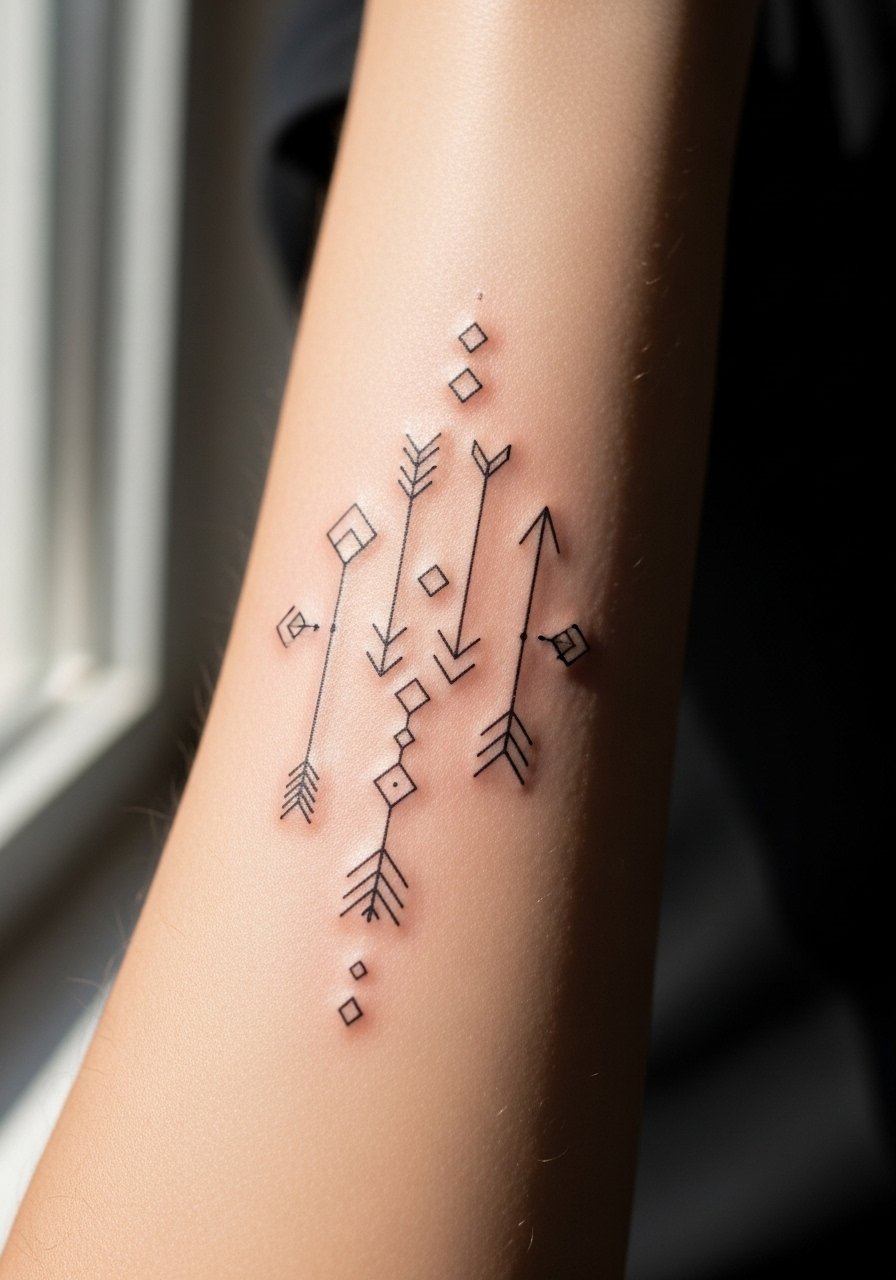
Arrows read as forward motion and pair nicely when the points face each other. When you meet your artist, bring reference for exact line thickness and whether you want stipple accents. The big mistake is making the shafts too thin which invites blowout as the lines spread. Inner forearm jobs are mild on pain and hold crisp detail. Expect a touch-up in the third year if the smallest geometric elements mellow.
Tattoo Prep and Aftercare Essentials
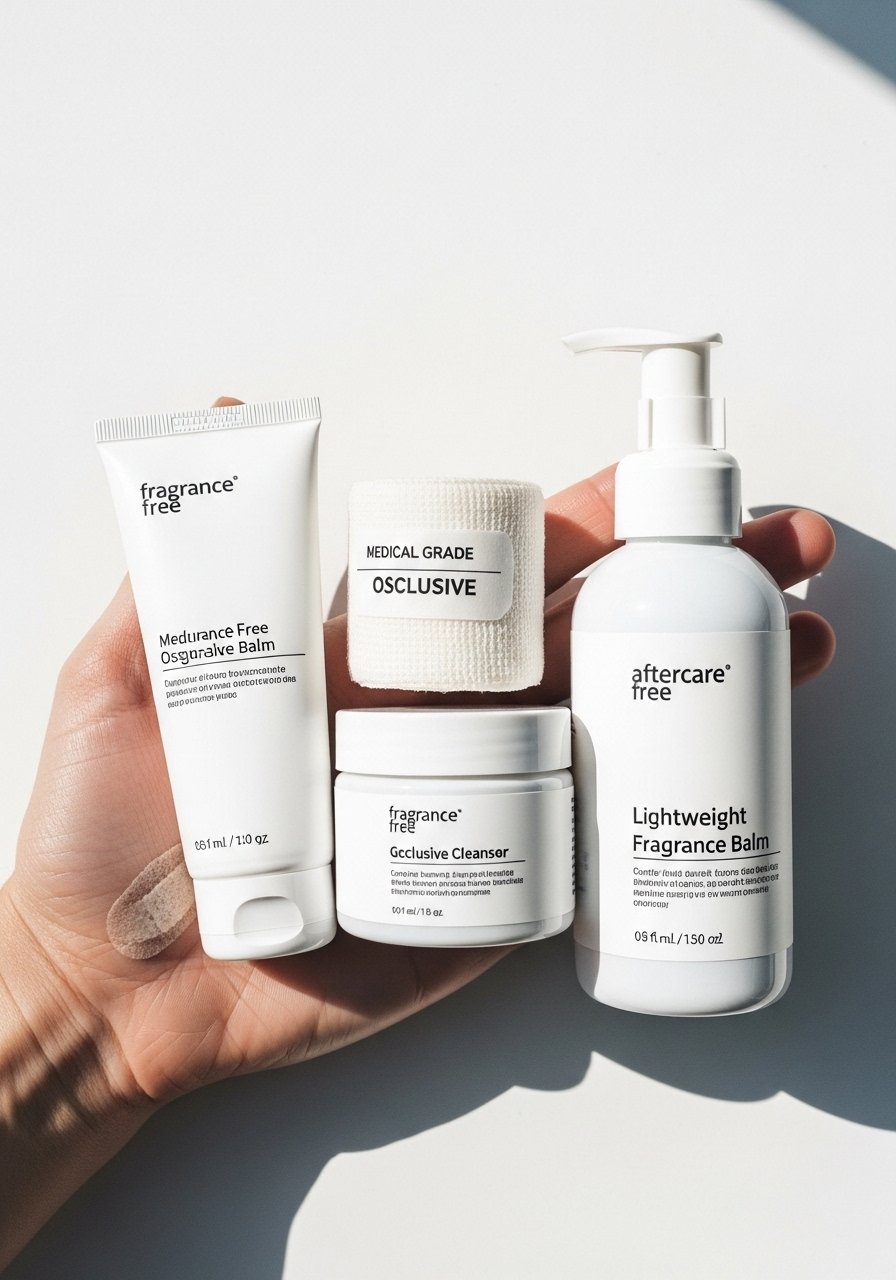
Fragrance-free healing balm search. Use a gentle balm after the initial peel to keep the area moisturized without clogging pores. Apply as thin layers and follow your artist's timing for first ointment.
Medical-grade second skin bandage search. A breathable occlusive helps protect fresh ink from friction in the first 24 to 48 hours.
Gentle unscented foaming cleanser search. Mild soap and water keep the area clean without stripping oils. Use lukewarm water and pat dry.
Lightweight fragrance-free balm jar search. For long-term moisture choose a non-greasy formula that sits comfortably under clothing.
Aftercare travel kit bag search. Pack small amounts for weekend trips so you can keep a consistent routine while healing.
SANIDERM adhesive bandage search. This is the mainstream occlusive option many artists use for the first few days. Use it only if your artist recommends it.
SPF 30+ sunscreen mineral formula search. After healing, UV protection is essential to slow fading. Choose broad spectrum mineral formulas for tattooed skin.
Silicone scar strip or sheet search. For raised or hypertrophic healing that concerns you, silicone sheets can help smooth texture after full healing.
Every tattoo is different. Always follow your artist's specific aftercare instructions. Consult a dermatologist if you have skin concerns or unusual healing issues.
Frequently Asked Questions
Q: Will fine line celestial pieces like moons and stars fade faster than bolder work on wrists and fingers?
A: It depends on placement and initial line weight. Fine lines on high-friction zones like fingers and wrists tend to soften sooner. If you want fine line aesthetics with longer life ask for slightly increased spacing and a modestly stronger stroke. Expect touch-ups sooner than you would for traditional bold work.
Q: If two friends heal differently and one tattoo looks lighter, what are realistic options?
A: Variations in healing are normal. A practical step is scheduling coordinated touch-ups about six to twelve months after the original session so both pieces are balanced. If one person’s skin tended to reject pigment, a follow-up session can equalize saturation.
Q: For trio pieces like triple hearts, how should we pick placement to avoid awkward body shifts?
A: Choose an area with consistent flatness, like the collarbone band or upper back. Avoid spots that stretch or crease frequently. During consultation ask the artist to map the layout in a standing position to see how movement affects spacing.
Q: Are hand and finger tattoos a bad idea for first-time friends who want micro symbols?
A: Hands and fingers are common first spots but they carry tradeoffs. Healing is slower and fading is faster. If you want minimal permanence try a slightly larger scale or select inner hand placements that see less abrasion. Plan for at least one touch-up within the first year.
Q: How do we find an artist who will make complementary designs rather than identical copies?
A: Use style-specific hashtags on social platforms and search artist portfolios for examples of complementary sets. Apps and directories that filter by style help too. During booking ask to see prior matched work and discuss whether you want mirrored, opposite, or interlocking compositions.
Q: Do watercolor-style pieces need different aftercare than traditional blackwork?
A: The basic aftercare steps are the same but watercolor uses more diluted pigment and less heavy outlines. That makes initial saturation and sun protection especially important. Keep the area well moisturized, avoid early sun exposure, and expect touch-ups slightly earlier than for bold blackwork if fading appears.