
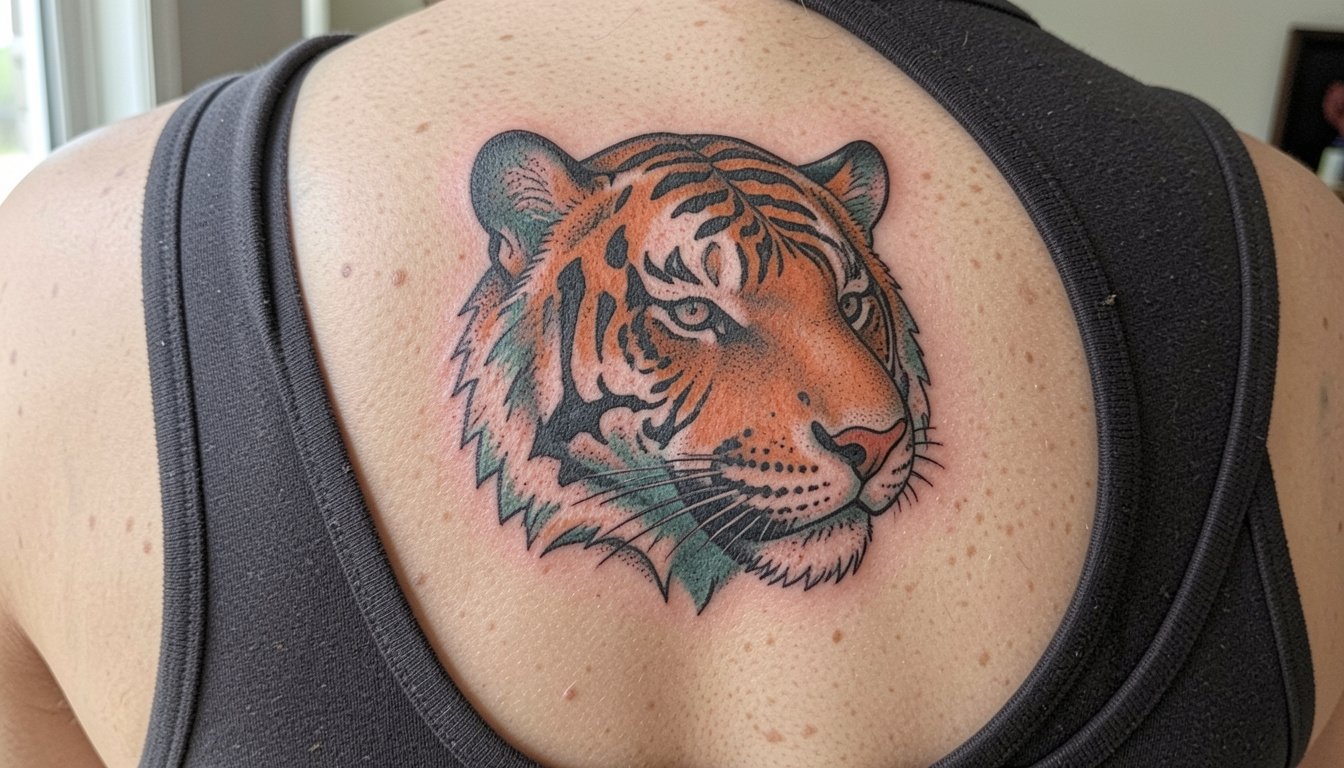
Japanese tiger back tattoos read like stories on skin, bold and kinetic when done right. For back pieces the practical choices matter as much as the art. Think about how the tiger moves with your spine, which colors will keep contrast against your skin tone, and which shapes survive years of sleeping, stretching, and sun. Below you will find specific Japanese-inspired layouts and styling notes to show your artist so the design ages as intended.
1. Full-Back Irezumi Tiger with Peonies

This full-back layout borrows Irezumi placement logic, putting the tiger spine-aligned so motion reads when you bend. I recommend this over a scattered panel approach if you want a single visual rhythm across shoulders and lumbar. In the consult bring scaled references that show the tiger at both three quarter and full-back sizes so the artist can map musculature. Common mistake is asking for tiny facial detail on a full piece, which gets lost once the back contours settle. Session time will usually span multiple long sittings. Expect touch-ups around year two for color saturation. Respect the cultural origin and ask about motifs and placement choices that honor traditional Japanese composition.
2. Upper Spine Vertical Tiger with Koi Accent
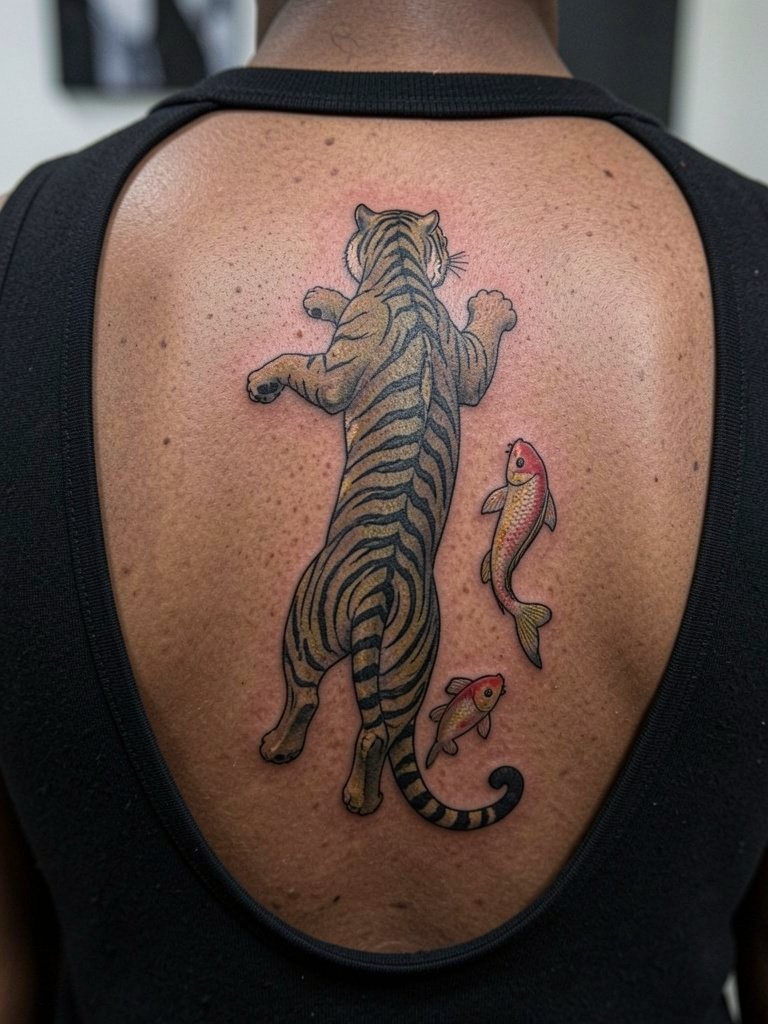
A vertical tiger works well down the spine because it follows natural movement and reads in one glance. This style is preferable if you want an elongated composition rather than a wide shoulder-to-shoulder spread. Discuss with your artist how the spine will affect linework, and request a slightly heavier line weight over the vertebrae to avoid future softening. Pain is higher along the spine, so plan session length around 60 to 120 minute passes. Blowout risk increases where skin is thin, so expect a realistic touch-up window at the one to two year mark. Styling note for showing off this piece: wear open-back midi dresses to reveal the vertical flow.
3. Shoulder-Blade Tiger Head with Negative-Space Clouds
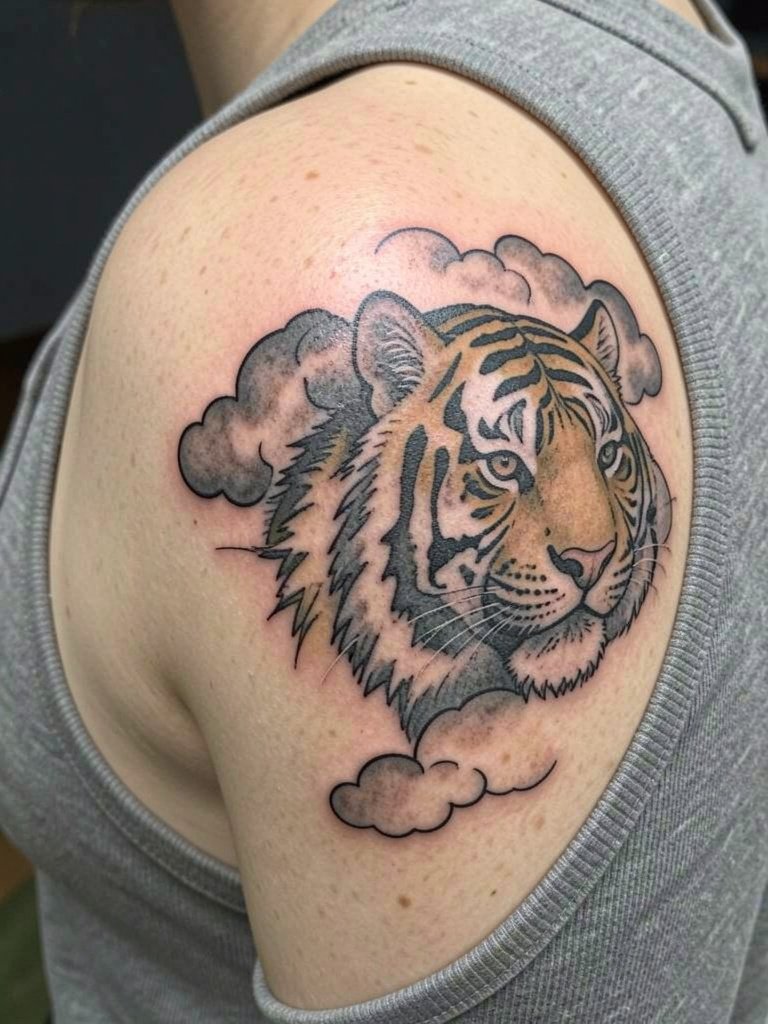
A focused shoulder-blade head is ideal if you want a dramatic image without committing to a full-back piece. This is the version to pick if you prefer one-sitting work or incremental expansion later. In the consultation bring close-up facial references and specify how open you want the mouth and teeth. Small, overly intricate whisker lines age poorly on this curved surface. Expect a single session of two to four hours for crisp blackwork and grey shading. For outfits that show the area, pair it with loose linen shirts that roll off the shoulder.
4. Lower Back Tiger in Motion with Wind Bars
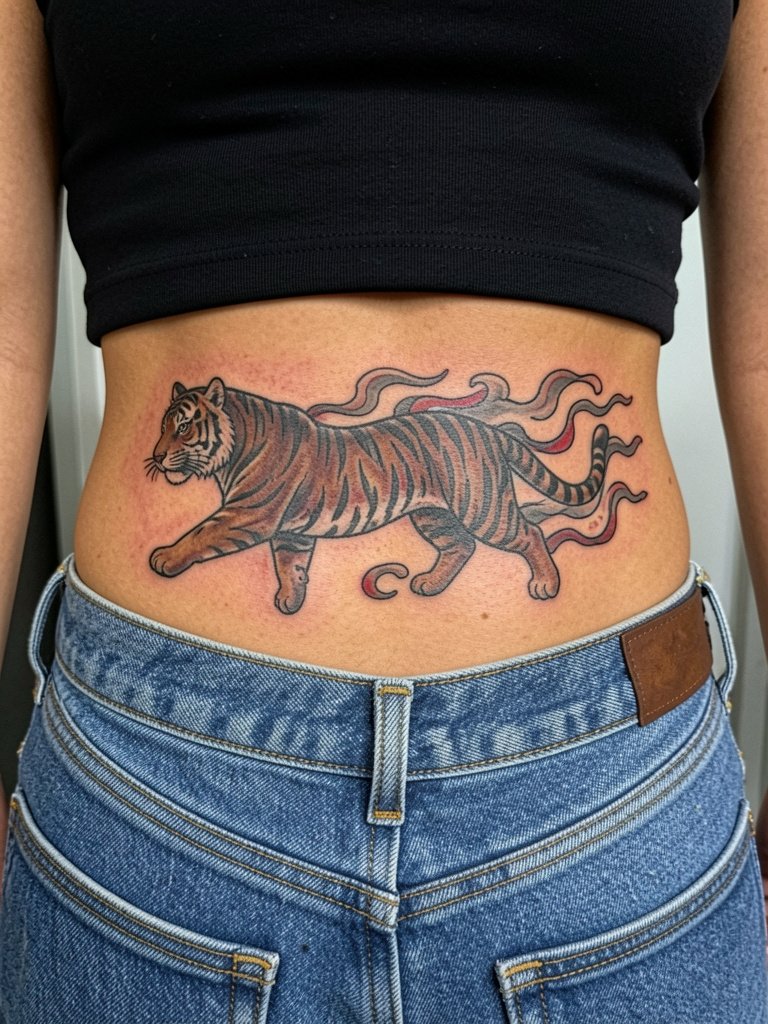
A lower-back panther-style tiger reads as movement tucked above the waistband and suits people who want a more private statement. Session sensation is moderate because the lumbar area has some padding. Common mistake is compressing the design too close to the waistband. Ask the artist to leave a finger-width of margin so the ink does not intersect with clothing abrasion. Healed contrast at six months will still be visible, but expect slightly faster sun fade if exposed frequently. For session clothing wear high-waist bottoms that fasten normally so the artist can work the area without fabric tugging.
5. Asymmetric Shoulder-to-Center Back Tiger with Maple Leaves

This asymmetric sweep feels dynamic and personal because it traces one shoulder into the back. It works better than a perfectly centered design if you want something that interacts with shoulder movement. Specify during the consult how the maple leaves should scatter with body motion so they do not look static when you rotate. A frequent mistake is requesting tiny leaf veins that blur into texture after a year. Expect this to need a one-year hue check for the orange saturation. Show-off pairing: open-back blouses frame the arc neatly.
6. Blackwork Silhouette Tiger Across the Mid-Back
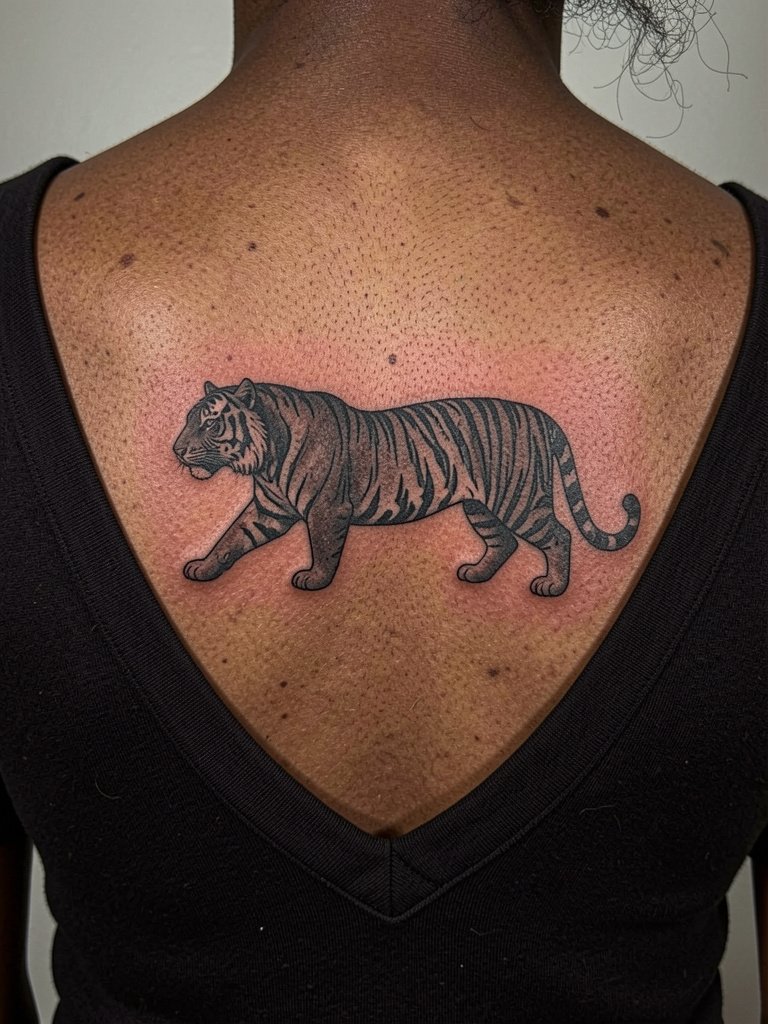
Solid blackwork tigers age differently than colored pieces. If you want longevity with low maintenance, this silhouette option keeps visual impact with simple touch-ups. Tell your artist you want thick, even saturation and slightly rounded edges to limit future feathering. The session is often quicker because the machine lays down block color rather than intricate shading. Blowout risk is lower for large shapes, but small details near the edges soften over time. For showing this mid-back boldness, pair with backless evening tops.
Studio Day Picks
The upper and lower back pieces above have different session needs, so a few practical items speed the chair time and protect that fresh ink.
-
Stencil transfer paper kit. Helps you preview placement on the long canvas of the back so the tiger head sits where you expect.
-
Natural topical numbing cream. Useful for extended spine or rib-facing passes without compromising linework.
-
Thin protective film roll. Keeps lower-back and mid-back pieces clean when clothing rubs during the first two days.
-
Fragrance-free gentle body wash. Cleanses large healed areas without stripping pigment during early healing.
-
Aquaphor healing ointment. A mainstream go-to to seal freshly inked lines for the first 48 hours before switching to a lighter lotion.
7. Neo-Traditional Tiger with Decorative Horns on the Upper Back
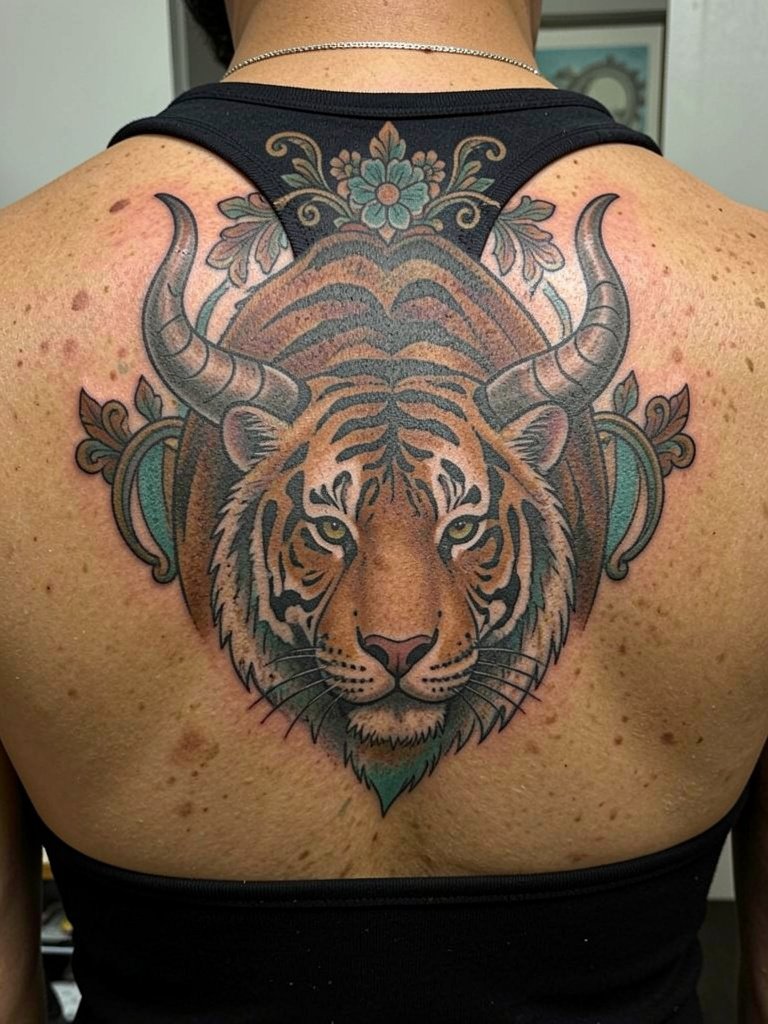
This neo-traditional approach pairs strong contour with decorative elements for a modern twist. Choose this over very small fine-line faces if you want the design to read from a distance. During the consult specify how heavy the horns should be so they do not compete with facial detail. Common mistake is crowding decoration into the cheek area. Session time is moderate and usually comfortable on the fleshy upper back. For showing the upper-back motif, wear halter tops that leave enough skin exposed for the composition to breathe.
8. Minimalist Linework Tiger Tailing Along the Left Scapula
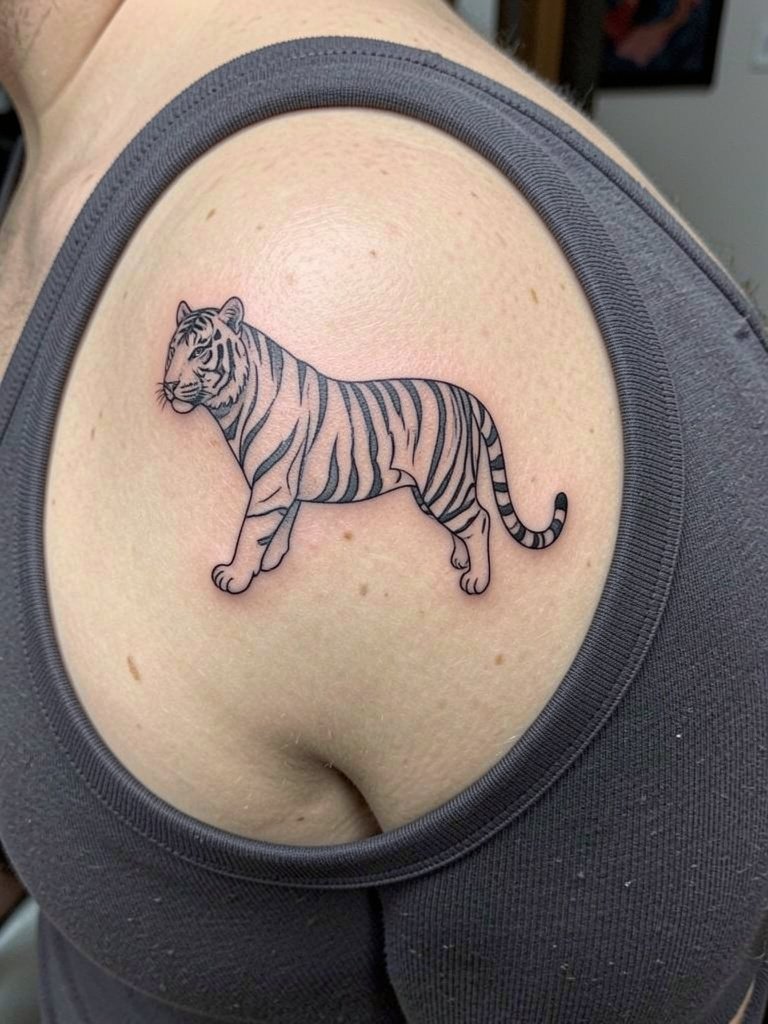
Single-needle minimal pieces look elegant but they demand spacing. If you like a delicate aesthetic, this scapula placement keeps the design visible yet private. Tell your artist to scale the line weight slightly thicker than your reference so the contour holds at year two. The mistake is copying a wrist-level thinness and expecting the back skin to behave the same. Expect a shorter session with careful single-needle passes and earlier touch-ups, often within the first 12 to 18 months. For session wear pick a wide-strap tank that can be slipped on and off without stretching the area.
9. Watercolor Tiger Wash on the Center Upper Back

Watercolor tigers can be striking but they tend to lose sharp edges over time. One camp argues watercolor sheets blur and look painterly after a few years. The other camp says careful layering and spot saturation can retain intended contrast. State which outcome you accept and request a touch-up plan before starting. For session comfort bring a loose shirt like a button-down linen shirt to avoid rubbing the fresh area.
10. Geometric Tiger Pattern Nested on the Upper Back
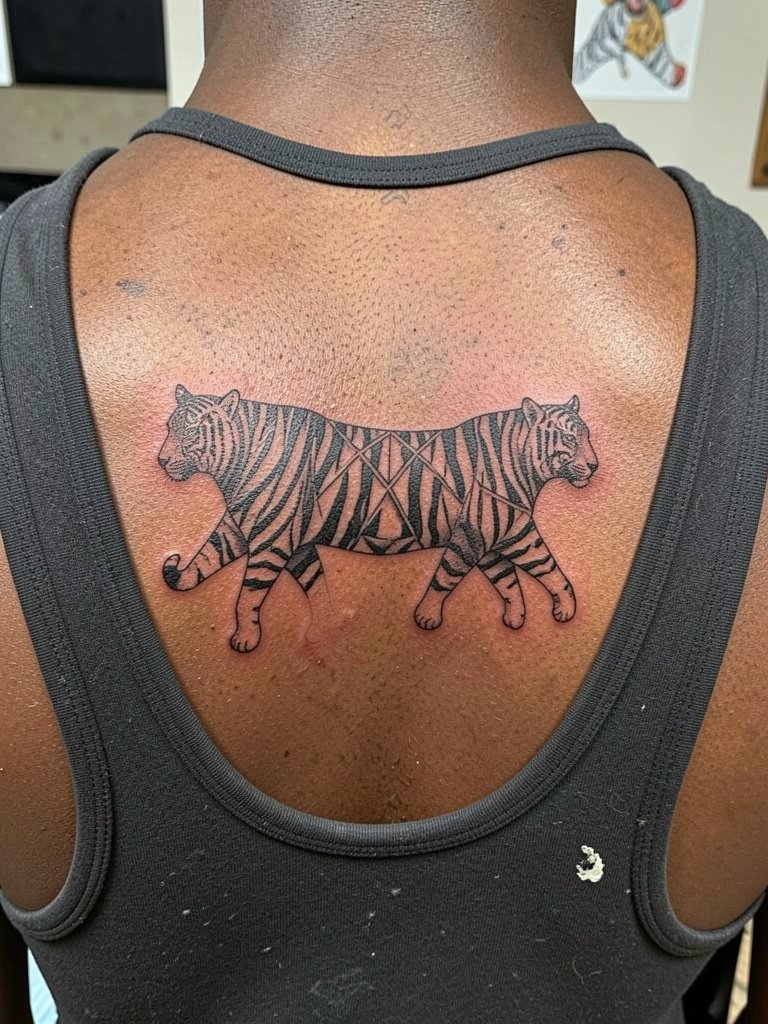
Geometric translations of the tiger motif play with symmetry. This approach is better than freehand realism if you want a design that reads graphically at distance. Ask for grid mockups during the consult so you can see how the triangles align to the spine. A frequent error is centering the grid off the spine. Sessions for precision work may be slower because the artist will re-measure frequently. For showing off this pattern try structured blazers with low backs.
11. Stipple-Shaded Tiger Portrait at the Nape
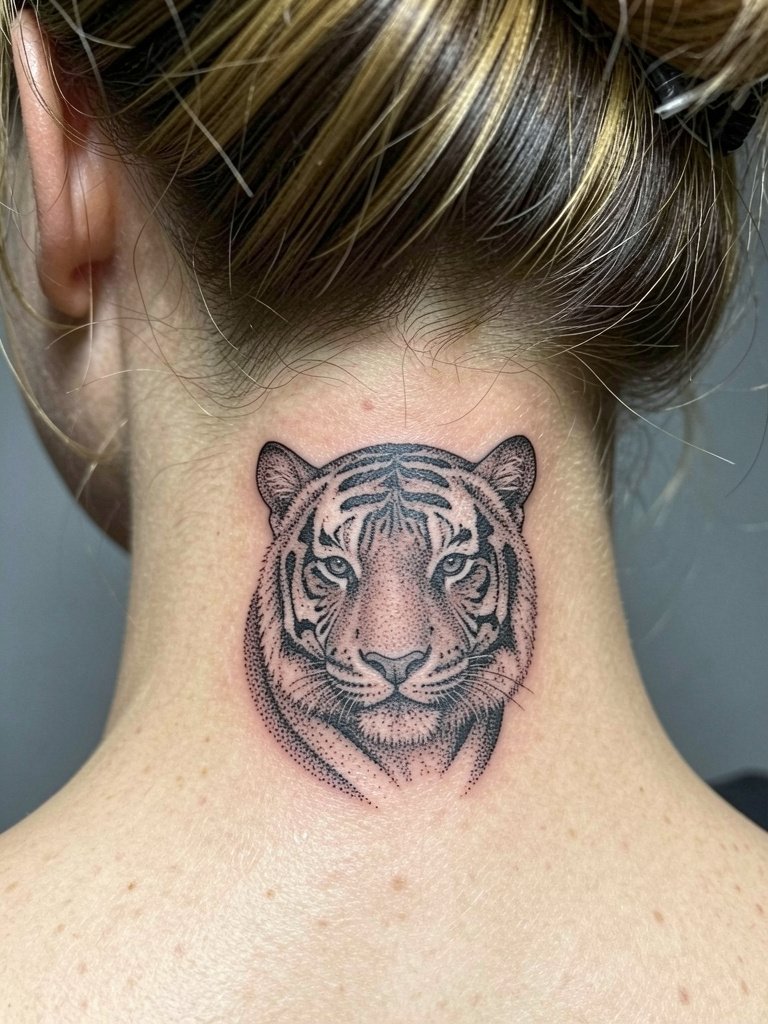
The nape is a sensitive small canvas. Stipple and dot work read beautifully here if spaced correctly. One camp says fine dot density near the nape flattens with skin movement. The other camp maintains that gentle spacing and deeper placement preserve the stipple. Request healed photos of similar nape work during the consult. Session discomfort is low thanks to muscle support, but the proximity to hair means wearing your hair up during healing. For session day, tie hair in a clean bun and wear a crew-neck tee you can remove over the head.
12. Fierce Half-Back Tiger with Wave Background
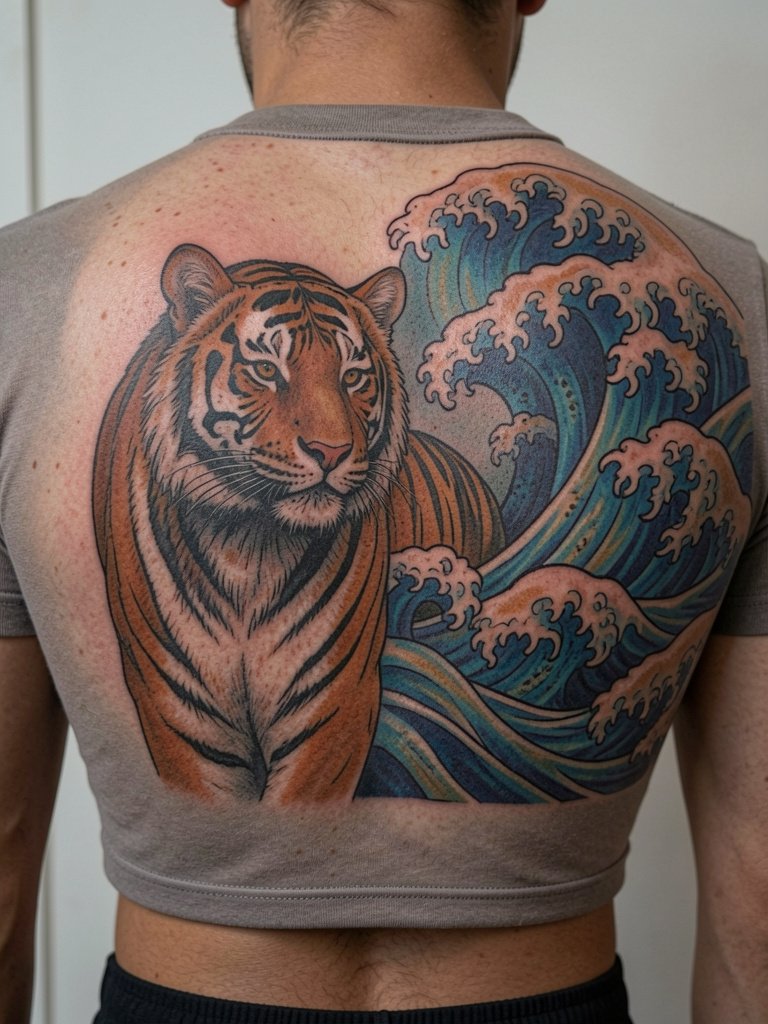
A half-back piece is a smart compromise when you want drama without a full commitment. Discuss symmetry and whether the waves should balance or contrast the tiger. A common error is mismatch between the levels of detail in the animal and background. Healing timelines are comparable to large pieces but usually faster since it is half the canvas. For evening looks choose asymmetric tops that reveal the unique composition.
13. Stylized Tiger Skull Back Piece with Floral Fill
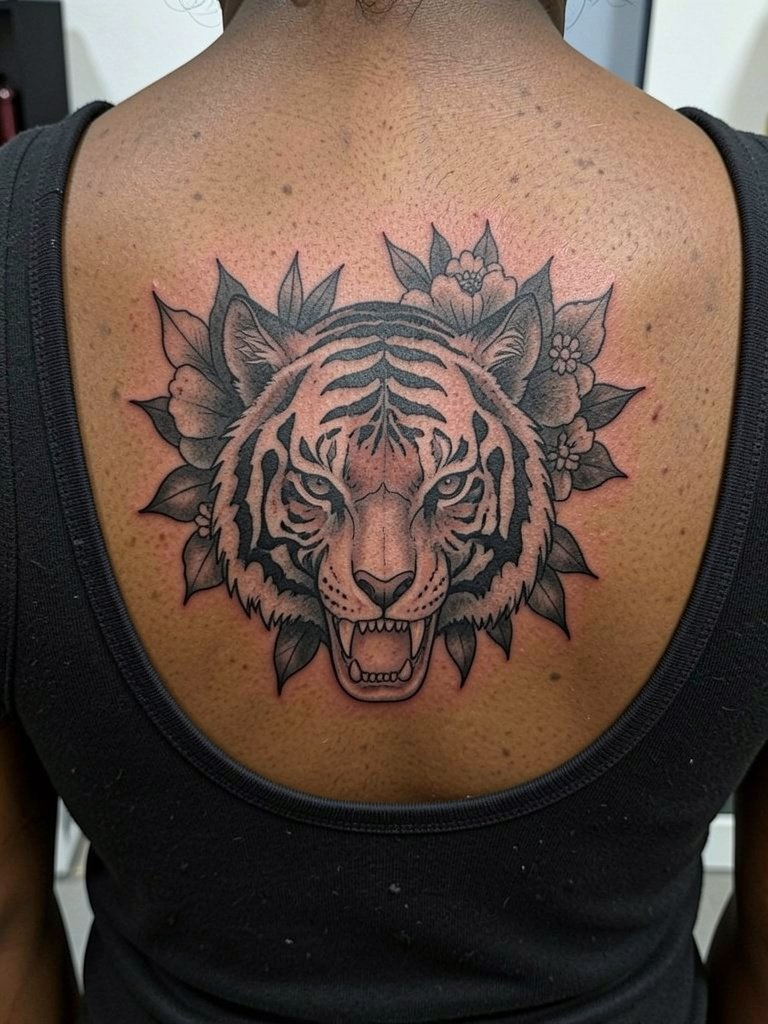
A skull hybrid reads as a bold motif and ages predictably when the shading is dense. This style suits people who want contrast and darker tones. During the consult, state how much floral softness you want against the skull to avoid muddying details. Session time is mid-length and feels heavier due to large shaded areas. Expect a touch-up for mid-tones around year two. For daytime reveal pick oversized button-ups that you can unbutton to show the motif.
14. Micro-Realism Tiger Eye Cluster Near the Right Scapula
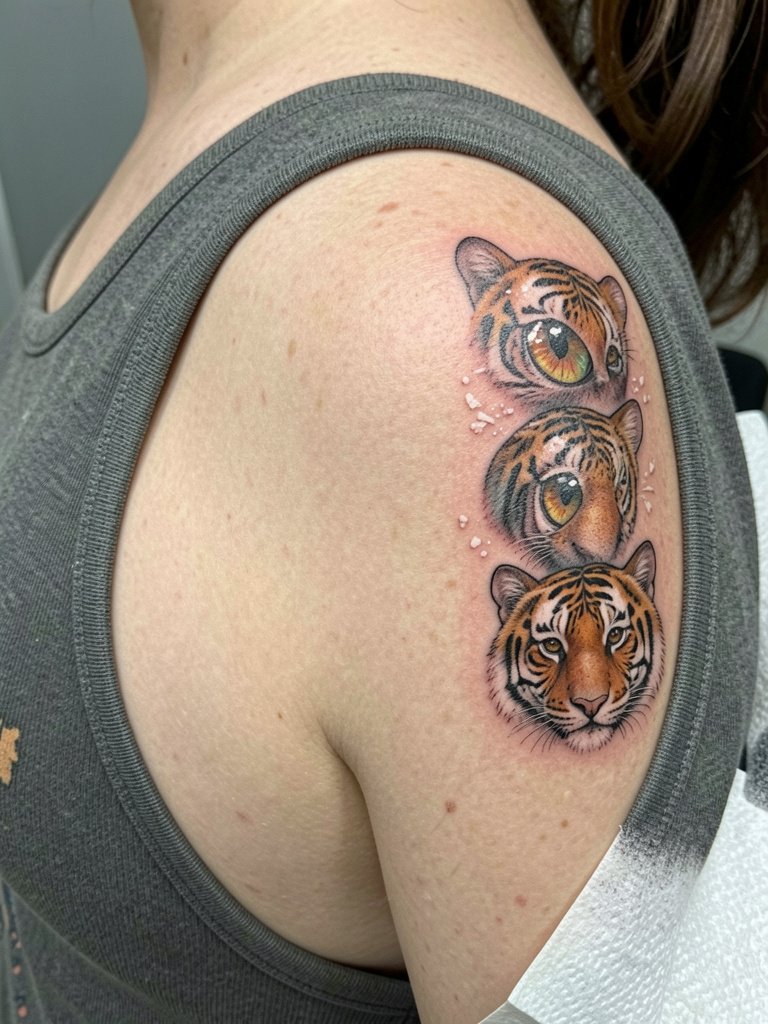
Micro-realism demands space and planning on textured back skin. Choose this only if you accept a stable touch-up routine because very fine highlights can soften. Discuss with your tattooist the scale of pupil detail so the eyes remain expressive at two years. Small-session passes of ninety minutes are common. For showing-off outfits wear open-back crop tops.
15. Negative-Space Striped Tiger Across the Shoulder Yoke
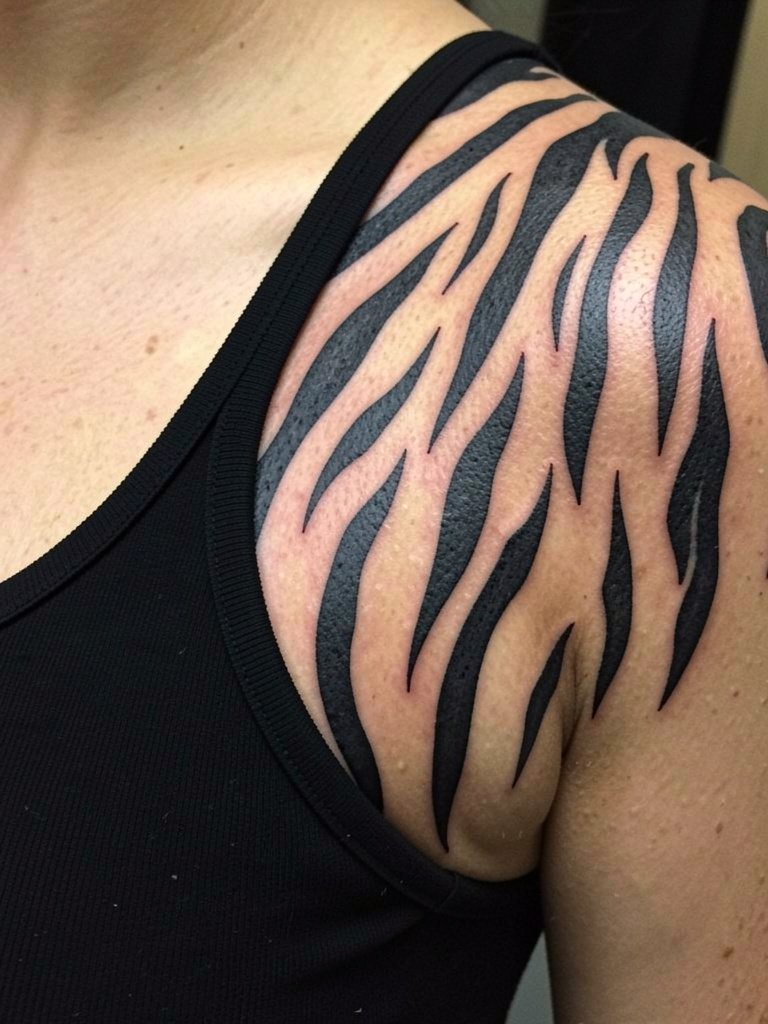
Negative-space work relies on contrast with your natural skin tone. This approach is excellent if you prefer graphic markings rather than literal animal imagery. Tell the artist which areas of your skin you want to remain untouched so lines read as intended. Mistake is over-fragmentation; keep larger uninked fields to preserve clarity. For daytime wear, off-shoulder tops highlight the yoke.
16. Full-Back Black-and-Gray Realism Tiger
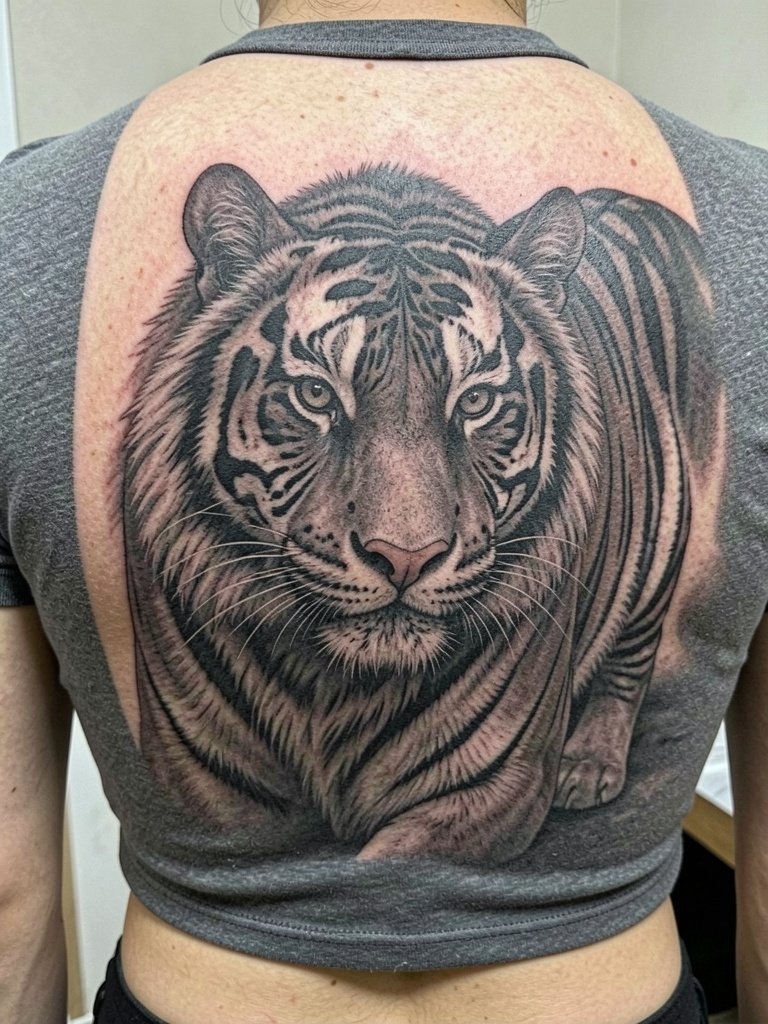
Realism needs time and an artist skilled in tonal ranges. This is the choice if you want a photograph-like result and are prepared for longer sessions. Ask for healed photos of similar large-scale realism on backs during the consult. A mistake is choosing grayscale reference that lacks mid-tone detail; bring high-contrast images. Sessions run long and will require stamina. Touch-ups for mid-tones often come at year two or three.
17. Traditional Japanese Tiger with Wind and Cherry Blossoms
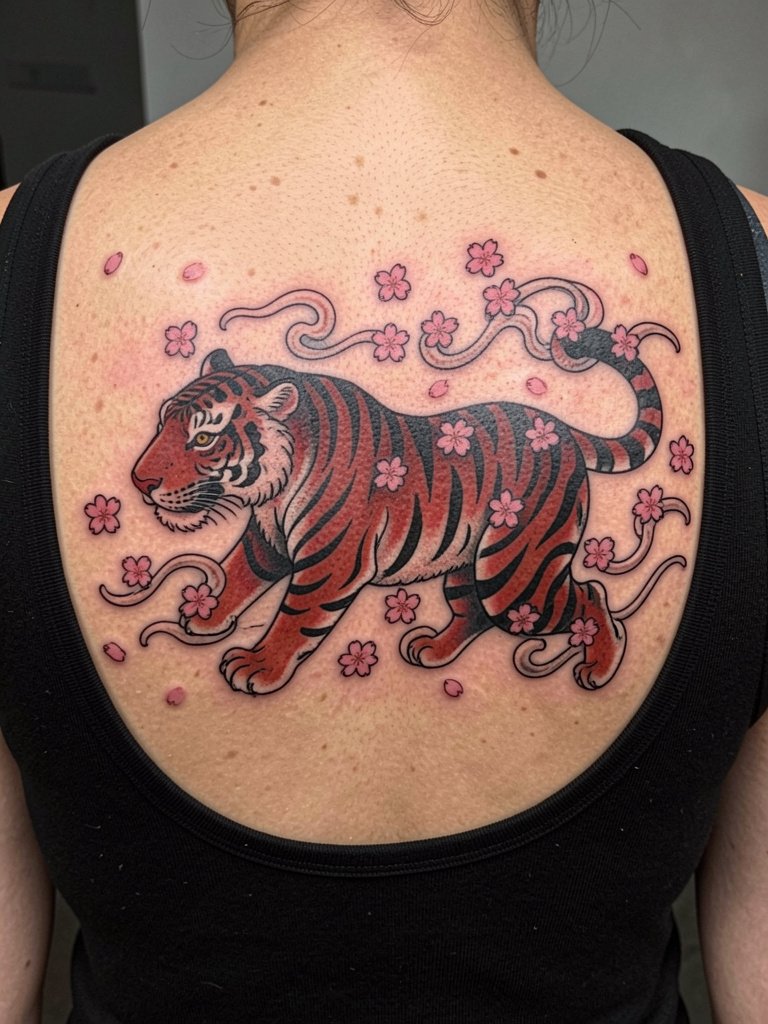
When referencing traditional Japanese elements be explicit about the cultural origin and motifs. This is a classic choice that aligns with Irezumi vocabulary. Tell your artist which symbolic elements matter to you and which you want purely decorative. A common complaint is picking colors that lose contrast on certain skin tones; ask for color mockups on your skin tone. For evenings pair with kimono-style jackets.
18. Half-Spine Tiger Rib-to-Back Fusion
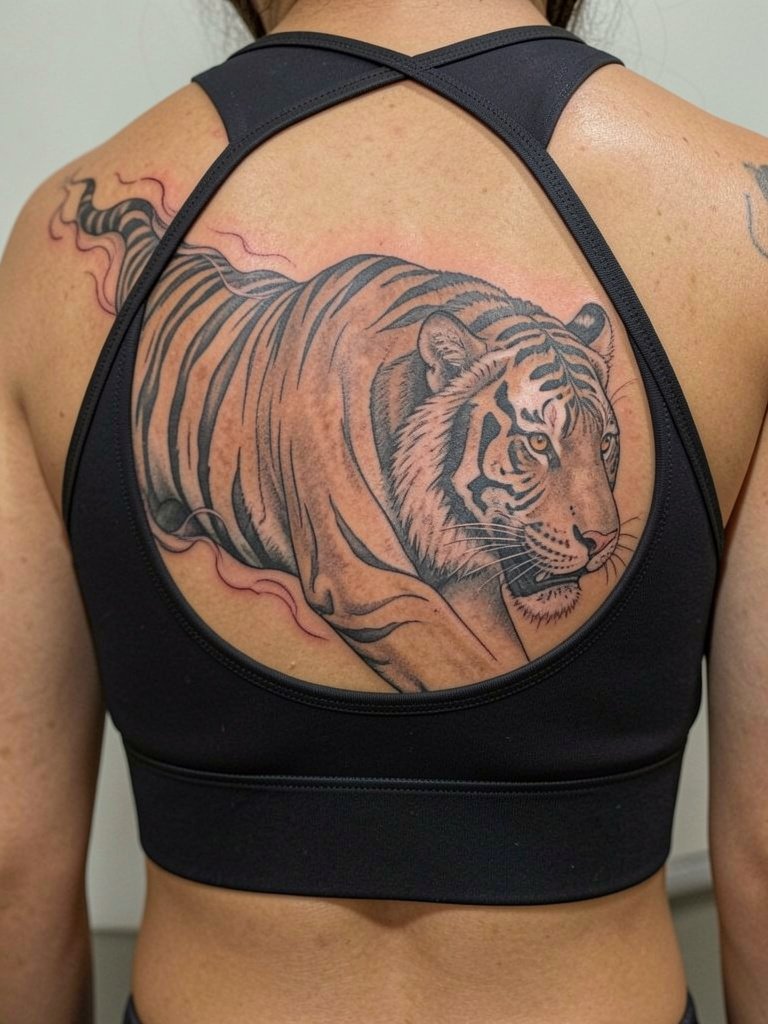
Pieces that cross ribs and back involve different skin behavior. Fine-line advocates often caution against too-small detail crossing the rib line. Others say with correct depth and spacing it settles well. Name which side you favor and request a staged plan for the rib section. Pain will be higher on the ribs and lower on the back, so plan breaks. Expect a touch-up window sooner on rib-dense detail.
19. Water-Patterned Tiger Swimming Into Lower Back

When a tiger blends with water motifs the composition can disguise early fading. Choose this if you want a softer edge that still reads as a tiger from a distance. During the consult ask for a healed mock-up to visualize contrast. Mistake is underestimating color layering needed to maintain cool tones on darker skin. For casual show-off choose cropped sweaters that reveal the design.
20. Spine-Rooted Tiger with Floral Spine Line
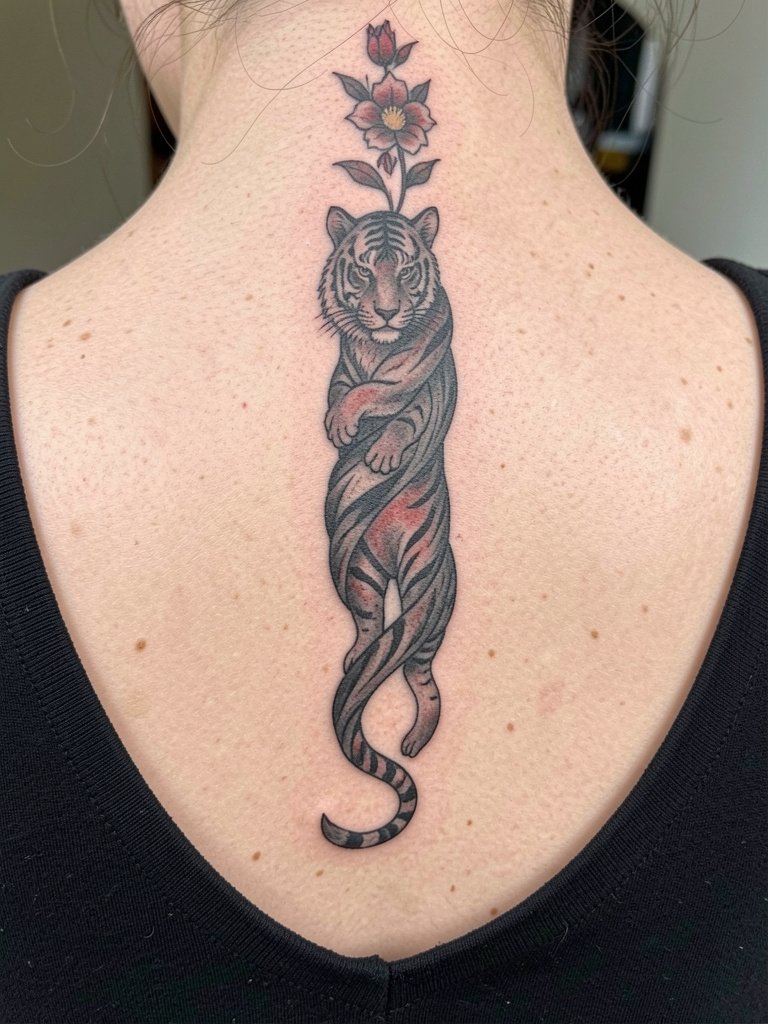
Integrating floral elements along the spine softens the silhouette and gives the piece longevity. Tell the artist exactly how far down the spine you want the motif to run to coordinate with clothing choices. The spine area can be sensitive, so plan for several short passes. A common error is compressing too many flowers into a narrow column which makes the piece look busy. For session wear pick a button-front shirt that removes without rubbing the back.
21. Bold Chest-Shoulder Wrap That Extends onto the Upper Back
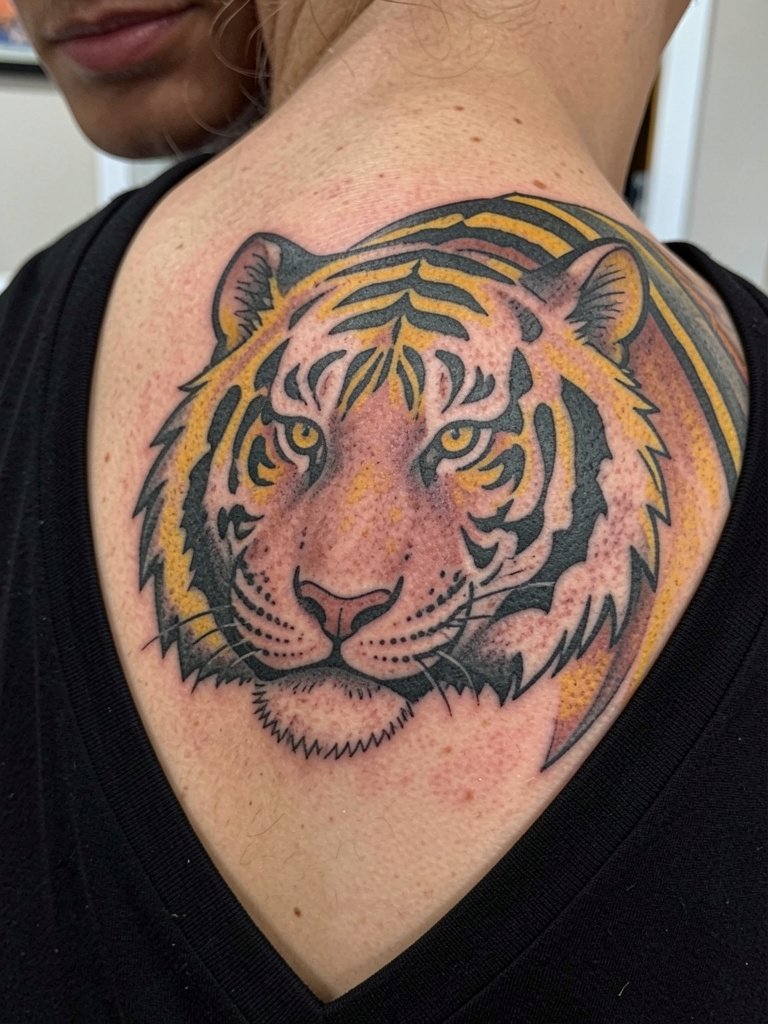
This wrap design reads as a cohesive piece whether viewed from front or back. Ask for alignment mockups so the shoulder seam does not misplace the tiger face. The shoulder curve alters how lines read, so heavier linework helps retention. Sessions cross chest and back and typically need multiple sittings. For outfits that show the wrap, choose asymmetric dresses.
22. Subtle Lumbar Tiger Panel with Scripted Elements
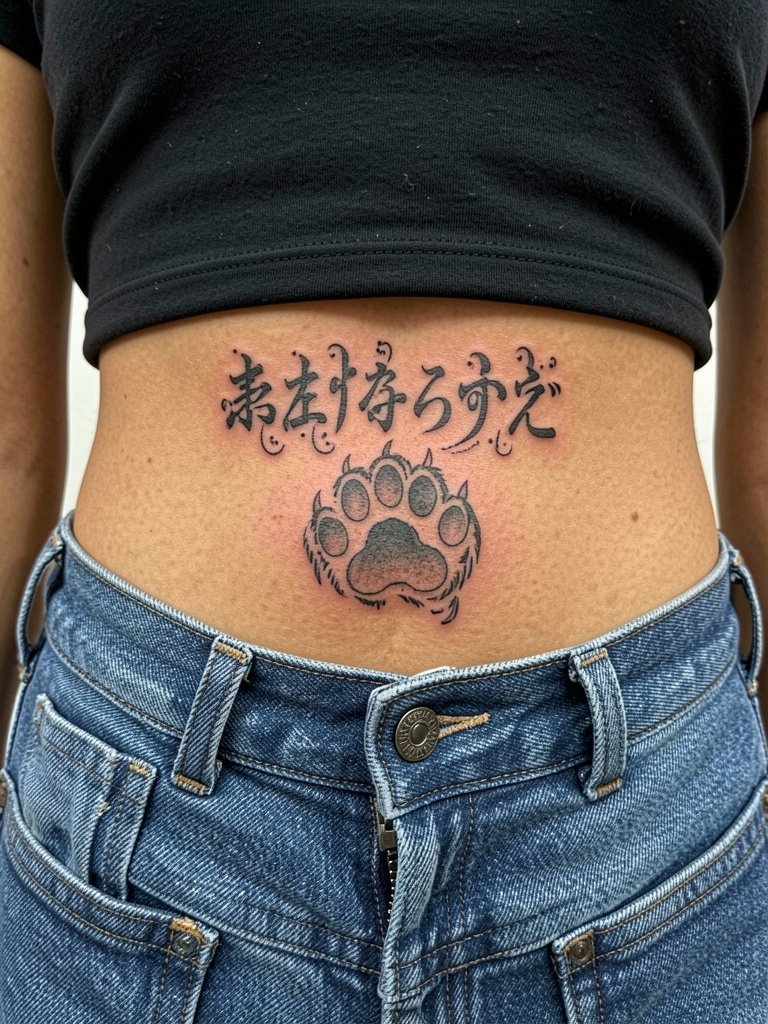
Lumbar panels are private and intimate. If you include text, spell the exact words and choose a readable style. One mistake is picking dense black script that overpowers a small tiger emblem. Sessions are short and tolerable. Plan for one light touch-up if the script fills in. Keep clothing normal and fastened during healing.
23. Abstract Brushstroke Tiger Across the Upper Back

Brushstroke approaches read sculpturally and tolerate aging because they avoid tiny lines. Ask the artist to show how strokes will sit with muscle movement so the composition does not look like disconnected marks when you change posture. A common mistake is over-splattering which looks messy at six months. For showing this look, pair with cutout tops.
24. Contrast-Heavy Tiger with White Ink Highlights Near the Scapula
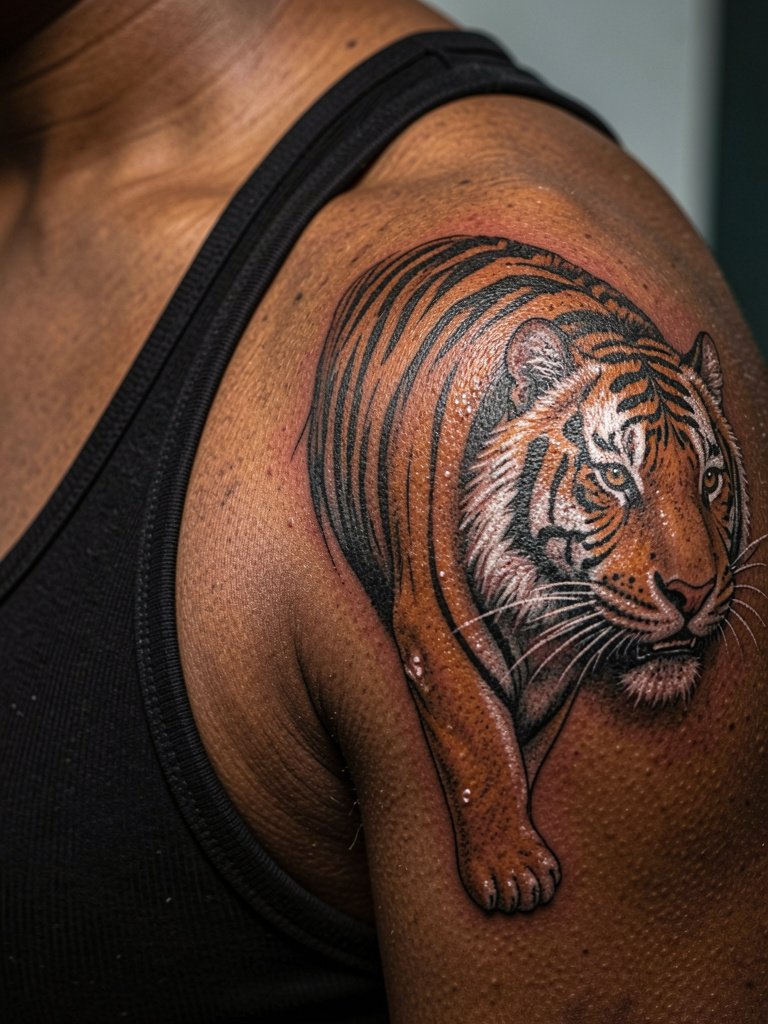
White highlights can pop but they also fade faster. Request a conservative amount of white and ask how it will age on your skin tone. A common error is expecting white to stay bright long term without regular touch-ups. Session time is moderate and the shading can be dense. For display try asymmetric necklines that expose the area.
25. Split-Composition Tiger, Left Dark, Right Lined
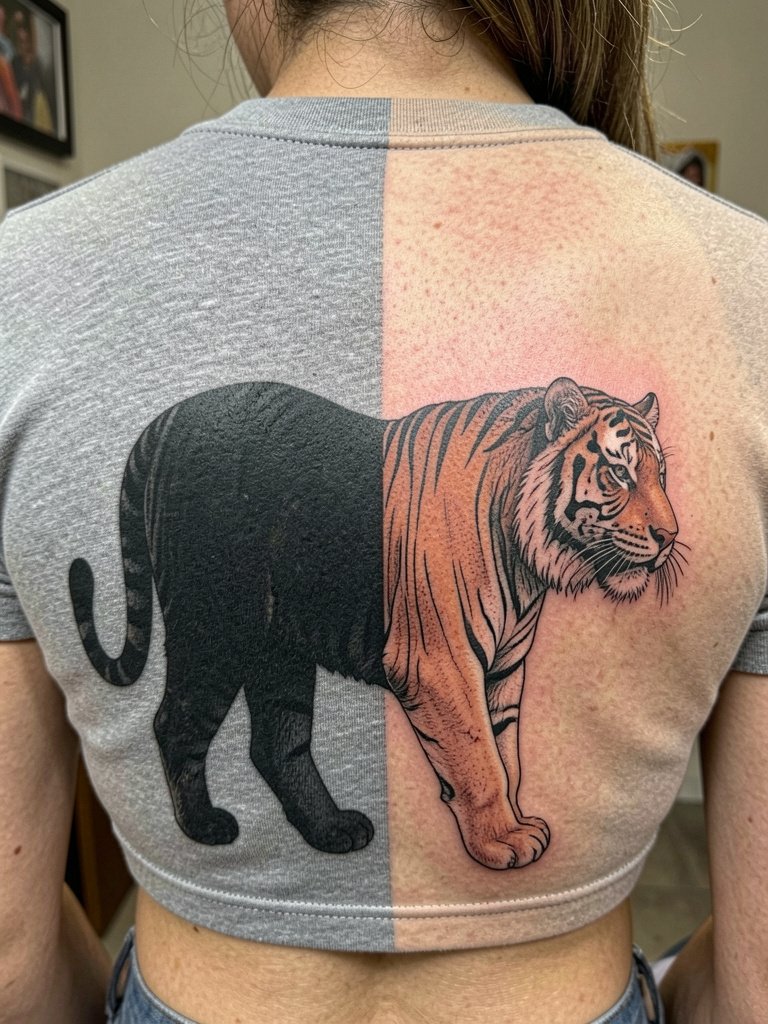
Split compositions let you test two visual languages in one piece. Discuss your priorities for the two halves so balance does not feel accidental. A typical mistake is mismatched visual weight that reads lopsided. Sessions vary because the two styles demand different passes. For casual showing pick backless casual tops.
26. Tiger with Lantern Motif on the Upper Center Back
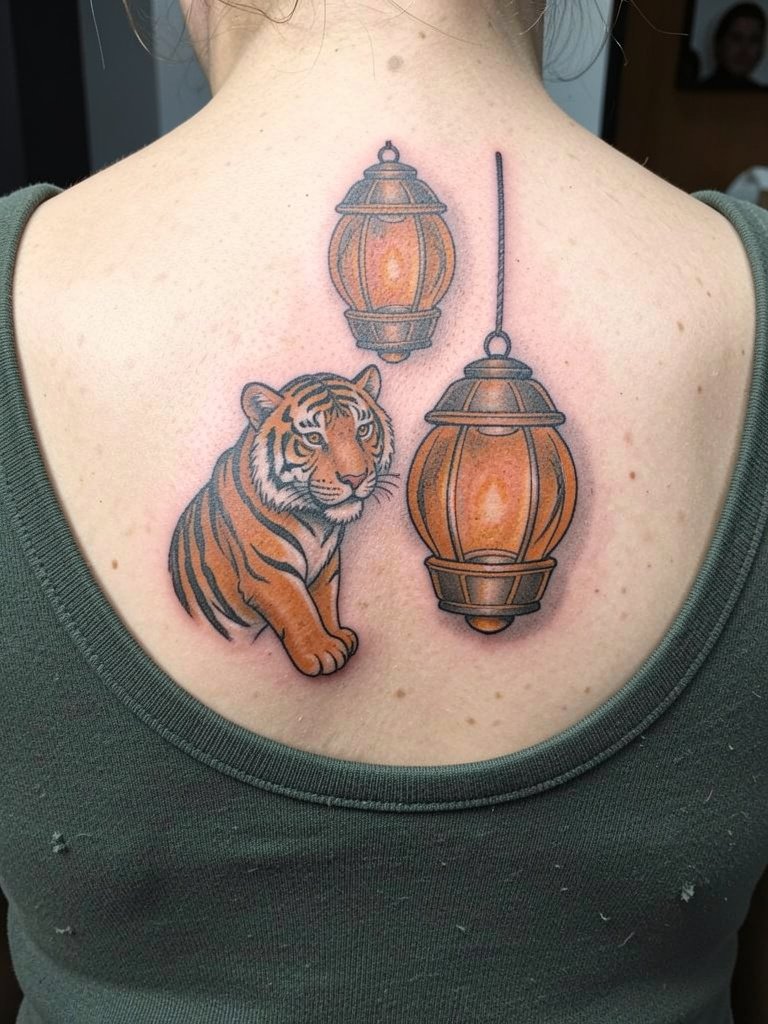
Adding ornament like lanterns gives narrative context. Specify the scale of the lantern and whether it should overlap the tiger to avoid composition confusion. A common mistake is small lantern details that fill in quickly. Sessions are enjoyable for clients and the shading tends to hold well. For display pair with open-back sweaters.
27. Wraparound Tiger Tail That Flows to the Hip
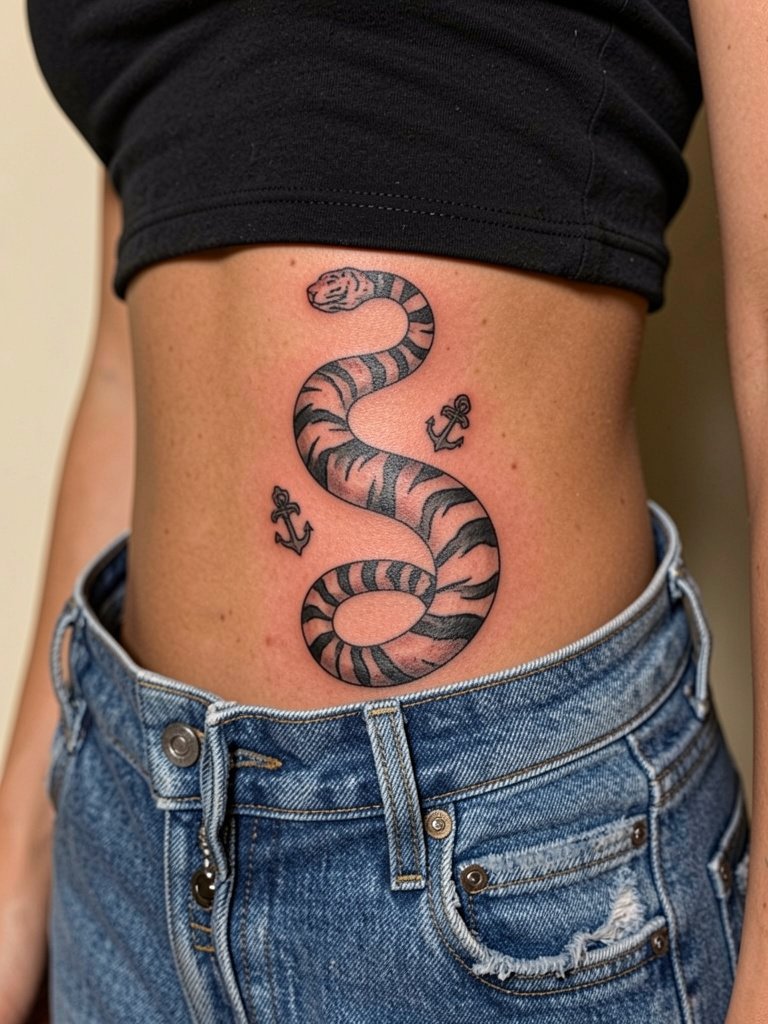
A tail-into-hip plan is excellent for people who want the option to expand into thigh work later. Discuss how the curve will sit near the hip bone and request margin so regular waistbands do not abrade the edge. Expect a moderate session length. For reveal wear low-rise skirts that sit below the tattoo line.
Frequently Asked Questions
Q: How do I choose between fine-line and bold blackwork for a back tiger?
A: Fine-line looks delicate and intimate while bold blackwork keeps contrast longer on the back. One camp argues fine-line blurs faster on textured back skin, especially across muscle groups. The other camp says careful spacing and slightly heavier single-needle depth keeps fine-line readable. Decide which look you prefer at year three and ask the artist for healed examples on similar skin tones.
Q: Which placement hurts most for a Japanese tiger back tattoo and how do I prepare?
A: Spine and ribs are the most sensitive; fleshier areas like the shoulder blades and lumbar feel gentler. For spine work schedule shorter passes and plan comfortable session clothing like a button-front shirt you can remove without rubbing the area. Bring snacks and expect breaks every 60 to 90 minutes.
Q: How visible are color tigers on darker skin tones?
A: Saturation and color choice matter more than the hue itself. Warm ochres and deep blacks retain contrast well on darker tones, while some pale pastels can appear muted. Ask to see healed photos on skin tones like yours and plan a touch-up at year one for mid-tone reinforcement.
Q: Where can I find healed examples and portfolios without naming artists directly?
A: Search platform tags and location filters on social platforms for healed back tattoo portfolios, and use genre keywords like "Japanese tiger back healed" and "Irezumi back healed" in image search. Browse specialized tattoo galleries and forum threads that show multi-year healed shots across skin tones. Reddit tattoo collections and community reels often have a range of healed examples in different lighting.
Q: How often will a large back tiger need touch-ups?
A: Large, saturated back pieces often need a minor touch-up around year two. Blackwork typically requires fewer touch-ups than pale watercolor. Realism and micro-detail may need earlier one-time boostups, particularly in highlight areas. Keep realistic expectations about a maintenance pass at one to three years depending on sun exposure and how the skin stretches.