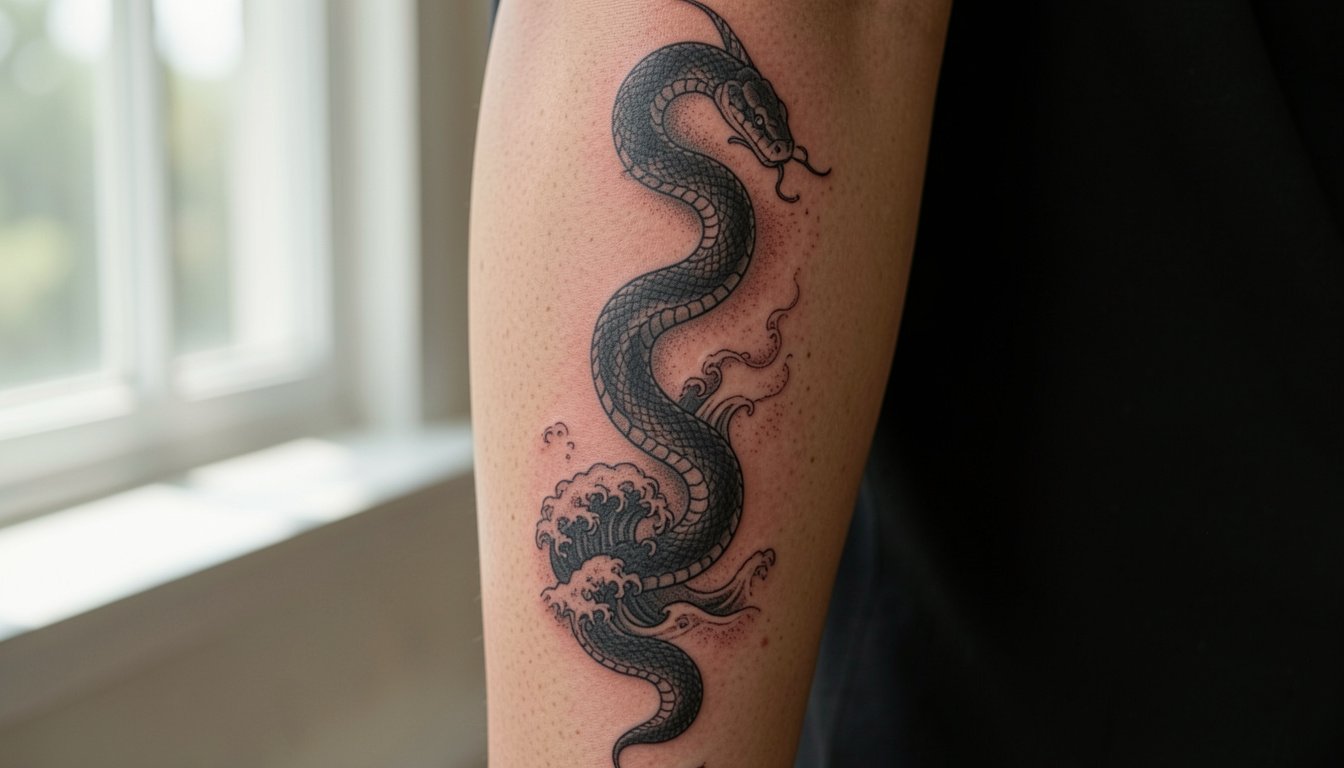
A bold Japanese snake piece can read protective, menacing, or quietly ornamental depending on scale, placement, and whether you choose color or black and gray. Many clients worry the snake will look slapped-on, that color will dull, or that a small version will lose its Japanese style as it heals. Read on for clear options that show how each idea holds up over time and what to plan first.
1. Full Japanese hebi sleeve with peonies and waves
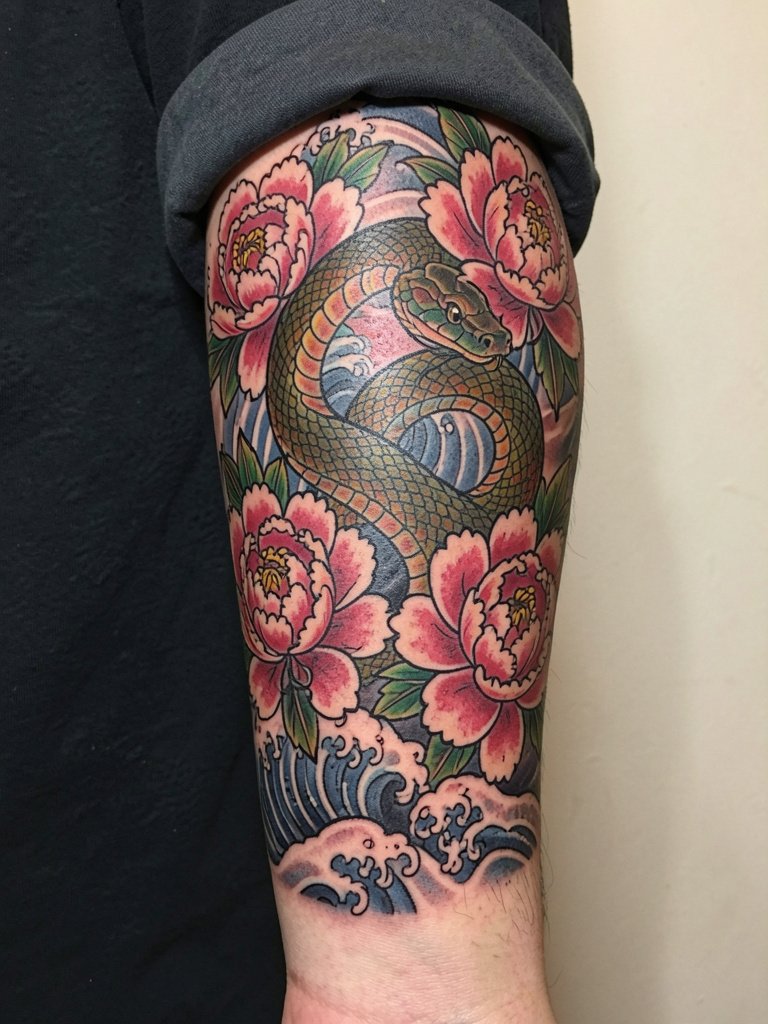
A full sleeve is the safest route if you want the snake to read as Japanese and not just a snake. I recommend planning the body flow with the artist so the snake follows the arm's natural curves from shoulder to wrist. Expect multiple sessions and a touch-up window at nine to eighteen months for saturation if you choose color. Common mistakes are asking for too many tiny scales in a small area and putting the whole composition on the inner arm where movement softens detail. For session day wear, roll up a relaxed short-sleeve tee so the artist can map the shoulder and tricep, and consider pairing the finished piece with sleeveless tanks for show-off looks, like muscle tanks.
2. Snake coiled on the outer forearm with the head turned outward
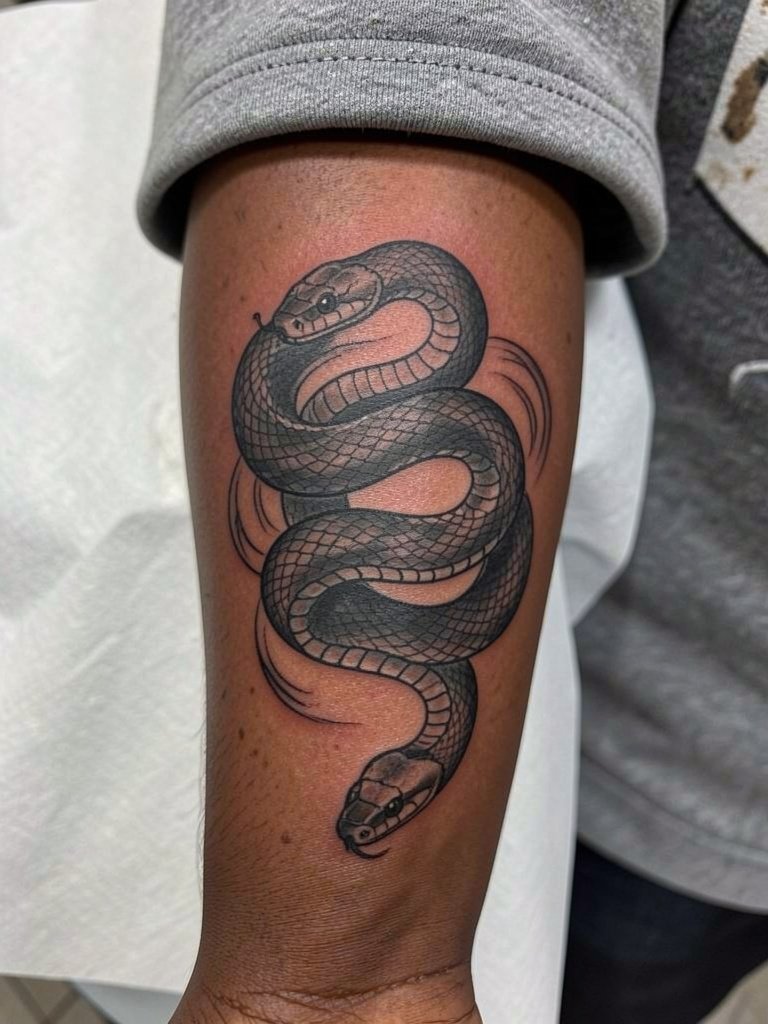
This mid-scale forearm composition gives a clear read from across a room while staying manageable for first big pieces. Ask for slightly heavier linework on the outer curves so the outline resists early softening. The session usually fits in one long appointment or two short ones depending on shading. A common aging problem is packing stipple detail too tightly, which looks noisy at year two. For easy reveal, style it with rolled short-sleeve tees and a slim bracelet on the opposite wrist, like rolled sleeve t shirts.
3. Black-and-gray snake with wind bars and cloud shading
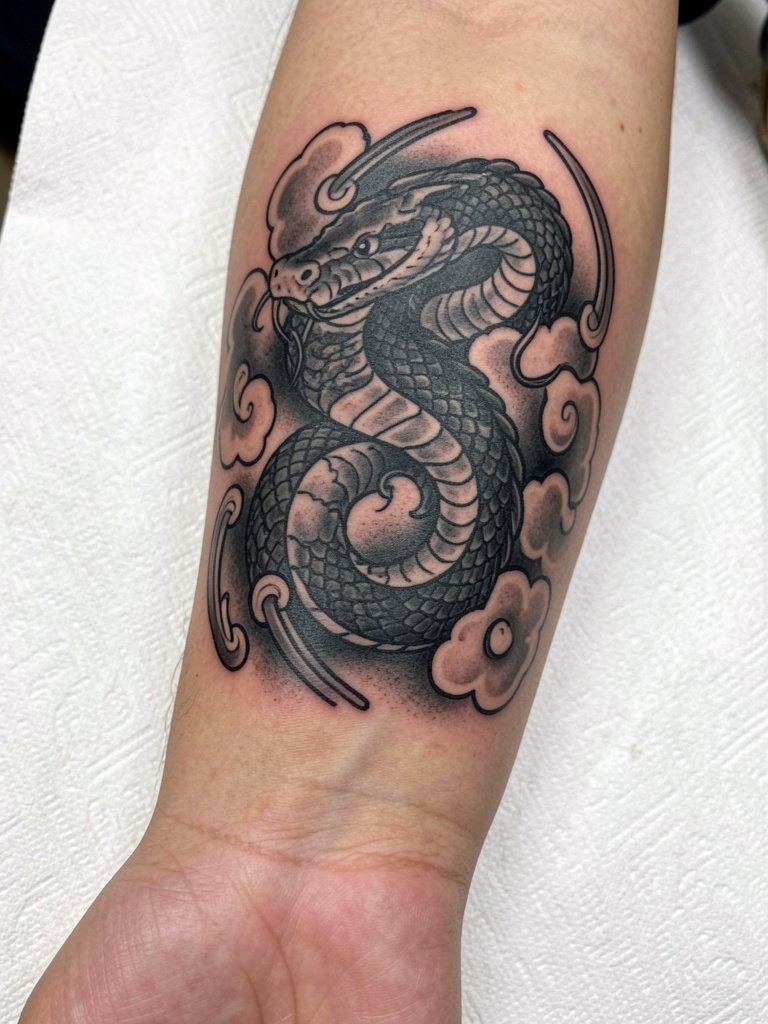
If longevity is your priority, this option makes sense because black-and-gray reads clean longer on most skin types. One camp argues black-and-gray keeps the snake readable for years with less maintenance. The opposing camp favors color for the authentic irezumi look and says the visual payoff is worth the upkeep. Decide early because the color choice affects session count and touch-up timing. For inner forearm work, avoid ultra-fine single-needle details, and specify line weight that matches the expected healed scale.
4. Snake wrapped around a koi or fish composition
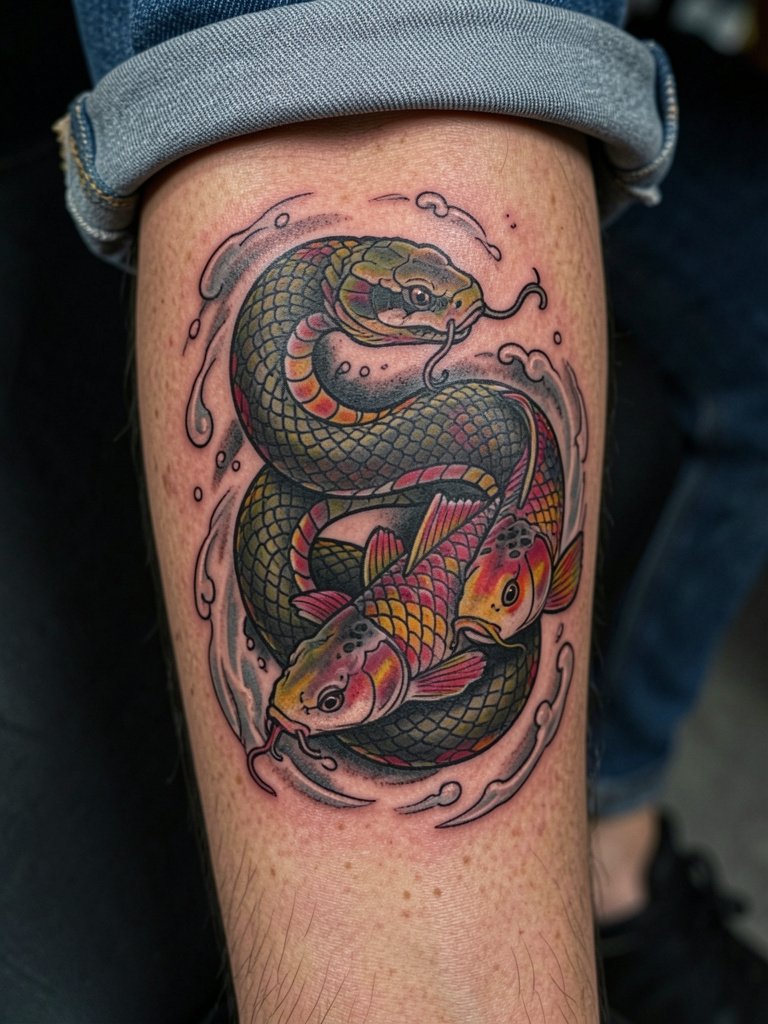
Pairing a snake with a koi creates movement and narrative without needing literal symbols. Tell the artist how you want the bodies to overlap so the snake does not become background filler behind the koi. A frequent mistake is forcing two elements into the same scale, which flattens both. Calf placements let the snake read from a distance, and the session is more comfortable than ribs. For show-off wear, straight-leg shorts and ankle socks work well, try straight leg shorts.
5. Snake with cherry blossoms for softened contrast
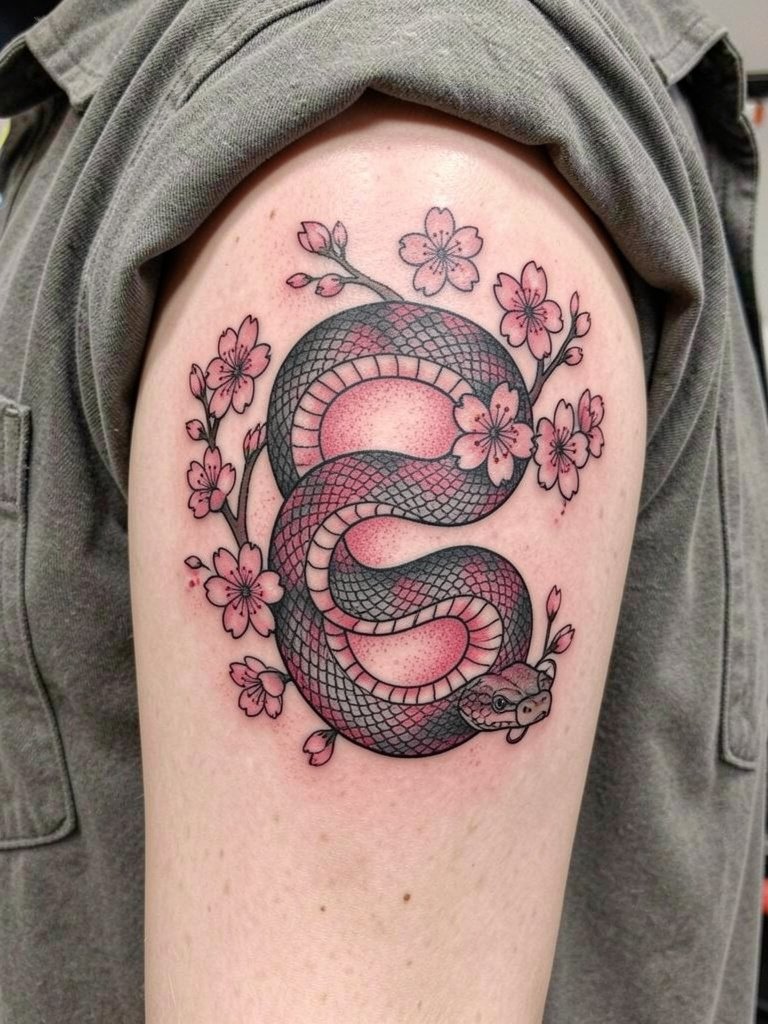
Cherry blossoms tame the snake's predator energy and make the composition seasonal and layered. In consultation, show specific photos of blossom scale so the artist knows whether you want dense clusters or sparse petals. The mistake I see is asking for tiny blossoms that blur into dots after movement and touch-ups. For session wear, bring a shirt you can easily remove so the shoulder is accessible, and for styling pair this placement with open camp-collar shirts in solids, try camp collar shirts.
6. Coiled forearm piece with head turned outward, compact read
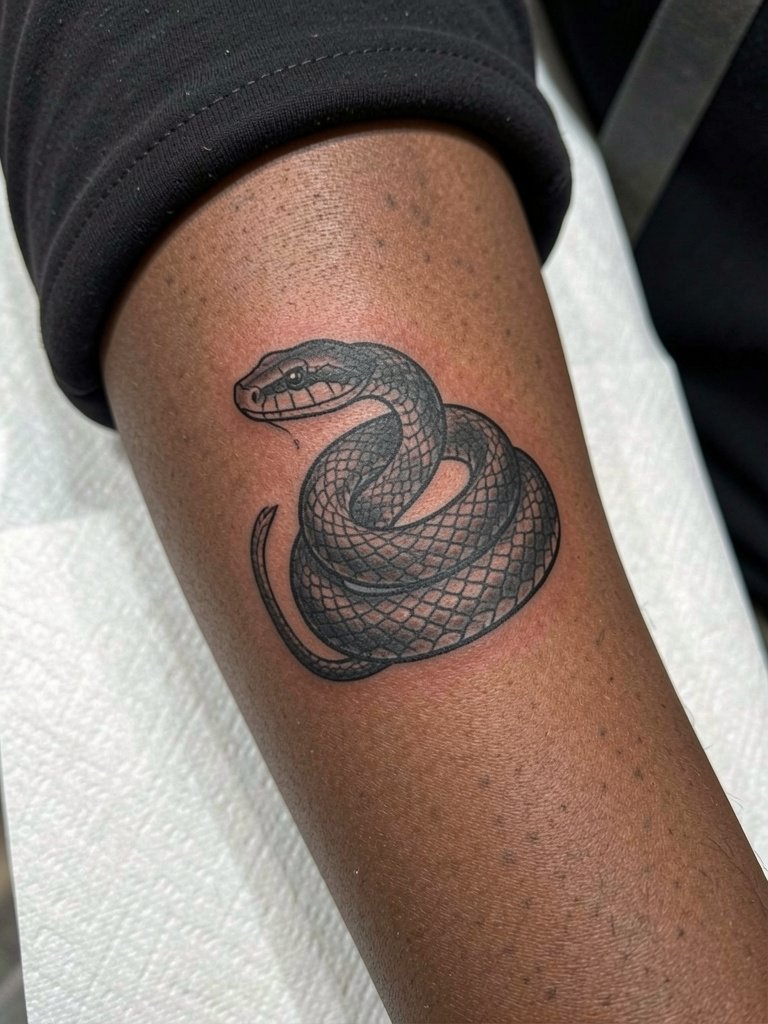
This composition is a solid first larger tattoo because it uses the forearm canvas well without committing to a sleeve. Request mockups at two sizes during the consultation so you can see how the coil reads at three versus five inches. The common error is selecting a reference that is too small and expecting the same level of detail. For session clothing wear, a short sleeve tee works best, and for everyday styling this placement pairs with neutral knit tees and minimal watches, like neutral overshirts.
Session Day Picks
The first six ideas include several forearm and upper arm options, so a few practical products make the appointment and first-week healing smoother.
- Second-skin tattoo film. Works as a low-friction early covering that helps protect forearm and calf pieces from sleeve rubbing during the first days.
- Fragrance-free healing balm. Lighter texture balms avoid the greasy feel that can sit on fresh linework, which helps fine scales and single-needle areas settle.
- Unscented gentle body lotion. A simple lotion is useful during the later healing window once the scabs are gone and you need regular moisturization without fragrance.
- Soap-free gentle body wash. Cleansers without strong fragrances or exfoliants reduce irritation when washing the first-week tattooed areas.
- Aquaphor healing ointment. A thin layer at the very start can lock moisture for dense blackwork without clogging the needle channels.
7. Small snake wrist or ankle motif for a low-commitment option
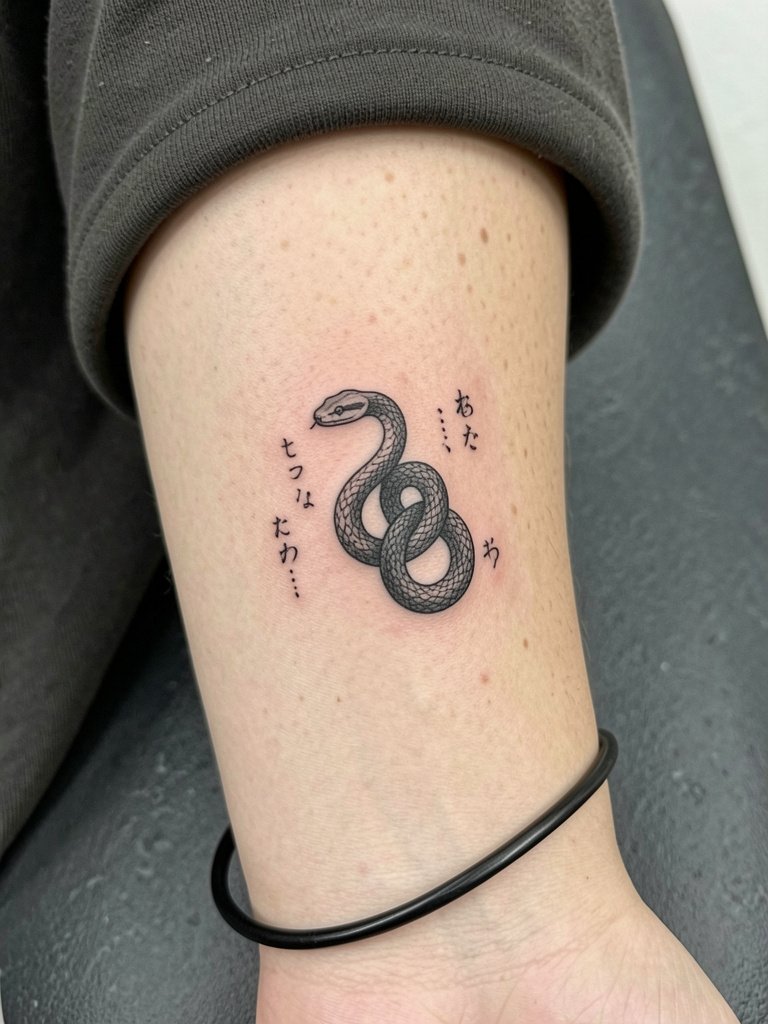
A small wrist or ankle snake is approachable budget-wise, but there is a real debate about size. One camp values small pieces as low-commitment and accessible for first-timers. The other camp says Japanese snake motifs lose their traditional identity when the canvas is tiny and the composition lacks companion elements. If you pick small, push for thicker outline and simplified scale work so the piece ages without turning into a smudge. Wear short sleeves to show a wrist piece, and for accessories try a slim cuff bracelet like slim cuff bracelet.
8. Long vertical snake winding up the calf
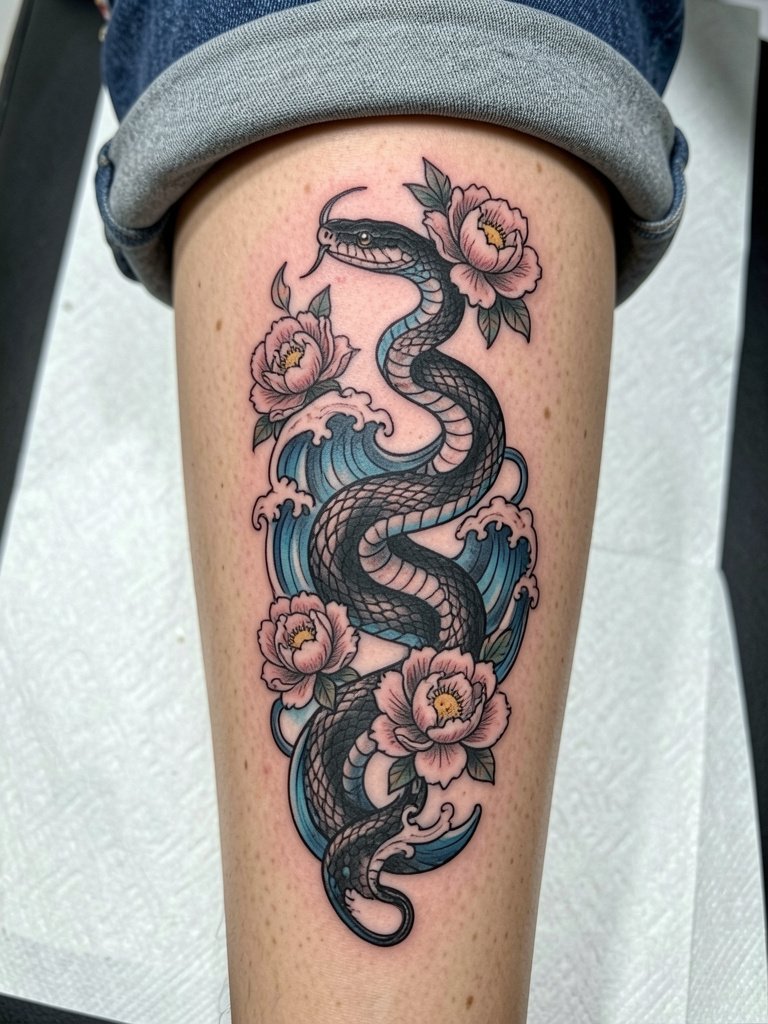
The calf is ideal for long vertical compositions because the canvas naturally complements a snake body. Tell the artist how the design should read when you stand and when you walk, so the flow complements muscle contours. A misstep is treating the calf as a flat surface and ignoring how the snake will wrap when you move. For season styling, straight-leg or cropped athletic shorts show the piece best, try cropped athletic shorts.
9. Chest panel that extends to the arm in Hikae style
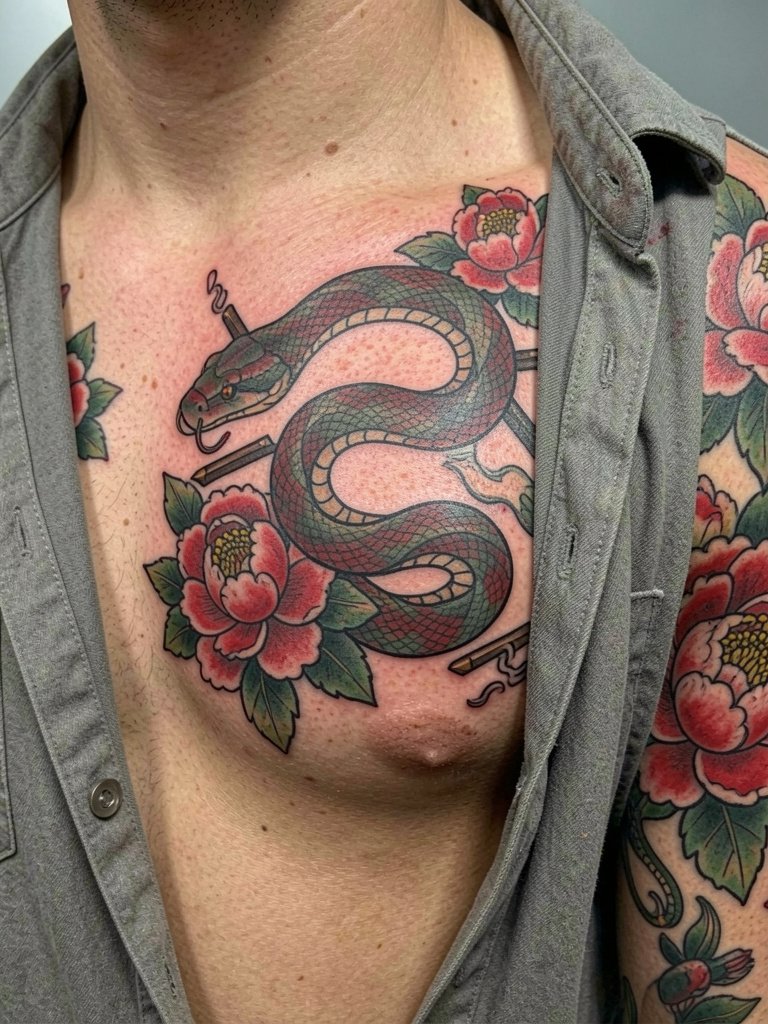
A chest panel lets the snake become part of a larger body story and reads best when the torso is used as negative space. During consultation, show how you want the tail to tuck under the arm so the artist can plan the wrap. Pain on the chest is moderate for most people and sessions are usually multiple. Watch for the common mistake of starting the chest piece too small. For show-off styling try open collar shirts that frame the collarbone and chest panel, like open collar shirts.
10. Traditional snake with water motif only for clean motion
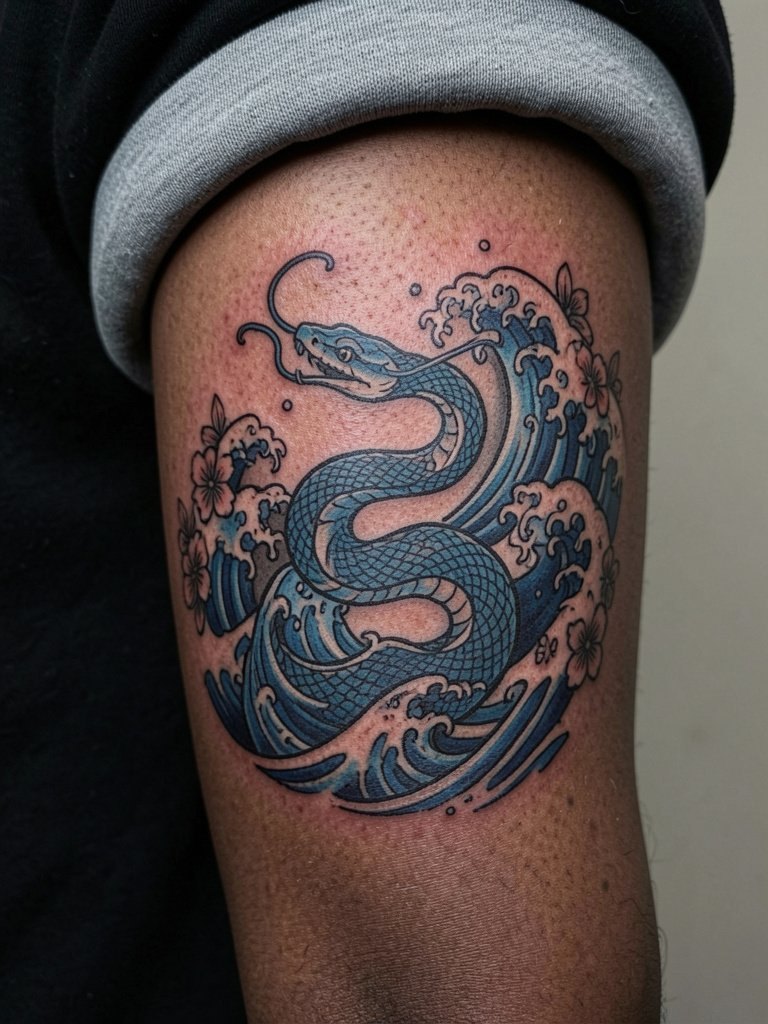
If you want movement without a busy composition, pairing the snake with water is a classic fix. Ask the artist to emphasize wave flow rather than tiny decorative fills so the piece reads from a distance. This style generally needs a slightly larger canvas than one expects because the waves give the snake context. Avoid packing texture into the water that competes with the snake scales. For session comfort wear a sleeveless top and for display try fitted tanks, like fitted tank men.
11. Neo-traditional hybrid with realistic head and stylized coils
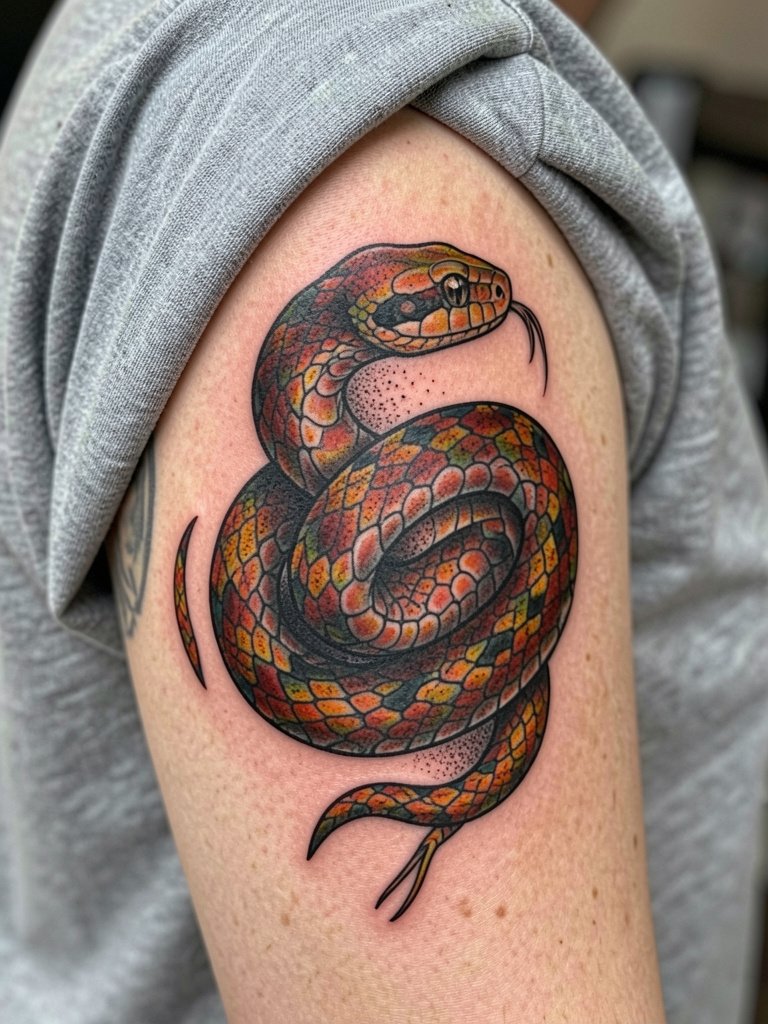
This hybrid lets you keep the drama of a realistic head while preserving the shorthand of Japanese coils. During the consult, specify how realistic you want the head, particularly the eye and jawline, because these areas age differently than patterned coils. The common mistake is over-detailing the head while leaving the body too simple, which creates visual imbalance as it heals. For casual show-off style, open overshirts and neutral tees keep attention on the arm, try loose button down shirt.
12. Blackwork snake using heavy negative space for punch
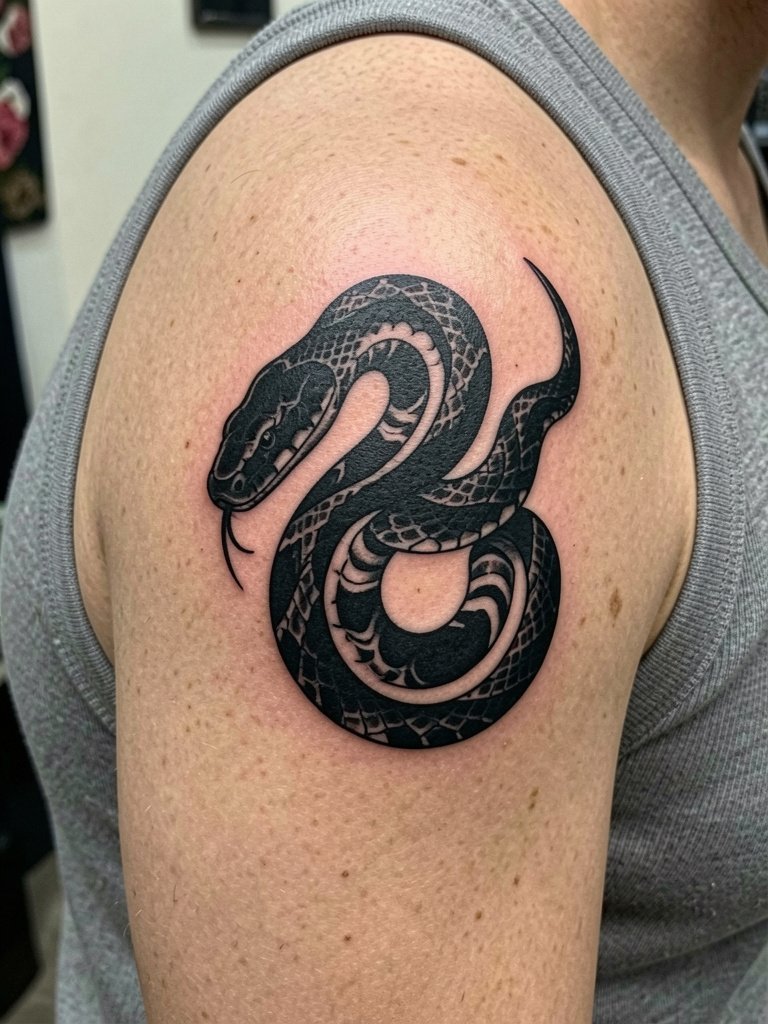
Blackwork modernizes the motif and ages well because heavy black reads on all skin tones. Ask for healed photos of similar blackwork on comparable skin tones so you have realistic expectations for saturation. A frequent mistake is trying to transfer a delicate Japanese pattern directly into blackwork without adjusting scale and proportion. For session wear choose a top that gives clear shoulder access and for outfits pair with fitted athletic tees, like athletic sleeveless top.
13. Ribcage snake that curves with the torso for drama
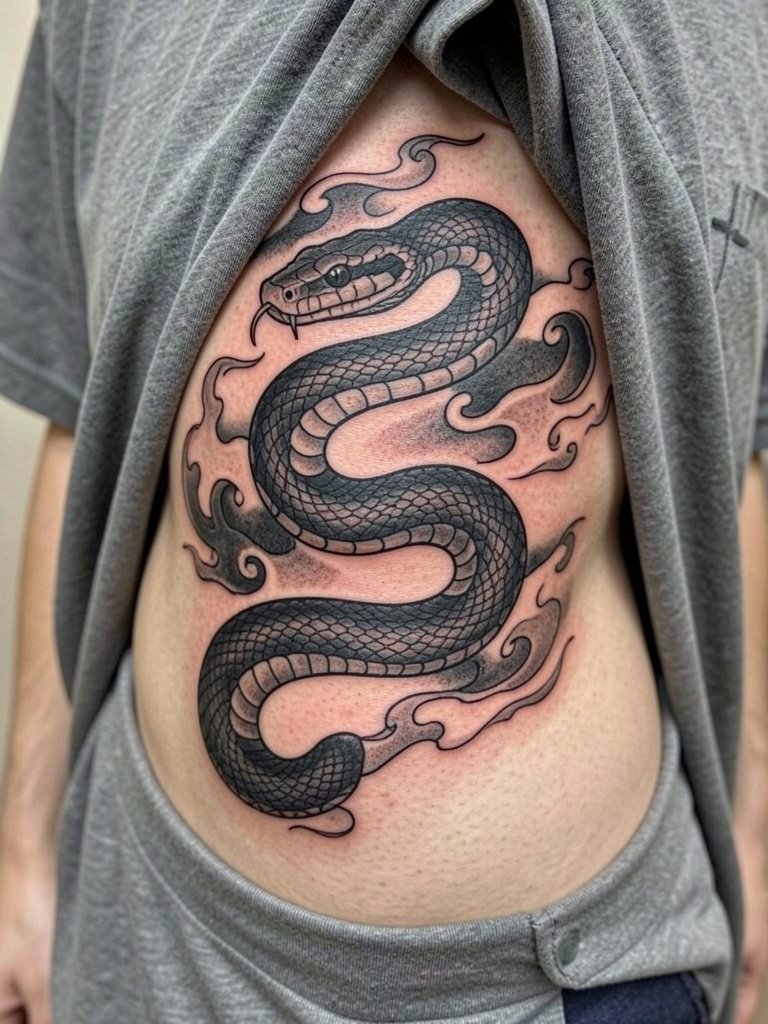
Ribcage placements look dramatic but they also spark debate. One group says ribs produce dramatic flow and the result is worth the pain and careful healing. Another group warns that the movement and stretch of the side torso can blur fine lines within a few years. If you pick ribs, ask for slightly bolder contouring and expect a longer healing period. For session wear bring an easy-to-remove top and avoid tight compression clothing during recovery.
14. Snake-and-kana minimalist layout on the inner forearm
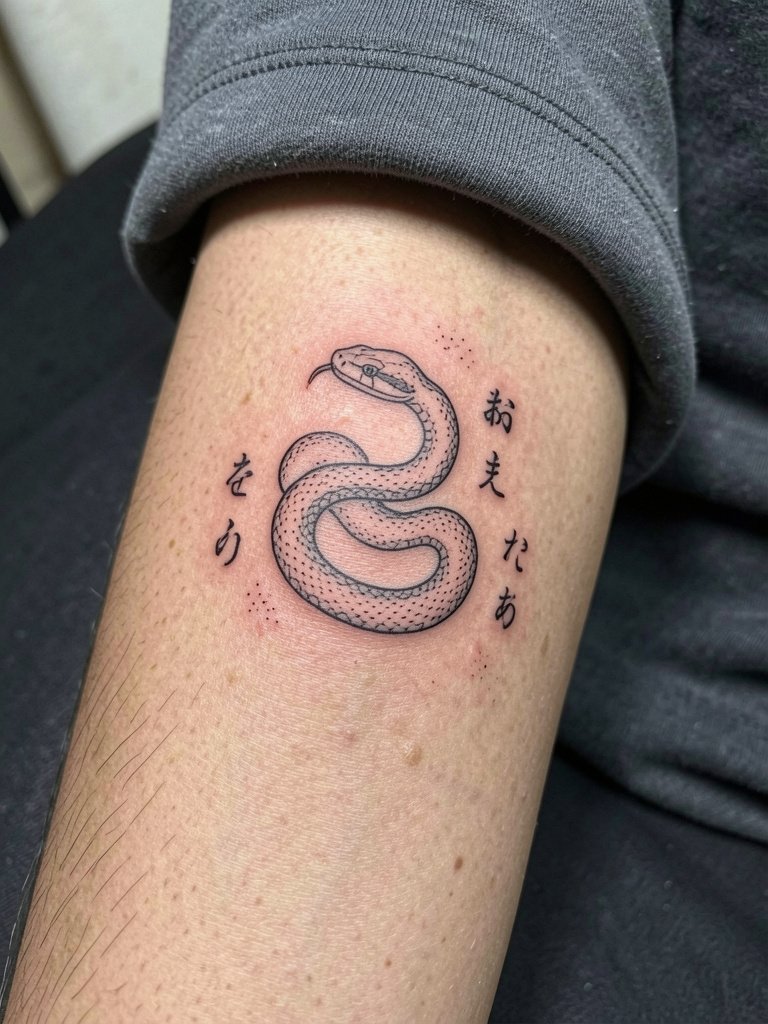
This is a good compromise for someone who wants Japanese cues without a mural. Bring the exact kana or single word you want written to the consultation so the artist can size the characters to match the snake. A common pitfall is tiny script that heals into an illegible blur, so insist on slightly larger letter spacing. During the session wear a sleeve you can push above the elbow and style the finished piece with minimal watches on the opposite wrist, like minimalist watch men.
15. Snake with peonies for scale and richness on the outer upper arm
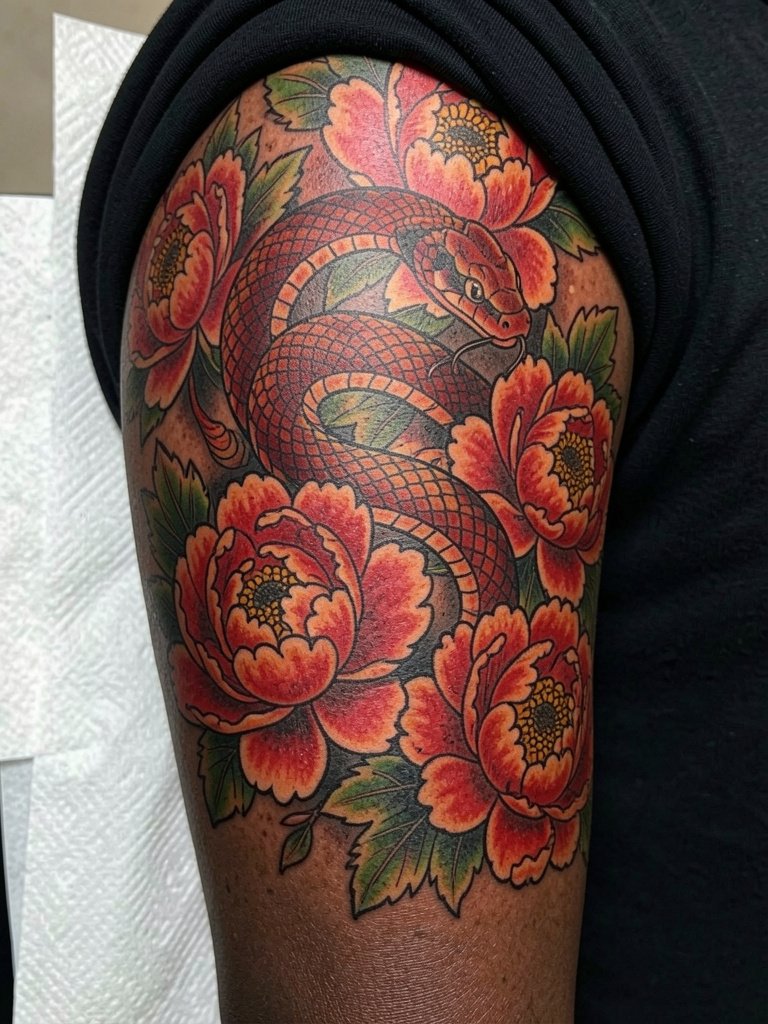
Peonies give the snake scale and visual weight and are a frequent companion in irezumi. During the consultation, specify how dense you want the florals to be because heavy floral fills increase session count. The typical mistake is packing peonies too tightly around the snake which blurs the body path. For display, sleeveless tanks and solid muscle tees make the upper arm read bold, try muscle tank men.
16. Snake with tiger or aggressive companion motifs for high-contrast storytelling
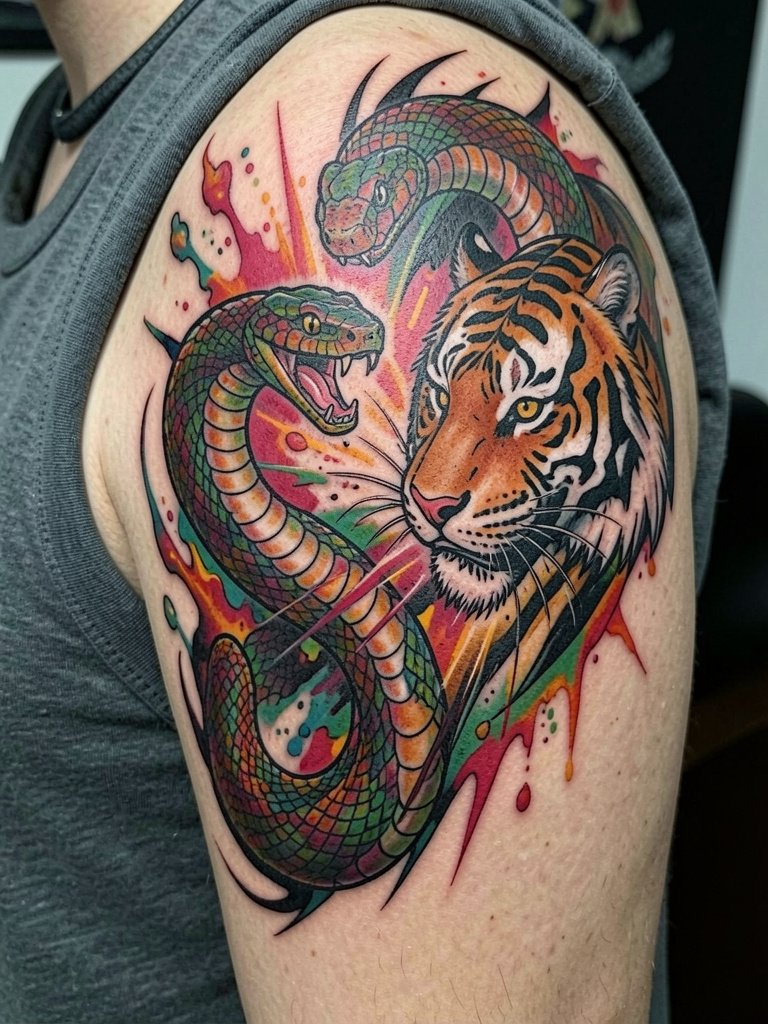
Pairing a snake with a tiger or other aggressive element ups the drama and requires careful scale planning so neither creature reads as an afterthought. Ask the artist to show a mockup where both heads have clear negative space so each reads from a distance. This type of piece usually runs multiple sessions and will need a touch-up for saturated colors. For styling, open denim shirts and fitted athletic tees frame shoulder compositions well, consider open denim shirt.
17. Fine-line snake with script and minimalist layout for the inner wrist
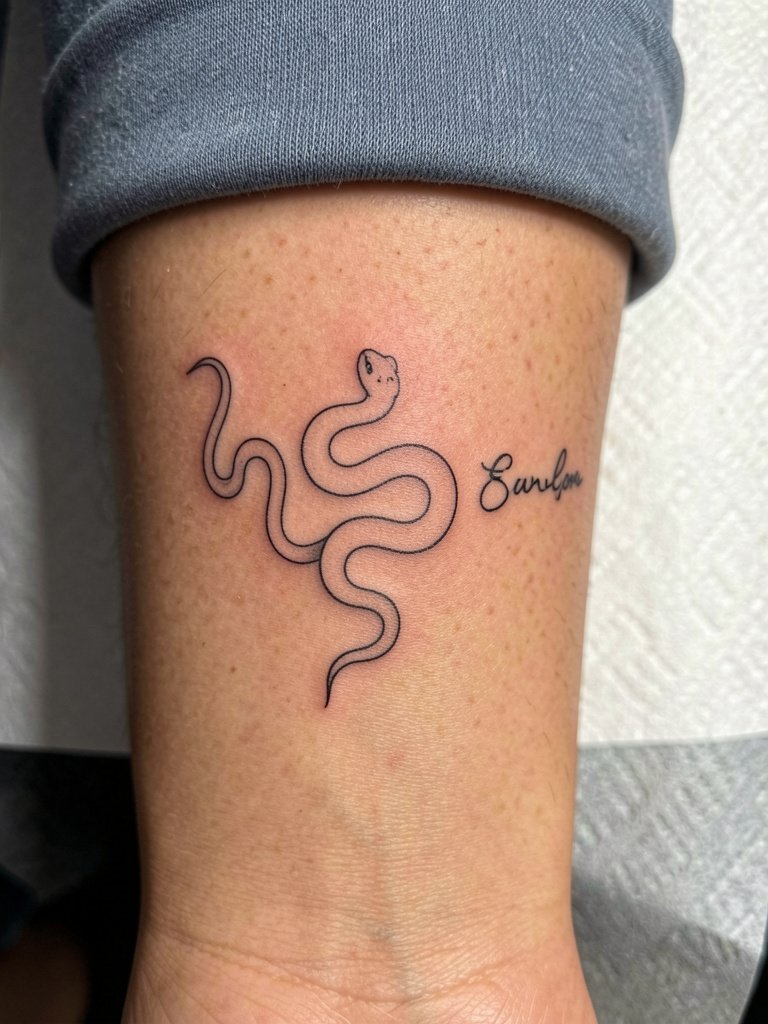
Minimal layouts are elegant but fragile on high-motion spots. For inner-wrist placements ask for a slightly heavier single-needle thickness and avoid extra texture that will vanish. A common error is expecting ultra-fine decoration to survive constant hand movement. For the session wear a short-sleeve henley that can be pushed up easily, and for reveal choose clean cuffed sleeves or a minimal bracelet, such as short sleeve henley.
18. Black-and-gray back panel with a snake and wave composition
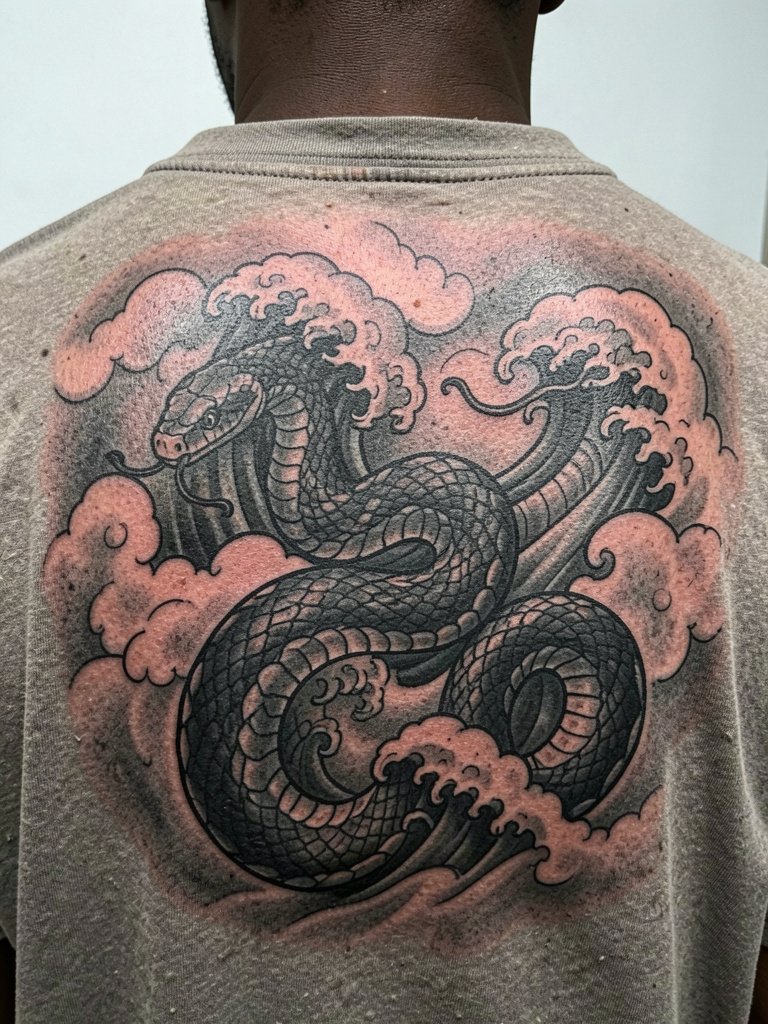
Back panels let the snake become architectural, which helps the motif maintain its Japanese identity at larger scales. Ask the artist to map body landmarks so the composition respects shoulder blades and the spine. A typical mistake is neglecting negative space on the back, which creates a visually heavy block that does not flow. Sessions are long and often spread over many visits. For showing it off, open overshirts and relaxed tanks provide an easy reveal.
19. Single-coil thigh piece that uses leg anatomy for motion
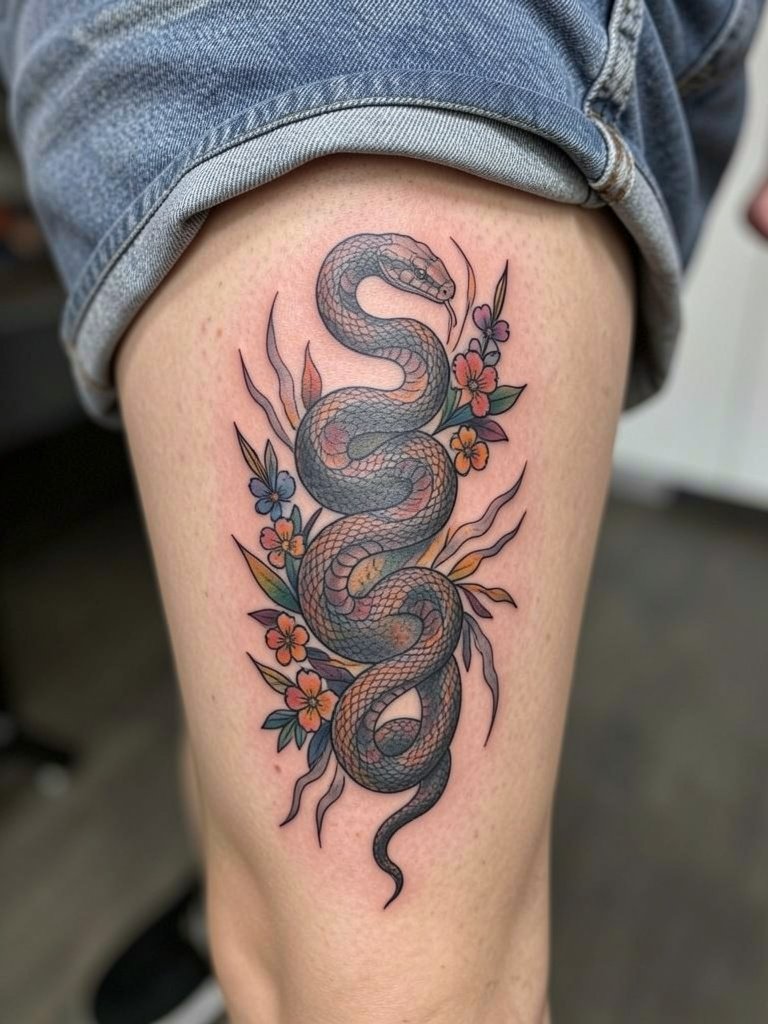
The thigh is forgiving for scale and works if you want a large piece that is easy to hide. Tell the artist how you want the snake to look when you sit and when you stand so the coils do not compress oddly. A common mistake is underestimating how the flesh compresses when seated, which alters perceived spacing. For session wear choose loose shorts so the artist can roll the leg up without pressure, and for summer looks try straight-leg shorts, like straight leg shorts.
20. Small chest collarbone snake for subtle upper-chest detail
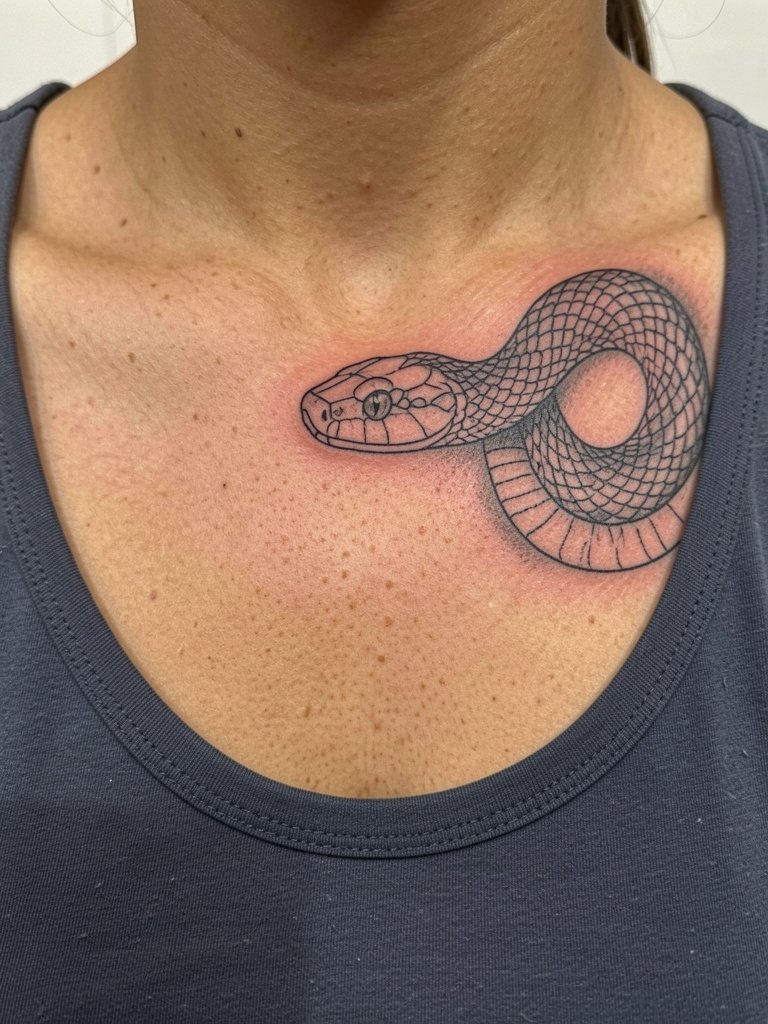
A collarbone snake reads best when the composition respects the clavicle curve. Ask the artist to show how the body sits with typical shirt necklines so you know what will show when wearing scoop or open-collar tops. The mistake here is placing too much detail on the collarbone itself, which the skin and movement do not hold. For reveal, scoop-neck tees and minimal chain necklaces work well, try scoop neck tee men.
21. Side-torso flow piece that emphasizes body curve
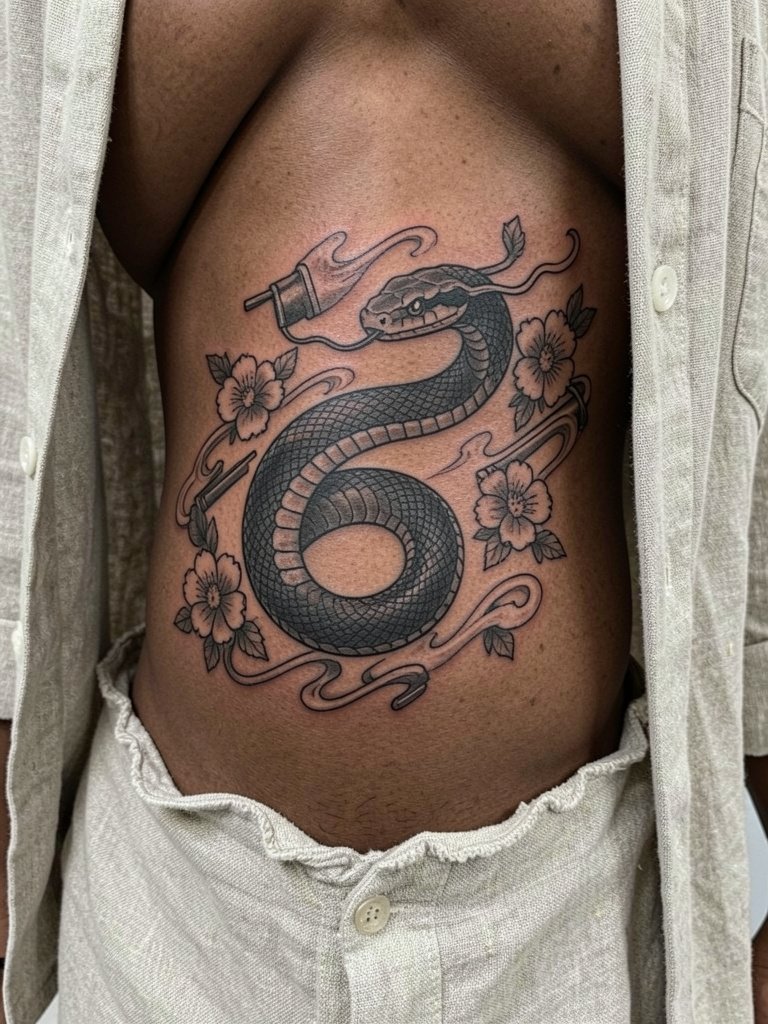
Side-torso snakes look dramatic when the body curve is used as part of the composition. Expect more pain and a slower healing window on this placement. The usual mistake is overpacking tiny detail into a moving skin surface. For session wear choose a loose linen shirt that you can remove quickly and for reveal try longline tanks or lightweight linen shirts, like longline tank men.
22. Wrist band snake that wraps as an arm ring
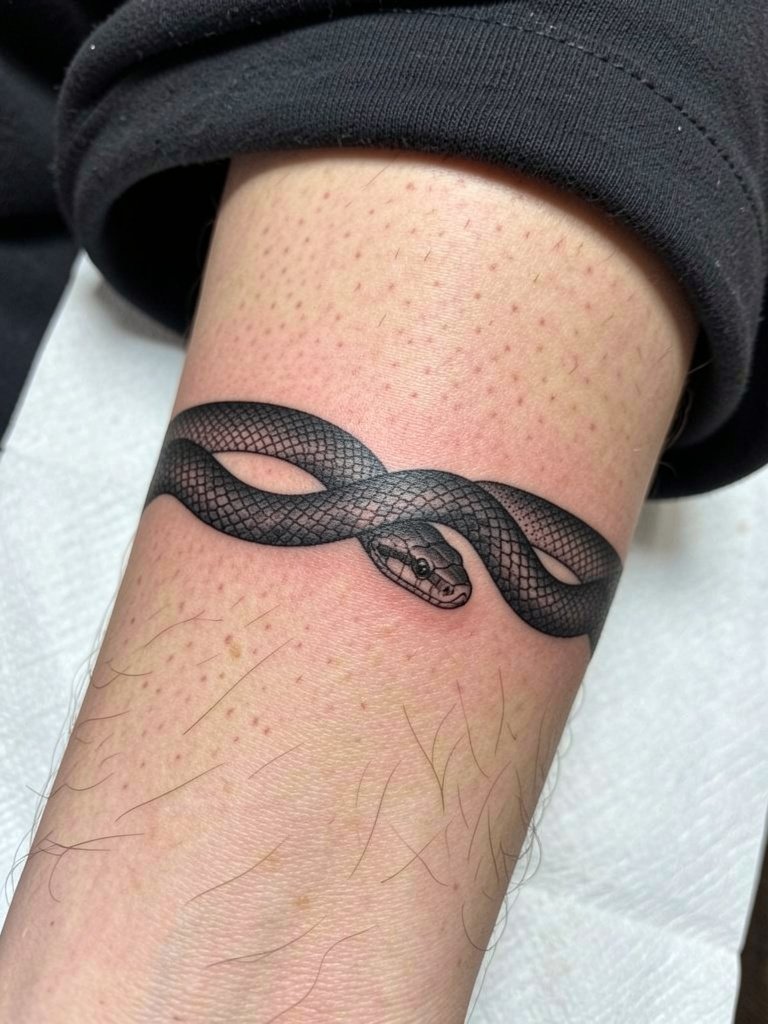
A wraparound wrist band reads well and feels intentional when the snake completes the loop cleanly. Ask for a stenciled mockup so you can see how the band sits when the wrist is relaxed and when it is flexed. The common error is expecting a tiny, highly detailed band to stay crisp; heavier outlines help. For session clothing wear short sleeves and avoid bracelets on the tattoo wrist until healed.
23. Minimal ankle snake for a discreet vertical accent
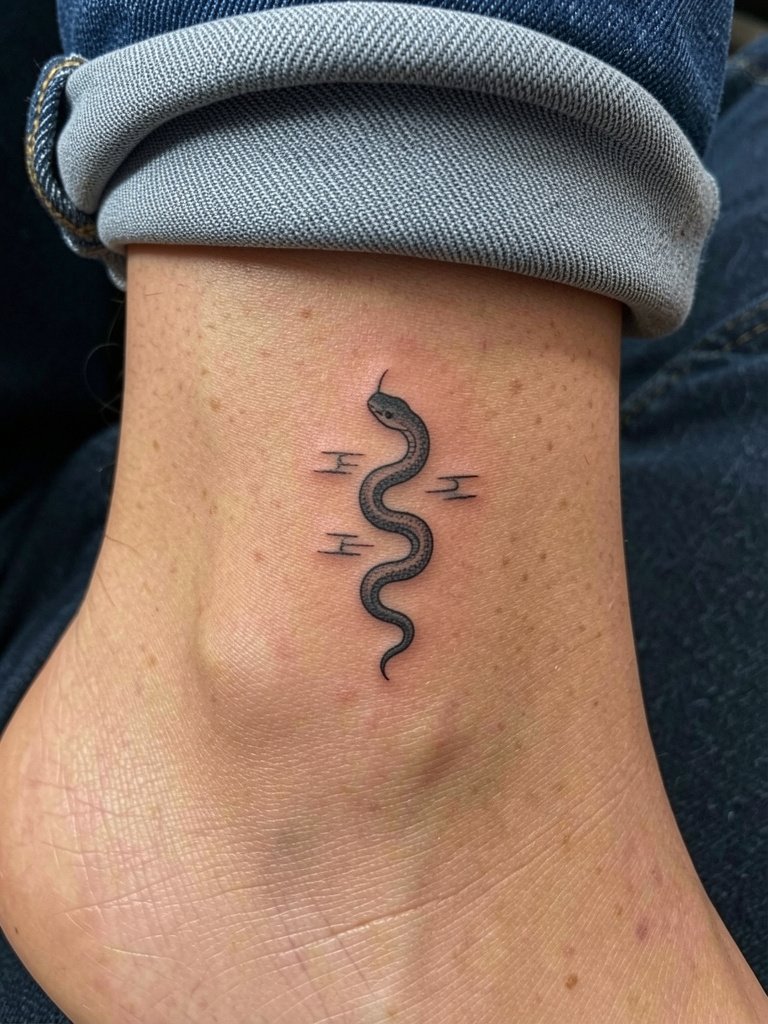
Ankle snakes are great for discreet pieces, but they have friction risks from socks and shoes. Keep the silhouette simple and avoid tiny interior texture. A common healing problem is scabbing due to shoe friction, so plan shoes and sock choices accordingly. For showing off in summer try cropped shorts and minimal ankle socks, like ankle socks men.
24. Back-of-arm tricep panel that carries into the shoulder
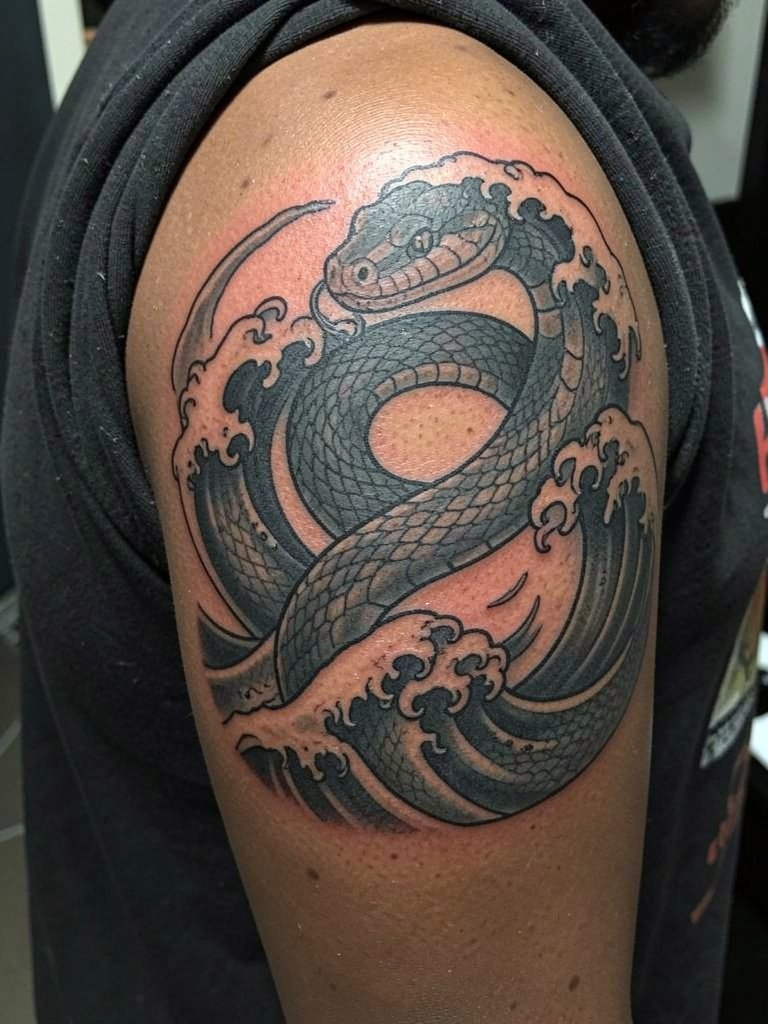
The tricep gives a wide canvas for flow into the shoulder and chest. Ask the artist how the piece will look from both standing and back angles so the design keeps its rhythm. A frequent mistake is ignoring how the arm folds when raising the elbow which can warp continuity. For session wear bring an easy-to-remove top and for styling try open-back lane shirts or sleeveless athletic tops.
25. Small ankle or foot snake that follows the bone line
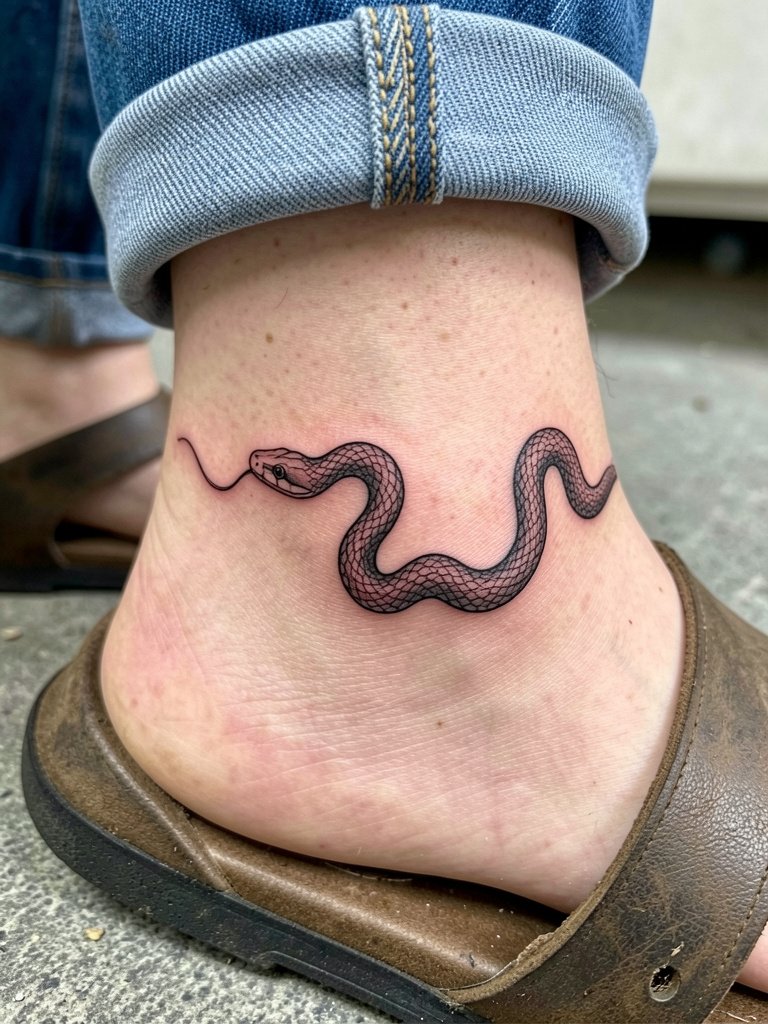
Foot and ankle work needs extra care because footwear creates repeated friction. I recommend a simple silhouette with no tiny scale fills. The typical mistake is packing too much detail into the toe or top-of-foot area which leads to early loss of definition. For the appointment wear loose pants you can roll above the ankle and for summer style choose sandals or cropped pants that let the piece breathe, try cropped athletic shorts.
26. Blackwork negative-space coil on the shoulder cap
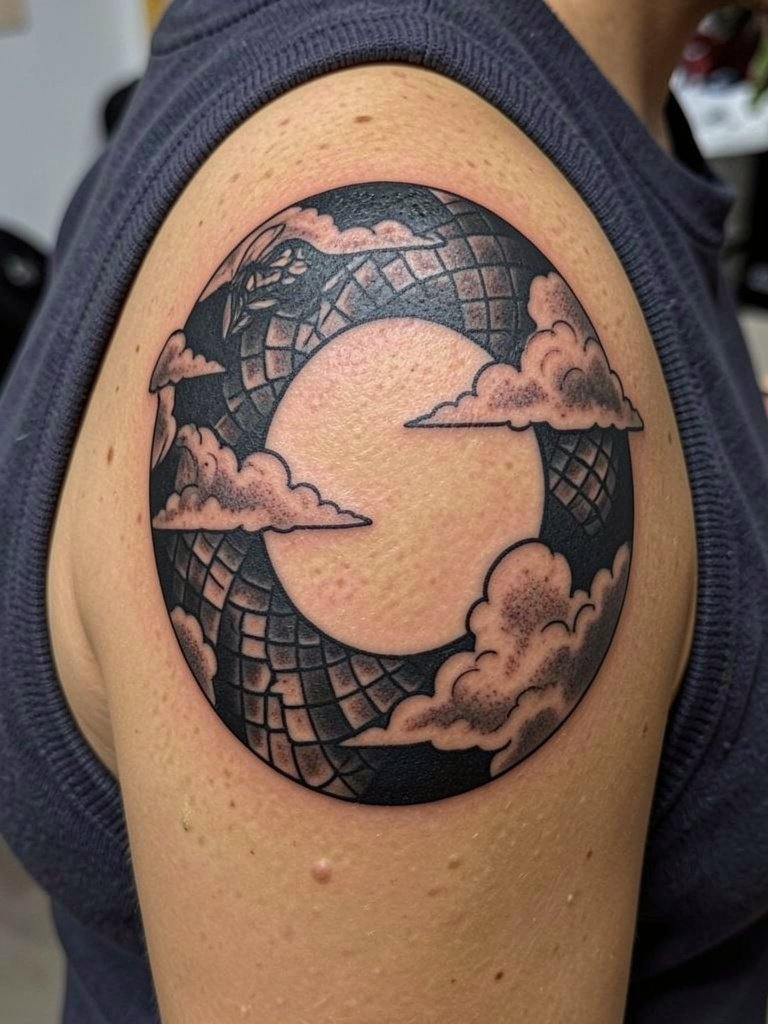
A shoulder cap blackwork coil reads instantly and survives decades with minimal maintenance. Ask for healed examples on similar skin tones to set realistic saturation expectations. The common error is trying to combine too many colors with heavy blackwork, which competes visually. For session wear a tank top and for daily style pair with fitted tanks or open shirts, like fitted tank men.
27. Bold collar-to-shoulder panel with limited color accents
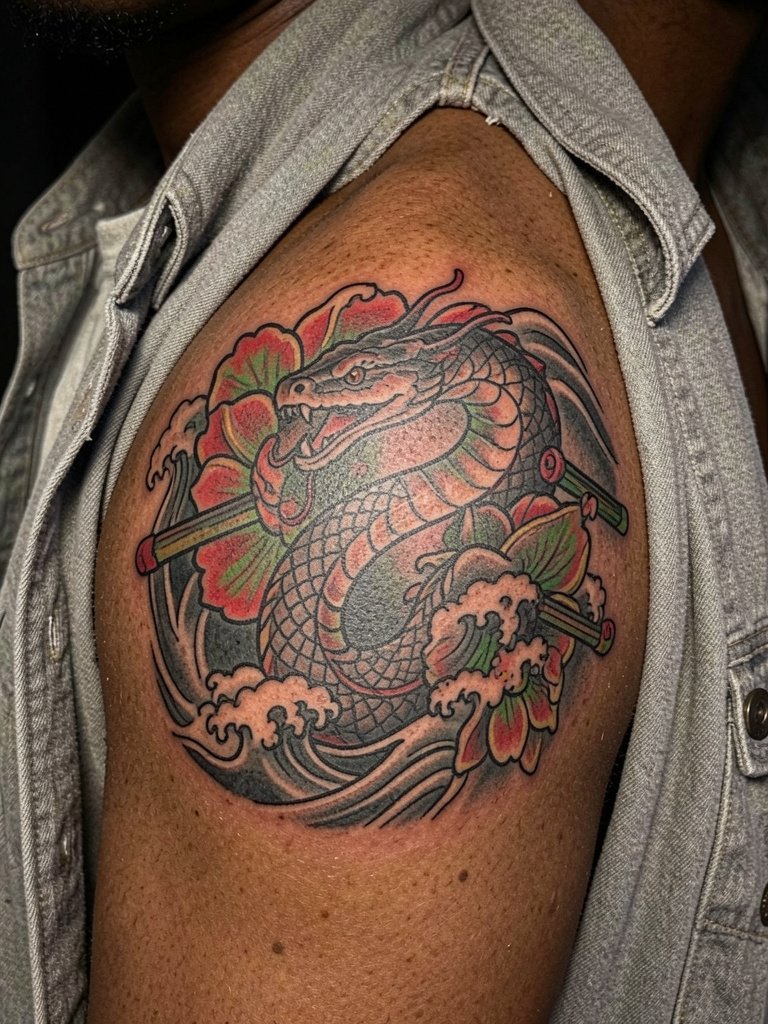
This placement reads high-impact without needing a full chest takeover. Request a mockup that shows how the collarbone framing interacts with shirt necklines so you know what will peek out. A real mistake is underestimating how clothing layers will hide or reveal different parts of the panel. For reveal pair the tattoo with open collar shirts or scoop neck tees, such as open collar shirt men.
Frequently Asked Questions
Q: How do I decide between black-and-gray and color for a Japanese snake tattoo?
A: It depends on whether you prioritize longevity or tradition. One group prefers black-and-gray because it holds contrast longer and needs fewer color touch-ups. Another group prefers full color because the traditional palette with peonies and blossoms delivers a richer irezumi look. Think about how often you will get touch-ups and whether you want the worn-in look of faded color over a decade.
Q: What size does a Japanese snake need to actually look Japanese rather than generic?
A: Most Japanese snake compositions need more space than clients expect because wind bars, water, and companion florals give the motif context. For a clear traditional read you usually want a canvas that is at least the size of a forearm panel or larger. If you want a small piece, ask the artist to simplify the motif and beef up outlines so it still reads as Japanese at distance.
Q: Where can I find artists who actually understand Japanese body flow without naming individual artists?
A: Search hashtags like #japanesesnaketattoo, #hebitattoo, #irezumitattoo and filter by location on Instagram and TikTok to find portfolios near you. Look for healed photos, full Japanese body flow, and other large-scale motifs like peonies and waves. Reddit communities can surface peer recommendations and healed examples that show how pieces age.
Q: Will a snake on my ribs or side torso blur as I move and age?
A: The ribcage placement divides opinion. One camp argues the ribs make a dramatic flow and the result is worth higher pain and careful healing. The other camp warns that skin stretch and movement can blur fine lines within a few years. If you choose ribs, plan for bolder outlines and a longer touch-up timeline so the piece keeps its definition.
Q: What should I wear to the appointment for a calf or thigh snake session?
A: For calf and thigh sessions wear loose shorts you can pull up or roll so the artist has full access without pressure on the area. Avoid tight jeans or long socks that compress the skin during the appointment. As a show-off tip, straight-leg shorts and cropped athletic shorts help the final piece read best on summer days, like cropped athletic shorts.
Q: How often will I need a touch-up for medium to large Japanese snake pieces?
A: Expect at least one touch-up within the first year for color work and possibly another at two to three years depending on sun exposure and skin type. Black-and-gray pieces usually need touch-ups less often but may still require them where skin stretches or on high-friction areas. Plan touch-ups into your budget so the piece keeps the intended saturation and contrast.