
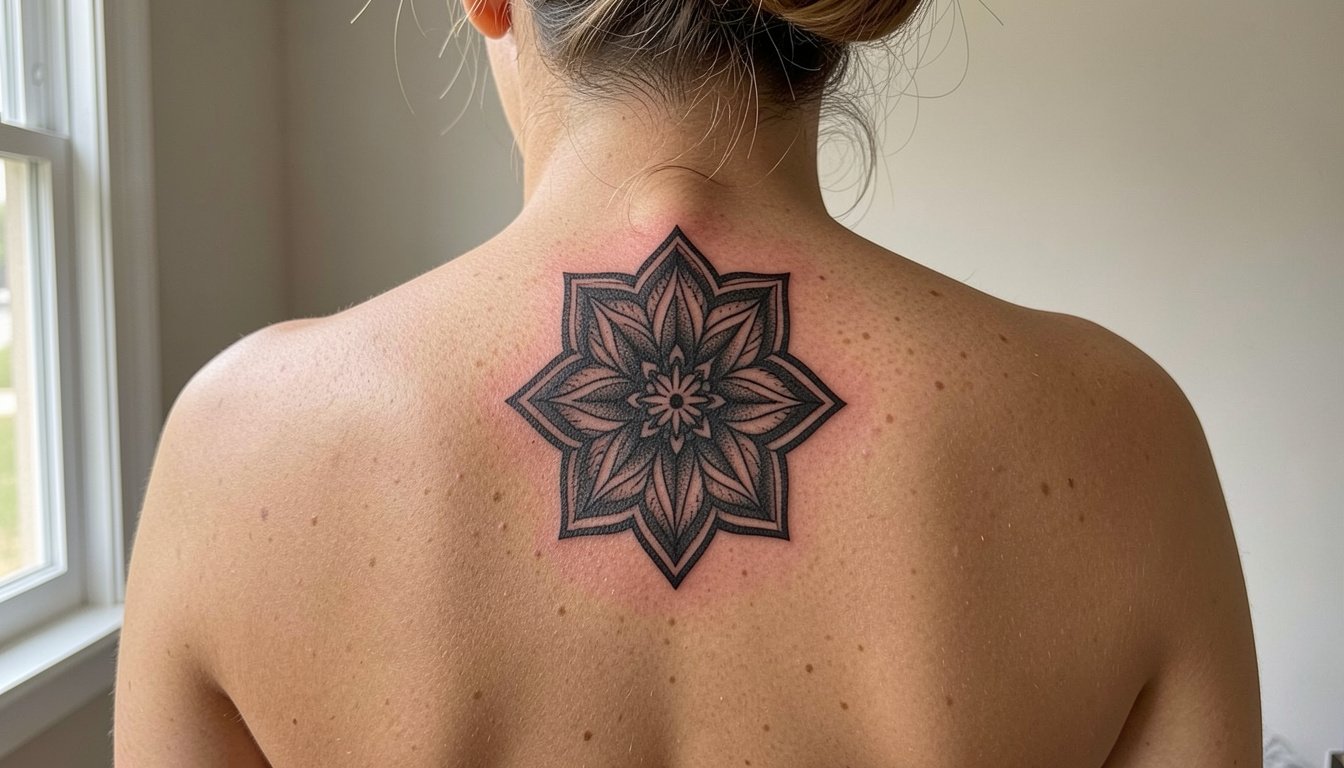
Geometric dotwork mandala tattoos look effortless on browse pages, but what holds up over years is rarely the most photographed piece. The mandala choices that keep clarity are the ones that respect spacing, use controlled stipple shading, and start a little bolder than most save boards suggest. Read the first entry to see a contrasting placement that sets the tone for designs that age cleanly.
1. Mini Mandala on Inner Wrist
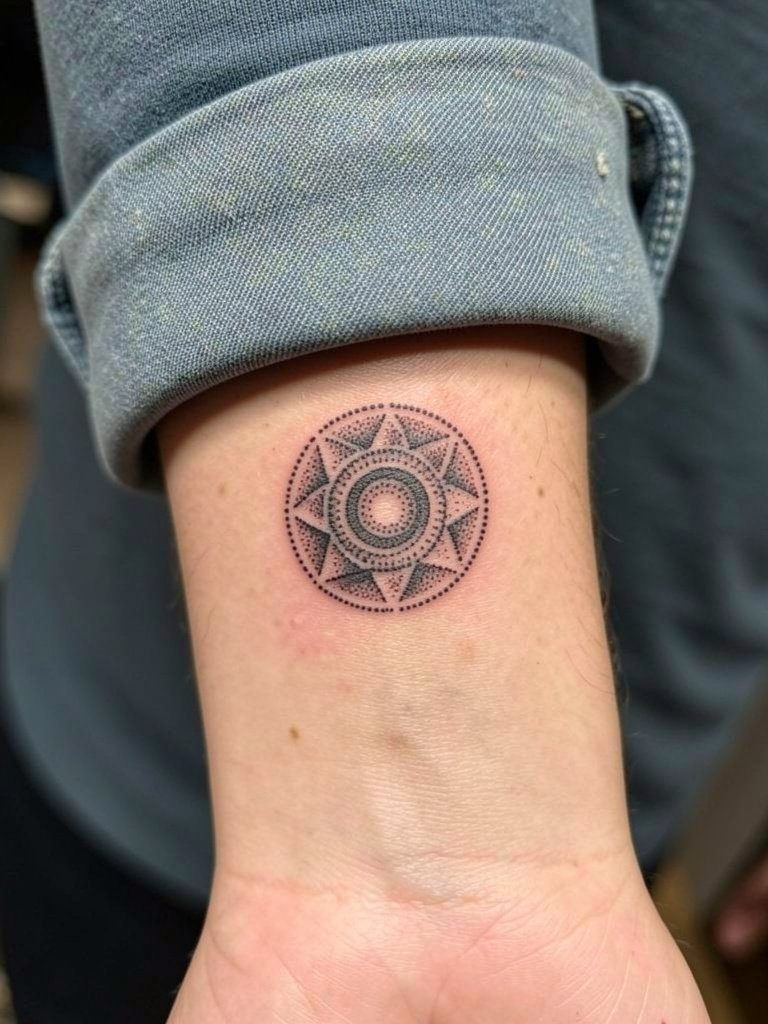
A small mandala on the inner wrist reads like jewelry when the pattern is spaced correctly. Recommend this if you want a visible piece that still fits office dress codes and pairs with stacked bracelets. For the session plan on a short slot, roughly thirty to sixty minutes depending on linework density, and expect mild wrist tenderness during inking. Bring two reference photos that show the mandala at both two inches and three inches so the artist can map spacing. The common error is pushing the design too small, which raises blowout risk from thin concentric rings. Healed at six months the stippling softens slightly, and by year three the central dots need a subtle touch-up to keep contrast.
2. Geometric Half-Sleeve Around the Elbow
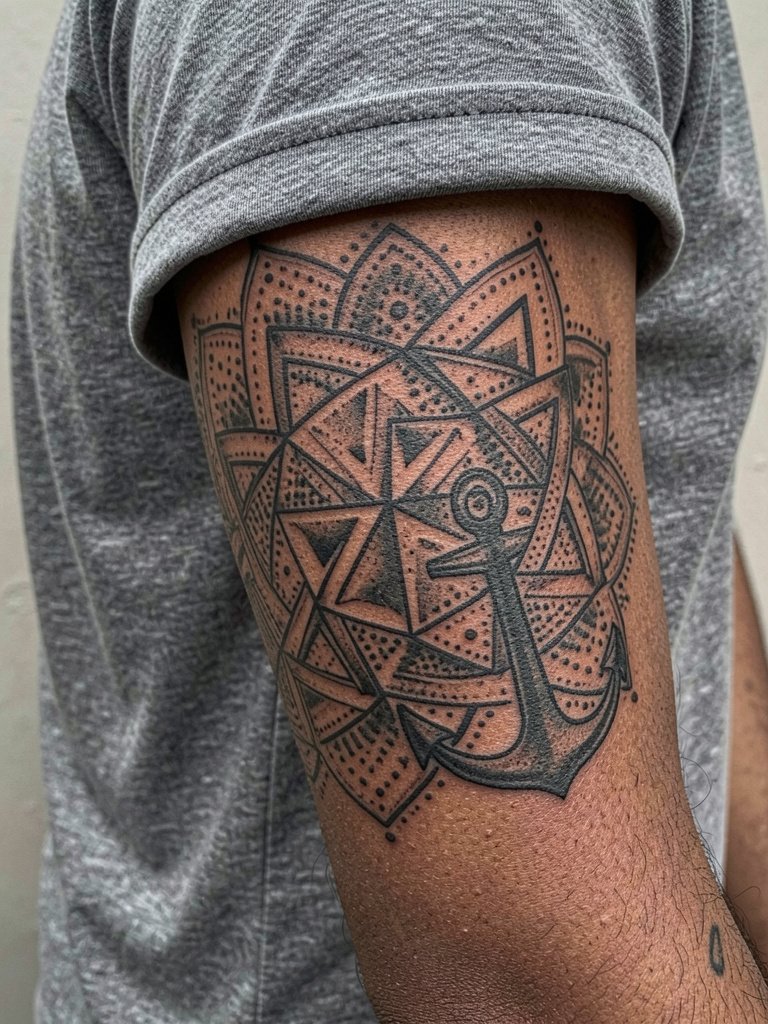
Wrapping a mandala around the elbow uses the joint as a compositional element, which masks minor shifts as skin moves. Choose this when you want bold geometry that reads from several angles. Expect two sessions with the joint area taking longer because artists need to work around curvature and occasionally pause for comfort. Tell the artist you want the main radial points thicker so they survive the bending stress and ask for extra negative-space breaks at the crease to prevent blurring. Elbow skin tends to scab more, so plan a touch-up after six to twelve months if dot saturation looks patchy. This placement pairs well with rolled short sleeves to show the pattern when you lift your arm.
3. Throat-Side Micro Mandala

A micro mandala at the throat side has a quiet, architectural presence when scaled correctly. I suggest this for people who want visible geometry without a full chest piece. Session time is short but the area is sensitive so expect sharper stinging and a five to eight out of ten on most pain scales. Specify that central dots be heavier than the surrounding stipple to prevent early loss of the focal point. A common mistake is demanding single-needle ultra-fine work in the wrong skin type, which can fade into indistinct gray. For showing off, clean necklines like wide-neck tops frame the piece without covering it.
4. Hip Bone Mandala with Lace Motif
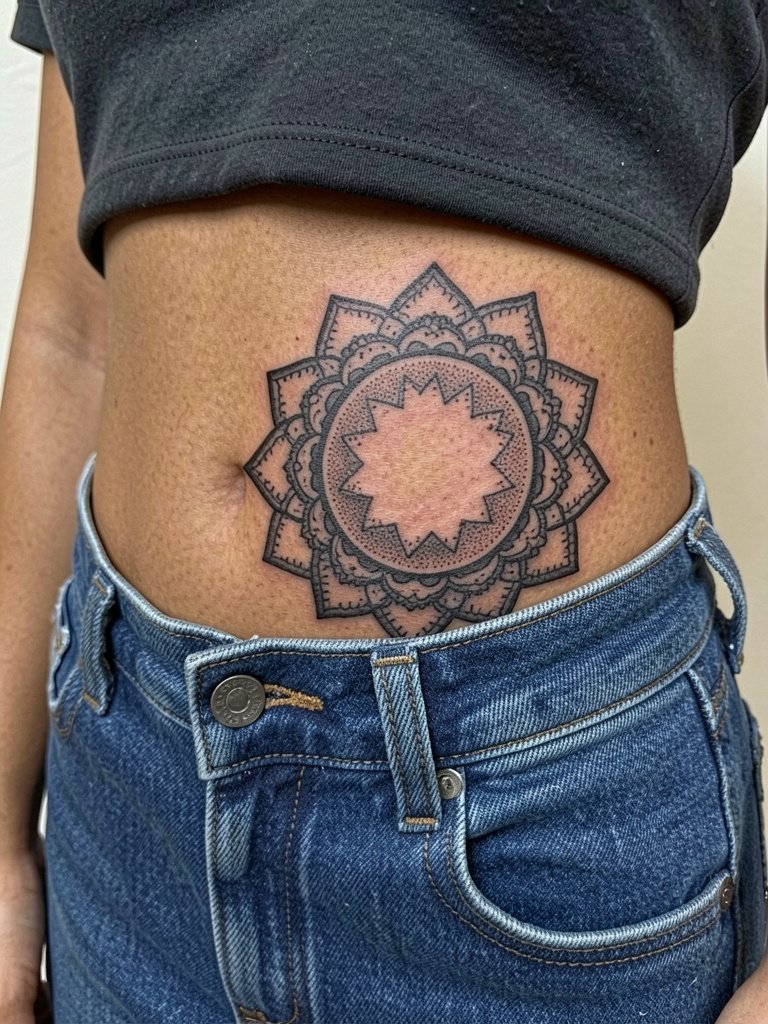
Hip mandalas sit at a crossroads of aesthetic preference and cultural sensitivity. One camp says mandala motifs are decorative and suitable for personal adaptation when executed respectfully. Another camp insists mandalas carry spiritual meaning and should be avoided or deeply researched before adoption. Both positions matter when you pick symbols and arrange negative space. Expect moderate session discomfort from the thin fatty layer over the pelvis and plan for two short passes to keep saturation even. For the session wear a low-rise pant or shorts so the artist can access the lateral hip without fabric movement.
5. Centered Sternum Sunburst Mandala
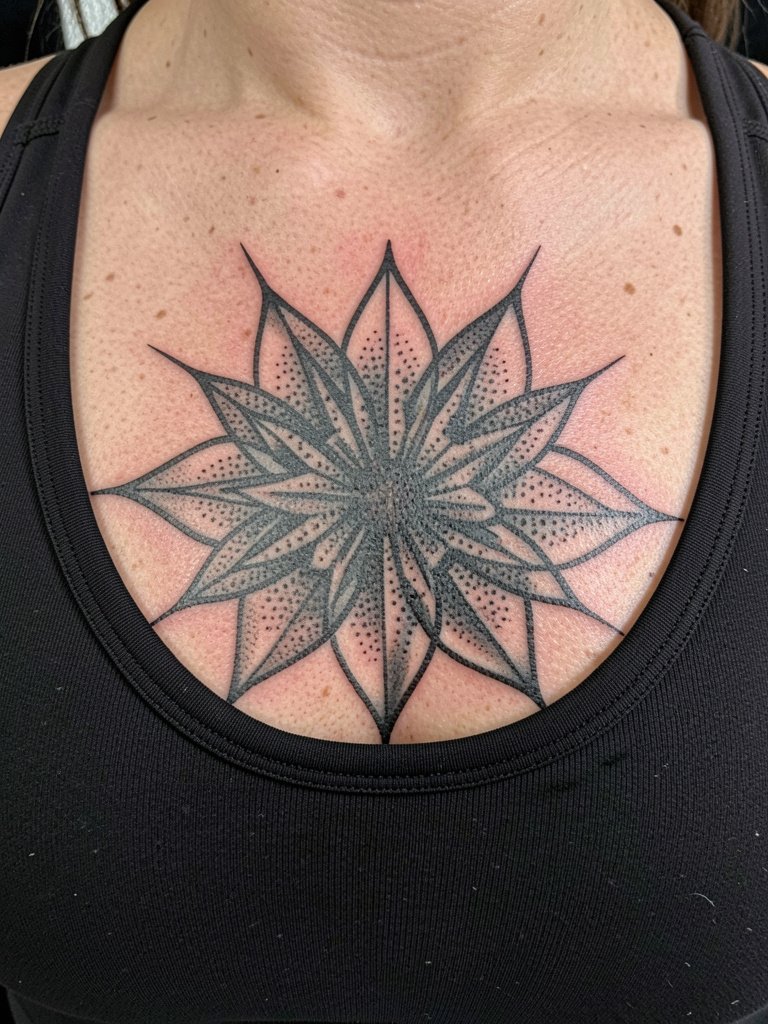
Sternum mandalas are dramatic and demand careful rhythm in the radial spacing so the design does not compress under the breastline. This is a good option if you want a centered piece that pairs with low-cut or open-front tops. The sternum can be one of the more painful spots on most people's maps, so plan for breaks and a longer session. Ask the artist to slightly widen the innermost ring so the center holds up as the skin shifts. The typical mistake is crowding fine dots into the sternum dip which leads to softening by year two. For session comfort choose a fitted sports bra you can wear in the chair so access is clean and modest.
6. Ankle Ring Mandala
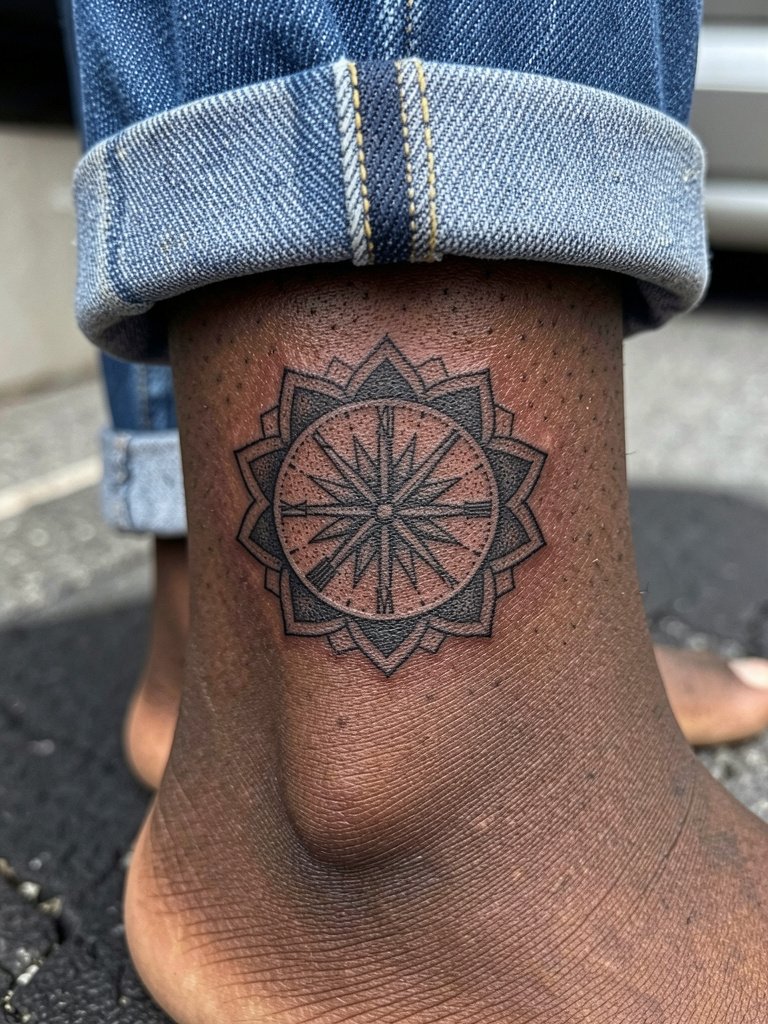
An ankle mandala reads like anklet jewelry and tolerates slightly finer dots than finger work because of lower constant friction. Recommend this when you want seasonal visibility and easy concealment with socks or boots. The session is short but the ankle can sting as bone is close under the skin. Tell the artist you want more space between outer dots to reduce the chance of early blurring from shoe pressure. A common error is packing too many radial layers into a small circumference which causes the pattern to merge after healing. Pair with low-profile sandals or rolled cuff jeans to show off the ring.
Pre-Session Essentials
The wrist, sternum, and ankle pieces above each have practical kit needs that smooth the session and the first week of healing.
-
Stencil transfer paper kit. Lets you and the artist preview exact linework placement on skin, which is crucial for symmetry on mandala centers.
-
Topical numbing cream. Apply per instructions before long sternum or elbow sessions to reduce movement and let the artist hold steady lines.
-
Thin protective film roll. Useful for ankle and wrist pieces where friction from clothing or straps is likely in the first 48 hours.
-
Fragrance free gentle body wash. Cleanses sensitive linework without stripping necessary oils during the first week.
-
Aquaphor healing ointment. A mainstream healing balm for short-term use to protect dotwork while scabs form and peel.
7. Outer Forearm Radial Mandala
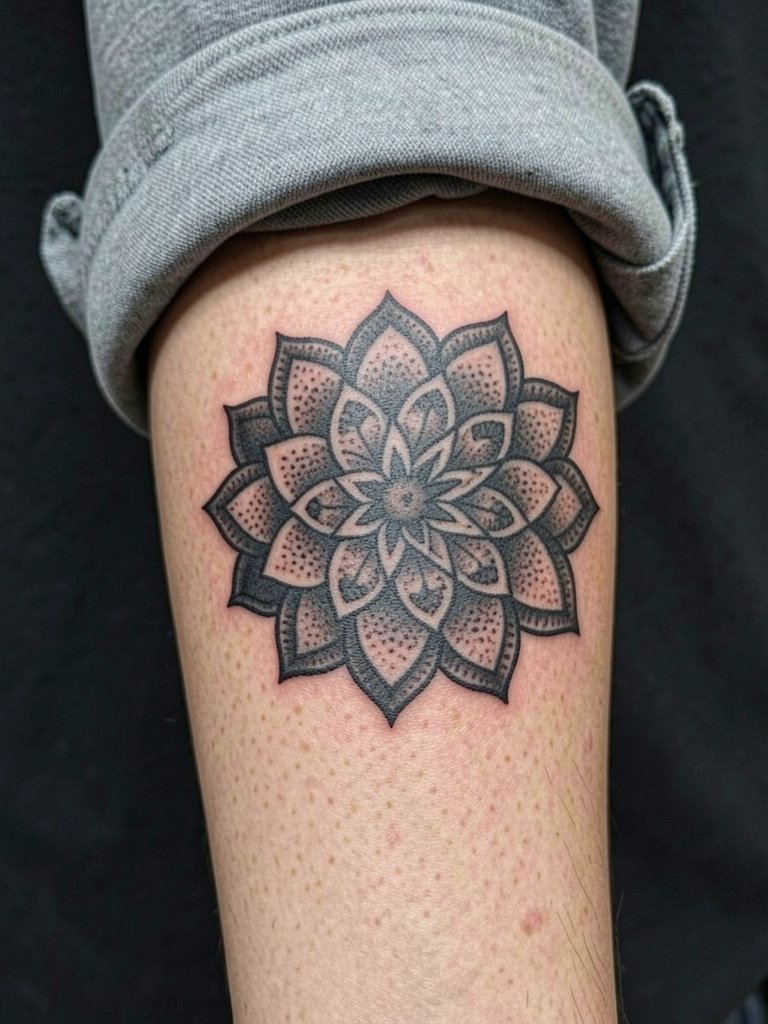
A radial forearm mandala is a classic choice for legibility and longevity. The outer forearm gives enough flat real estate for crisp dot gradations and controlled stipple transitions. For consultation bring a photo showing how the design sits at rest and when the arm is flexed so the artist can place anchor points away from tendon lines. Forearm skin tends to hold detail well, but too many tiny inner dots invite early softening, so bias toward larger central dots. Expect moderate discomfort and a session length of one to two hours. This piece pairs well with cuffed linen shirts and bracelets, so try a rolled sleeve linen shirt to highlight it.
8. Collarbone Compass Mandala
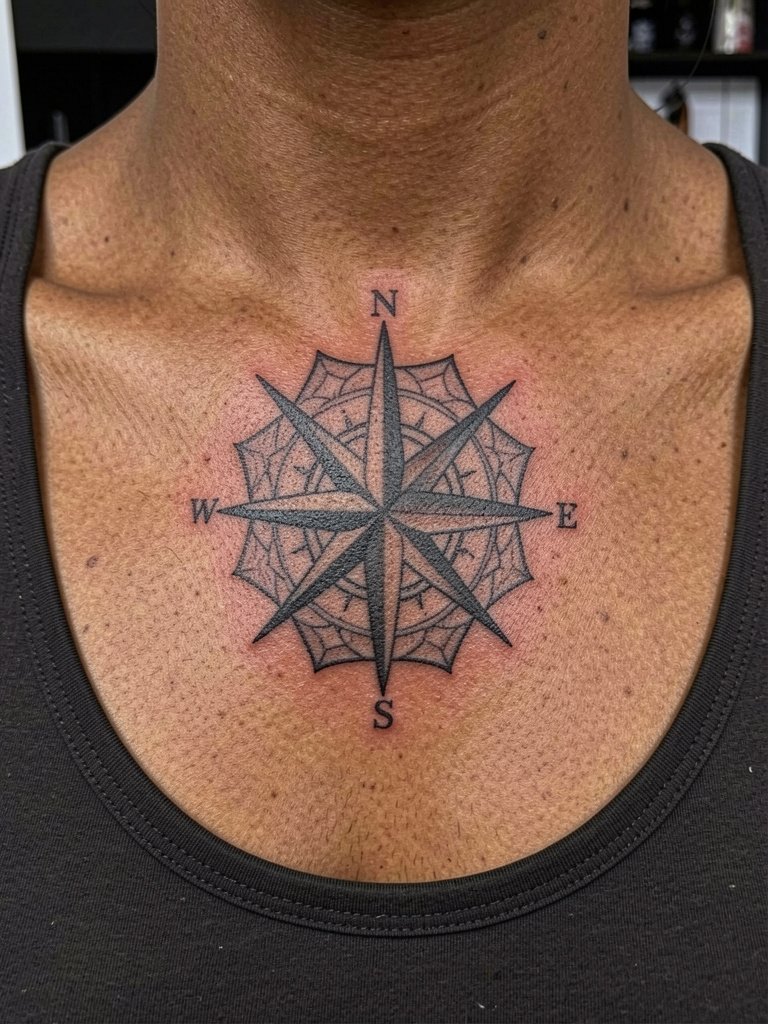
Placed by the collarbone, a compass-style mandala uses negative space to complement natural anatomy. Select this if you want a horizontally oriented piece that reads with necklaces and open necklines. The most common mistake is centering too close to the clavicle edge, which causes one side to flatten when you move. Give your artist a reference showing collarbone curvature to ensure the main points clear the bone. Expect a one-hour session with moderate pain. For evening looks, a wide V-neck dress pairs well and keeps the tattoo visible.
9. Palm-Side Micro Dot Mandala
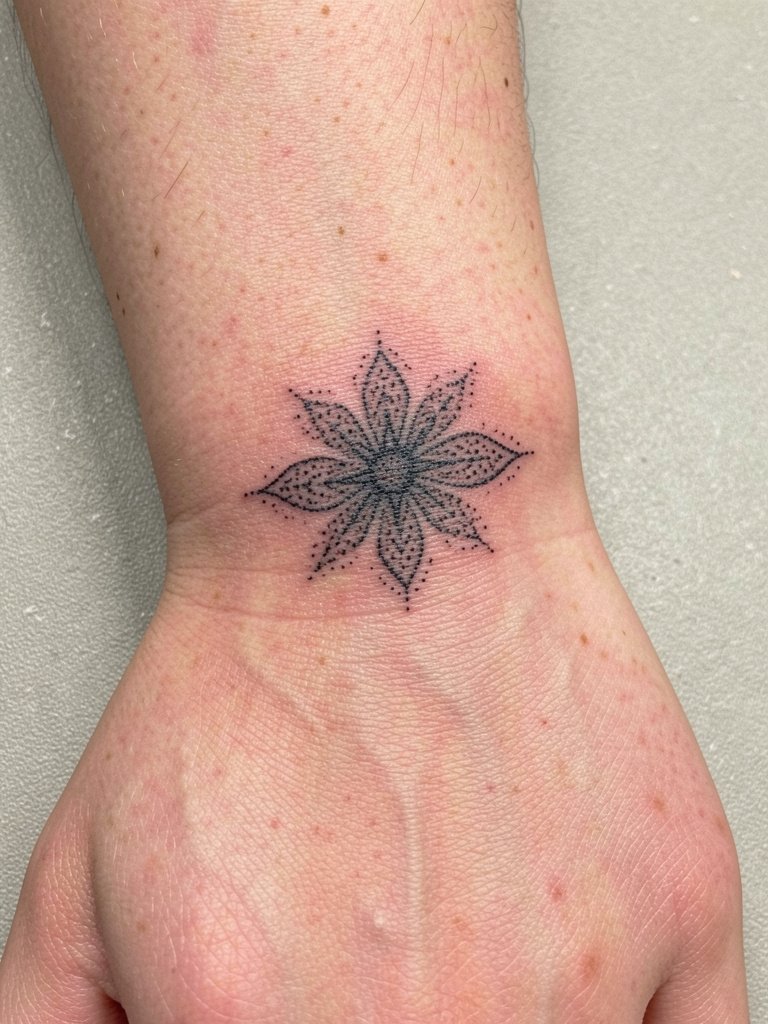
Micro mandalas near the hand sit on highly mobile skin and will always need more maintenance than forearm work. Choose this only if you understand touch-ups may be required at year one. The session is brief but painful because of thin soft tissue. Ask the artist to push the central dots slightly heavier and to leave cleaner spans between radial lines to slow diffusion. Avoid asking for ultra-fine single-needle filigree in this spot to reduce blowout risk. For showing off, short-sleeve tops and bracelets create a balanced frame, and a simple wrist cuff works well.
10. Mandala Between Shoulder Blades
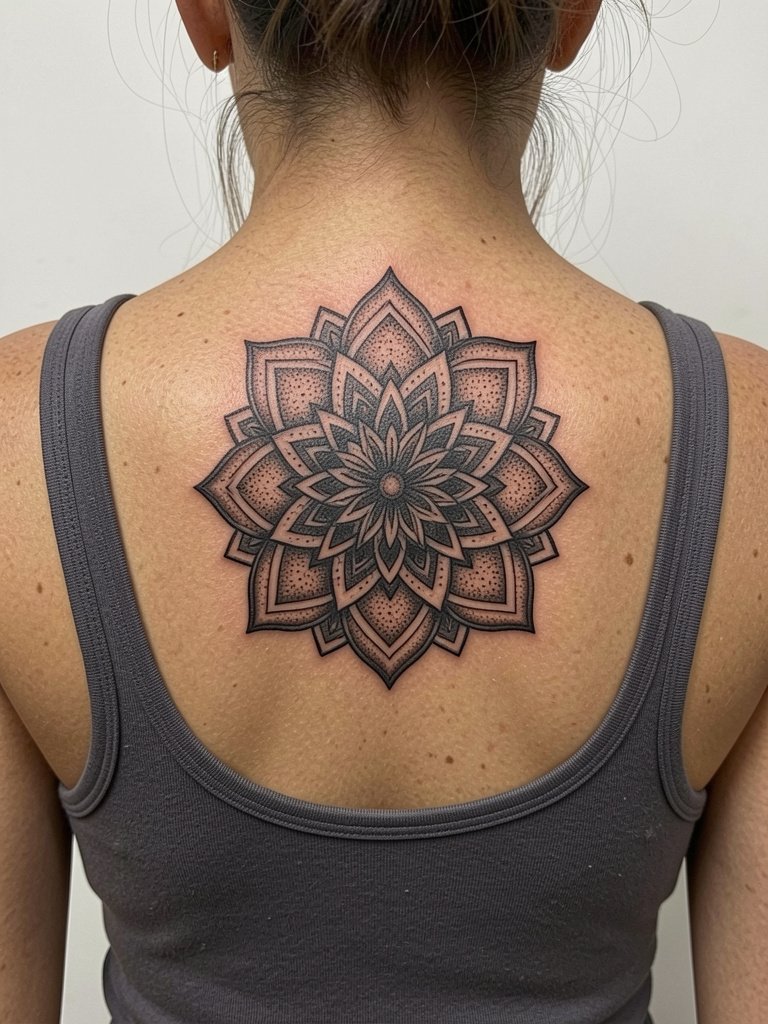
The space between the shoulder blades is forgiving for large mandalas because it stays relatively flat and away from frequent abrasion. This placement works if you want a piece that can be concealed easily and still command scale. For the consultation, bring shirt comparisons so the artist can gauge how much of the mandala will be visible with different necklines. Sessions can run longer because symmetry checks require the client to sit up and down for evaluation. A common mistake is centering too low where waistband friction can affect the outer ring. For summer wear, open-back tops and swimsuits showcase the area cleanly.
11. Finger Tip Micro Dotflower
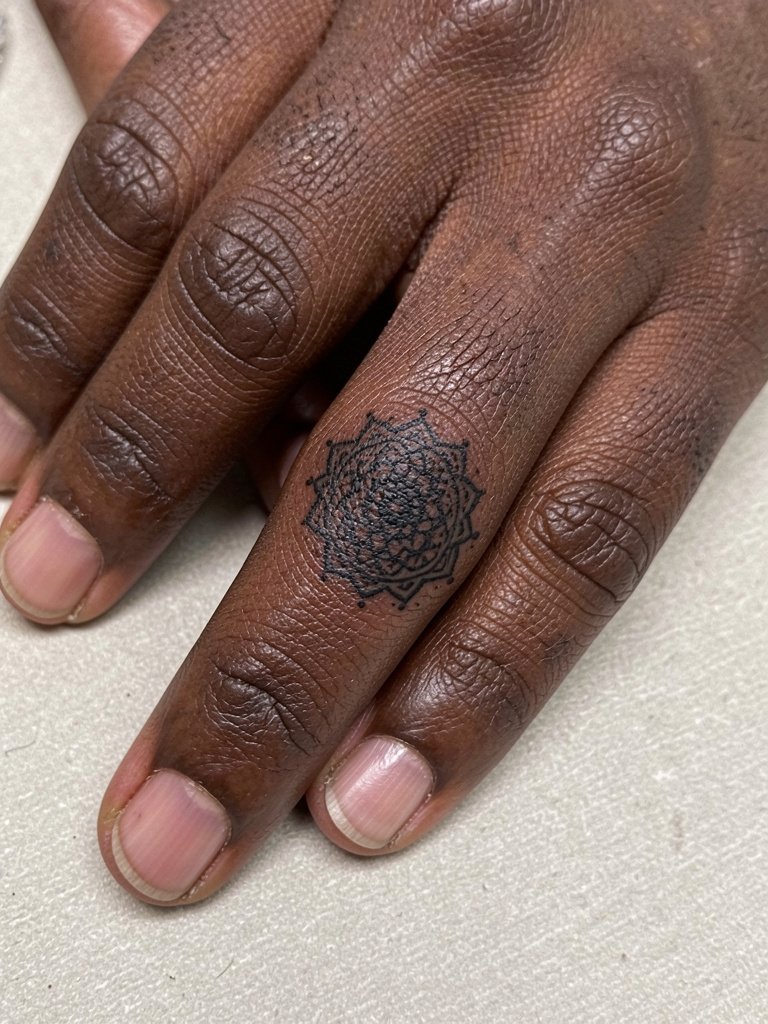
Finger tip mandalas are charming but high maintenance because hands wash constantly and skin renews faster. Recommend this to someone who accepts annual touch-ups. Sessions are short and sting more than forearm work. Specify bolder outer dots and simplified inner geometry so the motif survives frequent abrasion from daily tasks. The usual mistake is packing too much detail into a tiny surface which becomes illegible after healing. For show-off looks, keep rings simple so they do not distract from the micro pattern.
12. Ribcage Quarter Mandala with Curved Petals
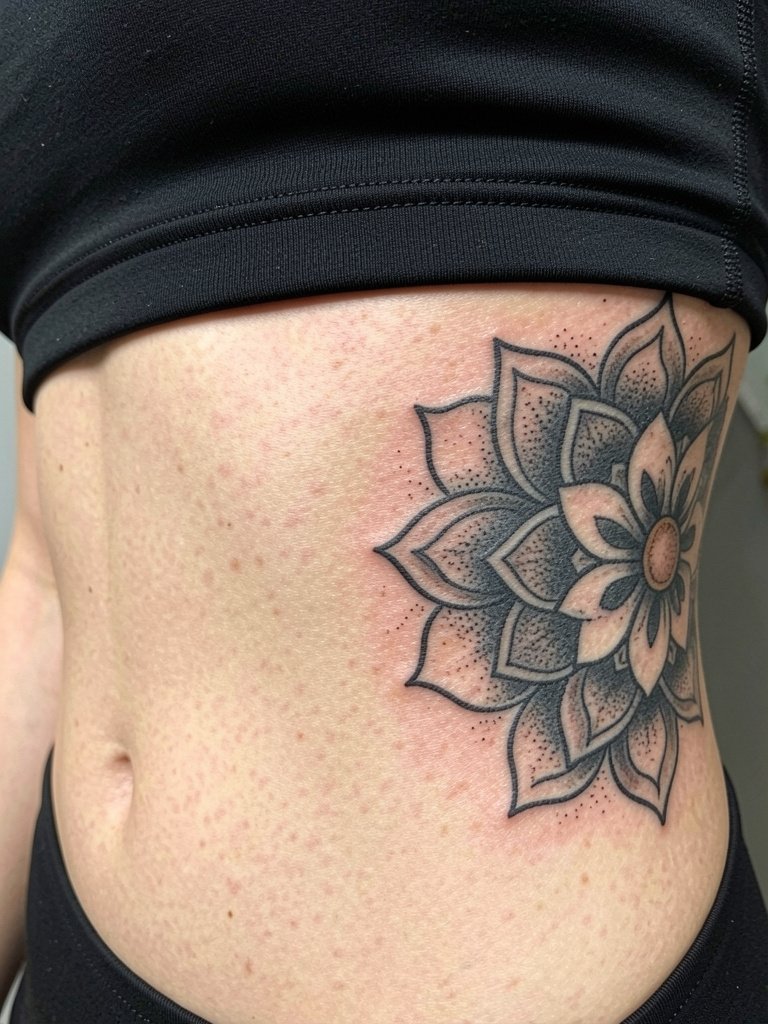
Fine line on the ribs splits artists into two camps. One group argues the constant flex and thin tissue blur single-needle work within two years and prefers heavier outlines or wider spacing. The other group says precise depth and slightly larger spacing let fine geometry settle cleanly on the ribcage, and they point to healed photos past year three to support this. If you prefer delicate petal detail, insist on slightly larger spacing and plan for a touch-up window at eight to twelve months. The session is painful and often requires two short appointments for comfort. For the appointment, wear a fitted crop top so the artist has immediate, stable access.
13. Thigh Panel Mandala with Negative Space Bands
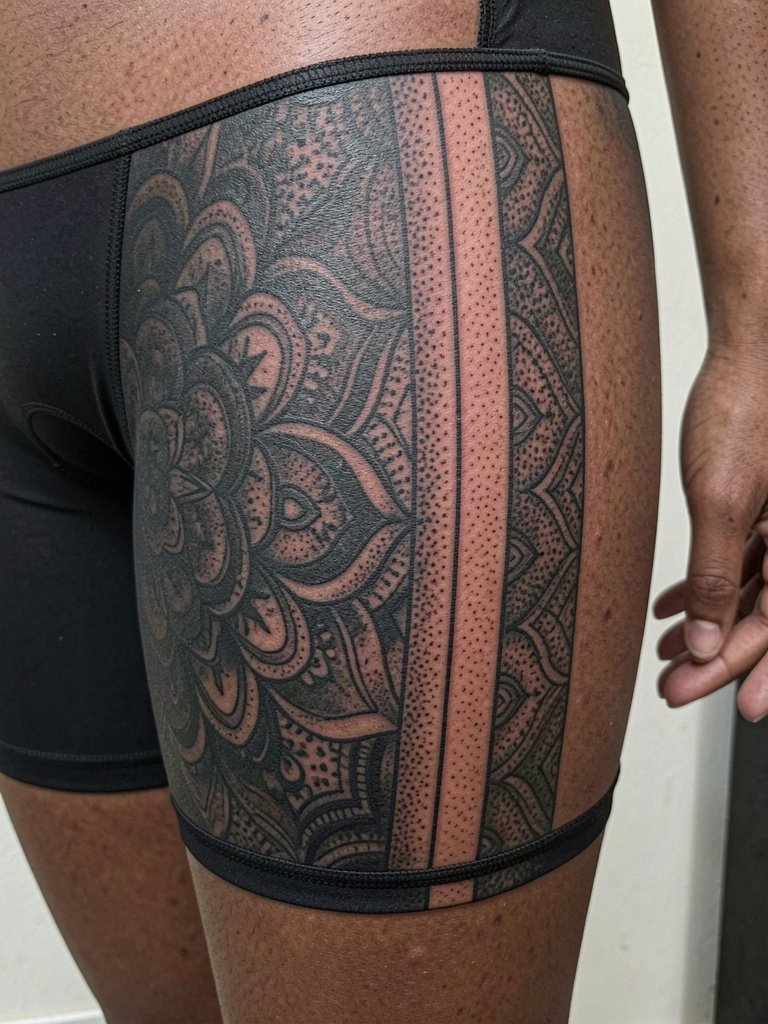
Outer thigh panels let you scale complex mandalas and experiment with bold negative-space bands. I recommend this when you want a statement that ages slowly because thigh skin stays relatively stable. Session times vary from one to three hours based on size and shading demands. Ask the artist to show a mockup at life size on your leg so you can confirm how the bands fall with natural muscle tone. A common misstep is over-detailing the innermost rings which then blur as the skin shifts. For reveal looks, a mid-length skirt or fitted shorts work well.
14. Full Palm Mandala Pad
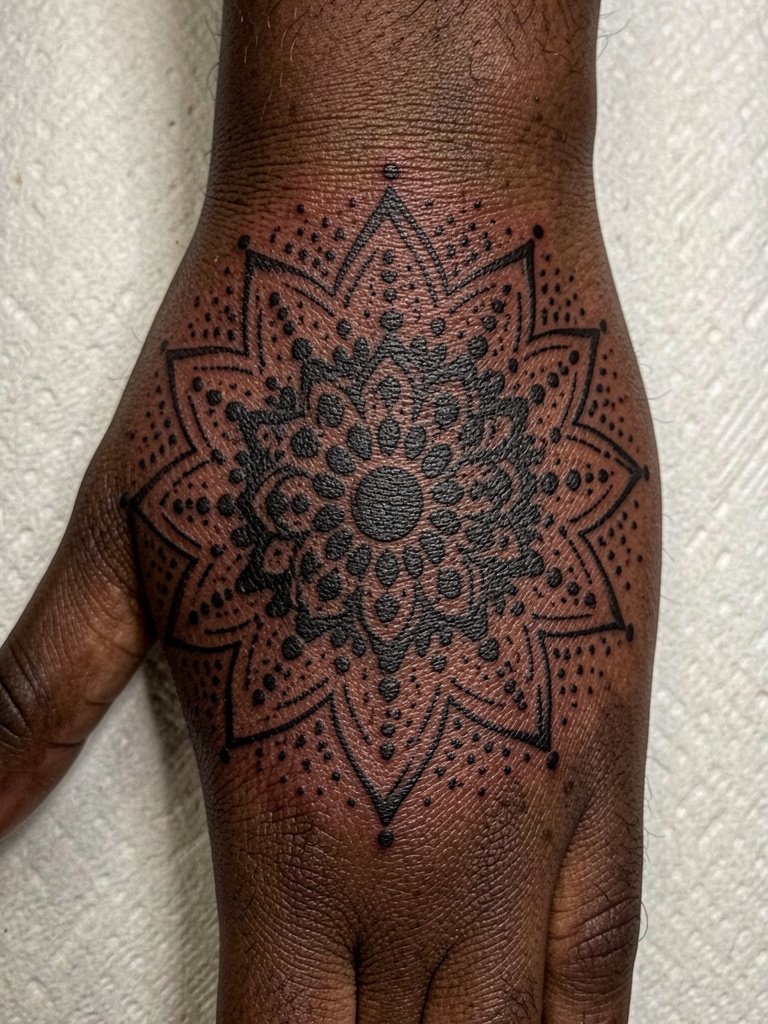
A full palm mandala is bold and likely to fade faster than arm or back work due to constant friction and hand washing. Choose this only if you accept frequent touch-ups or enjoy the ephemerality. Sessions are relatively short but can be painful because of thin skin and nerve endings. Tell the artist you want centralized heavier dots and to avoid overly fine stippling at the edges to maximize longevity. The usual mistake is expecting the same ten-year clarity as forearm work. For photos, minimal hand jewelry keeps attention on the pattern.
15. Chest-Center Geometric Sun Mandala
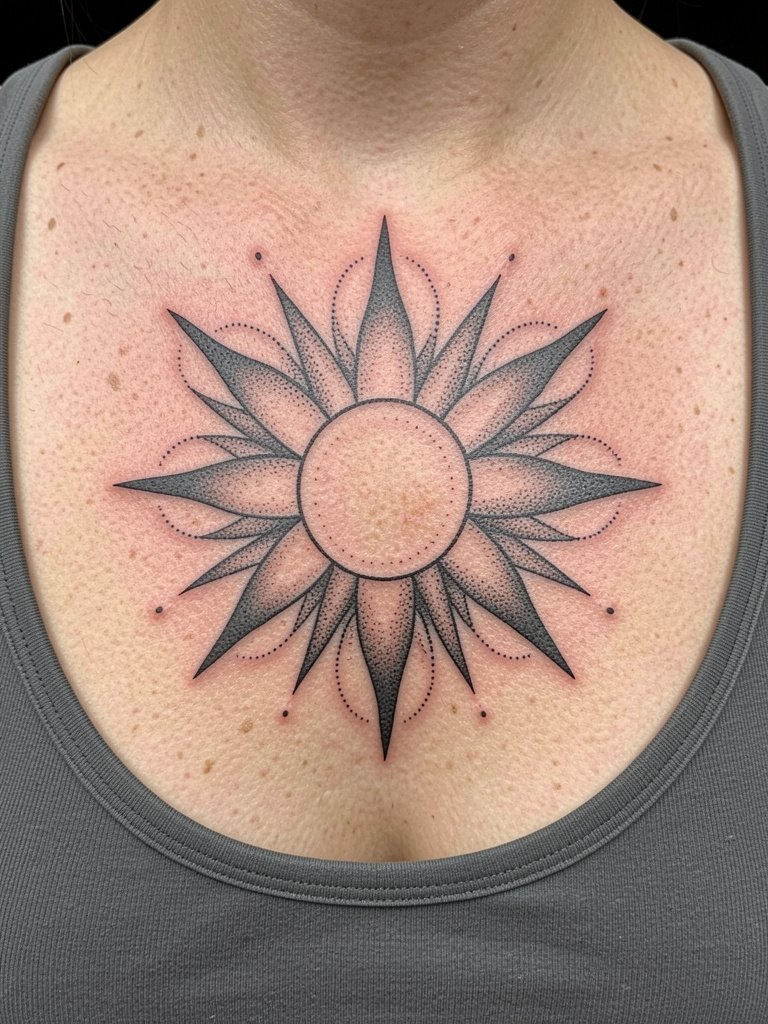
Center-chest mandalas feel architectural and can read as a single visual anchor when scaled to chest width. Recommend this for people comfortable with a medium to large surface and a few longer sessions. During consultation, demonstrate how the design aligns with the sternum and the collarbones so the main axis sits straight. Chest skin can vary in sensitivity across the radius, so be prepared for brief higher-intensity spots during the session. A regular mistake is centering to the left or right without checking posture. For wardrobes, open-front tops showcase the radial symmetry well.
16. Nape Nucleus Mandala
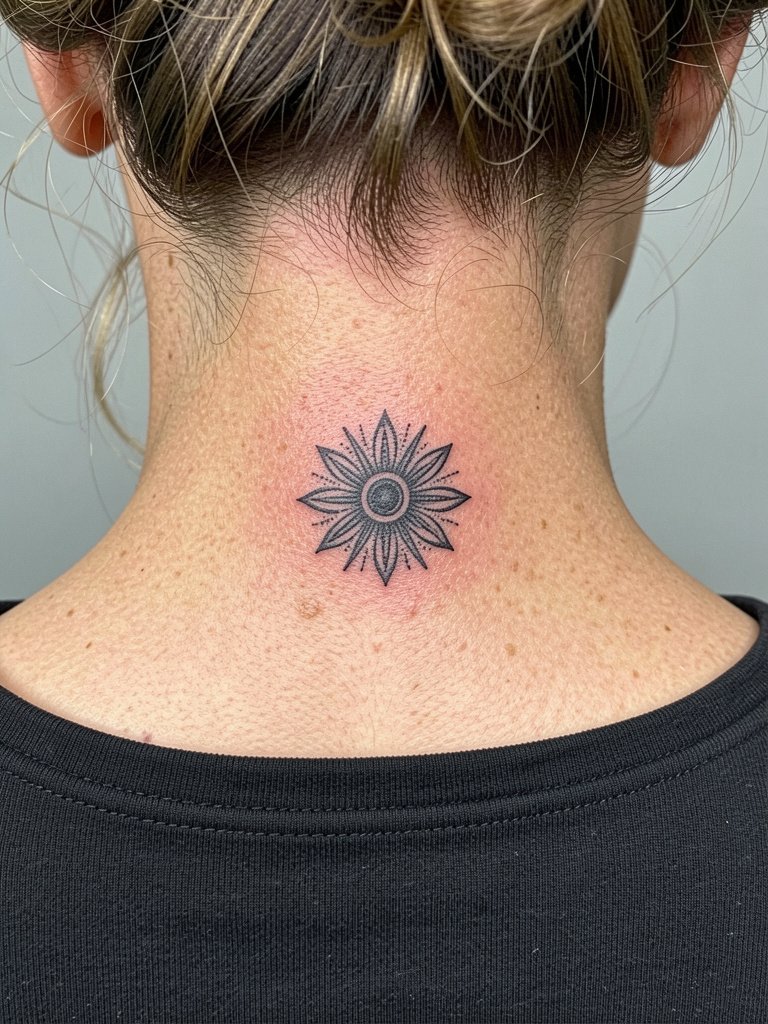
A nape mandala reads like a hidden focal point that becomes visible when hair is up. This placement is ideal if you like surprises and want a symmetric mini that ages like other back pieces. Session pain is moderate and tolerable because the nape has more padding than the sternum. Request slightly heavier anchor lines near the center to prevent dot loss as the hairline rubs against the area. A mistake is asking for ultra-fine hairline spokes that disappear under shirt collars. For styling, hands-free updos show the piece without interference.
17. Concentric Calf Mandala Panel
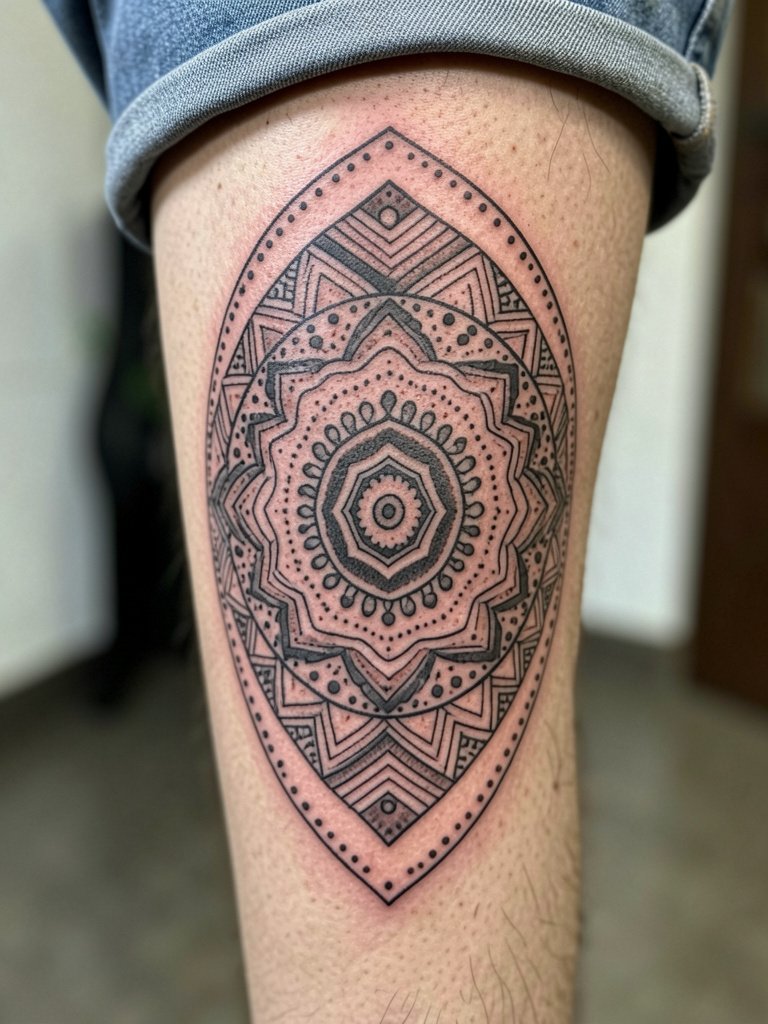
Calf mandalas scale well for long vertical compositions and tolerate dense dotwork because the area gets less abrasion than hands or feet. Pick this when you want to play with layered bands and repeating geometry. Sessions can be longer for full panels and most people rate calf pain as moderate. Tell the artist you want clear negative-space separators to protect contrast across years. The common misstep is compressing too many thin rings which then lack definition after healing. Pair with cropped pants or athletic shorts to display the vertical panel.
18. Sternum-Lower Chest Crescent Mandala
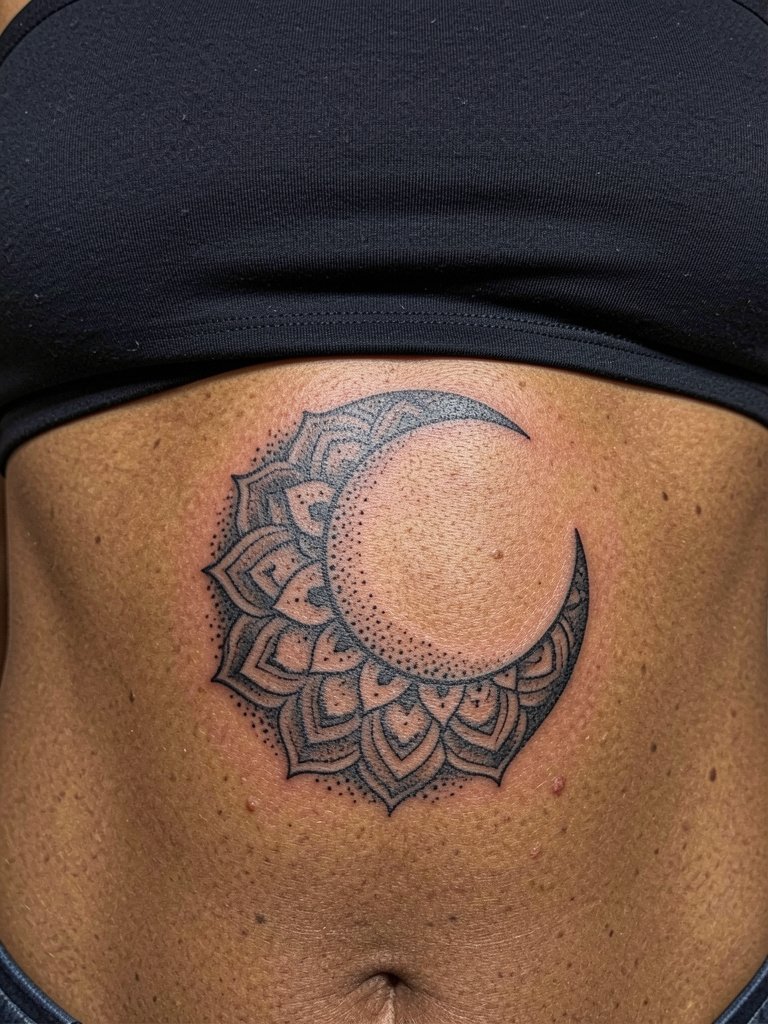
A crescent mandala below the sternum can balance lower-chest aesthetics and complement waistlines. Choose this if you want a piece that reads well with both swimwear and midriff-baring tops. The area is sensitive and often requires breaks, so plan for a two-pass session. Ask the artist to emphasize the outermost crescent band to anchor the composition against skin movement. People often underestimate how the fabric edge of bras can subtly rub the outer ring during healing. Lightweight crop tops work best for the session.
19. Geometric Neck Halo
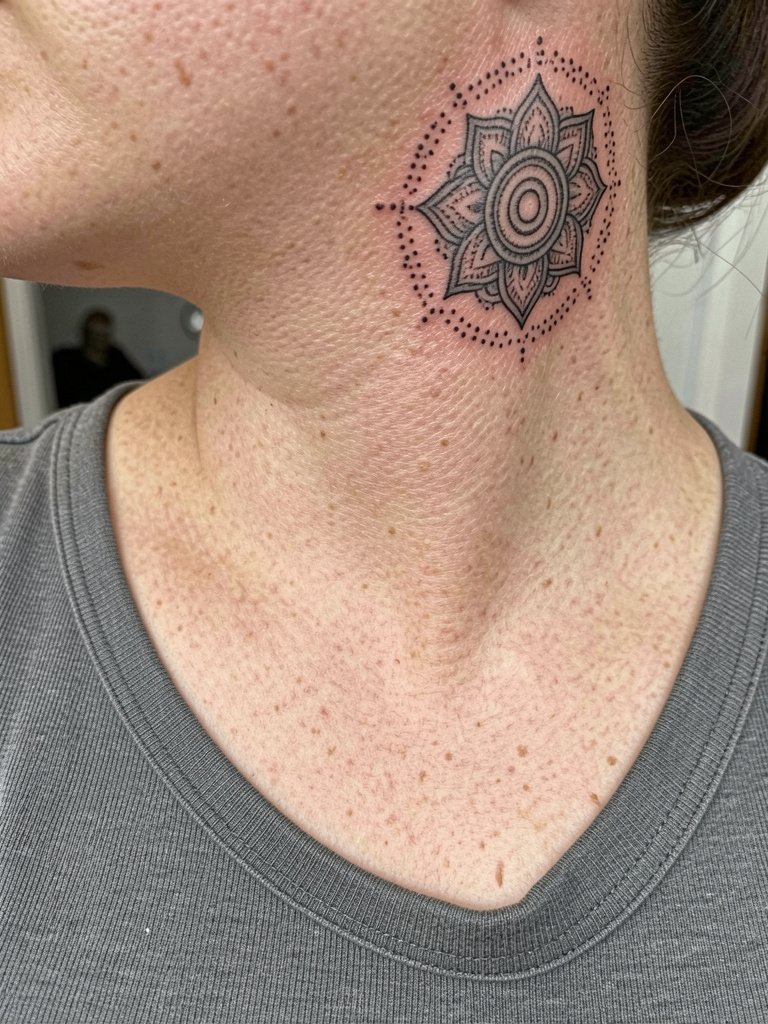
Neck halos are compact and arresting because they crown the head subtly. This placement suits someone wanting a visible geometric accent without large scale commitment. Pain is higher than forearm work and sessions are brief. Be specific that the artist spaces the dots to allow collarbones and neck movement without compression of the outer arcs. A frequent error is placing the main focal ring too close to the hairline causing partial coverage at longer hairstyles. For styling, open-neck tops keep the halo visible without competing details.
20. Rib-to-Oblique Crescents
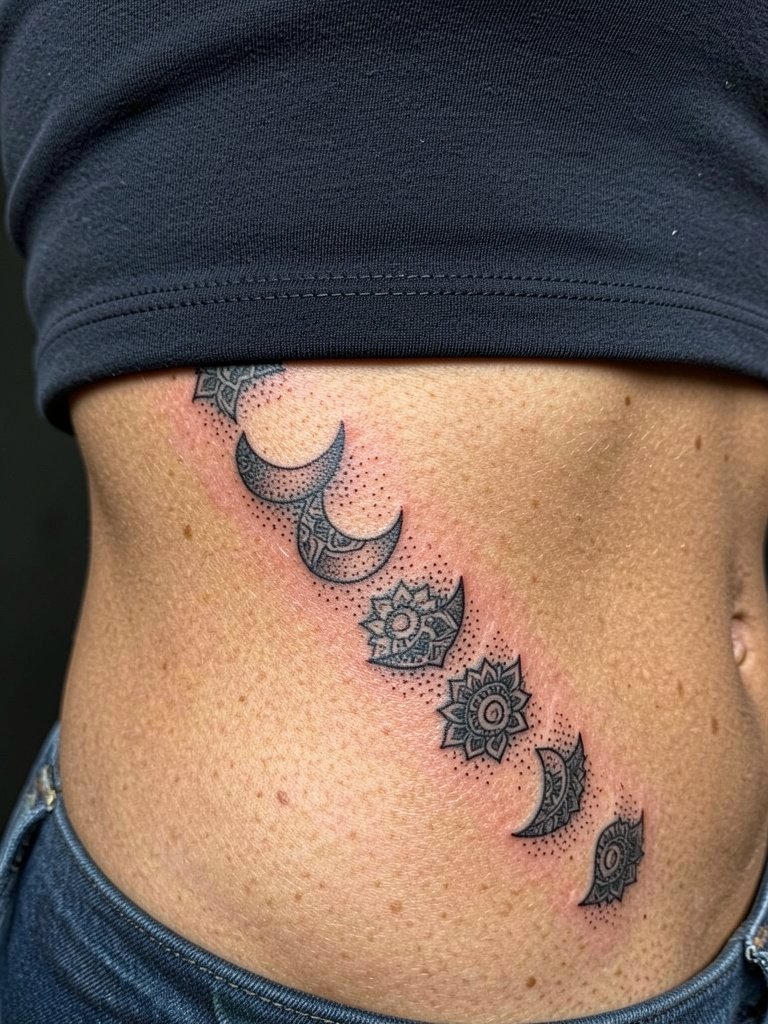
Crescent sequences across the oblique create a flowing rhythm that moves with the torso. Recommend this for an asymmetrical look that can be hidden under shirts. The session requires positioning that keeps you comfortable for side work, so plan breaks. Tell the artist where the waist curve meets the hips so crescents avoid high-friction zones. The common mistake is running crescents too close to underwear lines which increases irritation during healing. For appointment day, wear high-waisted pants so the artist can access the area without fabric shifting.
21. Geometric Sternum Anchor with Dot Bands
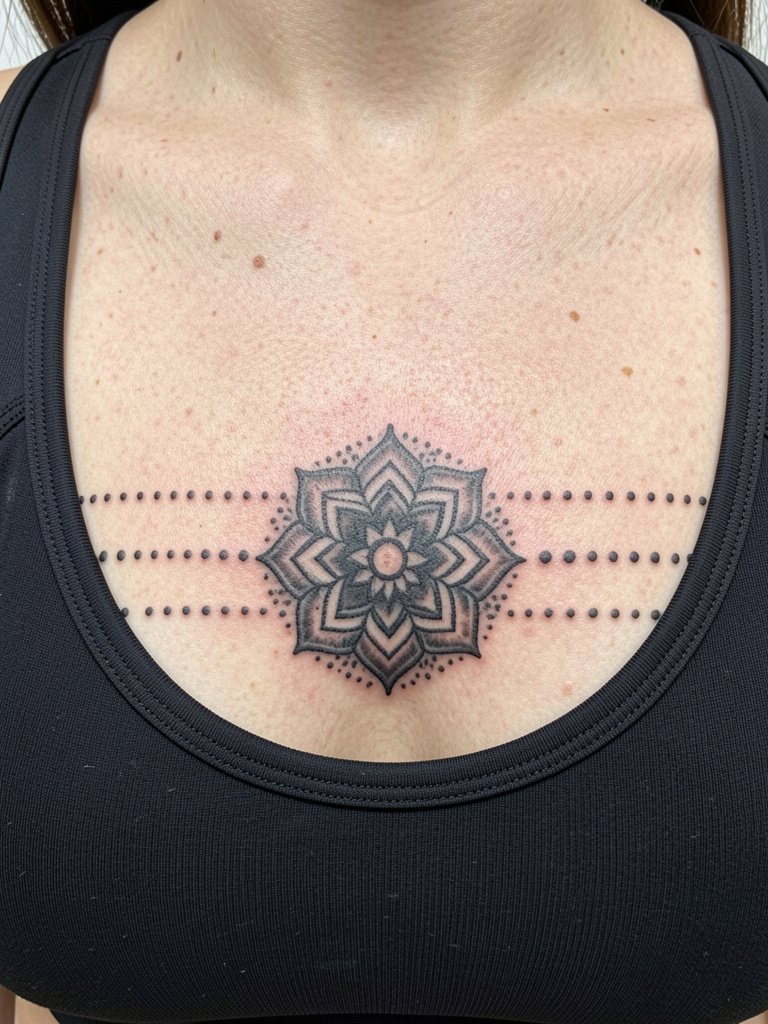
Using horizontal dot bands with a sternum center helps elongate the chest visually and keeps key lines away from constant fold points. This is a solid choice if you want a central anchor that pairs with pendants. Expect moderate to high pain and at least two sessions for a dense pattern. Clarify that outer bands maintain clear spacing so they do not bleed into each other after healing. A common oversight is presuming a single session will finish dense dot bands. For styling, open-front tops or layered necklaces create balanced framing.
22. Outer Hip Daisy-Mandala Cluster
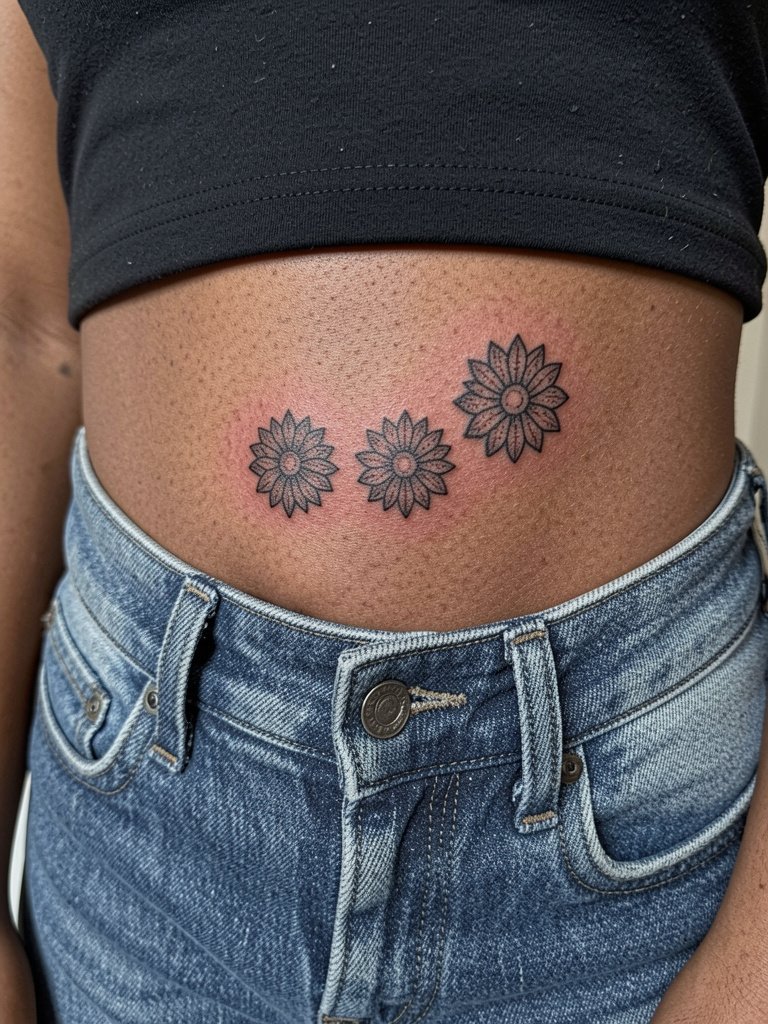
Clustering small mandalas along the outer hip gives motion while keeping each motif readable at moderate scale. Pick this if you like repeat patterns that peek out from swimwear. Sessions are manageable and the area tolerates dense patterning better than inner thigh. Ask the artist for varied outer ring weights so each mandala maintains its own identity over time. The usual mistake is placing them too close, which makes a single blob over years. For shows, low-rise skirts or shorts let the cluster peek neatly.
23. Inner Bicep Petal Mandala
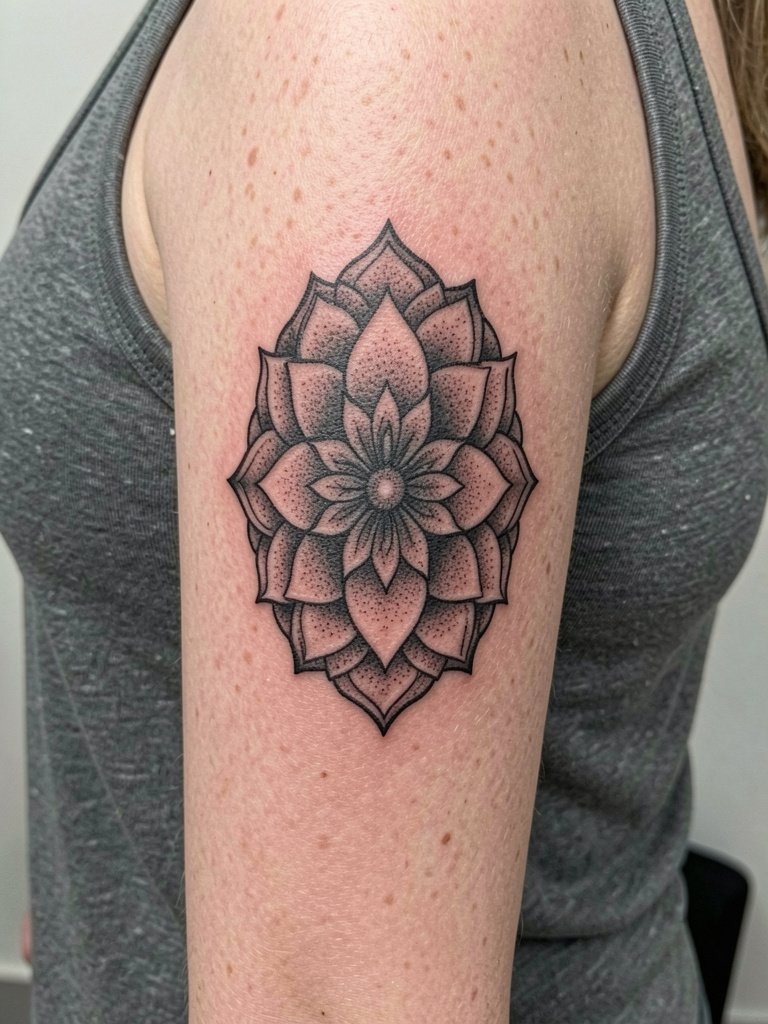
Inner bicep mandalas are intimate and benefit from slightly bolder linework because the area sees more stretching than the outer arm. I recommend this for someone who wants a piece that is revealed by design rather than displayed constantly. The placement is sensitive but not extreme; prepare for moderate pain and shorter sessions. Specify that the artist widen inner petals slightly to prevent early loss of detail. A common mistake is requesting ultra-thin filigree that the inner arm cannot support long term. For the session wear a loose tank so the artist can roll fabric without stretching the skin and use a loose linen tank for comfort.
24. Shoulder Cap Radial Mandala
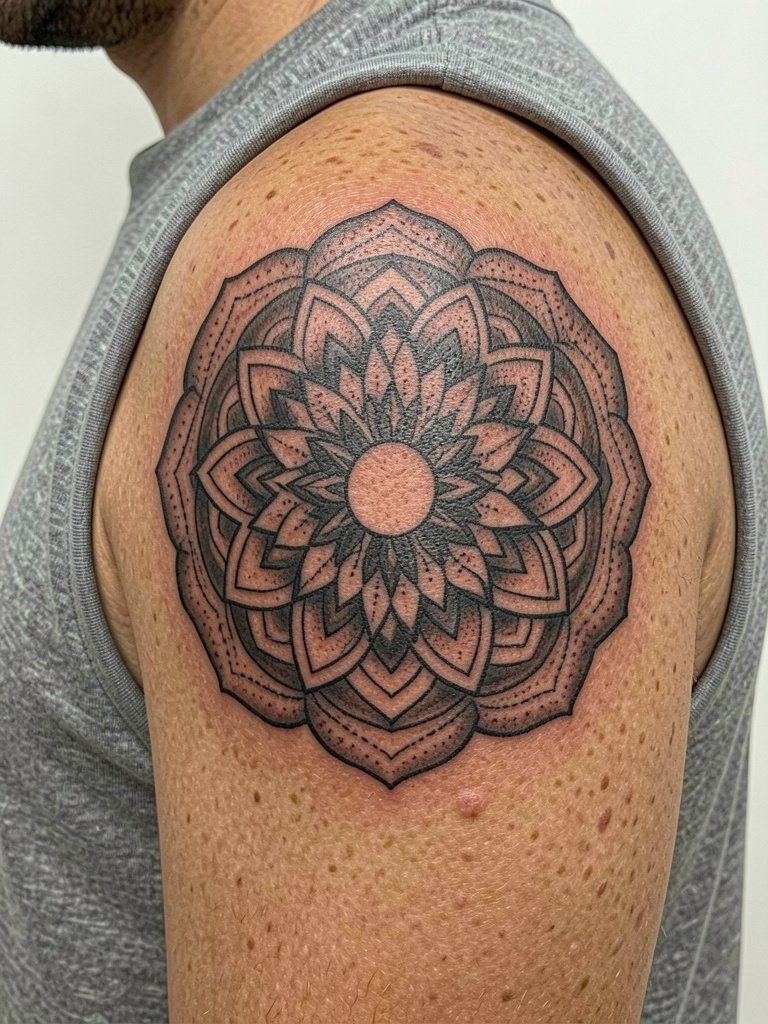
Shoulder cap mandalas take the roundness of the deltoid into account and can be seen well even as arms move. This placement suits those who want body movement to interact with geometry. Sessions are medium in length and pain tends to be lower than chest or rib work. Ask for outer rings that align with muscle contour to avoid one side appearing compressed when flexed. The common misstep is ignoring how shirts with sleeves will cover parts of the outer ring. For casual displays, sleeveless tops and tank dresses frame the cap neatly.
25. Inner Thigh Lace-Like Mandala

Inner thigh mandalas are sensual and should be approached with sensitivity to origin and personal meaning. This area heals well if friction is minimized and the design is slightly bolder than you might expect. The session is moderate and can be comfortable when the chair offers leg support. Direct the artist to expand the outer lace loops slightly to account for skin compression during movement. A frequent error is choosing filigree too fine, which then loses definition under clothing contact. For appointment day, fitted bike shorts let the artist access the area without fabric shifting.
26. Reverse Wrist Chain Mandala
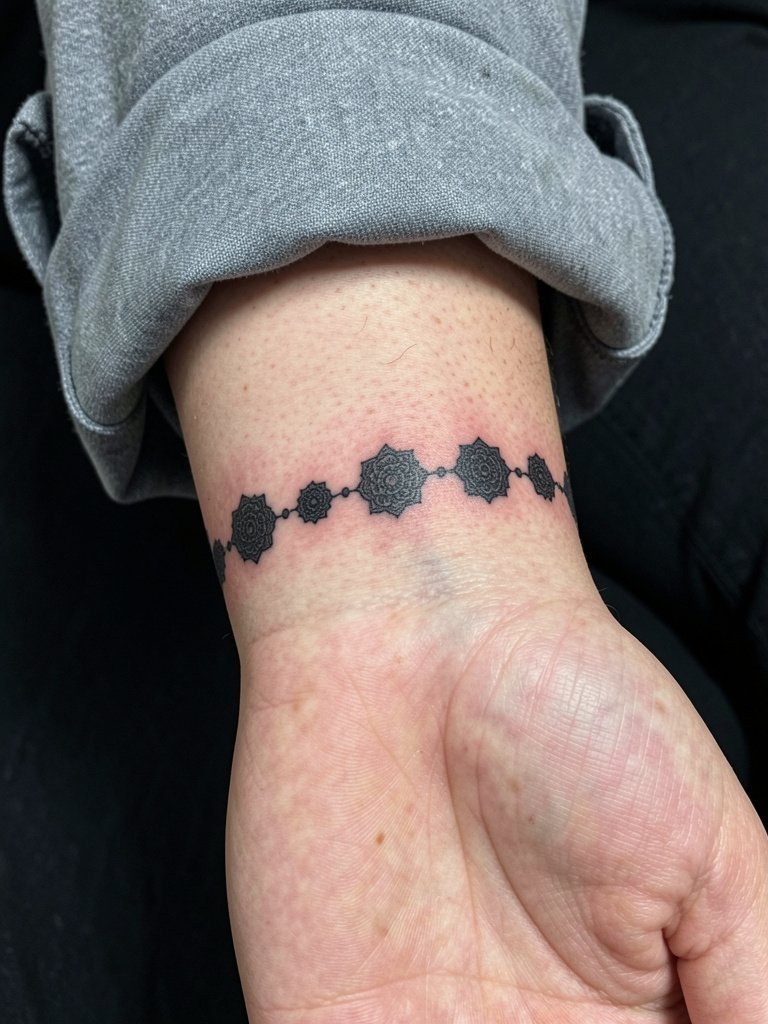
A chain of miniature mandalas across the wrist reads like a permanent bracelet and gives repetition without single-point stress. This design suits people who like symmetry and rhythm across the arm. Expect a one-hour session and localized sting; choose slightly heavier connecting dots to avoid early breakage. Common mistakes include making connectors too thin which causes the chain to appear broken after a few months. Pair with minimal bangles or a slim leather cuff so the tattoo remains visible.
27. Solar Flare Mandala Over Lower Back
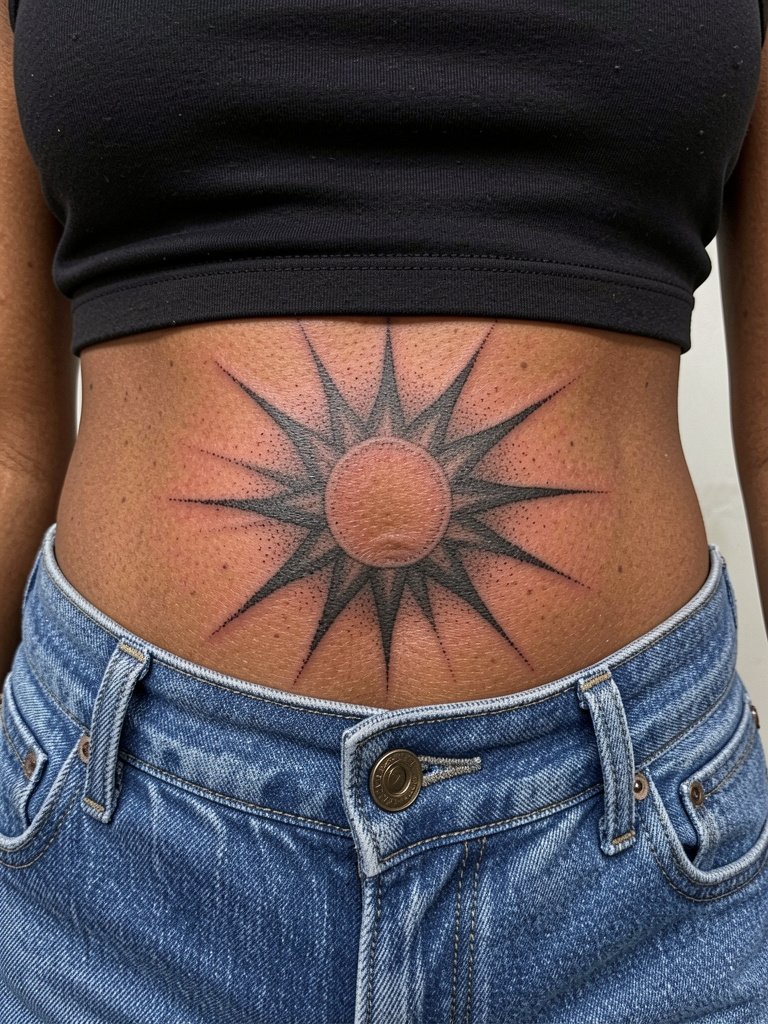
Lower-back mandalas are generous canvases that allow for dramatic outer rays without crowding. This location keeps the design hidden under most shirts but visible in swimwear. Sessions run longer depending on width and density. Ask for outer beam spacing that clears the waistband area so the pattern does not rub during healing. The typical mistake is planning the outer ring too close to the waistline where jeans can abrade during the first week. For wardrobe, low-rise denim or crop tops reveal the solar flare cleanly.
Frequently Asked Questions
Q: How do geometric dotwork mandalas age on different placements?
A: Different placements age differently because of skin movement and friction. Flat areas like the forearm and back generally preserve detail longest, while high-motion or high-friction spots like the hand, palm, and fingers need more frequent touch-ups. Expect a realistic touch-up window of six to eighteen months for delicate placements and two to five years for larger, bolder pieces.
Q: What should I bring to my mandala tattoo consultation so the artist places lines to last?
A: Bring two life-size references showing the design at different scales and at least one photo of the exact body area in a relaxed position so the artist can map symmetry and spacing. Also bring clothing examples you wear most often so the artist avoids placing critical lines where waistbands or bra straps will rub.
Q: Are mandala designs culturally sensitive and how should I handle that?
A: Some people view mandalas as decorative motifs and adapt them freely. Another group stresses their spiritual and cultural origins and prefers permission or contextual understanding before adoption. Both viewpoints have valid concerns, so pick elements that respect origin, avoid sacred iconography unless you have a direct cultural connection, and be ready to explain your choice in conversation.
Q: Where can I find healed examples and portfolios without naming specific artists?
A: Search platform tags and filters for healed work and use location filters when you want nearby portfolios. Try hashtags like #DotworkMandala and #HealedMandala on Instagram and TikTok, check subreddit threads that collect healed photos, and browse portfolio sites by keyword searches such as "mandala dotwork healed" to see different skin tones and placements.
Q: What should I wear to the appointment for easy access and modesty?
A: Wear clothing that naturally exposes the area without being adjusted during the session. For shoulder and upper back pieces, a loose tank top works. For hip or thigh work, fitted shorts or low-rise jeans worn in normal position are best. If you want specific examples, pieces like fitted bike shorts make access simple while keeping you comfortable.