
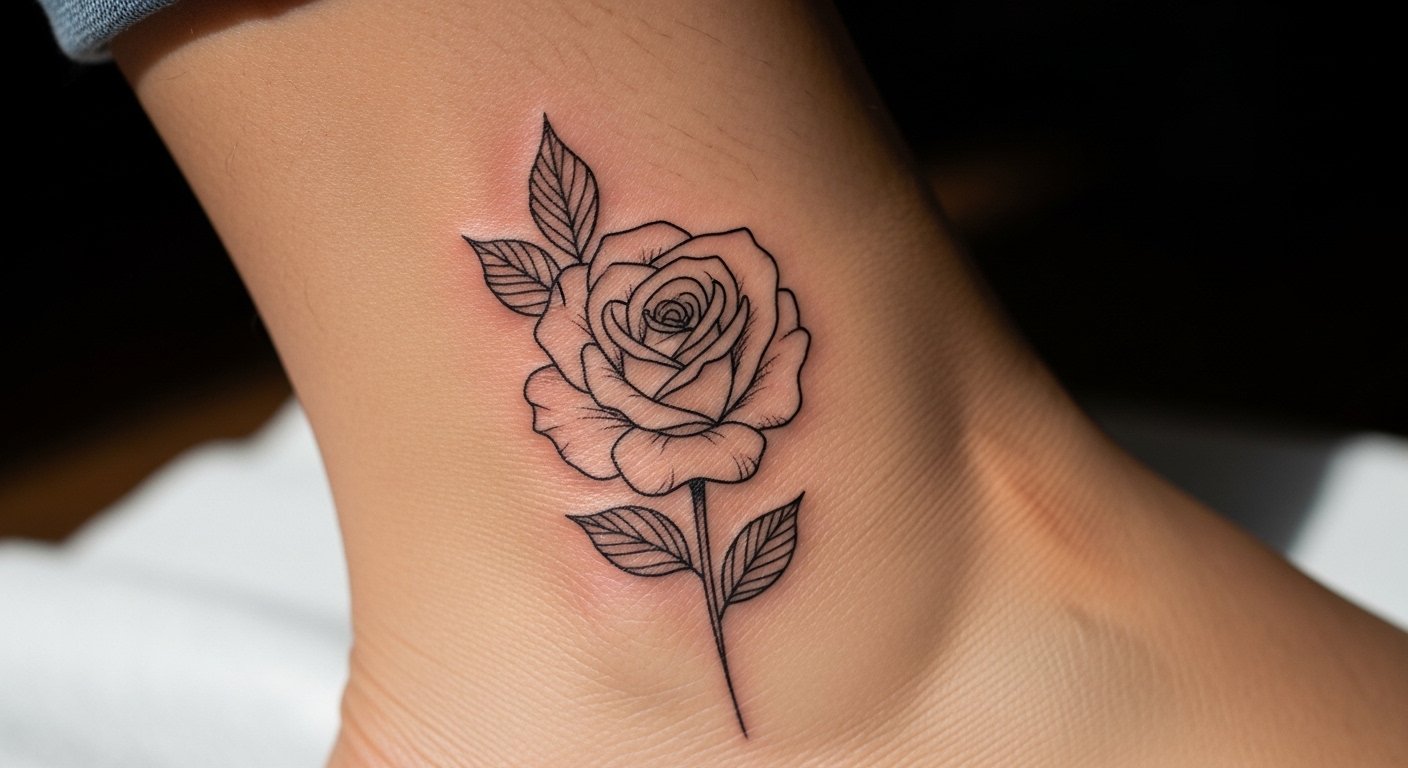
Someone I know scrolled tattoos for months and still booked the wrong size. The design read well on a phone screen but faded into a whisper on the wrist after a year. I spent time in five shops across Brooklyn and talked with an artist at a Brooklyn shop who focuses on single-needle work. What kept coming up was proportion, placement, and realistic aging. Below are 25 fine line tattoo ideas for women with what to ask for, where they show up best, and how they age so you can book with purpose.
1. Arrow Cluster on Inner Forearm
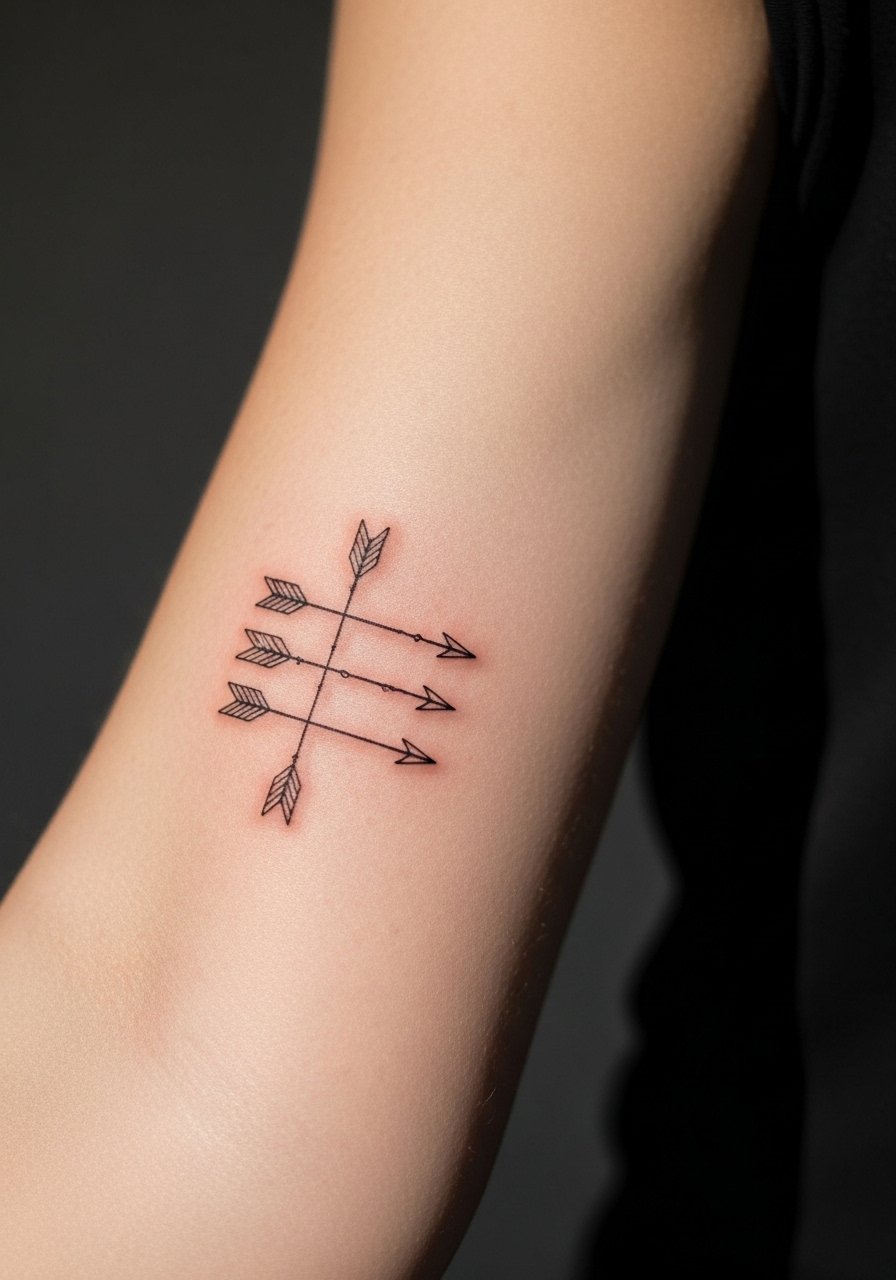
Someone I know first saw this as a single arrow and then liked the stacked cluster for balance. Tell your artist you want open spacing between shafts so the lines do not merge over time. Inner forearm pain is low to moderate and a single session under an hour usually covers it. A common mistake is asking for too many micro arrows in a 2-inch band. That crams linework and speeds blurring. At six months the arrows will look crisp. At two years thin arrows may need a touch-up where sleeves rub frequently. Best for people who want directional symbolism that reads when they hold their arm out.
2. Micro-Rose Along the Collarbone
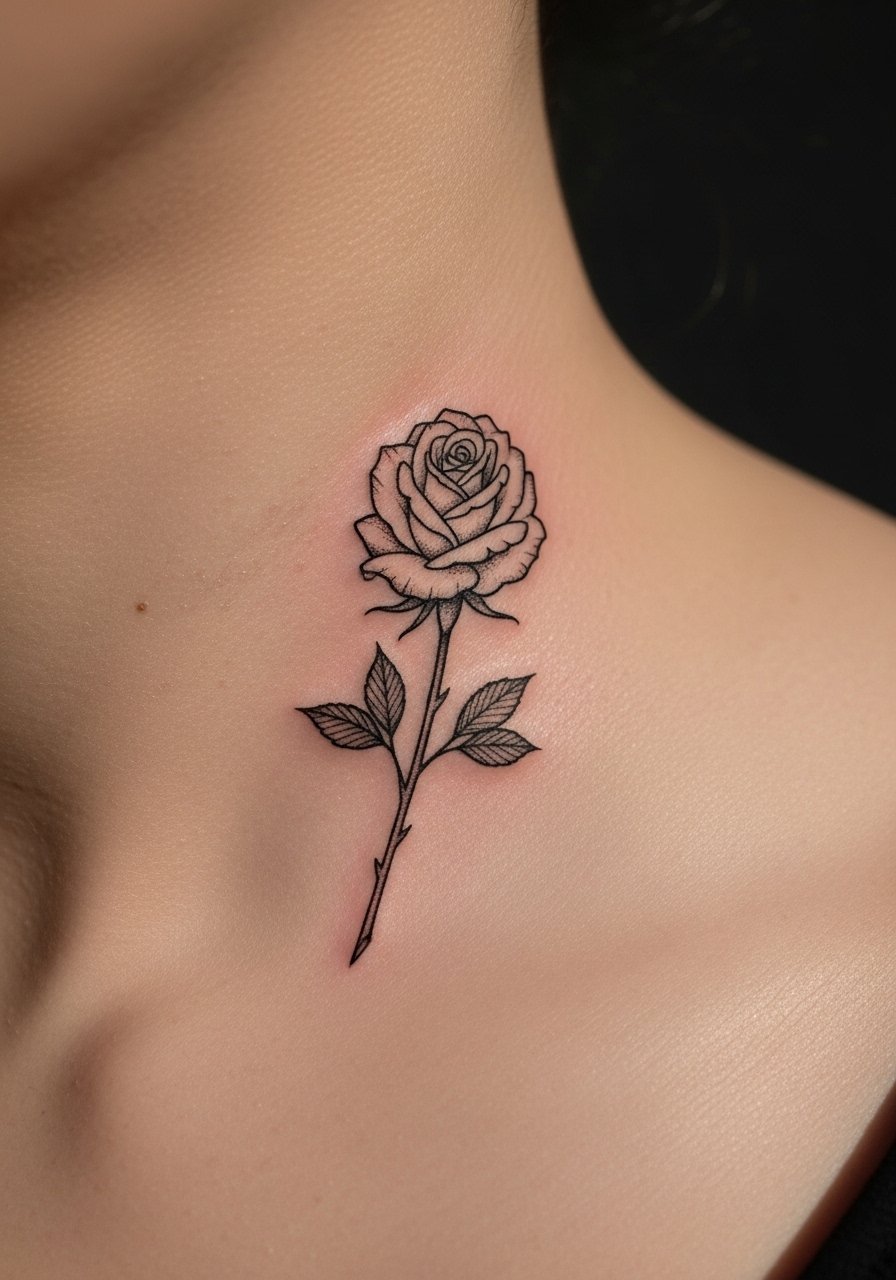
Fair warning: collarbone work can sting more than the forearm. The thin petal contours here rely on steady single-needle linework, so ask the artist to show healed pieces in similar placement. Session time is typically 30 to 60 minutes. A version that ages poorly usually has tiny overlapping stems. That causes lines to thicken into a blur by year two. For better longevity, request slightly increased line spacing and minimal stipple shading to hold contour. This suits someone who wants a floral piece visible in low necklines. Expect a touch-up around year two to three if you wear chokers or necklaces often.
3. Tiny Script on the Side of a Finger
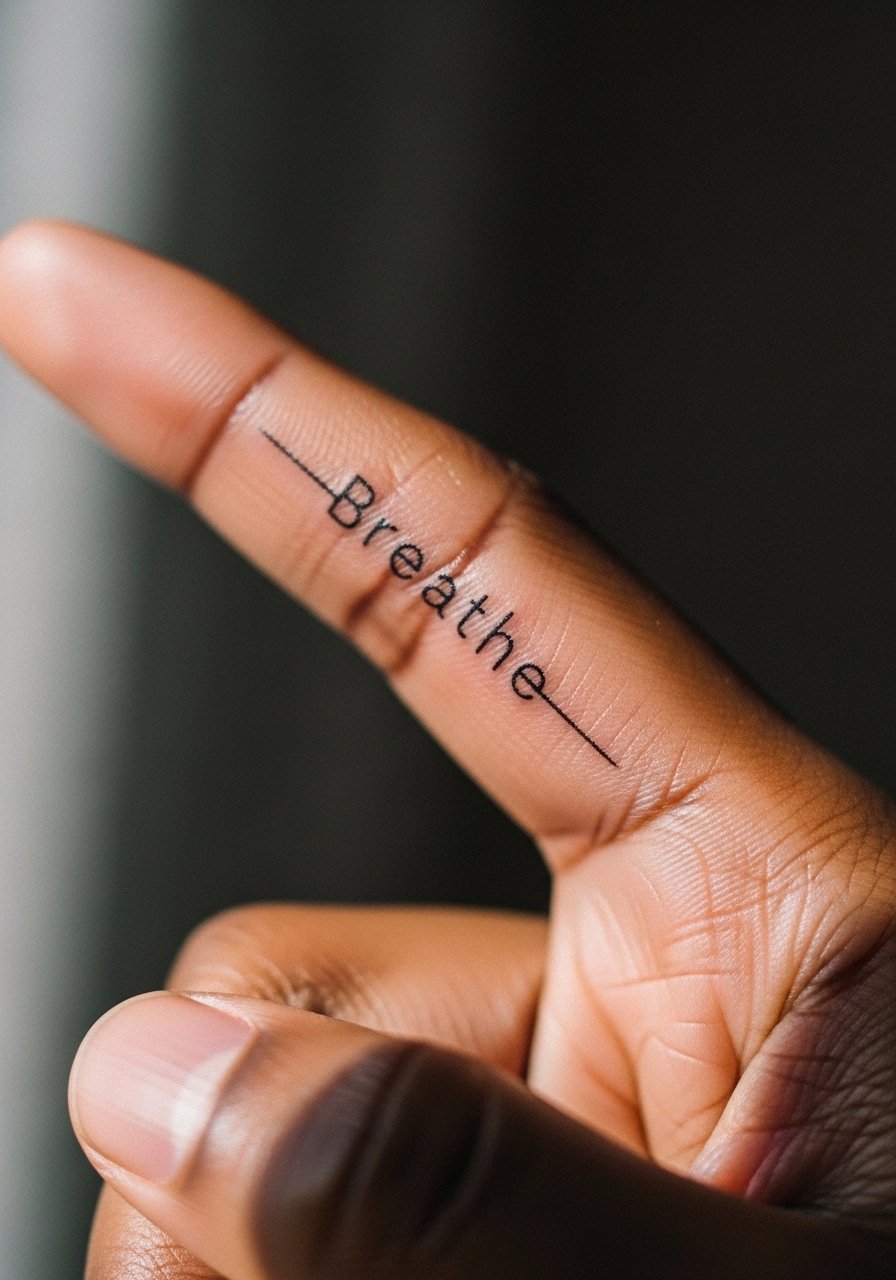
When you sit down for this one, bring the exact word and preferred font weight. Fingers move and flex constantly so the biggest mistake is asking for razor-thin strokes under 1mm. Pain is sharp but quick. Expect a 15 to 30 minute session. One camp of artists says fingers fade fast because of thin skin and washing. The other camp argues careful depth and slightly bolder strokes keep script legible longer. If you work with hands daily, plan on touch-ups within 12 to 24 months. Consider asking for a small gap between letters so the script does not merge.
4. Single-Needle Bee Near the Wrist
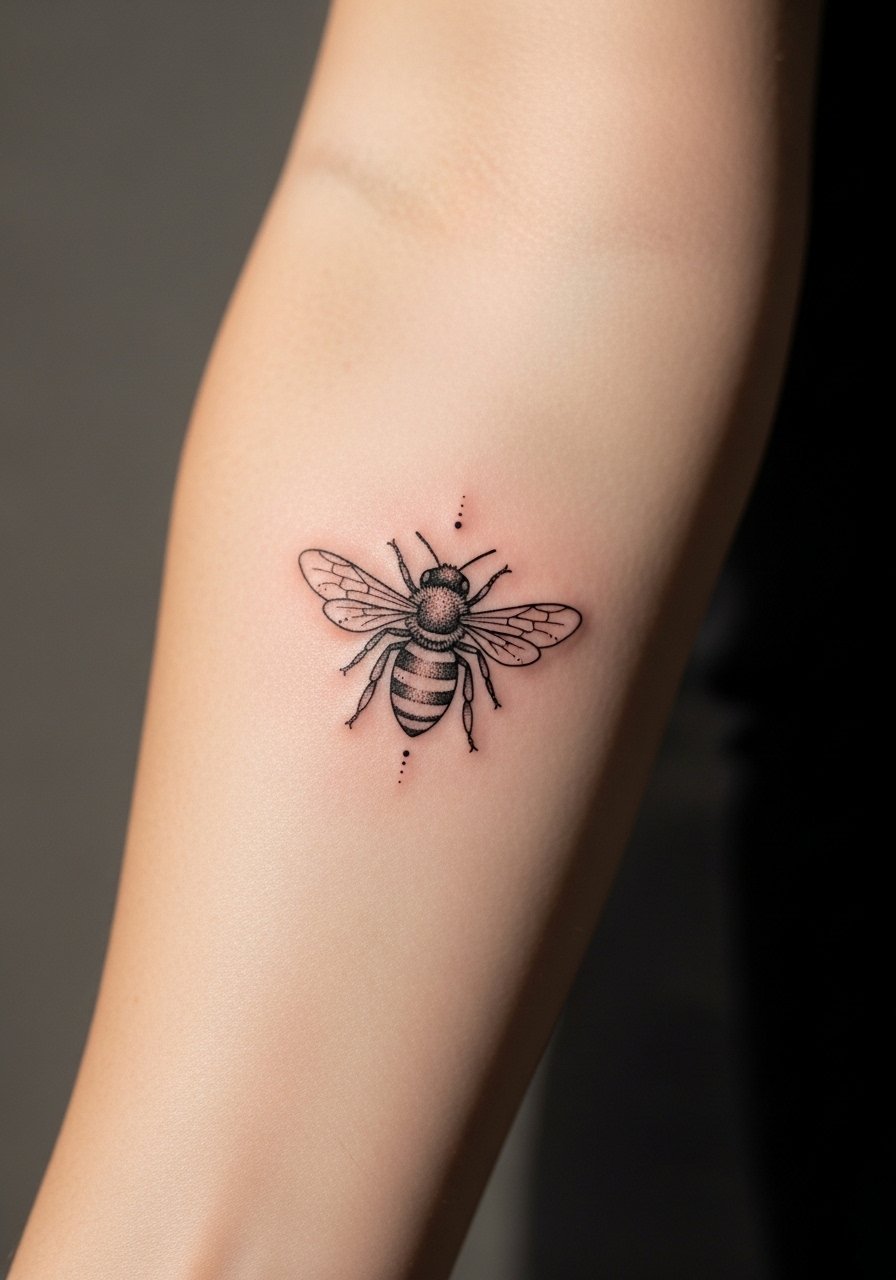
I've seen this on clients who wanted a symbol for industriousness that does not dominate a wristwatch. Tell your artist you want pointillism accents rather than filled black for body texture. Wrist pain is low but constant motion can affect early healing, so expect a short session under an hour. The version that ages poorly is an over-inked thorax that becomes a tiny blob. Ask for crisp antennae and open spacing between wings. By six months it should read as a clear insect. By three years, expect minor softening where bracelets sit. This is best for people who like tiny illustrative pieces.
5. Minimalist Butterfly on the Shoulder
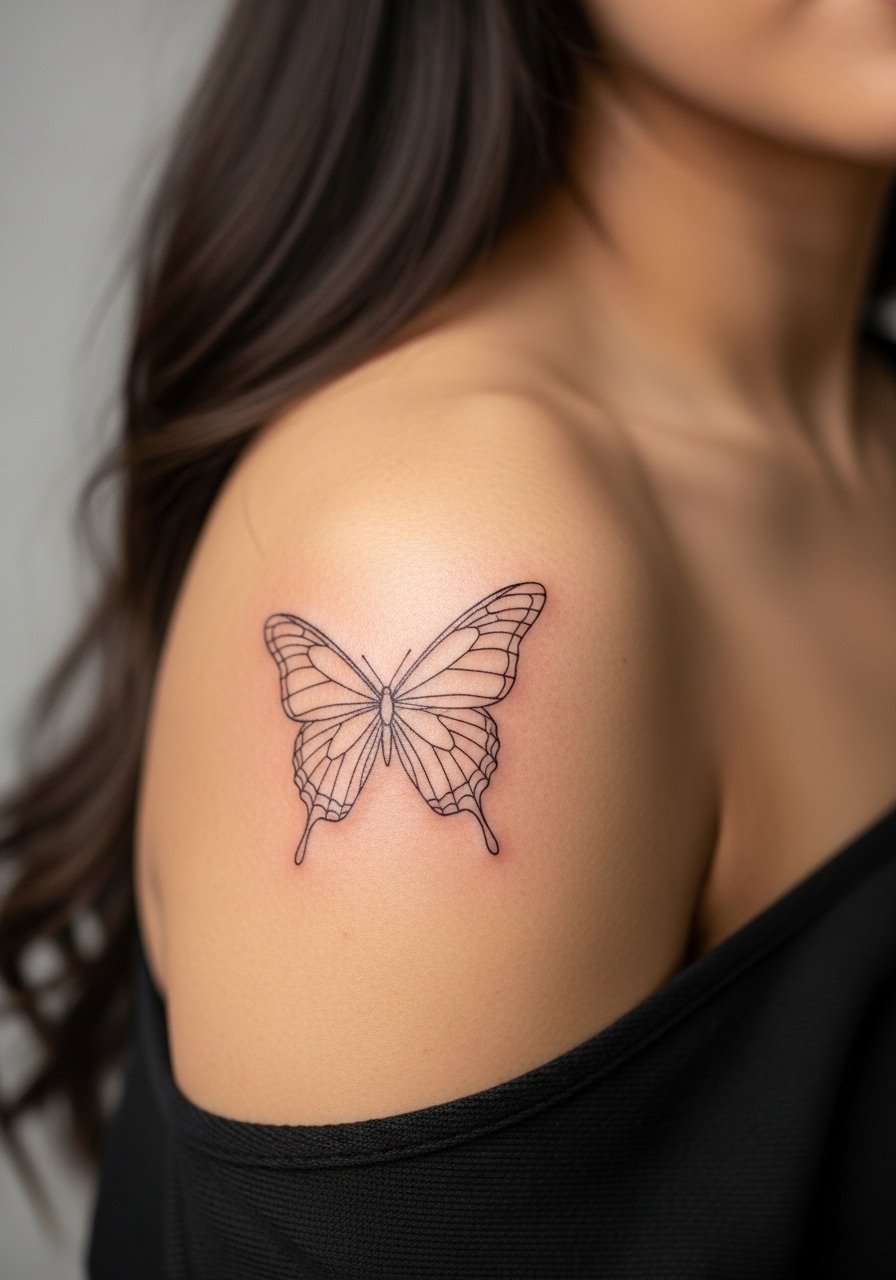
There is a visual impact lead here: shoulder placement gives the wings room and the piece reads from across a room. Session time is about 45 minutes. A frequent mistake is requesting ultra-thin wing veins in a 2-inch wing. That makes the pattern disappear after a few years. For stronger longevity, ask for slightly heavier primary veins and light stippling inside the wings. Shoulder tattoos typically hurt less than ribs and age more predictably because skin there sees less friction. Reserve this if you want a design that sits well under sleeveless tops and scales without losing definition.
6. Linear Lavender Stem Along the Rib
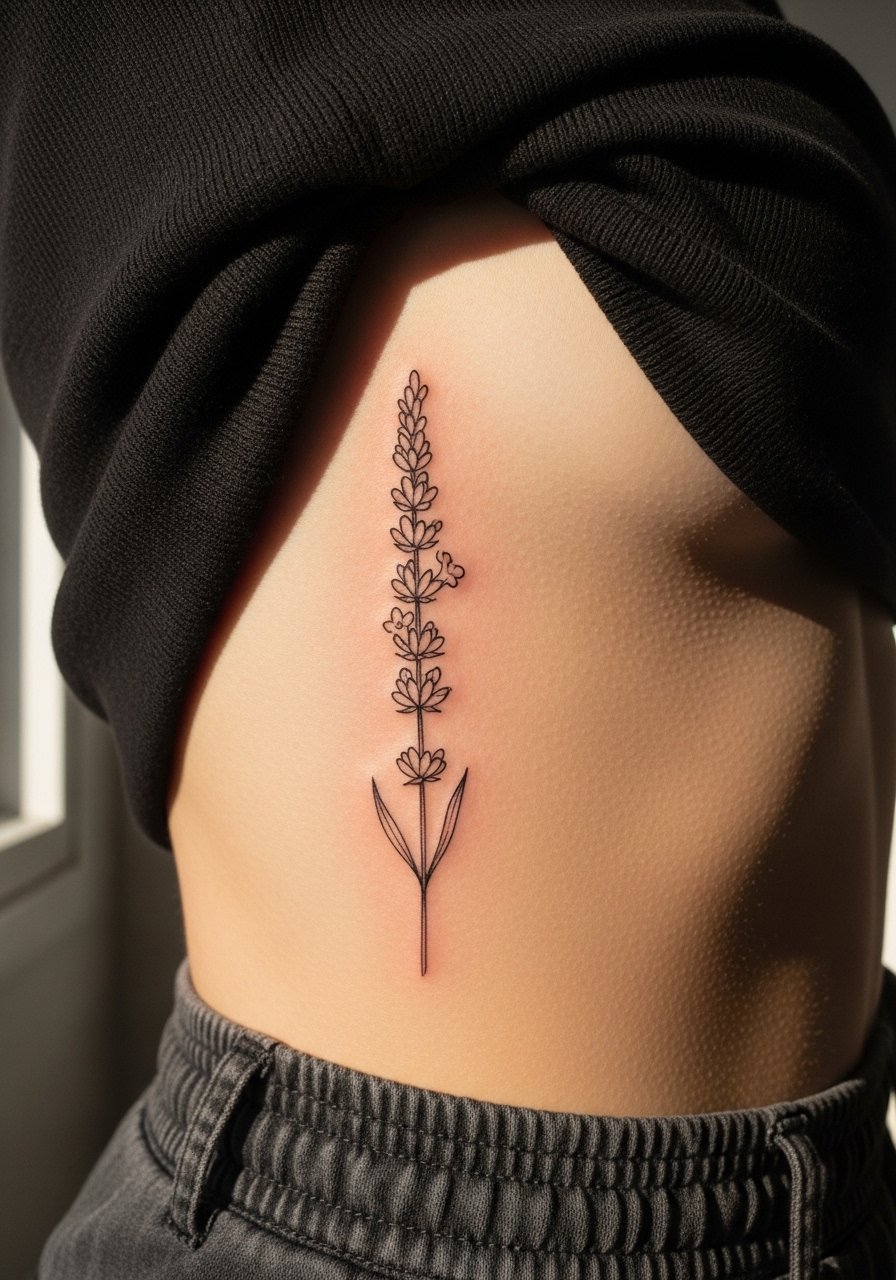
Fair warning: the ribcage rates high on pain. Artists split on whether fine line holds up here. One group says the skin stretch blends single-needle strokes within two years. The other says careful depth and spacing keep stems readable. Ask the artist where they stand before booking. Session time may be 45 to 90 minutes. A common mistake is packing too many floral buds into a narrow band. That creates merging as the skin moves. If you plan a rib piece, expect a touch-up conversation ahead of time and ask to see healed rib examples.
7. Constellation Map on the Shoulder Blade
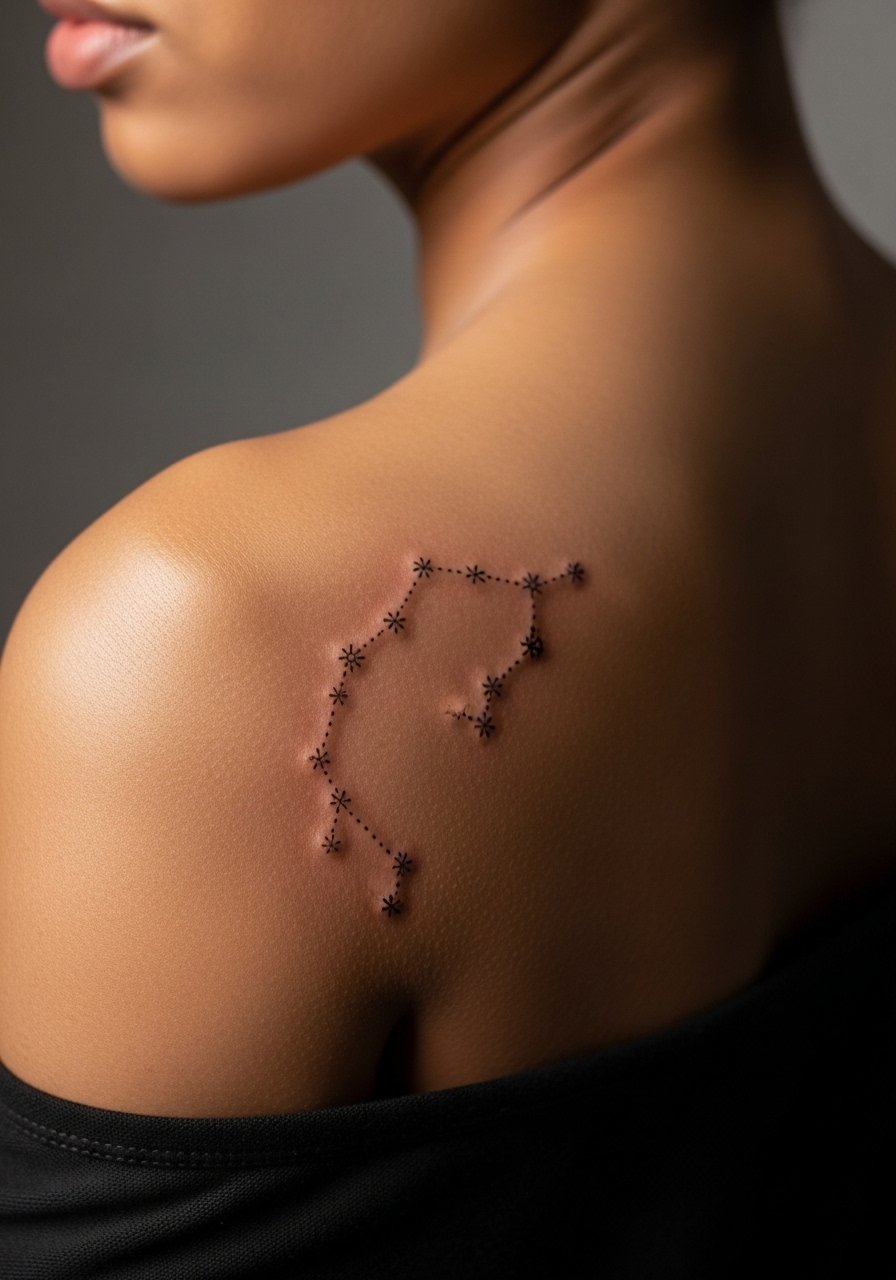
A consultation lead fits this one. Bring the exact star pattern or coordinates you want inked. Shoulder blade placement is forgiving for linework and typically has low pain. Artists recommend spacing star points by at least a few millimeters so connecting lines do not blend over time. A rushed version with cramped stars looks like a smudge in five years. Session time is usually under an hour for a 3-inch layout. This design is ideal for personalization. Tell your artist you want visible dot work at each star rather than filled circles to keep the constellation readable as it heals.
8. Tiny Lotus Mandala on the Inner Wrist
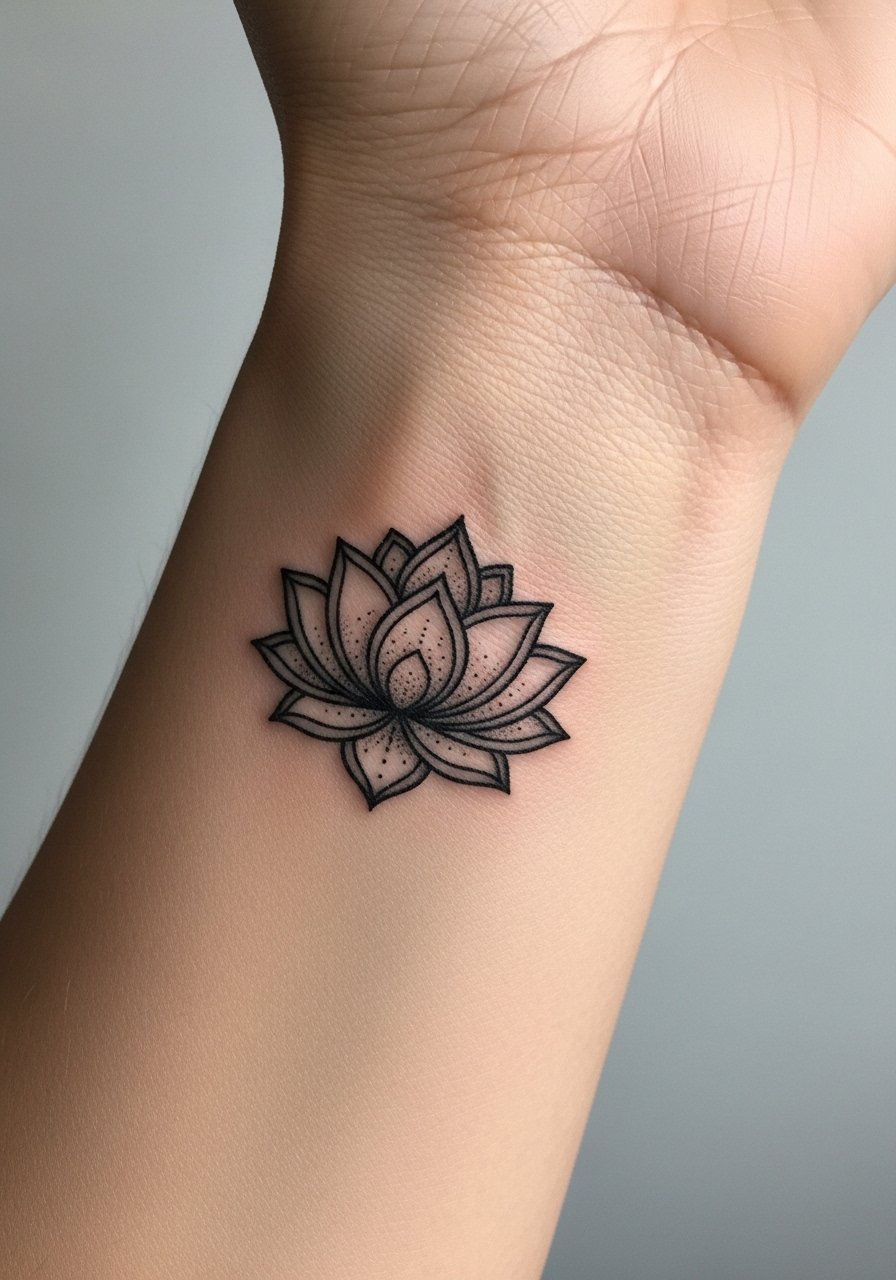
When you book this, say you want geometric balance rather than dense black fills. Inner wrist pain is moderate because the area has thinner skin. Expect 30 to 60 minutes. One overlooked detail is symmetry at the stencil stage. If the stencil sits off-center the mandala can appear lopsided after healing. A version that ages poorly tends to have too many micro petals in a tiny area, causing the pattern to thicken. Ask the artist to simplify petal count for a two-inch mandala. This works well for people seeking a spiritual symbol that fits under bracelets.
9. Stipple-Accented Geometric Mandala on Upper Arm
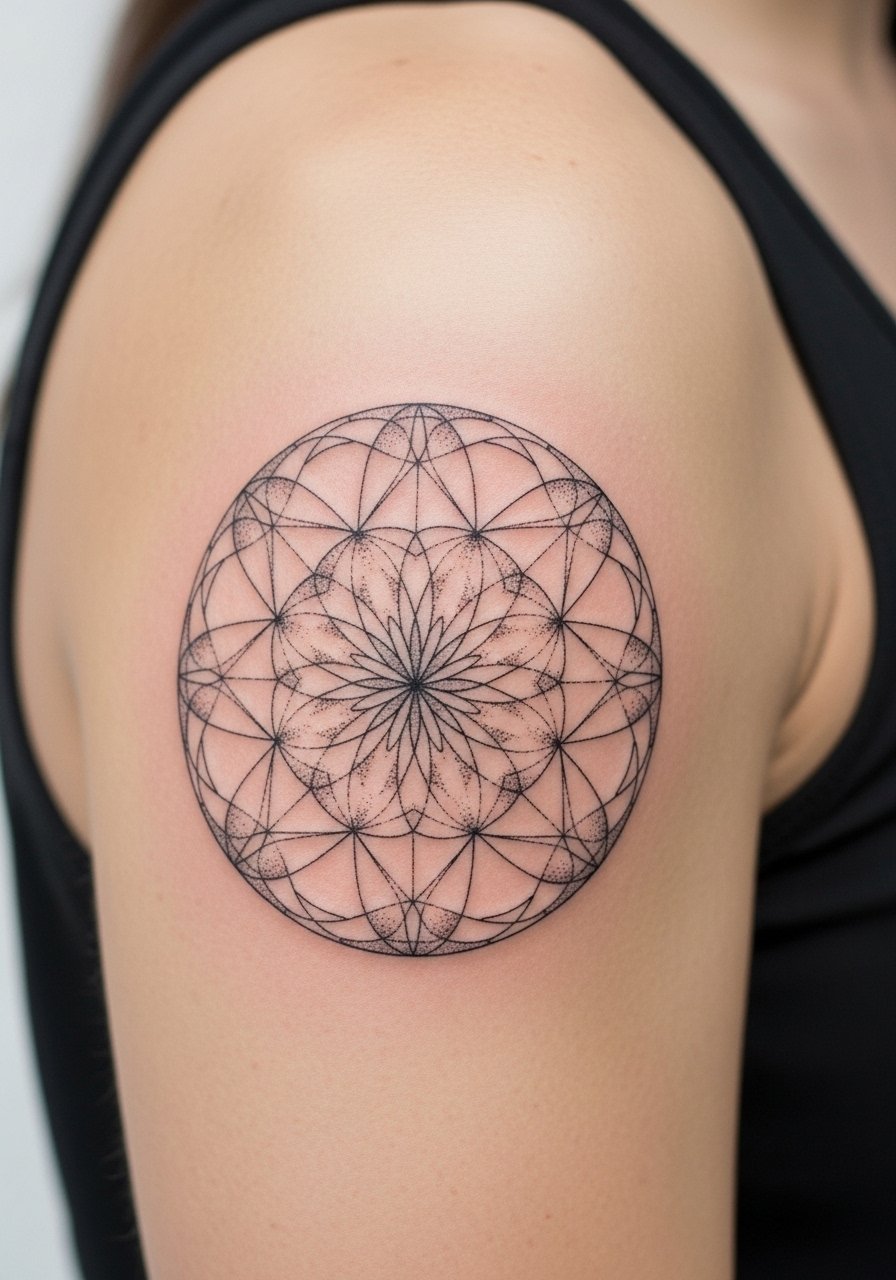
Most geometric mandalas need room. The biggest mistake is shrinking a complex mandala to fit a tiny patch. Upper arm placement gives at least 4 inches of space and lowers blowout risk. Pain is mild and sessions can run one to two hours for larger patterns. Ask for stipple shading over solid fills to maintain contrast without heavy saturation. Over time the center lines may lose crispness, but stippling preserves perceived detail. This is best for someone who wants symmetry that still reads from an arm distance. Expect a light touch-up after two to four years.
10. Single-Needle Lion Outline on the Shoulder
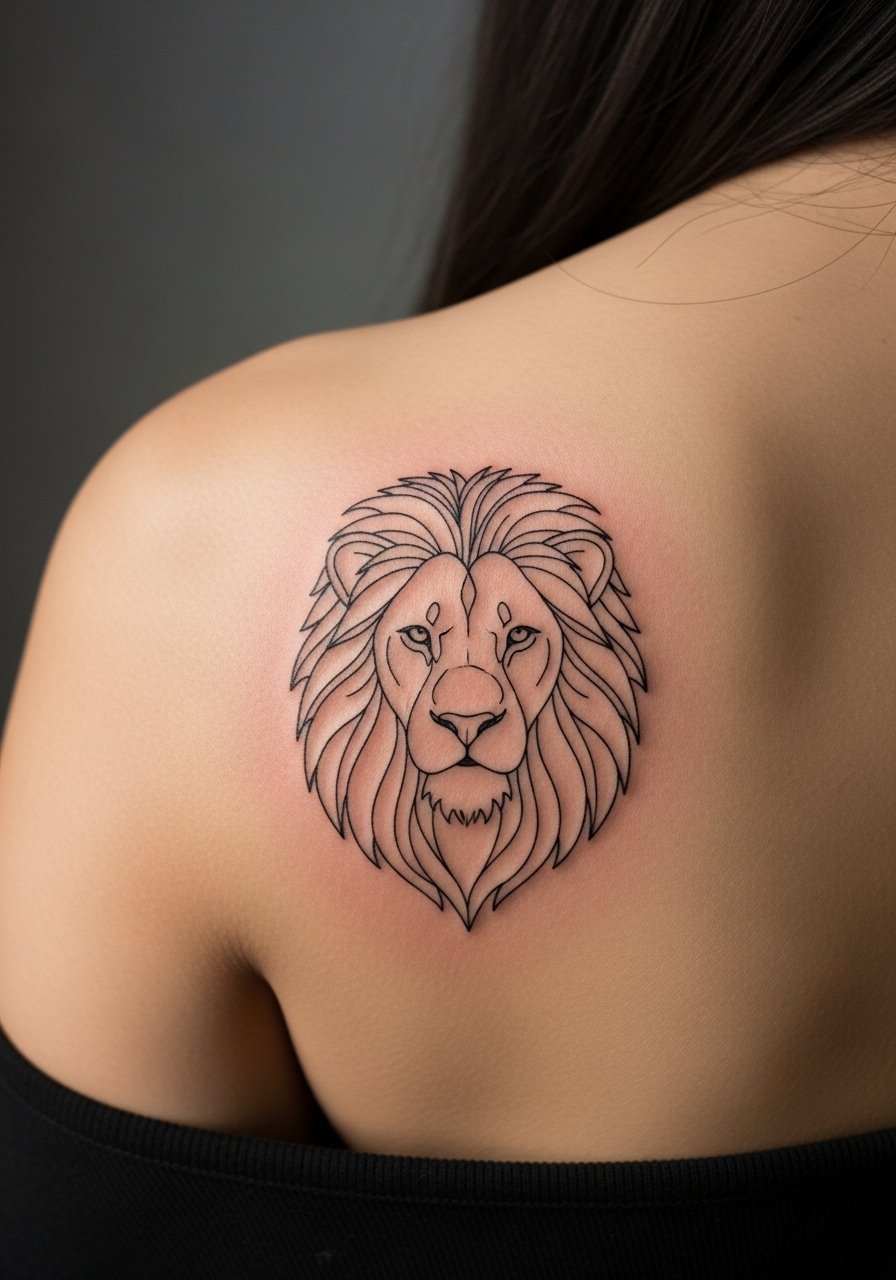
Visual impact first: the lion reads as strength without bulk when kept to an outline. Shoulder placement helps avoid early blurring that happens on high-motion areas. Session time is around an hour. A common mistake is overworking the mane with tiny lines that overlap. That results in muddier hair texture after a few years. In consultation ask for key mane strokes only and suggest negative space to convey volume. For people who want symbolic strength without a large piece, this balances presence and longevity. Plan a touch-up in year three if hair-like strokes soften.
11. Thin Arrow Anklet Around the Ankle
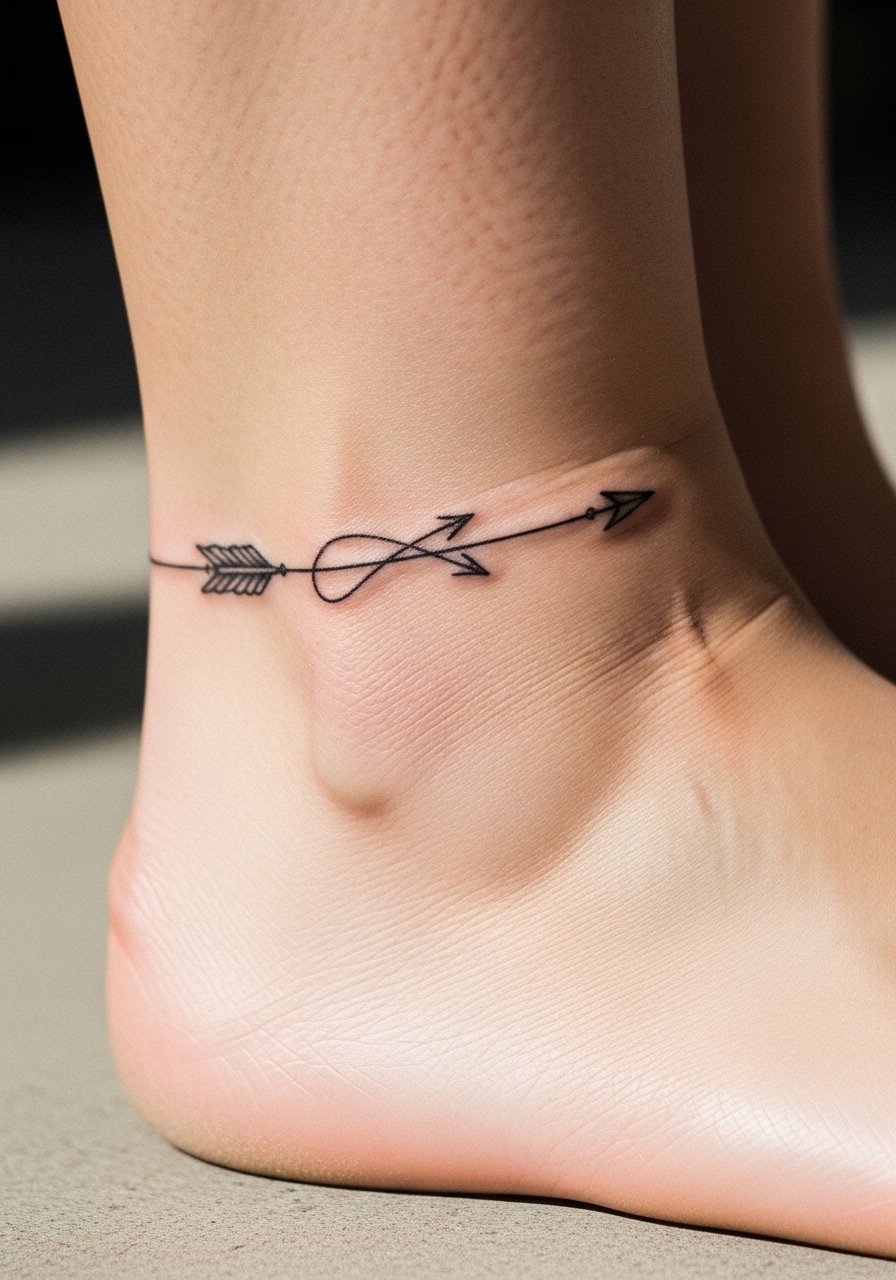
Pain near the ankle can be sharp while tattooing close to bone. The visual lead is that an anklet feels like jewelry without the metal. Tell the artist you want small gaps between arrowheads so the band does not blur into a ring. Session time is usually under an hour. A common mistake is a continuous wrap with tiny linework that becomes unreadable where shoes rub. This is great for someone who wants a seasonal piece that shows in sandals. Expect more fading where socks and shoes apply constant friction.
12. Whip-Shaded Single Stem on the Side Rib
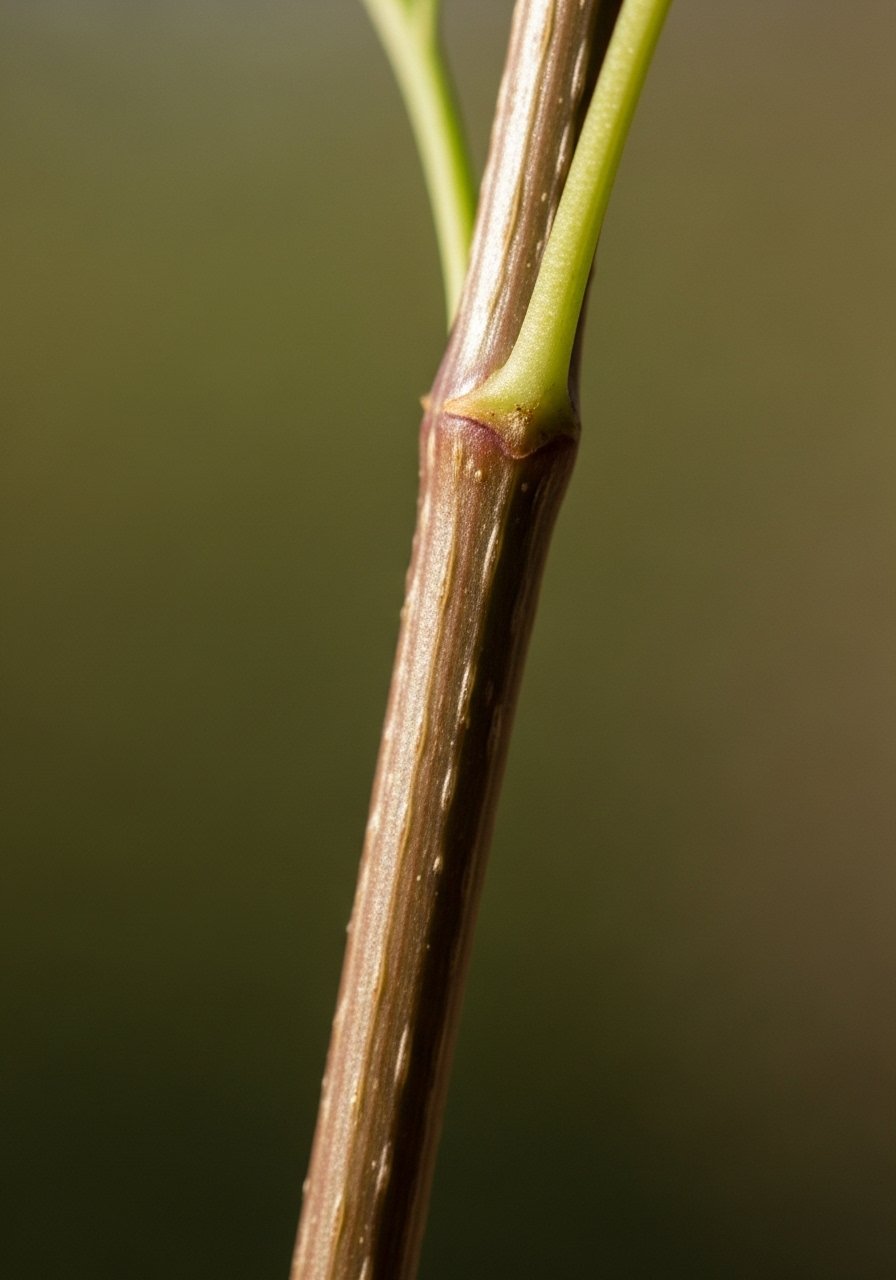
Fair warning: side rib sessions can be long and sore. The controversy about ribs applies here too. One camp says single-needle stems blur from stretch. The other says controlled whip shading and slight line thickness mitigate that. Ask artists whether they would suggest a touch-up plan. Session time ranges from 45 minutes to 90 minutes depending on shading. A common error is asking for dense stipple on ribs. That can compact and alter texture. This works for someone who wants elongated botanical work that follows the torso line.
13. Micro-Realism Bee on Finger Pad
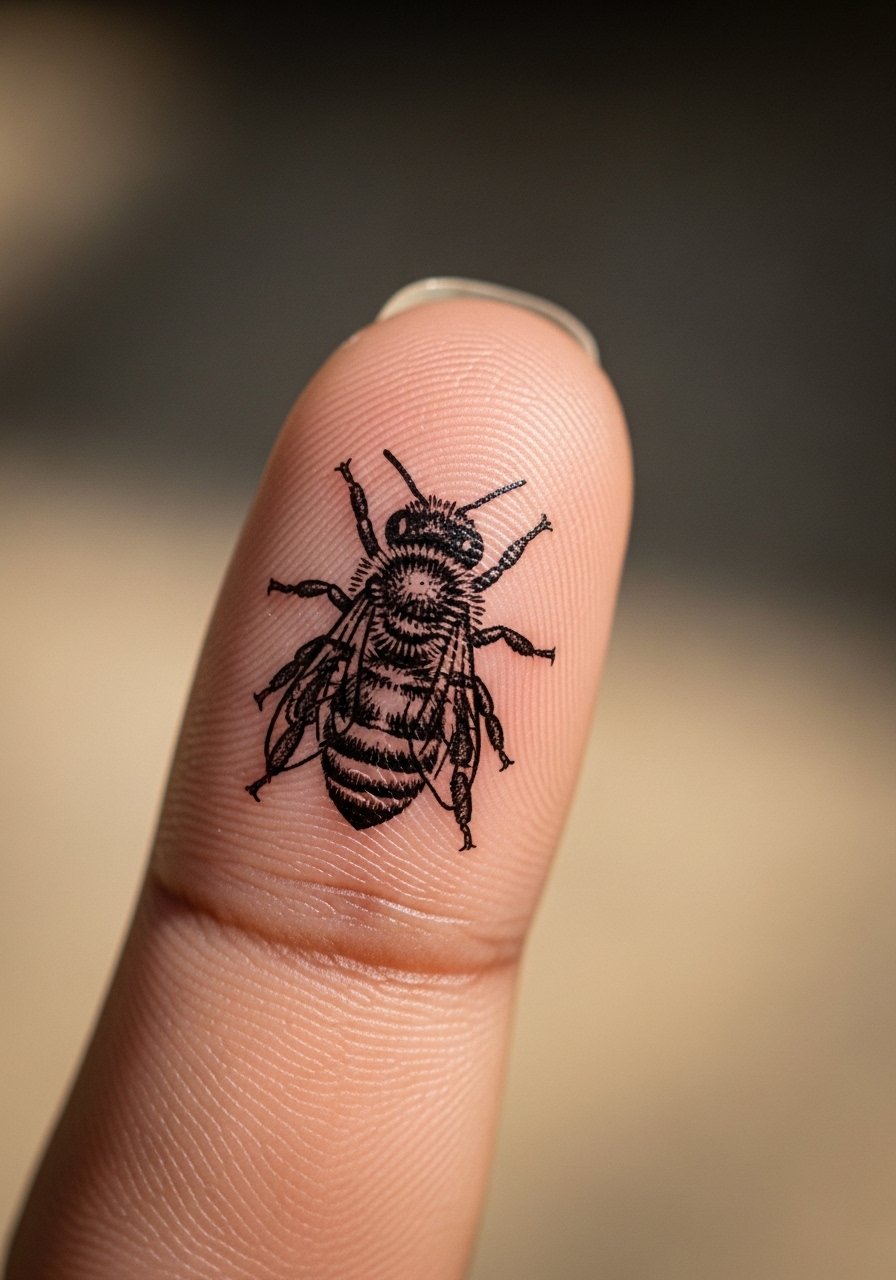
Personal observation: finger pads age differently and smudge faster. If you want this placement, discuss realistic expectations with the artist. Pain is brief and sharp. The session is short, often under 30 minutes. Many people ask for detailed legs and antennae in a tiny space and then need a touch-up within a year. To reduce that, request bold anchor points rather than micro hairs. This is best for someone who accepts periodic top-ups and wants a highly visible small piece.
14. Scripted Name Along the Collarbone
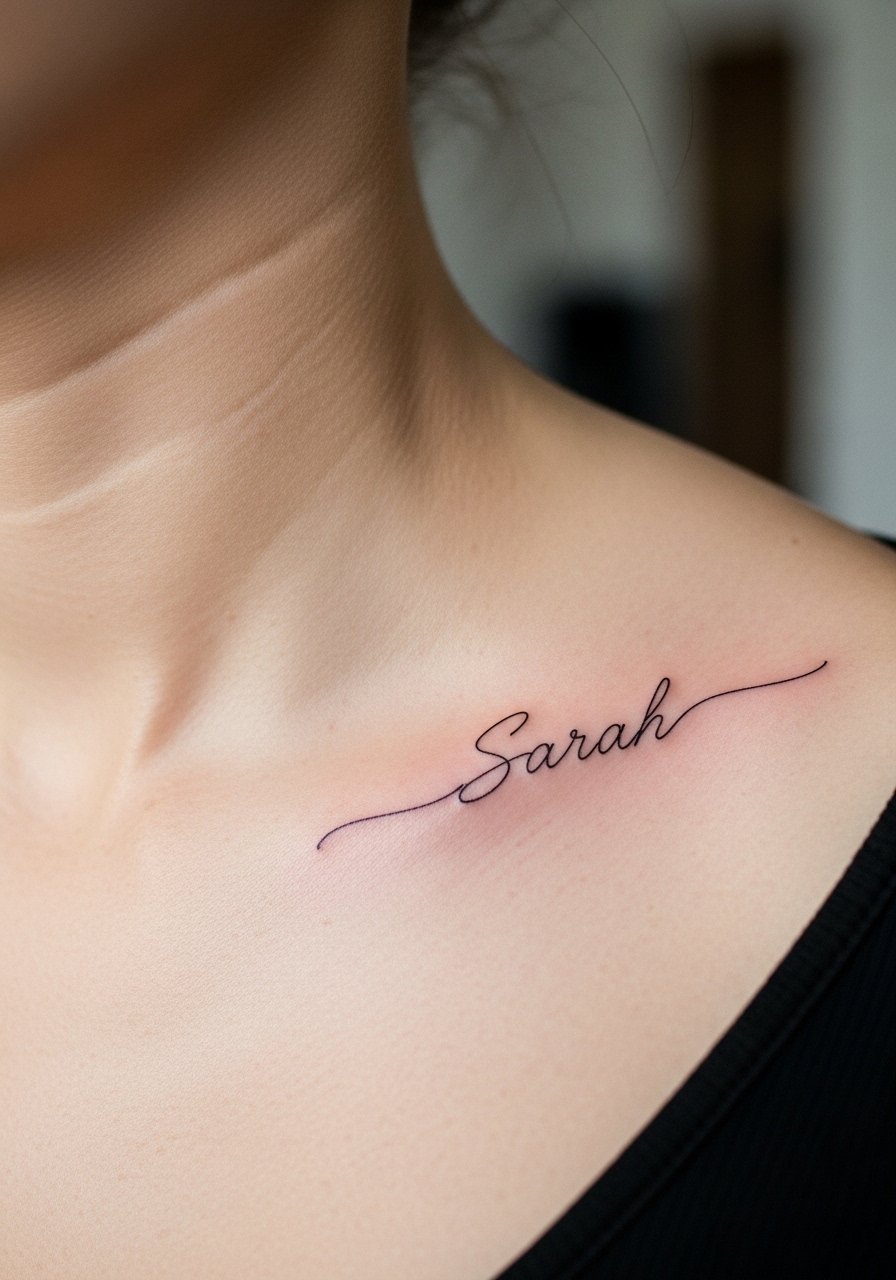
When you sit down with your artist for script, bring the exact text and a printed reference of the exact font. Collarbone script has moderate pain and usually takes 30 minutes. A common mistake is choosing ultra-thin hairline cursive in a high-motion area. That results in merged letters in two years. For durability, ask for slightly increased line weight and clear spacing between characters. This placement suits a sentimental piece that sits well with necklines. If the name holds personal weight, consider a modest touch-up schedule to keep it legible.
15. Geometric Abstract on the Thigh
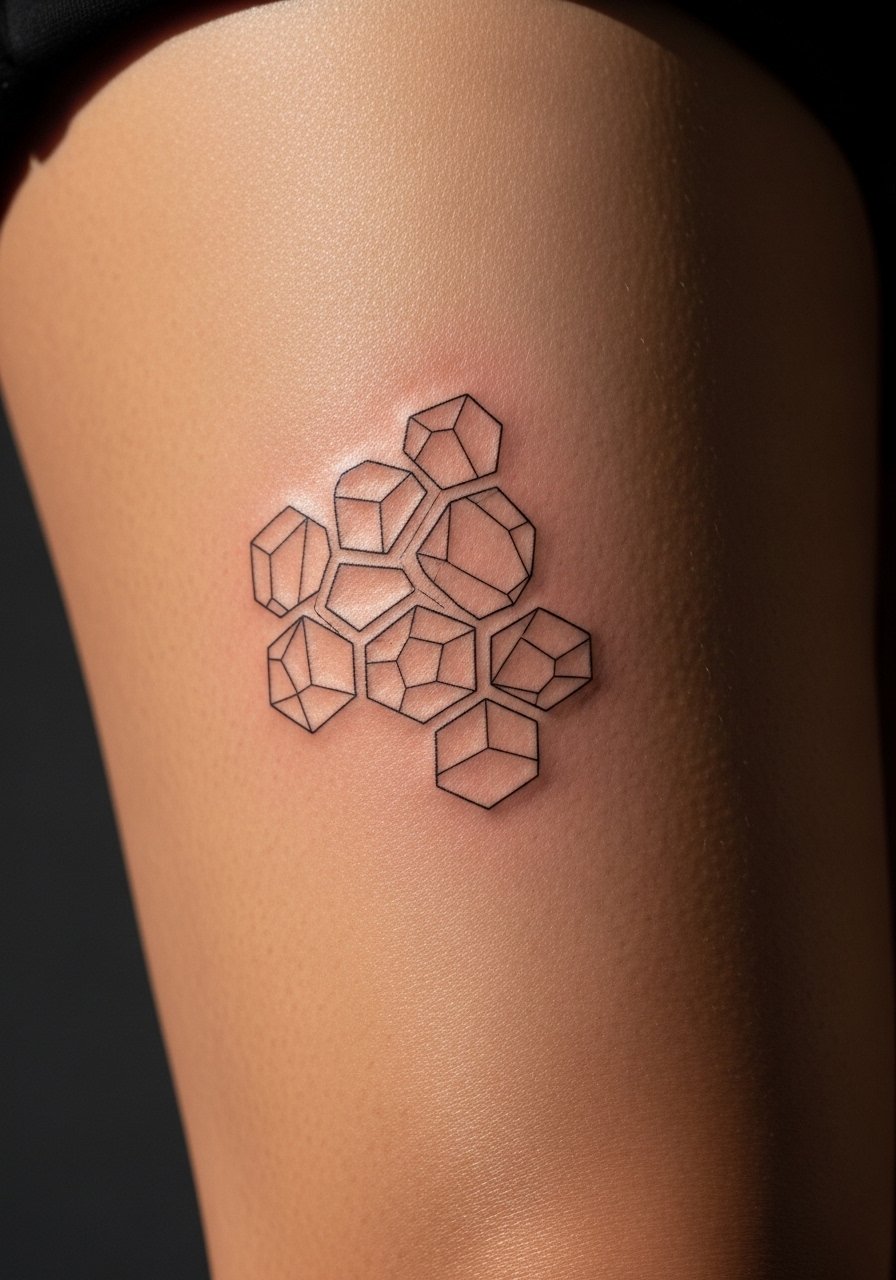
There is a consultation lead here. Tell your artist you want negative space to separate shapes so the geometry keeps its clarity over time. Thigh skin is forgiving and pain is lower. Sessions can run one hour for a 3-inch cluster. The most common mistake is packing too many tight angles in a small area. That leads to visual muddiness after weight changes. This is perfect for someone who dresses to reveal the thigh and wants a modern edge. Expect well-preserved linework at three years with minimal touch-ups.
16. Tiny Moon Phases Behind the Ear
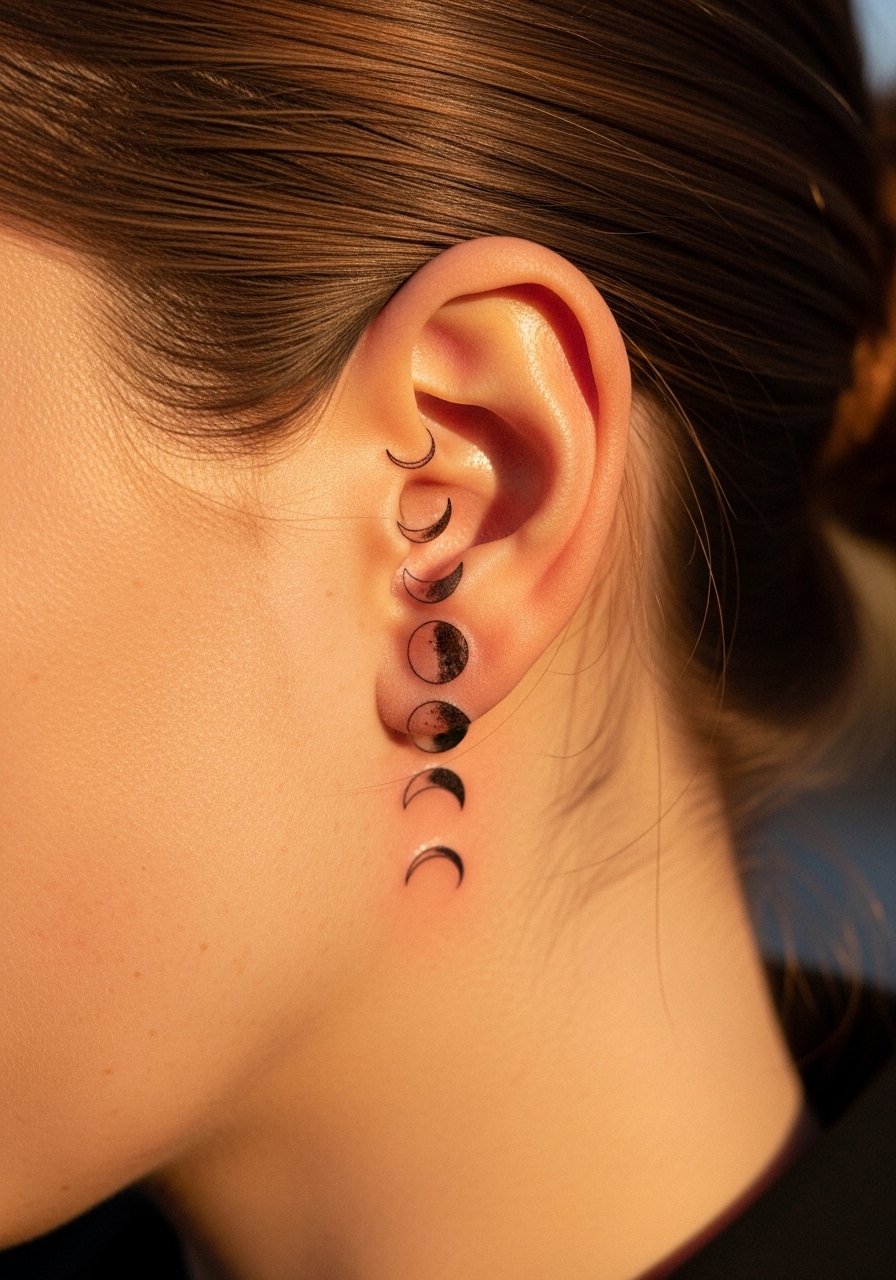
When booked, be explicit about the sizing you want because ears are small canvases. Pain is sharp and localized and the session is quick. A common mistake is cramming too many tiny crescents into a 1.5-inch band. That causes shapes to lose separation quickly. Behind-ear placement is subtle and suits someone who wants hidden symbolism. Expect more fading from hair contact and washing, so plan on touch-ups sooner than for arm work.
17. Single Needle Fern Along the Ankle
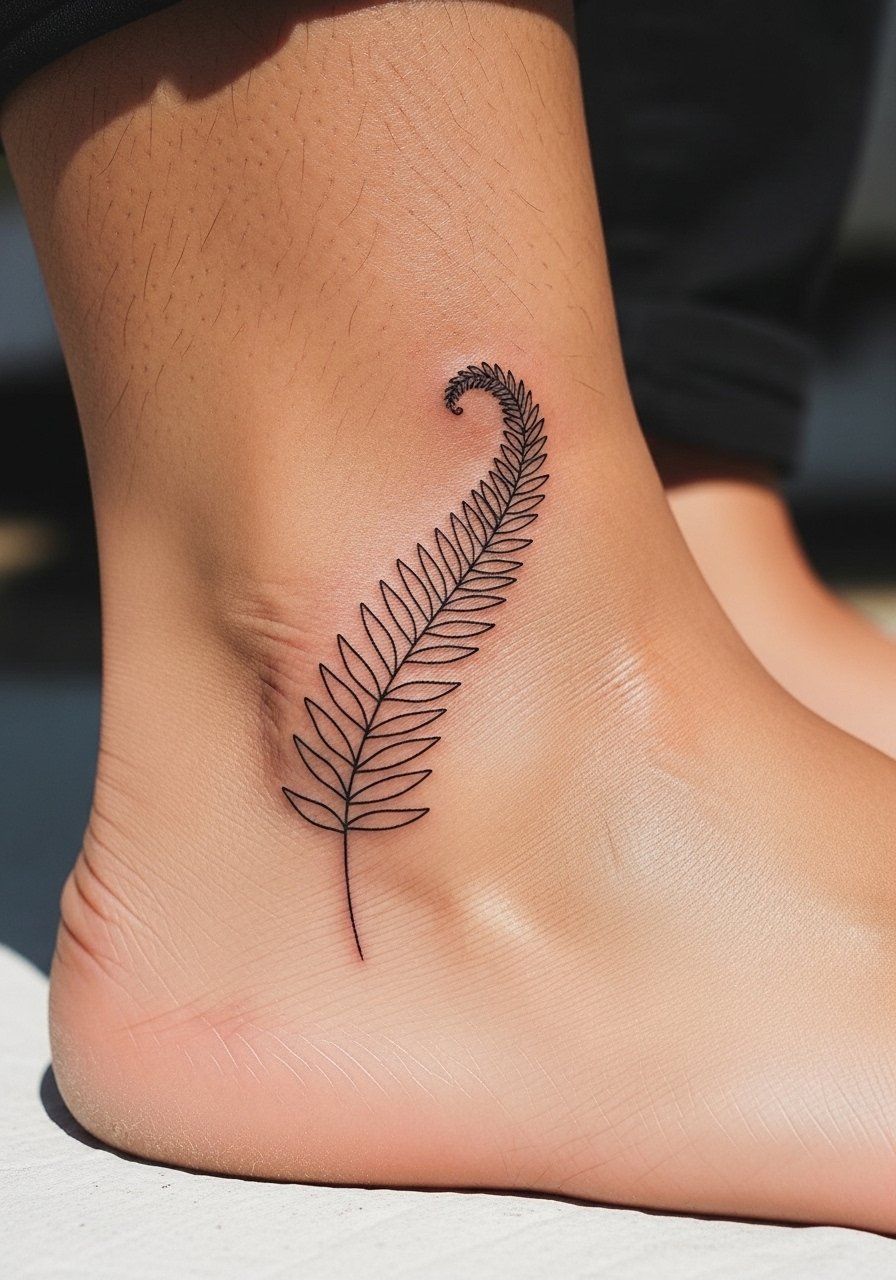
Personal observation: botanical ankle pieces read like tattoos that move with footwear. Pain near the bone is moderate and sessions run 30 to 45 minutes. A typical error is dense frondlets in a tiny area. Ask your artist to simplify frond spacing. At six months the fern will look clean. At two years detail may soften where shoe straps rub. This style fits gardeners and nature lovers who want an organic flow on lower limbs.
18. Concentric Circle Abstract at the Center Wrist
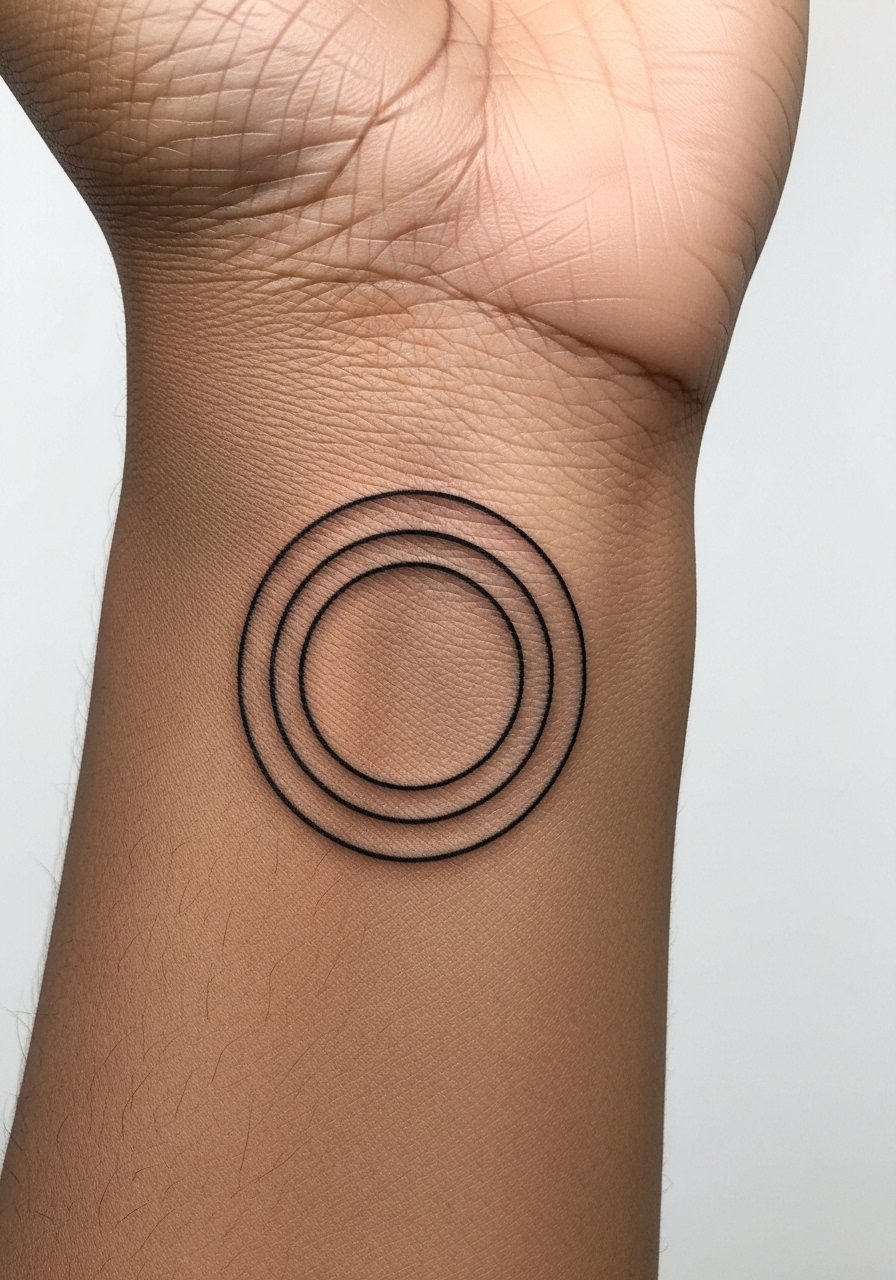
Consultation tip: alignment is everything for central wrist work. Pain is moderate and sessions are short. The mistake people make is asking for hairline spacing between circles that then bridge into one thicker ring. Request slightly wider spacing so each ring keeps its identity. This suits someone who likes bold minimal geometry that still feels small. Expect steady softening over time, especially if you wear watches frequently.
19. Micro-Lotus on the Ankle Bone
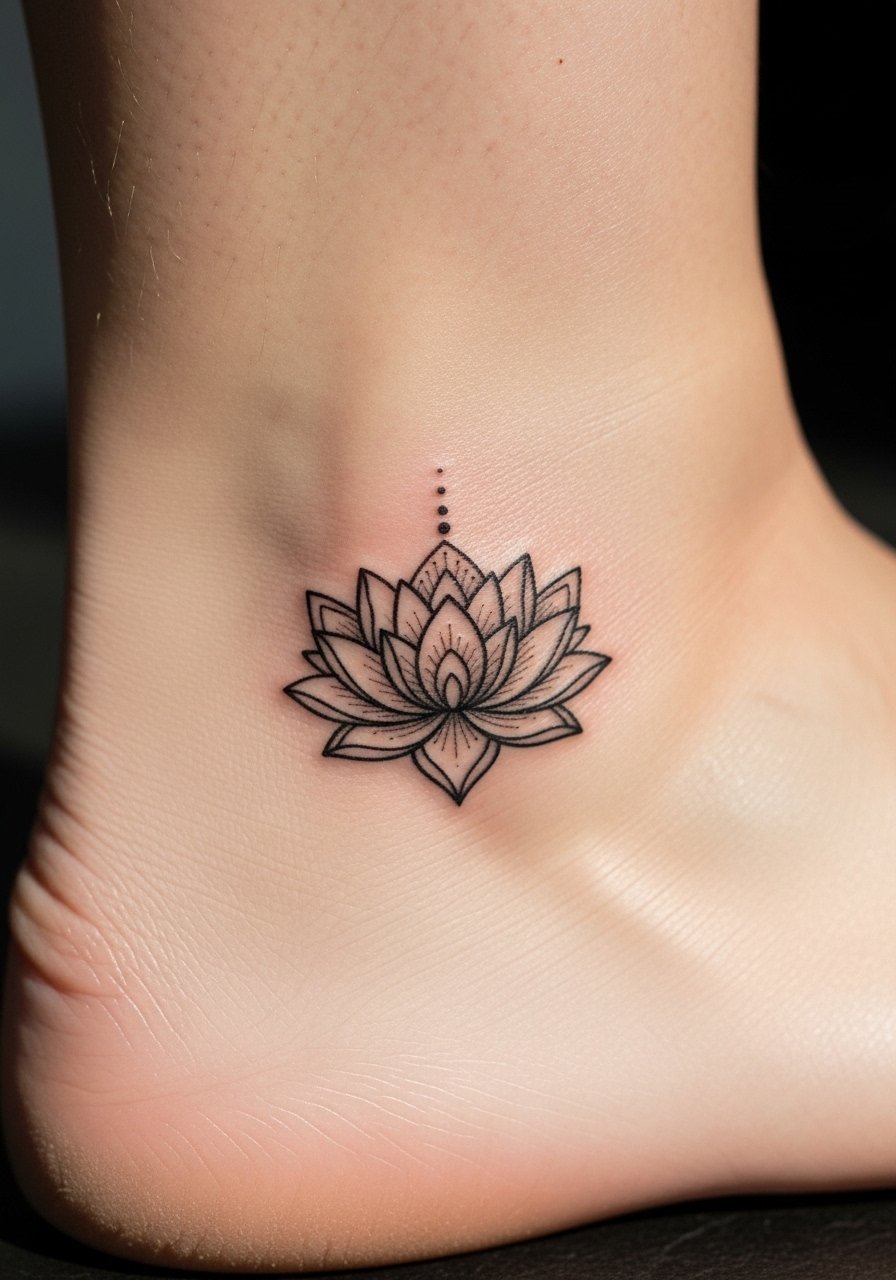
Aging lead: tiny mandala elements often clog when cranked down to a coin size. For an ankle lotus, ask the artist to reduce petal count and focus on clear outer petals. Pain at the ankle bone is higher and sessions run 30 to 45 minutes. The common mistake is dense center detail that becomes a dark spot. This piece is good for someone who wants a small spiritual mark that peeks out in sandals. Plan on a touch-up within two to three years if you wear anklets that rub the area.
20. Simple Mountain Range Along the Rib Side
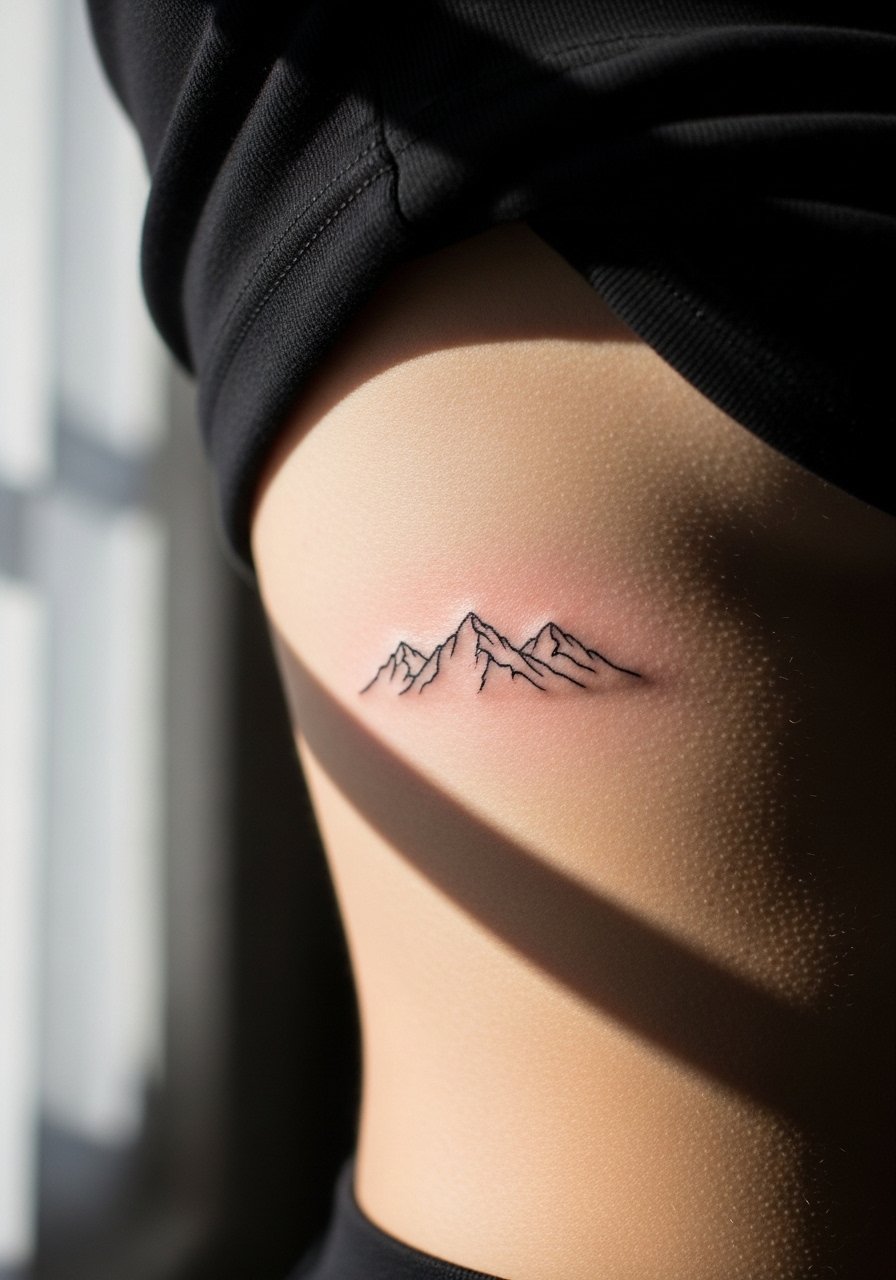
Mistake lead: the biggest error with tiny landscapes is over-detailing peaks in a small width. Rib skin moves and stretches, so keep silhouettes bold enough to remain readable. Pain is high and session time depends on scale, usually 45 minutes. One artist camp thinks single-needle peaks soften sooner due to stretch. The other camp points to careful spacing as the solution. Ask your artist for a slightly stronger outer contour to preserve form. This fits someone who wants a travel or endurance symbol that complements body contours.
21. Tiny Crescent and Star Near the Collar
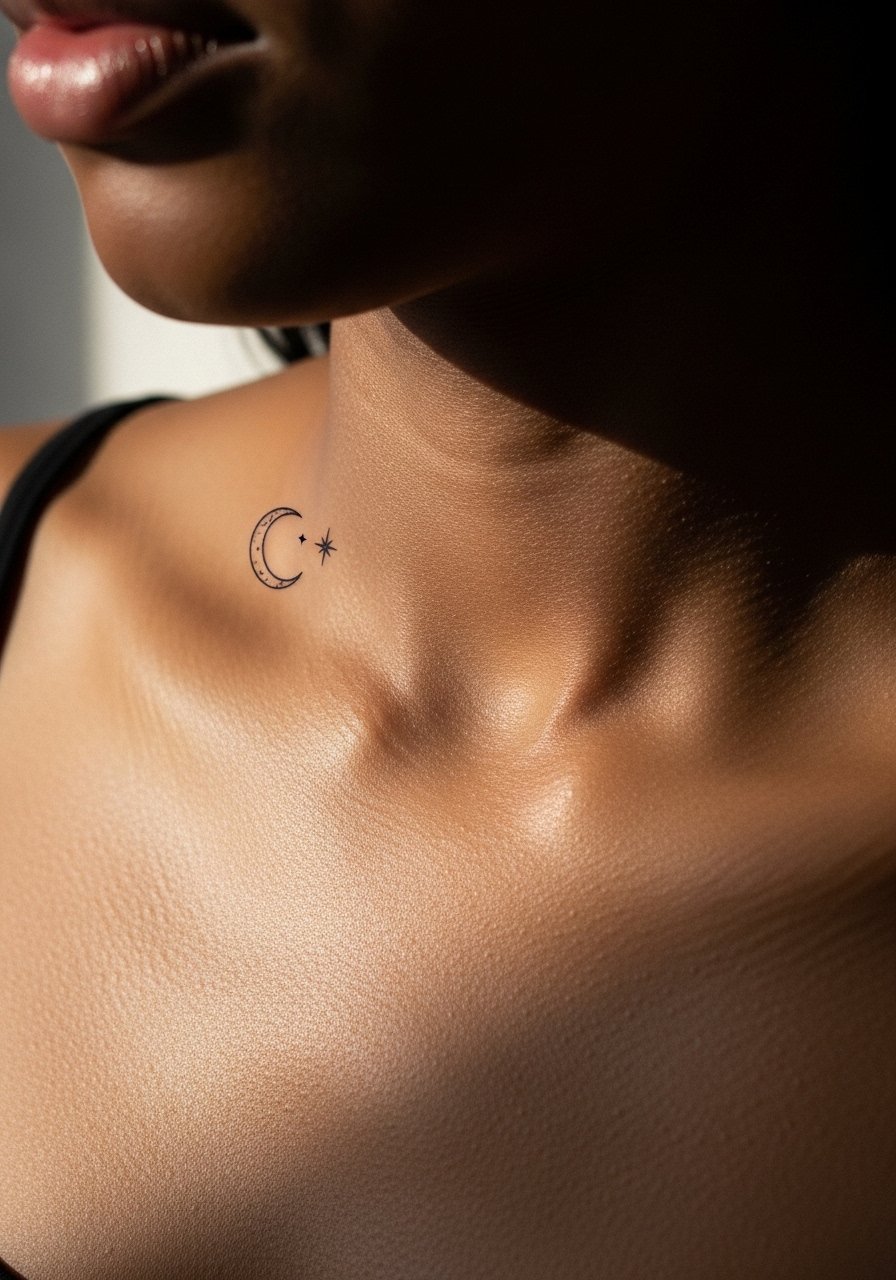
Visual impact: on-deck collar tattoos read as jewelry when placed near the clavicle. Pain is moderate and sessions are brief. A common mistake is wanting a hairline star filled in, which can blur. Ask for an open star outline and a crescent with a small negative-space highlight. At six months it should remain crisp if you avoid sun exposure. This is ideal for someone who prefers discreet celestial motifs that pair with necklaces.
22. Linear Bouquet on the Side Thigh
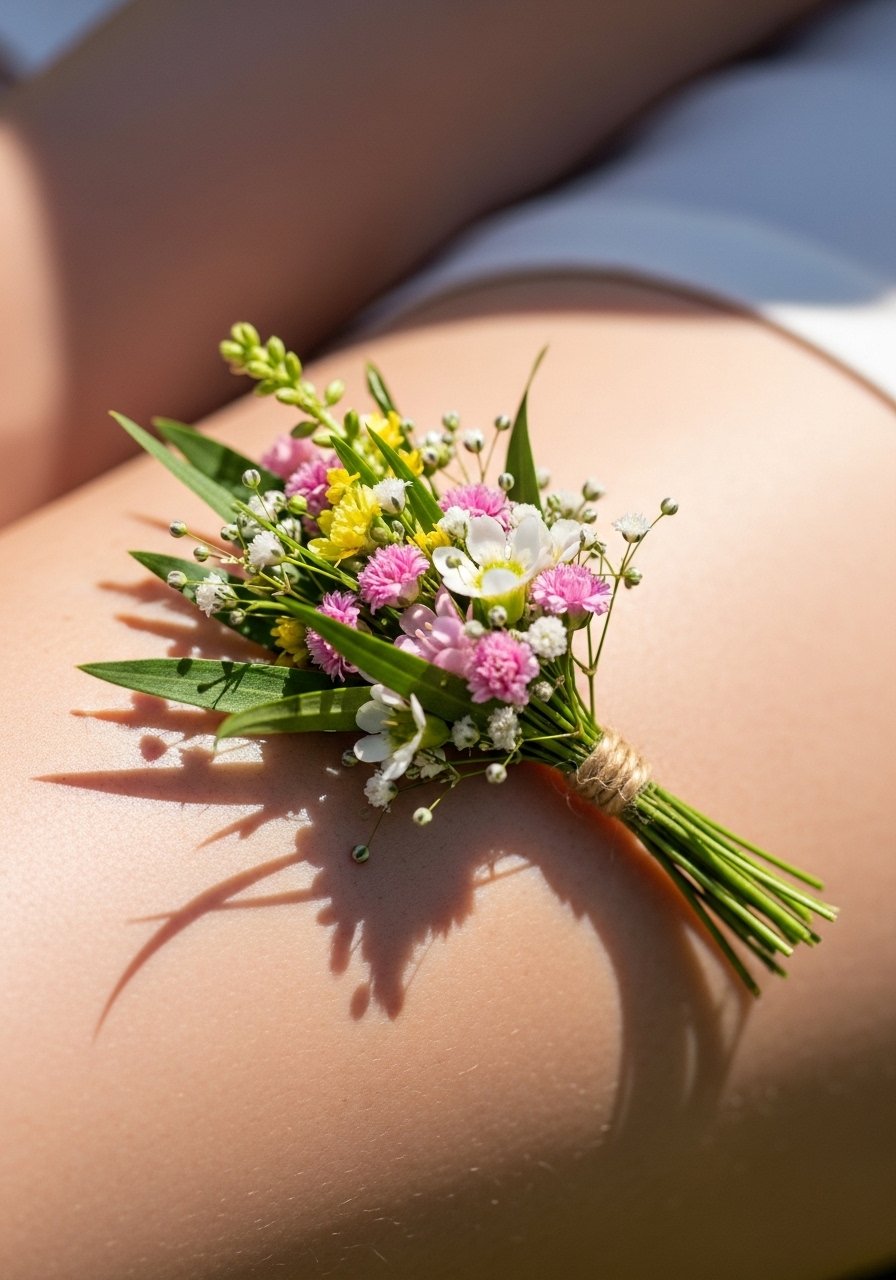
Personal observation: side thigh pieces cope well with movement and weight changes compared with belly or rib work. Pain is low to moderate and sessions can be under an hour. The common mistake is overloading individual stems with tiny cross-hatching. Keep stems clean and add selective dot work for texture. Over time the bouquet will hold shape because the thigh sees less daily friction. This suits someone who wants a hidden botanical that looks intentional with swimwear.
23. Tiny Compass on the Wrist
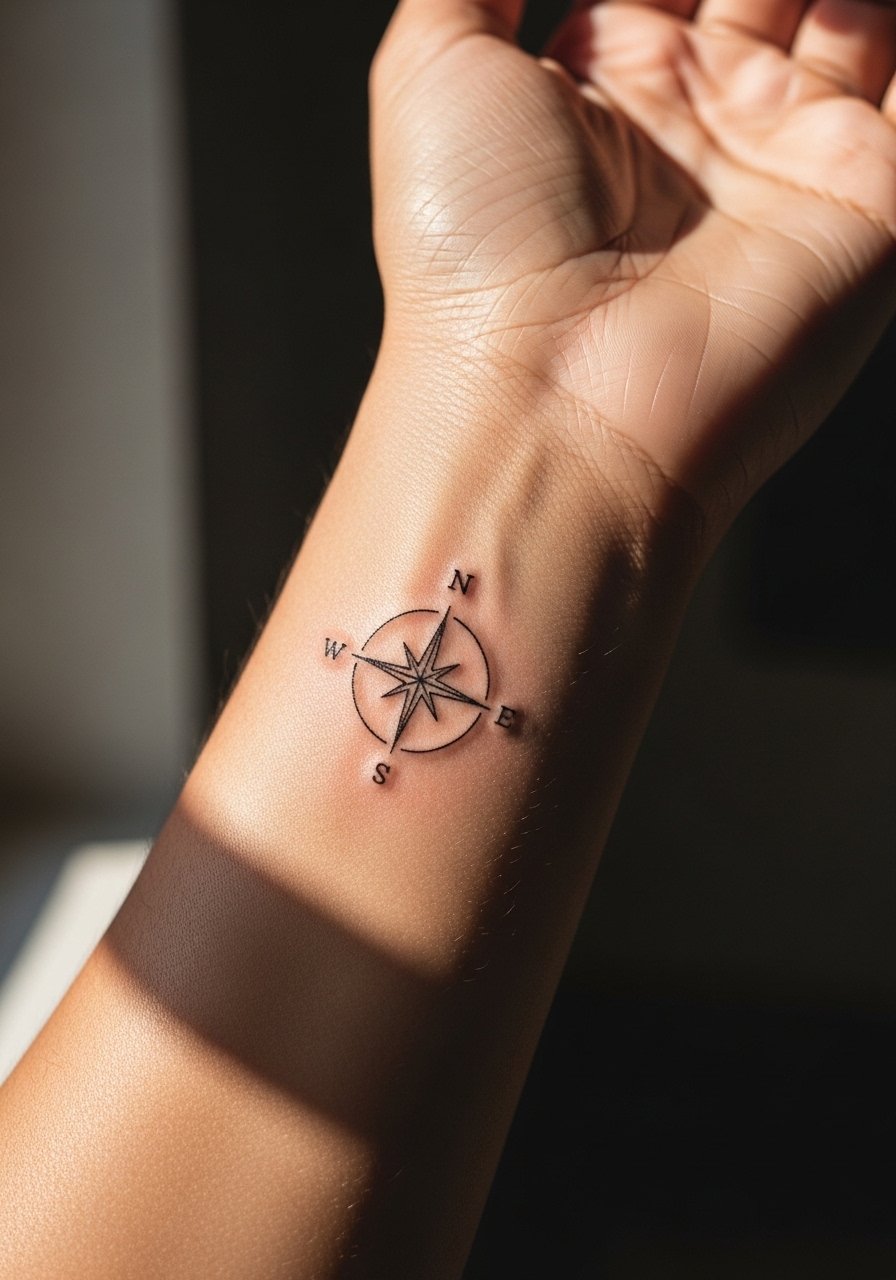
A consultation lead helps here. Tell the artist you want cardinal points minimal and the north marker slightly bolder so orientation stays clear. Wrist pain is moderate and a 30-minute session often suffices. Packing in too many graduated ticks makes the compass blur, so keep markers to a minimum. This is for someone who likes travel symbolism in a visible spot. Expect small softening by the third year if you wear bracelets often.
24. Abstract One-Line Face on the Upper Arm
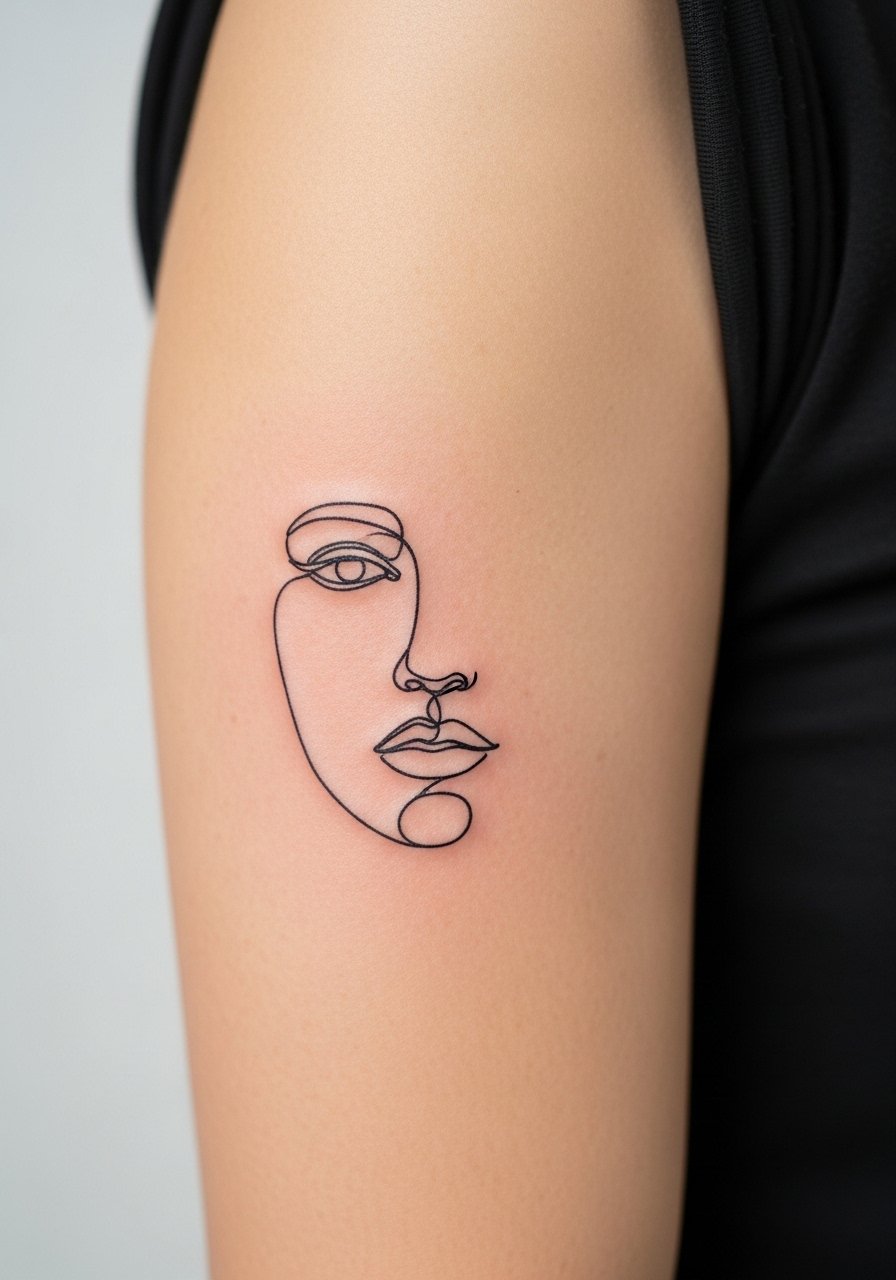
Mistake lead: the mistake with one-line faces is making the line so thin it loses personality after healing. Outer upper arm placement is forgiving and pain is mild. Session time is about 45 minutes. Ask for a slightly varied line weight in key facial features so the expression reads at distance. This works for people who want modern art that reads like a sketch when dressed. Touch-ups are usually minimal since the arm sees less abrasion.
25. Tiny Scripted Roman Numeral on the Rib Flank
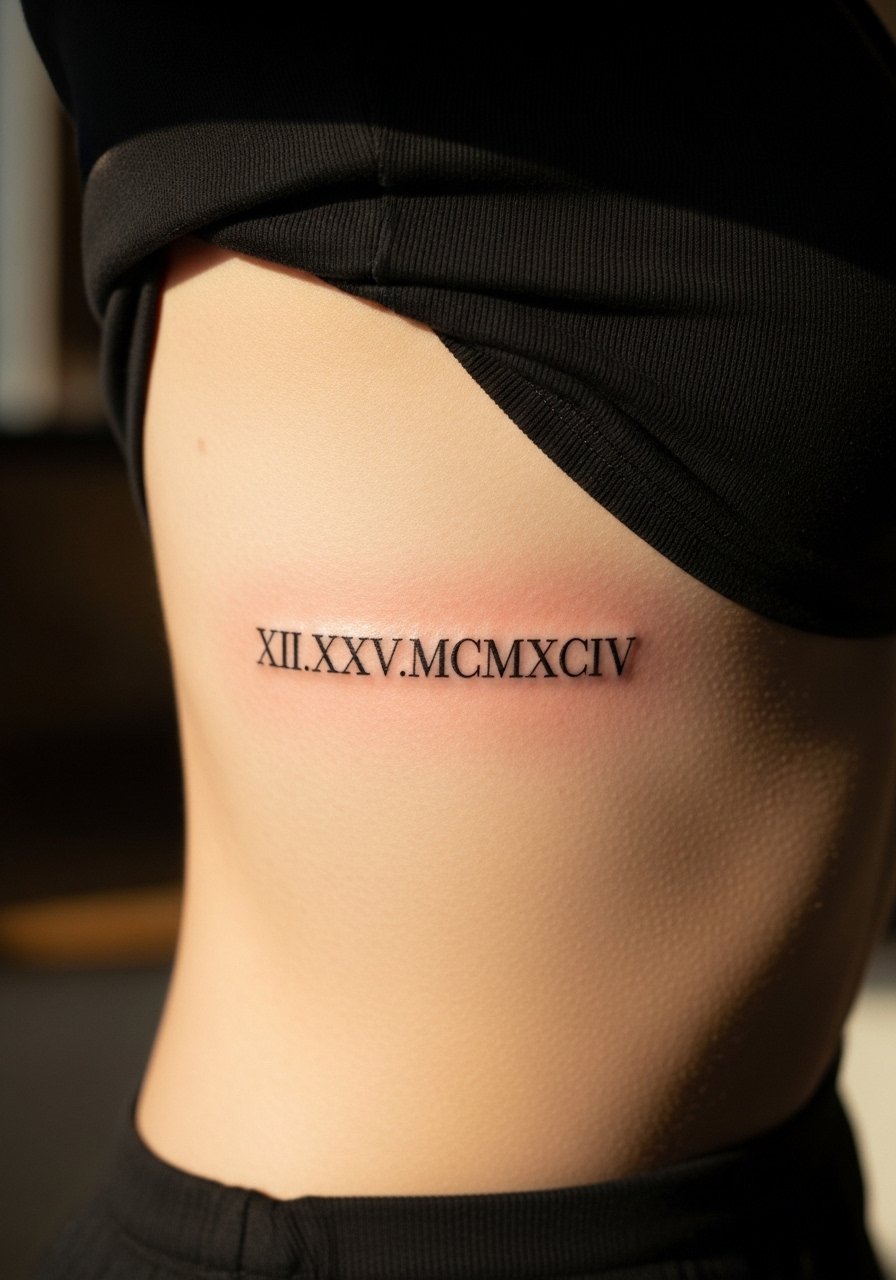
Controversy lead: ribs provoke debate about fine line longevity. One camp says thin numerals will diffuse there. The other says careful needle depth keeps characters legible. If you choose ribs, pick a serif with clear spacing and slightly thicker main strokes. Pain can be high and session time varies. A frequent error is picking extremely small type that merges. This placement is for people who want a private, meaningful date. Plan for a possible touch-up at two to three years so numerals remain crisp.
Tattoo Prep and Aftercare Essentials
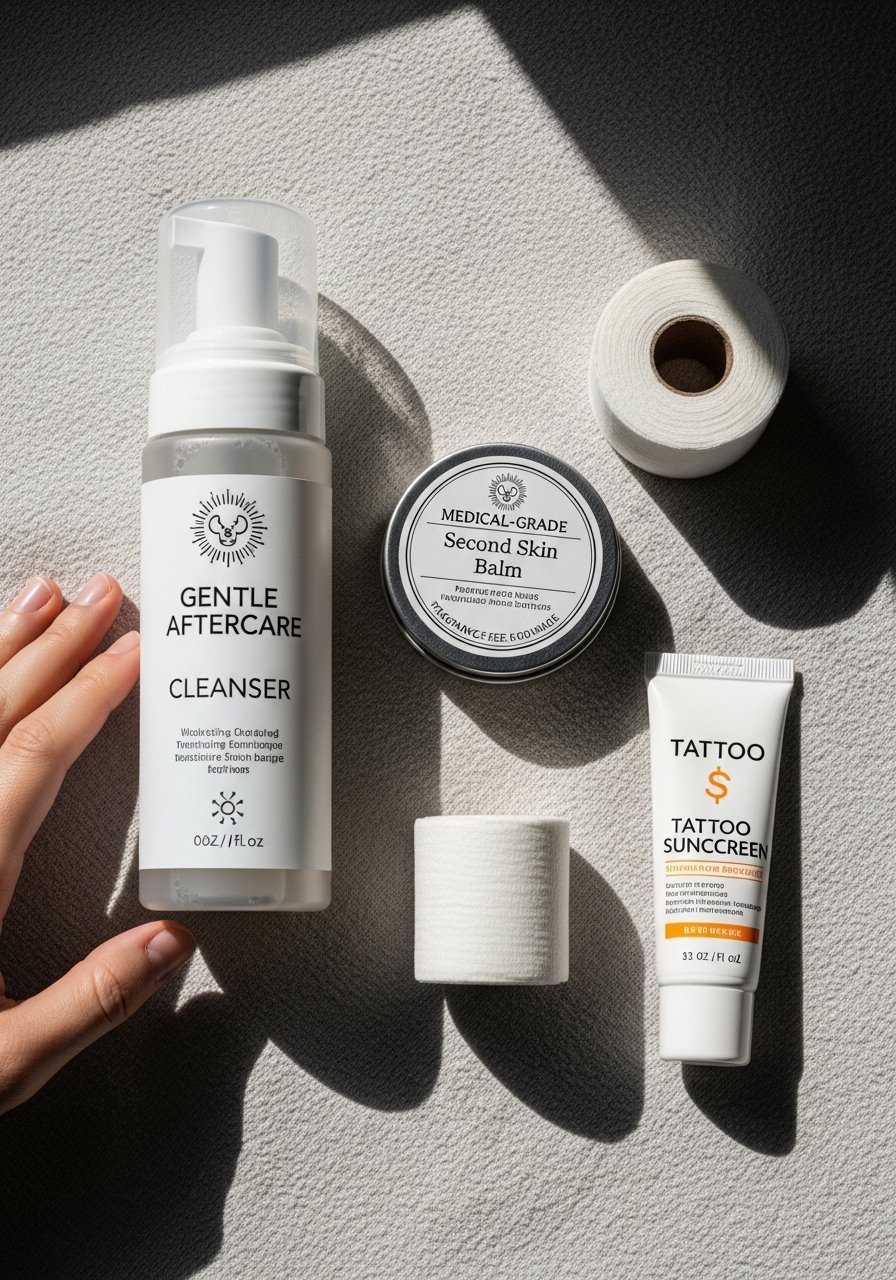
Below are practical items I recommend for before and after your fine line session. I include a mix of lesser-known or generic options because independent products often suit sensitive ink work better than overhyped mainstream items.
Fragrance-free gentle foaming cleanser for tattooed skin. Use for the first week to remove debris without stripping surface oils. Clean twice daily during the initial healing window.
Lightweight fragrance-free balm in a small tin. Apply thin layers to avoid clogging hair follicles. Good for short-term lock-in after scab formation.
Medical-grade second skin bandage, 6-inch roll. Useful for high-friction placements like wrists and ankles during the first 48 hours.
Antibacterial gentle soap without moisturizers. Use in the shower to rinse quickly and pat dry with a clean towel.
Breathable tattoo-specific moisturizing lotion. Switch to this after initial balm use to keep the area hydrated without over-saturating.
Lightweight mineral sunscreen stick with SPF 30. After fully healed, protect fine line work from UV to slow fading.
Silicone scar minimizer gel, travel tube. Use months after healing to smooth slight raised lines or text edges if needed.
Disposable non-latex gloves, box of 50. Handy for partners helping with aftercare so hands stay clean during ointment application.
Every tattoo is different. Always follow your artist's specific aftercare instructions. Consult a dermatologist if you have skin concerns or unusual healing issues.
Frequently Asked Questions
Q: Will tiny single-needle script blur more quickly on the wrist than on the forearm?
A: In my experience wrist script endures less well than forearm script because wrists get more friction and sun. If you want wrist placement, ask for slightly bolder stroke weight and clearer spacing between letters. Expect a possible touch-up at two years depending on lifestyle.
Q: For a rib botanical, how do I decide between a single-needle stem and a slightly bolder contour?
A: It depends on your tolerance for touch-ups and how much texture you want. Single-needle stems look very refined at first but can soften on ribs as skin shifts. A slightly bolder contour around the main stem preserves shape longer. Discuss both looks in your consultation and ask to see healed rib photos.
Q: Do mandalas and geometric pieces need a different aftercare routine than floral fine line work?
A: The basic aftercare is the same, but geometric pieces benefit more from avoiding compression during the first two weeks. If a mandala sits on an area that gets squished by clothing, protect it with a medical-grade second skin bandage while out and about in week one.
Q: How often should I plan touch-ups for fine line tattoos on high-motion areas like fingers and ribs?
A: From what I have seen, high-motion areas often need touch-ups every one to three years. Fingers trend toward the shorter end. Ribs vary with body changes and sun exposure. Build a touch-up conversation into the booking so you set expectations.
Q: Are there discovery methods you recommend to find an artist who actually photographs healed fine line work?
A: Use style-specific hashtags, search tattoo directories with a fine line filter, and check location tags like "[city] fine line tattoo studio" on booking apps. Also look for portfolios that include healed shots not just fresh photos. Healed images reveal how an artist controls depth and spacing.