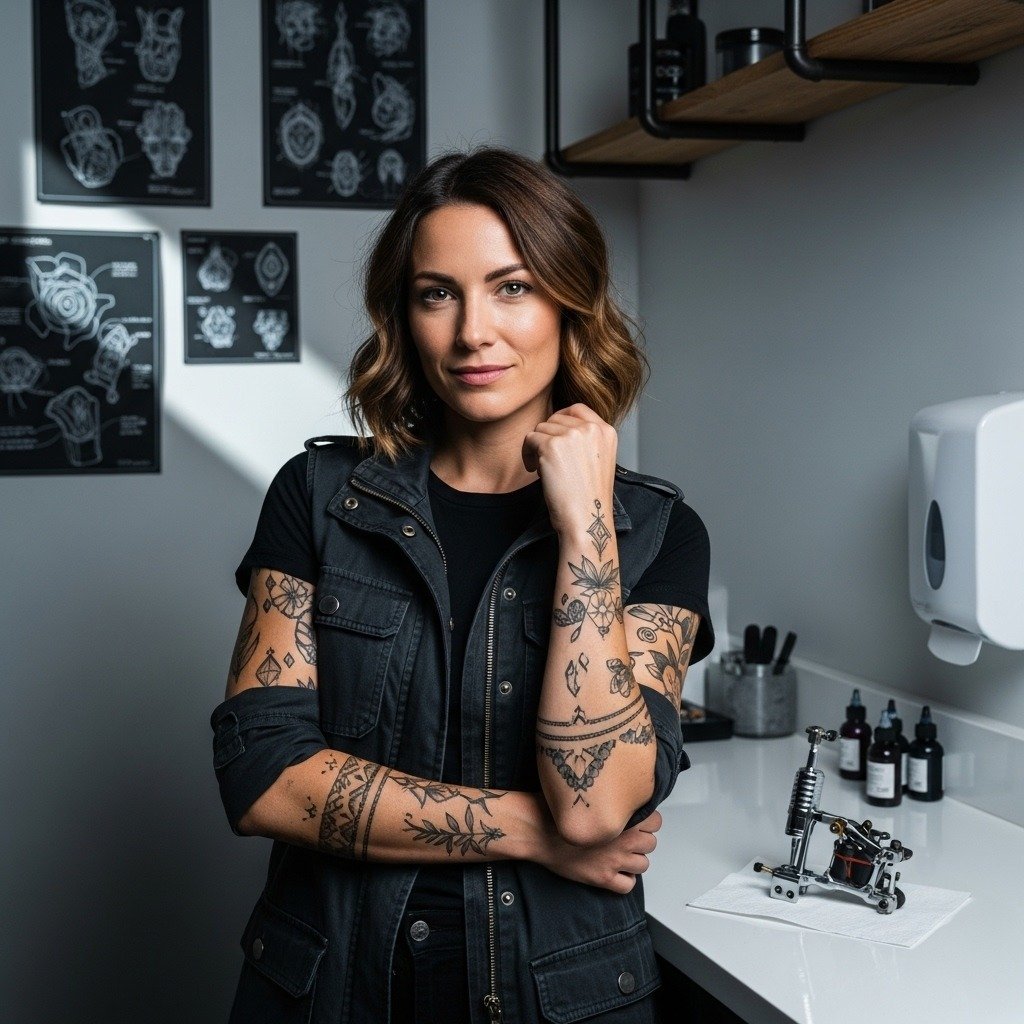
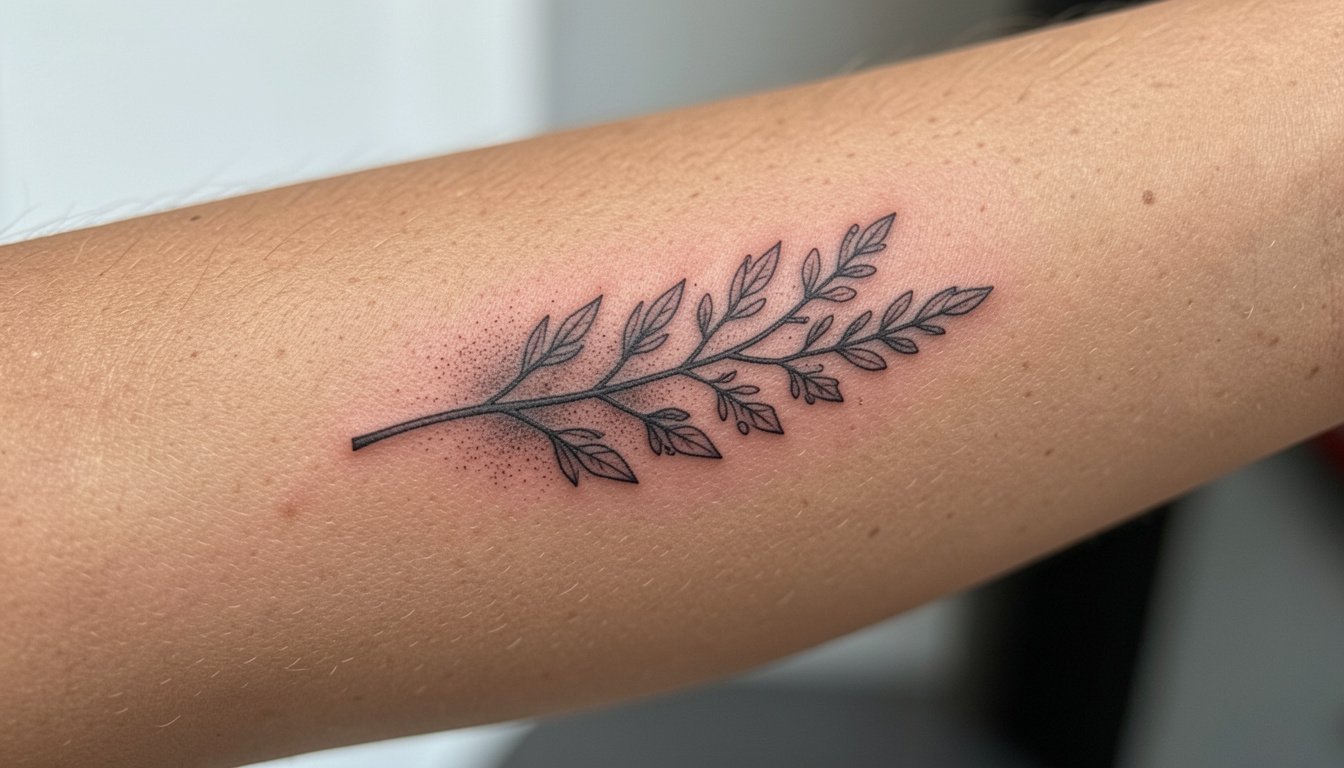
The studio lights were low and the stencil sat just behind the ear where hair hides it most days. The client laughed and tucked a strand up to check the placement, then sat back while the artist adjusted line weight by millimeters. That tiny change decides whether the mark stays crisp for years or needs regular touch-ups, which is exactly why placement and scale matter more than the design itself.
1. Behind-the-ear micro symbol
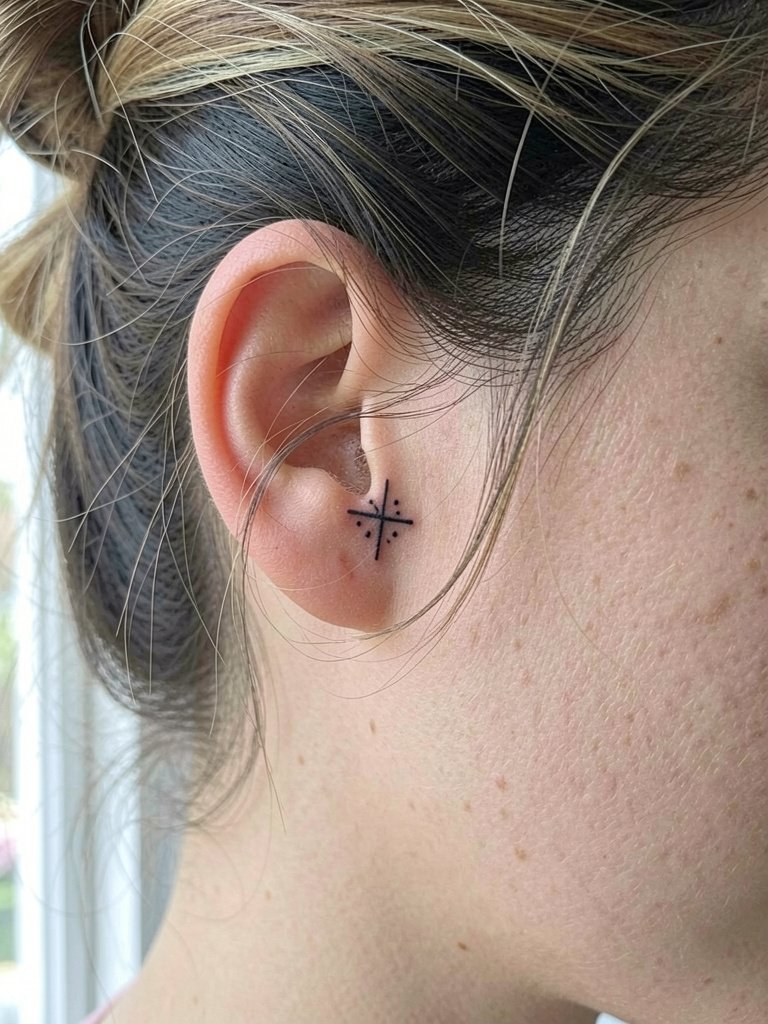
A behind-the-ear micro symbol reads secret until you tuck hair away. It usually takes a single short session and low saturation keeps the mark subtle. Plan for high-touch maintenance if you wear heavy earrings that rub the mastoid area, because continuous friction speeds fading. For the session wear a crew-neck shirt so the artist can tilt your head without fabric getting in the way. If you want it to last longer, request a slightly stronger line weight than the thinnest single-needle sample so the shape holds after a year.
2. Nape script or tiny floral
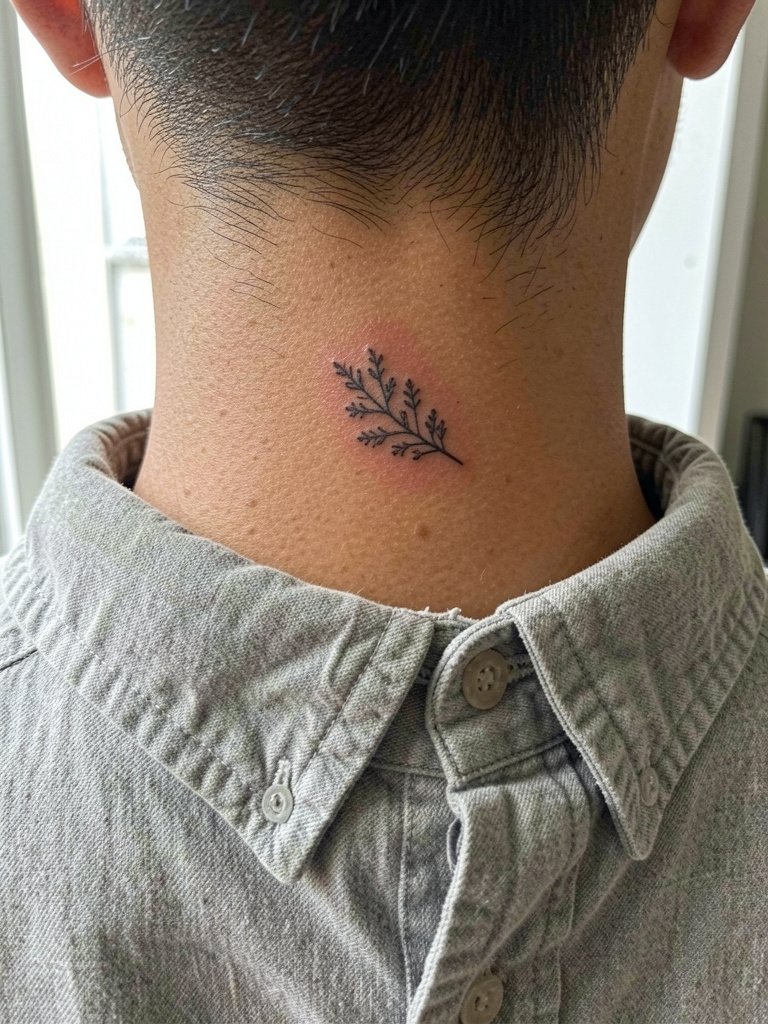
The nape can be hidden by hair or a collar and revealed with a low bun. Healed photos often show fine cursive thinning faster on the nape because of sun exposure and sweat along the hairline. Bring two reference images at different scales so your artist can show how a one-inch script reads in real life. For the appointment wear a loose button-down or an easy-to-remove top so access is straightforward and modesty stays intact. Consider slightly darker ink saturation than the faintest sample for designs you plan to show occasionally.
3. Upper chest below the clavicle
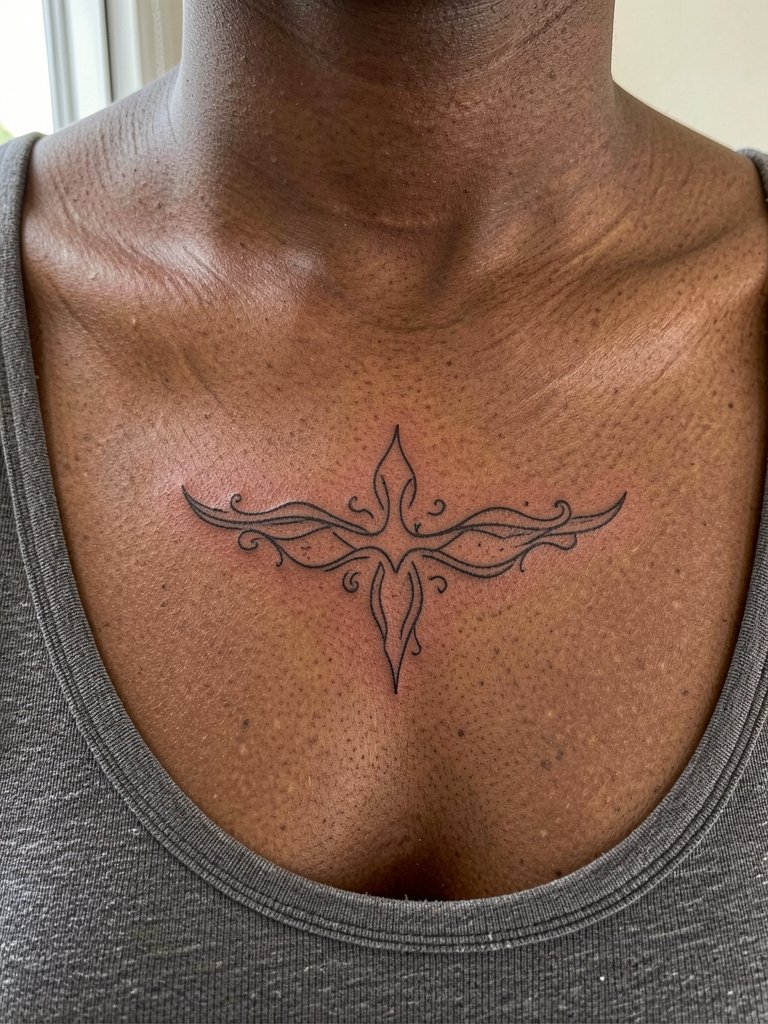
A small piece under the collarbone is easy to cover with most workwear yet looks intentional with scoop-neck tops. Expect one to two short sessions depending on spacing and any slight shading. A common mistake is compressing script too close to the clavicle where the natural crease and jewelry catch age the lines unevenly. For show occasions pair the area with a thin pendant like a thin pendant necklace so the jewelry frames rather than hides the work. For the session choose a button-down or camisole that the artist can work around.
4. Sternum linework piece
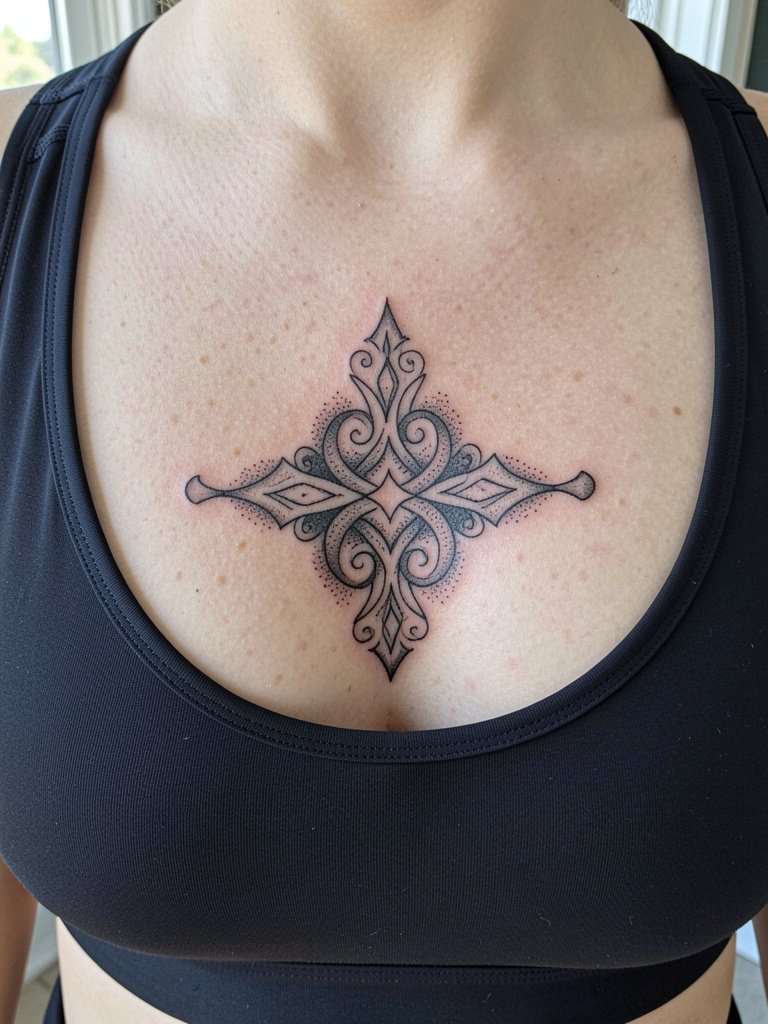
Sternum pieces hide well under most tops but the area can be sensitive during the session. Expect higher pain than a limb but not the same intensity as ribs. A mistake is cramming ornate filigree into too small a space, which blurs after healing. Wear a front-opening bra or an easy-remove top so the artist has direct access while you keep as much privacy as possible. If you plan visibility with swimwear, think about how necklaces will sit so the highest element of the design is not covered.
5. Ribcage vertical script
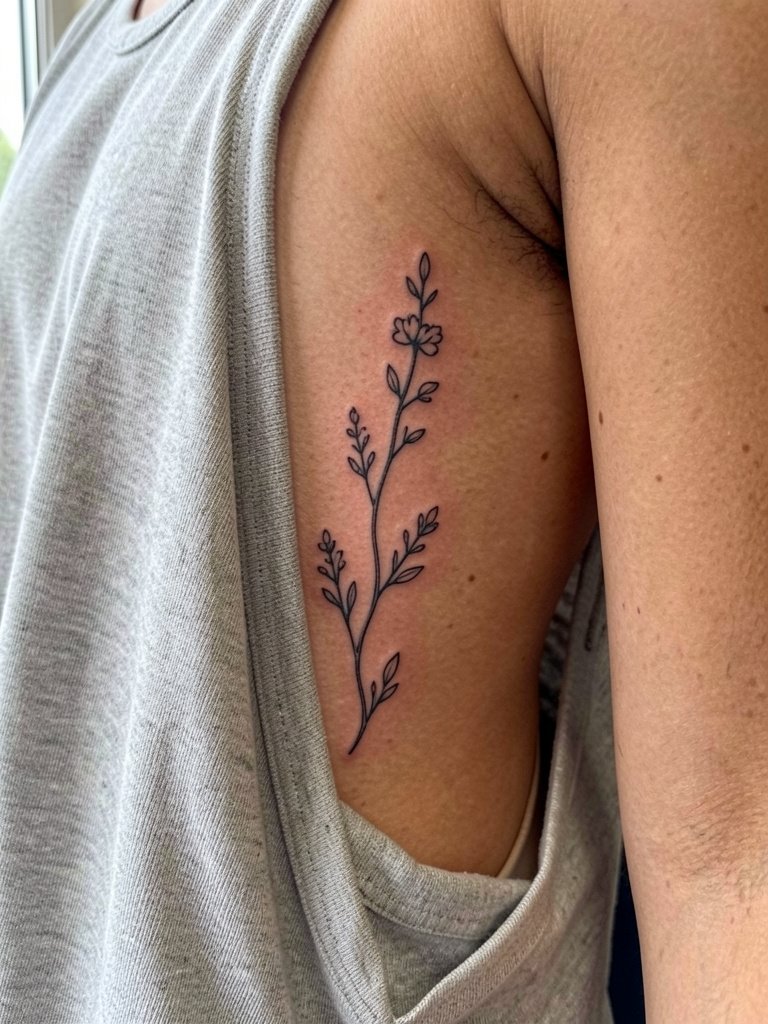
Ribcage work hides perfectly under work clothes, which is why many people pick it. Artists split into two camps on whether fine line belongs here. One camp argues that thin single-needle script softens and blurs on the ribs within a couple of years because of the skin's movement. The other camp says that with slightly wider spacing and careful depth the lines settle and remain legible for longer. If you favor longevity, ask for wider letter spacing and a modest line weight so the text does not compress during healing.
6. Underboob micro motif
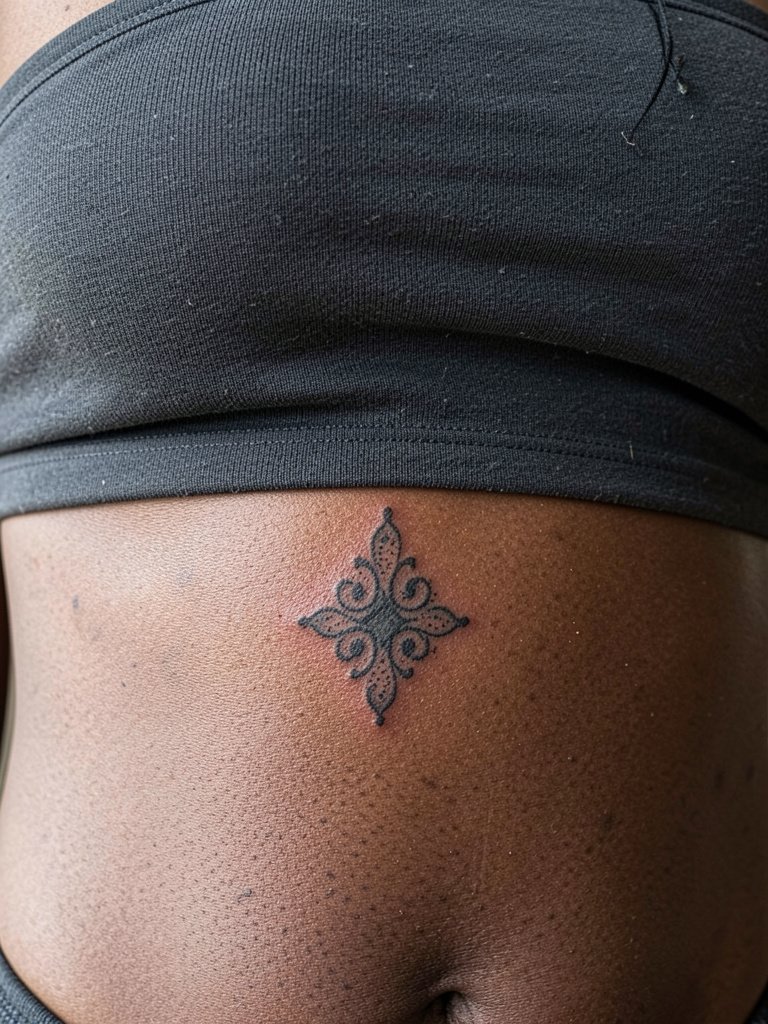
Underboob motifs are intimate reveals that remain private in everyday clothes. The skin here can be sensitive and the session may require short pauses for comfort. A common aging issue is shading placed too close to the breast crease where friction from clothing reduces saturation. For sessions wear a front-closure bralette or a zip-front hoodie so the artist can access the area without you being too exposed. If you plan to show the piece, a layered chain stack complements the central placement without covering it.
Session Day Picks
The hidden placements above vary from the mastoid to the ribcage, and a few small items make the chair time and first week go smoother.
-
Stencil transfer paper kit. Lets you test the exact placement and size on the skin before ink touches the needle, which is especially helpful for tiny behind-the-ear and collarbone marks.
-
Topical numbing cream. Applied as directed before a sternum or rib session it can reduce the edge of sensitivity and help you sit through a longer pass.
-
Thin protective film roll. A breathable barrier helps keep friction off finger-side and toe tattoos during the first few days when washing and movement are frequent.
-
Fragrance-free gentle body wash. A mild cleanser minimizes irritation for fresh work on the hip, sternum, or inner thigh during showers.
-
Aquaphor healing ointment. A thin layer for the initial healing window locks in moisture for fine line work without clogging the area.
7. Finger-side micro tattoo

Finger-side marks are deceptively visible or hidden depending on rings and hand position. They cost little time in the chair but need touch-ups frequently because soap, friction, and washes eat saturation. The most common mistake is asking for extremely thin script that vanishes after a few months. If you want low maintenance, pick a bold iconic shape rather than micro script. Pair the look with thin stackable rings like thin stackable rings so jewelry and ink appear as a coordinated detail.
8. Inner-lip tiny word or icon
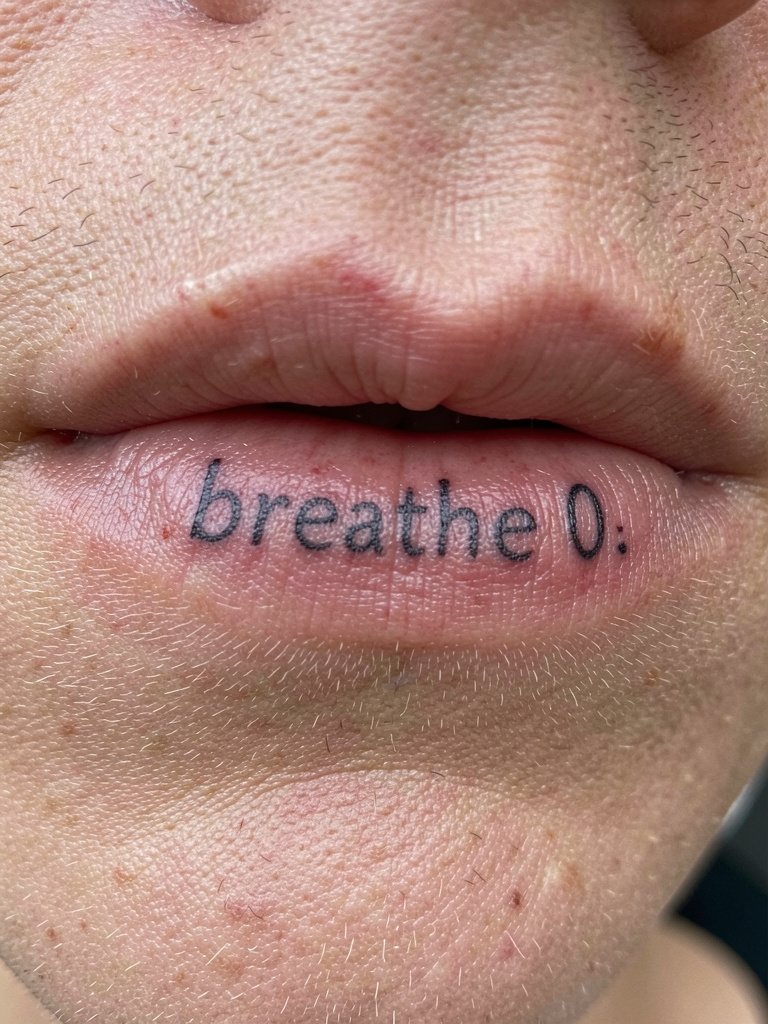
Inner-lip tattoos are private by design and fade faster than skin-surface ink because the mucosa sheds. Expect rapid fading and plan on frequent touch-ups if you want a persistent result. This placement often looks best as a single short word or tiny icon because space and healing are limited. One professional consideration is that not all studios do oral mucosa tattoos because of infection control protocols, so confirm studio policy in advance. There is very little session clothing concern here beyond a clean face for the appointment.
9. Hip-line script
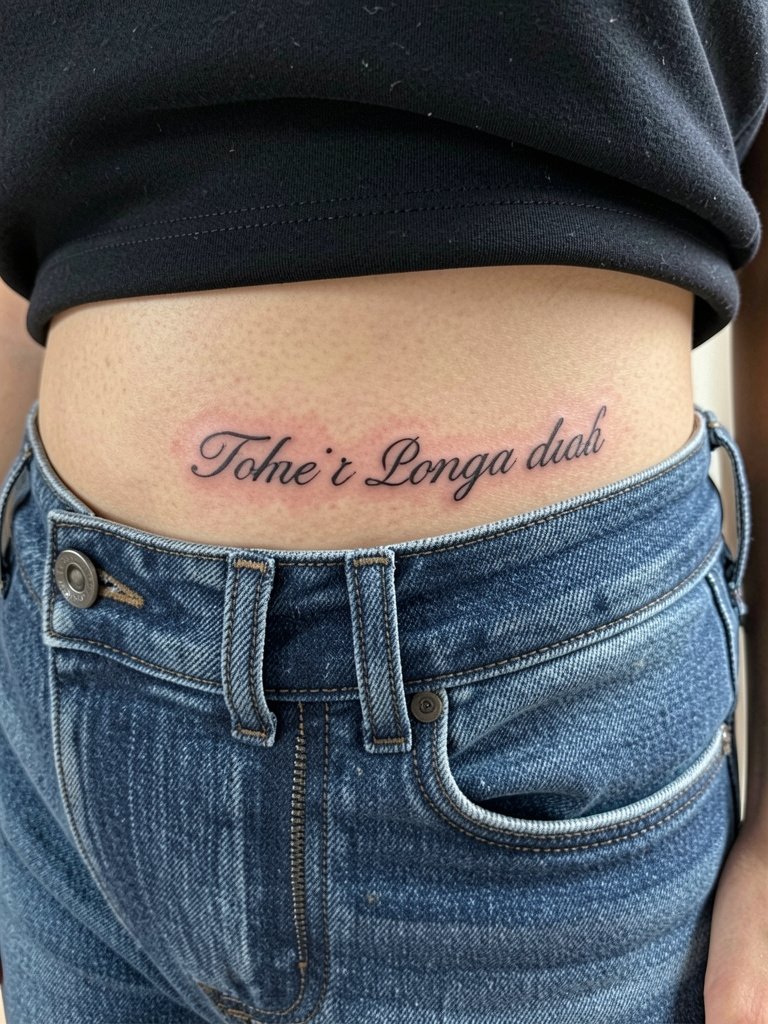
Hip-line script hides under underwear and high-waist clothing, which is why it is a top pick for first-time discretion. The skin near the waistband can flex with weight fluctuation, so avoid ultra-fine cursive that depends on perfect spacing. For a clean reveal choose high-waist jeans or low-rise pants depending on how much of the line you want visible. For the session wear loose shorts or joggers so the artist can roll the waistband without pressure on the area. Line weight slightly bolder than the faintest reference helps the text survive frequent fabric contact.
10. Underwear-line inner thigh
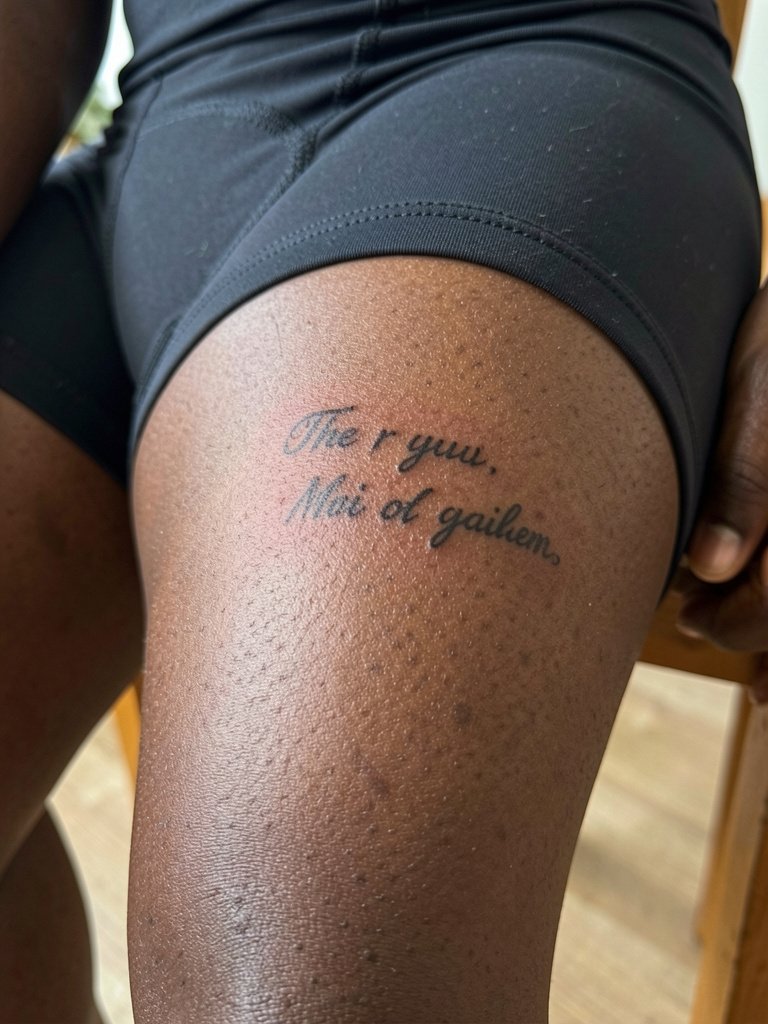
Inner-thigh work can be hidden in daily wear and shown with swimwear when you want. Healing can be tricky because of friction and sweating, which is why some artists prefer second-skin for the first 48 hours. One camp argues second-skin reduces irritation and keeps the area clean. The other camp worries adhesives can trap moisture and cause irritation in high-friction spots. If you are sensitive, tell the studio about past adhesive reactions so they offer the best dressing approach. For the session pick loose shorts that preserve privacy while allowing full access.
11. Shoulder cap small emblem
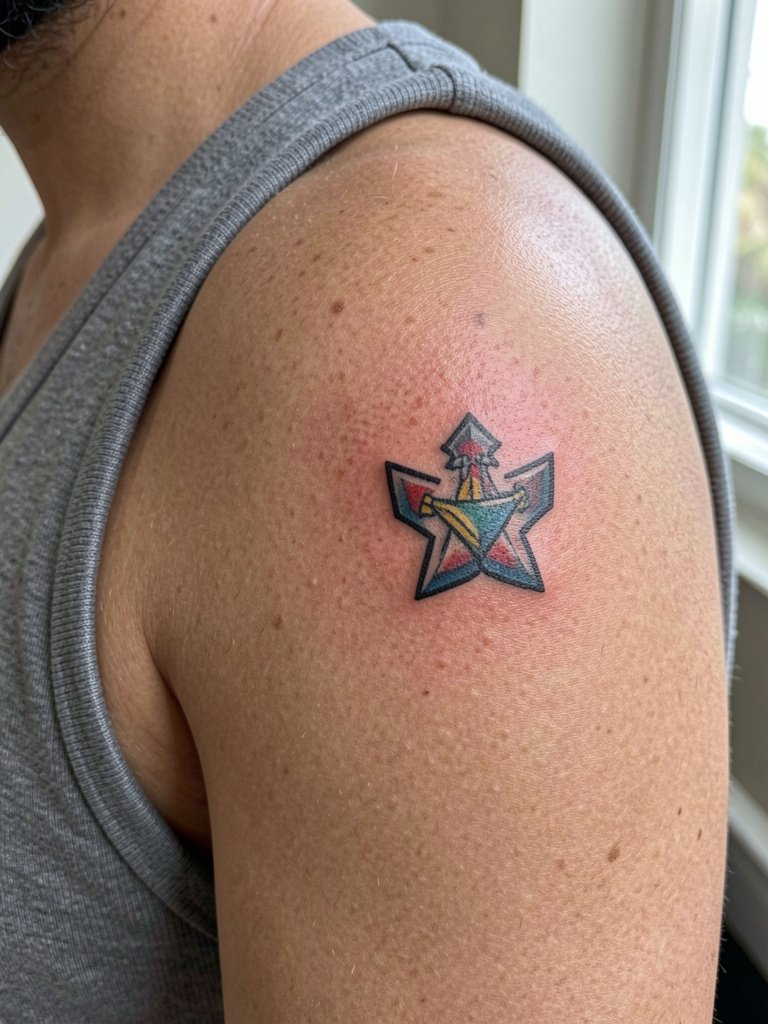
A shoulder cap emblem hides under tees and reads in tanks or swimwear. The surface is forgiving, and bold outlines help the motif stay legible over time. A typical mistake is cramming too much tiny detail into a small emblem where the shoulder's curve blurs microwork. For sessions wear a loose tee or button-down so the arm can be easily exposed without you needing to change fully. For styling, pair this placement with off-shoulder tops or tank dresses and try off shoulder top women that frame the work.
12. Inner upper arm hidden piece
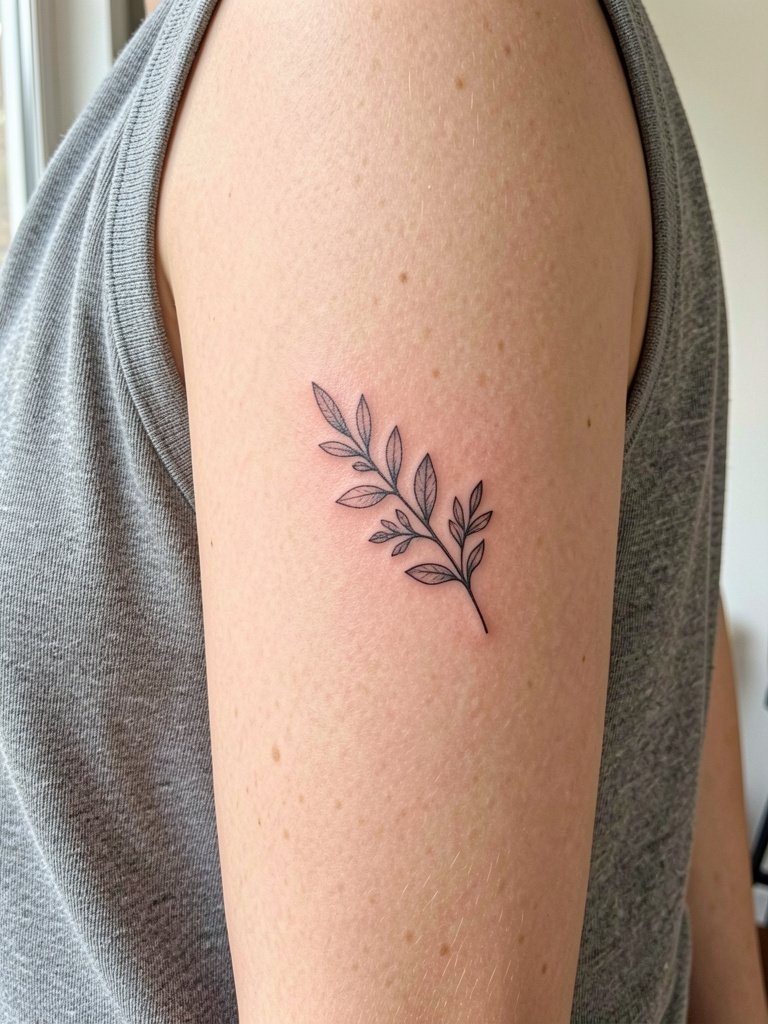
The inner upper arm is an ideal hideable spot that still allows a clear reveal in sleeveless looks. Because the skin is smooth and stable here, fine line holds better than on high-movement zones. Avoid long skinny scripts that run into the crease toward the elbow. For the session wear a sleeveless tank or a short-sleeve shirt you can roll up easily. When you want to show the piece, rolled-sleeve button-downs and muscle tees work well, and a rolled sleeve button down gives a casual reveal.
13. Toe or top-of-foot tiny symbol
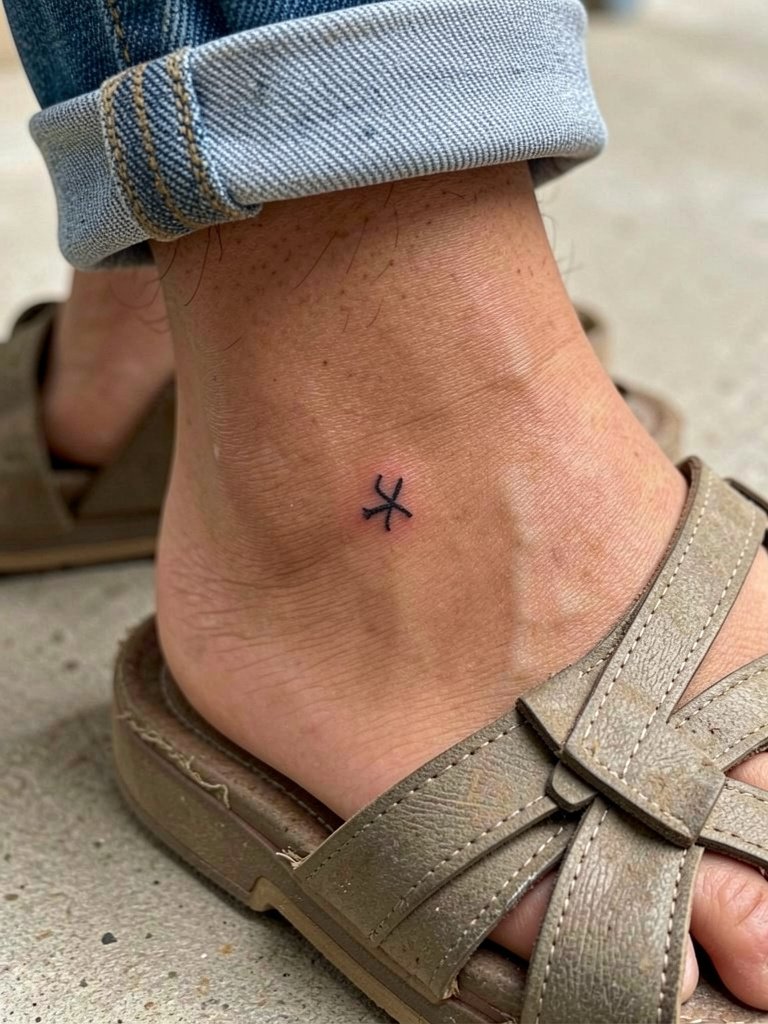
Foot and toe tattoos hide easily in closed shoes but fade faster due to friction and frequent washing. Many people are surprised at the number of touch-ups needed to keep linework crisp. A good session plan is a single simple icon rather than a text line. On session day bring shoes that are easy to remove and replace so the foot stays clean. For summer reveals, slides and low-profile sandals make the tiny symbol read as an intentional accessory.
14. Bikini-line micro script
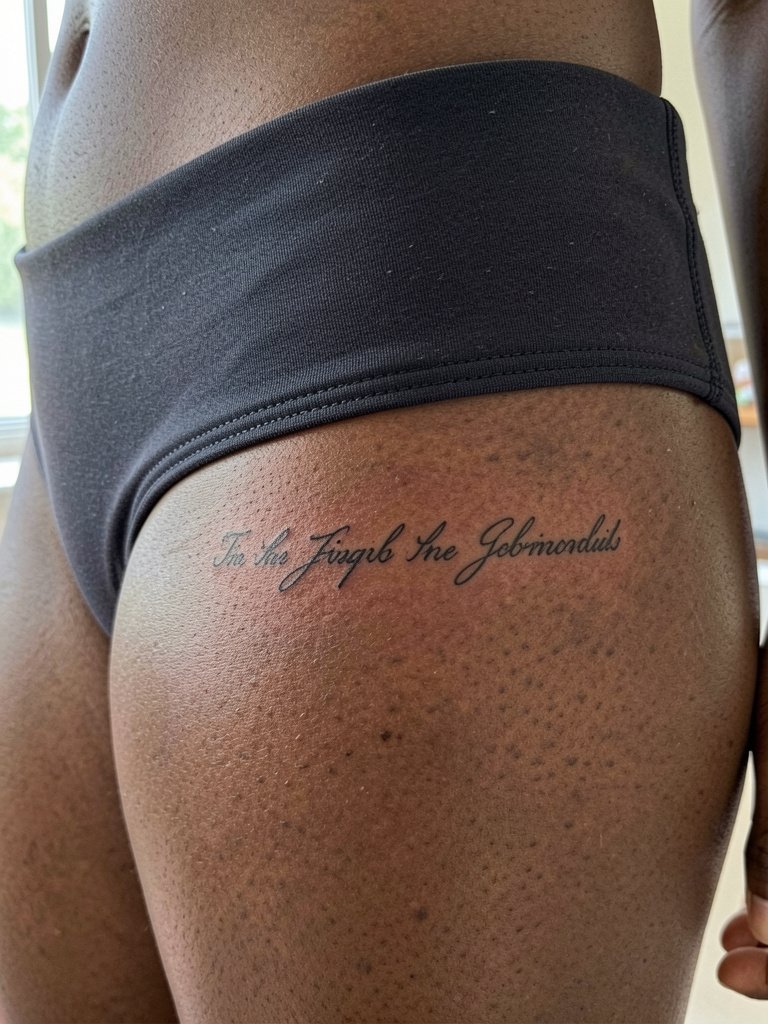
Bikini-line placements are discreet in daily clothes and intentionally revealed on the beach. Because the area faces friction from swimwear, plan for slightly denser line weight than the featherlight Pinterest sample. Avoid long passages of script that cross the groin crease where movement alters letter forms. For the session choose modest swimwear or loose shorts so the artist can access the area while you remain comfortable. If you want selective visibility, pair the piece with high-rise bottoms when you prefer it hidden.
15. Rib-side memorial phrase
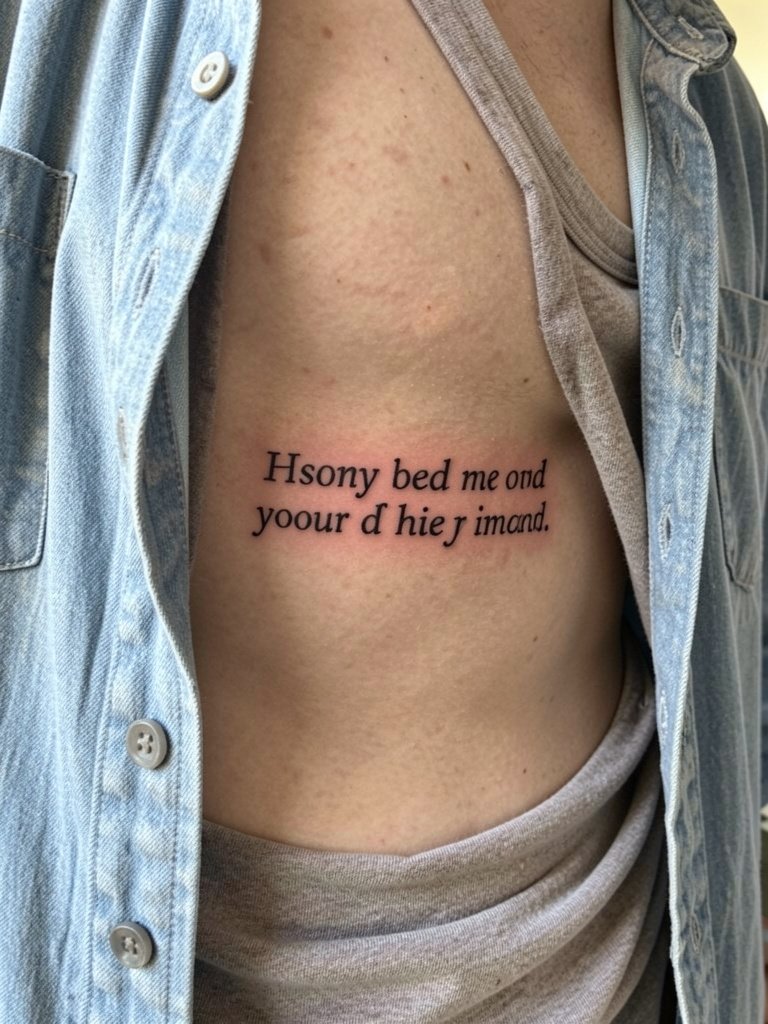
Long memorial phrases can read beautifully on the ribs because there is room to breathe. The biggest error is shrinking the lettering to fit too many words into a narrow band. Expect one to two sessions and plan for a touch-up after a year if the phrase sits in a high-movement zone. For showing the piece, side-slit dresses and ribbed tanks make a clean reveal. Try pairing it with a ribbed tank top women when you want the text to sit visibly along the torso.
16. Lower back lumbar emblem
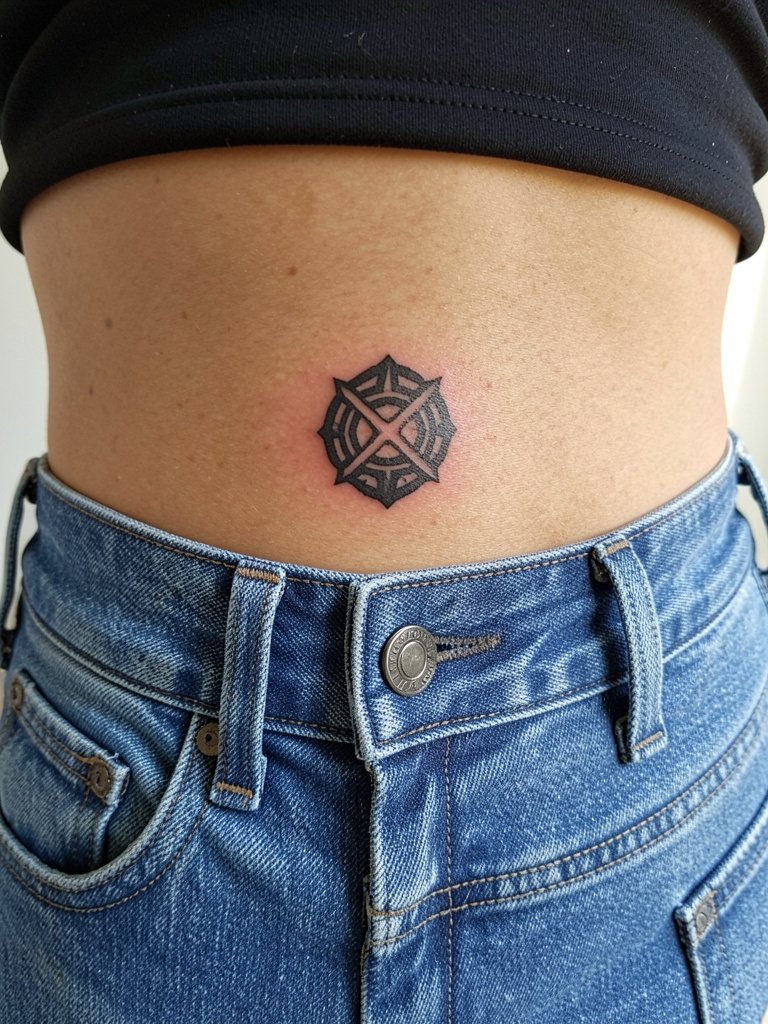
Lower back tattoos are hidden by most tops and sit naturally above waistbands. They age steadily if the composition avoids tiny interior details that blur on healing. One practical tip is to consider your regular clothing waistband so the emblem does not ride under tight bands that cause friction. For sessions wear a fitted cropped tank so the artist has a stable work surface while you keep coverage elsewhere. Avoid choosing ultra-fine stipple inside a small emblem because that detail often softens with time.
17. Inner ankle tuck symbol
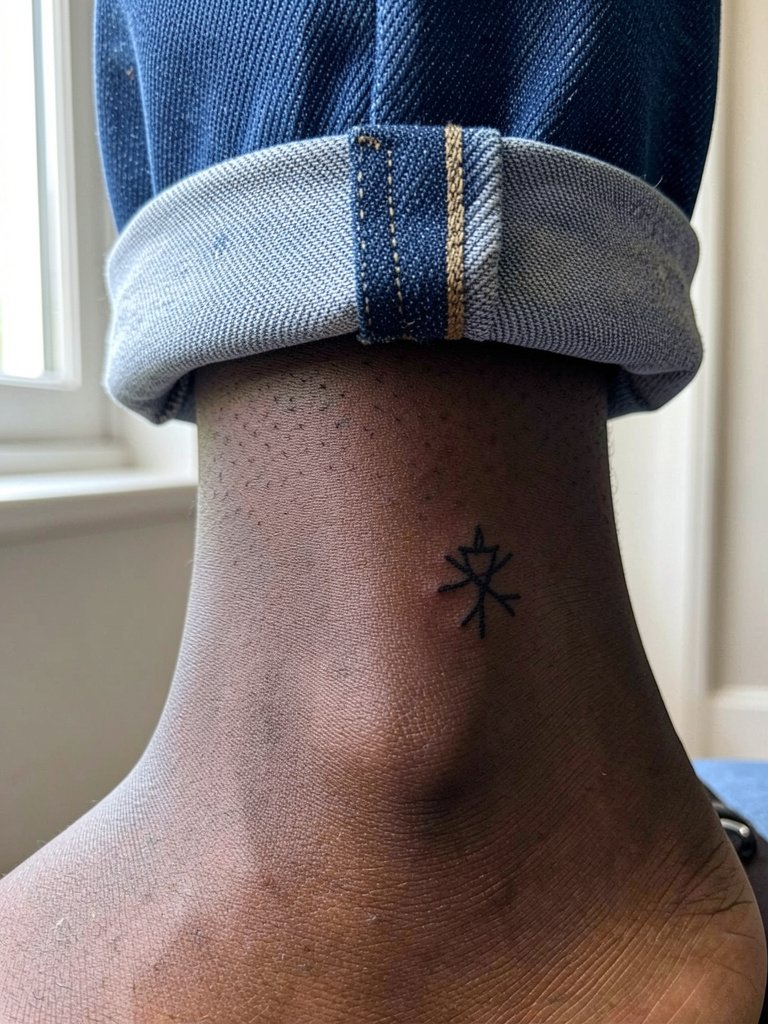
Inner ankle tattoos are simple to conceal with socks or shoes and are easily shown with cropped hems. The area tolerates small icons well but can need touch-ups because of shoe rub and sandals. A frequent mistake is picking text that is too narrow for the ankle's curved surface. For the appointment choose shoes that are easy to slip off and on. For styling, cropped pants and slide sandals complement the ankle tuck and let the mark appear as an intentional detail.
18. Scapula or upper back hidden motif
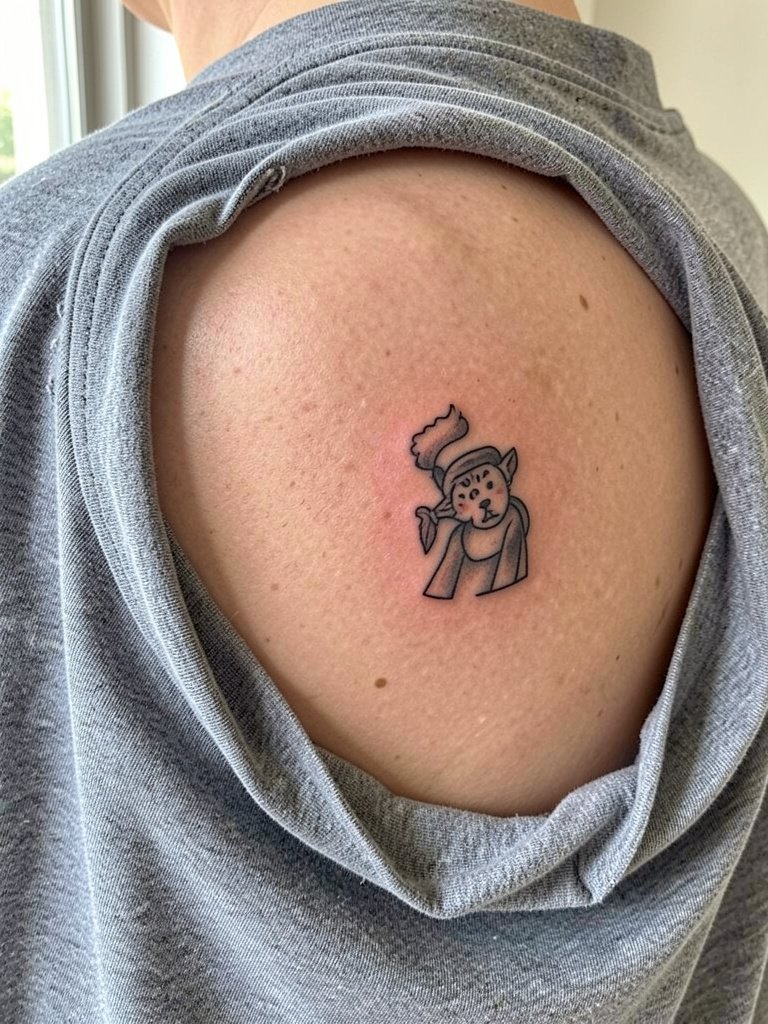
A scapula placement disappears under standard shirts and appears with tank tops or low backs. Because the area is flat and stable, neat linework holds well over time. Common errors include forcing too many tiny elements where the upper back needs negative space to read. For the session wear a loose tee that you can lift at the shoulders without exposing the rest of your torso. For evening looks, off-back dresses and strapless styles show the motif when desired.
19. Inner elbow crease icon
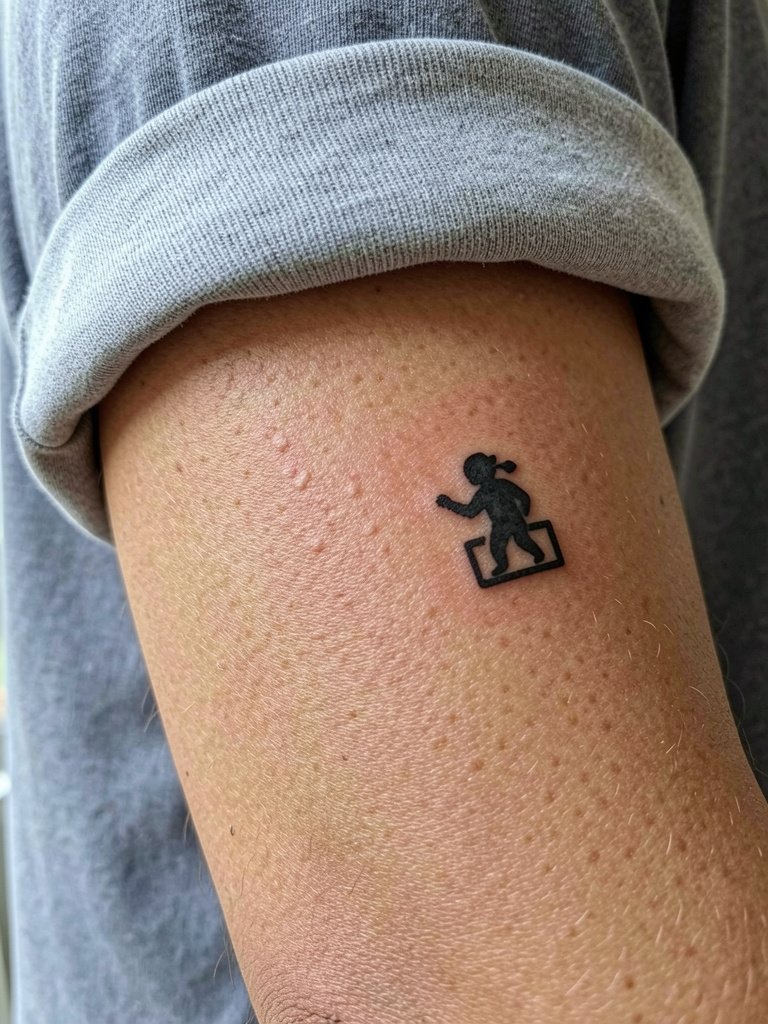
Inner-elbow tattoos require a design that accommodates bending because the crease stretches when you move. A common mistake is requesting micro-detail where the skin folds, which causes distortion. Mention specific activities like frequent arm bending so the artist sizes and orients the design to avoid distortion. For the session wear a short-sleeve shirt you can roll up without tightening the arm. Because the crease sees more sweat, expect a slightly slower early healing window.
20. Collarbone hidden dash
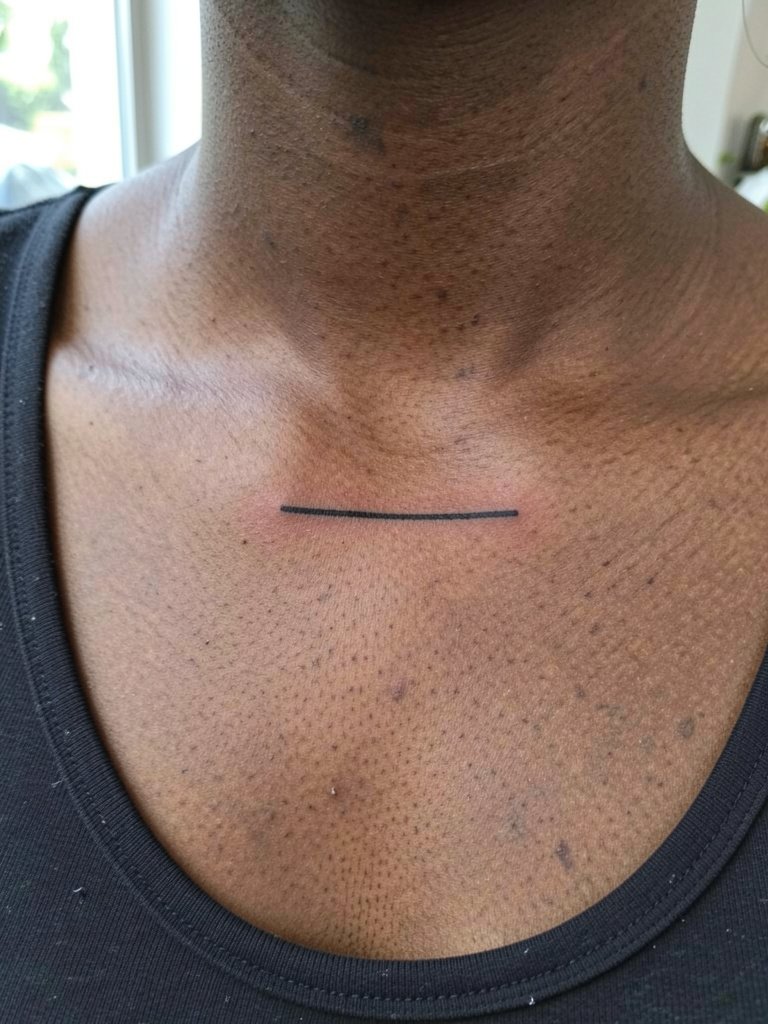
A small dash on the collarbone hides under many tops and reads nicely with jewelry. The mistake people make is asking for a line so thin that the natural necklace pressure and skin motion make it look faint after months. Ask for a measurable line width and placement that sits clear of necklace chains. For styling, pair with a scoop neck top women so the collarbone stays a framed part of the outfit. On session day wear layers you can remove to expose the area without being fully exposed.
21. Back of the thigh small symbol

The back of the thigh is an out-of-sight spot that stays private unless you want to show it. Because the area does not see constant abrasion, fine detail can hold longer than on the foot or fingers. A mistake is choosing a vertical block of text that bends awkwardly when you sit. For session wear a skirt or loose shorts so the artist can work without requiring you to be half-dressed. If you plan occasional reveal, pair it with side-slit skirts that let the mark peek through the fabric intentionally.
22. Tricep underside discreet mark
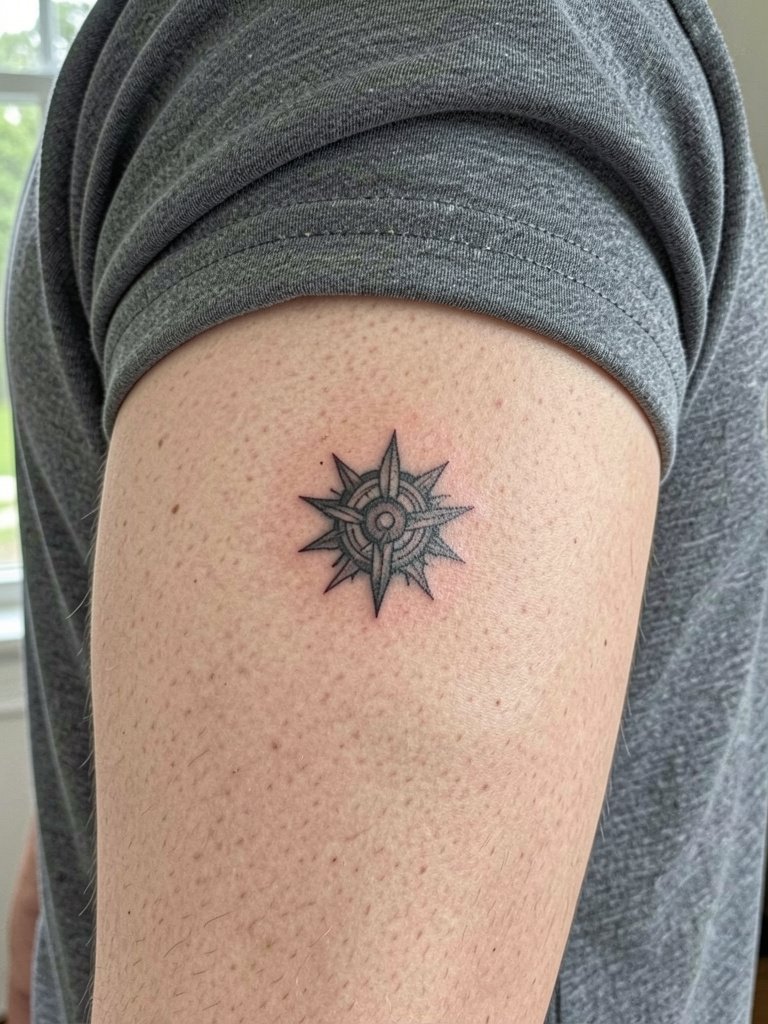
A tricep underside mark hides under most sleeves and is discreet when you reach back. Because the area sees little daily friction, simple linework can remain readable for years. People sometimes pick designs that face the wrong direction for common arm movements, which makes the art look upside down to most viewers. For the session wear a sleeveless or muscle tee so the artist can position your arm naturally. For casual reveals, a muscle tee women highlights the area.
23. Under-clavicle micro star
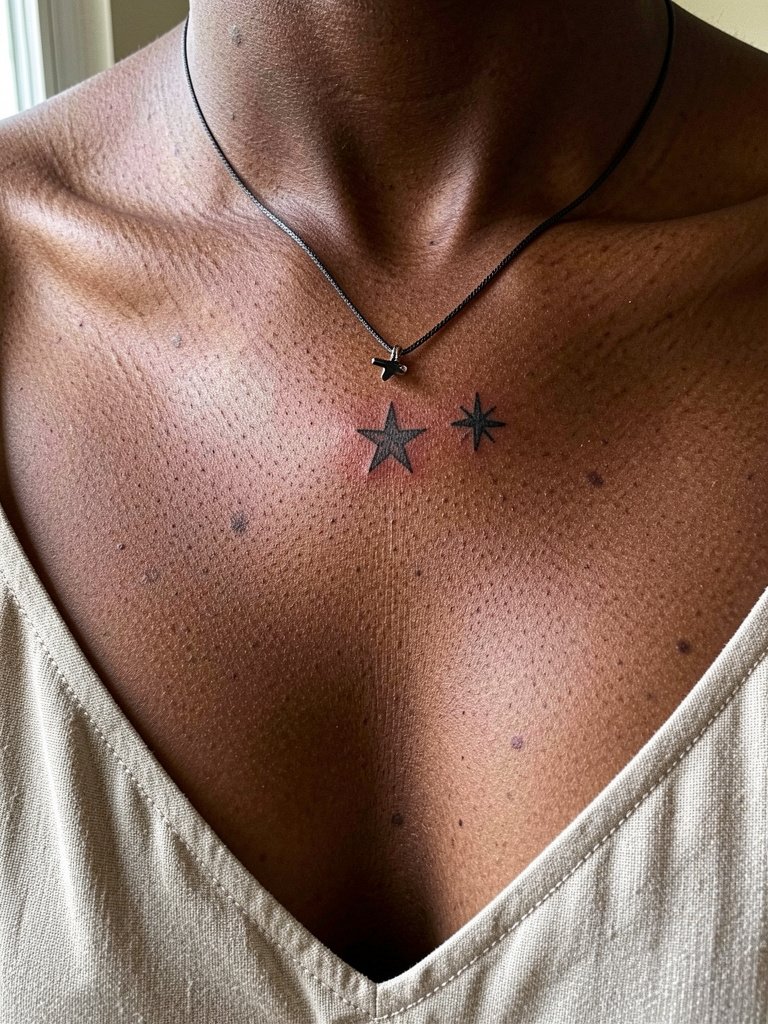
Small stars under the clavicle are nearly invisible in work clothes yet charming in open necklines. The main aging issue is placing the star too close to necklace chains that rub the area. A simple way to avoid that is to mark the exact spacing during the consultation and ask for a tiny test stencil you can wear for a day to evaluate contact. For the session wear a slip or camisole so the artist can access the area while you remain covered. A thin pendant helps frame the star when you want it seen.
Frequently Asked Questions
Q: Which hidden spots fade fastest and need more touch-ups?
A: Fingers, toes, inner lip, and top-of-foot placements fade fastest because of constant washing and friction. Plan for a touch-up timeline of months rather than years for those areas and budget time and the possibility of repeat work.
Q: How should I dress for a sternum, ribcage, or inner thigh session to stay comfortable and modest?
A: For sternum wear a front-closing bra or zip-front hoodie. For ribs choose a loose tank or button-up that opens fully. For inner thigh wear loose shorts or a skirt so the artist has access while you stay covered.
Q: I like fine line but I want it to age well on ribs and fingers. What should I ask for specifically?
A: Ask for slightly wider letter spacing and a modestly heavier line weight than ultra-thin single-needle examples, and request healed examples from the artist on the same placement. For fingers pick compact symbols rather than long scripts, and expect touch-ups to keep edges crisp.
Q: Where can I find real healed examples and local artists without naming people directly?
A: Search hashtags like #HiddenTattoo, #FineLineTattoo, #BehindTheEarTattoo, #RibTattoo and use location filters on TikTok and Instagram to find nearby portfolios. Browse studio websites and portfolio directories with placement keywords and look for healed photos rather than fresh work. Reddit communities such as r/tattoos and r/tattooadvice often include honest first-person reports about healing and longevity.
Q: Are there debates I should know about before choosing a hidden placement?
A: Yes. One debate is fine line versus bolder line for hidden spots. One camp favors fine line for its subtle look and initial elegance. The opposing camp recommends bolder linework because certain placements like ribs, fingers, and feet lose thin detail sooner and benefit from stronger outlines.
Q: Do skin tone or body shape change which hidden spots will read well over time?
A: Skin tone affects contrast, so healed examples on similar skin tones help you predict visibility. Body changes such as weight fluctuation can affect placements on hips and ribs, so choose designs with spacing and orientation that tolerate mild stretching.
Q: Can I hide a tattoo for work but show it sometimes without surgical removal or cover-up?
A: Yes. Pick placements that sit under collars, sleeves, waistbands, or hair. Plan wardrobe pairings like scoop-neck tops, off-shoulder pieces, high-waist bottoms, or layered necklaces so you can reveal the tattoo when desired without permanent exposure.