
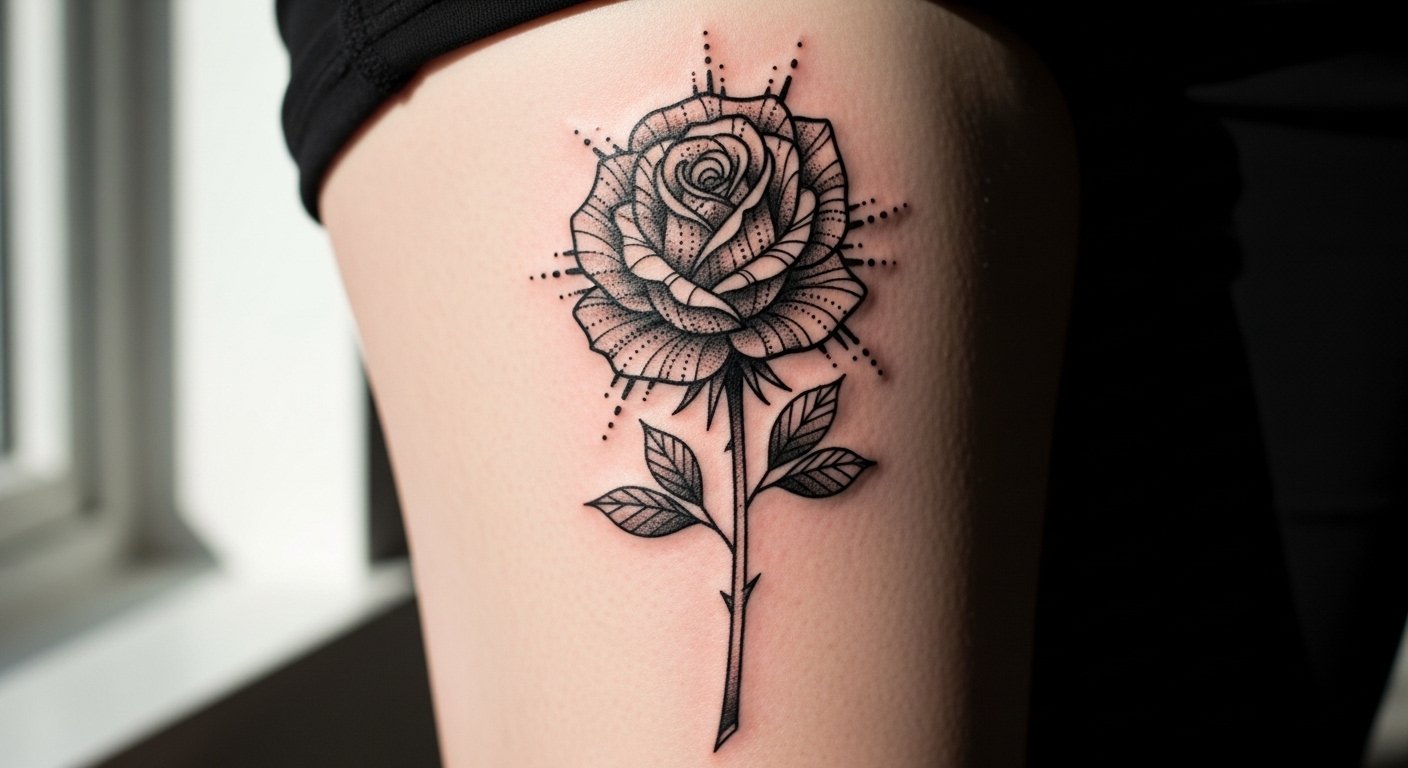
Someone I know spent eight months saving reference images and still booked the wrong style for their skin type. The real problem was not the design. It was matching technique, placement, and realistic aging. I talked with artists at five shops across Brooklyn and at a local convention, and these fifteen dark feminine tattoos kept coming up for people who want mood, symbolism, and designs that hold up over time.
1. Crescent Moon and Stipple Stars on Inner Forearm
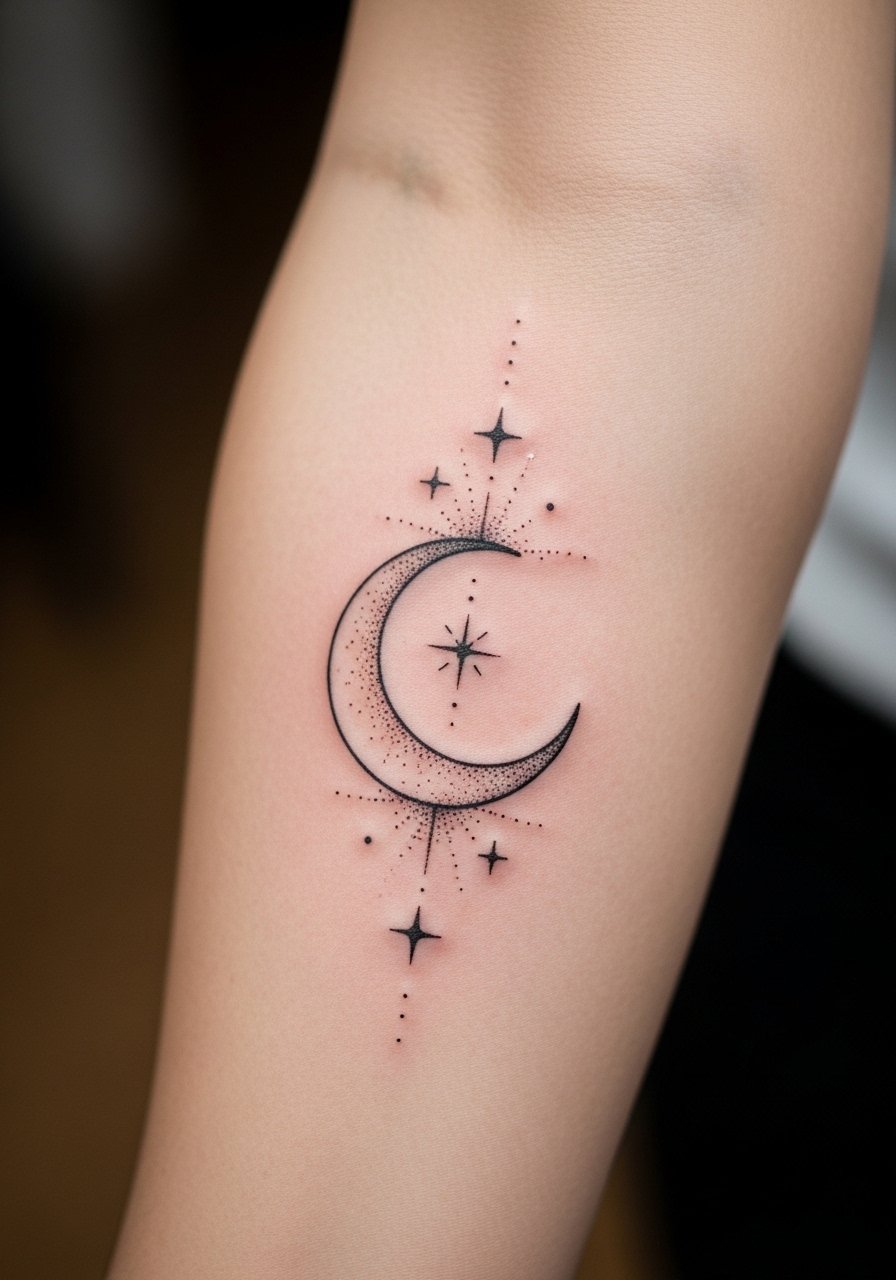
Someone I know first saw this on a friend and loved how it read delicate but dark. Fine line on the inner forearm is a low to medium pain placement and often finishes in a single one to two hour session. Tell your artist you want slightly heavier outer contour and stippling for the stars to retain contrast at year two. A common mistake is requesting ultra-thin lines for tiny stars, which blur into smudges. At six months the stipple still reads soft. At two years you may need a light touch-up to restore punch. Ask about line spacing so blowout risk stays low.
2. Blackwork Rose with Thorns on the Ribcage
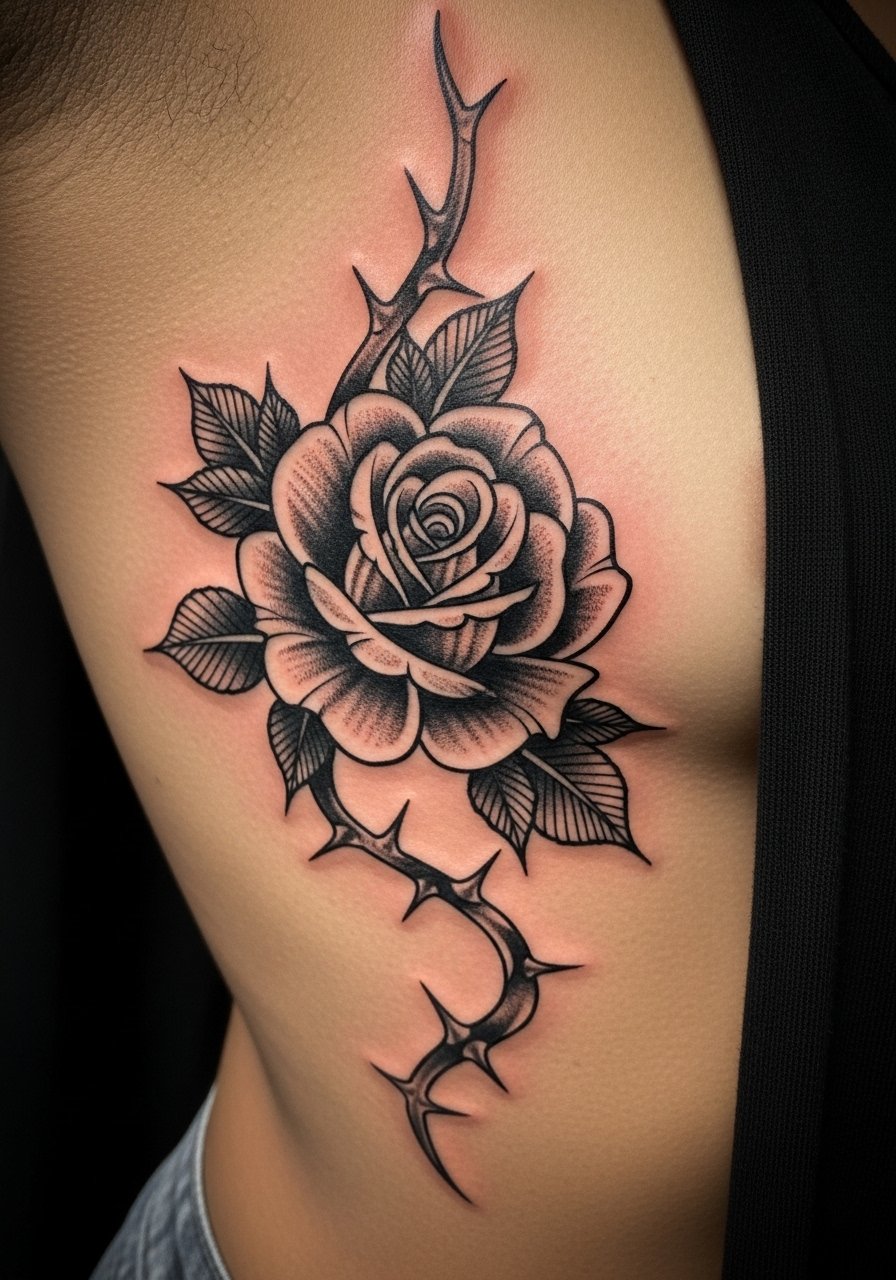
Fair warning, ribs are a seven out of ten on most pain scales, but the result can be dramatic. This is best for anyone ready to sit for a two to four hour session or split into two shorter sessions. One camp of artists says blackwork holds on the ribs because saturation masks movement. The other camp worries about skin stretch and suggests less solid fill. When you consult, describe how dense you want the fill and whether you prefer stipple transitions. The most common mistake is packing too much solid black right against delicate ribs. Expect heavier saturation at six months and slower fading than small linework, but plan a touch-up at year three if you notice patchiness.
3. Stippled Moth on Sternum
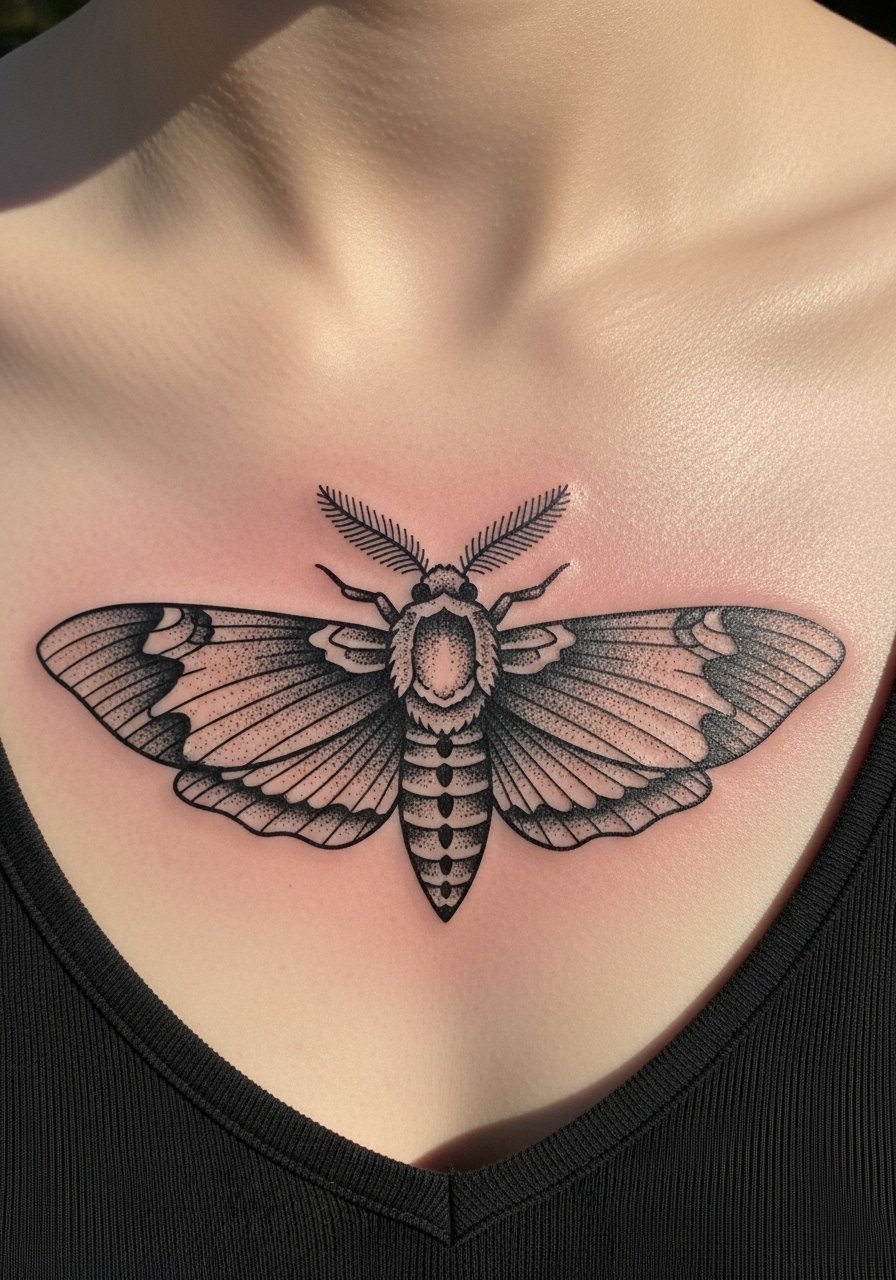
Sternum work can be intimate and highly visible in low necklines, so choose placement carefully. Pain varies with body composition and is often higher than the chest. Ask the artist for stretched-skin mockups during consultation to see how the moth sits when you move. A common version that ages poorly uses very thin antennae that disappear. Request slightly bolder antennal anchors and layered stipple so the pattern holds at two and five years. Professionals split on whether fine detail needs a heavy outline. One side says fine detail keeps the piece ethereal. The other side says anchors are essential. Decide which camp you prefer before booking.
4. Micro-Realism Woman’s Portrait on Upper Arm
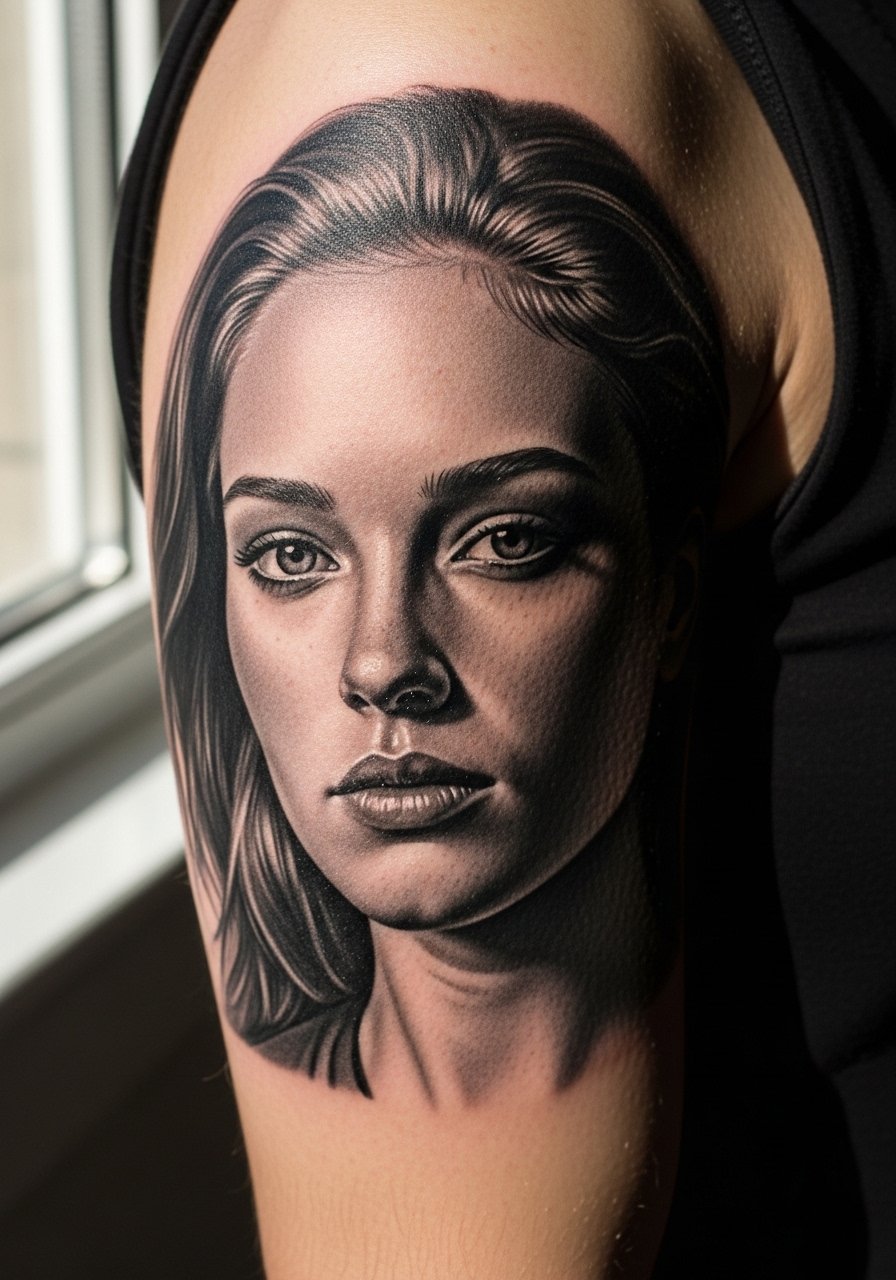
There is real nuance in micro-realism. If you want an enigmatic, dark feminine portrait that still reads from arm-length distance, allow two sessions. Tell the artist you want contrast in shadow planes rather than tiny midtone details. A mistake I see often is asking for a hyper-small portrait that loses facial definition at year three. On the upper arm the skin is forgiving for shading, so touch-ups tend to be more about saturation than linework. Expect the session to feel like long shading passes rather than needle stabs. Ask to see healed photos of similar placements in the artist portfolio.
5. Black Lace Sternum Panel with Negative Space
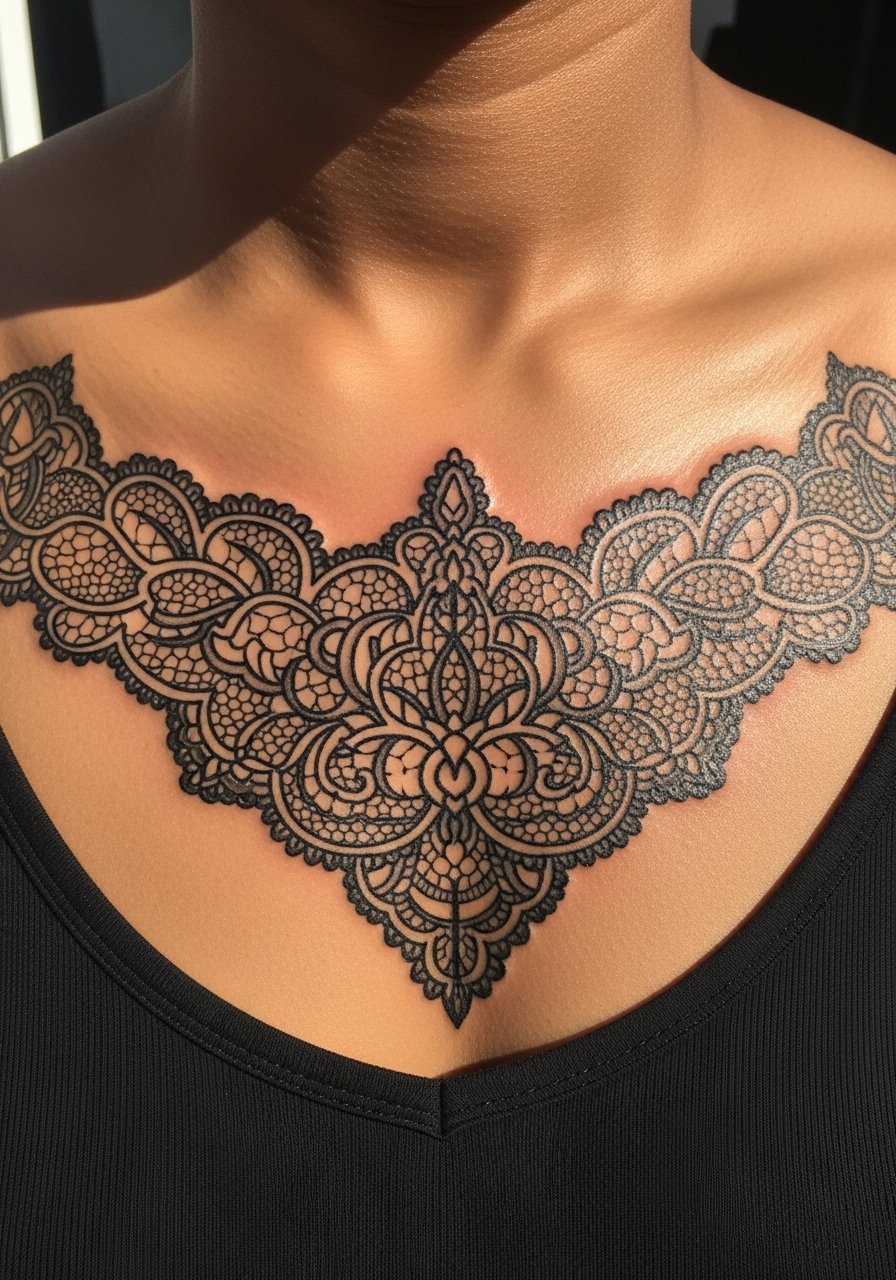
This one reads as dark feminine because of its lace references and negative space. Because it sits on the sternum and upper cleavage, confirm professional considerations if your job involves strict dress codes. Many people choose slight variations out of respect for cultural origins in lace motifs. For longevity, request that the artist balance negative space with chunkier anchors so the pattern does not collapse over time. Expect moderate pain and a likely two-hour session. The most common mistake is asking for too many micro-gaps. Ask for mockups that show how the piece looks in a low neckline and how it ages at two years.
6. Raven Skull on Shoulder Blade
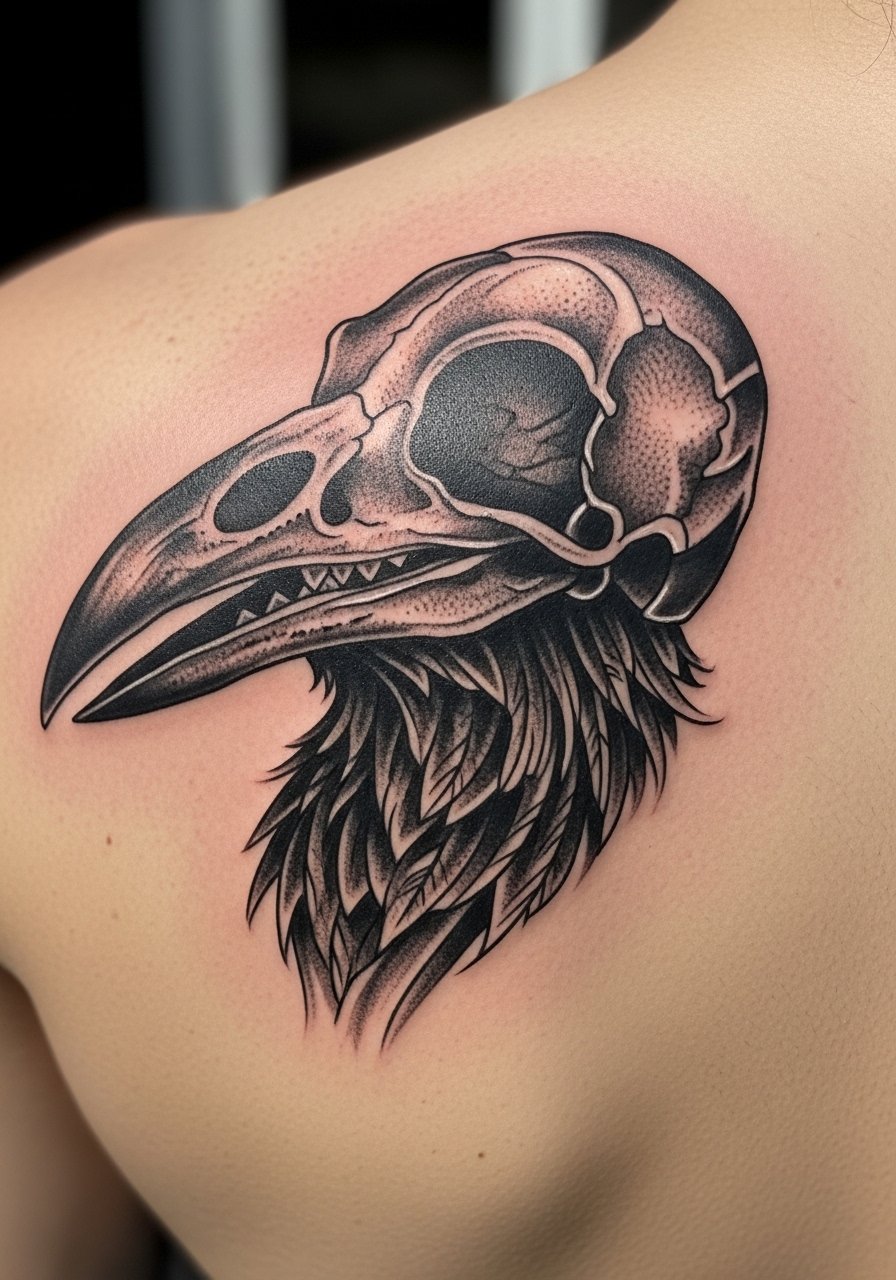
There is something about skull imagery that reads strong and personal. Shoulder blade placement usually ranks low on pain and can be scheduled in a single session under three hours. Tell your artist you want heavy saturation in the hollow areas but soft transitions at the beak for a realistic look. A common aging issue is overly tight hatch shading that turns into muddiness on darker skin. If you have darker skin, ask for clearer contrast and slightly larger negative spaces. Touch-ups at year three are normal to refresh heavy blacks.
7. Thorned Heart and Anatomical Veining on Inner Bicep
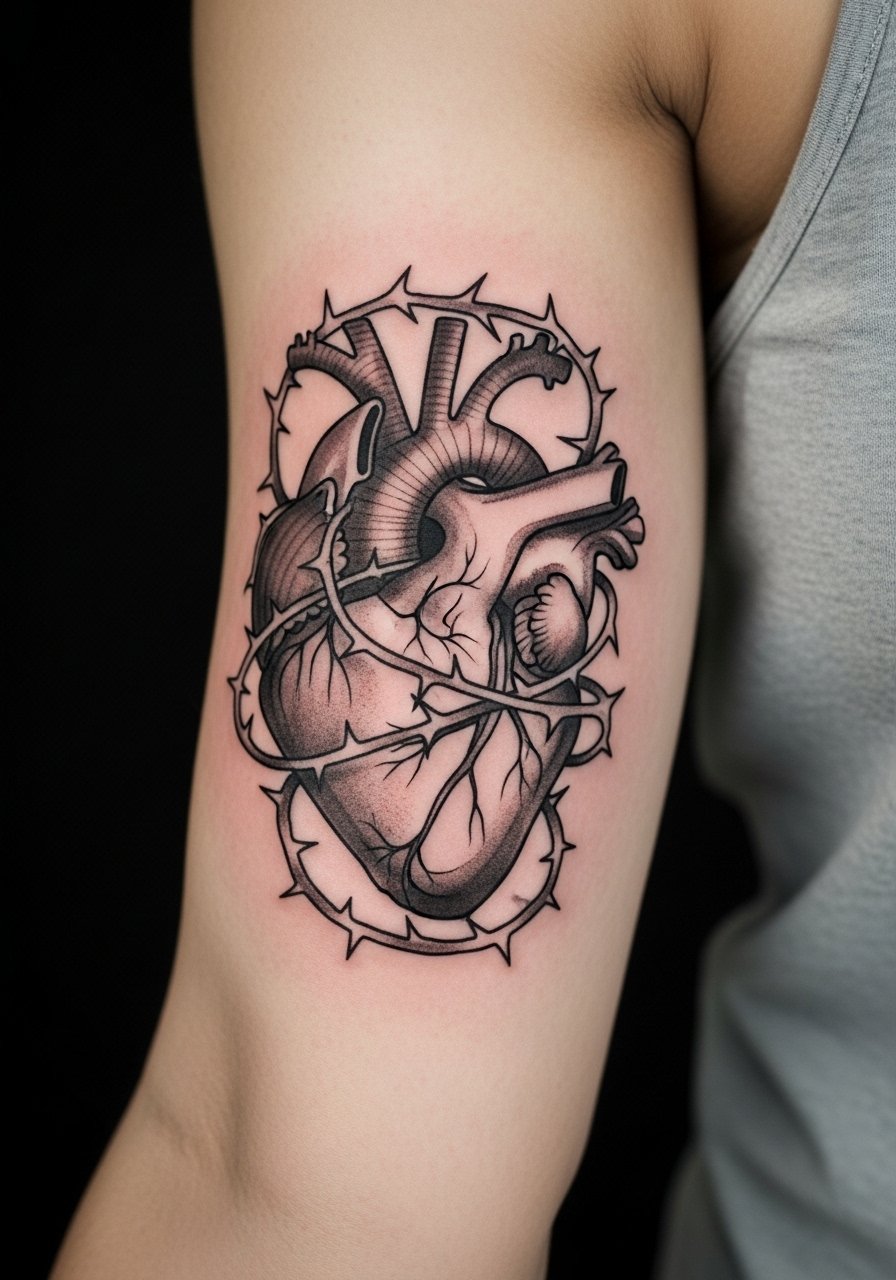
The inner bicep feels tender during a session. Expect medium pain and a two-hour appointment. When you sit down, bring language about how pronounced you want vein detail and whether the thorns pierce the heart or rest around it. A frequent mistake is requesting ultra-fine veins that fade into the surrounding skin after a year. Ask for a mix of linework and stipple shading to keep veins readable. The bicep flexes and shifts, so plan a touch-up if you see softening at year two.
8. Black Rose Wrapped Around Thigh
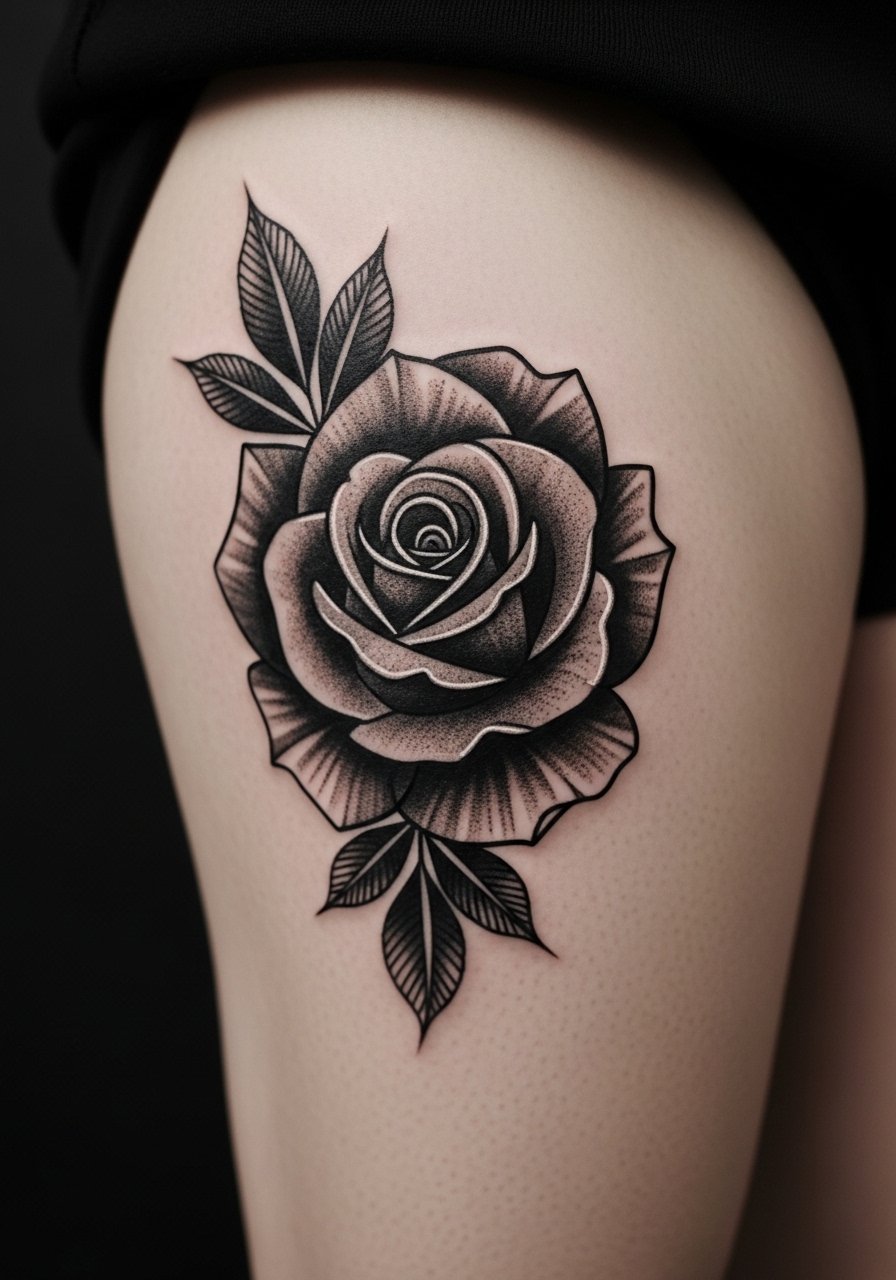
Thigh tattoos land in a sweet spot for people who want larger dark feminine imagery with privacy options. Pain is generally moderate and sessions can be longer if you want full petal saturation. Tell the artist whether you prefer a single-session deep fill or staged sessions for layering. A mistake I regularly hear about is choosing too small a rose for the thigh, which reads like a dot from a distance. At six months the fill will look rich. At two to five years, expect mild softening that a targeted touch-up can fix. The thigh tolerates bold blackwork well.
9. Crescent Moon Crown on Nape
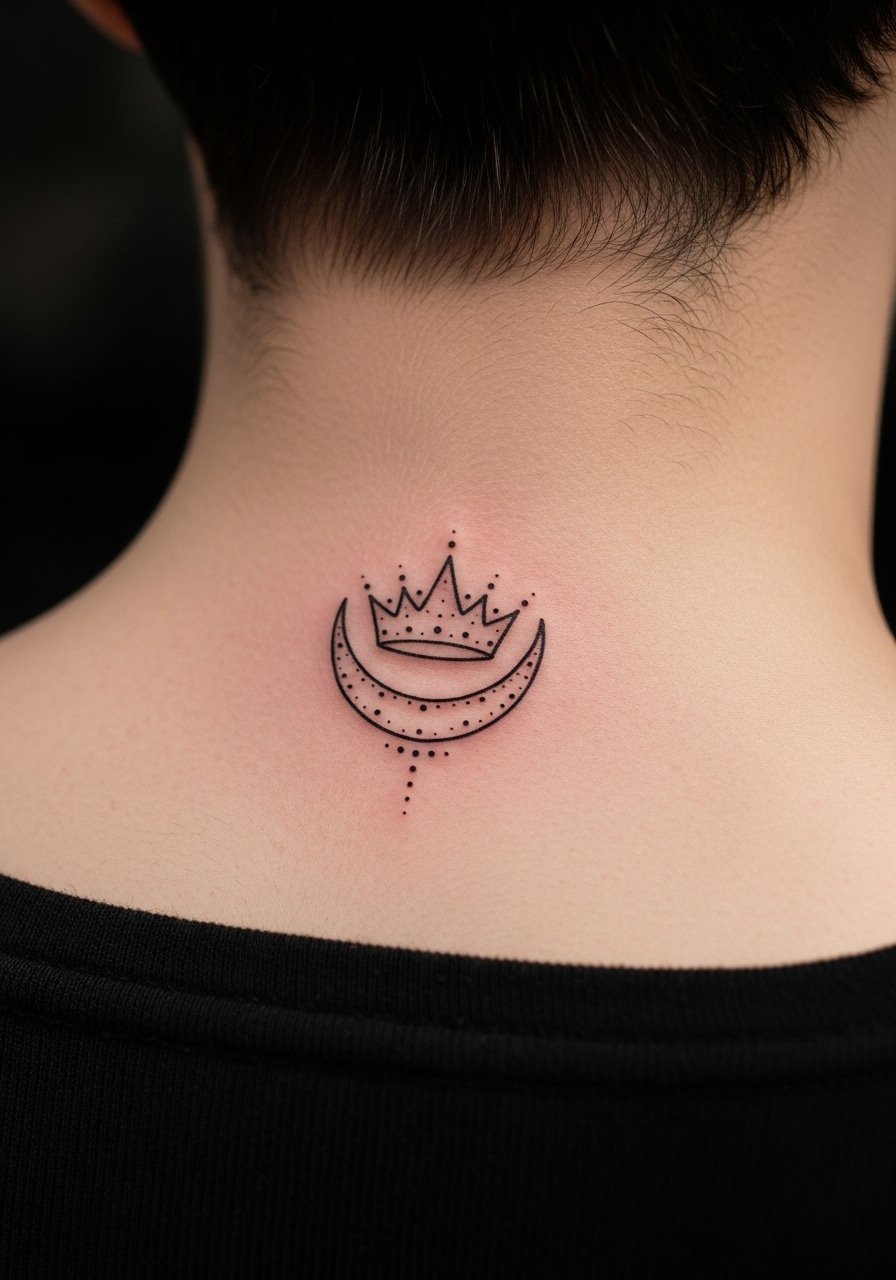
Nape pieces tuck under hair and surprise when revealed. The area is low to moderate on pain and is often a single short session. For longevity, ask for slightly heavier anchor lines so the crown keeps shape as hair rubs it. A common mistake is wanting ultra-thin crown spikes, which blur in two years. If you wear high collars often, consider placement higher or lower so clothing friction does not accelerate fading. This placement is subtle and suits someone who wants a personal piece that can be hidden.
10. Dagger Piercing a Black Rose on Forearm
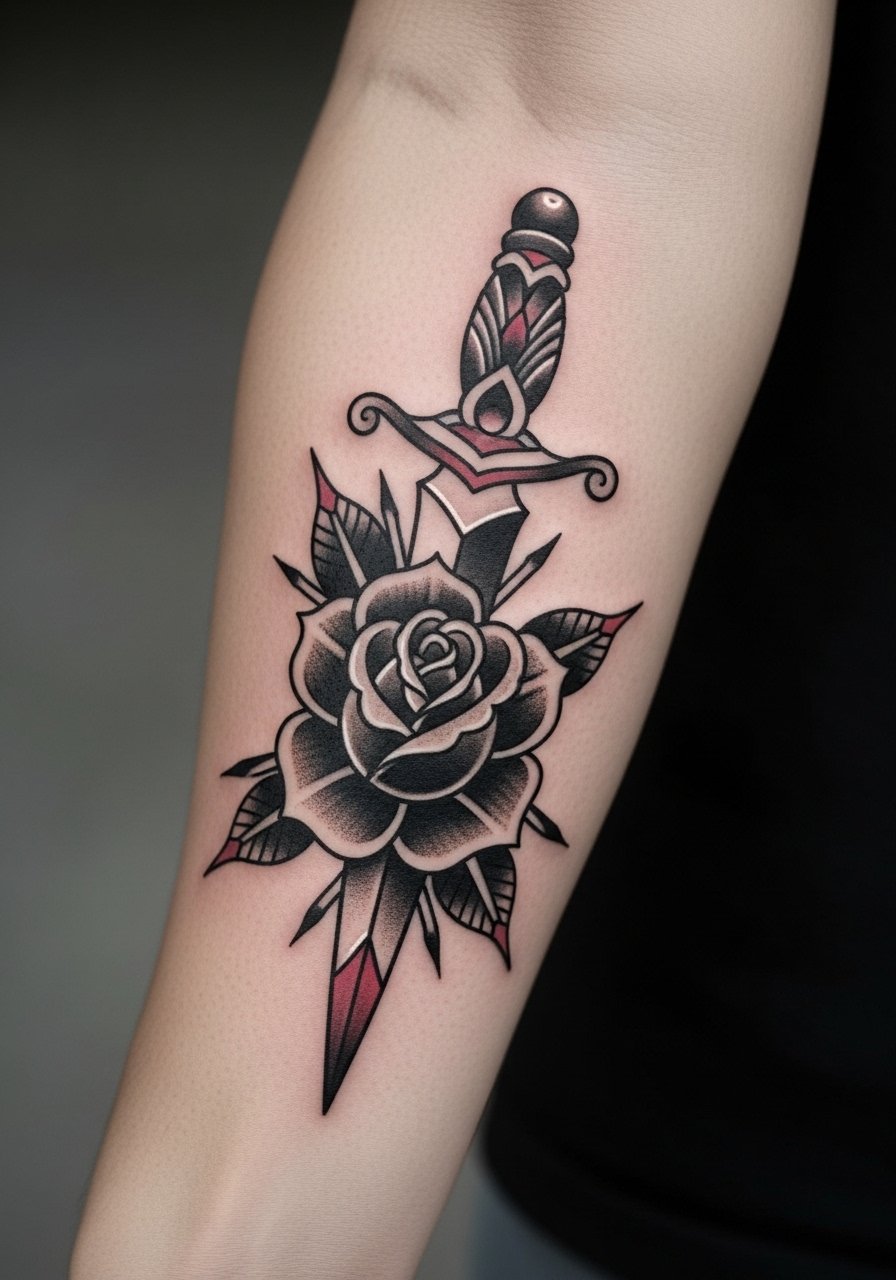
There is visual impact in combining traditional iconography with darker tones. Forearm pieces are medium pain and often completed in a single two-hour session. Tell your artist you want clean outlines that will age predictably rather than tiny decorative flourishes that blur. The main mistake is crowding the composition with small flourishes around the dagger. At two years the black fill holds better than thin decorative lines. Forearm work is visible and ages with sun exposure, so expect touch-ups where sun hits the most.
11. Geometric Mandala with Dark Negative Space on Calf
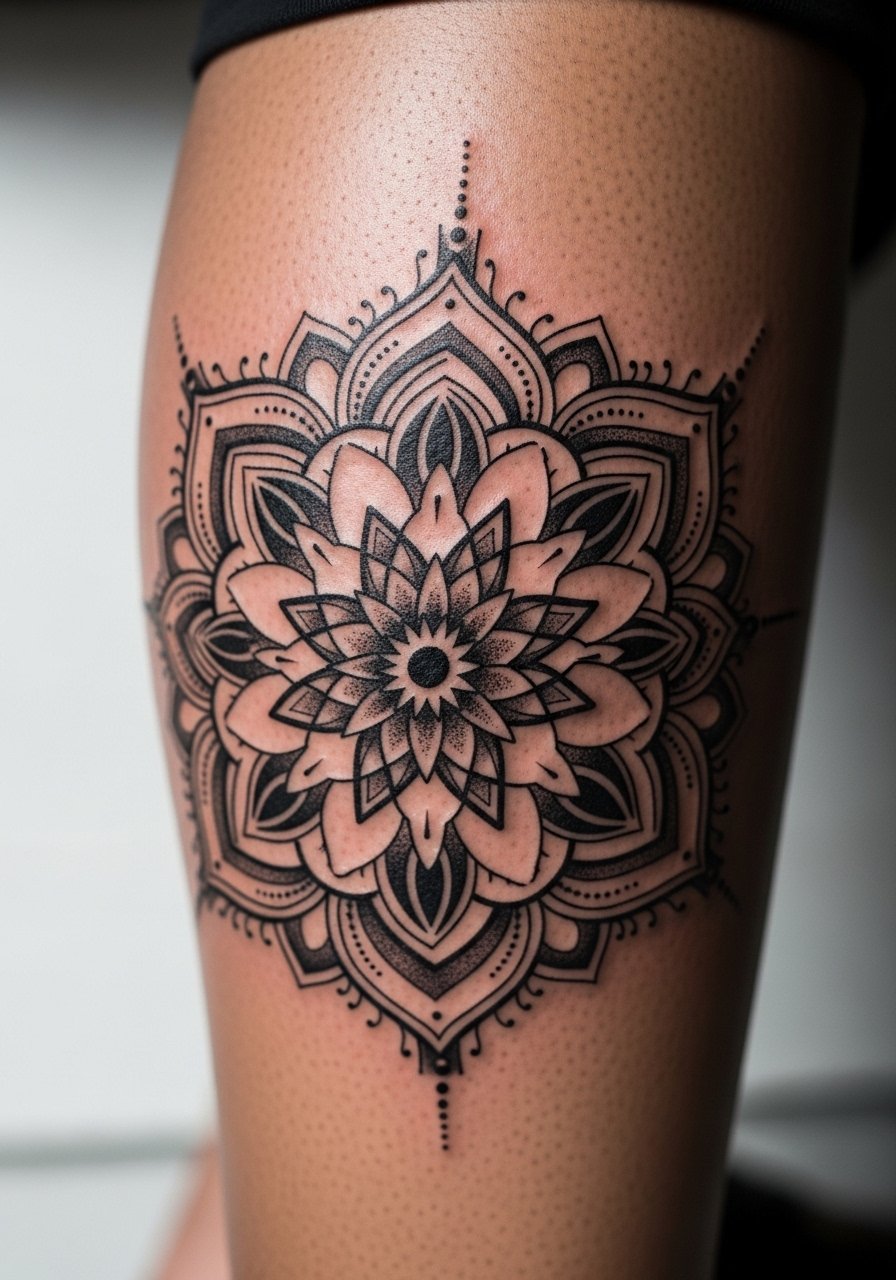
This design borrows mandala geometry while using dark negative forms for a more gothic read. For cultural origin sensitivity, note the pattern traces to spiritual traditions. Some people opt for altered motifs rather than direct replicas. The calf is a forgiving canvas and usually feels mild to moderate on pain. Tell your artist you want spacing that avoids micro-lines under high tension. The typical error is shrinking the mandala too small. At six months the dot work settles nicely. Expect the design to remain crisp for several years with minimal touch-ups if spacing is generous.
12. Whip-Shaded Raven and Moon Sleeve Accent

Whip shading gives motion and a soft edge that suits darker, moody imagery. If you are building a partial sleeve, plan multiple sessions. One common client misstep is asking for complete black backgrounds early in the layout. Instead, let the artist build layers for depth. The shoulder has easy healing and lower blowout risk. At two years whip shading can remain soft and atmospheric, but dense black backgrounds may need renewal. Discuss session pacing for comfort and final composition balance.
13. Alchemical Symbols Cluster Behind Ear
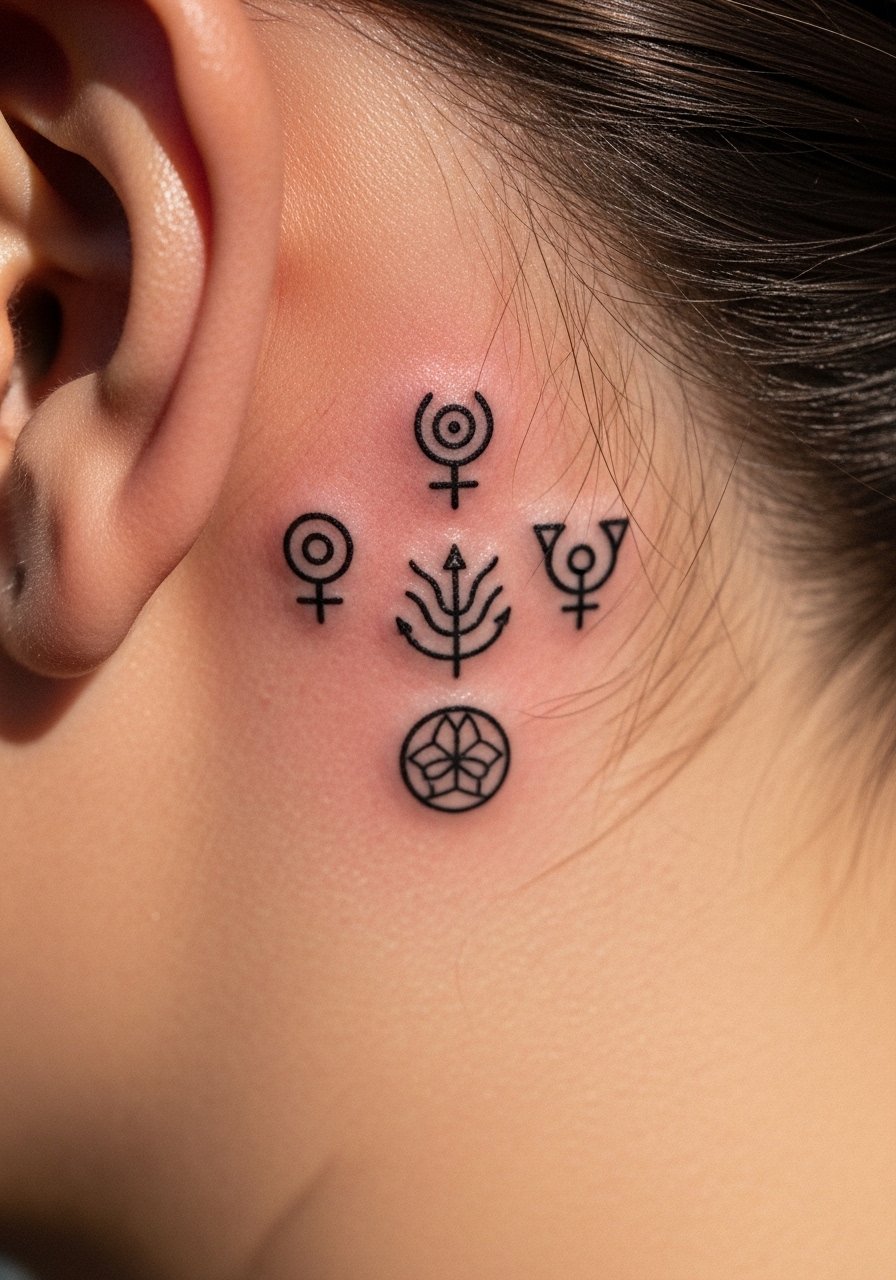
Behind-the-ear pieces are small and high-impact when revealed. Pain is sharp but brief. The behind-ear skin moves and the area sees hair friction and product exposure, so ask the artist about slightly bolder symbols than you might want on the first draft. A frequent mistake is requesting micro-script or tiny sigils that blur into blotches. If you work in a formal office, note that visibility is limited but present when hair is up. Expect touch-ups sooner than for torso work.
14. Solar Eclipse with Heavy Black Halo on Upper Back
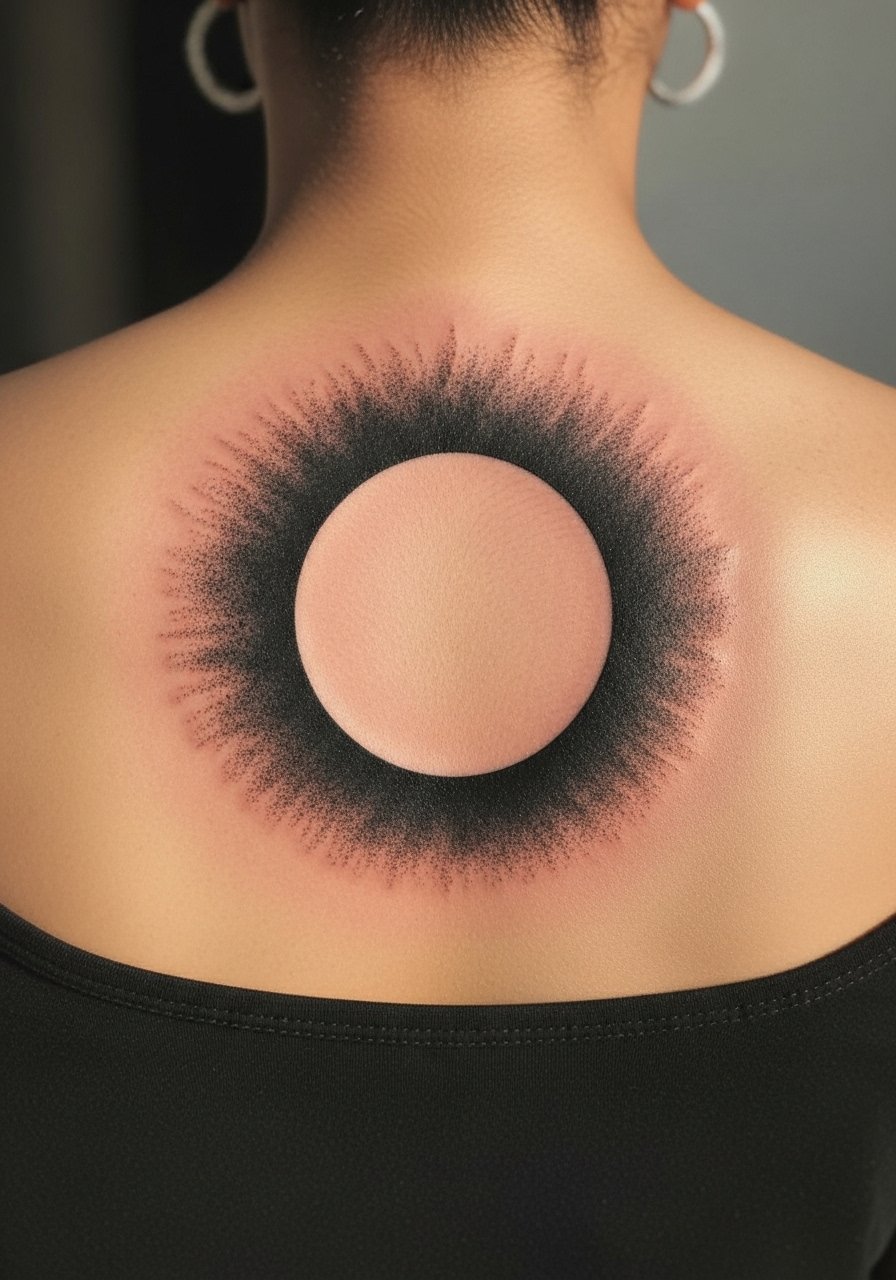
Upper back pieces handle large dark fields well and can be staged across sessions. Tell your artist if you want the halo fully saturated or textured with stipple to keep depth. A common error is asking for a complete black disc with no texture, which reads flat after healing. At two years textured halos look richer than flat fills. The upper back is low pain and forgiving for touch-ups. Plan appointment length around whether you want a compact bold piece or a layered textured study.
15. Micro-Script “Memento Mori” in Blackletter on Wrist
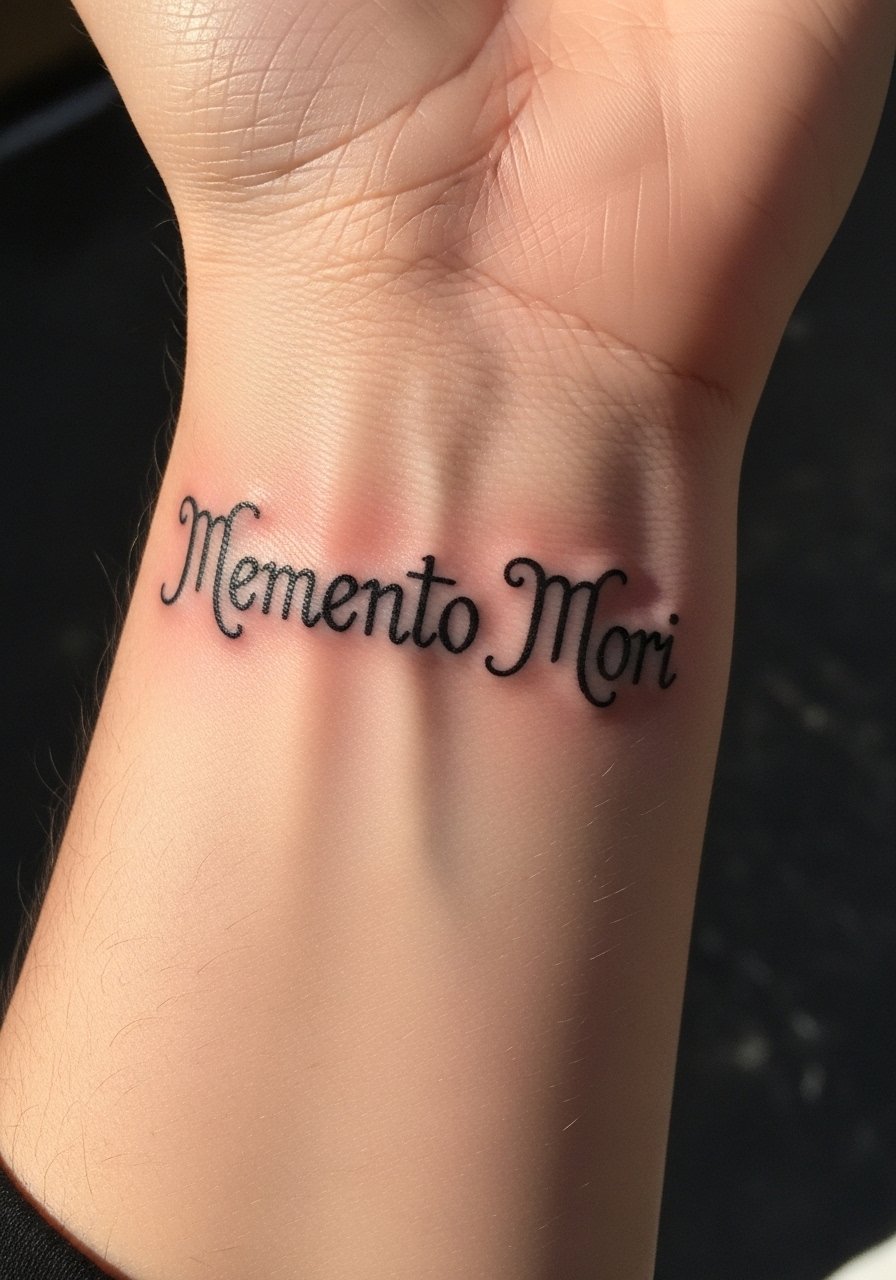
Wrist scripts are small and visible, so think about readability over time. The inner wrist is medium pain and often a one-hour session. When you consult, specify exact spacing and font weight because blackletter shrinks visually with age. A common mistake is requesting an overly ornate blackletter in a very small space. At two years tiny serifs can bleed, so ask for slightly bolder strokes. Hand and wrist tattoos still affect hiring in some industries, so factor career implications into placement decisions.
Tattoo Prep and Aftercare Essentials
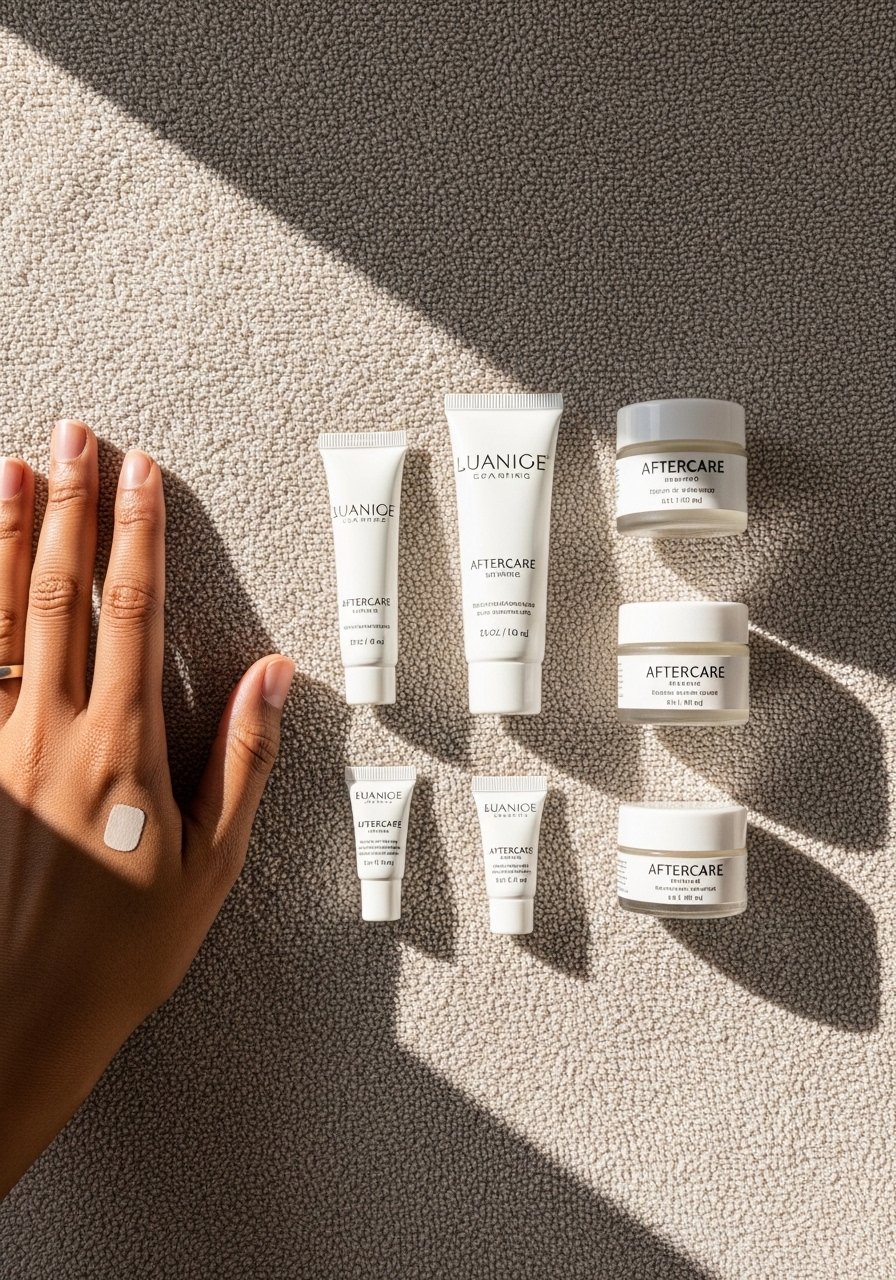
Healing a dark, heavily saturated tattoo is different from keeping a fine line crisp. I recommend prepping with gentle skin hydration in the week before your session and planning covered time off if the piece is on a friction area. Below are eight items I reach for or see recommended in shop communities. Links go to Amazon search results with my tag so you can check pricing and availability. Use the product timing notes to decide what to open the day you get inked versus what to keep on hand for long-term maintenance.
After Inked Tattoo Moisturizer, 2 oz. A lightweight lotion designed specifically for tattooed skin. Use after the initial scab stage to restore softness without clogging pores.
Ink-eeze Original Tattoo Salve 1 oz. A balm many artists recommend for small spot touch-ups and dry patches. Apply sparingly.
Bepanthen Nappy Ointment, 100g. Used by some for early-stage protection. Use only if your artist approves for your skin type.
Tattoo Goo Original Aftercare Lotion 2 oz. Good for maintaining saturation once scabs have fallen away. Apply as directed.
H2Ocean Blue Green Foam Soap, 8 oz. A gentle antimicrobial soap for the first few days of washing. Use lukewarm water and pat dry.
[Aquaphor Healing Ointment, 14 oz] (https://www.amazon.com/s?k=Aquaphor+Healing+Ointment&tag=tattooengineer-20). One mainstream option I mention because many people have it at home. Use sparingly and only when your artist agrees.
Medical-Grade Second Skin Bandage, 6-inch roll. Useful for larger blackwork pieces when an occlusive covering is recommended the first 24 hours.
Lightweight fragrance-free balm, travel tin. A generic option when brand availability varies. Great for on-the-go moisture without perfumes.
Every tattoo is different. Always follow your artist's specific aftercare instructions. Consult a dermatologist if you have skin concerns or unusual healing issues.
Frequently Asked Questions
Q: Will fine line crescent moons and stipple stars blur faster on medium skin than on light skin?
A: From what I've seen, fine line detail can be slightly more forgiving on medium skin if spacing and contrast are prioritized. Ask your artist to increase negative space around tiny stars and to use stipple anchors so tiny points do not merge over time. Expect a possible light touch-up around year two depending on sun exposure.
Q: Do blackwork pieces on the ribs need a different session plan than on the thigh?
A: Yes. Ribs often require shorter, focused sessions because of pain and movement. The thigh tolerates longer sessions and denser saturation. Tell the artist whether you want full saturation in one visit or layered saturation across sessions so they can plan session length and shading approach.
Q: How should I ask my artist about cultural sensitivity for mandala-like designs?
A: Bring reference images and say you want motifs that honor geometric roots while avoiding direct religious iconography. Many artists will suggest altered patterns or different focal points. If the artist has experience with culturally specific pieces, discuss provenance and acceptable adaptations during consultation.
Q: What aftercare products are best for heavy black saturation versus fine line work?
A: For heavy blackwork you want products that promote moisture without heavy oils that can trap bacteria. Lightweight fragrance-free balms and specific tattoo moisturizers work well after the scab phase. For fine line pieces, gentler moisturizers that avoid clogging keep edges crisp. Follow your artist's timeline for ointments versus lotions.
Q: How often should I plan for touch-ups on a dense black rose versus a micro-script wrist piece?
A: In my experience, dense blackwork needs fewer touch-ups in the first three years because saturation helps. Micro-script on wrists tends to need attention sooner because skin movement and sun exposure thin small strokes. Plan a check-in at year two for both and expect touch-ups where sun hits most.
Q: Is a behind-the-ear alchemical symbol likely to blur quickly because of hair and product exposure?
A: It depends. Hair and styling products can speed fading, and the skin is thin. Ask for slightly bolder anchors and account for a potential touch-up within one to two years. If you wear heavy hair products often, consider placement adjustments so daily routines do not accelerate blur.