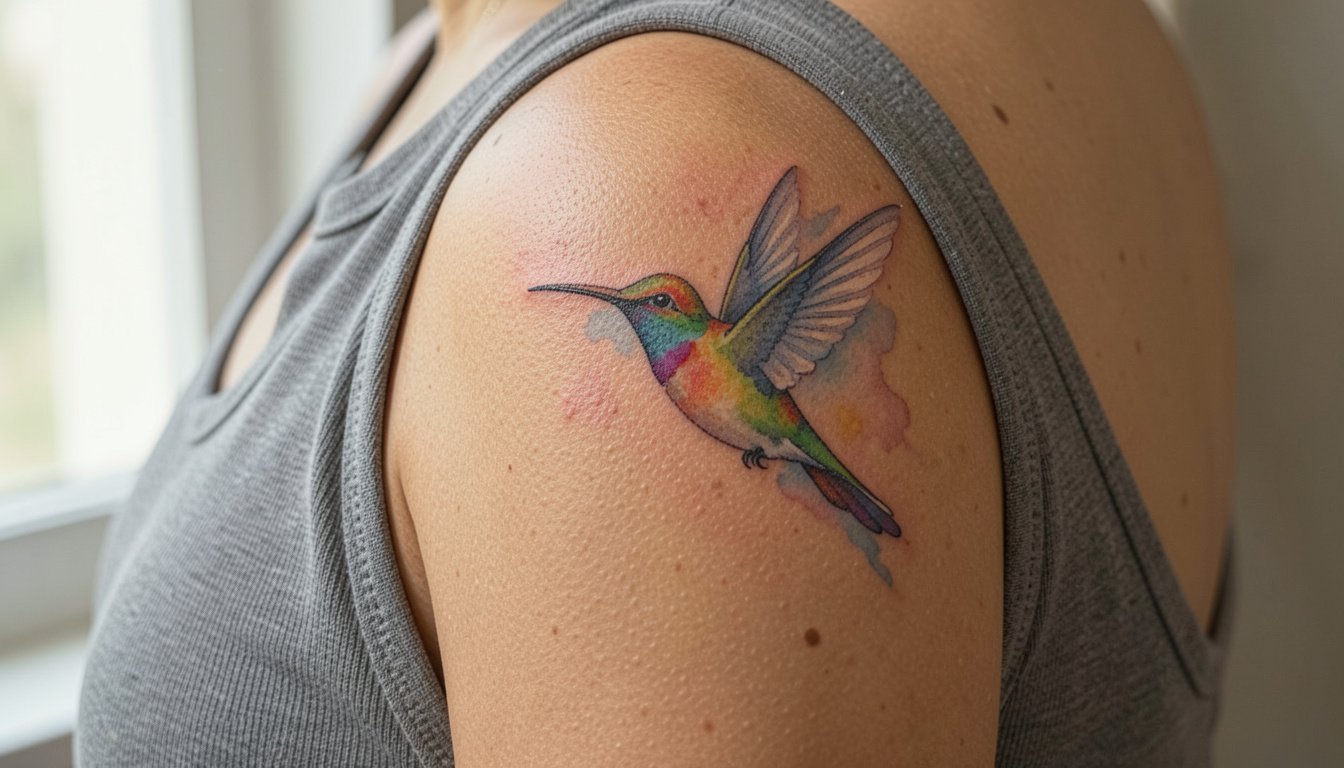
The watercolor look on skin can feel effortless on a feed and fragile in real life. Many trend photos show airy color washes with zero structure, and those pieces can soften into indistinct patches sooner than owners expect. Other approaches mix anchors and contrast so the color reads long term and does not dissolve entirely. Below are design ideas that lean toward painterly color while keeping your tattoo legible over time.
1. Watercolor Floral Bouquet on Inner Forearm
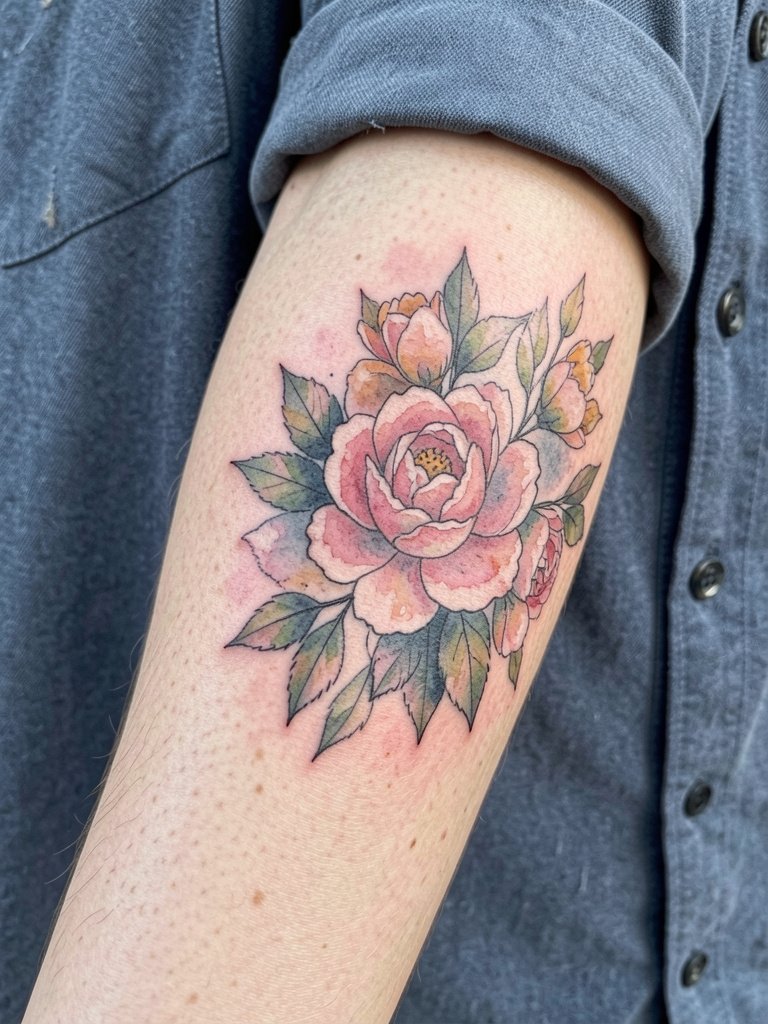
A floral bouquet on the inner forearm is forgiving for painters who want soft gradients but still need structure. I recommend asking for thin contour lines around the main petals and heavier saturation in shadowed areas so the shapes stay readable after a year. Common mistakes include packing too many tiny petals into a small space, which blurs by year two. Session time for a medium bouquet is often 60 to 120 minutes depending on saturation. For the appointment wear a linen button down shirt so you can roll a sleeve and keep the area accessible while staying comfortable.
2. Hummingbird with Motion Wash on Shoulder
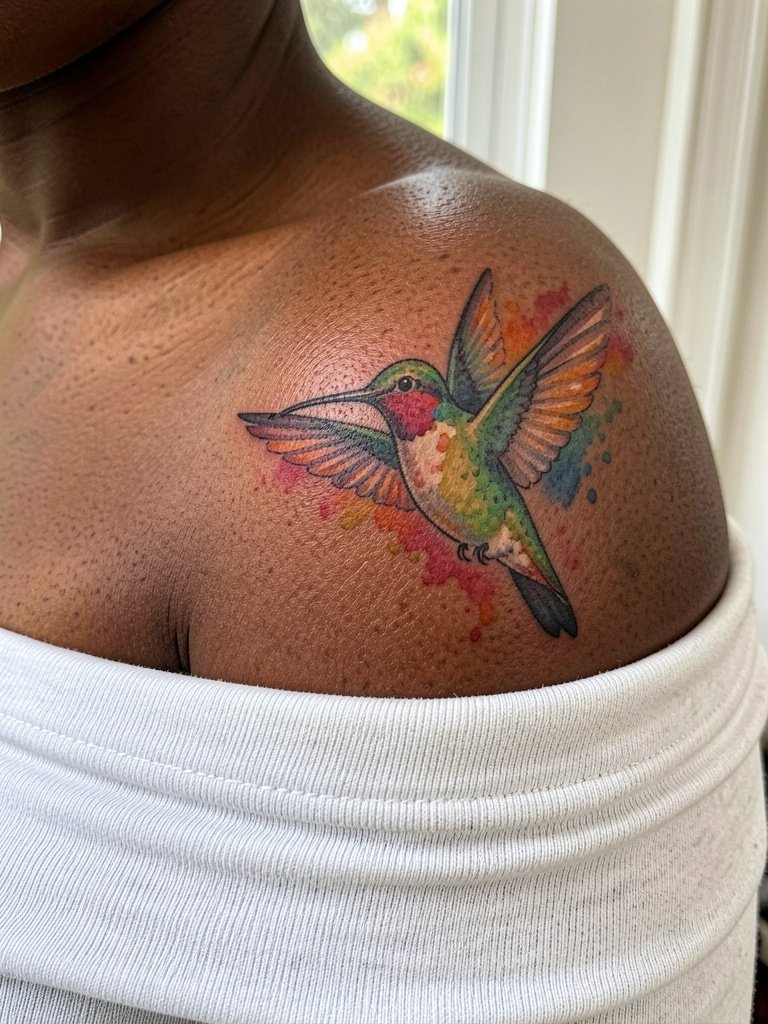
Shoulder pieces let watercolor breathe because the skin there moves less and gets less direct abrasion. For a hummingbird, ask for a crisp silhouette for the beak and eye area while allowing the wing colors to bleed outward. The mistake I see often is too-light contrast near the focal point, which makes the bird disappear at arm's length. Expect a single session under two hours for a small to medium piece. To show it off, choose an off-shoulder top that frames the cap for summer looks.
3. Tiny Watercolor Heart on the Wrist
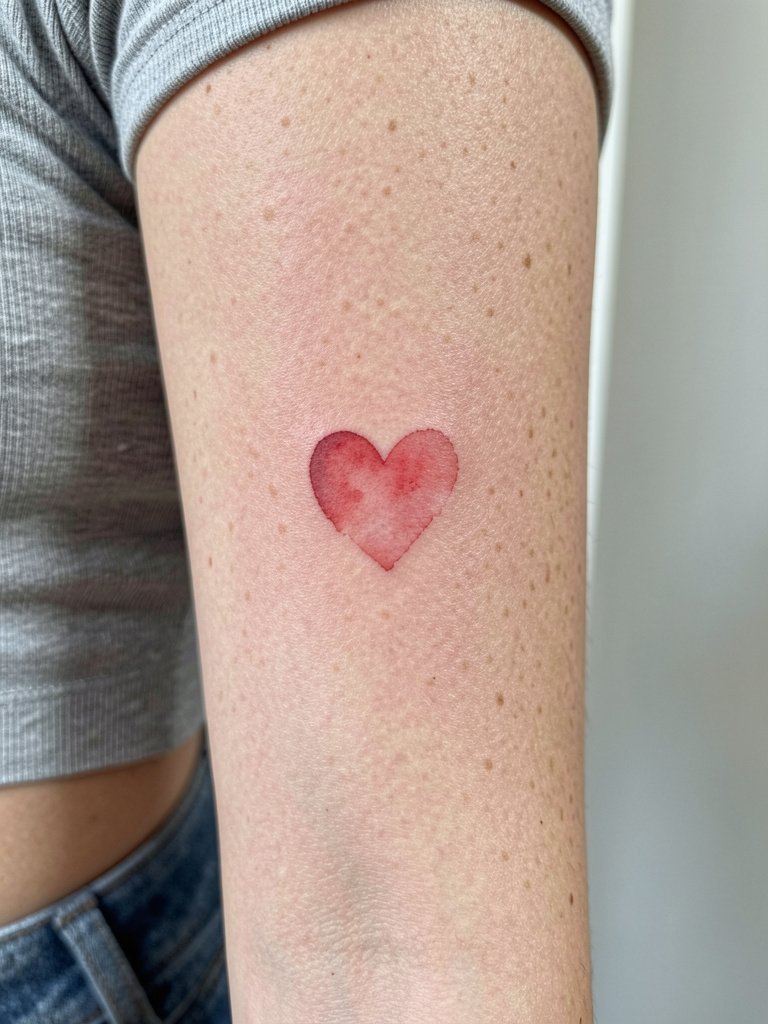
Micro hearts are a popular first-tattoo choice because they fit many placements, but the wrist is high-contact and eats fine detail. For this style, request slightly stronger saturation inside the heart and a very faint outer wash so the shape remains distinct when the color softens. A common aging path is pastel bleed into a bruise-like patch by year three if the wash overwhelms the outline. Session time is usually 20 to 40 minutes. For showing the piece wear a minimal watch on the opposite wrist so the new ink gets less friction.
4. Koi Fish Flowing Along the Outer Upper Arm
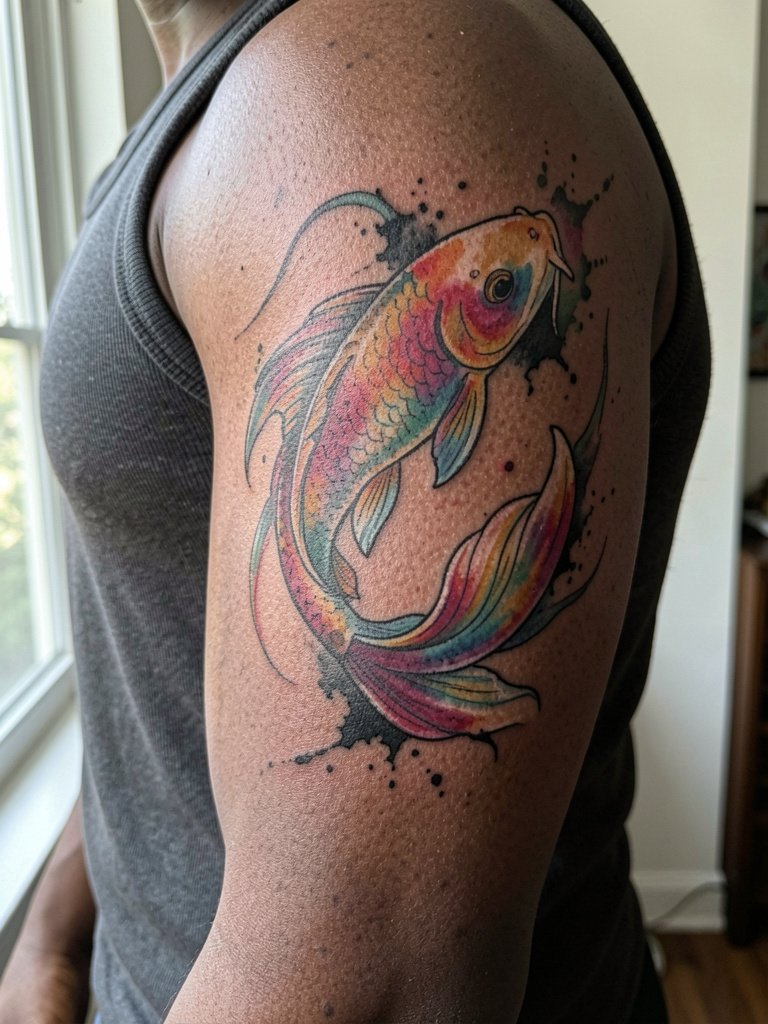
Koi designs are ideal for watercolor because their scales and flow give natural areas for gradients and splashes. I suggest discussing scale placement and direction so the fish reads correctly when your arm rests. The most frequent error is over-detailing scales in a small area, which becomes muddled. Expect one to two sessions depending on size. This placement handles brighter color well but still benefits from darker anchor lines inside the head and spine, which stop color from looking like a stain as it ages.
5. Butterfly with Translucent Wing Washes on the Ankle
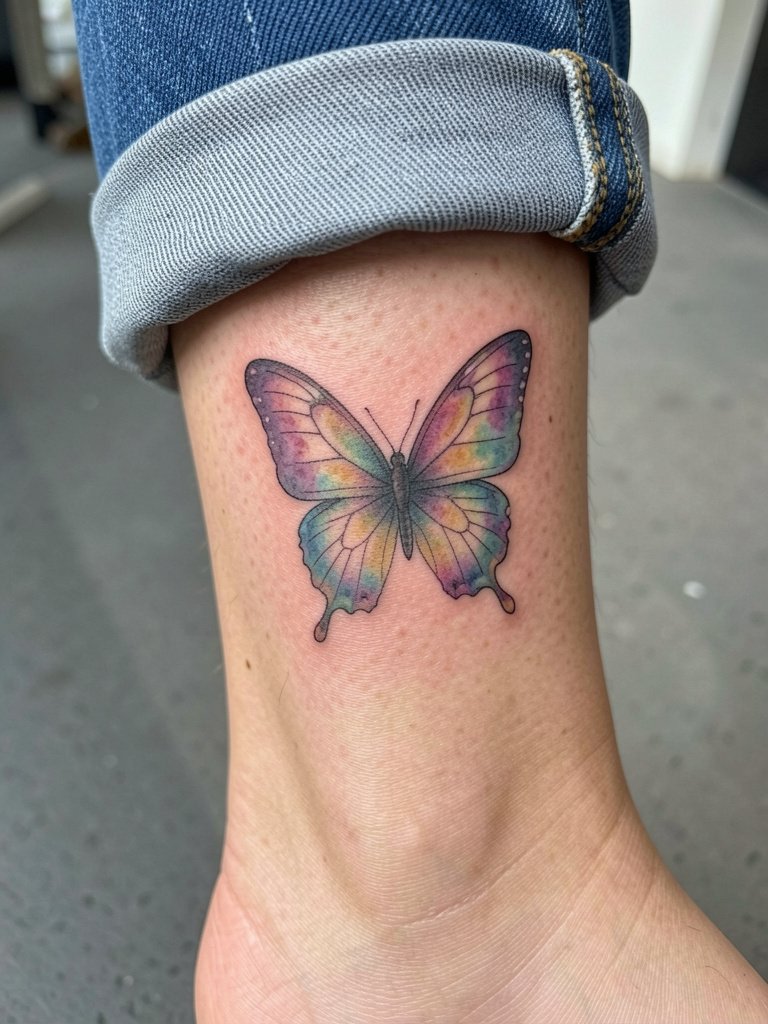
Ankle tattoos face constant friction from socks and shoes, so translucent washes risk fading faster there. For a butterfly, ask for slightly stronger vein lines on the wings and a saturated center to hold the eye. People often choose pastel-only fills and then see the piece lose clarity by year two. Sessions are quick, often under an hour for small butterflies. Pair the look with strappy sandals when you want the ankle visible without rubbing it against socks.
6. Fox or Wolf Portrait with Painterly Background on Outer Upper Arm

Animal portraits anchor watercolor pieces because a focal face keeps the eye returning to structure. When planning, bring photos showing the exact expression and fur patterns you want rendered. The typical mistake is relying only on wash to define the face, which softens into a smudge as the years pass. Plan for a touch-up at 12 to 18 months if you want the color to remain vibrant. This size often takes a single two-hour session for a focused face with surrounding color.
Session Day Picks
The floral forearm and wrist pieces above can behave very differently during the first week, so a short kit can make the appointment and initial healing quieter.
- Stencil transfer paper kit. Lets you preview the line placement on skin before the first pass, which is especially useful for the floral bouquet and fine-script pieces in the first six ideas.
- Topical numbing cream. Applied per instructions about 45 minutes before reduces wrist and rib sensitivity for shorter, calmer sessions.
- Thin protective film roll. Keeps ankle and hand tattoos free from friction during showers and early movement.
- Hydrocolloid healing patches. Small patches protect delicate micro color areas while preventing scab picking in the first week.
- Fragrance-free gentle body wash. Cleans the area without stripping color, useful for larger washes like the koi and landscape pieces above.
7. Geometric Watercolor Hybrid on the Calf
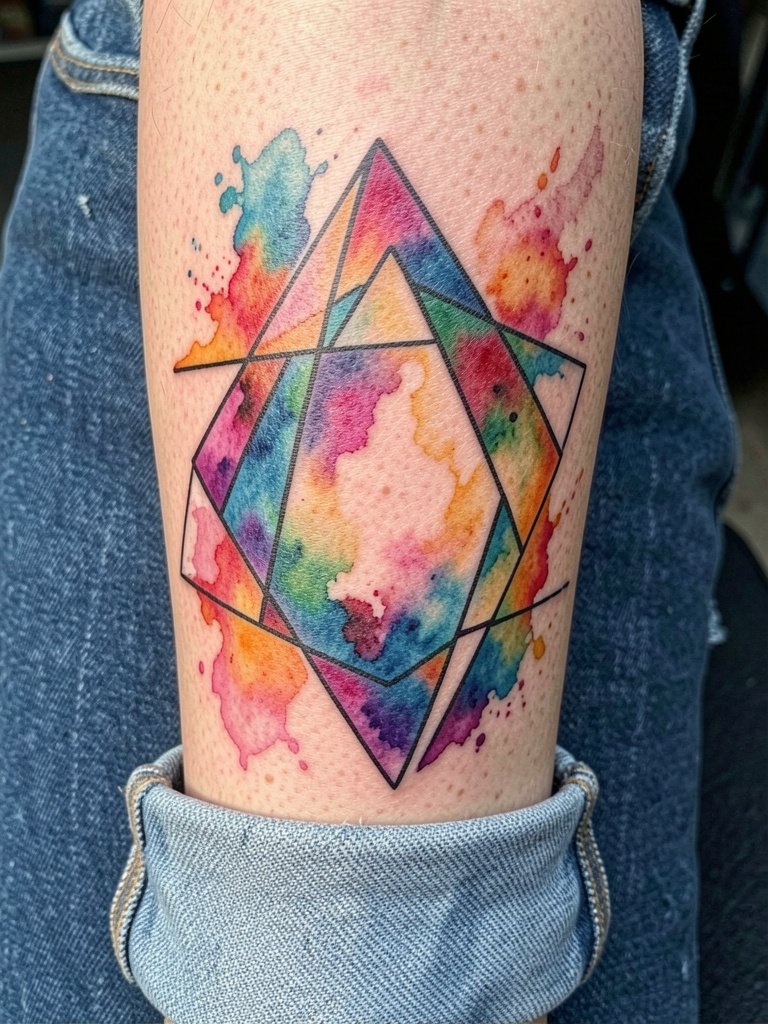
Geometry gives watercolor places to stop and start, which helps long-term readability. For a calf piece, ask for even line thickness in the shapes and a palette plan showing which colors sit behind lines. The common error is shrinking the geometry too small. Lines need spacing to avoid merge over time. A medium calf piece usually runs 60 to 120 minutes. To show it off wear cuffed jeans or a midi skirt so the color reads against simple fabrics.
8. Fine Line Stem with Watercolor Accents on Inner Forearm
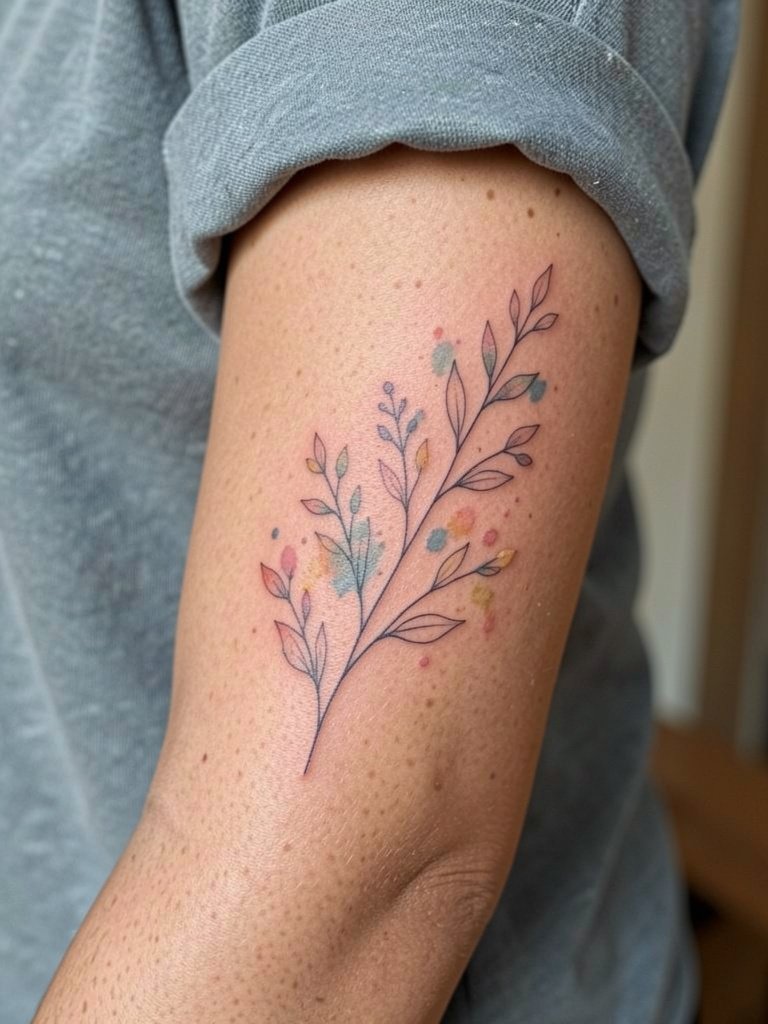
Fine line plus watercolor is a hybrid many clients choose to get the painterly feel without losing structure. One camp believes pure fine single-needle work on the forearm can hold for years if line weight is planned correctly. Another camp prefers slightly thicker single-needle lines or micro-outline anchors to prevent early softening. When you discuss this piece, bring healed examples of single-needle work at different ages so depth and spacing can be calibrated. Typical session time is 45 to 90 minutes for a medium stem with color accents.
9. Mini Landscape Scene on the Outer Forearm
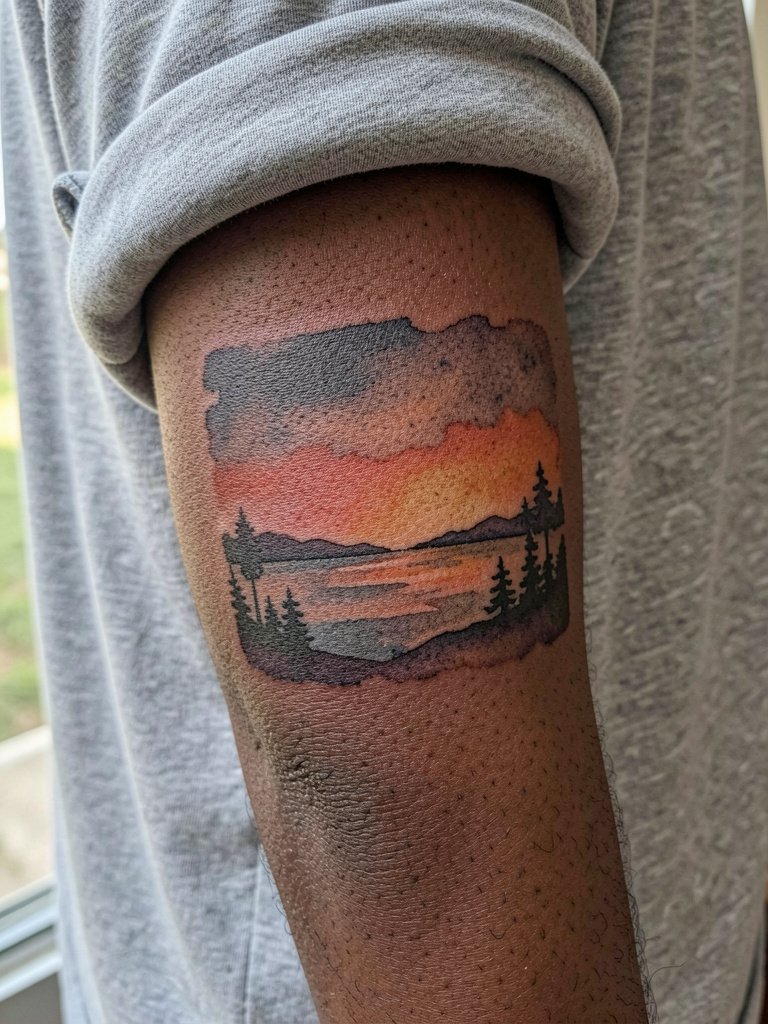
Landscape pieces rely on horizon lines and contrast to remain readable. For a small forearm scene, prioritize a clear dark silhouette in the foreground to anchor the wash. A mistake I see is over-softened horizon edges that confuse scale once the color fades. This style usually needs one longer session when you want saturated sky gradients. For casual wear, pair with a rolled sleeve tee so the scene sits naturally on the outer forearm.
10. Aquatic-Themed Wash on the Ribcage
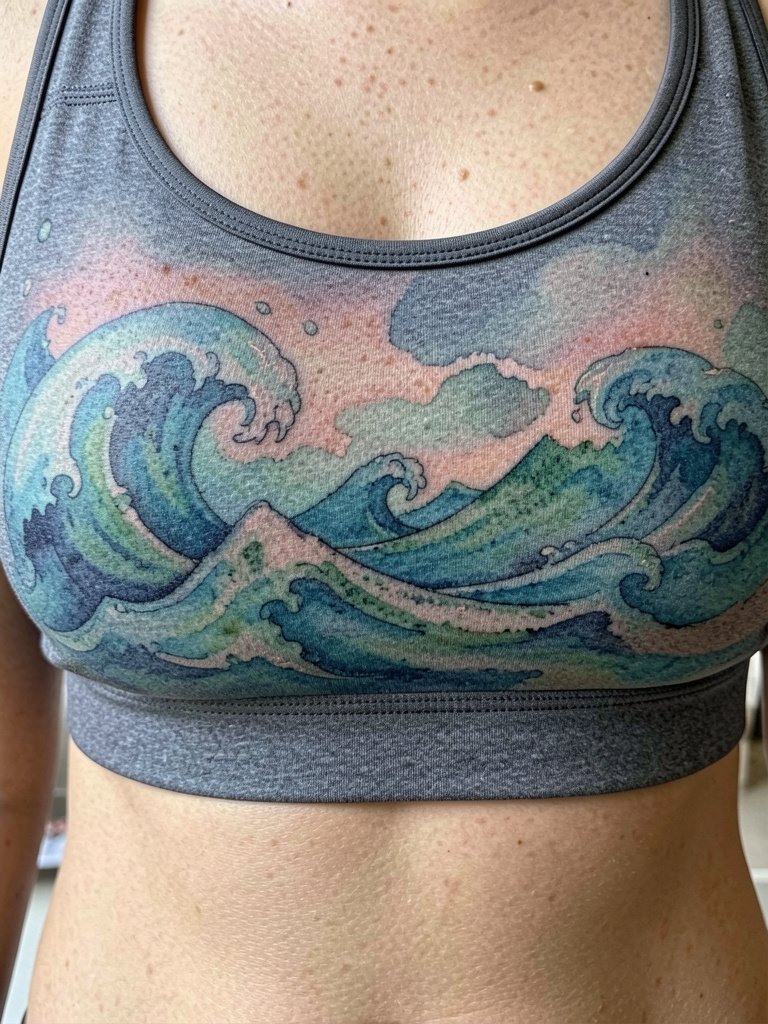
The ribcage is notoriously sensitive and a place where linework can blur if spacing is too tight. This placement benefits from bolder anchor marks near the central motif and softer washes radiating outward. Fair warning, the ribs are a high-pain zone and healing can be slower because the area moves with breathing. Plan for a two-hour session for a medium wash and discuss a realistic touch-up window around the one-year mark. Work on the ribs is best booked with an artist who documents healed photos for similar placements.
11. Brushstroke Abstract on the Shoulder Blade
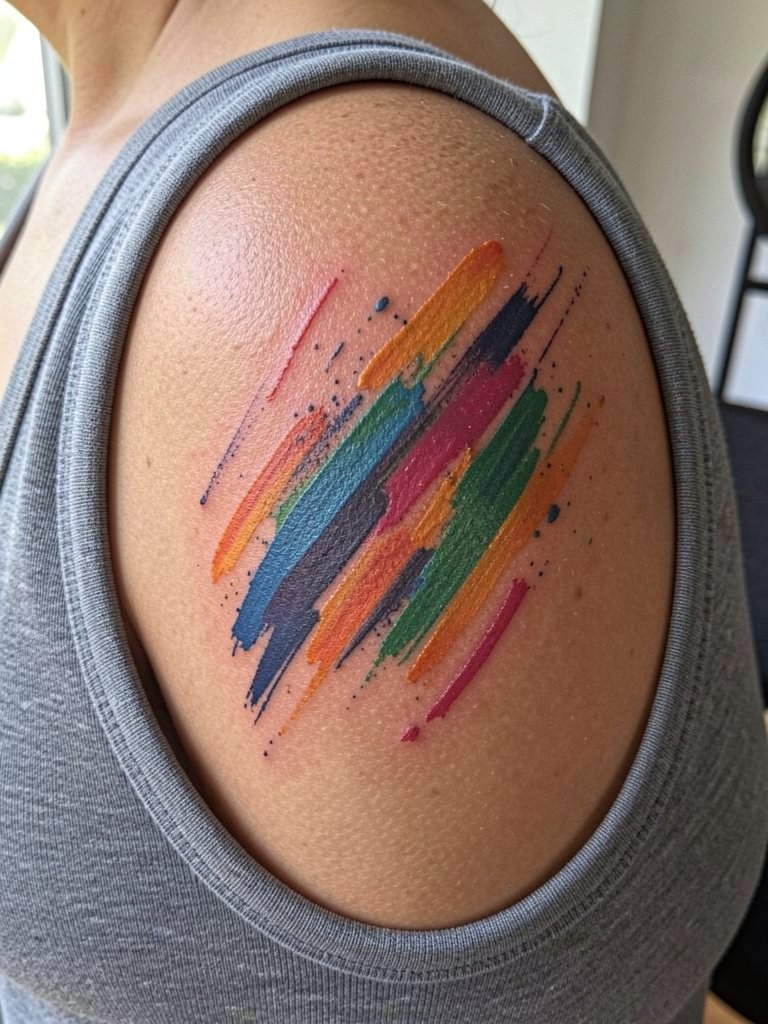
Abstract brushstroke designs read best when they respect body contours. For the shoulder blade, tell the artist which edge you want to align with the scapula so the motion looks natural. A typical error is centering the splash without regard for muscle and bone, which can make the piece look uneven as posture shifts. These pieces usually take under two hours. Try an open-back tank when you want to showcase the shoulder blade color.
12. Flower with Minimal Outline on Upper Chest
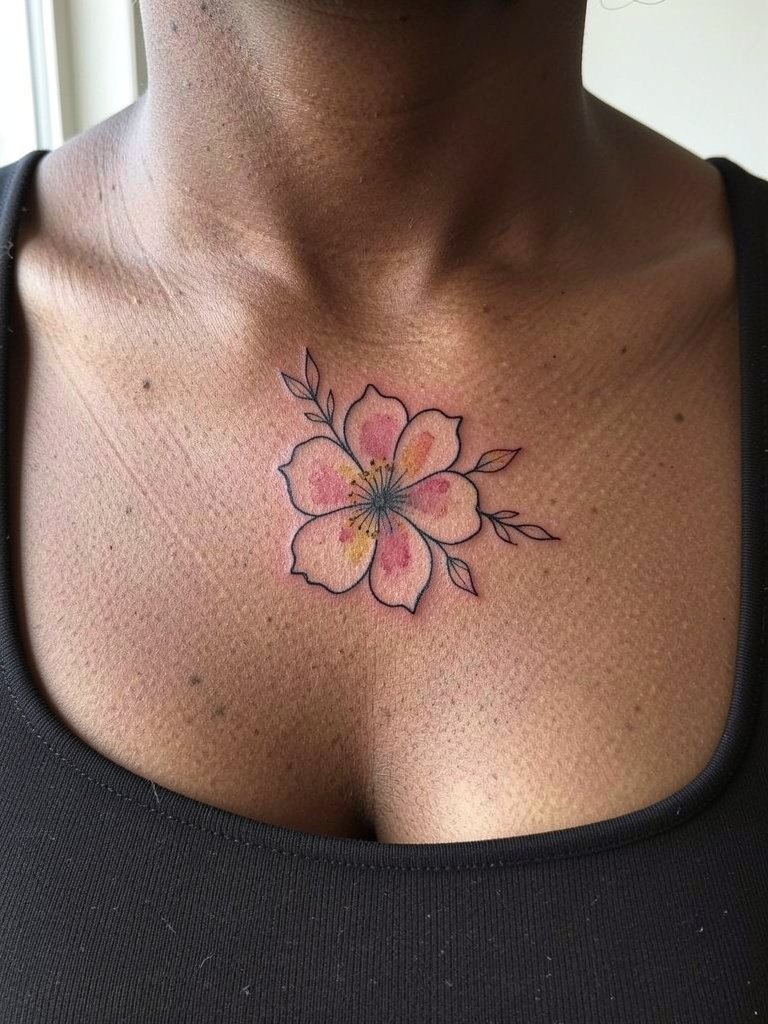
Outlines are where the watercolor debate tightens up. Critics say no-outline pieces preserve the painted feeling and read better when done right. Supporters of subtle outlines argue the lines protect definition and stop color from bleeding together. Both positions have merit and both are visible in healed photos I have seen. For the chest, slightly darker petal bases and a narrow outline give the flower longevity without losing the softer fill look. Plan a touch-up discussion for one year in so color can be refreshed if needed.
13. Rainbow Splash Micro Piece for the Wrist
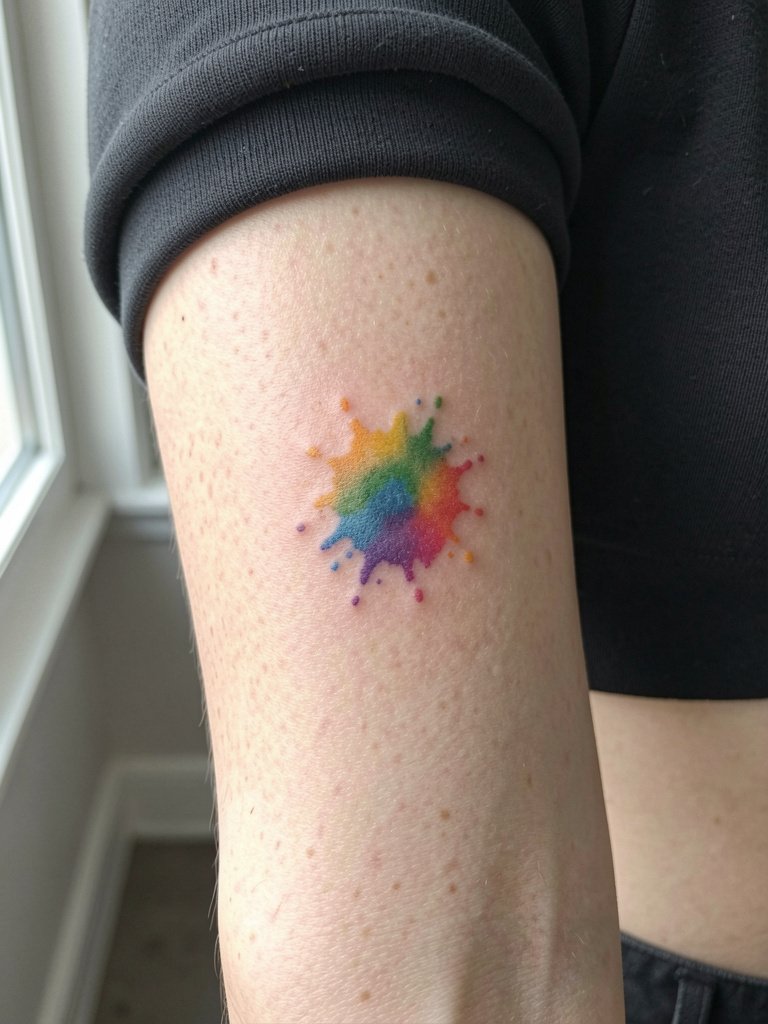
Micro rainbow splashes are playful but vulnerable on the wrist because of high contact. Ask for denser saturation in the center and a thin darker ring to hold the form. The usual mistake is too-light pastel at tiny scale, which becomes a smudge after frequent washing. A small micro piece is quick to do, often 20 to 40 minutes. When wearing cropped sleeves, a thin bangle bracelet on the opposite arm keeps attention off the healing wrist.
14. Pet Portrait with Soft Color Wash on Outer Forearm

Pet portraits soften memorial imagery when color washes surround a clear facial anchor. Bring clear, high-resolution photos of the pet from different angles and point out the two features you want emphasized, such as eyes and nose. The big mistake is over-compressing detail into a tiny area. For an outer forearm portrait plan on a one- to two-hour session depending on complexity. To highlight the portrait wear summer overshirts worn open so the piece sits against plain fabrics.
15. Moon Phases with Watercolor Halos on the Rib or Sternum
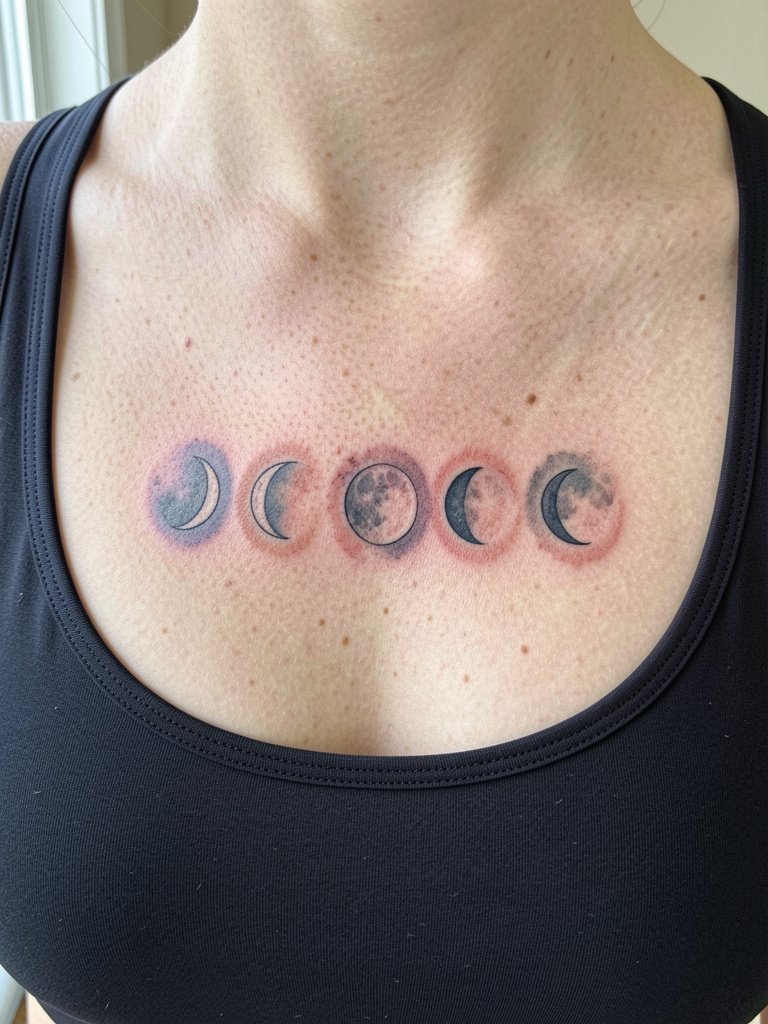
Moon phase rows read elegantly when the silhouettes remain bold and the halos provide atmosphere. Sternum and near-sternum placements need a plan for spacing so the individual moons do not merge as the skin settles. The sternum is a sensitive area and not every artist will accept very fine single-needle lunar work there, so confirm healed examples for that precise placement. Typical sessions for a short row run 45 to 90 minutes. For appointment comfort wear a fitted bandeau or sports bra in its normal position so the area is available without fabric manipulation.
Frequently Asked Questions
Q: Will watercolor tattoos blur or fade faster than traditional styles?
A: Watercolor can soften more quickly when there are weak anchors and very light pastel fills. One camp argues that no-outline watercolor blurs sooner because soft edges lack structure. The other camp says careful contrast and placement can preserve the look for years, and they point to healed examples with subtle outlining to prove it. In practice, plan for occasional touch-ups and prioritize placement and contrast over ultra-pale pastels.
Q: How should I search for an artist who actually does watercolor well?
A: Search social platforms for healed-photo posts using tags like #watercolortattoo and #finelinewatercolor and add your city name to narrow results. Look specifically for healed work at least one year old so you can see how saturation and edges settled. Reddit threads about healed tattoos are also useful for seeing long-term shots.
Q: How do watercolor tattoos look on different skin tones?
A: Lighter pastels can read differently across tones, so ask for color adjustments that increase contrast on deeper skin. For darker tones, request stronger saturation in the midtones and a few dark anchor marks around the focal area so the wash does not disappear entirely. Sharing photos of your skin tone with the artist speeds this calibration.
Q: What should I wear to the appointment for a shoulder, rib, or ankle piece?
A: Wear clothing that exposes the placement without being pulled during the session. For shoulders try a wide strap tank. For ribs bring a fitted sports bra or bandeau that stays in place. For ankle tattoos wear jeans with a normal-length cuff you can roll up.
Q: How soon should I plan a touch-up for watercolor work?
A: Expect to plan a touch-up between 12 and 18 months for areas with high movement or lots of sun exposure. Lower-friction placements like the upper arm often need less frequent touch-ups than wrists and ankles. The artist can mark which colors and sections are most likely to require refreshing at the one-year check.