
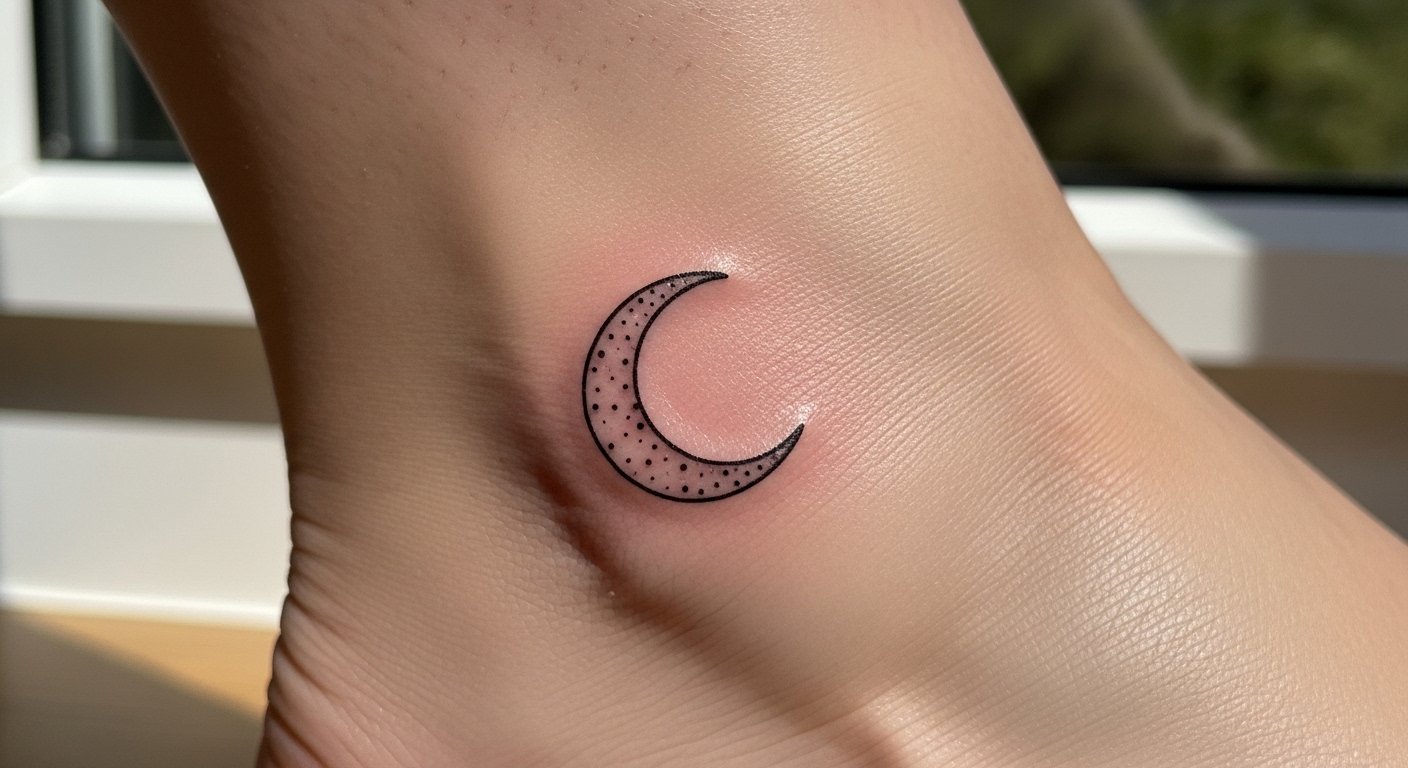
Someone I know scrolled ankle tattoos for months and still booked the wrong style. After spending time in five shops across Brooklyn and talking with artists who do fine line and blackwork, I started seeing which ankle pieces hold up on moving skin. These twelve ideas focus on placement, linework, and realistic aging so you can pick a look that fits your lifestyle and shoe choices.
1. Fine Line Cherry Blossom Vine Around the Ankle
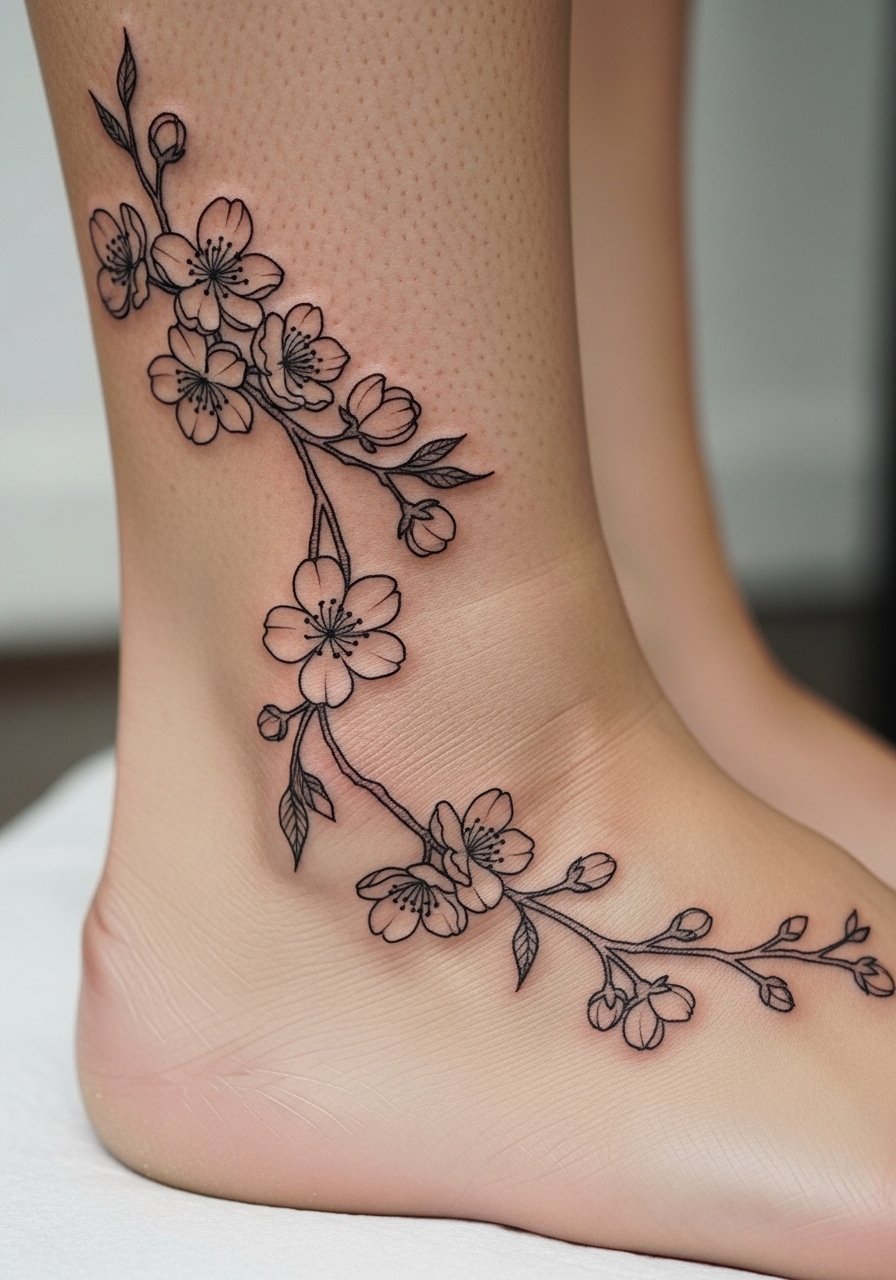
Someone I know got this as a first ankle piece and learned sizing matters. Ask for slightly thicker linework than you see on Instagram so the petals do not blur into a soft gray after two years. The session usually feels like a steady 3 to 4 out of 10 on pain scales because the ankle has thin skin over bone. Blowout risk rises if the artist tattoos too shallow and too fine in one pass. Bring photos showing exact line weight and where the vine should sit relative to your ankle bone. Expect a touch-up around year two if you want crisp petals.
2. Tiny Crescent Moon with Dot Work on Inner Ankle
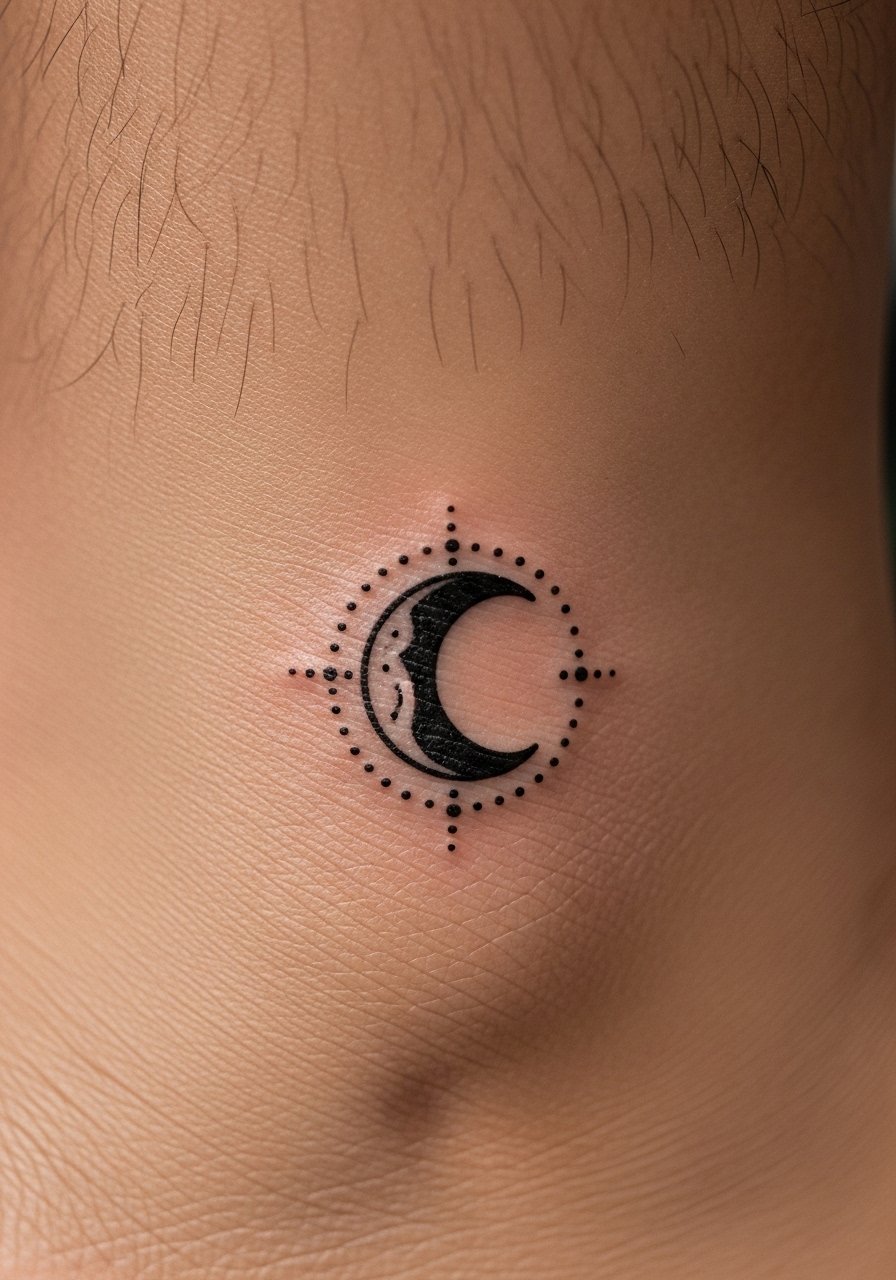
If you want a small piece that reads from close range, this is a quiet pick. Tell your artist to use stipple shading around the moon and leave spacing between dots to avoid muddying as it heals. The inner ankle often hurts less than the outer side but still registers as a 4 of 10 because of the nerve endings there. The main mistake is asking for dense dot clusters, which age into a gray patch. For darker skin tones, ask about saturation and contrast so the moon keeps shape after healing. Touch-ups are common at year two to restore contrast.
3. Minimal Anklet Chain with Gemstone Accent
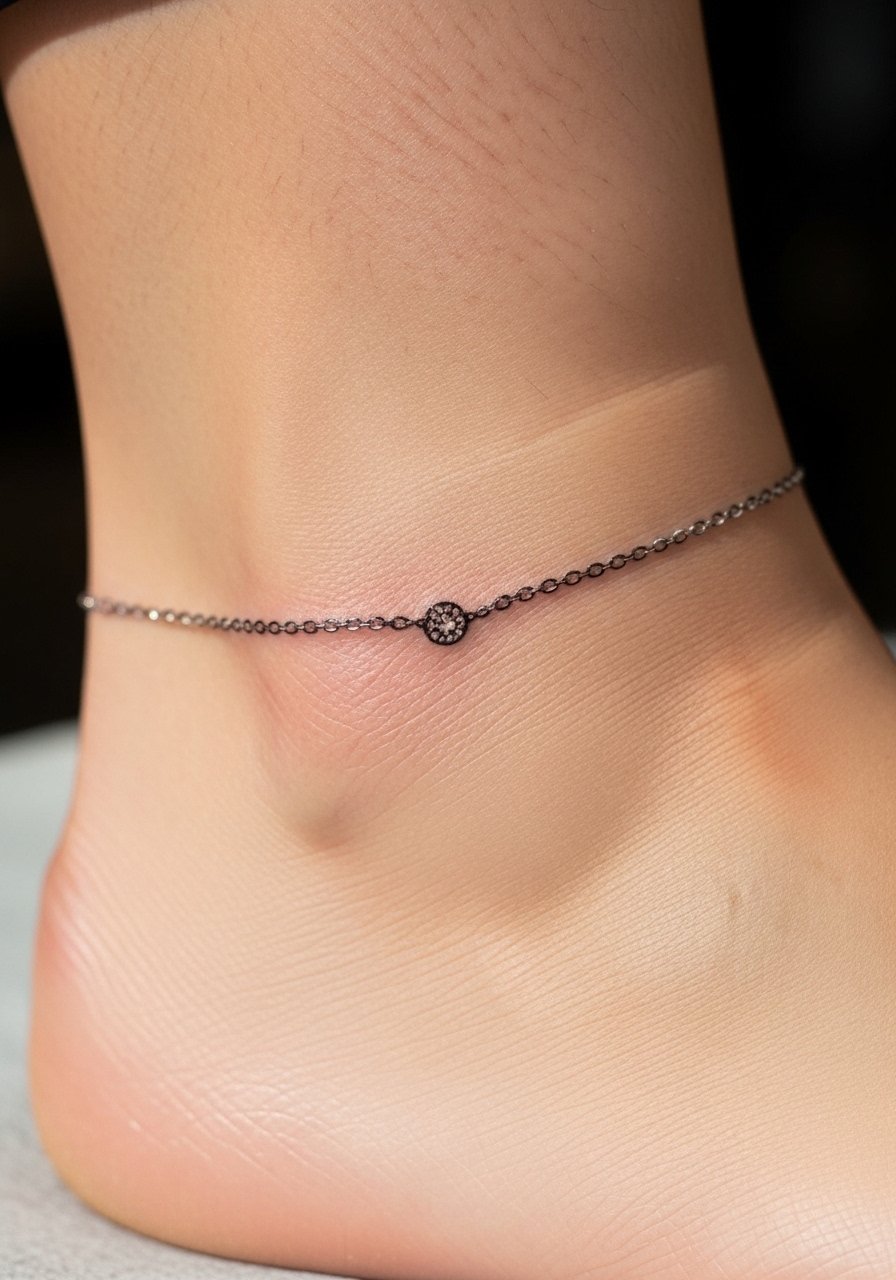
People choose this when they want the feel of jewelry without daily wear. During consultation, bring a photo of the exact chain link style and point where you want the gem to sit. Chains that wrap too tightly can blur into a thick band over time, so ask the artist to space links slightly and keep the gem as a tiny saturated dot. Expect the session to take 30 to 45 minutes. The typical mistake is placing the chain too low where shoe friction causes faster fading. Plan a possible touch-up after six to twelve months if you wear ankle-strapped shoes.
4. Micro-Realism Butterfly Perimalleolar Spot
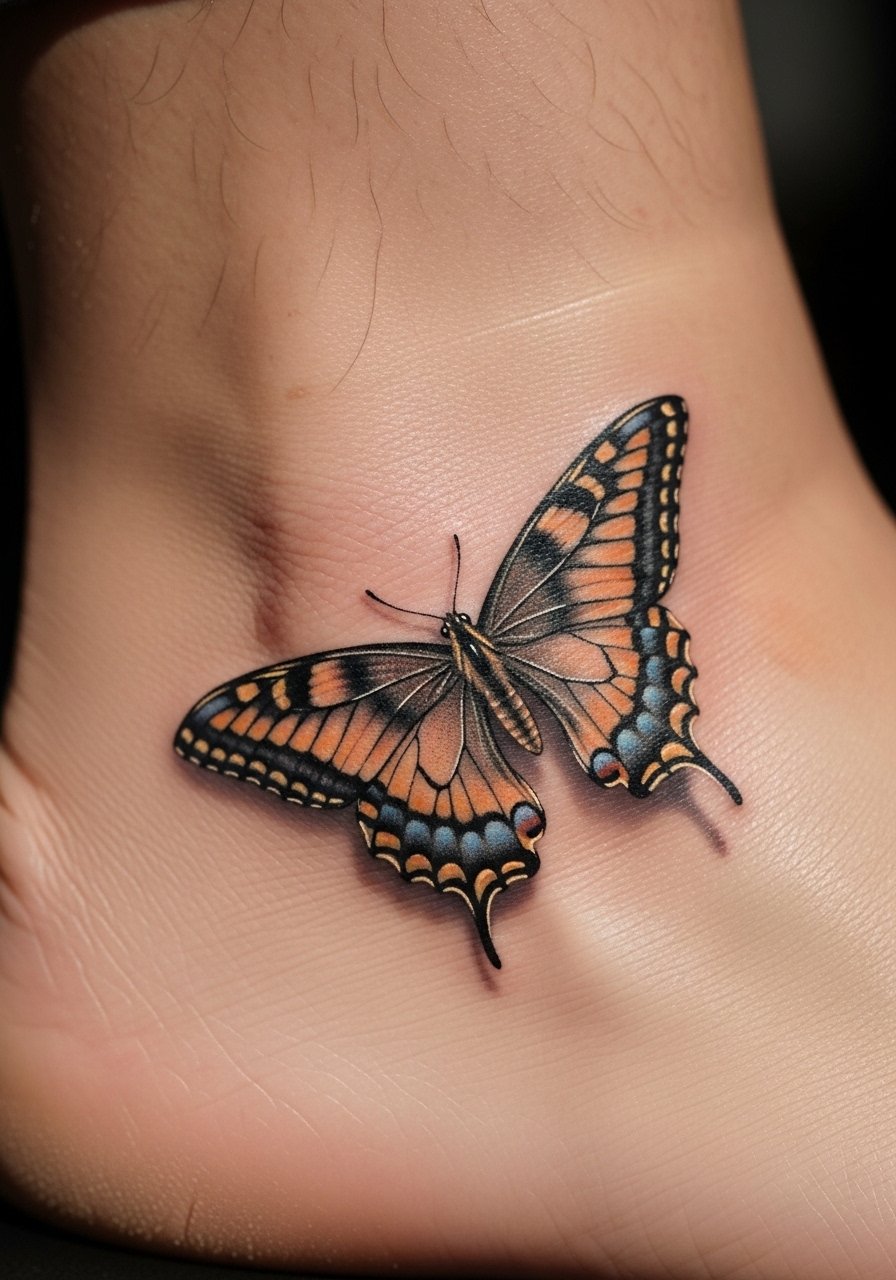
Micro-realism shows detail in a very small area, so tell your artist you want defined linework and subtle color saturation not heavy fills. The perimalleolar area moves when you walk and can stretch slightly, so the debate is alive about tiny realism in moving spots. One camp says micro-realism blurs faster on mobility zones. The other camp believes careful needle depth and spacing preserves detail. Ask where your artist stands and review healed photos of their ankle work. Pain sits around 4 of 10 and sessions run 45 to 70 minutes for this scale. Expect a one- to two-year touch-up rhythm for color restoration.
5. Geometric Triangle Band That Wraps the Ankle
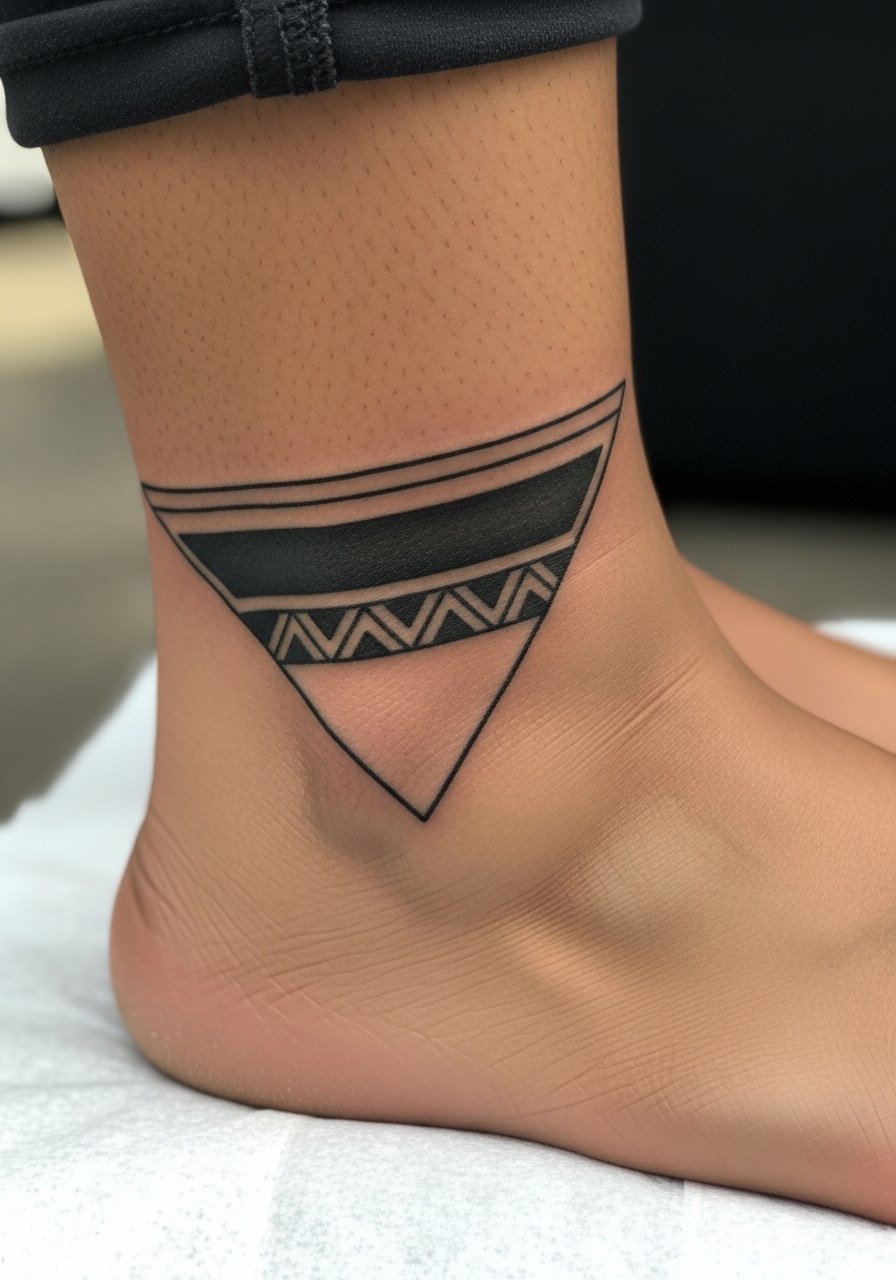
There is power in simple geometry when the linework is precise. The biggest mistake is going too small with negative space between repeating triangles. Tell the artist you want measured spacing so each triangle retains sharp corners as the skin ages. Wrap bands shift how the design reads when you sit, stand, or wear boots, so preview placement in different shoes. Expect moderate pain at the ankle bone and a session under an hour. Blowout risk increases with single-needle attempts for bold geometry, so request slightly bolder lines for longevity.
6. Stipple Shaded Mandala at the Lateral Malleolus
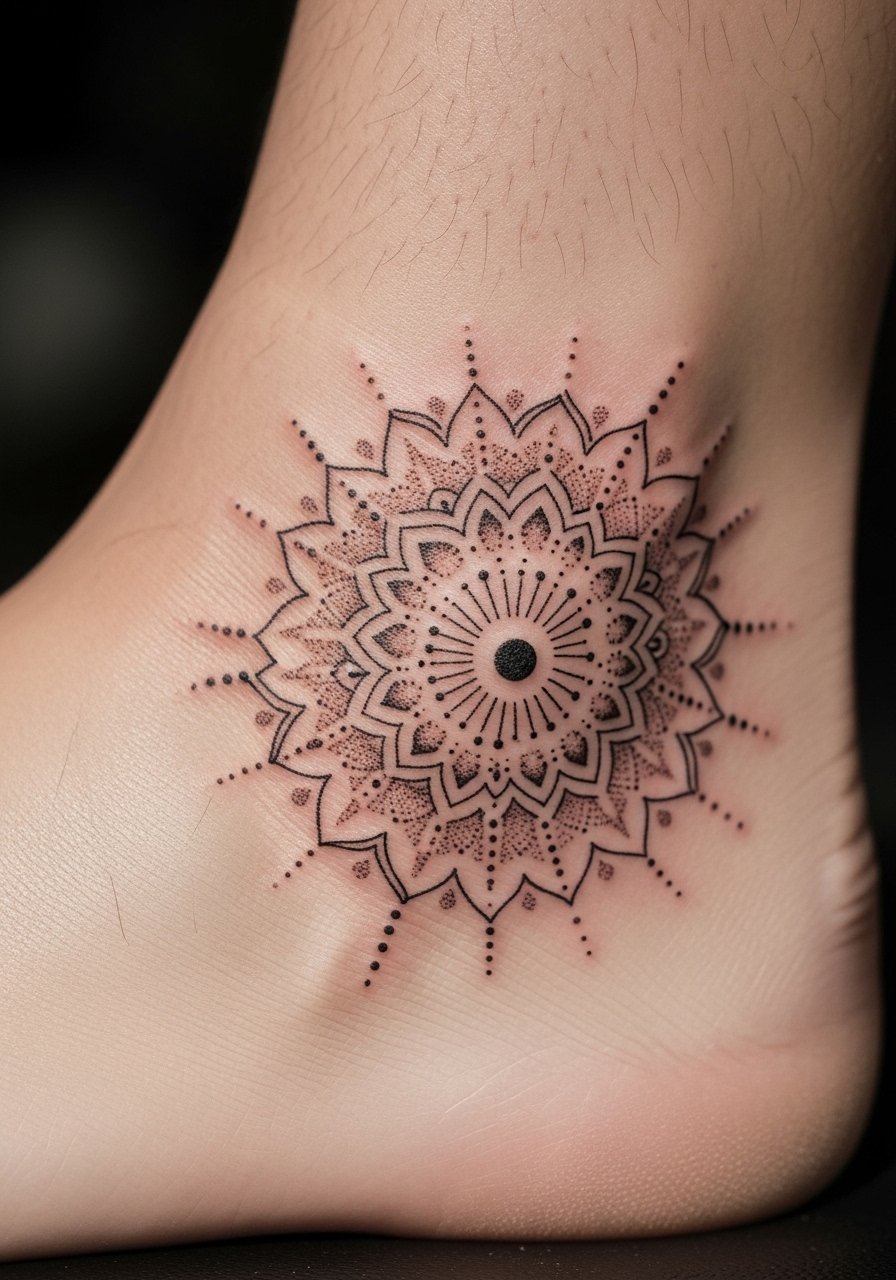
Mandala detail works well on the rounded canvas of the lateral malleolus. For this one, ask for stipple shading that fades out rather than a hard edge. The common version that ages poorly uses dense black fills near the edge, which can look heavy once healed. This approach spreads visual weight across the pattern and slows contrast loss. Sessions can be longer, often 60 to 90 minutes. If you wear boots that rub the area, expect faster fading and plan a touch-up window at year two or three. Respect the mandala's spiritual origins if you use traditional motifs and consider small adaptations.
7. Single Needle Script Date on Inner Ankle
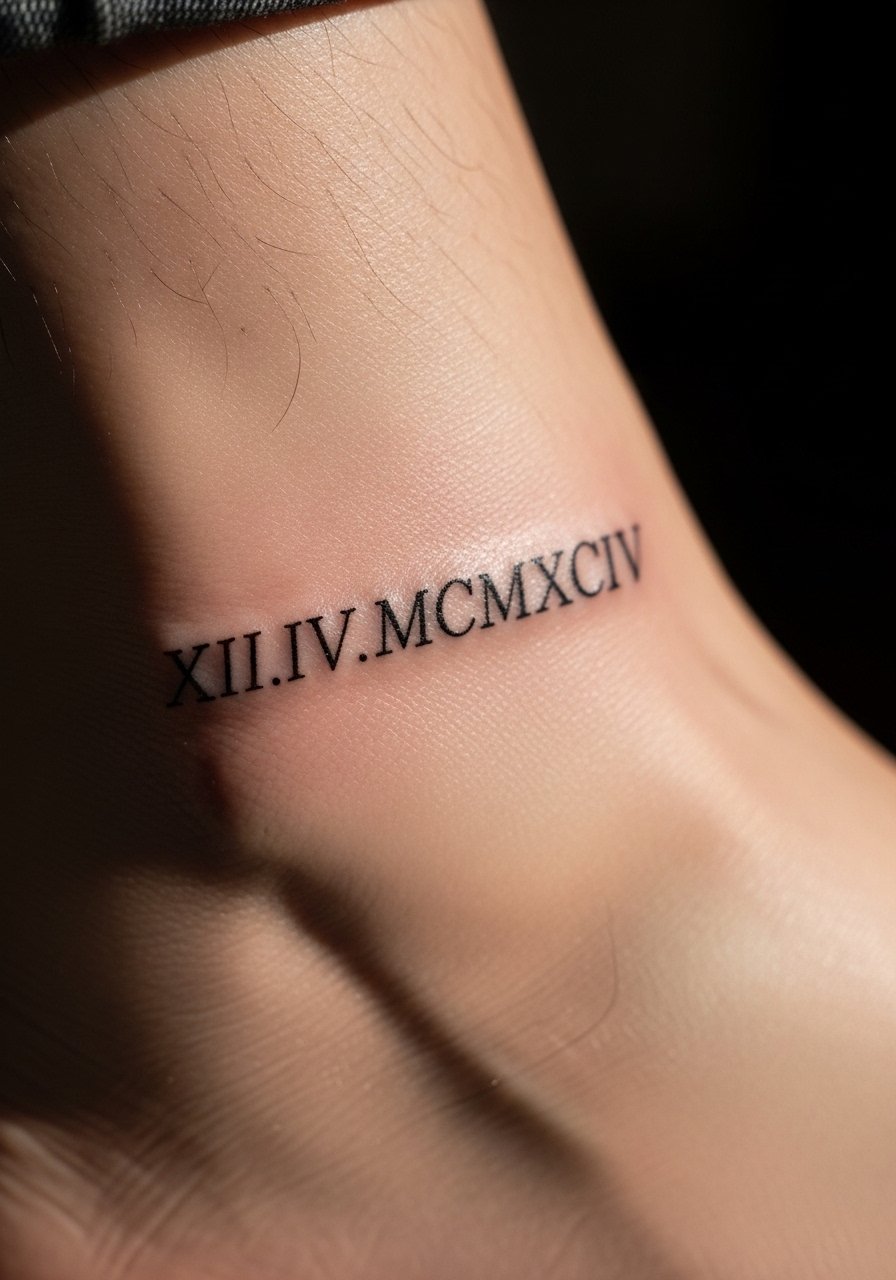
Script on the ankle is intimate and reads best when sized correctly. The controversy with single needle script is clear. One camp says single needle holds up if the skin is stable and the artist spaces strokes. The other camp warns that single needle can bleed into a soft line on thin skin. Ask your artist to show healed script images at similar scale and skin tone. Pain is usually lower on the inner ankle but expect multiple short passes for clarity. A common mistake is requesting ultra-tiny lettering that becomes illegible after two years. Plan for a touch-up if crispness matters to you.
8. Blackwork Nautical Wave on Outside Ankle
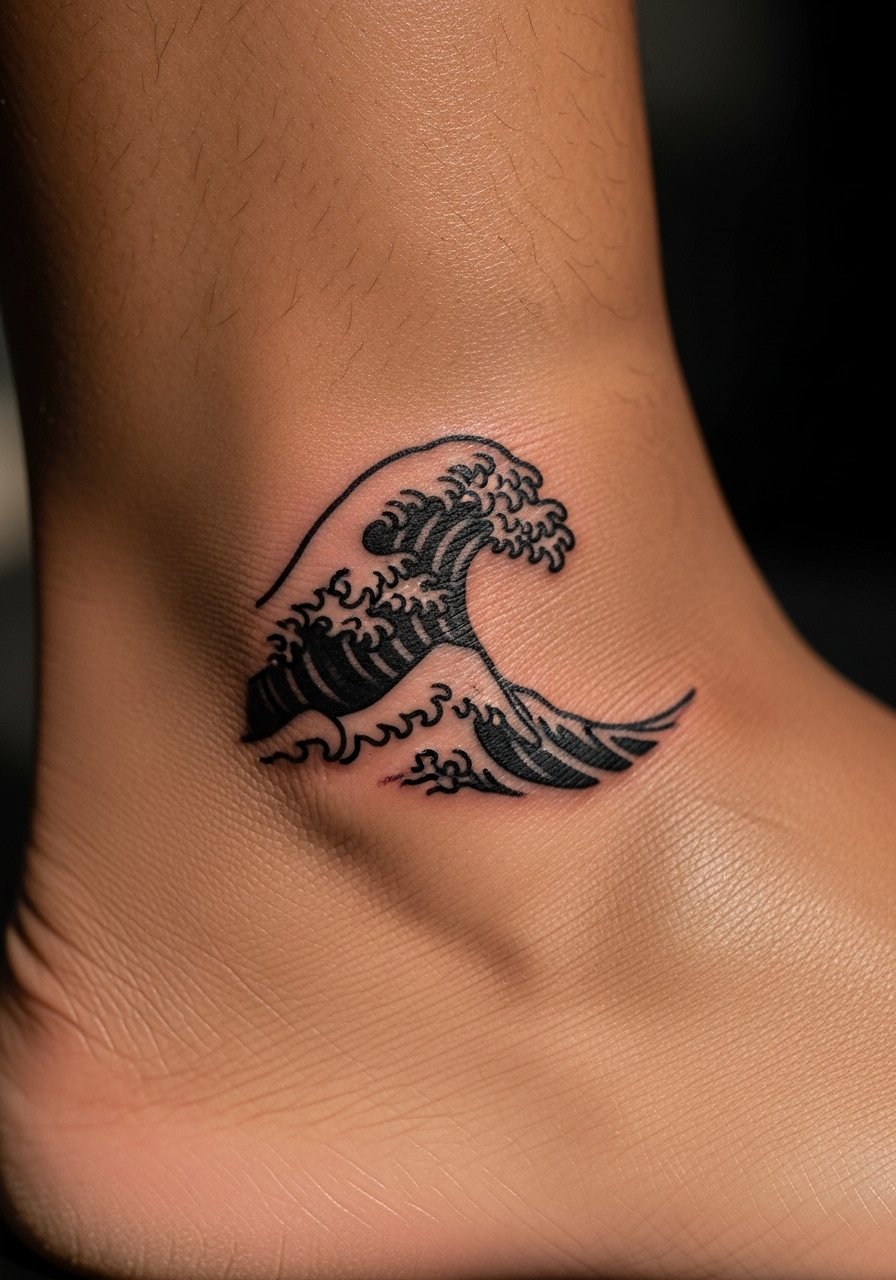
Blackwork holds contrast well because saturation resists fading when compared to light linework. Tell your artist you want consistent saturation and clean edges so the wave reads from across a room. The outside ankle stands up to bold blackwork because the skin there tolerates stronger fills with lower blowout risk than the inner ankle. The session feels like steady work and usually wraps in under an hour. A common mistake is asking for a thin black outline with heavy inner shading, which can look patchy as it heals. Expect less frequent touch-ups than single-needle pieces.
9. Whip-Shaded Tiny Snake Around the Ankle Bone
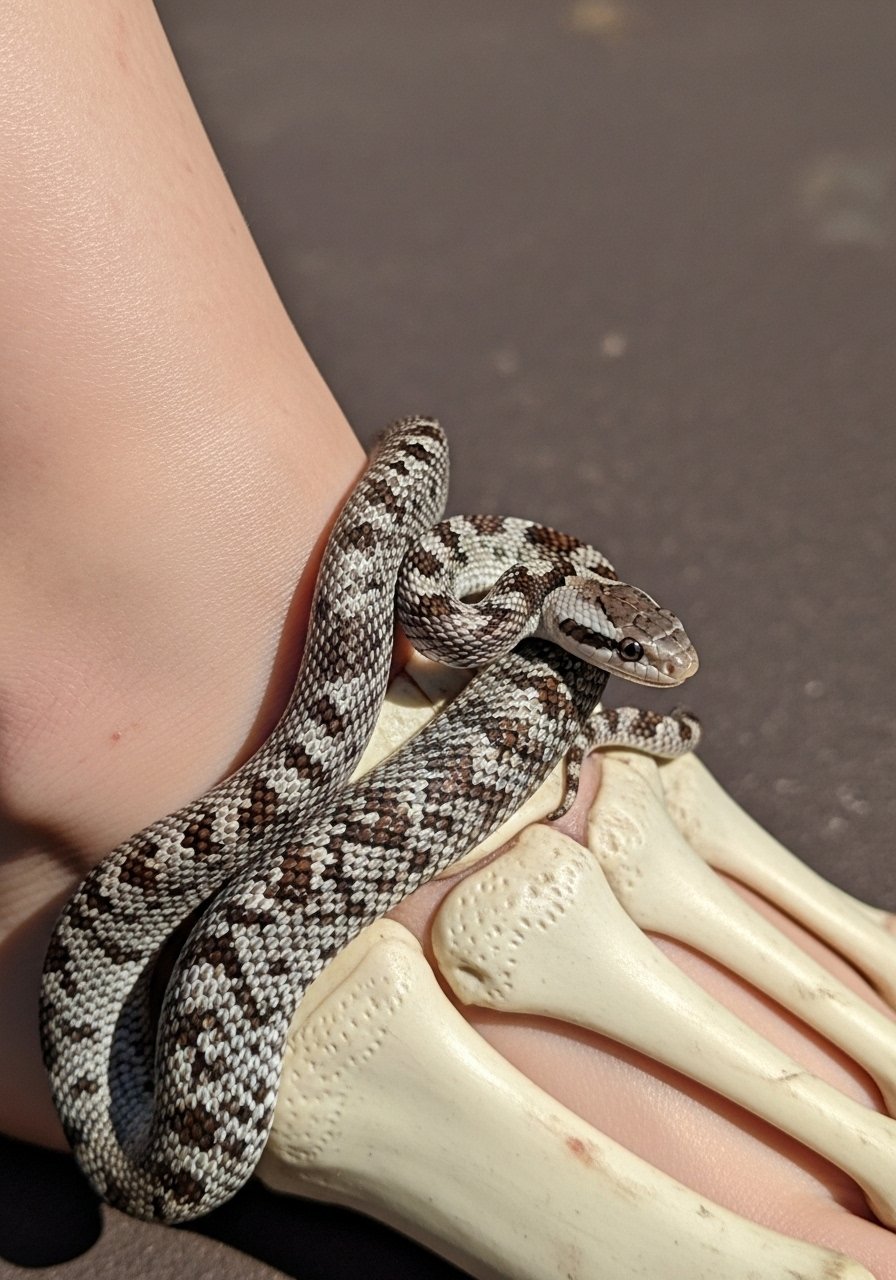
Whip shading gives a soft gradient that reads like movement along the ankle. When you sit with your artist, describe how you want highlights and avoid heavy solid fills. The ankle bone makes this a slightly sharper pain zone, often a 5 of 10, so breaking into two short sittings can help. The common mistake is asking for full solid black scales on such a small snake, which ages into a blob. Ask for open negative space and softer shading near joints. Touch-up needs depend on shoe friction and sun exposure.
10. Traditional-Inspired Rose at the Achilles Tendon
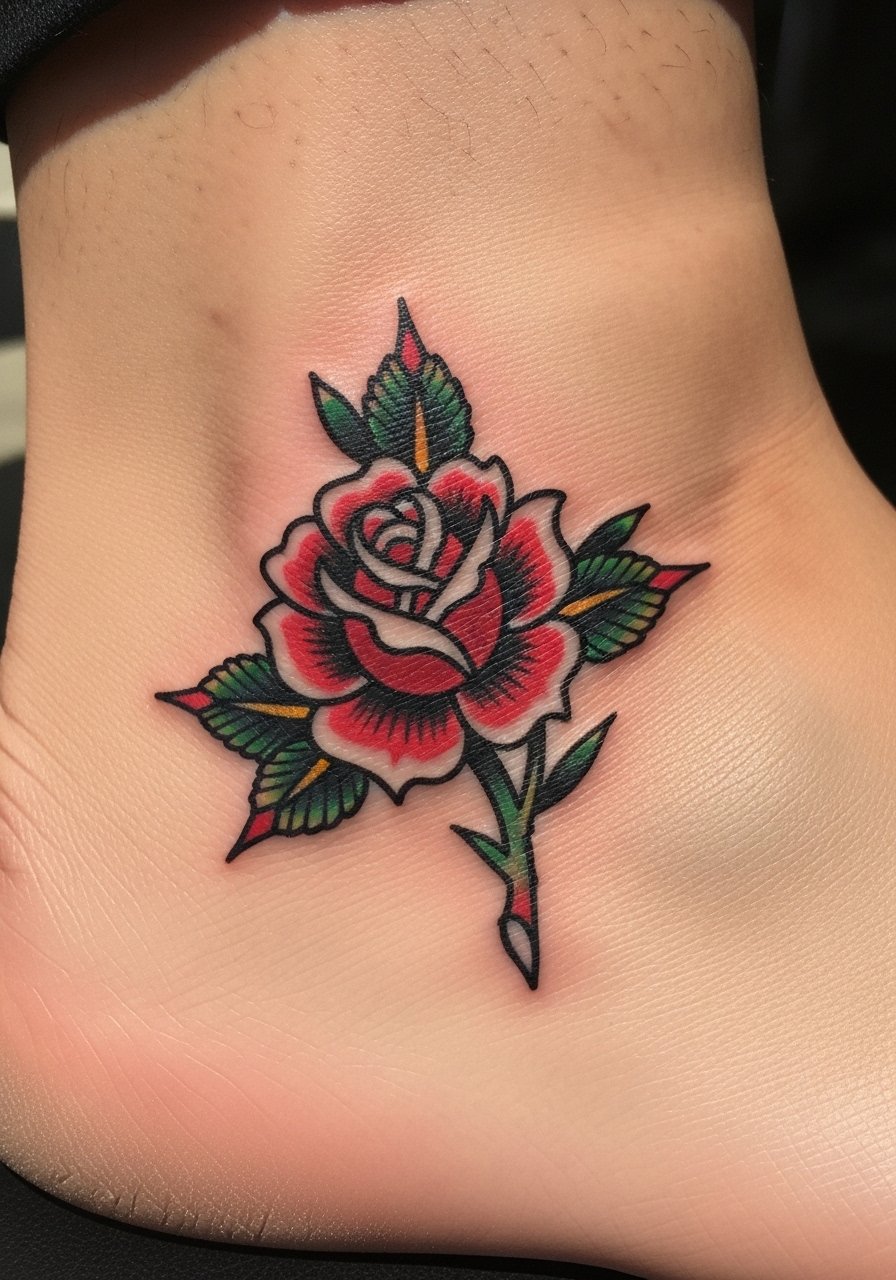
Traditional linework and saturated color last because of bold outlines and dense saturation. For placement near the Achilles tendon, tell the artist to anchor the design above the high-friction zone so shoes do not scuff fresh ink. This area can sting more during the session since it moves with muscle action. A common error is placing color too low where shoe collars hit and cause scabbing and accelerated fading. Expect clearer longevity than ultra-fine styles, and a possible color-refresh at years three to five depending on sun exposure.
11. Micro-Illustration Paw Print Near Heel
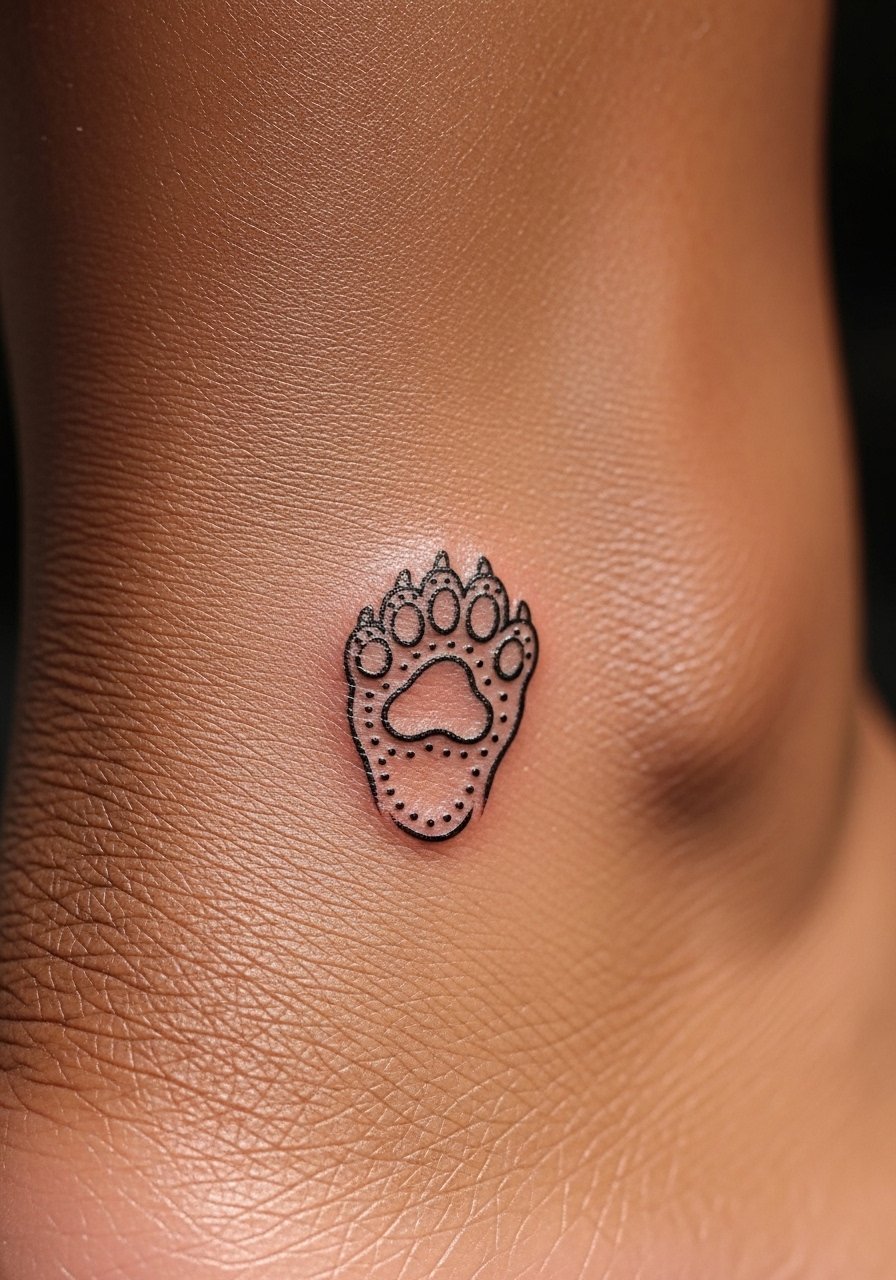
This is a personal and compact option when you want discreet placement. Specify exact scale to your artist so the pads maintain definition. The heel area takes friction from shoes and socks, so expect faster early fading. The session is short and the sensation feels like intermittent pinching under the heel. A typical mistake is choosing a paw too small to retain contrast. Plan for a touch-up at six to twelve months once healing shows true retention.
12. Tiny Constellation Cluster Along the Foot Edge
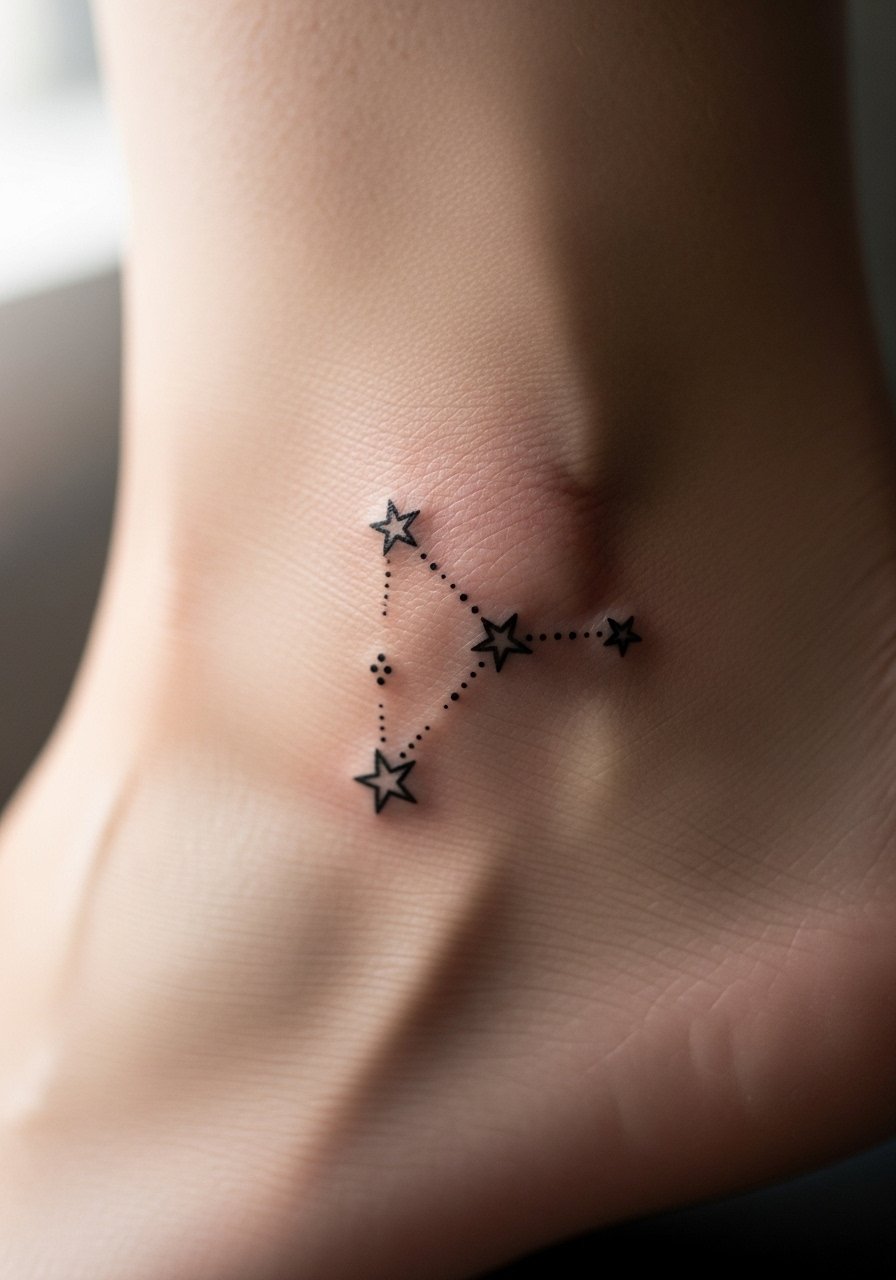
Constellation clusters play with negative space and work well along the foot edge where shoe exposure is variable. Tell your artist the exact star pattern and provide coordinates or a short phrase if you want text integrated. The outer foot encounters more sun and abrasion, so mark that in your care plan. Sessions are quick and discomfort ranges from 3 to 5 of 10 depending on placement. The common mistake is cramming many tiny stars too close together, which can blur into one shape. Expect a touch-up within the first year if you want pinpoint dots maintained.
Tattoo Prep and Aftercare Essentials
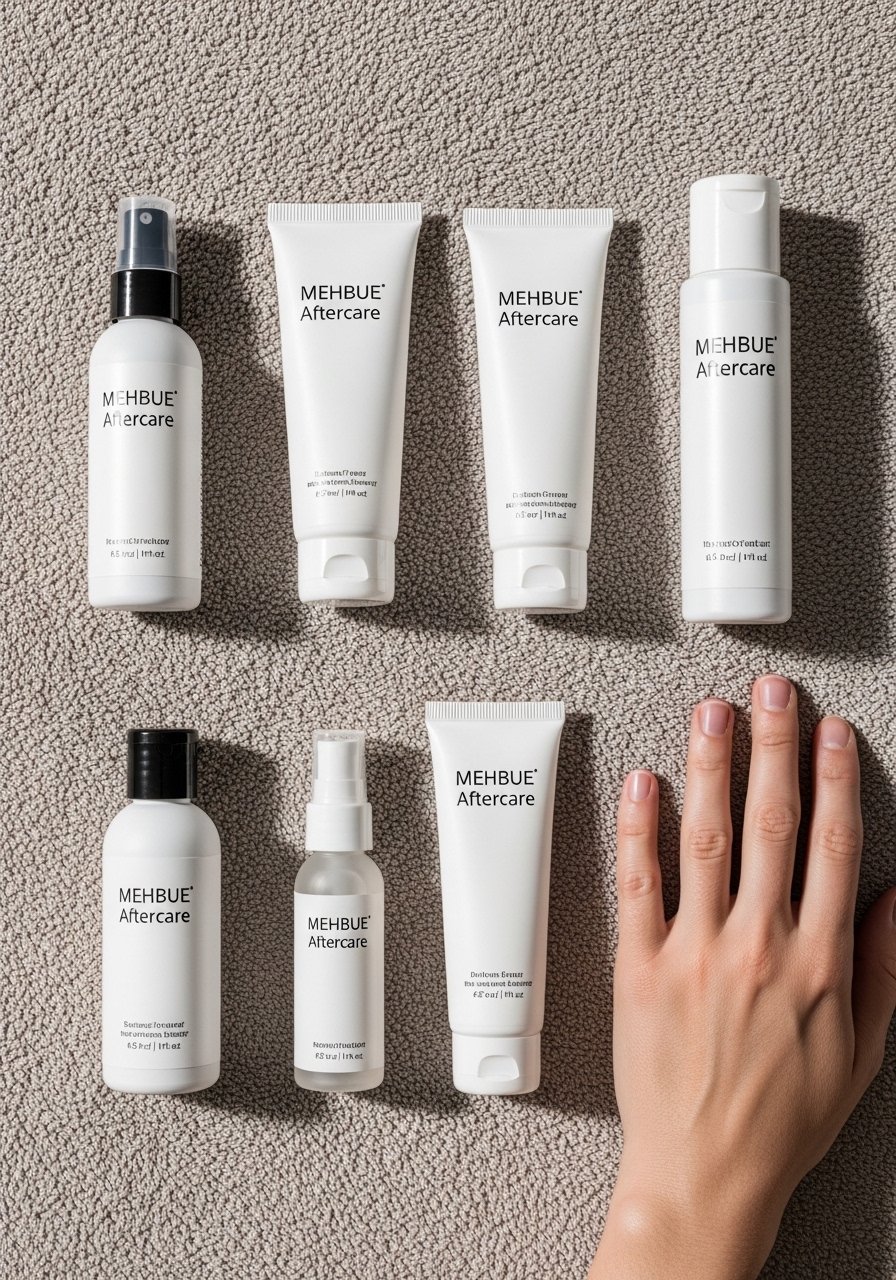
Fragrance-free gentle foaming cleanser. Use for the first few days to lightly clean the area without stripping natural oils. Gentle application reduces scabbing issues and helps even healing.
Lightweight fragrance-free balm. A non-comedogenic balm keeps ink hydrated while letting the skin breathe. Apply a thin layer after cleansing to avoid clogged pores.
Medical-grade second skin bandage, 6-inch roll. Use for large or high-friction ankle pieces during the first 24 to 72 hours to protect from shoe rubbing.
Antibacterial saline spray. Useful for gentle wound care when you cannot wash the area, such as after exercise. Spray and pat dry with a clean towel.
Silicone-based scar sheet, small. If you have hyperactive scarring, a short course after full healing can help even out texture and color.
Lightweight UV protective ankle sleeve. Wear this under sandals or when lounging in the sun to reduce UV-driven fading.
Aquaphor Healing Ointment. Use this mainstream ointment sparingly in the first 48 hours if your skin becomes extremely dry. It absorbs slower than some gels, so a thin film is enough.
Fragrance-free moisturizing lotion. Long-term maintenance benefits from daily UVA protection and regular moisturizer to preserve saturation.
Every tattoo is different. Always follow your artist's specific aftercare instructions. Consult a dermatologist if you have skin concerns or unusual healing issues.
Frequently Asked Questions
Q: Will fine line ankle tattoos blur faster than bold blackwork on the same spot?
A: From what I have seen, fine line does blur faster on high-movement spots like the ankle if the lines are ultra-thin and tightly packed. Bold blackwork resists low-contrast fading better because saturation gives the design structure. Ask your artist to show healed images of both approaches on ankles similar to yours before deciding.
Q: How should I position an anklet chain tattoo so shoes do not rub it off?
A: Place the chain a little higher above where strap hardware or shoe collars sit. During the consult, stand and flex while your artist marks the placement so you can mimic shoe positions. If you wear ankle straps daily, pick a spot that avoids direct friction.
Q: Do colored micro-realism butterflies hold up on darker skin tones?
A: Color can work well on medium and dark skin, but contrast matters. I recommend asking for slightly higher saturation and a small black outline or dot work anchor so the shape reads over time. Review healed photos from the artist on similar skin tones to set expectations.
Q: How often do ankle tattoos need touch-ups?
A: It depends on style and exposure. Fine line and micro work often benefit from touch-ups around year one to two. Bold blackwork and traditional pieces can last longer before needing refreshment. Shoe friction and sunlight accelerate the schedule.
Q: Can I reduce blowout risk for an ankle geometric band?
A: Yes. Request slightly bolder linework than ultra-fine single-needle lines and ask the artist to space repeating elements so ink has room to settle. Also avoid sessions where the artist rushes through the pass. If an artist demonstrates healed band work at the same scale, that is a good indicator of low blowout risk.