
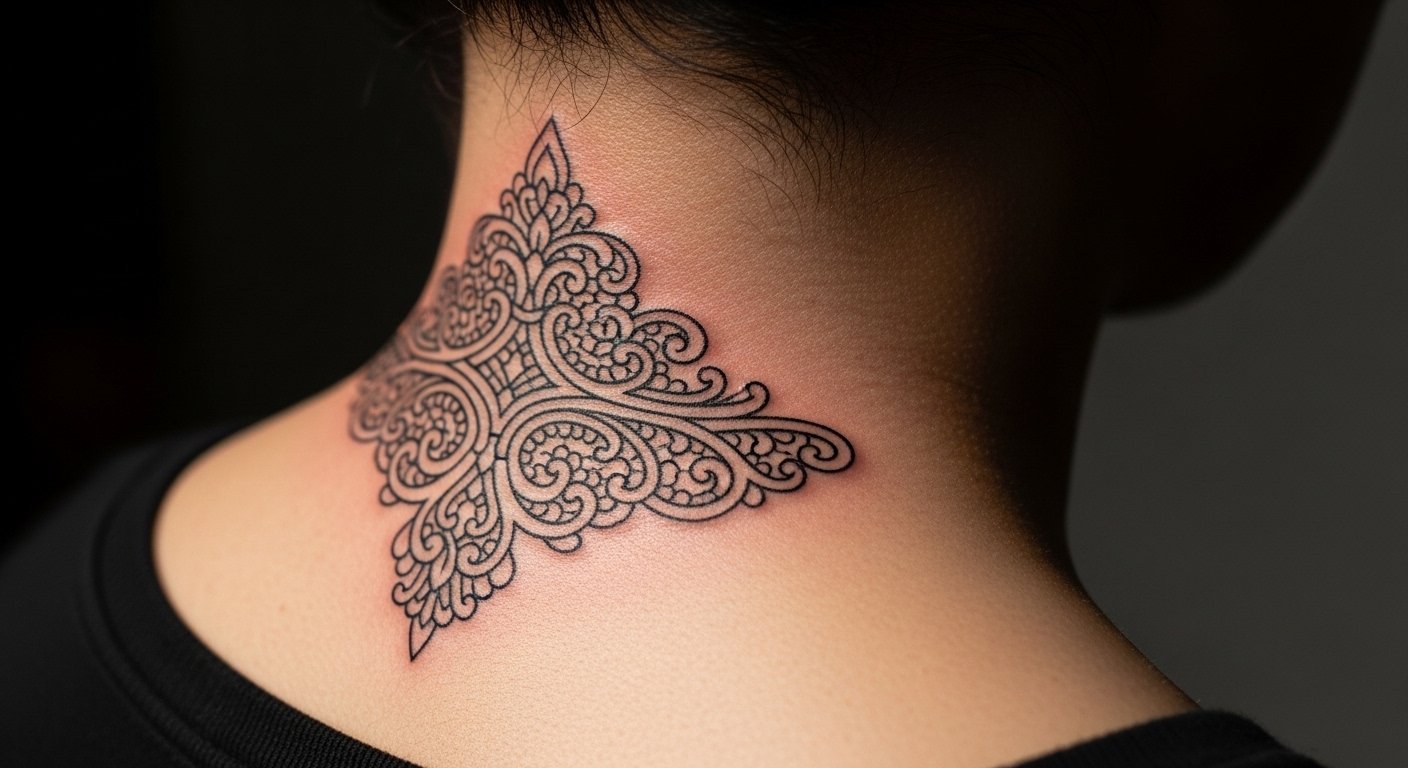
Someone I know spent months staring at neck tattoos on other people before booking anything. The problem was not the art. It was knowing which small, wearable idea would still look good after two years of sun and shirts. I spent time in five shops across Brooklyn and saw the same styles keep coming up in consultations, and below are 25 neck ideas that work in real life with practical notes for booking and aging.
1. Fine line crescent moon on the nape
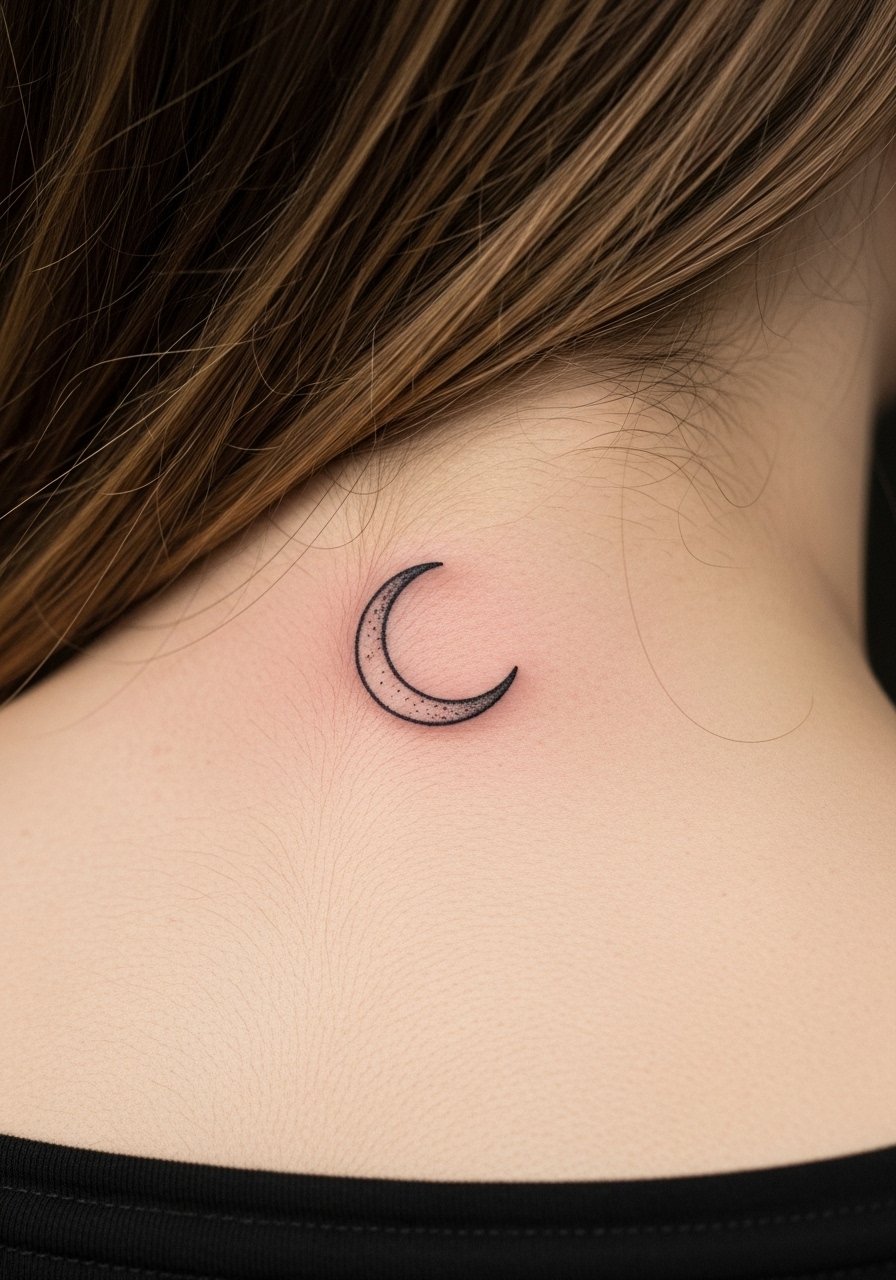
Someone I know got this after wanting something tiny that still reads when hair is up. Ask your artist for single-needle linework with a touch of spacing so the curve does not blur into a gray line as it heals. Pain on the nape is usually mild to moderate because the area has some padding, and a short session of 20 to 40 minutes is common. The biggest mistake is asking for ultra-thin lines that sit too shallow. Expect the shape to hold at six months, and plan a touch-up around year two if the edges soften. Visible neck placement can affect hiring in some fields, so consider hair styles or scarves when you need discretion.
2. Stipple mandala tucked behind the ear
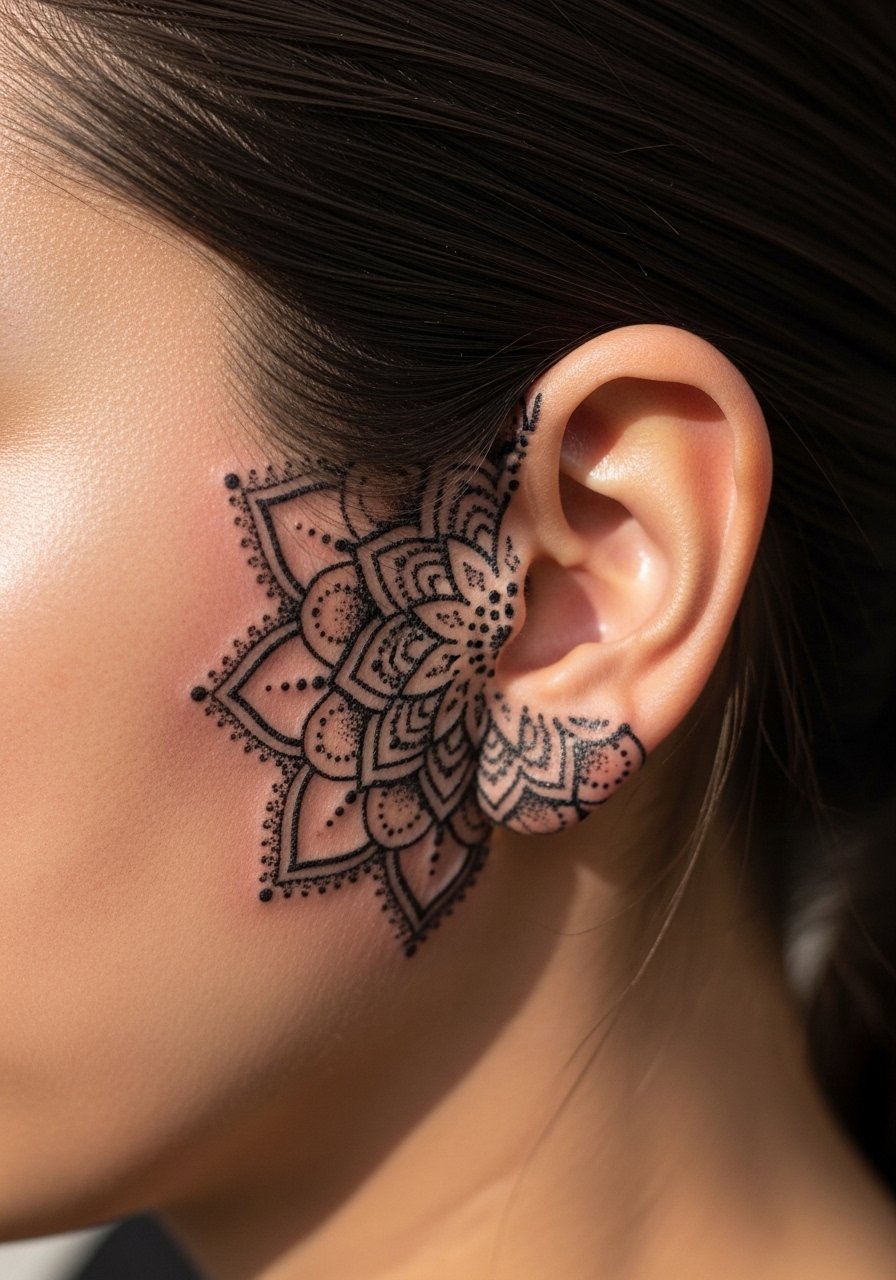
Fair warning, behind-the-ear skin is thin and stingy for pain, but the placement hides under hair when you want it to. Tell the artist you want stipple shading rather than solid black saturation so it ages into texture instead of a heavy block. Artists split on whether heavy saturation holds better here. One camp prefers dense black to prevent patchy fade. The other camp favors dot work to avoid blowout. Ask which they choose and why. Sessions are short, often under an hour. Expect stippling to soften at two years and look like soft gray texture without sharp edges.
3. Tiny script along the side of the throat
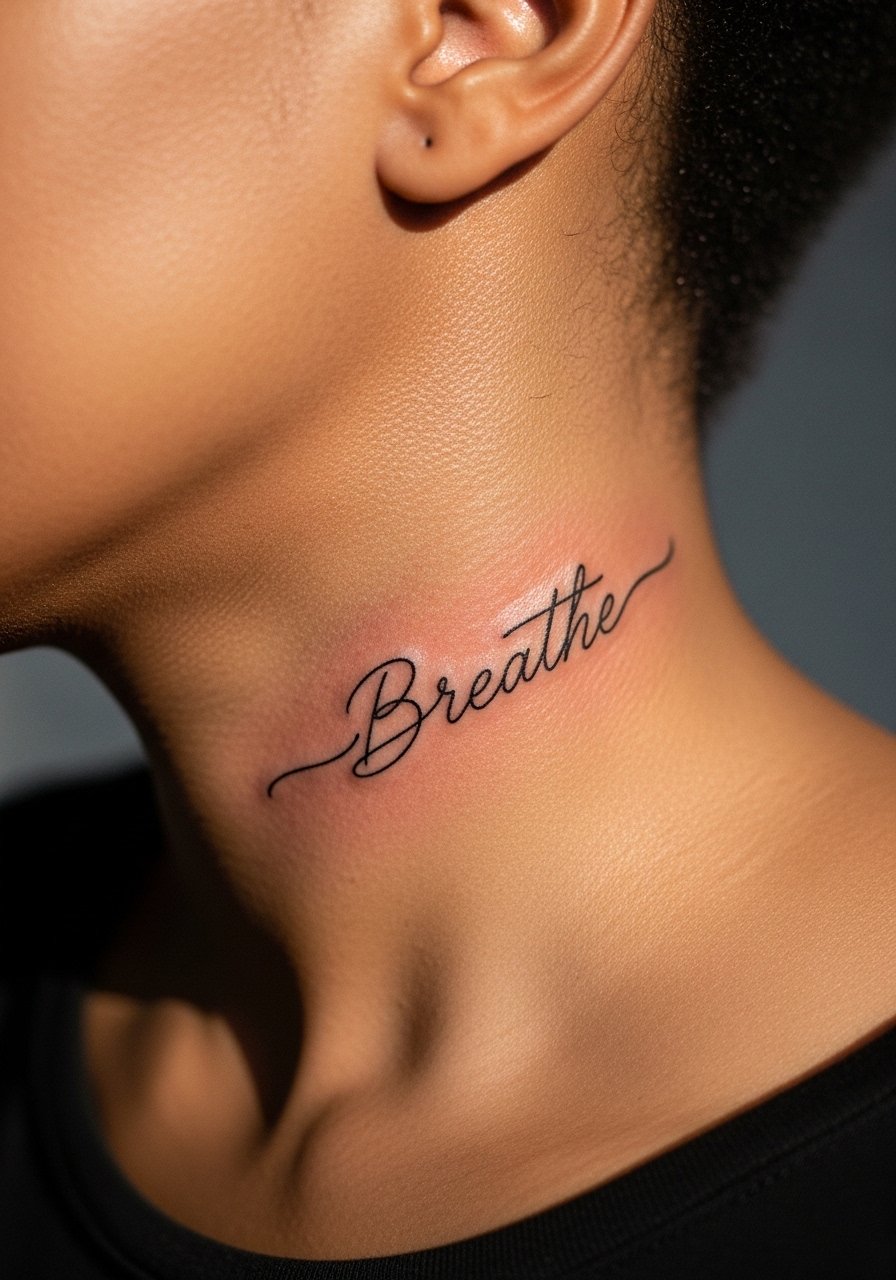
When you book script on the throat, bring the exact word and font sample. Text in images must be precise so the artist matches kerning and line weight. Throat skin is tender, so expect a sharper sting during the session and a longer healing day one. The common error is requesting super-tight script that will blur into a gray smudge after a year. Ask for slightly wider spacing between letters and a hair stronger line weight. Touch-ups are common at year two for thin script.
4. Small red rose on the side neck
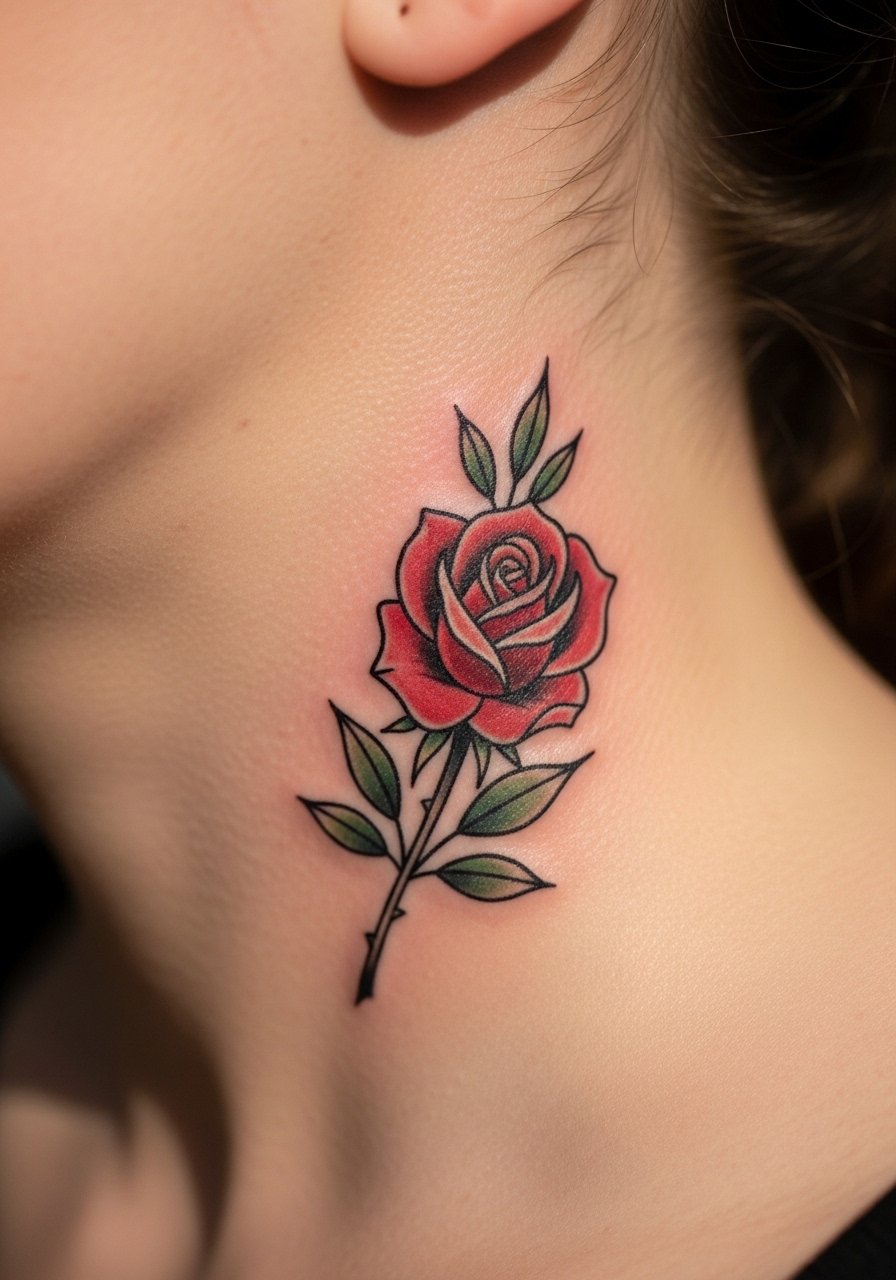
Color on the neck reads differently than black and gray. If you want a red rose, bring references that show how the color sits against skin. Color sessions take longer because of layering for saturation. Expect moderate pain and a session of 45 to 90 minutes depending on size. The usual mistake is over-detailing petals too small for the neck. That detail dissolves faster than bold shapes. Sunscreen after healing will preserve color. Plan on a possible touch-up in year two or three for color refresh.
5. Micro-realism eye under the jawline

Micro-realism on curved neck planes needs an artist experienced in small realism. During consultation, ask to see healed micro-realism photos on neck or jaw placements. The placement adds contour and movement, so expect parts of the piece to sit differently once you move. Pain ranges moderate to high because the area is thin. A common mistake is pushing for too much tiny detail. Keep highlights and shadows simplified for longevity. Most micro-realism pieces here will need a touch-up around year three to restore midtones.
6. Geometric stacked triangles at the nape
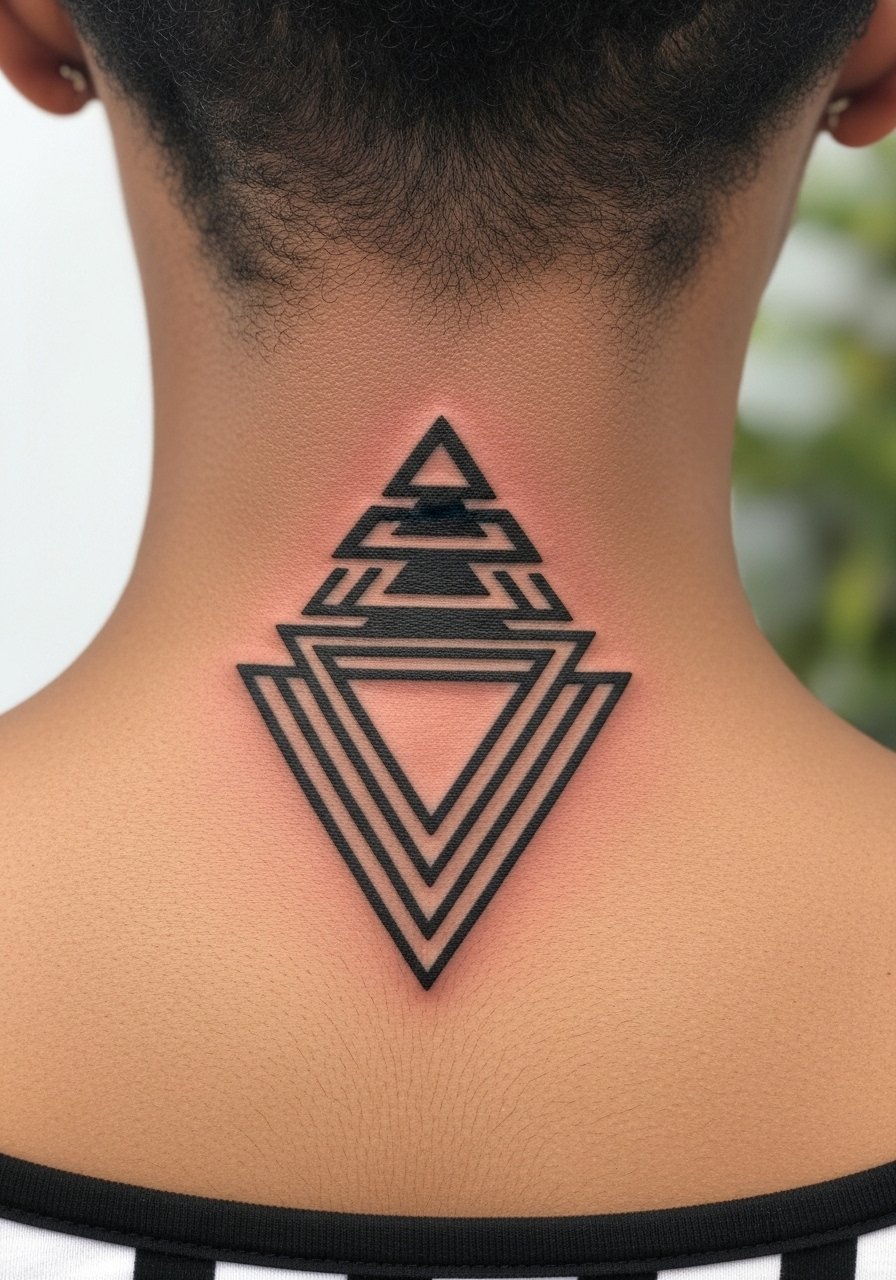
Linework precision matters for geometric stacks because any wobble shows. When you consult, ask the artist to mock placement with temporary transfer while you move your head. Nape triangles are low on pain but high on visibility. The mistake is requesting extremely tight line spacing that can join as the skin settles. Plan a session of 30 to 60 minutes and expect crispness to soften slightly at two years. Touch-ups keep corners sharp.
7. Whip-shaded swallow near the clavicle
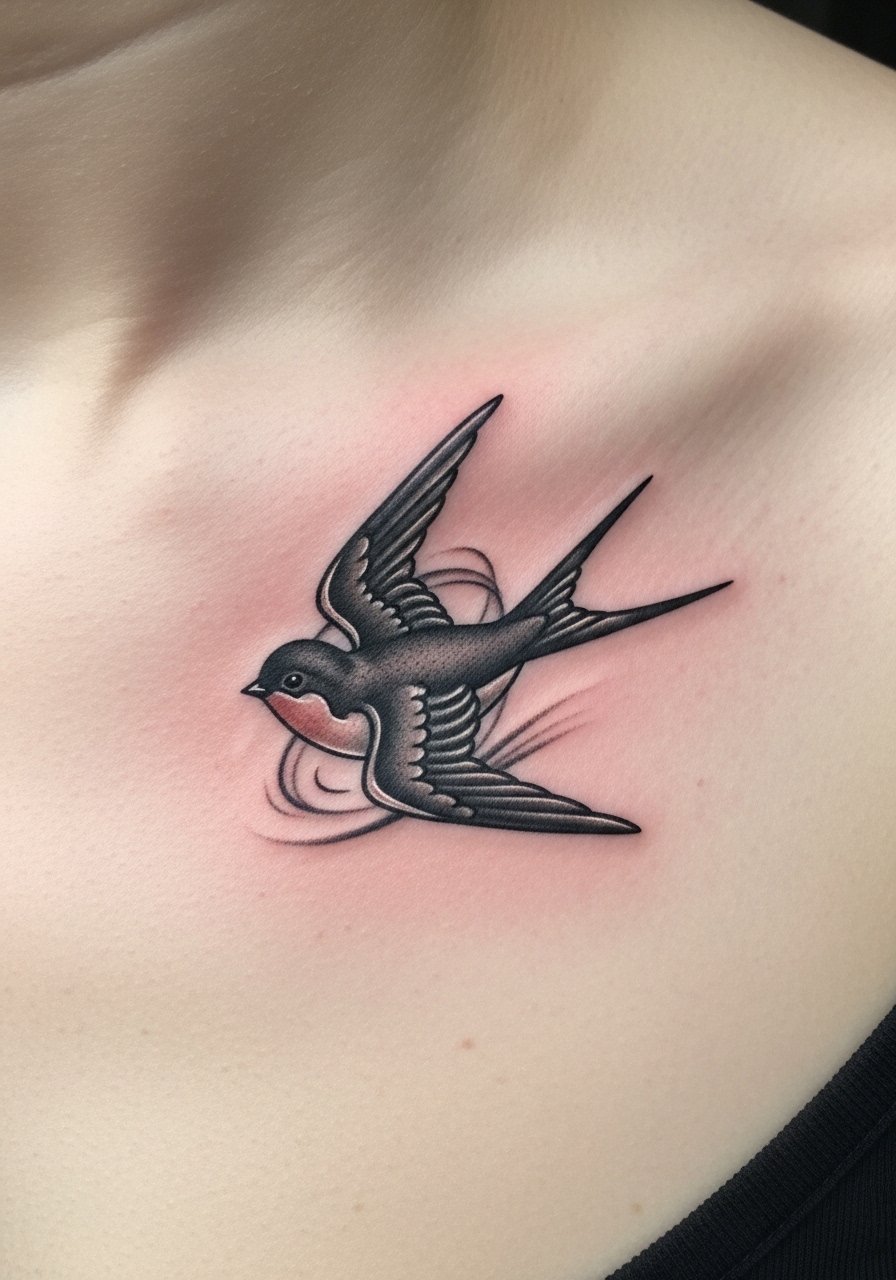
There's a vintage charm to a swallow near the collarbone that frames the neck. Tell your artist you prefer whip shading for motion instead of block shading. Clavicle proximity brings more movement when you breathe, so sessions can feel like a continuous light sting. The common mistake is asking for too much tiny feather detail. That detail can blur. Expect healed texture at six months and possibly a touch-up by year three if lines feather.
8. Minimal barbed wire choker on the neck
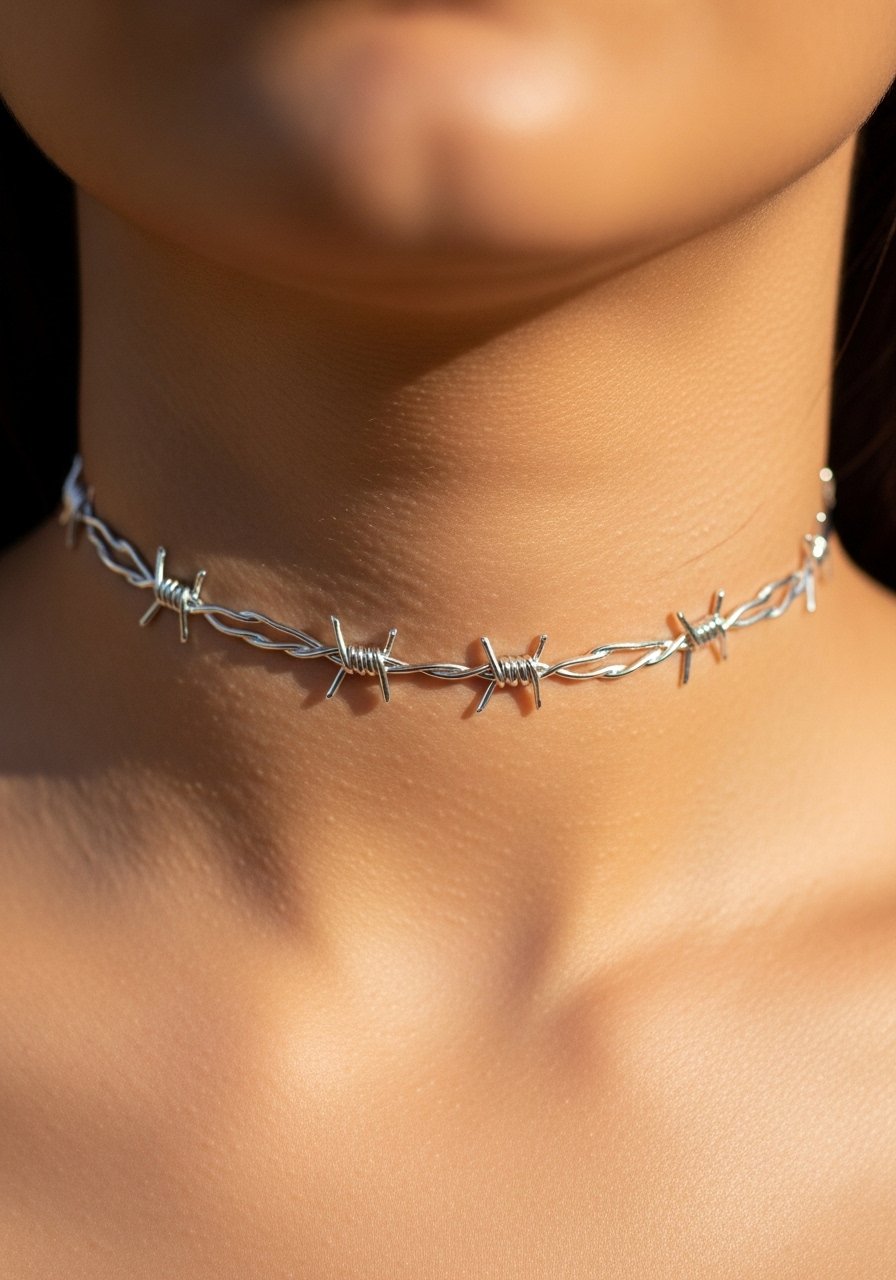
This style reads like jewelry so placement symmetry is crucial. Start with a transfer check while you tilt your chin to ensure the bar aligns at rest. Pain is moderate because of thin skin. Artists argue over whether single-needle detail will last. One camp says thicker single lines hold better when spaced properly. The other camp prefers tiny needles for a delicate look. If you want longevity, consider slightly bolder line weight and schedule a touch-up in two years.
9. Dot work lotus centered at the throat
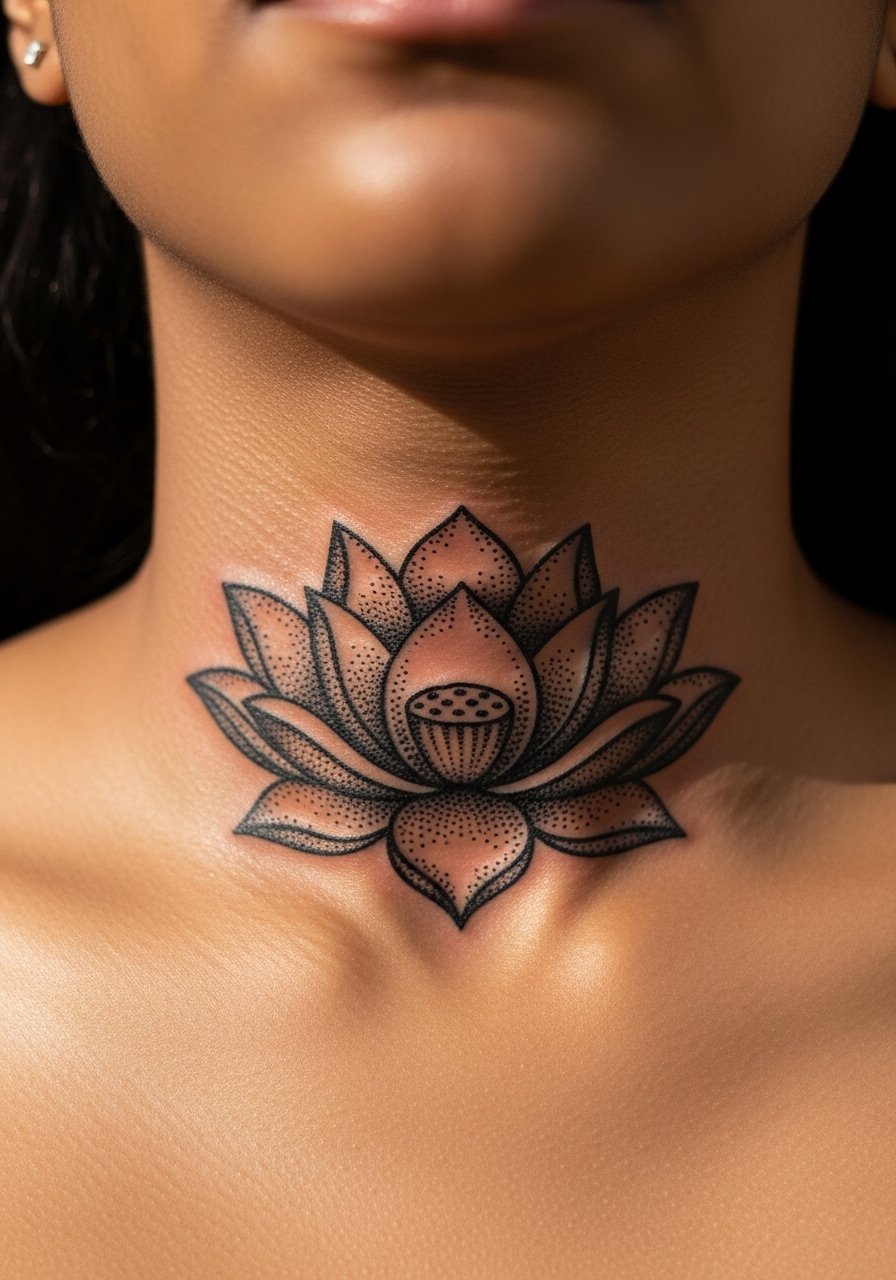
Throat centerpieces demand careful sizing. Dot work lotus looks soft and ages into texture rather than flatness. The session will be tingly and not long, often 45 minutes. The usual mistake is making the petals too small. Small petals lose their shape faster. Ask for slightly bigger petal negative space so the lotus keeps form at six months and beyond. Expect touch-ups as pigment thins near the midline.
10. Thin chain-link collar around the neck
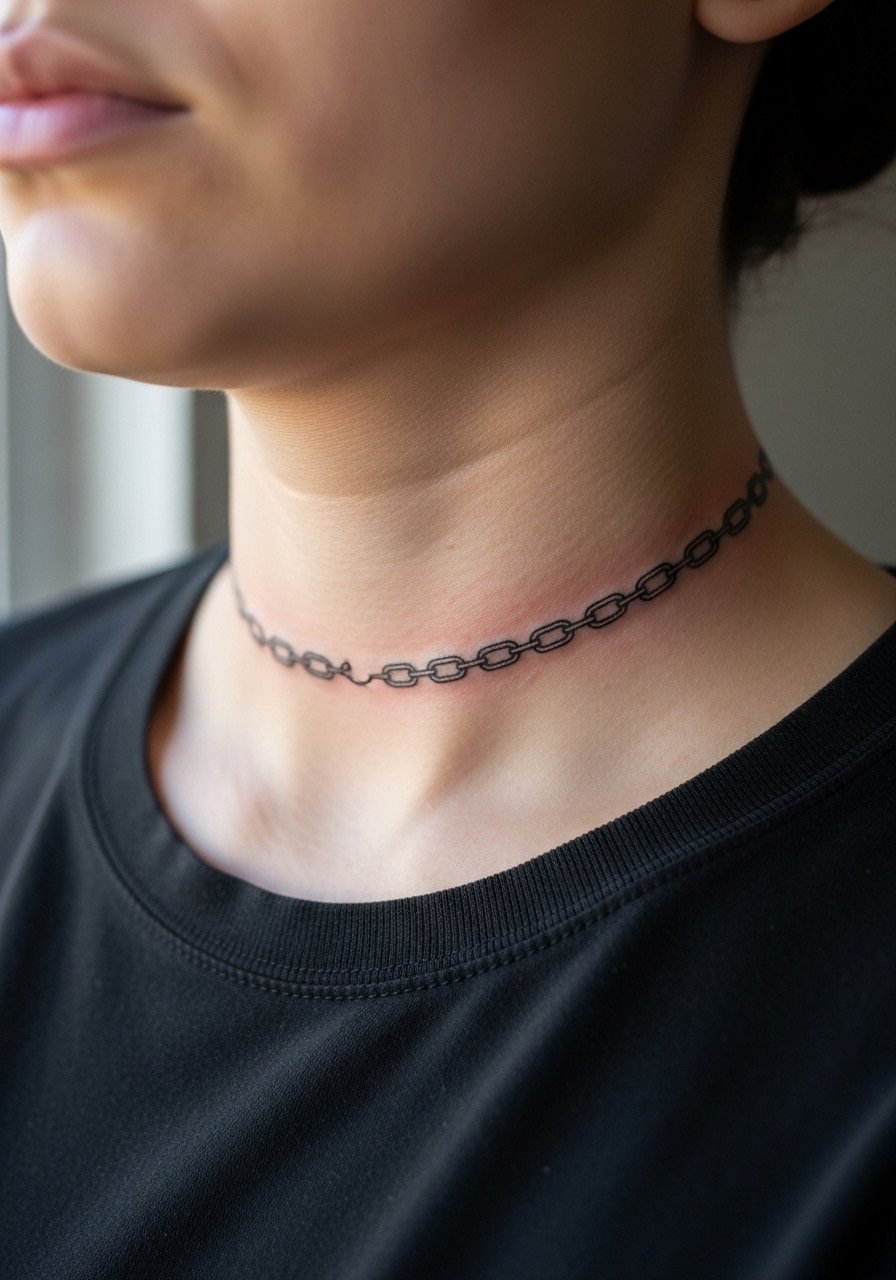
A collar piece needs symmetry and planning with clothing. Tell the artist the exact height you want so it does not sit under shirt collars in awkward spots. Pain varies across the circumference because the skin differs around the neck. A mistake is requesting tiny interlocked links with too little spacing. Over time, those joins can blur. Opt for slightly more gap and plan a short touch-up if edges feather.
11. Single needle constellation cluster on the side neck
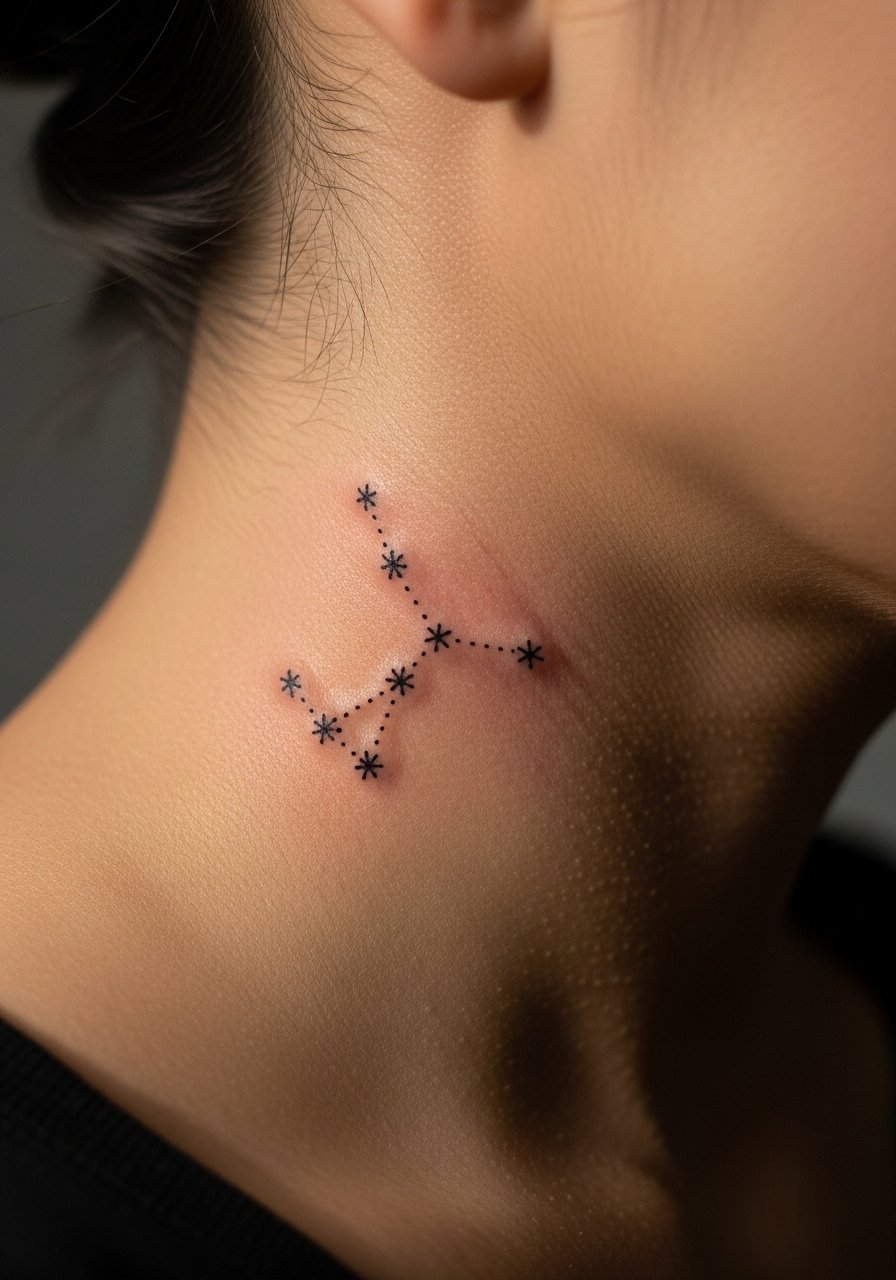
Constellations suit people who want scale without heavy saturation. Tell your artist which stars to include and whether you want connecting lines. Side neck constellations can look great at six months because the skin holds dots well. The mistake is asking for connecting lines too faint. They tend to disappear faster than the dots. Plan a 20 to 45 minute session and a possible touch-up in two to three years.
12. Blackwork ornamental collar with negative space
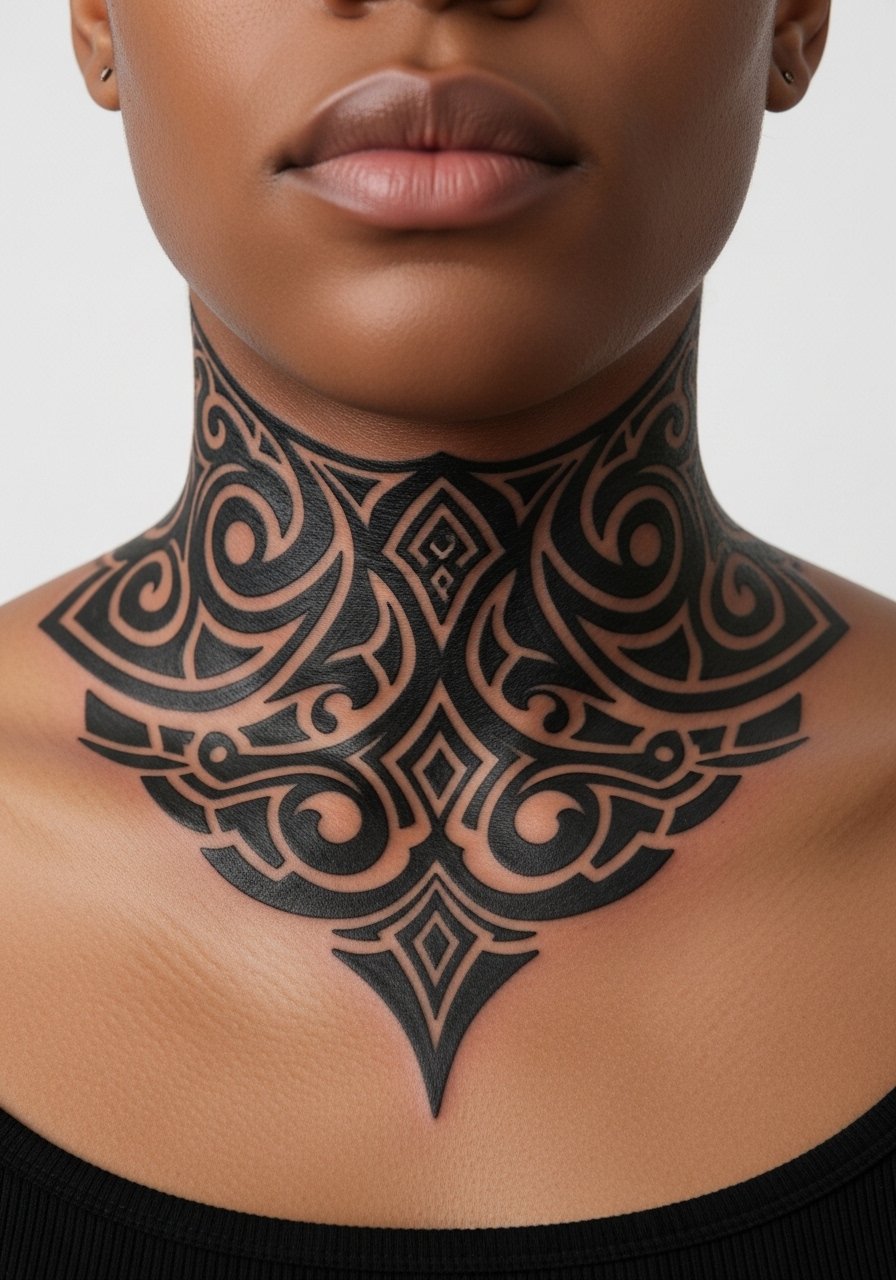
Blackwork reads from a distance and can hide wear better than fine line. This style takes longer and may require multiple sessions for saturation. Expect high tenderness because saturation requires multiple passes. The common error is underestimating aftercare for large black areas. Keep it moisturized during healing and expect touch-ups for even saturation at year two. For cultural patterns, note origins and choose respectful variations rather than direct replicas.
13. Tiny butterfly tucked at the nape corner
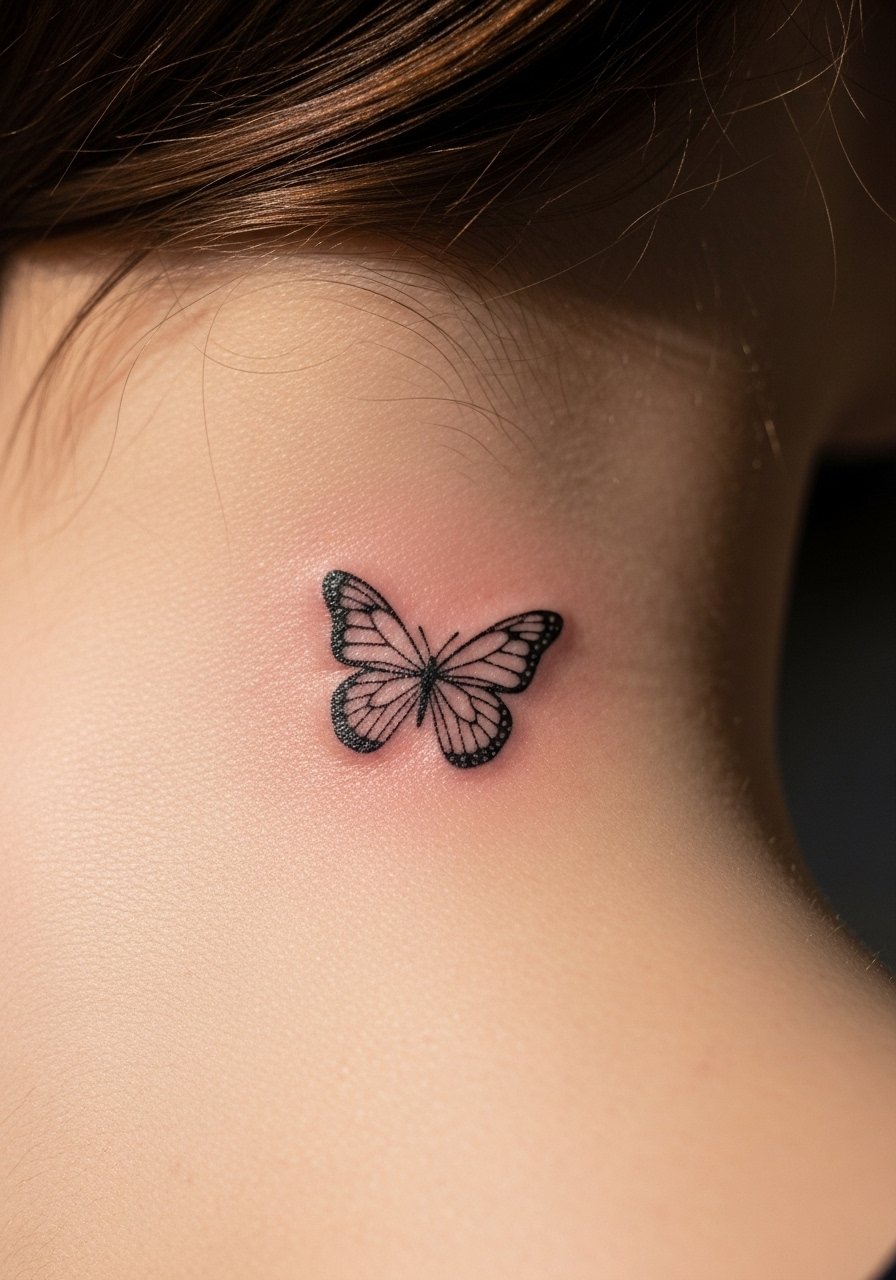
Butterflies are a classic choice that can be playful or discreet depending on size. Corner nape placement hides when your hair is down. The mistake is adding too many tiny wing details. Tiny parts get muddy on healing. Ask for simplified wing shapes and consider a touch-up around year two if lines soften. Session time is typically under 30 minutes and pain is mild to moderate.
14. Micro-script Roman numerals under the jaw
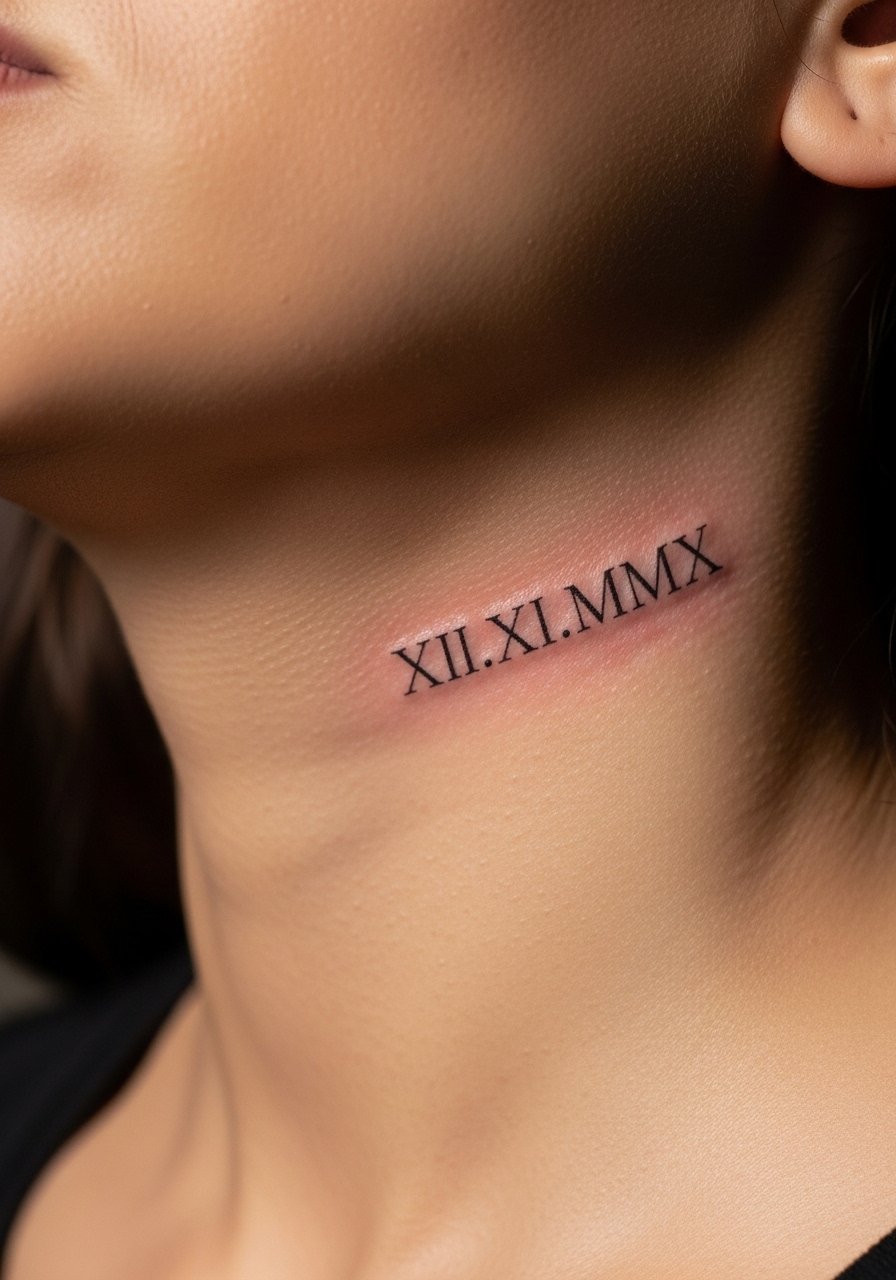
Numbers and dates must be exact in transfer form. When you consult, present the numerals in the exact spacing and font you want. Under-jaw placement is tender and sometimes asymmetric if transfers are not placed while you hold your head in a natural position. The mistake is asking for lines that are too thin. Expect a touch-up in one to three years depending on line clarity.
15. Tiny anchor on the side throat
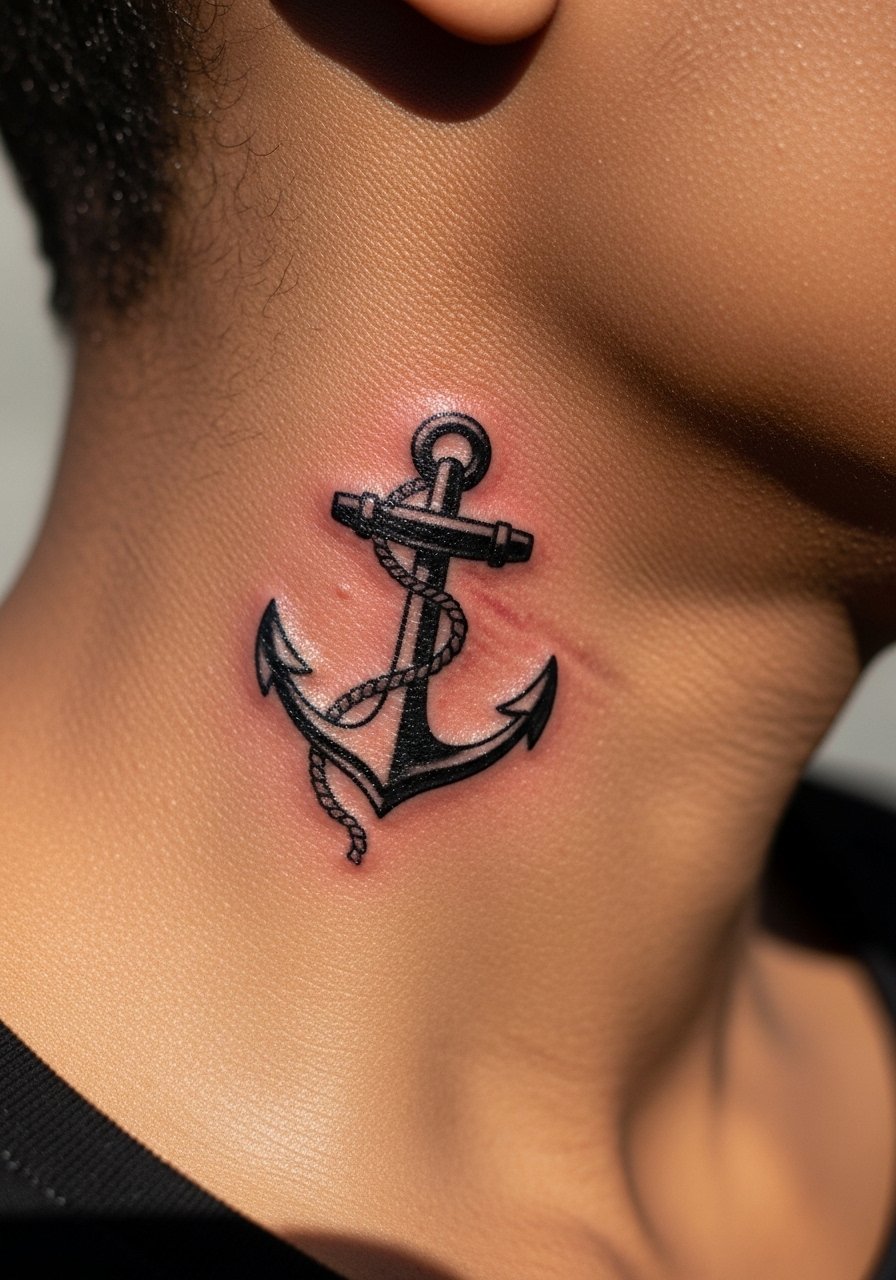
Anchors read well on neck curves and suit people who want a small symbol with a naval nod. Tell your artist how bold you want the shank and flukes because tiny blackfill can melt into gray if overpacked. Pain is moderate. The usual mistake is asking for too many internal details. Keep the silhouette strong and plan a touch-up at year two for crispness.
16. Whip-shaded thorn vine climbing behind the ear to the nape
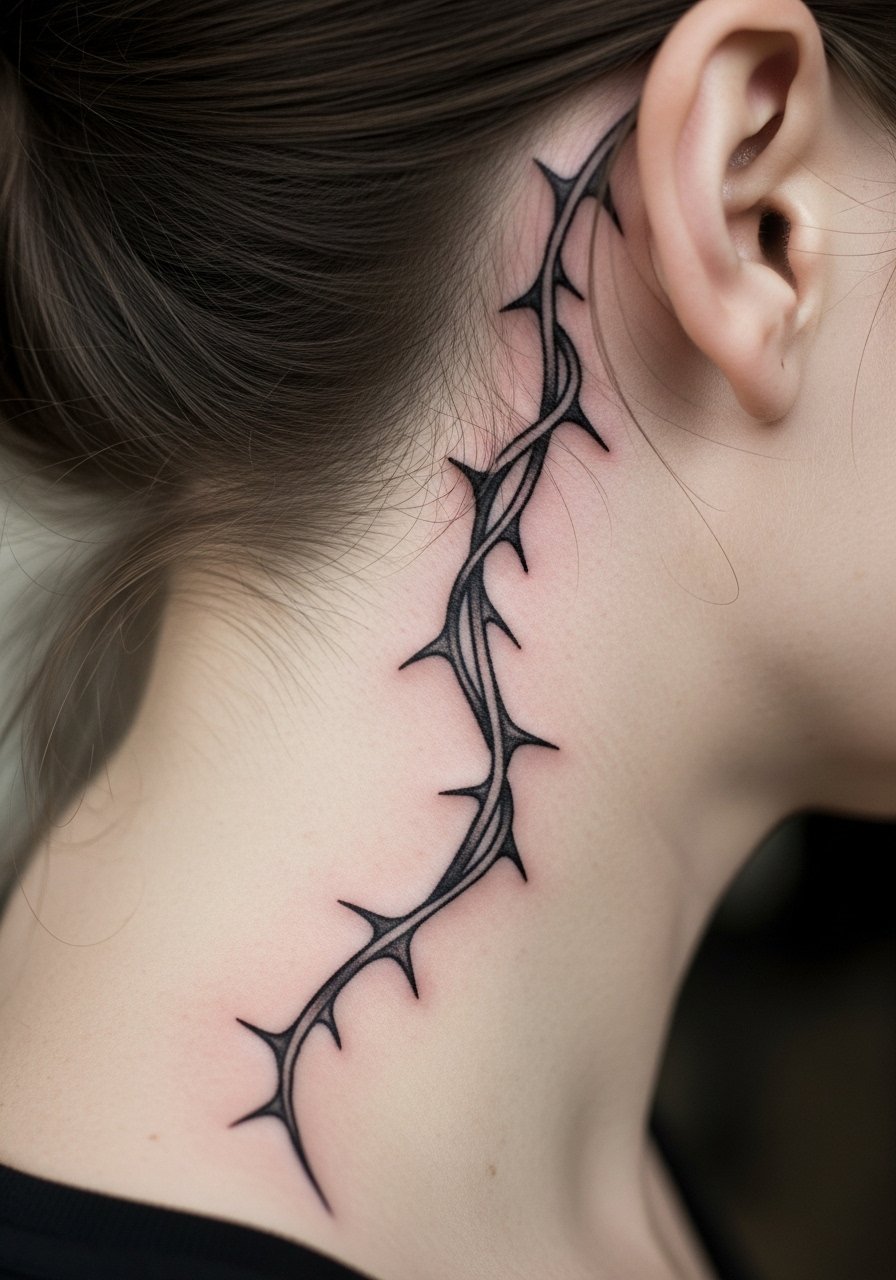
Vines move with hair and neck motion so transfers are critical. Ask for a mock placement while you tilt and look down. Behind-ear to nape pieces can feel prickly during the session because of many small passes. The common error is overcrowding thorns too tightly. Give the vine breathing room so it ages into flow instead of looking muddled. Expect touch-ups at year three for gaps or faded thorns.
17. Delicate dot-work crescent and stars near the collar
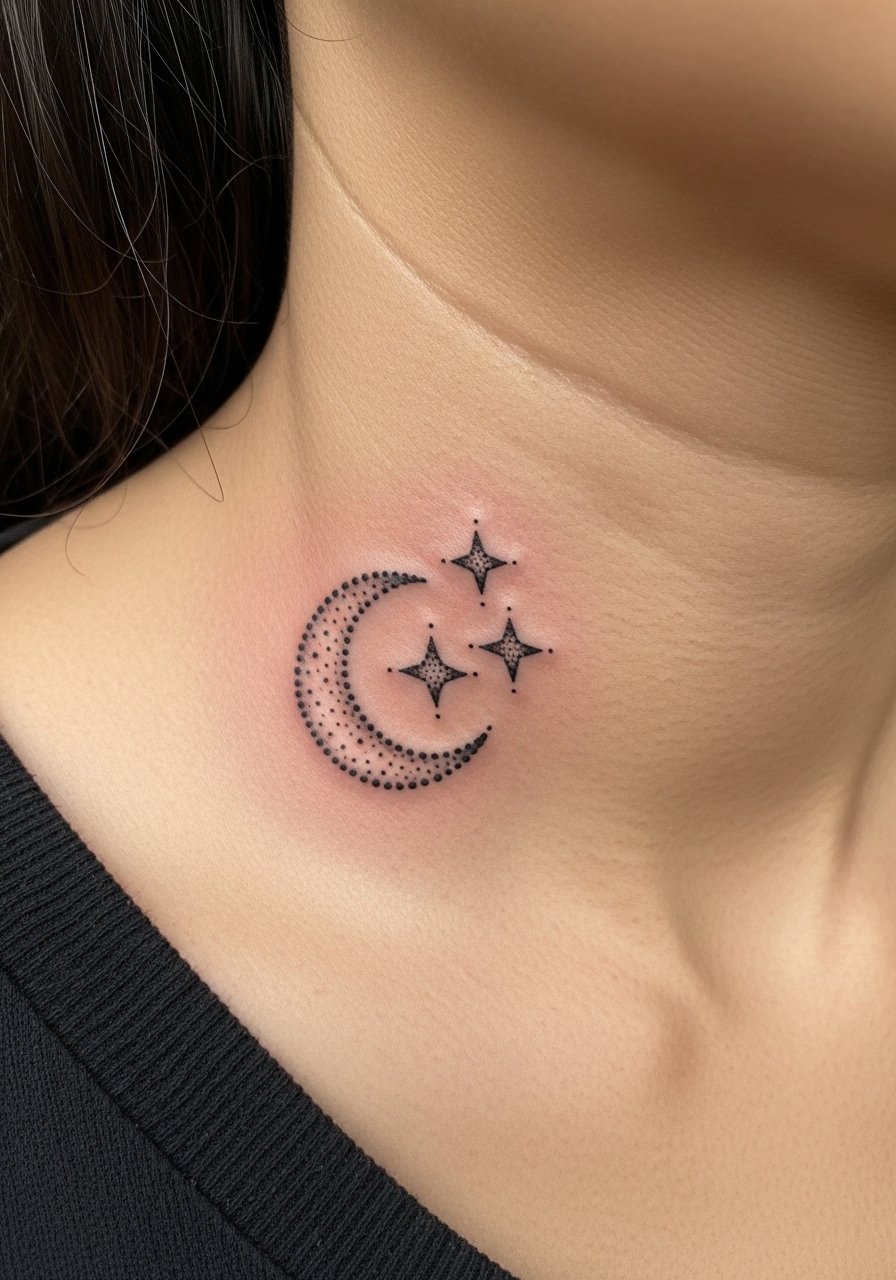
Clavicle-adjacent pieces play nicely with neck tattoos and can be a softer alternative to throat ink. When you consult, show how the piece pairs with clothing and necklaces. The mistake is asking for lines to connect tiny dots. Keep dots as the main element and limit connecting lines. Pain varies with clavicle proximity and may be sharper when the needle runs over bone. Expect healed texture at six months and a light touch-up if dots lose contrast.
18. Micro-portrait silhouette tucked below the jaw
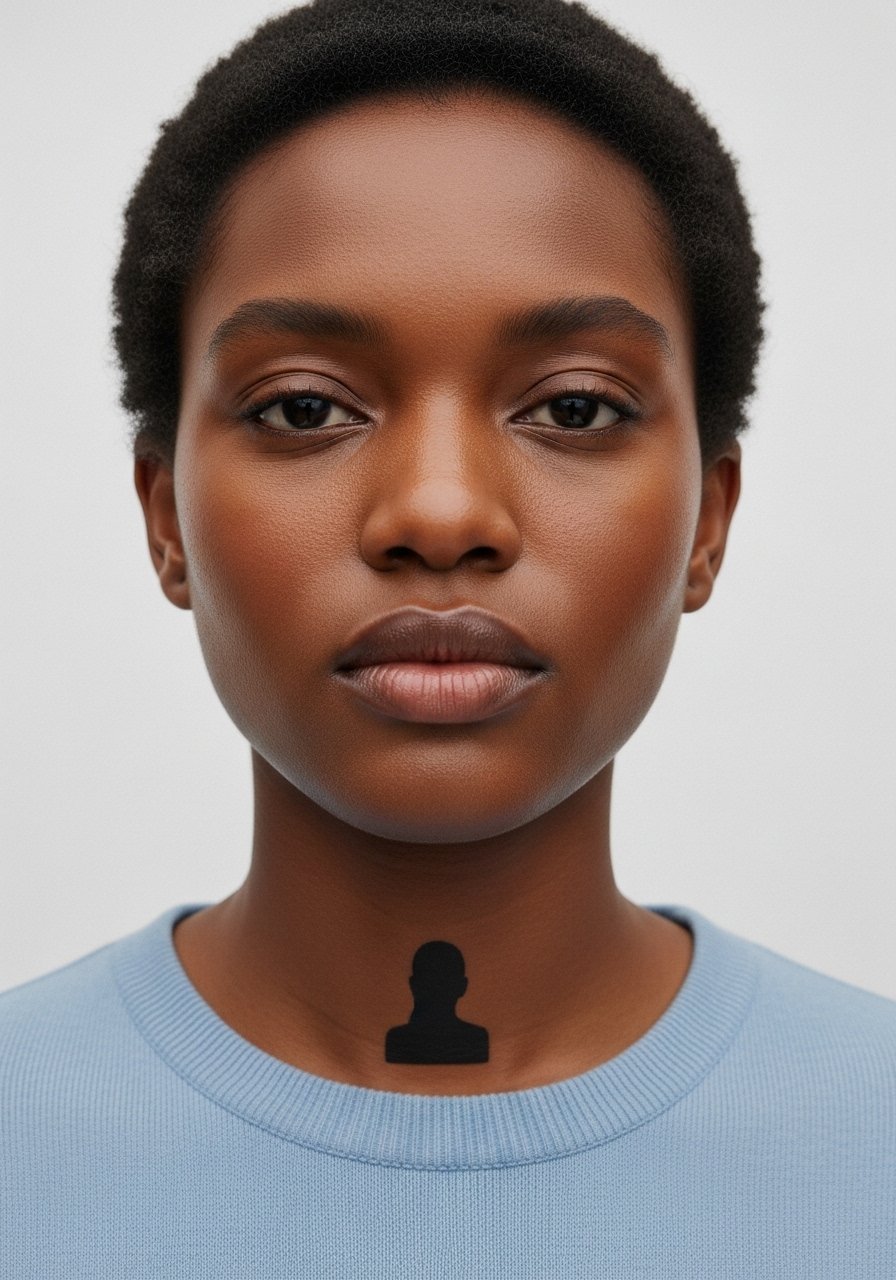
Micro-portraits work when simplified to silhouette or single-tone shapes. Ask to see healed micro-portraits from the artist in similar placements. The error is requesting too much facial detail in too small a space. That detail will blend. Sessions run moderate in length and pain is noticeable. Touch-ups are common to restore midtones after a year.
19. Small compass rose at the nape base
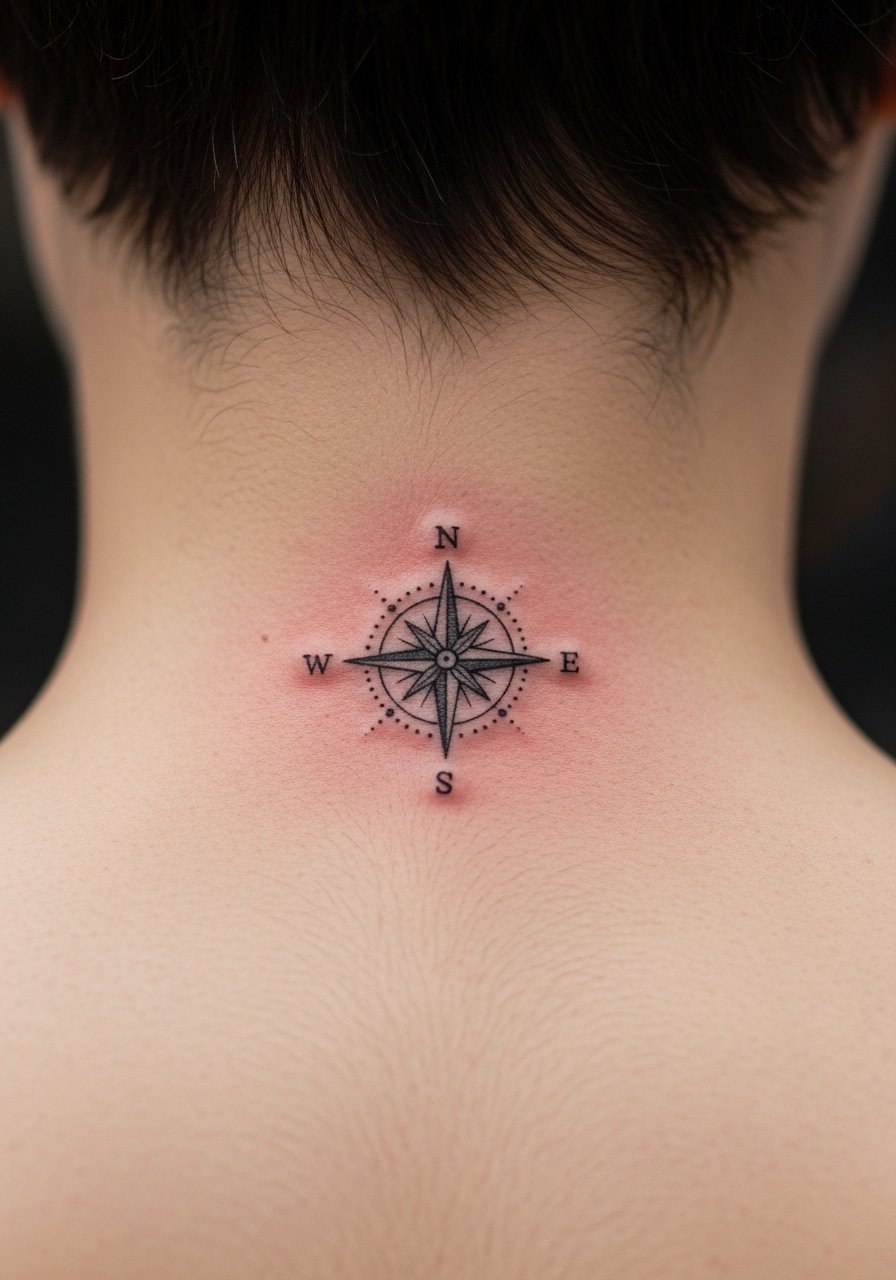
Compass pieces at the nape read like a travel marker and are easy to hide with hair. Tell your artist which cardinal points must be emphasized so orientation is correct when you stand naturally. The mistake is packing tiny decorative flourishes into the compass ring. Keep it clear. Expect a 30 to 60 minute session and a possible touch-up in two to three years for line clarity.
20. Blackwork crescent and floral combo on the side neck
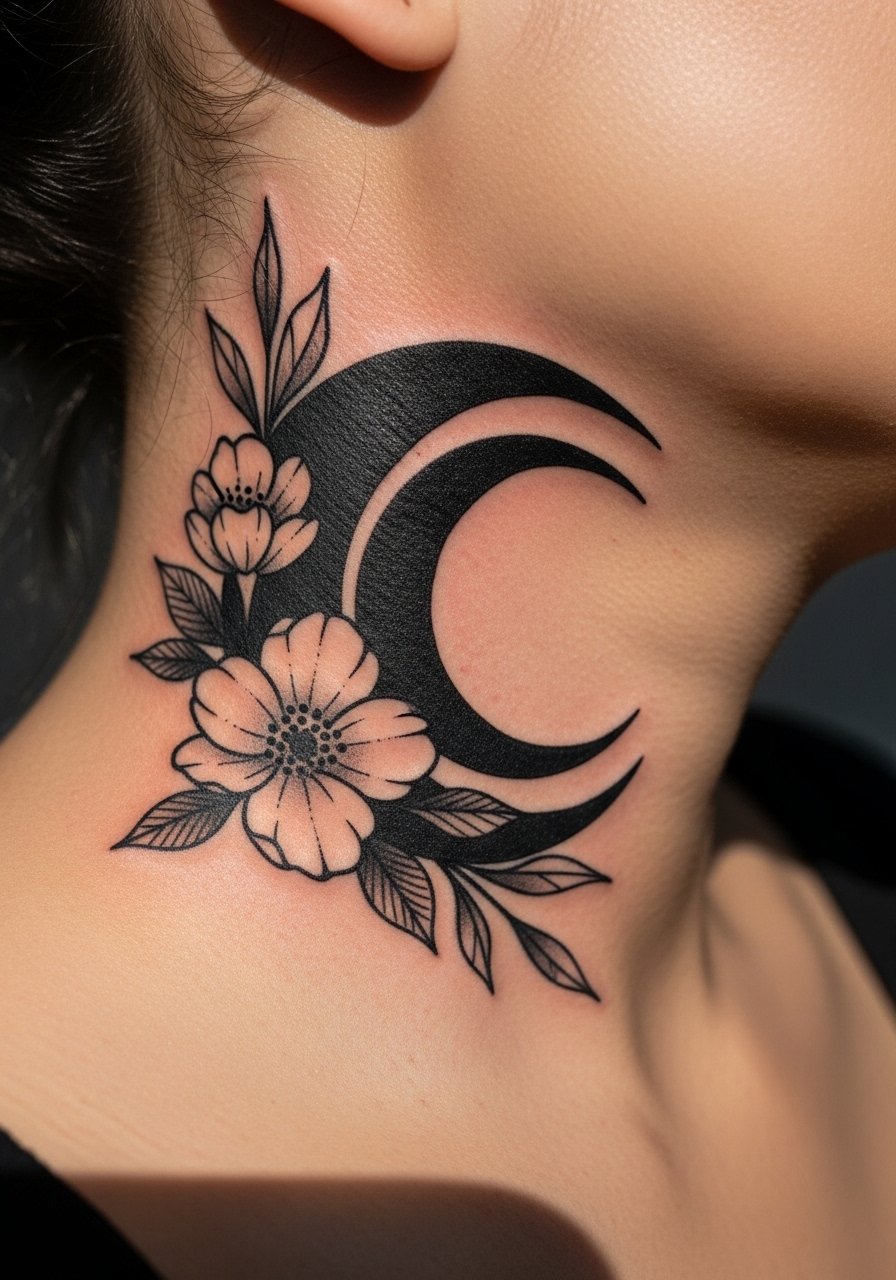
Combining florals with a bold black crescent creates contrast that ages well. Discuss how much black saturation you want because dense black areas need more aftercare to avoid scabbing that lifts pigment. Some artists debate heavy black near the throat. One camp warns of harder healing and more scabbing. The other notes blackwork is forgiving for longevity. Decide based on your artist's healed examples. Sessions may be longer and a touch-up might be needed for even saturation.
21. Tiny geometric honeycomb cluster at the nape
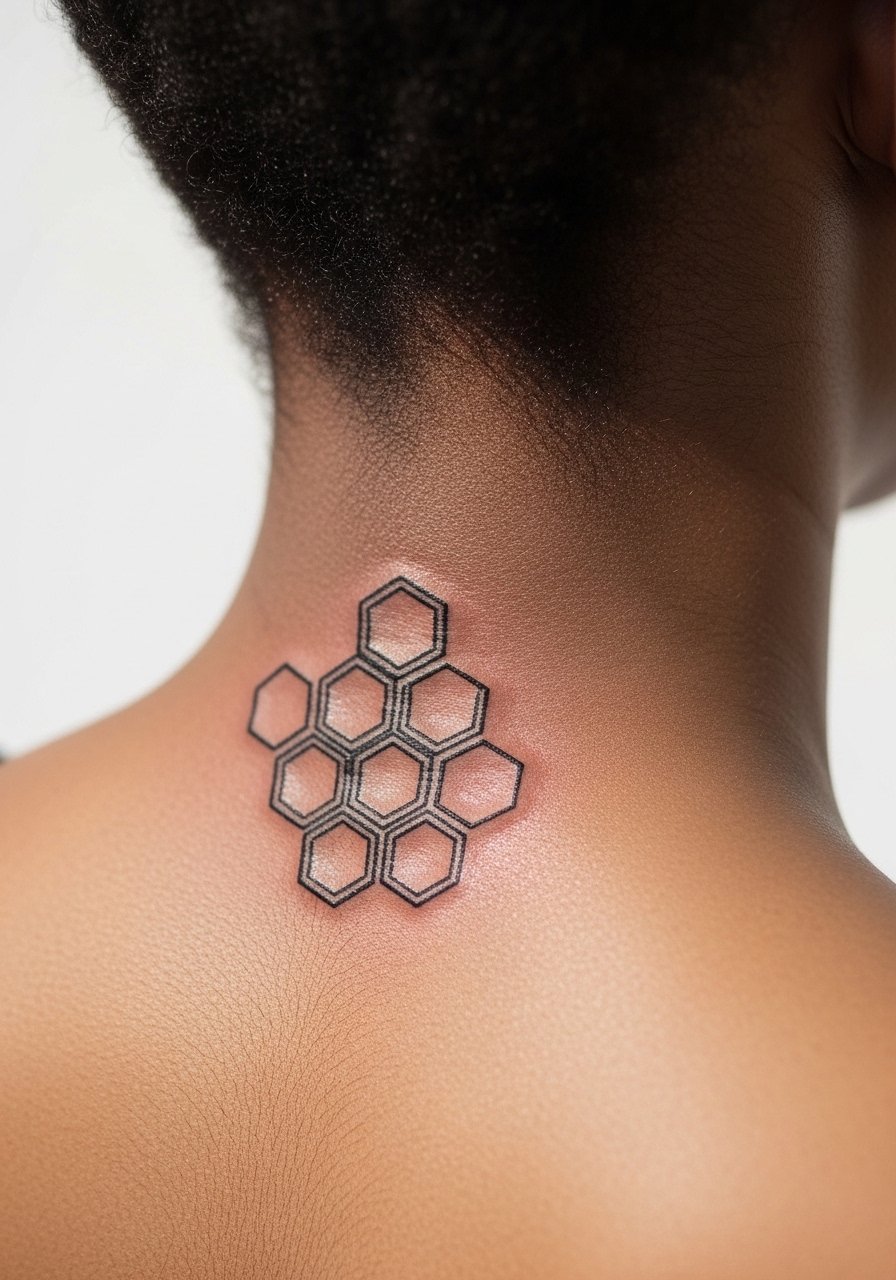
Honeycomb clusters need consistent spacing so the pattern reads. Ask for a transfer and check symmetry while you move your neck. The usual mistake is making cells too small. Over time cells can merge. Sessions are short and pain mild. Expect a touch-up in two to three years if edges soften.
22. Subtle single-line profile silhouette behind the ear
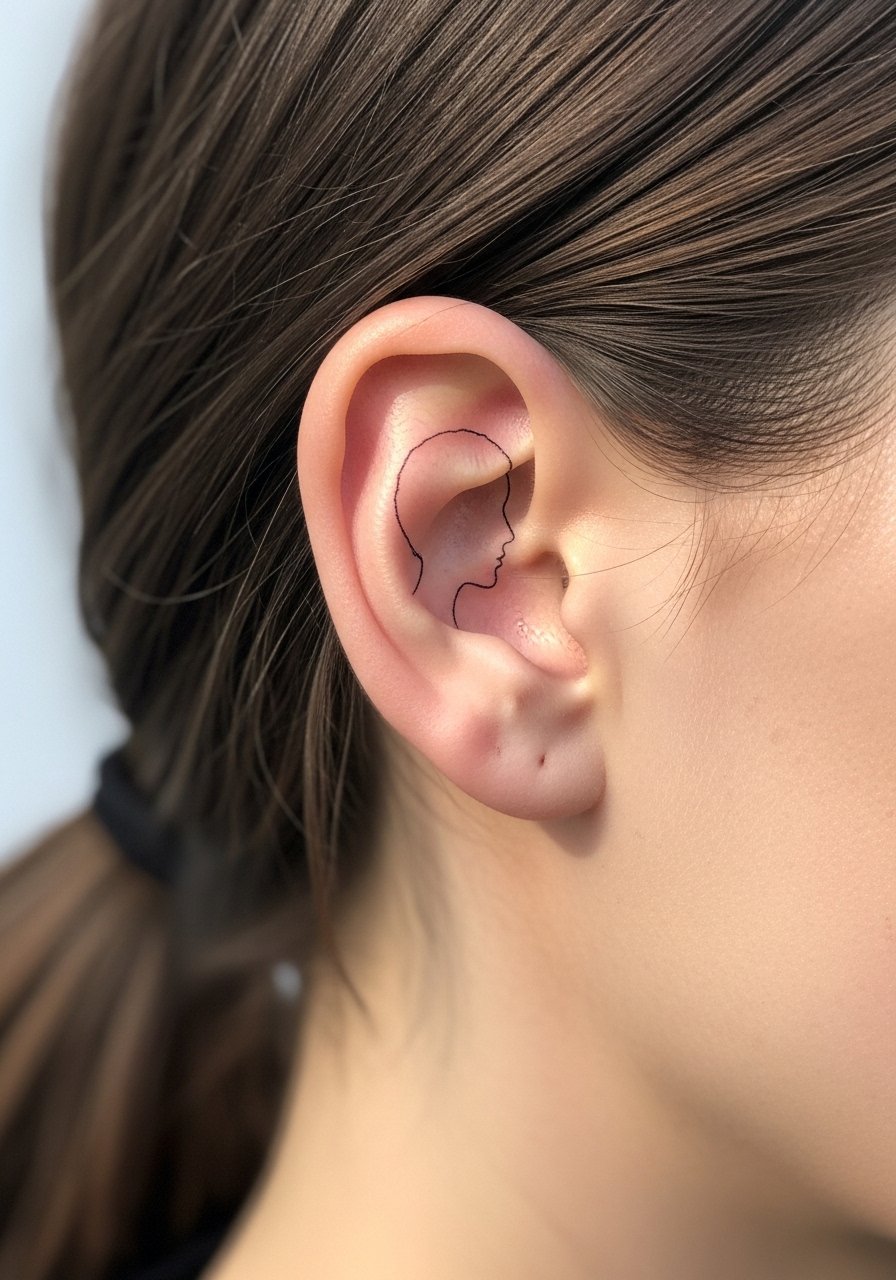
Single-line silhouettes look effortless but require confident linework. When you consult, request a transfer that follows the ear contour to ensure the silhouette remains visible with hair up. The error is asking for staggered line weight that confuses the shape. Expect mild pain and a short session. Lines may blur slightly and could need a touch-up at year two.
23. Traditional swallow with slight color on the throat corner
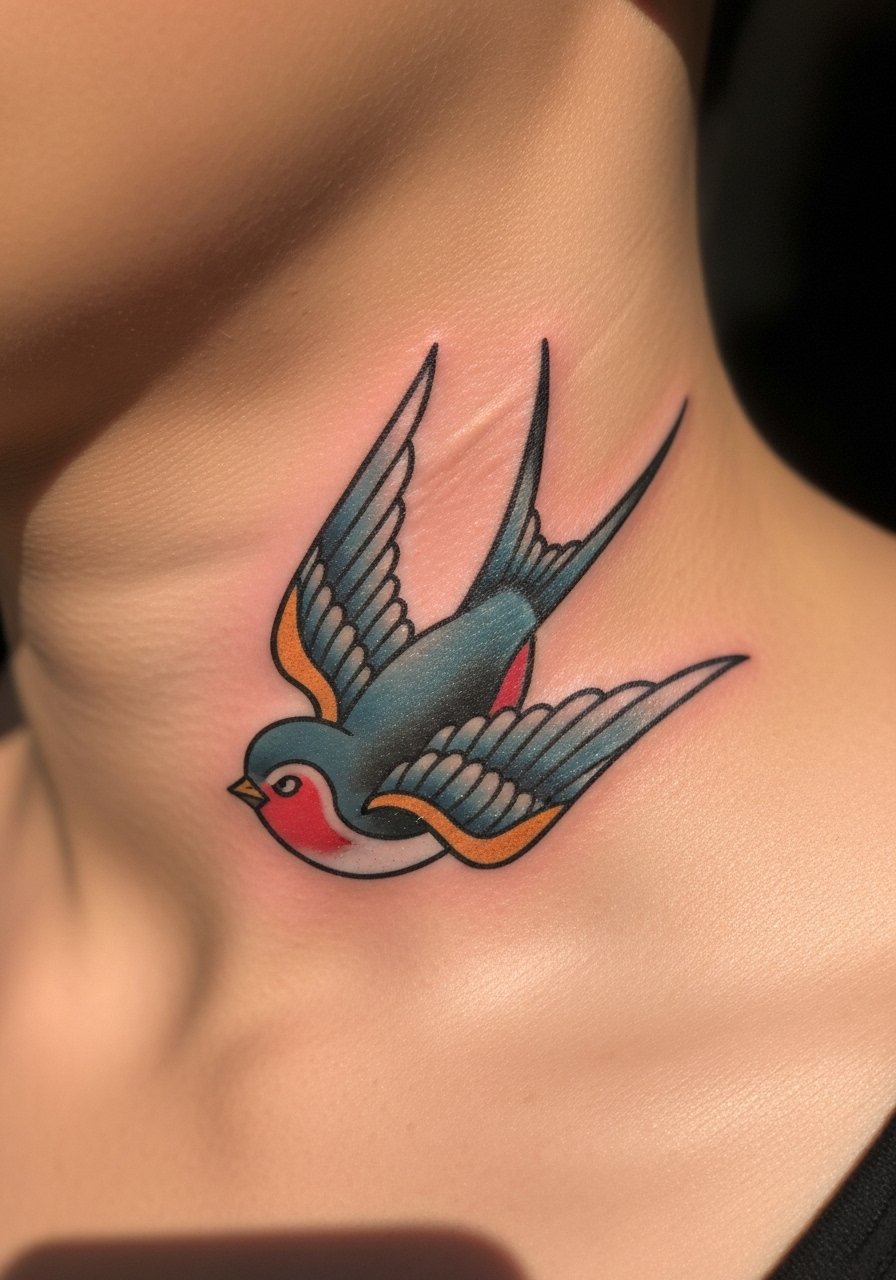
Traditional pieces with controlled color sit nicely on neck corners. Ask for saturated but not over-layered color to avoid heavy scabbing. The common mistake is requesting small patches of gradients that do not hold well at tiny scale. Sessions range 30 to 60 minutes. Color usually needs a refresh at two to four years depending on sun exposure.
24. Thin script band wrapping the front throat
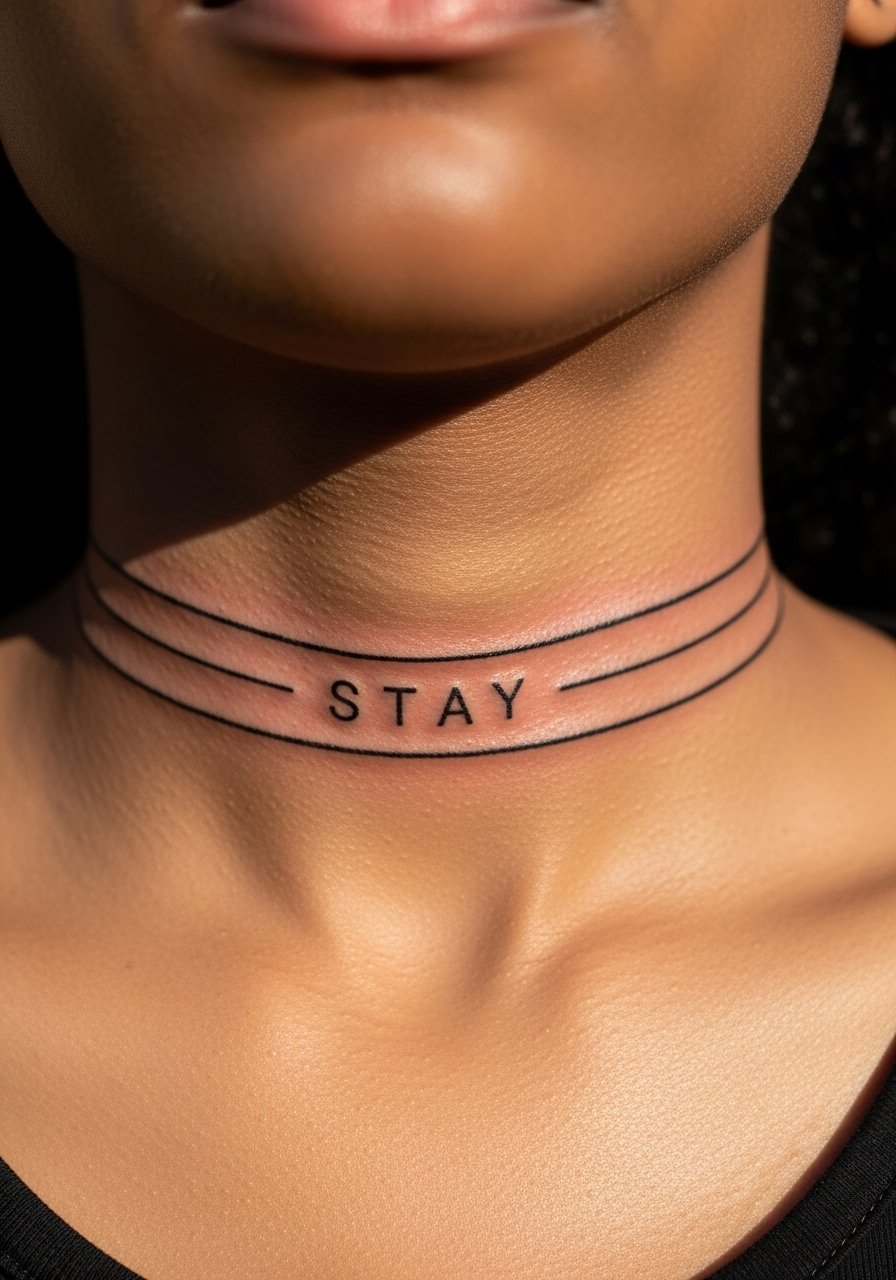
Bands across the front of the throat are bold by nature so pick the exact word and font. When text is visible, specify exact capitalization and spacing. The throat is sensitive and a front band can sting more than side placements. The biggest mistake is picking tiny lettering for a horizontal band. Make letters large enough to keep shape. Expect a touch-up in one to three years depending on ink retention.
25. Fine line fern sprig cascading at the nape
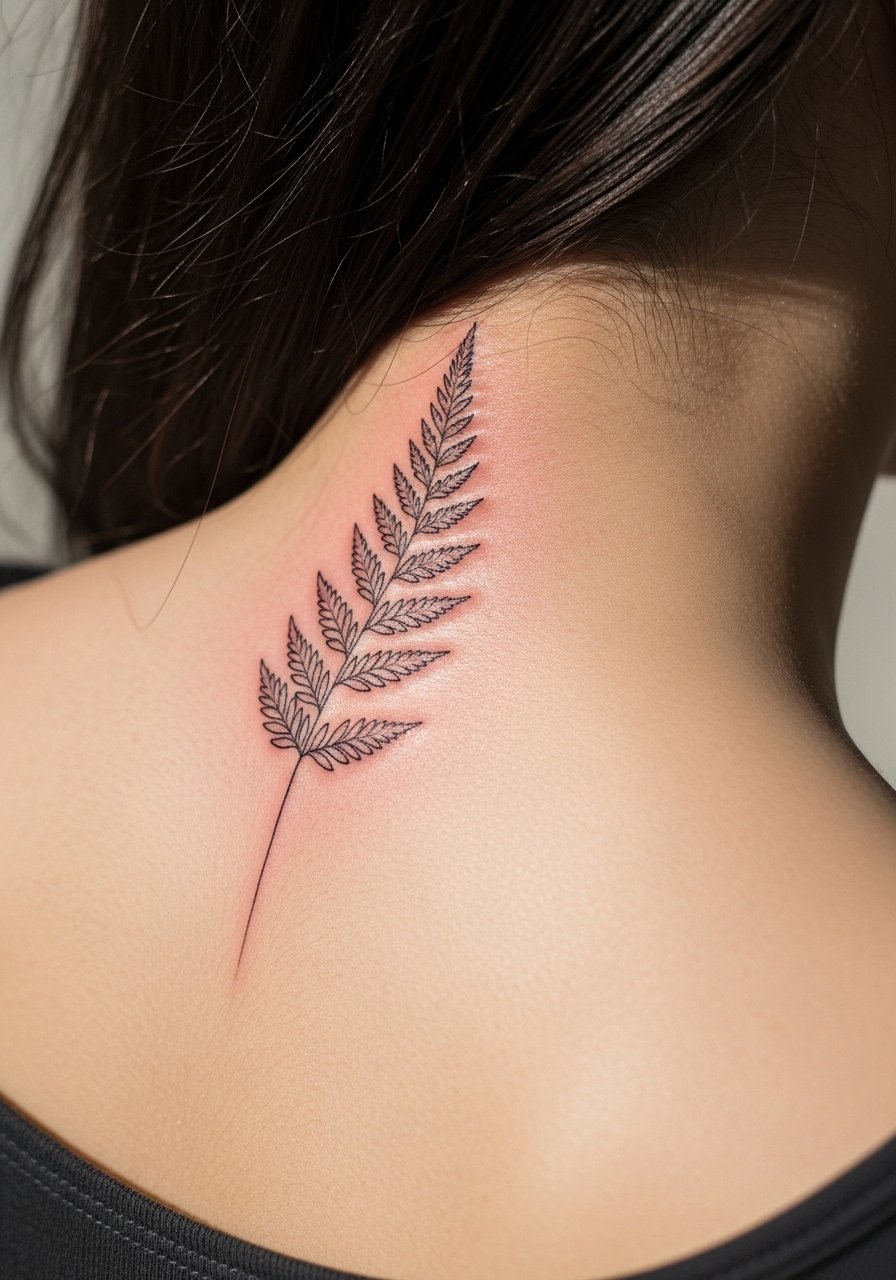
Fern sprigs suit people who want organic movement without heavy color. Tell your artist you want negative space between fronds so it reads as foliage when healed. Nape cascading pieces move with hair and posture, so confirm the flow during the transfer check. The common mistake is over-detailing each frond. Keep shapes simple and expect a light touch-up in two to three years.
Tattoo Prep and Aftercare Essentials
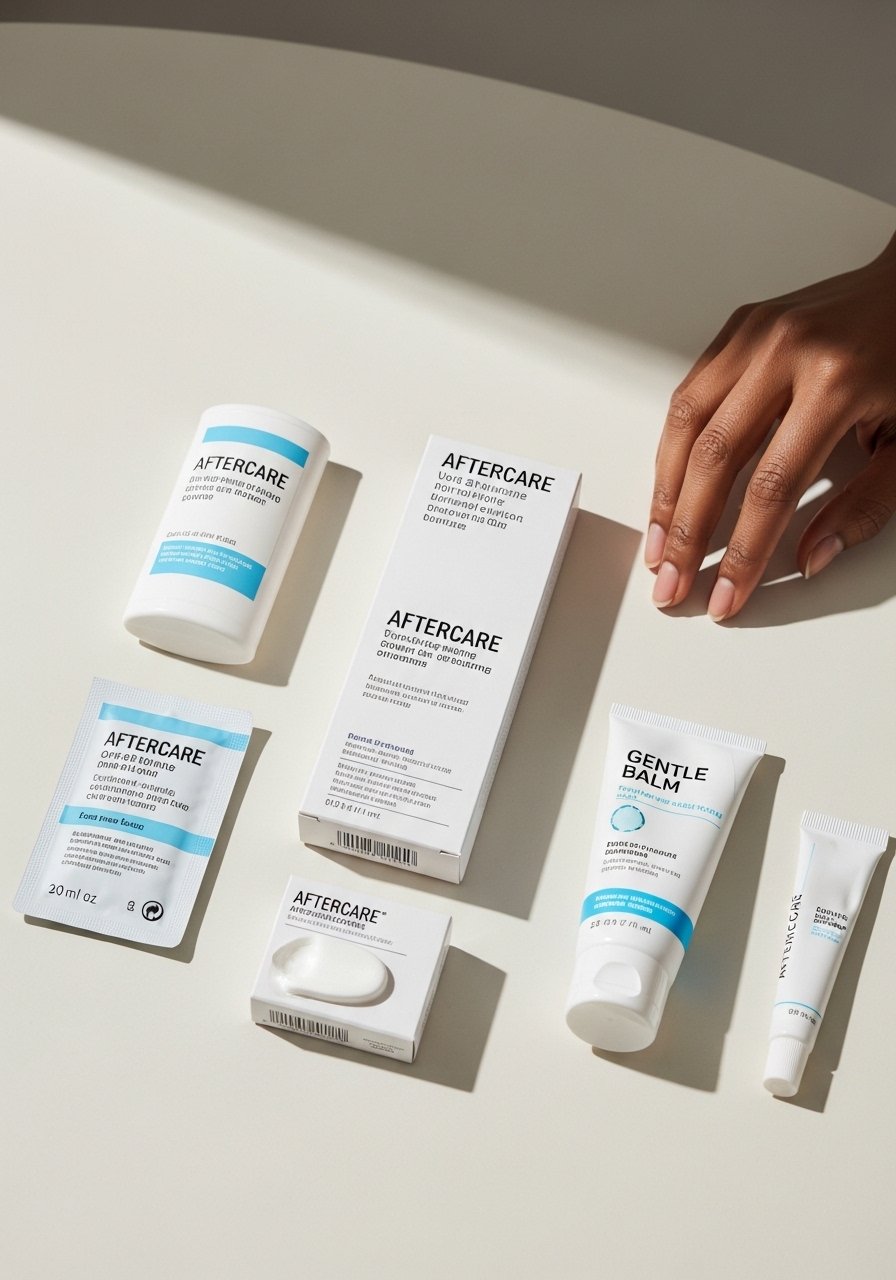
- Fragrance-free gentle foaming cleanser. Use during the first week to remove surface oils and keep the area clean without stripping moisture. Gentle foams rinse easily and reduce residue that traps bacteria.
- Lightweight fragrance-free balm. Apply a thin layer after cleaning to keep the skin hydrated while avoiding clogged pores. Use sparingly the first five days.
- Medical-grade second skin bandage, small sheets. For thin neck skin, a breathable occlusive can protect new ink from friction for the first 24 to 48 hours.
- Silicone scar sheet roll for long-term smoothing. After full healing, silicone products can help texture evenness where ink sits over mobile skin.
- Broad-spectrum SPF 50 mineral sunscreen stick. Sunscreen is the single most important tool for neck ink longevity after healing. Reapply when exposed.
- Cooling reusable gel pack, small. Use gently in the first 24 hours if swelling or heat is uncomfortable. Do not over-press.
- Soft neck pillow for sleep support. Keeps your neck elevated slightly so fresh ink avoids friction from sheets while you sleep.
- Aquaphor Healing Ointment, 1 tube. One mainstream option many people use sparingly in the first 48 hours. Use a pea-sized amount to avoid clogging pores.
Every tattoo is different. Always follow your artist's specific aftercare instructions. Consult a dermatologist if you have skin concerns or unusual healing issues.
Frequently Asked Questions
Q: Will fine line neck tattoos blur faster than bold blackwork?
A: In my experience fine line tends to soften sooner on mobile or sun-exposed spots like the neck. Bold blackwork hides slight spreading because the shape remains defined. If you want a long-lasting delicate look, plan on a touch-up around year two and prioritize sunscreen daily.
Q: How painful is throat center ink compared to the nape?
A: Throat center is usually more tender because the skin is thin over cartilage and you feel more vibration. The nape has slightly more padding and often feels milder. Pain varies by person, so expect throat work to rate higher on most people's scale.
Q: Do colored neck tattoos need different aftercare than black and gray?
A: Color needs careful layering and gentle cleaning during healing. Keep colored areas out of direct sun while healing and use a fragrance-free balm as directed. After healed, rely on high-SPF mineral sunscreen to protect pigments that can fade faster in sun.
Q: Can you get a neck tattoo if you work in conservative industries?
A: It depends on your role and environment. Many people choose nape or behind-ear placements to hide ink when needed. If discretion matters, discuss placement that falls under collars or can be covered by hair.
Q: How often should I expect touch-ups for neck tattoos?
A: From what I have seen, a realistic schedule is a light touch-up around year two to three for thin script or fine line. Bolder blackwork can go longer before a refresh. Skin type, sun exposure, and aftercare all influence timing.
Q: Are there cultural concerns with mandala or tribal neck tattoos?
A: Yes. Mandala and tribal motifs have specific origins. Many people opt for inspired variations rather than direct cultural replicas. Ask your artist to explain origin nuances and to adapt designs respectfully.
Q: What should I ask an artist during the consultation for a neck piece?
A: Ask to see healed examples on neck placements, how they handle transfers for movement, their touch-up policy, and whether they recommend a specific line weight for longevity. Seeing healed photos is the clearest indicator of how their work holds up.