
Someone I know spent months scrolling for finger tattoo ideas before realizing the real problem was picking a style that holds up under hand washing, rings, and constant sun. These twenty finger designs focus on linework, placement, and how they heal, so you can choose a look that still reads after a year of daily use. I start with options that tend to last and note the ones that need touch-ups.
1. Fine line heart outline on the side finger
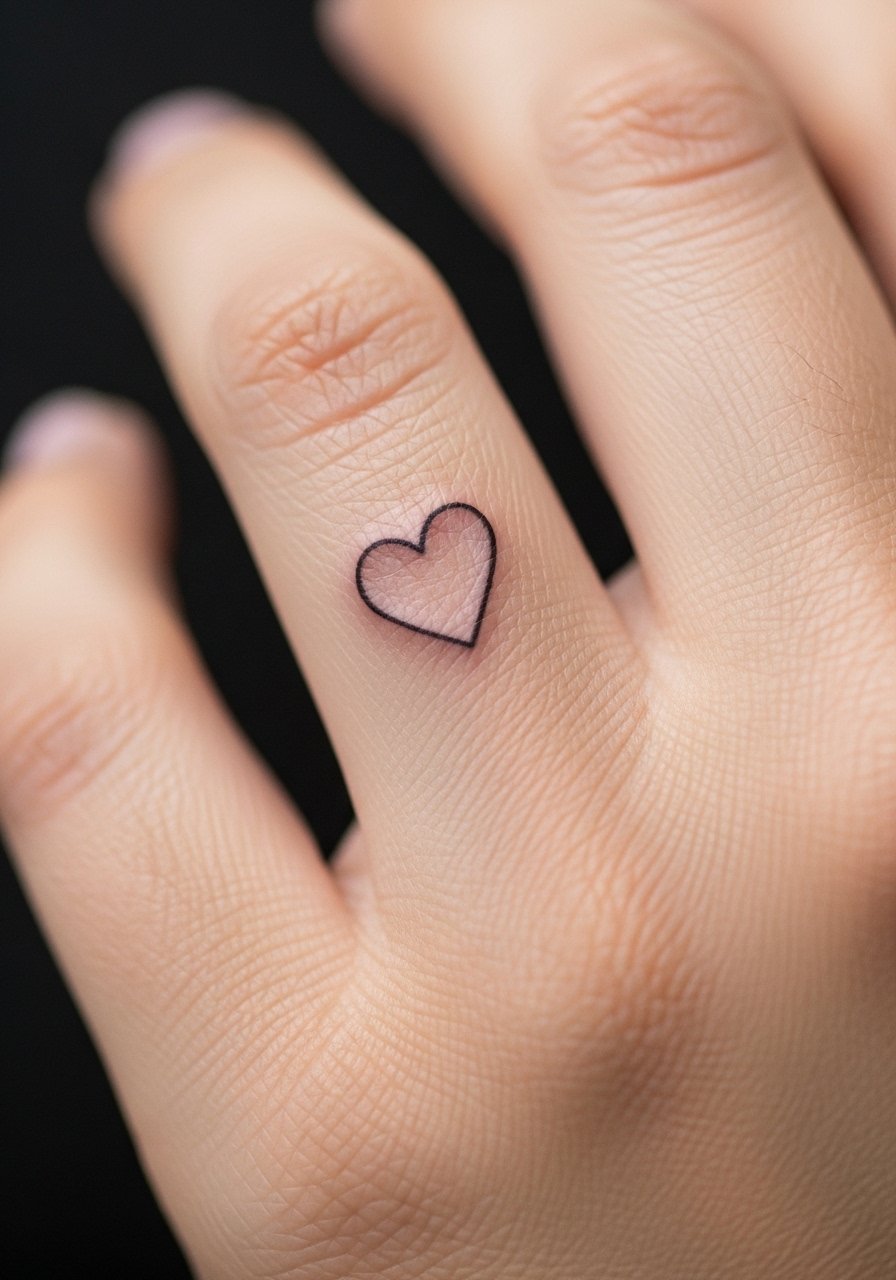
This is a classic placement when you want a small symbol that sits neatly next to a ring. Expect higher pain near the side because there is little padding, but sessions are short, often under thirty minutes. The debate over fine line versus bolder line shows up here. One camp says single-needle hearts look elegant but need touch-ups every 12 to 24 months. The other camp suggests a slightly thicker outline for longevity. When you consult your artist, ask for a reference showing healed side-finger work at two years. Common mistakes include asking for too small a heart and losing crispness because the lines were packed too tightly.
2. Dainty floral vine wrapping the finger pad
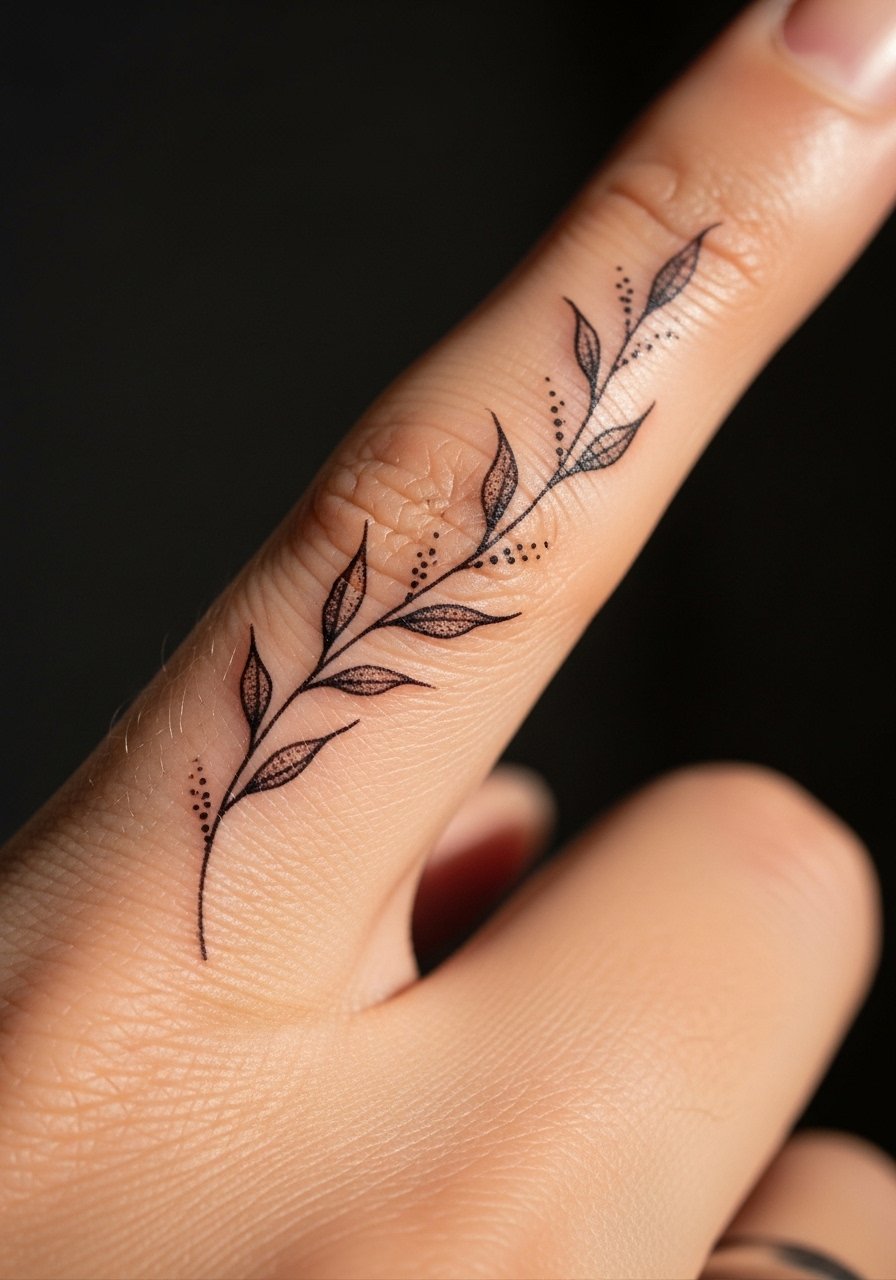
This wrapping vine elongates the finger visually and looks intentional with stacked rings. Tell your artist you want spacing between leaves so the vine keeps definition as the ink settles. People often request watercolor fills on this small canvas and later complain the color blurred, so opt for black linework with stipple shading for better longevity. At six months the vine will soften, and by two years expect some loss of tiny detail where the skin creases. A touch-up around year two keeps the leaves crisp. For finger pads, plan for more frequent moisturizing during healing because hands get constant friction.
3. Minimalist initial monogram on the ring finger
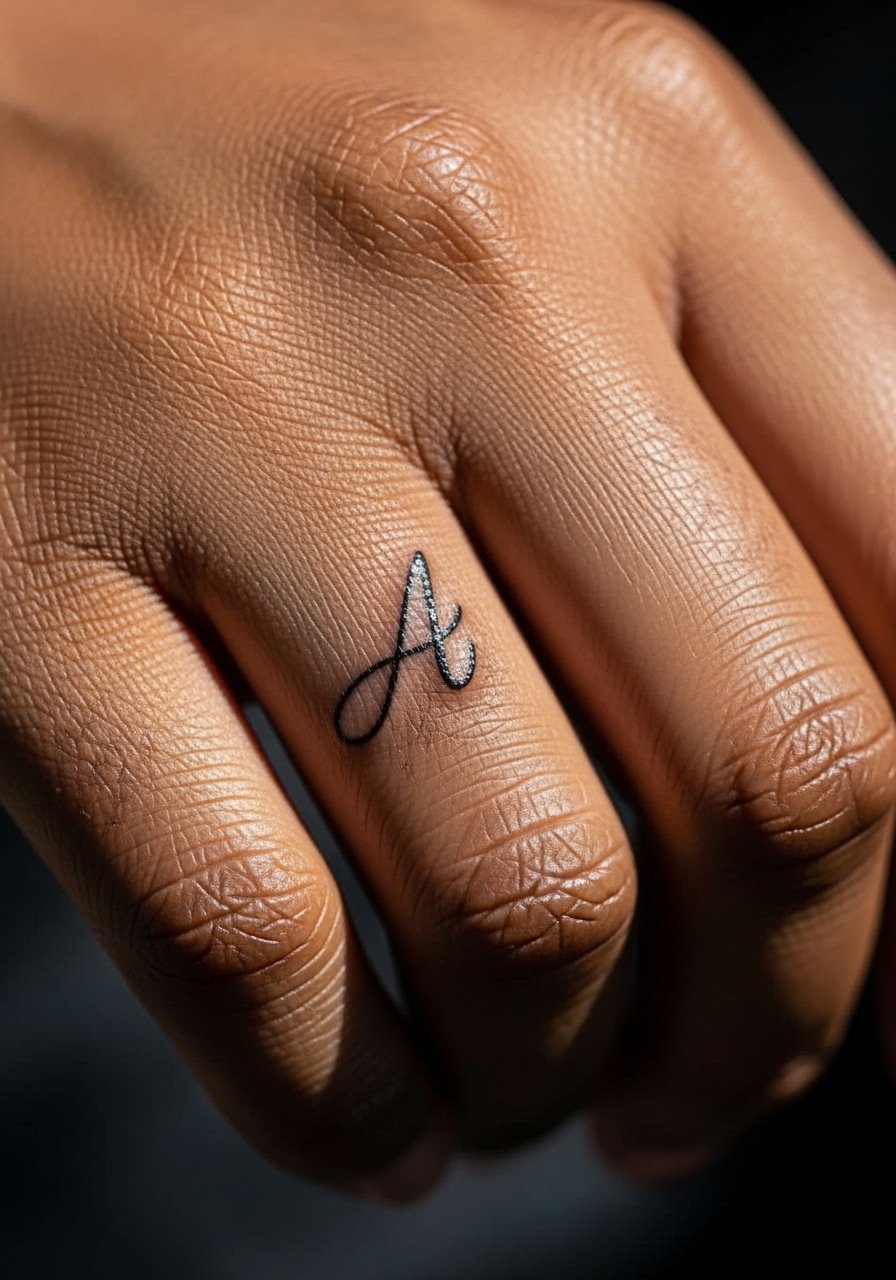
A monogram reads personal without taking much space. Placement on the ring finger means you must think about rings and resizing. Size matters here. If the script is too thin, letters can blur together after healing. Ask your artist to show healed script on similar skin tone and to scale the letter to at least the width of a typical wedding band. Session time is brief, often under thirty minutes, and pain is moderate near joints. Common mistakes include requesting a full name in a tiny script. Keep it to initials or a short glyph for longevity. Expect a touch-up window at one to three years depending on your hand use.
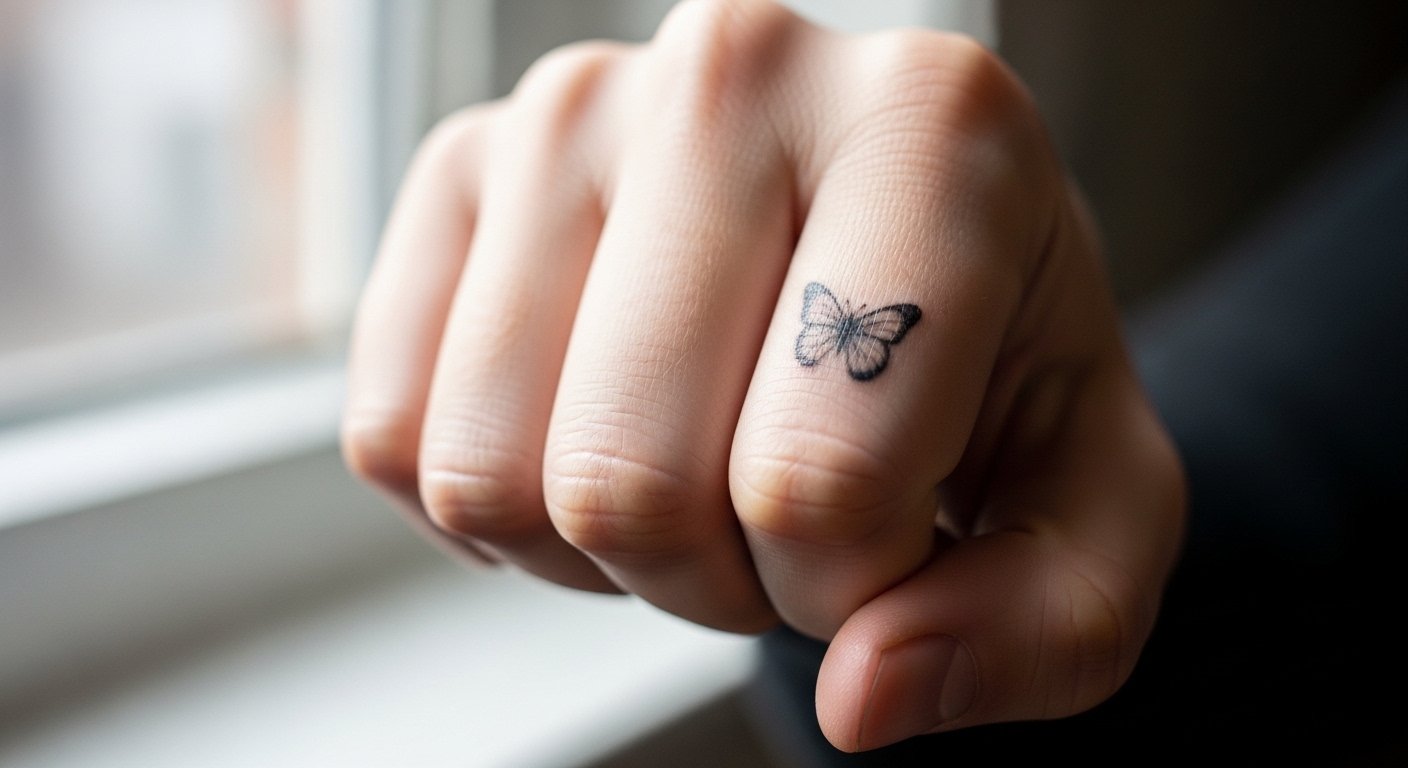
4. Tiny butterfly perched on the knuckle
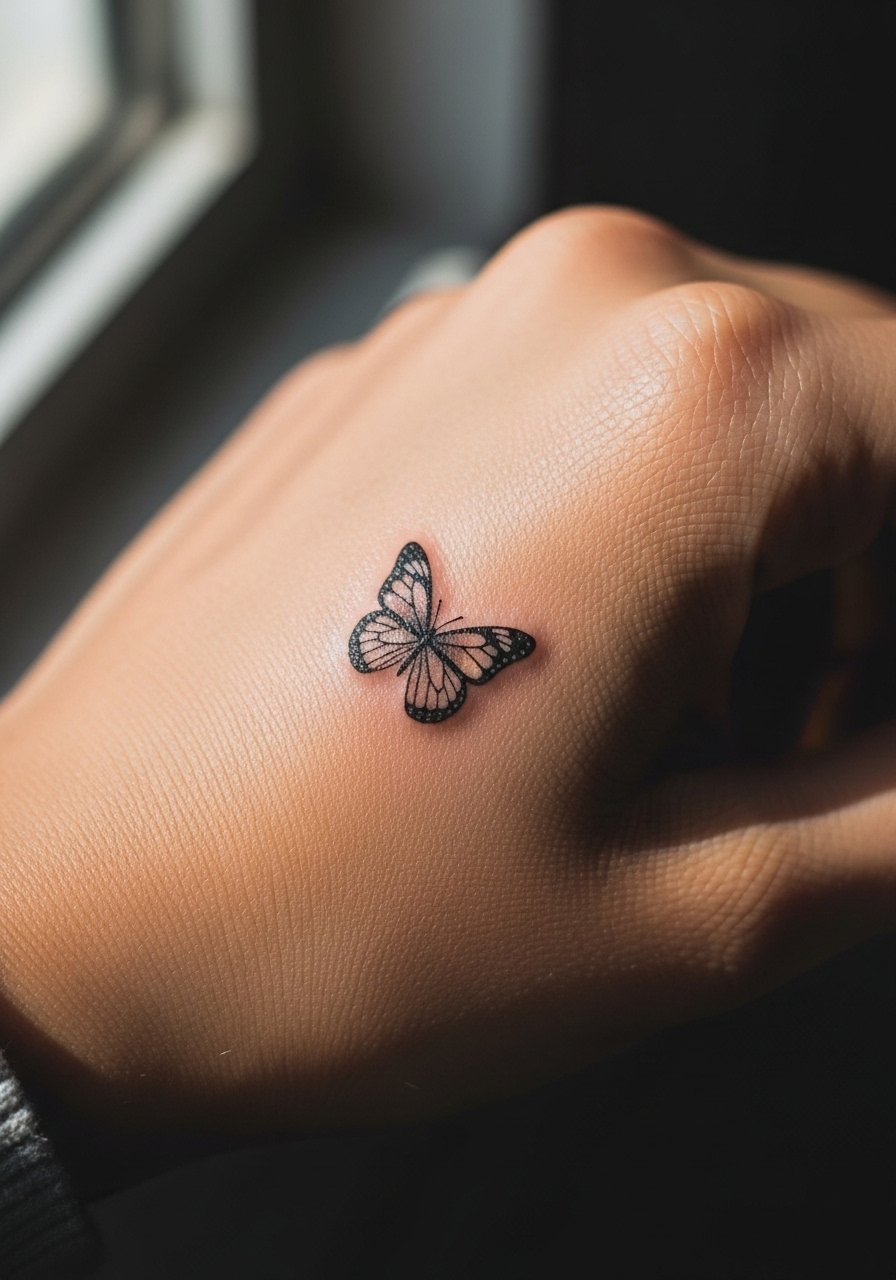
Knuckle placement is playful but high friction and high risk for fading. Artists split on numbing cream for knuckles. One group uses topical numbing for client comfort when working over bone. The other group prefers full sensation so the client can signal if the needle hits too shallowly. If you try this, discuss numbing preferences with your artist. Butterflies look best with slightly bolder outline on knuckles to preserve silhouette over time. Expect the session to be sharp because you are close to bone and brief. Plan to check in about touch-ups after the first year.
5. Single continuous wave along the finger base
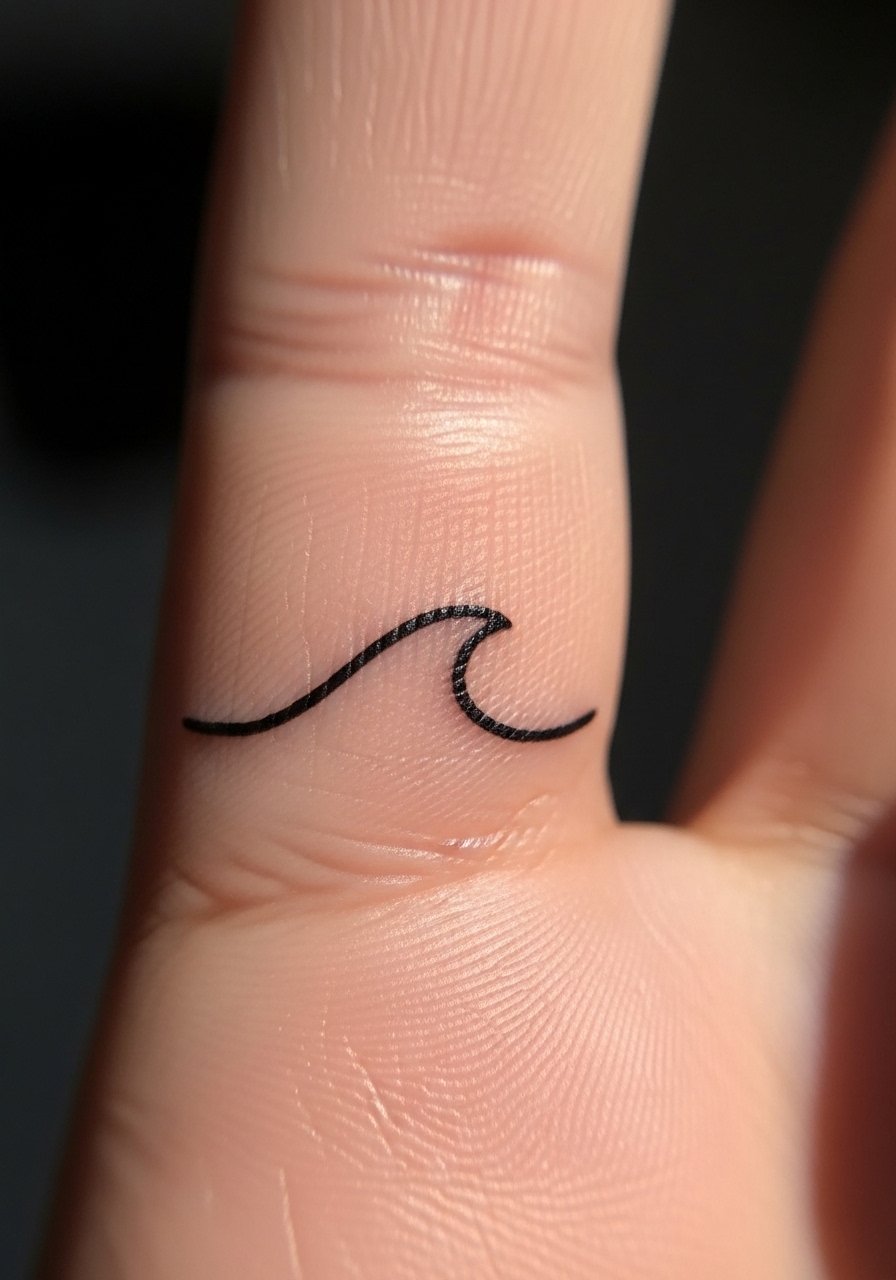
A continuous wave reads like movement when you point or gesture. Side placement near the finger base avoids the high-wear pad and holds linework better. Tell your artist you want the line to breathe, with small gaps where needed so the curve does not become a thick blob as it heals. The common fail is asking for the wave too thin across creases. For durability, choose a steady, slightly heavier single needle or micro-line that still looks delicate from a short distance. Sessions run quick and pain is low at the base compared with knuckles.
6. Minimalist arrow piercing the finger side
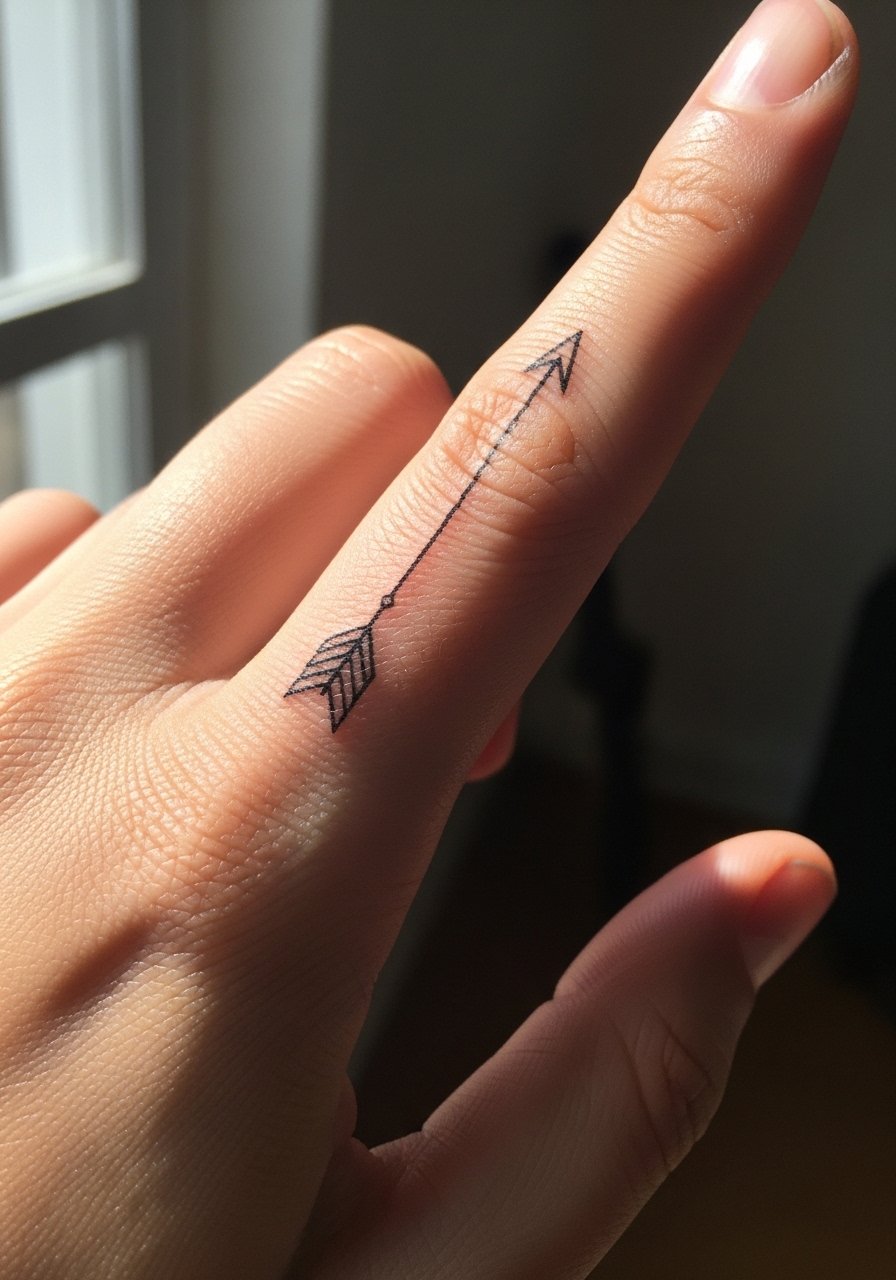
Arrows suggest direction in a compact form that works well on the side finger. This placement is lower friction than the pad but still sees ring contact. During consultation mention whether the arrowhead should point toward or away from your hand because that affects visual flow with rings. A typical mistake is packing too many arrow details into a tiny space. Keep shaft and head simple for clean linework. Expect a 20 to 40 minute session and a likely touch-up at year two if you wear a lot of jewelry.
7. Micro star cluster on the finger pad
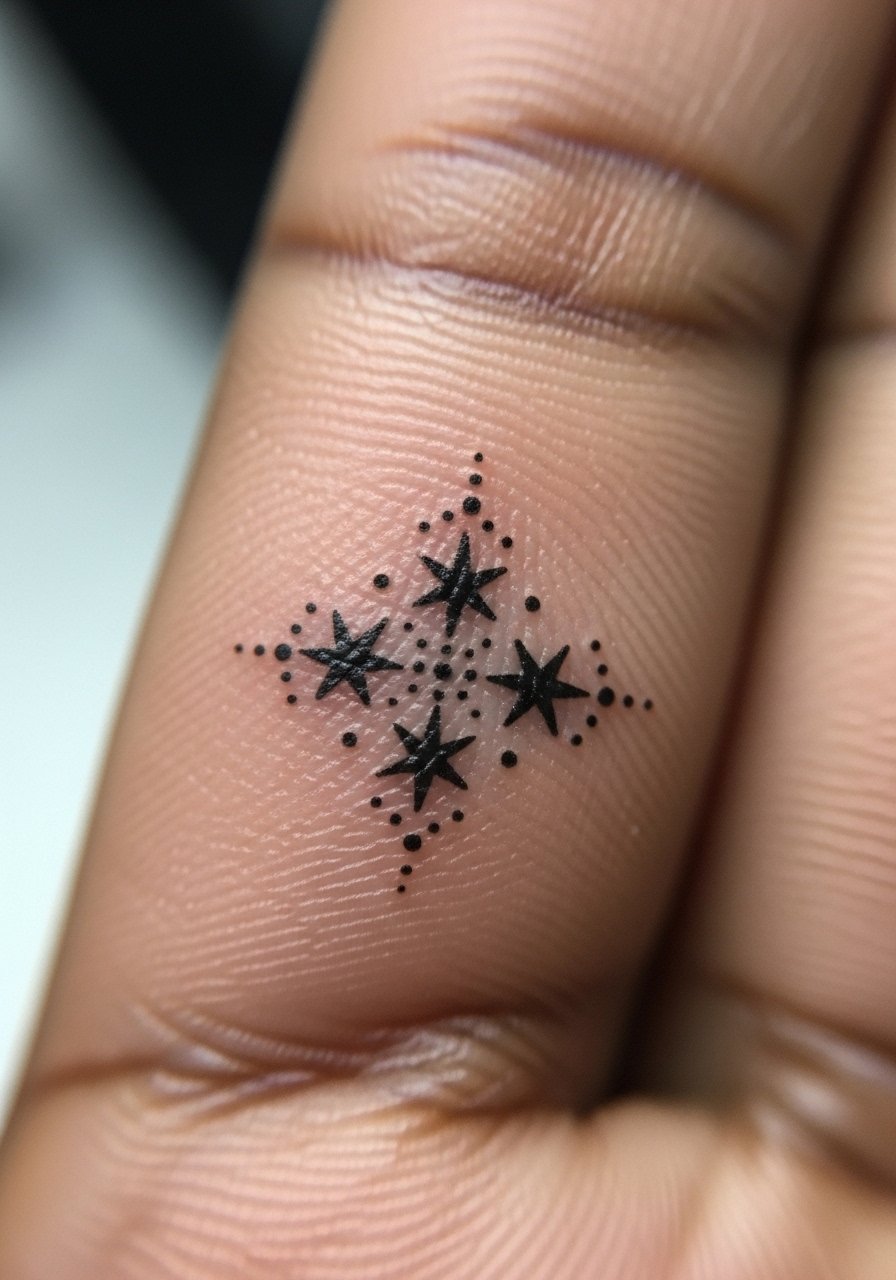
Finger-pad placements shine when you want jewelry-like sparkle that shows during gestures. The pad is a high-motion area and will fade faster than the side. Tell your artist you prefer dot work with varied spacing so stars do not merge when healed. A common mistake is requesting closely packed stars that blur within months. Expect eight to twelve weeks of careful aftercare since hand washing affects healing. Touch-ups are often needed within 12 to 18 months to restore tiny stars.
8. Thin crescent moon on the inner finger
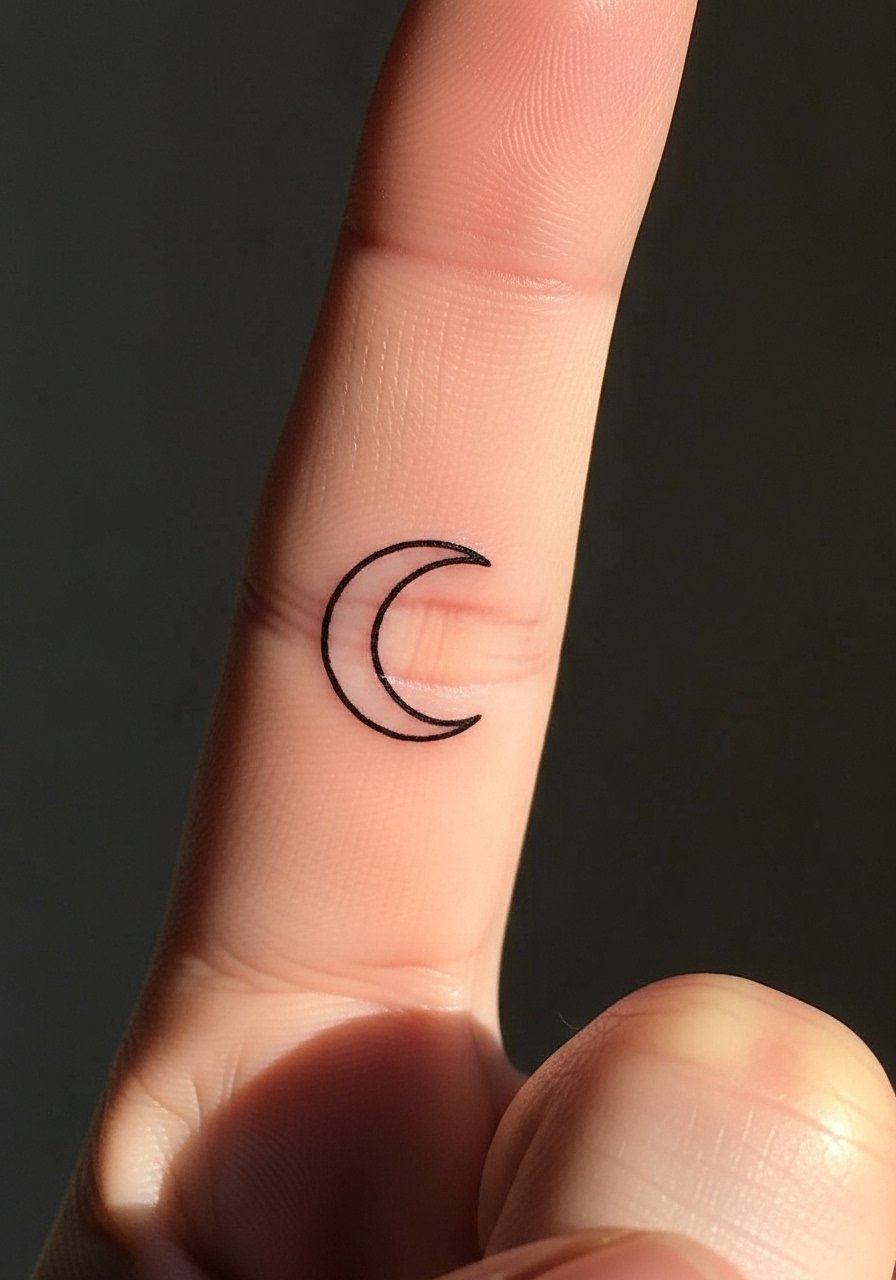
The inner finger gives a more private placement that peeks out during motion. Because skin there is softer, fine line holds reasonably well but can soften faster than on thicker skin. When booking, ask for a healed portfolio image from the artist showing inner-finger celestial work. A mistake people make is asking for overly ornate moons with interior details that do not translate on this canvas. Sessions are short and pain is moderate. Expect subtle softening by year two and plan a touch-up if you want crisp edges long term.
9. Dotted semicolon at the thumb base for awareness
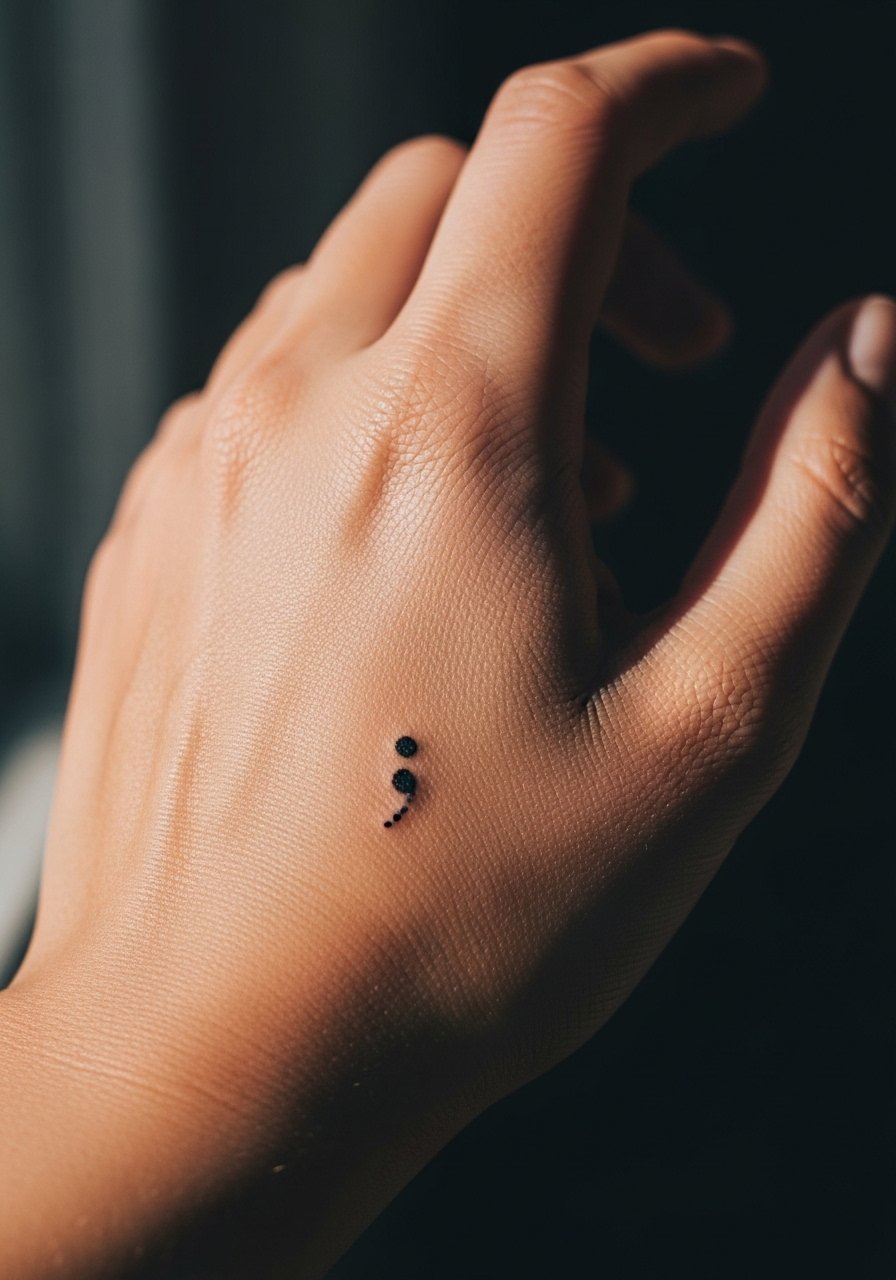
Thumb base work sits where a lot of motion happens, especially at the web of the hand. This placement reads clearly when you bring your thumb toward your fingers. Tell the artist you want dotwork density that keeps the semicolon readable after a year. Some clients prefer second-skin wraps for the first 48 hours because it limits water exposure. The wrap debate has two sides. One side says wraps speed healing on hands. The other side prefers letting the skin breathe to help ink settle. Ask your artist which approach they follow. Expect a short session and possible touch-up in 12 to 18 months.
10. Petite lotus bloom on the joint
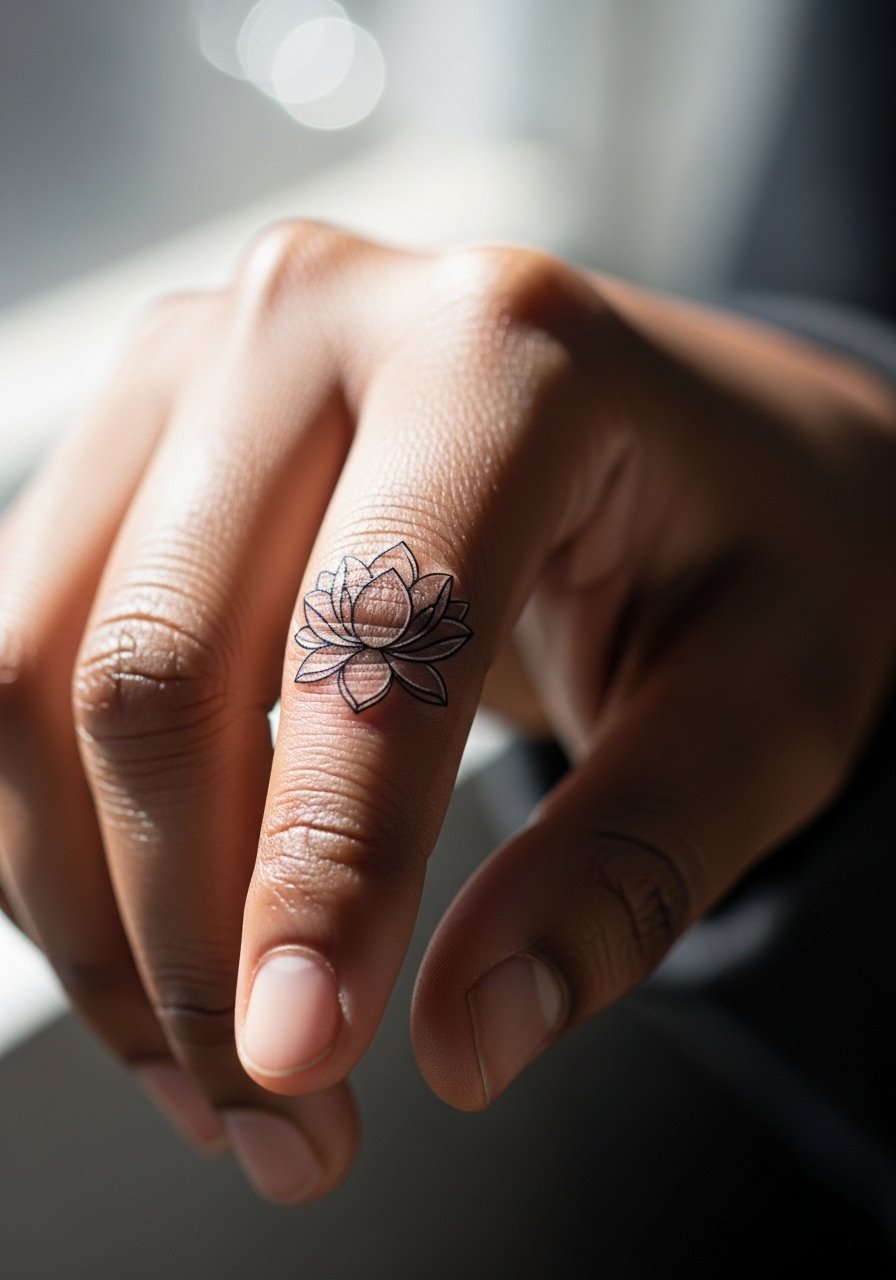
A joint placement shows off a layered look when you bend your finger. Joint skin moves a lot which affects how shading reads over time. Ask your artist for subtle stipple shading rather than soft gray wash because stippling keeps structure in high-motion areas. A common error is asking for heavy shading on a joint which often blurs. Sessions may be slightly longer if shading is included. Expect visible softening at six months and a clearer outline after a touch-up.
11. Micro geometric triangle stack on the side
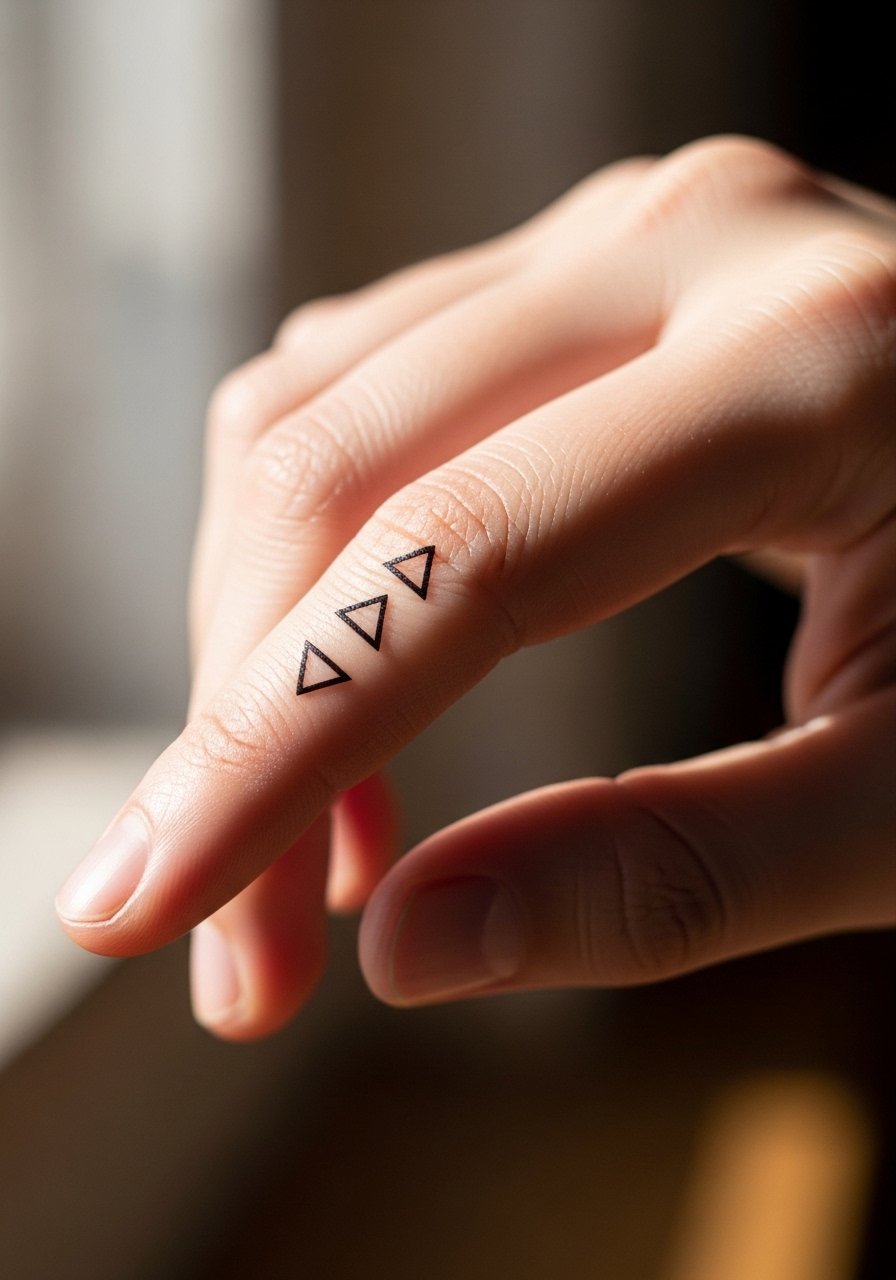
Geometric stacks look modern and pair well with rings that have negative space. The key is spacing. Small triangles placed too close will merge after healed settlement. During consultation show examples of healed geometric work and ask for a test spacing on paper at actual size. The main mistake is shrinking designs to fit awkwardly on curved anatomy. Pain is low and sessions are brief. With proper spacing these keep good definition for two years or more before needing a touch-up.
12. Tiny constellation across two fingers
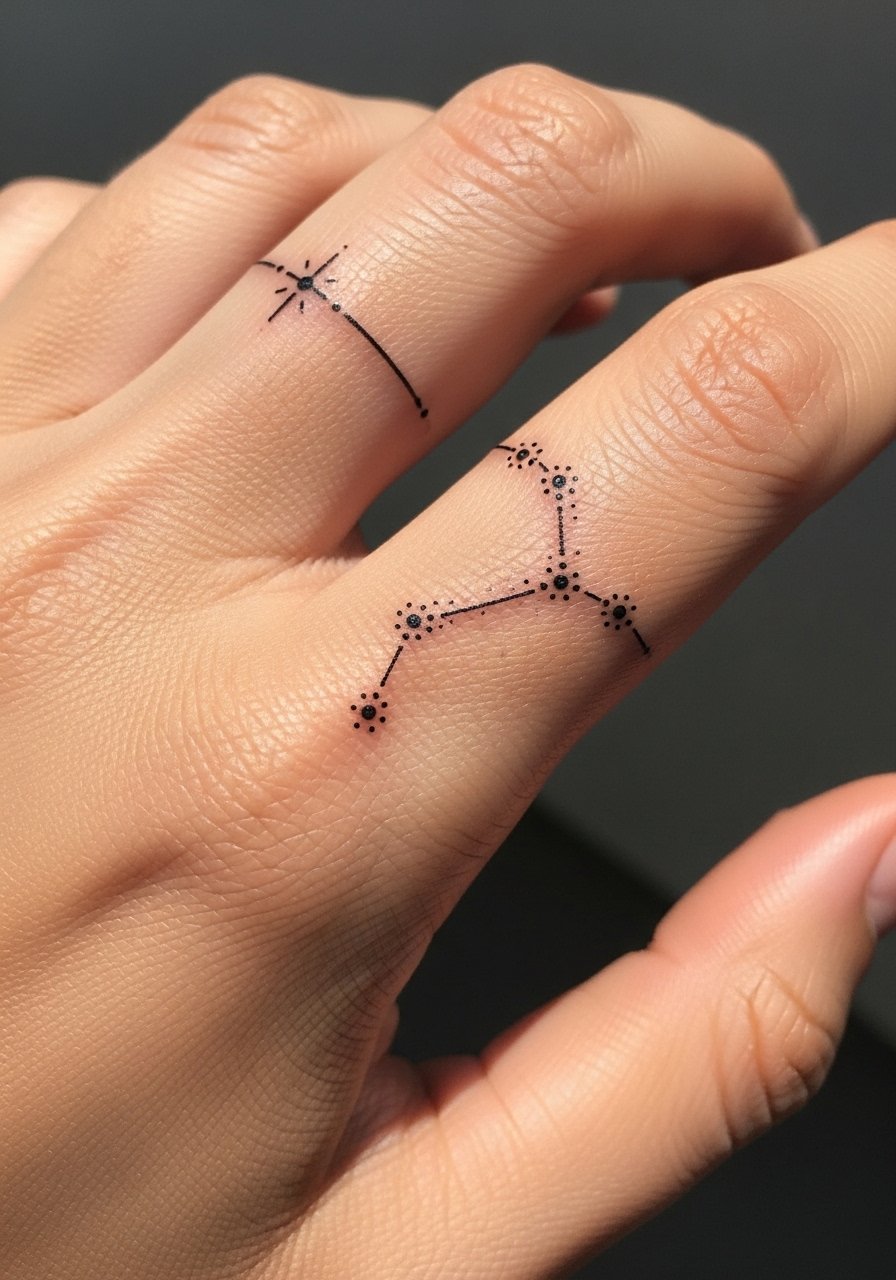
Connecting two fingers is a bold choice because movement stretches the connecting line. Tell your artist you want slightly separated connector lines so the design survives the stretch. People often request precise star patterns that warp with hand motion. A practical tip is to map the constellation across both fingers during the consult while you flex to observe how the pattern moves. The session can run longer because alignment matters. Expect touch-ups to be more common where lines cross knuckles.
13. Tiny anchor at the finger base for stability
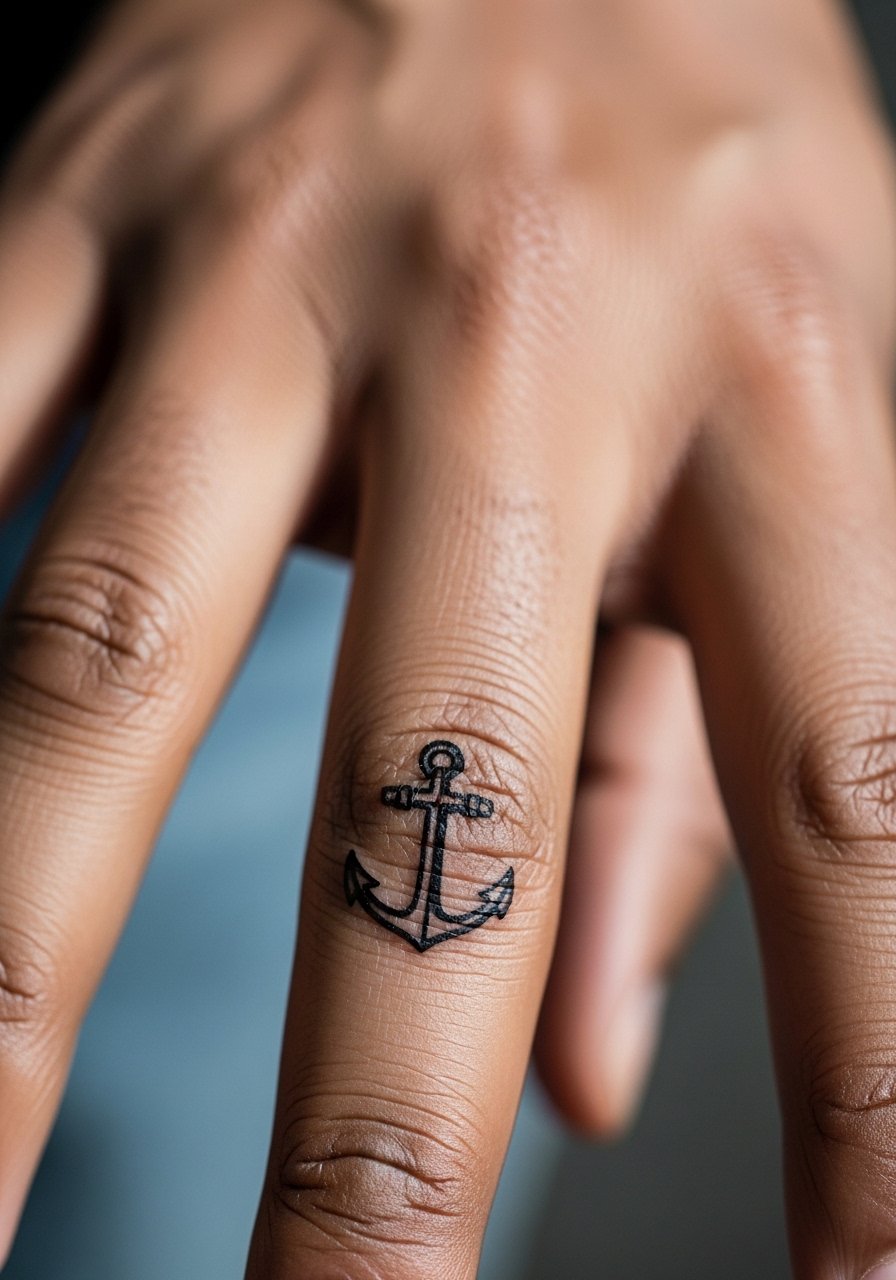
Anchors read as tiny statement pieces and work well near the finger base where skin is slightly thicker. For longevity, ask for a modest outline rather than intricate shading. A typical mistake is packing nautical detail into a micro canvas which fades into a smudge. Session pain is low and time is short. Expect this piece to hold shape for two to three years with occasional touch-ups if your hands see heavy wear.
14. Minimalist wave and sun combo on two adjacent knuckles
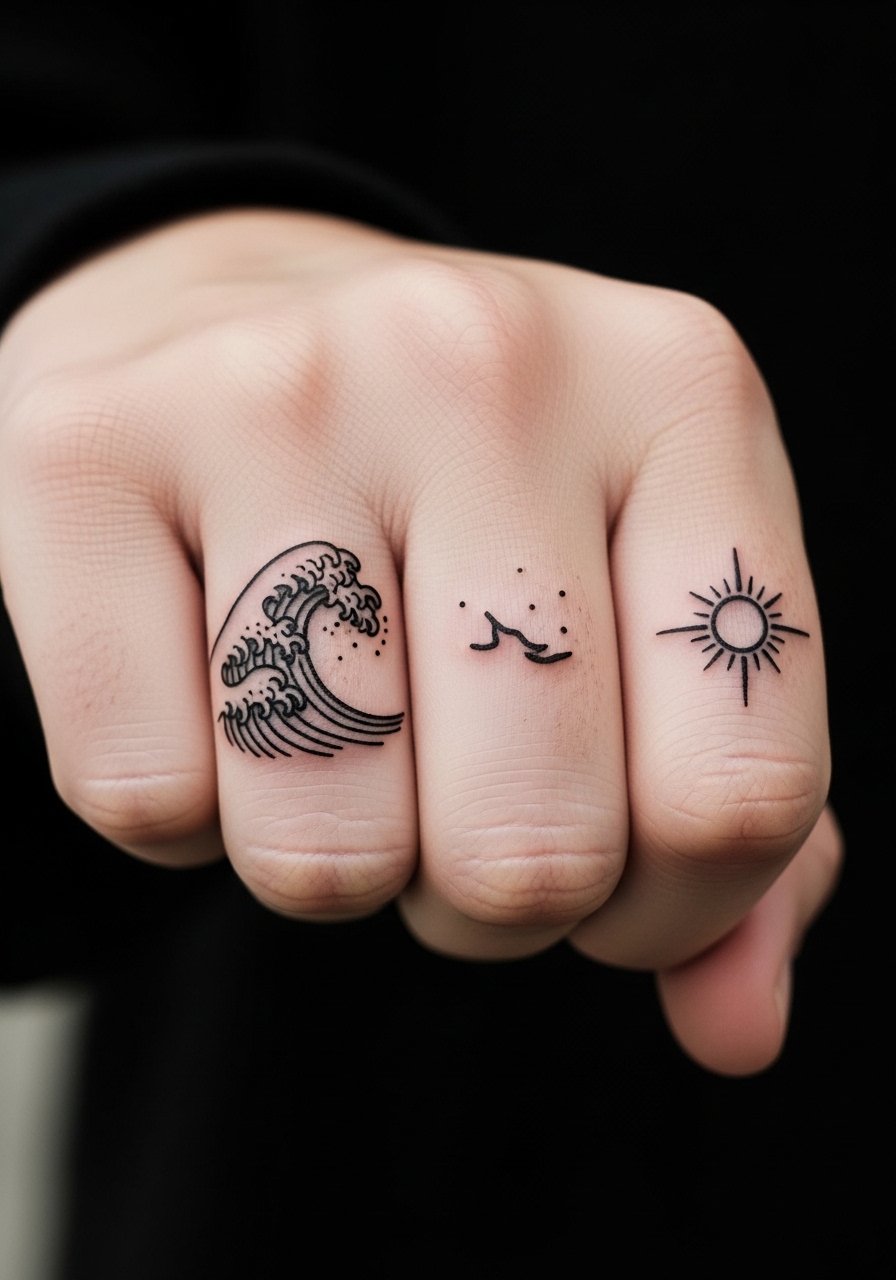
Knuckle pairings read well in movement and can form a motif across your hand. This placement hurts more because you are near bone. One camp advises numbing for knuckle work to improve comfort. The other camp believes numbing hides depth issues so should be used sparingly. If you go ahead, ask how your artist manages depth on knuckles. Keep motifs simple so the sun and wave stay distinct as they age. Sessions are brief but acupuncture-like. Plan touch-ups within a year to maintain crisp icons.
15. Micro script word on the side of a finger
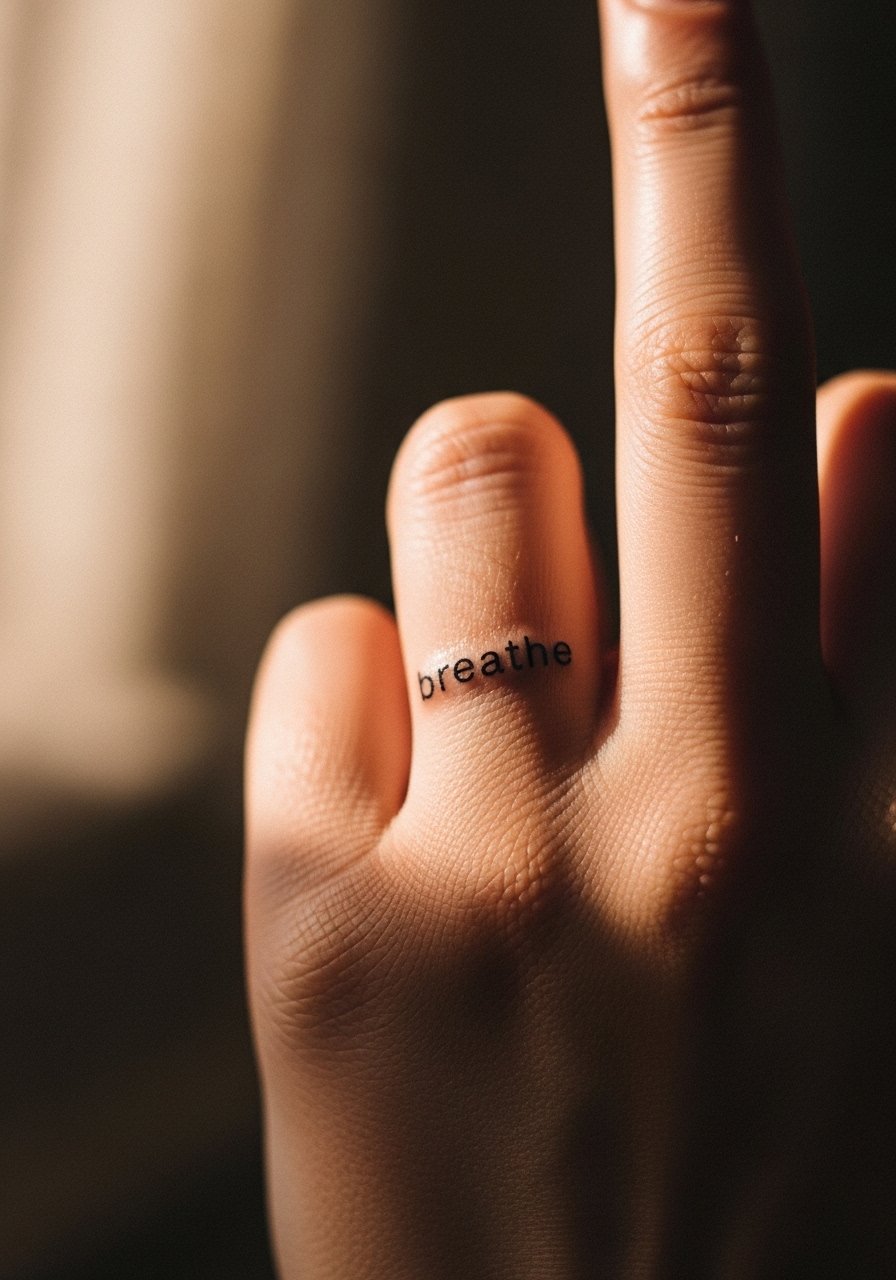
Side-finger script fits discreet messages and still pairs with jewelry. When text is involved be explicit about the exact word so the image prompt and healed result match. Ask for letters to have slight spacing and a gentle baseline curve to avoid crowding as the skin expands. A frequent error is requesting long phrases in tiny script. Keep it to a single word or initials. The session is usually under thirty minutes and touch-ups may be needed at the two-year mark if you use your hands a lot.
16. Micro-realism tiny bee on the outer finger
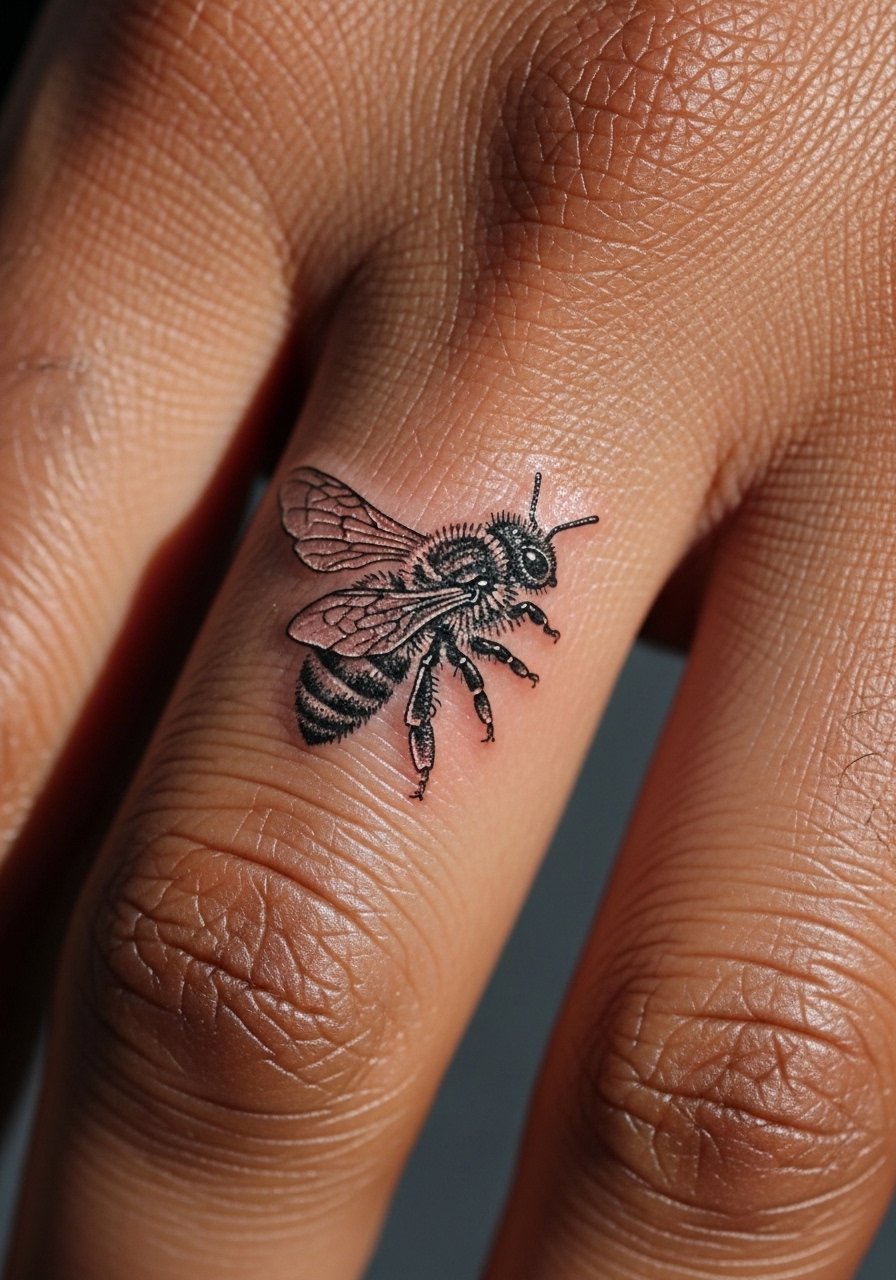
Micro-realism can read beautifully on fingers when kept extremely small and with high-contrast linework. For this effect ask to see healed micro-realism examples on similar skin tones. The common mistake is expecting photographic detail at a postage-stamp size. Session time varies depending on shading but usually stays under an hour. Because of tiny shaded areas, plan for a possible touch-up at year one as dots can migrate slightly in high-friction zones.
17. Single numeral on the fingertip edge
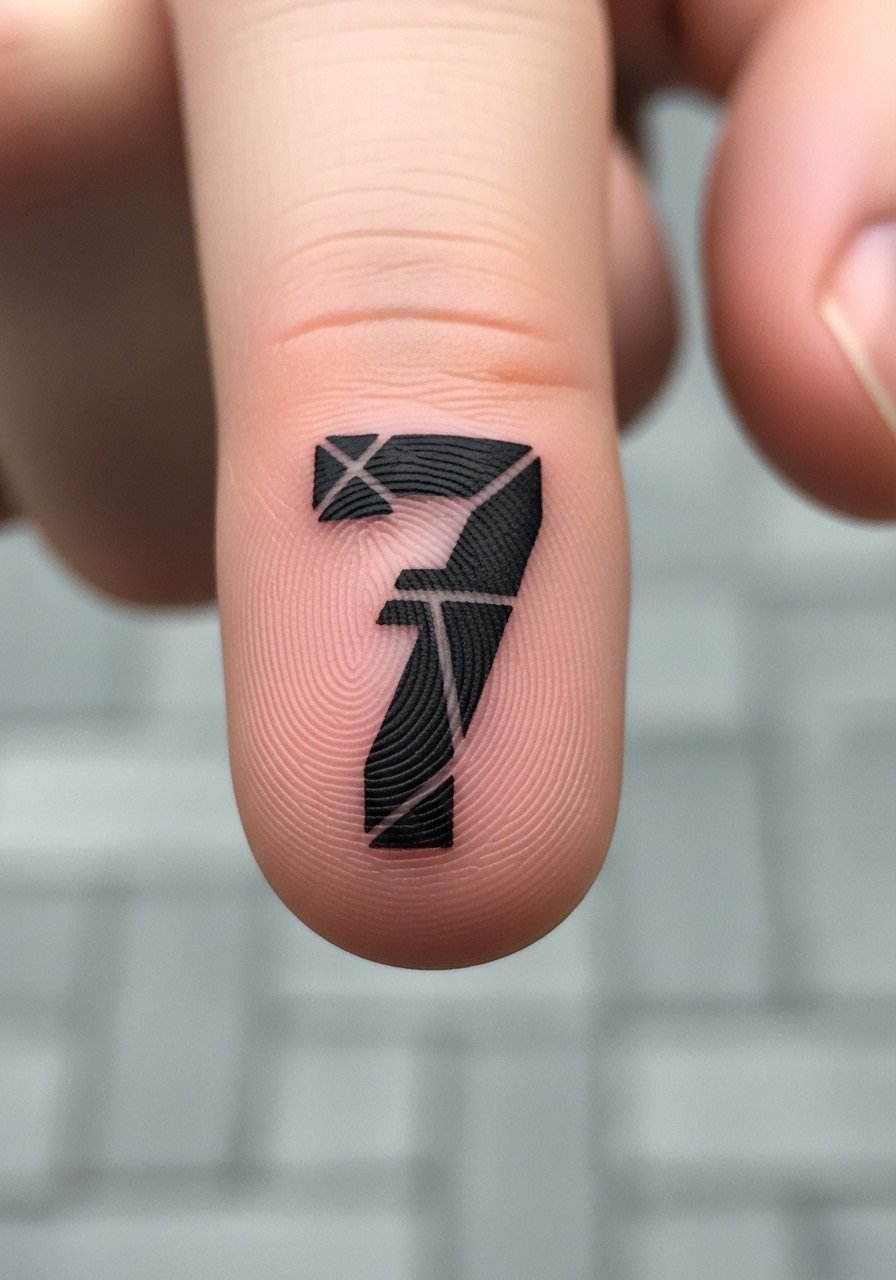
A fingertip edge placement is unique and reads well when you gesture. The skin here renews faster so ink can fade quicker. Tell your artist you want slightly bolder stroke weight so the number retains form. One mistake is choosing a thin serif style that loses its counters. Sessions are short but the area is sensitive. Expect more frequent touch-ups for fingertip edges than for finger sides.
18. Tiny crescent and star stacked near the joint
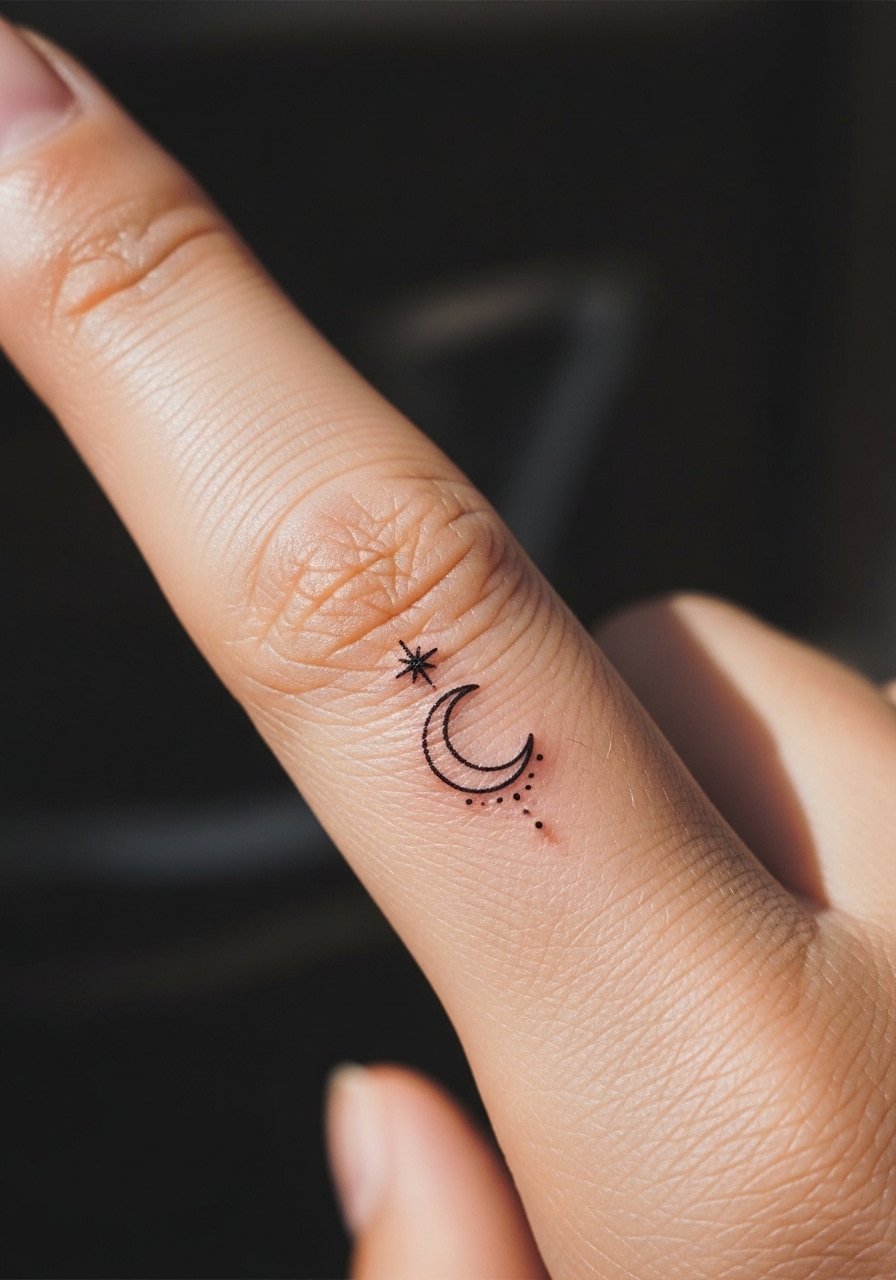
Stacked celestial symbols are compact but expressive. For joints, stipple shading preserves texture better than soft gray fills. A common error is over-detailing the star which then blurs. During consult, show how you wear rings and bracelets so the artist can avoid areas of constant contact. Session time is brief and pain moderate. Plan a touch-up at 12 to 24 months based on wear.
19. Minimal leaf outline along knuckle fold
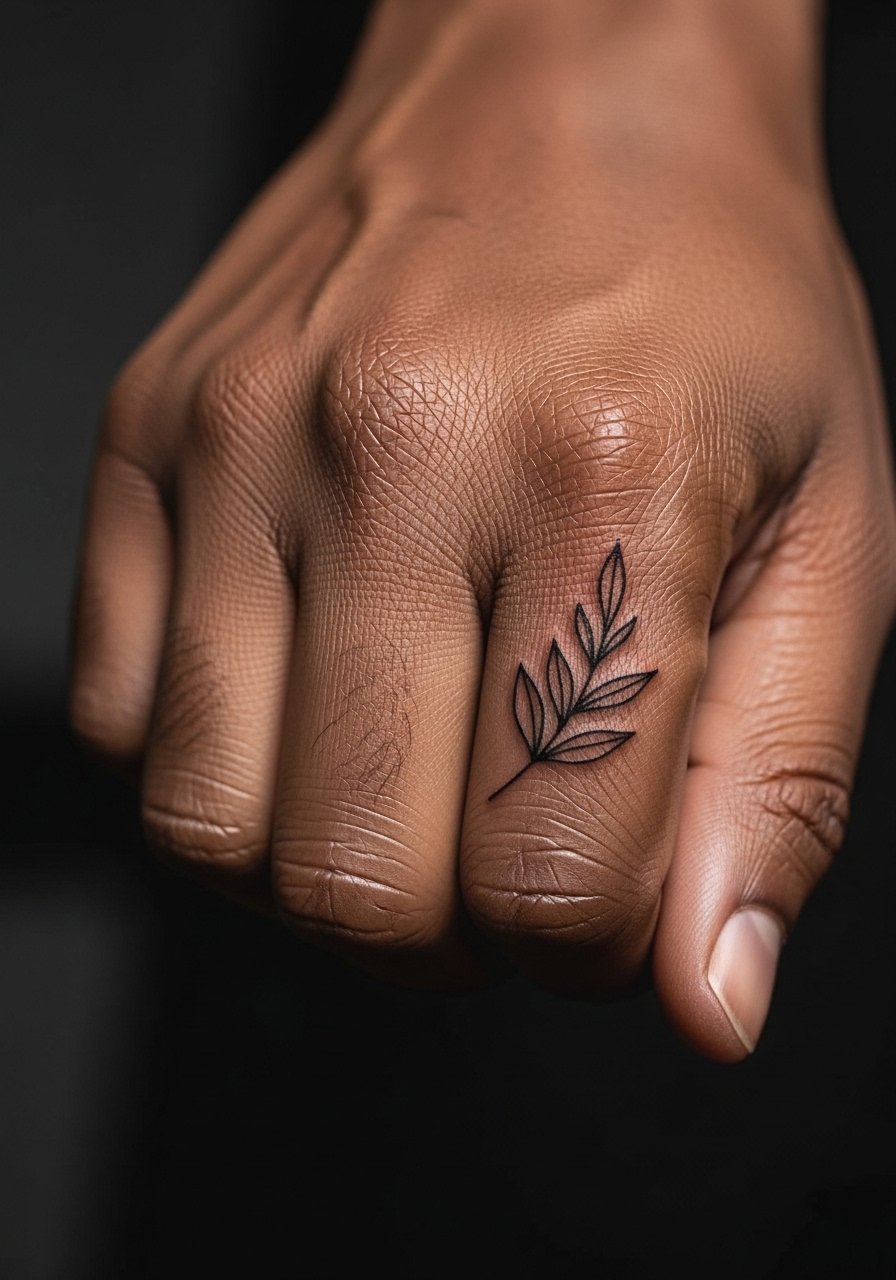
A leaf over a knuckle follows the fold when you bend your finger and creates subtle motion. Knuckle folds stress ink, so ask for simplified contours with minimal interior lines. The mistake most people make is insisting on detailed veining that cannot survive the area. Expect a sharper pain sensation due to bone proximity and a short session. Touch-ups are common and may be needed annually if you wear rings that rub against the area.
20. Tiny coordinates on the finger side
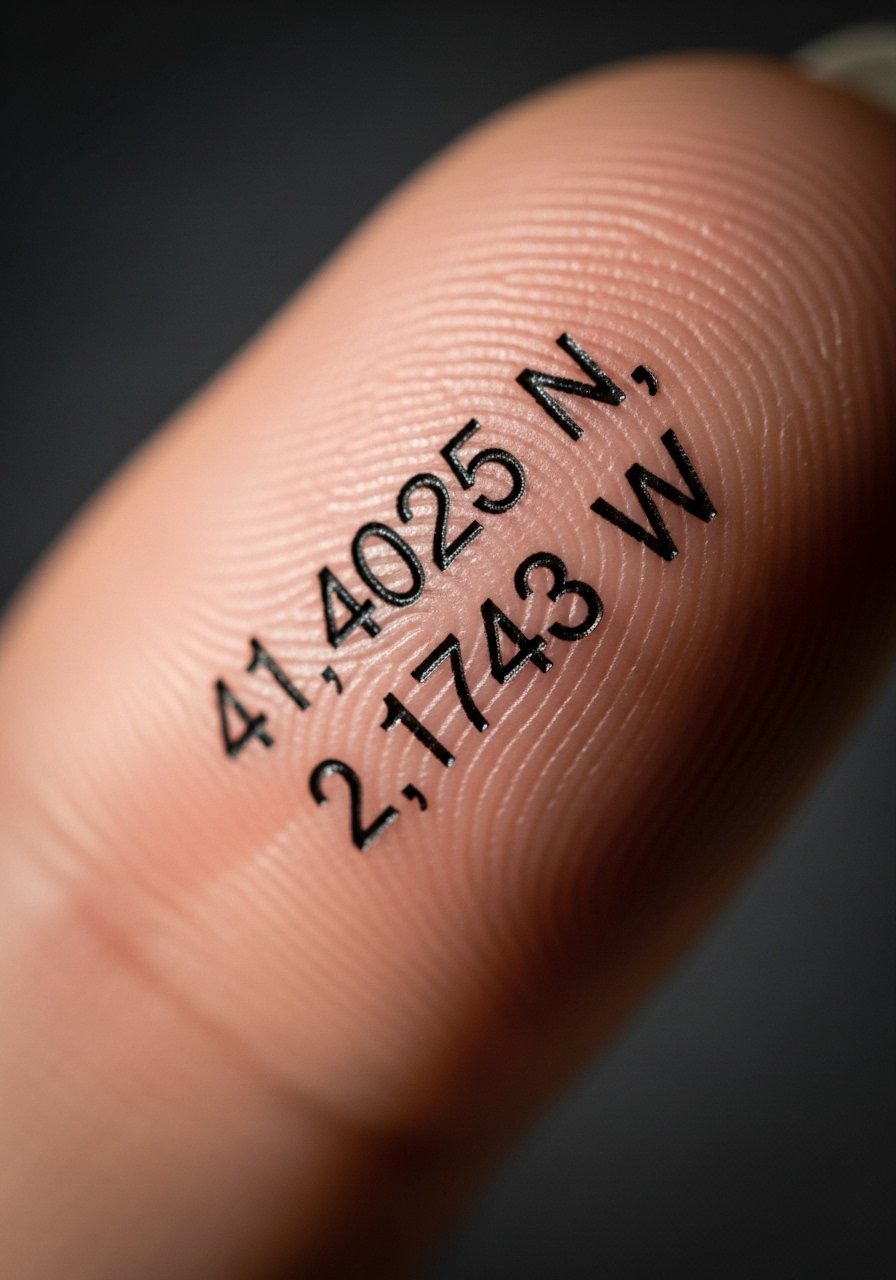
Coordinates make for a compact, literal tattoo that stays personal. When text is visible, specify the exact characters so the lettering is precise. Monospace keeps each digit clear, which helps as the skin shifts over time. The main mistake is cramming too many numbers into a too-small space. Sessions take under forty minutes. Expect a check-in touch-up after the initial heal if any digits softened.
Tattoo Prep and Aftercare Essentials
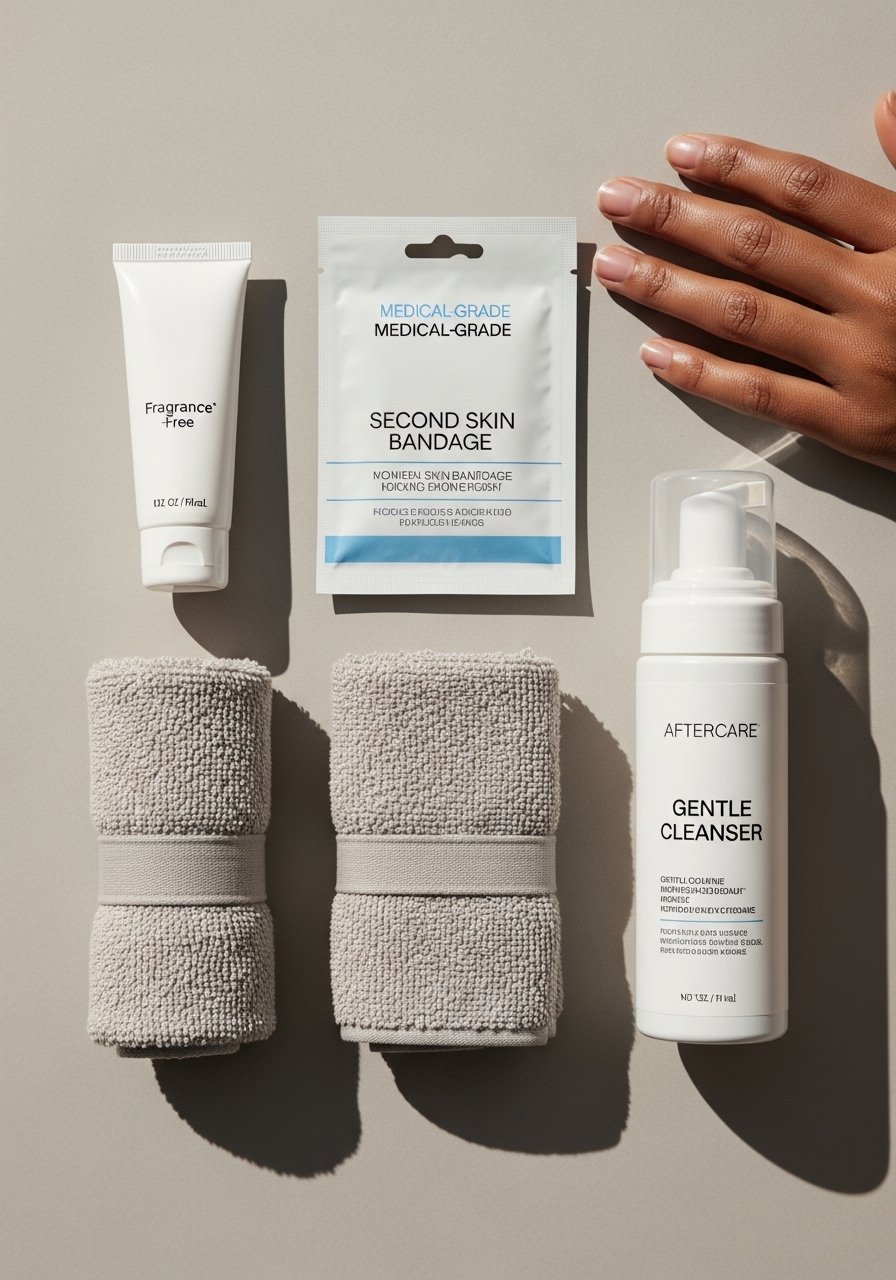
Lightweight fragrance-free balm for healed skin. Use this after the initial seal is off and the skin has closed. It soothes dryness and prevents over-peeling while not clogging pores.
Gentle pH-balanced foaming cleanser. A mild cleanser keeps the area clean without stripping oils during the first two weeks.
Medical-grade second skin bandage, single-use packs. For high-motion hand tattoos a breathable second skin can protect from soap and friction in the first 48 to 72 hours.
Soft cotton finger sleeves for protection. Use these when you are doing repetitive tasks that rub the area in the first month.
Non-scented mineral sunscreen SPF 30. Once fully healed, sunscreen is the best way to slow fading on exposed fingers.
Silicone scar sheet for smoothing raised areas. Only use after the tattoo is fully healed if a raised texture develops.
Microfiber quick-dry towel for gentle patting. Use a separate towel during the initial healing to avoid bacteria transfer.
Antibacterial gentle hand soap, fragrance-free. Choose a mild pump soap to reduce rubbing while cleaning the area.
Aquaphor Healing Ointment small tube. Use sparingly if your artist recommends a thicker occlusive during the first 24 hours. This counts as the single mainstream product mentioned here.
Every tattoo is different. Always follow your artist's specific aftercare instructions. Consult a dermatologist if you have skin concerns or unusual healing issues.
Frequently Asked Questions
Q: Will fine line hearts on side fingers blur faster than bold outlines?
A: From what I've seen, fine line hearts often need touch-ups sooner because the skin on fingers moves and rubs. Bold outlines can hold shape longer but read heavier. The trade-off depends on how delicate you want the result and how often you are willing to return for touch-ups.
Q: Are knuckle tattoos worth it given the pain and fading?
A: Knuckle tattoos hurt more and fade faster due to proximity to bone and constant motion. They read well as simple shapes with slightly thicker outlines. If you want knuckle work, plan for numbing choices and a realistic touch-up schedule.
Q: How do I ask an artist for healed examples on dark skin tones?
A: Ask directly for healed photos on similar skin tones during consultation and request recent work within the last two years. Search hashtags like #FingerTattoosForWomen and check portfolios that include a range of tones before booking.
Q: Is second-skin wrapping better than dry healing for finger tattoos?
A: Artists are split. Some prefer second-skin wraps for hands because they limit soap exposure and friction early on. Others prefer brief wrap then air drying so ink can settle. Ask your artist which protocol they follow and why, and follow their specific timing.
Q: How often do finger tattoos typically need touch-ups?
A: Expect touch-ups anywhere from 12 months to 3 years depending on placement, line weight, and your daily hand use. High-friction areas like pads and knuckles usually need earlier maintenance than the side finger.
Q: Can I get a script or coordinates tiny enough to avoid touch-ups?
A: Tiny script and coordinates can hold if scaled properly and spaced intentionally. The key is to avoid overcrowding and to pick a slightly heavier line weight than you might initially prefer. Ask to see healed examples at actual size during the consult.