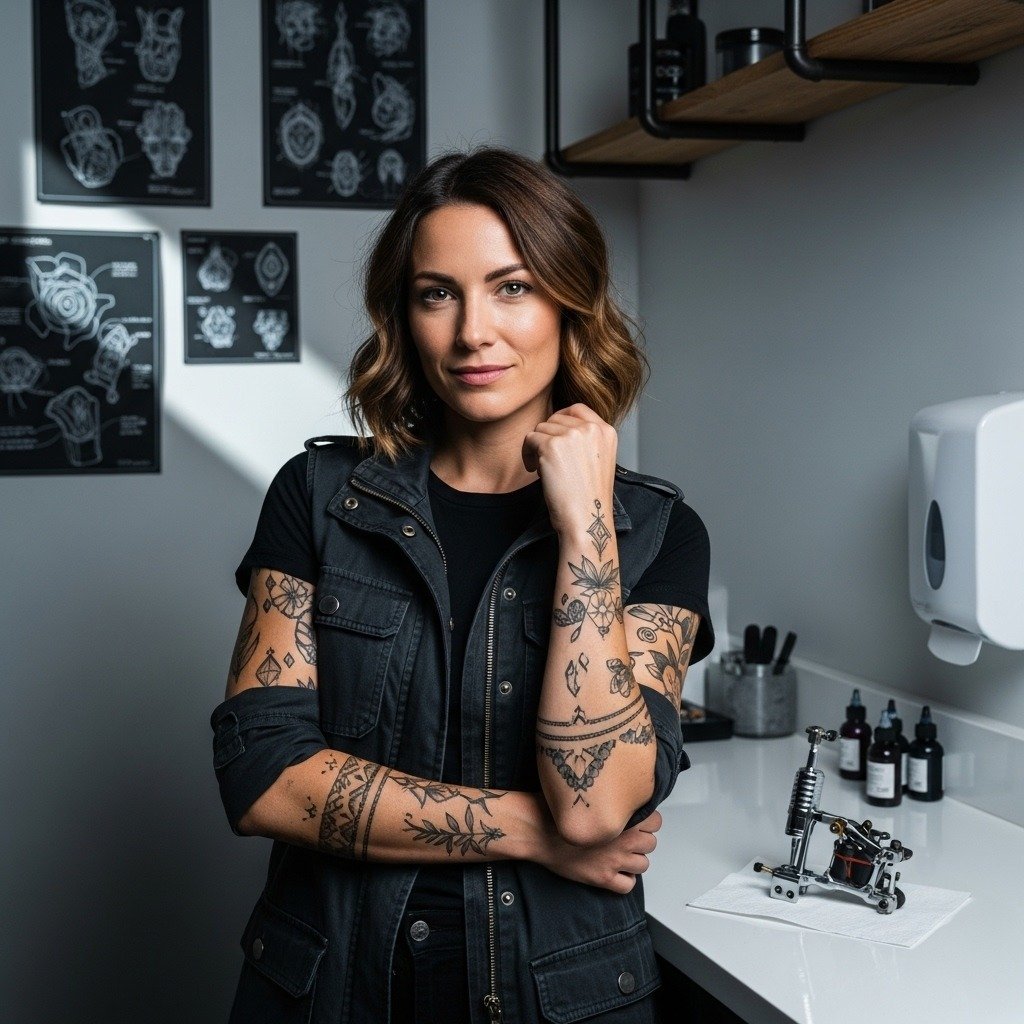
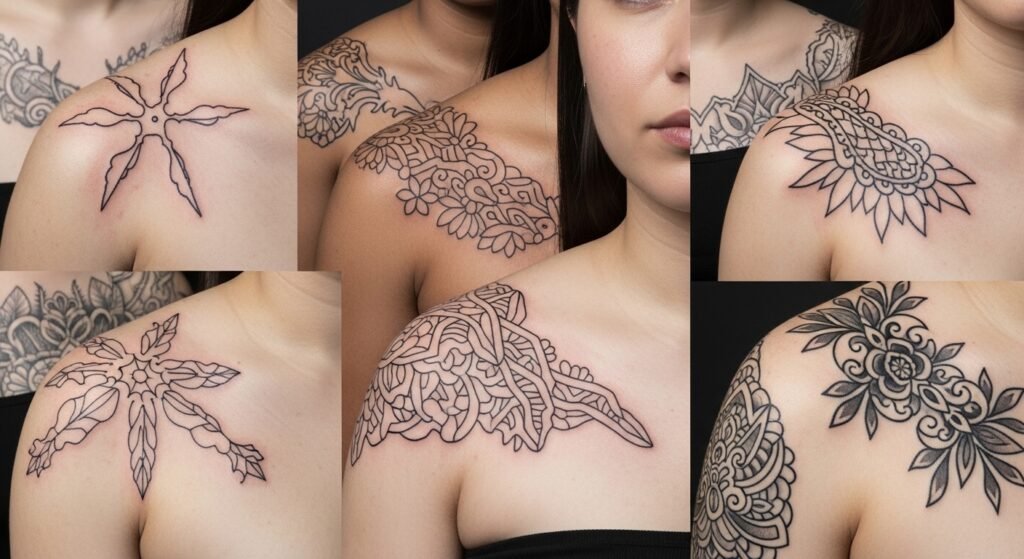
I spent months testing designs and watching healed photos before I committed to shoulder ink. The real problem wasn’t finding pretty art. It was finding pieces that flow with the shoulder’s curve, heal predictably, and still look intentional years later. These 28 shoulder ideas focus on balance, motion, and how tattoos actually age.
Quick context: I’m centering on styles that suit the shoulder—fine line, traditional, blackwork, neo-traditional, micro-realism, and minimalist pieces that wrap the deltoid. These placements work for visible statements or pieces you can cover. Tattoo interest remains high (about one in three Americans has a tattoo) and shoulder placements are a steady trend (source: Ipsos; Statista).
Fine Line Botanical Cap on Outer Shoulder
Style/Technique: Fine Line / Illustrative
Pain Level: Low-Medium (3/10)
Session Time: 1-2 hours
Best For: Meaningful, delicate work that hugs the deltoid
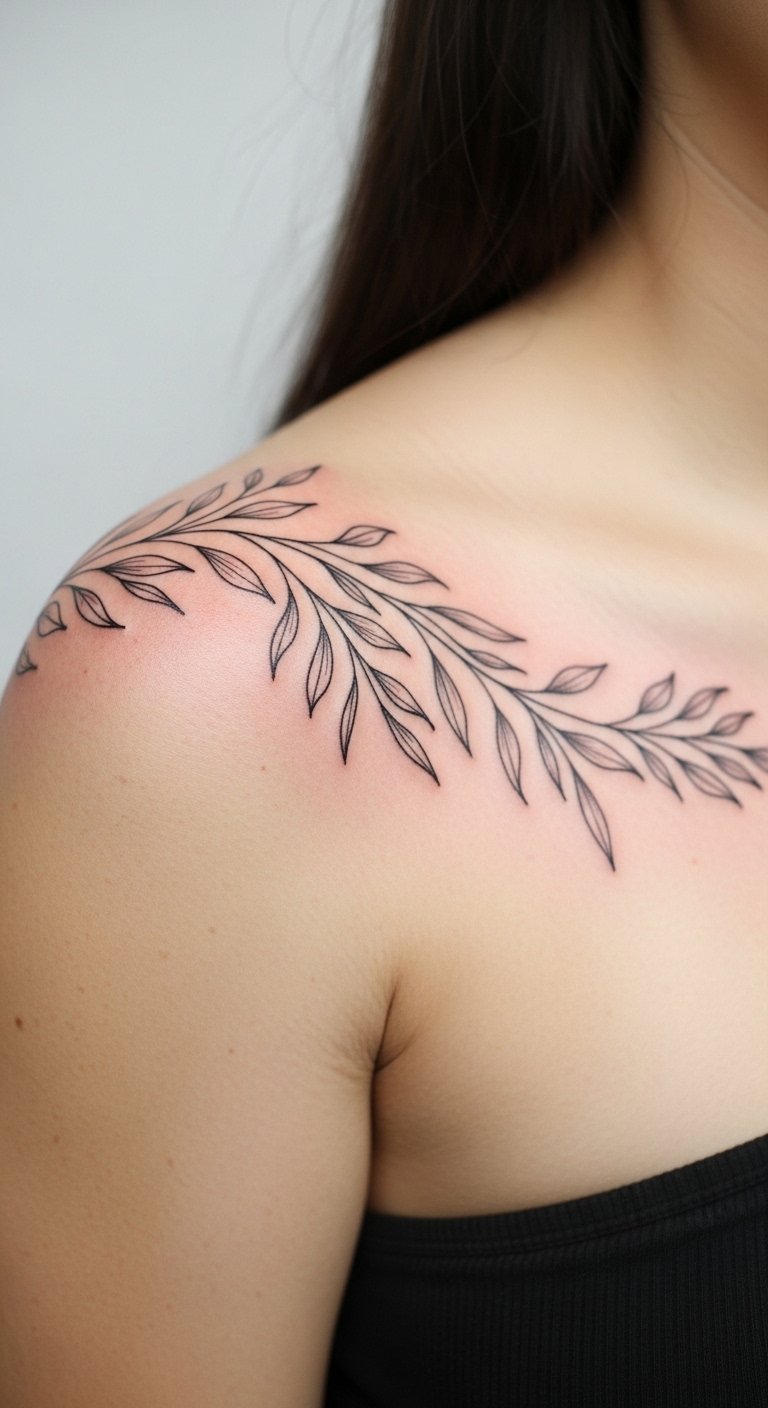
I love botanical caps because the shoulder’s curve lets stems flow. Fine line creates an airy, minimalist vibe—timeless and meaningful. Expect mild soreness; the outer shoulder is forgiving. Heals in 2–4 weeks on the surface; full settling takes a couple months. Fine lines can blur if the artist uses too heavy a needle. Ask for steady, tapered linework and examples of healed fine-line shoulder pieces.
Bold Traditional Anchor on Deltoid
Style/Technique: Traditional / American Traditional
Pain Level: Low (2/10)
Session Time: 1-3 hours
Best For: High-visibility, classic statement pieces

Traditional holds up well on shoulders. Thick lines and solid fills resist spreading and fading. The look is bold and timeless; colors mellow but remain readable. Expect light discomfort. Healing is straightforward; keep it clean and moisturized. A common mistake is choosing overly intricate details for this style—traditional reads best with strong shapes and contrast. Ask for saturated fills and bold outlines.
Micro-Realism Portrait on Upper Shoulder
Style/Technique: Micro-Realism / Portrait
Pain Level: Medium (4/10)
Session Time: 2-4 hours
Best For: Personal tributes and subtle realism
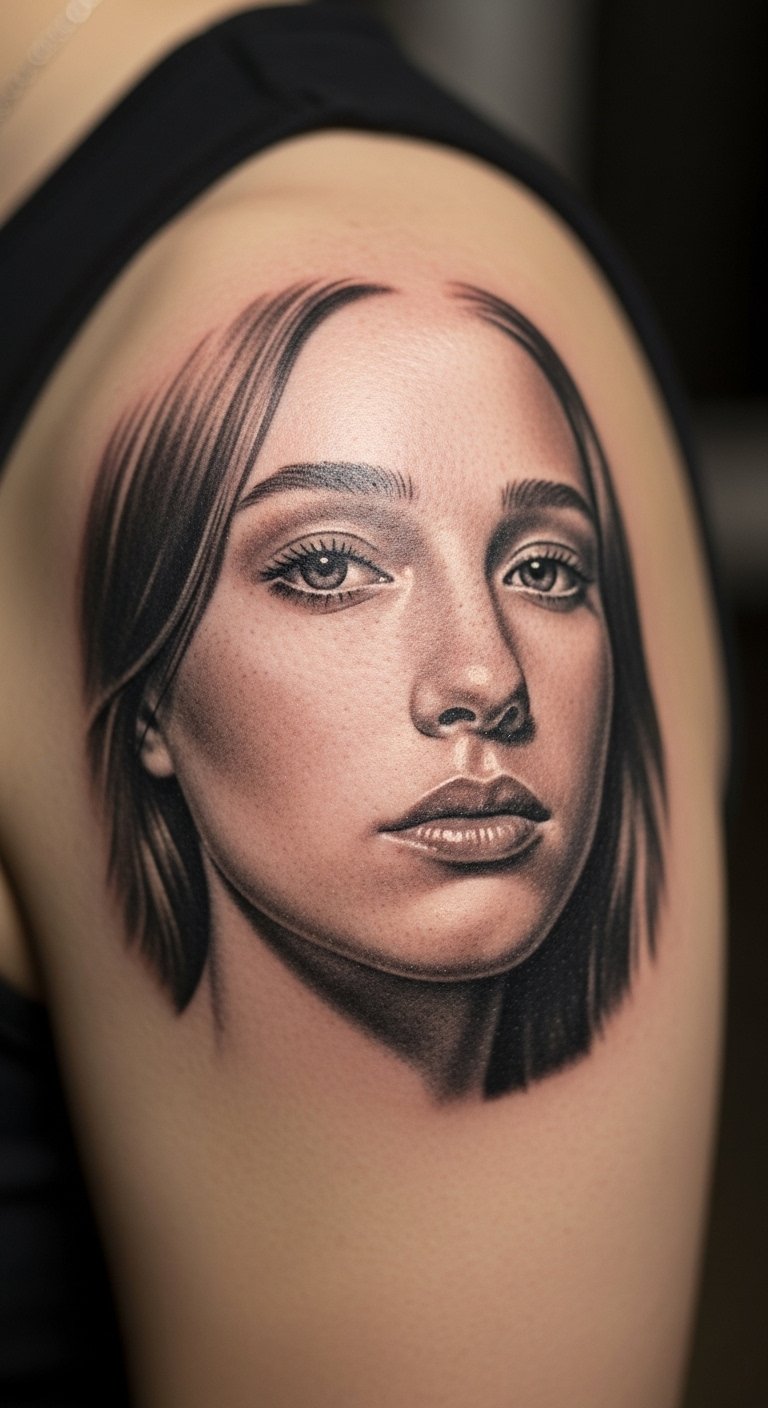
Micro-realism can sit beautifully on the rounded shoulder if sized properly. It feels intimate and meaningful. Expect medium pain near the joint. Healing needs careful moisturizing; tiny details depend on the artist’s skill. Realistic tattoos on shoulders tend to soften as they age—book touch-up expectations. Avoid tiny, unreadable details; ask the artist for healed portfolio shots of similar placements.
Blackwork Crescent Shoulder Cap
Style/Technique: Blackwork / Negative Space
Pain Level: Low-Medium (3-4/10)
Session Time: 1-2 hours
Best For: Graphic, high-contrast statement
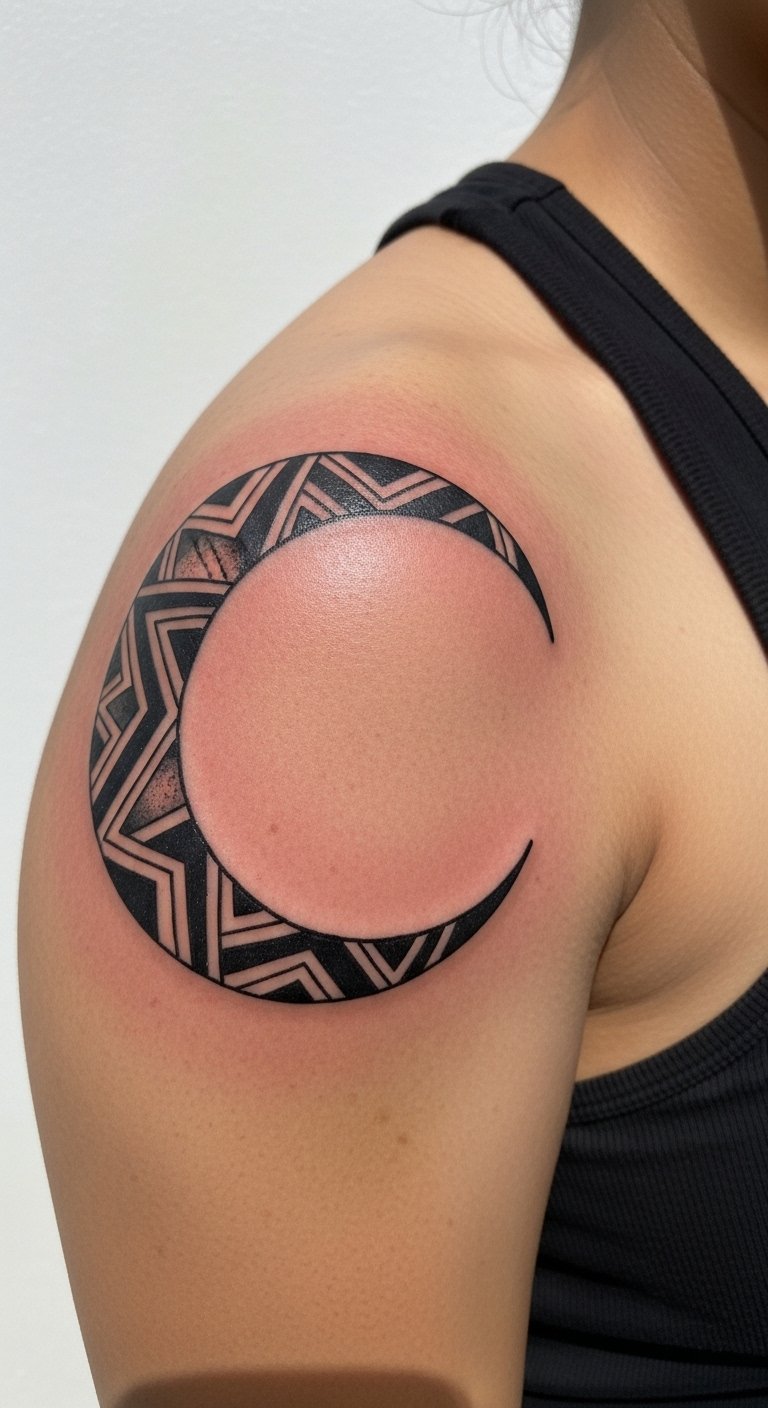
Blackwork reads strongly on the shoulder. Negative space lets the skin tone become part of the design, which is great for balance. Pain is manageable; large black fills can feel hotter but heal predictably. Big solid blacks age well, though very large fills may need touch-ups. One mistake is overextending black into delicate areas—keep shapes confident. Ask for clean, healed examples from the artist.
Neo-Traditional Swallow Arcing Over Shoulder
Style/Technique: Neo-Traditional / Color
Pain Level: Low (3/10)
Session Time: 1-3 hours
Best For: Colorful, flowing compositions
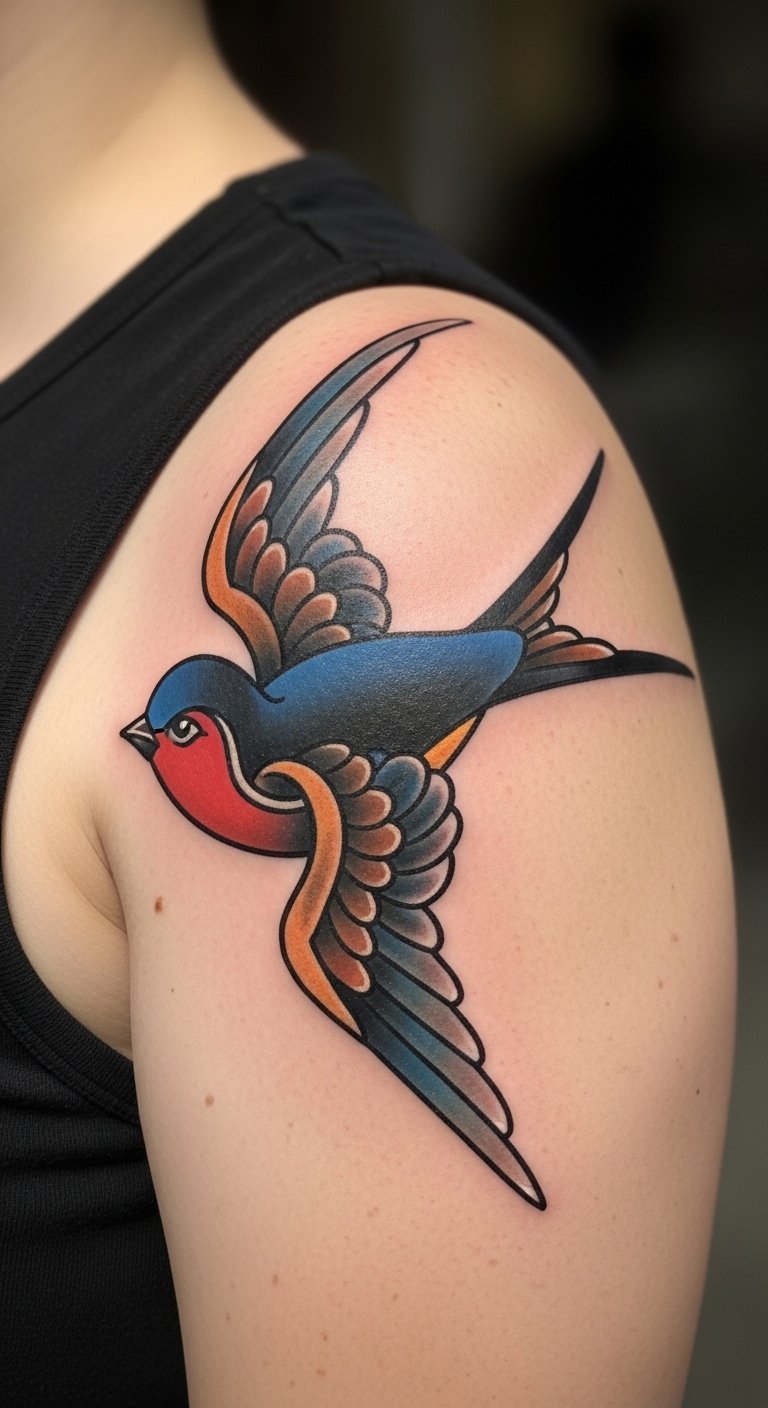
Swallows and birds work well because they can arc with the shoulder. Neo-traditional color holds well if the artist uses proper saturation. Expect low pain. Colors will soften with sun exposure—SPF matters. Avoid tiny color gradients that vanish; ask your artist how they handle color saturation for shoulders.
Minimalist Line Wave Across Shoulder Blade
Style/Technique: Minimalist / Single Line
Pain Level: Low (2/10)
Session Time: 30–60 minutes
Best For: Subtle, easy-to-hide pieces
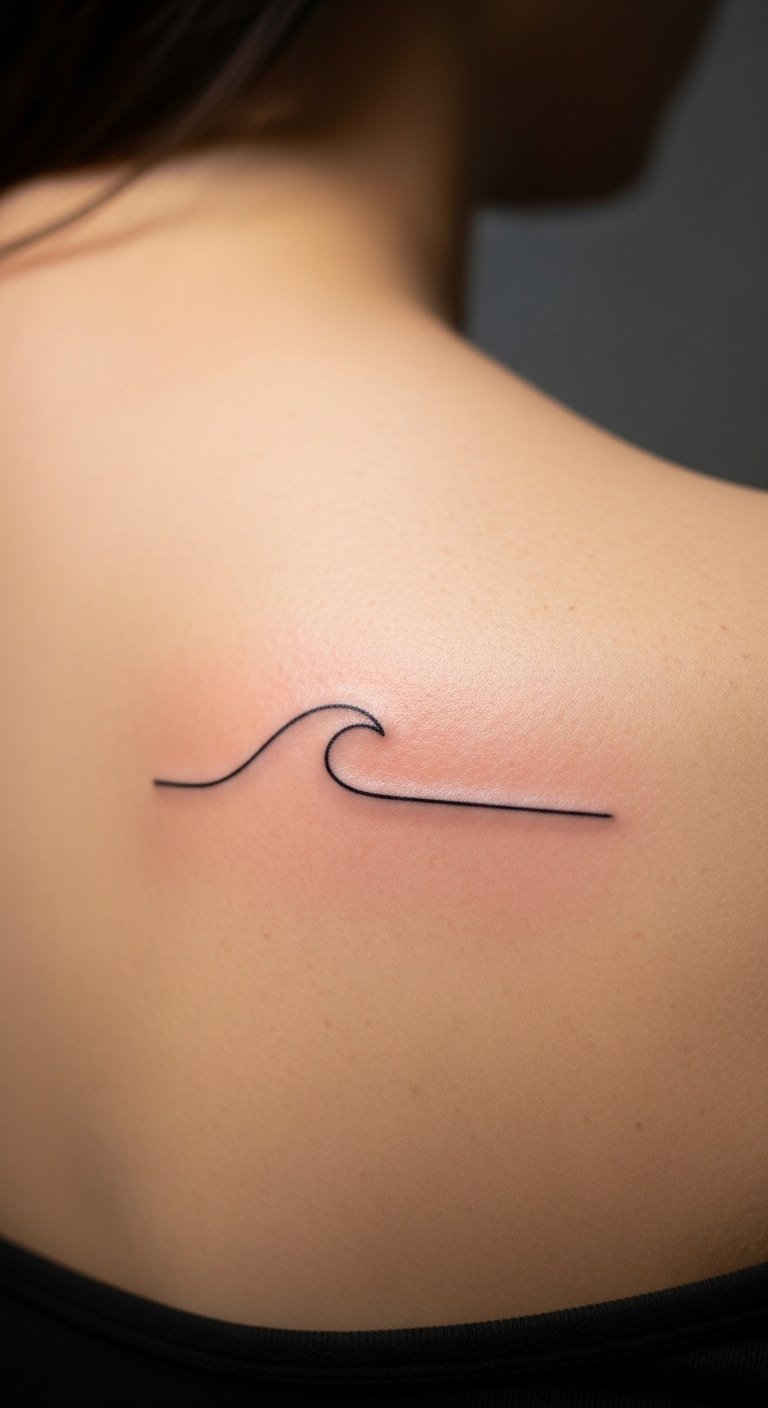
Minimalist lines feel modern and elegant on the upper shoulder or blade. Pain is low. These heal fast but are vulnerable to blurring over years—best kept slightly bolder than you think. Common mistake: lines too thin for long-term visibility. Ask for slightly heavier ink placement and healed examples.
Dotwork Mandala Across Shoulder Cap
Style/Technique: Dotwork / Geometric
Pain Level: Medium (4/10)
Session Time: 2-4 hours
Best For: Decorative symmetry that follows muscle lines
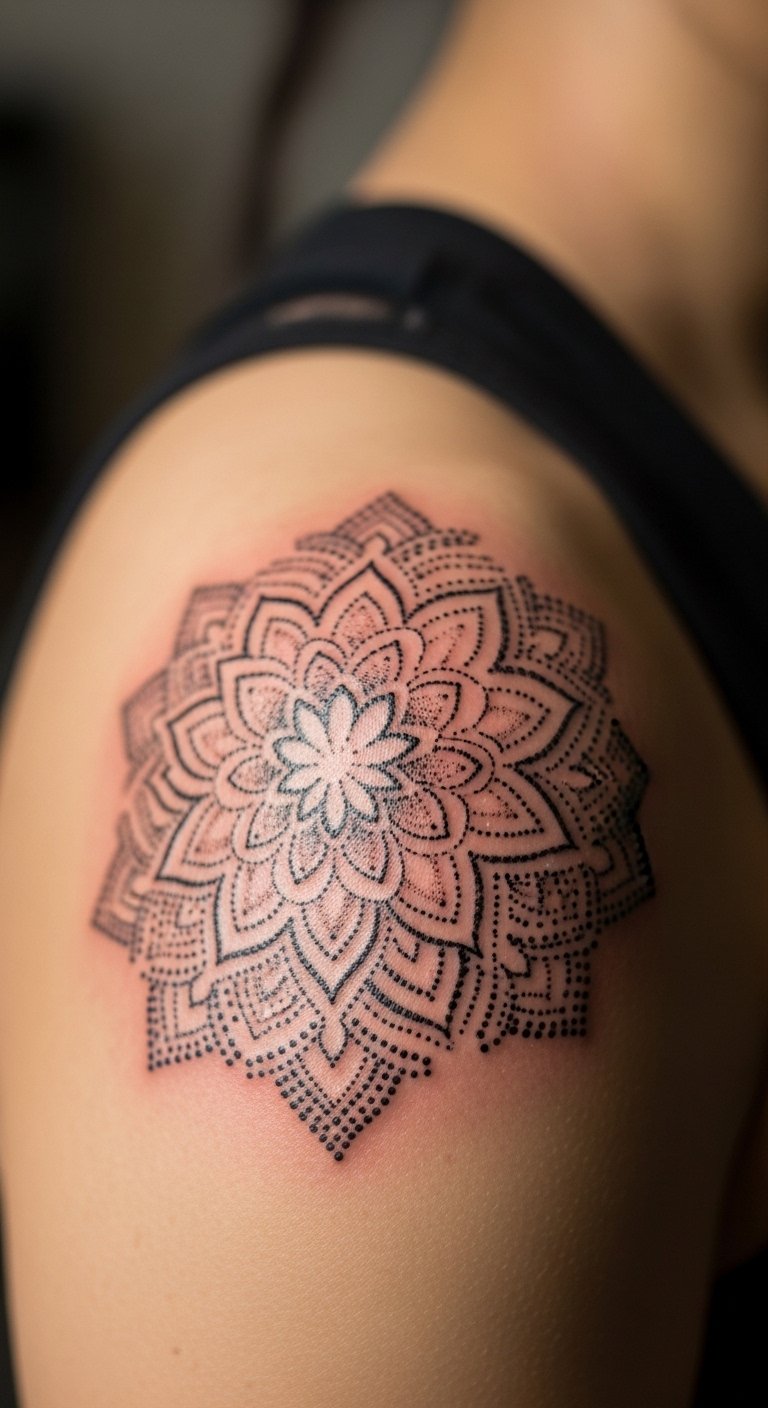
Dotwork plays with negative space and contours. It’s meditative and ages predictably if dots are spaced well. Expect medium discomfort. Healing requires gentle cleaning; heavy picking ruins stippling. Avoid over-dense dots that can muddy—ask the artist how dot spacing holds up after a year.
Watercolor Floral Splash on Outer Shoulder
Style/Technique: Watercolor / Painterly
Pain Level: Low (3/10)
Session Time: 1-2 hours
Best For: Soft, feminine color that wraps the deltoid
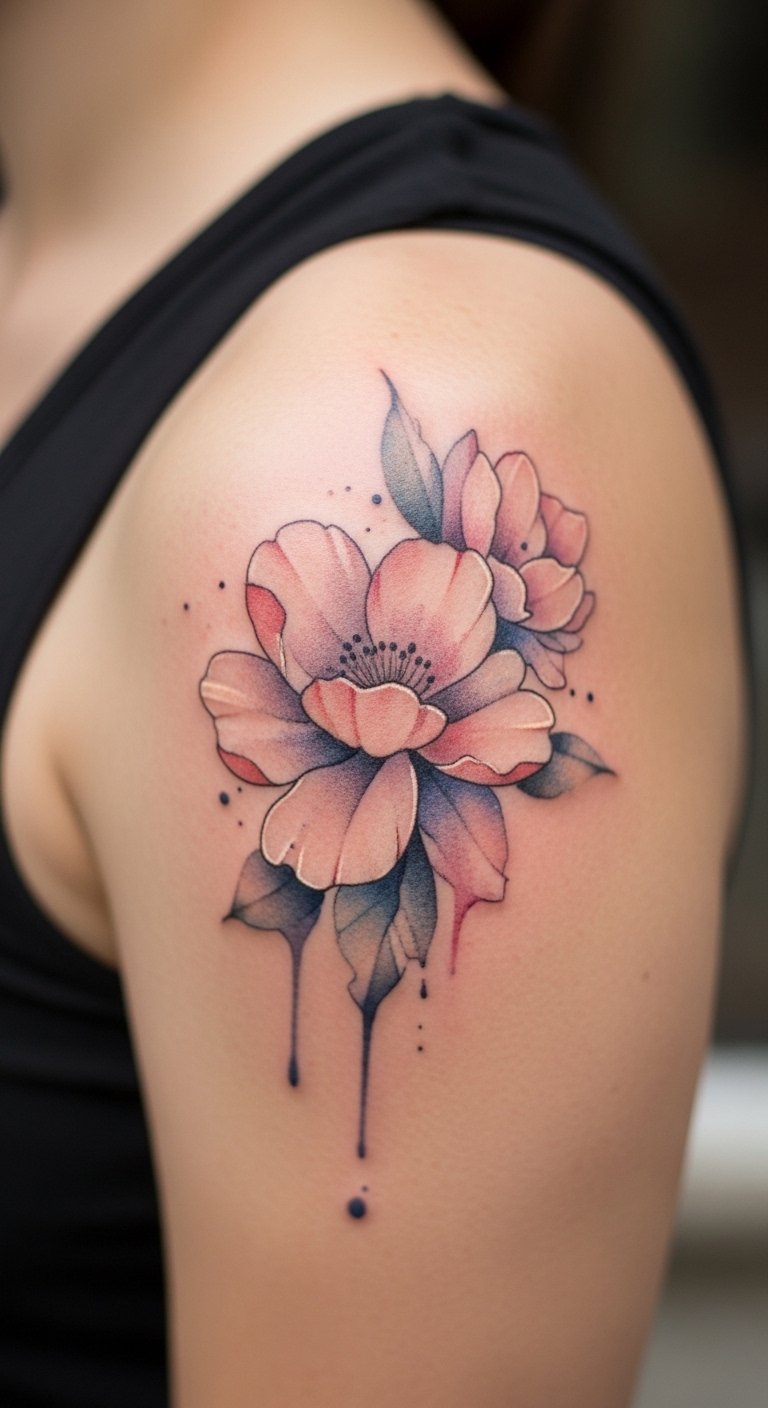
Watercolor looks fresh, but edges can blur as it heals. On the shoulder, it creates a soft, natural flow. Pain is mild. Heals unevenly if ink is too light—ask the artist about pigment saturation and long-term maintenance. Sunscreen is essential to keep colors lively.
Geometric Line Band Around Deltoid
Style/Technique: Geometric / Blackwork
Pain Level: Low (2-3/10)
Session Time: 1 hour
Best For: Modern, wrap-around accents
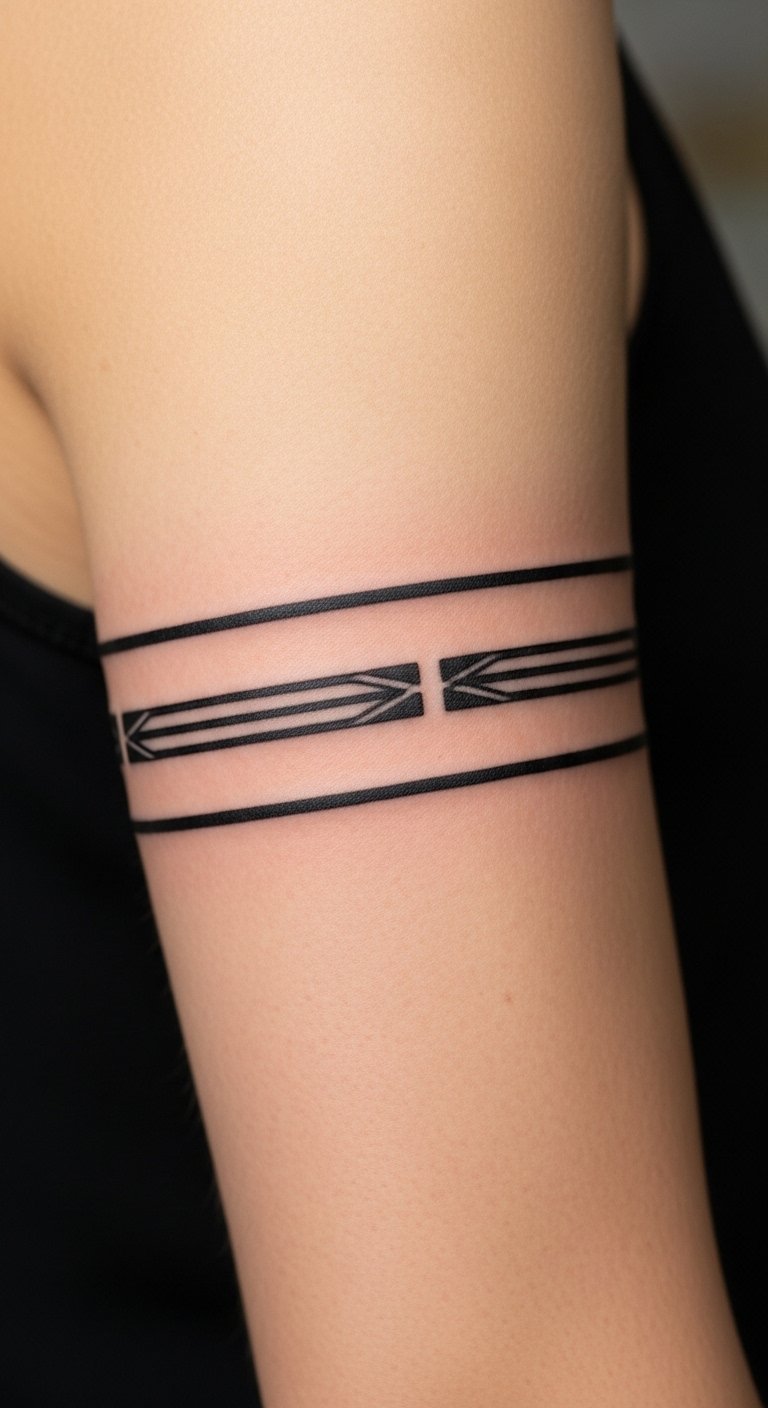
A band can accentuate muscle shape. Geometric pieces need consistent spacing to stay balanced. Pain is low. Healing is simple but poor placement results in a lop-sided look—get a mockup while standing. Request healed photos of wrap-around bands.
Japanese Koi Flowing Over Shoulder
Style/Technique: Traditional Japanese / Irezumi-inspired
Pain Level: Medium (4-5/10)
Session Time: Multiple sessions
Best For: Dynamic, narrative pieces that curve with the body
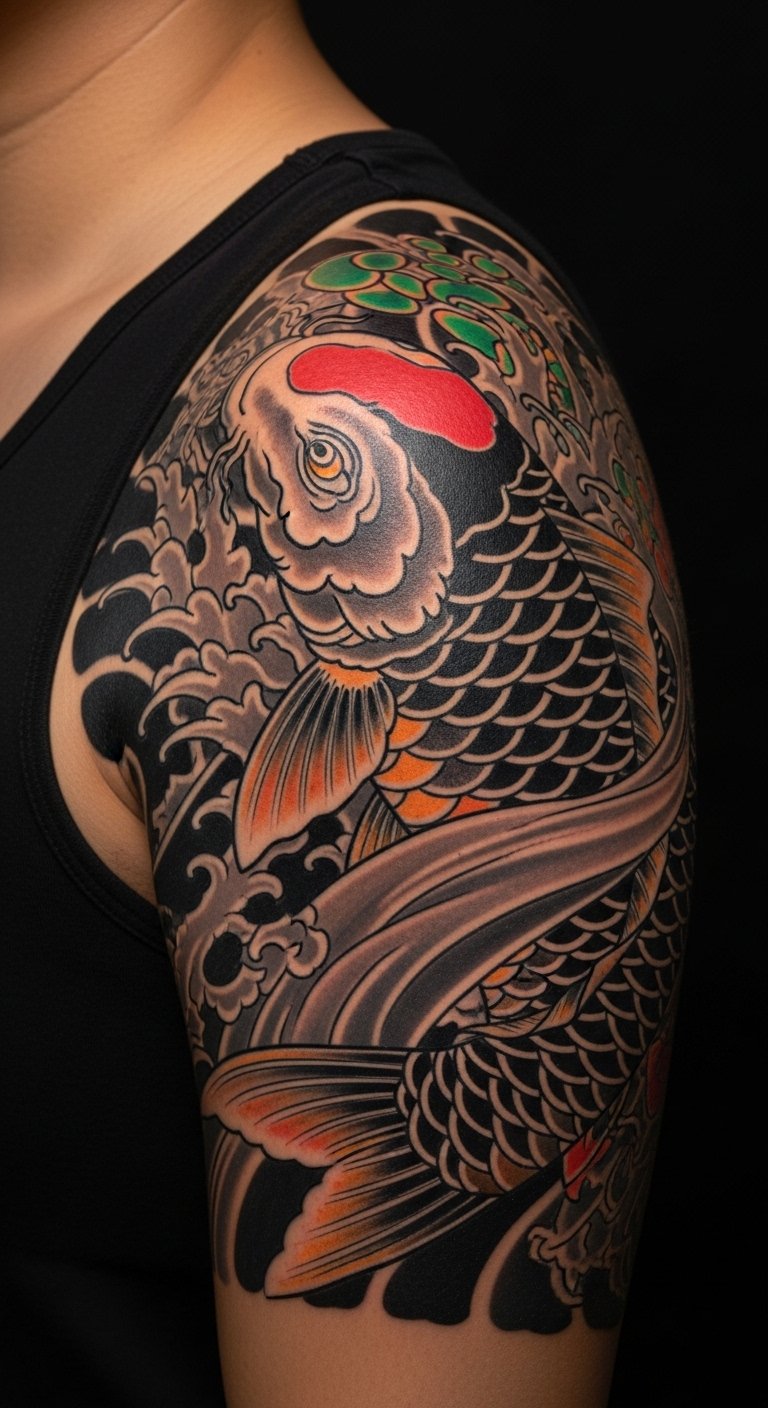
Koi and waves use shoulder shape to imply motion. Sessions depend on size. Expect medium pain near the joint. Large color blocks age well if laid deep enough. A common misstep is cramming too much detail into the deltoid—plan flow across adjacent areas.
Fine Line Constellation On Shoulder Cap
Style/Technique: Fine Line / Minimalist
Pain Level: Low (2/10)
Session Time: 30–60 minutes
Best For: Meaningful placement and placement-specific mapping
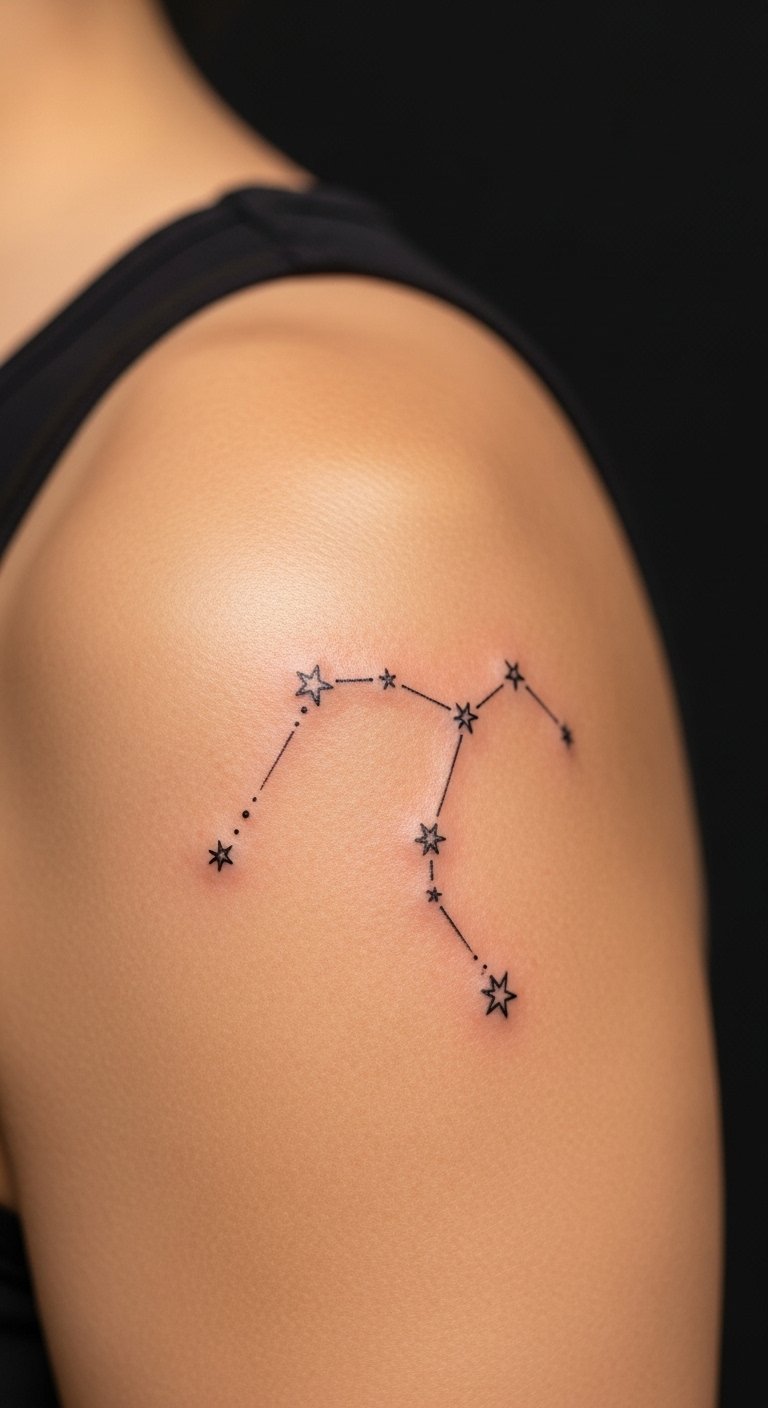
Constellations read intimate and personal. Shoulders offer enough space to scale up later. Heals quickly. Beware of lines too thin—stars can blur. Ask for slightly thicker dots and healed examples on similar skin tones.
Floral Shoulder-to-Clavicle Flow
Style/Technique: Illustrative / Fine Line + Blackwork
Pain Level: Medium (4/10)
Session Time: 2-4 hours
Best For: Pieces that bridge shoulder and chest

This wrap creates motion across the shoulder and chest. Clavicle areas can be more sensitive. Healing needs careful sleeping position choices. Avoid tiny petals on the clavicle that will blur—ask for slightly bolder outlines near joints.
Stippling Sunburst on Shoulder Cap
Style/Technique: Stippling / Blackwork
Pain Level: Medium (4/10)
Session Time: 1-2 hours
Best For: Textured look that complements shoulder contours
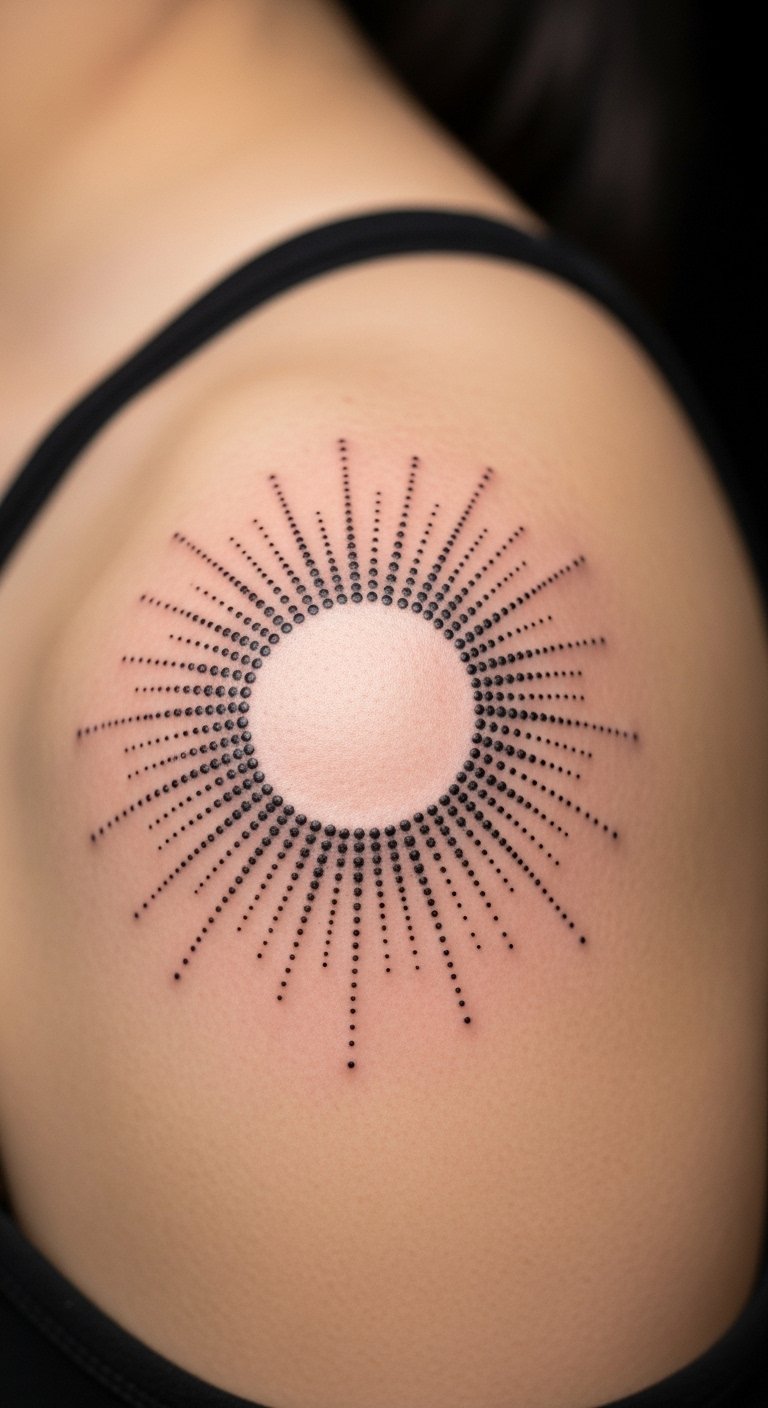
Stippling gives a tactile, organic finish. It ages well if dots aren’t overcrowded. Pain is moderate. Keep aftercare consistent to avoid scabbing that disrupts stippling. Ask artists for 6–12 month healed photos.
Small Script Along Shoulder Curve
Style/Technique: Script / Minimalist
Pain Level: Low (2-3/10)
Session Time: 30–60 minutes
Best For: Personal phrases that follow natural lines
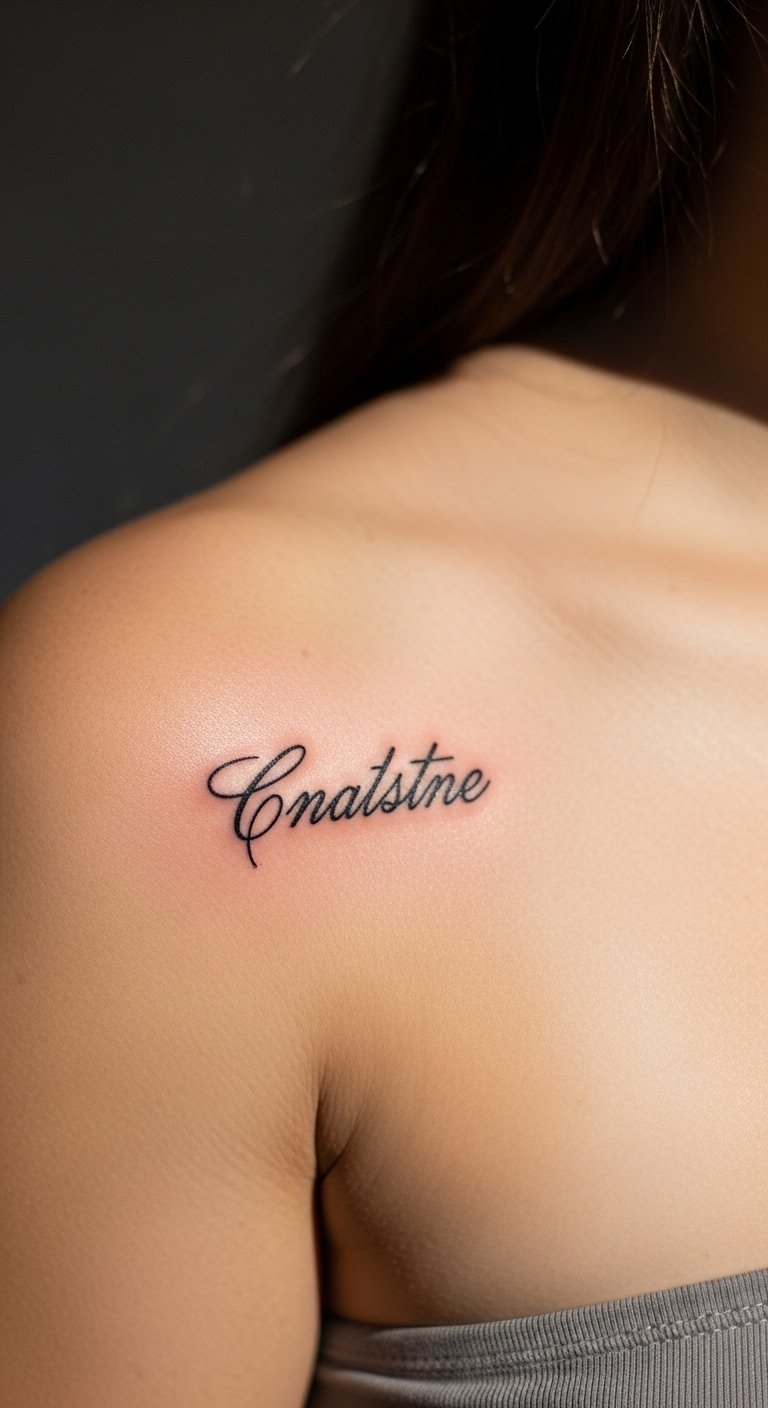
Script that follows the shoulder curve looks intentional. Keep font slightly bold for longevity. Avoid tiny cursive that blurs. Pain is minimal. Ask for examples of healed script on shoulder placements.
Botanical Half-Sleeve Cap (Flowing Down Upper Arm)
Style/Technique: Illustrative / Botanical Sleeve
Pain Level: Medium (4/10)
Session Time: Multiple sessions
Best For: Transitioning to a larger arm piece
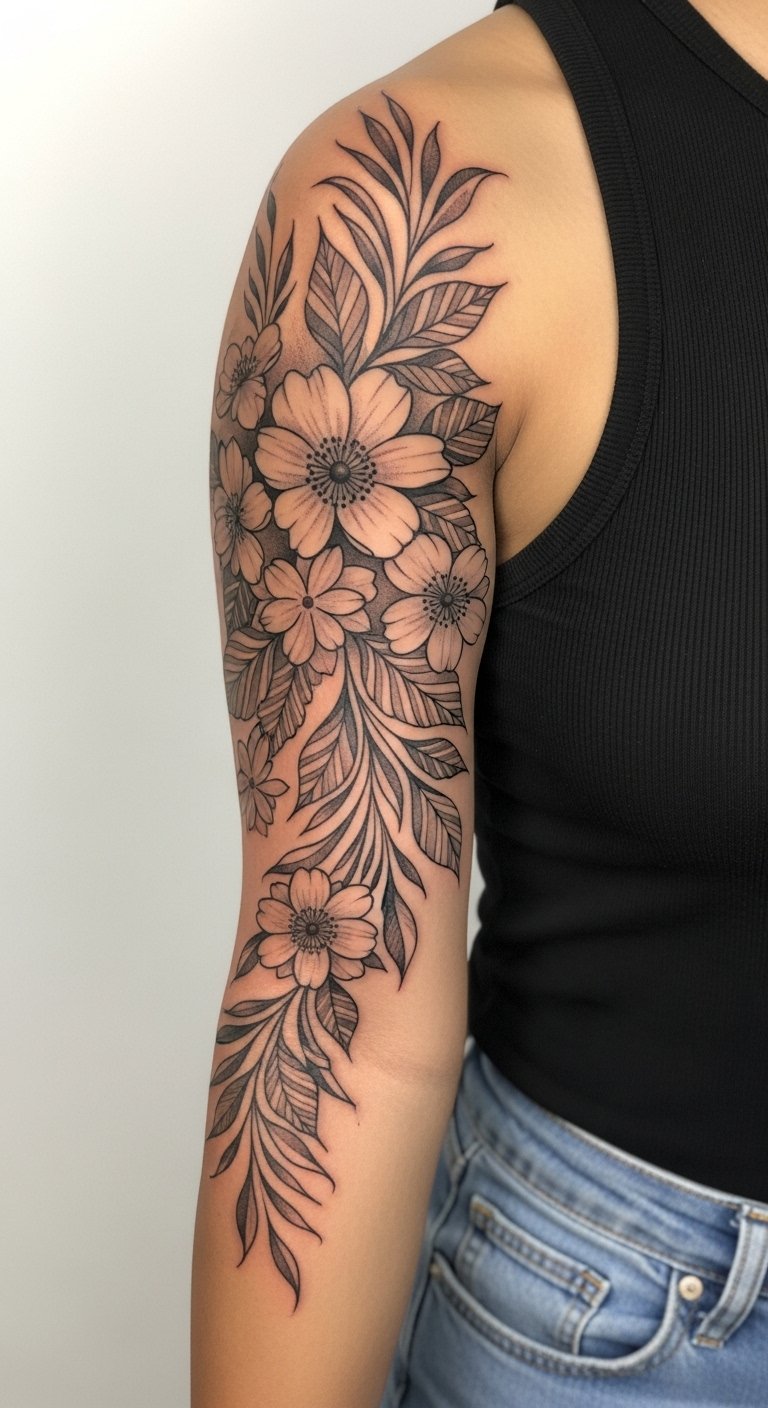
A shoulder-rooted half-sleeve lets you expand later. Sessions vary. Healing is gradual. The shoulder anchors the composition; avoid forcing symmetry—let elements curve naturally. Bring reference photos of flow, not just isolated flowers.
Mandala Shoulder Cap With Clavicle Lines
Style/Technique: Geometric / Mandala
Pain Level: Medium (4/10)
Session Time: 2-3 hours
Best For: Balanced, symmetrical focal points
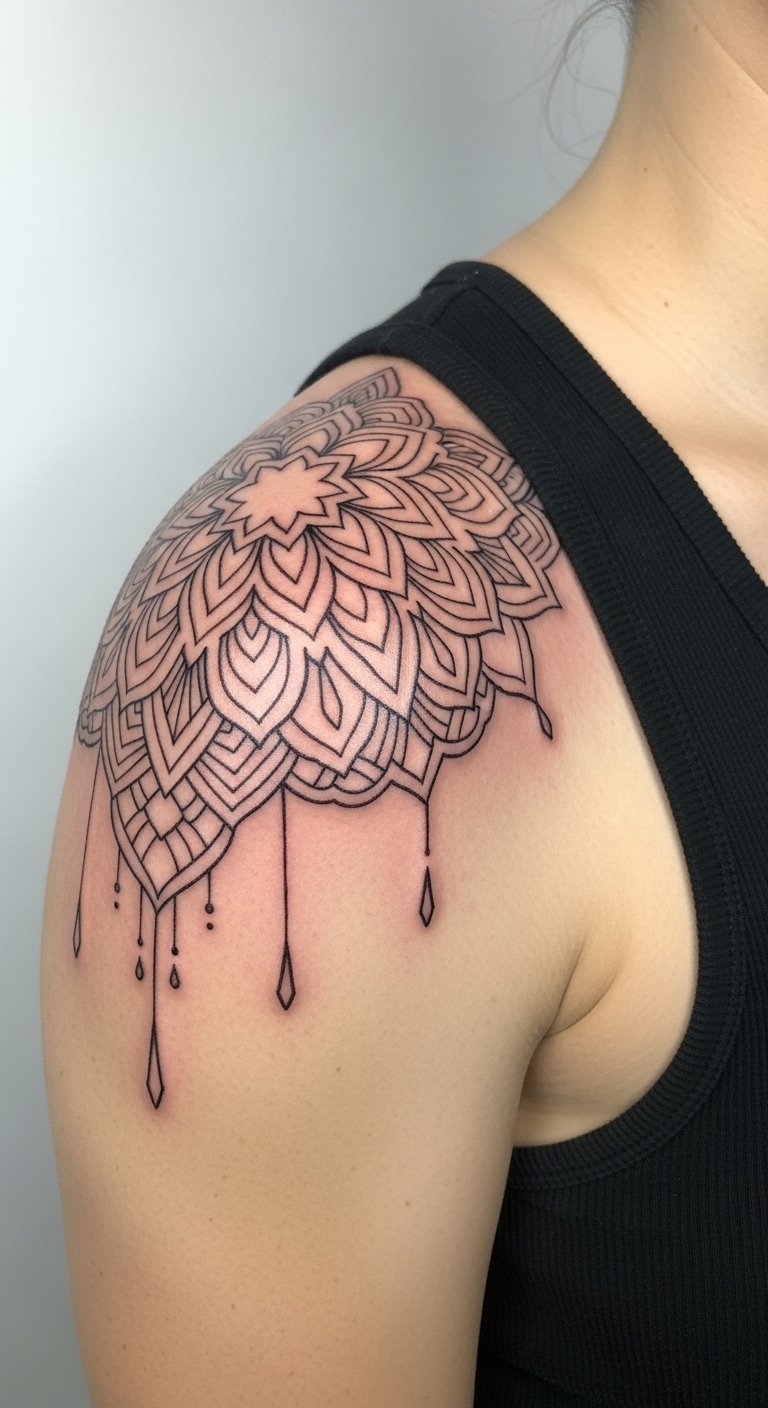
Mandala caps center on the shoulder and radiate outward. They’re great for balance. Pain is moderate. Expect some tightening during healing. Mistake: too-small detail that merges. Ask for symmetry stencils and healed images.
Neo-Tribal Band Across Shoulder Ridge
Style/Technique: Blackwork / Tribal
Pain Level: Low-Medium (3/10)
Session Time: 1-2 hours
Best For: Graphic edges that accent muscle lines
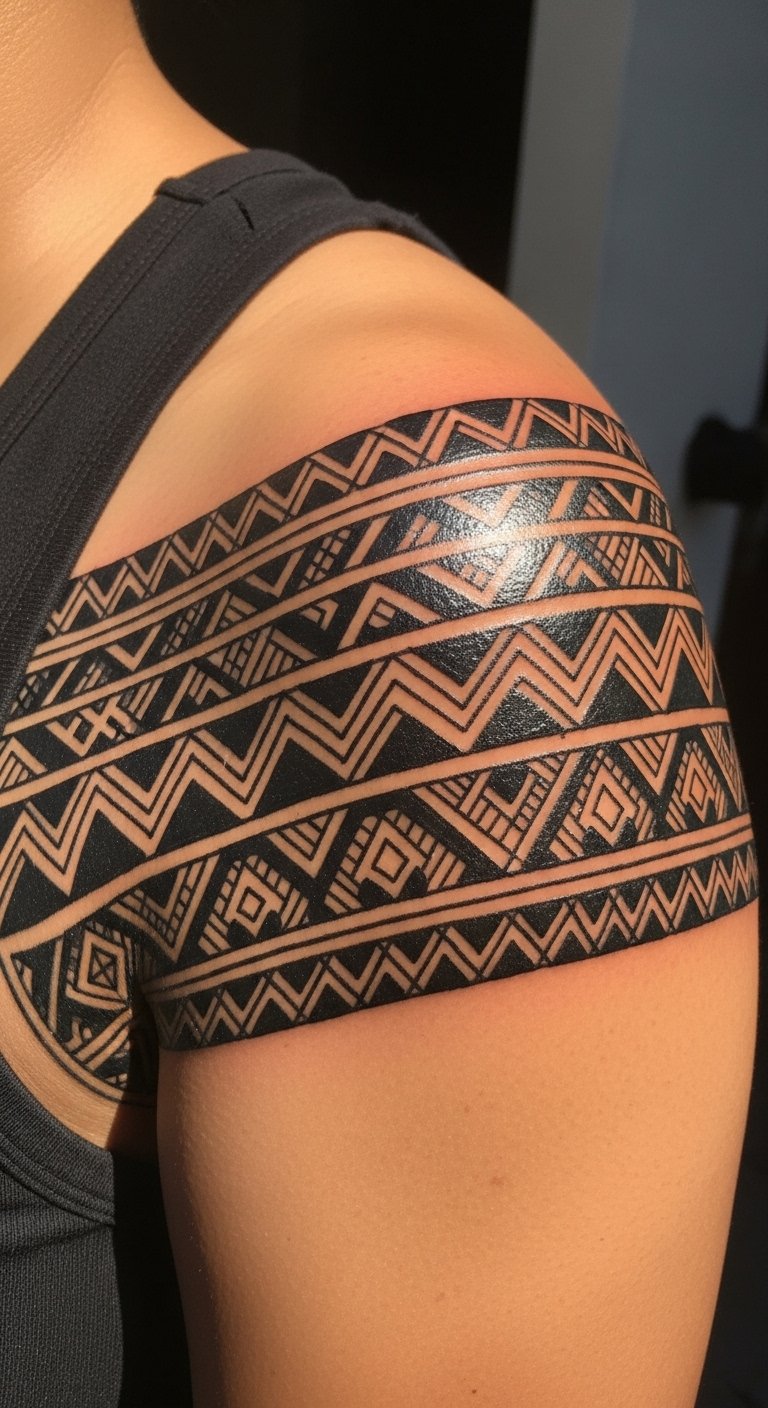
Tribal patterns that follow the ridge look sculpted. Good for bold, high-contrast taste. Pain is manageable. Large black areas resist fading. Avoid copying cultural symbols without understanding—ask about meaning and alternatives.
Small Geometric Cluster Near Acromion
Style/Technique: Geometric / Minimalist
Pain Level: Low (2/10)
Session Time: 30–45 minutes
Best For: Tiny accents you can scale later
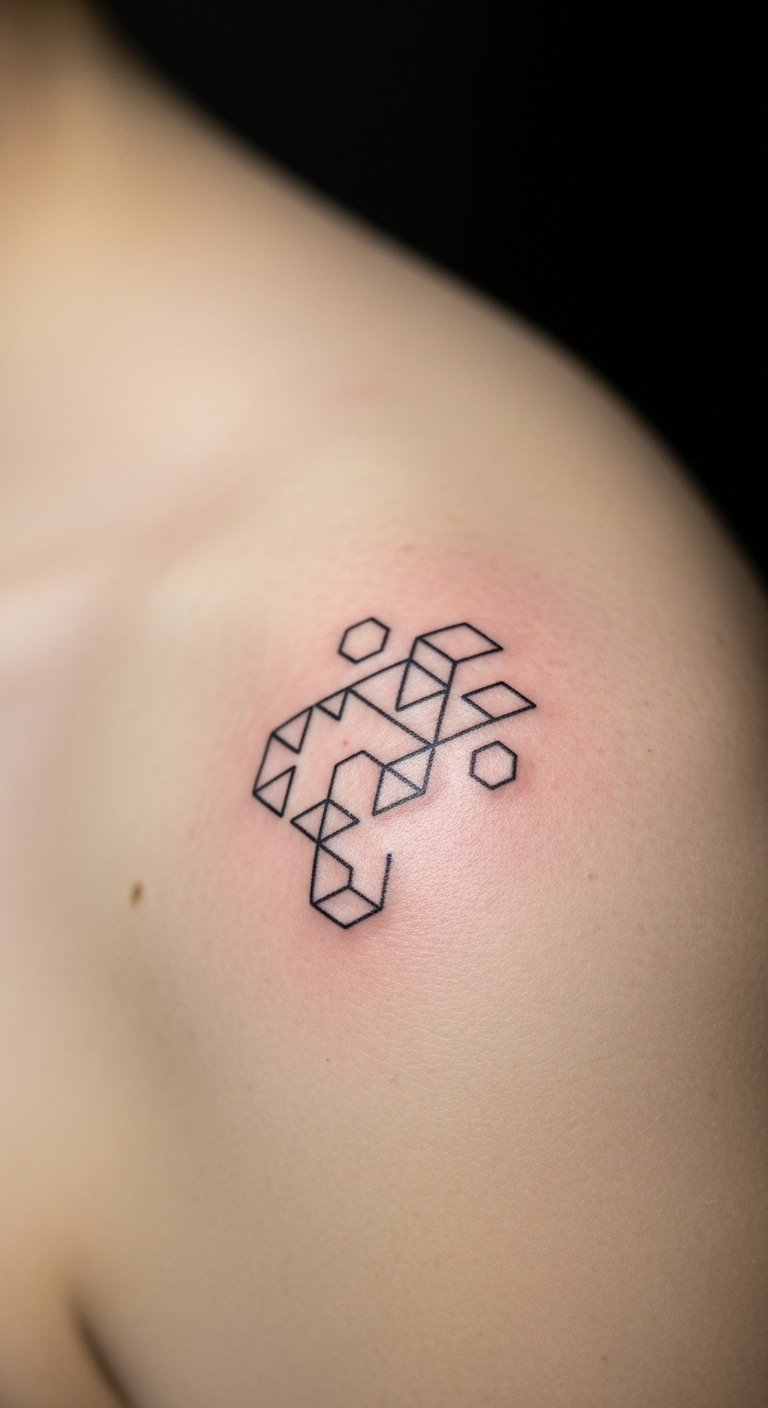
Clusters near the acromion are subtle and easy to hide. Pain is low but location can be bony. Keep shapes simple—tiny details can vanish. Ask the artist how these hold up a year later.
Floral Cover-Up Patch For Old Shoulder Ink
Style/Technique: Neo-Traditional Cover-Up / Floral
Pain Level: Medium (4/10)
Session Time: Multiple sessions
Best For: Refreshing or hiding older work

Shoulder flowers are excellent cover-ups because petals can hide old lines. Cover-ups need denser shading and bold shapes. Pain and sessions vary. Don’t expect a perfect erase—plan for layered sessions.
Watercolor Abstract Flow Across Deltoid
Style/Technique: Watercolor / Abstract
Pain Level: Low (3/10)
Session Time: 1–2 hours
Best For: Painterly color that complements muscle tone
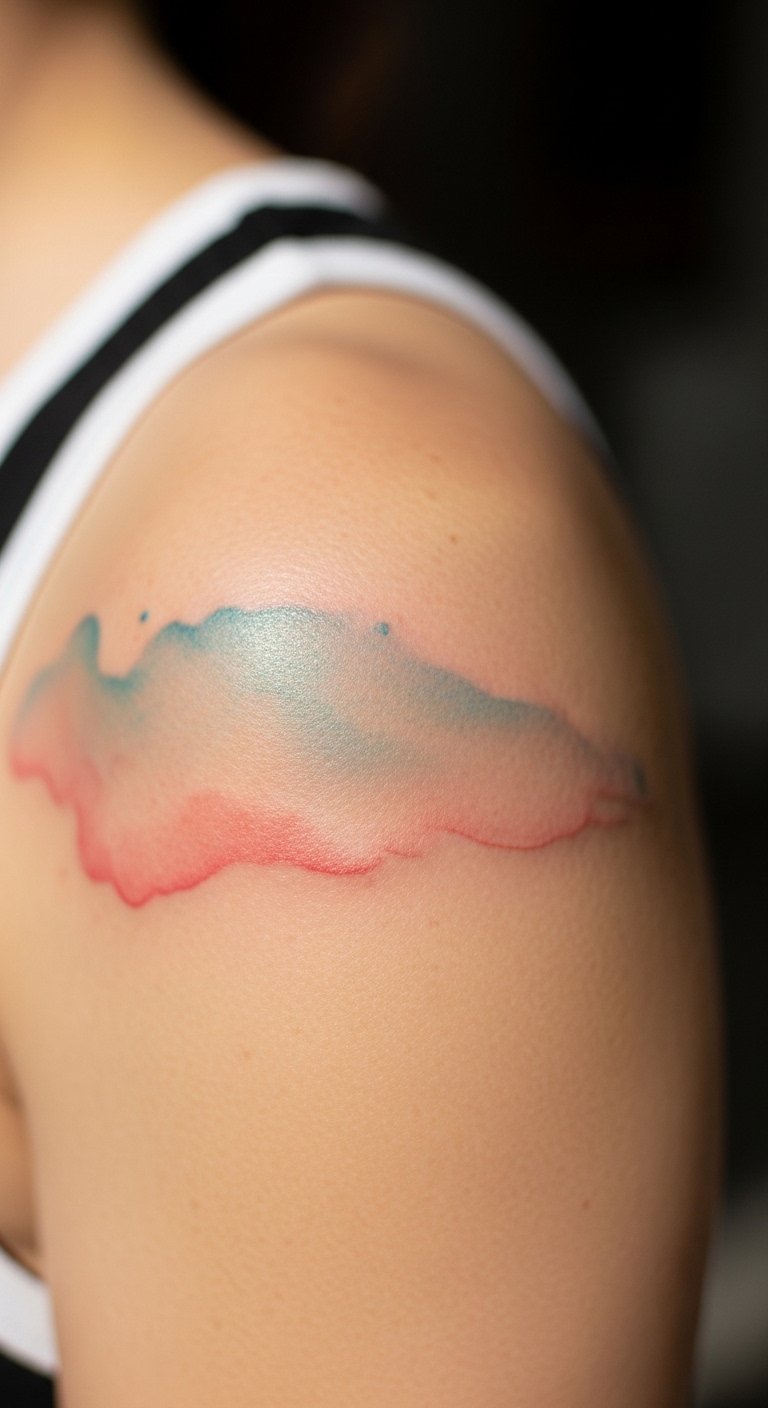
Abstract watercolor creates movement. Shoulders let pigments flow naturally. Healing can soften edges—discuss saturation. Sunscreen will protect pigments. Avoid overly faint washes if you want longevity.
Blackout Trim Along Shoulder Edge
Style/Technique: Blackout Accent / Blackwork
Pain Level: Medium (5/10)
Session Time: 1-3 hours
Best For: Graphic negative-space statements
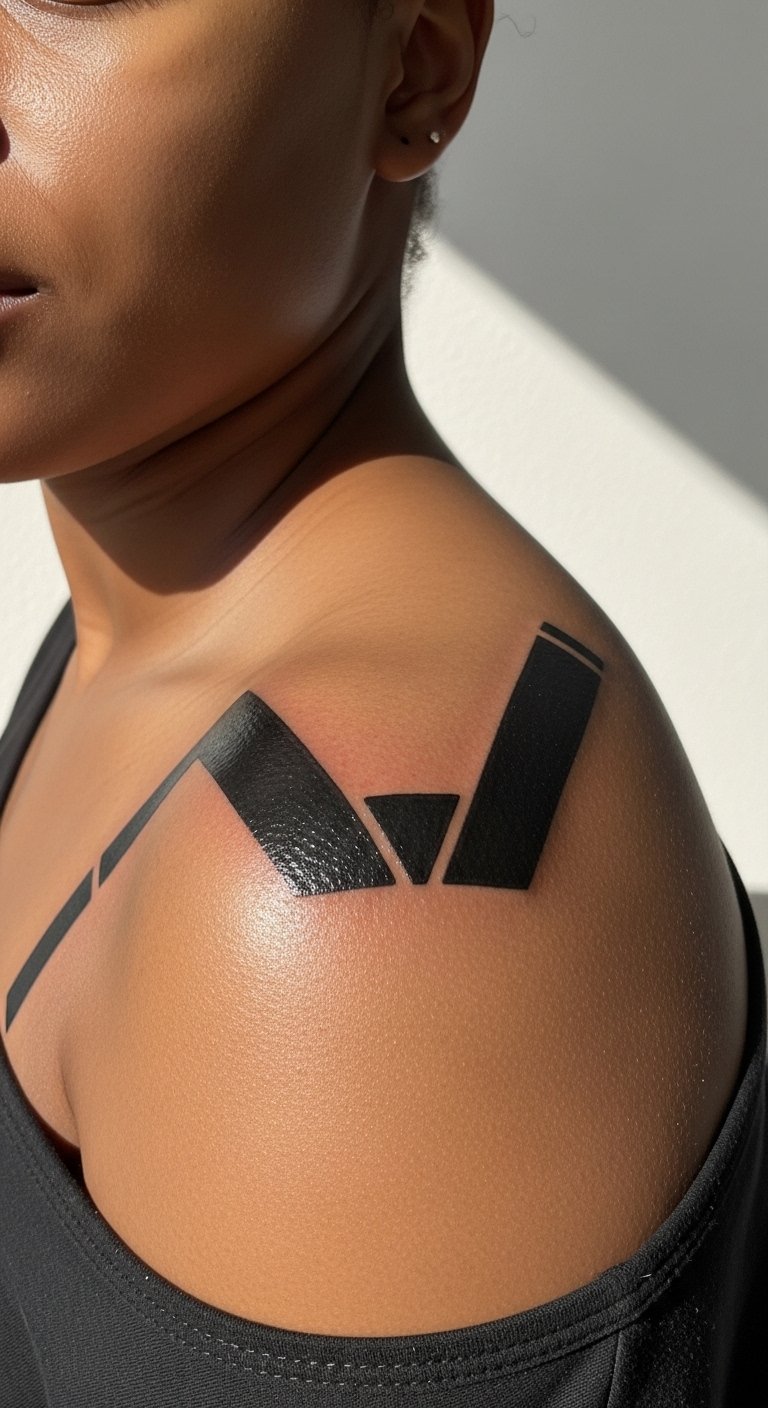
Blackout accents can create stark contrasts and guide the eye. They require bold commitment and may need touch-ups. Pain can be higher in large saturated areas. Discuss long-term maintenance with your artist.
Celestial Shoulder Cluster (Moon + Stars)
Style/Technique: Fine Line / Minimalist
Pain Level: Low (2/10)
Session Time: 30–60 minutes
Best For: Subtle symbolism that follows shoulder motion

Celestial motifs are timeless and balance well on shoulders. Keep lines slightly bolder than your ideal to prevent future blur. Healing is quick. Ask for healed photos of tiny celestial work on similar placements.
Floral Lace Shoulder Cap With Negative Space
Style/Technique: Illustrative / Negative Space
Pain Level: Medium (4/10)
Session Time: 1–3 hours
Best For: Feminine, delicate coverage with strong design

Lace effects use skin as contrast and look elegant. They age well when contrast is high. Pain sits in the medium range. Avoid ultra-fine filigree that will blur; ask for balanced negative-space planning.
Surreal Line Portrait Flowing Over Deltoid
Style/Technique: Surreal / Single Line + Micro Details
Pain Level: Medium (4/10)
Session Time: 1–2 hours
Best For: Artistic, modern statements
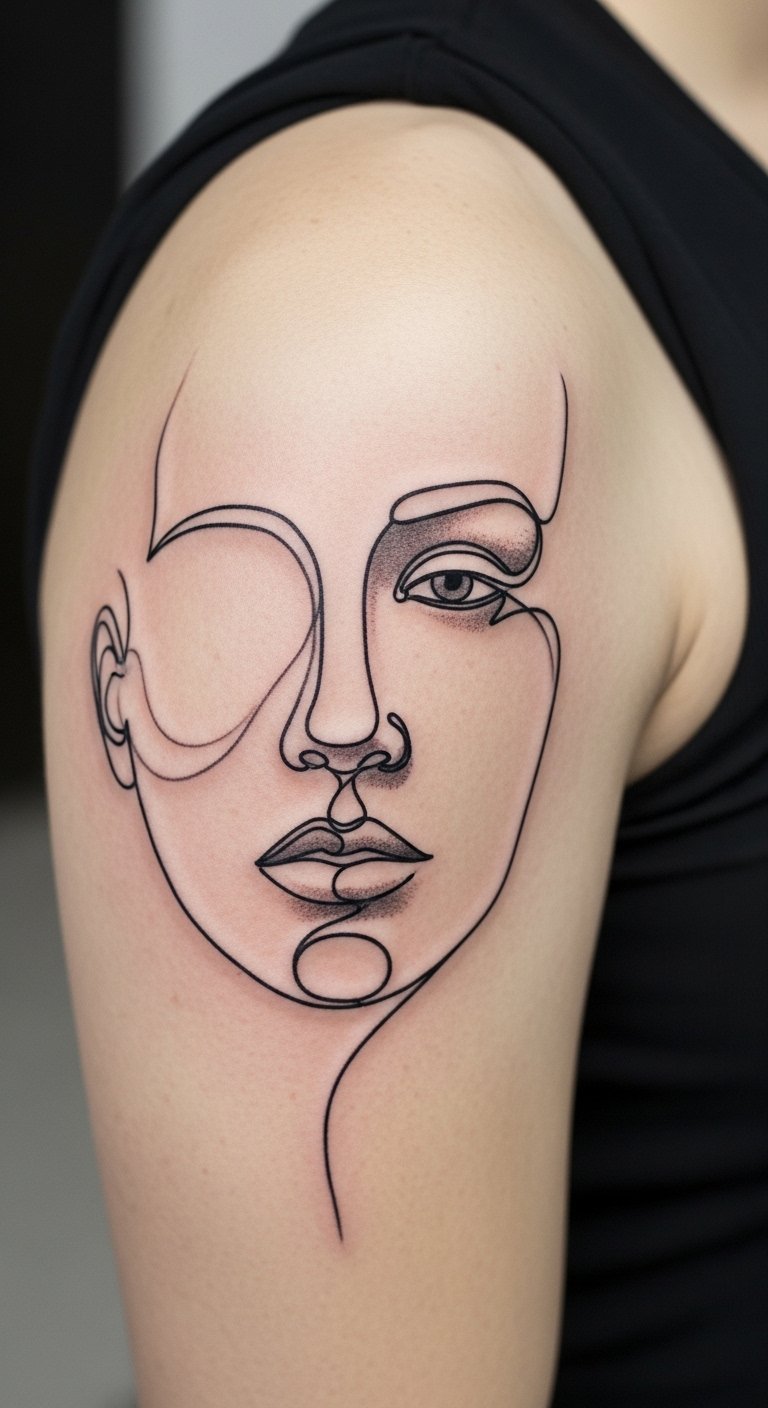
Surreal line portraits look dynamic on the shoulder if the composition flows. Small shaded touches need a skilled hand. Expect medium soreness. Discuss how the piece will age and where to place denser shading.
Small Pet Silhouette Near Shoulder Blade
Style/Technique: Silhouette / Minimalist
Pain Level: Low (2/10)
Session Time: 20–40 minutes
Best For: Tribute tattoos that are discreet
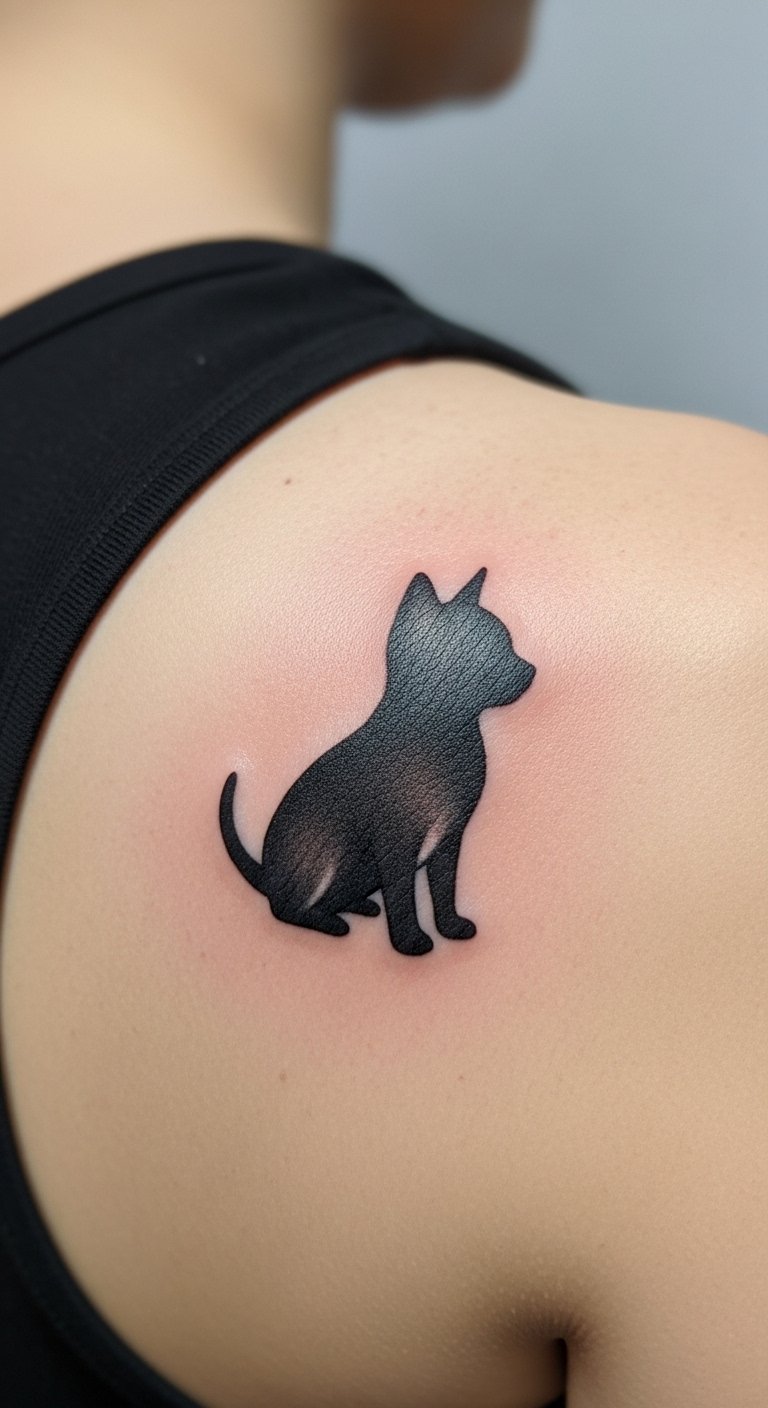
Silhouettes make heartfelt, durable tattoos. Shoulders keep them private or visible at will. Minimal pain and quick healing. Make sure the silhouette is recognizable at the size you want.
Ornamental Filigree Wrapping Shoulder
Style/Technique: Ornamental / Decorative Blackwork
Pain Level: Medium (4/10)
Session Time: 2-3 hours
Best For: Elegant, architecture-inspired pieces
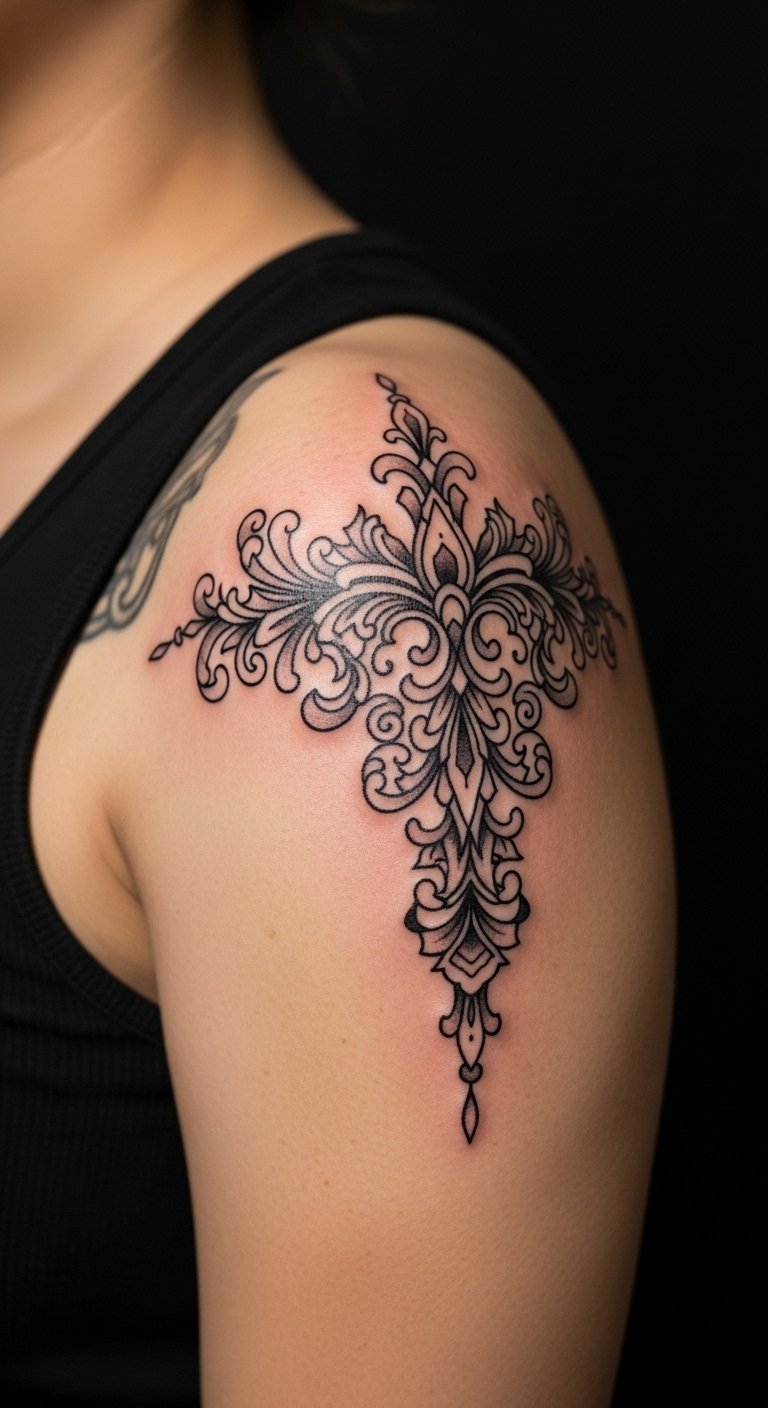
Filigree accents contour the shoulder beautifully. Avoid overly thin curls that can bleed. Medium pain. Ask for healed pictures to confirm line stability.
Abstract Brushstroke Across Deltoid
Style/Technique: Abstract / Painterly Blackwork
Pain Level: Low-Medium (3/10)
Session Time: 1 hour
Best For: Bold, low-detail statements

Brushstroke pieces are bold but simple. They age like graphic shapes—predictable. Pain is moderate for fill. Keep edges clean to avoid patchy healing.
Botanical Negative-Space Shoulder Medallion
Style/Technique: Negative Space / Illustrative
Pain Level: Medium (4/10)
Session Time: 1–2 hours
Best For: Balanced, centered shoulder focal points
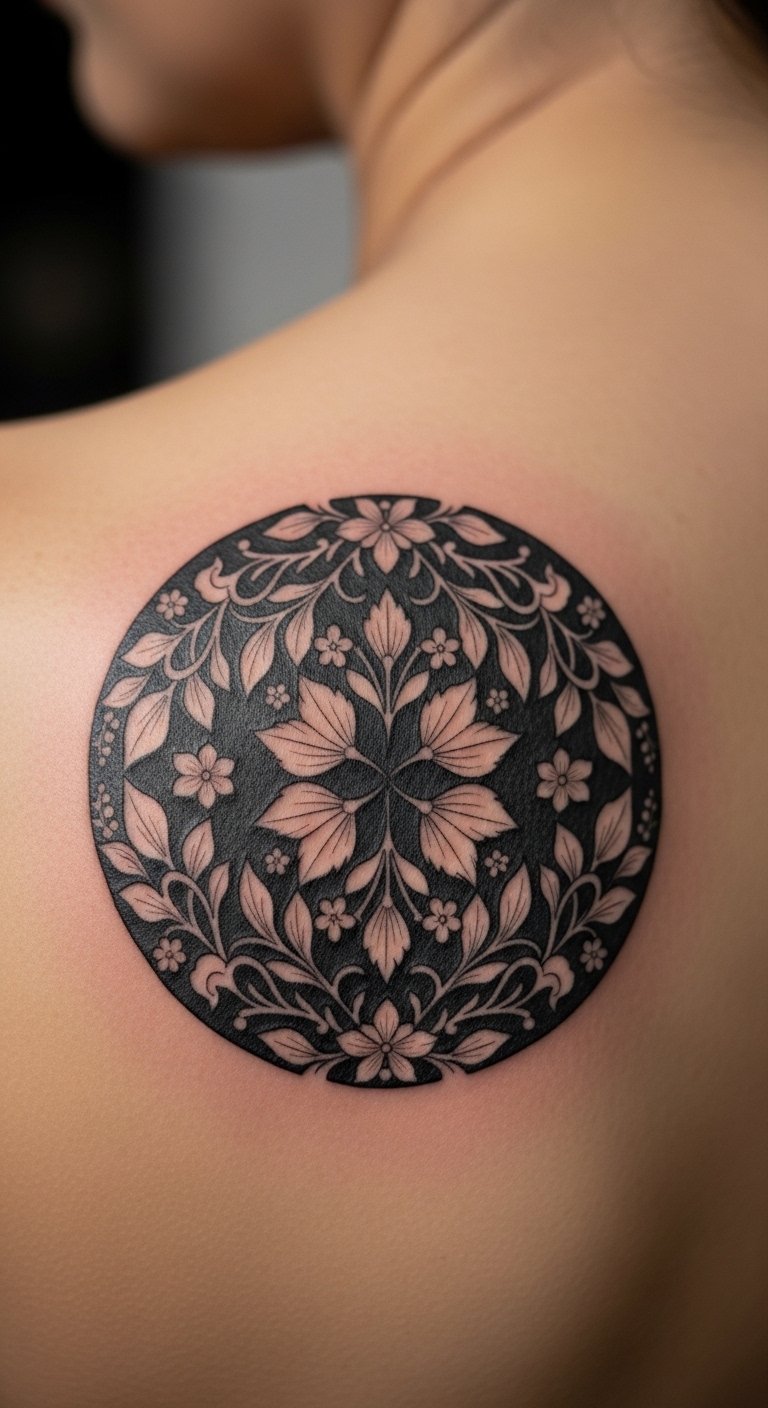
Medallions center the shoulder as a focal point. Negative space adds delicacy while staying bold. Healing needs careful moisturizing to keep edges crisp. Check healed examples for contrast retention.
Minimalist Arrow Following Deltoid Line
Style/Technique: Minimalist / Fine Line
Pain Level: Low (2/10)
Session Time: 20–40 minutes
Best For: Directional accents that follow anatomy
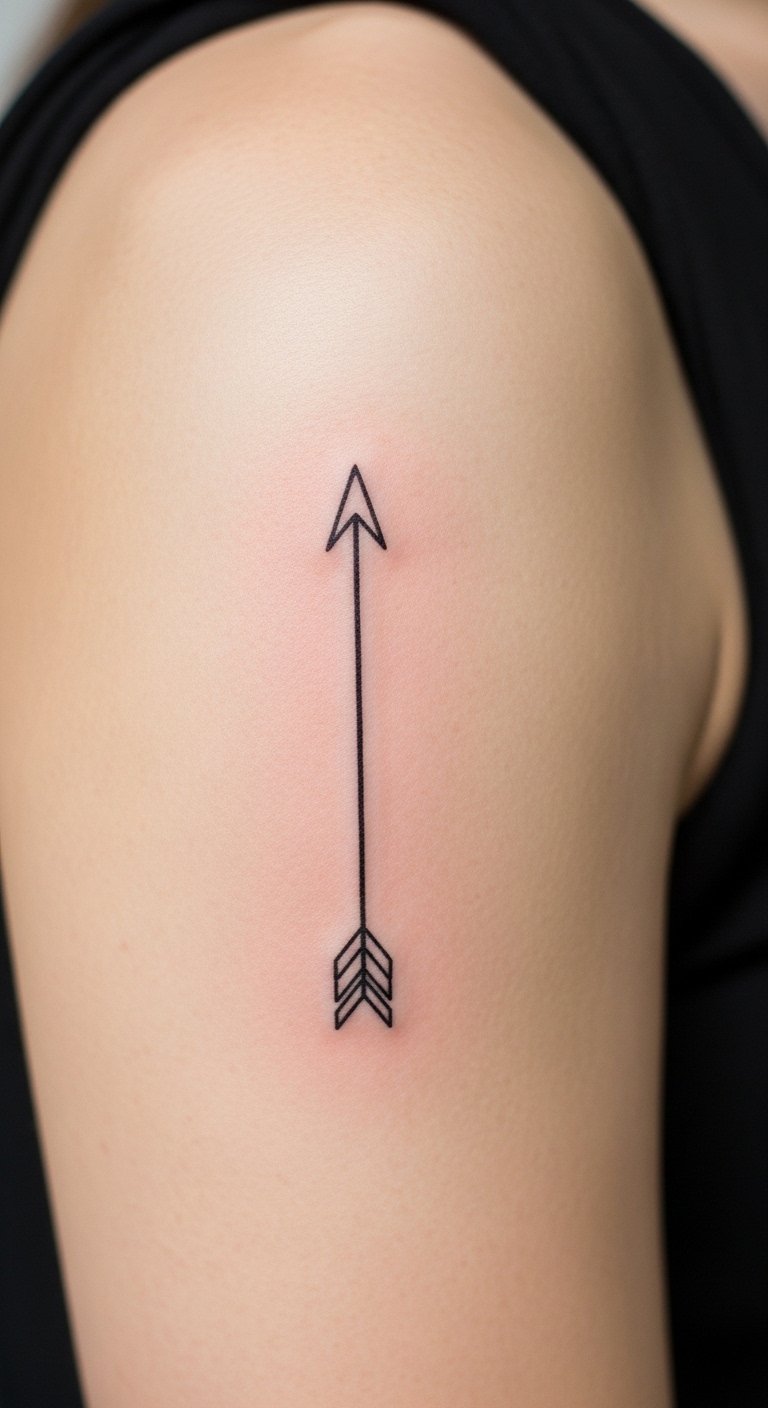
Arrows give subtle motion and suit first-time shoulder tattoos. Very low pain and fast healing. Keep line weight a touch heavier than micro lines to avoid blur. Ask for healed shots of similar placements.
Tattoo Prep and Aftercare Essentials
Aftercare Essentials:
- Aquaphor Healing Ointment, 14oz tube — Recommended for first 3–5 days
- Saniderm Transparent Adhesive Bandage, 6-inch roll — Second-skin option many artists recommend
- CeraVe Fragrance-Free Moisturizing Lotion — For days 4–14
Before Your Appointment:
- Numbing Cream with 5% Lidocaine — Use 30–45 min before if approved by your artist
- Tattoo Stencil Transfer Paper — For DIY mockups
Long-Term Maintenance:
- SPF 50 Sunscreen Stick for Tattoos — Daily protection prevents fading
- Mad Rabbit Tattoo Balm — Keeps healed ink vibrant
- Hustle Butter Deluxe — Vegan aftercare option
Optional Comfort & Healing Tools:
- Dr. Bronner's Unscented Castile Soap, 32 oz — Gentle cleaning
- Hydrocolloid Bandages, Large — For spot protection during peeling
- Tattoo Aftercare Kit — All-in-one option for convenience
I note which products artists actually recommend: Saniderm and Aquaphor are frequent picks for initial healing; CeraVe and SPF sticks are commonly advised for long-term care. Hustle Butter and Mad Rabbit are popular for daily maintenance.
Frequently Asked Questions
Q: How bad does a shoulder tattoo actually hurt?
A: Shoulders are among the easier areas. Outer deltoid = 2–4/10. Near the clavicle or acromion can be more sensitive. For anxious friends I recommend considering numbing cream with 5% lidocaine after checking with your artist.
Q: How long will a shoulder tattoo take to heal?
A: Surface healing is 2–3 weeks. Full settling is up to 2–3 months. Use Aquaphor for the first days and then switch to fragrance-free lotion. Avoid picking scabs.
Q: Will my shoulder tattoo fade quickly?
A: UV exposure is the main culprit. Daily use of an SPF 50 sunscreen stick on exposed tattoos is essential. Black and gray hold best; light colors fade faster.
Q: What if I regret a shoulder tattoo later?
A: Sit with the design for months before booking. If you regret it, cover-ups or laser removal are options, but they take time. Design choices that follow anatomy tend to age more gracefully.
Q: Can I work out after getting a shoulder tattoo?
A: Wait 48–72 hours before light activity and avoid heavy sweating for a week on shoulder work. Stretching the area too early can affect linework. Keep it clean and dry during the first week.
Q: Do tattoos look different on different skin tones?
A: Yes. High-contrast black and bold lines translate well across tones. Bright pastels can be muted on deeper tones—show your artist your skin type and healed examples. Artists experienced with your tone make a big difference.
Conclusion
I recommend researching designs, then booking a consult and showing healed references. Shoulders give room to experiment while staying easy to cover. Keep up with proper aftercare—Saniderm or Aquaphor plus daily SPF will protect your work for years. Which of these shoulder styles are you leaning toward?