

I spent months saving reference photos and booking consults before I realized the real problem: I couldn't tell which linework styles actually age well. These clean, modern linework ideas helped me pick pieces that stay readable and suit everyday life—especially for first tattoos or for people who want something minimalist but lasting.
Quick context: This is about precise linework—fine line, single-needle, geometric, and negative-space pieces. These ideas work well on arms, ribs, ankles, and behind the ear. I focused on 2025 trends that actually hold up and avoid designs that blur too quickly.
Fine Line Botanical Sleeve on Inner Forearm
Style/Technique: Fine Line / Illustrative
Pain Level: Medium (3-4/10)
Session Time: 3–5 sessions
Best For: Statement piece, easy to hide with sleeves
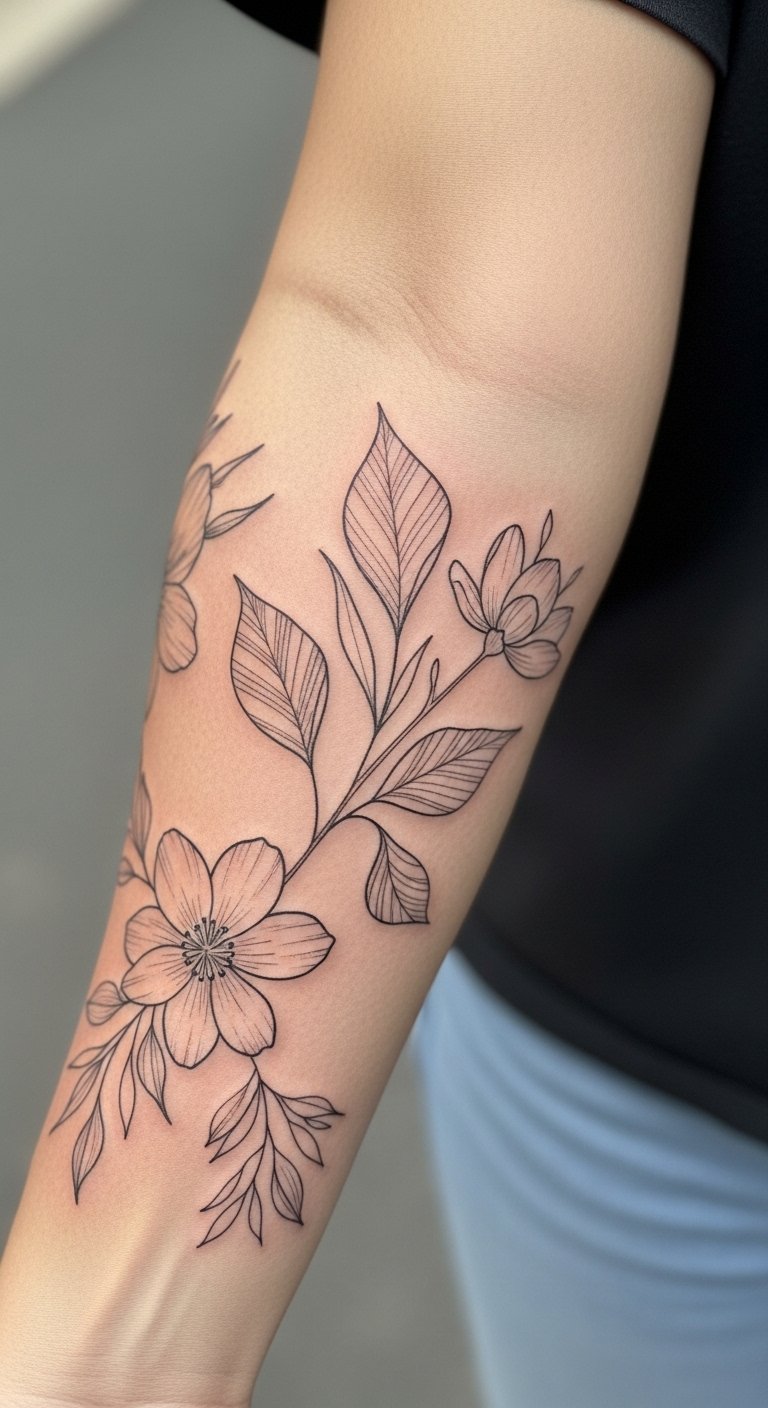
I chose this after seeing healed examples that keep their silhouette. Fine single-needle stems and tiny stipple leaves read elegant up close. Inner forearm is forgiving for touch-ups and shows less stretching than the wrist. Expect mild soreness and surface peeling in week one; full settling takes 2–3 months. Avoid lines that are too hair-thin across long runs—those blur first. Ask for slightly bolder primary stems and light dotwork shading for longevity.
Minimalist Continuous Line Portrait on Neck
Style/Technique: Minimalist / Continuous Line
Pain Level: High (6-7/10)
Session Time: 1–2 hours
Best For: Visible statement, modern aesthetic

Continuous line portraits look striking because they read like a drawing. The neck is sensitive; expect sharp zinging and longer redness. Heals in 2–4 weeks on the surface. This style benefits from slightly thicker single strokes—ultra-thin single-needle lines can disappear over years. Common mistake: too much detail in a tiny face; keep it iconic. Ask your artist to test a 0.35–0.5 mm final line width for lasting clarity.
Geometric Blackwork Band on Bicep
Style/Technique: Blackwork / Geometric
Pain Level: Low-Medium (3/5)
Session Time: 1–3 hours
Best For: Bold readable work, holds up well

Solid black geometric bands age reliably. The bicep has good flesh cushion so pain is mild. Healed examples show minimal blowout if the artist kept lines perpendicular to the skin. This placement tolerates denser black fill for contrast with fine line insets. Avoid overly tight repeating thin lines; choose bold contrasts and clear negative-space rhythm to prevent muddiness after healing.
Micro-Realism Pet Portrait on Thigh
Style/Technique: Micro-Realism / Fine Line
Pain Level: Medium (4/10)
Session Time: 2–4 hours
Best For: Personal keepsake, easy to hide

Micro-realism in linework relies on tiny strokes and soft dot shading. Thighs handle long sessions with less movement. Expect soreness but good healing. Micro details can soften over time—ask for a slightly bolder outline to preserve the subject’s face. Common mistake: packing too many tiny highlights with white ink; they often vanish. Look for artists experienced in portraiture and fine-dot shading.
Minimalist Mountain Range on Ankle
Style/Technique: Minimalist / Fine Line
Pain Level: High (6-7/10)
Session Time: 30–90 minutes
Best For: Small visible piece, travel-friendly

Ankle tattoos hurt more due to thin skin and bone proximity. Minimal mountain lines look modern and age predictably if primary ridgelines are not wafer-thin. Heals in 2–3 weeks but needs careful aftercare because shoes and socks rub. Avoid long continuous single strokes that cross joints without breaks; small separation points help preserve form.
Negative Space Floral on Ribcage
Style/Technique: Negative-Space / Fine Line
Pain Level: High (7-9/10)
Session Time: 2–4 hours
Best For: Sexy, hidden placement, statement pieces

Ribcage tattoos sting but look incredible healed. Negative space creates contrast without heavy fill—good for people wary of big blackwork. Healing demands gentle movement and long sleeves avoidance at first. Lines near ribs can soften with weight change; keep core elements slightly bolder. A frequent error: placing ultra-thin filler lines near the sternum—they blur faster.
Architectural Single-Line Landmark on Forearm
Style/Technique: Single-Line / Sketch
Pain Level: Low-Medium (3-4/10)
Session Time: 1–2 hours
Best For: Travel memento, thin long placements

Single-line landmarks read like quick sketches and work great along the forearm length. Forearms heal reliably and are visible—expect light soreness and 2–3 week surface healing. To ensure longevity, avoid tiny detailed windows or complex shading; the silhouette should be the hero. Artists who do architectural ink can show you scale tests.
Dotwork Mandala Behind Ear
Style/Technique: Dotwork / Geometric
Pain Level: Medium (4-6/10)
Session Time: 1–2 hours
Best For: Small, subtle, hidden-peek placement
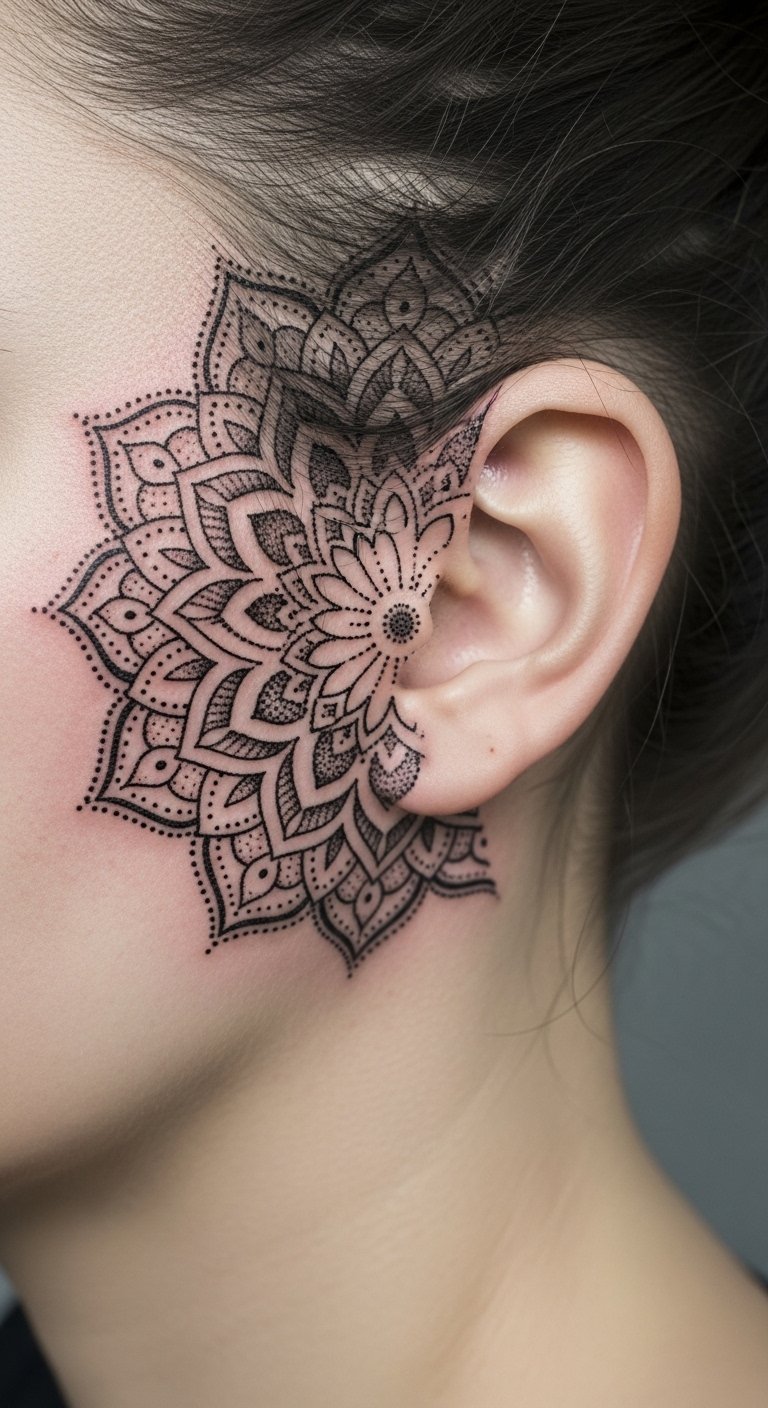
Behind-the-ear work is stealthy and stylish. Dotwork uses many small points—heals with mild scabbing but keeps texture nicely. Pain is moderate because the area is thin. Dots can fade if spaced too tightly; ask for stronger outer rings and sparser inner dots for contrast. This is a great place to test negative-space techniques.
Single Needle Script on Collarbone
Style/Technique: Fine Line / Script
Pain Level: High (6/10)
Session Time: 30–60 minutes
Best For: Meaningful words, delicate visibility
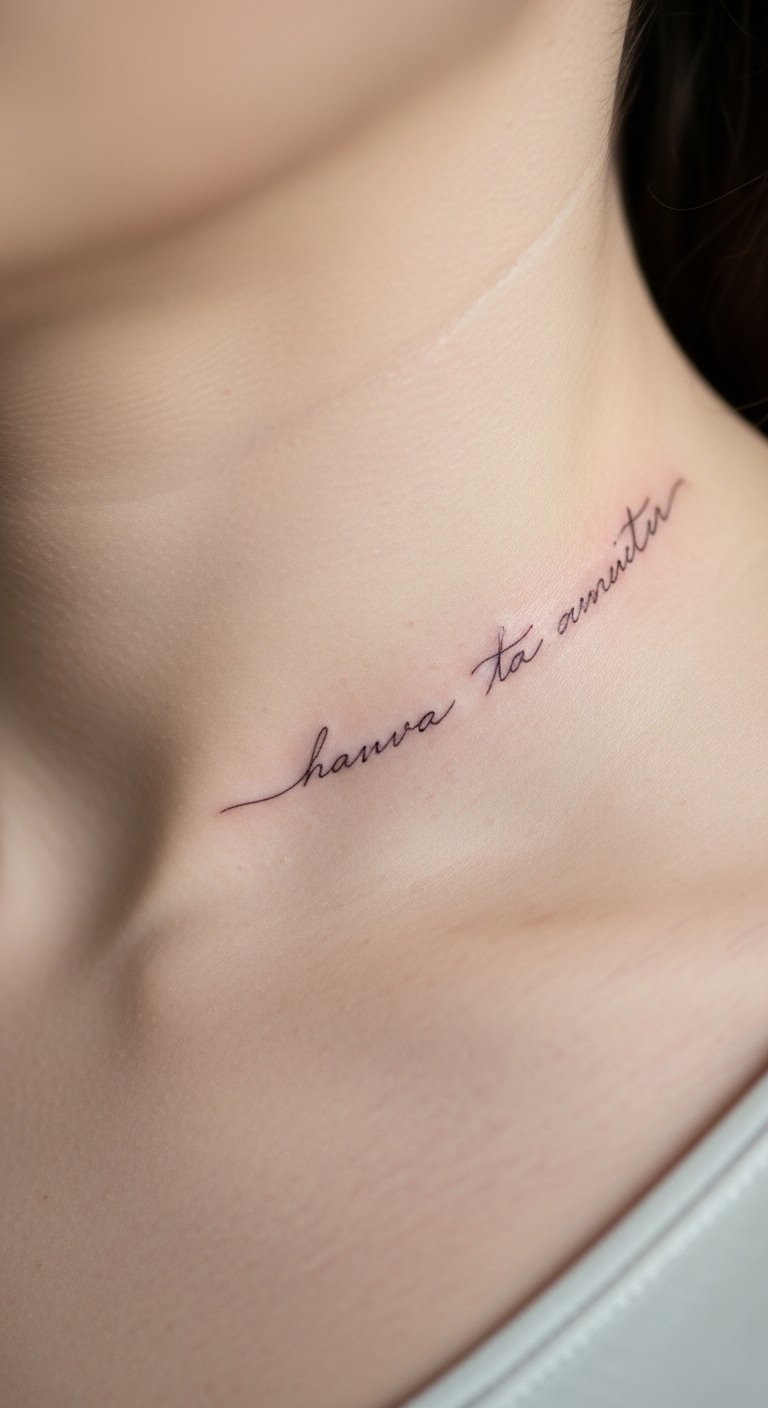
Collarbones are sensitive and move with the body. Single-needle script looks intimate but may blur if letters are too tight. I learned to request slightly increased letter spacing and a small baseline stroke to keep words legible after healing. Expect surface healing in 2–3 weeks and minor color dulling during month two.
Geometric Constellation on Shoulder Blade
Style/Technique: Geometric / Fine Line
Pain Level: Low (2-4/10)
Session Time: 1–2 hours
Best For: Easy-to-hide, low-pain placement
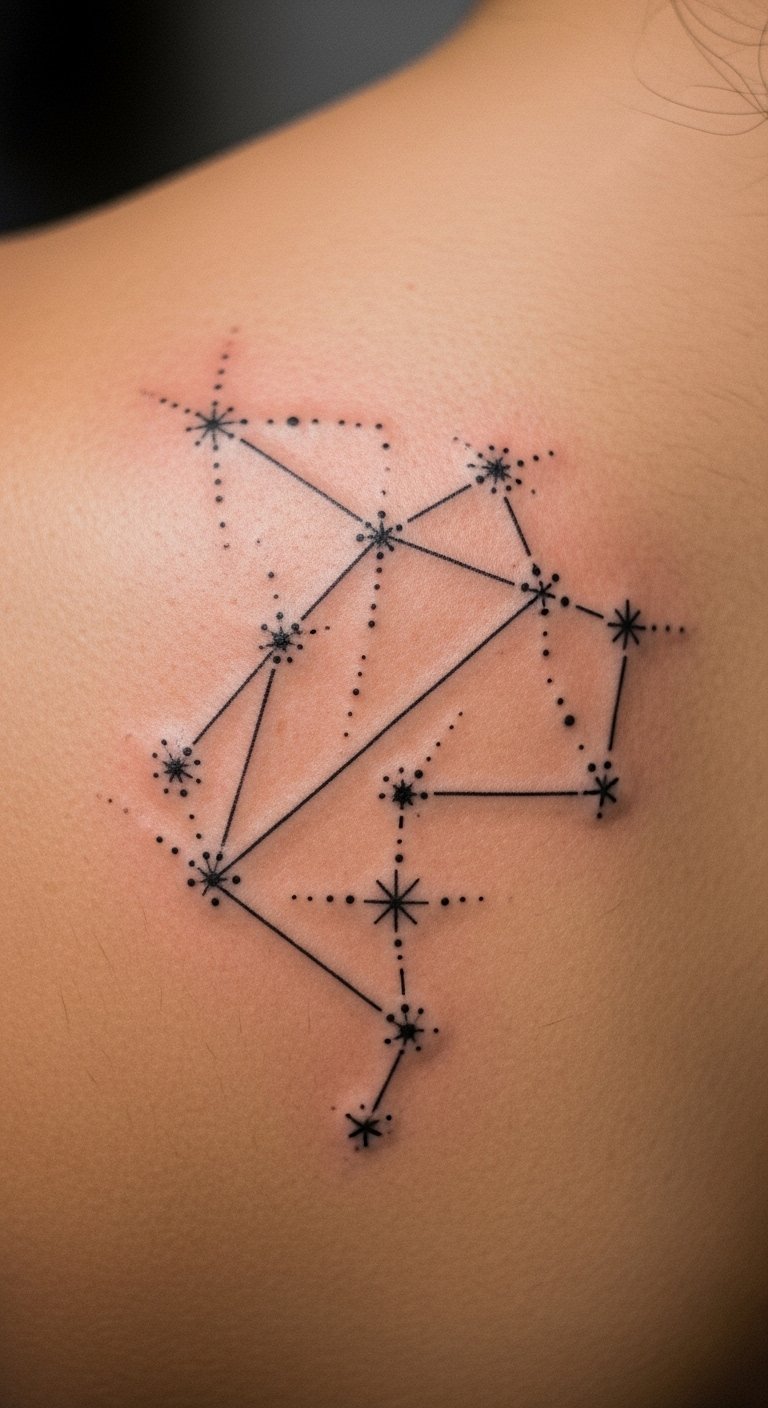
Shoulder blades are forgiving and great for precise linework. Constellations with small connecting lines and dot stars stay readable when artists use slightly varied line weights. This placement sees less sun—fading is slower. Common mistake: overcomplicating with tiny stars close together; leave breathing room.
Botanical Ankle Wrap in Single Line
Style/Technique: Single-Line / Botanical
Pain Level: High (6-7/10)
Session Time: 1–2 hours
Best For: Feminine wrap, seasonal visibility

Ankles take beating from footwear, so healing needs protection. Single-line vines look modern but thin leaves can disappear. I asked my artist to thicken main joints of the vine slightly; that made the wrap readable after a year. Avoid putting the densest detail where socks rub.
Linear Arrow Cluster on Wrist
Style/Technique: Minimalist / Fine Line
Pain Level: Medium (4/10)
Session Time: 30–60 minutes
Best For: First-timers, symbolic pieces

Wrist tattoos are visible and symbolic. Fine arrows look crisp initially but lines near the crease may fade quicker. Keep shafts bold enough to keep direction readable. Healing needs careful bandage choices because wrists flex a lot. Ask for clean, simplified arrowheads to avoid muddle.
Linear Wave Band on Finger Side
Style/Technique: Minimalist / Fine Line
Pain Level: High (7-8/10)
Session Time: 30–45 minutes
Best For: Tiny visible mark, travel-friendly
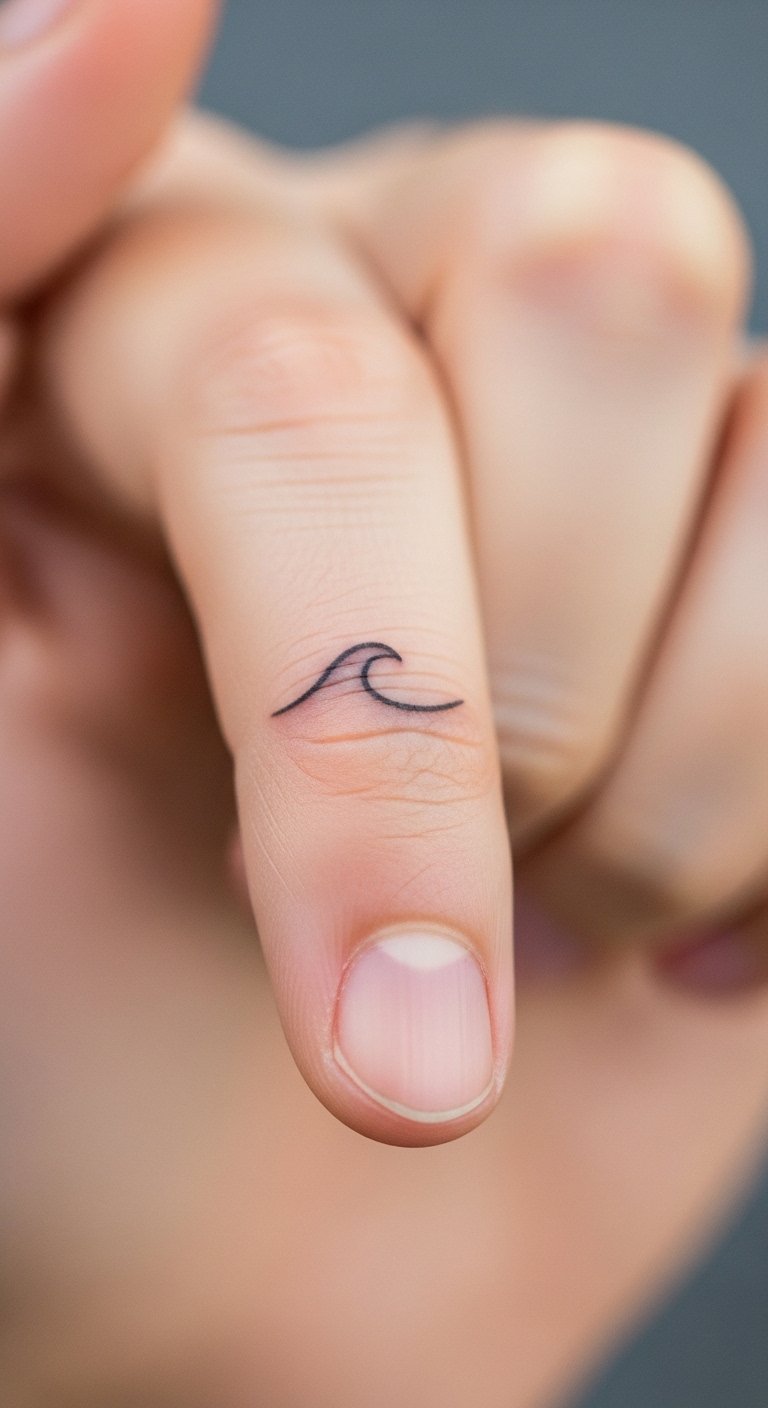
Finger placements are convenient but high-maintenance. Thin wave lines fade from washing and friction. I chose a single thicker stroke to help longevity. Expect touch-ups. If you want lasting precision, opt for the side of the finger over the pad.
Abstract Line Composition on Calf
Style/Technique: Abstract / Single-Line & Dotwork
Pain Level: Low (3/10)
Session Time: 1–2 hours
Best For: Larger visible piece, gym-friendly

Calves are forgiving for larger line compositions. Abstract linework with controlled dot shading stays readable after years when primary arcs are bold enough. This placement tolerates larger scale, so tiny filler lines are unnecessary. Avoid overly thin interior details that risk blending.
Fine Line Spine Piece with Negative Space
Style/Technique: Fine Line / Vertical Composition
Pain Level: High (8/10)
Session Time: Multiple sessions
Best For: Dramatic vertical statement, hides under clothing
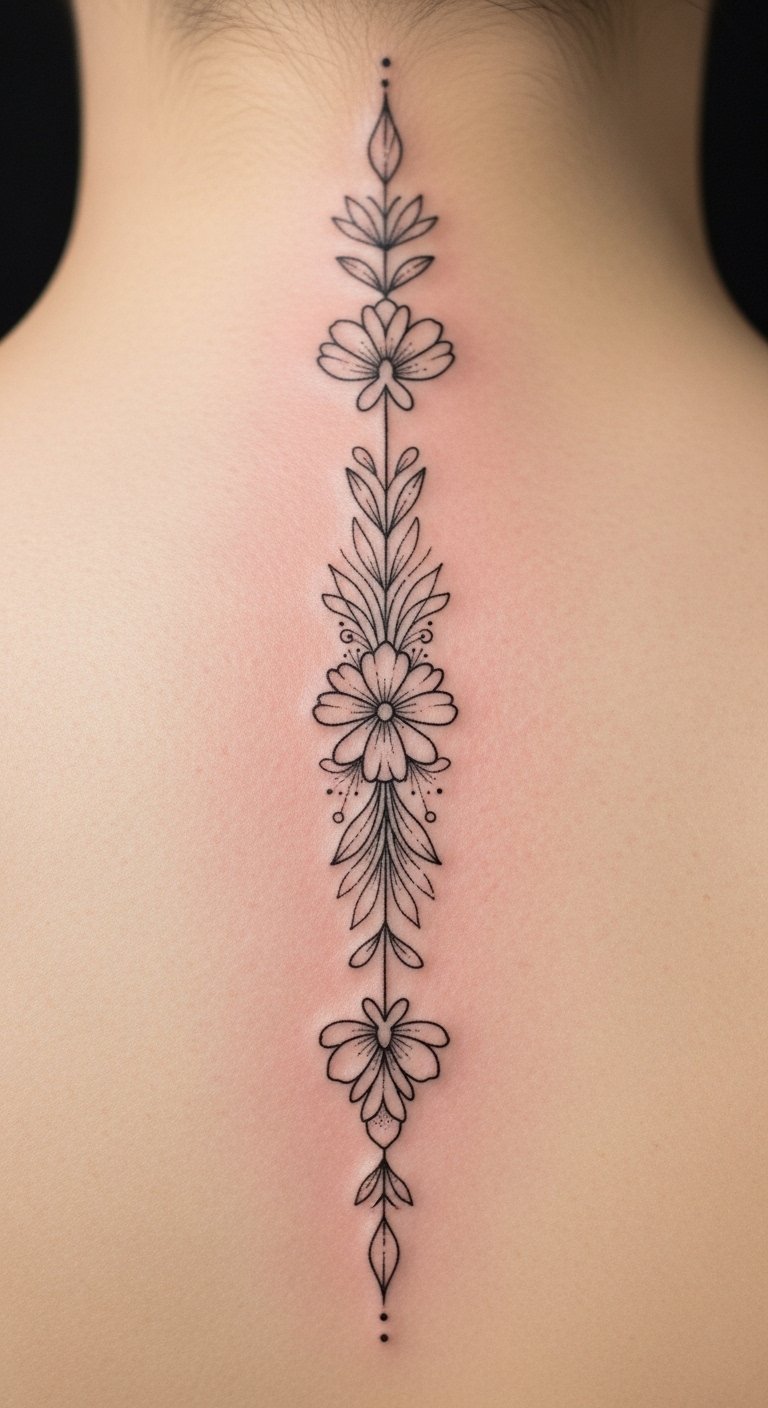
Spine tattoos are painful but dramatic. Vertical fine lines can soft-blur if too thin; maintain a clear central axis and use negative space for contrast. Healing takes care with sleeping positions. I avoided tiny cross-hatching; it tends to muddy on the back.
Micro-Architectural Linework on Ribcage Edge
Style/Technique: Micro-Architectural / Fine Line
Pain Level: High (7-9/10)
Session Time: 2–3 hours
Best For: Hidden, intricate statement

This under-covered angle—miniature building facades in linework—reads like a keepsake sketch. Ribs are painful, and micro details need slight boldening to hold. I emphasized silhouette over tiny windows to keep the composition legible as it ages.
Botanical Wrist Cuff with Dot Shading
Style/Technique: Fine Line / Dotwork
Pain Level: Medium (4-5/10)
Session Time: 1–2 hours
Best For: Stylish everyday wear, easy to conceal

Wrist cuffs look like jewelry. Dot shading adds texture without heavy color. I requested defined outer edges to prevent blending. Healing needs gentle movement monitoring; avoid bulky bracelets during first two weeks.
Linear Compass on Upper Chest
Style/Technique: Geometric / Fine Line
Pain Level: Medium-High (5-7/10)
Session Time: 1–2 hours
Best For: Centerpiece, symmetrical design
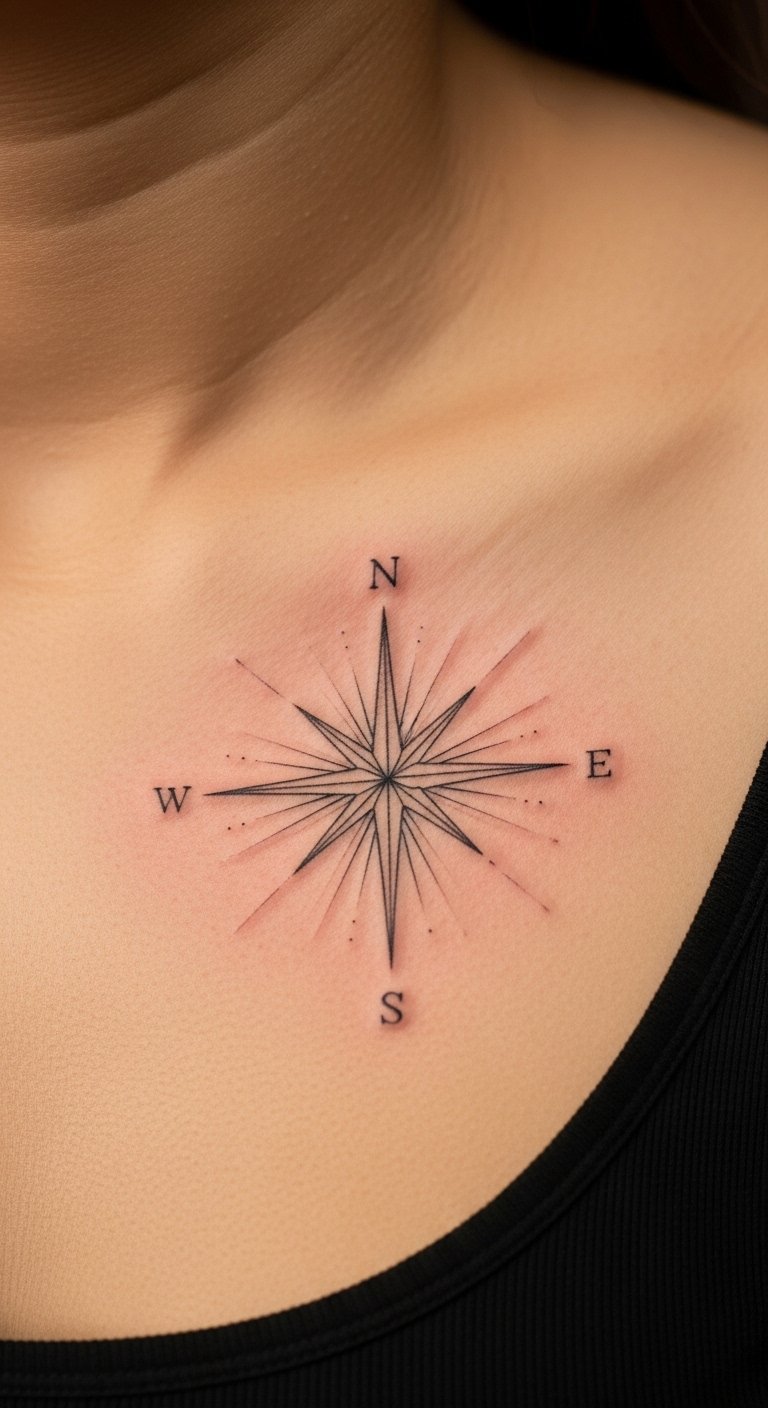
Chest lines can sit flat and read clearly if radial lines are slightly stronger near the center. Pain is moderate, and swelling can occur. Keep interior markers simple; too many tiny ticks blur.
Constellation Sleeve Accent on Outer Upper Arm
Style/Technique: Minimalist / Fine Line & Dotwork
Pain Level: Low (2-3/10)
Session Time: 1–3 sessions
Best For: Add-on to existing sleeve, night-sky theme
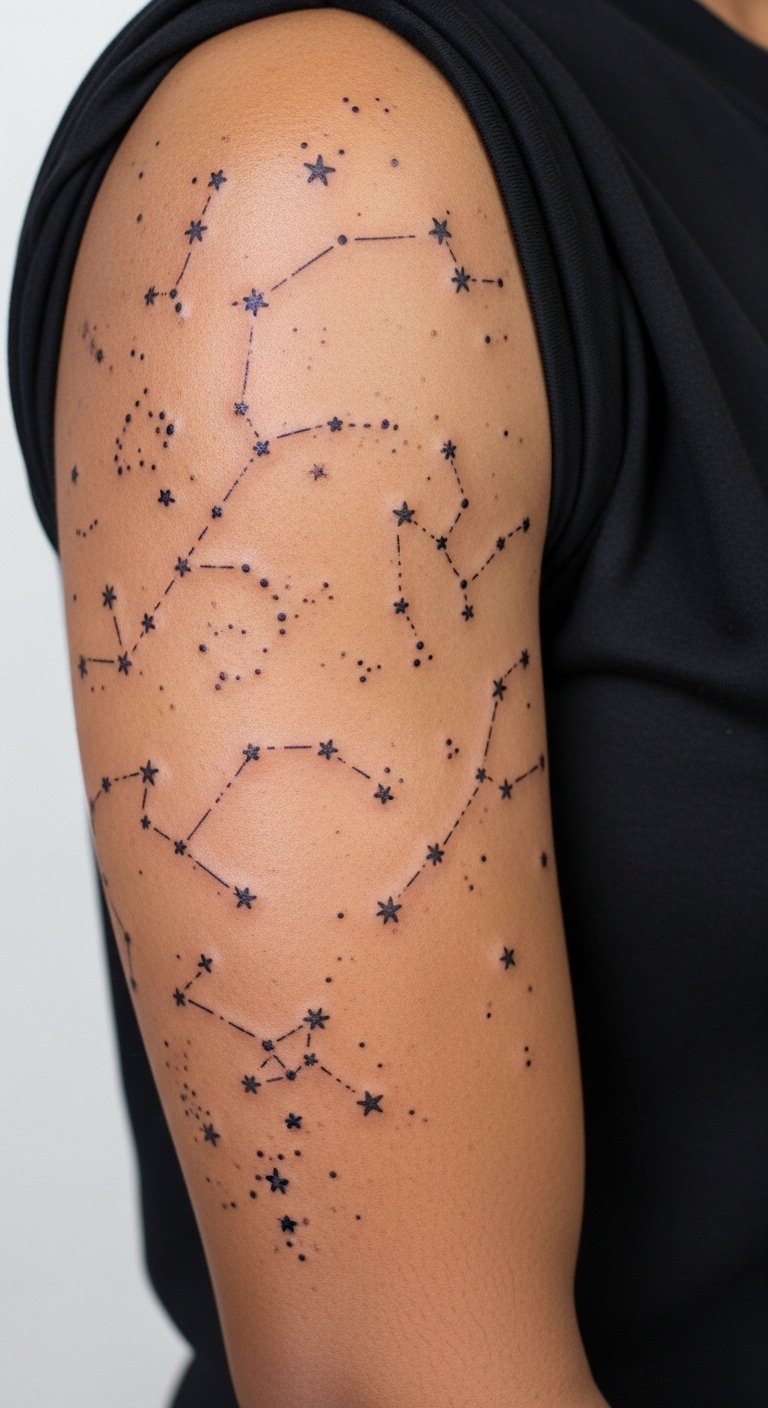
This trend mixes fine line and dotwork to create negative-space constellations. The outer upper arm heals well and resists sun if usually covered. Keep connector lines sparing to avoid a web-like look as it ages.
Micro-Text Barcode on Side Rib
Style/Technique: Minimalist / Fine Line
Pain Level: High (7–8/10)
Session Time: 45–90 minutes
Best For: Discrete coded message, edgy look

Micro barcodes are modern and personal. Ribs are sensitive; thin vertical lines should be a bit thicker than you’d expect to last. I learned that spacing matters as much as line thickness—avoid compressing bars too close.
Single-Line Floral Ankle Charms
Style/Technique: Single-Line / Minimalist
Pain Level: High (6/10)
Session Time: 30–60 minutes
Best For: Coordinated small pieces, travel-friendly
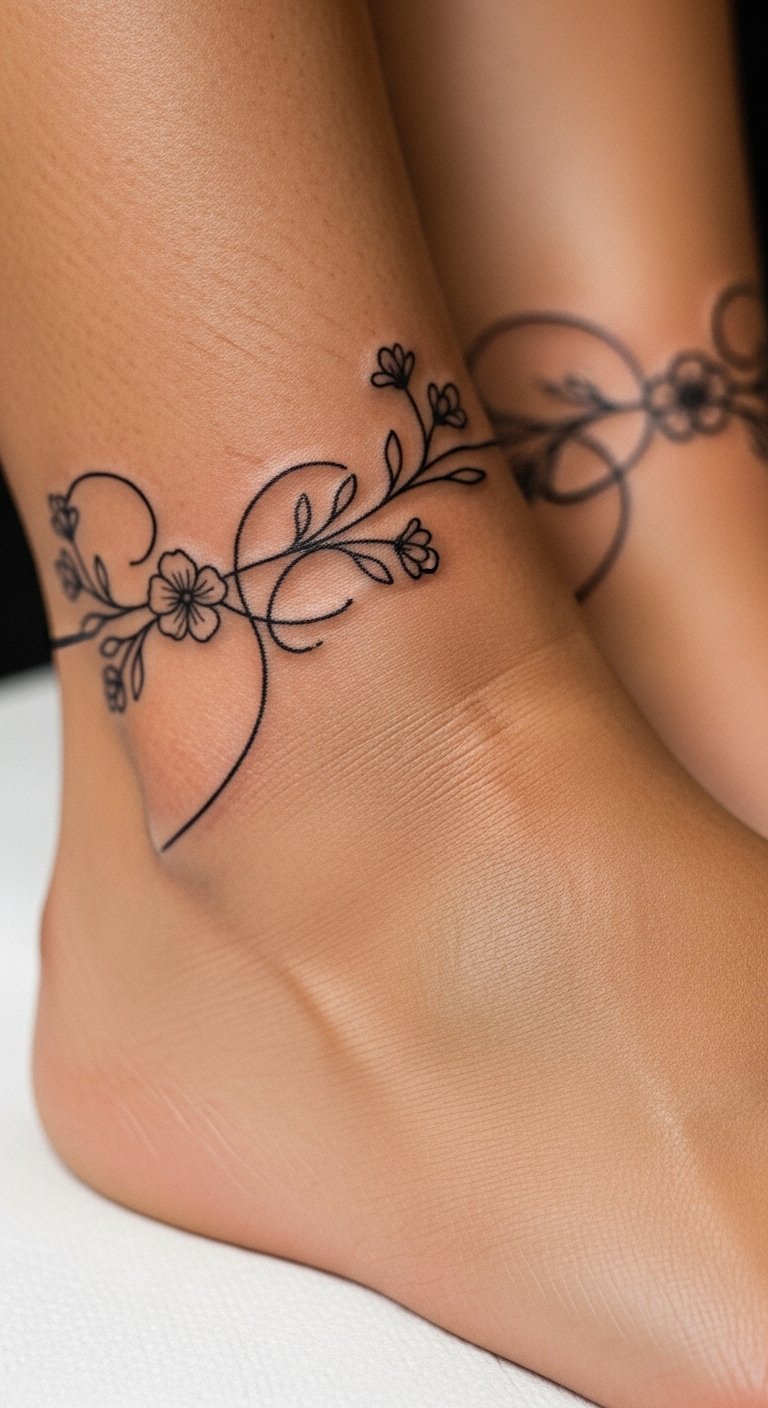
Charm-style ankle tattoos look like jewelry when spaced well. Thin loops can thicken slightly to prevent early blurring. I keep designs small but bold enough where friction is highest.
Fine Line Eye Motif on Inner Arm
Style/Technique: Fine Line / Symbolic
Pain Level: Medium (3–4/10)
Session Time: 1–2 hours
Best For: Subtle symbolic piece, easy to cover

Eye motifs with clean lashes and dot shading age well if the lashes are not ultra-fine. Inner arm skin settles the lines nicely. I recommend slight contrast between lashes and iris details to keep expression visible after healing.
Linear Wave Spine Accent at Lower Back
Style/Technique: Minimalist / Fine Line
Pain Level: High (7/10)
Session Time: 1–2 hours
Best For: Hidden accent, summer-friendly
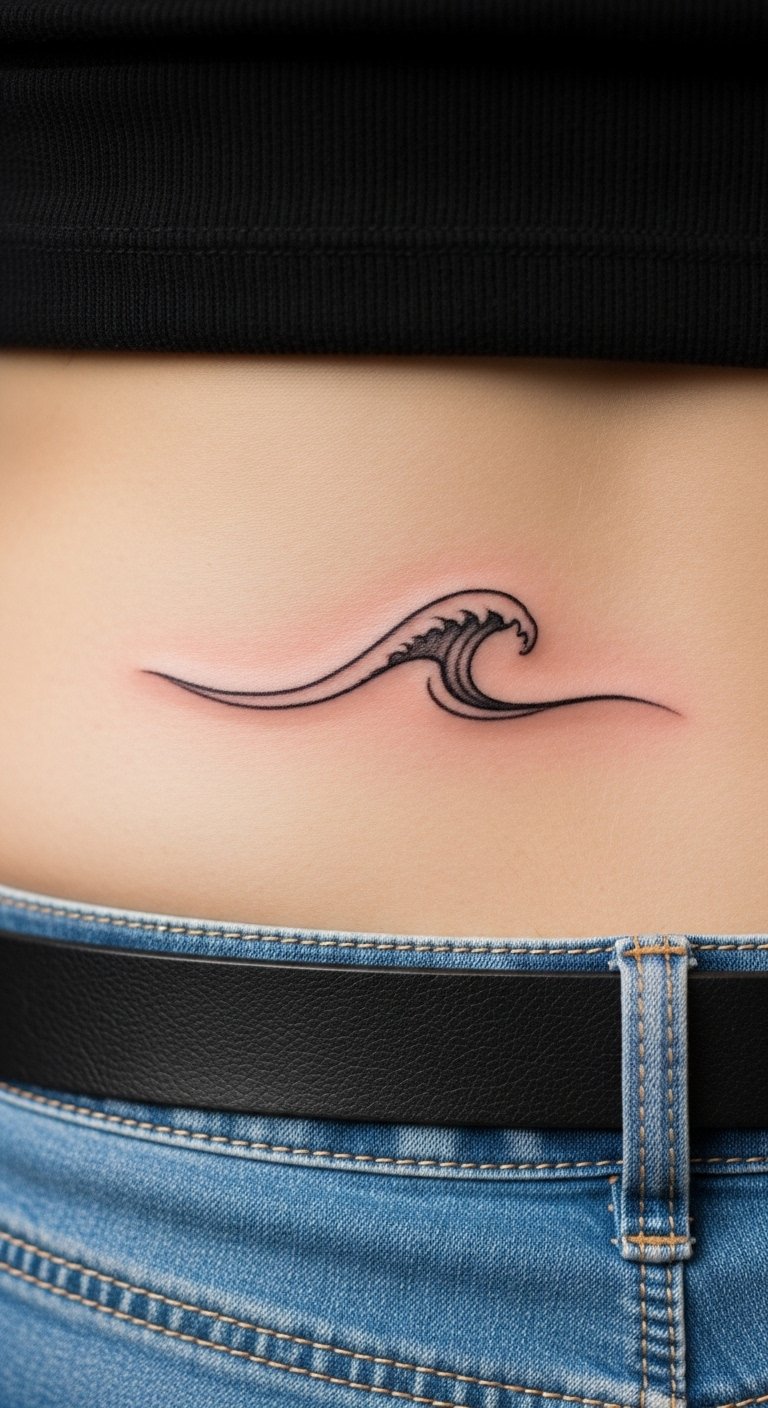
Lower back linework is sensual and hides under clothing. Keep curves simple; avoid tiny textured lines near the beltline where abrasion occurs. Healing is straightforward but take care with low-rise clothing initially.
Thin Line Mountain Peak on Upper Thigh
Style/Technique: Minimalist / Fine Line
Pain Level: Low (2/10)
Session Time: 45–75 minutes
Best For: Hidden or revealing with shorts, symbolic

Thighs are forgiving and great for fine pieces. Mountain peaks with thicker summits maintain identity better than feather-thin ridges. Healing is fast and low-interference from clothing if loose.
Tattoo Prep and Aftercare Essentials
Aftercare Essentials:
- Aquaphor Healing Ointment, 14oz tube — Recommended first 3–5 days to protect fresh ink
- Saniderm Transparent Adhesive Bandage, 6-inch roll — Second-skin method for overnight protection
- CeraVe Fragrance-Free Moisturizing Lotion, 12oz — Daily moisturizer for days 4–14
- Dr. Bronner's Unscented Castile Soap, 8oz — Gentle cleaning during first two weeks
Before Your Appointment:
- Tattoo Numbing Cream with 5% Lidocaine, 30g — Use only if artist approves, apply 30–45 minutes prior
- Thermal Tattoo Stencil Paper, 1 Pack — For testing placement at home
Long-Term Maintenance:
- SPF 50 Sunscreen Stick for Tattoos, 0.5oz — Daily protection to prevent fading
- Mad Rabbit Tattoo Balm, 2oz — For keeping healed ink vibrant
- Hustle Butter Deluxe, 4oz — Vegan alternative for ongoing care
Optional Comfort Items:
- Tattoo Numbing Spray, 50ml — For touch-ups or sensitive spots
- Hydrocolloid Bandages (large), 12-pack — Protect small areas during healing
I use Aquaphor for the first few days, then CeraVe or Mad Rabbit for long-term moisture. Saniderm is great if your artist agrees—many pros recommend it for large fresh pieces.
Frequently Asked Questions
Q: How bad does a tattoo actually hurt?
A: Pain varies by placement and person. Outer arm/thigh = low (2–4/10). Ribs/ankle/spine = high (7–9/10). It's more persistent than explosive. For sensitive areas, consider asking about numbing cream with lidocaine.
Q: What if I regret my tattoo?
A: Sit on designs for months and pick placements you can hide (upper thigh, upper arm). Cover-ups and laser exist but take time. Start with meaningful work instead of trends.
Q: How do I keep my tattoo from fading?
A: Daily sunscreen is critical. Use a SPF 50 sunscreen stick and moisturize regularly with CeraVe or Mad Rabbit.
Q: Can I work out after getting a tattoo?
A: Wait 48–72 hours minimum. If it’s in a flex area, postpone exercise longer to avoid stretching and sweat irritation. Keep the spot clean and use gentle soap like Dr. Bronner's Unscented Castile Soap.
Q: Should I get a small tattoo first to test my pain tolerance?
A: Only if you actually want a small tattoo. Size isn’t a reliable pain gauge—placement is.
Q: How long does a tattoo take to heal?
A: Surface healing: 2–3 weeks. Full tissue healing: 2–3 months. The first week is crucial—avoid picking and follow product guidance (Aquaphor, Saniderm).
Q: Do tattoos look different on different skin tones?
A: Yes. Black and gray linework shows well across tones. Bright neons and white ink behave differently; consult artists who tattoo your skin tone and ask to see healed photos.
Stats: A Gallup poll found 30% of Americans reported having a tattoo (2019) (source: Gallup). Younger adults show higher rates—tattoos are common enough that longevity and clarity matter when choosing style (source: Gallup).
Conclusion
Research, scale tests, and healed-photo references saved me from impulse choices. Start with a consultation and ask for healed examples of the exact style on similar placement. Invest in proper aftercare—Aquaphor and SPF will keep linework readable for years. Which of these linework styles are you leaning toward?