

I spent months squinting at tiny ink on friends’ hands before I understood the real problem: finger tattoos need designs that age well and hide small shifts in skin. These 25 subtle finger tattoos focus on meaning, discreet placement, and styles that actually heal nicely — not just what looks good fresh.
These picks lean minimalist, fine line, and blackwork. They’re ideal for fingers, knuckles, and sides of the hand. I pulled trends from recent search data and what artists are recommending for longevity in 2025.
Fine Line Crescent Moon on Side Finger
Style/Technique: Fine Line / Minimalist
Pain Level: Low (2-3/10)
Session Time: 30–60 minutes
Best For: First tattoo, meaningful, discreet
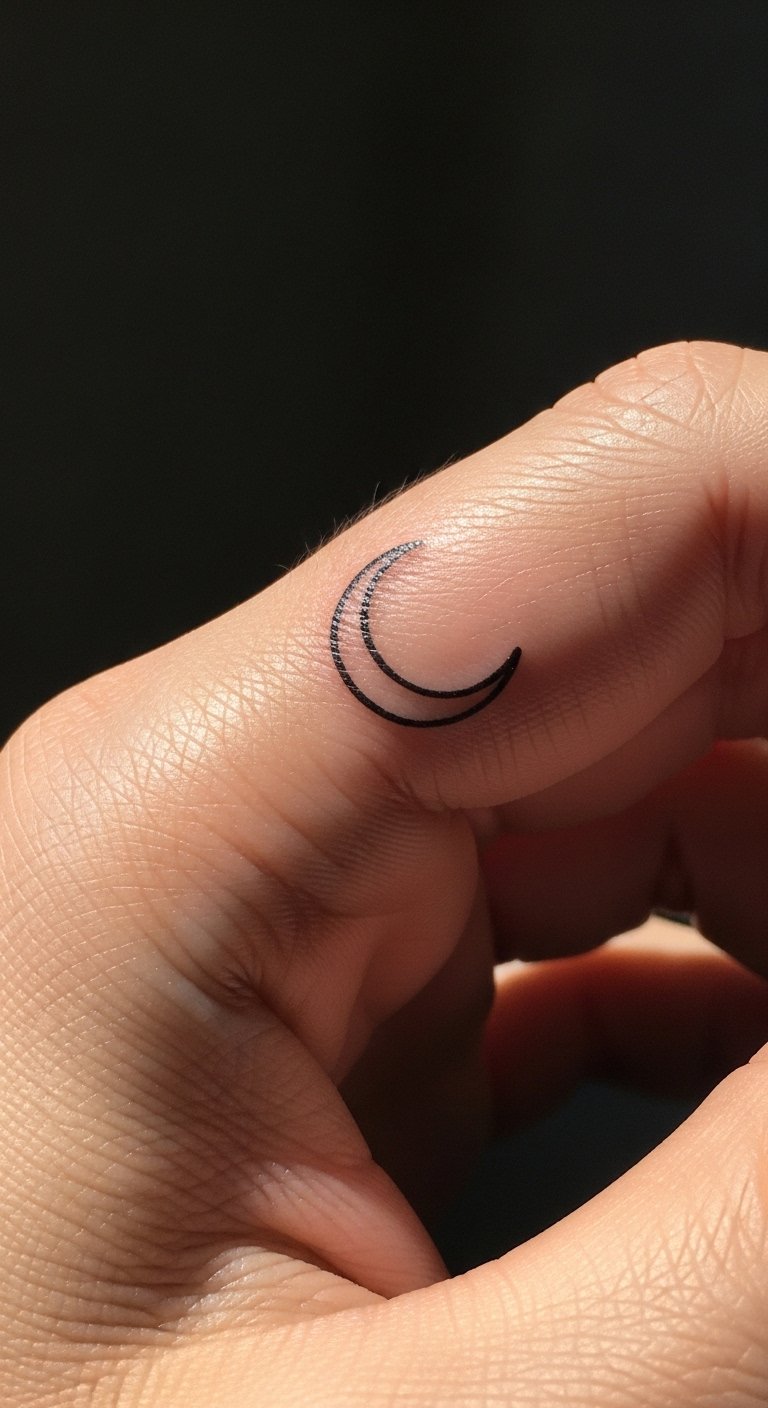
I love how a tiny crescent reads personal and timeless. Side-finger placement hides the design when you want privacy. Fine line looks elegant healed but can blur if lines are too close; ask for single, simple strokes. Expect light scabbing and 2–3 weeks for surface healing. Common mistake: trying to cram shading into the size — keep it flat black. Seek artists experienced in micro-linework.
Micro Dot Morse Code on Inner Finger
Style/Technique: Micro-Realism / Dotwork
Pain Level: Medium (3-4/10)
Session Time: 30–90 minutes
Best For: Hidden messages, meaningful codes

Dots form a discreet message only you (or those you show) understand. Inner-finger placement reduces sun exposure but gets more wear from washing. Pain is short-lived. Healing needs gentle soap and light moisturizer. Avoid pairing tiny dots too close — they can merge over time. Tell your artist you want distinct spacing for durability.
Single Letter Minimalist on Knuckle
Style/Technique: Minimalist / Fine Line
Pain Level: Medium (4/10)
Session Time: 20–40 minutes
Best For: Initials, symbolic letters, subtle visibility
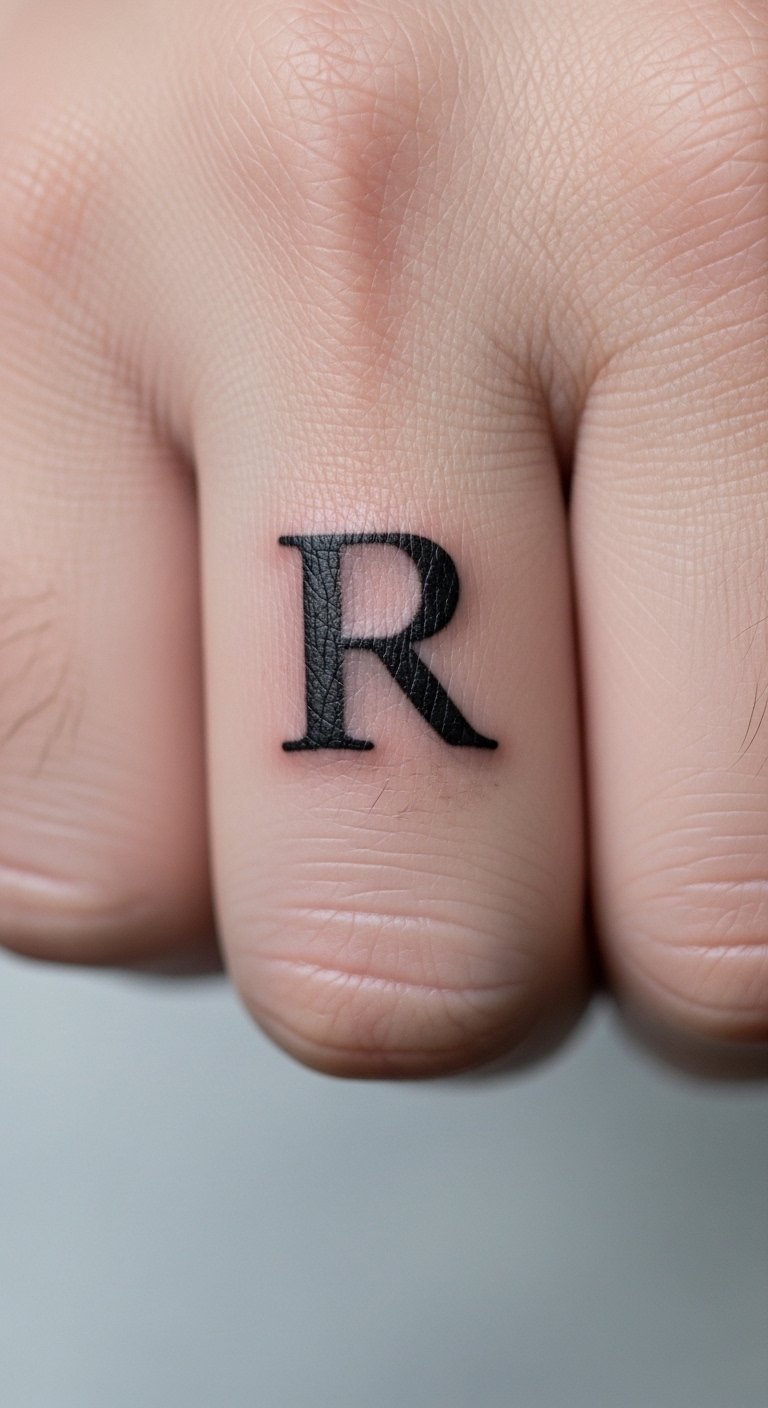
A single initial is bold yet subtle. Knuckles hold ink poorly long-term due to movement; thicker strokes hold up better. Expect faster fading and possible touch-ups. Artists recommend simpler, bolder letterforms over thin serifs for longevity. Keep sessions short.
Negative-Space Band on Finger Base
Style/Technique: Blackwork / Negative Space
Pain Level: Low (2-3/10)
Session Time: 30–60 minutes
Best For: Ring alternative, easy to hide

Negative-space bands read like jewelry and age well because solid black holds up. Placement at the base avoids knuckle wear but can still fade from rings. Healing is straightforward; avoid friction while the skin regenerates. Mistake: overly thin gaps that fill in — ask for clean, bold negative shapes.
Tiny Anchor on Outer Finger
Style/Technique: Traditional / Minimalist
Pain Level: Low (2-3/10)
Session Time: 20–40 minutes
Best For: Nautical meaning, hidden charm

A small traditional anchor is symbolic and forgiving. Bold lines resist blurring more than micro-lines. Outer finger gets sun but less friction than knuckles. Keep the anchor compact without interior shading. Artists who work in traditional styles will simplify the design for long-term clarity.
Single Tiny Star Above Knuckle
Style/Technique: Fine Line / Minimalist
Pain Level: Medium (3/10)
Session Time: 15–30 minutes
Best For: First visible finger tattoo
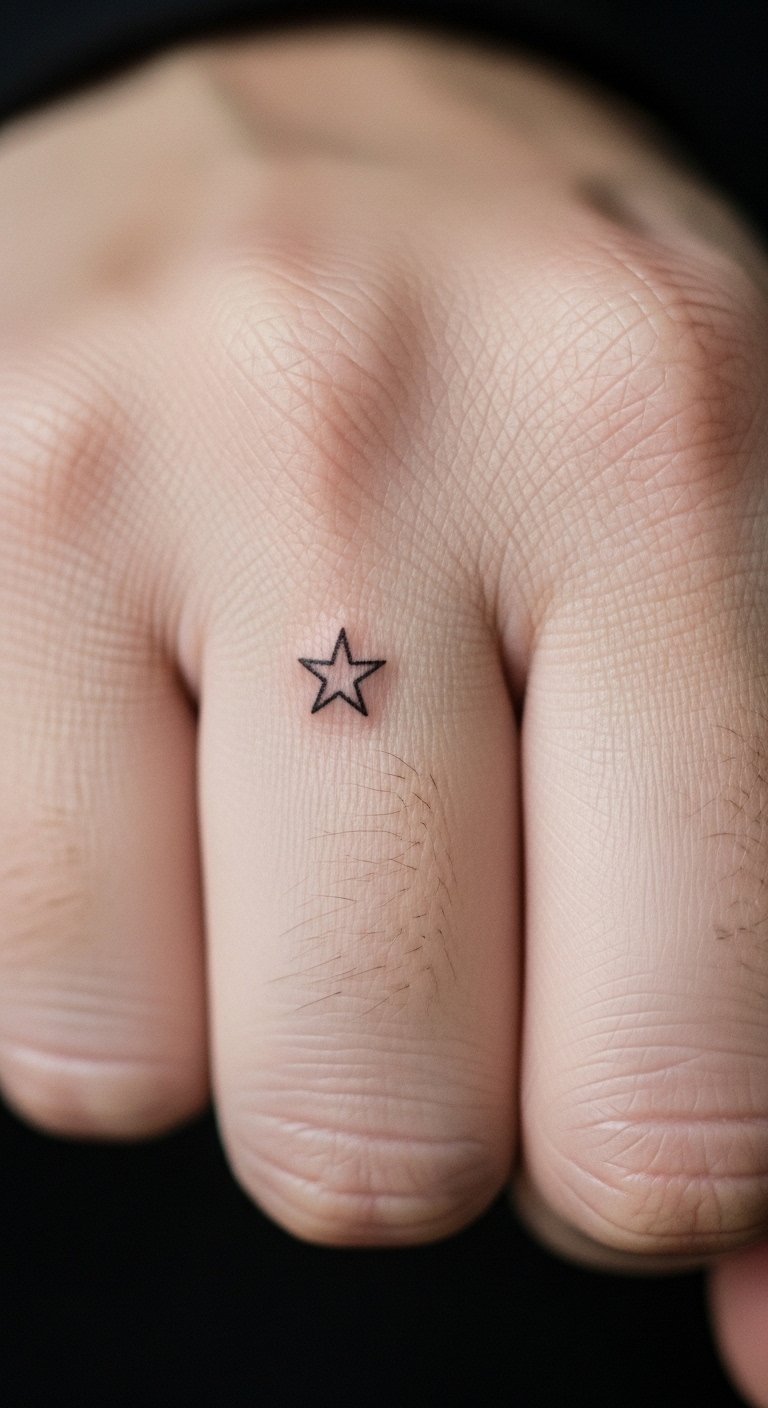
Stars are classic and read as meaningful without being loud. Above-kuckle placement shows off the design but faces more wear. Keep linework slightly bolder than ultra-fine to prevent blowout. Aftercare needs extra attention because knuckle flexing can crack scabs.
Micro Floral Sprig on Side Finger
Style/Technique: Fine Line / Botanical
Pain Level: Low-Medium (3/4)
Session Time: 30–60 minutes
Best For: Feminine, discreet, meaningful
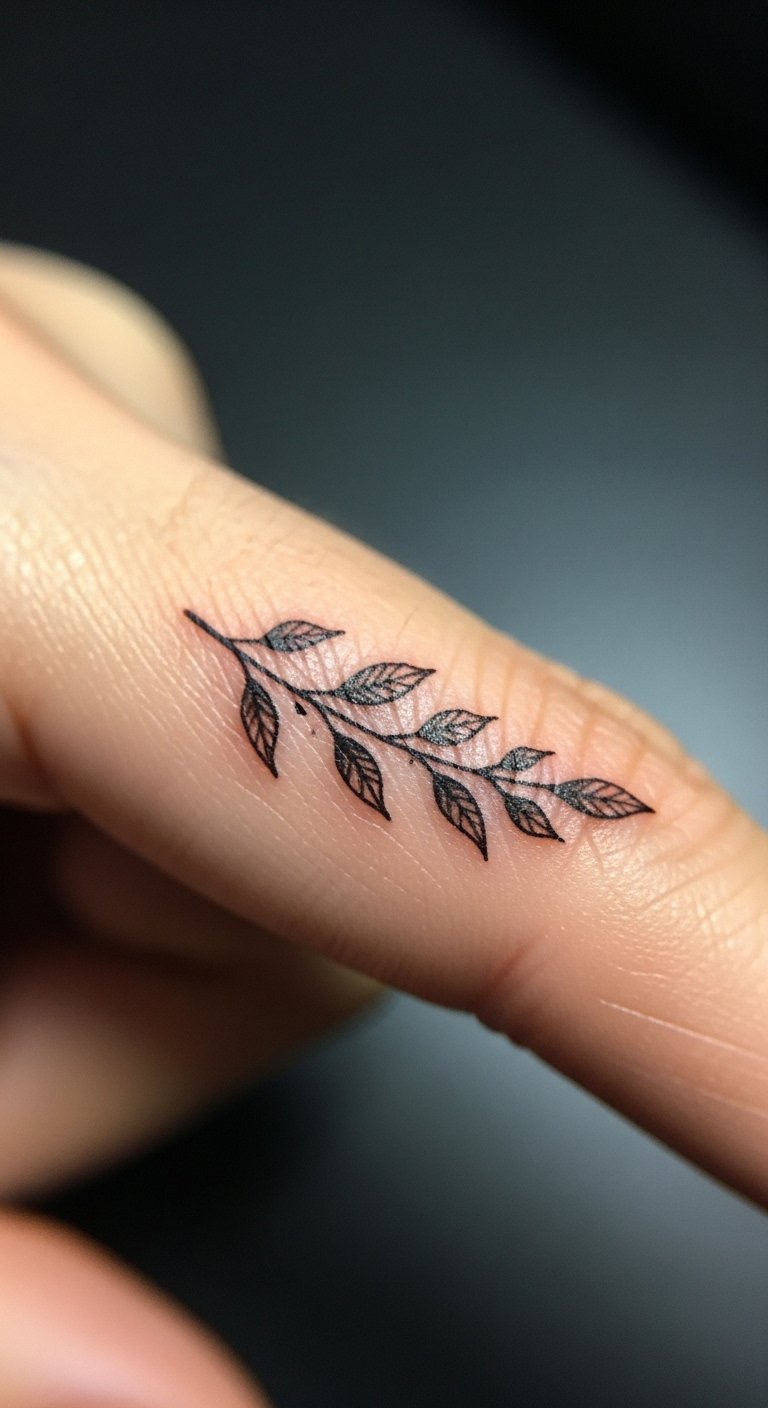
A tiny sprig feels organic and personal. Side placement reduces wash abrasion. Fine lines look lovely healed if kept simple — avoid tiny leaves crowded together. I recommend artists who do botanical linework and can show healed examples.
Minimalist Wave on Finger Tip
Style/Technique: Minimalist / Single Line
Pain Level: High (6/10)
Session Time: 20–40 minutes
Best For: Visible, playful, ocean lovers
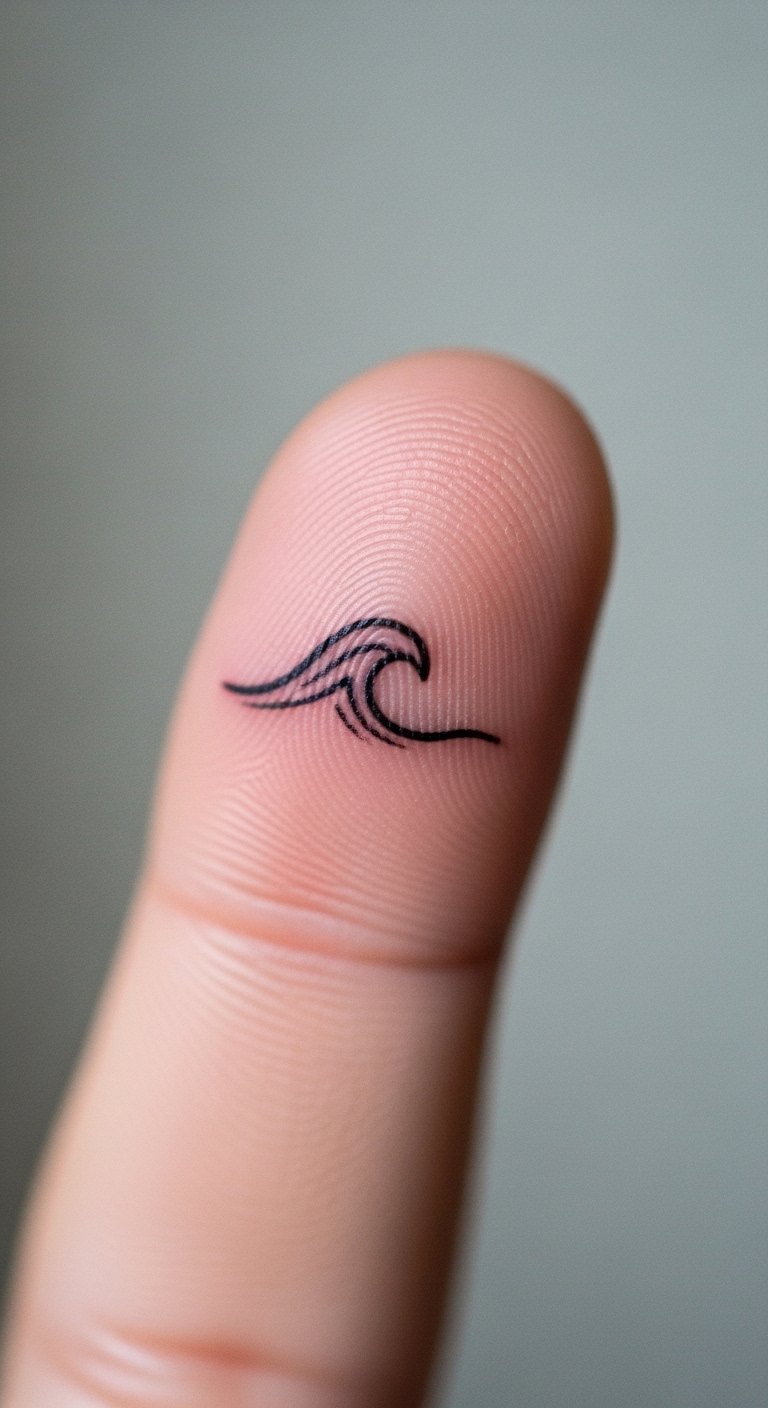
Tip tattoos often hurt more and fade faster due to exposure and skin turnover. A single-line wave reads cleanly but expect touch-ups. If you want something unique, ask for slightly thicker lines so the wave retains shape as it heals.
Tiny Compass Point on Side Finger
Style/Technique: Fine Line / Geometric
Pain Level: Low (2-3/10)
Session Time: 30–50 minutes
Best For: Travel meaning, directional symbol

Compass points are symbolic and minimalist. Keep it as a simple arrow or dot-and-line to avoid blurring. Side placement protects it mostly from wear. Artists who favor micro geometric work can balance fine detail with longevity.
Single Dot Between Knuckles
Style/Technique: Micro / Minimalist
Pain Level: Medium (4/10)
Session Time: 10–20 minutes
Best For: Punctual, unobtrusive mark

A small dot is understated and often used as personal punctuation. It ages poorly if too small — aim for a slightly larger dot that remains crisp. Healing is quick; don't pick the scab.
Tiny Heart on Lower Finger
Style/Technique: Minimalist / Fine Line
Pain Level: Low (2-3/10)
Session Time: 15–30 minutes
Best For: Romantic, visible charm
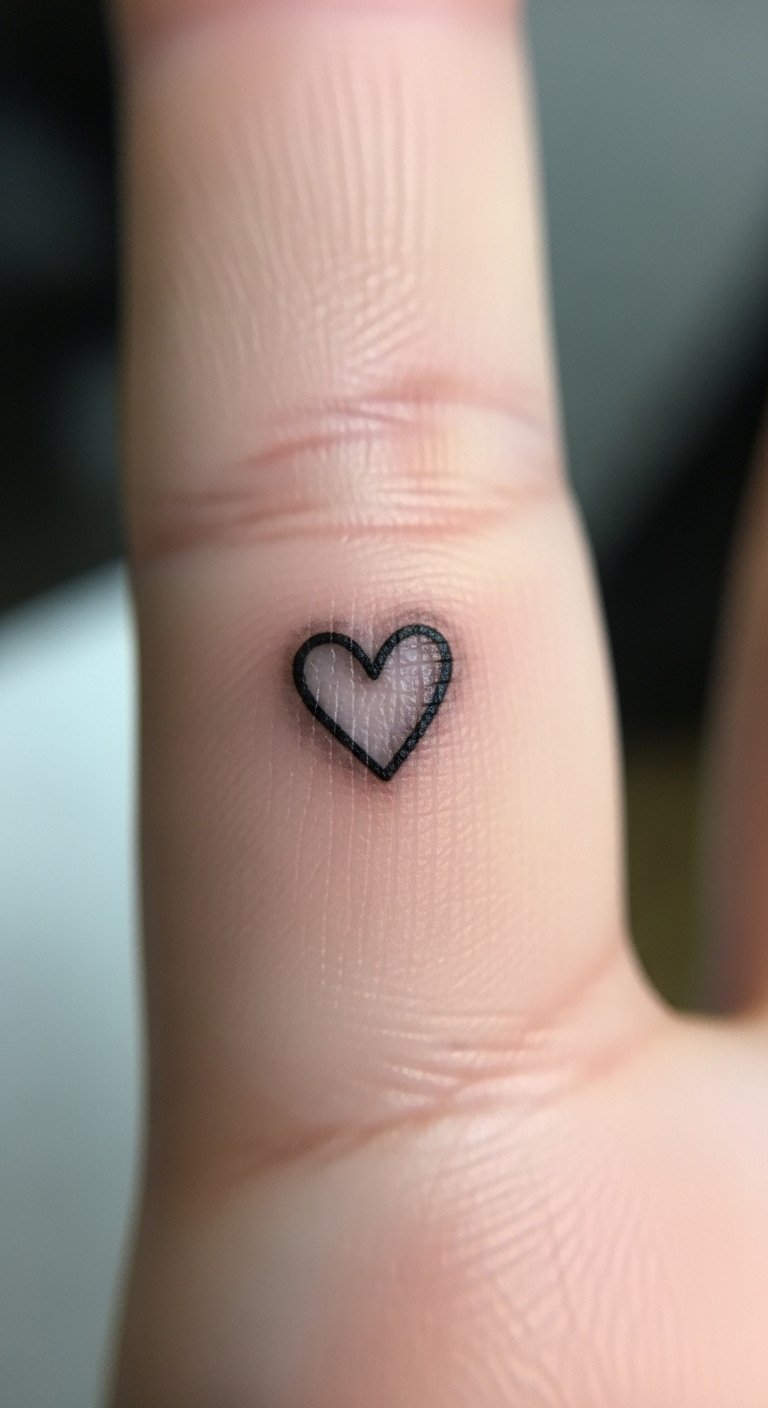
Hearts are readable and symbolic. Thin hearts can blur; a modest fill keeps the shape defined as it ages. Keep aftercare strict the first week to avoid color loss.
Blackwork Chevron on Joint
Style/Technique: Blackwork / Geometric
Pain Level: High (5-6/10)
Session Time: 30–60 minutes
Best For: Graphic, high-contrast pieces

Joint areas move a lot, leading to faster ink breakdown. Solid black chevrons hold up better than tiny geometry here. Expect more pain and possible future touch-ups.
Micro Name Script on Side Finger
Style/Technique: Fine Line / Script
Pain Level: Low-Medium (3/10)
Session Time: 30–60 minutes
Best For: Names, short words
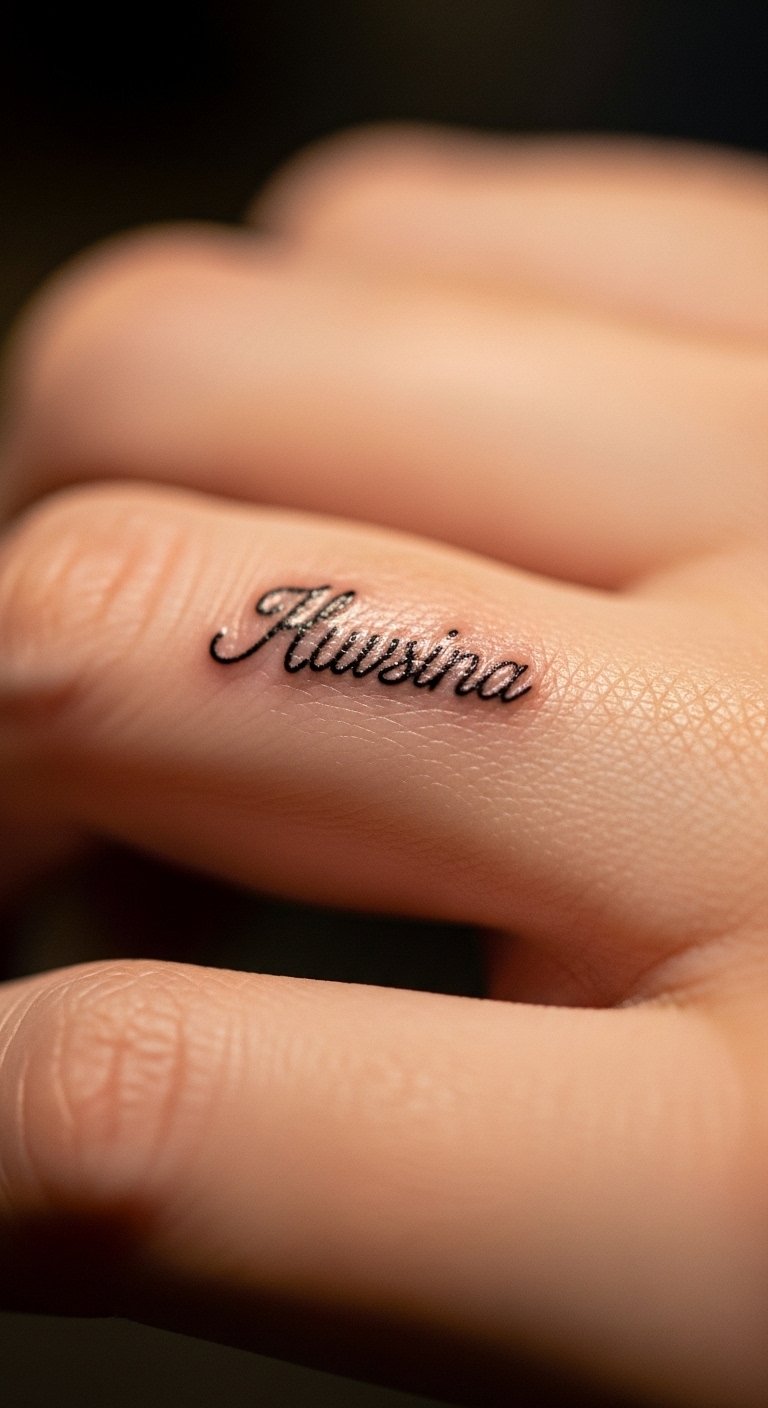
Script must be crisp and not too ornate at this size. Choose a simple hand-lettered style and ask the artist to thicken main strokes for durability. Avoid long names — they blur.
Tiny Zodiac Symbol on Top Finger
Style/Technique: Minimalist / Symbolic
Pain Level: Low (2-3/10)
Session Time: 15–30 minutes
Best For: Astrological meaning, subtle identity

Zodiac icons are personal and compact. Keep them bold enough to withstand wear. Top-finger placement gets sun, so long-term fading is possible — wear sunscreen.
Micro Wave Line on Side of Thumb
Style/Technique: Minimalist / Single Line
Pain Level: Medium (4/10)
Session Time: 20–40 minutes
Best For: Thumb visibility, small statement

Thumb skin is thicker but moves constantly. Single-line designs work if slightly thicker to avoid breakage. Healing can be tricky; keep it clean and moisturized.
Tiny Planet on Finger Pad Edge
Style/Technique: Micro-Realism / Minimalist
Pain Level: High (6/10)
Session Time: 30–60 minutes
Best For: Quirky, celestial meaning

Edges and pads experience lots of abrasion; small tattoos here fade fast. If you want this spot, expect eventual softening — choose bold outlines and consider touch-ups.
Single Bar Symbol on Side Finger
Style/Technique: Minimalist / Graphic
Pain Level: Low (2/3)
Session Time: 10–20 minutes
Best For: Subtle coding, discreet symbol
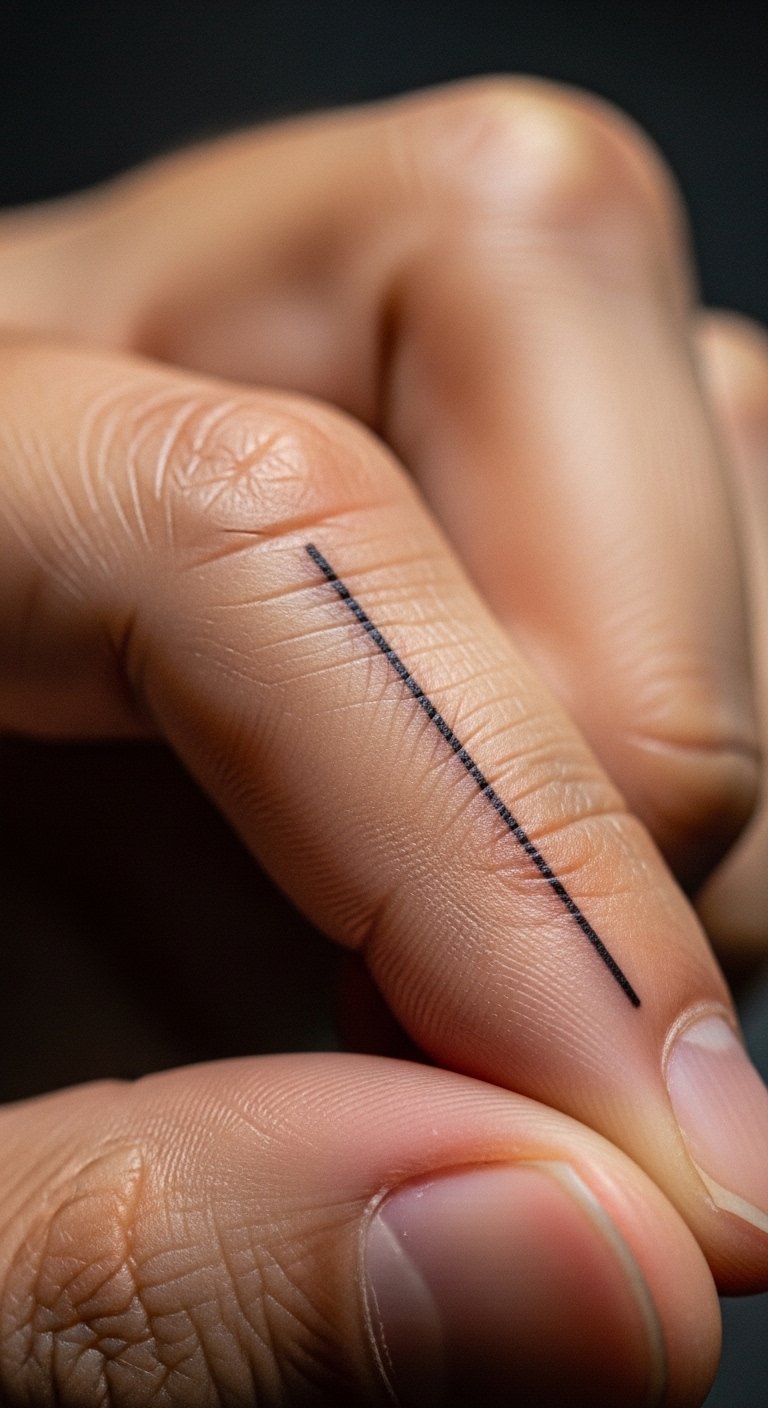
A single bar reads modern and discreet. Keep it slightly thicker than you think so it remains crisp. Easy to hide with sleeves.
Tiny Leaf on Knuckle Side
Style/Technique: Fine Line / Botanical
Pain Level: Medium (4/10)
Session Time: 20–40 minutes
Best For: Nature lovers, discreet symbolism
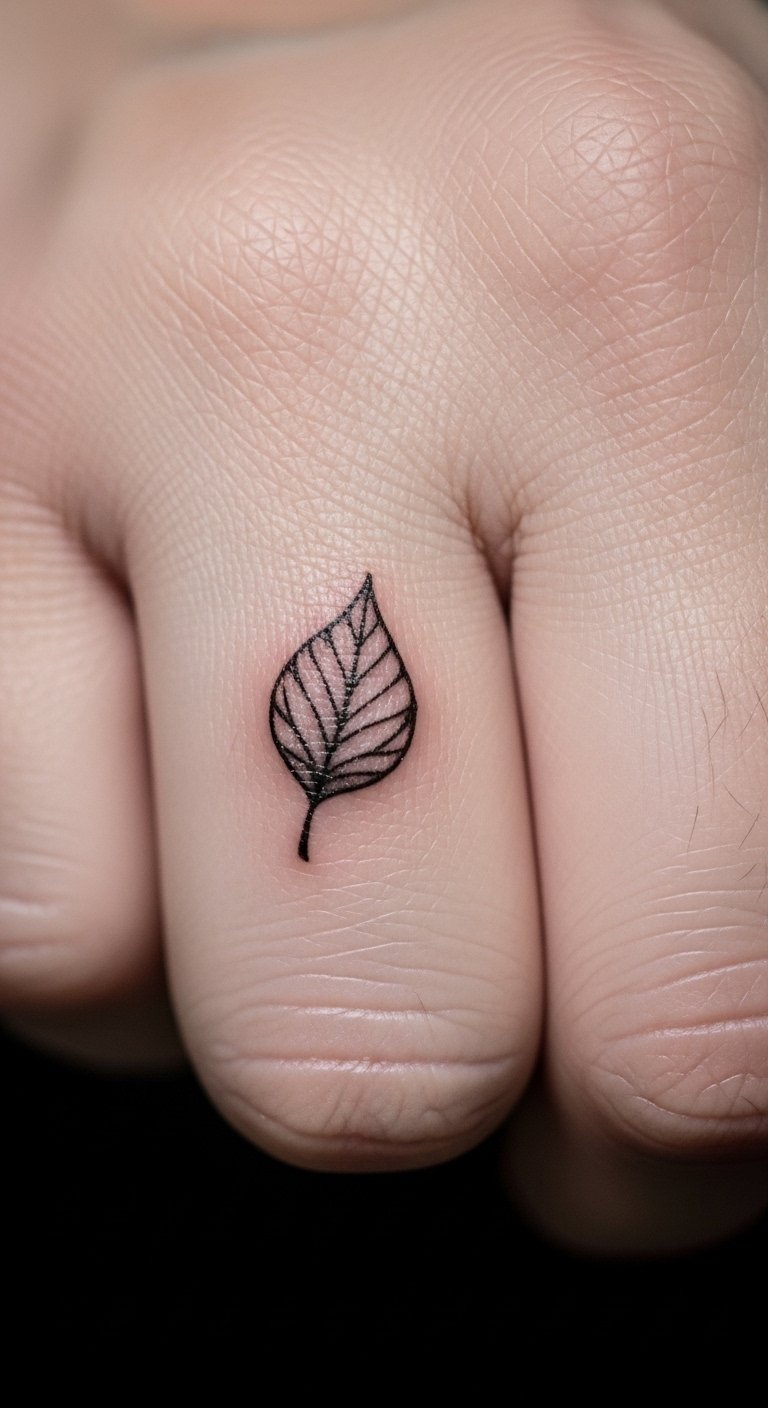
Knuckle-side placement gets friction; choose slightly bolder lines. Simple shapes age better than delicate veins. Moisturize during healing to reduce scabbing.
Micro Constellation Across Fingers
Style/Technique: Dotwork / Fine Line
Pain Level: Medium (3-5/10)
Session Time: 30–60 minutes
Best For: Subtle, connected motifs

Small constellations look meaningful and minimalist. Spacing is key — too-close dots can join. Artists with experience in dotwork can space for longevity. Expect gentle scabbing.
Tiny Infinity Loop at Base
Style/Technique: Minimalist / Fine Line
Pain Level: Low (2-3/10)
Session Time: 10–20 minutes
Best For: Continuous meaning, visible

Infinity symbols are classic; at finger base they’re easy to see. Keep loop proportions balanced and slightly bold to resist blurring.
Minimalist Arrow on Side Finger
Style/Technique: Fine Line / Geometric
Pain Level: Low (2-3/10)
Session Time: 15–30 minutes
Best For: Directional meaning, subtle look
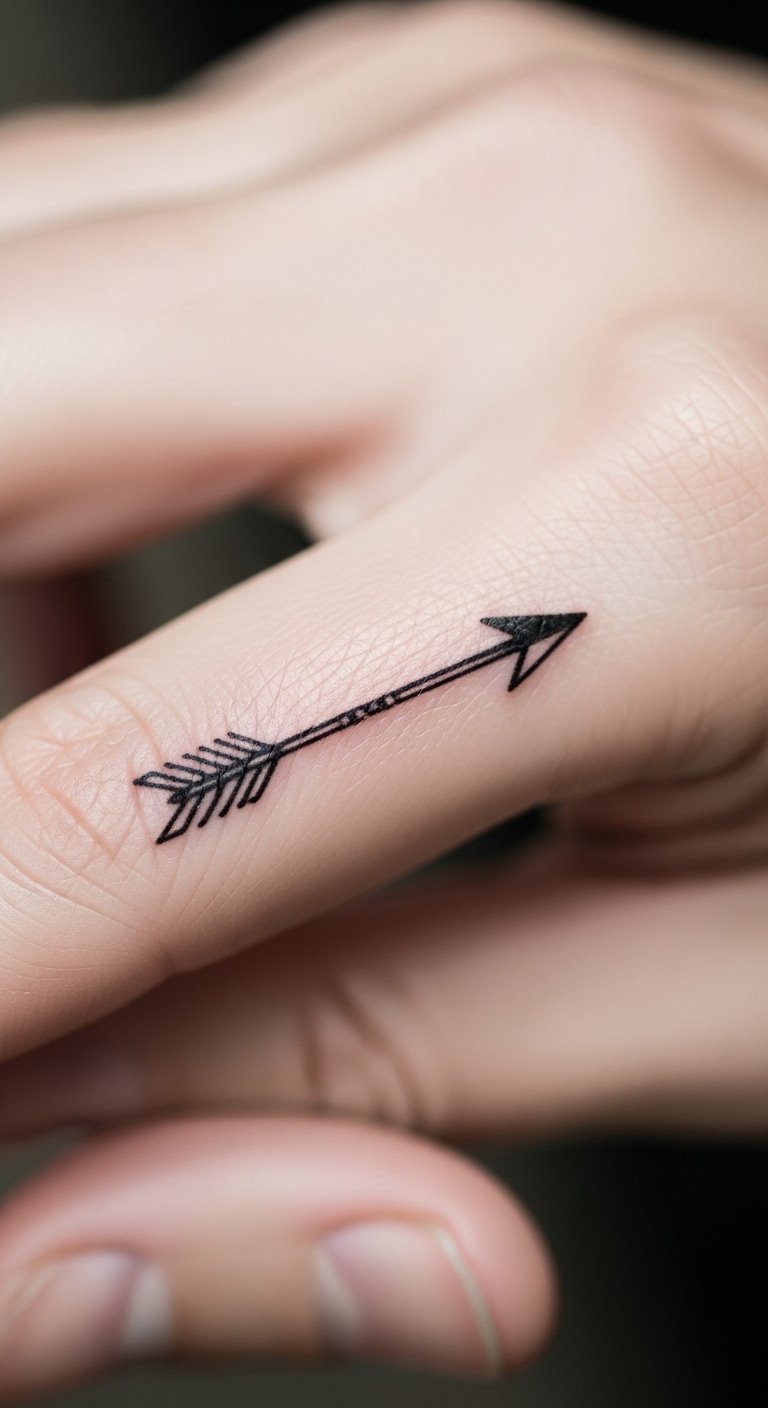
Arrows read dynamic. Thin arrowheads can smear; artists will suggest thicker head and shaft. Side placement protects it more than top knuckle.
Tiny Anchor Knot on Finger Web
Style/Technique: Blackwork / Minimalist
Pain Level: High (5-6/10)
Session Time: 20–40 minutes
Best For: Unique placement, symbolic ties

Finger web tattoos are intimate and often missed by others. Skin is thin and moves — expect higher pain and faster fading. Bold shapes fare better.
Morse-Code Heart on Inner Finger
Style/Technique: Dotwork / Micro
Pain Level: Low-Medium (3/10)
Session Time: 20–40 minutes
Best For: Hidden romantic message
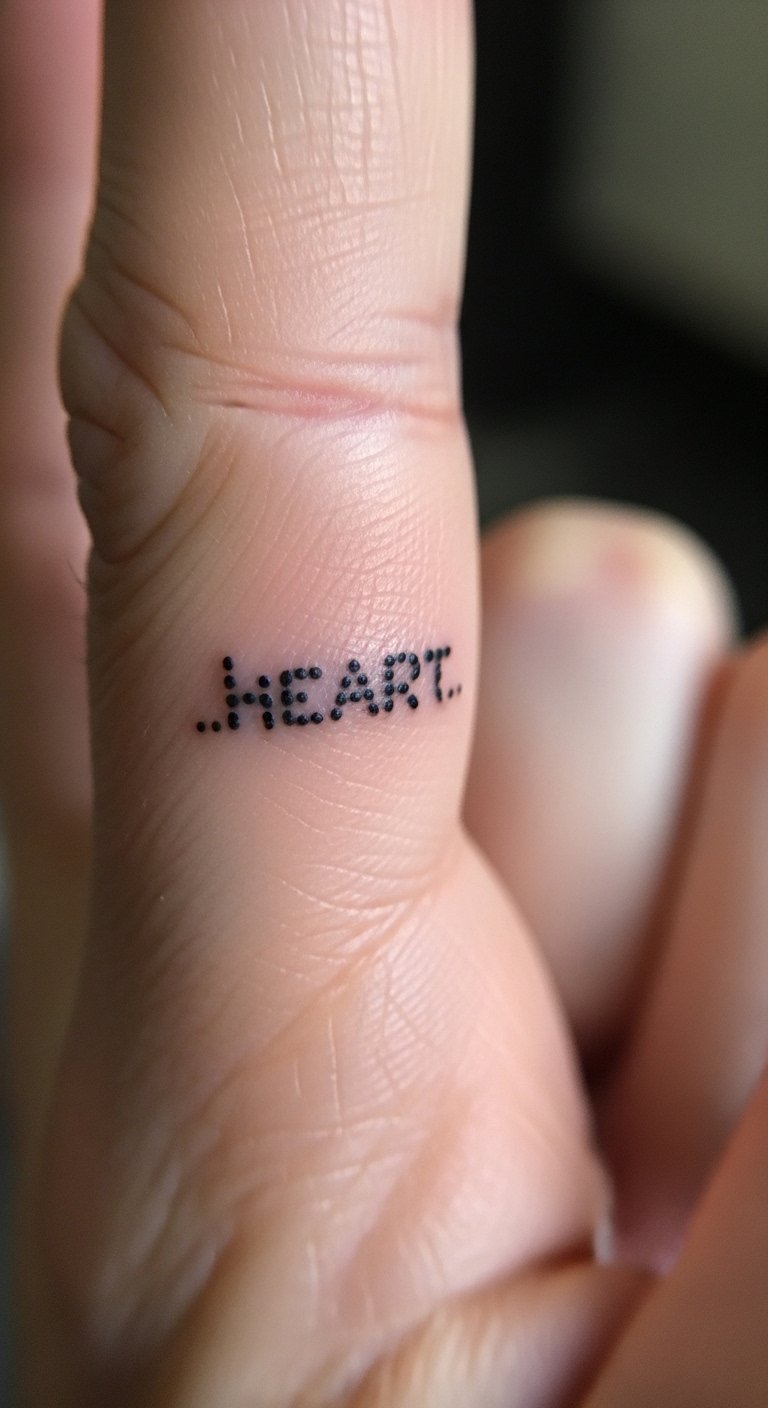
This blends secret meaning with micro style. Inner finger protects from sun but faces washing abrasion. Space dots well and keep aftercare strict.
Tiny Geometric Triangle Stack on Finger Side
Style/Technique: Geometric / Fine Line
Pain Level: Low (2-3/10)
Session Time: 20–40 minutes
Best For: Modern, symbolic stacking
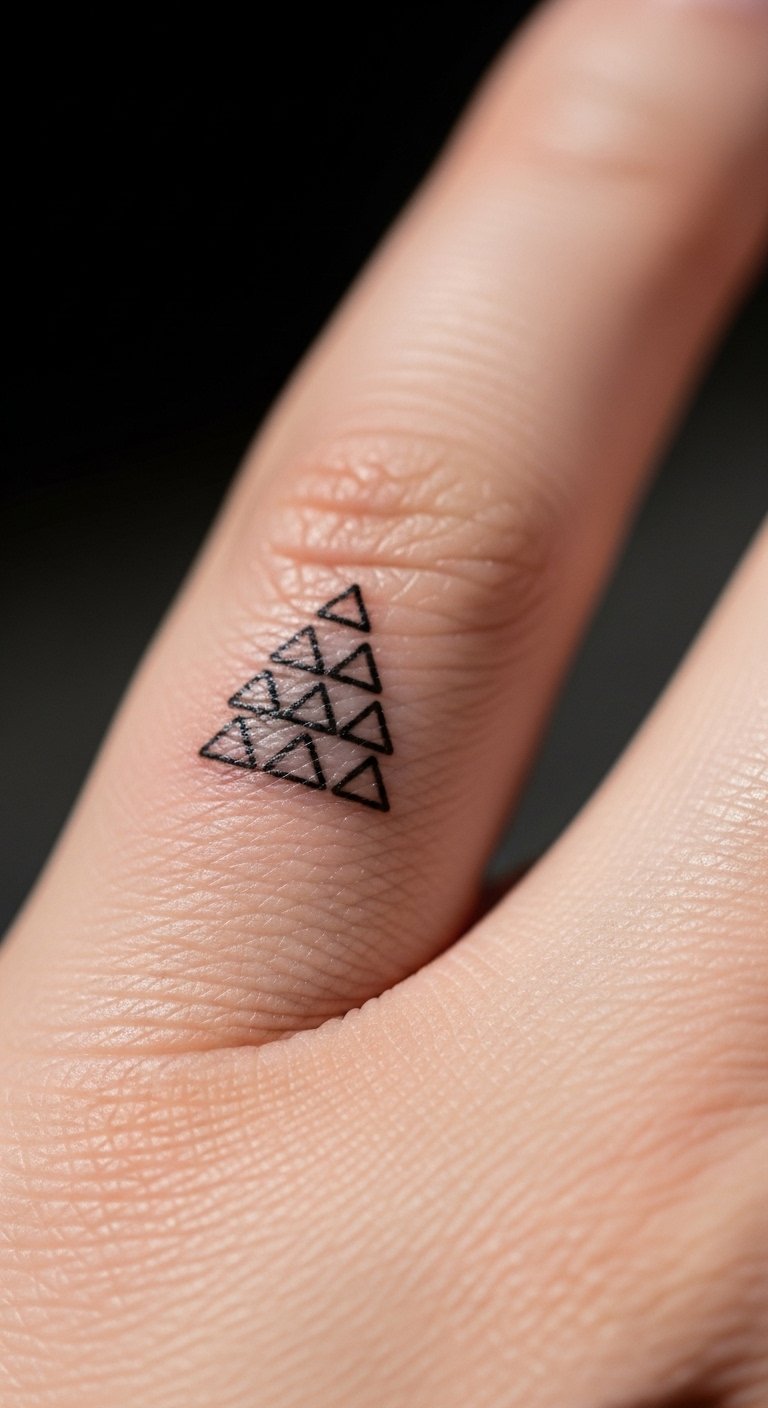
Stacked triangles are minimalist and symbolic. Keep triangles slightly bolder to avoid fill-in. Artists who do fine geometric work can show healed examples.
Tattoo Prep and Aftercare Essentials
Aftercare I actually use or recommend:
Healing & Daily Care:
- Aquaphor Healing Ointment, 14oz tube — Recommended first 3–5 days
- Saniderm Transparent Adhesive Bandage, 6-inch roll — Artists often recommend for first 24–48 hours
- CeraVe Fragrance-Free Moisturizing Lotion, 12oz — For days 4–14
- Dr. Bronner's Unscented Castile Soap, 8oz — Gentle cleaning
Before Appointment & Comfort:
- Tattoo Numbing Cream with 5% Lidocaine — Ask your artist before use
- Tattoo Stencil Transfer Paper — For at-home mockups
Long-Term Maintenance:
- SPF 50 Sunscreen Stick for Tattoos — Use daily to prevent fading
- Mad Rabbit Tattoo Balm, 2oz — For healed skin maintenance
- Hustle Butter Deluxe, 4oz — Vegan aftercare option
Extras:
- Hydrocolloid Bandages (Assorted Sizes) — Good for small touch-ups
- Saniderm Tattoo Bandage Packs — For artist-recommended second-skin care
- Tattoo Aftercare Kit — All-in-one option
I note which items artists actually recommend (Saniderm, Aquaphor, SPF) vs. hype products. Use ointments only for the first few days; switch to fragrance-free lotion.
Frequently Asked Questions
Q: How bad does a finger tattoo actually hurt?
A: Pain depends on placement. Side fingers and base = 2–4/10. Tips, joints, and webs = 5–7/10. Numbing cream (ask your artist) can help for sensitive spots: Tattoo Numbing Cream with 5% Lidocaine.
Q: Will it fade fast?
A: Fingers get more washing and friction, so expect faster fading than forearms. Daily SPF and moisturizers help. Use SPF 50 Sunscreen Stick for Tattoos.
Q: How long to heal?
A: Surface healing 2–3 weeks; deeper healing 2–3 months. First week is critical — gentle soap (Dr. Bronner's) and light ointment (Aquaphor) are my go-tos.
Q: What if I regret placement?
A: Sit on very visible finger ideas for months. If you want less visibility, choose the side finger or base.
Q: Can I wear rings?
A: Skip rings for the first 2–4 weeks. For ring-adjacent tattoos, avoid friction while healing.
Q: Do tattoos look different on darker skin tones?
A: Black and bold blackwork read best across tones. Discuss saturation with an artist experienced with your skin tone.
Q: Is touch-up common?
A: Yes, finger tattoos often need a refresh. Design choice and placement can minimize how soon that happens.
Conclusion
Start with a clear symbol you won’t tire of and a short consultation. Proper prep and aftercare — like Aquaphor and daily SPF — make a big difference in how finger tattoos age. Which tiny idea here are you leaning toward?