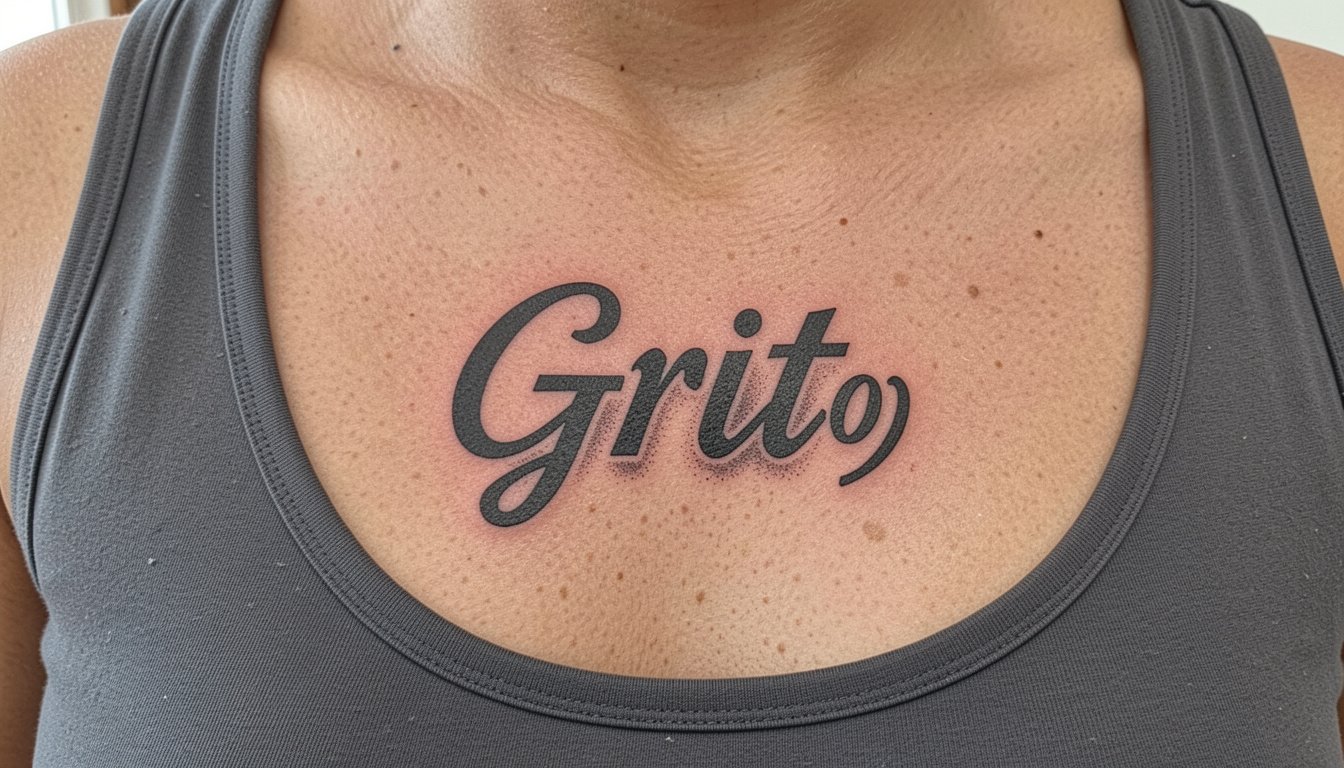
A clean, bold gym tattoo should look like it was carved out of intention, not impulse. Gym-themed pieces that still read sharp after years are the ones that trade tiny ornamental flourishes for clear shapes, solid saturation, and placement that avoids constant rubbing. These picks run the gamut from one-word scripts to compass motifs that hold up under sweat and gym bags, and each idea includes what to plan for in the chair so it ages well.
1. Minimalist Barbell on Inner Forearm
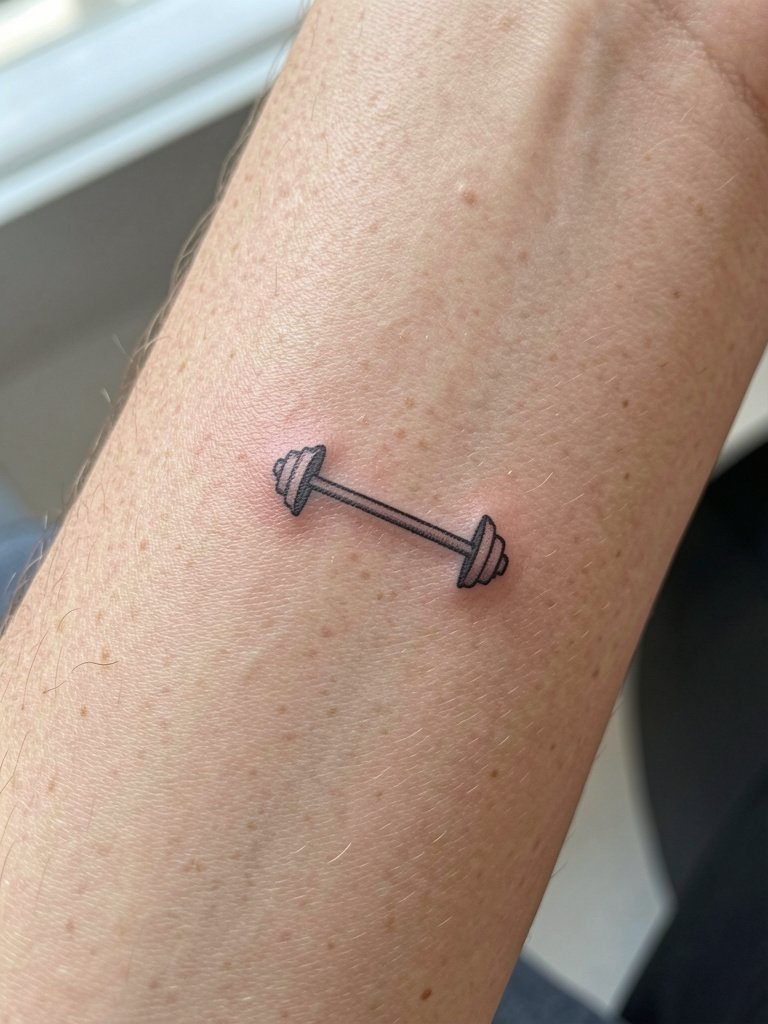
A small barbell on the inner forearm reads like a personal shorthand for progress. I recommend this when you want a visible daily reminder without heavy blackwork. Specify slightly heavier linework than a Pinterest single-needle reference so the plates and shaft keep contrast after a couple of years. Common mistakes are going micro small or asking for faint grey shading that softens into a blur, so ask for solid linework and clean spacing between the plates. Expect one short session of under two hours and a single touch-up around the six- to twelve-month mark for perfect saturation. For showing it off, roll up sleeves and pair with a fitted cotton tee that keeps the forearm exposed.
2. One-Word Script on the Ribcage
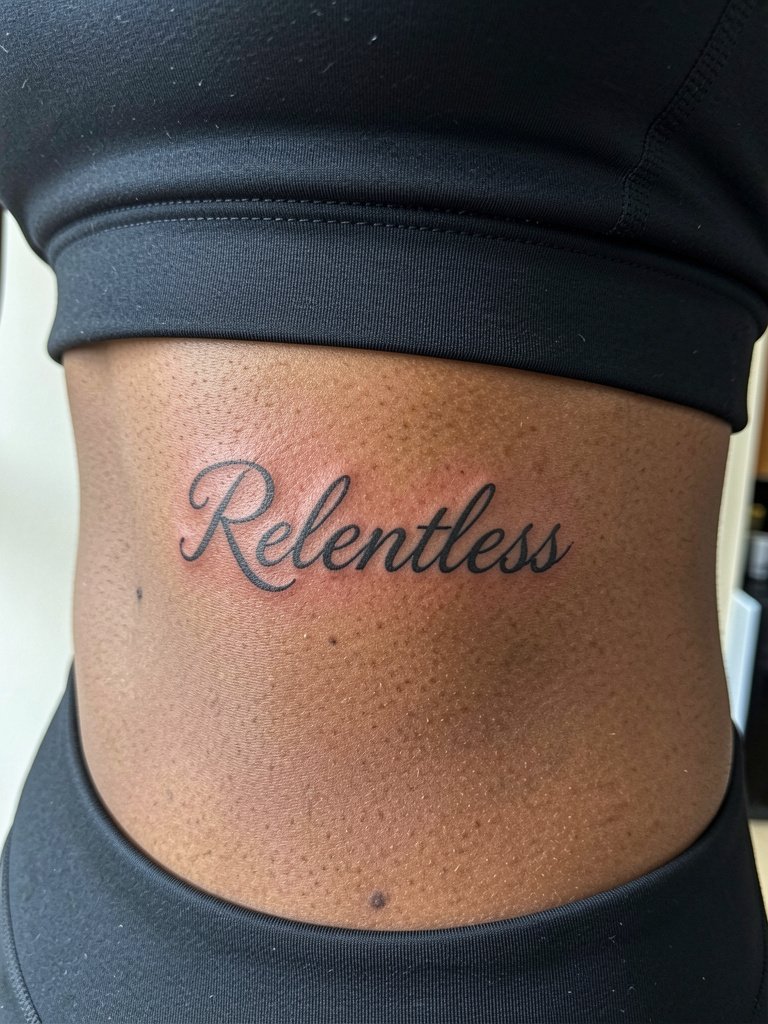
The ribcage is classic for words you want to carry close to the lungs. This placement is personal and looks intentional when the lettering has modest spacing and a slightly bolder hairline. A lot of people request ultra-fine cursive and then find the letters gray and merged after a few years. Ask for subtly increased line weight in the thinner strokes so the script stays legible without losing its flow. Expect a higher pain rating during the session, and plan for a longer single appointment. For the studio day wear, pick a fitted sports bra or tank that the artist can tuck under rather than pull aside, so fabric stays in a normal worn state.
3. Geometric Compass on the Shoulder Cap
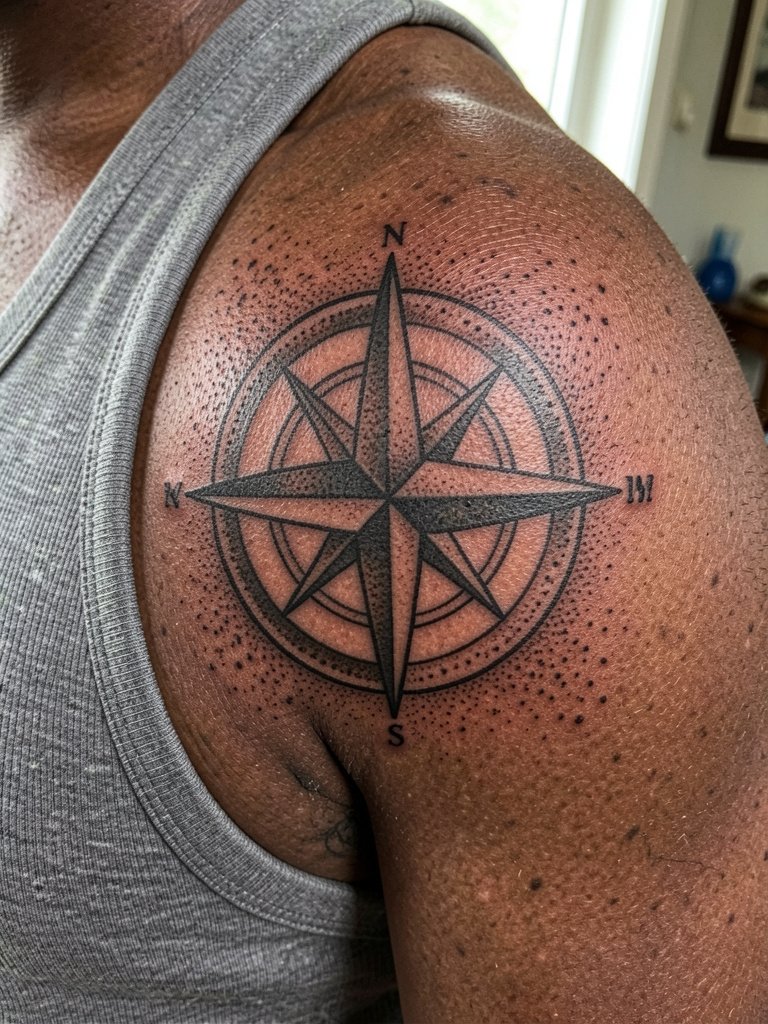
A compass motif on the shoulder cap reads loud and clear without needing heavy color. It holds up best when the outer circle is thick enough to protect the inner dot work from softening. Discuss how the circle spacing affects long-term readability and request small negative-space buffers between the dot work and the main linework. Artists often warn that tiny internal dots can spread in high-motion areas, so larger stipple clusters work better here. A single session under three hours usually does it. For evening wear, this placement pairs well with sleeveless denim vests that expose the cap without rubbing.
4. Bold Roman Numerals on the Collarbone
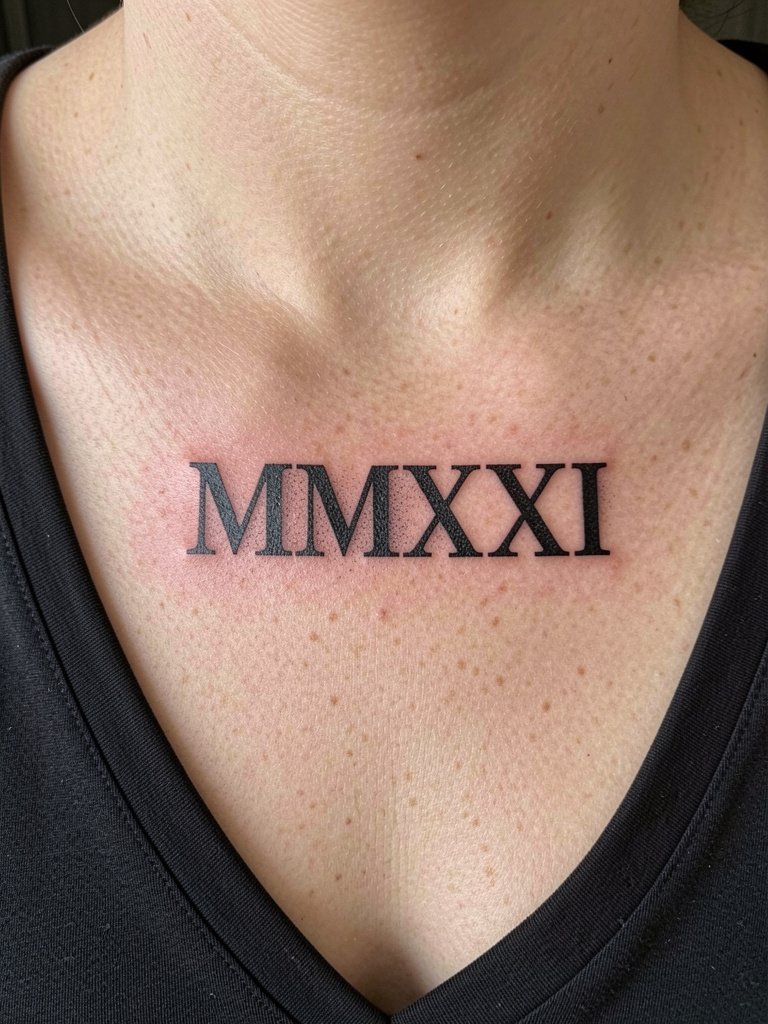
Roman numerals have a timeless, masculine cadence when placed on the collarbone. The trick is to keep the numerals proportionate to the bone landmarks so the letters do not skew with arm movement. One common mistake is compressing the numerals to fit a narrow stencil, which looks cramped after healing. Talk specifics about kerning and vertical spacing so the numerals breathe. This sits low on the pain scale and can often be completed in under two hours. For outfits, a wide V-neck shirt frames the collarbone and lets the piece read without distracting collars.
5. Minimalist Mountain Range on the Calf
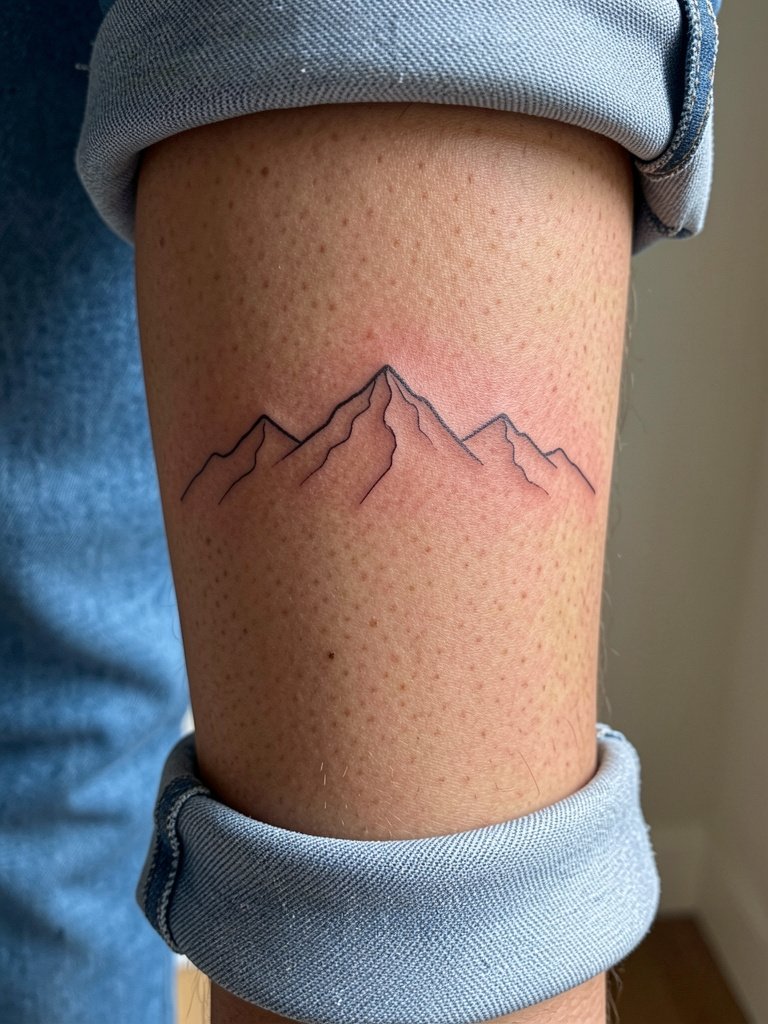
Calf placements let linework breathe and stay visible while you lift. A thin continuous mountain range looks crisp here because the calf has less friction than wrists or ankles. The usual error is asking for a hairline curve that becomes faint after a year. Request modest saturation and a touch-up plan at the one-year mark. The session feels like brief intense spots rather than a constant sting, and it fits well into a one- to two-hour appointment. For showing gym culture off, pair it with rolled-up joggers or performance shorts that keep the calf visible.
6. Lock-and-Key Blackwork on the Upper Arm
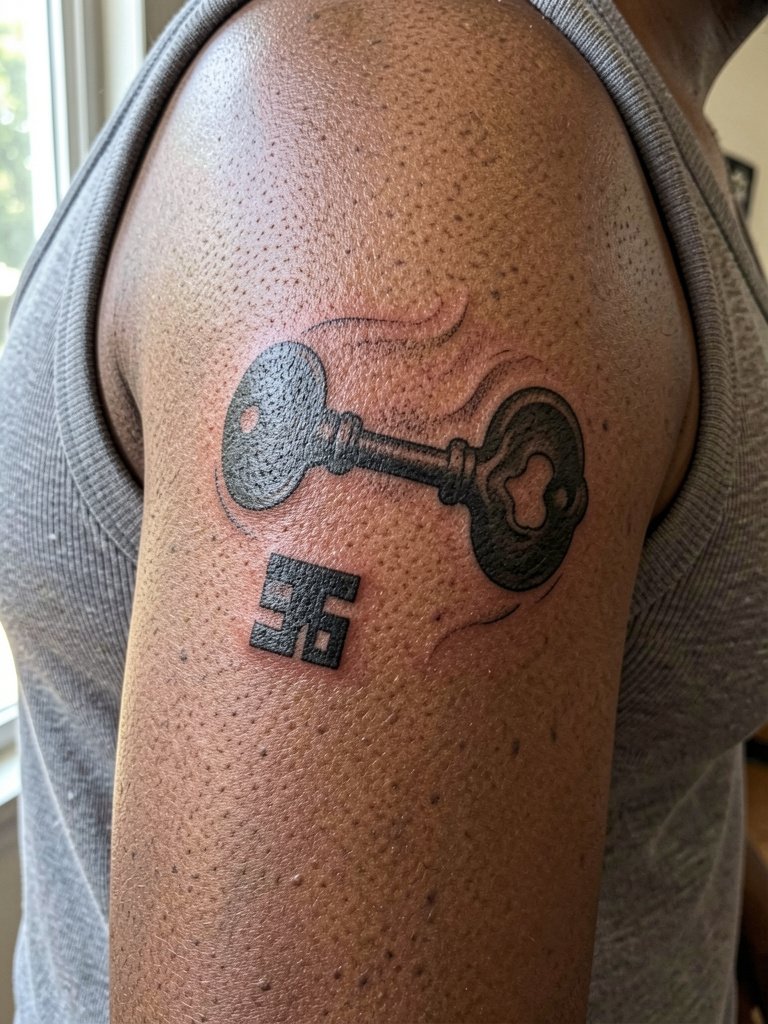
Solid black lock-and-key blackwork reads like armor on the upper arm and resists fading under gym sweat. Pick bold negative-space shapes instead of thin filigree to guard against blowout in movement areas. A real mistake is packing so many tiny details into the key's teeth that they all blur together. Specify how much negative space you want around the lock and expect a two- to three-hour session with a likely six-month touch-up to perfect saturation. This placement looks sharp with sleeveless gym tanks and a classic pullover hoodie that you can layer without rubbing the art.
Before You Book
These first six pieces lean on visible placements and frequent gym contact, so a few practical items smooth the session and early healing.
- Stencil transfer paper kit. Lets you preview line placement on skin before the needle starts, which helps with the forearm barbell and collarbone numerals above.
- Topical numbing cream. Applied the suggested time before the appointment takes the edge off sensitive areas like ribs and sternum without affecting linework.
- Thin protective film roll. Useful for ankle or finger pieces that face friction from shoes and daily use.
- Fragrance-free gentle body wash. Cleanses healing skin without irritating fresh linework on any of the placements discussed.
- Professional branded healing ointment. A recommended option for the first few days of moisture management to avoid scabbing on fine scripts.
7. Shield Emblem on the Chest
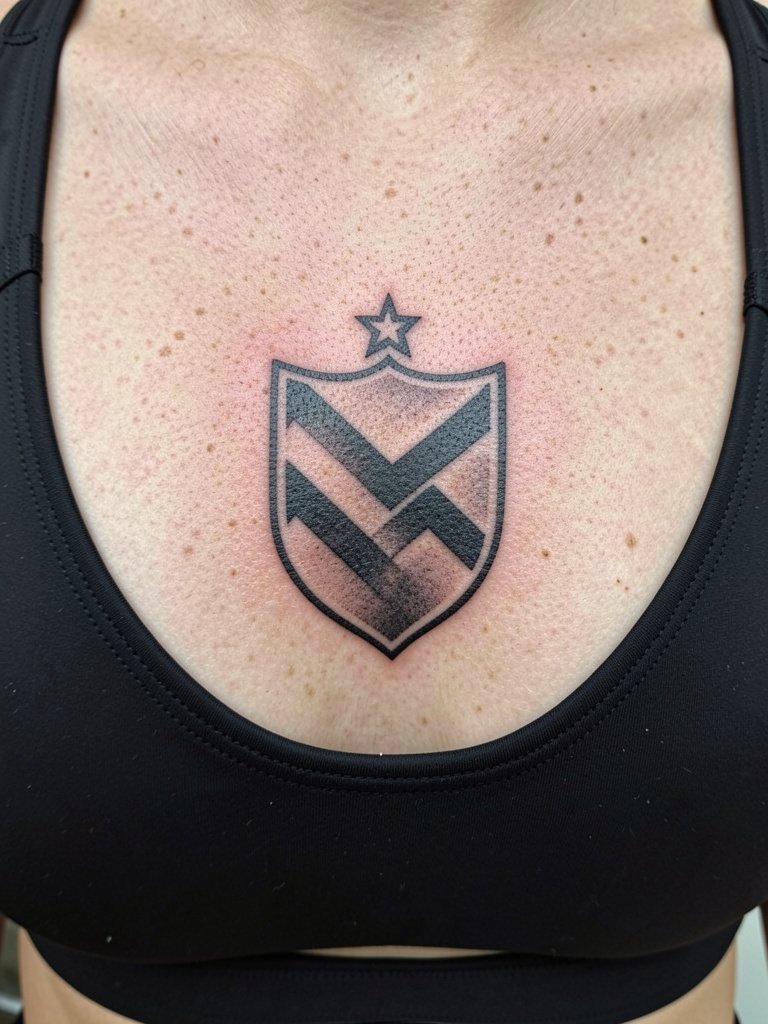
Sternum pieces read as intentional statements when they are centered and balanced with the natural chest lines. The major risk is asking for tight micro detail inside a small shield, which will blur on the sternum’s curved surface. Ask for simplified interior symbols and stronger outer lines so the emblem keeps its silhouette. Sessions here are higher on the pain scale, and you'll want to plan for at least one touch-up if you push fine interior shading. Note that sternum work often requires an artist experienced with chest anatomy. For studio day comfort, wear a fitted bandeau or sports bra that stays in place without adjusting during the session.
8. Heavy-Weight Silhouette on the Thigh
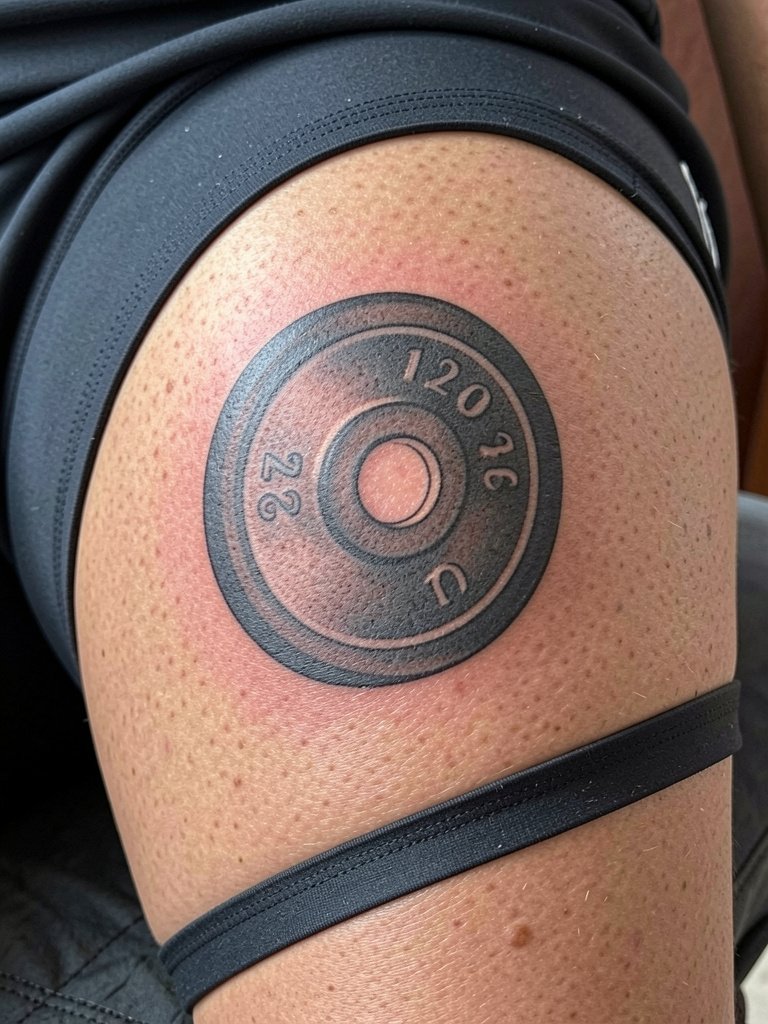
An upper-thigh plate silhouette gives you room for bold shapes that age without losing form. The thigh tolerates saturated black and large solid fills, so this is the right pick when you want a high-contrast gym symbol. One mistake is crowding the plate with scripts that belong elsewhere. Discuss scale and how it reads at two to three feet so the numbers and edge stay discernible. The session is low on pain compared with ribs and can run one to three hours depending on size. For post-session comfort, wear loose drawstring shorts or board shorts so nothing presses on the fresh skin.
9. Motivational Phrase Around the Wrist
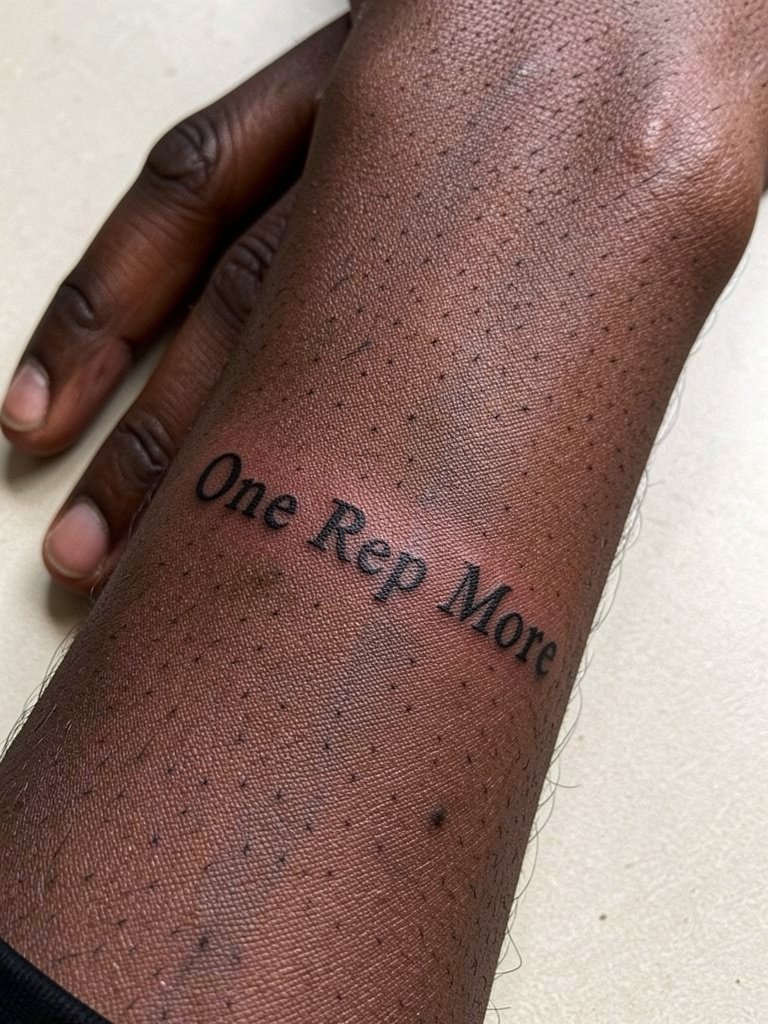
Wrist bands are visible and symbolic, but the skin there eats fine detail. I advise a small circular text with robust stroke so letters do not bleed into one another over time. A common mistake is asking for ultra-fine script with tight kerning that becomes unreadable by year three. Plan for a touch-up at six months to sharpen any soft edges. The wrist faces constant washing and friction, so avoid heavy greys and favor clear black saturation. This style shows best with short-sleeve crew necks or a minimal wrist cuff watch that does not rub the ink.
10. Geometric Lion on the Chest Pocket Area
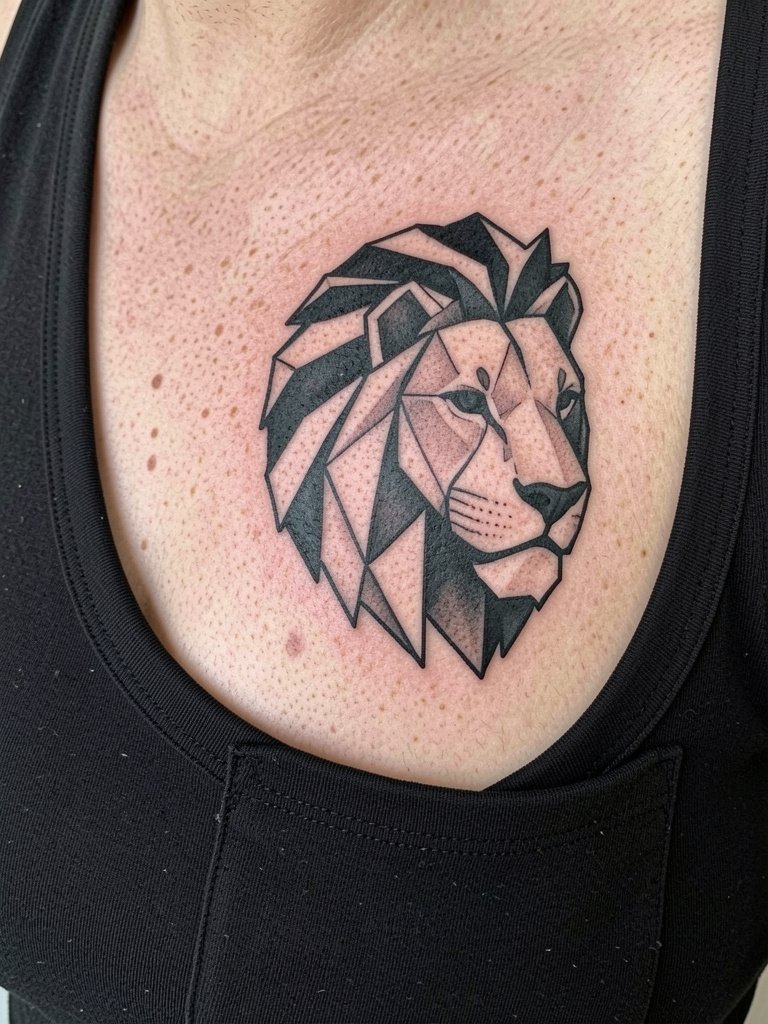
A geometric lion centered near the pocket area is a strong visual anchor without being ostentatious. Because it combines linework and filled panels, talk through how heavy the fills should be so they do not overpower the geometry. The controversy about fine line versus bold work applies here. One camp argues fine lines preserve subtle detail in geometric faces if the skin is calm and stable. The other camp insists bold fills and thicker outlines are the only reliable path to long-term clarity, especially on chest skin that sees sun. Name which end you prefer and the artist can adapt. Expect a two- to four-hour session and plan a touch-up around the one-year mark. Pair this with a workshirt with a clean chest pocket to frame the piece.
11. Anchor and Motto on the Bicep
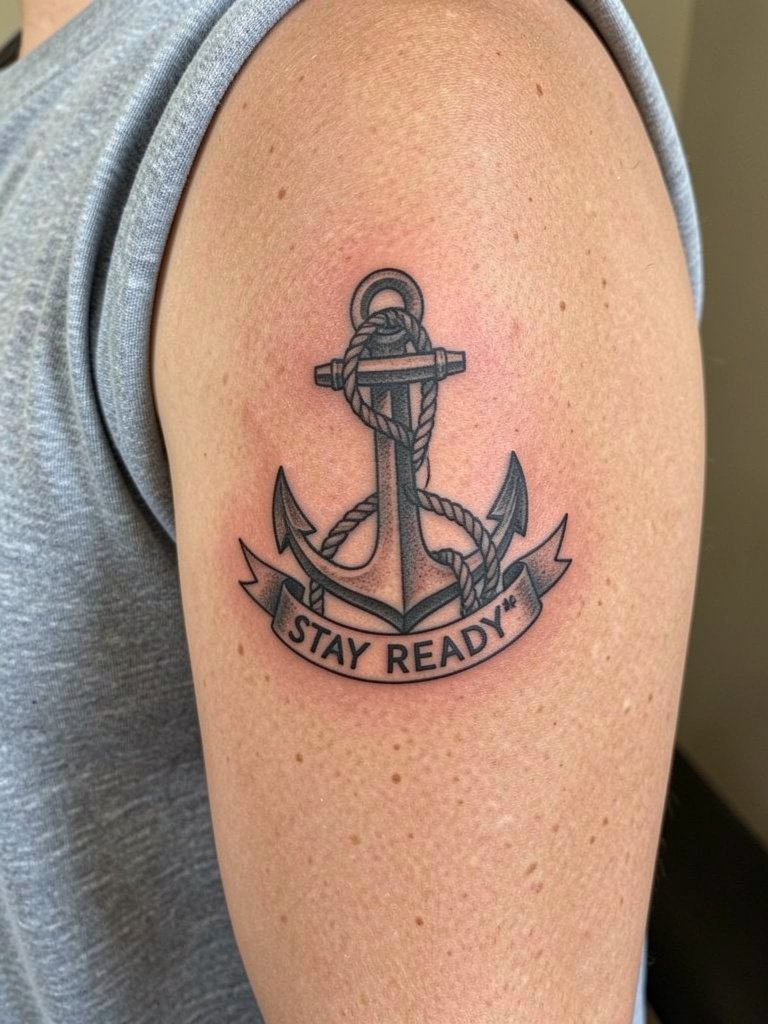
The bicep is forgiving for classic motifs like anchors and banners. Keep the banner text bold enough to remain legible when the arm changes shape with muscle gain. A regular mistake is requesting tiny script for the motto that disappears when the skin tightens. Specify banner height and letter thickness to match your expected physique changes. Session discomfort is moderate and fits a two-hour slot. For gym reveal, this placement pairs with a muscle-fit tank that frames the bicep without rubbing during workouts.
12. Minimal Dotwork Progress Bar on the Neck
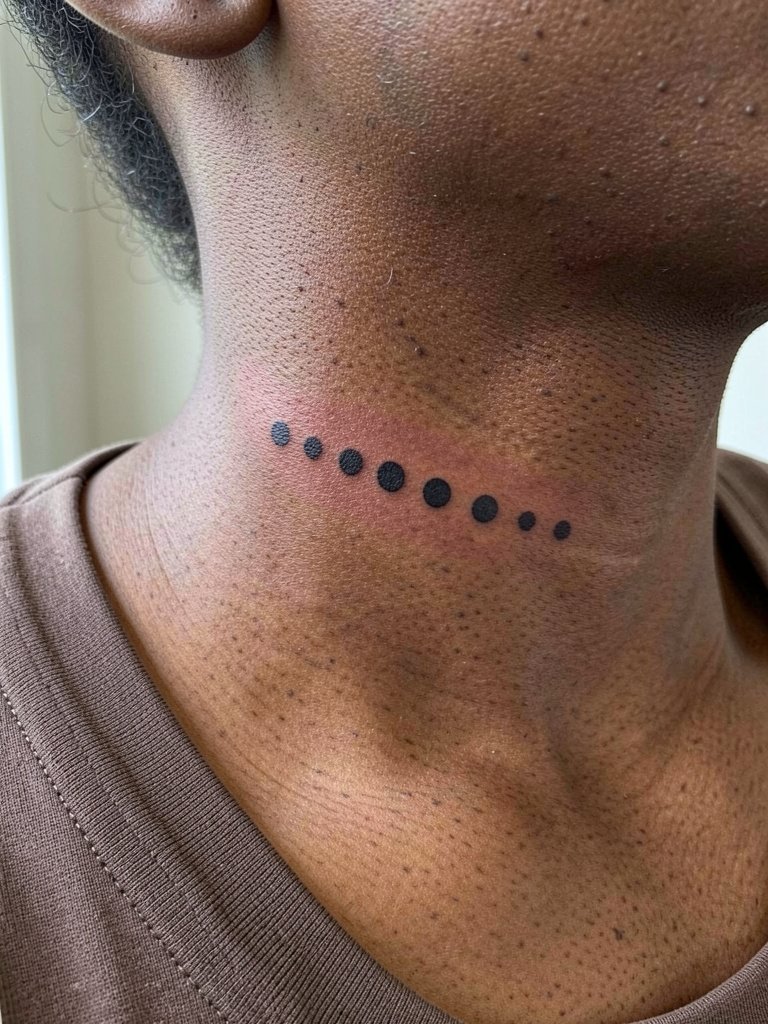
Neck placements demand extra consideration from a professional standpoint because healing and visibility differ from torso or arms. Small dotwork works if spaced generously to avoid merging. A frequent mistake is clustering tiny dots in a narrow band that looks solid after a year. Discuss spacing and dot size specifically so the progression reads as intended even after minor spreading. The session can be staccato but stingy, with visible movement during healing. This is an area where an experienced artist makes a measurable difference, so choose someone comfortable with neck work. For daily outfits, a wide-neck tee keeps the area visible without constant abrasion.
13. Phoenix Rising on the Back Shoulder
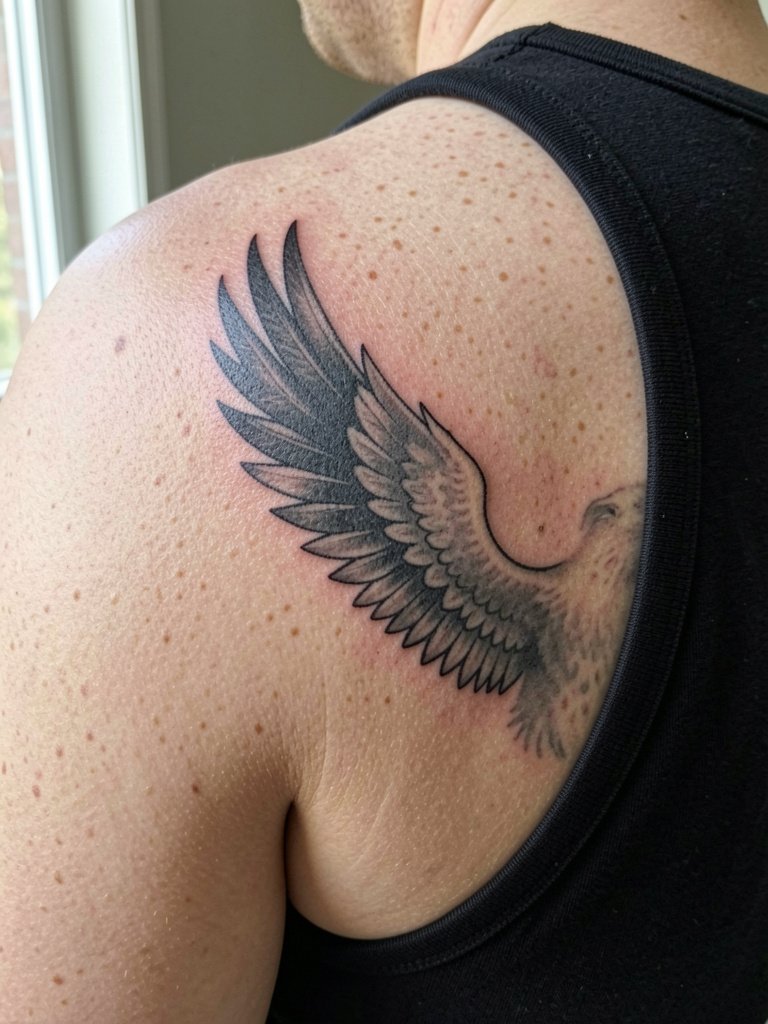
Back shoulder pieces let you scale and layer without everyday wear rubbing the art. A phoenix wing with layered feathers benefits from a mix of solid blacks and mellow grey saturation so the wings still separate visually at a distance. Avoid packing tiny feather lines into narrow gaps. Talk with the artist about feather spacing and how the piece flows with shoulder movement. The session usually runs two to three hours. For visibility, short-sleeve tees and open-back gym shirts show off the wings while keeping the area protected in daily life.
14. Chain-Link Wristband for Ring Finger Placement
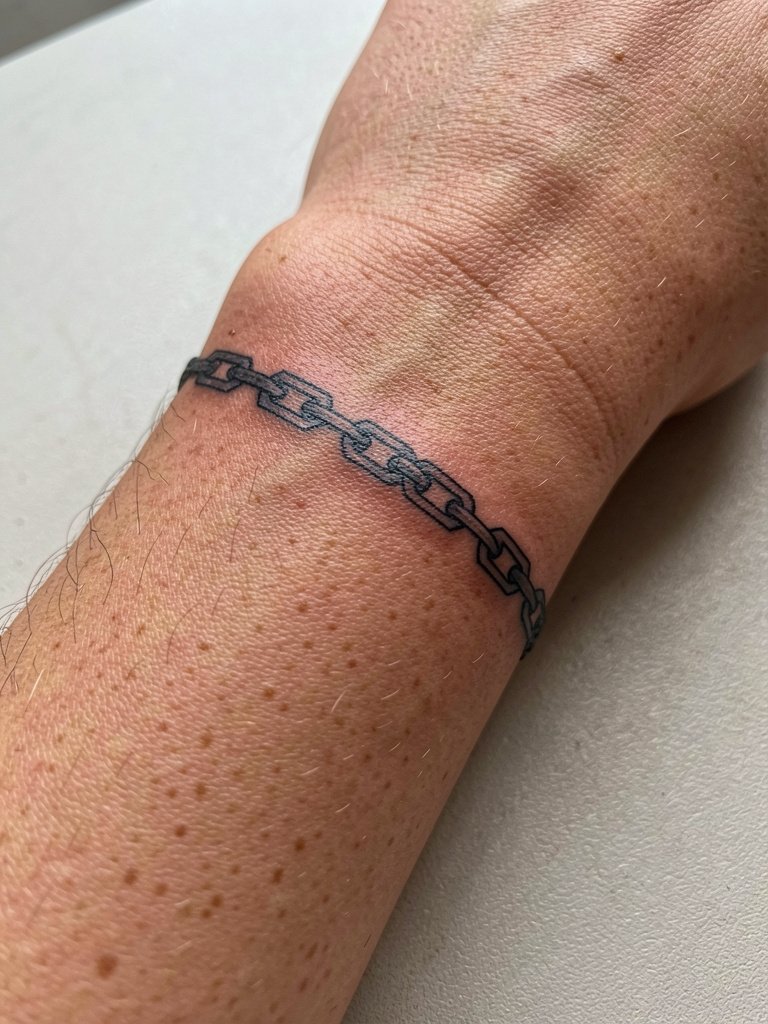
Wristband tattoos mimic jewelry and make a subtle statement. The main risk is going too thin on the chain links so they blur into a smudge. Request slightly heavier link outlines and talk about how the band will look when your wrist flexes. Sessions are short and often completed in under an hour, with a likely touch-up at six months if any links soften. For pairing, a low-profile leather bracelet or a minimal cuff complements without rubbing the fresh ink.
15. Small Winged Footprint on the Ankle
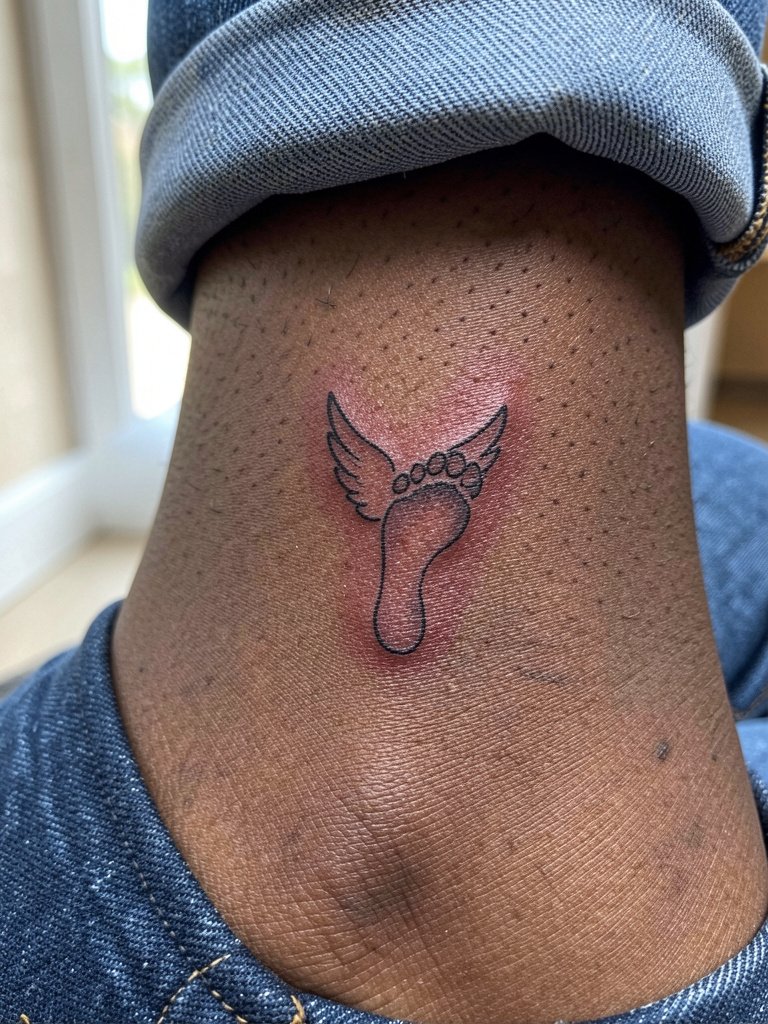
Ankle motifs face constant friction from socks and shoes, so silhouettes and solid outlines outperform delicate filigree. I suggest a small footprint with wing accents and modest line thickness so the negative space keeps its shape through wear. A common error is requesting feather details too fine for the ankle landscape. Sessions are brief but healing requires extra care to avoid rubbing. For sessions and daily recovery, wear loose-fitting sneakers and a comfortable sock, or choose cuffed jeans and sandals that keep pressure off the fresh work.
Frequently Asked Questions
Q: How long will these gym-themed tattoos take to heal and when should I plan a touch-up?
A: Most small to medium pieces on arms, wrists, and ankles heal within two to three weeks of surface healing and take three to six months to finish settling. Expect a touch-up window around six to twelve months for fine scripts and any small areas that need saturation, and plan a single follow-up session rather than multiple touch-ups.
Q: What should I wear to my tattoo session depending on placement?
A: For shoulder and upper-arm work, a loose tank top or muscle-fit tank keeps the area exposed without adjusting. For thigh or calf pieces, wear drawstring shorts you can lower or roll up easily. For sternum and rib work, a fitted sports bra or bandeau that stays put is best, because no one should be pulling fabric during the session.
Q: Are fine-line motivational scripts a bad choice for gym pieces?
A: Artists split into two camps on this. One camp argues that single-needle fine-line scripts soften and blur on high-motion, thin-skinned areas within a few years. The other camp says that with slightly increased line weight and generous spacing, fine-line scripts can settle well and retain their intent. Choose which camp you prefer and request concrete adjustments to line weight and spacing so the final piece matches your timeline for longevity.
Q: Where can I find healed examples and portfolios without naming specific artists?
A: Search platform tags and focused keywords in social apps and portfolio sites. Try a mix of relevant hashtags and location filters on Instagram and TikTok, and browse tattoo communities on Reddit for healed shot threads. Use keyword searches like "healed forearm script healed photos" or "chest blackwork healed" to find realistic portfolios and before-and-after images.
Q: How much should I budget for one of these pieces?
A: Expect a range from several hundred for small wrist or ankle pieces to a couple thousand for larger chest or detailed geometric work. Time and artist experience drive cost, so budget by session length and the reputation level you want rather than an exact figure.
Q: Do any of these designs require cultural sensitivity statements?
A: Yes. For motifs that reference cultural art forms like mandalas or traditional tribal patterns, respectfully source imagery and acknowledge origin. Opt for artists who can explain lineage and adaptation choices so the work honors the culture rather than appropriates it.