
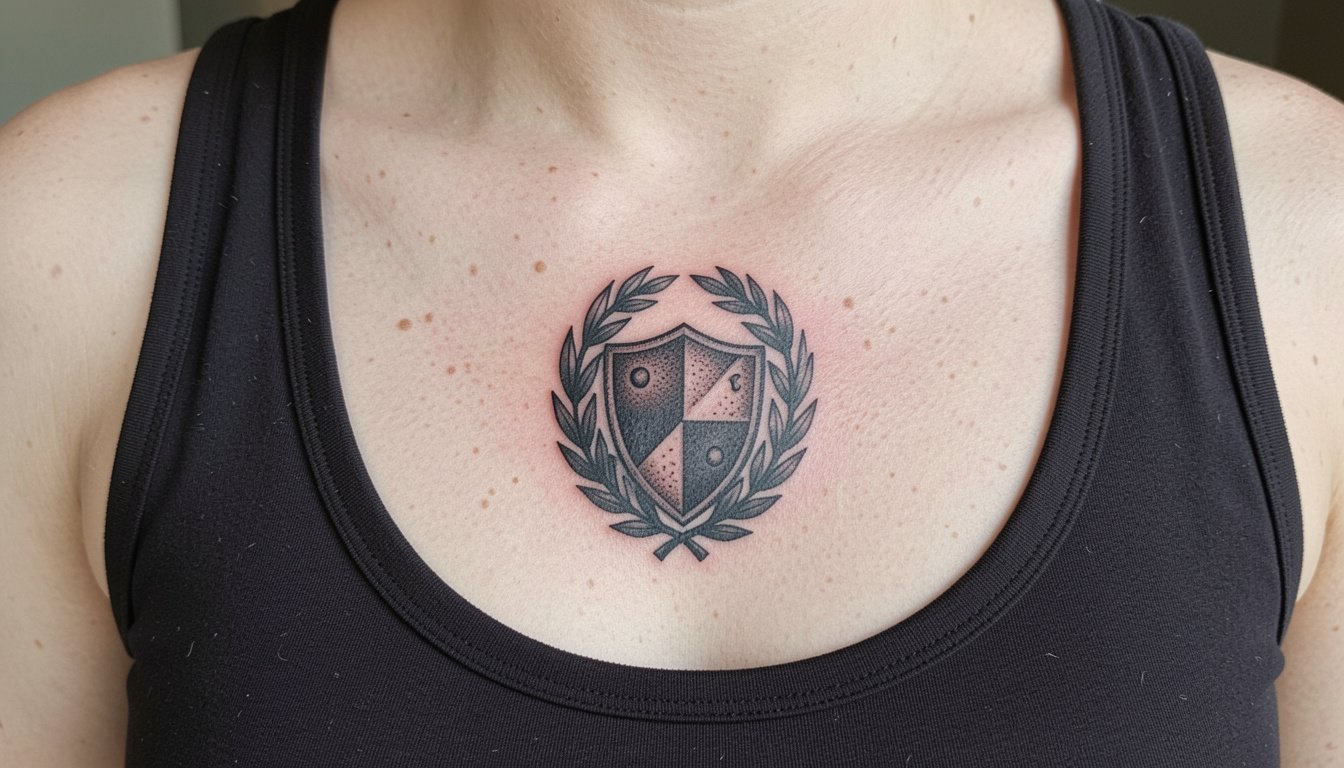
Small, single-needle Athena faces can look razor sharp in photos and still become a soft blur on textured skin within a few years. In my experience, helmeted profiles with slightly heavier linework, negative-space laurels, and modest black shading keep the narrative and the detail longer. Below are designs that favor longevity, placement notes that matter, and wardrobe pairings that actually show the work instead of hiding it.
1. Fine Line Helmeted Bust on Inner Forearm
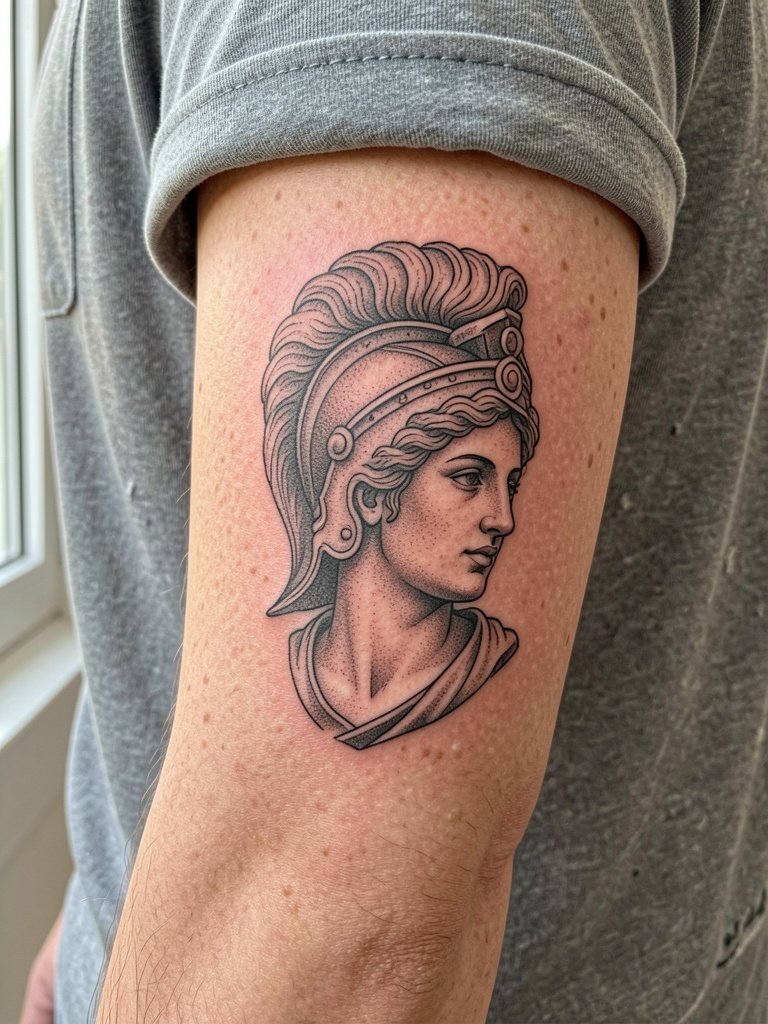
A delicate inner forearm bust reads intimate and translates well across skin tones, but the piece needs breathing room. Ask for slightly heavier single-needle contours around the helmet rim and wider negative space between facial features so the eyes do not merge over time. At six months the stipple holds shadow, at two years subtle softening begins, and at five years the contour work is the only thing that keeps expression readable. Pain is low and sessions run 30 to 90 minutes depending on detail. For showing off, roll sleeves slightly and pair with rolled-up linen shirts to frame the inner forearm without covering it.
2. Stylized Owl Shield on Upper Arm
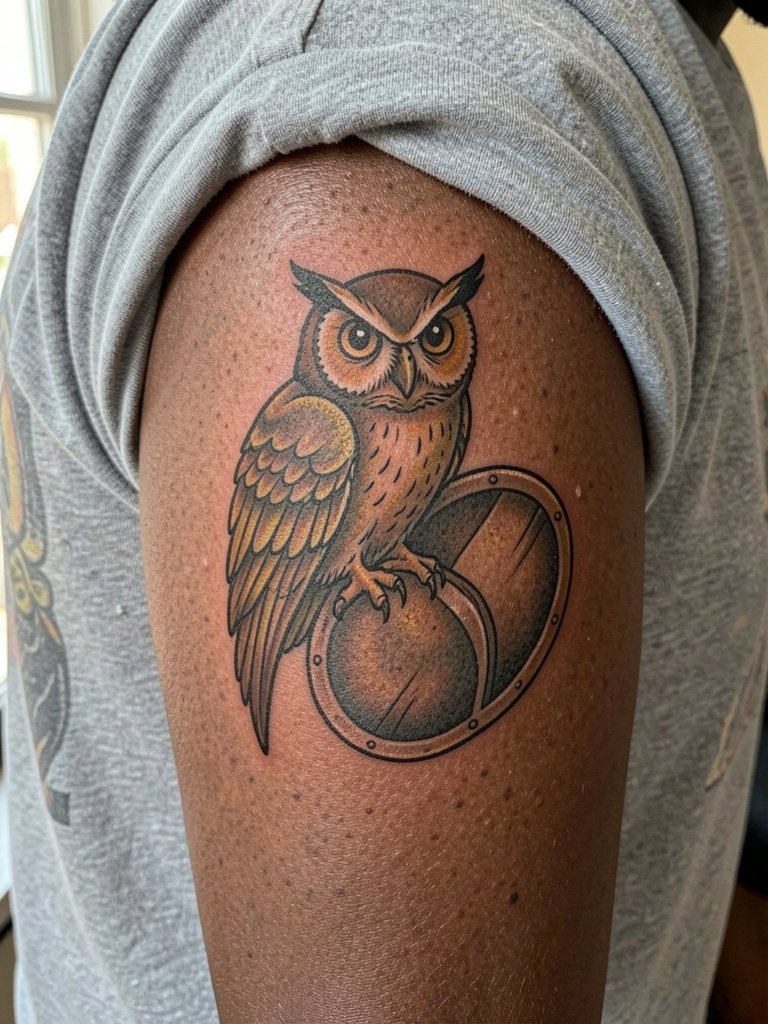
An owl-and-shield piece leans into emblematic imagery and tolerates heavier lines, so it is a good option for people who want mythic cues without a literal portrait. Recommend a moderate session of 90 to 150 minutes to get saturated fills that age well. Common mistakes include compressing too much detail into tiny feathers which can blur into one tone. The outer arm handles saturation well and has low blowout risk. Wear a short-sleeve cotton tee on the day so the artist has clear access and you leave the shop ready to show it off.
3. Minimal Laurel Wreath on Nape
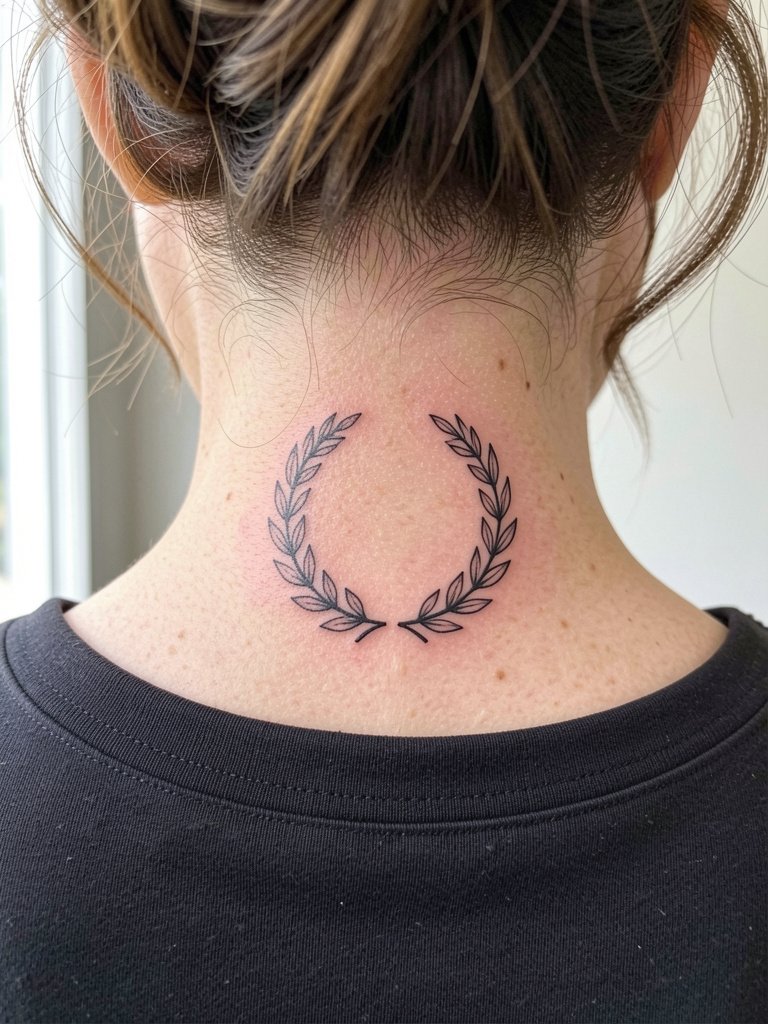
The nape is ideal for a minimal laurel because it can be hidden or revealed with hair. Expect a 30 to 60 minute session and mild discomfort when needles hit the thin skin there. A common aging issue is placing the wreath too small, which causes leaves to merge; go one size larger than you think. For appointment wear, choose a loose button-up shirt so you can let hair down after without smudging the fresh ink. A one-sentence professional note, if you plan a visible nape piece, seek an artist with healed photos of neck work.
4. Geometric Owl Crest on Shoulder Blade
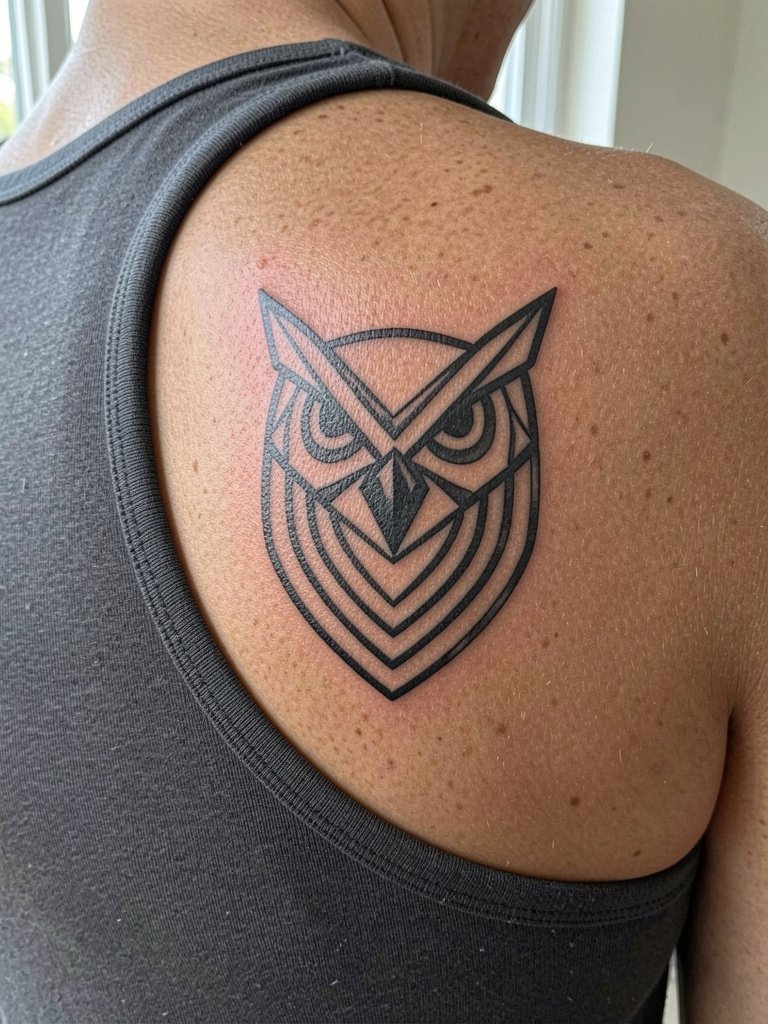
A geometric crest on the shoulder blade scales nicely for a back piece and reads from a distance. Shoulder skin tolerates bolder linework, so choose confident outlines and let the artist place negative-space breaks for longevity. Sessions run 90 to 180 minutes for larger compositions, and touch-ups at year two are common for crisp black edges. For showing off, pair with off-shoulder tops that frame the blade during warm months. If you plan an asymmetrical composition, bring front and back reference photos so the artist can align shoulder curvature.
5. Olive Branch Wrist Band
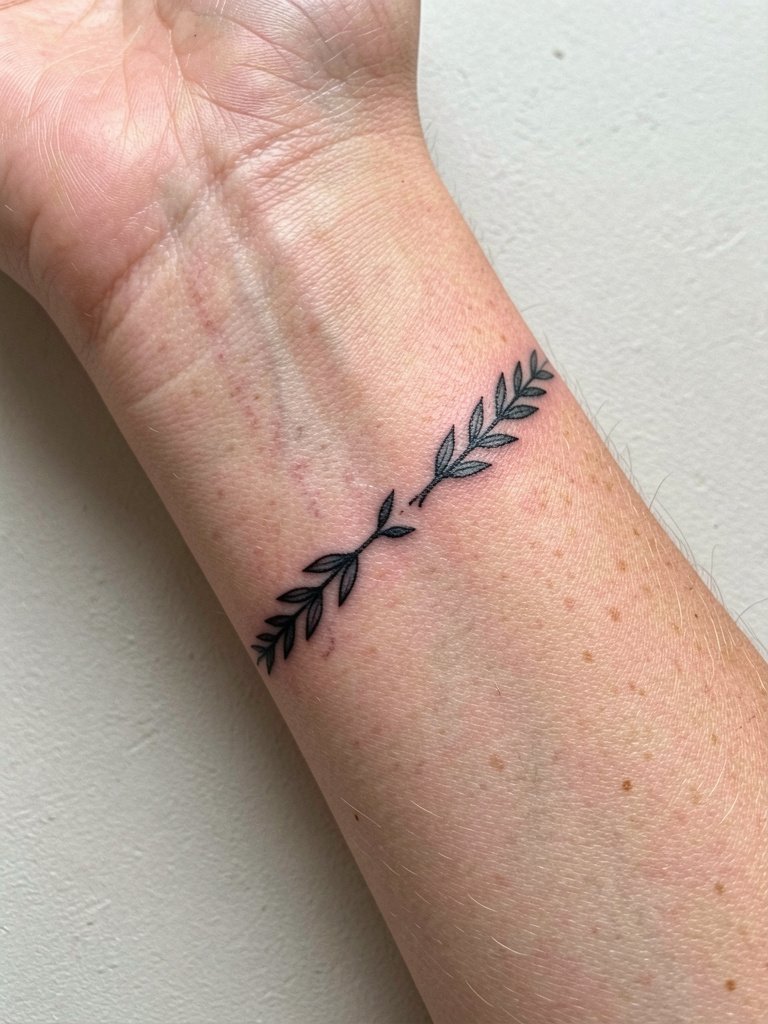
Wrist bands need to tolerate constant movement and washing. I recommend stronger stem lines and small leaf negative spaces rather than ultra-thin filigree. A 30 to 60 minute session gets the band in place. At six months the leaves look crisp, by two years thinner leaf veins often blur. Avoid placing the band too close to the hand where soap and friction cause fading. For appointments and show-off, a simple slim bracelet complements the band without covering it. If you want text inside the band, ask for slightly larger letter spacing so numerals stay legible.
6. Helmet and Owl Half-Sleeve on Upper Arm
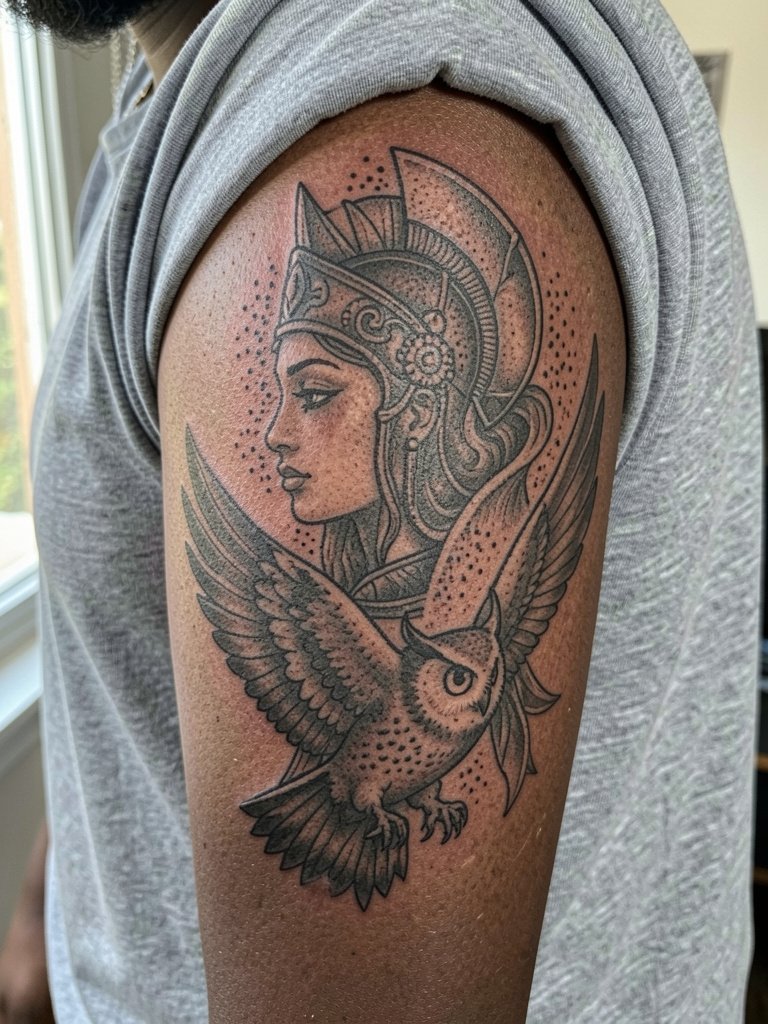
A half-sleeve lets the iconography breathe and holds detail longer thanks to larger canvas and stronger outlines. Expect a multi-session project totaling four to eight hours or more. Common mistakes include overloading the piece with tiny background elements that compete with the focal helmet. For session comfort, wear a loose tank top so the artist can roll the sleeve without pressure. Touch-ups at year two keep saturation even across the sleeve, especially where skin sees sun.
Studio Day Picks
The chest and wrist pieces above benefit from a few practical session items that help lines settle and make the first week easier.
-
Stencil transfer paper kit. Lets you preview and reposition complex helmet and crest layouts on skin before the first pass, which matters for asymmetrical faces and shoulder curvature.
-
Topical numbing cream. Applied 45 minutes prior and rechecked at the halfway break can reduce the urge to move during long helmet or half-sleeve sessions.
-
Thin protective film roll. Helps keep wrist and hand pieces protected during the first days of frequent washing and friction.
-
Fragrance-free gentle body wash. Cleanses healing areas without irritation, useful for chest and inner-arm pieces where soap residue can dull linework.
-
Aquaphor healing ointment. Thin application for the first two to three days protects saturated black fills without suffocating needle channels.
7. Helmet Portrait on Ribcage Under the Breast
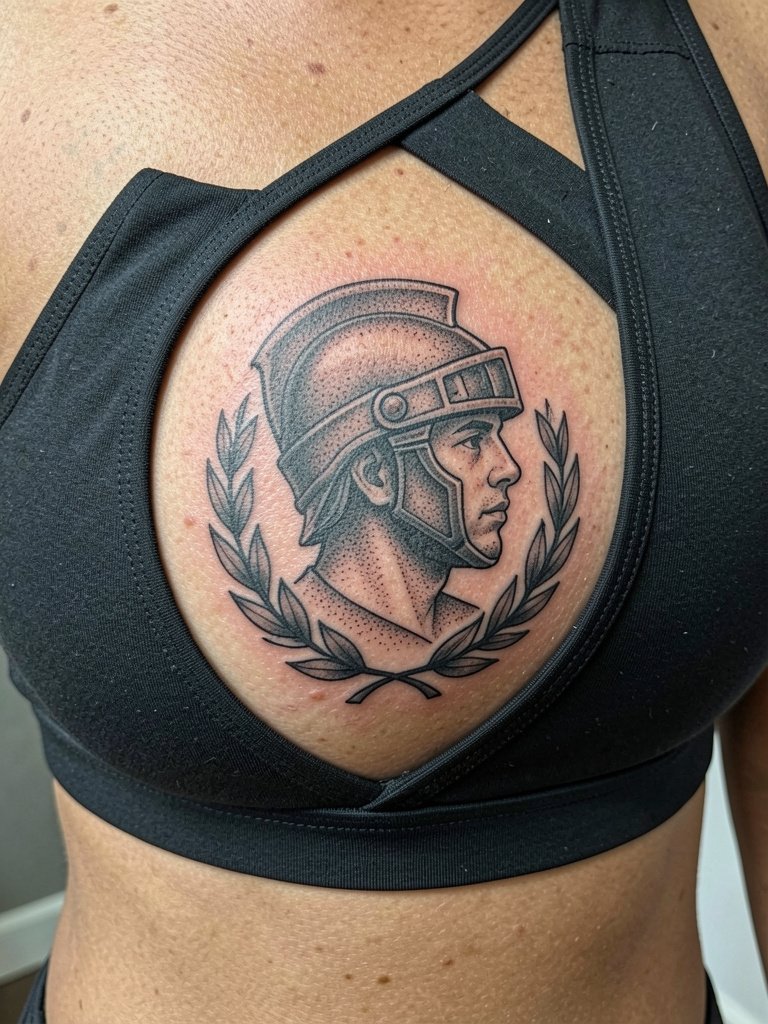
Ribcage pieces make a strong personal statement but they split artists into camps. One camp argues fine-line portraiture on the ribs blurs within two years because the skin stretches, especially under the breast crease. The other camp counters that slightly bolder lines, wider spacing, and proper needle depth allow portraits to settle nicely, and they point to healed portfolios as evidence. If you lean toward a detailed portrait, plan for a multi-hour session with breaks, and expect higher pain and a possible touch-up at year one. For the appointment, choose a fitted sports bra so the artist can work around the lower chest without fabric shifting.
8. Classical Shield on Outer Thigh
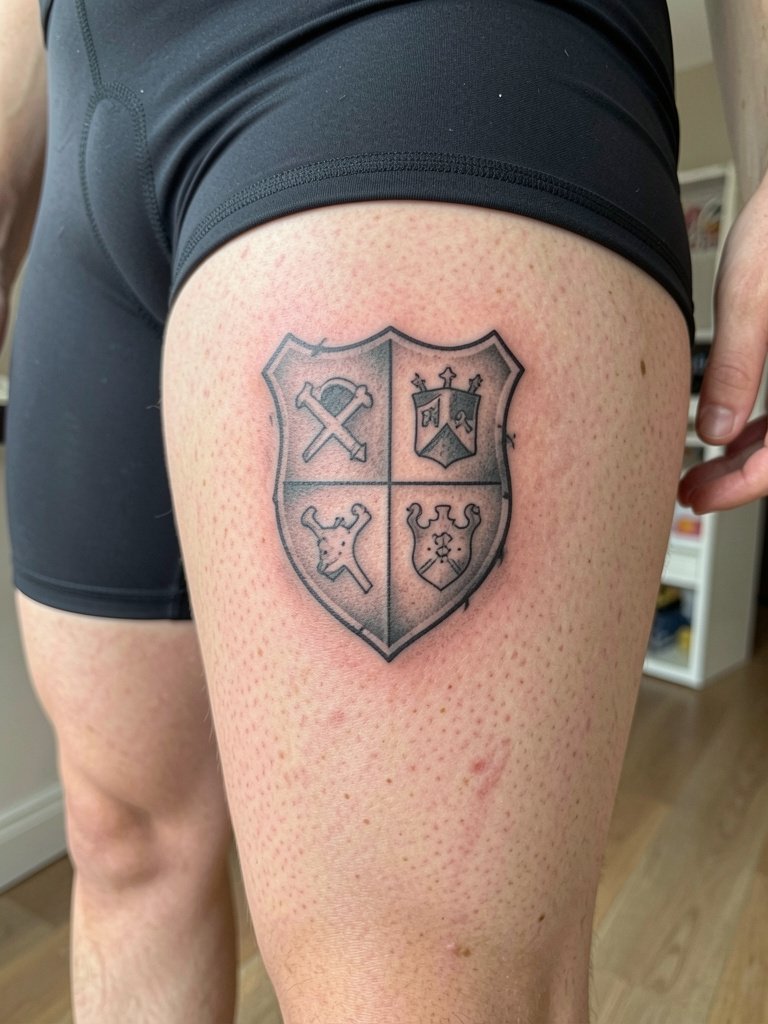
Outer thigh is forgiving for saturated shields and allows bold elements without blowout concerns. Sessions vary from 60 to 180 minutes depending on size. A common mistake is compressing too many heraldic symbols into a small footprint, which makes the shield unreadable after a few years. For showing off in summer months, choose high-waisted swimwear or biker shorts that reveal the placement cleanly. If you want some color, ask for muted washes rather than full brightness to avoid early fading against skin tone.
9. Micro-Realism Athena Eye on Rib Side
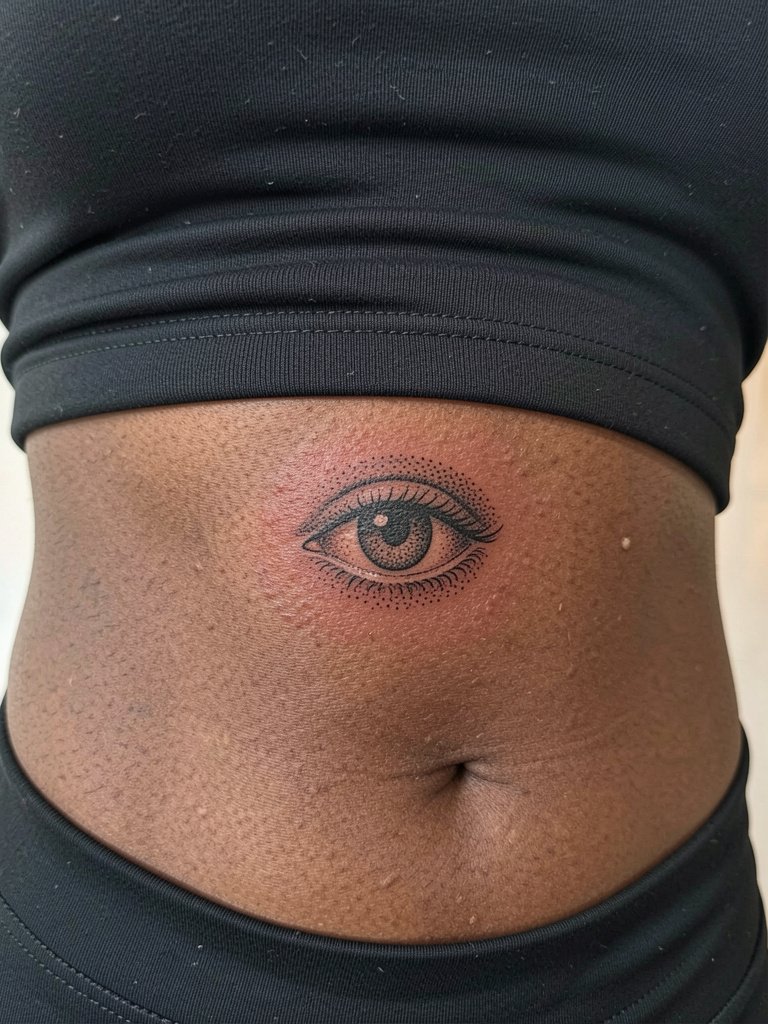
Micro-realism needs a calm slab of skin and a plan for touch-up. On the rib side this piece will look razor sharp at six months, then softer at two years unless spaced slightly larger from the start. Pain is higher on ribs and sessions are shorter due to breaks. A frequent mistake is insisting on lifelike glare highlights at tiny scale, which can vanish. Wear a fitted cropped tee for easy access during the appointment. If you want the eye to remain a focal point, request a small halo of negative space around it so the pixel-like detail has room to stay distinct.
10. Heraldic Arm Band with Dot Shading

An arm band reads strongly when the band has clear negative space between shields and consistent stippling. Sessions are 60 to 120 minutes. The most common problem is squeezing shields too close so they bleed into one another after a year. Ask for uniform spacing and mid-level line weight. For showing off, a rolled short sleeve shirt frames the band without hiding it. If you want the band to age with you, schedule a touch-up around year two for even stippling.
11. Athena Helmet Linework on Collarbone
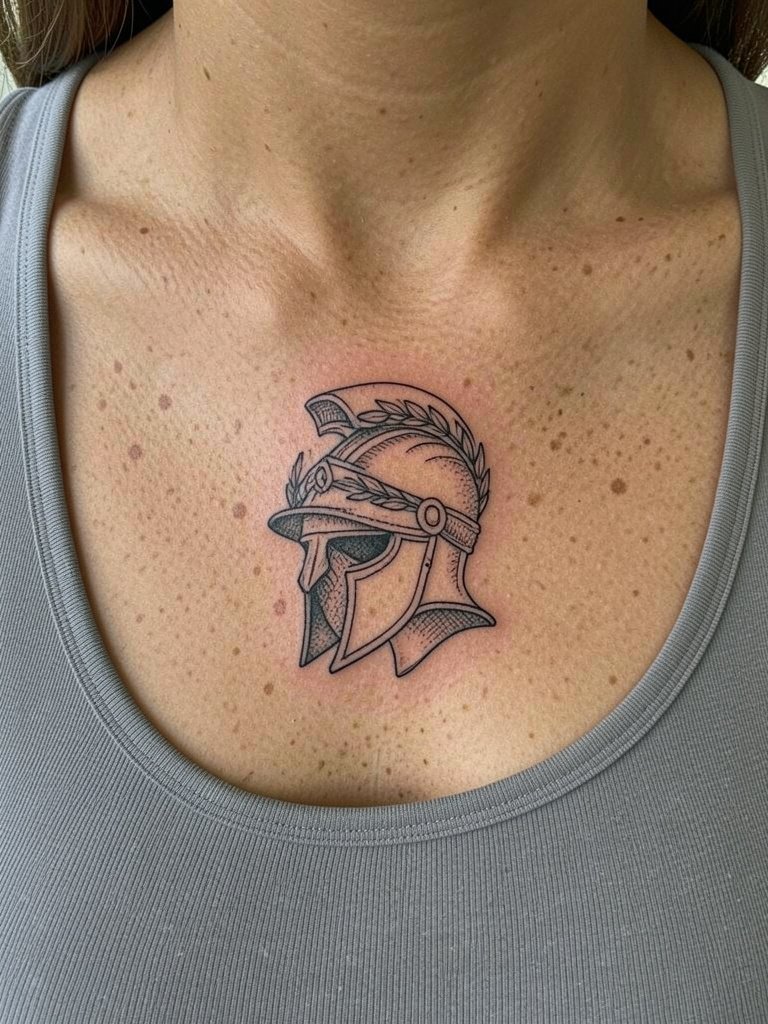
Collarbone linework is elegant but unforgiving. Bones and thin skin can make single-needle lines appear faint if the artist rides too superficially. Request slightly firmer line weight along the helmet rim and wider spacing between tiny laurel leaves. Expect a 30 to 60 minute session with moderate pain where bone is close to the surface. For daytime outfits that highlight the area, try a wide scoop tank to frame the collarbone. Plan a follow-up touch-up within 12 to 18 months for any lines that need redefinition.
12. Stylized Laurel Shoulder Cap
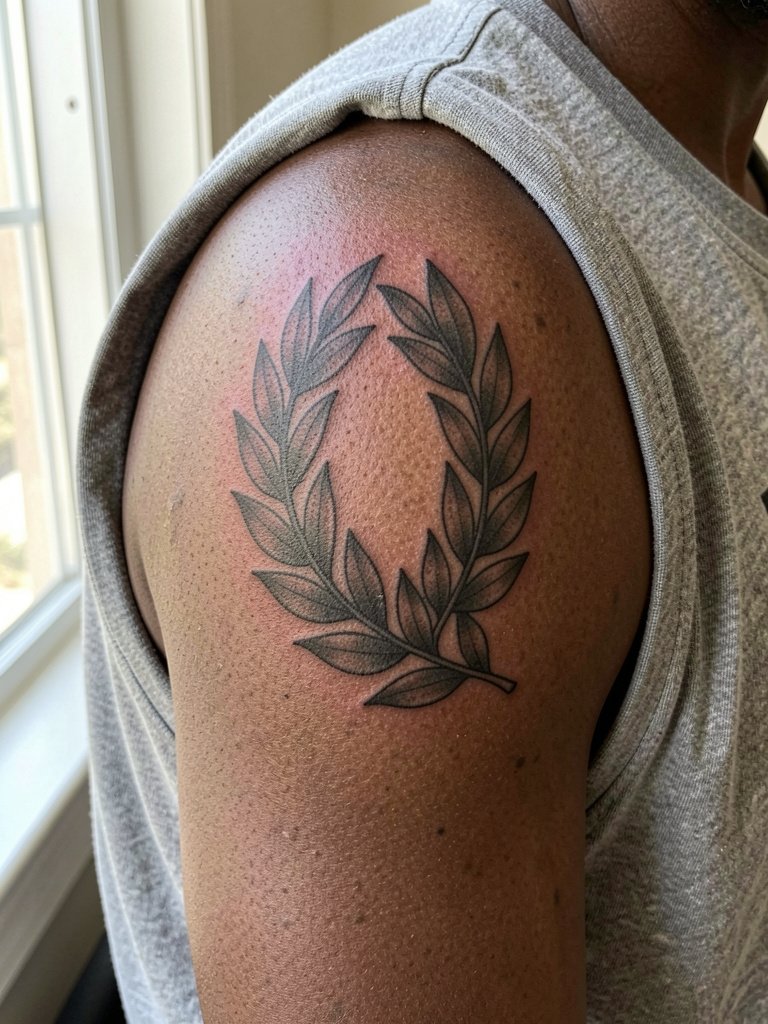
A laurel shoulder cap is forgiving, and it pairs well with casual sleeveless styles. Sessions range from 60 to 120 minutes. One common mistake is asking for tiny leaf veins which can blotch over time, so prefer larger leaf shapes with internal wash. For showing off, pair the cap with sleeveless dresses that expose the round of the shoulder. If you are debating realism versus stylization here, note that one camp favors hyper-real leaves to honor classical aesthetics. The other camp prefers simplified, graphic leaves that remain legible longer.
13. Athena Owl Finger Detail
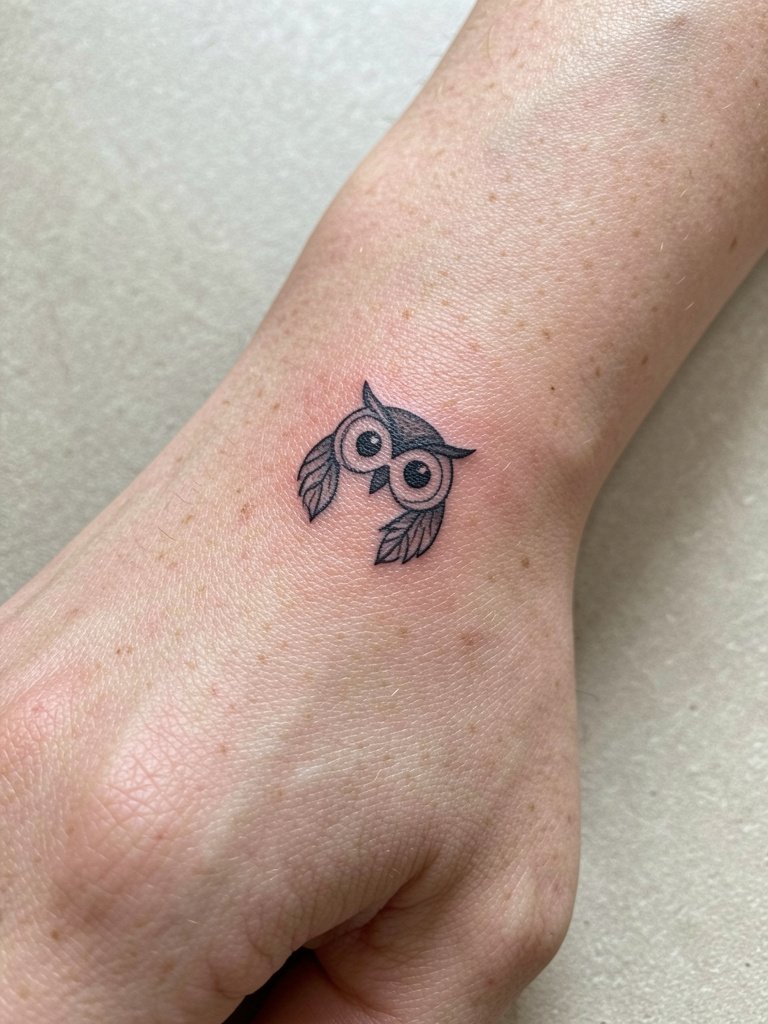
Finger tattoos age differently due to constant washing and skin renewal. A small owl detail here works best with bold simplified shapes rather than micro-feather lines that diffuse fast. Expect frequent touch-ups, sometimes every 12 months. A practical session is 20 to 45 minutes and can be surprisingly painful where bone lies close to the surface. For the appointment, avoid rings and wear a loose-fitting button shirt so there is no metal near the work. If you want longevity, consider placing the same motif on the side of the finger rather than the pad area.
14. Small Gorgoneion on Behind the Ear
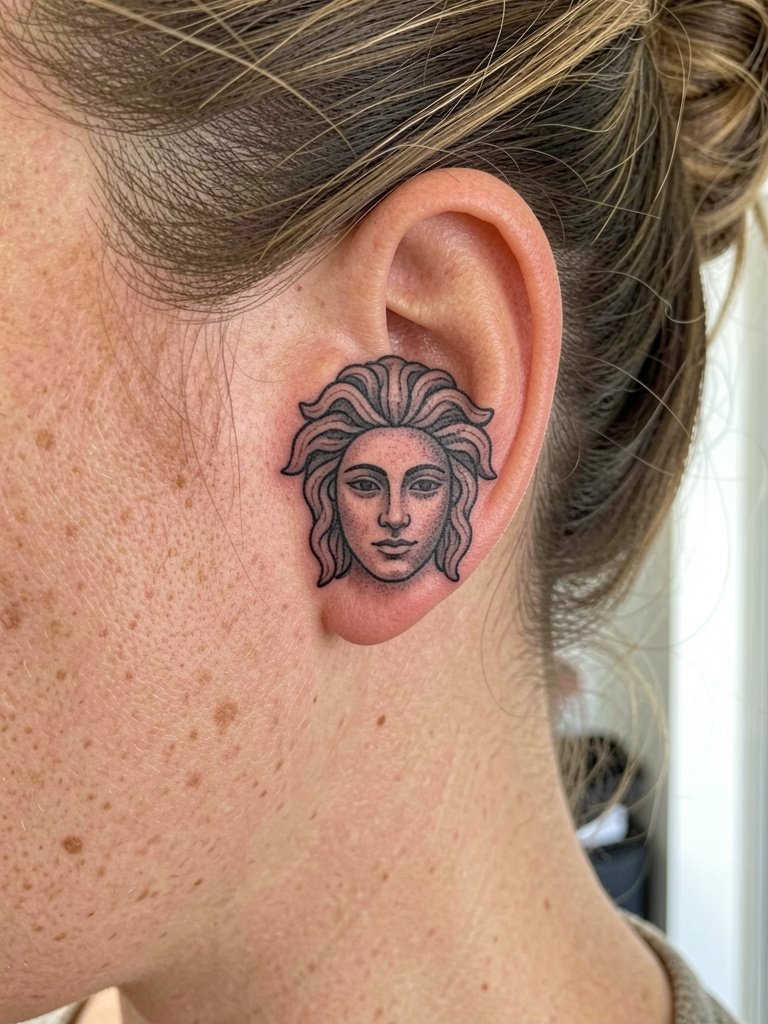
Behind-the-ear pieces are discreet and fast. The surface is small so favor a bold silhouette rather than intricate face lines. Sessions are 15 to 30 minutes and cause light to moderate discomfort. A common mistake is choosing a face with too many tiny curls and curls flattening into one tone after healing. For visible days, short hair or an updo reveals the work without forcing it. Note the area requires an artist used to small, precise placements and healed photos on similar anatomy.
15. Shield Pendant on Chest Center
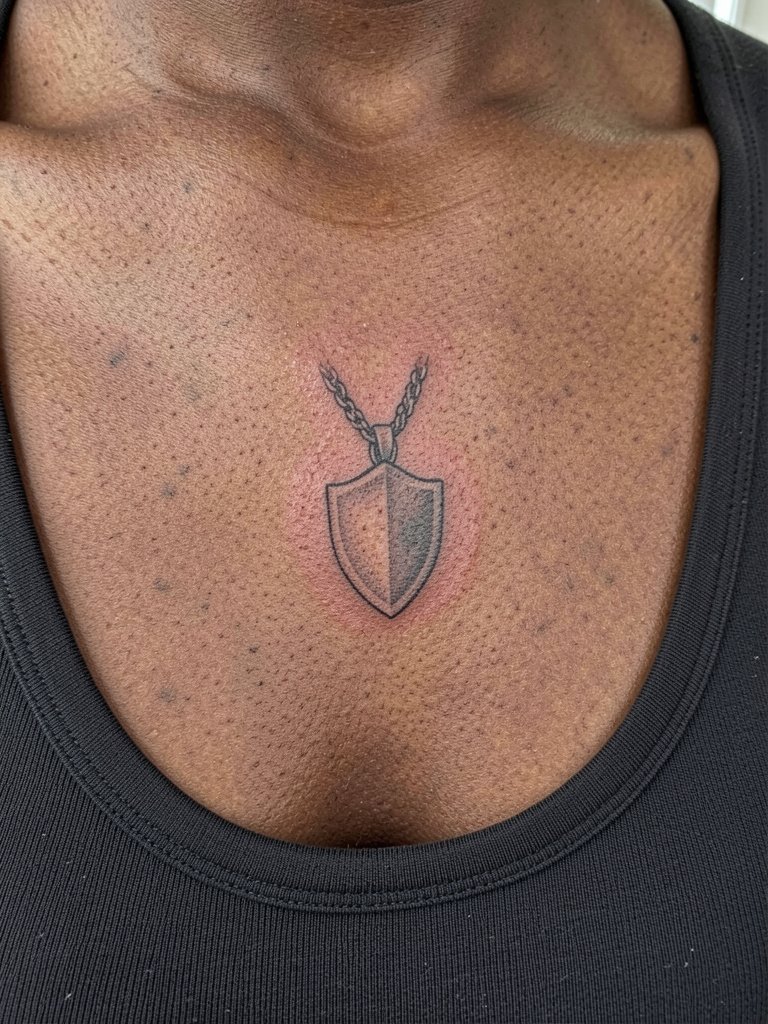
A small pendant-style shield centered on the sternum reads like jewelry and holds up well if the chain detail is suggested rather than tattooed link by link. Expect a 45 to 90 minute session and moderate pain near the sternum. The mistake is over-decorating the chain; too many tiny links tend to blur. For appointment ease, wear a fitted scoop neck so the artist can access the area without fabric moving. If you want to accent the piece in outfits, try layered necklaces that sit just above the tattoo for a mixed-media look.
16. Athena Silhouette on Calf
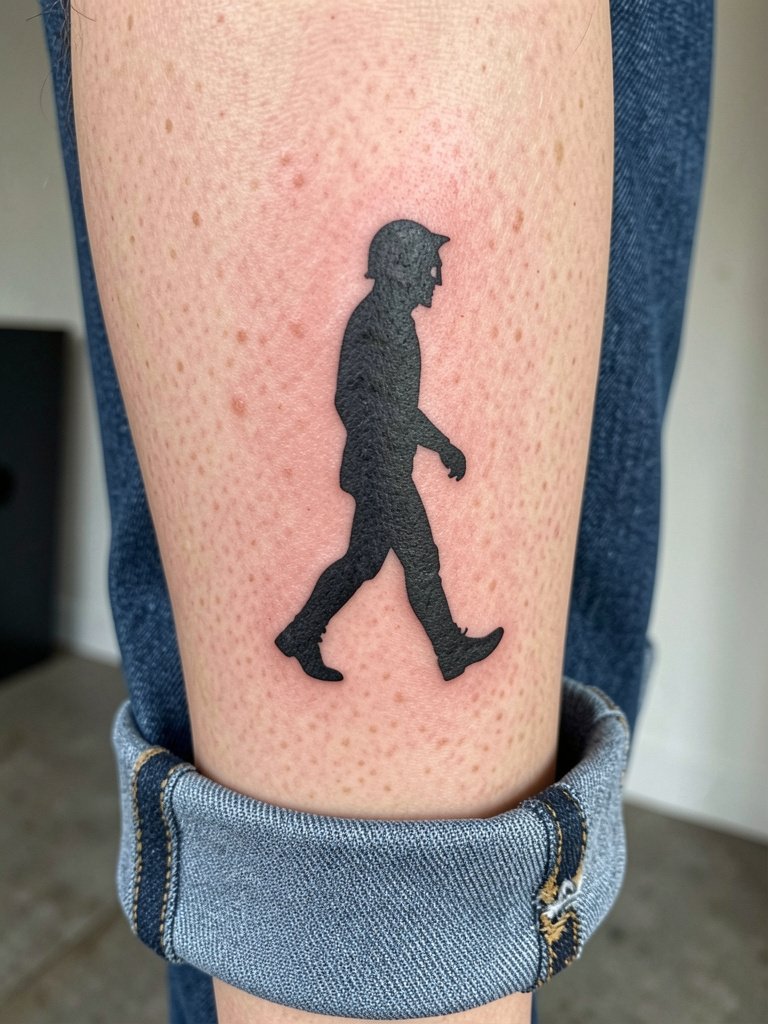
A silhouette works cleanly on the calf because solid fills age predictably. Sessions of 45 to 120 minutes depending on size are typical and pain is low to moderate. The usual mistake is adding too much internal line detail that competes with the silhouette's clarity. For summertime showing, roll jeans or pick ankle boots that stop at the calf. If you prefer a softer read, ask for a subtle grey wash inside the silhouette rather than extra fine lines.
17. Grecian Column with Laurel on Lower Back
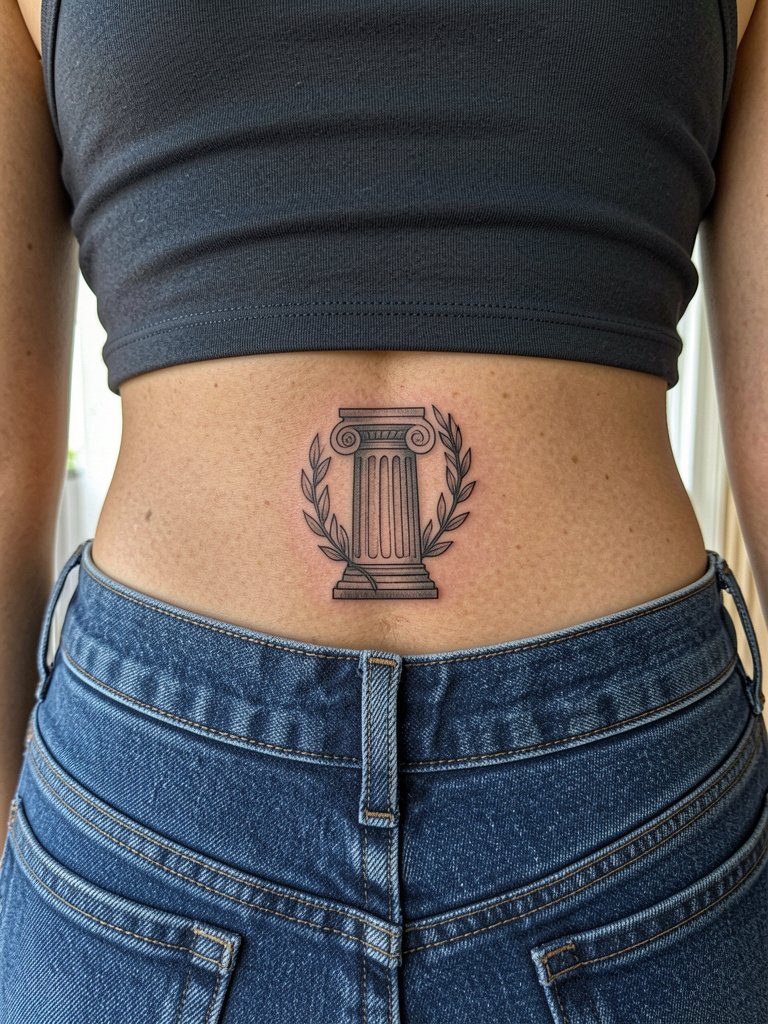
Lower back placements provide privacy and a broad canvas that tolerate medium detail. Expect a 60 to 120 minute session. One common mistake is compressing the column into a tiny vertical sliver, which loses proportion after movement. For appointments, wear jeans fully zipped and a cropped tank so the artist has clear access. For showing off, backless or low-back tops reveal the composition elegantly. If concerned about symmetry, ask the artist to photograph a mirrored mock stencil before tattooing.
18. Tiny Olive Leaf Behind Thumb
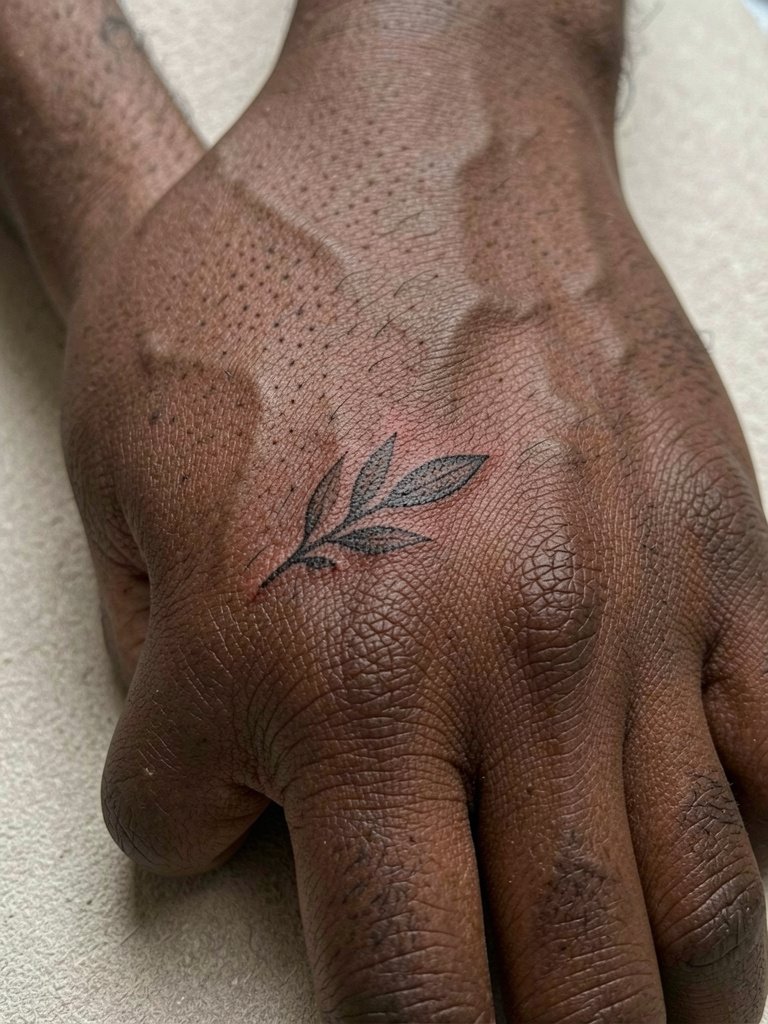
Small thumb-area motifs are charming but see heavy wear. The skin renews quickly and washes impact ink retention. Choose a bold simplified leaf rather than tiny veins and plan on touch-ups every year or so. Sessions are 15 to 30 minutes and can be more painful due to dense nerve endings. For the appointment, remove rings and wear a button-front shirt so you can avoid metal near the work. If you need durability, consider the same motif on the side of the hand where friction is lower.
19. Helmeted Profile on Outer Thigh Panel
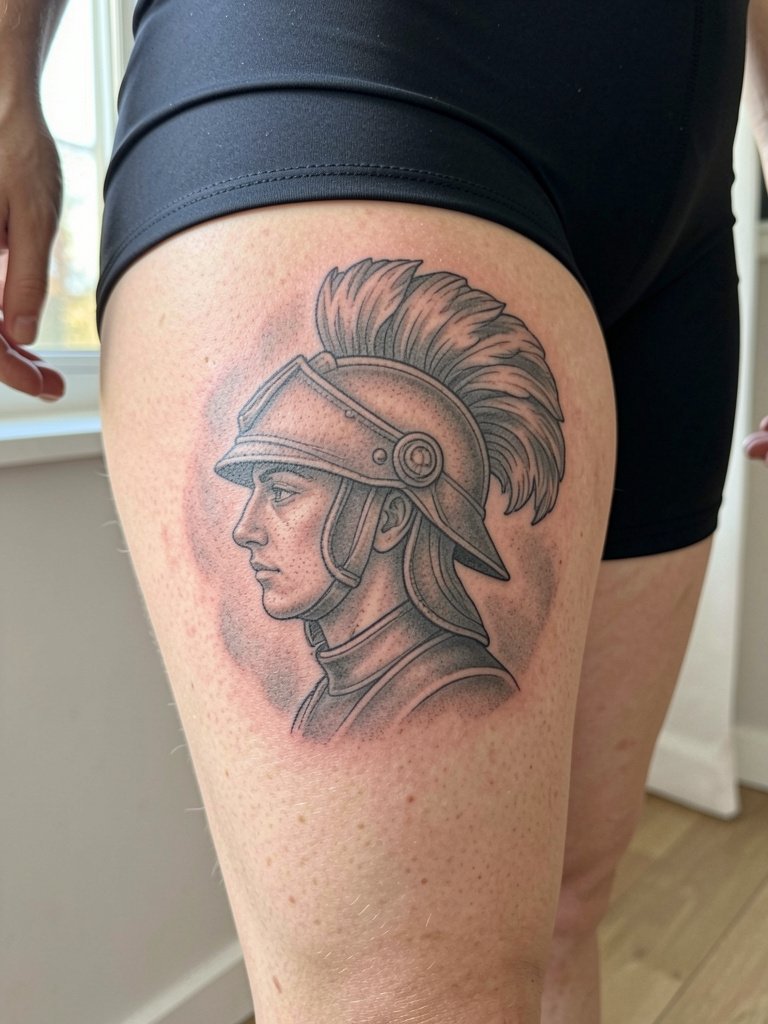
The outer thigh is excellent for larger helmeted profiles because it gives room for shading and composition. Expect a multi-hour session and low blowout risk. The common mistake is over-detailing the plume with thin wisps that lose form when skin moves. For casual display, mid-thigh swimwear shows the panel without forcing exposure. If you want a strong silhouette for longevity, ask for a darker base layer with the plume suggested in negative space.
20. Small Shield on Ankle
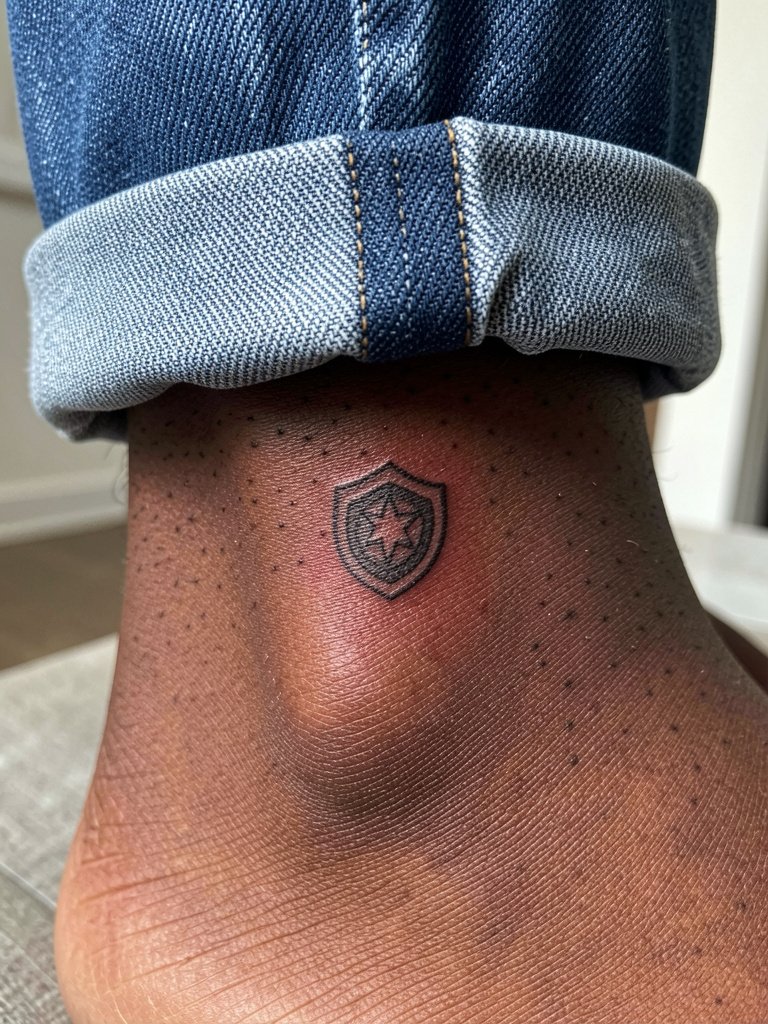
Ankle icons need strong silhouettes because shoes and socks cause friction. Go for simple rim detail and solid fill. Sessions are short at 20 to 45 minutes but the area is sensitive. Avoid tiny interior flourishes that vanish after heavy walking seasons. For appointment and showing, cuff jeans or wear flats that expose the ankle naturally. If you plan frequent barefoot time, expect more fading and a likelihood of touch-up at year two.
21. Athena Crest on Upper Back Between Shoulders
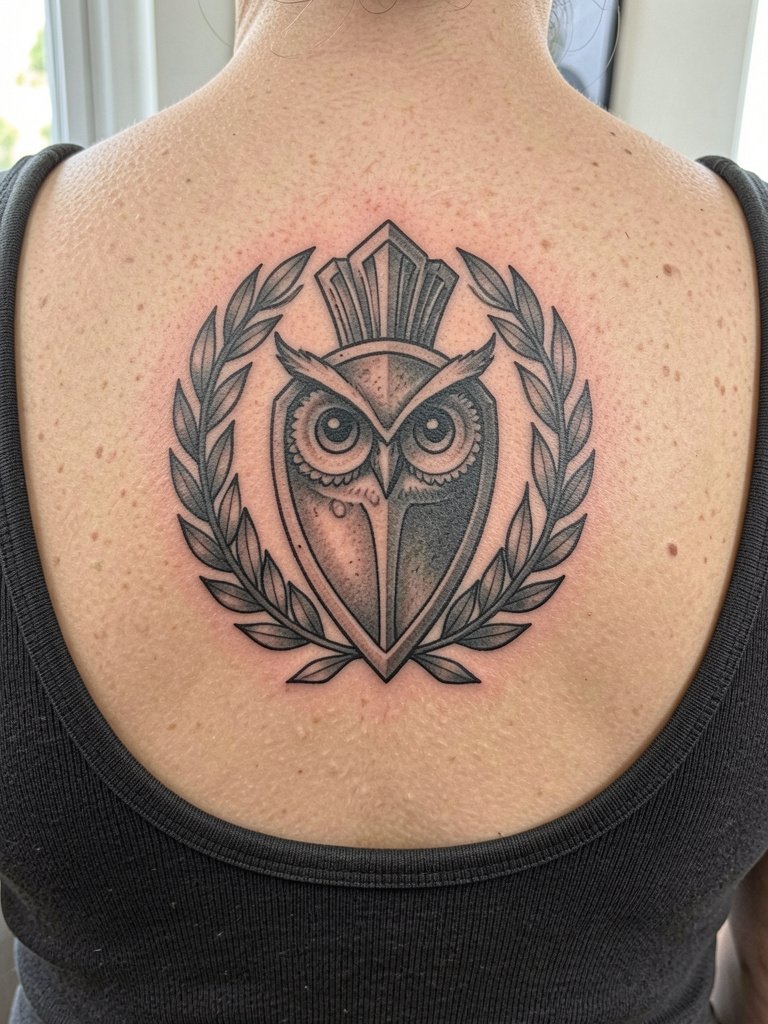
Centered upper-back crests balance mythology and bold graphic weight. This placement tolerates larger compositions and ages predictably as long as the outlines are confident. Expect multi-hour work and plan for two sessions if shading is included. A typical mistake is making the crest too small for the area, which reduces the visual impact and invites early merging of small elements. When you want to show the piece, backless or low-back tops reveal it best. For airport and travel days, use a breathable travel shirt that stays dry against healing skin.
22. Tiny Helmet on Side Rib
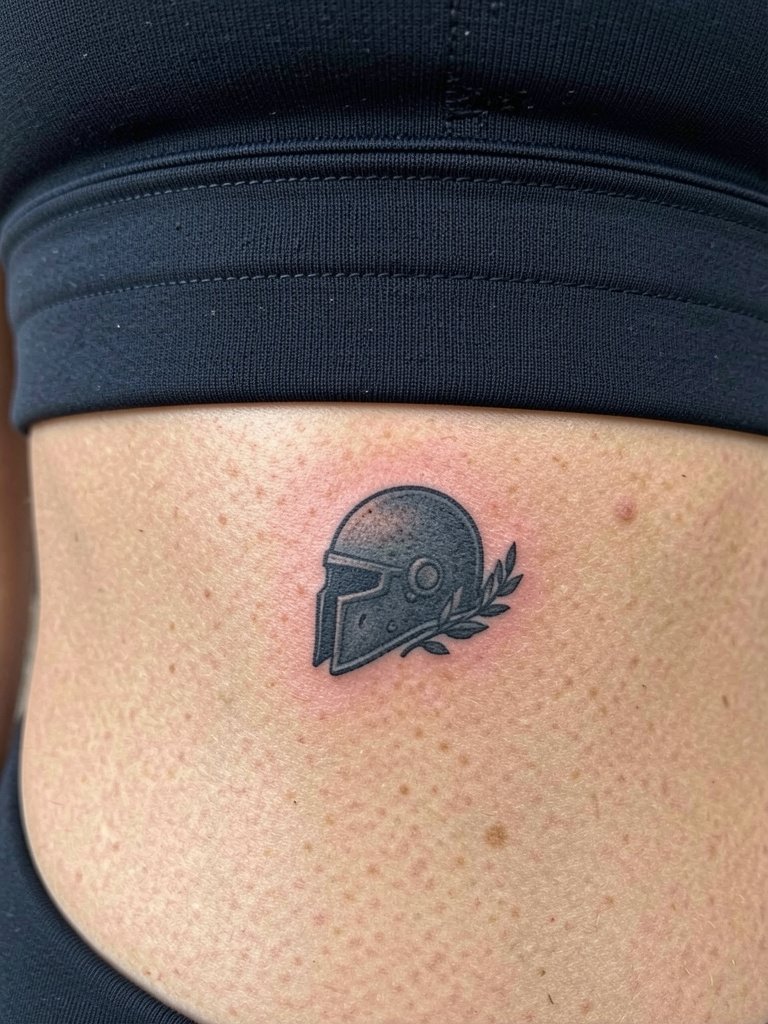
Small side-rib helmets are intimate and effective but vulnerable to blurring if placed too small. Plan for slightly bolder edge lines and wider spacing than an Instagram reference. Pain is high and sessions are short. Avoid insisting on tiny text nearby. For the appointment wear a fitted sports bra so the area remains accessible and fabric does not rub the fresh ink.
23. Classical Profile in Dot Work Sleeve
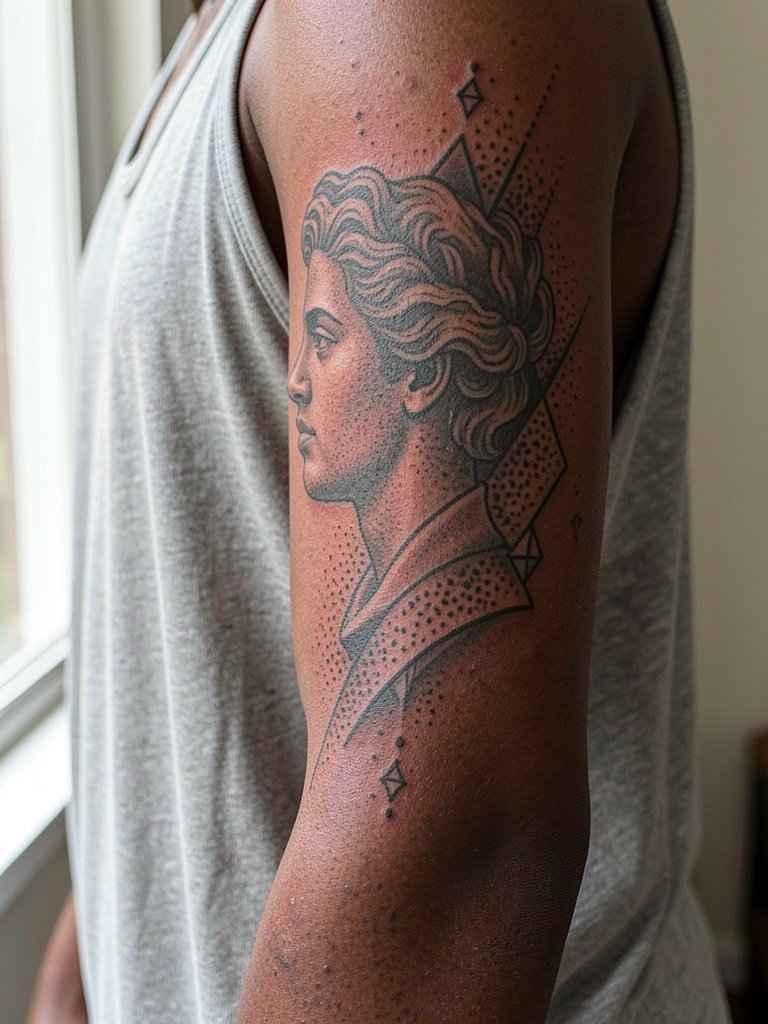
Dot-work sleeves create texture that disguises small shifts in line over time. Inner-arm dot work needs consistent spacing to avoid blotchiness. Sessions are long and often split into two or more visits. A mistake is mixing micro-realism faces with dense stippling at tiny scales, which can read muddy. For showing off, wear a sleeveless linen top to reveal the inner arm gracefully. Request the artist show you a healed dot-work portfolio for similar skin tones before booking.
24. Minimal Helmet Keyhole on Sternum
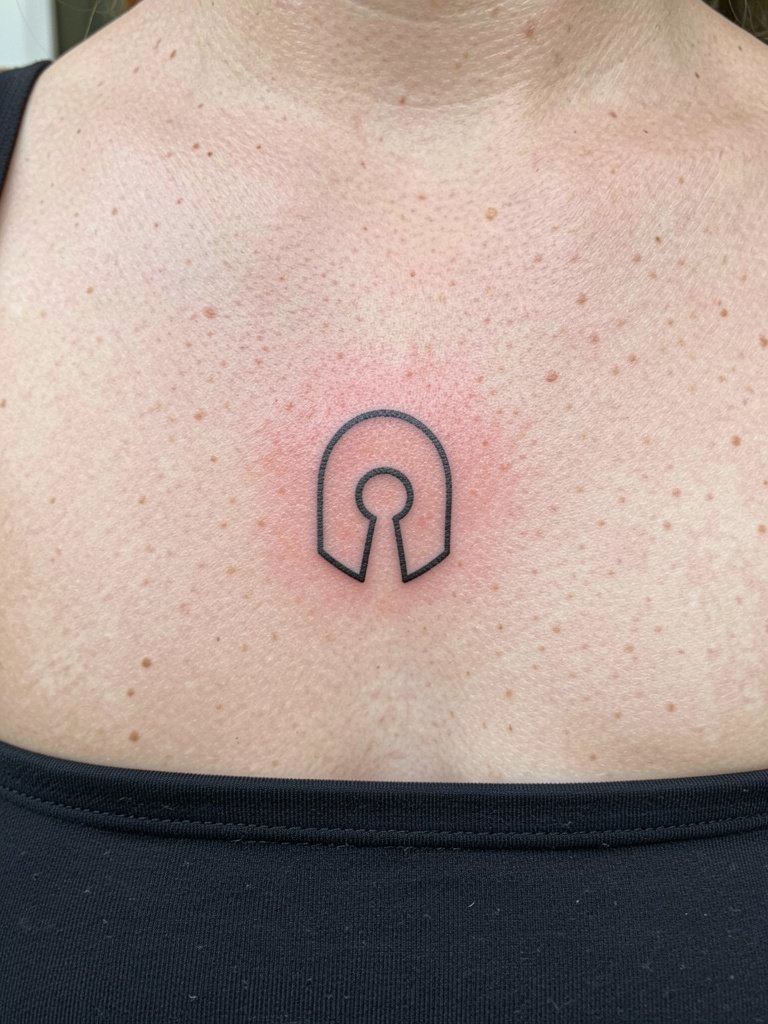
Sternum glyphs read like jewelry and can be surprisingly resilient if kept simple. The sternum is sensitive so expect moderate to high pain and a single shorter session of 30 to 60 minutes. Avoid fine interior flourishes that blur from friction of clothing. For the appointment, a fitted bandeau or sports bra keeps fabric out of the way. If you want a discreet look, plan outfits with necklines that sit above the piece so you reveal it intentionally.
25. Athena Sigil on Upper Arm Inner Bicep
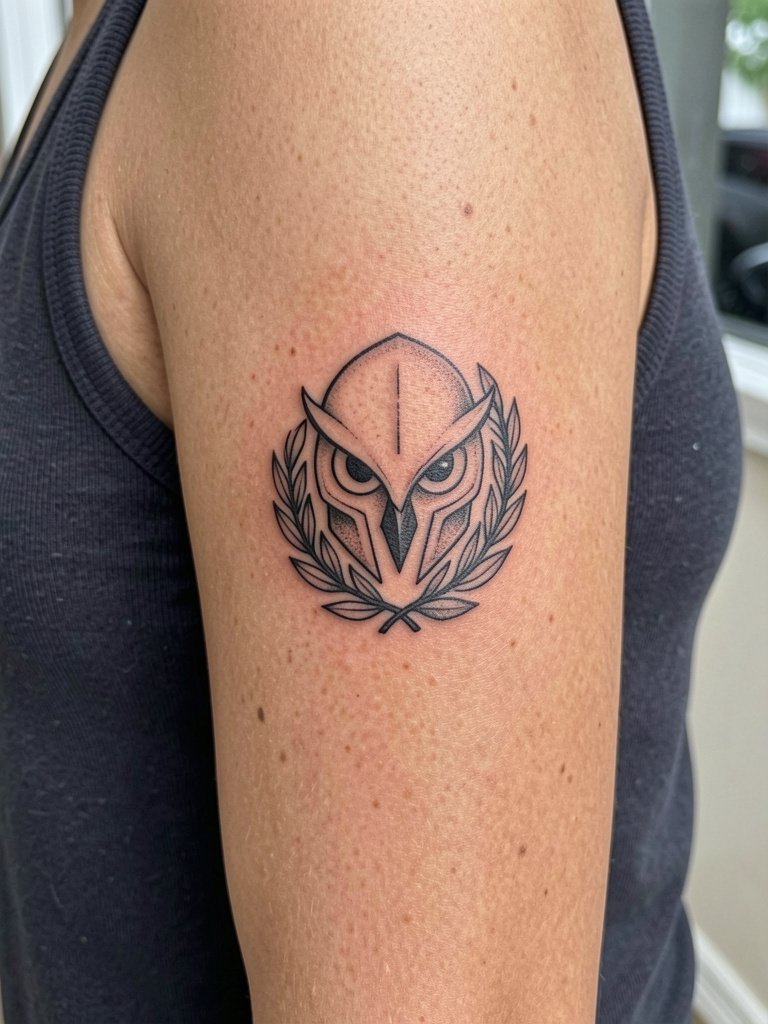
The inner bicep is a softer canvas and rewards deliberate spacing. This sigil works well when each element sits apart so the eye, laurel, and helmet avoid merging. Sessions are 45 to 90 minutes and pain is moderate. A frequent mistake is packing the sigil into a too-small stamp size. For the appointment, wear a tank top so the artist can work with the arm relaxed. For visibility, a rolled sleeve or short-sleeve top highlights inner bicep pieces without overexposing them.
26. Medallion on Upper Chest Near Clavicle
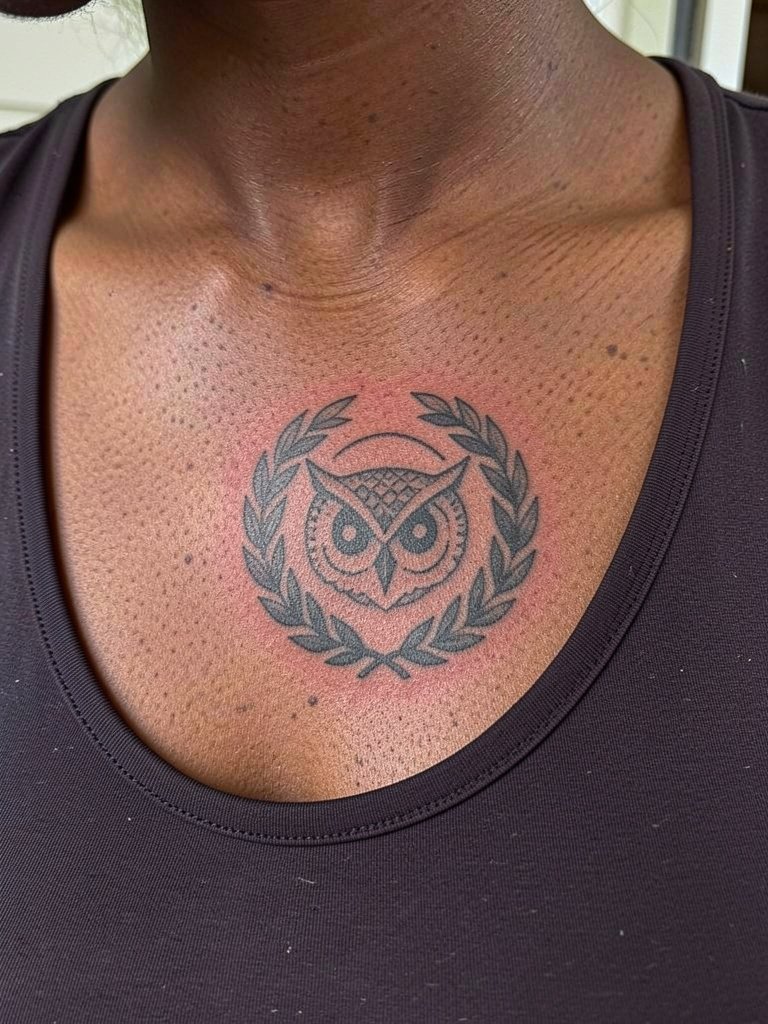
Medallions near the clavicle read like pendants and work best with clear outer rims and simplified centers. Sessions are 30 to 75 minutes. The common pitfall is elaborate inner detail that fades against bone. For outfit pairing, think about necklaces that sit above rather than across the tattoo, or pick a scoop-neck jersey that frames the area. If you want a weathered look, ask for a light grey wash inside the medallion rather than dense cross-hatching.
27. Large Athena Back Panel with Owl and Laurel
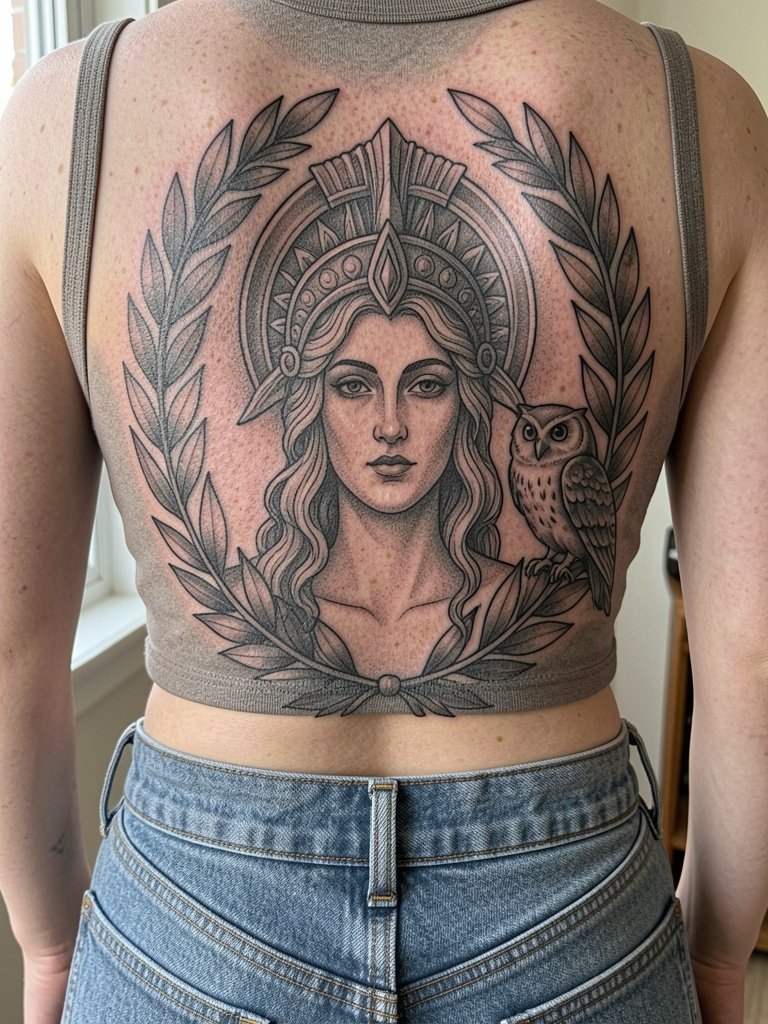
Large back panels allow you to combine portrait, owl, and laurel with true scale. Expect several sessions totaling many hours and plan recovery time between visits. Overworking the back in one day causes swelling that can affect detail, so stage shading across appointments. A common mistake is requesting small micro-detail in the base layer that the skin will not retain at such scale. For wardrobe, low-back tops and backless dresses show the work beautifully. If you want the composition to age gracefully, favor bold anchors and soft interior shading rather than continuous ultra-fine linework.
Frequently Asked Questions
Q: How do I find healed Athena-style portfolio examples without naming specific artists?
A: Search social platforms with focused tags and keywords like #AthenaTattooHealed, #HelmetPortraitInk, and #LaurelCrestTattoo while using location filters for your city. Browse dedicated tattoo communities and threads that share healed galleries, and look for portfolios that show at least three-year healed shots on skin tones similar to yours.
Q: Which placements are best if I want the design to still read in five years?
A: Larger canvases with bolder outlines tend to last longer, so upper back, thigh, and outer arm are safer bets. Fine single-needle faces work on inner forearm and nape if you increase spacing and line weight slightly, and plan a touch-up at year one or two depending on exposure.
Q: What should I bring to my consultation to get a faithful Athena portrait?
A: Bring two scale references, one at life-size and one reduced, and ask the artist to mock the stencil at the size you prefer. Show photos of healed work on similar placements and skin tones so the artist can advise on spacing, and request a placement photocopy or trace so you know how the piece will sit on muscle curvature.
Q: Are there professional considerations for chest and sternum pieces I should know about?
A: Yes, chest and sternum placements often require artists experienced with thin skin and bone. Expect higher pain and possible staged sessions for larger work. For the session, wear a fitted top you can easily remove or adjust that keeps fabric out of the way, like a fitted scoop tank.
Q: How often do Athena-themed pieces need touch-ups by placement?
A: Small high-friction placements such as fingers, wrists, and ankles typically need touch-ups every 12 to 24 months. Areas with more stable skin like the thigh, upper back, and outer arm often go two to five years before a touch-up. Expect inner ribs and sternum work to possibly need a single follow-up within a year due to healing variables.