
Henna-inspired linework looks delicate online, but the detail that wins on Pinterest is not always the detail that lasts. I hear three repeated worries from people booking their first henna-style piece: will a hand tattoo blur, will the pattern read on darker skin, and how much babysitting does a wrist piece demand? Start with a sun-and-moon motif designed for contrast so it keeps its shape after healing.
1. Sun, Moon, and Stars Motif on the Wrist
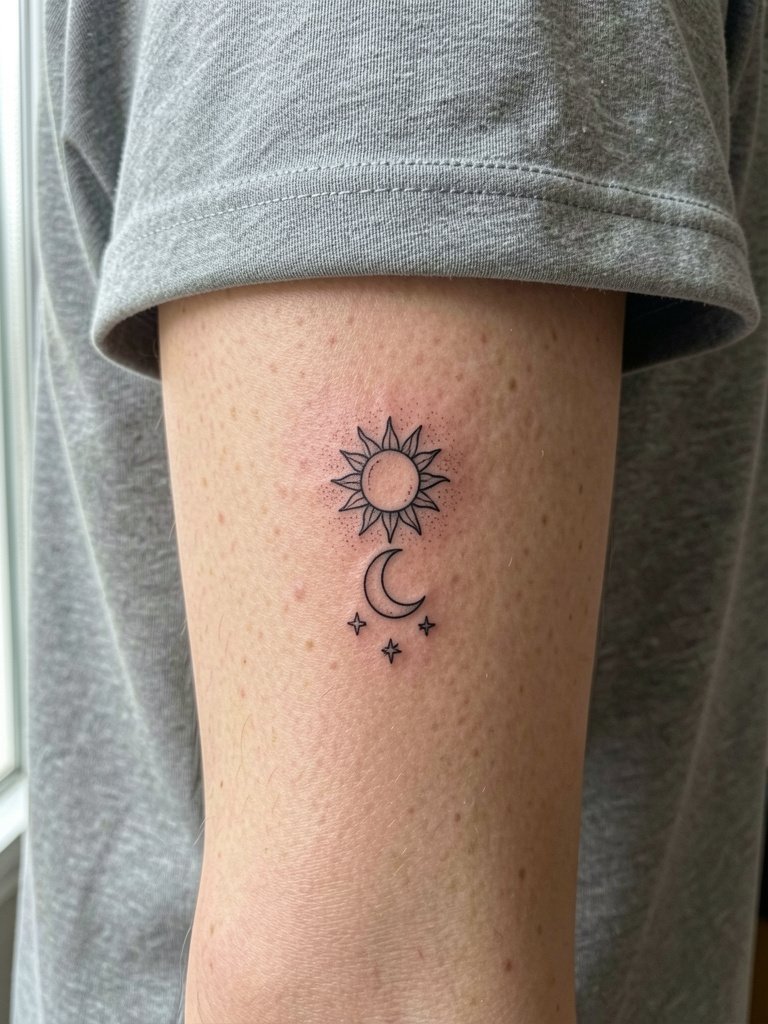
A compact celestial stack is a great first tattoo because it uses symmetry to read clearly. Pain level on the inner wrist is moderate, and session time for a small stacked motif is usually 20 to 45 minutes. For longevity, request slightly heavier lineweight on the central rays and avoid dense micro-filling in the tiny stars. One common mistake is packing too many tiny dots into the negative space, which can blur into patchy tone by year two. Expect the piece to look crisp at six months, soften at two years, and need a light touch-up around year three to five depending on sun exposure. For showing it off, pair the wrist with thin bangles that keep the eye on the pattern.
2. Mandala Hand Design on the Back of Hand
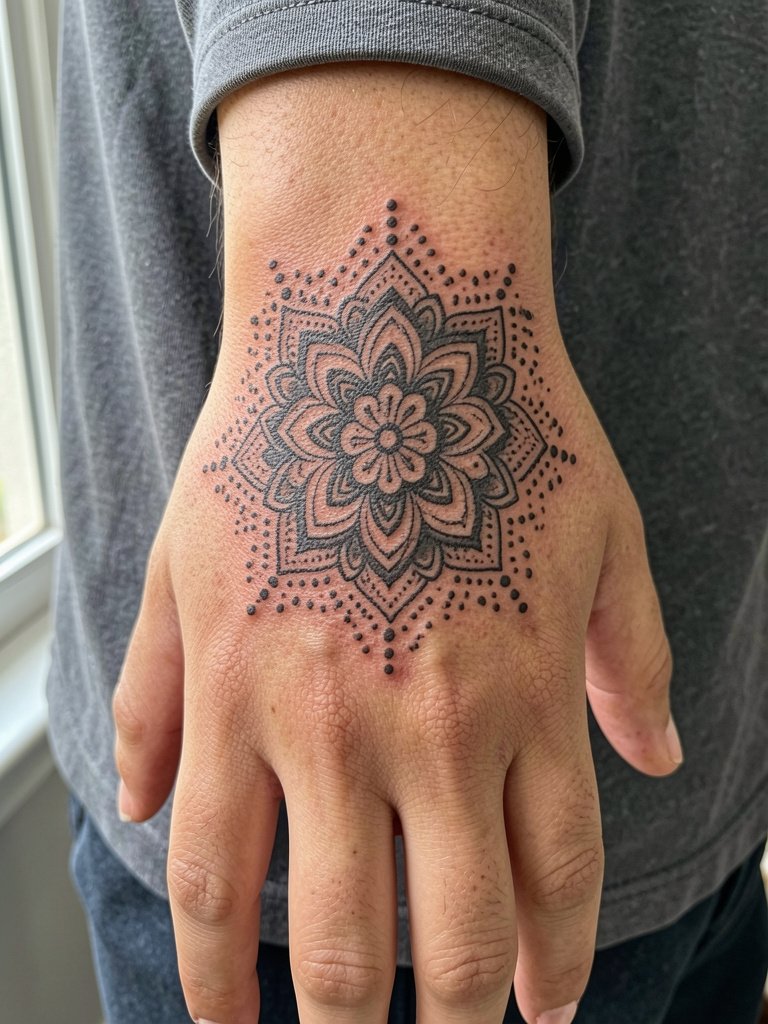
Mandala hands demand spacing and weight planning. Fine line versus bolder ornamental linework splits artists into two camps. One camp prizes ultra-fine lines because they mimic hand-applied mehndi. The other camp recommends slightly thicker strokes and simplified filling so the symmetry stays legible after healing. If you want a true back-of-hand mandala that lasts, ask for a scaled mockup showing how the center looks at three and five inches, and ask the artist to darken the central spokes so they survive friction from gloves and daily use. Hands are high-friction areas so touch-ups are common at the two- to three-year mark. For session wear, keep sleeves short and skip rings on the hand being worked. Complement the finished piece with a thin bracelet set on the opposite wrist.
3. Traditional Palm Sun Motif
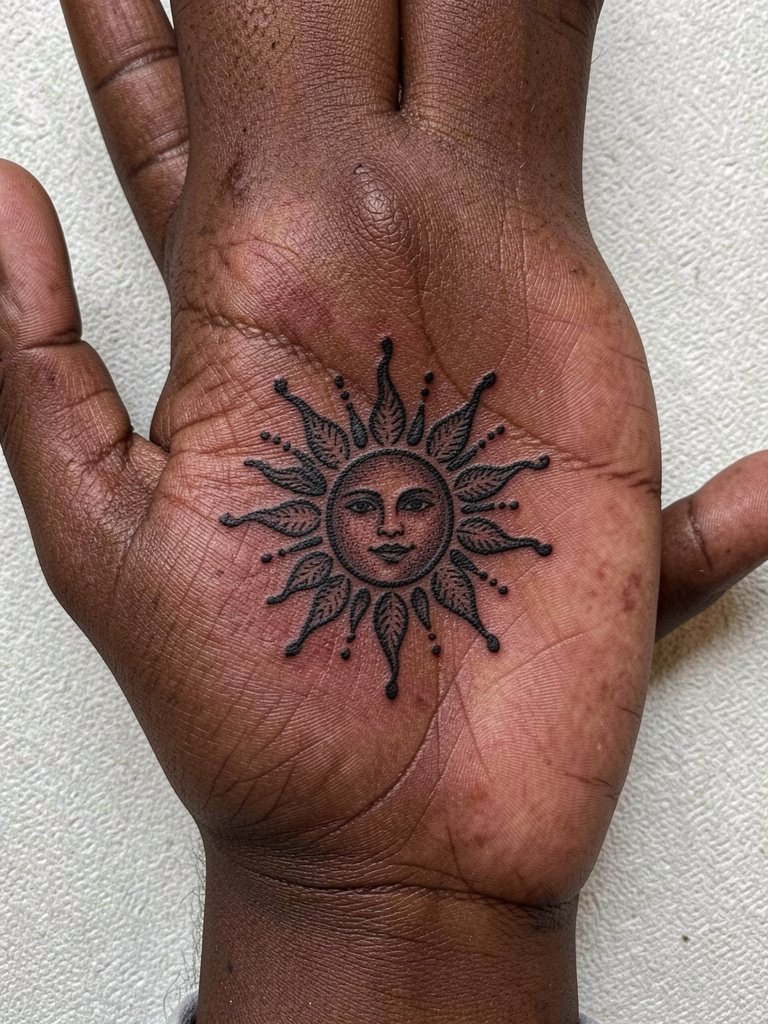
Palms are authentic for henna translations but they are controversial for permanence. Hands and palms are a point of disagreement among artists. One group values the authentic placement and thinks the extra care is worth the payoff. Another group warns that palms see constant abrasion and pigment can lighten dramatically, so they steer clients to the wrist or forearm. If you choose a palm motif, insist on a simpler silhouette with bold negative-space shapes and expect the first touch-up within six to twelve months. The session feels brisk but odd because the skin there responds differently than forearm skin. For the appointment, avoid bracelets and wear a short sleeve tee so the artist can assess hand movement.
4. Florals with Vine Filigree on the Forearm
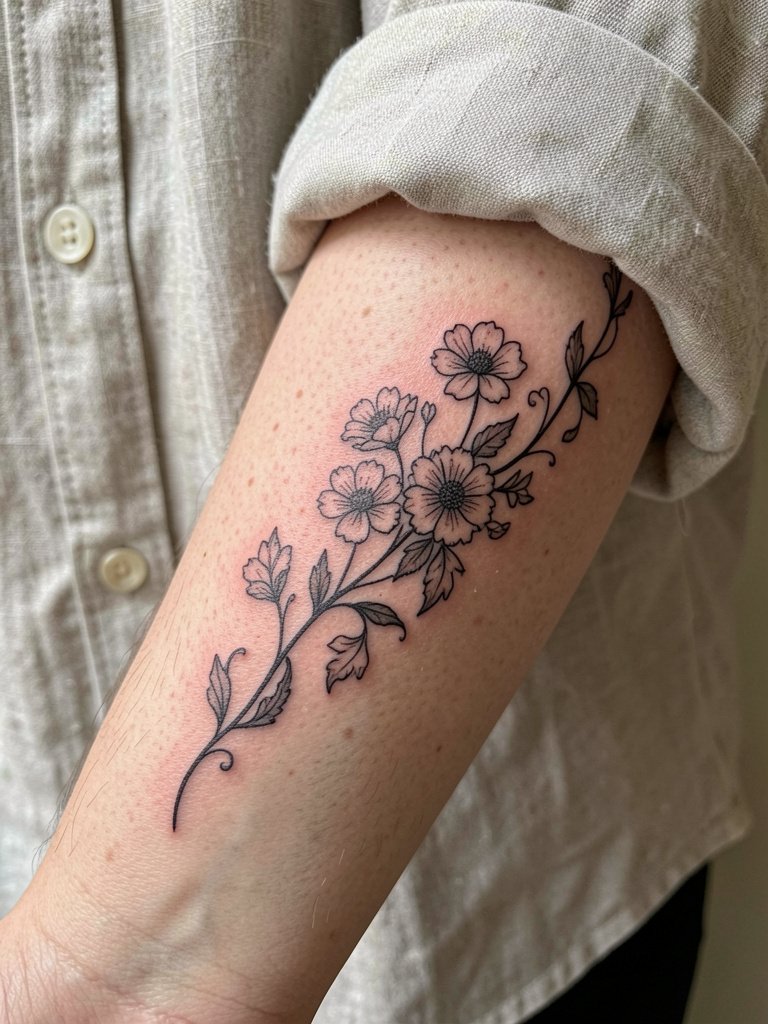
Forearm florals are forgiving and age predictably because they sit on a lower-friction plane. If you want the henna feel without dense fill, ask for vine spacing that lets the eye travel. A common mistake is shrinking a full-hand floral onto the forearm without increasing spacing, which clogs the visual rhythm. At six months the stipple shading reads soft, by two years it keeps shape, and many clients skip touch-ups until year four. The session is comfortable for most people and usually requires a single 60 to 90 minute block. Pair the piece with a linen button down to show off the palm-up surface without visual competition.
5. Boho Dotwork on the Inner Forearm
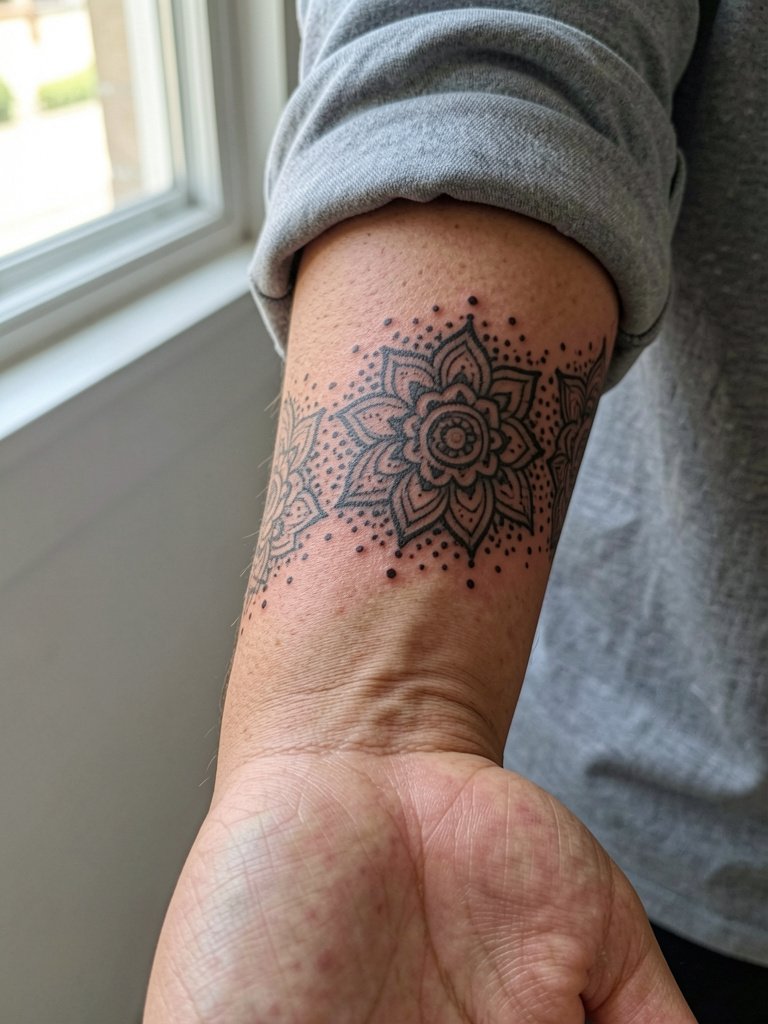
Dotwork spreads the visual weight without dense black areas and it reads beautifully on the inner forearm. A typical pitfall is asking for ultra-tight stippling on skin that moves, which softens into muddiness. Specify that you want the dot density to step down in the outer petals so the design keeps airy negative space. Pain is lower than the wrist and sessions run 60 to 120 minutes depending on coverage. Expect minor softening by year two and a touch-up at year three if you want the contrast back. For showing this piece off, roll sleeves up and wear cropped jackets or a cropped jacket so the forearm remains the focal point.
6. Evil Eye Motif Near the Ankle
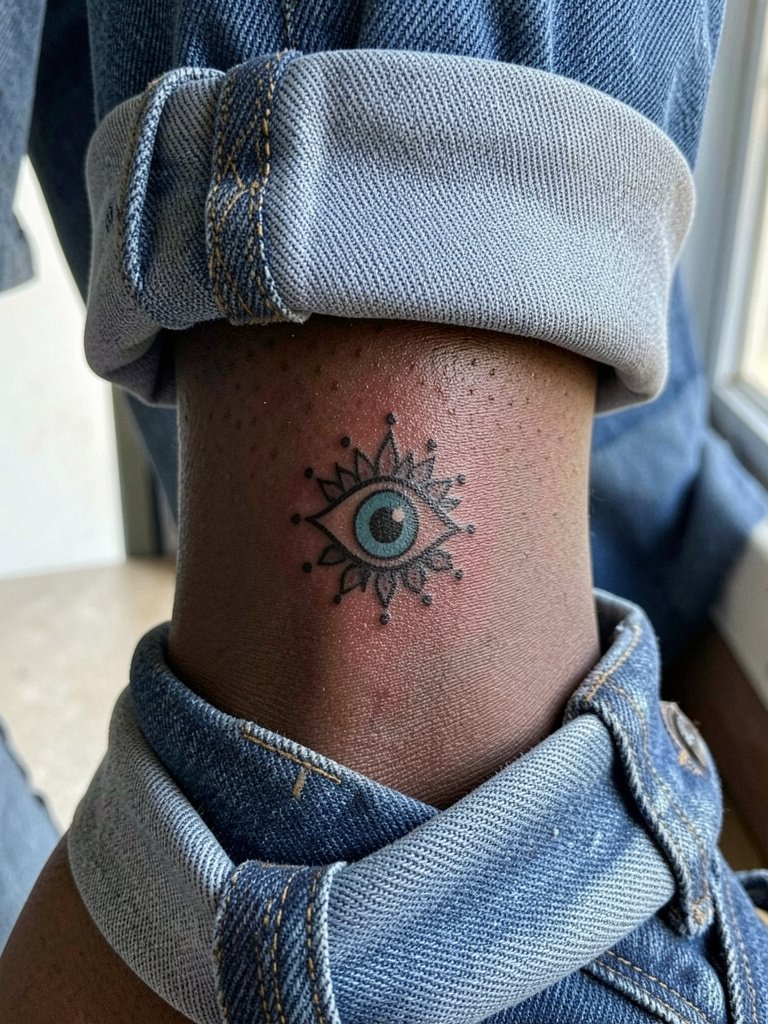
Ankle motifs like the evil eye are discreet and easy to hide for work environments. The biggest mistake is crowding the motif into the exact size of a charm, which loses the ornamental rays that make it read. Ask the artist to show the design scaled up by 20 percent so the negative space survives motion and sock friction. Pain around the ankle ranges from moderate to sharp for short bursts, and a small design often takes 20 to 40 minutes. Healed contrast holds well if you avoid tight socks for the first week. Style the finished piece with open toe sandals to echo the ornamental vibe.
Before You Book
The wrist, hand, and ankle pieces above share friction and exposure concerns, so these five items smooth the session and the first week of healing.
-
Fragrance-free, dye-free lotion. Use after the first scabbing phase to keep ornamental linework from crusting too thick and obscuring fine detail.
-
Non-greasy tattoo balm alternative. A lighter balm prevents the sticky, clingy feel on hand or wrist tattoos while still sealing in moisture.
-
Second-skin protective film. Helpful for high-friction spots like knuckles and the inner wrist to reduce shear during the first 48 hours.
-
Daily hand SPF stick. Once healed, regular mineral SPF on exposed henna-style pieces preserves contrast and delays color loss.
-
Aquaphor Healing Ointment. A trusted thin ointment for day-one protection that many artists recommend for small ornamental work, applied sparingly to avoid clogging.
7. Butterfly Mandala on the Back of Hand
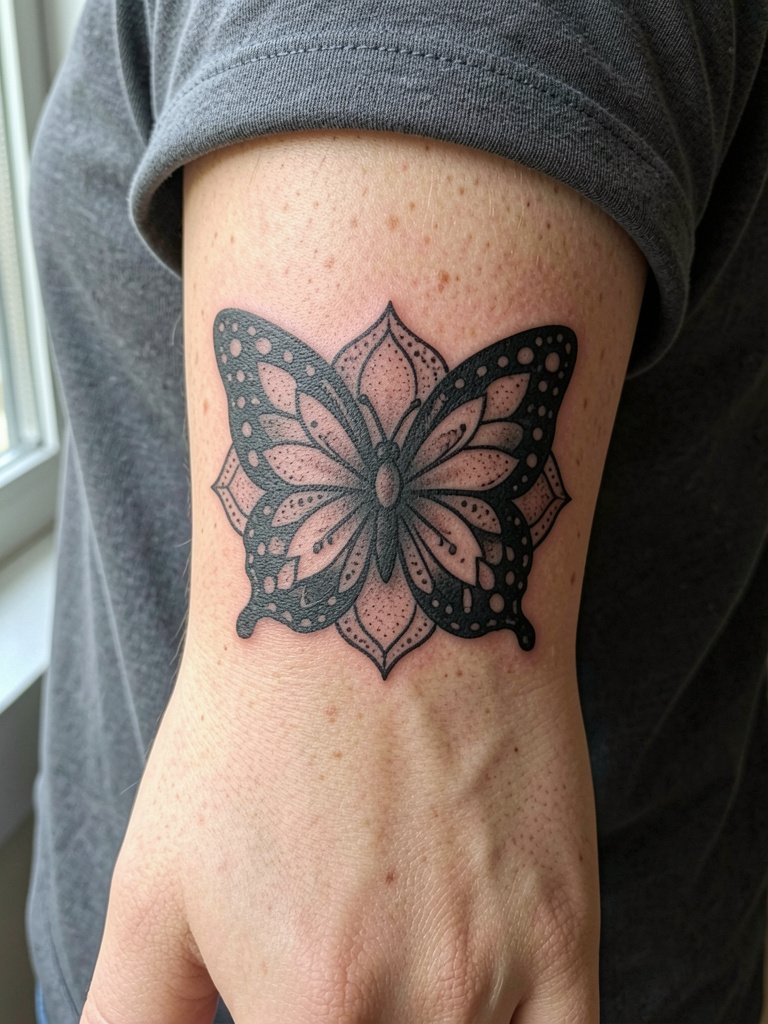
The butterfly mandala reads as a single motif but behaves like a compact mandala. One common error is using too many tiny wing details that the back-of-hand friction will erase. Specify to your artist that wing veins should be slightly bolder than reference photos and ask to preview the placement with a life-size stencil. Expect a short session, often under an hour, and plan for touch-up within two years if you use hand creams heavily. For evenings out, pair the design with a neutral nail polish so the hand reads cohesive in photos.
8. Simple Beginner Floral on the Ankle
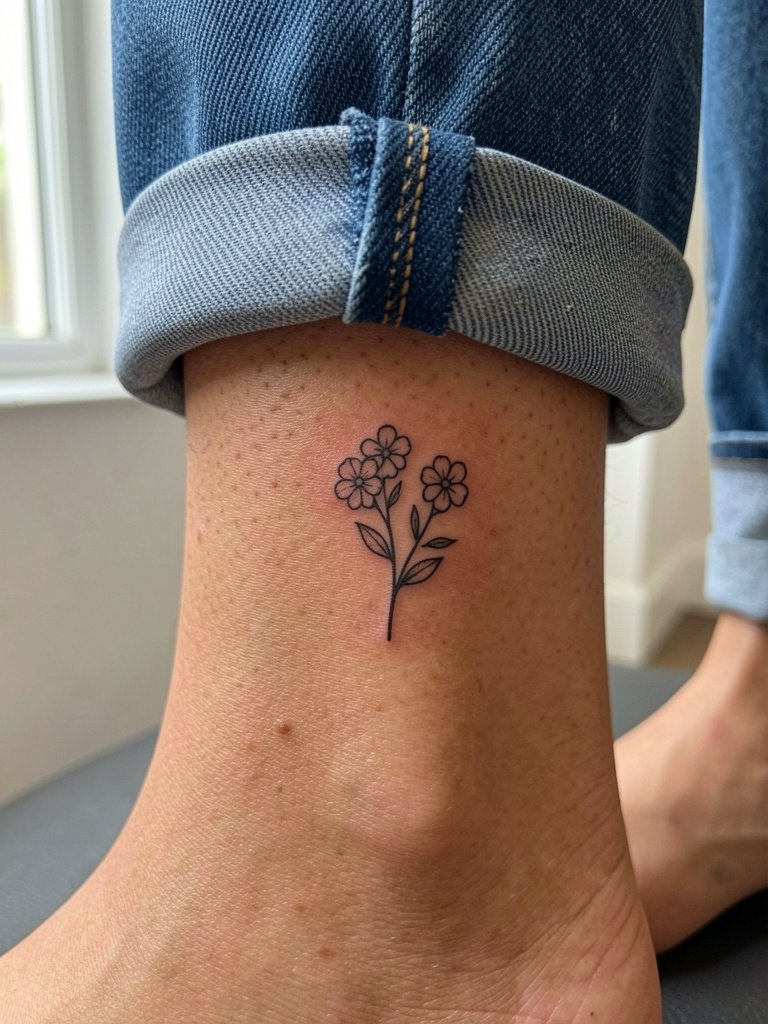
Small floral clusters are ideal for first-timers who want a henna nod without full-hand density. The usual mistake is over-detailing a tiny motif. Ask for clear open spaces and for the main petal outlines to be slightly thicker so the silhouette reads at a glance. Pain at the ankle is variable and the session is usually 20 to 40 minutes. Healed visibility is reliable on the ankle if you avoid constant rubbing from tight socks. Show-off pairing: low-profile sneakers or cropped jeans highlight the motif in casual looks.
9. Back-of-Hand Intricate Mehndi Pattern
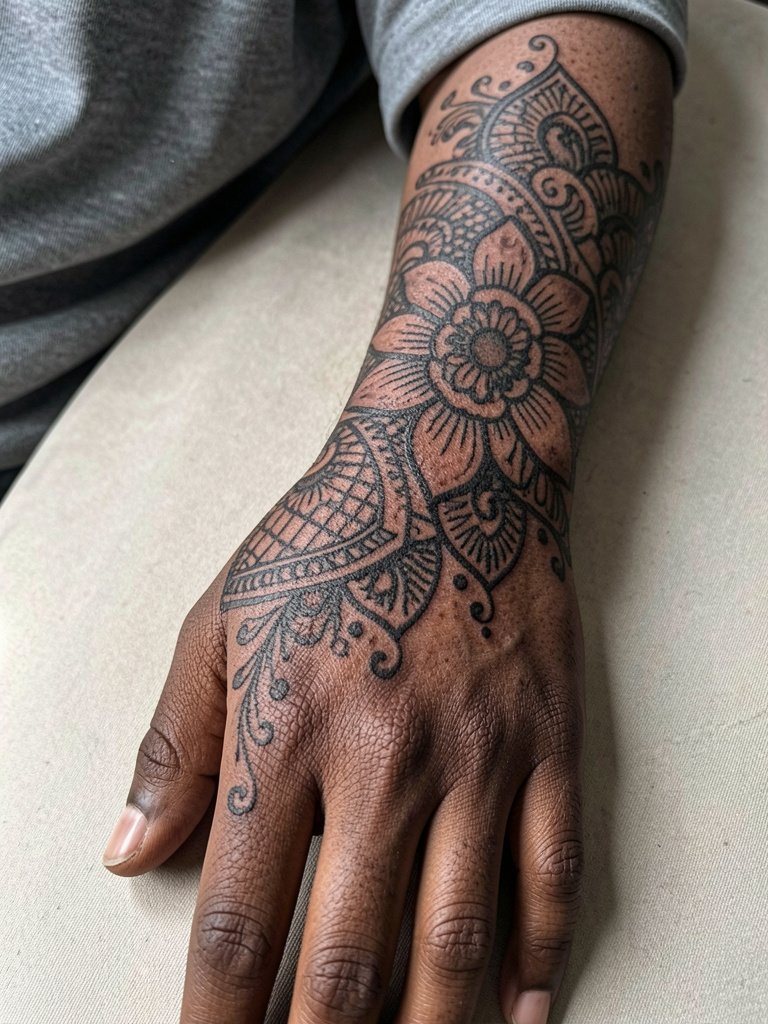
Dense back-of-hand work looks striking but it ages differently than simpler motifs. If you want this level of intricacy, prioritize contrast by asking the artist to slightly widen the main outlines and reduce the number of micro-dots. A common mistake is asking for the exact density of a paste mehndi, which translates poorly to permanent ink on a rubbing surface. Expect a longer single session or two shorter passes and plan for a touch-up at year two if elements begin to soften. For session prep wear rolled sleeves and skip bracelets. To complement the piece, neutral nails and a thin bracelet set keep the hand's center of attention.
10. Foot and Ankle Henna Bands
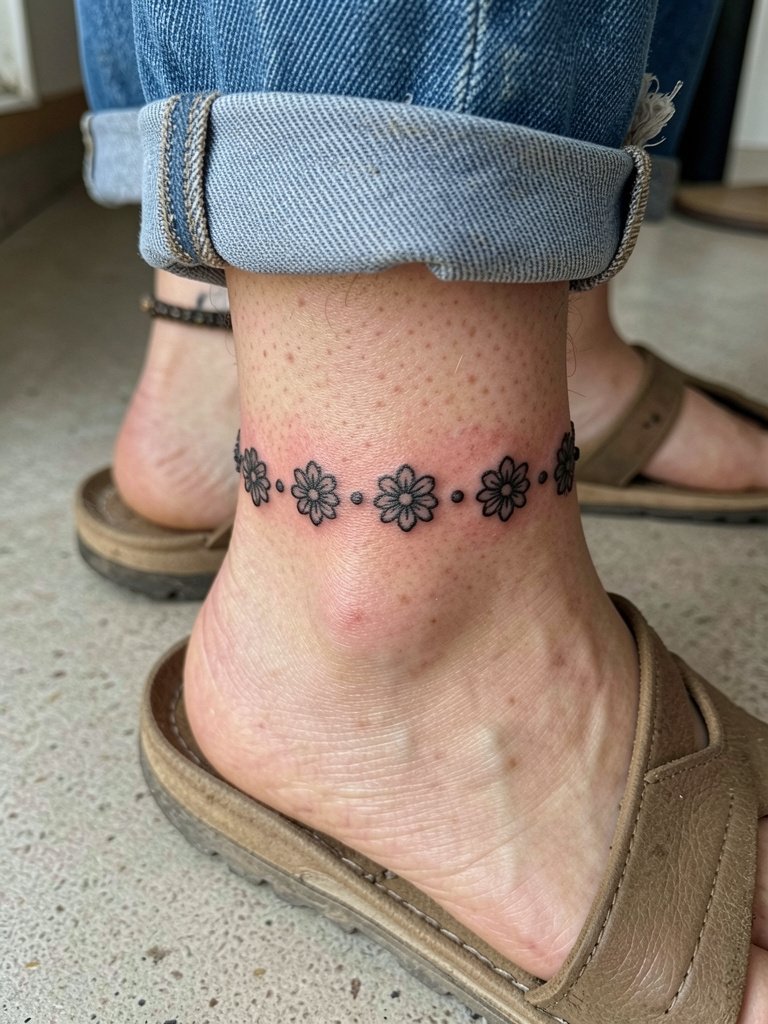
Anklet bands are low-visibility choices that echo bridal mehndi without committing to full-foot coverage. The typical error is trying to compress a wide band into a one-centimeter strip. Ask for an in-situ stencil that wraps naturally around the contour so the pattern breathes with ankle movement. Pain is low to moderate and most bands finish in a single 30 to 60 minute session. Healed look stays stable if you avoid constant chafing from tight shoes. For footwear match, try barefoot sandals or ankle bracelets to echo the inked band.
11. Wrist Bracelet-Style Henna Band
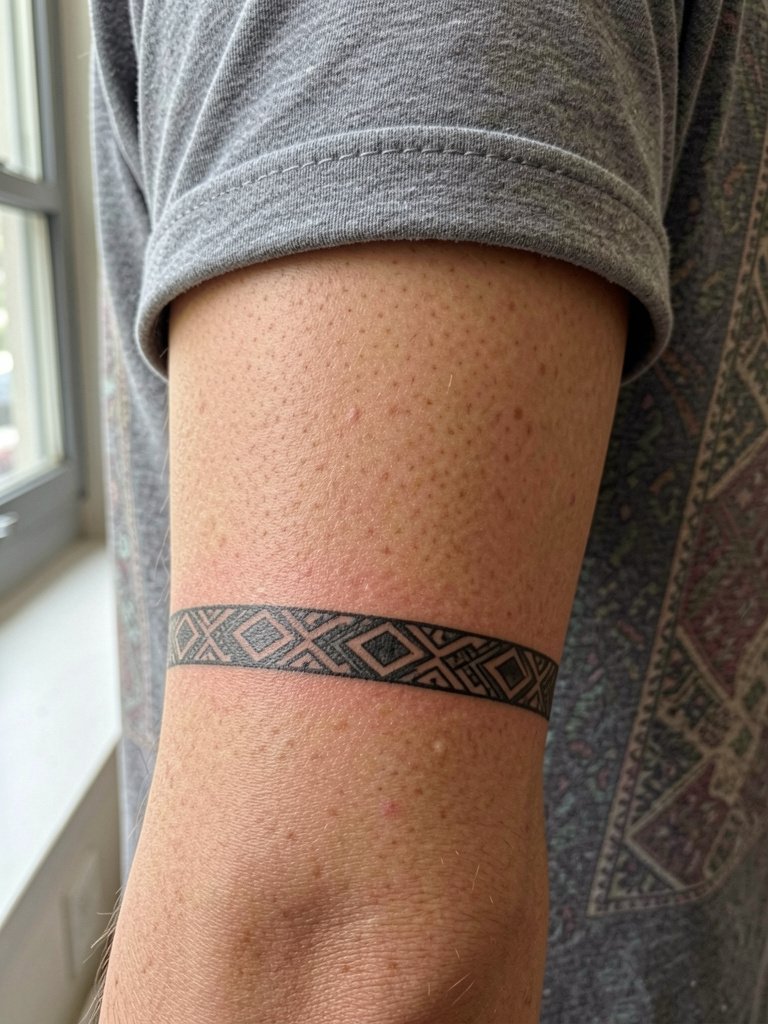
Bracelet-style wrist bands are a smart henna translation for people who want a discreet ornamental accent. The frequent mistake is making the band too thin or continuous without breaks, which speeds fading where it rubs against clothing. Ask for a band with regular negative-space gaps and slightly stronger end anchors so the pattern keeps its shape. Expect a short session and a possible touch-up at year two if you often wear tight sleeves. For showing the bracelet, a minimalist watch or a minimalist watch on the opposite arm frames the wrist without competing.
12. Lotus Palm Symbol
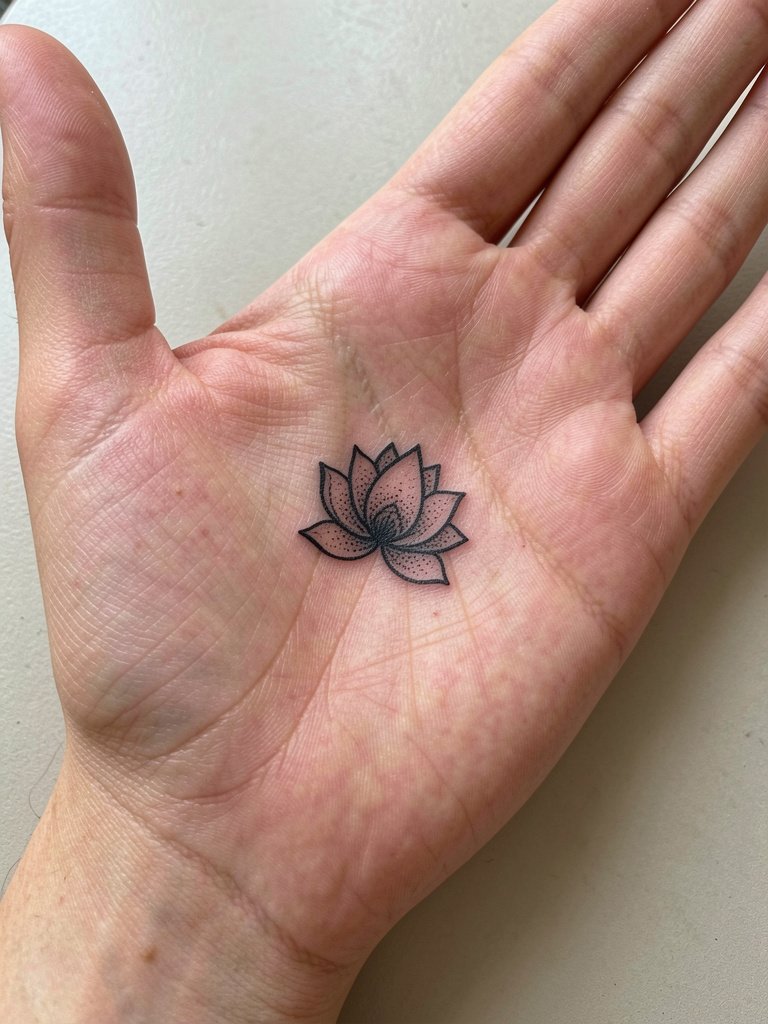
A lotus on the palm reads clearly when kept bold and uncomplicated. The mistake is translating ultra-fine detail from paste onto palm skin, which will simply not hold. Request simplified interior lines and a slightly stronger outer contour so the petals read after initial sloughing. Palm tattoo sessions are short but expect unusual healing sensations because the skin there is thicker and regenerates differently. Plan for a touch-up in months rather than years. If you want to keep it low-key at work, pair with narrow, clean rings like thin stackable rings on adjacent fingers.
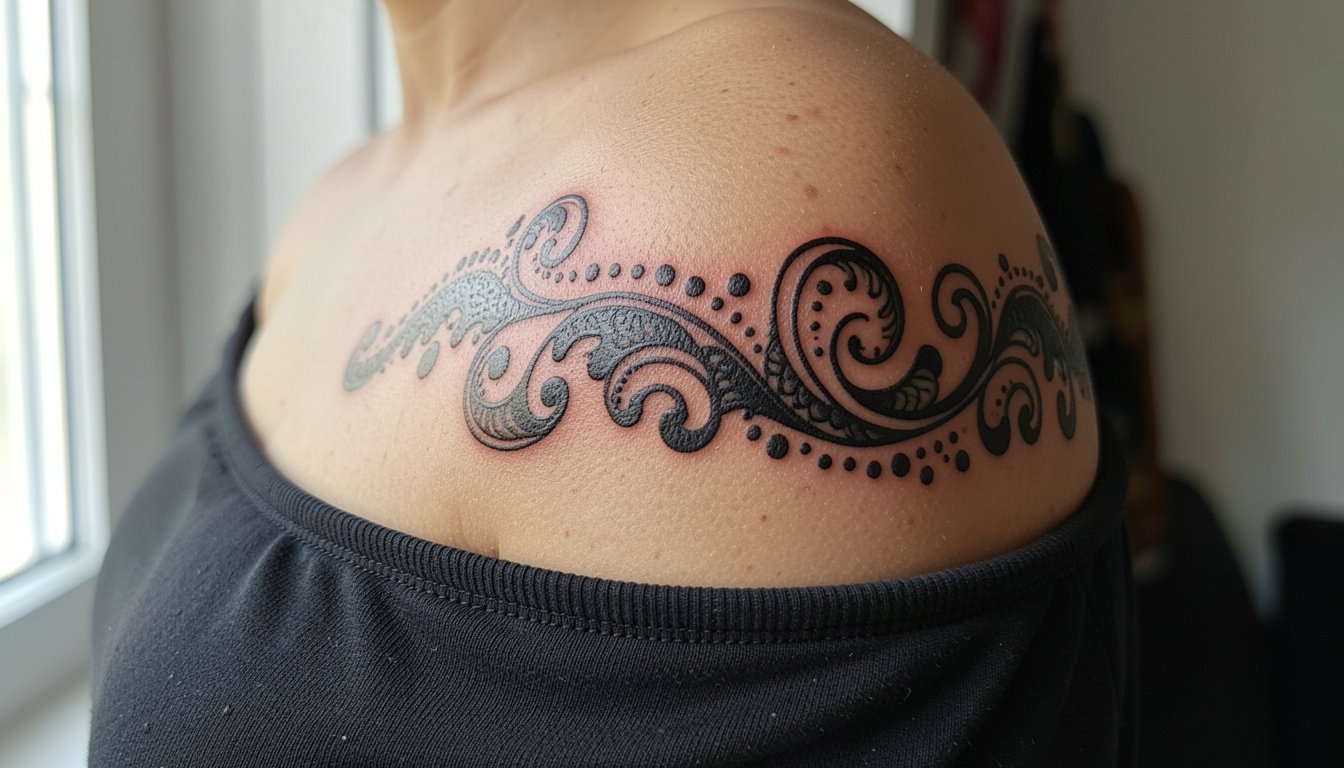
13. Shoulder or Upper-Arm Mehndi Flourish
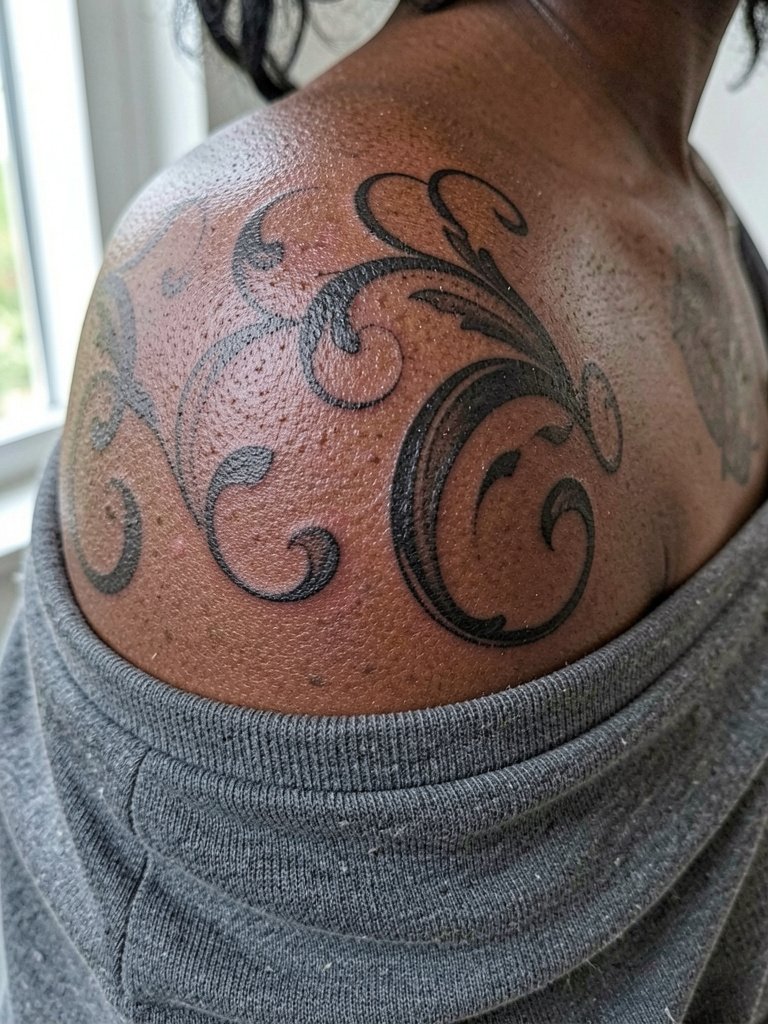
Larger curving pieces flourish on broad canvases like the shoulder. The common error is forcing hand-sized density into a shoulder piece without letting motifs breathe. Ask the artist to lay the composition along the shoulder curve and to show how it reads in motion with an off-shoulder top. Pain is lower here and sessions can be single longer sittings or two medium passes depending on size. A shoulder flourish ages slowly because it avoids constant abrasion. For show-off looks, try off shoulder tops that reveal the arc without crowding the tattoo.
14. Back-of-Shoulder Decorative Pattern
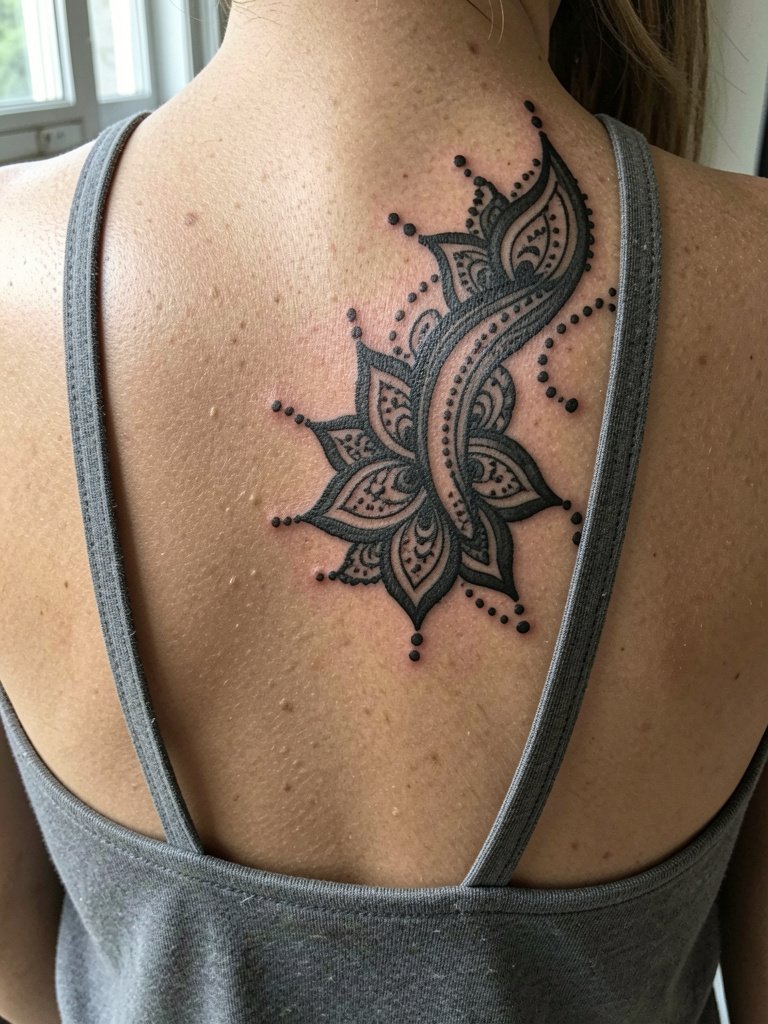
A semi-hidden shoulder-back piece carries elegance because you can choose when to show it. The mistake is over-detailing in a tight area, which looks dense when visible and bland when hidden. Ask for a flowing arc that reads when the shoulder is exposed and ask to see the stencil while standing and seated so placement sits with your clothing lines. Sessions are comfortable and usually finish in one sitting for medium pieces. For wardrobe, wide straps or an asymmetric neckline pair well with this placement.
15. Simple Sun-Palm Variation for First-Timers
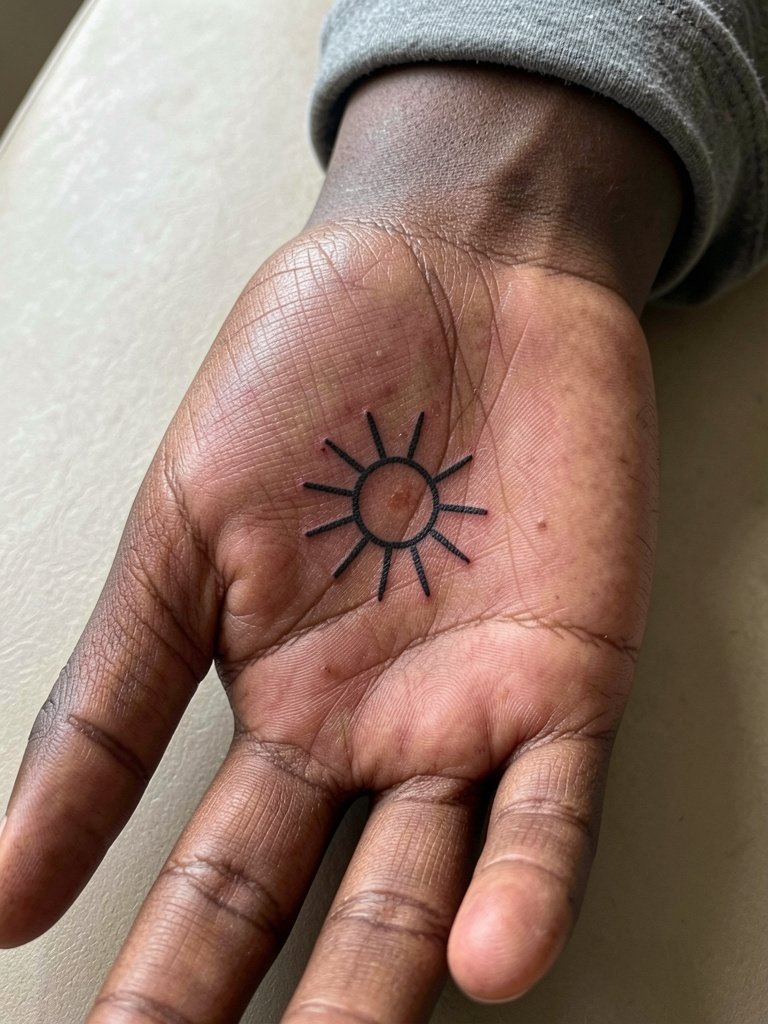
This pared-back sun gives the henna vibe with minimal commitment. Beginner mistakes include insisting on micro-radii and tiny fill that fade quickly. For a first-timer, request a slightly larger central disc and bold primary rays to keep the motif readable beyond the initial months. The session is brief and pain varies by palm versus wrist placement. Expect the sun to read strong at six months and to need a touch-up earlier than forearm pieces if on the palm. For a polished look, wear a minimal manicure kit that keeps hands neat while the tattoo heals.
Frequently Asked Questions
Q: How much does a henna-style tattoo usually cost in the U.S.?
A: Small henna-inspired pieces commonly fall in a practical range from about $80 to $300 depending on line density and placement. Dense hand work or multi-hour custom mandalas can climb higher because artists charge for time and precision, and some artists have minimums for hand or finger work.
Q: Will henna-style linework show up well on medium and dark skin tones?
A: Yes, but line weight and contrast matter more than the motif. On deeper skin tones, ask for slightly bolder main contours and reduced micro-filling so the pattern keeps its silhouette after healing. Healed photos from portfolios are the best proof, so request healed examples on similar skin tones during consultation.
Q: Where can I find artists and compare healed henna-style portfolios without naming specific creators?
A: Search style hashtags like #hennatattoo, #mehnditattoo, #mandalatattoo, and #blackworktattoo on Instagram and TikTok and use location filters to find nearby ornamental specialists. Browse Pinterest with placement keywords such as "henna hand tattoo" or "wrist henna tattoo" and check Reddit threads for healed-photo feedback. Prioritize portfolios that include healed shots over fresh pictures.
Q: How much aftercare babysitting do hand and wrist pieces need?
A: Hands and wrists need more attention because they face repeated washing and friction. For the first week avoid long soaks, pat dry instead of rubbing, and follow your studio's thin-layer balm or lotion routine. Expect to manage the area actively for 7 to 14 days and to protect the tattoo with SPF once healed.
Q: Should I pick black ink or a brown-toned palette to mimic paste henna?
A: Black ink usually gives a cleaner, longer-lasting read, while warm browns can echo paste color but often offer less contrast over time. If you want a henna color specifically, discuss ink tone and expected contrast at the two-year mark so you know how the choice will age.
Q: How do I reduce the risk of blowout and fading on fingers and knuckles?
A: Ask for simplified shapes and slightly thicker outlines rather than hairline detail on knuckles. Avoid extremely small lettering or dense dot fills on finger pads. Expect touch-ups to be more common for digits and plan design spacing with more negative space.
Q: What should I wear to my appointment for a shoulder or wrist piece?
A: For shoulder work wear an off-shoulder top or tank so the artist has full access. For wrist or forearm pieces wear short sleeves or a rolled sleeve shirt so the area is uncovered without fabric being moved during the session.