
Bold blackwork often outlives delicate single-needle occult pieces, which surprises a lot of people getting witchy tattoos for the first time. I tell clients that saturated blacks and clear negative space make sigils and moons read longer on moving skin. Expect sharper contrast at year one and a softened, antique look by year five if you choose heavy saturation over whisper-thin hairlines.
1. Crescent Moon with Thorn Filigree on Inner Forearm
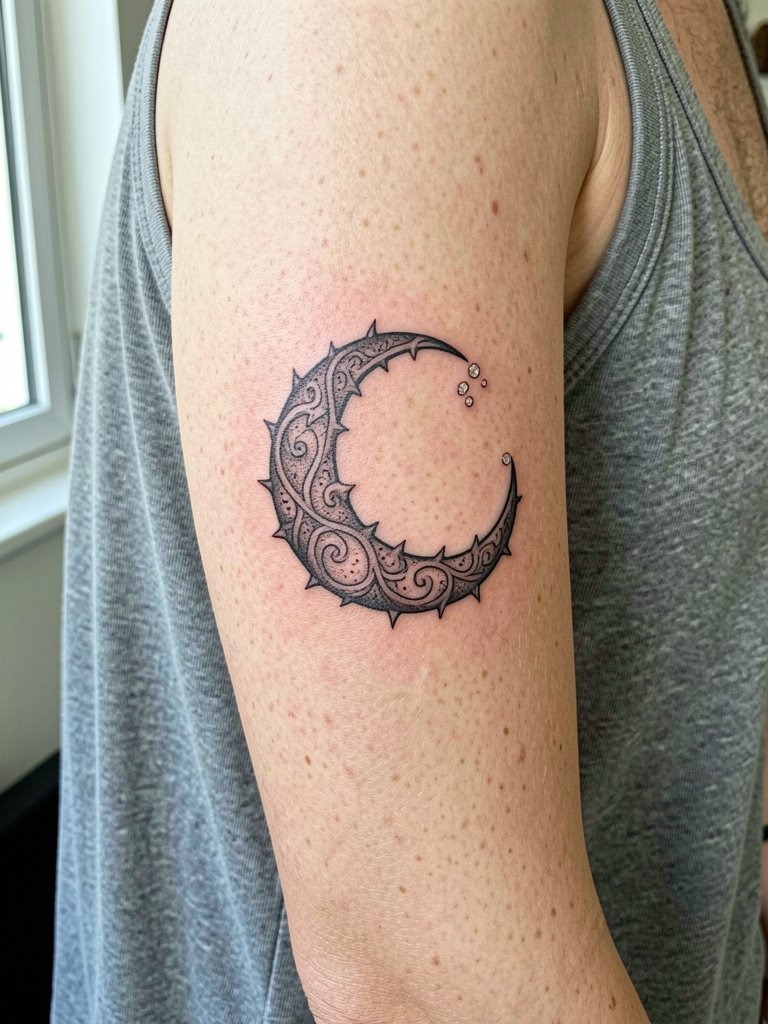
This crescent reads best when sized for the inner forearm, about three to four inches across. Bring two reference images at different scales so the artist can show how the filigree reads at three inches versus five. Inner-forearm skin handles moderate detail well, but ultra-fine thorns will blur into a dark edge by year three if put too close together. Pain sits around a four out of ten here, and a single session usually runs 45 to 90 minutes depending on complexity. For wearing, pair it with a rolled-sleeve linen shirt to frame the forearm when you want the moon visible.
2. Apothecary Bottle Micro-Realism on Outer Forearm
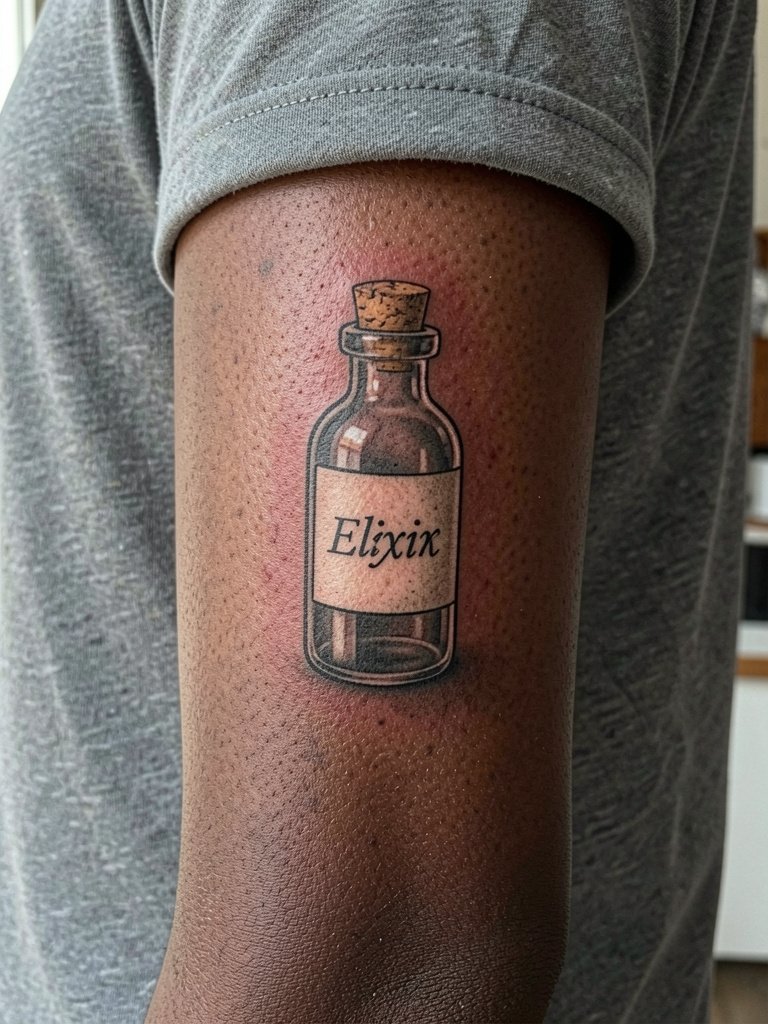
Tiny potion bottles look delicate but need slightly bolder contrast than most people expect to hold fine glass highlights. Specify that you want the label legible at three inches and leave breathing room around the bottle. The common mistake is asking for hyper-fine glass detail the size of a coin. Expect 60 to 120 minutes and moderate pain around four to five. This placement shows well with cuffed rolled sleeves, so bring outfits like straight-roll linen cuffs if you plan to show it off after healing.
3. Black Cat Silhouette with Starfield on Ankle
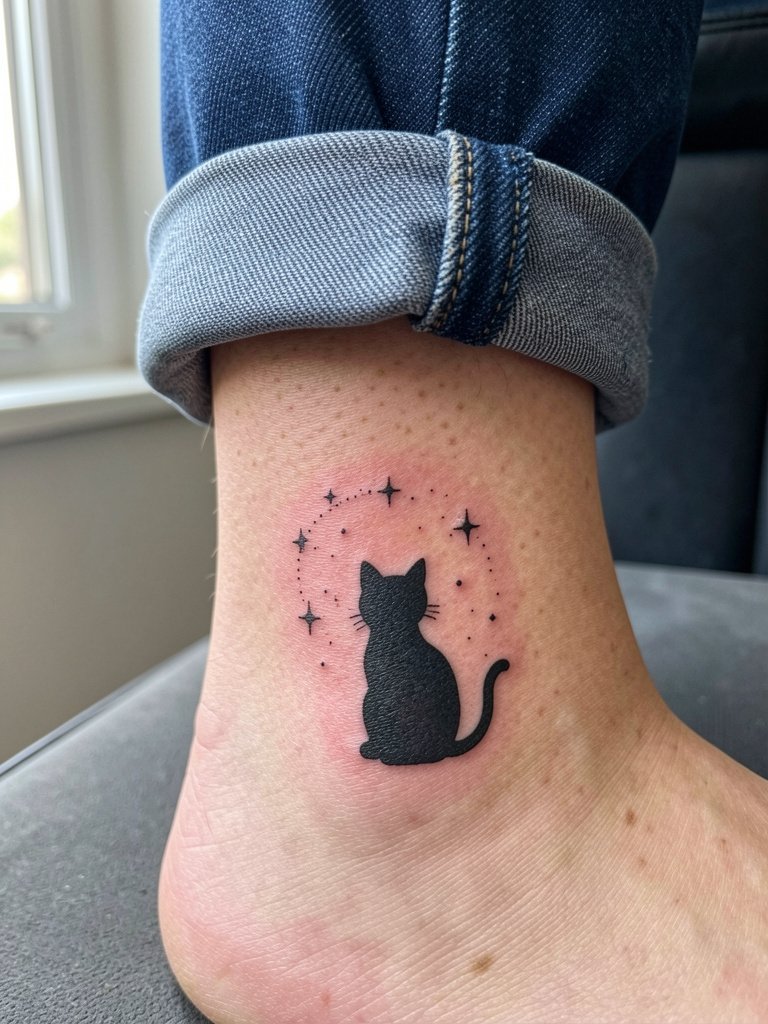
Ankle pieces endure friction from socks and shoes, so keep the silhouette bold rather than relying on hairline detail. The usual mistake is tiny stars inside the silhouette that disappear by the first touch-up. Pain is usually three to five out of ten and sessions are short, often under an hour. For showing off, low-top trainers or ankle-wrap sandals make the negative space and silhouette pop after healing.
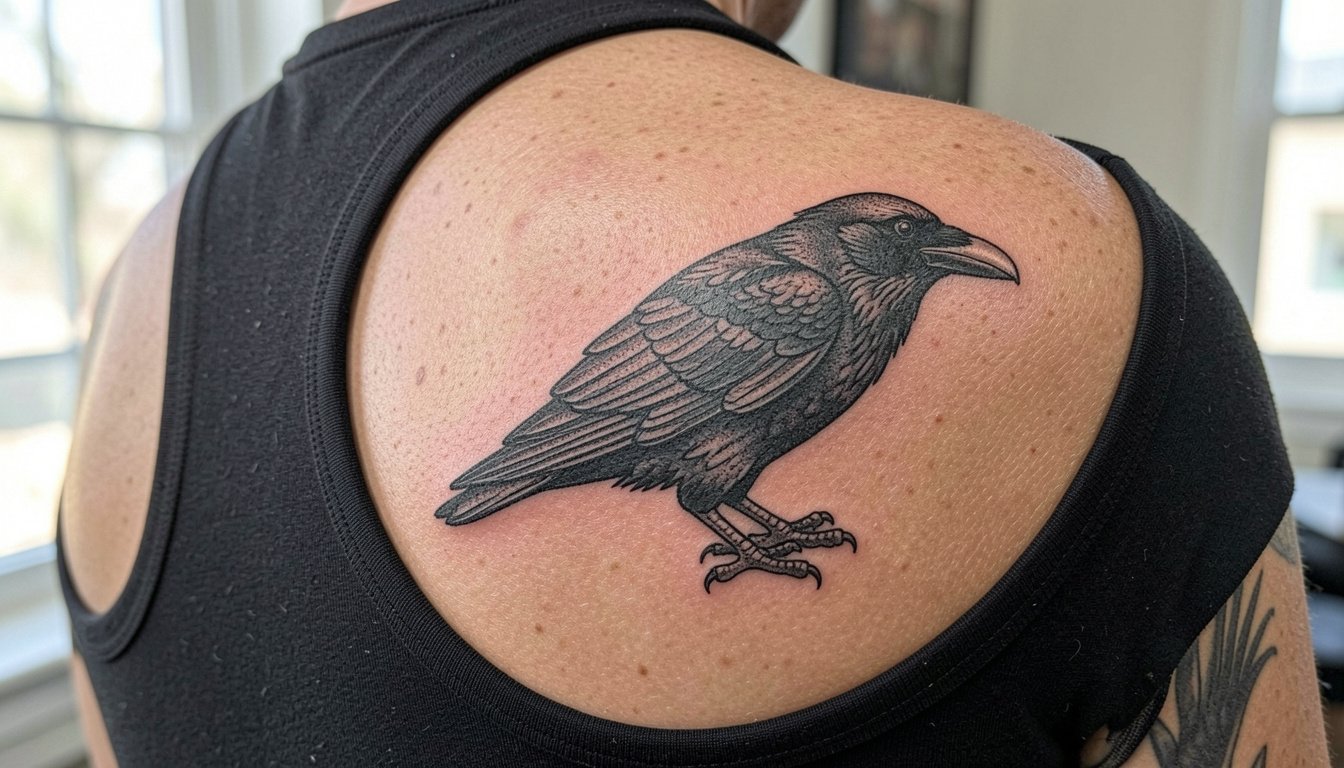
4. Raven with Stipple Shading on Shoulder Blade

Shoulder blades take well to medium detail because the skin there has less movement than ribs. A three to four inch raven with stipple shading holds texture for years if the dot work is spaced properly. Common error is packing dots too densely, which creates a muddy grey patch over time. Sessions run 90 to 180 minutes and pain is a three out of ten for most people. For session comfort, wear a wide-neck tank top so the artist has clear access without constant shirt shifting.
5. High Priestess Tarot Portrait on Sternum
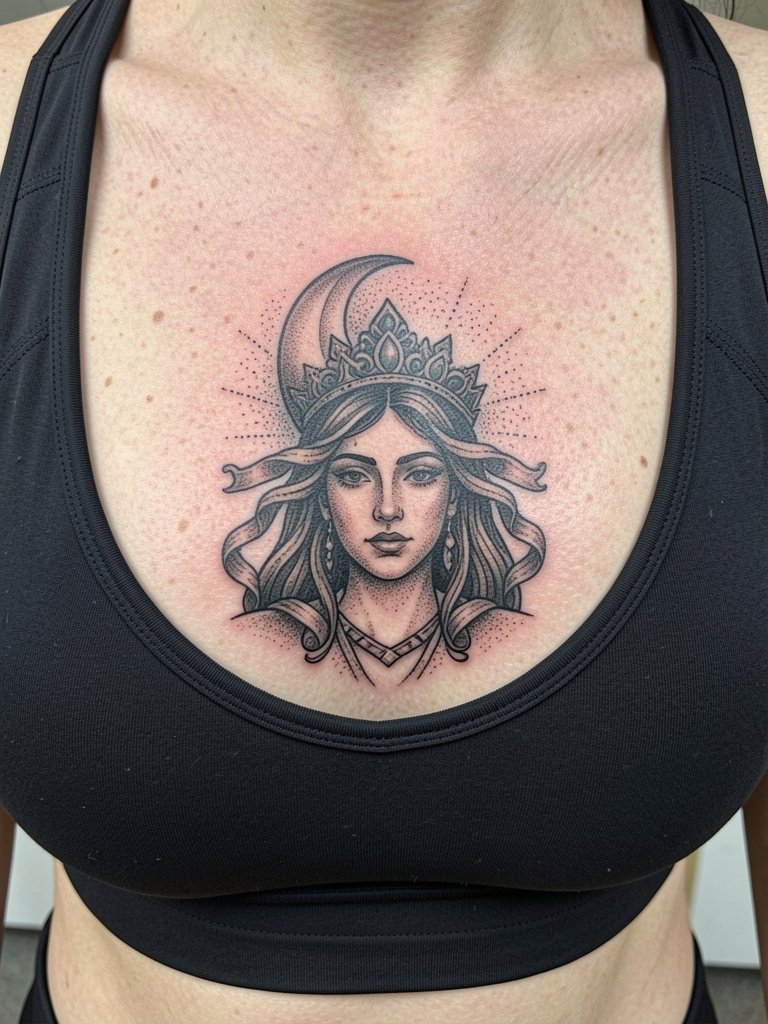
Sternum pieces are high on the pain meter, often eight out of ten, but they can be deeply symbolic and dramatic. Size matters here because the sternum skin stretches and moves with breathing. Ask the artist to show how the portrait looks at full scale against your torso before inking. The mistake I see most is shrinking a portrait until the facial features lose definition. Sessions are usually two to four hours, often split across appointments. If you plan to display the piece, open-back tops with a fitted bandeau work well after healing.
6. Dagger Piercing Night-Bloom with Neo-Traditional Lines on Thigh
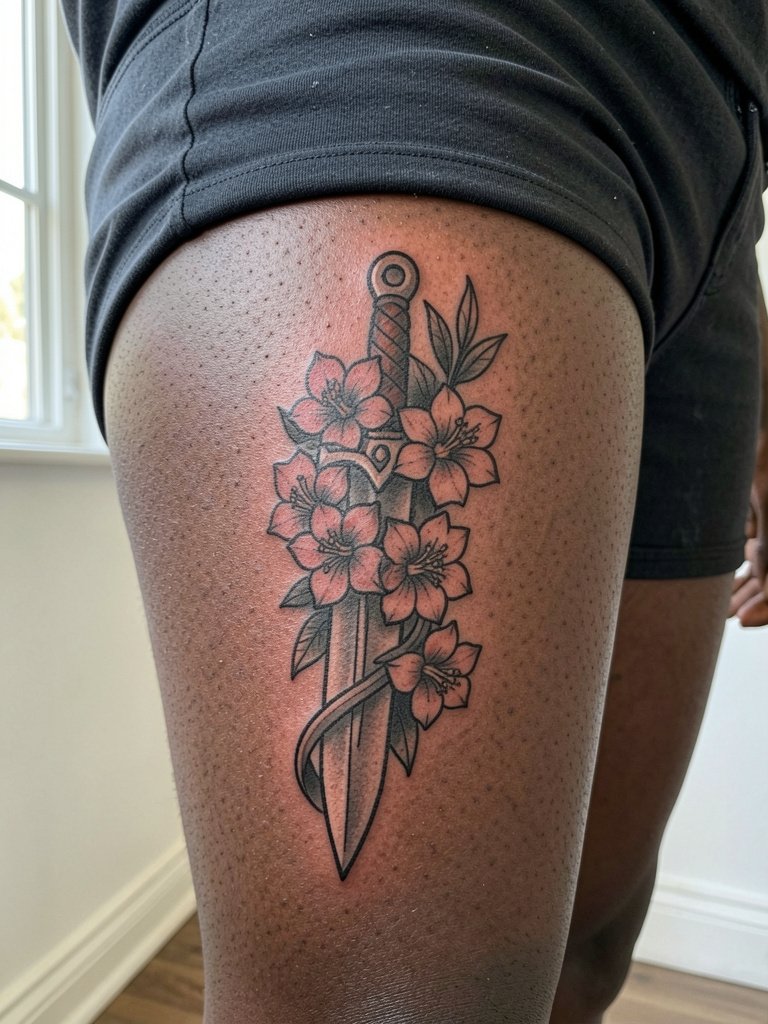
Thighs are forgiving for larger neo-traditional pieces. Expect 120 to 240 minutes depending on color and detail. The biggest mistake is trying to compress a sleeve-style density into a small patch. For readability across years, keep a two-inch gap between blade details and floral fills. Pain on the outer thigh is moderate, around four out of ten. The show-off pairing for this placement is midi skirts or high-slit dresses that reveal the composition when you walk.
Session Day Picks
Those first six ideas include lots of wrist, forearm, and thigh work so a few small items make the appointment smoother and the first week less fussy.
-
Stencil transfer paper kit. Lets you preview the placement and lineweight on skin before committing, which is useful for the crescent moon and potion bottle pieces above.
-
Topical numbing cream. Applied forty to sixty minutes before a sensitive thigh or sternum session can reduce the immediate pain and make longer appointments more manageable.
-
Thin protective film roll. Keeps ankle and finger tattoos cleaner during the first week of friction from footwear and daily movement.
-
Fragrance-free gentle body wash. Gentle cleansers reduce irritation during showering while the fine line work settles.
-
Aquaphor healing ointment. A thin layer in the first days helps protect highly saturated blackwork without clogging the needle channels.
7. Clustered Sigils on Upper Chest
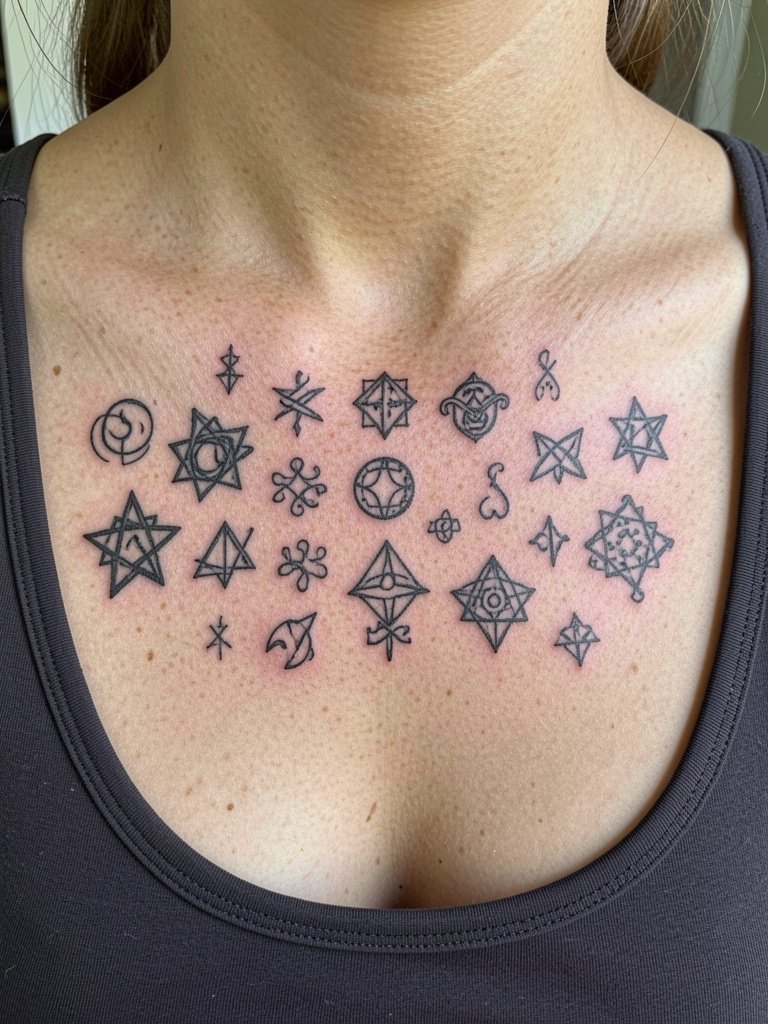
Sigils raise a clear debate. One camp argues that copying ritual symbols without context trivializes sacred practices and can be disrespectful. The opposing camp says modern adaptation allows personal meaning when done with attribution and sensitivity. If you choose this cluster, request slightly increased spacing and heavier linework so the sigils stay legible at three to five years. Pain on the upper chest is typically six out of ten and a single session for a cluster like this usually takes 90 to 150 minutes. For showing off, try open-collar blouses or scoop-neck tops that frame the symbols.
8. Candle in Palm with Smoke Dot Work on Inner Bicep
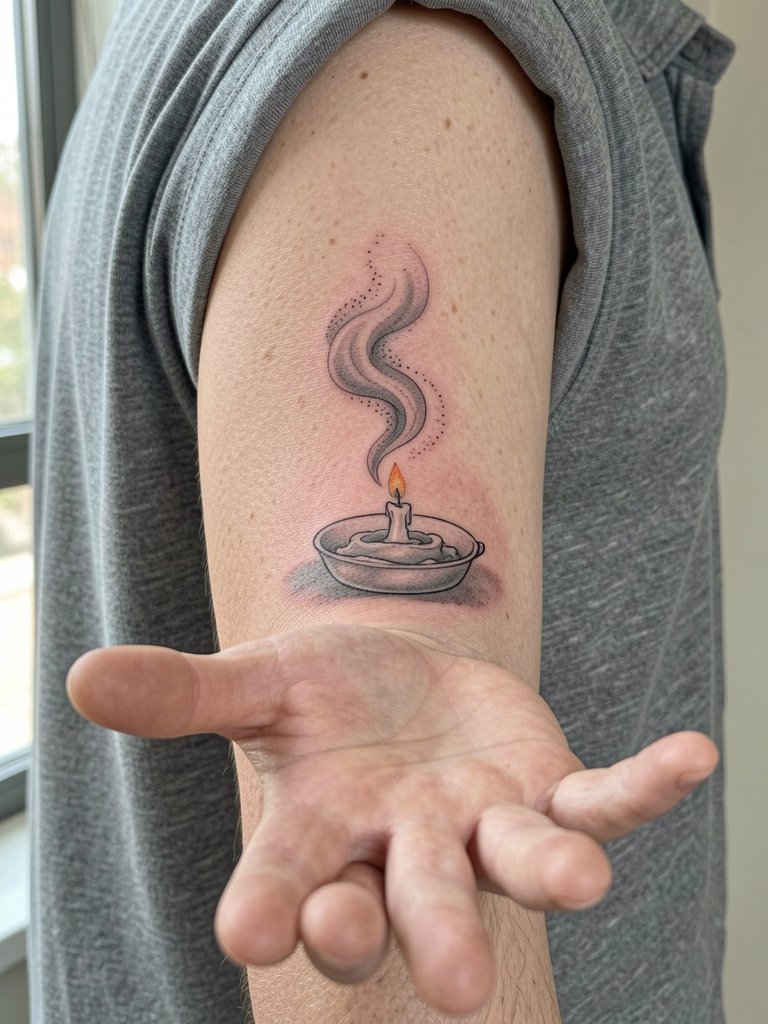
Inner-bicep tattoos can blur if the lineweight is too fine. Ask for slightly heavier single-needle lines around the palm contour while keeping the smoke soft with stipple shading. The common error is tiny script or extremely thin filigree that the skin eats within two years. Pain ranges five to seven and sessions are typically 60 to 120 minutes. For session comfort, wear a loose tank so the artist can work without fabric shifting. To style it once healed, short-sleeve shirts or rolled cuffs show the inner arm when you move.
9. Lunar Moth and Celestial Ladder on Calf
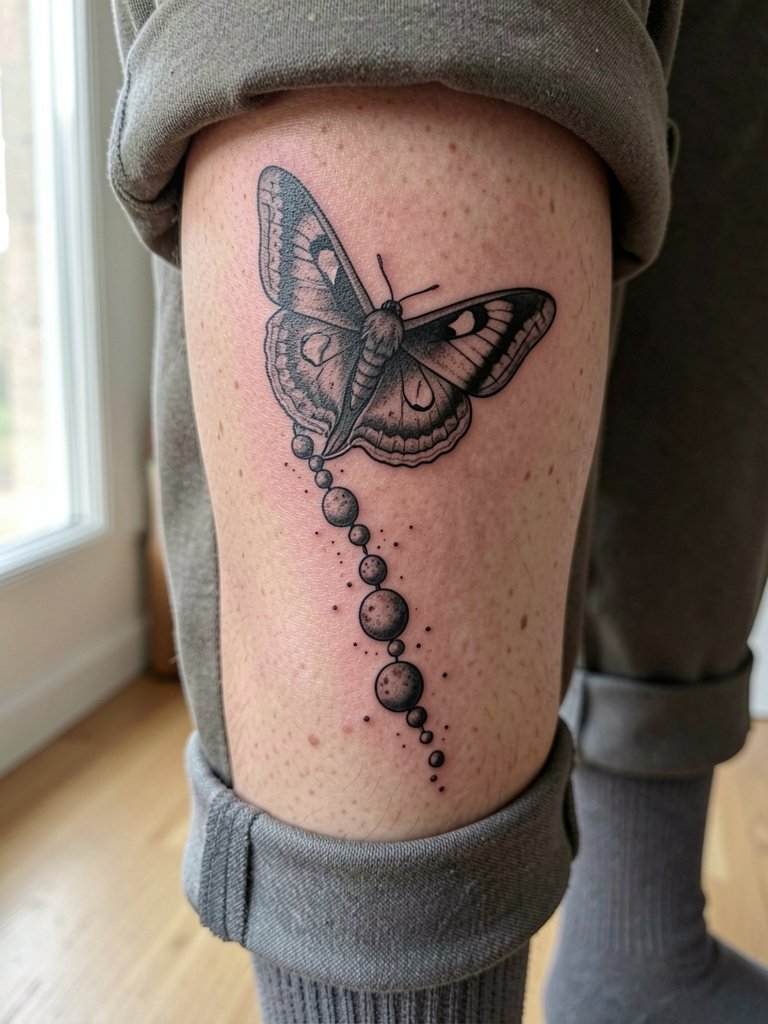
The calf accepts taller compositions well, so a moth plus lunar elements reads nicely in motion. Avoid cramming decorative rods into a narrow band. A common mistake is trying to make the ladder thinner than three millimeters which then fades into a dotted smudge. Sessions are 90 to 180 minutes depending on shading. Pain is moderate, around four. For evening wear, a midi skirt or cropped trouser and ankle-strap boots show the vertical flow when you walk.
10. Coil Snake Around a Skull on Upper Arm
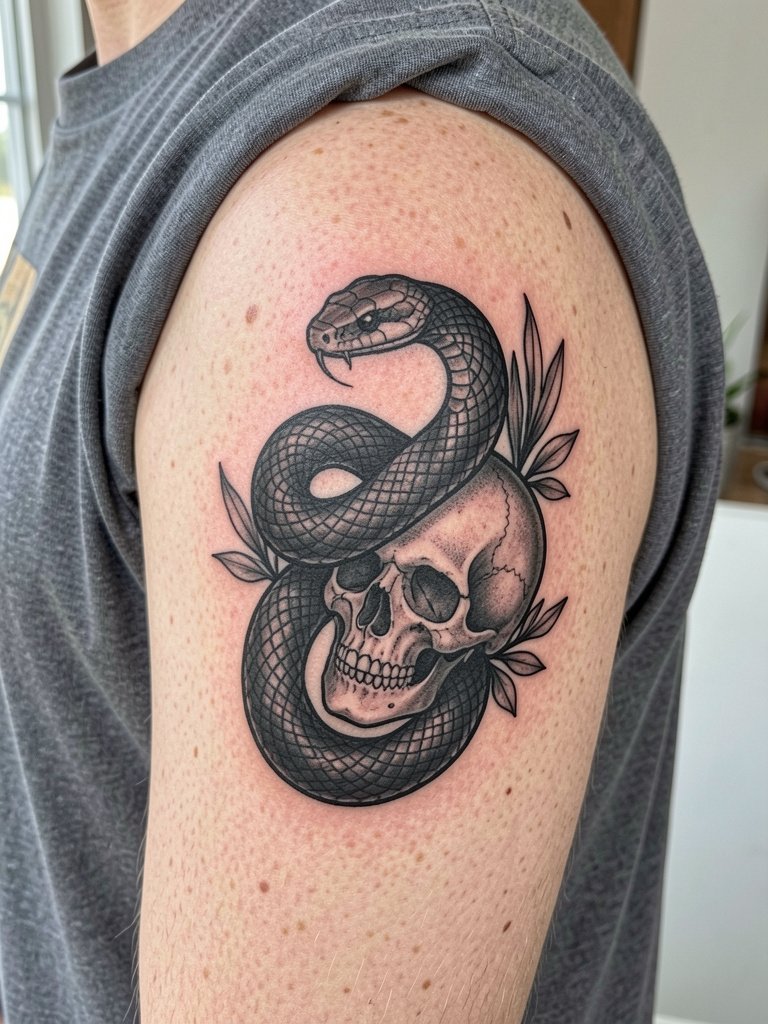
Upper-arm wraps read well and age predictably because the skin there moves less. The mistake is over-detailing the skull in a tiny space which flattens into an indistinct shape after a few years. Expect two-hour blocks and moderate pain around four out of ten. For styling, short-sleeve muscle tees and textured knit vests highlight the curve of the composition, so pack a textured knit vest for post-session photos.
11. Minimalist Rune on the Ribcage
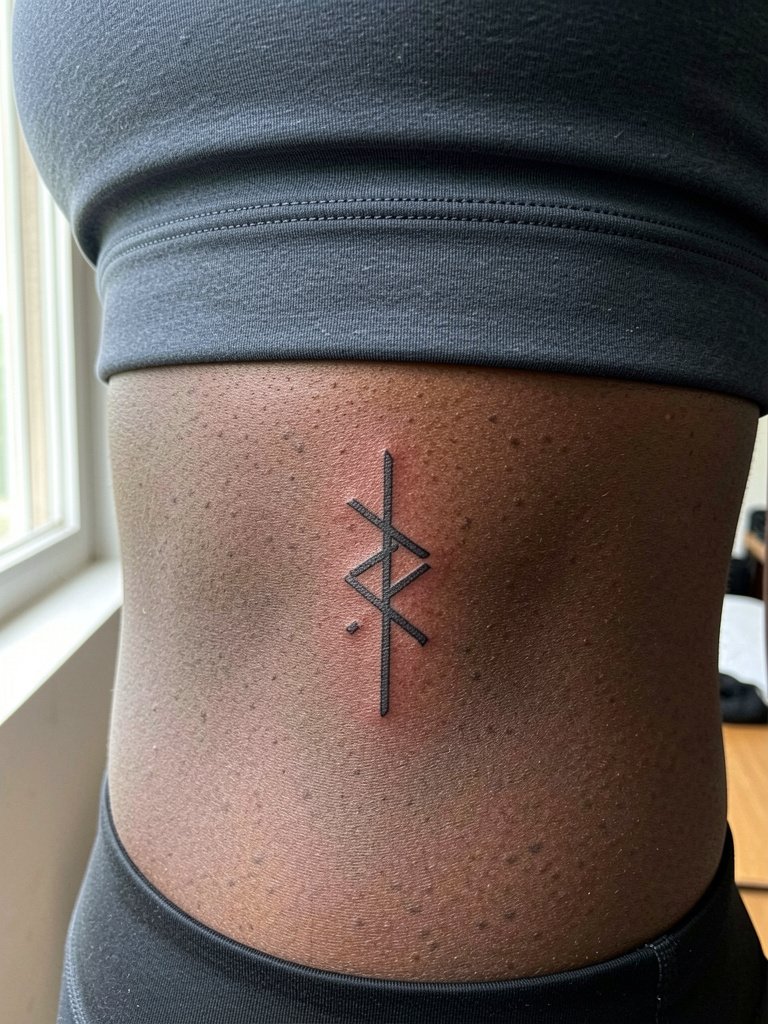
Fine-line runes on the ribs divide artists. One group contends that the stretching and movement there make fine single-needle work blur within two years. The other group says that with a slightly heavier lineweight and proper spacing, the rune will stay crisp and readable. If you want a minimalist rib piece, increase the base line thickness slightly and expect a touch-up at year two. Ribs are a high-pain zone, often eight out of ten, and sessions are slower because of breathing. Wear a fitted sports bra so the artist can work cleanly and you can stay modest in the chair.
12. Dark Botanical Bundle with Mushrooms on Thigh
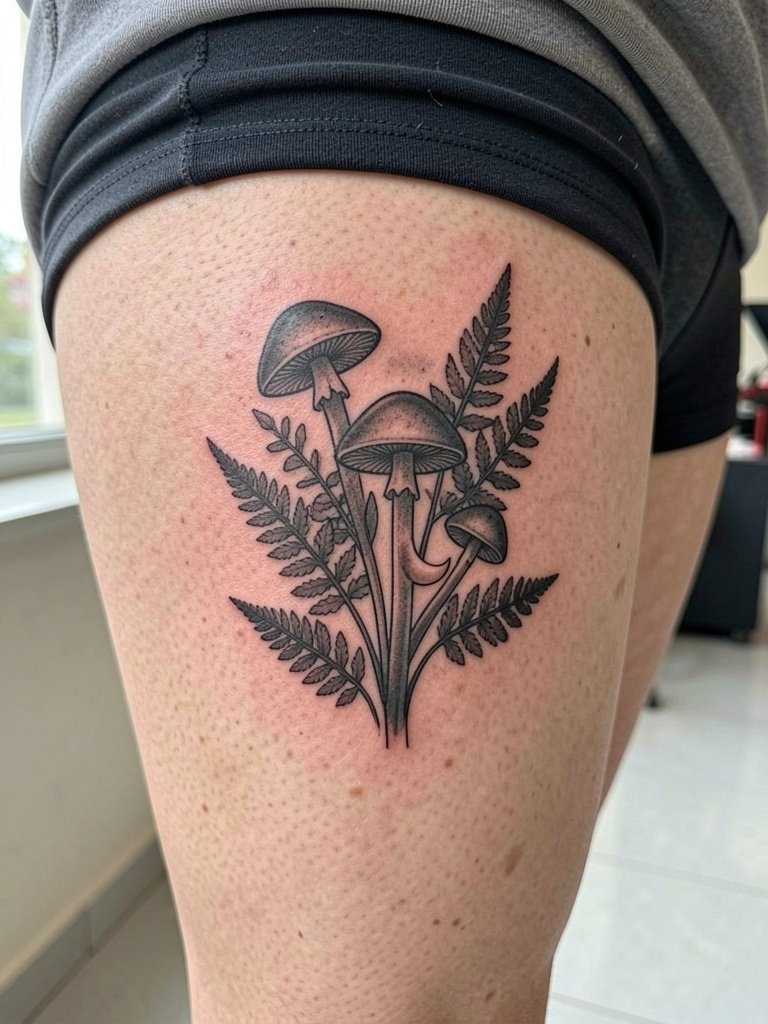
Thighs are forgiving and excellent for layered botanical work. Keep negative space between mushroom caps and fern fronds so the shapes stay defined over time. The usual mistake is crowding too many small leaves into a single patch. Sessions typically last 90 to 240 minutes depending on saturation. Pain is moderate, around five out of ten. For showcasing, summer shorts or a wrap skirt works well, and a wrap mini skirt frames the composition without tugging at the skin.
13. Tarot Card Panel on Calf
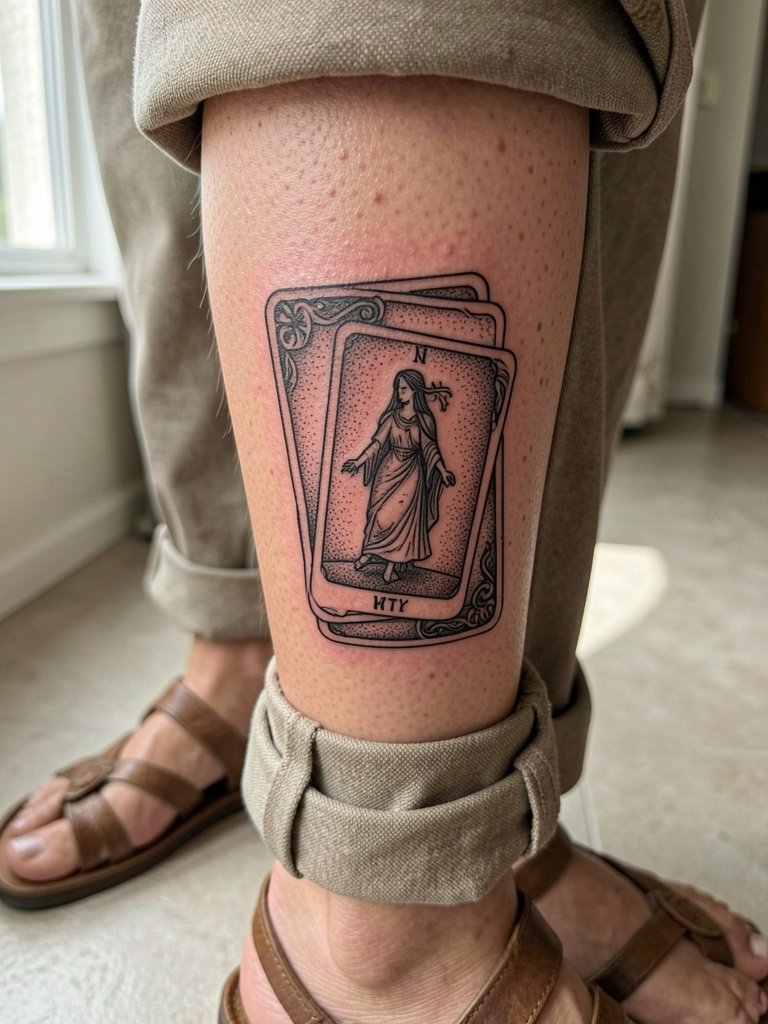
A vertical tarot panel benefits from medium lineweight in borders and dot work for faces. Common mistakes include tiny facial features that blur into grey in two years. Expect 120 to 240 minutes to keep the cards crisp. Calf placement pain sits around three to four out of ten and you can wear ankle-strap sandals or cropped trousers to reveal the cards. For a styling pick, pair with strappy sandals that draw the eye down the leg.
14. Raven Feather Ankle Band
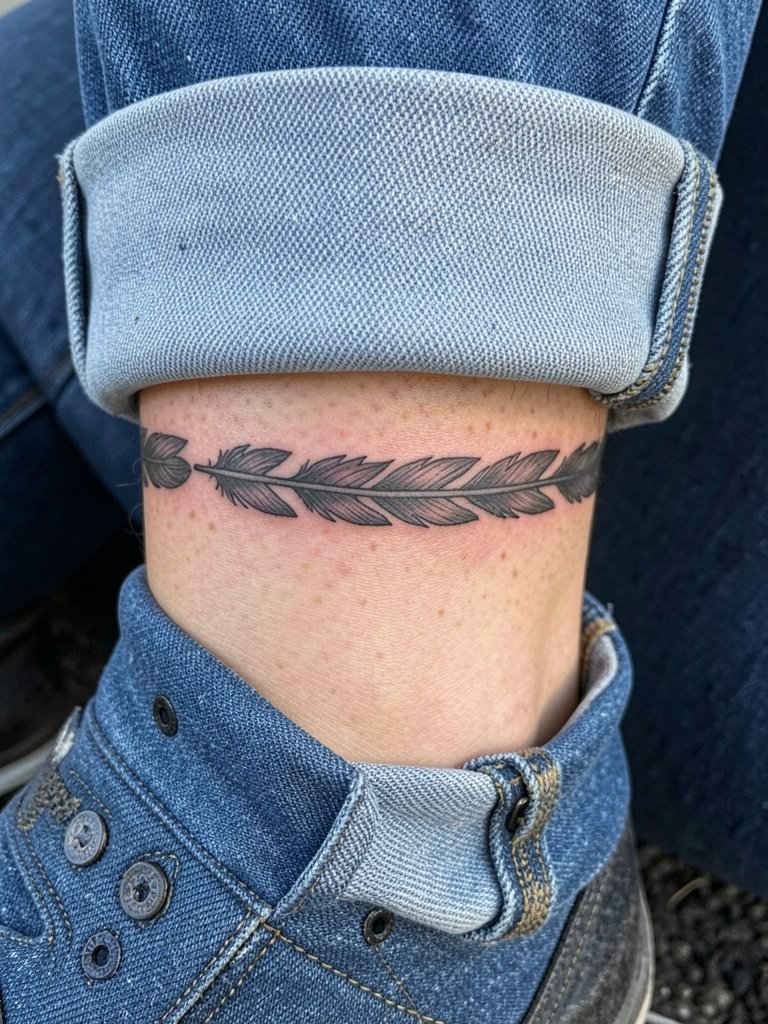
Ankle bands require careful spacing. The mistake is compressing feather details into too-narrow a circumference which leads to merging after a year. Keep each feather distinct and ask for a touch-up timeline of 12 to 18 months. Pain is three to five and sessions are short. For footwear, low-cut boots or slip-on sneakers show the band without rubbing during the initial healing period.
15. Ornamental Sigil Half-Sleeve on Upper Arm
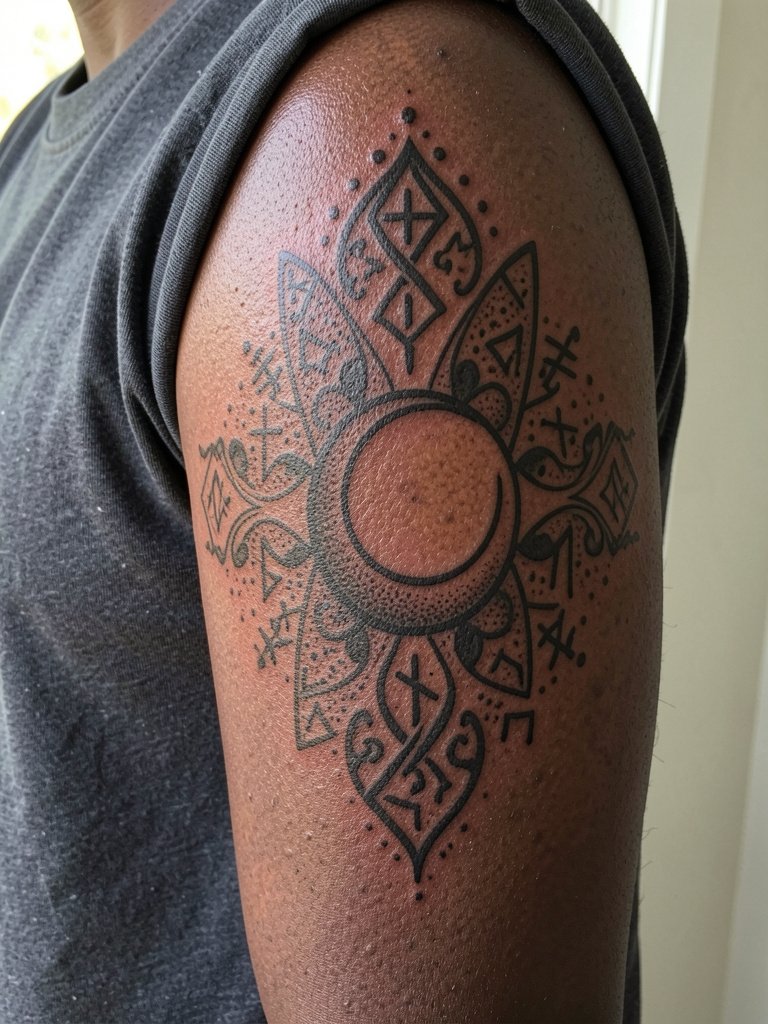
A half-sleeve gives room for ornate patterns and negative space rhythms. The danger is trying to pack flash-sized sigils into sleeve density. Plan zones with your artist and agree on areas reserved for open skin so the composition breathes. Sessions usually require multiple two to four hour sittings and the pain is moderate. For fashion, tailored short sleeves and button-up shirts with the sleeves rolled neatly show the outer sleeve line so a short-sleeve button shirt is a good post-heal option.
Frequently Asked Questions
Q: How do blackwork witchcraft tattoos age compared with single-needle occult pieces?
A: In my experience saturated blackwork holds contrast longer, while single-needle details can soften into grey over three to five years. If you prefer delicate lines, plan for a touch-up at year two to preserve crispness.
Q: Where can I find portfolios and healed examples without naming artists directly?
A: Search location-filtered hashtags on social platforms and look for keywords like "blackwork healed" and "occult healed" when browsing portfolios. Use community threads and portfolio sites to compare healed photos in different skin tones so you can see real aging.
Q: Are there cultural or spiritual considerations for sigils and ritual symbols?
A: Yes. One perspective warns against copying sacred symbols without context because it can be disrespectful to living traditions. The other perspective supports adapting those motifs as personal art when you credit origins and avoid sacred rites. If you are unsure, research the symbol's origin and ask the studio about respectful adaptation.
Q: I want a rib or sternum piece but fear the pain. Any practical session tips?
A: Numbing can help for some people, and pacing the session with breaks reduces fatigue. Wear fitted session clothing that gives the artist clear access without exposing you unnecessarily, like a sports bra or cropped top, so you stay comfortable throughout.
Q: How often should I plan touch-ups for dark witchcraft designs?
A: Expect touch-ups at one to three years for singles lines and at three to five years for heavy blackwork, depending on sun exposure and skin type. Keeping the piece shaded from UV and using light-protective clothing helps longevity.