
Small wave tattoos often do their job quietly, and the best ones keep that calm feeling for years. Thin single-line waves can look fragile fast if placed on high-friction skin. A slightly bolder line, or a tiny negative-space curl, holds crispness longer and reads as calm instead of worn. These 27 small wave options focus on shape, placement, and how they age so you get a little ocean that still looks deliberate after the healing fades.
1. Single-Line Wave on Inner Wrist
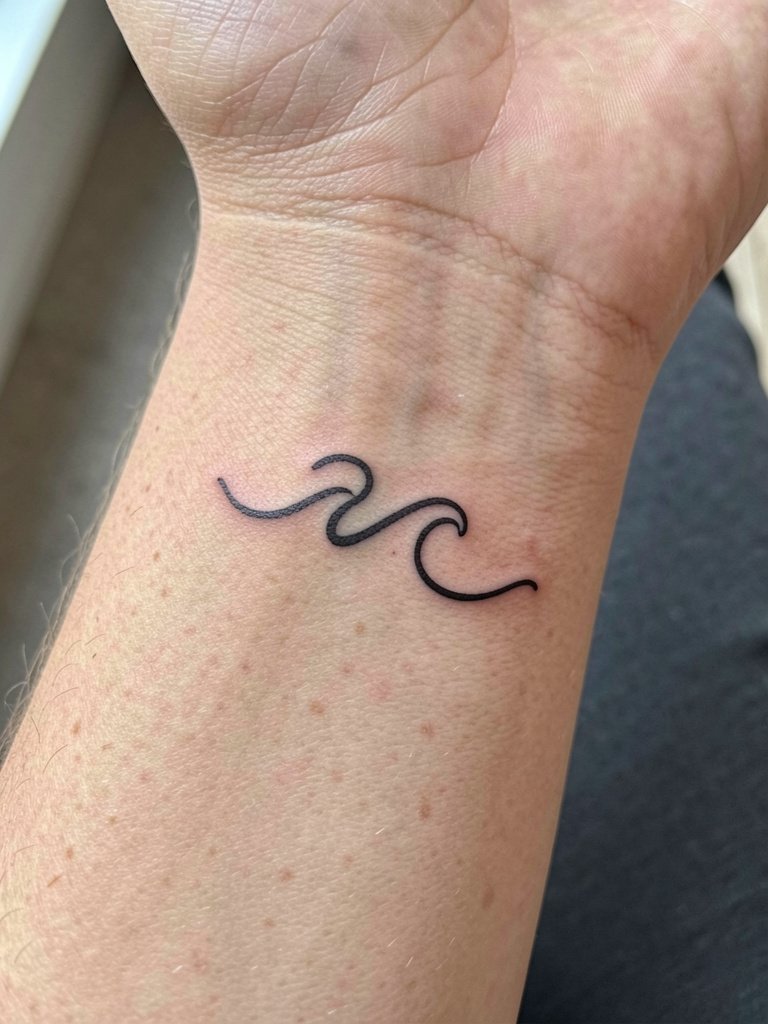
This is the classic option for a first tiny piece, and it reads calm on the inner wrist because the curve follows the arm. Recommend a slightly heavier single-needle line weight than the paper reference to avoid the "thin line disappears" problem at year two. Bring two scale examples when you book, one scaled to one inch and one at two inches so the artist shows you how detail survives. Six months in the line will look crisp, at two years the very thinnest lines may soften, and at five years touch-up is common. For the session wear a short sleeve tee so the artist has easy access, and consider a thin chain bracelet set to frame the wrist after healing.
2. Tiny Wave With Initial on Ankle
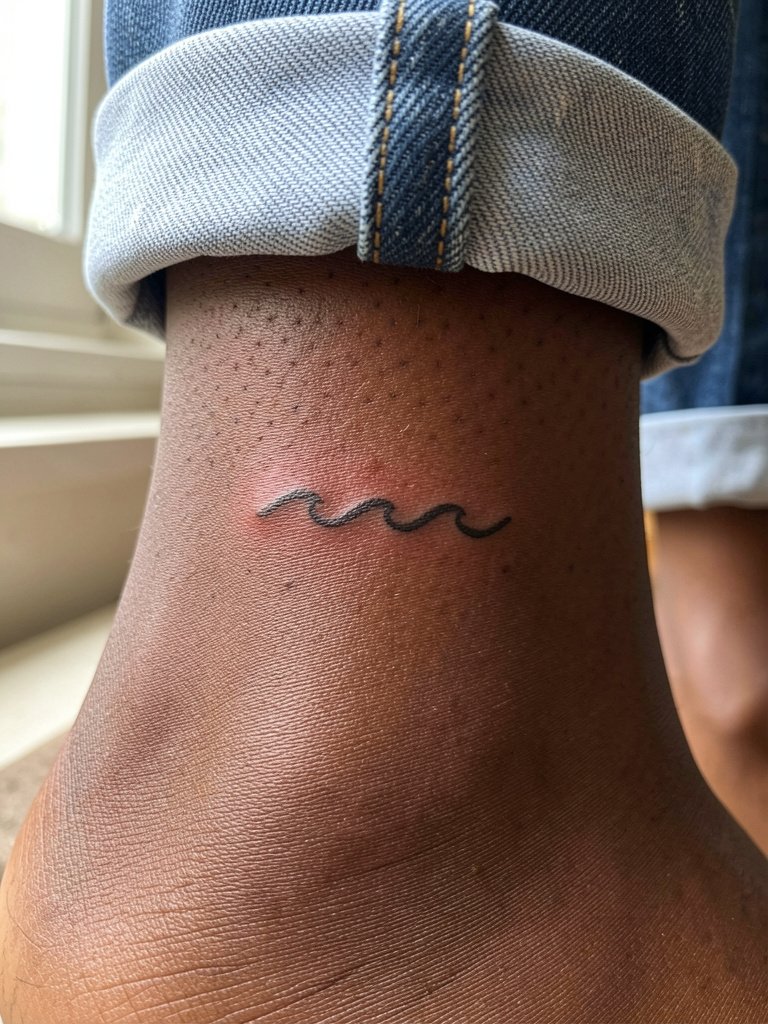
A tiny initial tucks neatly into a single crest of the wave and gives the piece personal context without script clutter. One common mistake is squashing the letter into the wave so both elements fight for space. Ask for the initial to be shown at true size next to the wave so spacing is adjusted from the start. Ankle skin gets more friction from shoes, so expect slight softening at the edges by year two and plan a touch-up at that point if you want the initial crisp. For showing it off, cropped straight-leg jeans and strappy sandals keep the area visible on warm days.
3. Curved Wave That Follows the Forearm Flow
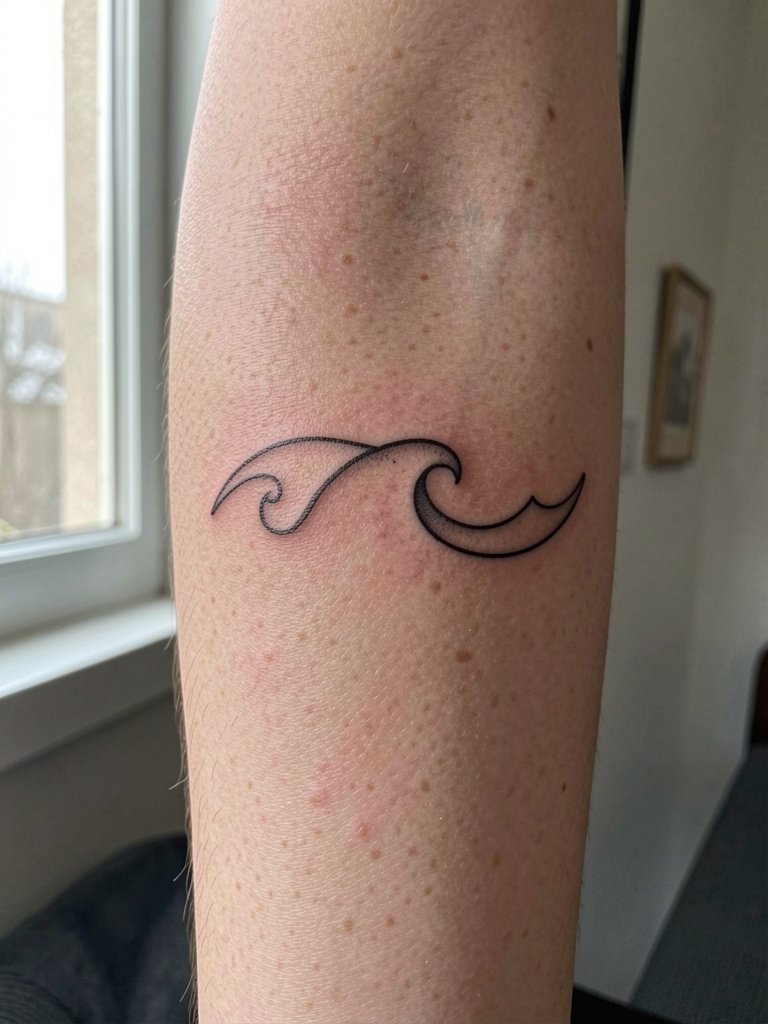
This design is intentional about body flow. The scenario where this wins is someone who wants a visible wave that does not look pasted on. The artist will redraw the curve onto your forearm so the crest sits with your arm lines, not against them. If you skip that step and use a generic reference, the wave will look off-axis after natural movement. At six months the contour reads smooth, by two years a tiny bolding may help the outer edge hold, and touch-up tends to be rare if proper depth was used. Pair with rolled sleeve linen shirts and a linen button down shirt for an easy framed look.
4. Micro Crest Cluster Behind the Ear
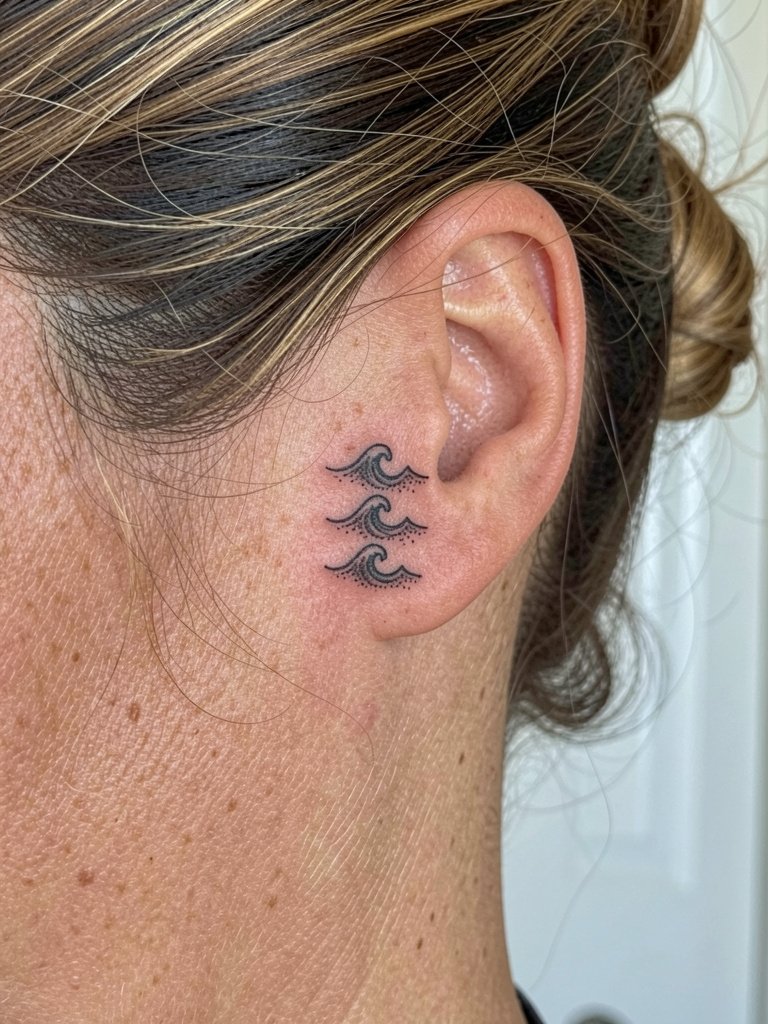
Behind-ear placements attract people who want tiny, tucked-away marks. The main trade-off is visibility versus touch-up need. This spot can fade subtly faster if you wear glasses with arms that rub the area. A frequent mistake is asking for too many micro curls in too small a space. Ask the artist to space the crests slightly wider than your initial instinct so they do not blur together later. Pain here is low, session time is short, and the healed look is delicate. If you like a framed hairstyle, simple stud earrings and a neat updo show the cluster well.
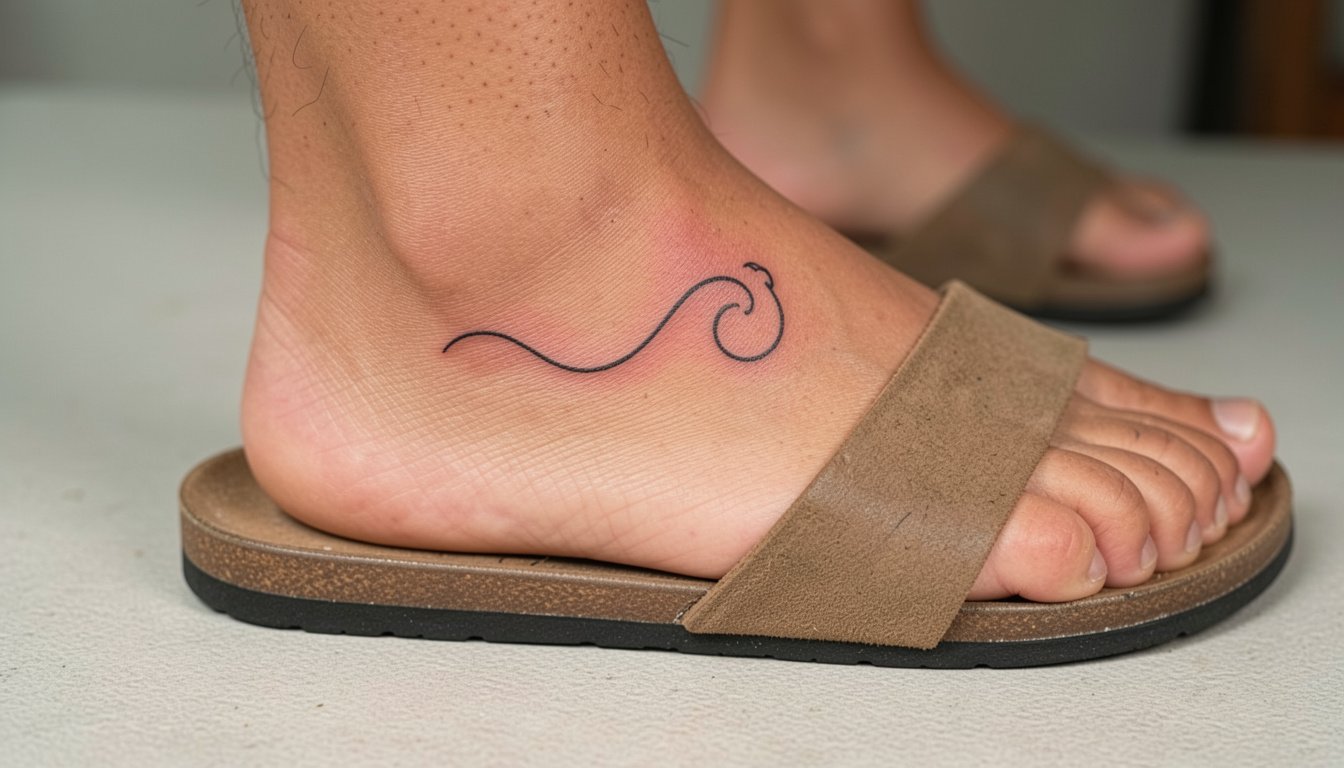
5. Mini Wave on Top of Foot
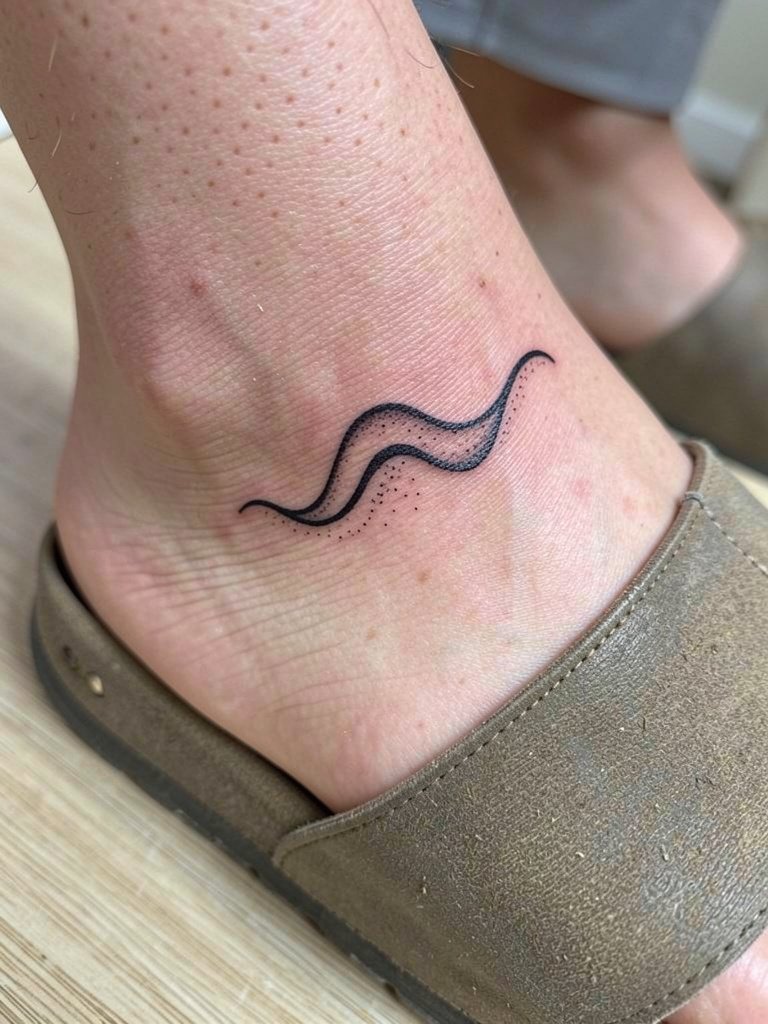
Foot placements read seasonal and relaxed, but they do demand upkeep. One camp likes the look because it is discreet and pairs well with sandals. The other camp warns that foot tattoos often require touch-ups due to thin epidermis and friction. If you pick the foot, ask for slightly bolder linework than your reference, and accept a likely touch-up within two years. Session feel ranges from moderate to uncomfortable depending on bone proximity. For summer display, pair with flat slide sandals and low socks when needed to protect the area during healing.
6. Repeating Coastal Motif on Outer Ankle
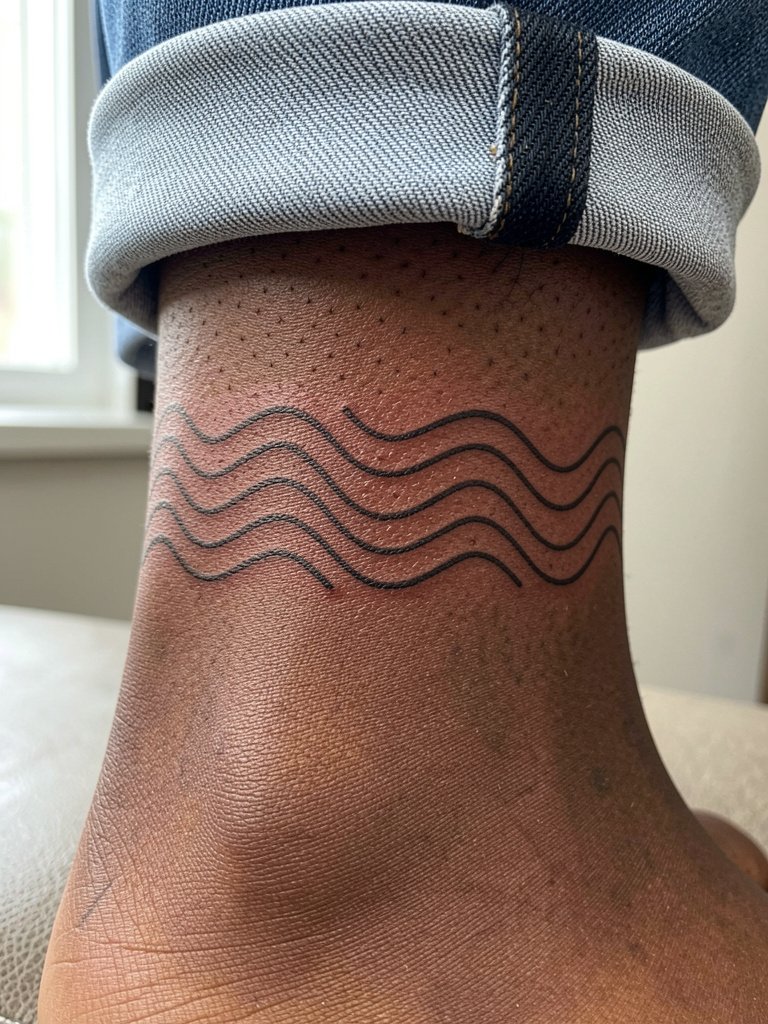
Wrapping motifs give rhythm and a strong visual identity without large scale. Artists split on whether ankle and foot placements are worth the upkeep. One camp says ankle and foot designs are ideal because they follow natural curves and are discreet. The other camp says those placements blur and need touch-ups often, especially if you wear low shoes frequently. If you accept maintenance, this pattern looks great with cropped pants or sandals. For the session wear shorts so the artist can position the wrap without fabric interference. After this idea, see the product picks below for session and healing aids.
Session Day Picks
These small pieces above often live on wrists, ankles, and feet where friction and washing matter most. A few smart items smooth the appointment and the first week of healing.
-
Tattoo stencil transfer paper sheets. Lets you test the wave placement and actual scale on skin before the needle starts, which helps the curved and wrap designs above read correctly.
-
Topical numbing cream. Applied about 45 minutes before a sensitive foot or ankle session can lower flinching and keep the artist steady when working near bone.
-
Thin protective film roll. Useful for covering small wrist and ankle tattoos during the first 24 hours when clothing rubbing is most likely.
-
Fragrance-free gentle body wash. Keeps the healing area clean without irritating delicate linework on feet and hands.
-
Aquaphor healing ointment. A widely used thin ointment for the initial days to lock in moisture without clogging fresh needle channels.
7. Tiny Wave on Side Rib Curve
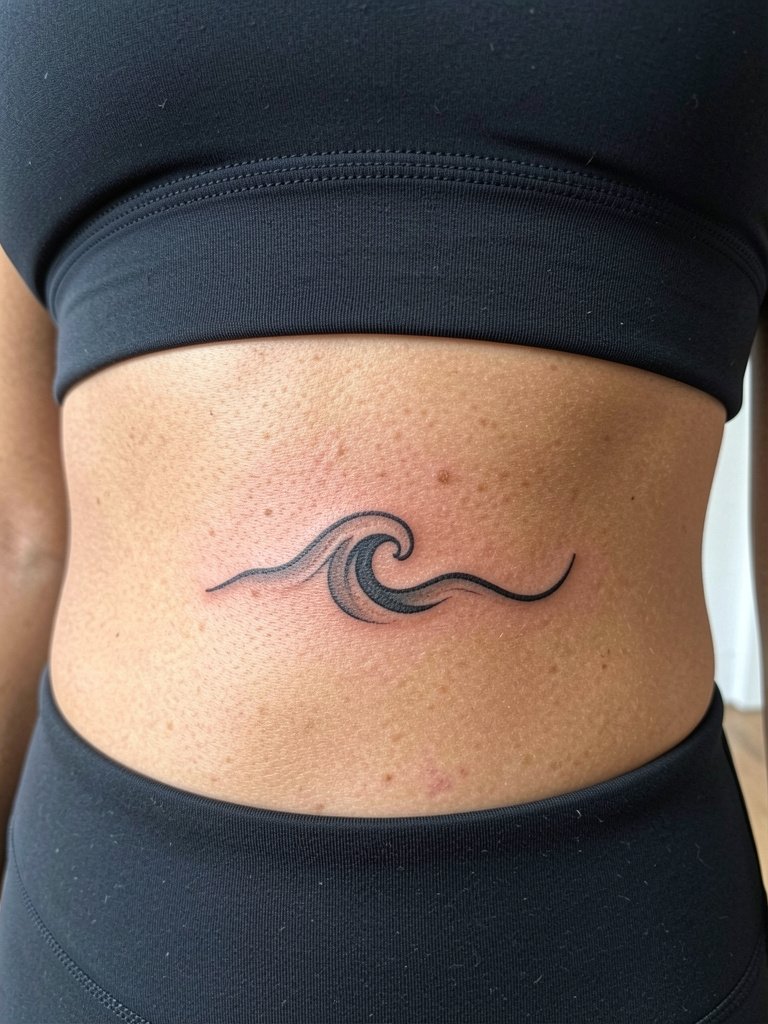
Rib placements demand a deliberate choice. Fine line here divides artists into two camps. One camp argues the skin shift over ribs blurs ultra-thin lines within a couple of years. The other camp says with deeper but controlled needle depth and slightly more spacing, fine work will settle cleanly. If you favor the rib, request the artist show healed examples from two to five years and ask for slightly wider spacing between curls than your reference. Pain is higher, session time is short for this tiny design, and healing needs care when dressing. For shows at the beach, high-cut swimsuits pair well.
8. Wave With Tiny Sun Accent on Inner Forearm
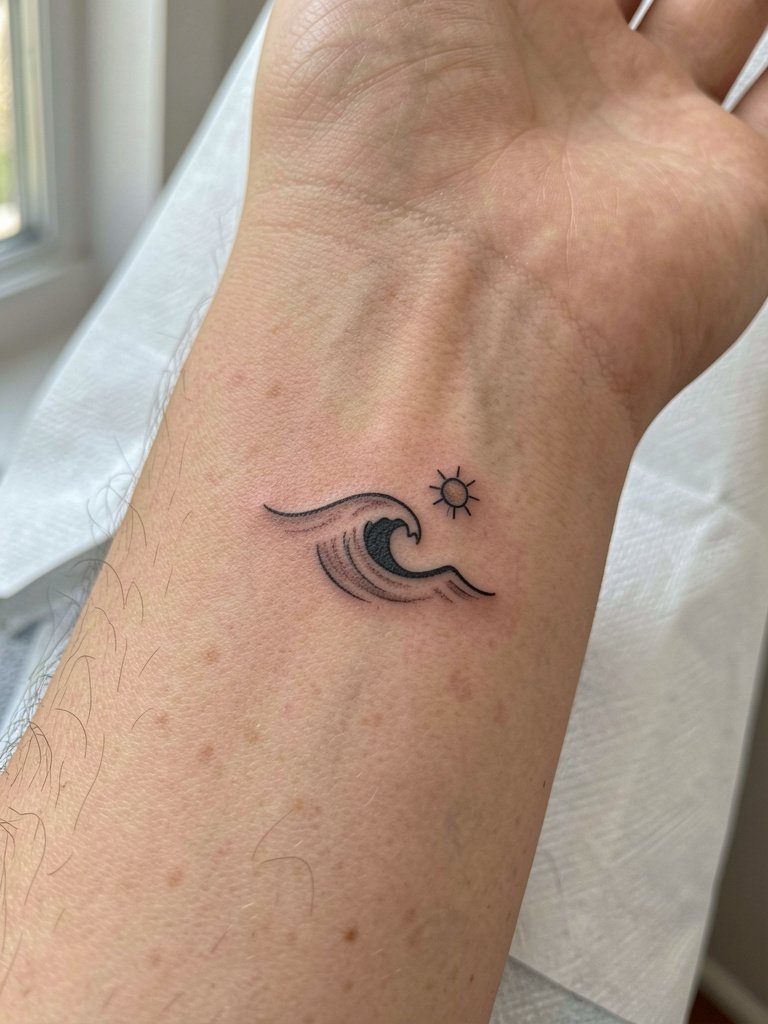
Adding a small sun or dot can move a wave from generic to personal without clutter. A common mistake is making the sun too detailed for the scale. Ask the artist to render the sun as a solid dot or a single ring so it remains legible after healing. At six months the contrast is crisp, at two years the dot can soften if too small, so plan for a slightly larger sun than you think you need. This pairing looks great with rolled-up sleeves and a dainty bracelet stack on the opposite wrist.
9. Broken Line Wave Cluster on Collarbone
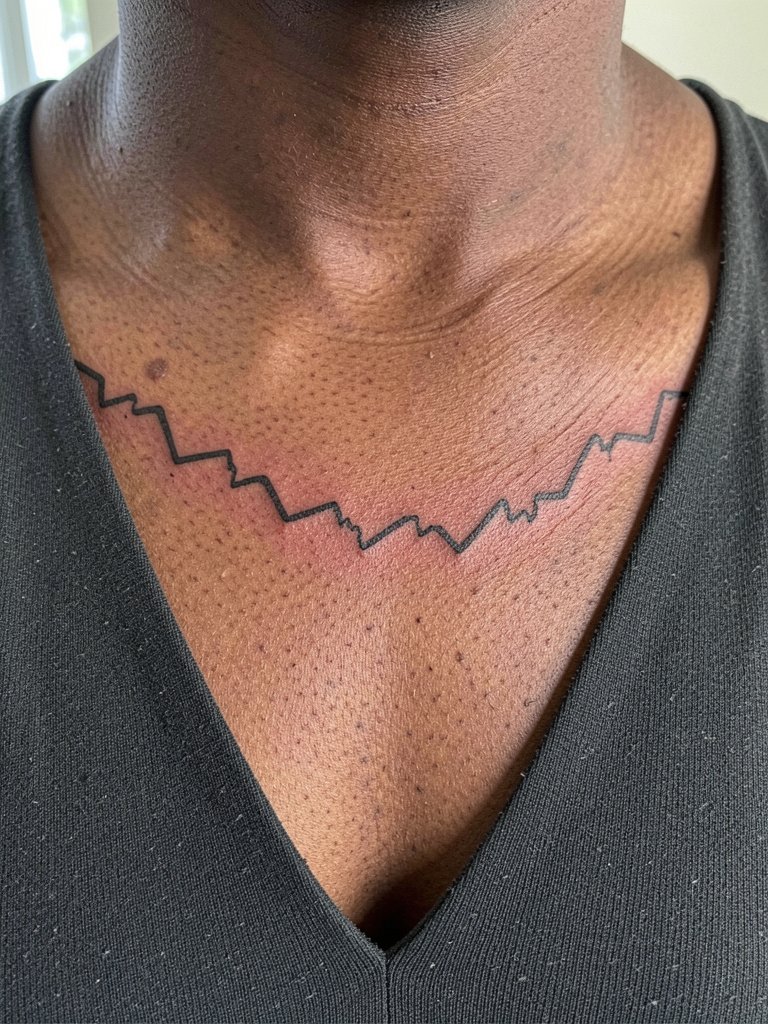
Collarbone placement benefits from broken-line treatments because the gaps age into graceful rhythm rather than blur into one smudge. A mistake is choosing dashed detail that is too tight. Have the artist map the spacing on your collarbone, then test the look as you move your shoulder. Because the area is exposed, sun protection is important for longevity. Wear open-neck tops like scoop or V-neck shirts to show it off, and consider asking about modest spacing increases if you plan to keep it sharp over five years.
10. Tiny Wave Inside Palm Edge (Near Thumb)
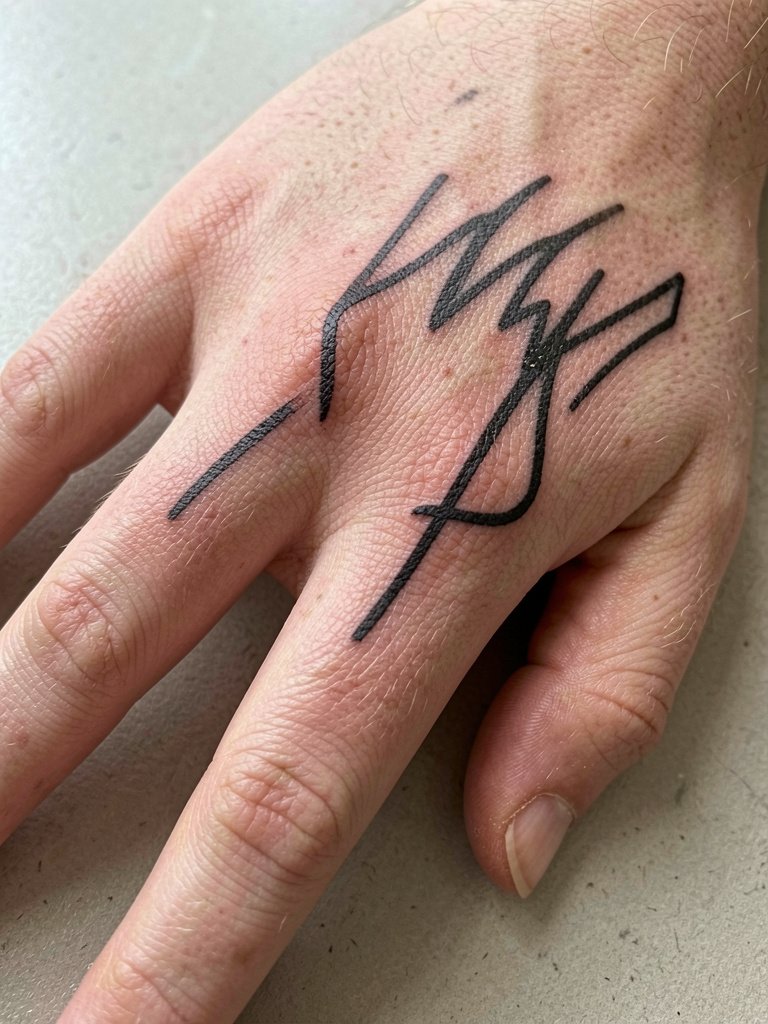
Hand and palm-edge placements are striking but high maintenance. The skin there exfoliates quickly which causes faster fade. One practical version is to ask for bolder, slightly thicker linework so the wave stays legible through frequent use and washing. Expect a touch-up within a year for many people. Session discomfort is low to moderate. Keep in mind that some employers or situations treat visible hand tattoos differently. For daily wear, a minimal ring set keeps attention balanced.
11. Mini Wave on Lateral Hip Bone
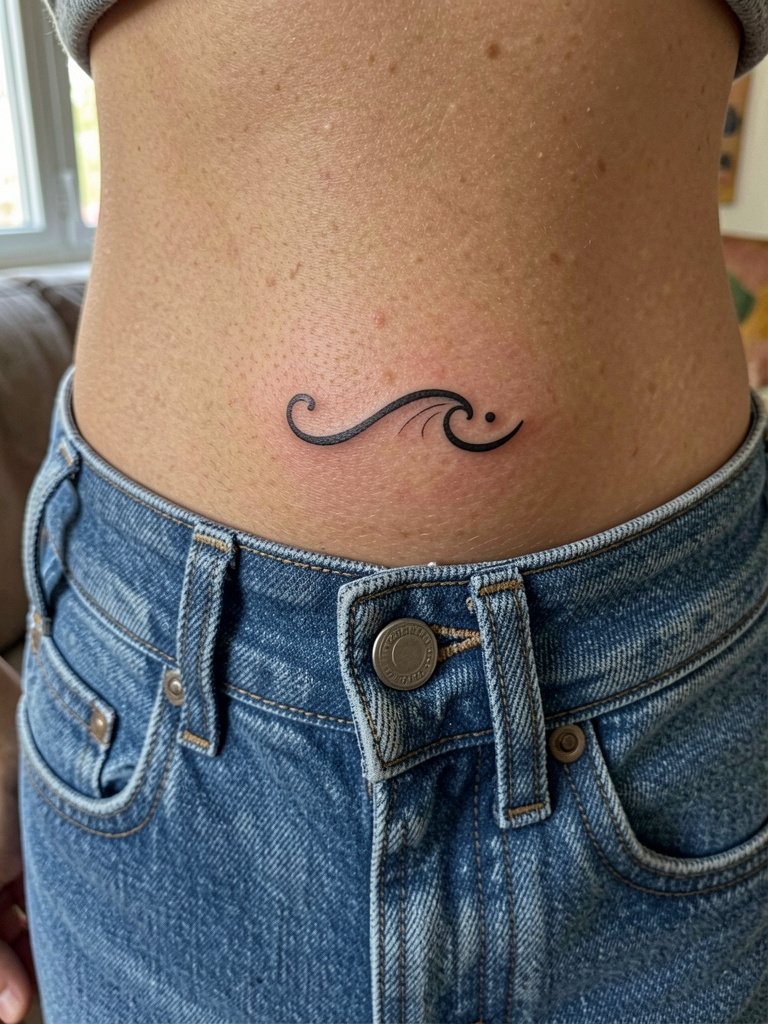
Hip placement is a seasonal reveal that fits swimwear and low-rise fashions. A frequent error is asking for extreme fineness where skin movement and stretch will soften the lines. Ask the artist to account for the curve of the hip and to show the design with the waistband in place so you can see how much will be covered. It heals with minimal fuss, but plan for a single touch-up if you wear tight waistbands often. For beach days, a high cut swimsuit shows the area without interference.
12. Wave With Tiny Shell on Back of Ankle
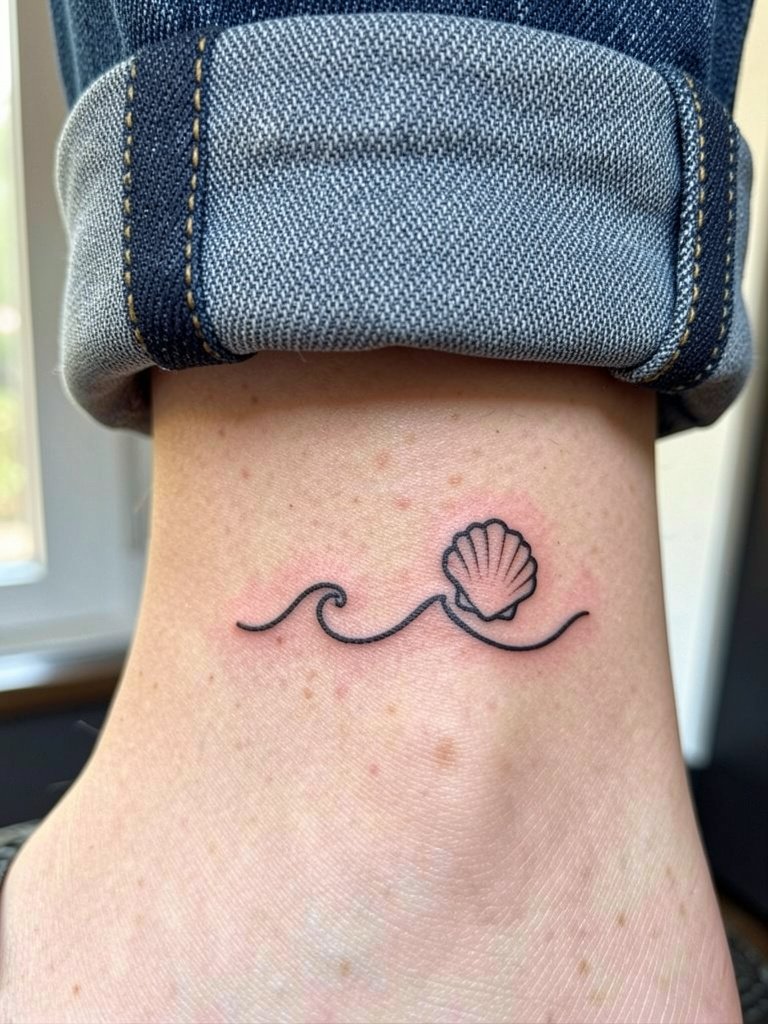
Combining a shell with a wave creates a compact coastal motif that reads instantly. The back of the ankle sees friction from some shoe collars, so a common mistake is asking for micro stippling that will disappear. Ask for clean outline work and a slightly bolder shell edge. Six months in the piece looks near-identical to fresh photos, but the area may need a touch-up by year three if you wear ankle boots frequently. Sandals and cropped trousers pair well for show-off days.
13. Tiny Ribbon Wave Along Rib Line
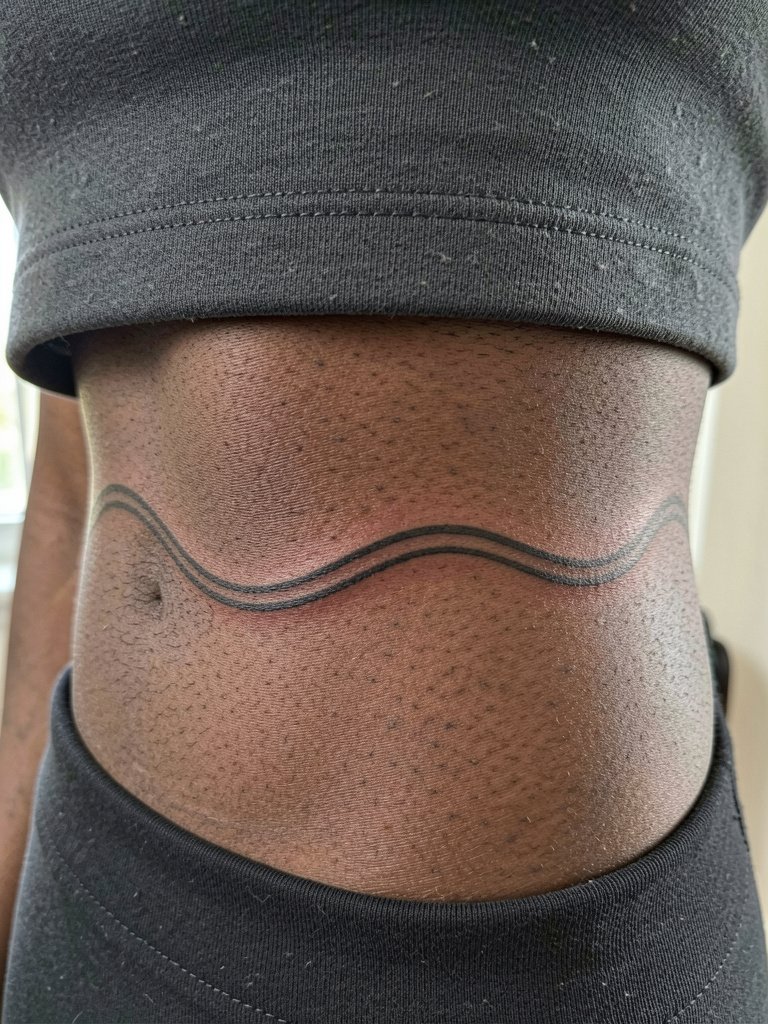
Ribbon-style waves follow anatomy and avoid the "floating tattoo" look. The aging risk is the same as other rib work, with potential softening if the lines are too tight. Have the artist draw the ribbon while you stand and breathe normally so the placement accounts for natural trunk movement. Pain is higher here, but session length is short. For beach season, a side-tie bikini complements the placement and gives an appealing framing effect.
14. Tiny Wave Tattoo on Top of Hand

Hand tattoos read as confident and require acceptance of upkeep. A common mistake is asking for ultra-fine detail that vanishes under daily use. For this spot, ask the artist to thicken the outermost contour slightly so the crest keeps contrast through washing and sun exposure. Expect a touch-up within 12 to 24 months for many people. Rings and a clean manicure help the small hand wave look intentional and styled. Try minimalist rings set to complement the area.
15. Micro Wave in the Hairline Nape
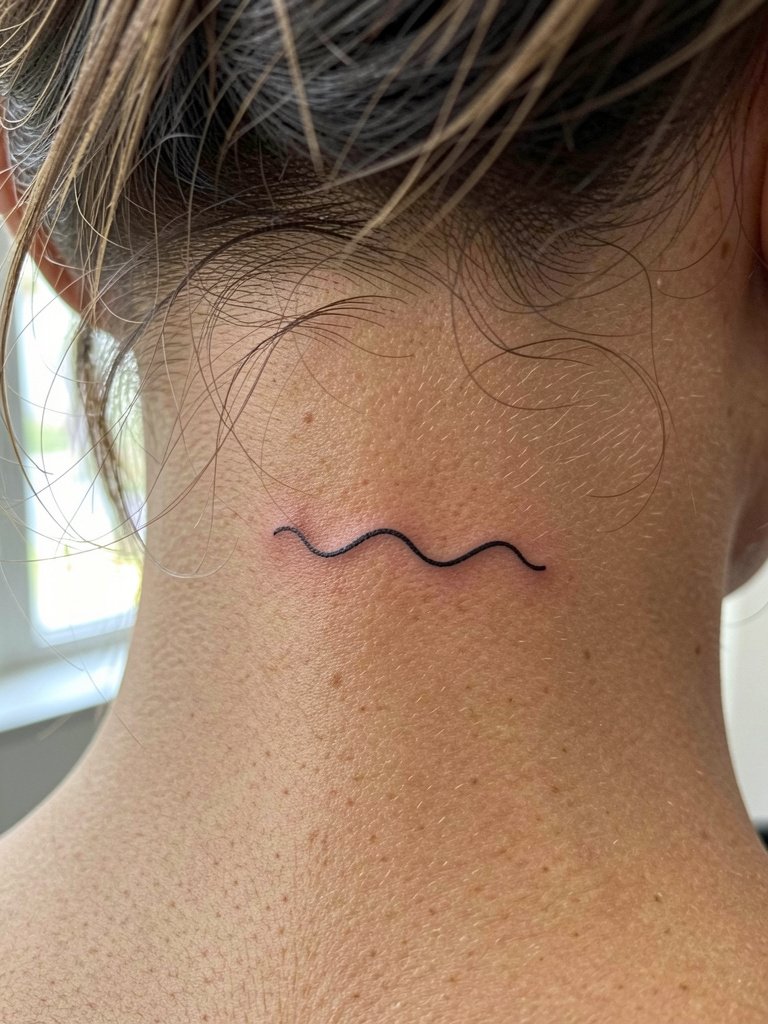
The nape is an elegant hiding place that becomes visible with certain hairstyles. It ages like other low-motion spots and often stays crisp if kept out of strong sun. The session is relatively quick. A mistake is asking for stacked details that the small area cannot hold. Request the artist preview the design with your usual hair updo so you see the scale before inking. For an evening look, cropped necklines or updos highlight the tiny curve.
16. Minimalist Wave on Inner Thigh
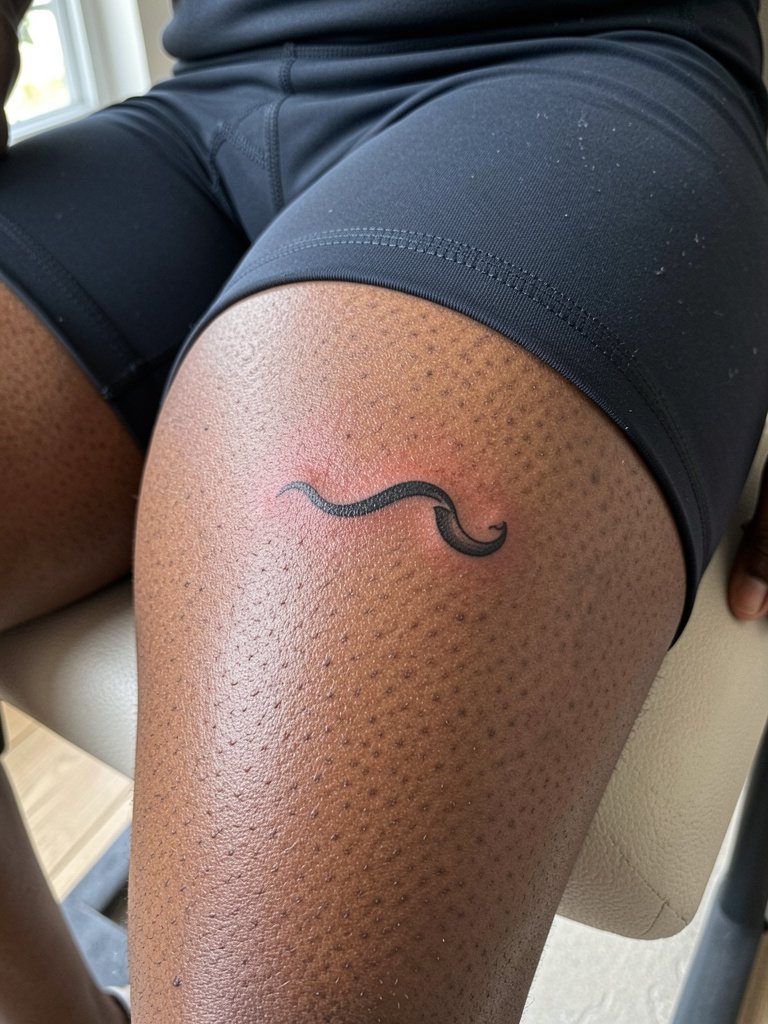
Inner thigh pieces are private and low-friction, so they can hold fine detail better than hands or feet. A common error is placing the wave too close to the groin or underwear line. Ask the artist to map the mid-thigh spot with your normal clothing on so the design remains private yet visible when you want. Healing is usually smooth, and touch-ups are uncommon if the area is kept clean. For session comfort, wear loose shorts so the artist can access the area without pressure. If you plan to show it at the beach, loose shorts work well during recovery.
17. Little Crest Near Elbow Outer Side
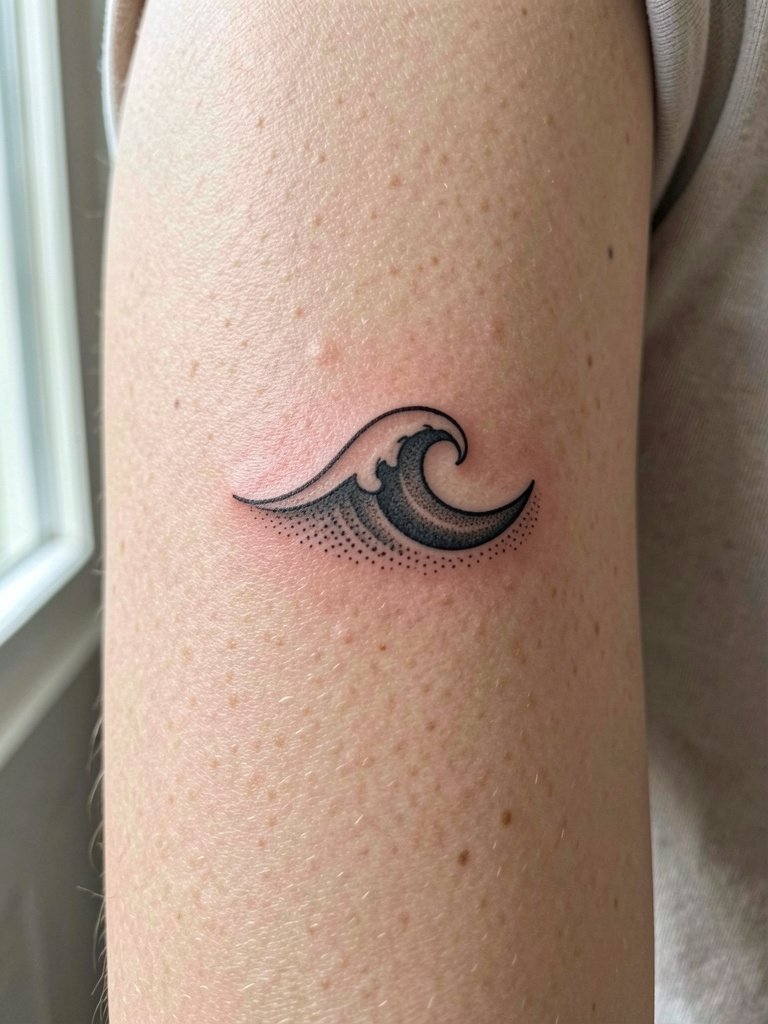
Outer elbow-area marks show up well when you move your arm. The area sees occasional rubbing from jackets so avoid ultra-fine detail. Ask for a simple dot-shade under the crest instead of tiny hatchwork to keep the look soft and readable. Expect a well-healed appearance at six months and modest fading by year three if exposed to sun. For session wear, choose a shirt with sleeves you can roll without tight cuffs.
18. Micro Wave With Dot Work on Calf
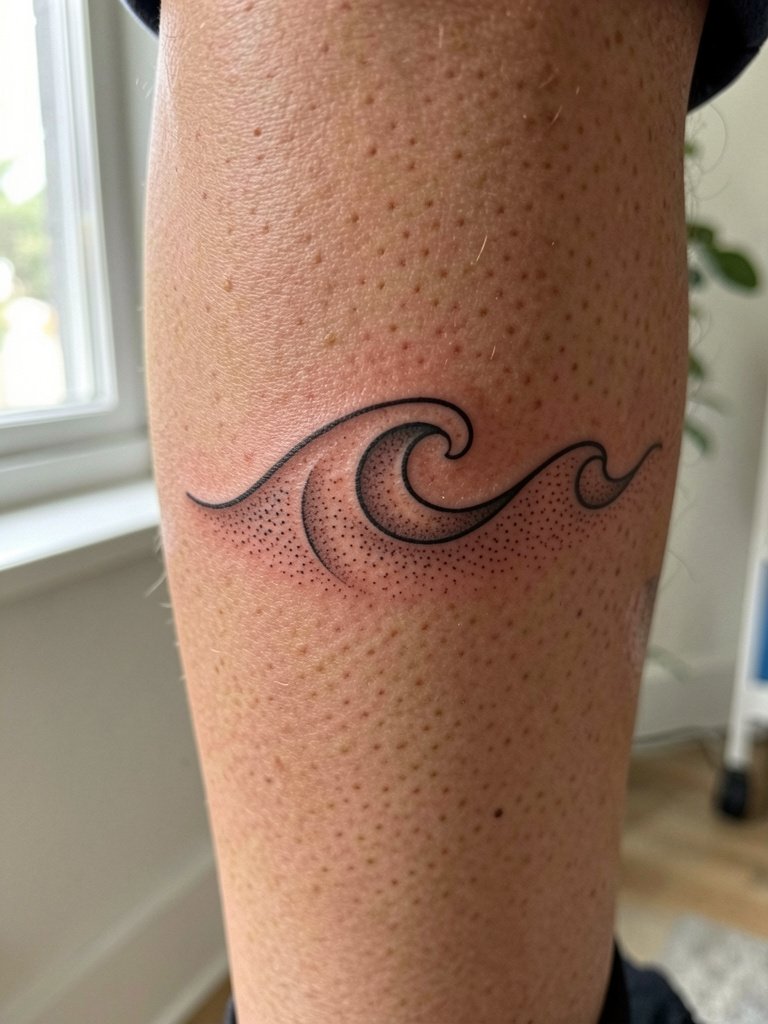
Calf pieces have space to breathe, so dot work beneath a tiny crest can add subtle texture without crowding. A common mistake is over-stippling for a micro scale which ages into a blotch. Ask the artist to show a healed test patch of stippling at a similar density so you know how it will read. Pain is low, session time short, and touch-ups are unlikely if spacing is respected. Pair with cropped trousers or midi skirts to let the calf show.
19. Tiny Wave Inside Ankle Crease
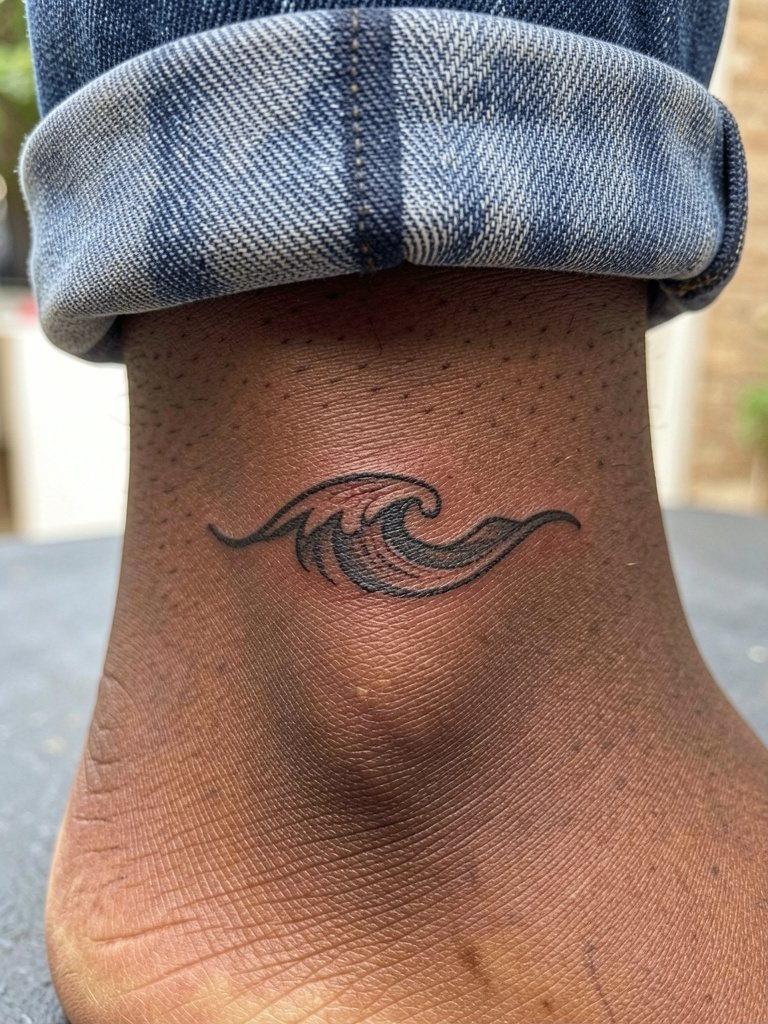
Inner ankle placements look tucked and intimate, but they get friction from socks and shoes. If you want longevity, request slightly thicker outlines and avoid tiny interior dots. At six months the contour should be clear, by two years lightening at the outer edge is common. Wear ankle socks with low friction during the first month. Cropped straight-leg jeans pair well for display.
20. Tiny Wave With Blue Accent on Outer Wrist

Color choices for tiny waves split opinions. One camp argues black-only is safer for legibility over time. The other camp says a single restrained blue accent can lend oceanic character without overwhelming the linework. If you choose color, ask for the blue to be a subtle wash with minimal saturation so it does not muddle into the line after a few years. At six months color is vivid, but blue can fade faster than black, so plan for a future touch-up if you want it to remain bright. This wrist design pairs with a slim watch or a minimalist watch women.
21. Tiny Wave Tattoo on Back of Shoulder

Shoulder-blade marks are low-friction and tend to age well for small work. The main mistake is asking for tiny dots under the crest that will lose contrast when stretched by muscle. Ask for the crest to sit where your shoulder blade creates a natural plane so the image holds when you move. Healing is usually easy and touch-up rare. For reveal looks, open-back tops and scoop necklines showcase the area.
22. Wave With Tiny Bird Accent on Inner Forearm
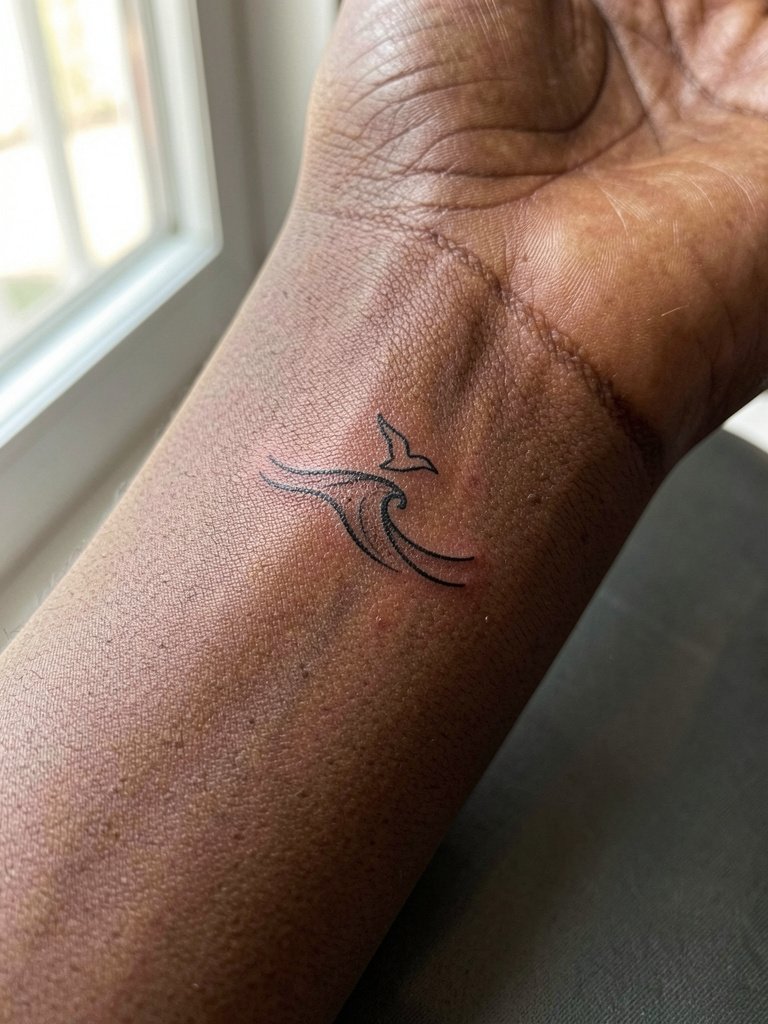
Pairing tiny motifs like a bird can create a compact scene without overcrowding. A common mistake is placing the bird too close to the crest so the composition reads as one blob. Ask the artist to show the design with natural arm movement so the bird keeps separation in motion. Planned touch-ups are rare if line spacing is adequate. This forearm pairing looks great with rolled linen shirts and a rolled cuff shirt.
23. Micro Wave as a Travel Memory on Inner Wrist
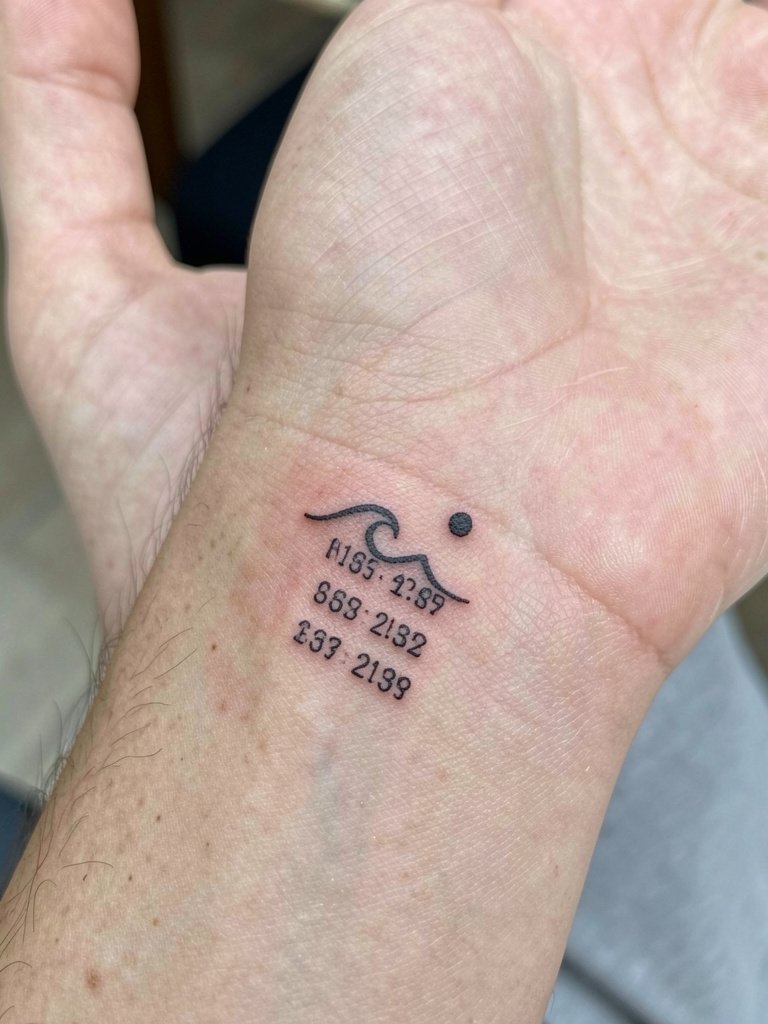
Using a tiny geographic marker alongside a wave turns the motif into a travel marker without heavy detail. When the design includes text or numbers, ask the artist to stencil the exact digits at the final size so legibility is tested ahead of time. A common mistake is expecting very small numerals to remain sharp with minimal spacing. If you want long-term clarity, choose a slightly larger numeric size and bold the digits modestly.
24. Tiny Crest Cluster on Calf Lateral
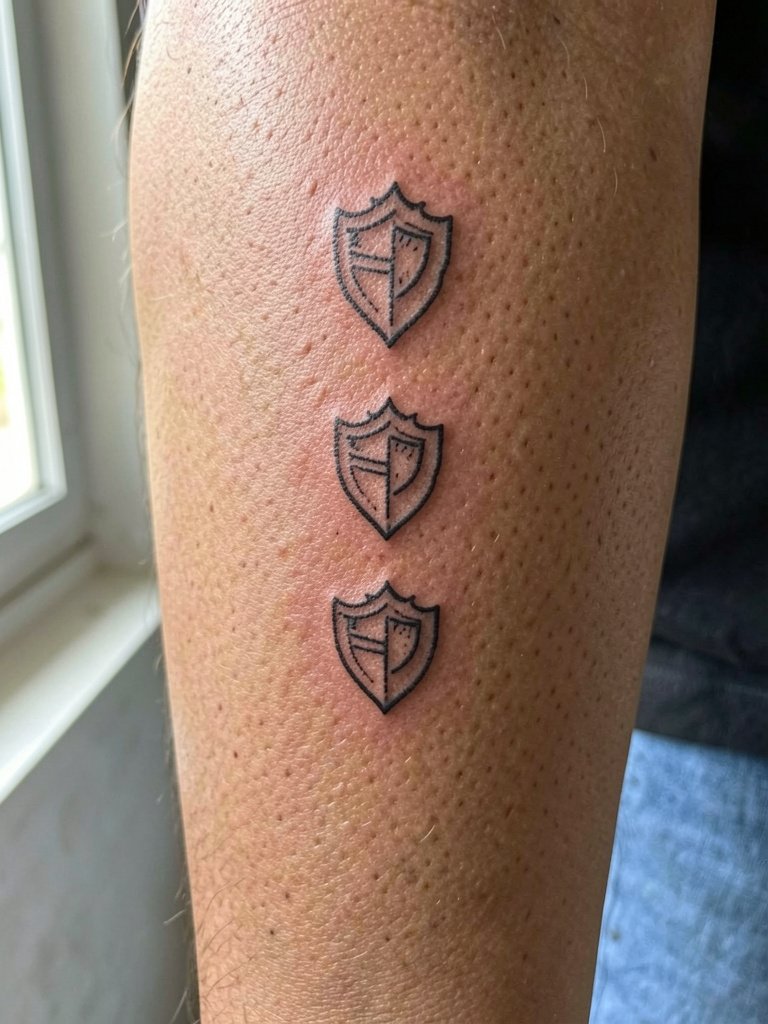
A vertical cluster reads like a signature accent on the leg. The advantage is scale flexibility. A frequent mistake is compressing the cluster too tightly which ages into a smudge. Ask the artist to show negative-space intervals at the intended size so the spacing remains crisp after one year. For display, pair with midi skirts or cropped pants. A touch-up is rarely needed if spacing is preserved.
25. Tiny Wave Encircled by a Thin Ring on Thigh
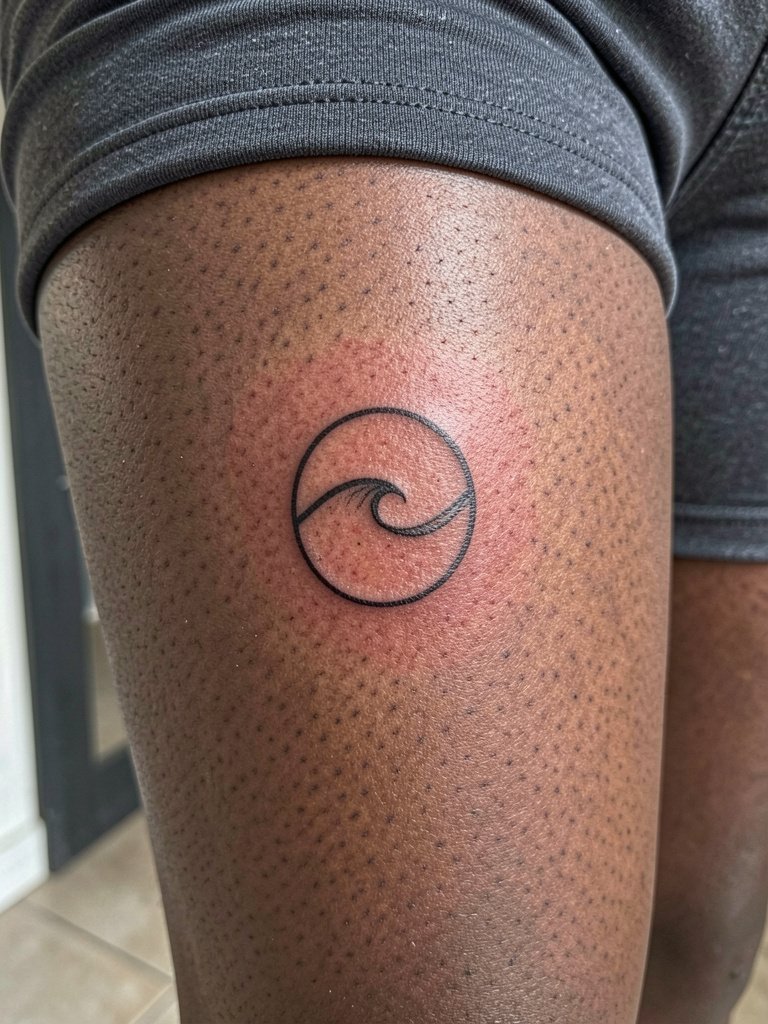
Encircling a tiny wave gives it a badge quality that tends to read intentional. The main error is a ring that is too thin against the inner design. Ask for the ring to be drawn at a small but visible thickness so it does not disappear with normal skin movement. The thigh offers stable skin so small details hold well and touch-ups are uncommon. For session comfort, wear loose drawstring shorts that can be rolled without pressure, like loose drawstring linen pant alternatives.
26. Tiny Wave Crest on Finger Side
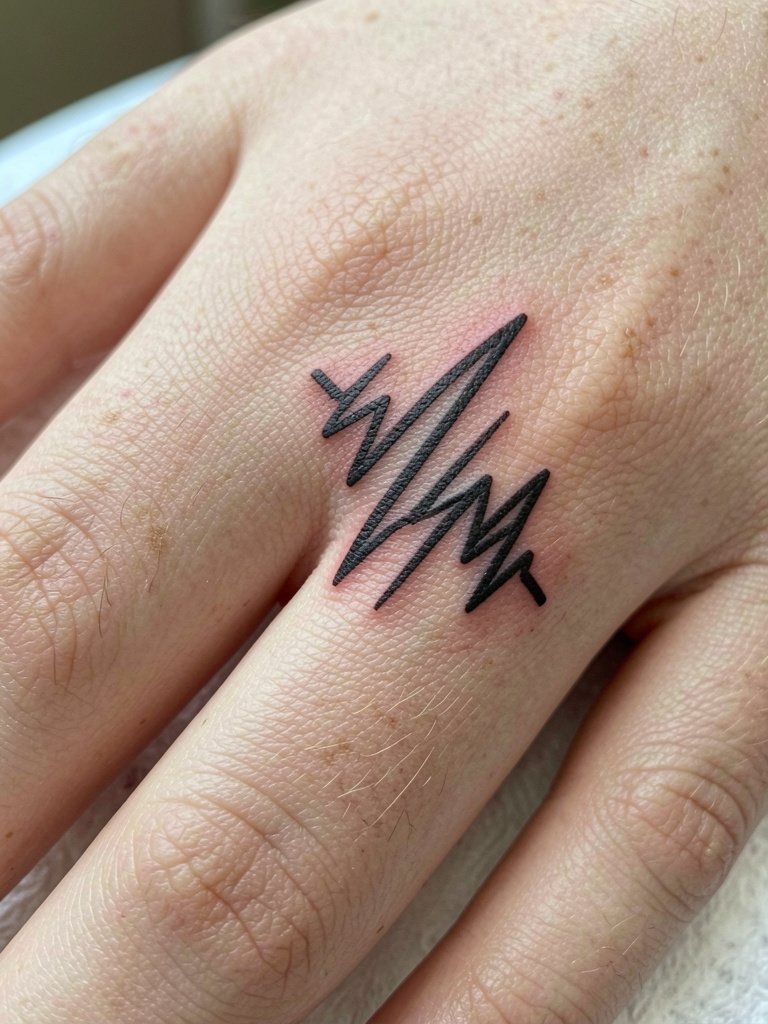
Finger-side placements are intimate but subject to frequent washing and rubbing. If you want a lasting micro crest, ask for a slightly heavier contour and accept an annual touch-up may be needed. The common mistake is expecting ultra-fine curls to remain crisp under constant contact. For jewelry pairings, a thin stack of rings on adjacent fingers keeps the look balanced without covering the wave.
27. Minimal Wave Along Clavicle Curve
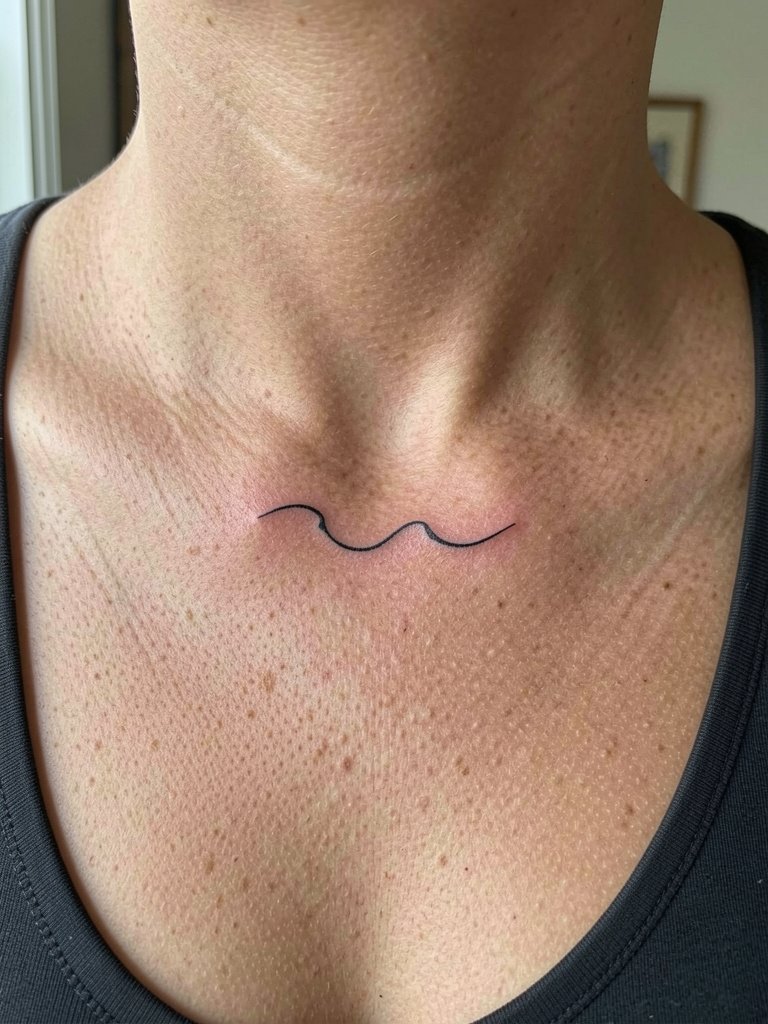
Clavicle curves naturally frame small waves and they age well if you avoid extreme fineness. A typical mistake is centering the crest over a bone bump instead of along a flat plane, which causes distortion when you move. Ask the artist to mark the clavicle line and show the design while you stand and move your shoulders. For evening looks, open-neck dresses and pendants place attention around the area and make the tiny curve sing. Consider a simple pendant or chain to echo the shape of the wave, like an open-back midi dresses style for nights out.
Frequently Asked Questions
Q: How much does a small wave tattoo usually cost?
A: Price varies by shop minimum and city. Expect the smallest wrist or ankle wave to fall under most shop minimums, which I have seen range from entry-level walk-in fees up through small custom-session pricing. If you want an exact number, call a few local fine-line studios and ask for a price on a one-inch single-line wrist piece.
Q: Should I choose black ink or add a hint of color for a tiny wave?
A: Black ink ages more predictably for micro pieces. A restrained touch of blue can read as oceanic, but color tends to fade faster and often needs a touch-up. If you want color, request a single muted wash and ask the artist to test how it reads at the final size.
Q: Where is the best place for a small wave if I want low maintenance?
A: Low-friction areas like the upper back, outer calf, and lateral hip tend to hold linework longer. Hands, fingers, feet, and ankles need more upkeep because of washing and shoe friction. Think about how you dress and whether the spot will be exposed to sun or abrasion.
Q: How can I find healed examples and artists who do clean fine-line waves?
A: Search hashtags like #smallwavetattoo and #finelinetattoo on Instagram and TikTok and use location filters to find portfolios near you. Pinterest helps collect variations, and Reddit threads often show healed photos and booking experiences. For local results, pair your city name with "fine line tattoo studio" when searching.
Q: How long before I should expect to get a touch-up on a tiny wave?
A: It depends on placement and line weight. Stable spots often go several years without work. High-friction spots commonly see a touch-up within 12 to 24 months. If an area looks soft at six months, a planned touch-up at one year will usually restore crispness.
Q: Will a tiny wave look generic and how can I avoid that?
A: If you want something that reads unique, personalize through placement, slight line-weight variation, or one small companion symbol rather than piling on detail. Avoid copying a single Pinterest image without asking the artist to adapt the curve to your body. Bringing multiple scale references helps the artist reshape the motif so it reads like yours.
Q: Any styling tips for showing off ankle and foot waves?
A: Cropped straight-leg jeans, low sandals, and strappy slides keep ankle and foot work visible. For foot healing, avoid tight shoes and choose sandals when possible. A simple styling choice can make a tiny wave feel intentional rather than an afterthought.