
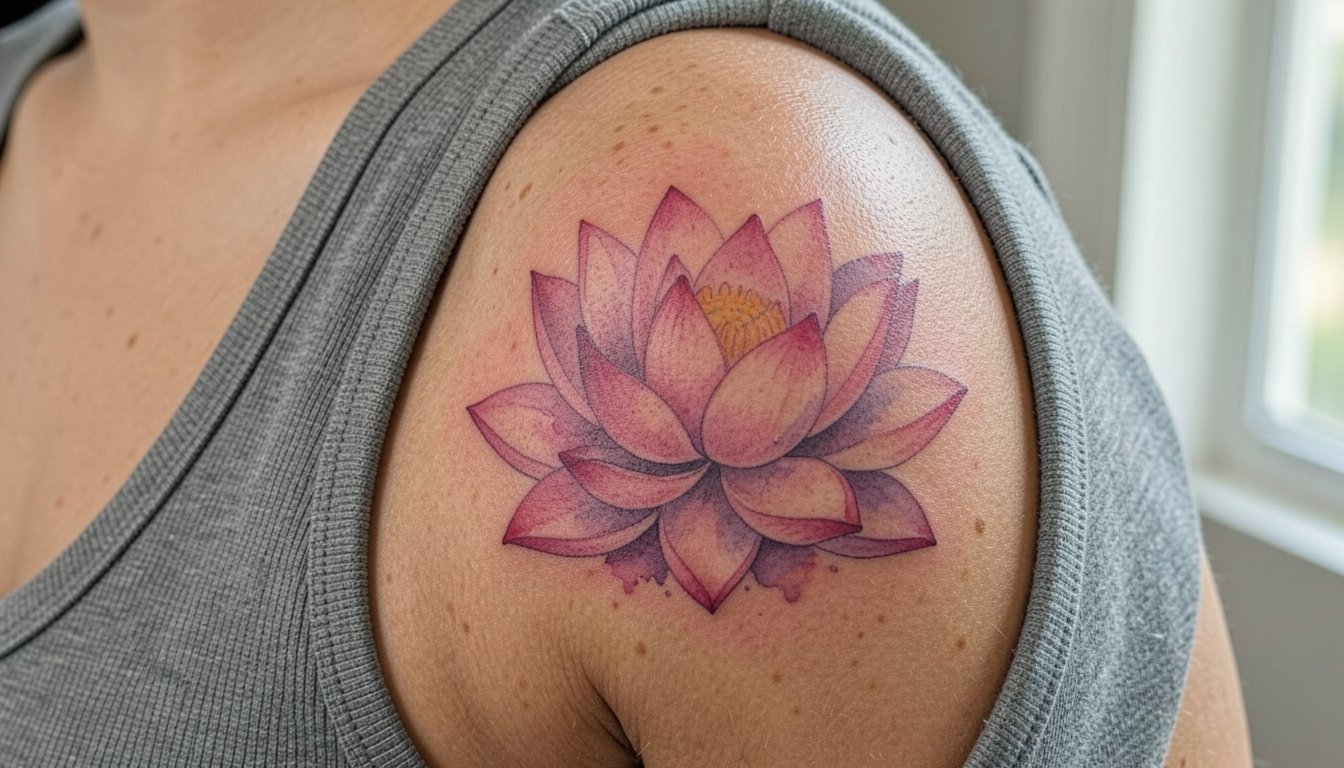
The most saved lotus tattoos online are the tiny single-needle pieces people think will hold forever. In reality, those whisper-thin petals often lose edge in two years on high-motion skin. This guide shows lotus designs that keep their shape, explains where color will age better, and gives real session and wardrobe tips so the finished piece looks intentional and not like a recycled Pinterest find.
1. Fine line lotus on the inner forearm
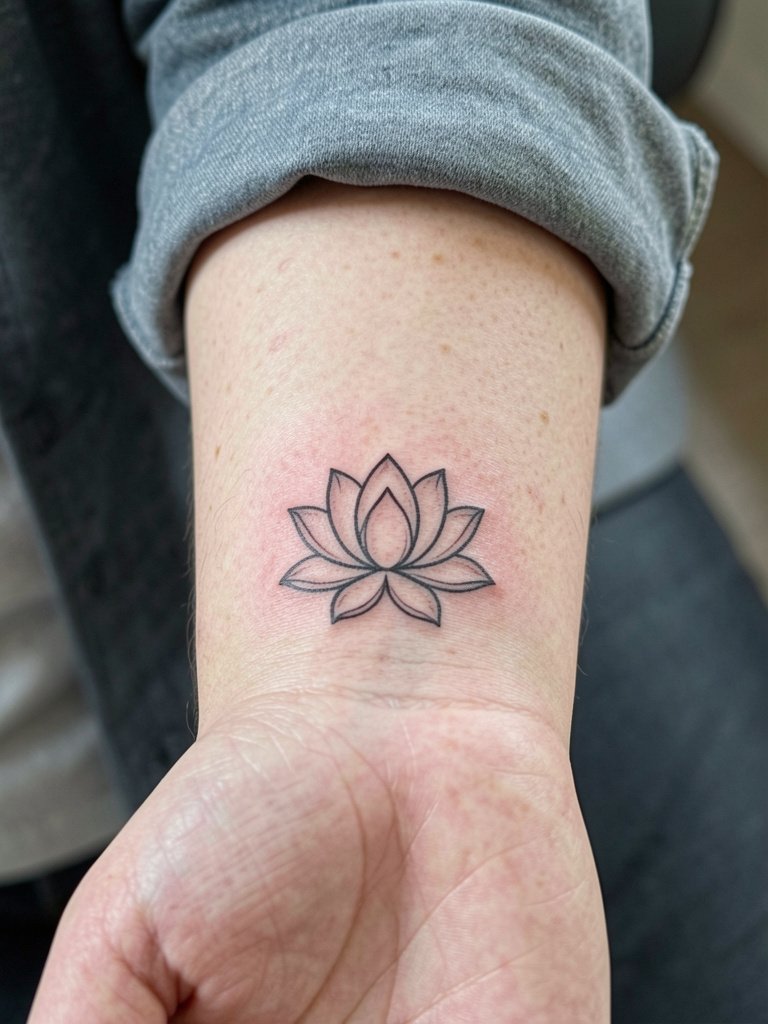
A fine line lotus here reads airy and elegant when sized around two to three inches. Recommend this to someone who wants a low-visibility piece that still holds readable petal shapes. A common mistake is asking for too many internal details at tiny scale, which makes the petals merge by year two. Tell the artist you want a slightly heavier single-needle outline than the reference so petals keep definition. Expect a one-session appointment that feels like steady vibration more than sharp hits. For showing it off after healing, roll sleeves and wear a linen button-down in neutral tones to frame the forearm.
2. Minimal single-stem lotus on the wrist

Tiny wrist lotus pieces are the classic starter choice because they are discreet and sit well with jewelry. The tradeoff is that the wrist experiences constant sun and washing so linework can soften. When you pick this, ask for slightly bolder lineweight around joint areas so the shape stays readable at two and five years healed. Sessions are quick but the wrist can feel more sting than the forearm due to thin skin. Avoid stacked bracelets on the freshly healed wrist. Instead, pair the healed piece with a thin bangle set on the opposite wrist for balance.
3. Ornamental mandala lotus on the upper back
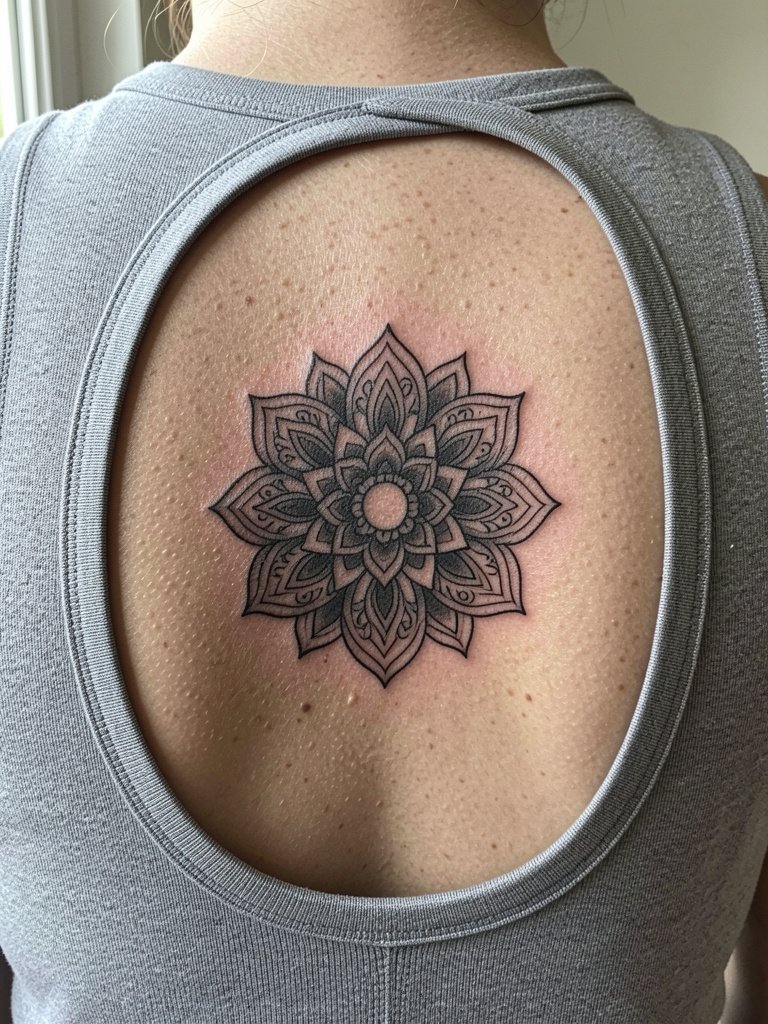
A mandala lotus on the upper back gives symmetry room to breathe. It suits medium to large compositions and holds up because there is less surface movement than near joints. If you want the geometry to stay crisp, request clear negative space between pattern rings and ask the artist to map the spacing at full-scale before inking. One error is cramming too many tiny mandala rings into a small area. For clothing, this placement works with racerback tanks and open-back dresses. For quick access on session day, throw on a racerback tank so the artist can work without fabric rubbing the area.
4. Watercolor lotus on the shoulder
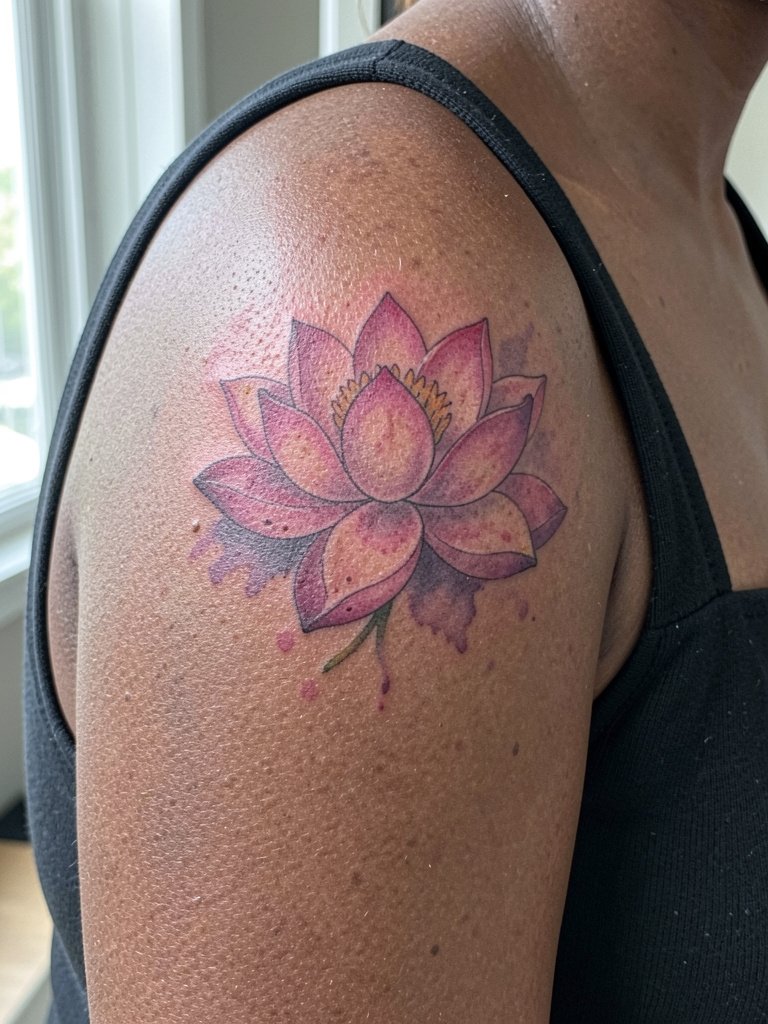
Color here emphasizes the lotus' softness. One side of the debate says watercolor and pastel petals make the design feel alive and personal. The other side says color, especially pale washes, can fade or lose contrast and need touch-ups sooner. If you choose watercolor, ask the artist to plan saturated anchors where the color needs to read at distance, not only soft washes. Shoulder skin is forgiving and sessions are generally comfortable with short breaks. To show this piece off, square-neck tops and sleeveless cuts frame the petals. Consider a square neck top in cotton for casual wear.
5. Black and gray realistic lotus on the calf
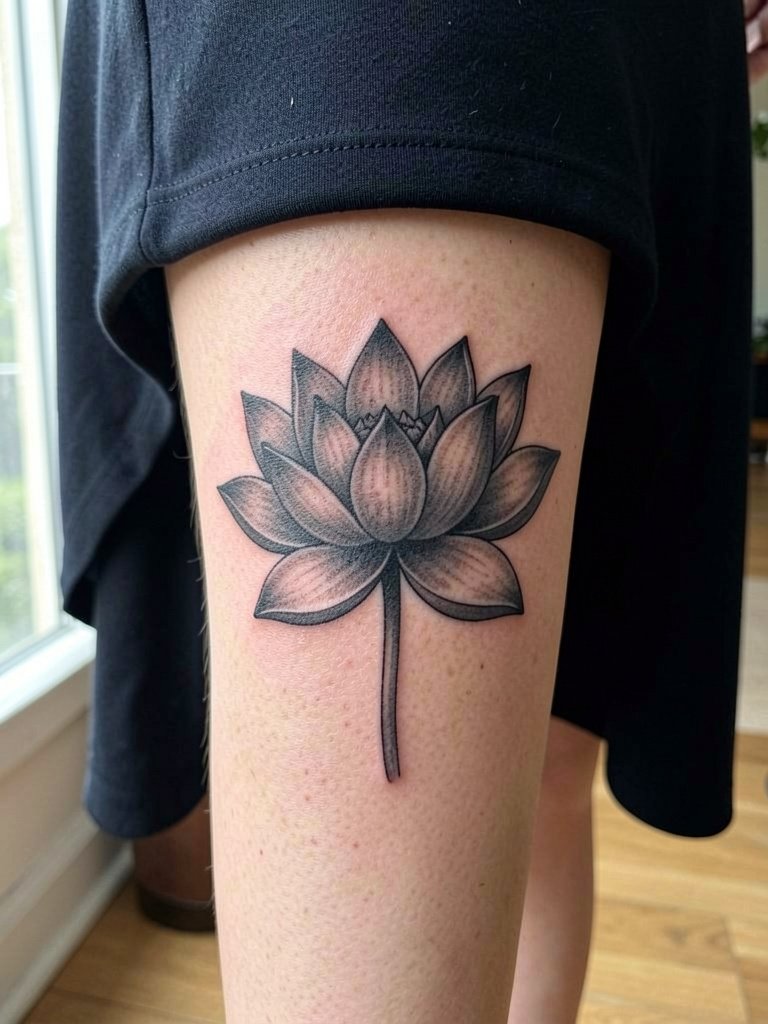
A realistic black-and-gray lotus on the calf shows fine shading without relying on color saturation. Calf skin takes shading well and usually needs a single session for medium-scale blooms. Discuss shading scale with the artist so stipple and whip shading read after healing. A common aging mistake is over-detailing petals that require too tight a dot density. For footwear and showing off, midi skirts and ankle boots keep the bloom in view. Try pairing with ankle boots that sit slightly below the tattoo line.
6. Lotus with lunar accents at the collarbone
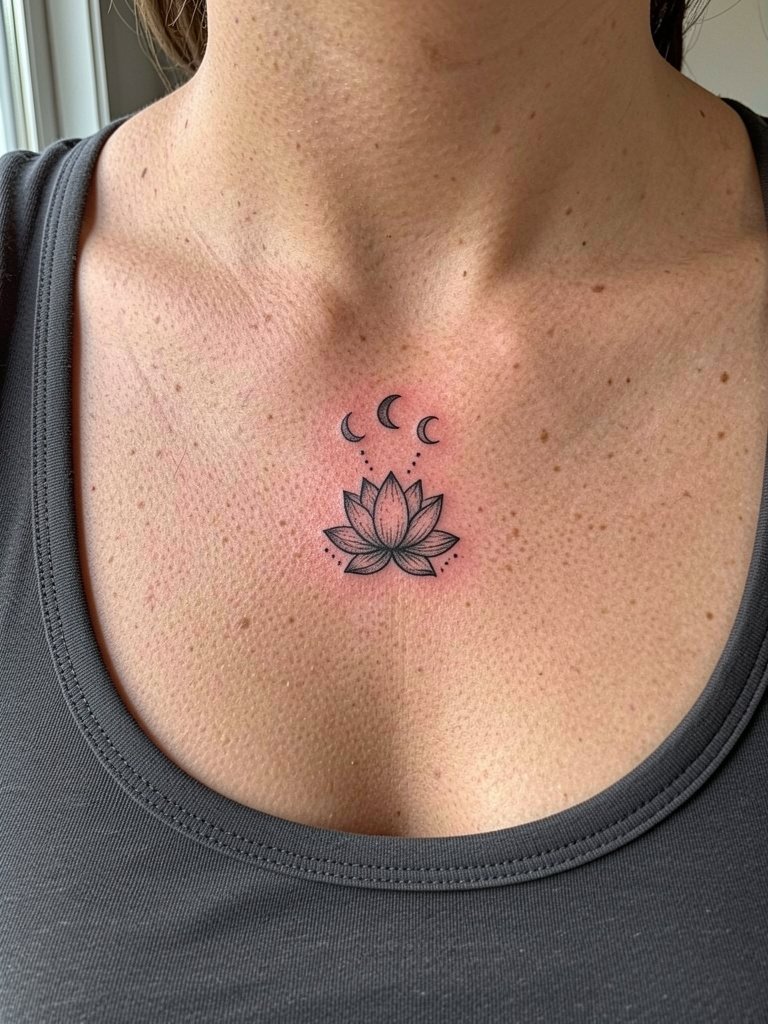
A collarbone lotus with tiny moon phases reads like jewelry when placed just above the bone. For this spot, ask the artist to keep negative space under the petals so the collarbone shadow helps the composition. The chest and clavicle area can be tender, so plan short sessions with breaks. One common mistake is centering too low so the tattoo sits on softer skin that shifts when you move. This placement complements layered delicate chains and open necklines. Consider a layered necklace set to frame the finished piece without covering it.
Pre-Session Essentials
The forearm, wrist, and collarbone pieces above benefit from a few simple supplies that make the appointment and first week smoother.
- Stencil transfer paper kit. Lets you preview exact line weight and size on skin before committing, which helps avoid tiny outlines that blur on the wrist and inner forearm.
- Topical numbing cream. Applied as directed before the session eases shoulder and rib discomfort without changing how the artist lays linework.
- Thin protective film roll. Keeps ankle and wrist tattoos cleaner during the first week of frequent contact and washing.
- Fragrance-free gentle body wash. Cleanses healed-feeling areas without irritating fresh linework on the forearm and calf.
- Aquaphor healing ointment. Thin application in the first few days helps protect fine line edges without suffocating the needle channels.
7. Micro lotus behind the ear
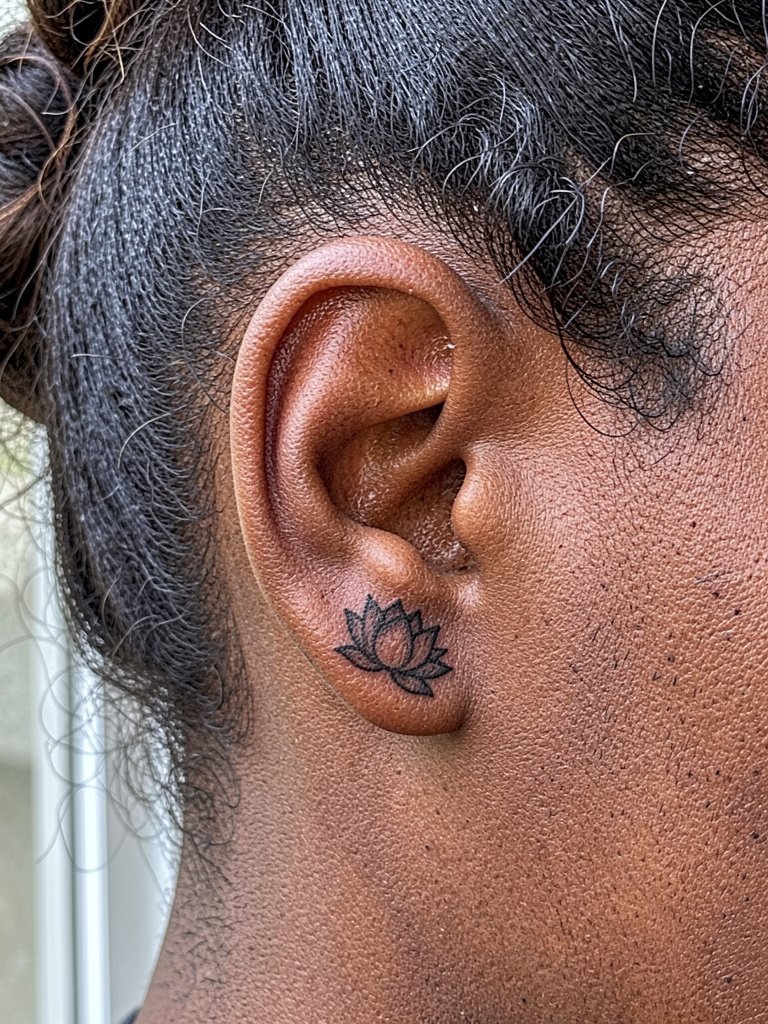
A behind-the-ear lotus is private and easy to hide under hair, but the curved mastoid surface can make single-needle work tricky. Ask for a compact silhouette instead of many tiny internal lines. The area heals quickly but watch swelling and aftercare where hair touches the site. For styling, short hair or an updo frames the healed piece nicely. Pack a hair claw clip to keep hair off the area during the first two days after the session.
8. Lateral hip bone lotus
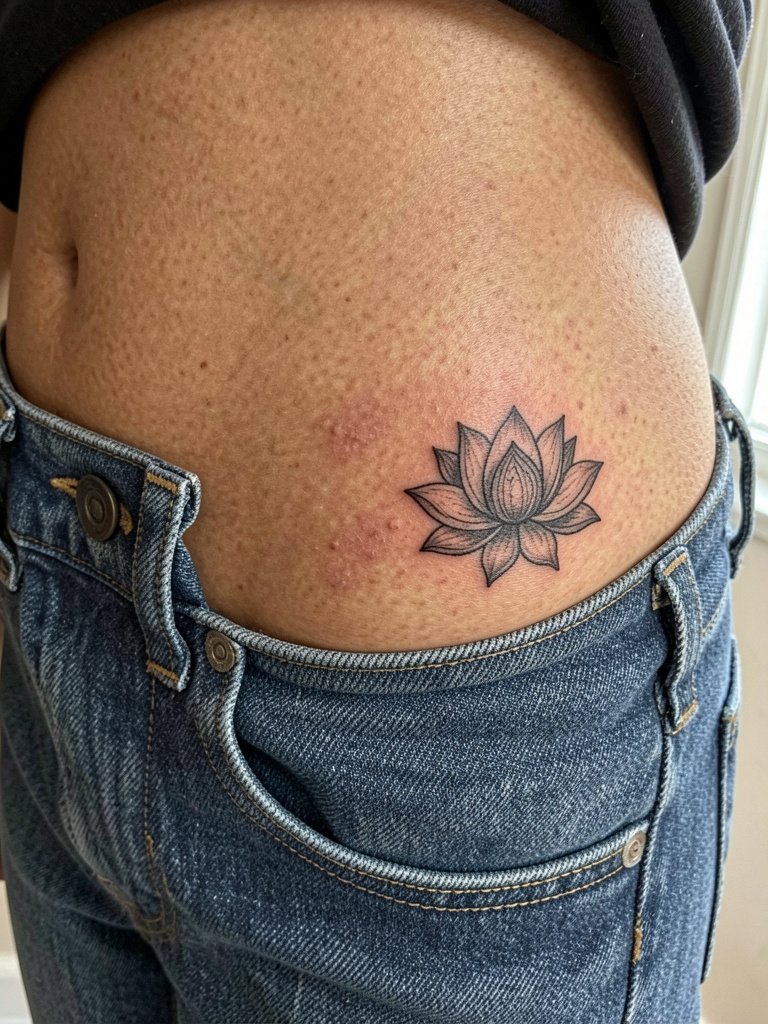
Side-hip lotus placements read private and sensual because they sit near the waistline. The skin here moves with clothing and sitting, so avoid extremely thin interior detail. A common error is placing the design too close to the waistband where friction steals saturation. Session wear should be loose shorts that do not press the freshly tattooed area. Because this placement is often hidden for work, think about how often you want to show it before committing to scale.
9. Medial inner thigh lotus
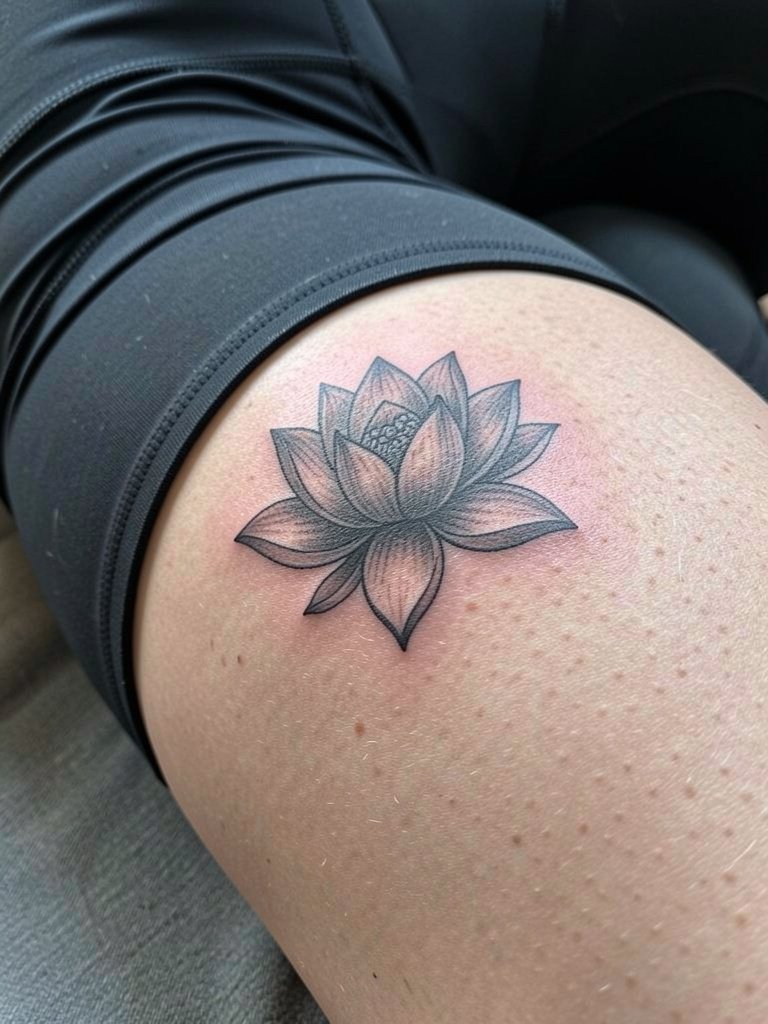
The inner thigh gives a larger canvas for a more detailed lotus. It is intimate and often chosen for pieces that are mostly private. The skin here can swell more and sessions can be longer, so plan for breaks. A common mistake is choosing extremely thin filigree that the thigh's stretch will blur when sitting. If you want a color version, expect touch-ups sooner due to friction from clothing. For session comfort, wear loose shorts or biker shorts so the artist can access the area without fabric rubbing.
10. Lotus and koi fusion on the outer thigh
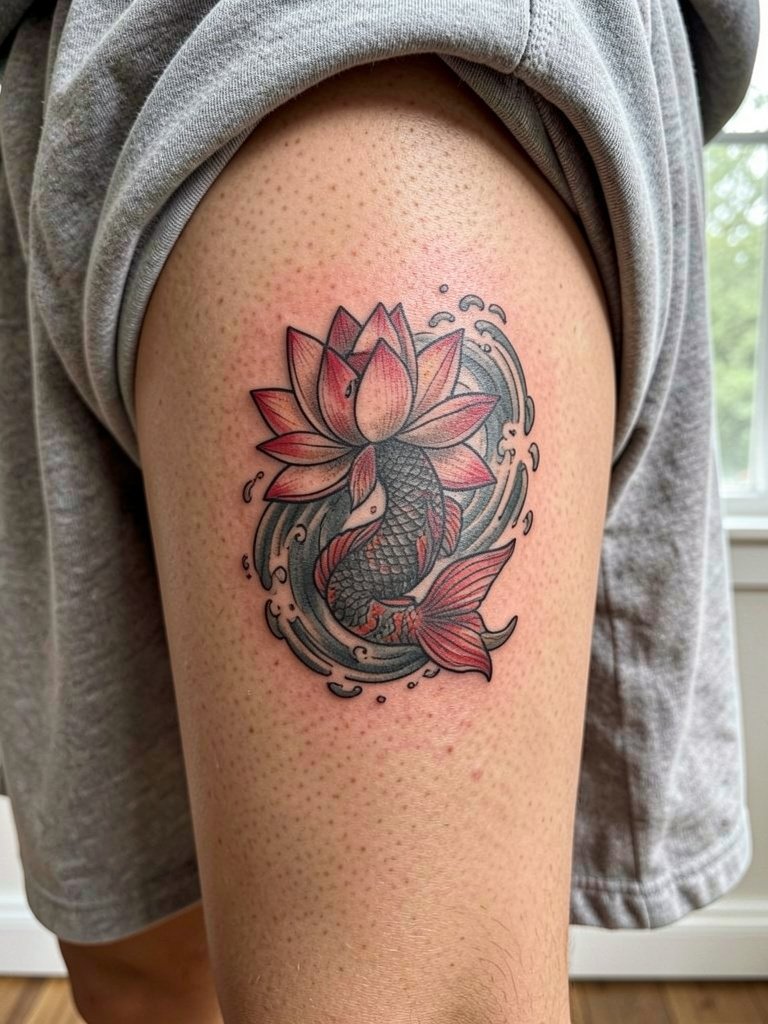
Fusion pieces like a koi-and-lotus let you build narrative and motion into the floral element. Outer thigh gives space for flow and color, and the composition should consider how pants or swimwear will crop it. Ask the artist to show a full wraparound mockup so petals and fish scales do not disappear at the hemline. For showing off, shorts and swimsuits with slits reveal the composition. Pack a pair of loose shorts for aftercare comfort and session access.
11. White-lotus concept in soft blackwork on the ankle

A white-lotus idea uses negative space inside blackwork to suggest the petals. On the ankle, keep the silhouette bold so the negative shapes remain legible after one to two years. The ankle gets friction from shoes and socks, so plan for a slightly thicker outline than you might want at first. For footwear pairings, strappy sandals or slides frame the piece. Try a simple strappy sandal that keeps the ankle visible.
12. Vertical lotus stem along the spine
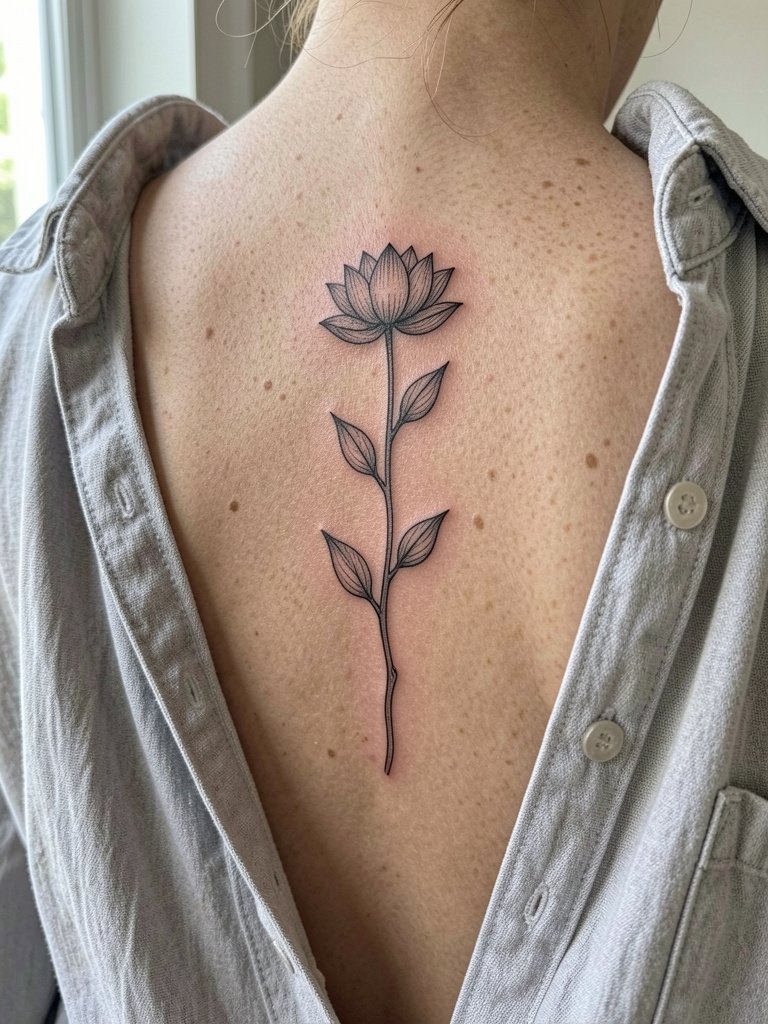
The spine suits elongated lotus stems because the body's central line echoes the composition. Artists differ on fine line here. One camp warns that spinal movement and thin skin can blur ultra-fine lines within a couple of years. The other camp says slightly widening line weight and allowing more negative space solves this and gives a long-term clean read. When booking, show the artist the exact vertical scale you want so they can advise on spacing and depth. For outfits, open-back dresses and racerbacks display the spine without pressure on the healing skin. Wear a loose button-down on session day for comfort.
13. Dotwork halo lotus on the shoulder
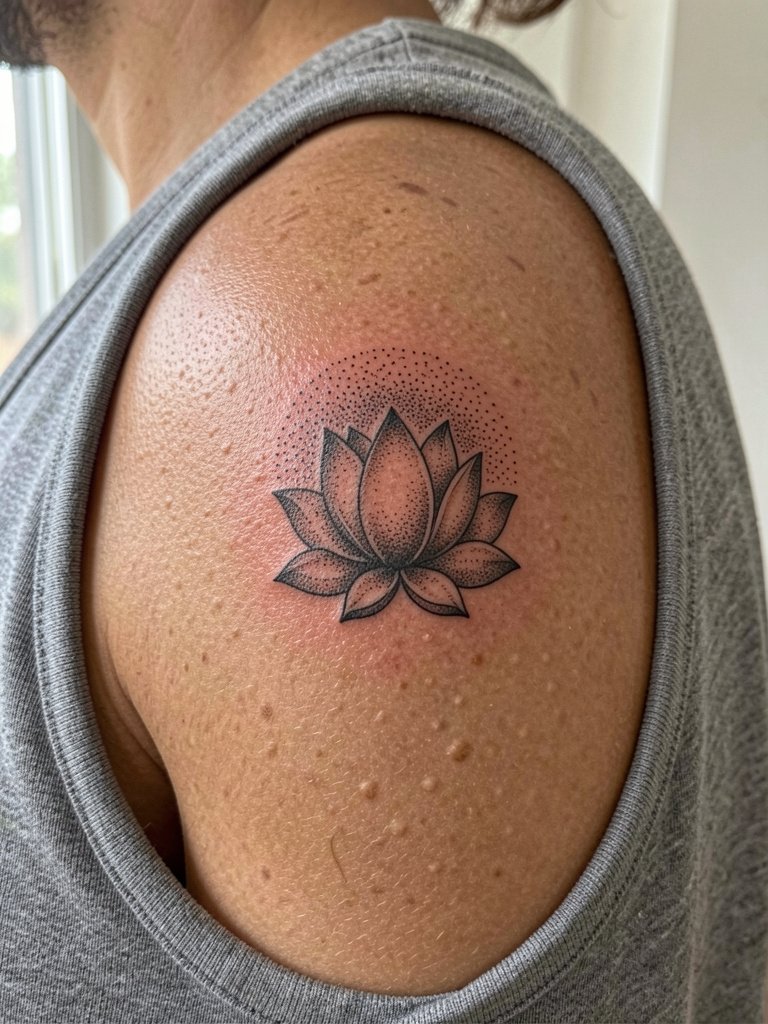
Dotwork halos add dimension without heavy lines, but stipple density matters. Ask the artist for sample healed stipple at a similar density so you can see how the halo reads at six months. A mistake people make is requesting too fine a stipple for a small halo and expecting the same texture to stay intact. The shoulder is low-motion so stipple holds up better than on joints. For the session, a tank top gives easy access while keeping the area unobstructed.
14. Colored-petal lotus on the forearm
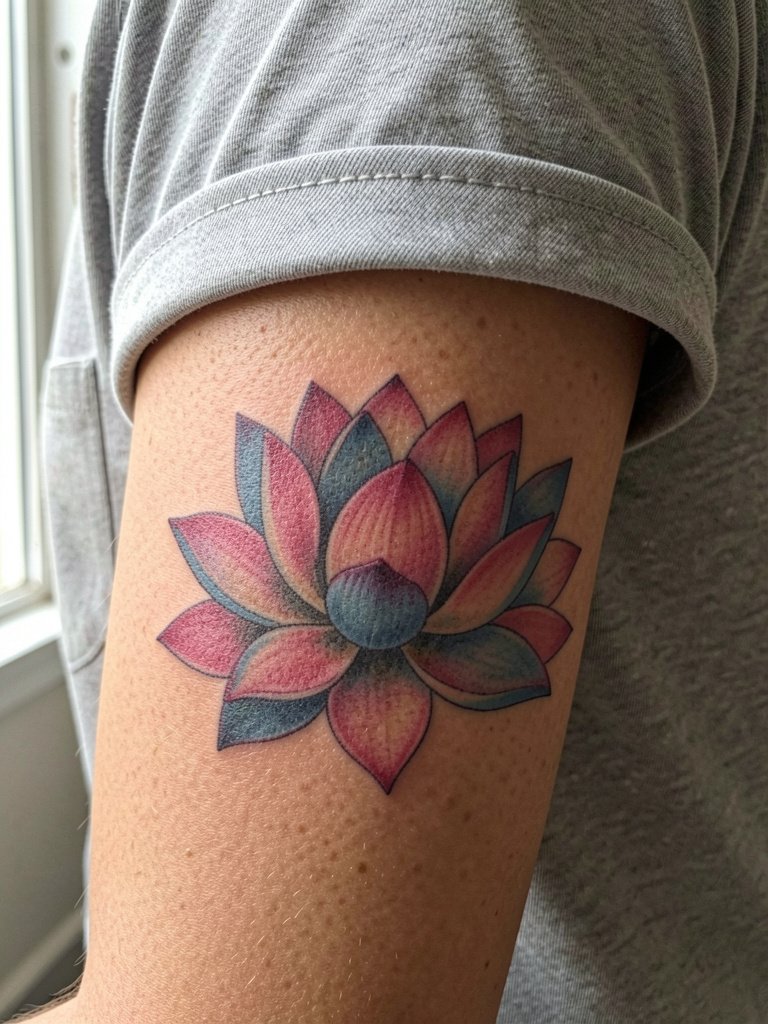
Color forearm lotuses let the petals take center stage. To keep the color from muddling, specify which hue should be the saturation anchor and which should be a soft wash. Artists will often recommend a slightly smaller palette for longevity. Forearm color can look vivid for years if you limit sun exposure and get a touch-up at two to three years. Roll sleeves or show the piece off with a short sleeve tee in complementary tones.
15. Small lotus cluster at the nape
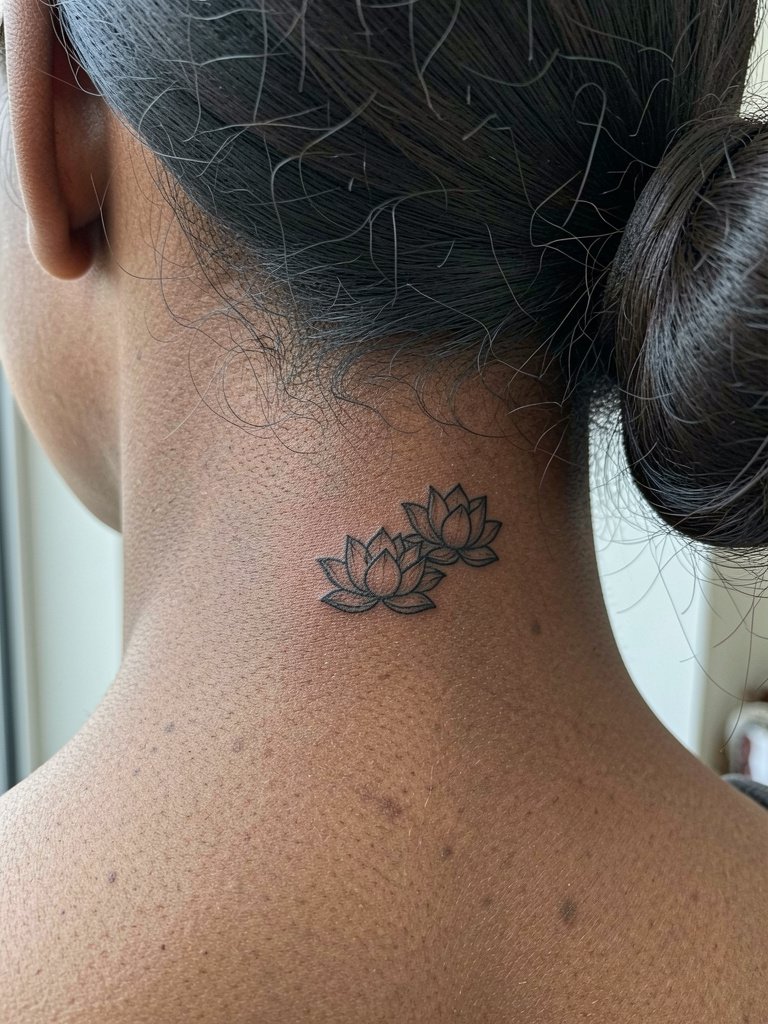
Nape clusters read like discreet jewelry when placed under the hairline. The skin here is stable and fine-line clusters age well if the petals are not overly detailed. Bring photos of healed nape work so the artist can match line weight. The session will require hair to be out of the way, so prepare a clip you can use afterward. For styling, updos and claw clips let the tattoo peek through. Keep a low bun clip in your bag for the first week.
16. Fine-line lotus on the ribcage
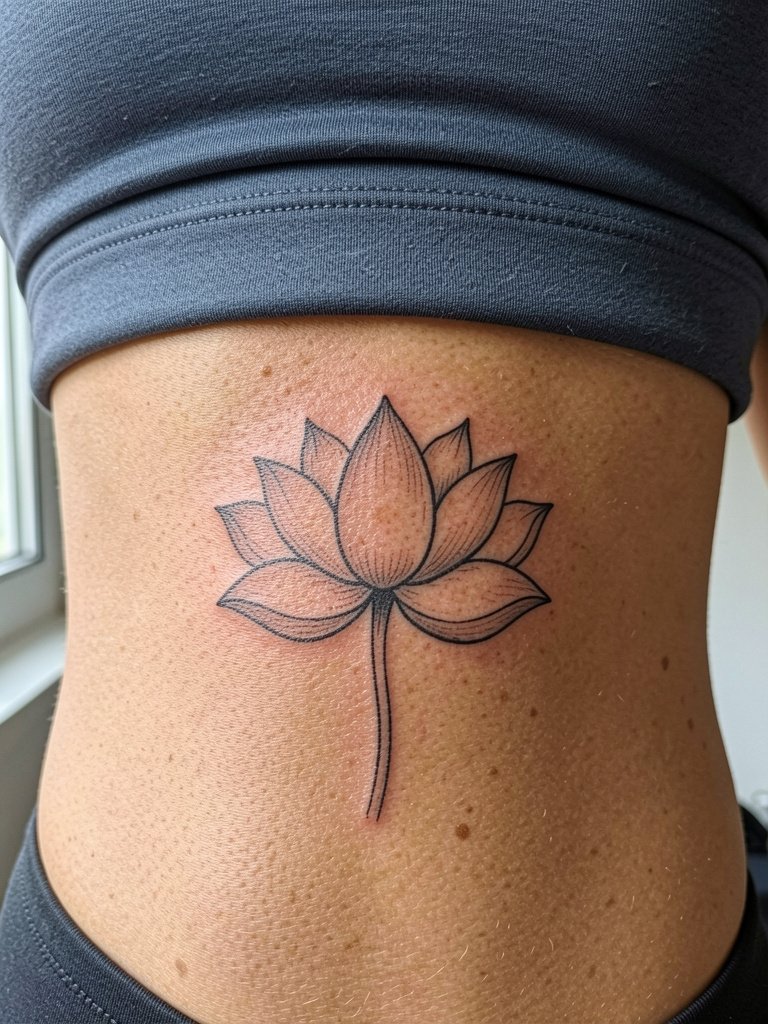
Ribcage lotus tattoos are visually striking but can be painful and controversial in technique. One camp argues that the stretch and movement on the ribs blur ultra-fine lines within a few years, especially near the breast crease. The other camp says fine line will settle well if the design is scaled up slightly and spaced so the lines do not crowd. Plan for at least one longer session with breaks and tell the artist to show the design at actual size on your torso before inking. For comfort, wear a loose bra or bralette that can be moved without pressure on the fresh ink.
17. Wrap-around lotus band on the outer forearm
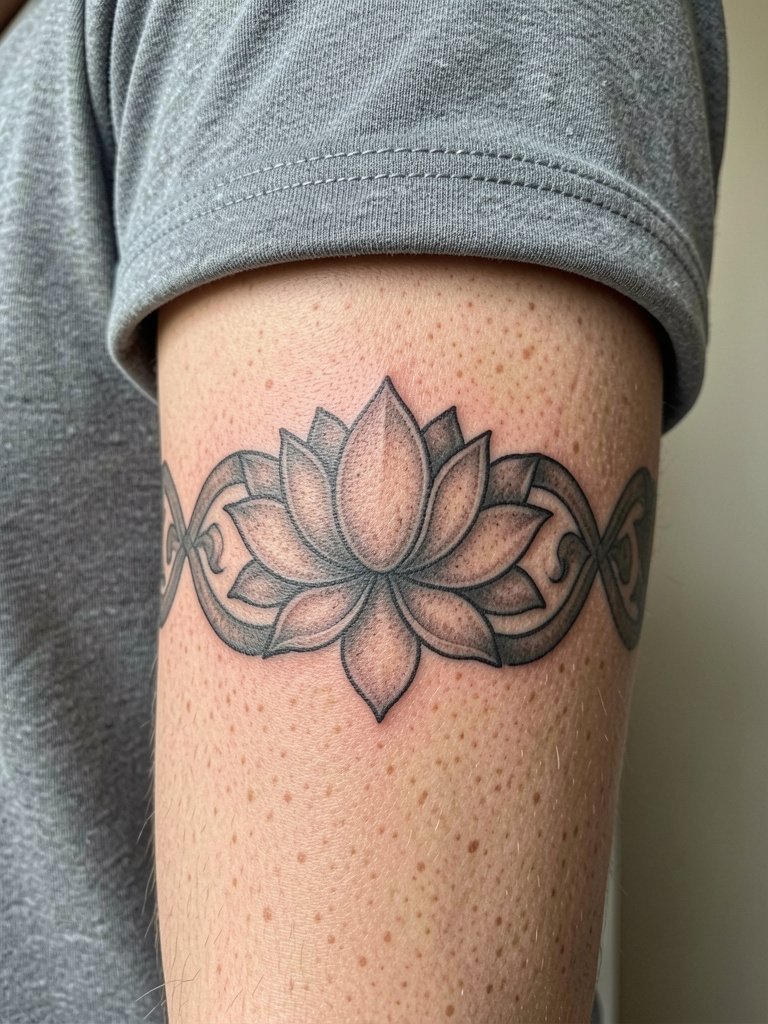
A wrap-around lotus band works like a bracelet and suits people who want a continuous motif. The key is spacing. Too tight a repeat of petals makes the band blur where it wraps. Ask the artist to map where seams land and to slightly widen repeat motifs so they do not merge on the inside curve. Wrap bands can be sensitive along the inner forearm. For show-off wear, short sleeves or rolled cuffs reveal the band. Try a casual short sleeve tee that keeps the forearm exposed.
18. Stippled half-sleeve lotus on the upper arm

Half-sleeve lotus work gives the artist room for shading techniques like stipple and whip shading. For best longevity, keep larger dark anchors and gradate into stipple rather than trying to stipple into pure white at tiny scale. Plan for multiple sessions and expect the upper arm to be one of the more forgiving spots for touch-ups. A common mistake is wanting near-photoreal detail in a narrow strip, which reads muddy after healing. Sleeveless tops are ideal to show this work once healed.
19. Micro lotus on the hand or fingers
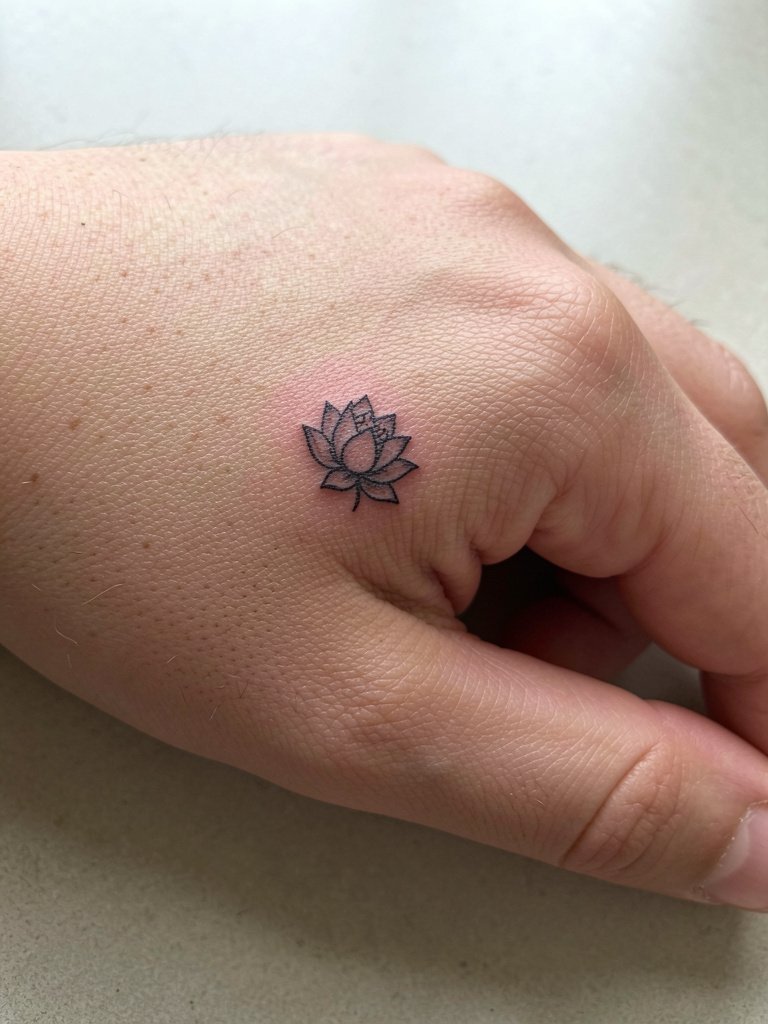
Hand and finger tattoos are highly visible and subject to frequent washing and wear, which can cause faster fading. If you want a finger lotus, request a bold silhouette rather than intricate inner petal detail. The skin on fingers can cause blowout and thin lines to soften, so thicker linework and open negative space are safer bets. For styling, rings and a manicured look draw attention to the area. Consider pairing the healed piece with a stackable ring set that complements the small design.
20. Top-of-foot lotus

Foot tattoos endure friction from shoes and a lot of movement, so keep the lotus crisp and relatively small. Expect more touch-ups here than on the forearm. The session feels bony and can sting more than fleshier locations. For showing the healed design in warm months, sandals and low-rise trousers highlight the area. Choose strappy sandals that put the art on display without rubbing it.
21. Small sternum lotus peeking under the sternum
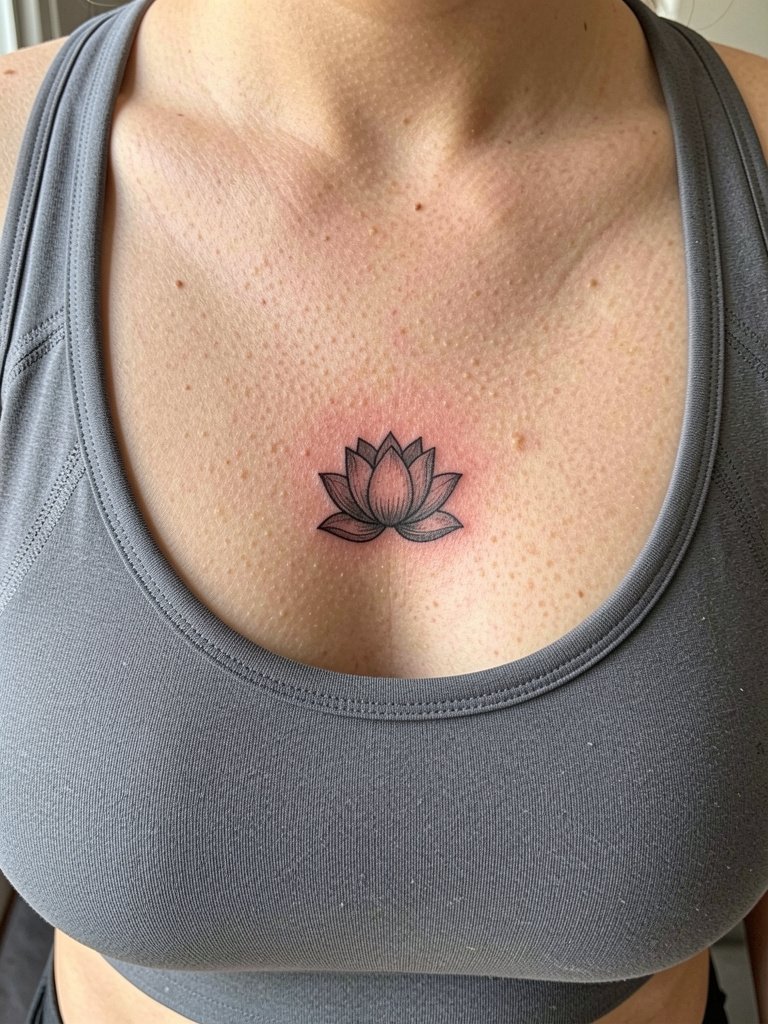
Sternum pieces carry more tenderness and require careful planning about scale and depth. For smaller lotus designs, avoid ultra-fine internal details that the sternum's curvature and movement will erase. Request that the artist map the exact placement sitting and standing so the petals fall where you want them when you move. Because this is a sensitive area, plan shorter sessions and specific pain management strategies.
22. Sleeve-friendly lotus band and negative space composition
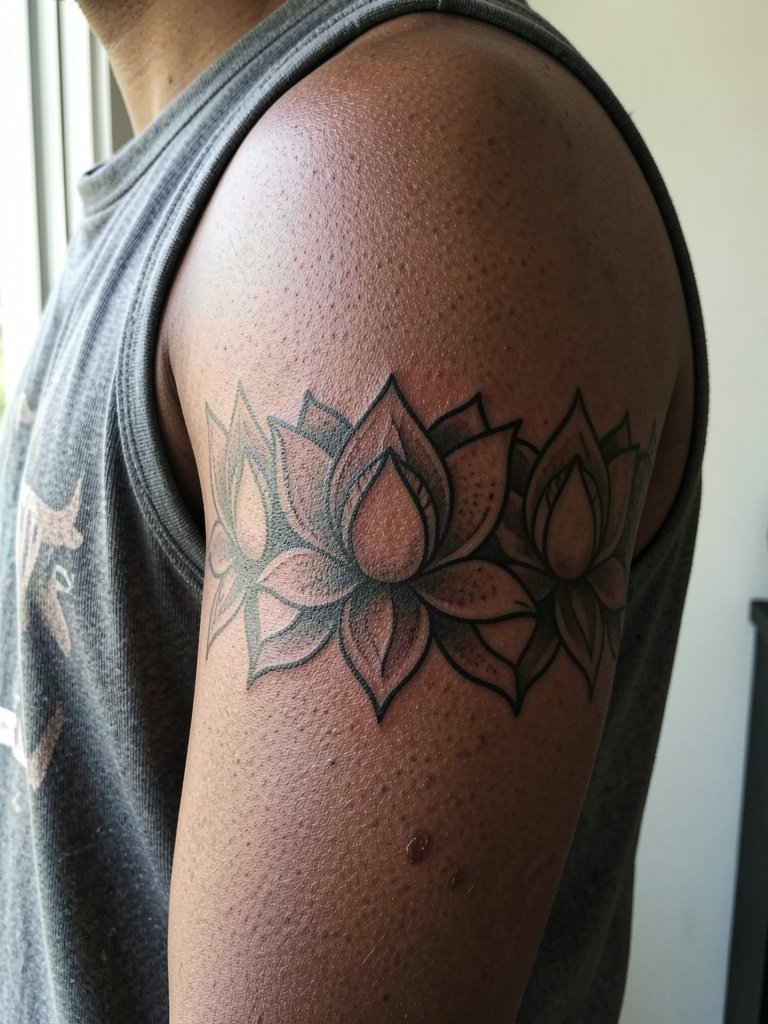
If you plan a sleeve, think about how a lotus motif will repeat and breathe with negative space. The common mistake is crowding motifs too tightly so seams and repeats blur across the arm. Ask the artist to test the band at full wrap scale and to leave intentional gaps for future work. Sleeveless tops and camis expose the sleeve when you want it visible. For easy show-off styling, pick a sleeveless tank that keeps the arm free.
23. Minimal lotus with adjusted line weight for darker skin tones
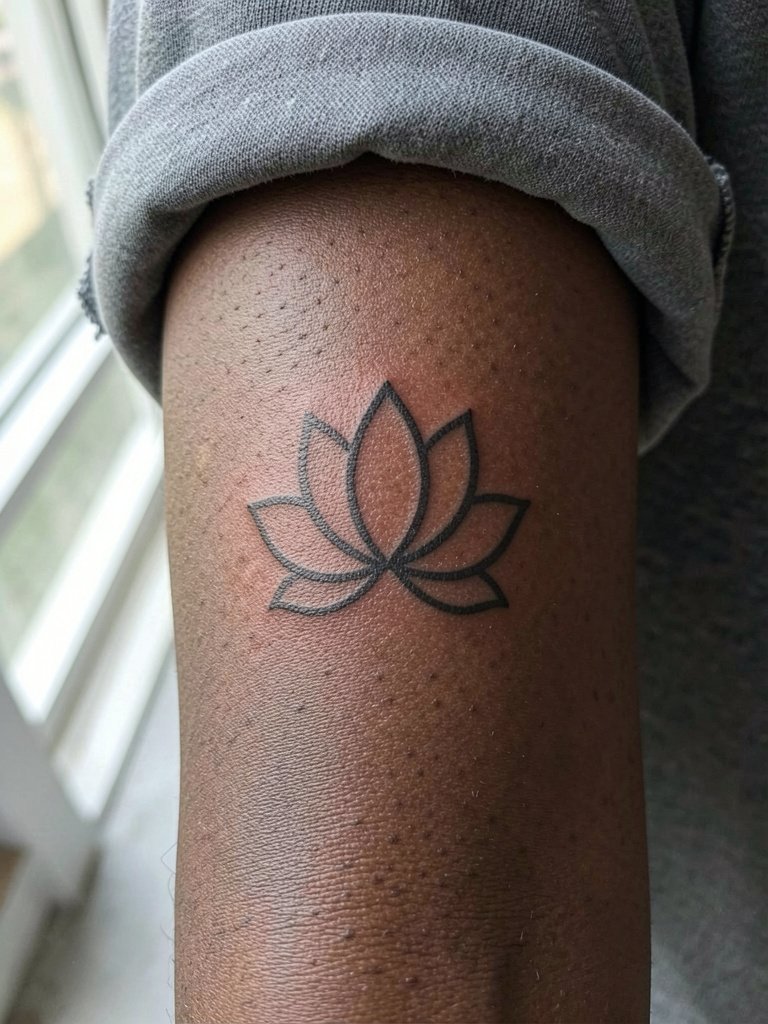
For darker skin tones, contrast matters more than ultra-fine single-needle work. One common fix is to ask for slightly heavier line weight and bolder negative space so the petals read clearly after healing. A common mistake is copying a thin-line reference without checking healed examples on similar skin. Bring healed photos that match your skin tone and tell the artist which parts need higher contrast so they can modify spacing and saturation. For accessory pairing, a delicate bracelet on the opposite wrist keeps attention balanced and unobtrusive. Try a dainty bracelet set to complement the minimal look.
Frequently Asked Questions
Q: How much should I budget for a small lotus tattoo and why do prices vary so much?
A: Pricing depends on shop minimums, the artist’s experience, and the appointment time required. Many shops have a minimum that covers setup even for a tiny wrist piece, so a small design can land at different price points depending on where you book and whether the piece needs custom work. Expect to budget by size and detail rather than a fixed number.
Q: Will watercolor or pastel lotus colors fade faster than black and gray?
A: Color fades at different rates depending on pigment saturation, placement, and sun exposure. Pale washes tend to require touch-ups earlier. Black and gray often looks consistent longer, but that does not mean color is a poor choice. If longevity is a priority, ask the artist to place saturated anchor points and plan a protective sun routine.
Q: I have darker skin. How should I alter lotus linework so the design stays visible?
A: Increased contrast helps. Ask for slightly heavier outlines and larger negative spaces so petals do not disappear after healing. Bring healed photos of similar work on the same skin tone so the artist can match line weight and saturation. Artists can show examples of healed work that reveal how a line looks at six months and two years.
Q: Where can I find healed portfolio examples and local artists without calling out handles?
A: Use hashtags and keyword searches on Instagram and TikTok like #lotustattoo, #finelinetattoo, and #blackandgraytattoo then apply your city as a filter. Browse portfolio sites with keyword searches such as "lotus floral healed" to find images labeled healed. Reddit threads in r/tattoos and r/tattooadvice are also useful for real healed shots and budget expectations.
Q: Which placements are best if I want a discreet lotus that still ages well?
A: Hidden placements like the lateral hip bone, nape, and inner forearm are discreet and can age well if you choose robust line weight. Avoid ultra-fine detail on high-motion areas such as the wrist unless you are prepared for touch-ups. Think about wardrobe and how often you want to show the piece when selecting placement.