

Tiny sunflower tattoos look great in short-form videos, but what trends on feeds does not always hold up on skin. The smallest petals can merge into a blur unless the design has breathing room, a clear center, and a placement with low friction. Below you will find practical tiny sunflower directions, exact consultation notes to bring to a booking, and outfit tips that actually help the tattoo age the way you expect.
1. Tiny single-bloom on the wrist
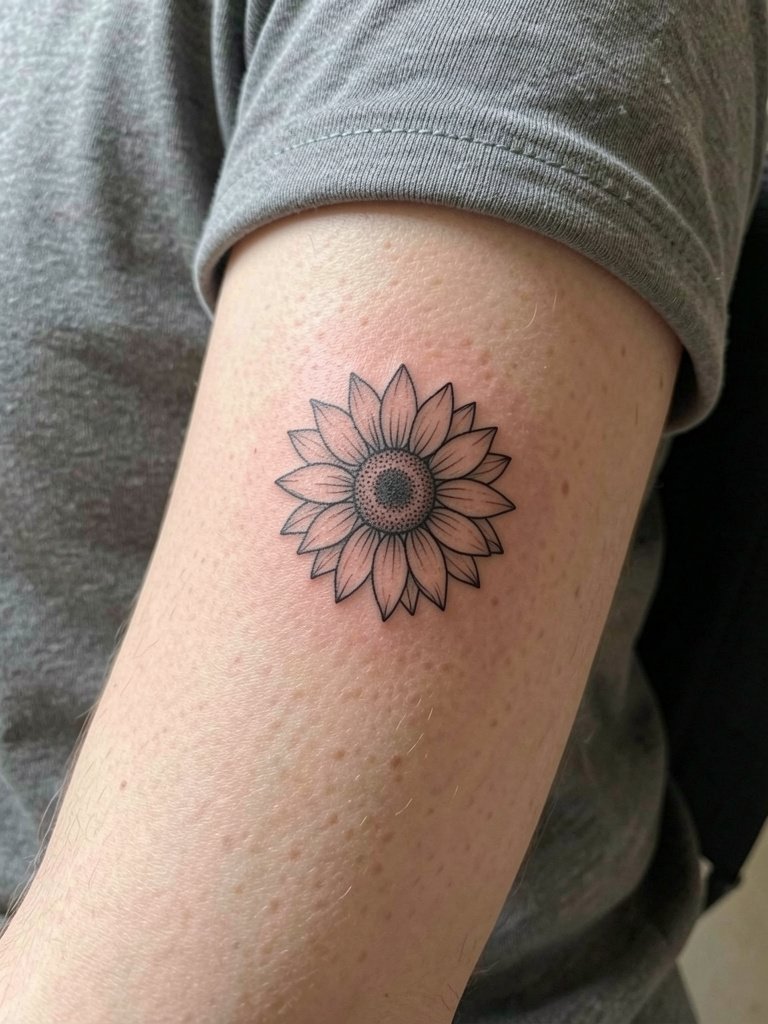
A small single bloom on the inner wrist reads clean when the center has texture and the petals have micro negative space. Ask for slightly heavier central stippling and petal spacing so the artist can keep contrast without adding tiny internal lines that blur. The common mistake is copying a three-petal Instagram sketch that looks fine at 1 inch but loses definition after healing. Expect a short session of under 30 minutes and plan for a touch-up in 12 to 24 months if the skin is very oily. For showing it off pair with a slim cuff bracelet on the opposite wrist and neutral short sleeves during the session.
2. Single stem, fine line on inner forearm
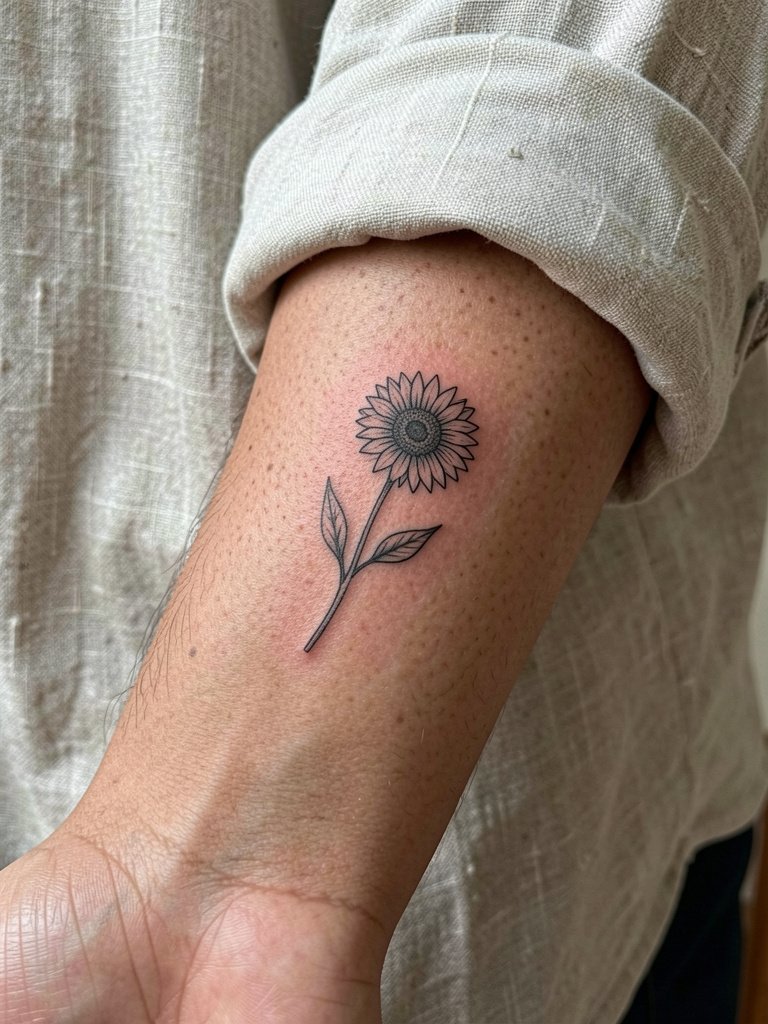
A single stem gives movement and feels custom without increasing the footprint. Request slightly bolder line weight on the stem and a tiny stippled center so the bloom keeps identity at small scale. The session is friendly for first-timers, about 30 to 45 minutes, and usually needs a single light touch-up after a year. A common aging issue is underpowered stems that fade into the skin texture. For outfits this placement looks crisp with a linen button-down rolled at the cuff and relaxed tees that expose the forearm during warm months.
3. Minimalist outline behind the ear
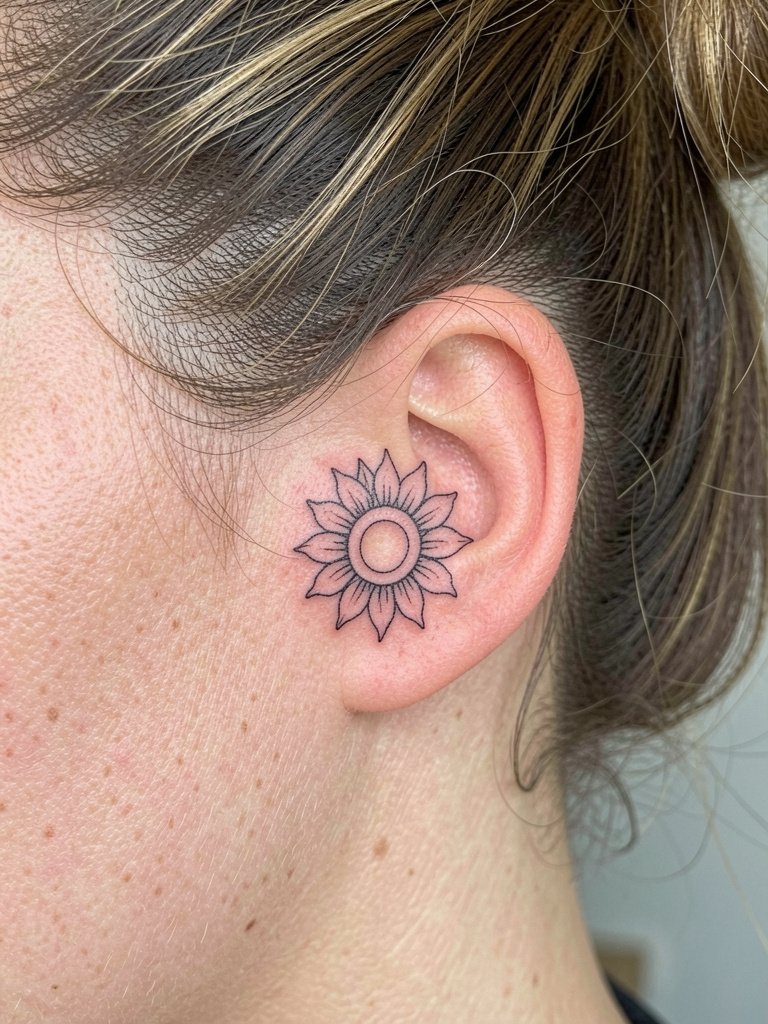
Behind-the-ear sunflowers are ideal when you want a tiny accent that peeks through hair. Ask the artist for a clean single-needle contour and a slightly open petal rhythm to keep the shape from collapsing over time. Expect brief sit time and quick sensitivity that is manageable when the hair is clipped. The frequent mistake is overfilling the center, which adds bulk and makes the tiny outline lose its silhouette. Pair it with small stud earrings in neutral metal for a low-key framing effect and bring hair clips to the appointment so the area stays clear.
4. Mini sunflower with leaves on the shoulder
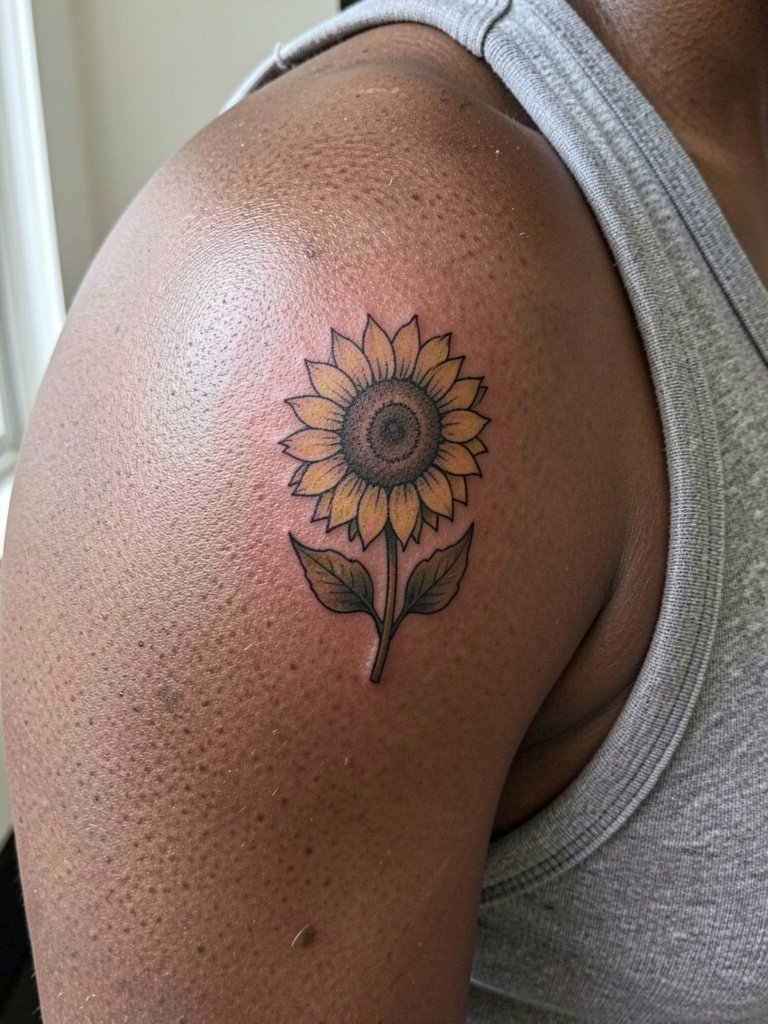
Shoulder placements give a curved canvas that suits a tiny bloom plus a couple of leaves. Ask for composition that follows the shoulder arc so the tattoo sits naturally under tank tops. The mistake is crowding too many petals into a tiny circle, which compresses over time and can require an early touch-up. Shoulders tolerate color well, and the session usually runs 45 minutes. This spot pairs with off-shoulder tops and tank dresses that frame the curve without rubbing during healing.
5. Compact bouquet on the upper arm
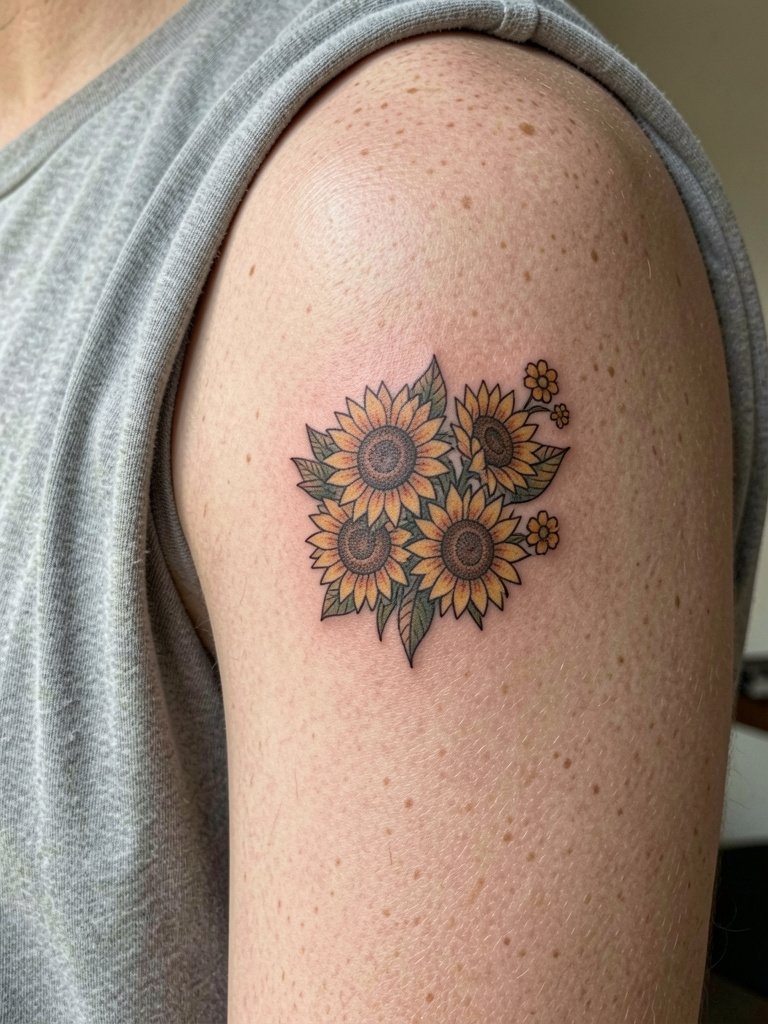
A compact bouquet reads like a finished composition without jumping to a large piece. Bring images showing how the flowers tuck into one another so the artist can scale each head for long-term clarity. The session is longer than a single bloom, roughly 60 minutes, and may need a touch-up at 12 to 18 months if the color softens. A common error is adding too many tiny leaves, which creates visual clutter. Show-off pairing includes tank tops and wide-neck tees that let the arrangement peek out naturally, and a tank top with loose armholes makes the session easier.
6. Sunflower finger tattoo
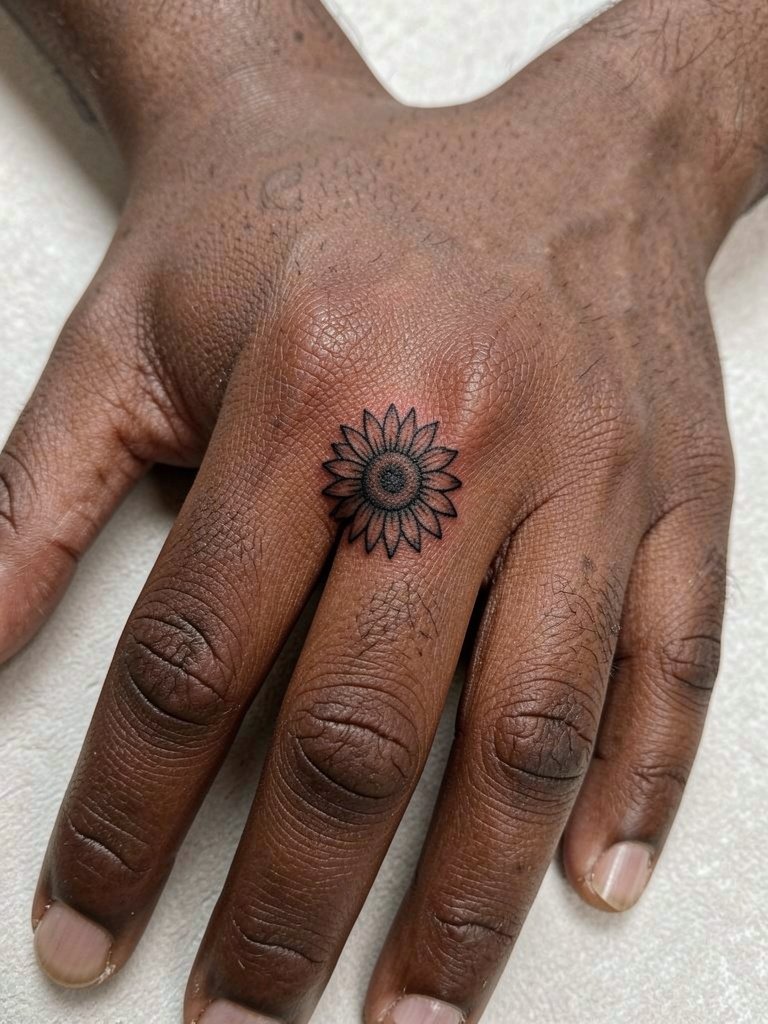
Finger sunflowers are ultra-visible but they face heavy washing and friction, which eats fine detail. One camp argues the tiniest possible finger blooms are the most elegant and discreet. The other camp says slightly larger dots and bolder petal edges are necessary so the design does not blur into a smudge within two years. Plan for a session under 30 minutes and realistic expectation of touch-ups every year or two. A frequent mistake is copying a photo sized for the wrist and shrinking it to the finger without increasing the central contrast. For the appointment avoid rings and wear a simple manicure or none at all.
Session Day Picks
The finger, wrist, and inner forearm pieces above need small practical items that make the session and first week easier.
- Stencil transfer paper kit. Use this at home to check placement and rotation for wrist and forearm ideas before you commit to a booking.
- Topical numbing cream. Helpful for sensitive spots like the finger or inner arm when applied per product instructions about an hour before the session.
- Thin protective film roll. Lightweight film protects finger and wrist tattoos from friction during the first couple of days.
- Fragrance-free gentle body wash. Cleanses the area without irritating linework during showers while you follow the studio aftercare steps.
- Aquaphor healing ointment. Thin layers for the initial days can lock in moisture for fine line work while the skin seals.
7. Sunflower plus bee on the forearm
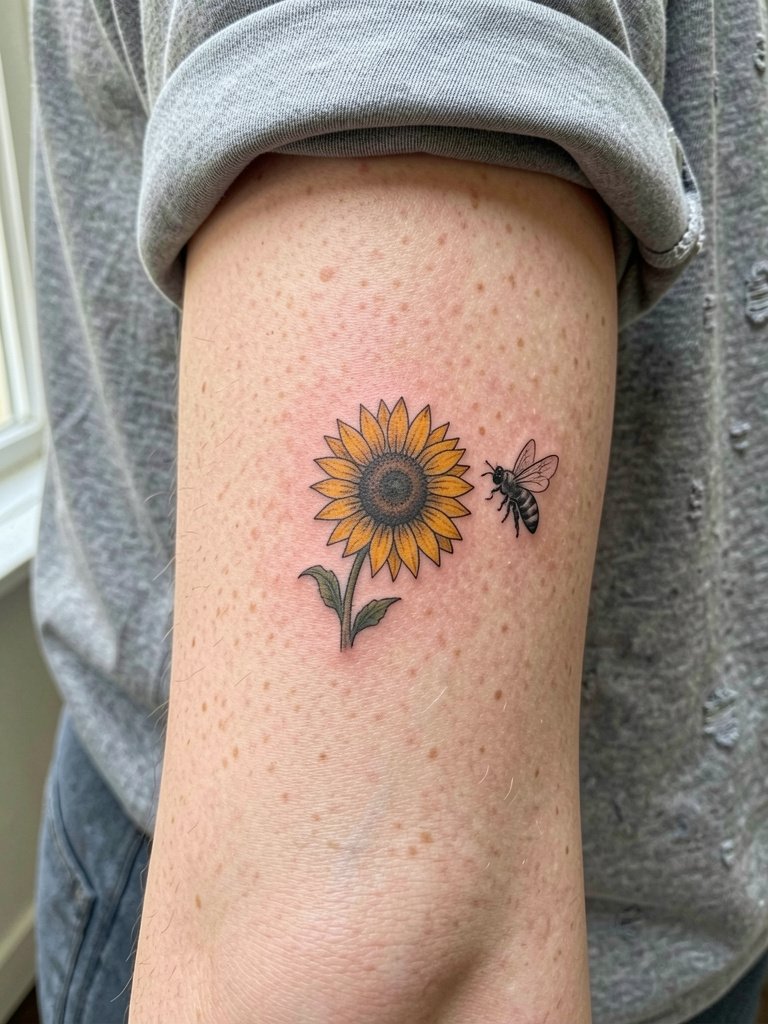
Adding a bee gives motion to a small botanical piece without expanding the footprint too much. Ask for the bee to be scaled to one third of the flower so it reads as an accent and not an equal focal point. The common mistake is giving the bee too much micro detail, which smudges faster than the bloom. Expect a single-session appointment under an hour and a likely touch-up in 12 to 18 months if you want the wing lines kept crisp. Style it with rolled sleeves and a relaxed fit tee for easy showing and to keep the area unobstructed during healing.
8. Simple shoulder sunflower outline
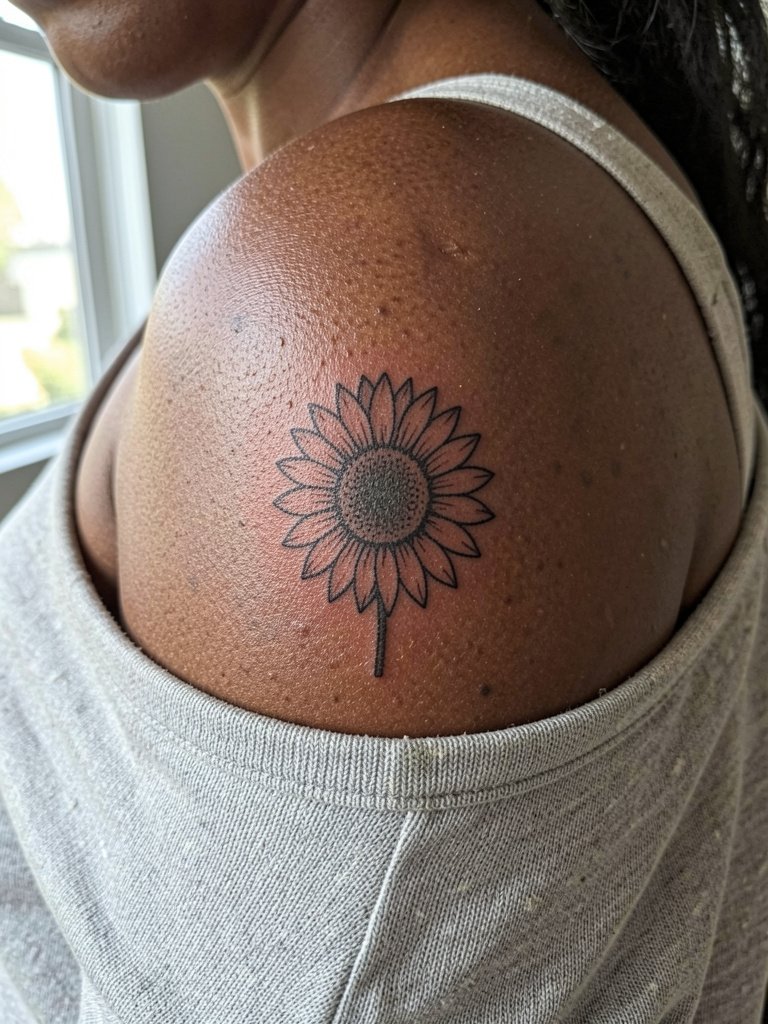
A light outline on the shoulder can look refined when the petals have space and the center has contrast using dotwork. The shoulder tolerates slightly larger scale, which helps with legibility. Watch out for clients asking for ultra-thin outlines that vanish after two years. Sessions are low to moderate discomfort and usually under an hour. For summer wardrobes choose tank tops and wide-neck tees that frame the curve without rubbing the healing area.
9. Upper arm bloom with dotwork accents
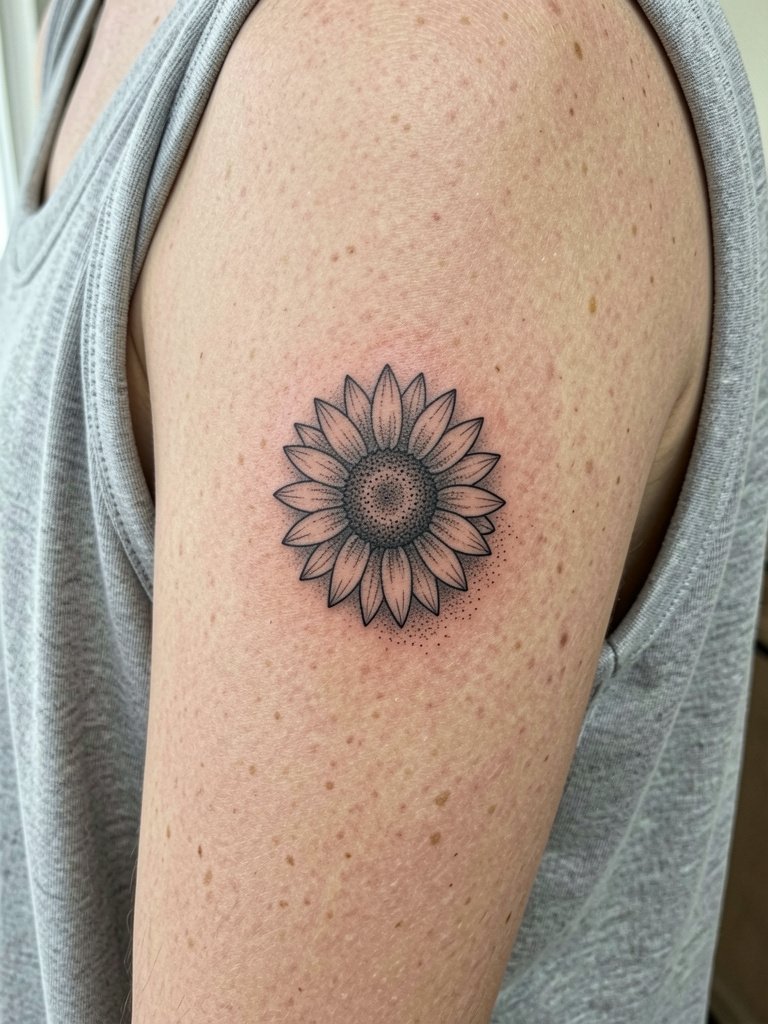
Dotwork brings texture without relying on color, which is useful when you want a refined black-and-gray look. Specify how dense you want the stippling so the artist can plan spacing that will survive two to five years. The session will take about 45 minutes and the realistic touch-up timeline is 18 months to 2 years depending on sun exposure. A typical mistake is packing shading right up against the linework, which blurs as the skin settles. For showing it off, pair with rolled-sleeve shirts and a lightweight open cardigan so the tattoo can peek out.
10. Black-and-white sunflower that ages well
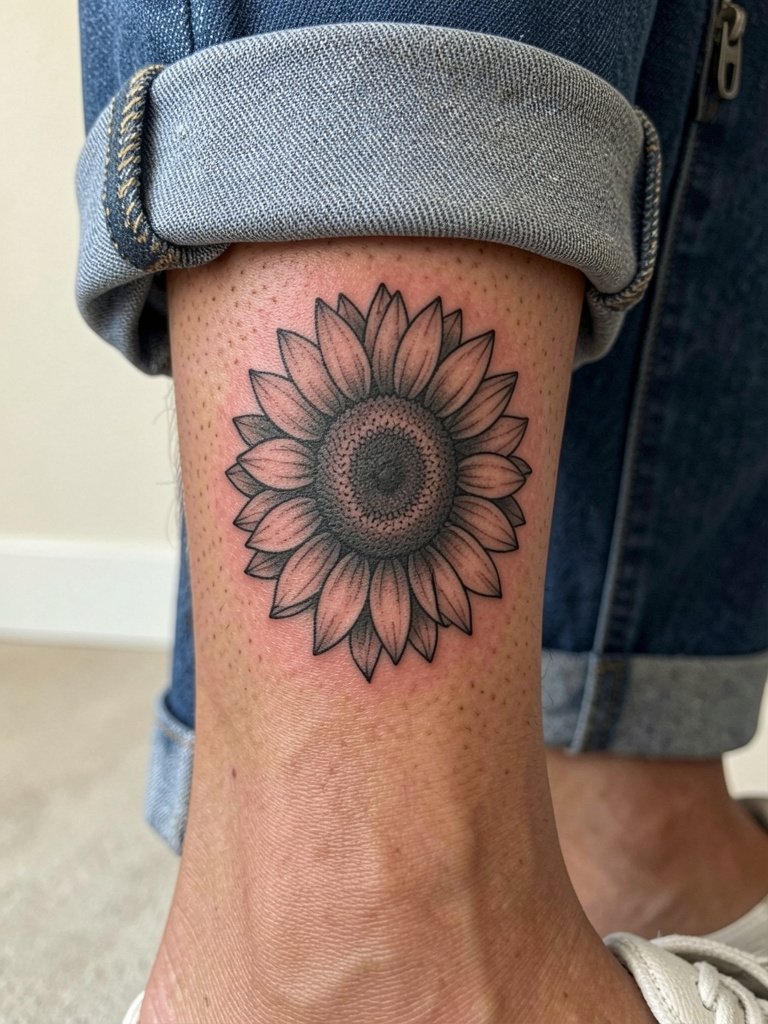
Color vs black-and-white splits people into two camps. One camp insists yellow petals are the classic sunflower look and make the image instantly legible. The other camp prefers black-and-white for cleaner aging and less trend-driven appearance. If you want black-and-white, ask for strong petal contours and a textured center so the bloom reads without color. On the ankle expect more friction and a likely touch-up at 12 months, so plan accordingly. Pair this with low-profile sneakers and ankle cuffs that do not rub the area during the first week.
11. Sunflower with soft color accents
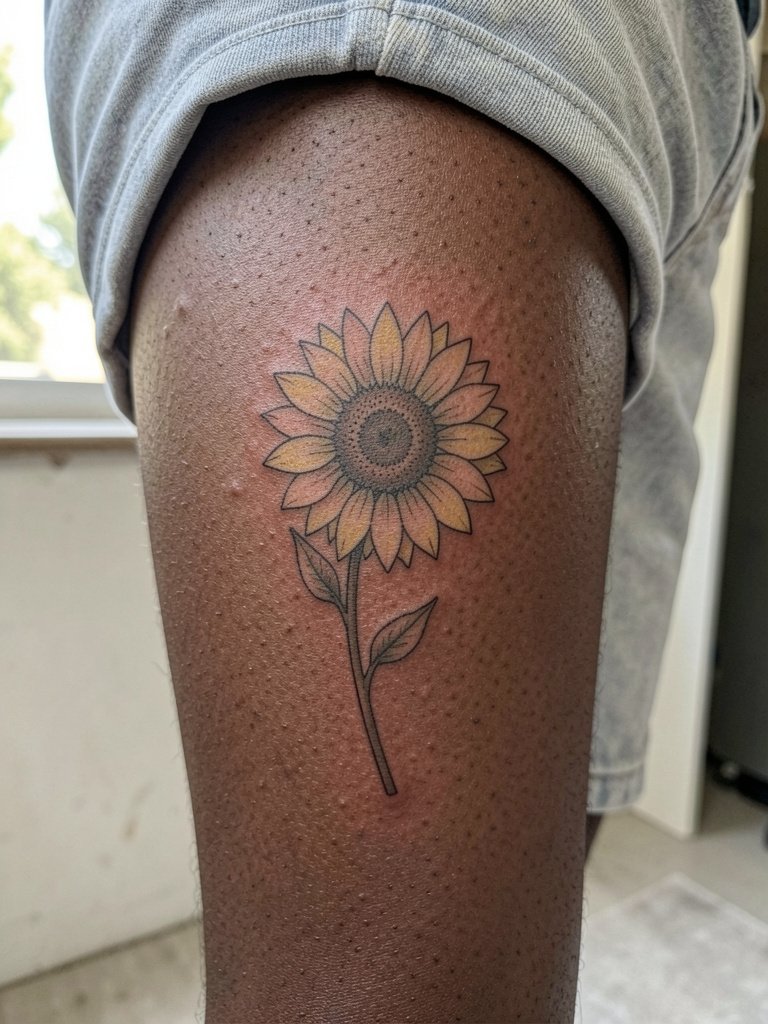
Muted color accents give the sunflower warmth without becoming loud. Specify the exact hue and saturation you prefer, for example soft peach rather than saturated orange, and request light layering so color does not fill tiny line gaps. Calf placements tolerate color and generally heal well, but expect some fading on high-movement areas and budget a touch-up at 18 to 24 months. The mistake is asking for saturated fills at micro scale. For evening looks pair with midi dresses and sandals that show the calf, and wear loose drawstring linen pants to the session for easy access.
12. Tiny positivity symbol on the ankle
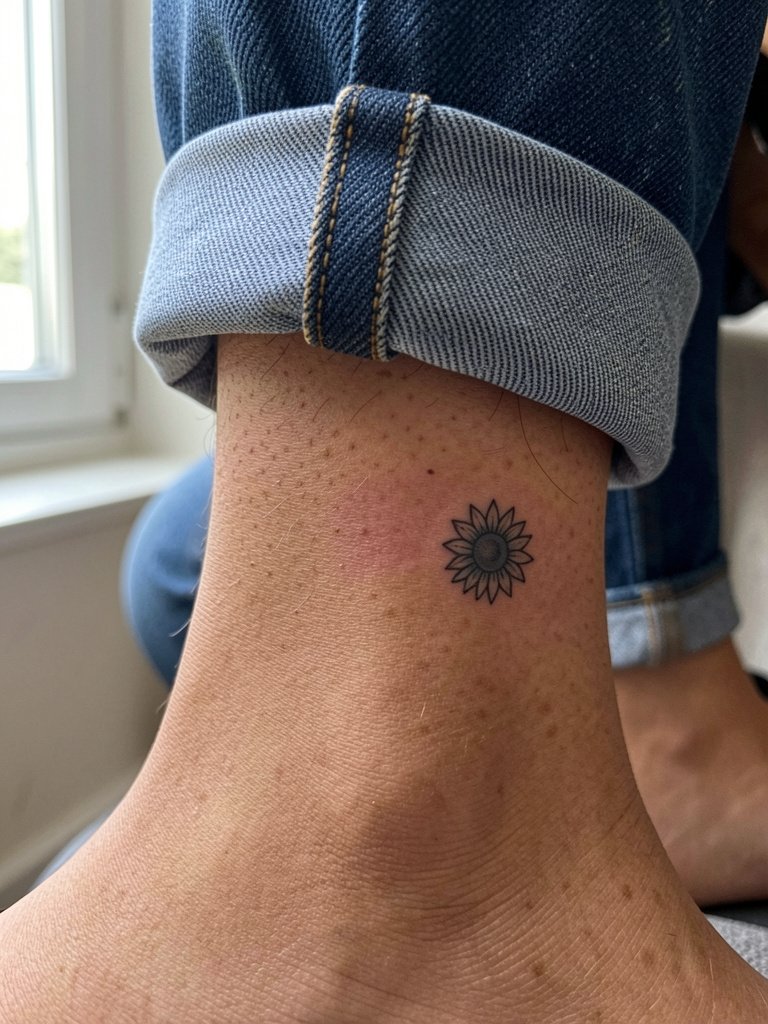
A tiny sunflower used as a positivity cue works best when it has a clear silhouette and a textured center so the meaning reads at a glance. If you want it discreet for work, keep it above the ankle bone where a cuff or sock can hide it when needed. The typical session is brief and the ankle will need careful aftercare because of shoes and socks. Avoid designs that place too many elements in the small footprint. For summer styling choose simple sandals or cropped jeans and consider an anklet for photographic framing.
13. Slim stem on the inner upper arm
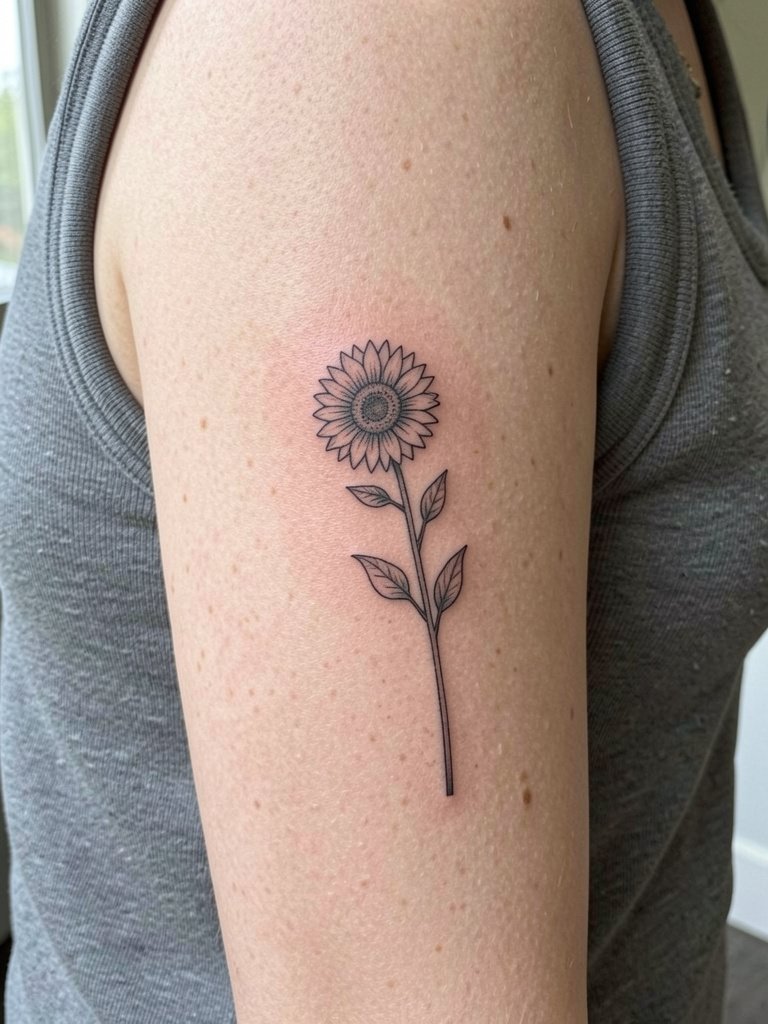
The inner upper arm provides protected skin that keeps fine line clearer for longer. Request slightly wider spacing between petals than your reference photo and ask the artist to show how the design looks at 2 inches and at 3 inches so you can compare readability. The usual session runs 30 to 50 minutes and the inner arm often needs fewer touch-ups because it sees less sun and friction. The common error is choosing single-needle filigree without increasing petal separation. Wear loose tank tops to the appointment so the artist has clear access and the skin is not pinched.
14. Mini nature scene on the calf with leaf accents
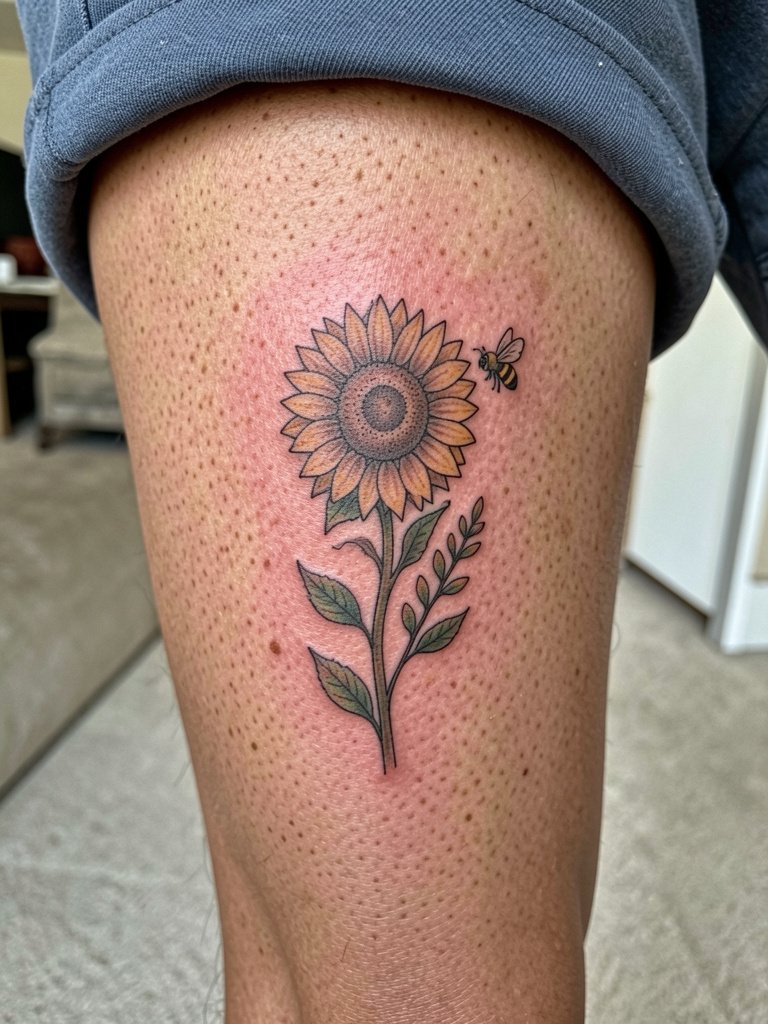
A small nature vignette reads like a tiny scene when each element is scaled for micro readability. Ask the artist to treat the bee as a supporting accent and to space the leaves so negative space separates the elements at small scale. The session can take up to an hour depending on how many micro accents you want, and the calf is forgiving but still benefits from a 12 to 18 month check-in. A mistake to avoid is adding micro script under the scene, which competes with the shapes. For showing it off pair with mid-length skirts or shorts that let the calf show without rubbing during healing, and wear breathable shorts to the studio.
15. Micro sunflower at the collarbone
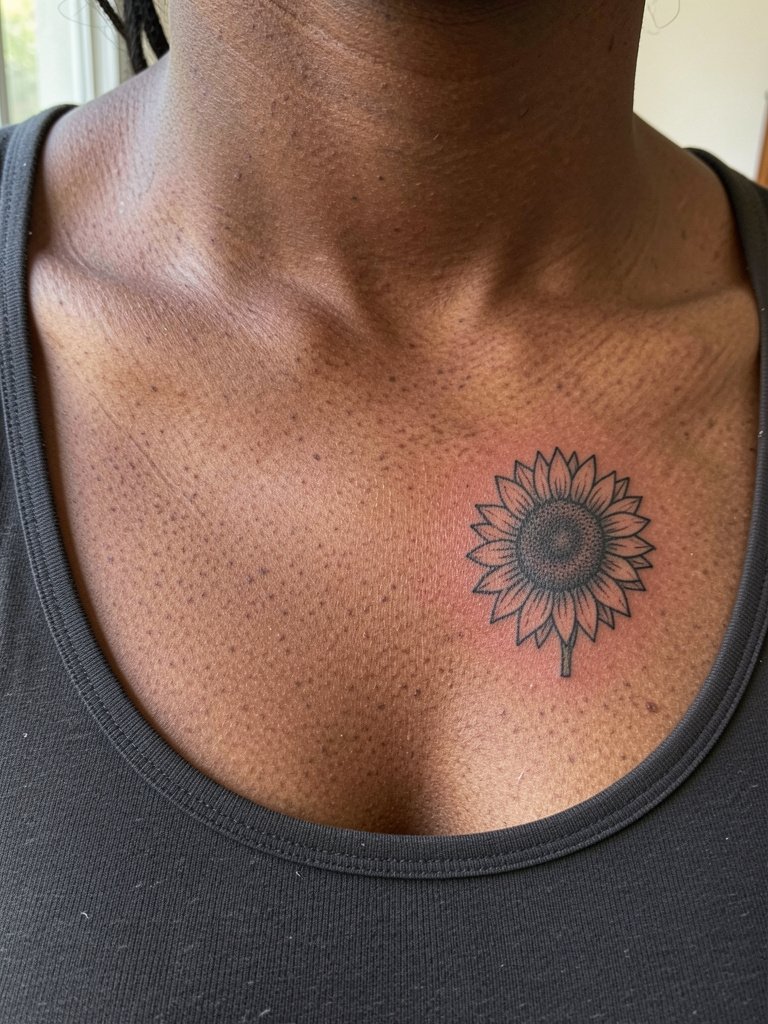
Collarbone micro blooms look refined when the petals curve with the bone. Ask the artist to place the flower so it reads when you are standing straight and also when you tilt your head, because the collarbone moves a lot. Expect moderate discomfort and a session around 30 to 45 minutes. The common error is placing the design too close to the neckline where clothing rubs during the first week. For outfits choose scoop or wide-neck tops that naturally frame the collarbone and avoid tight necklaces during healing.
Frequently Asked Questions
Q: How do I find an artist who actually nails tiny floral work?
A: Search Instagram and TikTok for hashtags like #tinysunflowertattoo, #finelinetattoo, and #microtattoo and then use the platform filters to narrow to your city. Look for healed photos in portfolios and multiple shots of the same piece at different angles. Local studio pages that show fine line botanical portfolios are usually the fastest route to booking.
Q: Will yellow color fade faster than black-and-gray?
A: Color does tend to lose saturation sooner than black, especially on exposed spots like the ankle or wrist. If you want the sunflower vibe without frequent color touch-ups choose muted washes or plan a touch-up at 12 to 24 months depending on sun exposure and skin type.
Q: Are finger and hand tattoos worth it if I want minimal upkeep?
A: Hands and fingers need more frequent touch-ups because of constant washing and friction. If low maintenance is the priority, consider the same design on the inner wrist or outer forearm where the lines hold better and touch-ups are less frequent.
Q: What should I wear to my appointment for different placements?
A: Match clothing to placement so the artist can work without tugging fabric. For wrist and forearm wear short sleeves or a cropped sleeve top that sits above the area. For shoulder and collarbone choose a tank or scoop-neck top so the artist can access the skin comfortably. For ankle or calf wear shorts or jeans with cuffs that roll easily.
Q: How small is too small for a sunflower so it still reads after healing?
A: If the bloom has fewer than five petals and no textured center, it risks losing definition. Plan for at least a clear central texture and slightly wider petal spacing than a decorative icon, and your artist will usually show a scaled mockup so you can compare how it reads at different sizes.