
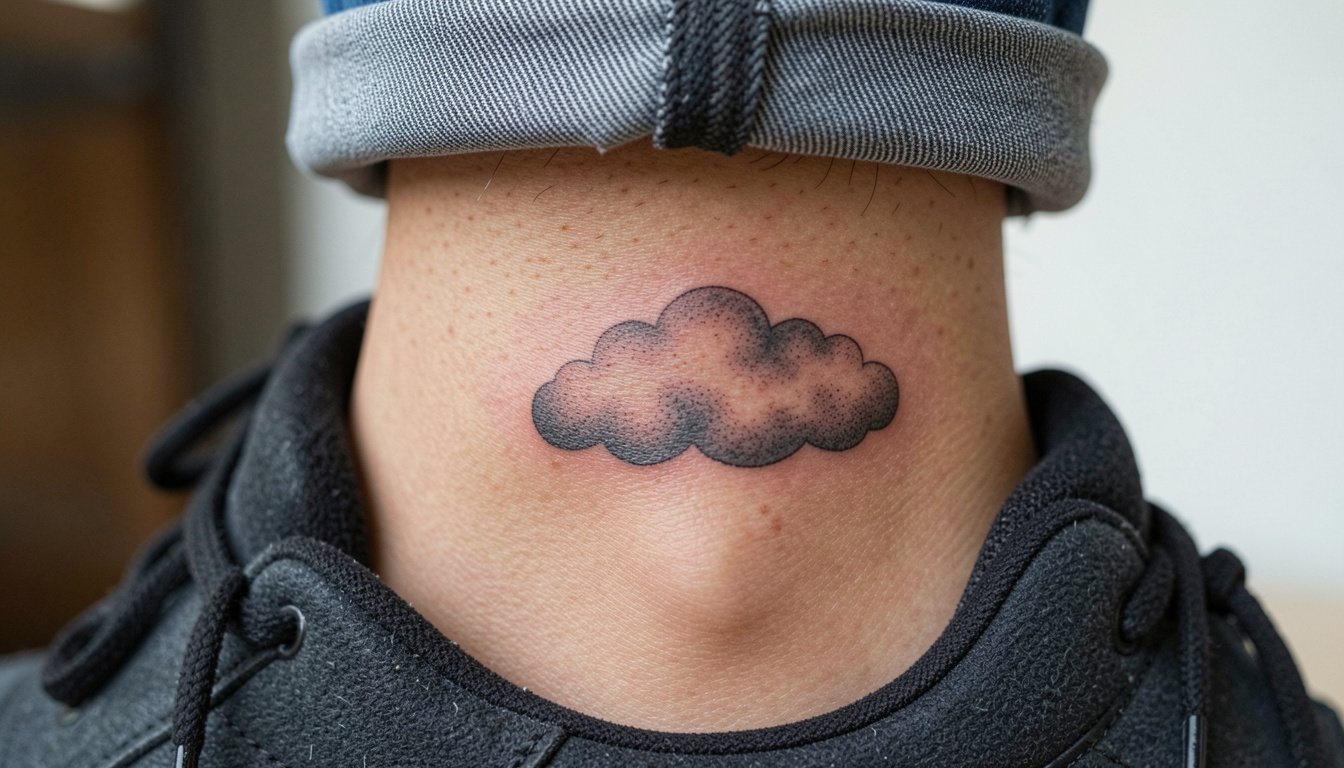
Small cloud tattoos keep showing up in consults for the same reasons: they read light, fit tiny spots, and work as filler between larger pieces. The surprise is that the tiny versions demand more planning than people expect, because lineweight, placement, and aftercare decide how they look at year two. Read these 15 small cloud ideas with clear notes on longevity, session feel, styling, and what to bring on chair day.
1. Minimalist Outline Cloud on the Wrist
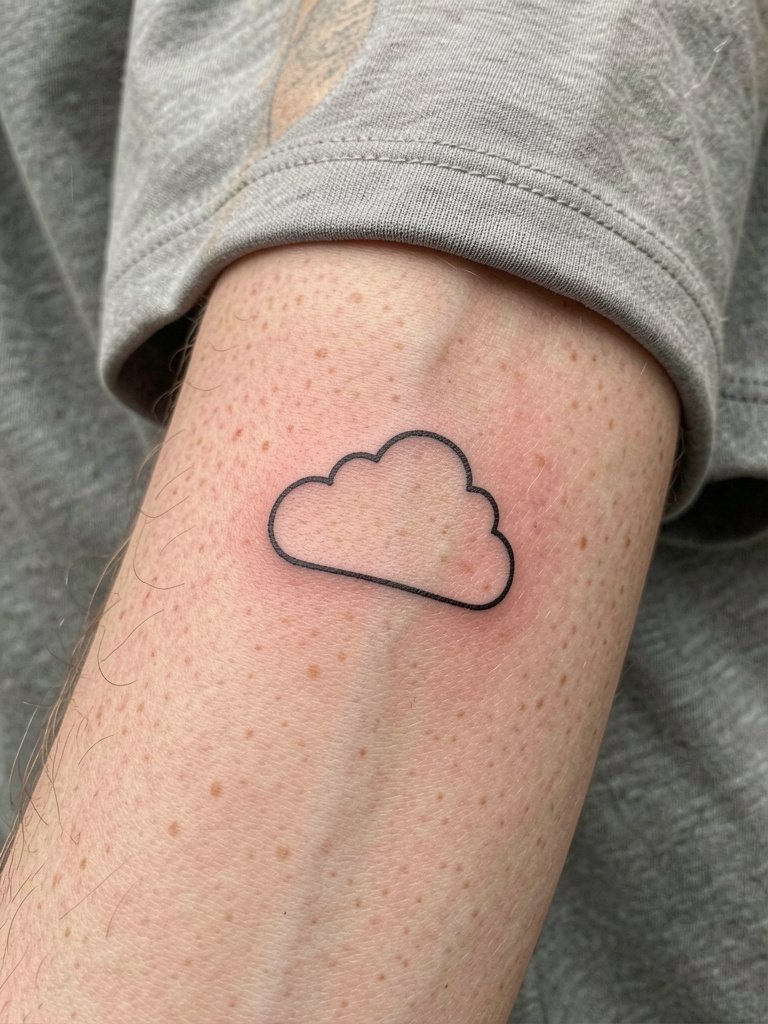
A tiny outline on the inner wrist is the classic small-cloud move because it reads clean and stays wearable with a watch or bracelet. Plan for a slightly heavier single-needle weight than the reference image so the contour does not blur into a smudge by year two. Some artists say thin fine-line outlines can hold if they increase spacing and the client protects the area. Other artists argue the wrist eats micro detail and that a hair bolder contour will keep the cloud readable without losing the minimalist look. Expect a 15-25 minute session and low pain. For showing off, add a thin chain bracelet on the opposite wrist.
2. Small Soft-Shaded Cloud at the Ankle
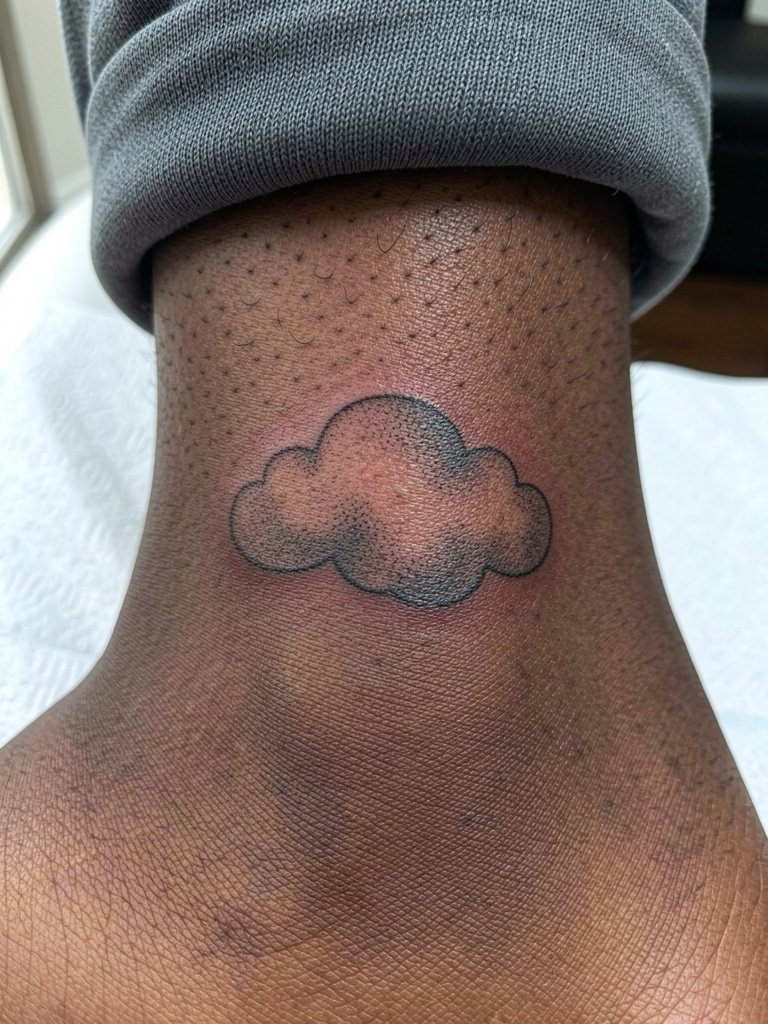
The ankle is forgiving for soft shading because the piece gets a little more surface area than a micro outline. Ask for stipple shading over heavy gradients if you want a softer edge that ages more predictably. Common mistake: asking for too much tiny texture in a one-inch space, which can turn into a muddy patch after healing. Session time is roughly 20 to 40 minutes and pain sits at medium because of thin skin over bone. When you want to show it off wear cropped jeans and low-profile sandals, and consider an anklet chain as a complementary piece.
3. Tiny Cloud Behind the Ear (Mastoid Area)
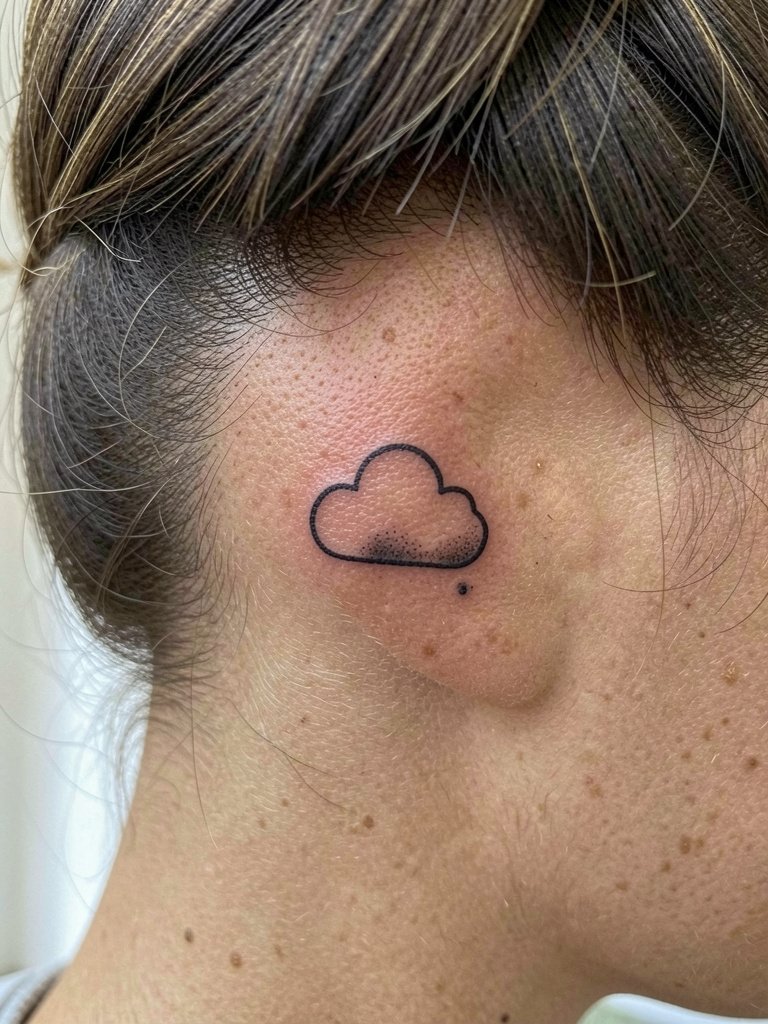
Behind-the-ear clouds are practically invisible until you tuck hair up, which makes them great for a discreet accent. The biggest question is needle depth; ask for consistent single-needle passes rather than ultra-thin, sketchy lines. Healed contrast is subtle at six months and remains subtle at two years if the artist spaces the contour. Expect a 10 to 20 minute session and low pain. Wear hair up for chair day so the artist can see the mastoid skin, and bring a hair clip to keep the area accessible.
4. Cloud with Stars Filler on the Forearm
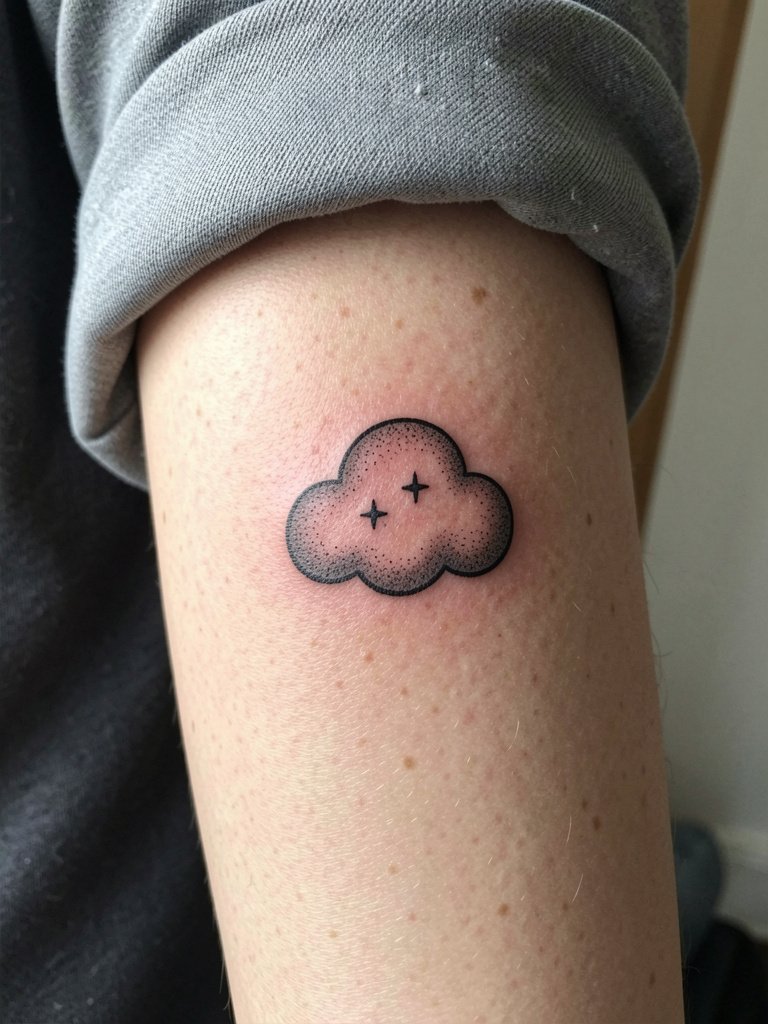
Clouds make excellent filler for patchwork, and tiny stars help the composition read without competing with nearby pieces. One practical tip is to have the artist map negative space around the main piece so the cloud does not crowd the focal tattoo. A common mistake is asking for too many micro stars in a small patch, which ages into specks that merge with the cloud. The inner forearm session usually lasts 30 to 45 minutes and feels moderate. For styling, the piece pairs well with a rolled-up overshirt and stackable bracelets on the opposite wrist.
5. Cloud and Lightning Combo on the Upper Arm
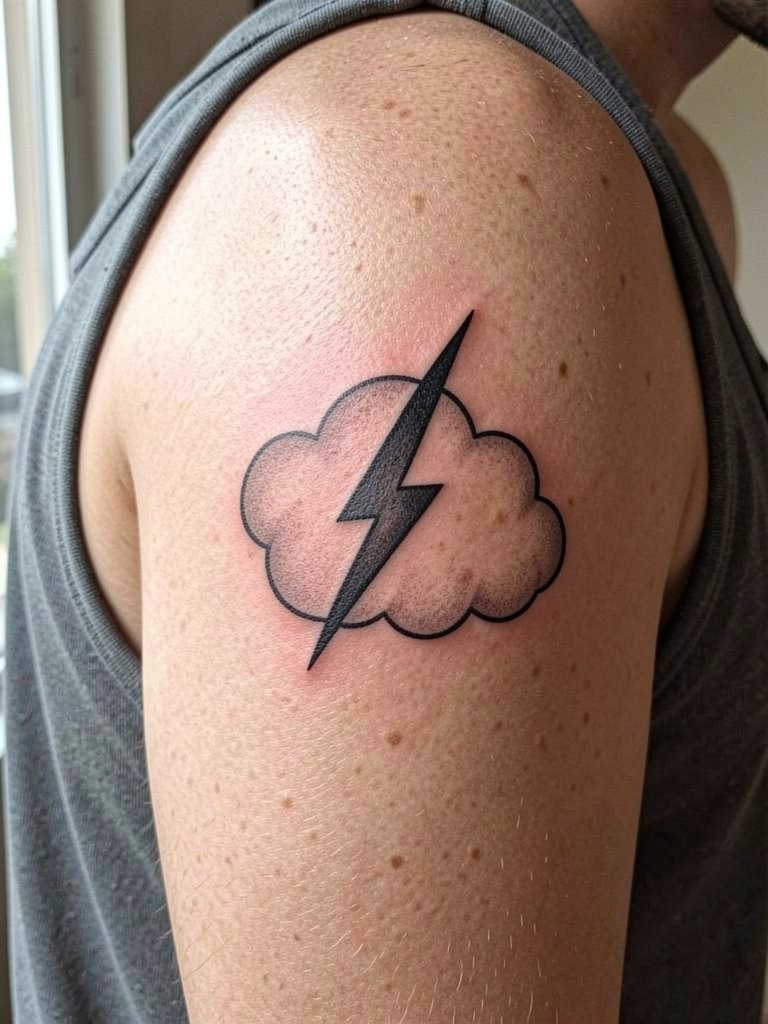
Adding lightning gives a cloud personality and balances soft cloud shading with a strong black element to anchor the piece. Ask for a crisp black fill on the bolt to keep contrast as the cloud softens. Many people pick ultra-thin bolts that vanish into the cloud over time, so request a bold graphic strike instead. Expect a 30 to 60 minute session with medium pain. Show-off pairing: sleeveless tees or tanks in solid colors, and keep the artist's access easy by wearing a tank on chair day.
6. Storm Cloud on the Inner Forearm
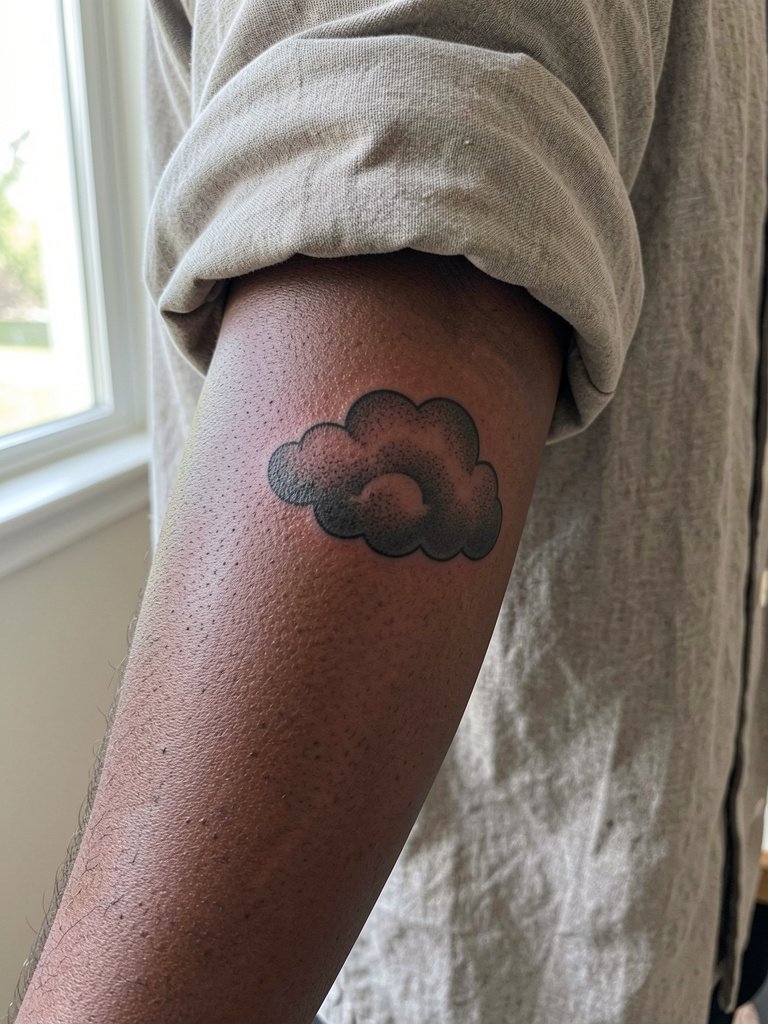
A storm cloud reads moodier because artists use heavier saturation and contrast. If you want emotional weight without losing detail, ask for slightly wider spacing in the darkest zones so the shading does not collapse. One major debate about fine-line versus bolder work shows up here. Some artists say fine line can stay delicate if the machine depth and spacing are dialed in and the client uses careful aftercare. Other artists favor bolder outlines for storm pieces because the thicker contour preserves readability on active forearm skin.
Before You Book
The wrist, ankle, and forearm pieces above each age and heal in different ways, so a small kit can save time during the first week.
-
Tattoo-specific fragrance-free lotion. Lightweight everyday moisturizer that soothes small surface tattoos without the greasy feeling heavier ointments can leave.
-
Specialty tattoo balm with lighter texture. A balm that avoids heavy petroleum helps micro linework breathe while keeping the skin from flaking.
-
Second-skin adhesive remover wipes. Handy if a protective film needs clean removal after a clinging first-day bandage.
-
Unscented mineral sunscreen for healed tattoos. Thin mineral SPF protects fine lines on visible placements once healing is complete.
-
Saniderm second-skin bandages. A sealed healing option artists use for high-friction spots like wrists and feet during the early skin-repair window.
7. Cloud with Birds in Flight on the Shoulder
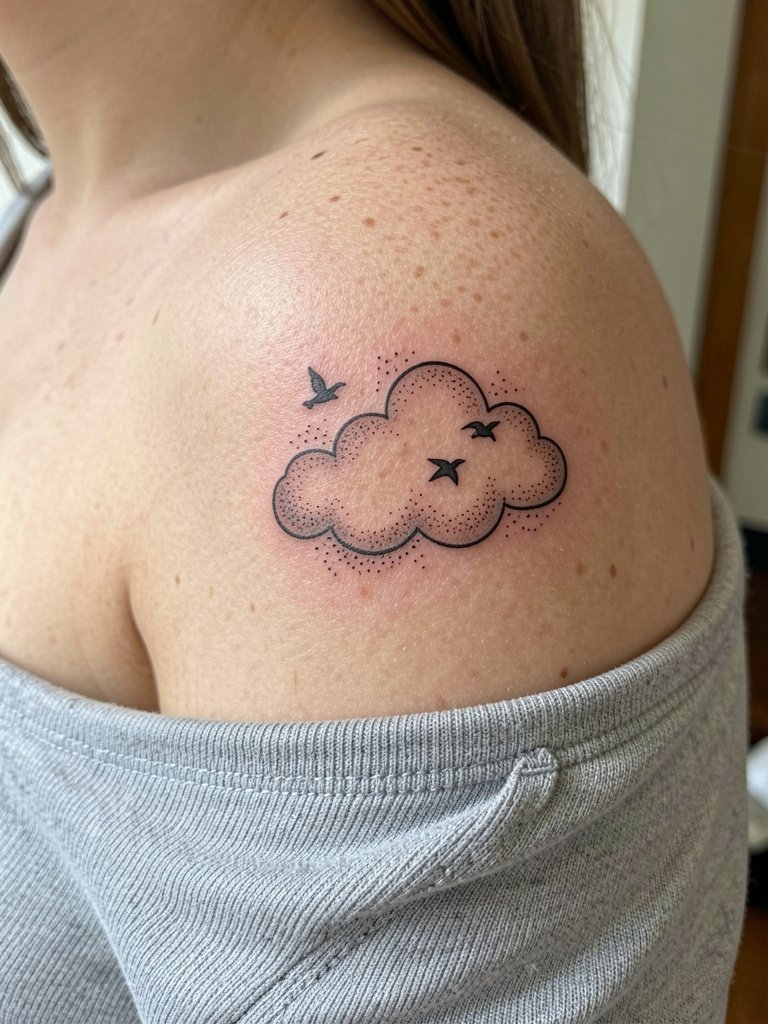
Pairing a cloud with small birds creates movement and reads like transition rather than a static icon. For the consult, bring two reference images that show bird scale because too-large birds can dominate the cloud. Common mistake: cramming three tiny birds into a half-inch area, which may blur into indistinct dots. Shoulder sessions are comfortable and take 25 to 40 minutes. Style pairing: off-shoulder tops and racerback tanks frame the piece nicely.
8. Cloud and Moon Design on the Collarbone
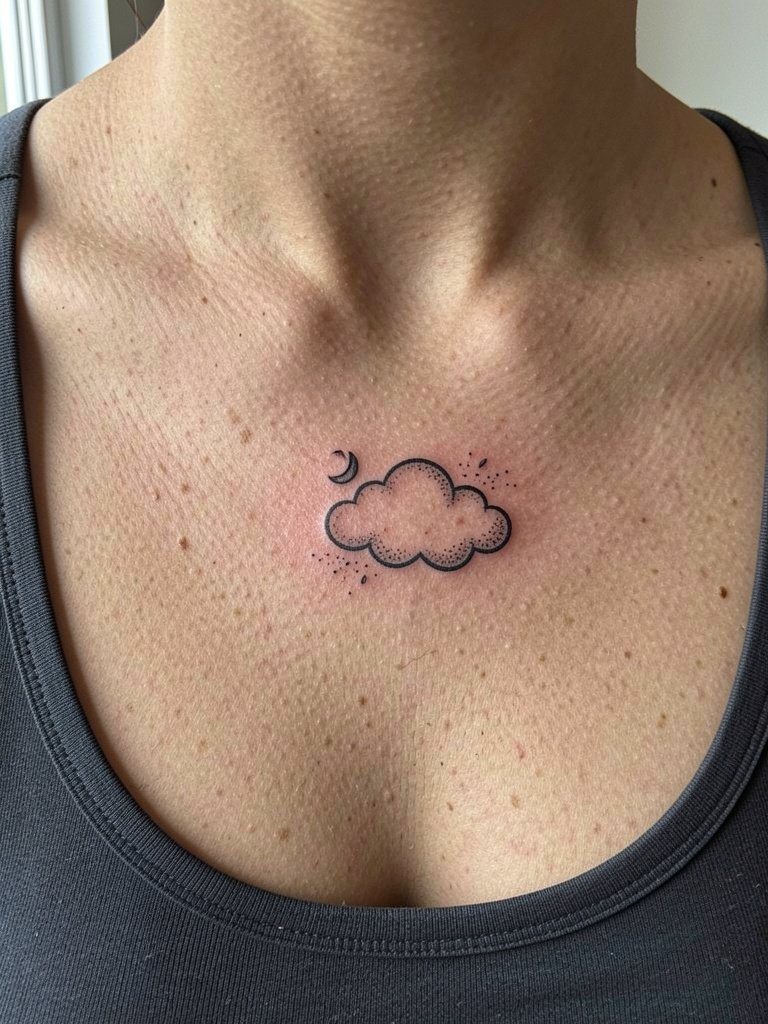
A moon-and-cloud pairing is classic for a dreamy collarbone mark that plays with negative space. The debate about black-and-gray versus color applies here. One camp favors black and gray because small celestial details keep contrast and tend to age more predictably. Another camp prefers color to make the moon pop and to match larger pieces when the cloud is part of a sky scene. For session wear, bring a strapless or scoop-neck top that the artist can move aside without rubbing the area. Delicate layered necklaces work well for styling after healing and you can link a layered necklace set if you want an accessory suggestion.
9. Tiny Finger Cloud
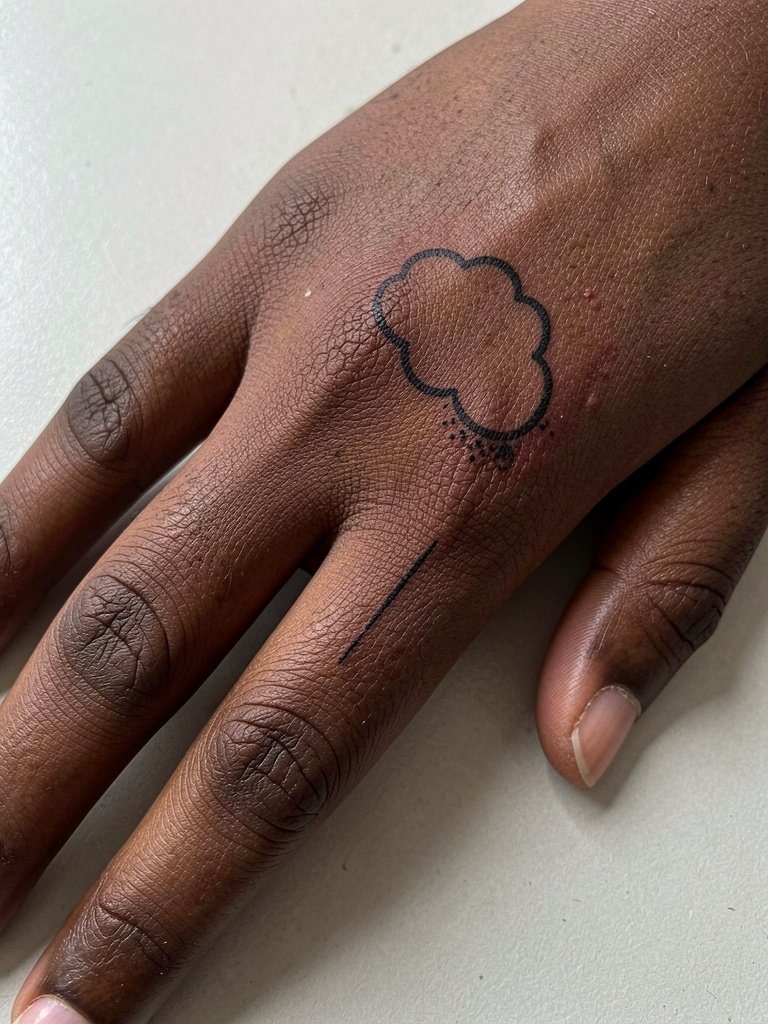
Micro finger tattoos are the trendiest tiny spots but they also have real maintenance needs. One group of artists says fingers are fine for micro line if the ink is deposited slightly deeper and touch-ups are accepted as part of ownership. Another group cautions that constant washing and motion mean the ink will blur or fade faster, so they discourage ultra-tiny single-needle pieces on the finger. Session time is short, ten to twenty minutes, but expect a higher chance of needing a touch-up within a year. For showing off, minimal rings and a clean manicure accent the look, and consider a minimalist ring set as a pairing.
10. Small Hand Cloud
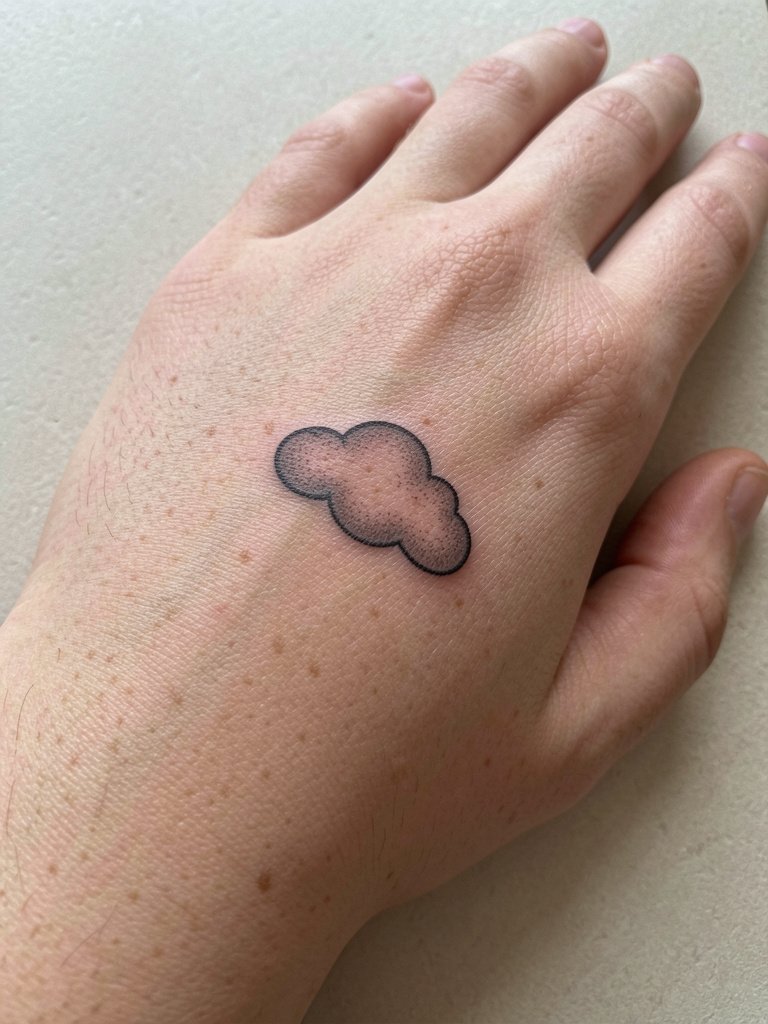
Hands amplify small tattoos because the area is constantly used and washed. If you want durability, plan for a slightly bolder silhouette and accept touch-ups sooner than for the forearm. A common mistake is matching a delicate wrist reference exactly on the hand and then finding it fades unevenly. Sessions are quick but feel higher on the pain scale because of thin soft tissue. For styling, keep bracelets minimal and choose sleeves that do not rub the area while it heals.
11. Cloud Wrist Tattoo (Outer Wrist Variation)
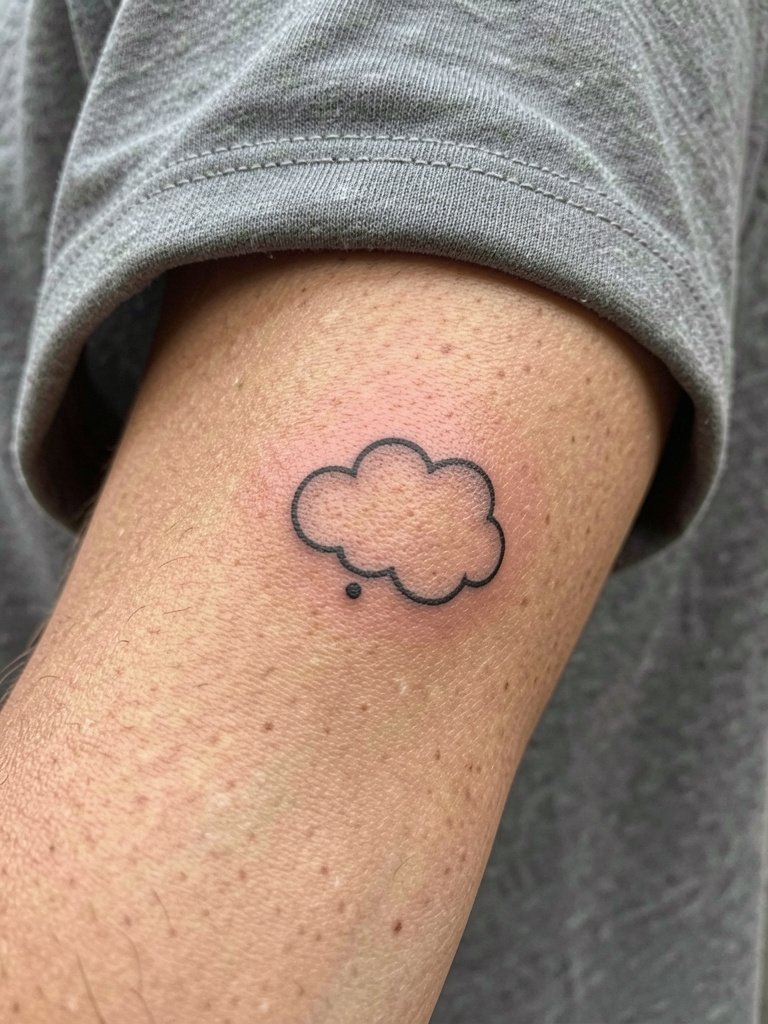
The outer wrist gives a slightly different silhouette and is easier to hide than the palm-up inner wrist. If you want longevity, tell the artist to increase line spacing just enough to prevent the outline from merging with wrist creases. Healed look at six months will show crisp contour, and at two years minor softening is normal. Session time is about 15 minutes and pain is low to medium. Pair this with a slim watch on the opposite wrist for balance.
12. Small Storm Cloud Foot Tattoo
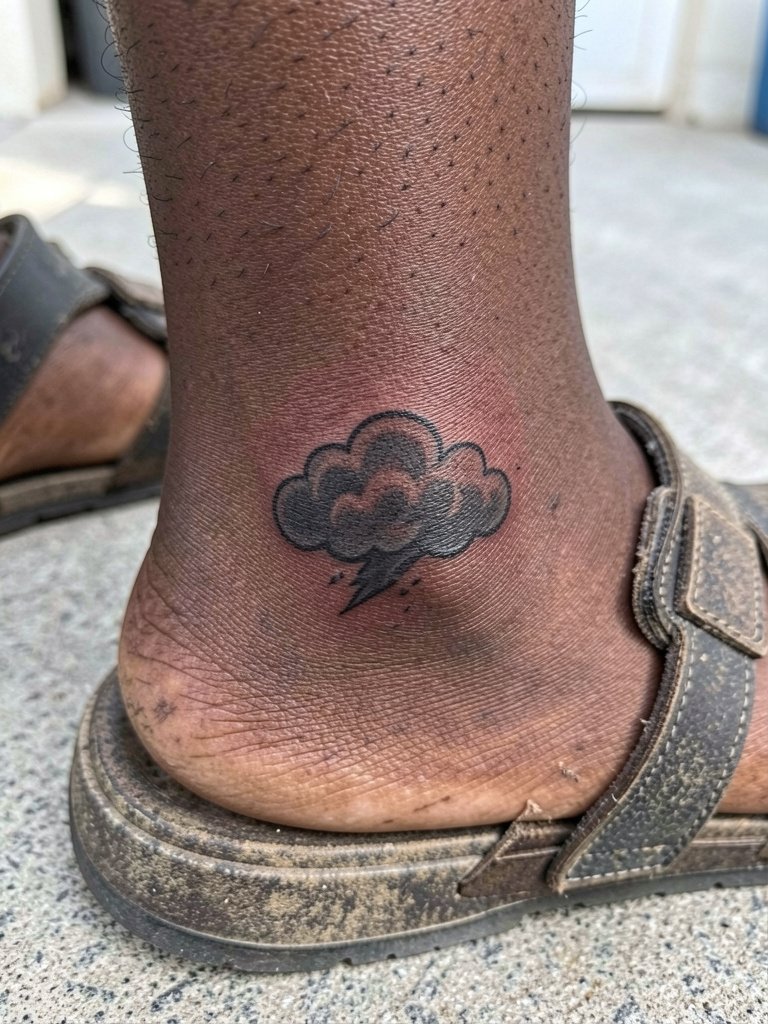
Feet are discreet and moodier placements for small storm clouds, but they face friction from shoes and socks that accelerates fading. For the consult, ask about placement relative to bone contours because high-pressure spots blur faster. Expect a short but potentially sensitive session, and plan for a touch-up six to twelve months out. Style with low-profile sandals or cropped pants to show the work when you want.
13. Cloud Background Piece for Side Torso or Ribcage
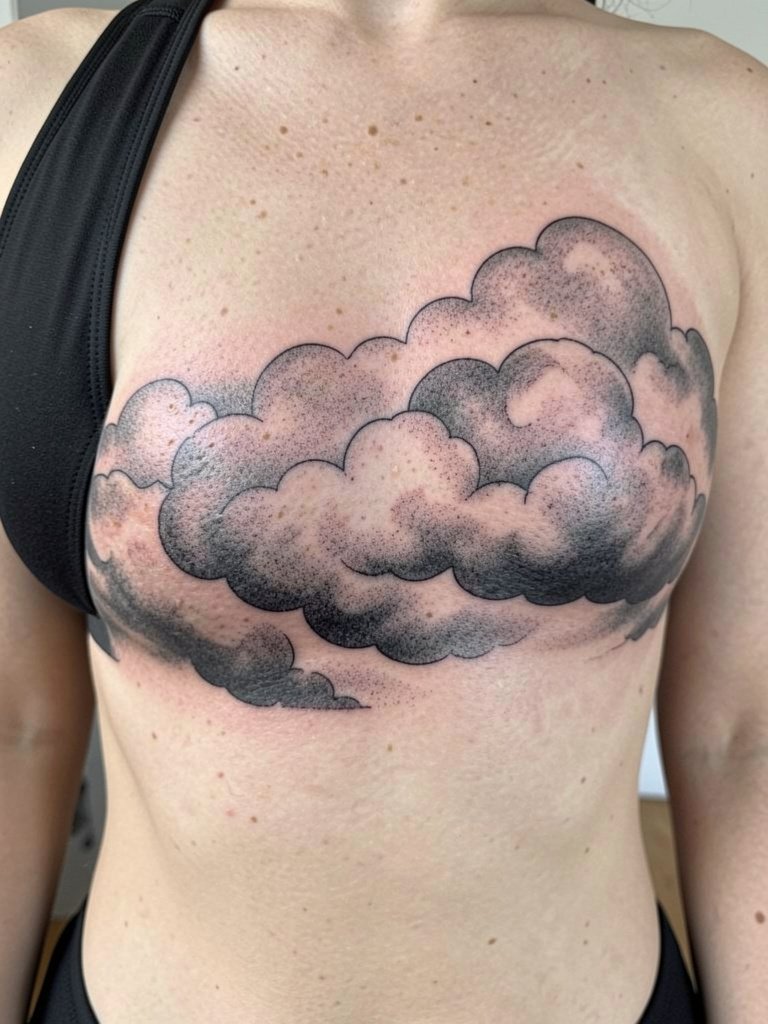
Clouds make excellent background work because they soften the transition between larger elements and keep the eye moving. For ribcage pieces, spacing and scale matter a lot. One group of artists warns that very fine-line cloud edges on ribs will blur as the skin shifts and stretches. Another group says if you increase spacing and use stipple shading it will hold and integrate well with adjacent pieces. Sessions here may be split across appointments and pain ranges higher, so plan wardrobe that allows easy access like a sports bra or bralette on chair day. For styling, oversized button-downs left open frame a side torso piece nicely.
14. Tiny Cloud Collarbone Tattoo
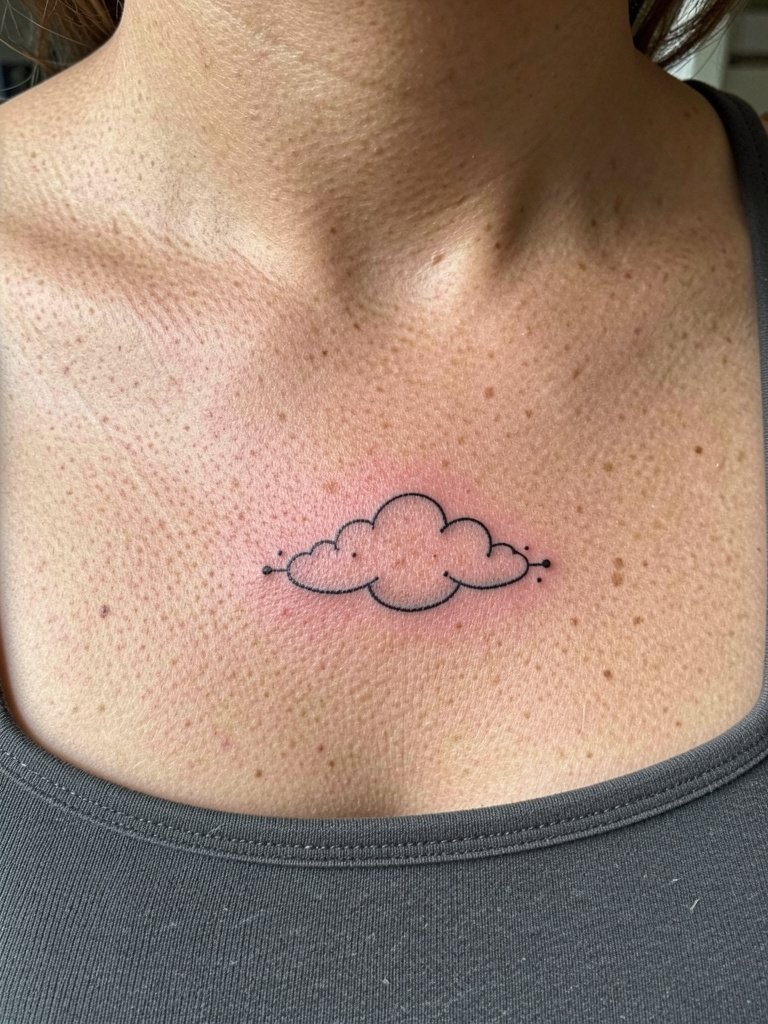
The collarbone is a flattering canvas for a small cloud but it moves with breathing and posture. A frequent mistake is asking for ultra-fine script or tiny internal texture in a one-inch cloud there, which loses clarity. Expect modest session time and moderate pain. For showing off, strapless or square-neck tops and layered delicate necklaces pair well after healing.
15. Cloud as Filler for Patchwork Pieces
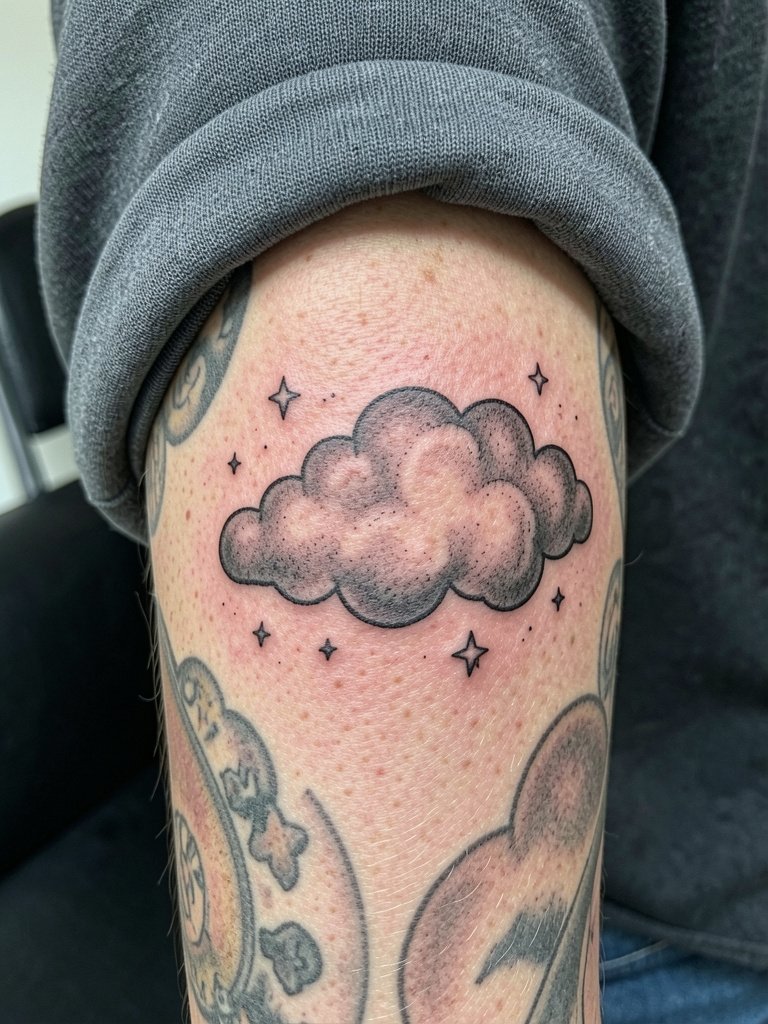
Using clouds as filler lets you unify a patchwork composition without adding heavy contrast. When planning, have the artist mock the negative space so the cloud frames, not competes with, the main pieces. A regular error is asking for too many small filler motifs in one visit, which can result in uneven saturation. Sessions vary depending on scale, and touch-ups are common if the cloud sits across different skin textures.
Frequently Asked Questions
Q: How much do small cloud tattoos usually cost?
A: Pricing depends more on shop minimums and city rates than the millimeter size of the design. Expect to pay an artist minimum for a one-off micro piece, and remember that a slightly bolder line to preserve longevity is value for money.
Q: Will a fine-line cloud blur fast on my skin tone?
A: Fine line can hold on any tone if the line weight and spacing are adjusted and the artist sends healed photos. Some artists say fine line holds if the spacing is increased and the depth is right. Others say very thin single-needle clouds can blur faster on hands and wrists, so they recommend a slightly heavier contour for those spots.
Q: Where can I find healed examples and artists who do small cloud tattoos?
A: Search hashtags like #cloudtattoo and #finelinetattoo on Instagram and TikTok and filter results by location to find nearby portfolios. Reddit threads on r/tattoos and r/tattooadvice are also useful for seeing healed photos and reading real clients' touch-up experiences.
Q: How often should I expect touch-ups for hand, finger, or wrist clouds?
A: Hands and fingers typically need touch-ups sooner because of friction and frequent washing. Plan on a possible touch-up within 6 to 18 months for those placements, and for forearm or collarbone pieces you may not need one as quickly.
Q: What should I wear to the appointment for these placements?
A: Match your session clothing to the placement so the artist has clear access, for example a sleeveless tank for shoulders or a strapless top for collarbone work. For a forearm or wrist session, roll sleeves or wear a short-sleeved shirt and remove watches or bracelets; a rolled sleeve t shirt makes access simple.