
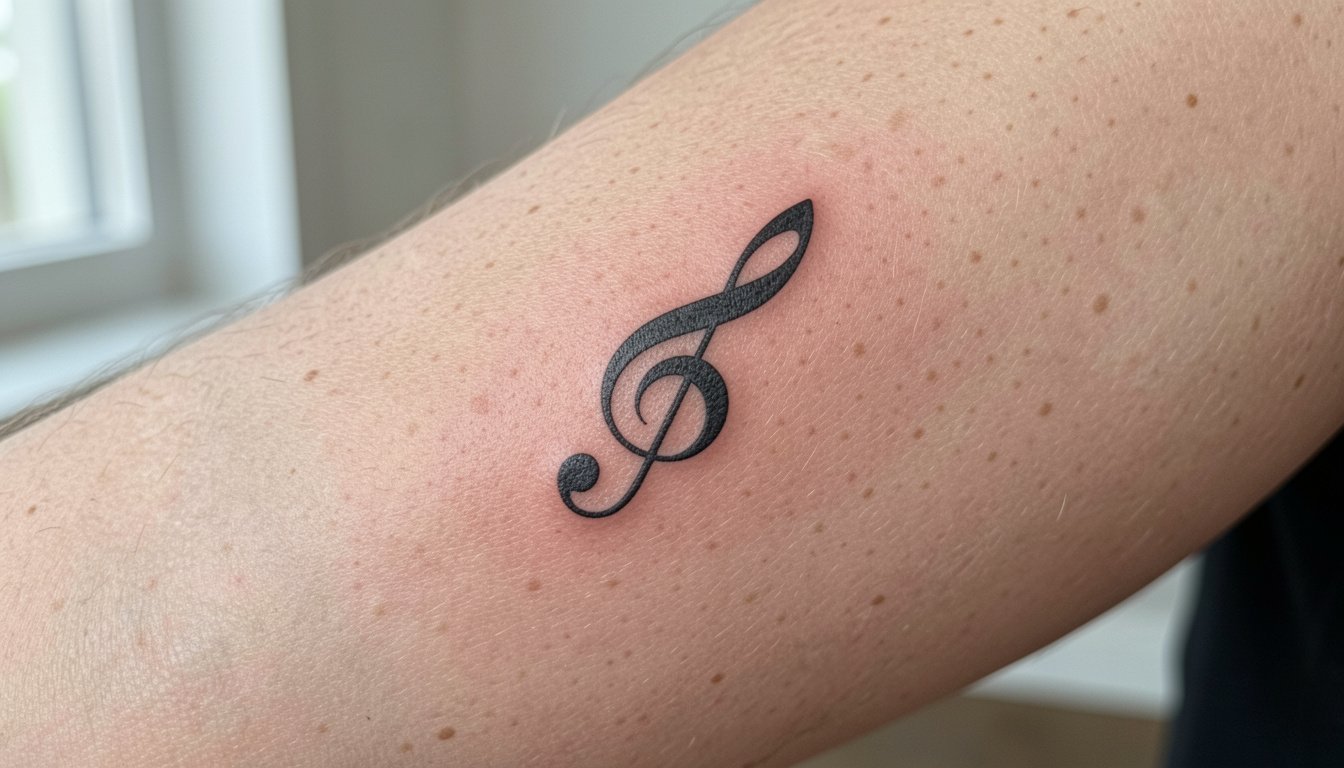
Ultra-fine music-note tattoos look effortless on camera, but they do not always hold their shape in real life. Tiny single notes on high-movement skin often soften into blobs within a couple of years. Slightly stronger line weight and choosing a low-friction placement change that outcome. Read the first idea for a single eighth note micro that proves how small size plus smart planning keeps the symbol readable long term.
1. Single Eighth Note Micro on Inner Wrist
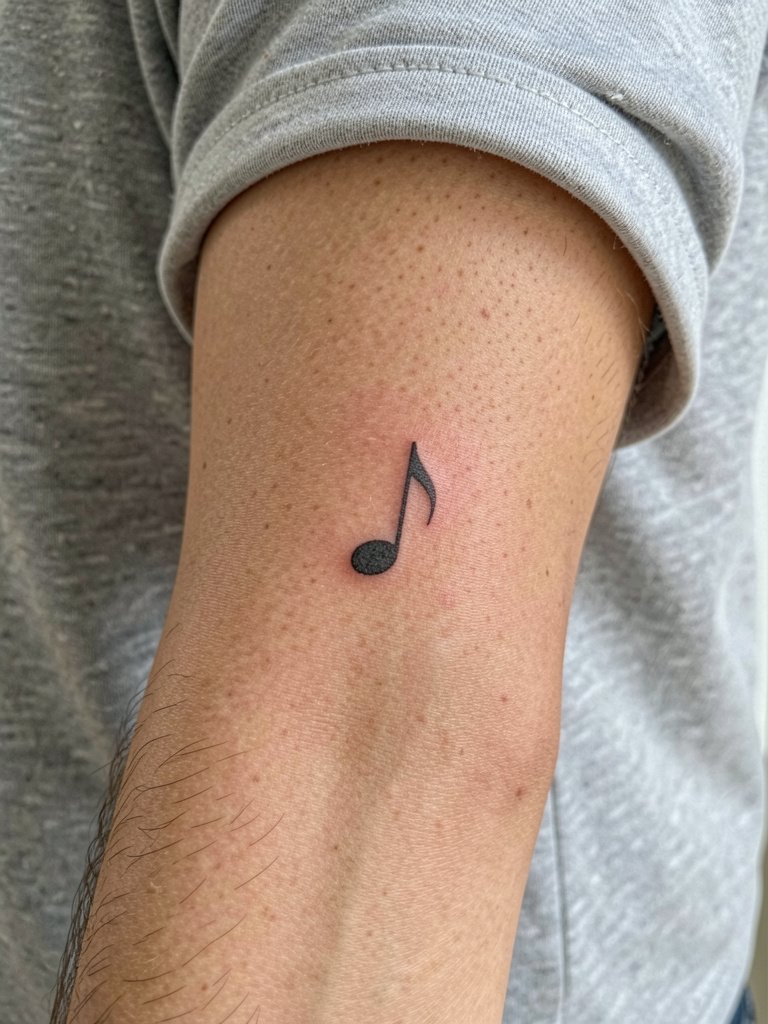
A tiny eighth note is the classic first-tattoo choice for music lovers who want subtlety. I recommend this when you want something visible in bracelets-up moments but easy to cover with a watch. For longevity, pick a slightly heavier single-needle lineweight than the feather-light reference art so the head and stem keep separation as the skin ages. Bring two scale references to your consultation so the artist can show how the note reads at three sizes. The most common mistake is asking for needle-fine stems that disappear after a year. Expect a short session under 20 minutes and a likely touch-up at the one-year mark if you wear a watch over the spot.
2. Flowing Music Staff with Scattered Notes on Inner Forearm
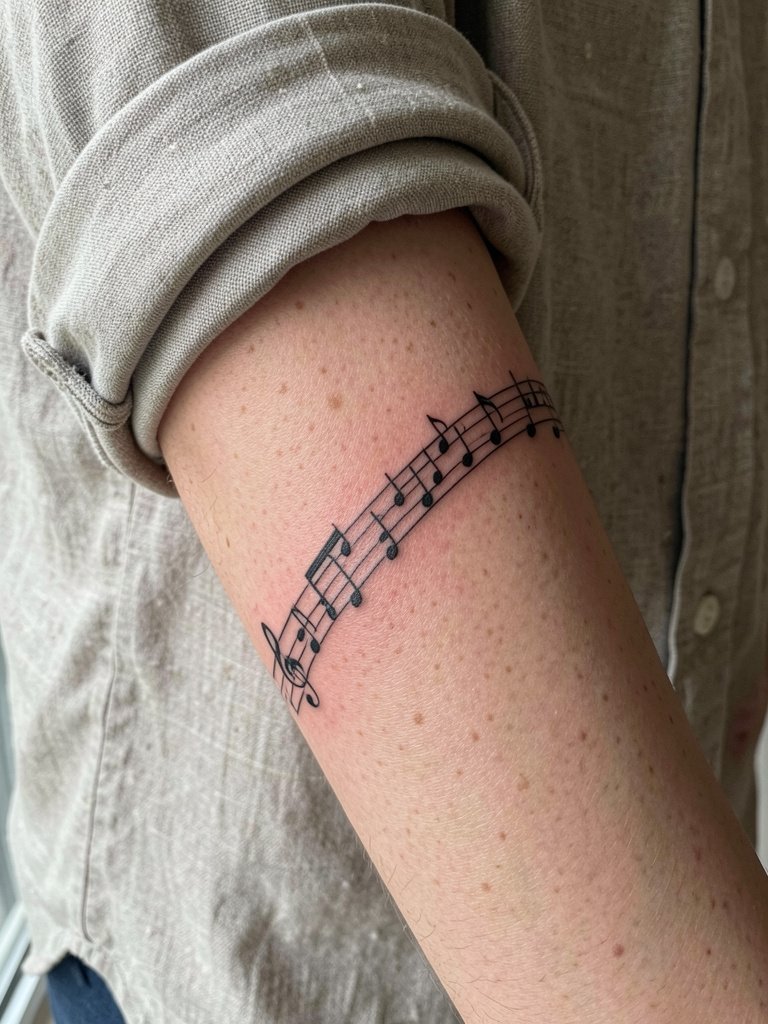
A short staff that flows with the forearm reads more like a melody than an icon and is great if you want a slightly larger small piece. This placement benefits from a steady spacing between bars so the lines do not blur into a single band as it heals. Tell the artist you want the staff lines set a hair wider than your initial reference, and bring a forearm photo showing the exact placement you want. The session feels calm because the inner forearm is easy to access. For showing off, pair it with a rolled sleeve linen shirt and a dainty ring set like rolled sleeve tee search or dainty ring set search when you want the art visible.
3. Treble Clef with Small Rose Accent on Outer Forearm
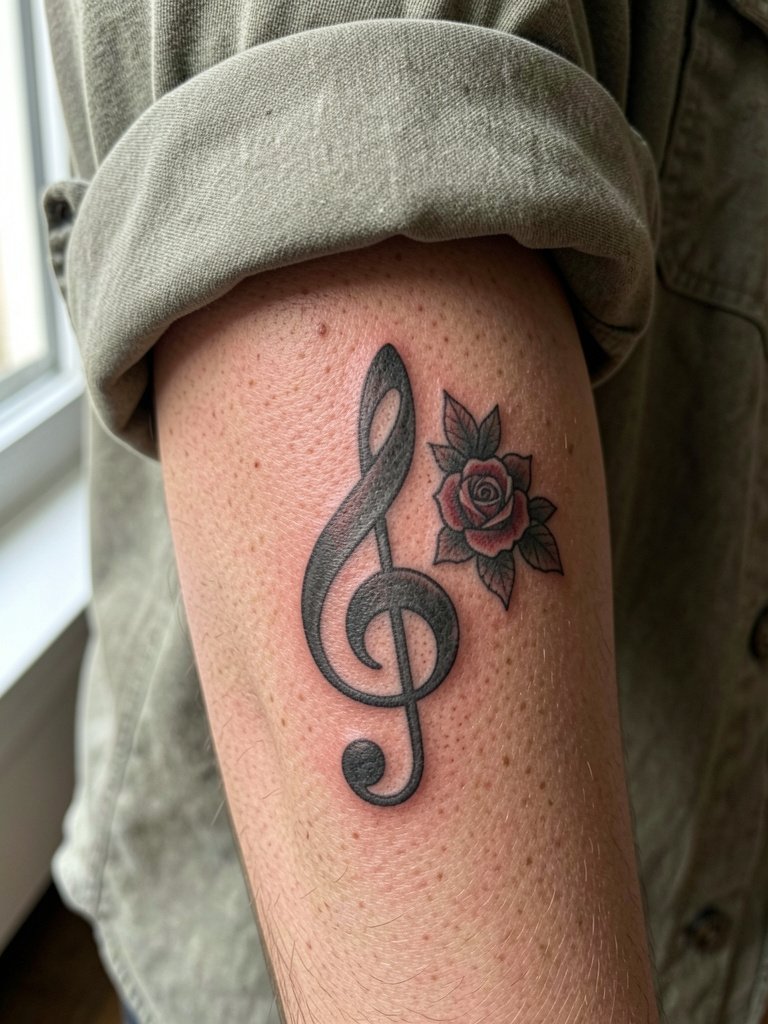
Pairing a treble clef with a tiny rose gives a symbolic edge while keeping the piece readable at small scale. I recommend this if you want a softened music symbol with a color accent that still reads from arm length. Ask for selective color only in the rose and black saturation in the clef so the details hold up. A common mistake is adding too many petals or tiny stippling that looks crowded at small scale. Expect one to one and a half hour depending on color. This placement looks polished with a fitted short sleeve shirt and a simple cuff bracelet. Try cuffed sleeve tee search to frame the piece.
4. Music Memorial Line with Tiny Note at Collarbone
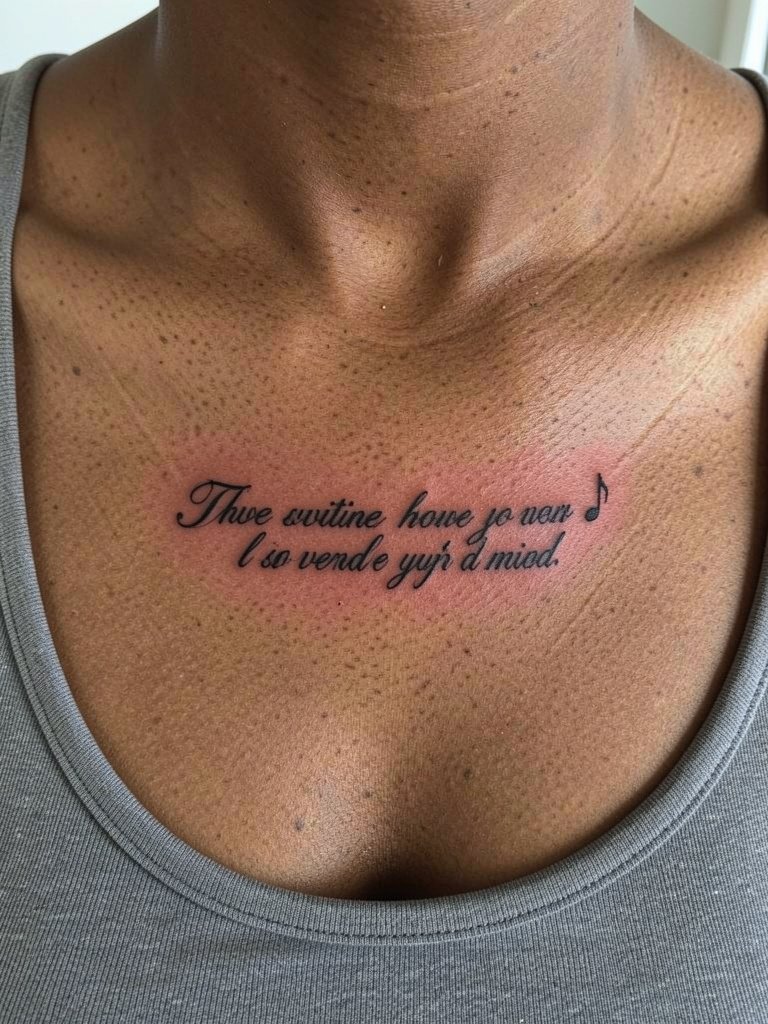
A short lyric line with a small note at the collarbone can act as a quiet memorial without heavy text. Use a compact script and keep characters large enough to avoid blurring. During the consultation, specify the exact script size and bring the lyric typed out at the final chosen font size so the artist can stencil it accurately. A mistake people make is cramming long quotes into the collarbone zone. Pain is moderate here, and session wear should be a tank or scoop top for easy access. For evenings, layer delicate chains like layered necklace set search to frame the area without crowding the tattoo.
5. Behind-the-Ear Tiny Note on Mastoid Area
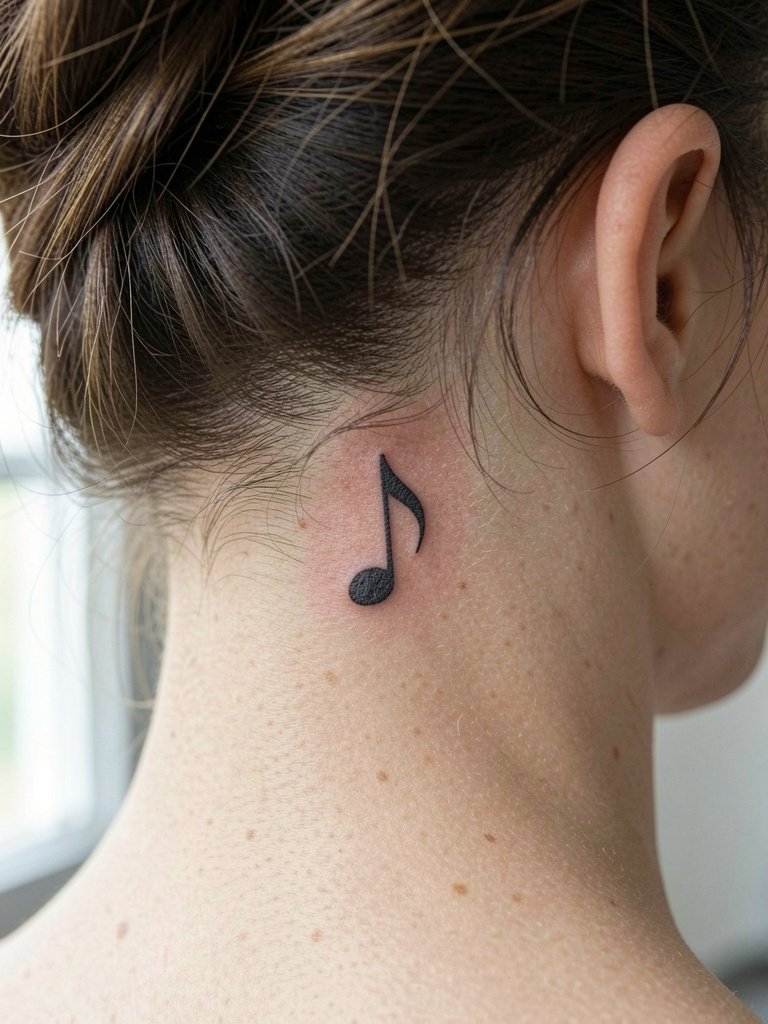
The mastoid area is a favorite for discrete music symbols that appear only when hair is up. Expect very small scale work and a quick session. Note that ultra-fine single-needle stems read beautifully on many people, but some artists argue slightly bolder line weight preserves clarity over time. One camp prefers the wispy single-needle look for its subtlety. The other camp favors slightly thicker lines to avoid early softening. Both perspectives have merit. Wear your hair up to the appointment and bring a hair tie so the artist has clear access. For occasional reveals, pair this with small stud earrings or a slim necklace as accents.
6. Tiny Note on the Finger
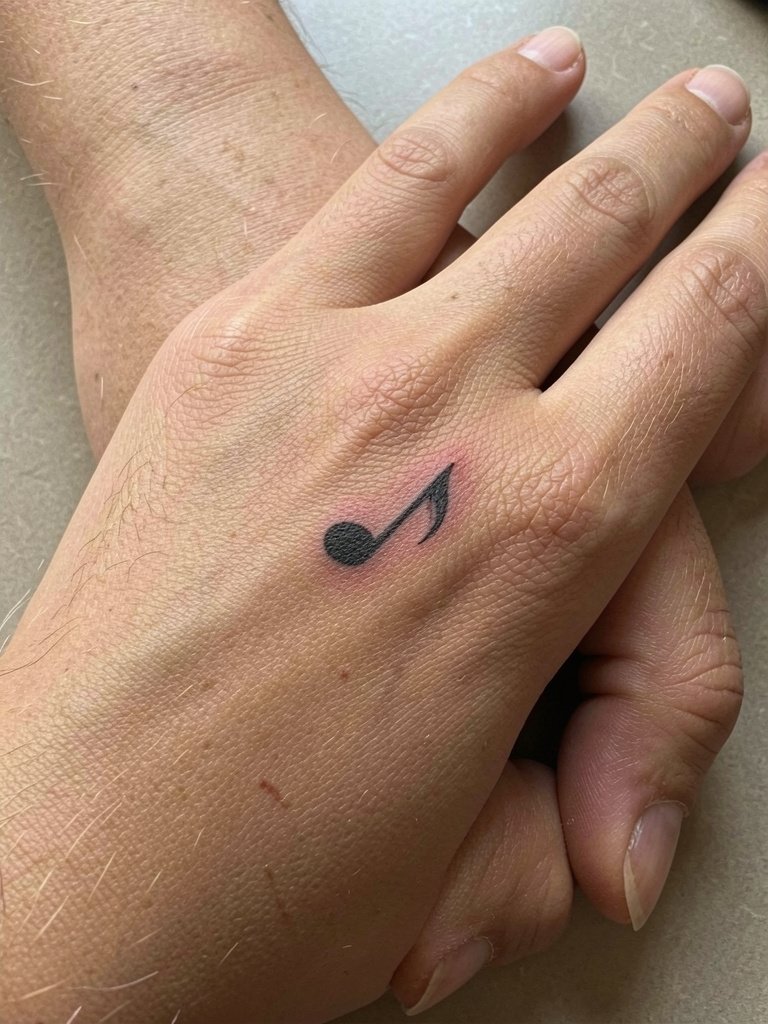
Finger tattoos are highly visible and tiny, but they age differently than forearm pieces. One group of tattooers warns that finger skin and frequent hand washing cause early fading and frequent touch-ups. The opposing group says careful depth and slightly bolder fills can make a neat finger note last longer. Both camps base their views on healed examples. If you pick the finger, plan for touch-ups at one to two year intervals. Session time is short but the sensation rates higher than the forearm. During the session do not wear rings on that hand. For styling, combine with thin band rings like thin band rings search for a coordinated look when the design is fresh.
7. Pair of Tiny Quavers on Ankle
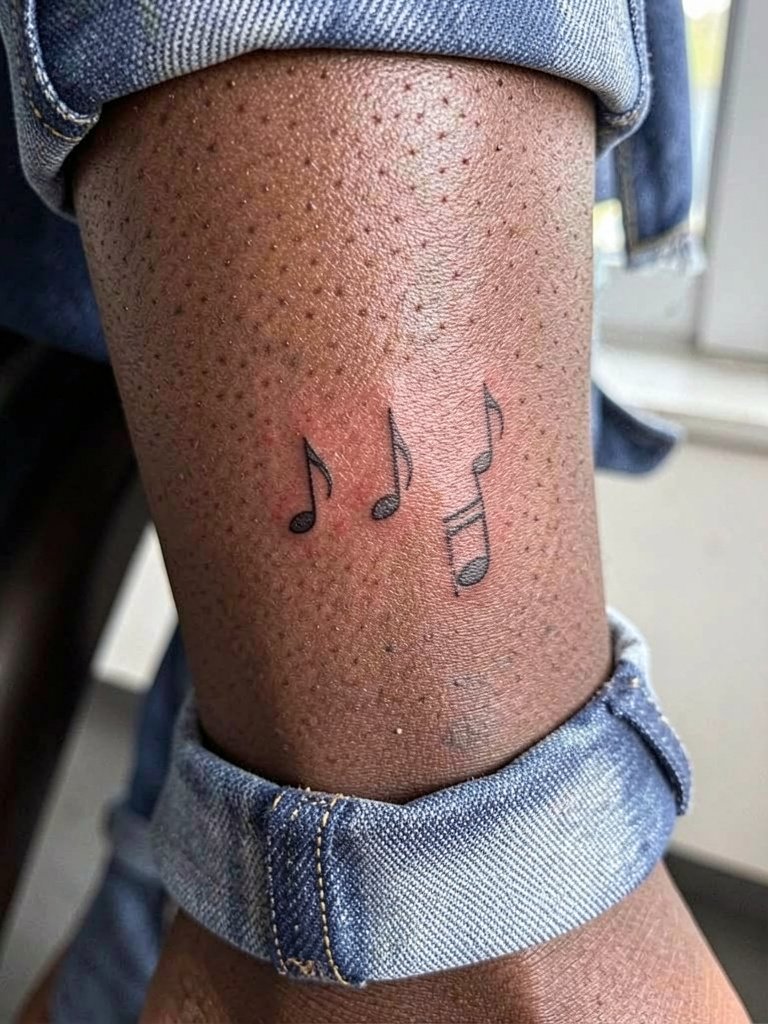
Ankle notes let a trail of sound follow your foot line and remain easy to conceal. Because the ankle sees shoe friction, avoid ultra-fine stems and keep the note heads a bit rounder so they do not flatten out. When you book, specify the exact placement relative to the ankle bone rather than saying "somewhere near the ankle" so the artist can map how footwear will interact. The typical mistake is placing the design where straps or anklets rub constantly. Wear cropped jeans or strappy sandals to your session so the artist can see the area in the clothing context. Consider an anklet only if it will not sit directly over fresh ink.
8. Mini Piano Keys on Inner Forearm
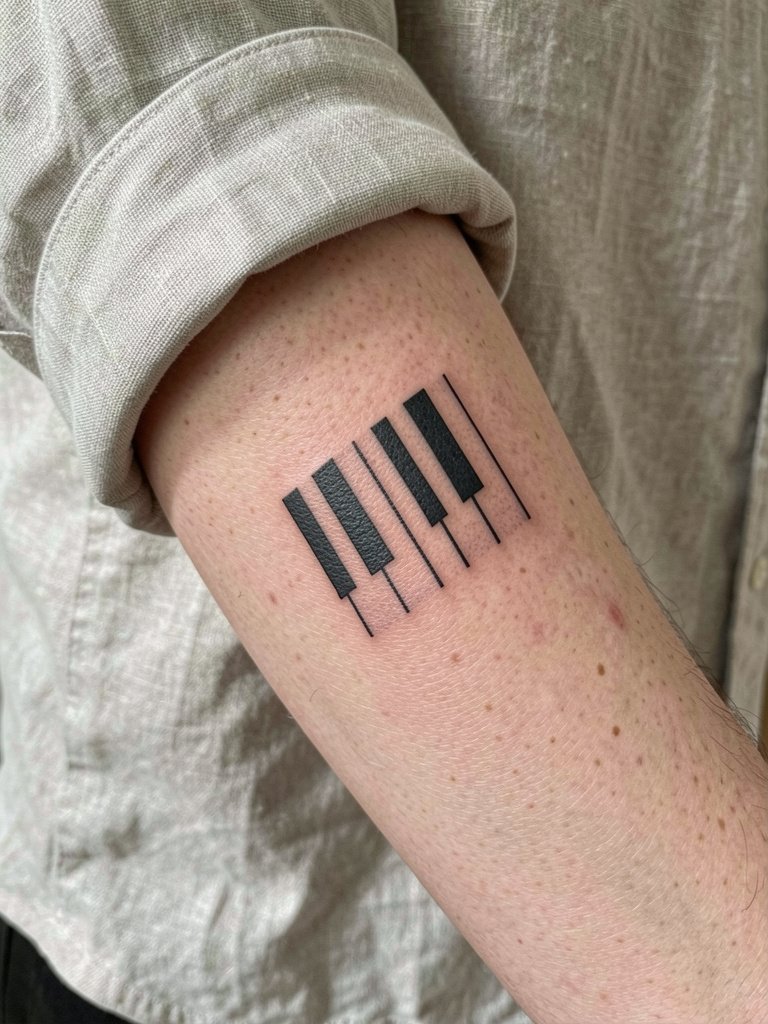
Mini piano keys compress a familiar symbol into a narrow band that suits the inner forearm. For readability, keep black bars bold and maintain clear white negative space between keys. During consultation, ask the artist to stencil the key spacing at full size to verify contrast on your skin tone. A common issue is trying to fit too many keys in a very small patch which results in merging. Pain is low to moderate here and the session often finishes in under 30 minutes. Show it off with a rolled-sleeve linen shirt or a dainty watch on the opposite wrist. Try linen button down search to keep the forearm visible.
9. Melody Line Made of Little Notes on Ribcage
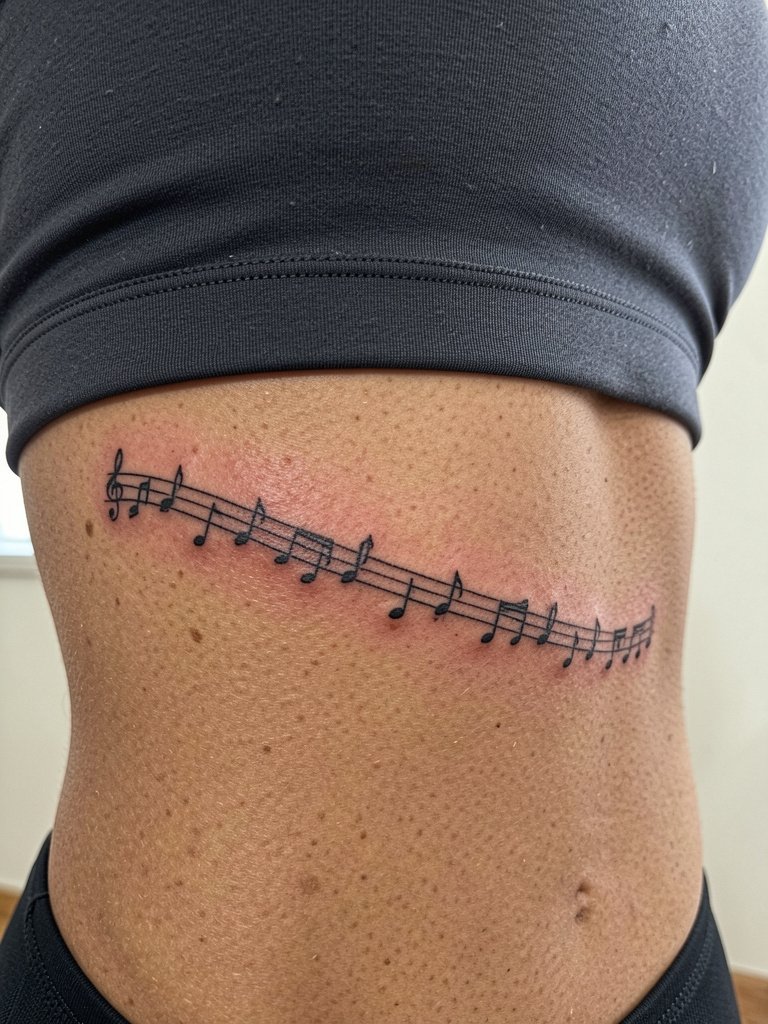
Ribcage melody lines make for a private piece that reads as a flow rather than a single symbol. Expect a higher pain rating and a longer session compared with tiny wrist work. The biggest mistake is cramming dot-detail or hairline shading into an area that expands and contracts with breathing. Ask the artist to space notes so each has room to breathe when the torso moves. Touch-ups are common if you plan tight stippling near the ribs. For appointment wear pick a sports bra or cropped top so the artist can scope the exact placement without fabric shifts. This placement is excellent if you want an intimate tribute that you only show selectively.
10. Music Note Cluster with Tiny Heart on Collarbone
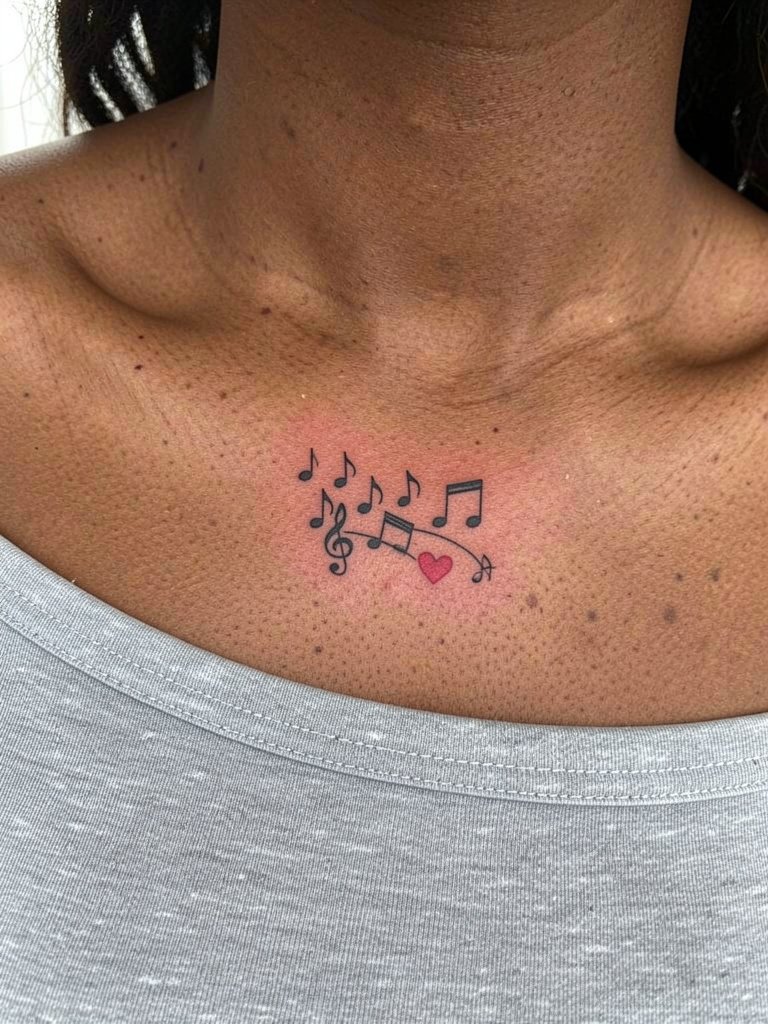
A compact cluster adds sentimental flair without a large script. Keep the red heart very small and saturated so it remains visible on darker skin tones. Tell the artist you want color only in the heart and black saturation elsewhere. A common mistake is over-detailing the cluster which makes the shapes unreadable at small size. Pain is mild at the collarbone edge. For shows and nights out pair this with scoop neck tops or layered delicate chains like off shoulder top search to highlight the location.
11. Minimalist Bass Clef Behind the Ear
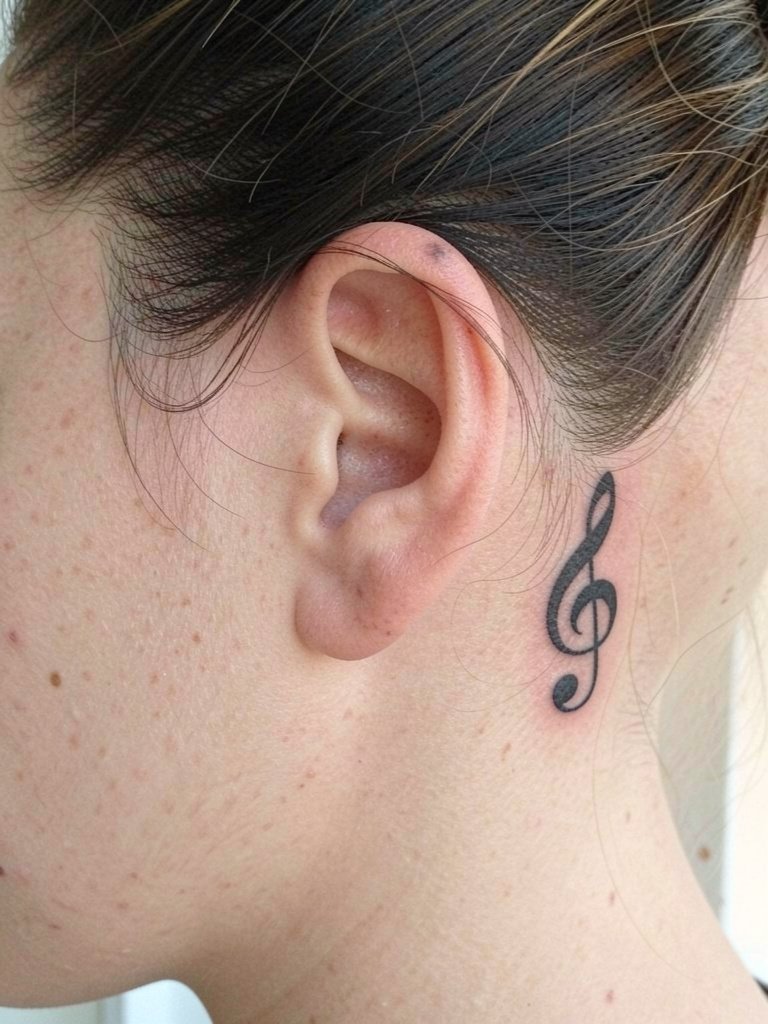
A tiny bass clef behind the ear is private and easy to hide in hair down days. Because the area is small, keep the clef bold enough to avoid dot merging. At consultation specify the exact curve radius you want for the clef so the artist can map it to the mastoid shape. This spot heals quickly but is sensitive when directly under the hairline. Session wear should keep hair up and out of the way. For occasional reveal, wear hair up with a simple stud earring to draw attention upward.
Before You Book
The wrist and finger pieces above heal differently from larger forearm work, so a few small items smooth the session and the first week.
-
Stencil transfer paper kit. Lets you preview the exact placement and line weight on skin before the needle hits, which helps with micro notes and staff lines in the first six ideas.
-
Topical numbing cream. Applied as instructed before short sessions eases wrist and rib sensitivity without affecting linework.
-
Thin protective film roll. A breathable barrier that helps protect small finger and ankle tattoos from friction during the first few days.
-
Fragrance-free gentle body wash. Cleans the area without irritating delicate fine line work.
-
Aquaphor healing ointment. Thin layers in the first 48 hours help keep micro linework supple while it forms its initial scab and peel.
12. Tiny Note Trail Along the Foot
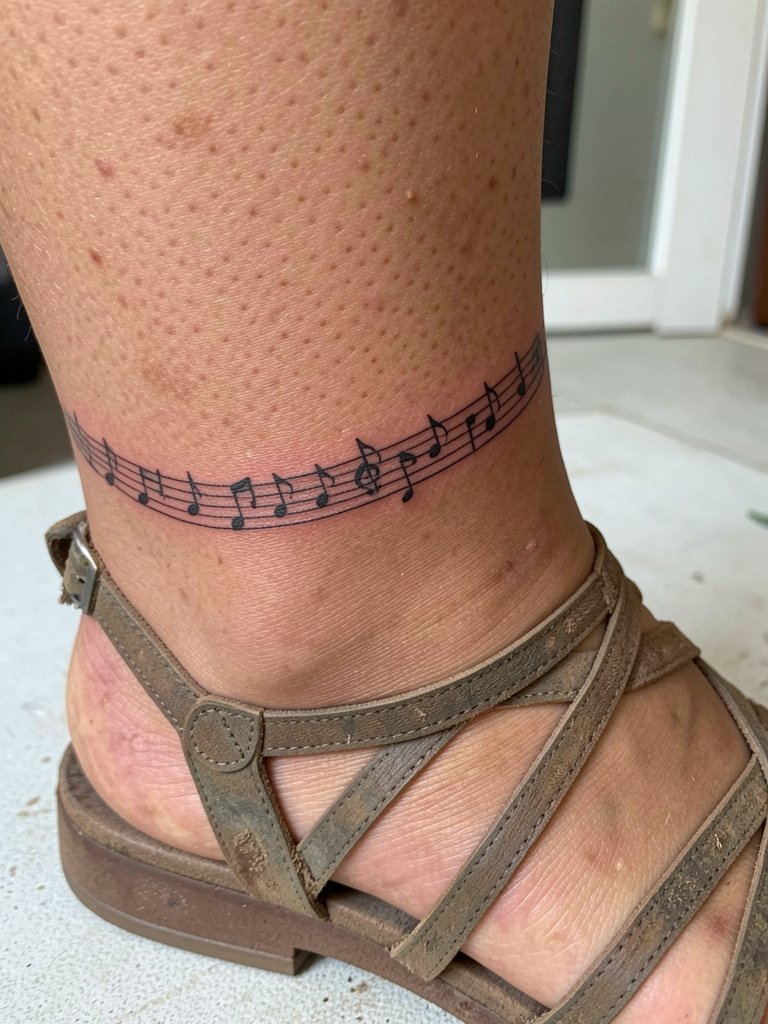
Top-of-foot notes are decorative and follow the leg line nicely, but this skin gets shoe and sock friction. Choose slightly bolder heads and avoid hairline stems. When booking, specify whether the design will sit under any straps so you can avoid constant rubbing. The session is short but the area can feel tingly because of thin skin. For showing off, wear sandals or cropped jeans. If you plan lots of barefoot beach time, expect earlier fading and plan touch-up windows.
13. Single Treble Clef on the Outer Bicep
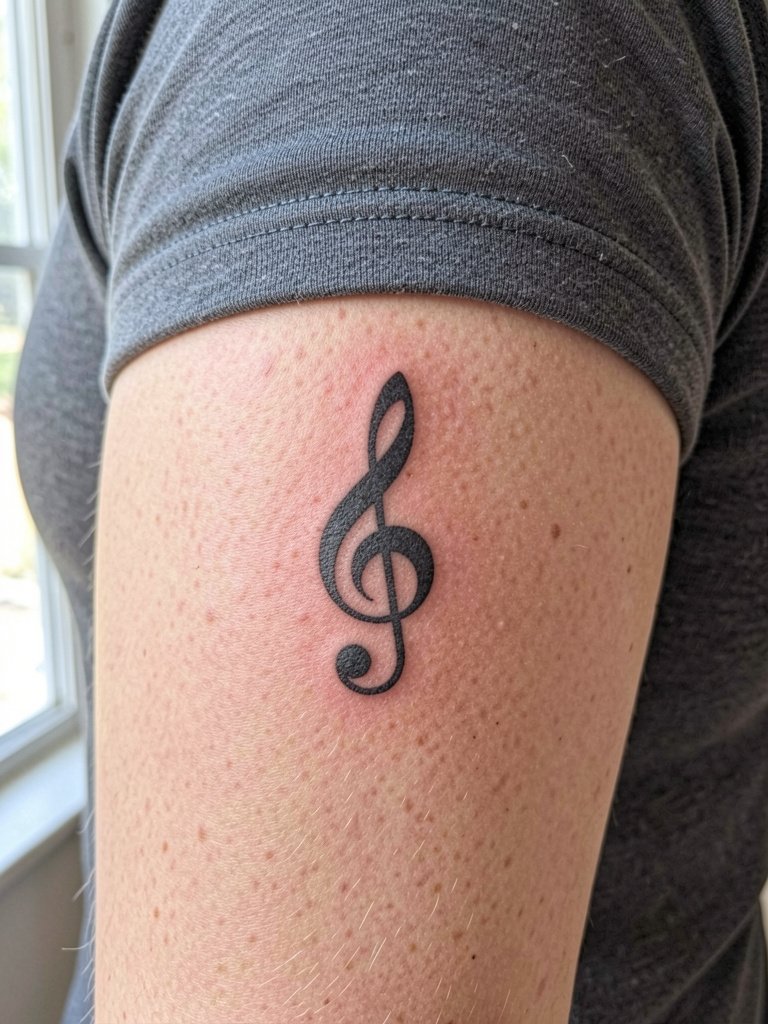
The outer bicep gives slightly more room for a classic treble clef at a small scale and the area ages more predictably than fingers or feet. If you want a clef with the potential to expand later into floral or portrait work, leave negative space around the symbol. Ask the artist during consult to show a mockup with 10 percent extra spacing. Pain is mild and sessions are quick. Pair this with fitted short sleeves or cuffed overshirts, and use a slim bracelet on the opposite arm for balance. Try fitted short sleeve shirt search for outfit ideas.
14. Script Lyric with Tiny Note Accent on Inner Forearm
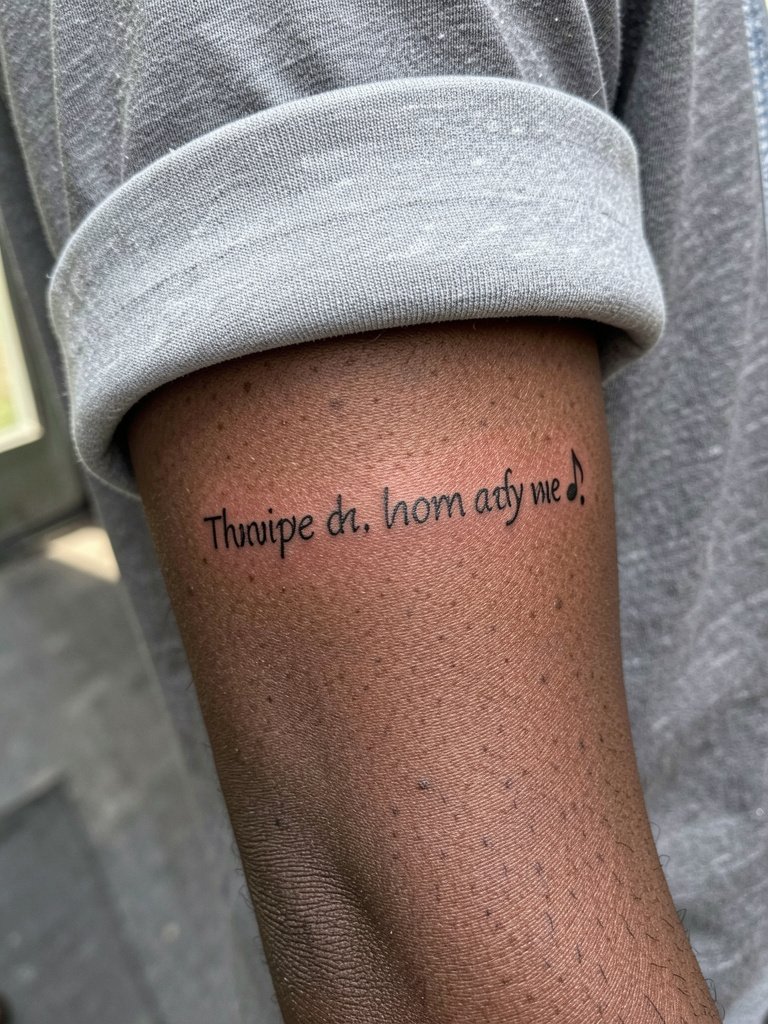
Combining a tiny note with a short lyric keeps text readable while adding musical identity. Pick a font with open counters so individual letters do not merge as the ink settles. During the appointment provide the lyric typed in the final font size so spacing is clear. The usual error is squeezing too many words into a narrow band. The area looks great with rolled-up linen shirts and simple rings. For session wear bring an easy-sleeve tee or button-down for straightforward forearm access.
15. Small Note Cluster with Infinity Symbol on Smooth Inner Upper Arm
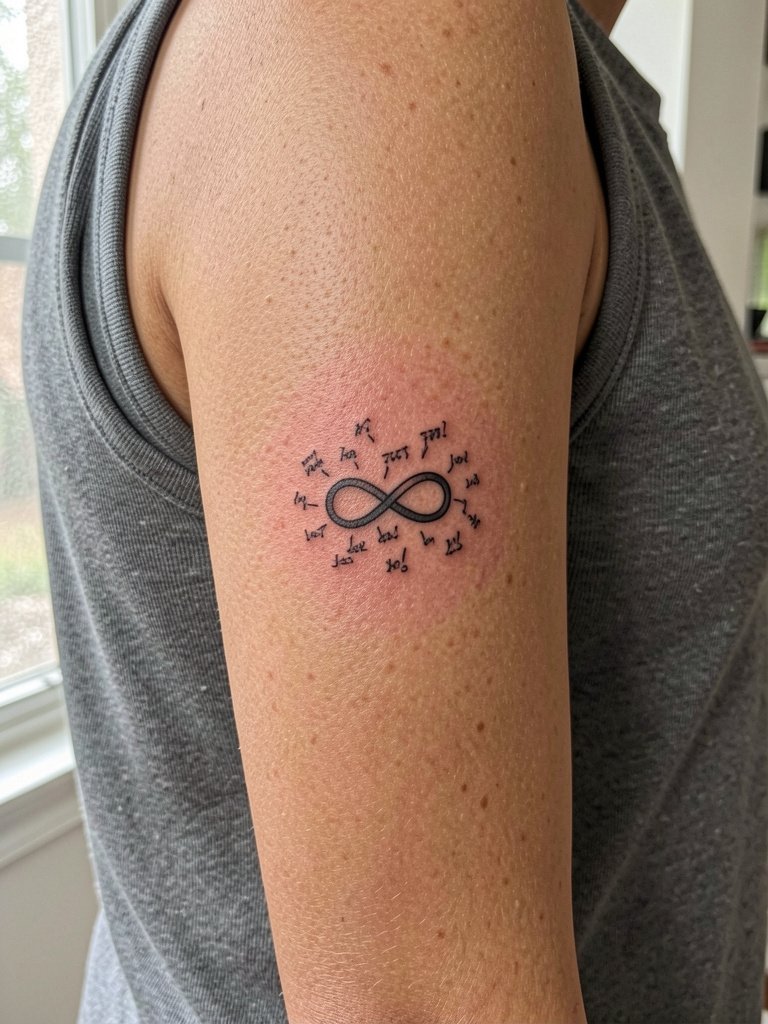
The inner upper arm is a private canvas that tolerates slightly more detail than fingers. A tiny cluster integrated into an infinity symbol reads as both motif and motif upgrade. Ask the artist to map the infinity curve on your arm while relaxed so movement does not distort the composition. The session is comfortable because the arm can rest easily. Wear a sleeveless top during the appointment and plan to show this piece with muscle tanks. Try muscle tank top search to style the area.
16. Micro Stave Wrapped Around Wrist
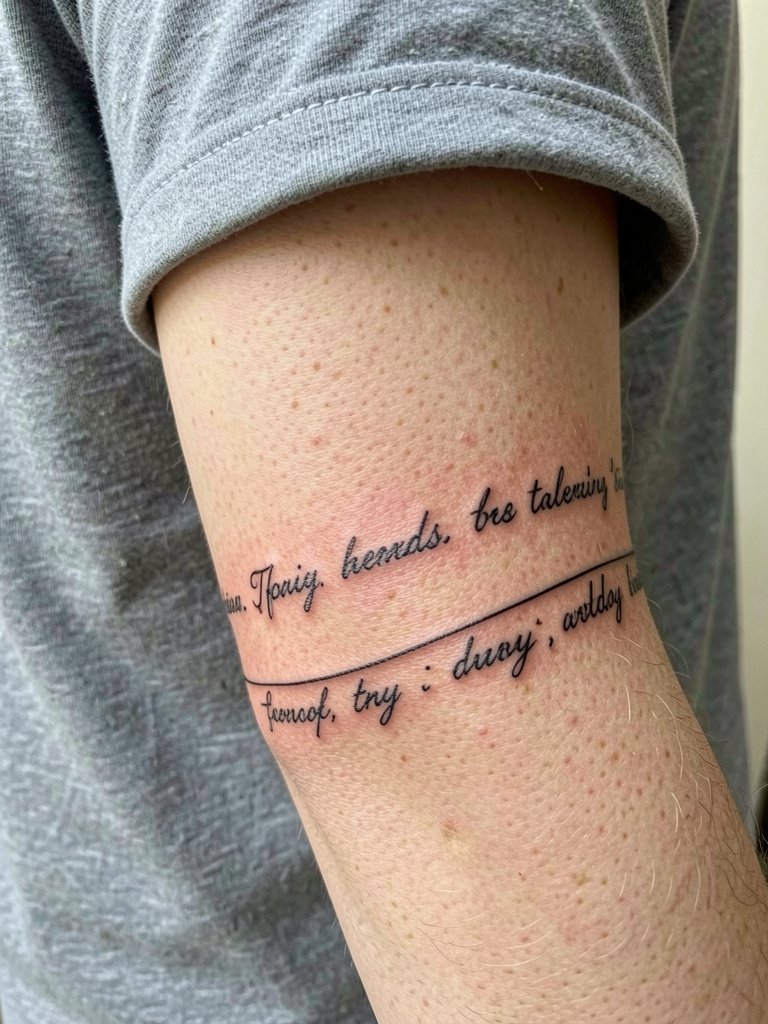
A short wrap stave is decorative and wearable, but the wrist moves constantly so keep bars narrow and avoid tiny cross-hatching. When you sit with the artist, show your wrist in typical watch or bracelet positions so they can avoid placement under future jewelry. Common mistakes include wrapping too tightly so the negative space collapses as it heals. Session time is brief. For shows pair with a slim watch on the opposite wrist or a thin chain bracelet on the same wrist if it will not rub over the fresh ink. Search thin chain bracelet set for options.
17. Tiny Quaver Pair on Inner Upper Arm
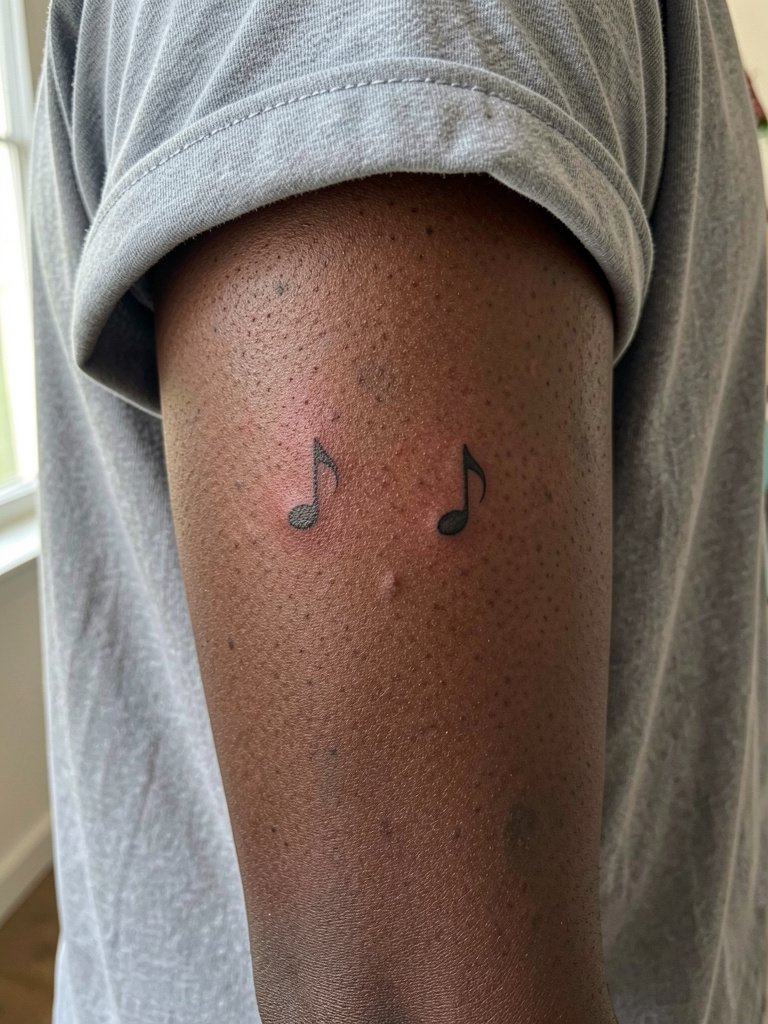
A matched pair of quavers offers motion and looks intentional compared with a single glyph. The inner upper arm tolerates micro detail better than wrists or fingers. Tell the artist you want the notes spaced to read as a pair even when the arm is relaxed. The usual mistake is placing them too close so they merge. Pain is low and session time short. For visibility, choose sleeveless tops or loose short sleeves. Consider sleeveless top search for show-off outfits.
18. Music Note with Floral Frame on Shoulder Blade
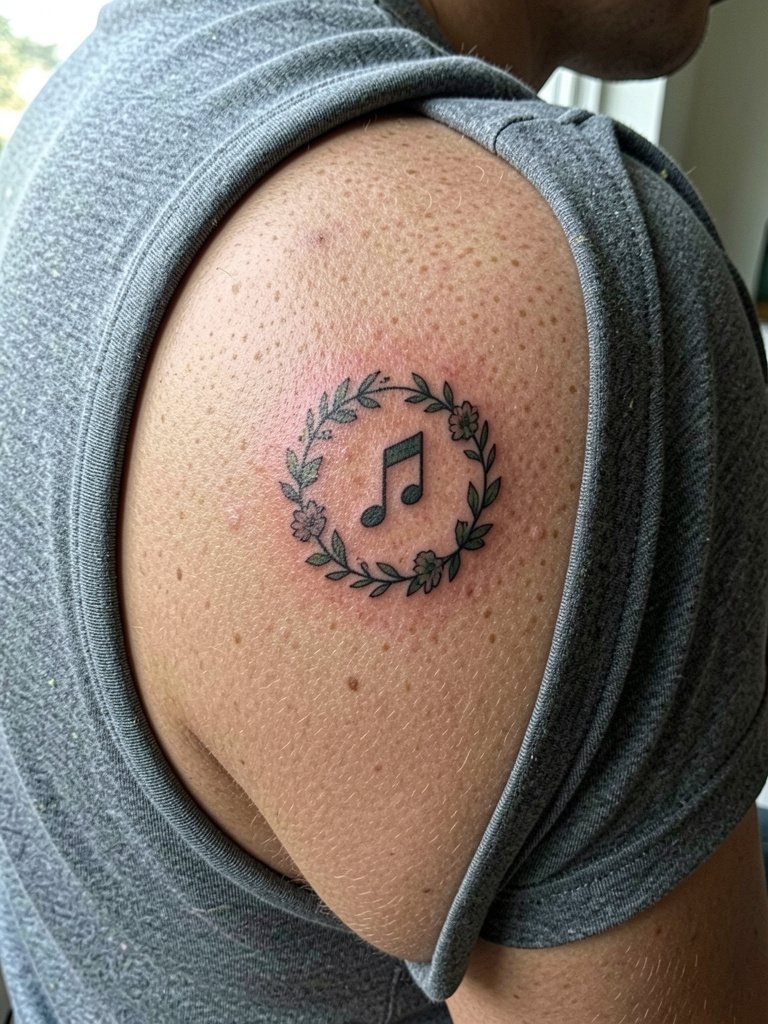
A shoulder-blade frame lets a tiny note become decorative without growing in size. If you plan future back pieces, leave clear margins around the floral frame for expansion. During consult request healed portfolio shots with similar framing. The shoulder blade heals predictably and feels less painful compared with ribs. For session wear, bring a loose top that can be slipped off easily or a sports bra for access. This placement looks great with off-shoulder tops or strapless dresses when you want to reveal the art.
19. Geometric Note Outline on Calf
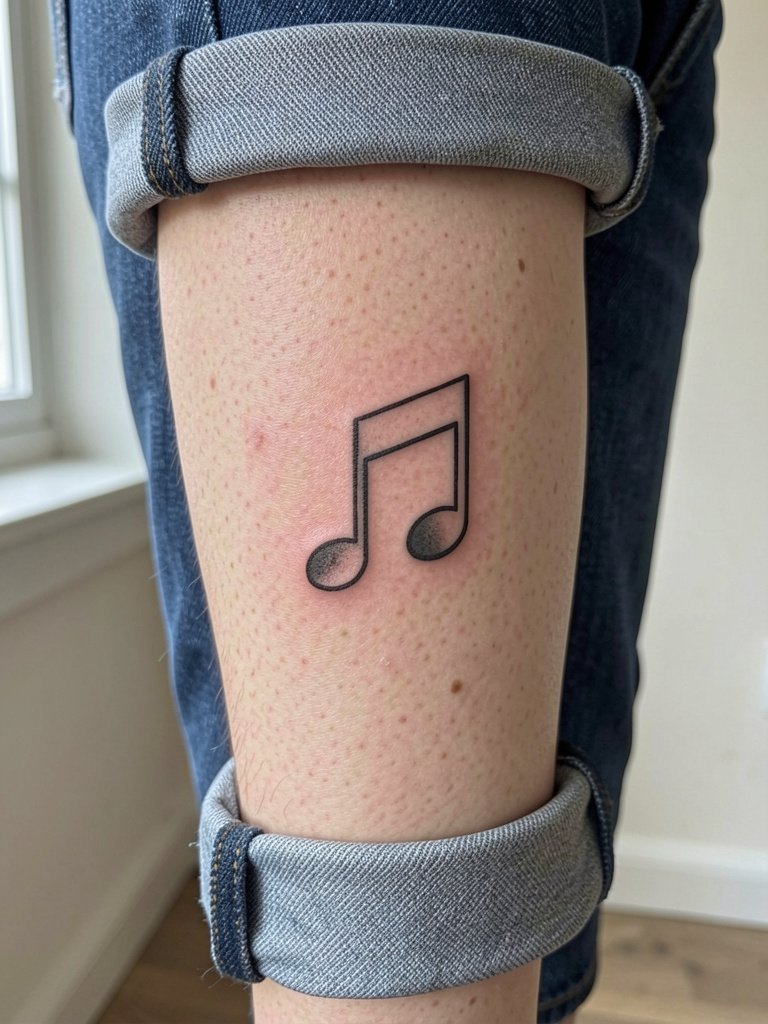
The calf gives enough flat area to experiment with geometric stylings while keeping the overall scale small. Tell the artist whether you want thin outline only or a slightly heavier border for longevity. A typical mistake is choosing lines that are too fine for an active leg that sees sun exposure. Session time is moderate. Show it with cropped pants or skirts and try cropped straight jeans search for outfits that reveal the design without constant sun exposure.
20. Tiny Note with Vine on Outer Shoulder
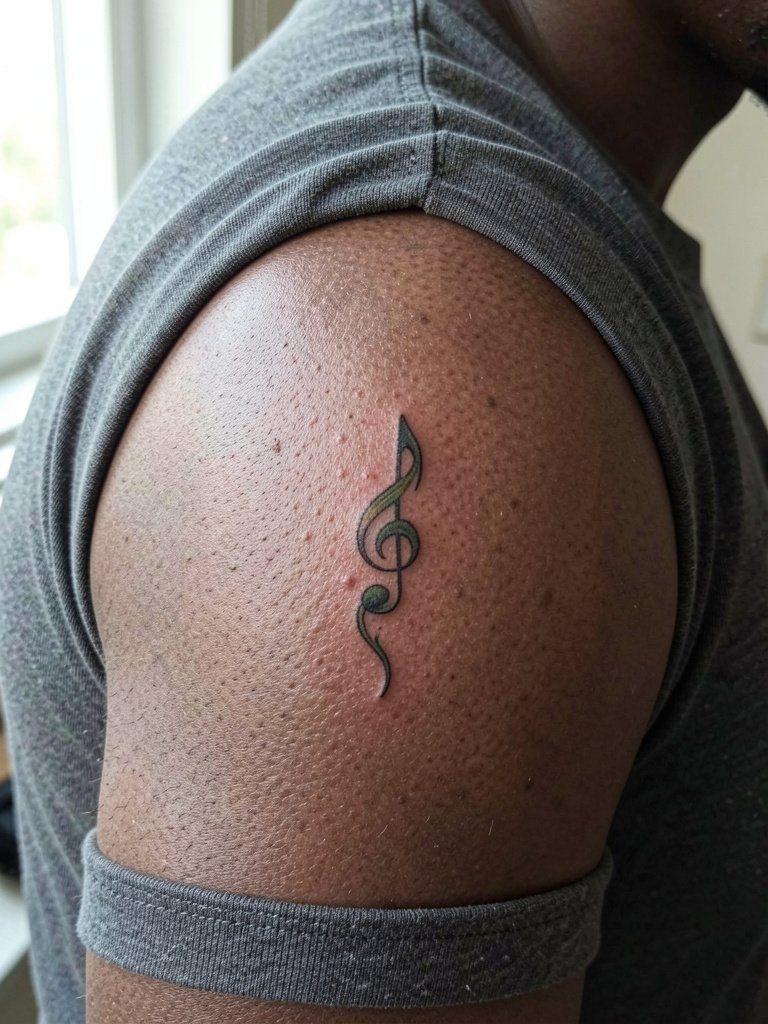
Shoulder pieces are forgiving and let you add botanical accents around a note without losing clarity. If you plan more botanical work later, keep vine leaves slightly larger than you might expect so they age gracefully. During consult ask for a mockup with the vine scale shown on your shoulder curve. The session is comfortable and pain levels are modest. Style with cuffed overshirts or fitted tees for a casual look.
21. Tiny Note on Side of Neck
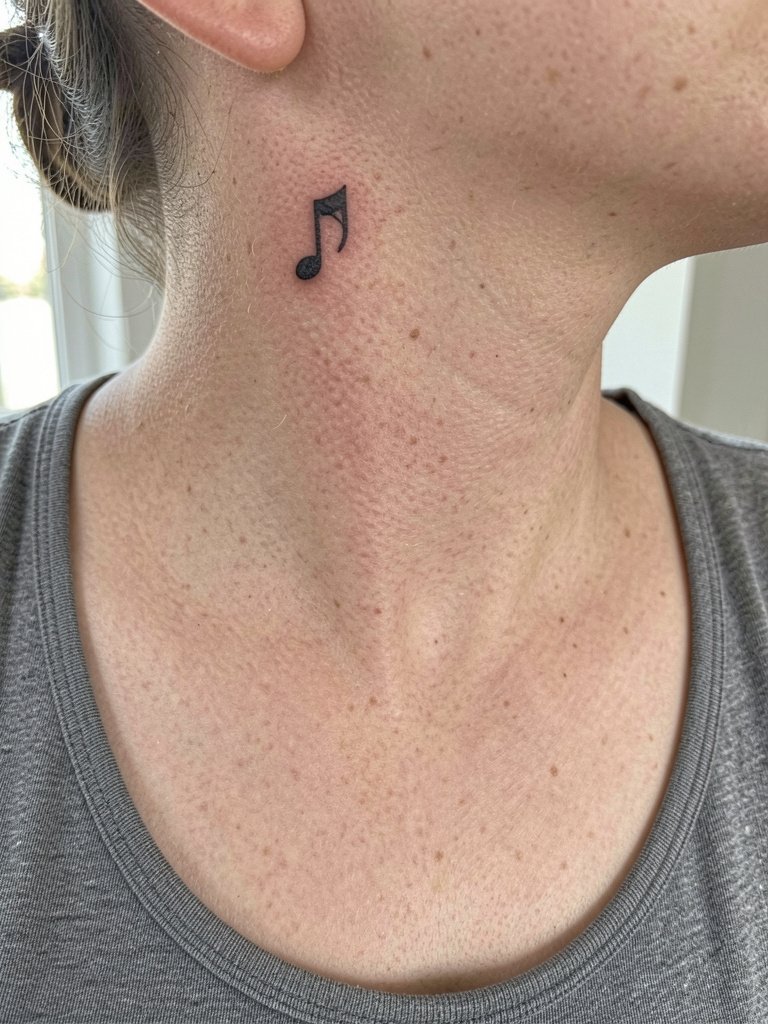
Neck notes are visible and carry social considerations for workplaces. If you want discretion, place the note slightly lower on the side neck where collars can hide it. During the consult, show your typical wardrobe so placement can be adjusted for concealment. The area is sensitive and sessions are short. For show-off styling, a wide-neck top frames the design without making it overt. Consider a scoop-neck or wide-neck blouse for photos and occasional reveals.
22. Tiny Note Anchored to a Tiny Key on Ribcage Side
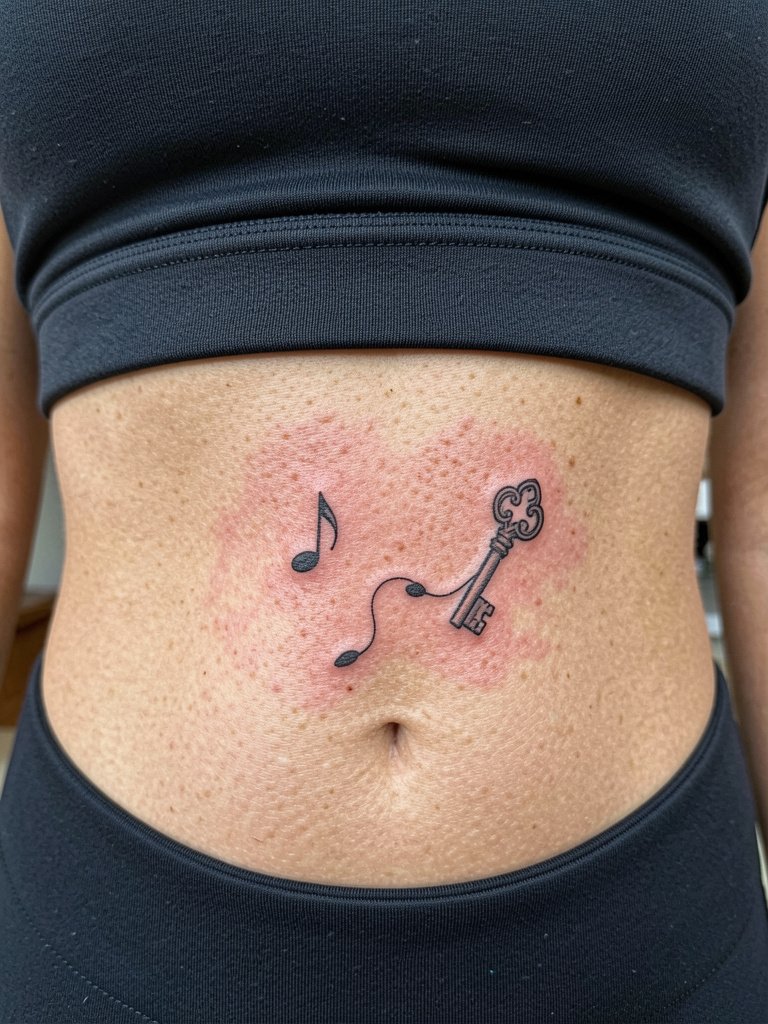
Combining a micro note with a tiny key creates a layered symbol at a small scale. Because ribs move and stretch, the key silhouette should be slightly larger than a dot so it keeps form. Ask the artist to test the stencil while you breathe to verify how the design shifts. Expect moderate pain and plan session pacing accordingly. For reveal, side-cut swimwear or lingerie shows it selectively.
23. Tiny Note with Watercolor Accent on Shoulder Cap
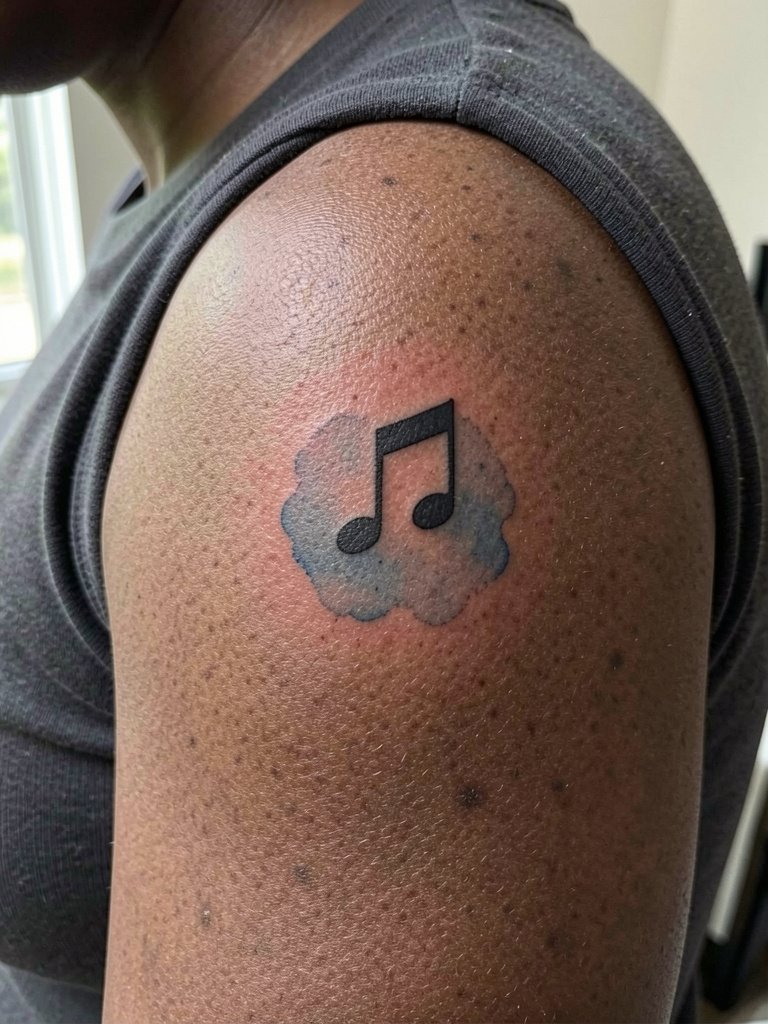
A tiny watercolor pop makes a small note feel personal, but color fades faster than black. For that reason one group argues black-only micro pieces age best. Another group argues that a tiny saturated color accent can remain vivid if the pigment is strong and the area avoids sun. Both views have examples that support them. If you choose color, pick a muted wash and expect more frequent color touch-ups over the years. The shoulder cap is a forgiving place and the session is short. Pair this look with fitted tees or open-shoulder styles for casual reveals.
Frequently Asked Questions
Q: How much should I expect to pay for a tiny music note tattoo?
A: Shop minimums vary, and tiny tattoos do not always cost proportionally less because setup time still applies. Expect a shop minimum range listed by many studios, and budget for a potential touch-up in the first year.
Q: Will a tiny black note show up on darker skin tones?
A: Black ink generally offers the best contrast for micro designs, but line weight matters more than color alone. Ask the artist to show healed examples on skin tones similar to yours and request slightly thicker outlines if you want a small mark to remain readable.
Q: What placements age best for small music notes, and which ones need touch-ups?
A: Inner forearm, outer bicep, and shoulder blade tend to age well for small notes. Fingers, top of foot, and areas with constant rubbing often need touch-ups. If longevity is a priority, choose a low-friction placement and a modestly bolder line weight.
Q: Where can I find real healed photos and local artists who do fine line music notes?
A: Search hashtags like #musicnotetattoo, #finelinetattoo, #microtattoo, and #smalltattooideas on Instagram and TikTok and filter by location. Use booking platforms to search by phrases such as "music note tattoo," and check Reddit threads for healed examples and peer recommendations. Always review portfolios for healed work rather than only fresh flash.
Q: What should I wear to my session for different placements?
A: Match clothing to placement so the artist can work without fabric interference. For wrists and forearms bring short sleeves or a rolled-sleeve tee. For rib work bring a sports bra or fitted cropped top. For collarbone and shoulder pieces pick a scoop or off-shoulder top. If you want outfit ideas, try rolled sleeve tee search or sports bra racerback search depending on the placement.