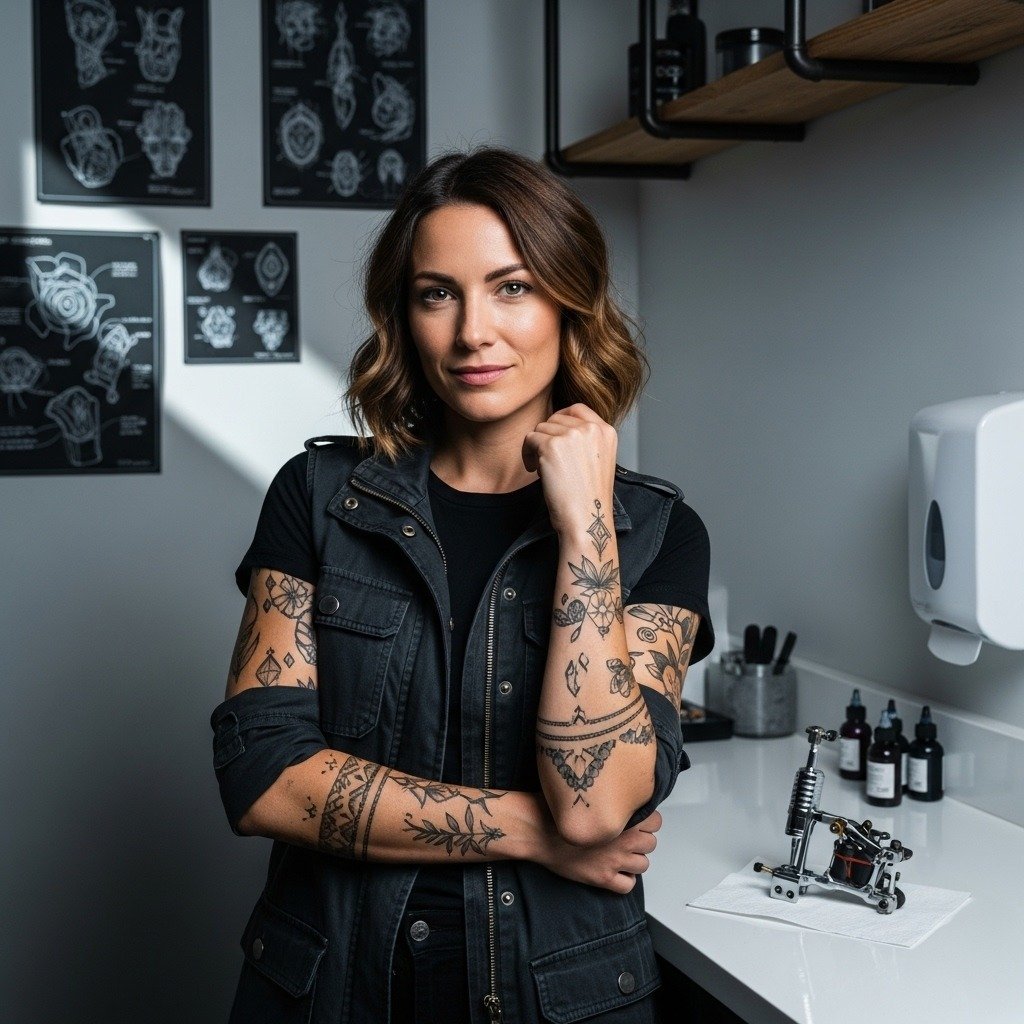
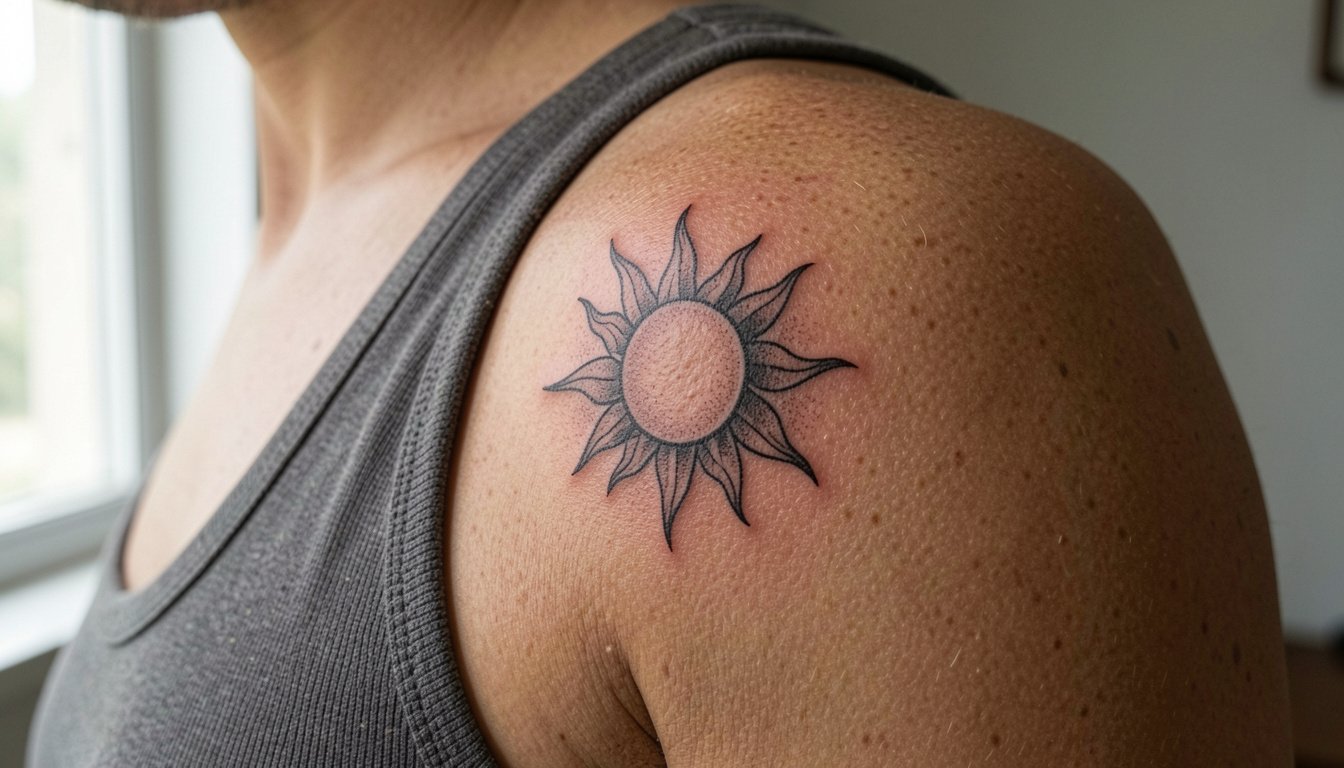
Tiny matched dots or a single shared date can read clearer after five years than a wispy script does on the same wrist. Pick designs that account for how skin moves and how linework softens, not only what looks good on a phone screen. Below the surface you'll find placement cues, what to ask for in a consultation, and outfit tips that actually help the tattoo age well.
1. Fingerprint Heart Matching Tattoo
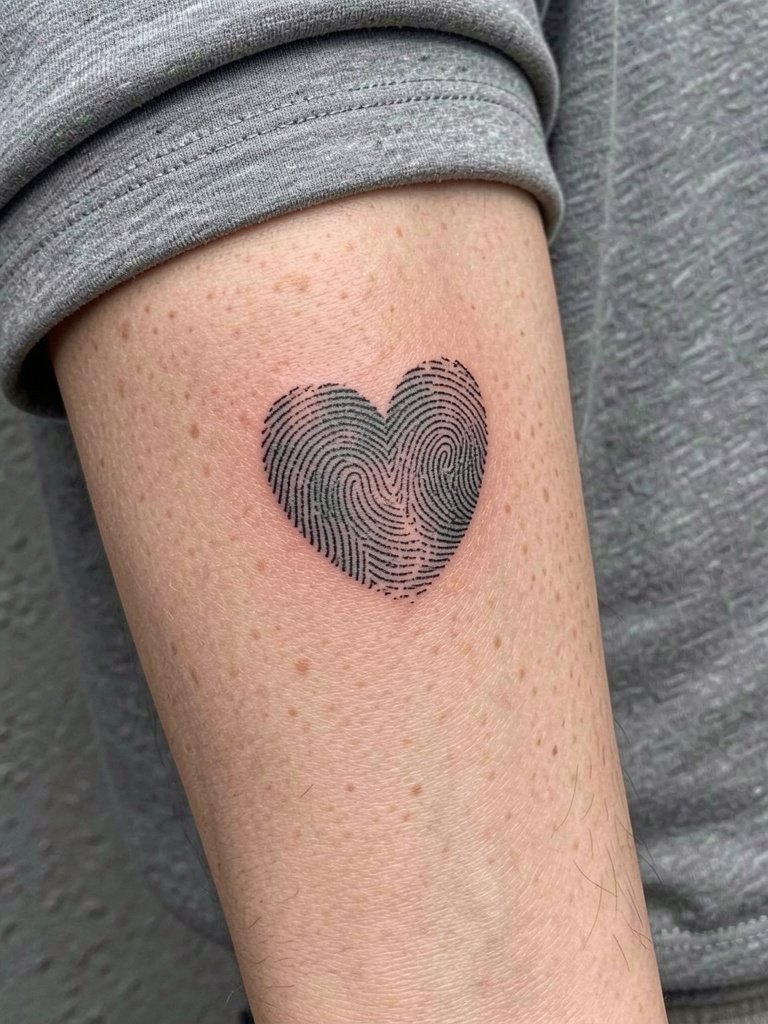
A fingerprint heart turns a literal identifier into a compact symbol that reads well even when tiny. For a crisp result request slightly bolder linework than the scanned fingerprint sample, and bring a high-contrast print so the artist can translate ridge detail without guessing. Wrist placement feels intimate and is easy to show, but the inner wrist can blur if the lines are too thin. Expect a 30 to 45 minute session and plan a touch-up around year two if the ridges lose definition. For the appointment wear a short sleeve tee and a thin chain bracelet set so the artist has full access to the wrist.
2. Matching Angel Wings, Opposite Shoulders

Angel wings work as a matching set without requiring identical placement. The upper shoulder tolerates slightly heavier linework, which keeps each feather legible as the ink settles. Discuss with the artist where to break the feathers so the design follows muscle contours, not just the bone. A common mistake is making feathers too fine against loose skin, which leads to smudging in two to three years. Session time is usually one hour. For showing it off, pick an off-shoulder top that frames the curve of the wing.
3. Anchor Pair for Steadiness

Anchors say steady without saying anything at all. Ankle placement sees lots of friction from socks and shoes, so ask for stronger outlines and a slightly larger interior negative space than your reference. In-session the ankle is a medium pain spot and a 30 to 60 minute appointment is typical for a small anchor. Tiny, wafer-thin anchors often lose crispness where the skin folds. For outfits that show the work try cropped straight jeans and delicate sandals that let the ankle be the focal point.
4. Quote Pair Design on Inner Forearms
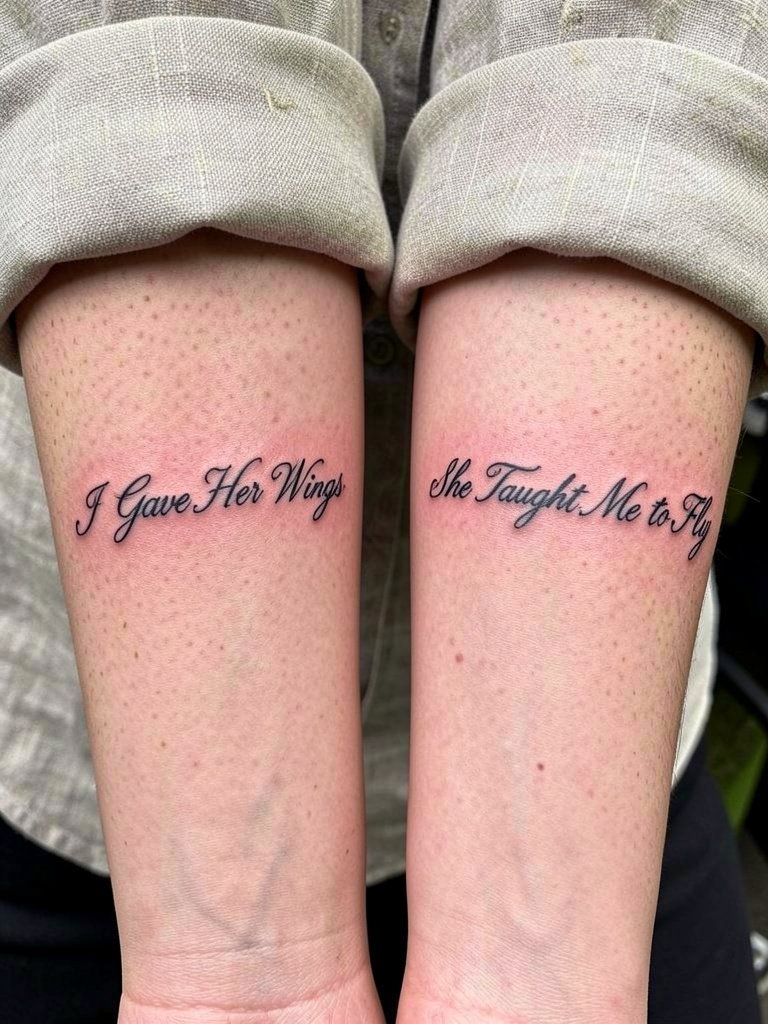
Paired quotes let each person wear a complementary line instead of copying the same symbol. For longevity request medium stroke weight and slightly wider letter spacing so counters do not close up over time. A common aging issue is single-needle script done too small, which softens into a gray smudge by year three. Forearm script sits in an easy spot for touch-ups and shows clearly in most outfits. Bring two reference photos at different scales so the artist can demonstrate how the quote reads at three inches versus five. To show the placement, a linen button down rolled at the cuff pairs cleanly with inner forearm script.
5. Roman Numeral Birthdates with Small Script

Combining a date with a short script adds context without crowding the design. The chest near the clavicle needs slightly bolder numerals than a wrist version so each character holds. Sternum-adjacent skin moves with breathing, so tell the artist you want spacing that breathes too. Expect moderate pain and a 45 to 90 minute session. A typical mistake is over-compressing numerals to fit a reference, which breeds blurring later. For evenings out this area pairs nicely with a layered necklace set that echoes the fine script.
6. Sun and Moon Complementary Wrist Pieces

Sun and moon read as a matched set while allowing each person a distinct motif. Wrist locations are high visibility and high use, so request slightly heavier linework than shown in your reference and allow for a yearly touch-up if you want crisp rays intact. The session is short, usually under 45 minutes, but the wrist can sting more during the last pass. For showing the pieces pair them with a minimalist watch on the opposite wrist so both designs get attention.
Session Day Picks
The wrist and forearm ideas above benefit from a couple of practical items for the appointment and the first week of healing.
-
Stencil transfer paper kit. Lets you test placement and line weight on skin before the needle starts, which matters for tiny script and fingerprint designs.
-
Topical numbing cream. Applied per instructions before the session eases wrist and rib discomfort without altering ink saturation.
-
Thin protective film roll. Breathable barrier that reduces friction from clothing on ankle and wrist tattoos during the first 48 hours.
-
Fragrance-free gentle body wash. Keeps the area clean without irritating fresh linework and is useful for chest and rib placements.
-
Aquaphor healing ointment. A thin layer in the first days helps preserve saturation for fine line pieces rather than drying into crust.
7. Origami Elephant Pair on Upper Arms

The origami elephant is an immediate mother-child metaphor that reads at medium scale. Outer upper arm tolerates slightly denser geometry, which keeps the folds defined as the ink ages. During consultation show the artist the exact line thickness you want and ask them to map the leading lines so the larger elephant looks forward when the arm hangs. Session time is usually 45 to 90 minutes. Mistakes happen when artists compress the geometry into too small a space. For a casual reveal wear a relaxed blazer with sleeves pushed up so the design sits between office and weekend looks.
8. Single Bloom Botanical Wrist Sprig

A small floral sprig offers personalization via species or petal count. For small botanical work request slightly bolder contour lines and light stipple instead of wash shading so the petals keep shape at two and five years healed. A common error is trying watercolor fills at tiny scale, which frequently feathers. The inner forearm displays healing stages clearly at six months versus two years, so ask for photos of the artist's healed pieces at those intervals. For styling choose a rolled-sleeve knit top that lets the sprig peek out naturally.
9. "Mom, I love you" Small Script
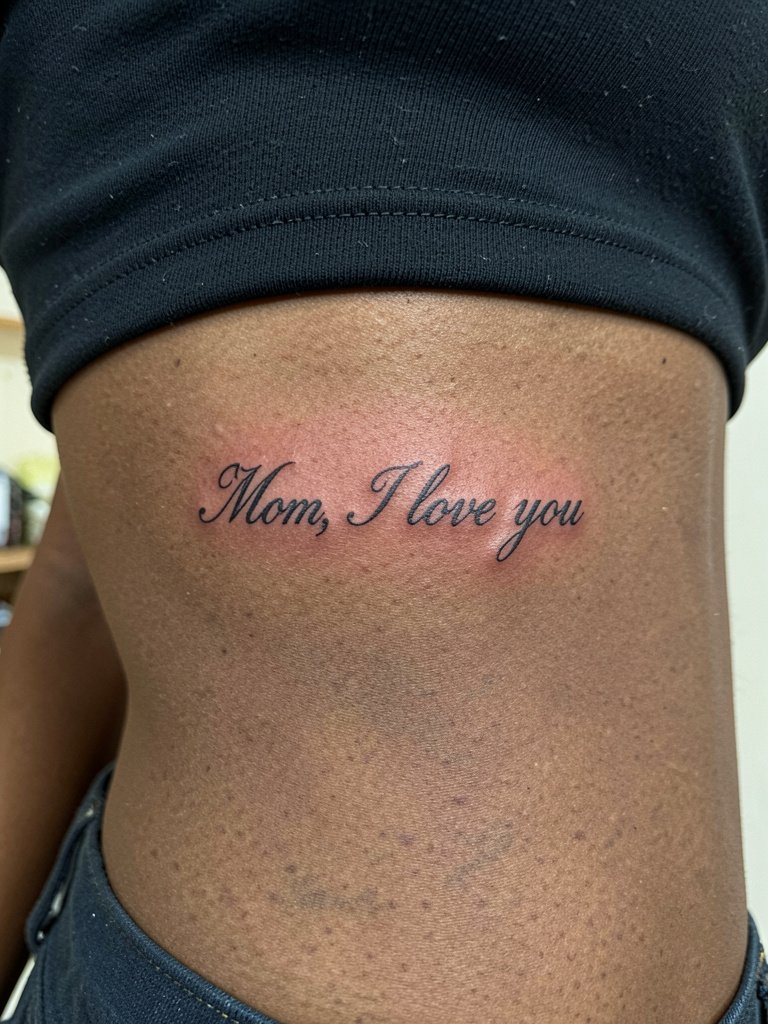
Direct text is clear and effective when kept small but readable. The ribcage is a higher pain area and it is also subject to skin stretch, so ask for slightly wider spacing and medium stroke weight. There is an active debate among artists about fine line on ribs. One camp warns that the skin in that area stretches and blurs single-needle script within two years. The other camp argues that with correct needle depth and spacing, fine line settles well and can look crisp at three years. If you choose this placement, expect a 60 to 120 minute session and plan for a possible touch-up after six to twelve months.
10. Palm Tree or Tropical Motif on Ankle

A coastal motif fits owners of shared beach memories. The ankle area takes friction, so request solid black fills for the trunk and slightly thicker rays for the sun so small sections do not wash out. A key mistake is tiny delicate lines on the top of the foot that rub against shoes and fade quickly. The session is short and healing is straightforward if you avoid tight socks during the first week. For outfits pick delicate anklets and sandals that keep the tattoo visible.
11. Beating Heart Linework on Inner Wrist

A beating heart graphic avoids cliché by being literally personalized. For the wrist ask for a small pause in the rhythm line so the eye reads motion even after minor softening. The wrist often shows color loss faster than the forearm, so heavier black accents help maintain contrast. Sessions are short but the spot is sensitive toward the end. A typical mistake is adding tiny shaded detail that becomes muddy. Pair it with a minimalist watch on the other wrist to balance the look.
12. Butterflies or Songbirds Around a Quote
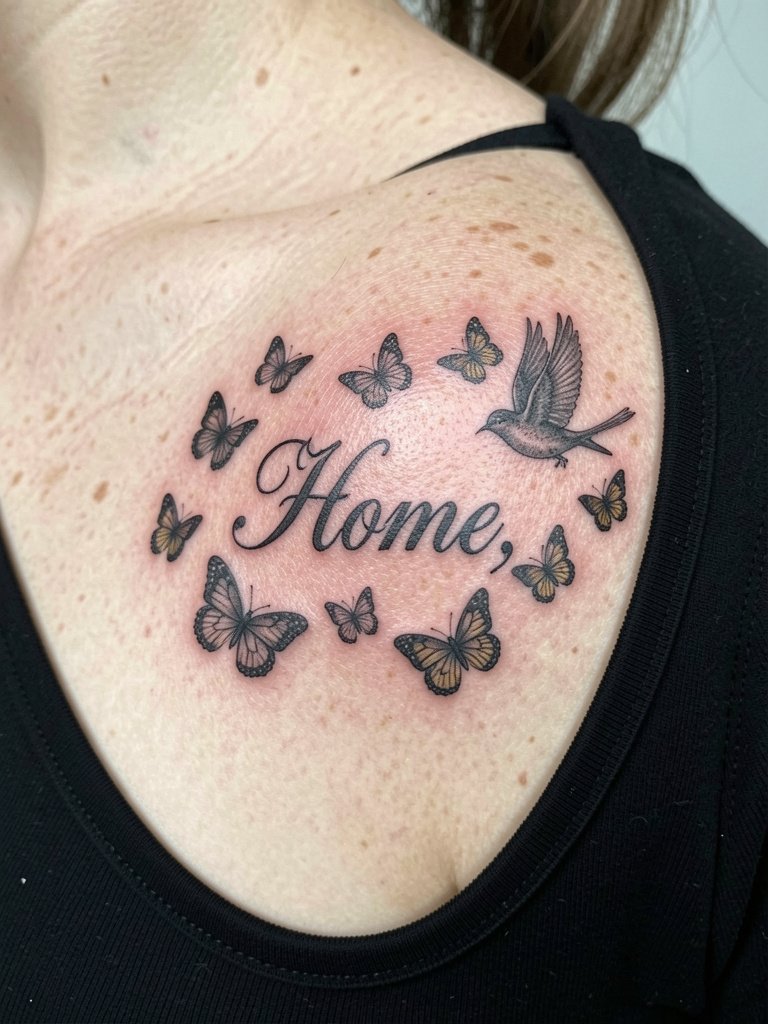
Adding motion with butterflies or birds softens a script-based sentiment and gives the eye places to land. Near the collarbone the skin is thin, so ask the artist for small stipple shading instead of heavy wash. A common error is clustering too many micro elements into a small area, which becomes indistinct after a year. Sessions vary but expect 60 minutes for a delicate composition. For wardrobe, a scoop-neck tank shows the composition while keeping the look refined.
13. Matching Script with Roman Numerals Underneath
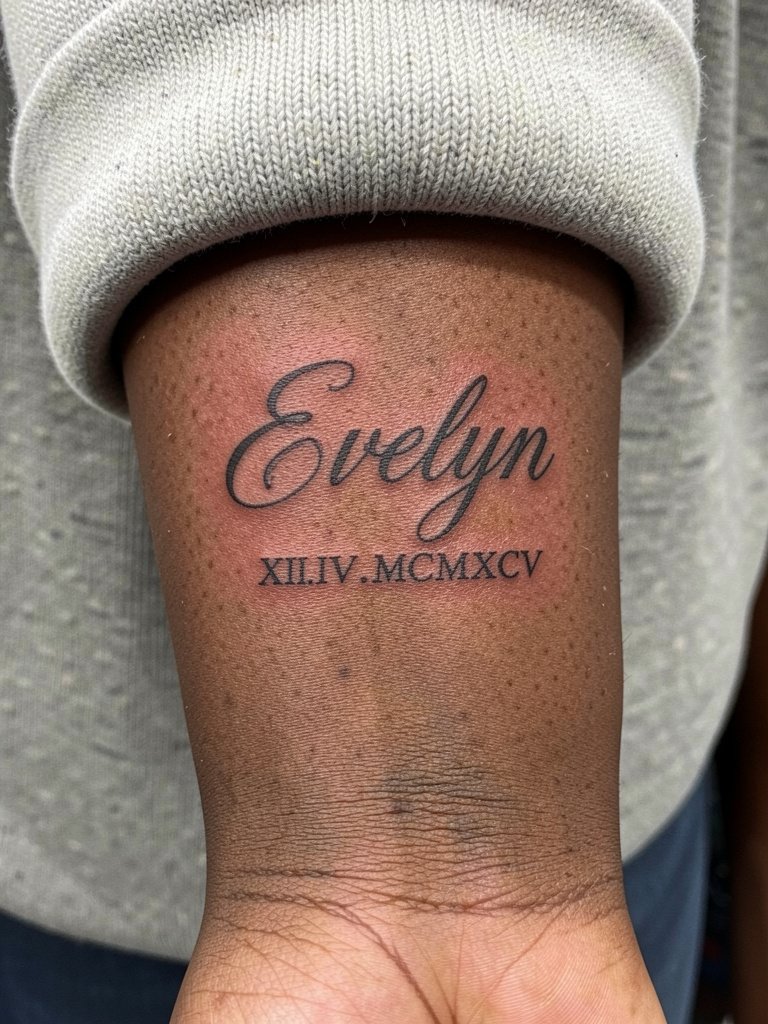
Layering script and numerals offers sentimental depth without using long quotes. Ask the artist to show the numerals at the exact size you want because spacing errors make roman numerals look cramped. Inner forearm is forgiving but small serif numerals need a touch-up potential. One mistake is using overly fine serifs that the skin cannot hold at small scale. The session takes around 45 to 75 minutes. For showing the piece, wear a neutral crop top so the forearm remains the focal point.
14. Tiny Heart Pair on Ankle or Wrist

Tiny hearts make an ideal first matching tattoo because they are instantly legible at small scale. However, very thin outlines on high-friction areas like the ankle can blur. For durability request a slightly thicker outline and accept that the heart will be better at 7 to 12 millimeters than at 4 millimeters. Sessions are quick and low commitment. To show them off, pair with sandals or a midi skirt that keeps the ankle visible.
15. Coordinate Tattoos of a Special Place
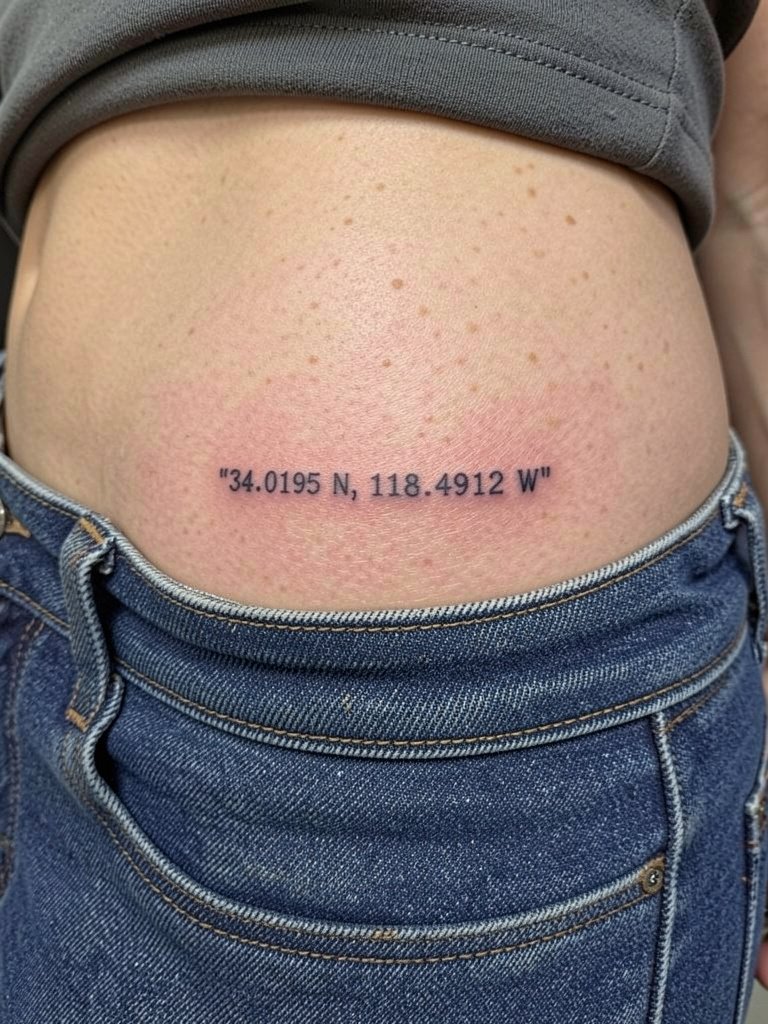
Coordinates are crisp markers of a shared place without florid language. On the hip use slightly bolder numerals and spacing because the area can compress with certain fabrics. The hip is private by default and heals with minimal sun exposure, which helps longevity. A common mistake is using a tiny condensed font that becomes illegible after a couple of years. For session wear choose loose drawstring pants so the artist can access the area without pressure on the fresh ink.
16. Interlocking Initials Behind the Ear
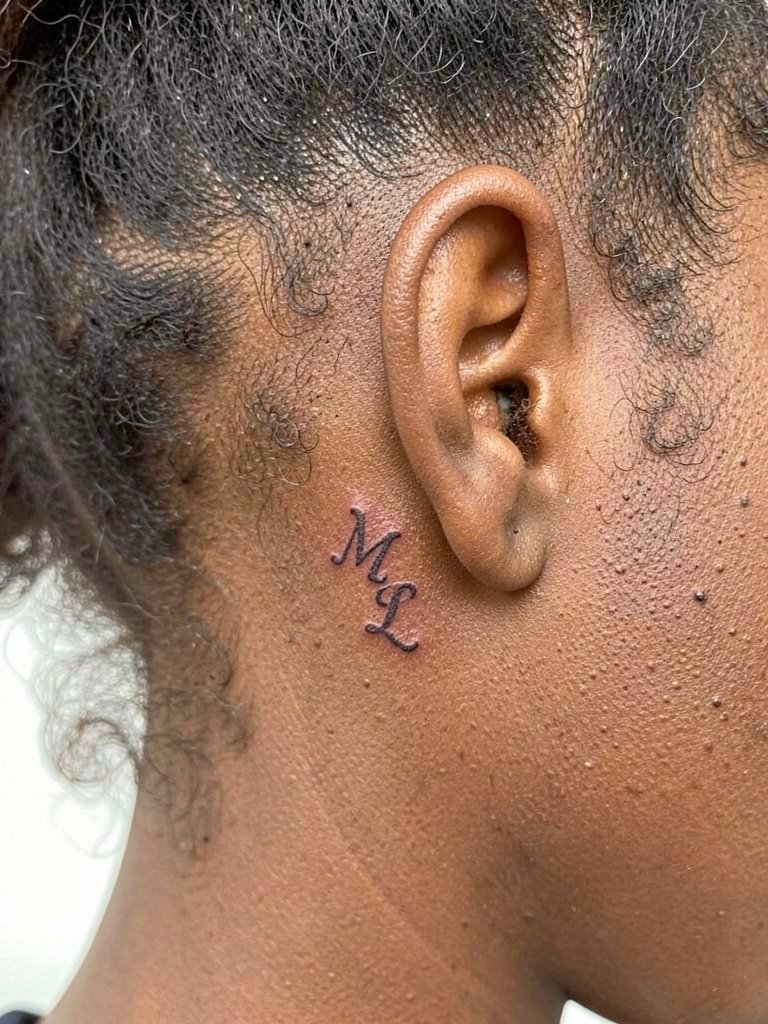
Behind-the-ear pieces are discreet and age well because they avoid heavy sun exposure. For this tiny work pick a slightly heavier hairline stroke that still reads delicate close up. The area is low on fat and heals quickly. Common mistakes include asking for ultra-fine single-needle initials that disappear into the skin tone, especially on darker complexions. Bring photos of healed work on similar skin tones so the artist can match density. To style this area for the reveal, try a simple updo rather than an accessory.
17. Mother-Child Constellation Wrist Map

Constellation pieces read poetic and stay legible when scaled correctly. For wrists ask for slightly larger connecting dots and modest line spacing so points remain distinct after a few years. Dot work generally holds up well, but single-needle connecting lines that are too thin often fade. The session is brief and pain is manageable. For showing the map, wear a thin chain bracelet on the opposite wrist so the constellation remains visible.
18. Stacked Flowers Running Up the Ribcage
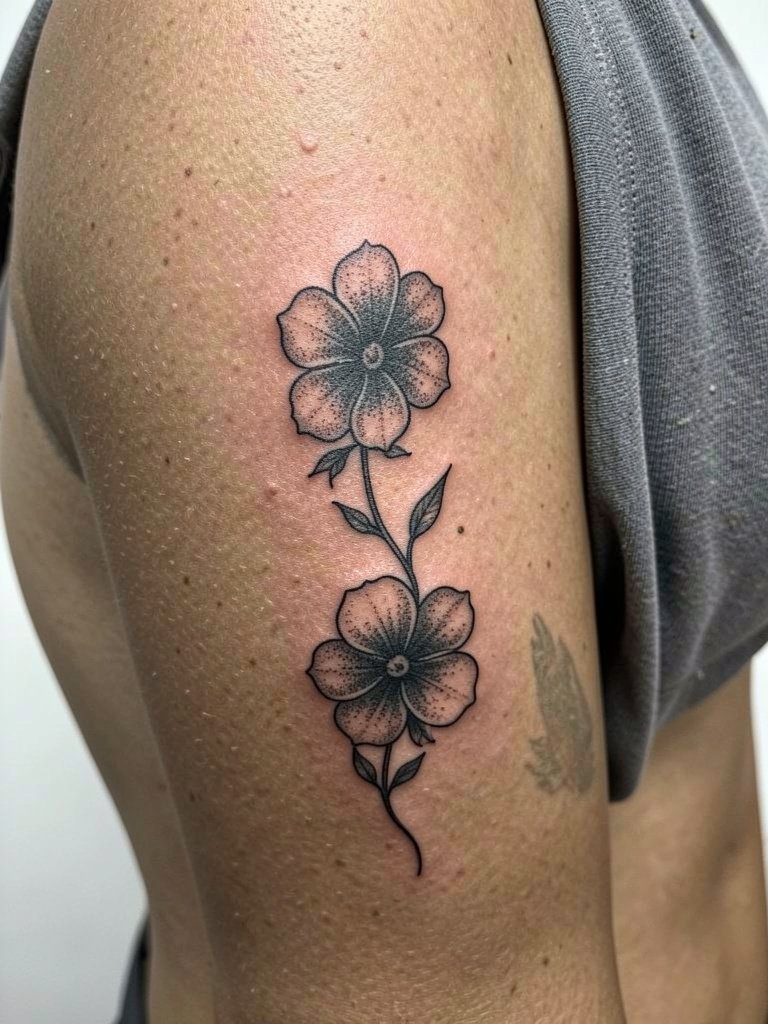
Ribcage pieces photograph beautifully but demand planning. Stretch and breath affect line placement, so ask the artist to tattoo along the natural rib line and to show a taped stencil in the seated position. Some artists say fine line on ribs blurs quickly and avoid it. Others accept ribs for fine work and show healed examples to support their position. If you prefer lower risk, pick heavier contour lines and stipple shading that age into texture rather than blur. Sessions may be longer and the pain higher. For comfort pick a loose sports bra and an outfit you can easily remove without rubbing the new ink.
19. Tiny Matching Moon Phases on Fingers

Finger tattoos are high-maintenance but meaningful for daily visibility. Ask the artist to set expectation that finger skin blurs faster and plan a touch-up timeline of 6 to 12 months. Tiny moons look crisp for months but often need refreshing after heavy use. If you want lower upkeep ask to move the design to the side of the hand or the adjacent wrist. For session wear keep hands clean and avoid rings during the appointment to give the area easy access.
20. Linework Family Tree on Upper Back
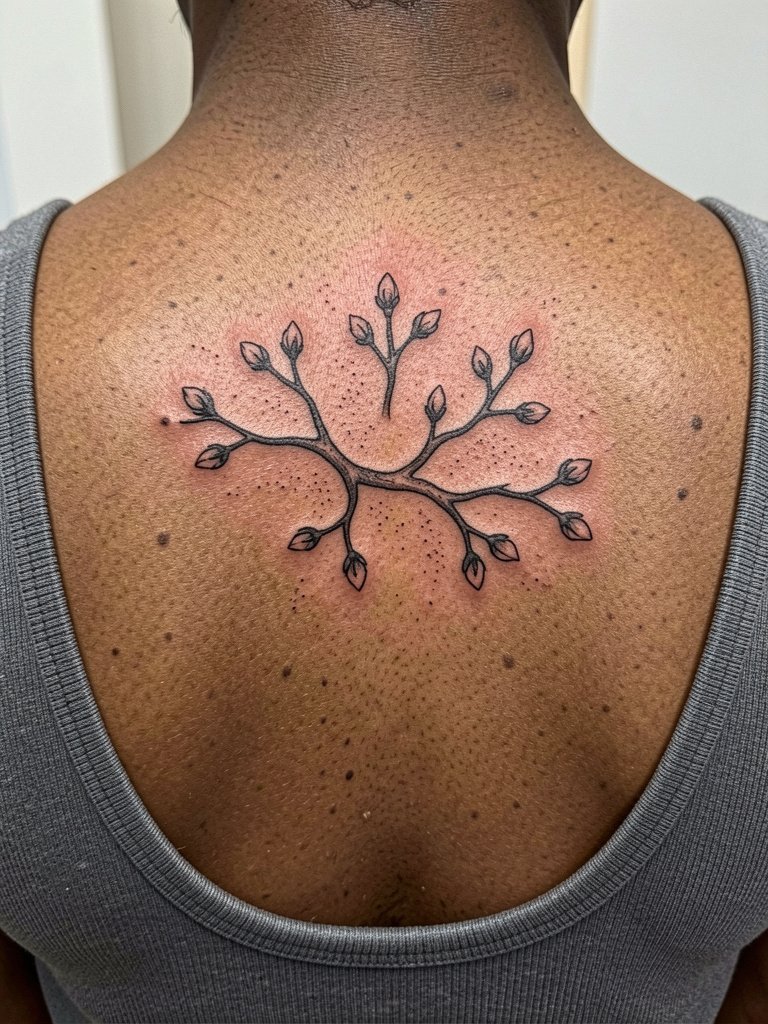
Upper back pieces let you scale up without daily visibility. For branch work ask for clear node spacing so small buds do not run together as the skin relaxes. The area heals well but heavier friction from bra straps can affect nearby areas, so plan wardrobe that minimizes rubbing during the first two weeks. Sessions vary with size but are low to moderate pain. For revealing the piece choose a slip dress that frames the back while staying comfortable.
21. Tiny Matching Arrows on the Forearm

Arrows communicate direction and support without heavy ornamentation. For forearm placement ask for a small but legible shaft width so the tip and tail remain distinct after a few years. Forearm skin generally holds linework well, but ultra-thin arrows can soften if they follow muscle contours poorly. Sessions are brief and the pain is low. To show off this placement choose a cropped knit or a fitted tee that keeps the arm visible.
22. Watercolor Heart with Fine Black Outline on Shoulder Blade

Color adds personality but needs careful handling at small scale. The shoulder blade is forgiving for soft washes if the watercolor is confined within a bold outline, because diffuse color without a border often spreads unpredictably. Artists split on color choices for small work. One camp warns that muted watercolors at tiny scale fade into blotches quickly. Another camp says that when colors are layered with a boundary and proper saturation they can age gracefully. If you want color here, insist on a small outline and ask to see healed photos from the artist at two years. For wardrobe pick an off-shoulder top that frames the area.
23. Tiny Floral Anklet Ring Around Ankle

An anklet tattoo is a pretty alternative to jewelry. Because ankles experience friction, request slightly thicker petals and small gaps between motifs so each flower remains distinct. Many people regret tiny continuous rings that lose definition under socks. Sessions are quick and tolerable. For partnership pieces consider a mirrored pattern rather than exact clones so each ankle reads uniquely. For showing off choose delicate anklets that layer with the ink.
24. Tiny Crescent Moon on the Collarbone

Collarbone moons read clean and photograph well. The clavicle area has thin skin and bone prominence, so request a slightly rounded contour rather than ultra-pointed tips which can look harsh as the ink settles. Sessions are short but expect a bony sting. A common mistake is overcrowding the area with embellishments that age unevenly. Layer a delicate chain necklace with the moon to create a balanced neckline.
25. Tiny Matching Paper Crane on Calves

Calf pieces let you go slightly larger while staying personal. Origami cranes scale well with simple folds rather than intricate micro lines. The outer calf holds ink nicely, but very fine folding lines can blend if the design is too small. Sessions are comfortable and the area heals reliably. For session wear pick loose shorts or skirts that can be adjusted without rubbing the site. For evening looks a midi skirt shows the calf in motion.
26. Matching Puzzle Pieces on Inner Wrist and Inner Forearm

Puzzle pieces are literal fits that work well as complementary designs. For wrist and forearm combinations make sure the connecting edges are drawn with a small margin so they do not appear fused as the skin relaxes. One mistake is over-detailing the interlock at a very small size. Sessions are short and the wrist can be sensitive. To style the pair pick a sleeve you can roll up easily so both pieces are visible together when you want them to be.
27. Tiny Compass North Star on the Sternum

Sternum placements are intimate and need a deliberate approach. The sternum is a high-pain area and moves with breathing, so ask the artist for balanced spacing and medium stroke weight to avoid the central star bleeding into dotwork. Some artists avoid very fine work here because of the skin contours. If you proceed, expect a longer appointment and a careful post-session rest period. For session wear pick a fitted bandeau or a top you can remove without stretching the chest.
Frequently Asked Questions
Q: How do I find artists who specialize in matching mother-daughter pieces without naming specific shops?
A: Use location filters on social platforms and search for combined keywords like "mother daughter fine line tattoo" or "matching script tattoo" to see portfolios and healed photos. Tattoo-specific directories and booking platforms often let you filter by style and show healed shots, which are more useful than reposted flash images.
Q: Will tiny fine-line tattoos hold up on different skin tones?
A: Fine line heals differently across skin tones and individual skin types. Heavier contour or slightly increased line weight usually helps the design remain readable on medium and darker skin tones. Ask to see healed work from the artist on a similar skin tone so you can set realistic expectations.
Q: How should I dress for a shoulder, rib, or ankle appointment?
A: Match your outfit to the placement so the artist has clear access. For shoulders pick a wide-strap tank, for ribs wear a loose sports bra, and for ankles wear cropped jeans or sandals. Bring layers to stay comfortable after the session and avoid tight clothing that rubs the fresh ink.
Q: Should my mother and I get identical tattoos or complementary ones?
A: There are two clear approaches. One camp prefers identical tattoos because exact matches emphasize unity and shared commitment. The other camp favors complementary designs that let each person keep an individual placement or variation while still reading as a pair. Both approaches work; think about how visible you want the match to be and pick the format that fits your long-term comfort.
Q: What is a reasonable touch-up timeline for tiny wrist or finger pieces?
A: Tiny wrist and finger tattoos often need a touch-up within six to twelve months because of high use and frequent washing. Plan to budget a small touch-up and ask the artist to mark likely trouble spots during the session so they can be reinforced if needed.