A lot of small symbols look beautiful on a mood board and then melt into a blur on real skin. Pick the right line weight, give a tiny design space to breathe, and the piece reads for years. These 23 ideas focus on symbols that carry weight and design choices that help them age well while still feeling personal at first glance.
1. Butterfly, fine line, inner forearm
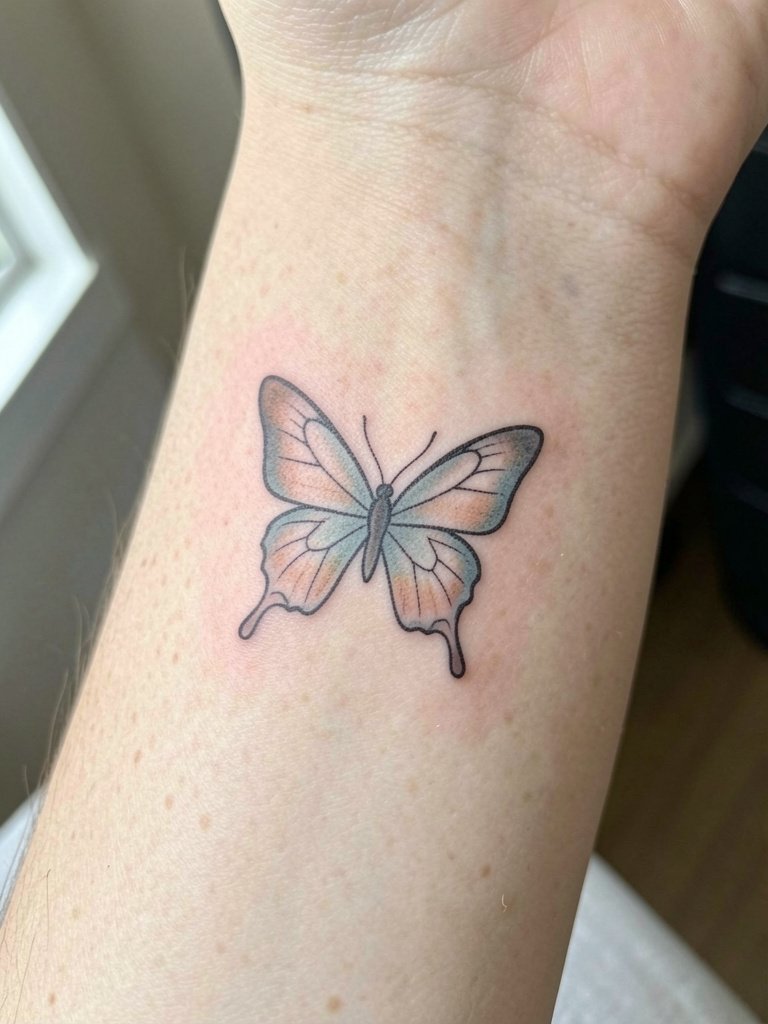
A tiny butterfly reads as transformation when the wings keep space between veins. Pick slightly heavier single-needle linework than the absolute thinnest option so the wing detail still reads at year three. Bring two reference sizes to the consultation so you can compare a three-inch and a five-inch layout and see how much negative space each requires. A common mistake is asking for full micro veinwork at one inch, which often softens into a blotch on the inner wrist. Expect one short session and low pain on the inner forearm. For showing the finished piece, rolled-sleeve linen shirts in neutral tones frame a forearm butterfly well, especially with a thin bracelet on the opposite wrist. Rolled-sleeve linen shirt
2. Rose with thorn detail, outer upper arm
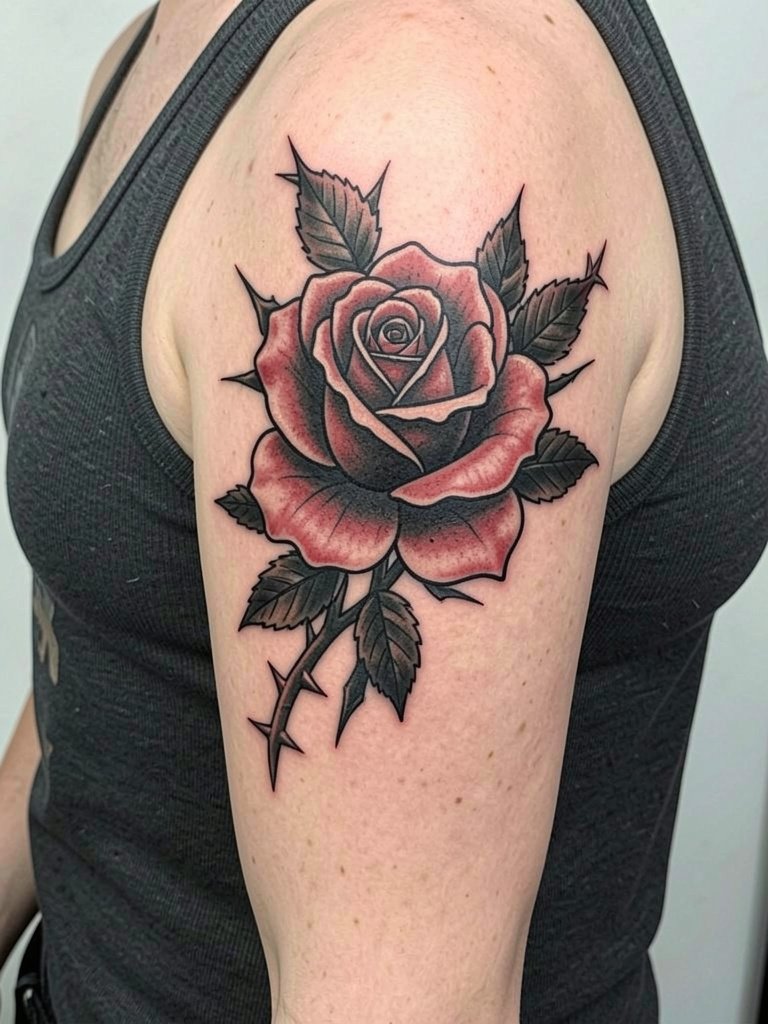
A rose with intentional thorn work balances beauty and edge because the thorns give an emotional counterpoint. Ask for mid-weight outlines and areas of solid black instead of ultra-fine crosshatching when you want contrast to last. The outer upper arm tolerates heavier saturation so larger petals can hold texture without losing definition. A frequent error is cramming tiny petal detail into a two-inch circle. That shrinks badly in one to three years. Sessions run medium in length and discomfort is low to medium. For wardrobe, a racerback tank or muscle tee makes arm placement read like a confident accent. Racerback tank top
3. Snake, lateral ribcage
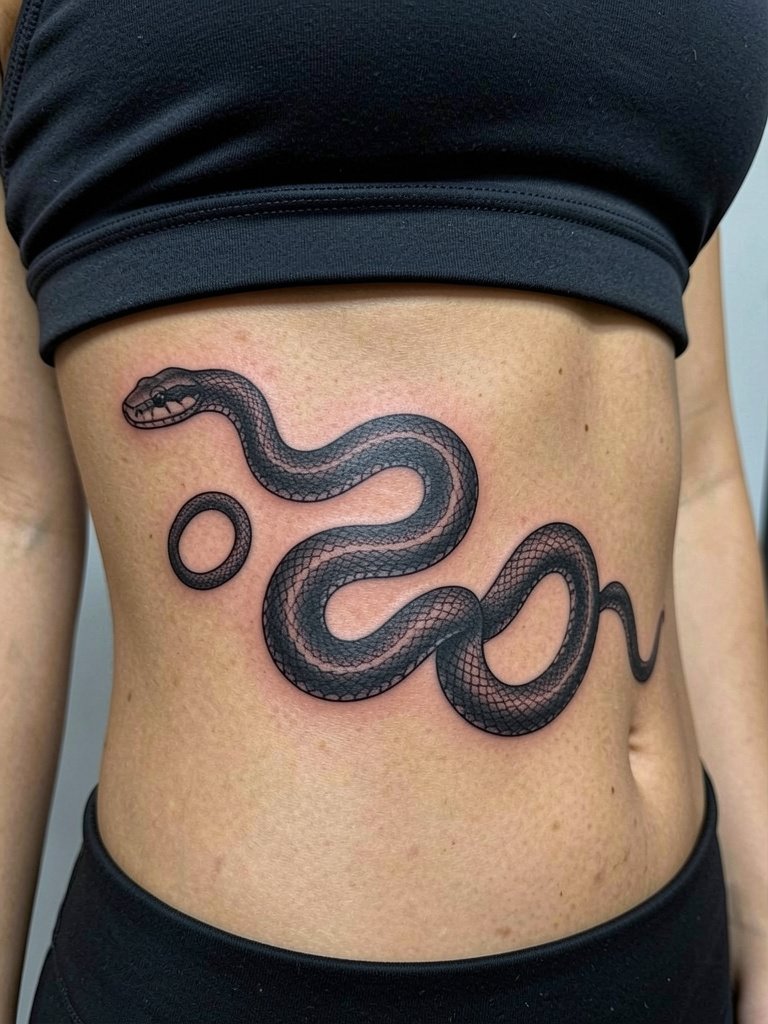
A ribcage snake reads as transformation and protection when it follows natural curves. Mention the piece's final scale and curvature during consultation so the artist can map where the body creases will sit. Fine single-needle scales look elegant but carry blowout risk on ribs because the skin shifts during respiration. Fine line on ribs splits artists into two camps. One camp says the skin stretch and movement blur single-needle work within two years. The other camp says slightly wider spacing and proper depth allow fine line to settle cleanly, and those artists will point to healed photos as proof. For session comfort, wear a loose top with easy lift access and consider a numbing cream applied early if you are nervous about sensitivity.
4. Lotus, sternum or below-breastline
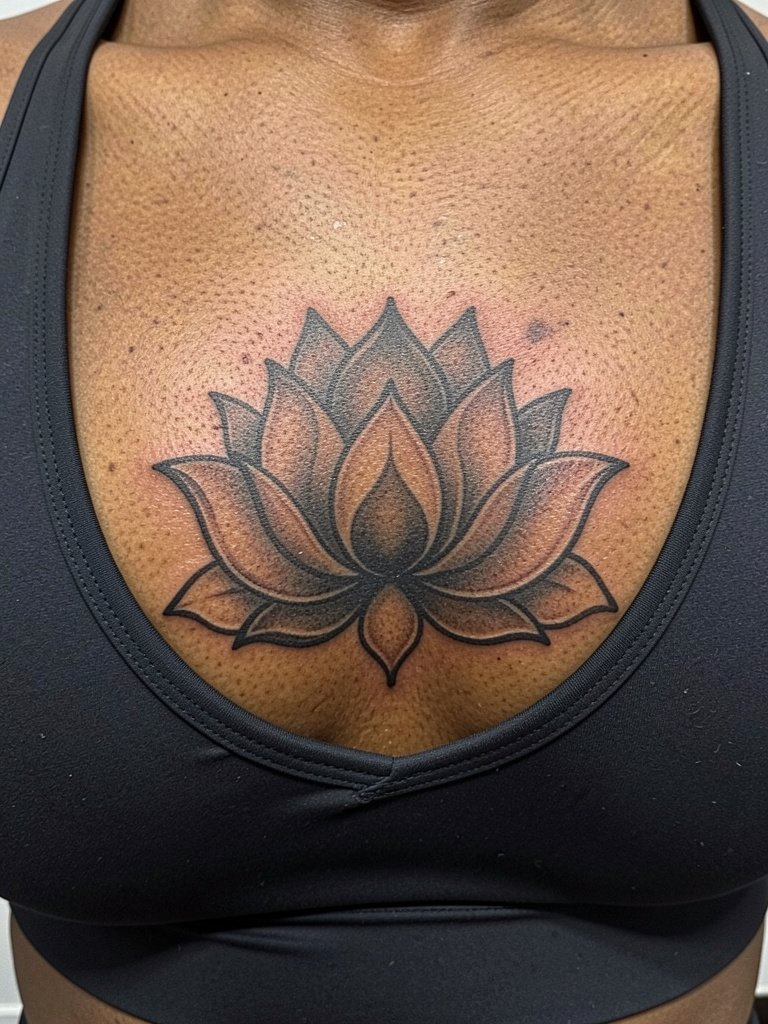
A sternum lotus works as a vertical, centered piece that benefits from symmetry and breathing room. Size up slightly to keep the petal gaps clear, and ask the artist to place the center line exactly on the sternum midline during stencil placement. Color can make petals pop, but color versus black and gray creates a notable debate. One persuasion favors black and gray for predictable aging and long-term legibility. The other persuasion favors color for emotional impact and immediate visual specificity, especially with florals. Session pain here is higher than an arm piece. For wardrobe, choose a front-closing or strapless-friendly top on appointment day to avoid underwire pressure.
5. Birth flower, inner forearm or collarbone
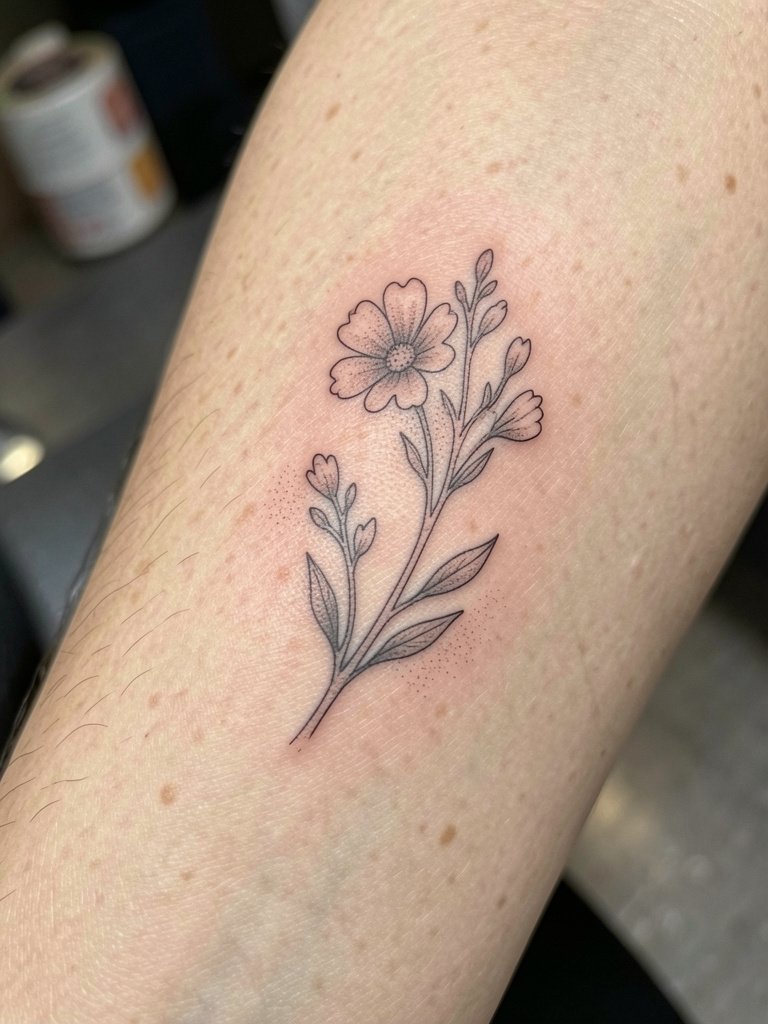
A birth flower gives a private reference without names. Pick a single bloom and specify whether you want realistic petal edges or a simplified icon. The inner forearm keeps botanical linework readable if the stems are vertical and the petals have clear negative space. A common mistake is compressing several small blooms into a narrow band. That density loses separation when skin texture changes. One short session is usually enough. For showing the design, a relaxed linen shirt cuff and dainty rings create a soft frame for a forearm sprig. Linen shirt women
6. Celestial moons and stars, wrist or nape
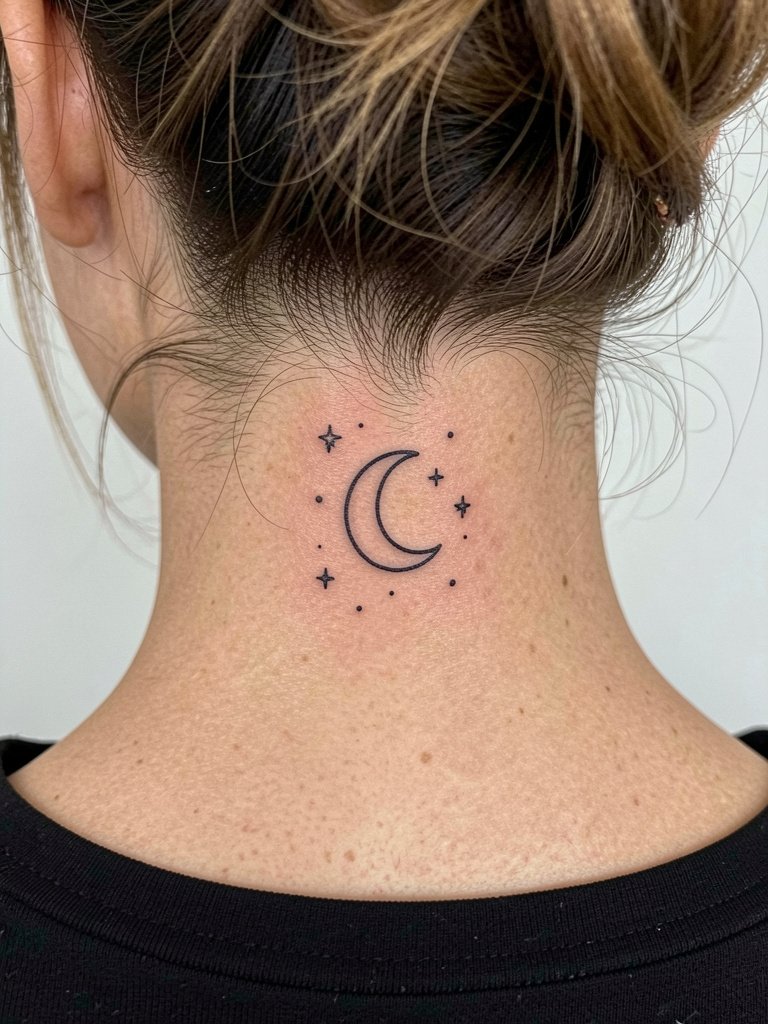
Small moon and star clusters are durable if spaced and sized for the site. For the wrist and nape prefer crisp, solid crescents rather than fragile dotted outlines because solid shapes survive friction better. One session and low pain make these attractive first-tattoo choices. A mistake is stacking too many micro elements in a two-centimeter square. That becomes illegible quickly. For reveal, an updo and open-back tops show a nape moon nicely, and a slim chain choker pairs well with wrist sets. Open back top women
For Session Prep
These first six pieces vary in scale and friction, so a few targeted items smooth the session and the first week.
- Stencraft transfer sheets. Lets you hold the exact layout on skin before ink, which matters for forearm and sternum symmetry.
- Topical numbing cream. Applied in advance for higher-pain ribs or sternum sessions without changing how the artist reads the lines.
- Thin protective film roll. Keeps wrist and finger pieces cleaner during the first days of heavy hand use.
- pH-balanced gentle body cleanser. Mild cleansing helps avoid irritation around fine line work.
- Aquaphor healing ointment. Light layers for the initial healing window lock in moisture without suffocating fine channels.
7. Single-word script, upper chest or inner forearm
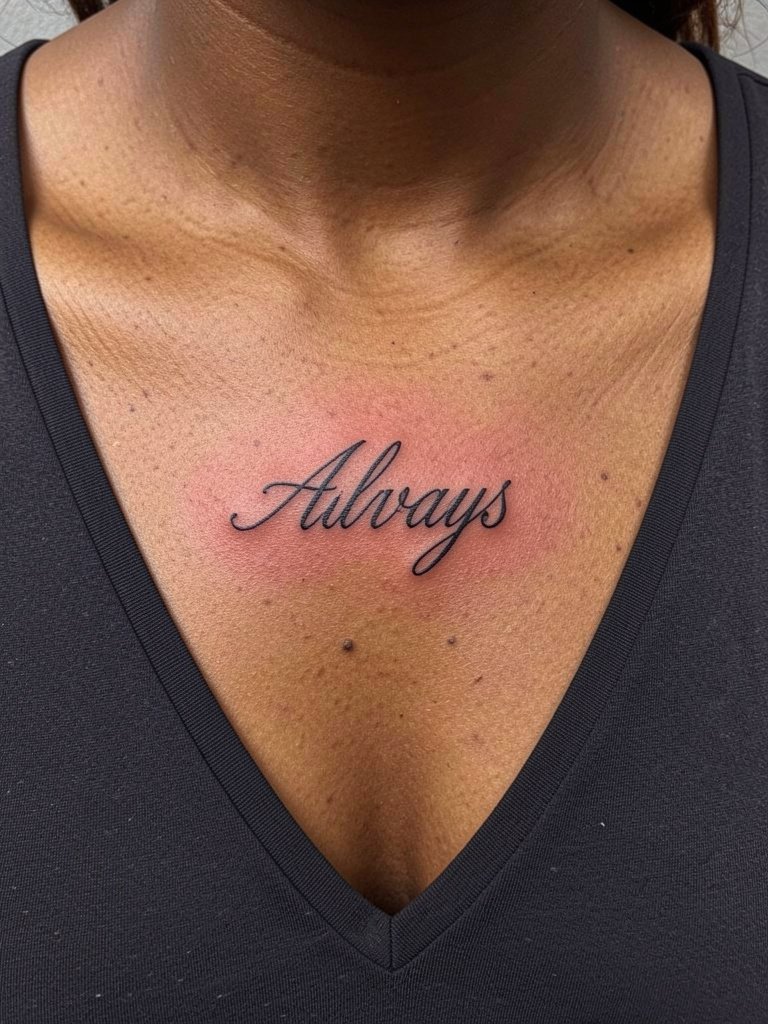
A single-word script works when the lettering has room. For chest placement avoid overly slanted calligraphy that compresses across the clavicle curve. Bring two font references and indicate preferred letter height so the artist can test readability at different scales. Tiny cursive scripts commonly blur when the letters are too thin and too close. Plan for a single short session with moderate discomfort from the chest area. Off-the-shoulder tops and delicate chokers make this area read like an intentional accessory during outings. Layered necklace women
8. Medusa, outer upper arm or thigh
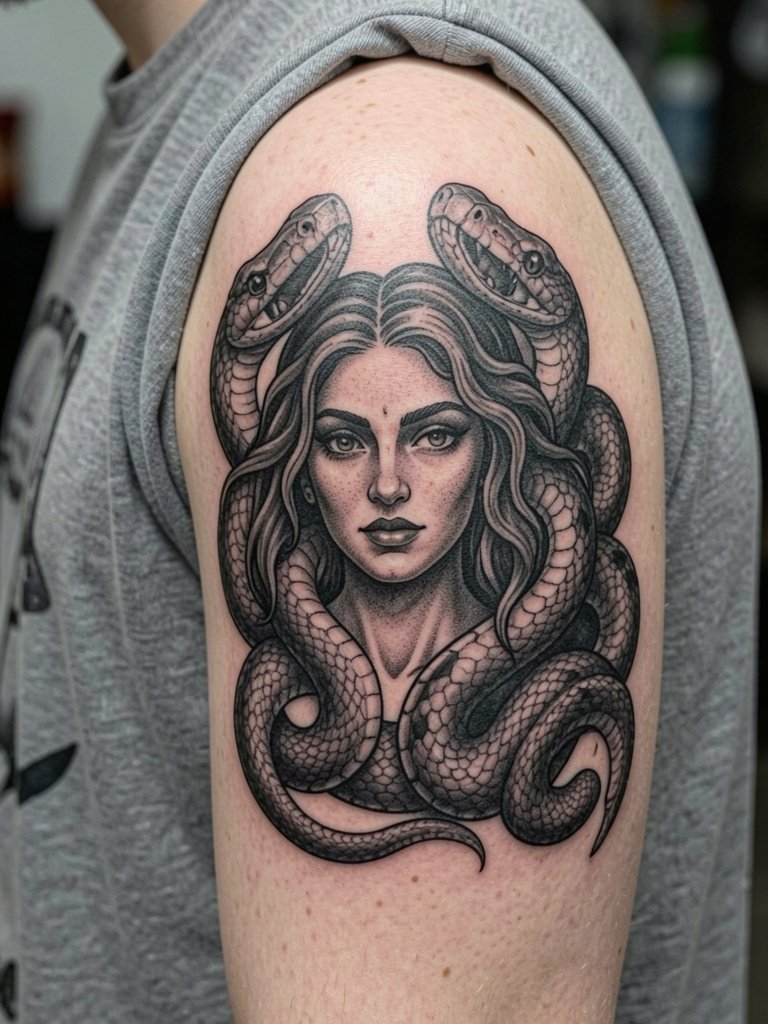
A Medusa portrait reads as empowerment when facial detail is balanced with bold contours. Ask for a composition that keeps facial features larger than micro detail so the face reads from a distance. The common mistake is pushing hyperrealistic micro detail into a medium panel where the shadow areas merge. This style often takes multiple sessions and medium to higher pain depending on placement. For wardrobe, solid-color sleeveless tops and racerback tanks frame the outer arm portrait and let the face read cleanly in social settings. Fitted black tank
9. Lioness, shoulder or thigh
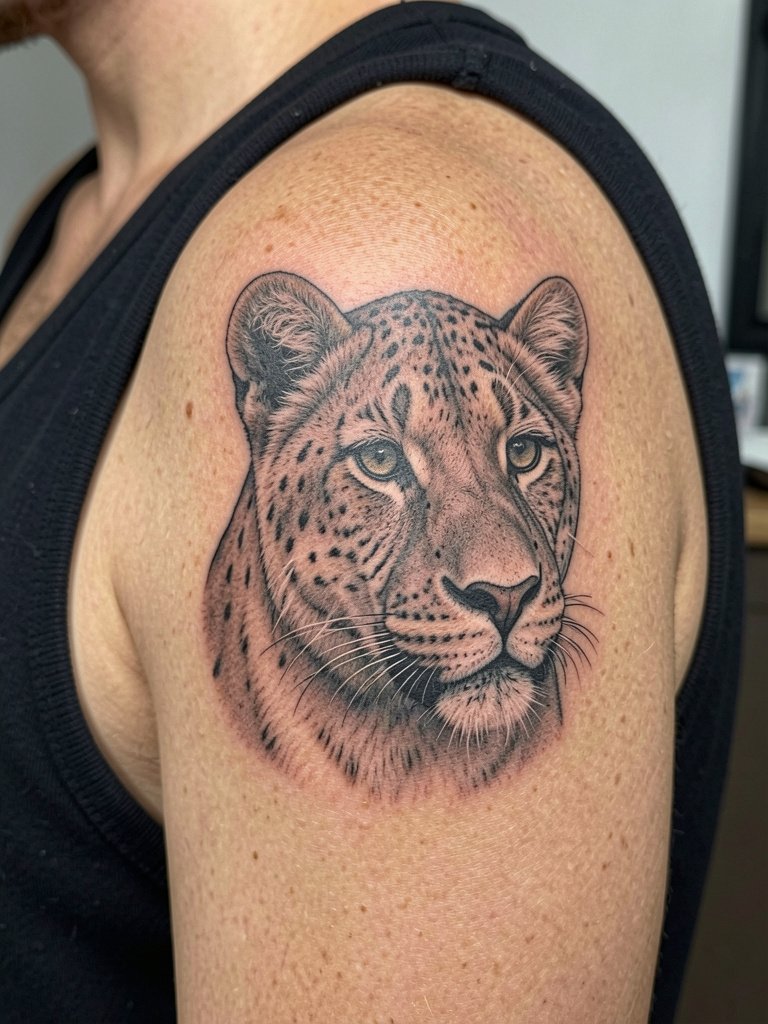
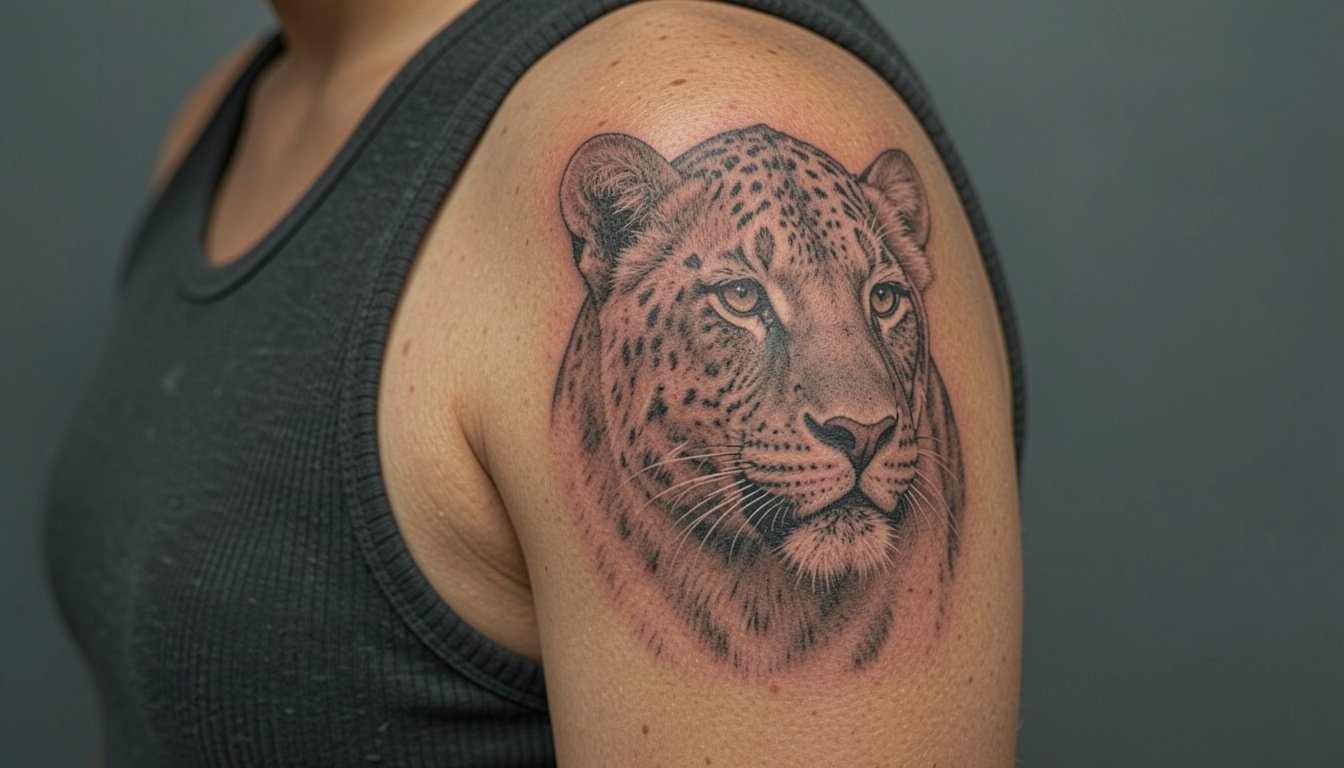
A lioness combines protective family symbolism and strength when the eyes remain the focal point. Request the artist prioritize eye detail and keep surrounding fur texture bold rather than thin. Tiny whisker strokes often vanish, which flattens realistic faces over time. Expect one to three sessions for shading and depth, with moderate pain on the shoulder. Leave a clean arm silhouette by wearing a sleeveless tank for show-off photos. Avoid overpacking tiny texture that ages into muddle.
10. Tree of life, spine or upper back
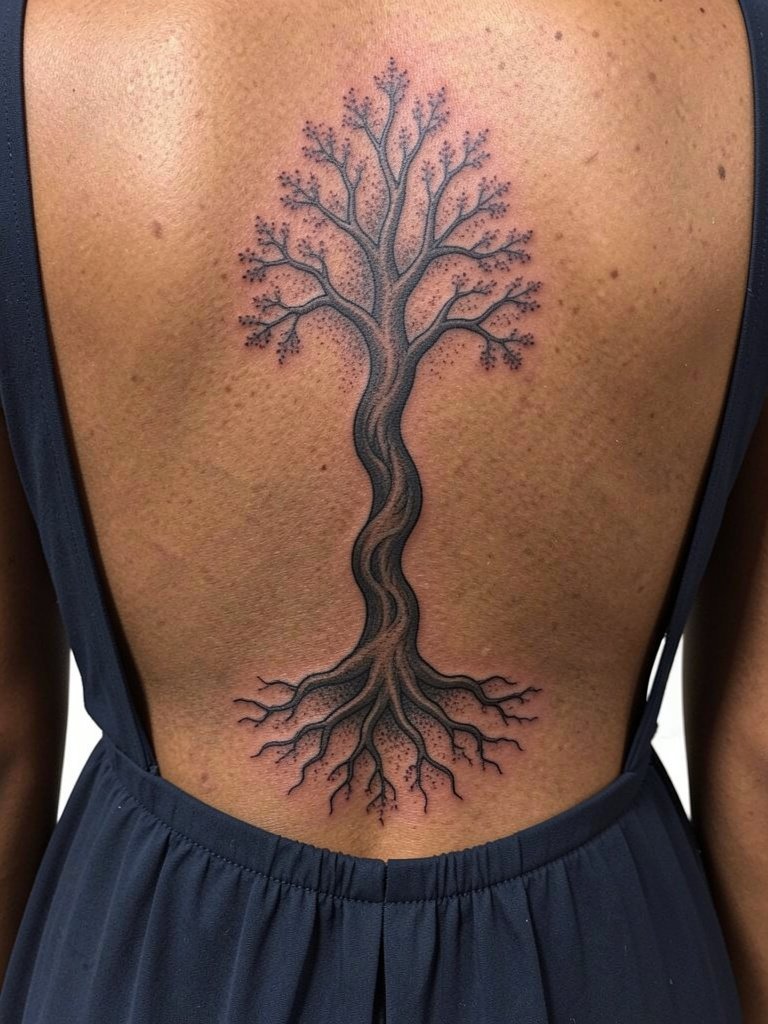
A vertical tree on the spine benefits from breathing room between branches and roots. Specify whether you want tight twig detail or broader silhouette trunks because the spine's movement affects thin twig longevity. A typical mistake is compressing branch networks into a narrow column. That density becomes unreadable as the skin shifts. Sessions vary by scale. For evenings out, a low-back or racerback garment showcases the vertical design beautifully without added hardware rubbing the fresh work.
11. Semicolon butterfly or semicolon script, wrist or ankle
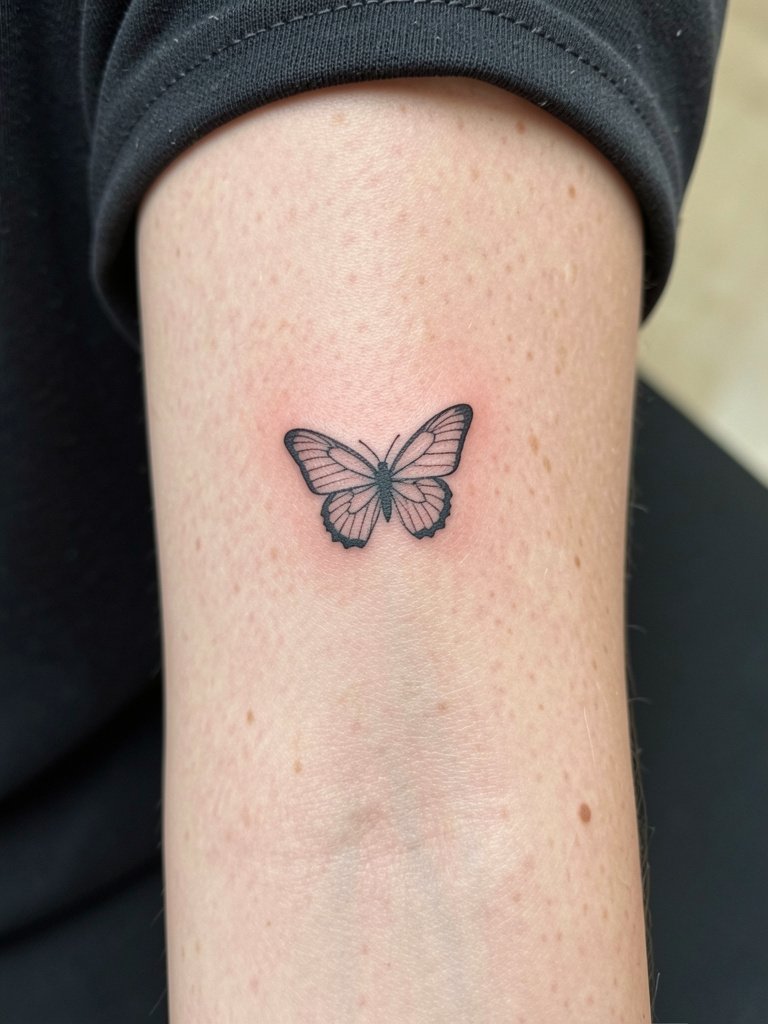
Combining a semicolon with a soft motif gives mental health symbolism an approachable look. For wrist or ankle sizing keep the semicolon solid and slightly larger than adjacent micro details so it stays visible through hand washing and friction. The common version that ages poorly uses ultra-thin dotwork for the semicolon and tiny wing detail at a very small size. That tends to fade into an indistinct mark. One short session and low pain make this an accessible tribute. For display, pair wrist pieces with a slim watch on the opposite arm or a thin chain bracelet. Minimalist watch women
12. Diamond symbol, finger or wrist
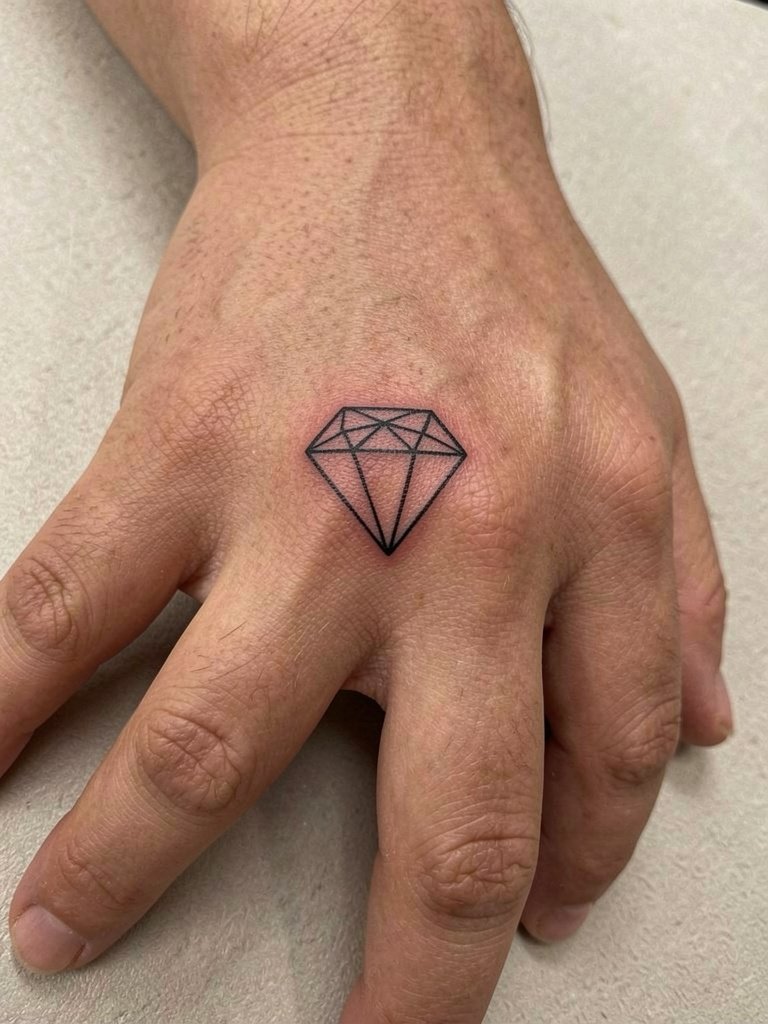
A compact diamond reads as resilience when the facets have purposeful negative space. On fingers use slightly thicker outlines and plan for touch-ups since constant hand use and soap exposure accelerate fading. A frequent mistake is asking for hairline facets that cannot be maintained on the knuckle. Expect touch-ups sooner than wrist pieces. For sessions, be prepared for a short, sharp sting and plan to avoid rings on that finger for the first week. A simple anklet or thin ring on adjacent digits can balance a finger diamond visually.
13. Delicate floral sprig, collarbone or inner forearm
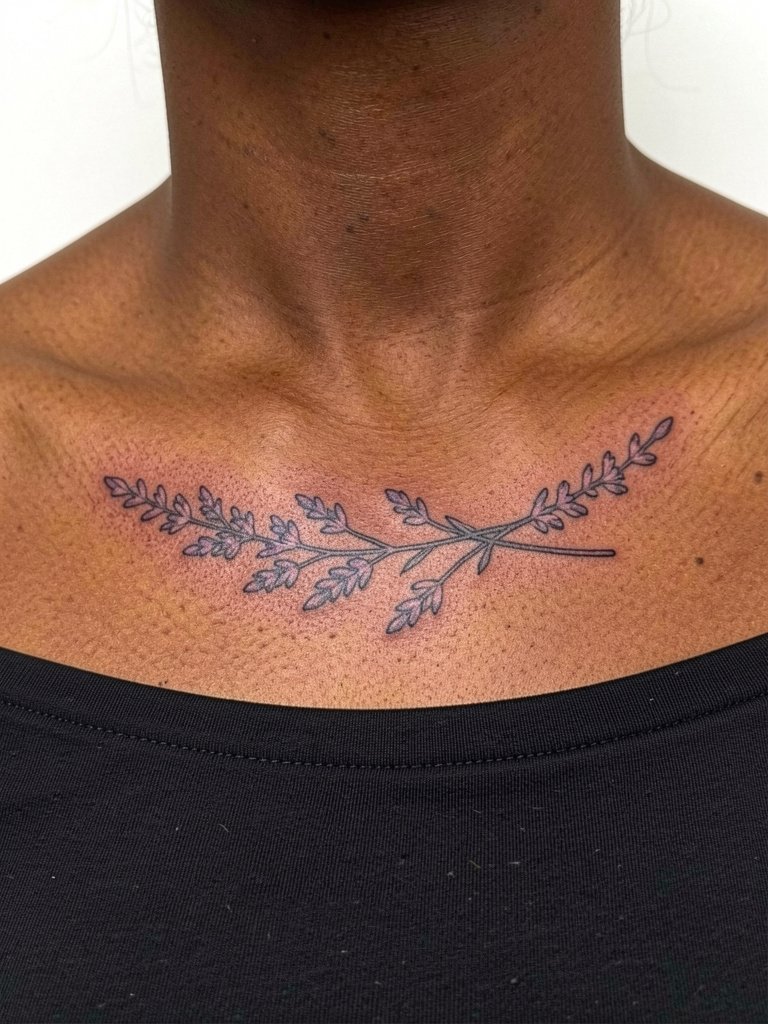
Floral sprigs deliver botanical subtlety when negative space separates each bud. For collarbone placement ask for slightly bolder stem anchors so the sprig reads against natural collar shadows. The mistake is pushing micro leaves into the bone ridge. That loses definition as skin settles. One short session and a tolerable pain level on the collarbone area are common. Off-the-shoulder tops and short layered necklaces frame these pieces nicely. Off shoulder top women
14. Infinity symbol with names or dates, wrist or forearm
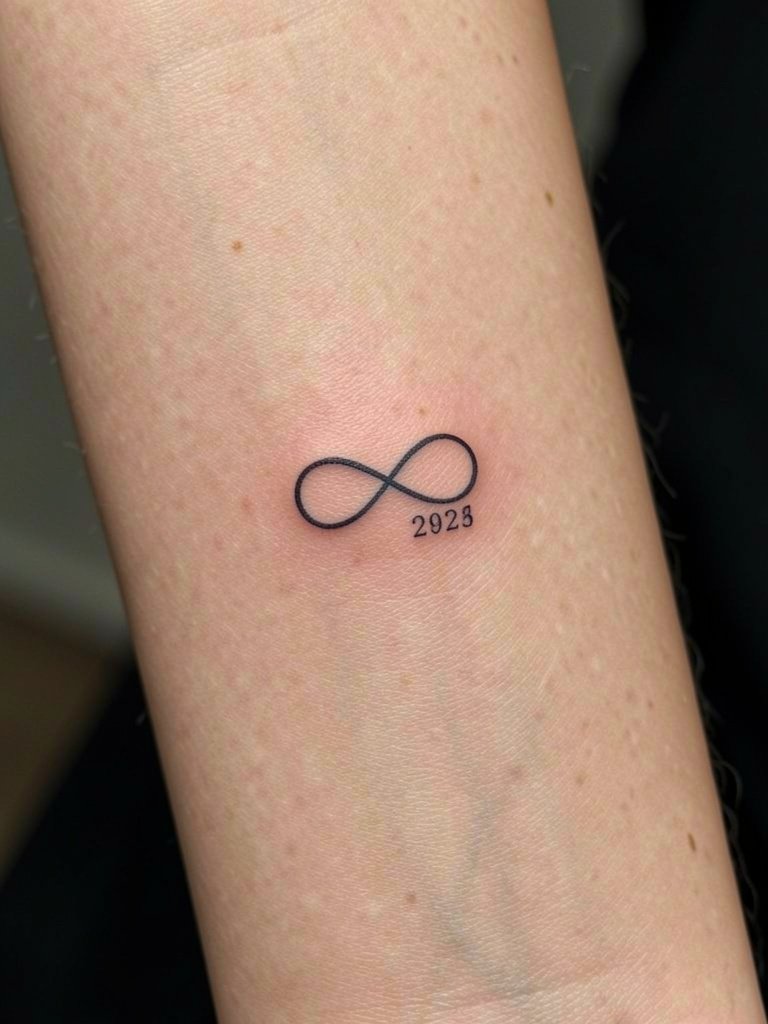
An infinity loop with names or dates is a durable tribute when typography is bold enough to remain legible. Choose a slightly wider stroke for any numbers or names so digits do not blur together. The common mistake is using a script font that pinches letterforms at small sizes. One short session is common and pain is mild on the forearm. For everyday looks, a thin chain necklace or dainty rings balance wrist and forearm tributes. Dainty rings set
15. Goddess symbols and moon phases, upper chest or forearm
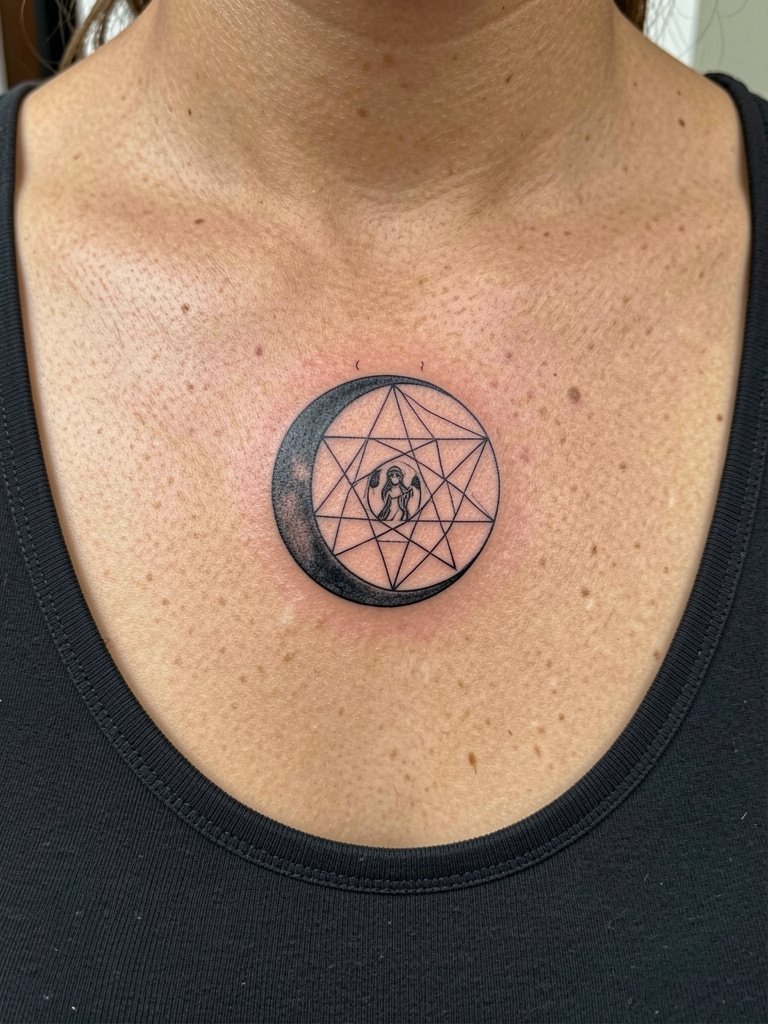
A moon phase sequence pairs well with small goddess marks when spacing keeps each phase distinct. Ask the artist to scale each moon to at least three millimeters of visible surface so crescents do not lose curvature. The trend-versus-durability debate hits here again. One side prefers geometric blackwork for predictable aging. The other side prefers delicate mixed media that uses color and thin lines for a more editorial look. Sessions are short to medium. For styling, off-the-shoulder tops and short layered necklaces help these motifs read as jewelry.
16. Compass with coordinates, collarbone or upper back
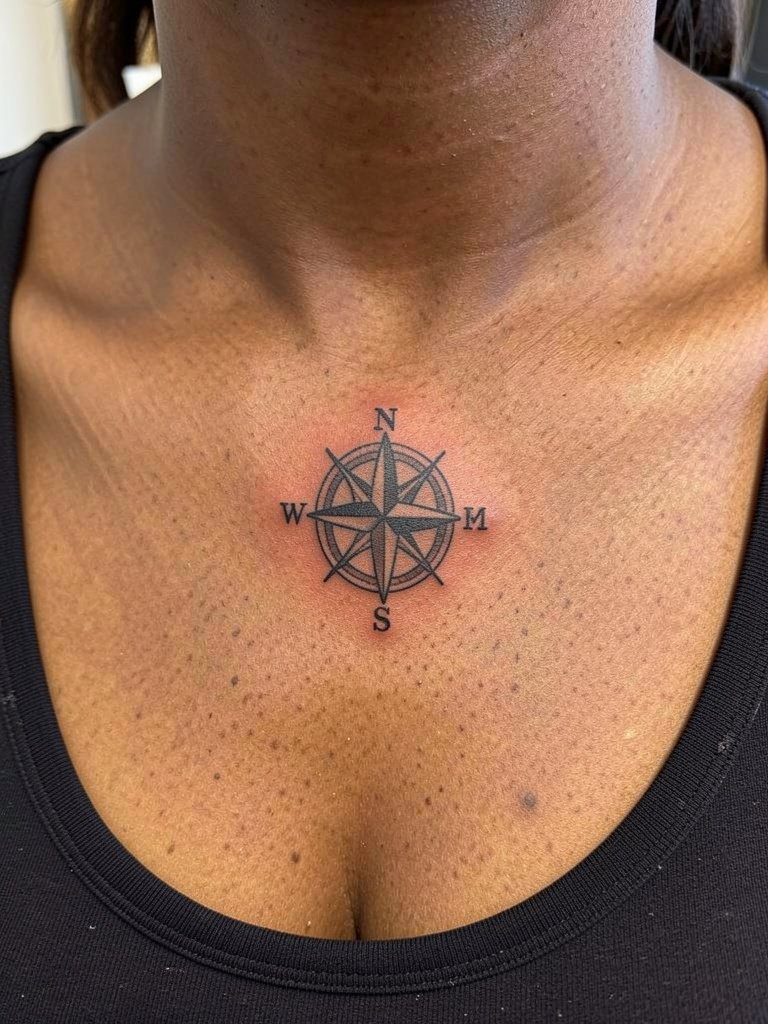
A miniature compass with coordinates works when the numerals are set in a clear, slightly bolder font. Specify whether you want the coordinates in Roman numerals or monospaced type because tiny serif digits can blur. A common misuse is squeezing long coordinate strings into narrow bands. That reduces legibility over time. For show-off outfits, layered pendant necklaces and scoop necklines make this placement read like curated jewelry. Layered pendant necklace
17. Feather with birds breaking free, lateral rib or shoulder blade
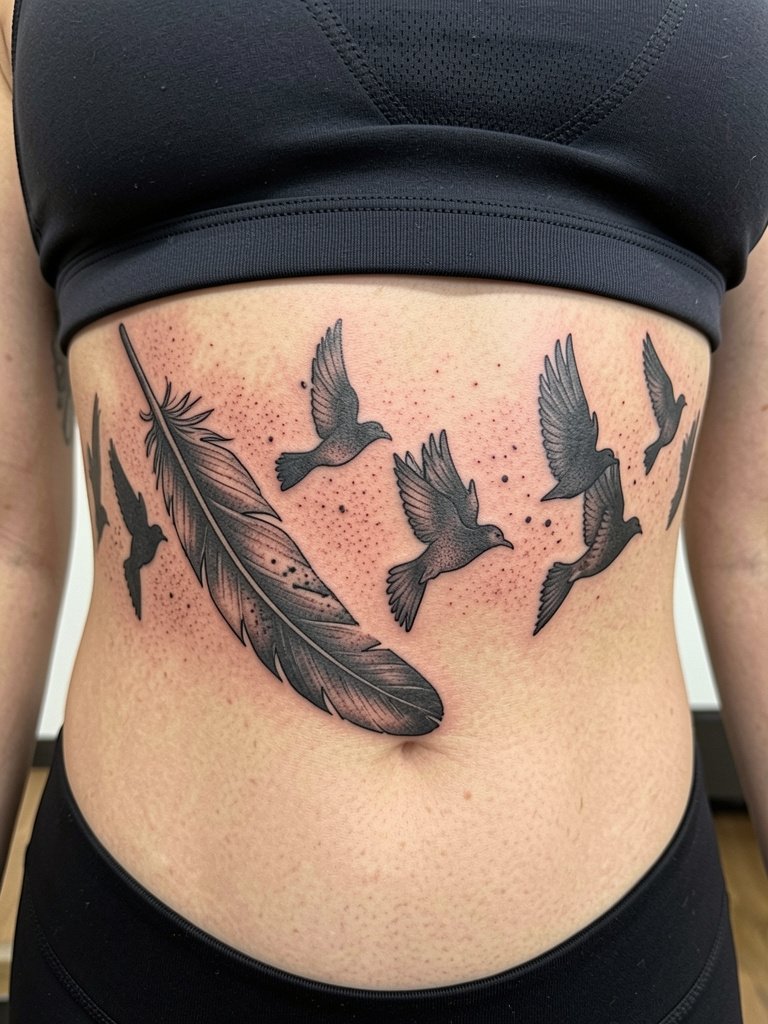
A feather that dissolves into birds plays on movement and works where skin can stretch. If you want the birds to read individually keep them slightly larger and separate. The ribcage can make fine trailing feathers blur if the feather quill is too thin. Sessions for ribs vary and pain is higher. For the appointment wear a loose top that lifts easily and avoid tight side seams from bras during healing.
18. Minimal wave line, ankle or top of foot
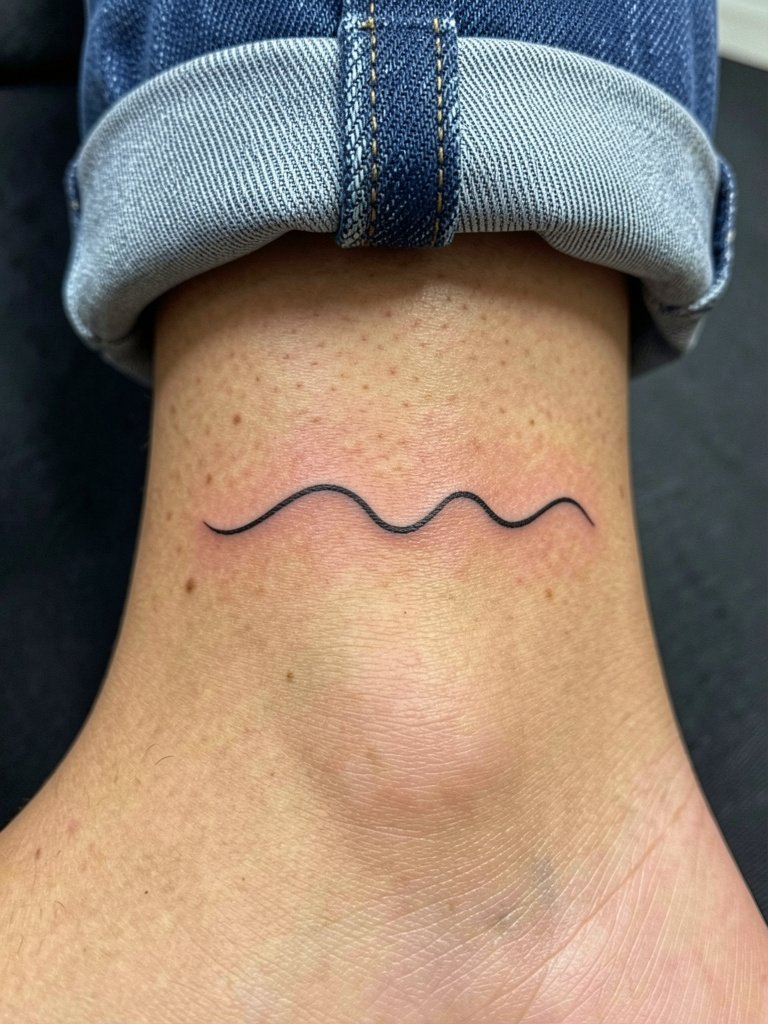
A single-stroke wave is elegant on ankles when the line has a small but definite thickness. Too thin a stroke washes out under sock or shoe friction. Expect a small session and short healing window. A common mistake is positioning the wave too low where the shoe line rubs it. For footwear pairings, cropped jeans and sandals keep an ankle wave visible without fabric abrasion. Cropped ankle pants women
19. Koi fish, outer thigh
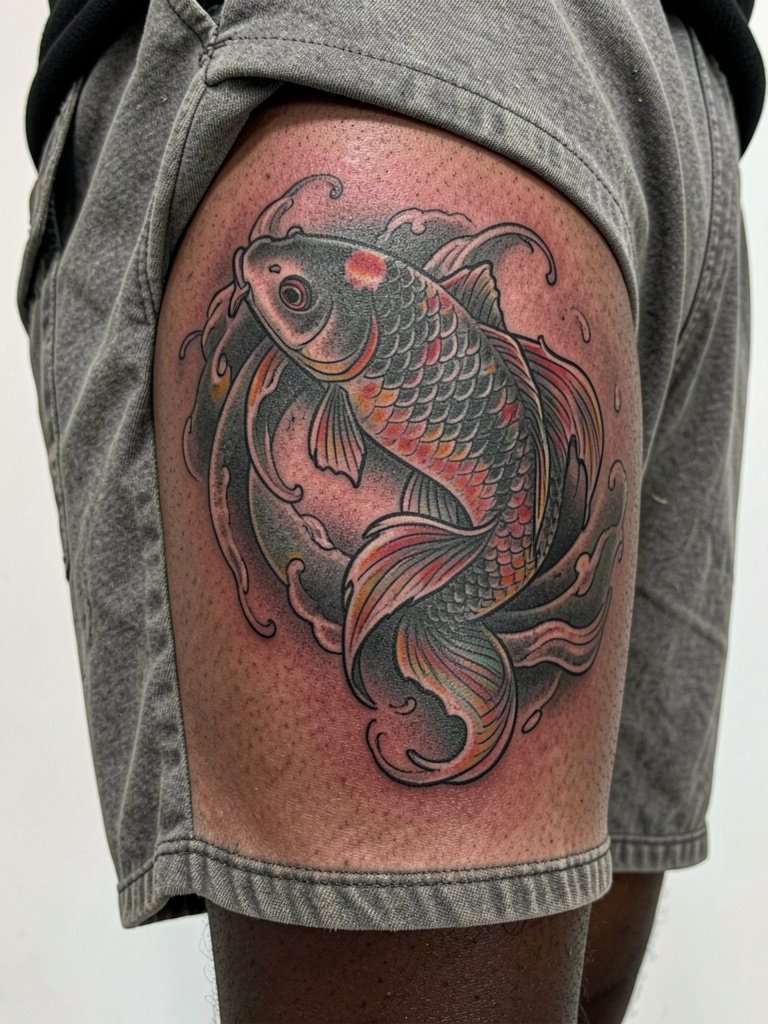
A koi on the outer thigh benefits from larger scales and directional flow. Ask for scale sizes that stay larger than a fingertip so patterning survives skin texture changes over time. Tiny scale stippling is a common error when placed mid-thigh. Larger panels may need two sessions. For wardrobe, relaxed shorts or high-slit skirts show thigh work in warm months while keeping it private otherwise. Drawstring shorts women
20. Mountain range line, wrist or forearm
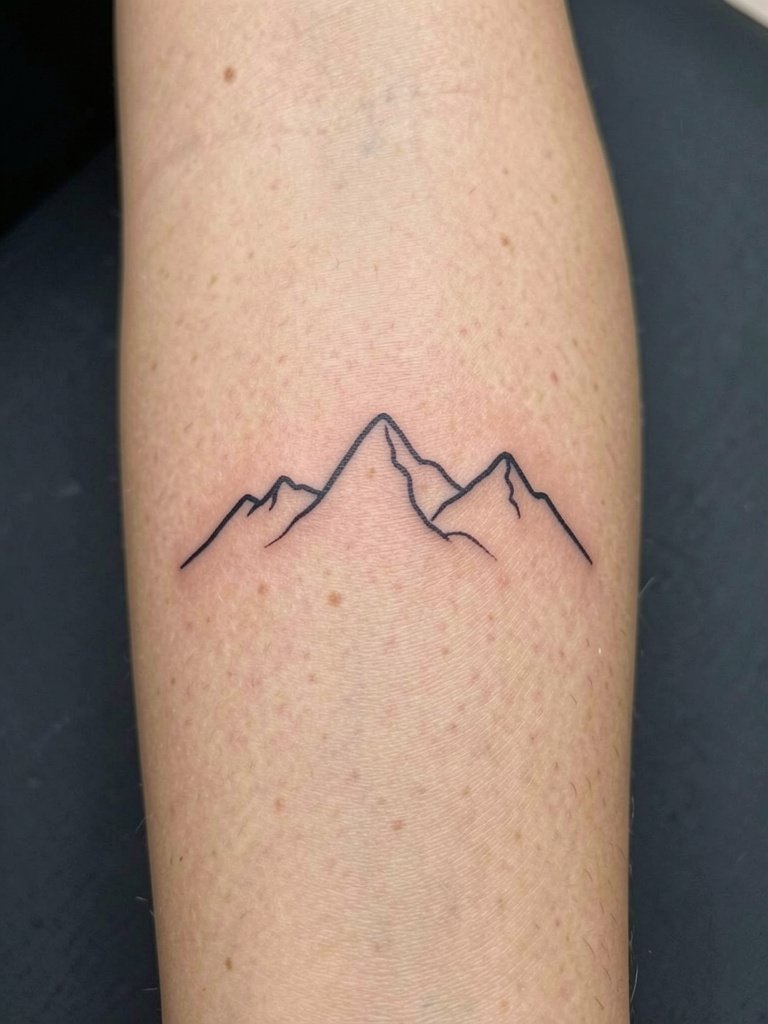
A tiny mountain range reads best when peaks are given slight variance and the negative valleys are wide enough to separate them. The usual mistake is compressing many peaks into a thin band. That creates a muddy silhouette as the piece settles. One short session and low forearm pain are typical. For everyday styling, cropped jacket sleeves and stackable bracelets help frame the range like a wrist cuff. Cropped jacket women
21. Arrow, vertical on inner forearm
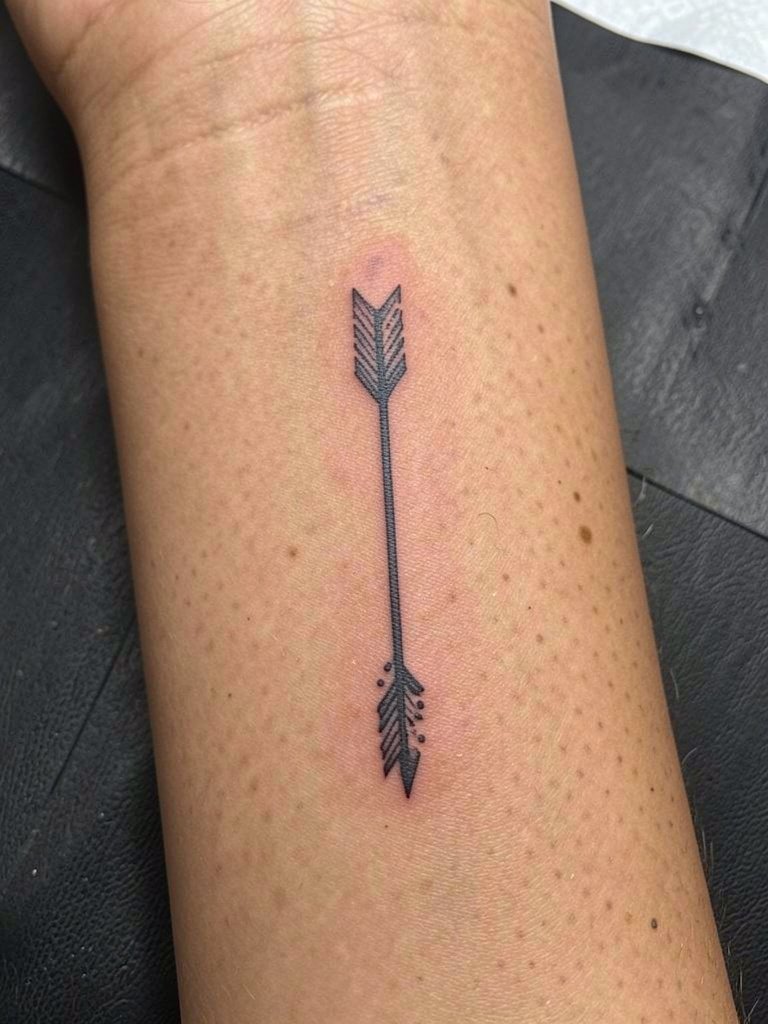
An arrow benefits from a confident core line and slightly heavier head so it keeps direction over time. If you want tiny filigree around the shaft increase overall scale to avoid loss of detail. A common mistake is requesting micro ornamentation that the forearm texture will smooth out. Expect a single short session. For session wear bring a button-down you can roll above the elbow so the artist has unobstructed access.
22. Small silhouette portrait, sternum or upper chest
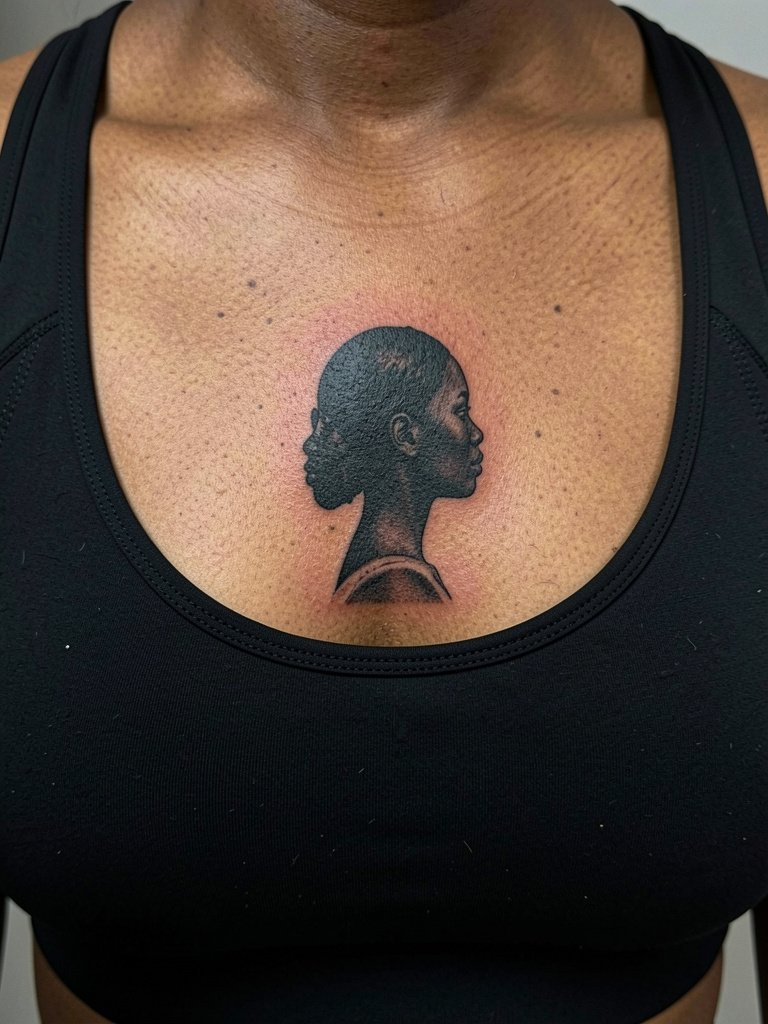
A tiny silhouette portrait offers a mnemonic that avoids full-face realism. Keep the silhouette bold rather than detailed so features stay recognizable. Trying to force photorealistic shading into a two-inch sternum patch often loses clarity. Sessions vary and sternum pain is higher. For considerations around origin respect, avoid using culturally specific iconography unless you have direct heritage ties and have discussed respectful use with the artist.
23. Soundwave of a voice clip, inner forearm or rib
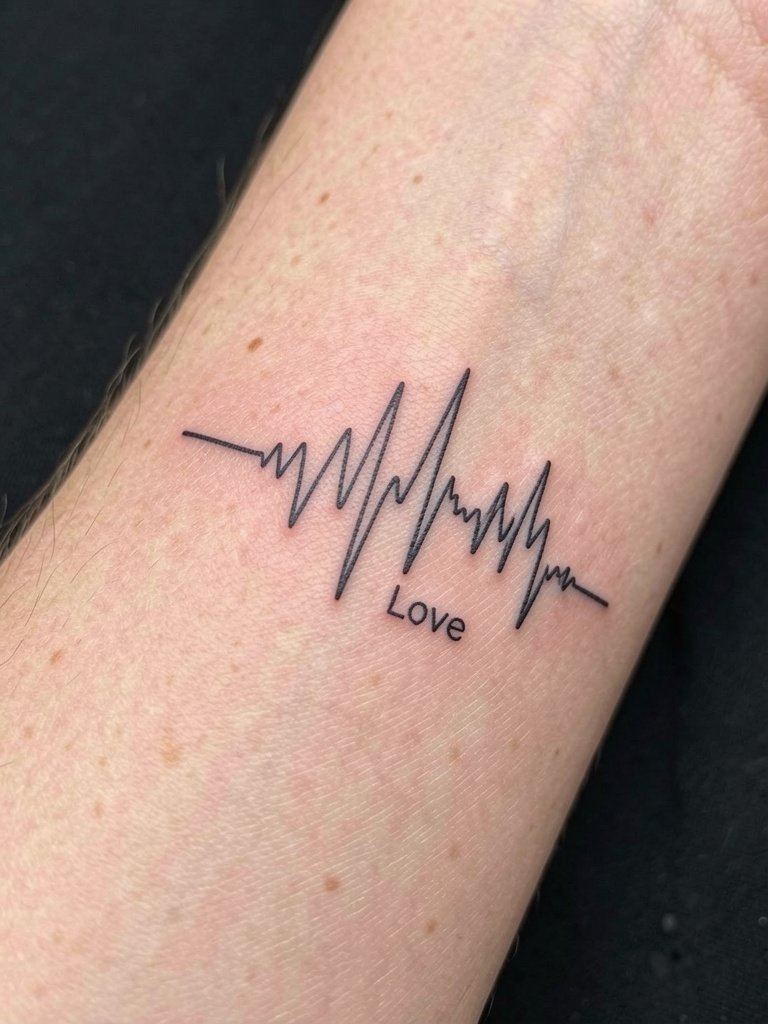
A soundwave tattoo is personal and literal when the waveform is rendered with readable peaks and a short caption. Make sure the artist maps the waveform to the final size first because compressing it will distort the audio line shapes. A common misstep is asking for an excessively long clip that ends up as an indecipherable squiggle. One short session usually covers a waveform. For outfit pairings, a simple bracelet or rolled sleeve keeps the forearm waveform visible during day-to-day activities. Thin bracelet stack
Frequently Asked Questions
Q: How much should I expect to pay for a small fine line piece like a butterfly or script?
A: Pricing varies by shop, but small fine line pieces commonly start around mid-range studio minimums and can range up depending on detail. Expect studio minimums plus time, and remember touch-ups or scheduling complexity can increase overall spend. Treat any specific number you hear as a starting point rather than a final invoice.
Q: Will fine line tattoos on the ribs or forearm blur fast?
A: Artists are split on this. One camp argues that high-movement areas like ribs and thin-skinned forearms blur thinner lines within a couple of years because of skin stretch and daily friction. The opposing camp maintains that if line spacing is increased slightly and needle depth is consistent, fine line can settle well and remain legible. Look for healed photos from two to five years on similar skin tones to judge likely outcomes.
Q: I have darker skin. Which designs hold contrast best?
A: Black and gray with stronger saturation and slightly heavier line weights preserves contrast on darker skin. Very thin single-needle lines can disappear faster. Ask to see healed examples on similar skin tones and request the artist increase stroke width by a hair to retain definition. A short test stencil can demonstrate visibility before any needle touches skin.
Q: Where can I find healed portfolio examples and artists who specialize in these symbols?
A: Search targeted hashtags such as #finelinetattoo and #smalltattoo on visual platforms with location filters, and use directory-style searches with keywords like "fine line butterfly" or "black and gray Medusa" to find portfolio matches. Reddit threads on tattoo communities often surface healed photos and walk-throughs. Prioritize portfolios that show healed work rather than only fresh pieces.
Q: How should I dress for a ribcage or sternum session to make the appointment easier?
A: Wear loose, front-closing, or strapless-friendly tops that let the artist access the area without underwire pressure. For rib sessions a loose cropped top with a high-waist bottom works well so the waistband can sit comfortably below the tattoo. For sternum pick a front-closing sports bra or a strapless-friendly top to avoid fabric friction during healing.
Q: How often do small symbols need touch-ups compared with larger pieces?
A: Small tattoos often need touch-ups sooner because there is less area for pigment to spread into as the skin ages. Fingertip- and knuckle-area work typically needs touch-ups more frequently than upper-arm or thigh pieces. Expect a possible touch-up within one to three years for micro placements, and longer intervals for well-saturated medium pieces.