
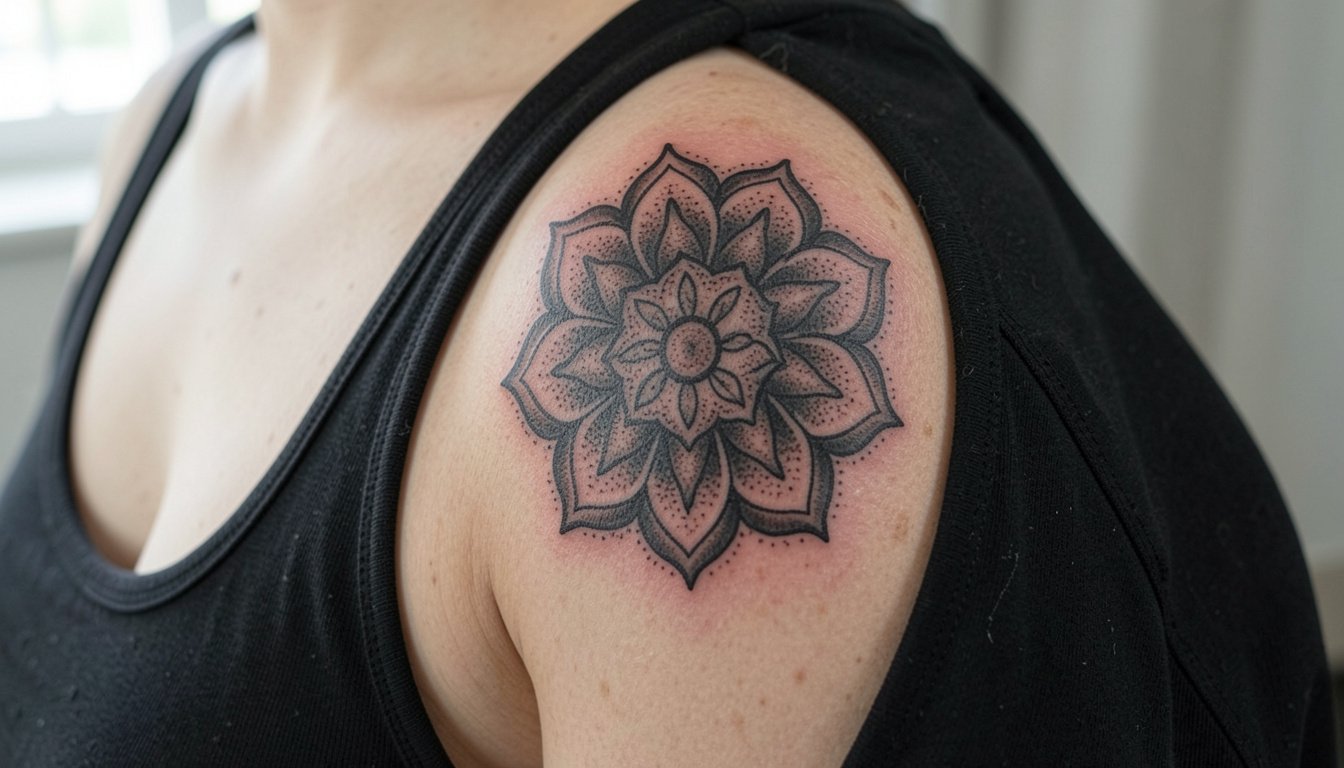
Delicate Mehendi linework reads like handwriting on skin, but the pieces that still look crisp years later are usually the ones that trade a hair of filigree for slightly more spacing and a touch of heavier outline. Think about where tiny dots and thin curls will rub against fabric and plan for that in the stencil. The result is the same aesthetic with better longevity, and the first idea below shows how to do that without losing the Mehendi look.
1. Fine-Line Wrist Band with Floral Filigree
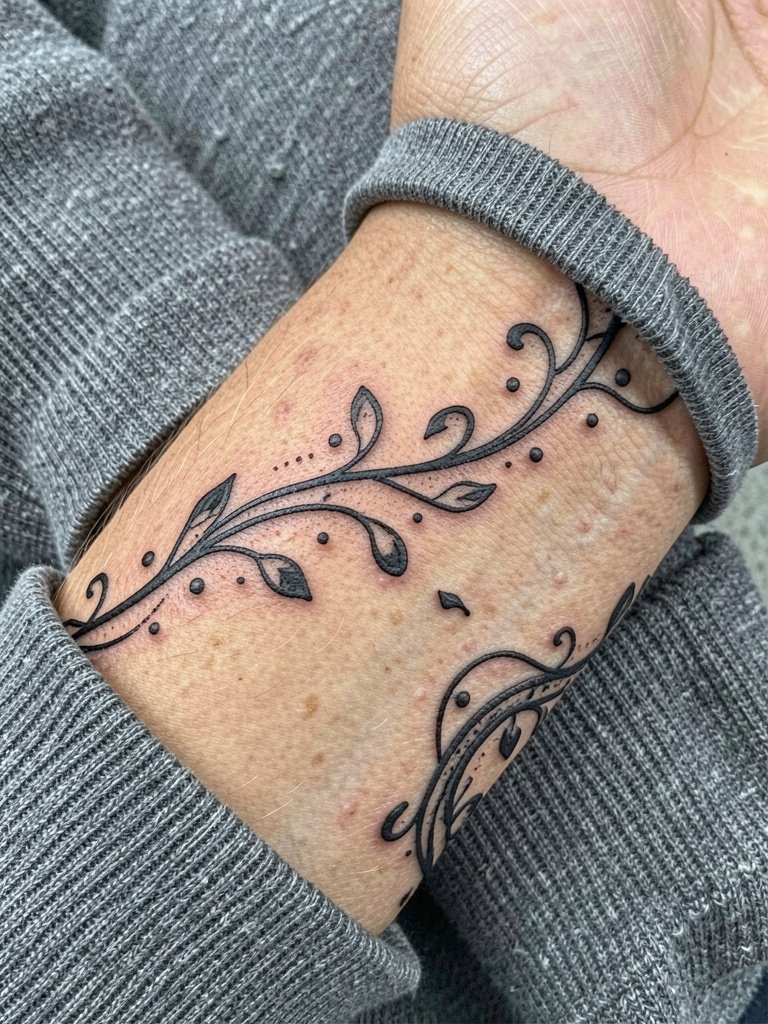
A delicate wrist band in Mehendi style reads like jewelry when placed on the inner wrist. Recommend a slightly heavier outline than the reference photo so the tiny dots do not fill in at year two. For the session, expect a one-hour appointment with mild sensitivity where the wrist meets the bone. The biggest mistake is asking for a bracelet of micro curls with no spacing. That version tends to blur into a smudge. Bring a close-up reference showing the exact spacing you want, and discuss line weight so the artist lays down the ink a bit deeper on the first pass. This placement looks great with a simple thin gold chain bracelet that frames the design without covering the linework.
2. Inner Forearm Paisley Panel in Stipple Shading
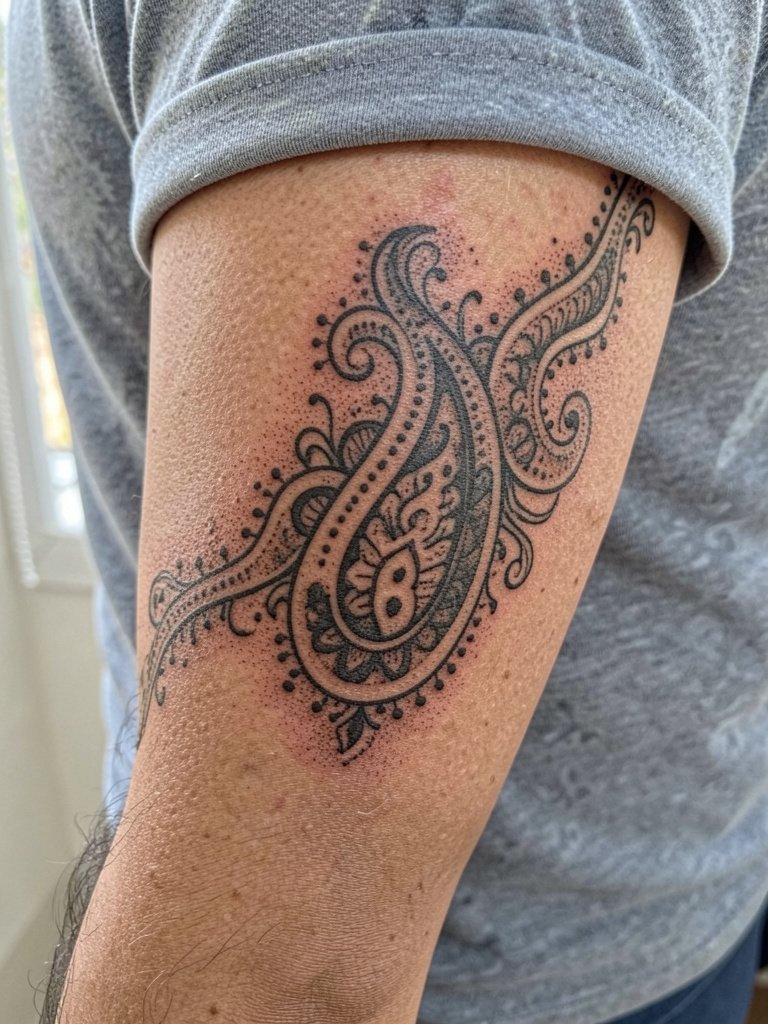
A paisley panel with stipple shading gives the Mehendi look without relying on ultra-thin single-needle curls. This style sits best on the inner forearm because the flat surface keeps stipple and dot work readable over time. Expect a two-hour session and light to moderate tenderness during healing. A common error is compressing too many tiny details into a small square. Ask for the artist to scale the main paisley to three to four inches so the stipple reads at six months. For display, wear a rolled-sleeve linen shirt and pair with a casual cuff bracelet to draw the eye down the forearm.
3. Mandala Collarbone Accent with Bold Outline
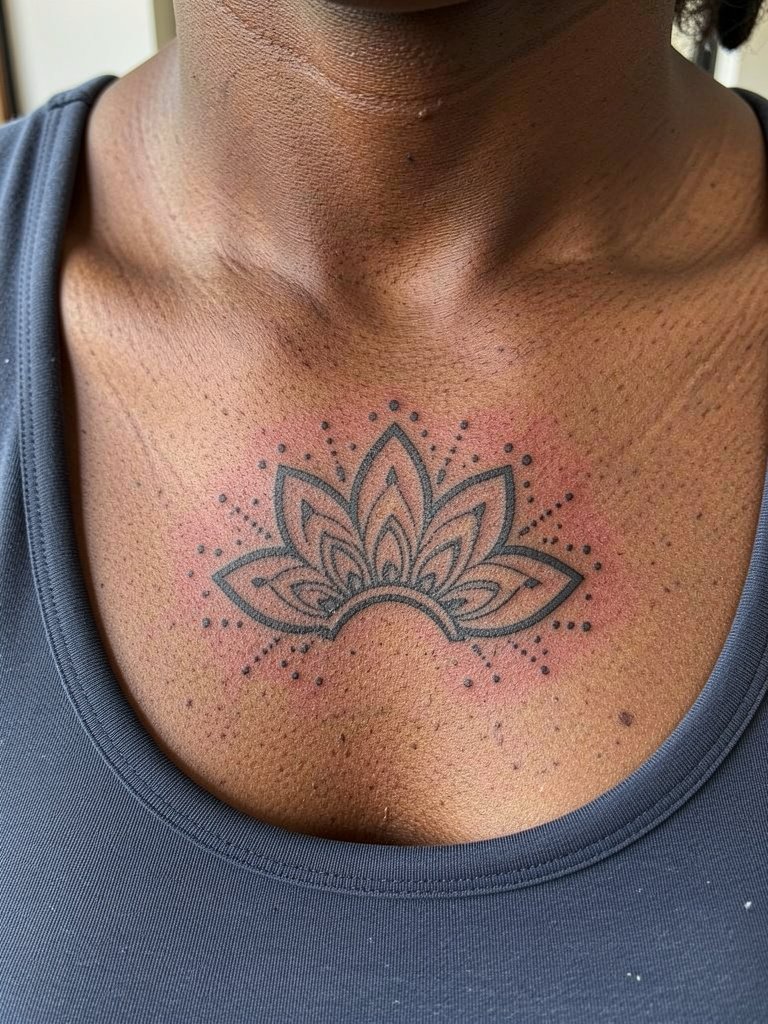
A mandala that hugs the collarbone benefits from a bold outline to preserve the radial detail as the skin moves. I recommend spacing the inner rings slightly more than a henna stencil so the dot work does not merge. The session usually runs one and a half to two hours and the sternum shoulder area can feel tender. A frequent mistake is requesting a tiny mandala that ends up unreadable under camisoles. During the consult, show your artist the neckline you plan to wear most and confirm how the mandala sits with that neckline. This placement pairs well with open-neck blouses and a delicate layered pendant necklace.
4. Ankle Henna-Style Lace Chain
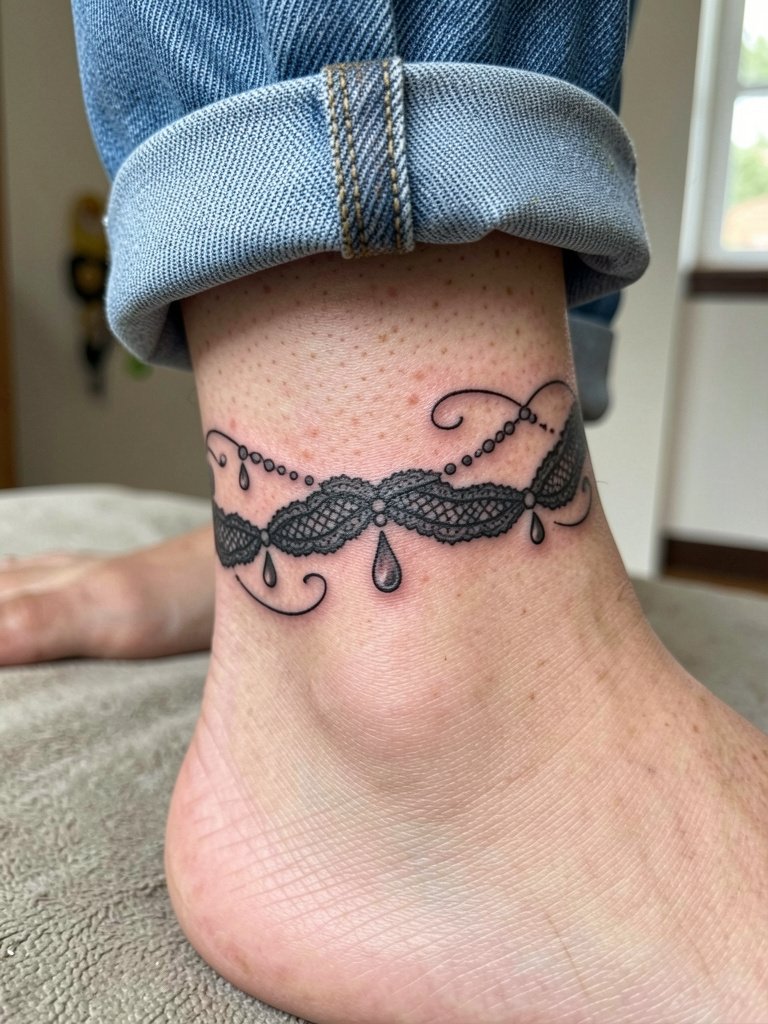
An ankle lace chain reads like anklet jewelry and shows well when paired with sandals. The skin around the ankle experiences friction from socks and shoes, so pick slightly thicker connecting lines to avoid early fading. Expect a 45 to 75 minute session and localized soreness where the bone is close to the skin. The most common version that ages poorly uses whisper-thin connectors that disappear within a year. Ask the artist to thicken the connectors by a hair and to place negative space intentionally where the lace meets the bone. Wear cropped jeans or a strappy sandal to show the piece once it is healed.
5. Back-of-Hand Mini Paisley with Negative Space
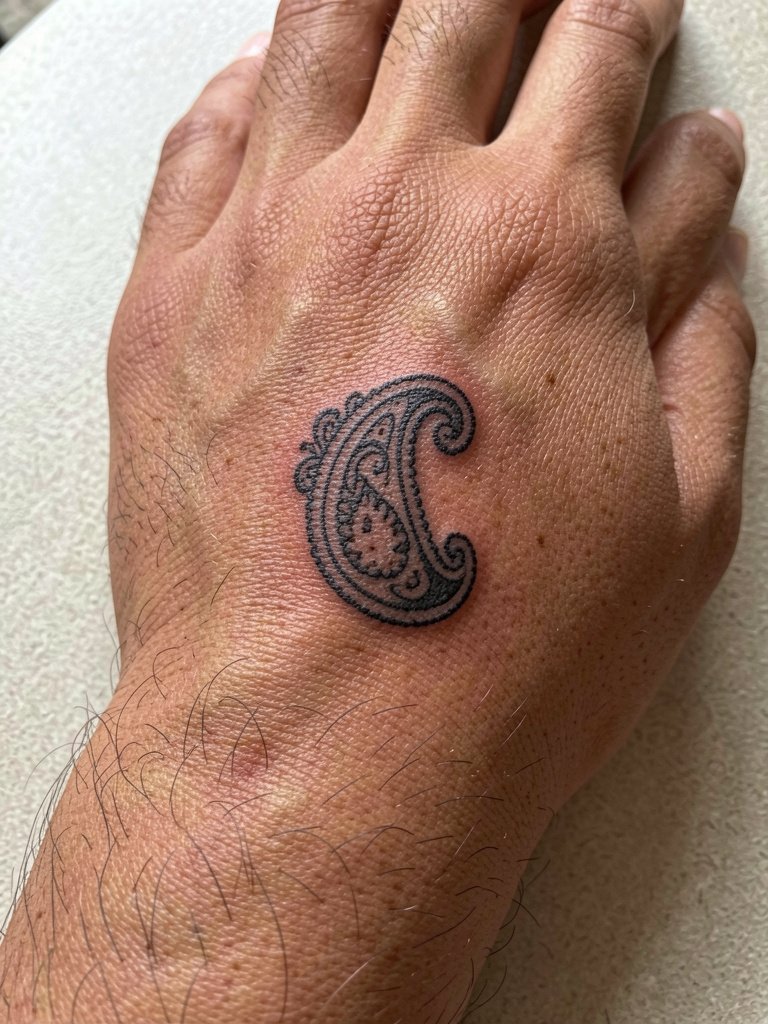
Hand placements show Mehendi charm but come with tradeoffs. The hand rubs in daily life which increases blowout risk and fading. For a back-of-hand mini paisley, ask for bolder contour lines framing the negative space so the shape survives regular washing. Expect a short but sharp session and two to three touch-ups within the first two years. A frequent mistake is treating hand skin like forearm skin. It is thinner and needs more saturation to hold. If you want it to stand out with ring stacking, pair the motif with thin stacking rings that complement the paisley without covering the design.
6. Inner Bicep Vine with Stipple Accents

The inner bicep is flat and well suited to elongated Mehendi vines. This area tolerates fine dot work, but the major mistake is requesting ultra-fine single-needle curls without room for touch-ups. Expect moderate pain given the sensitivity of inner arm skin and a session around one and a half hours. Ask your artist to show the stencil while seated so you can see how the vine follows muscle contours. For session comfort, wear a loose tank top so the artist has clear access and you stay comfortable during breaks. Sensitive placement note: inner bicep work needs an artist comfortable with stretch-prone skin.
Pre-Session Essentials
The floral wrist band, mandala collarbone, and inner bicep pieces above all require clean access and light protection for the first 48 hours.
-
Stencil transfer paper kit. Lets you preview the linework placement on skin before the needle hits, especially useful for the wrist band and mandala placements discussed above.
-
Topical numbing cream. A gentle numbing formula applied 30 to 45 minutes before helps with sensitive zones like the inner bicep and collarbone without changing how the artist works.
-
Thin protective film roll. Useful for high-friction areas such as ankles and hands during the first couple of days while the scabs form.
-
Fragrance-free gentle body wash. Keeps the healing area clean without irritating delicate linework on the forearm and collarbone.
-
Aquaphor Healing Ointment. A thin layer in the first 48 hours helps lock in moisture for fine-line and stipple work without clogging the needle channels.
7. Shoulder Cap Lace Mandala with Negative Space
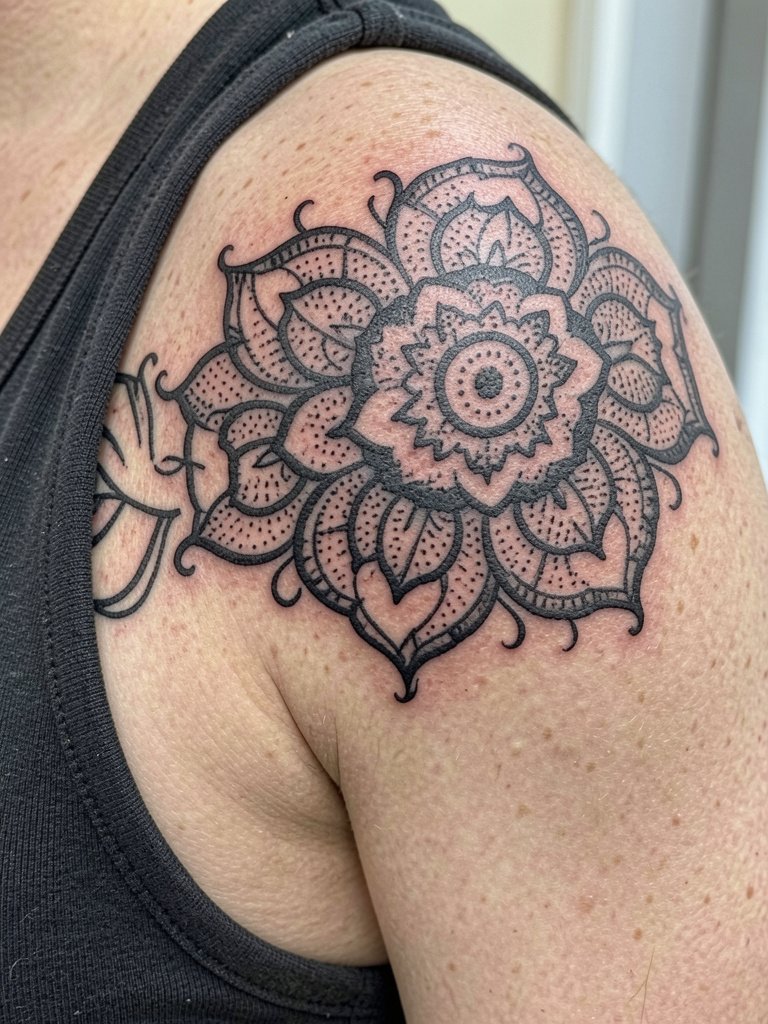
A shoulder cap mandala allows for a larger negative-space layout that mimics Mehendi without relying on fragile micro curls. The visual impact is strong from across a room because of the bold outer line and calmer interior stipple. Sessions range from two to three hours and the shoulder takes ink well with low blowout risk. A common mistake is trying to squeeze all detail into a tiny circle. Ask for an outline-first pass and a second pass for stipple so the artist can evaluate saturation. For show-off outfits, pair the piece with a low-back dress or a sleeveless linen top that reveals the cap.
8. Thigh Panel Inspired by Traditional Mehendi Motifs
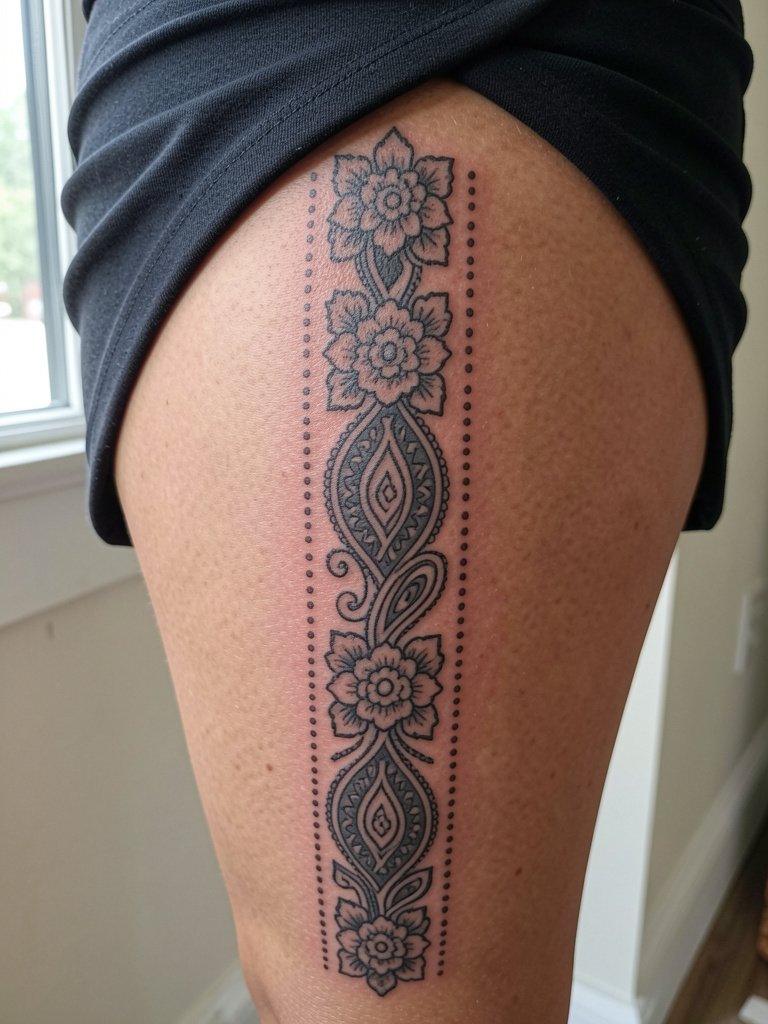
Thigh panels let you keep Mehendi complexity at a scale that ages well. The outer thigh gives flat real estate so dot work and negative space can breathe. Expect a longer session of two to three hours and moderate soreness afterward. One mistake is compressing too many tiny connectors into the narrow part of the thigh. Discuss proportion with your artist and request mockups at life scale to see how the panel reads in motion. For evening wear, this placement pairs nicely with high-slit skirts and a statement ankle strap heel that keeps the panel visible when you move.
9. Ribcage Crescent Motif with Bold Accents
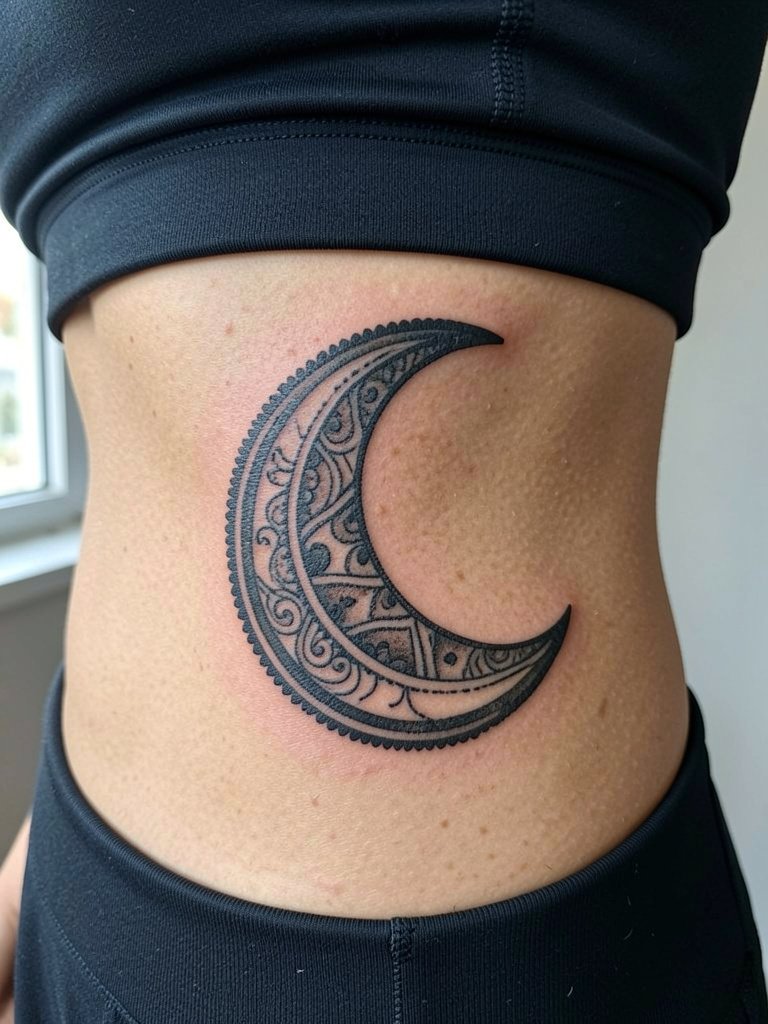
Ribcage Mehendi shapes look elegant but spark a real debate in the community. One camp argues fine line on ribs blurs quickly because the skin stretches and moves with breathing and torso shifts. The other camp says with slightly wider spacing and careful needle depth, fine-line rib work can settle and still read clearly at three years. If you prefer a safer longevity bet, request bolder accent lines around the main motif and plan a touch-up at the one-year mark. Expect a longer, higher-intensity session and plan recovery days afterward. Sensitive placement note: ribs are a high pain zone and benefit from clear scheduling.
10. Calf Vertical Band with Geometric Mehendi Details
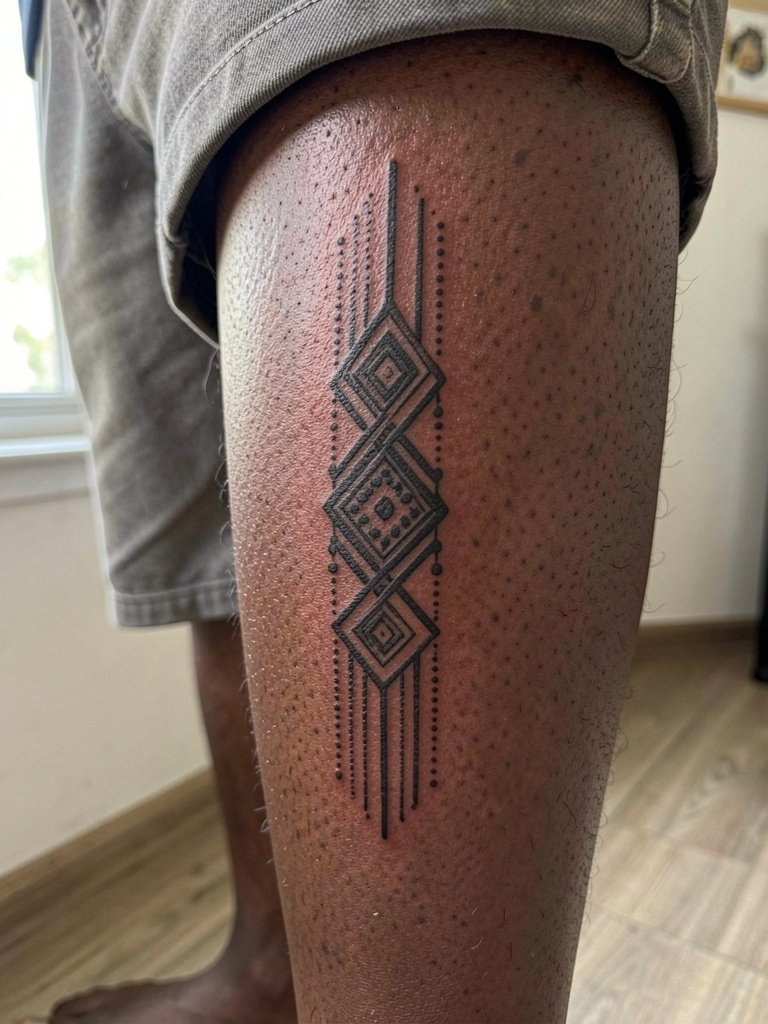
A calf band with geometric Mehendi elements is low risk for blowout and holds shape well over time. The thicker skin on the calf likes stronger outlines and higher saturation. Expect a session of one to two hours and mild post-session tightness in the calf muscle. A common mistake is requesting micro-detail on a narrow band without allowing for line breathing. Ask the artist to show how the geometry looks from a distance and to keep the main lines slightly heavier than the inner filigree. Pair this look with cropped trousers or a casual canvas sneaker to highlight the calf band.
11. Finger Knot and Mini Motifs

Finger Mehendi-inspired knots look delicate and seasonal but the skin on fingers sheds quickly. I recommend slightly bolder contours and planning for a touch-up at six to twelve months. Sessions run short but can sting because of nerve endings and thin skin. The top mistake is expecting a finger motif to behave like an arm tattoo. During the consult, have your artist show a healed finger portfolio shot so you know how the motif scales. If you like ring styling, consider minimal bands and a slim adjustable ring set that will not rub repeatedly against the ink.
12. Full Palm-Edge Paisley with High Contrast
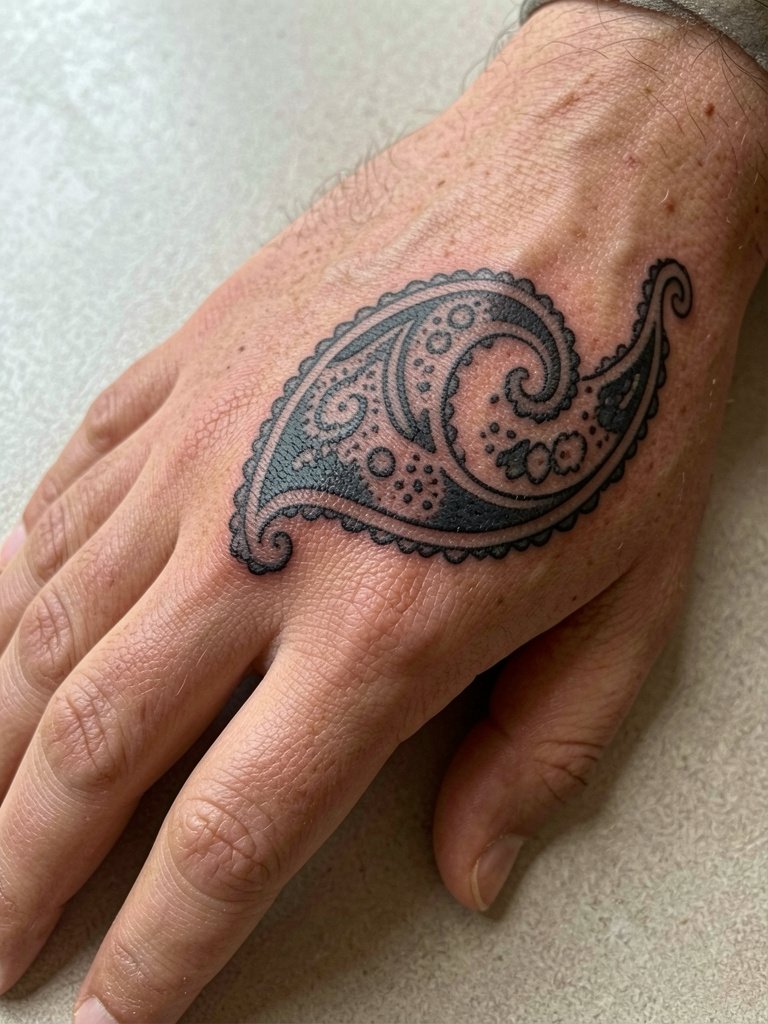
Palms and inner hand edges are high-wear zones that need confident saturation and contrast to age predictably. Plan for heavy black outlines and expect faster fading than forearm work. The reality is frequent touch-ups are common for hand placements. For the design above, have the artist intentionally leave larger negative spaces so the motif keeps its silhouette as the inner hand skin shifts. The session feels intense but short. If you want long-term visibility, budget for a planned touch-up at six months or one year.
13. Nape of Neck Tiny Mandala

A tiny nape mandala hides easily under hair or shows with an updo. The area heals well but can be tricky to photograph for portfolio shots because of hair coverage. Expect a short session and sensitivity depending on proximity to the skull. The most common mistake is asking for an extremely fine center cluster that disappears as the hairline rubs the skin. Ask the artist to bolden the center ring slightly and to show how it reads with hair down and hair up. Sensitive placement note: nape tattoos benefit from an artist experienced with small curved placements near the hairline.
14. Sternum Floral with Broader Spacing
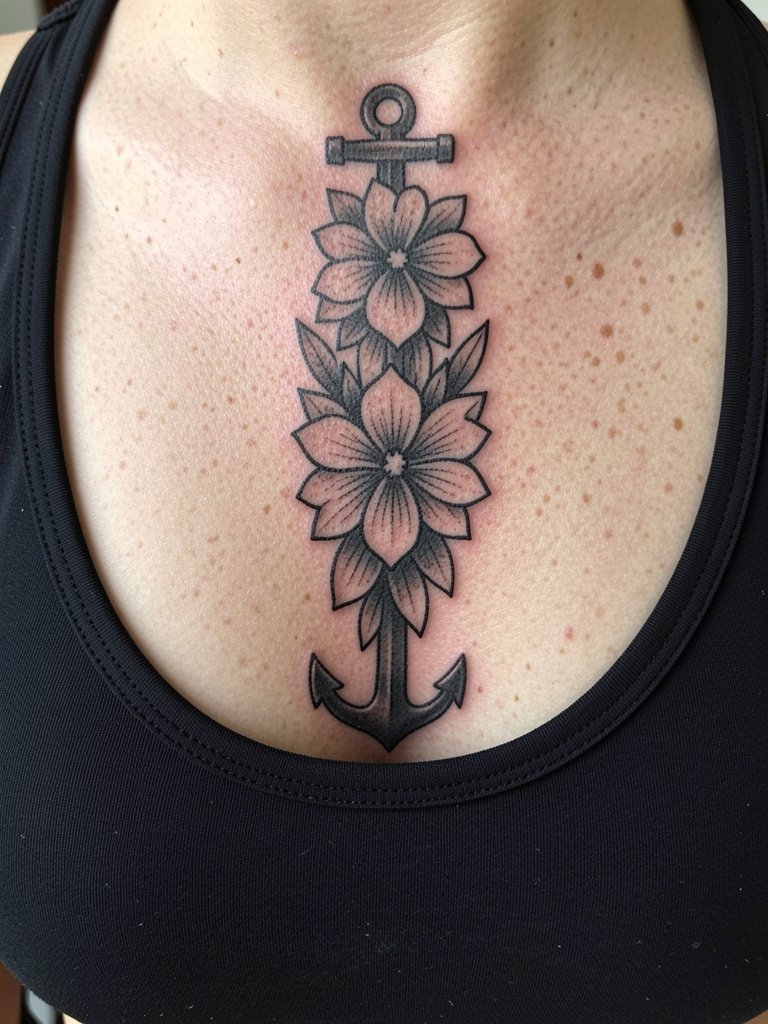
Chest and sternum Mehendi motifs read intimately and require planning for movement and stretch. One camp cautions that fine-line sternum work loses definition quickly due to skin movement in this area. Another camp maintains that slightly wider spacing and careful needle depth result in pieces that still read at year three. If you prefer longevity in this zone, ask for bolder anchor lines and expect a touch-up window at nine to twelve months. Sessions are longer and pain levels vary by chest anatomy. For recovery comfort, choose supportive but non-binding tops on appointment day.
15. Shoulder-Blade Vertical Vine That Peeks Out
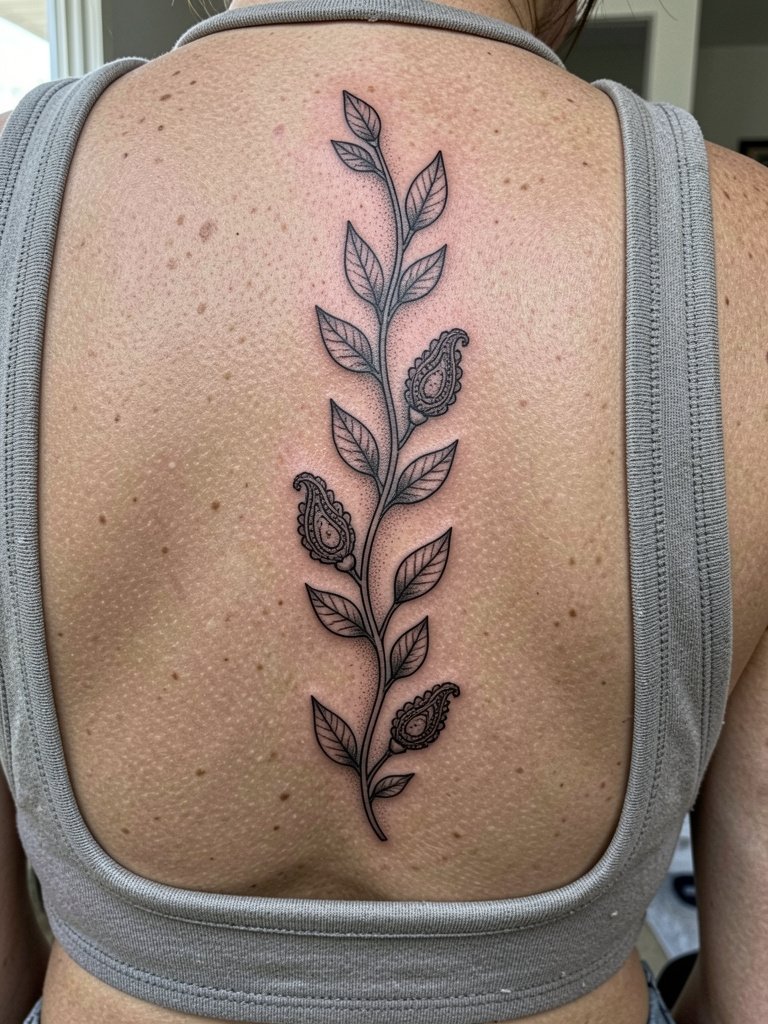
A shoulder-blade vine is an excellent way to have a larger Mehendi look that stays mostly private. The back skin handles saturation well so you can keep delicate interior details and still rely on stronger outlines for longevity. Sessions vary from one to three hours depending on length and shading. A common error is asking for a vine so thin it is lost under shirts and straps. During the consult, request a mockup with your most common bra or top to confirm placement. This design looks tailored with a flowy backless top or a halter dress that reveals the vine when you want it seen.
Frequently Asked Questions
Q: How do Mehendi-inspired tattoos differ from actual henna in how they age?
A: Mehendi-inspired tattoos are permanent ink embedded into skin which changes how the design wears over time. Henna fades naturally in days to weeks. With tattoo ink, linework can blur and dot work can soften, so plan wider spacing and slightly stronger outlines if you want the henna look to last several years.
Q: Where can I find healed examples and portfolios without naming specific artists?
A: Search platform tags like #MehendiTattoo, #HennaInspiredInk, and #MehendiTattooHealed on Instagram and TikTok and use location filters to find portfolios nearby. Reddit tattoo communities often share healed photos under threads titled "healed ink" or "progress shots." Those pathways help you compare healed results across skin tones and placements.
Q: What should I wear to a studio appointment for collarbone or sternum work?
A: Wear a scoop-neck or wide V-neck top that exposes the area naturally so the artist has full access. For sternum sessions, a fitted sports bra in normal worn position gives coverage that stays out of the way while keeping you comfortable. Avoid tops that must be actively pulled or adjusted during the session.
Q: How often will Mehendi-inspired small pieces need touch-ups?
A: Small high-wear pieces such as finger, hand, and ankle motifs typically need touch-ups sooner than larger forearm or thigh panels. Expect a likely touch-up in the first year for fingers and hands, and a one-year check for wrists and ankles. Larger pieces may go two to three years before a touch-up depending on care and sun exposure.
Q: Are Mehendi-style motifs culturally sensitive to get as tattoos?
A: These designs originate from cultural traditions, so approach them with respect and awareness. Consider choosing motifs and compositions that honor the aesthetic without copying sacred symbols or specific ceremonial designs. When in doubt, discuss inspiration sources with the artist and prefer elements that celebrate pattern and form rather than direct cultural markers.