Someone I know spent months scrolling tattoo galleries before realizing the real problem was choosing a style that would age well on her skin and fit her day to day life. These 25 snake tattoo ideas are picked for beginner women who want something wearable that heals predictably, photographs well, and can be expanded later. Each idea includes what to ask your artist, common aging issues, and the small details that make a first snake ink feel less risky and more yours.
1. Snake and Peony Forearm Piece
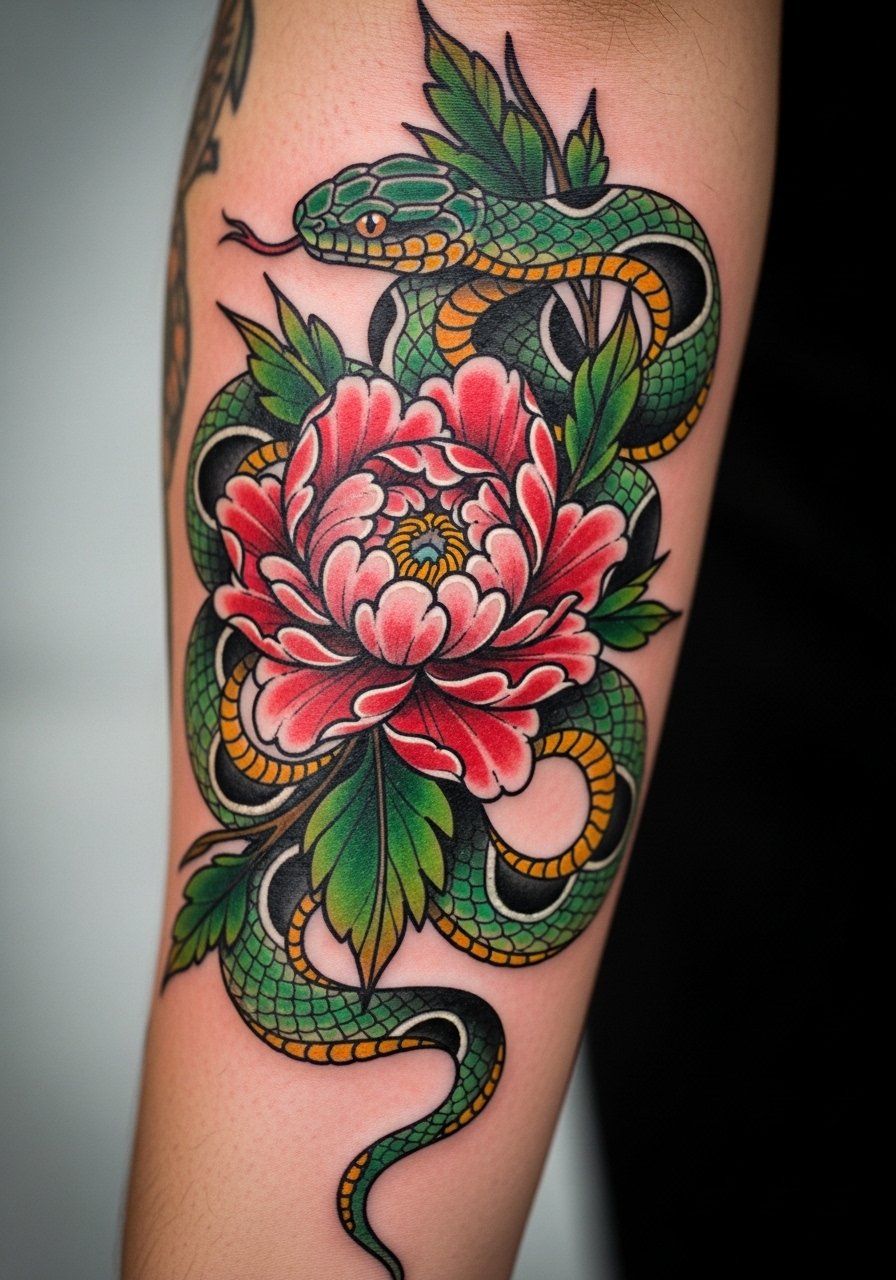
Someone I know first saw this combo on a friend and loved how the flower softened the predator energy. Tell your artist you want a flowing composition that follows the arm contour so the snake reads when your arm hangs relaxed. The common mistake is packing every petal with tiny detail that blurs with time. Ask for slightly larger leaves and solid color saturation rather than micro-detail in petals. Expect moderate pain for the outer forearm and a single session for a 4 to 6 inch piece. Plan a touch-up at 12 to 18 months if color starts to thin near the edges.
2. Coiled Snake Ankle Wrap
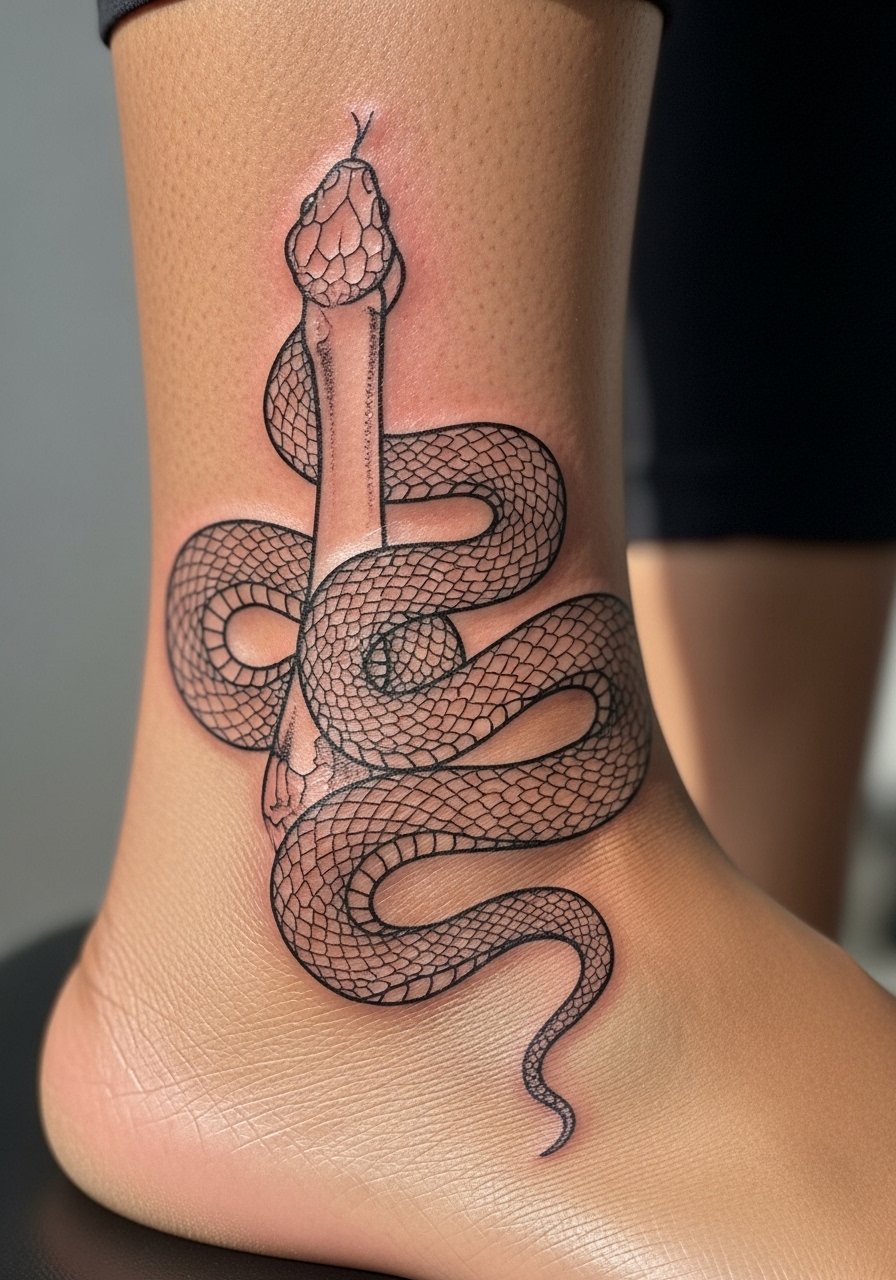
Fair warning: the ankle moves a lot and skin is thin so lines can blur if they are too hairline. For a beginner, choose a coil with spaced loops and slightly heavier linework than ultra micro. Tell the artist you want the coil to sit over the bone so clothing can hide or reveal it. The usual aging pitfall is going too thin, which means faded loops at year two. This is a low session time piece and low commitment for someone testing a snake motif. If you sweat a lot in summer, expect more fading and plan a touch-up at year two.
3. Bracelet-Style Wrist Snake
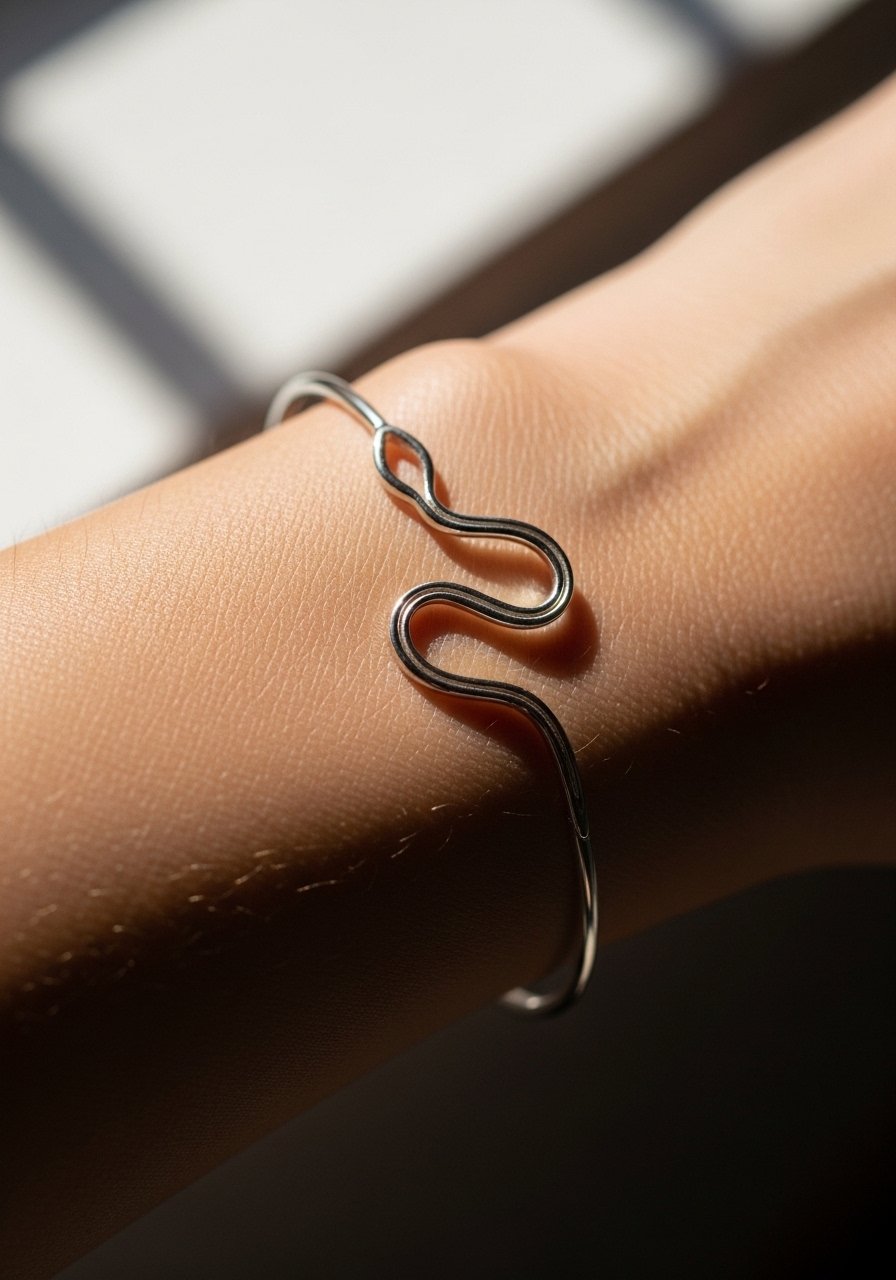
Most watercolor and ultra-fine bracelets from five years ago have blurred into indistinct rings. This bracelet style holds up when the lineweight is measured and the snake head and tail have tiny negative space for distinction. During consultation ask for a small head or scale detail that anchors the design. The worst mistake is asking for a hairline wrap that will fade into a smudge from wrist motion. Pain is noticeable on the inner wrist. Expect a short session and a likely touch-up within 12 to 24 months on high-movement wrists.
4. Simple Snake Head on Inner Forearm
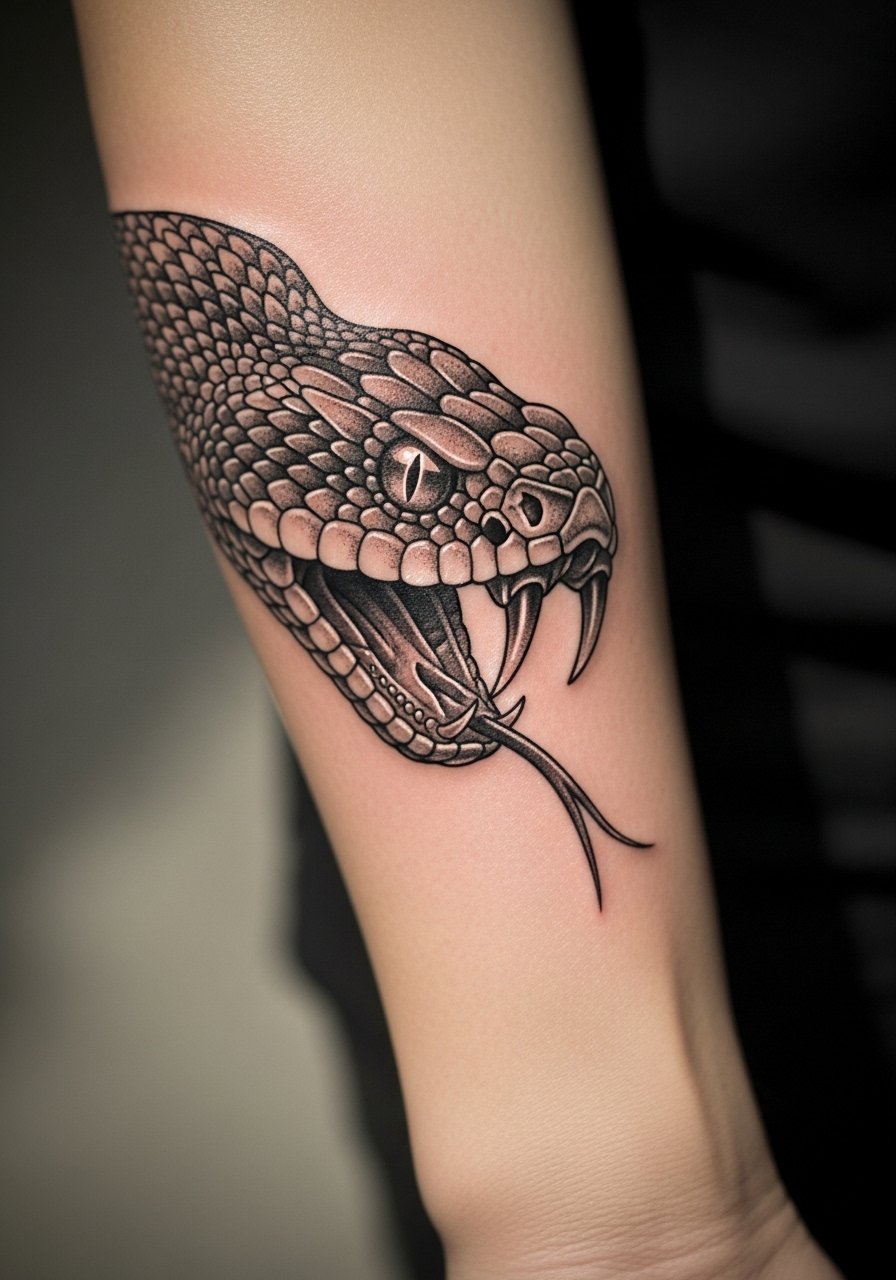
There is visual impact when an up-close snake head shows fangs and a slitted eye. If you want intimidation without a full sleeve, pick a 2 to 3 inch head that sits on the inner forearm so you can hide it with sleeves. Tell your artist you want crisp contrast around the eye and the fang to keep the focal points visible even as shading softens. The common mistake is overcrowding the head with tiny scales that merge after healing. Forearm healing is reliable but plan a touch-up at year two if stipple shading loses punch.
5. Thin Tail Finger Wrap
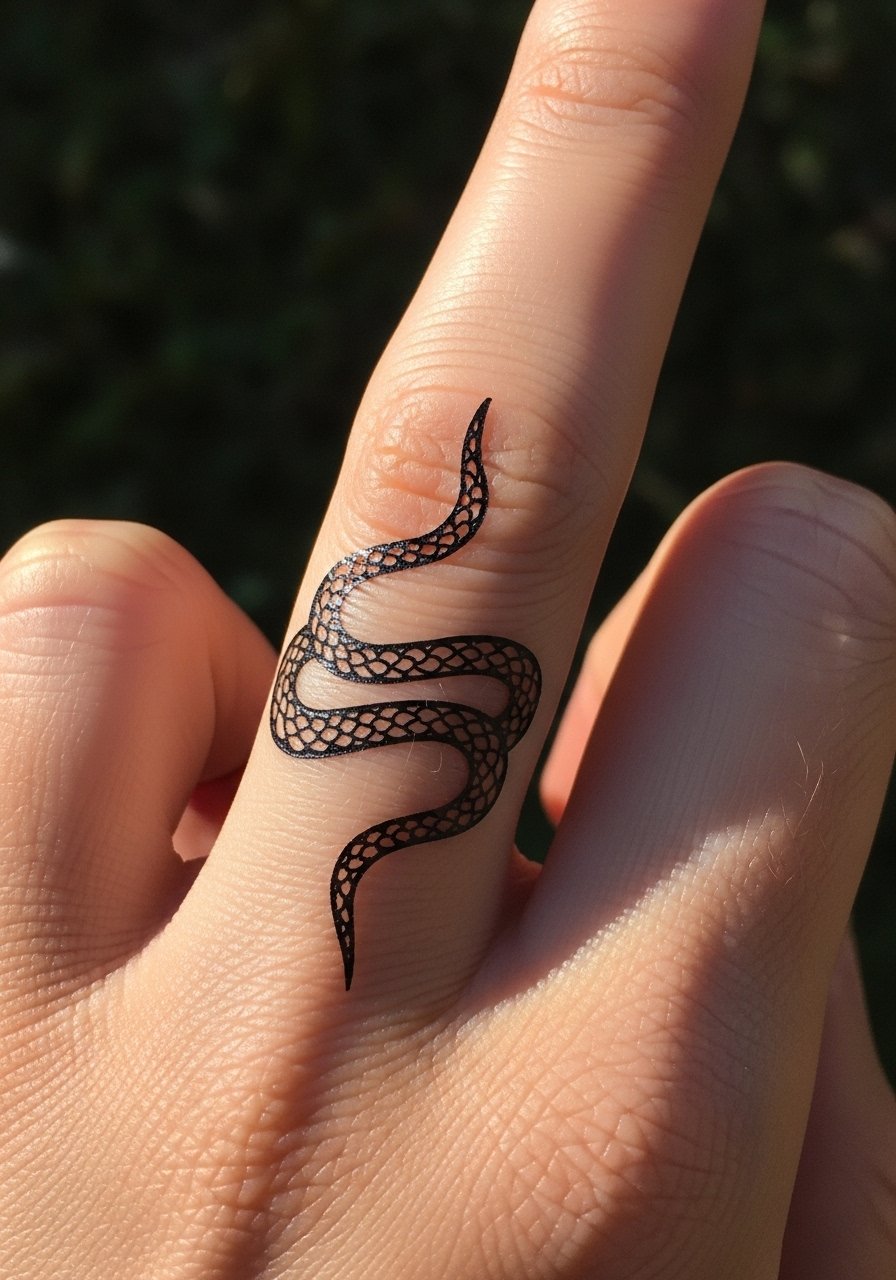
The biggest mistake with finger tattoos is picking too much detail for a tiny canvas. A tail-only wrap is stealthy and less risky when the artist uses slightly heavier lines and avoids dense fill. Expect higher fading on fingers because of washing and skin turnover. Tell the artist you understand a finger tattoo may need touch-ups often and ask for a small negative space highlight to help read the tail. Pain is sharp but quick. Think of this as a test ink you can expand into a hand piece later if you want.
6. Tiny Ribcage Geometric Snake
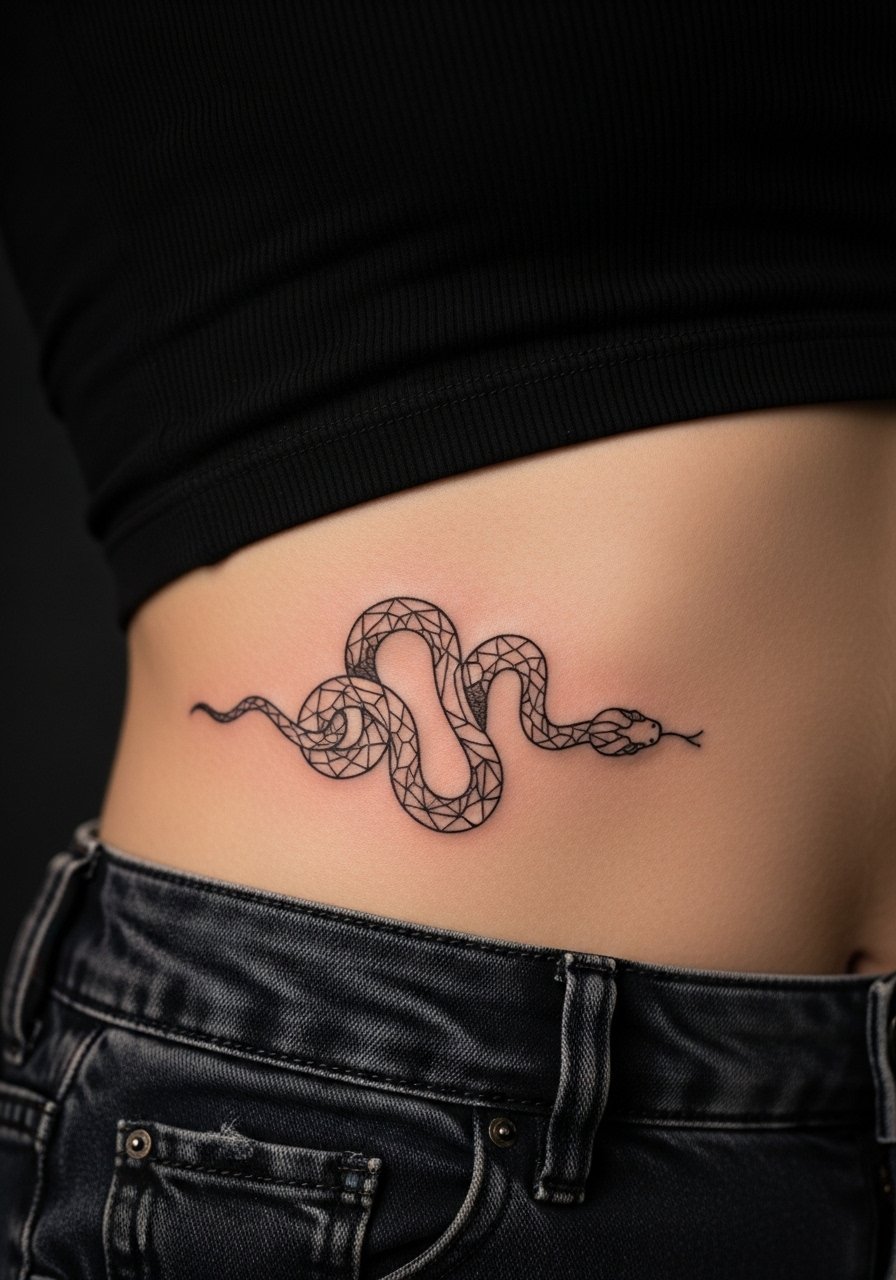
When you sit down with your artist for this placement, bring images that show line spacing at the size you want. Ribs are a controversial spot for fine line because the skin moves and stretches. One camp says the ribs will blur the lines within two years. The other camp insists that correct depth and spacing will let fine line settle well. Ask where your artist stands and get a healed photo on similar skin if possible. Pain is high on ribs and you should expect a two session plan for larger geometric wraps.
7. Tiny Ankle Rainbow Serpent Accent
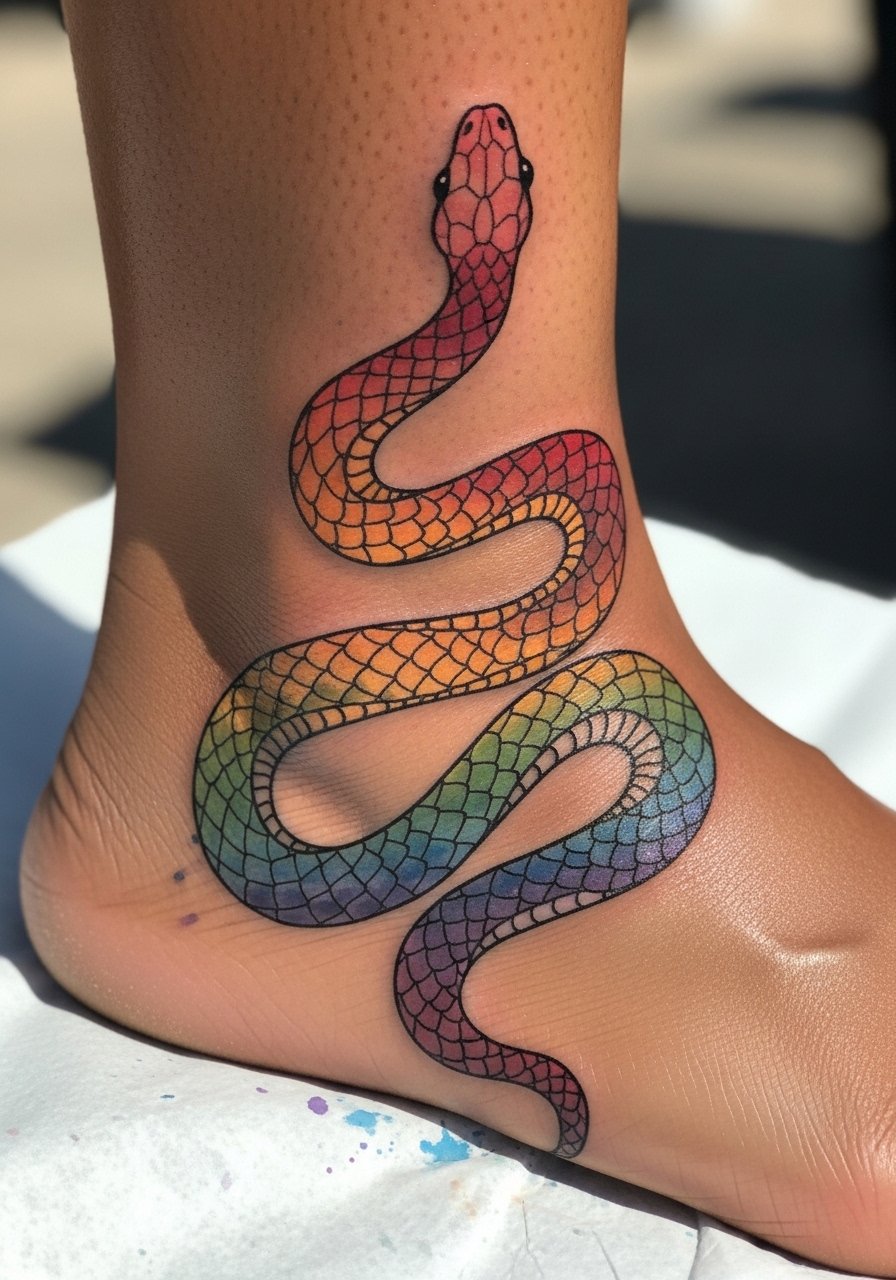
I regret rainbow pieces when the gradients are too soft for small scales. If you want color, ask for concentrated pigments in key stripes rather than washed gradients across tiny scales. That approach keeps the color readable after six months. The ankle is forgiving for a small color accent and the session is quick. If you plan Pride season reveals, this is a playful, low-commitment option. Expect more color migration in humid climates and plan for a color touch-up at the year mark if hues fade.
8. Upper Arm Encircling Arm Starter
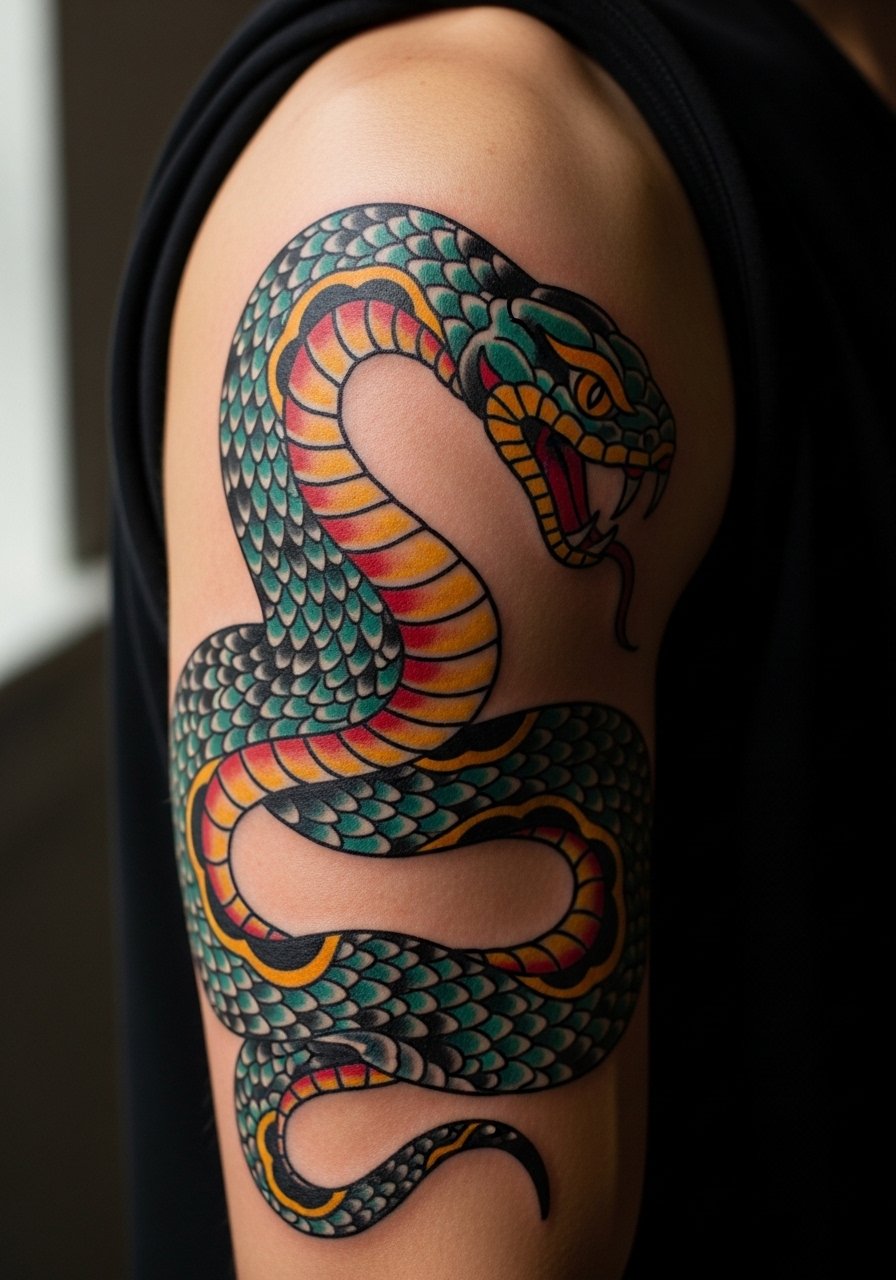
A personal observation from shop floors is that encircling starters are great for people who want a buildable sleeve. Ask for bold outlines and bigger scale details now so future additions have room. The common error is starting with hairline details that disappear once you add more work. Pain on the upper arm is moderate and session lengths are comfortable for a beginner. Tell the artist you see this as a foundation. Expect the piece to age predictably and plan sessions spaced four to six weeks if you expand it.
9. Small Thigh Side Coil
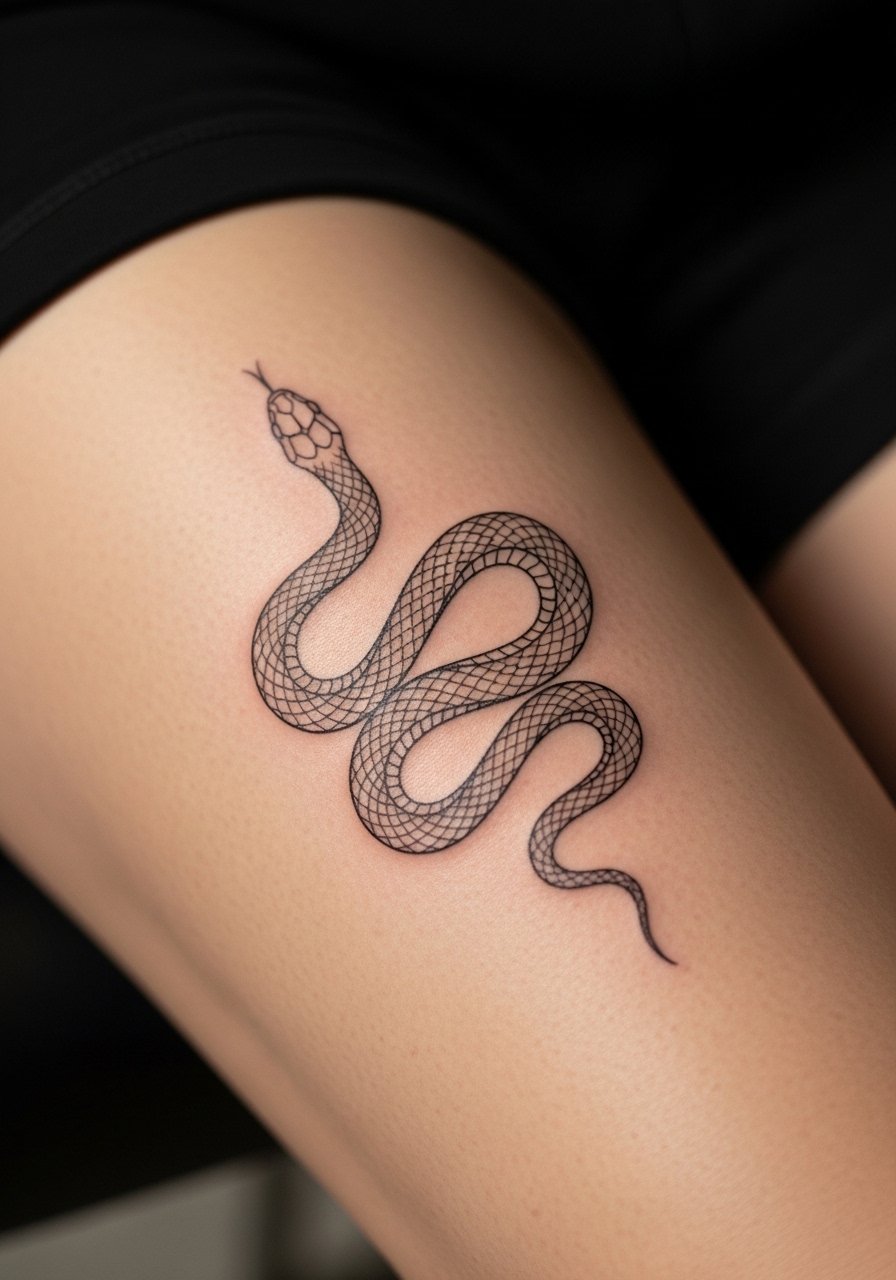
Fair warning: body changes can stretch thigh tattoos in ways forearms do not. If you plan pregnancies or significant weight change, place the coil where skin elasticity is stable and avoid tiny details. The thigh takes ink well and is forgiving for beginners. The mistake is requesting ultra-small scales that warp when the skin shifts. Ask your artist about elasticity at your planned placement. Pain is lower on the fleshy outer thigh and touch-ups are typically only needed after major body changes.
10. Minimalist Collarbone Serpent
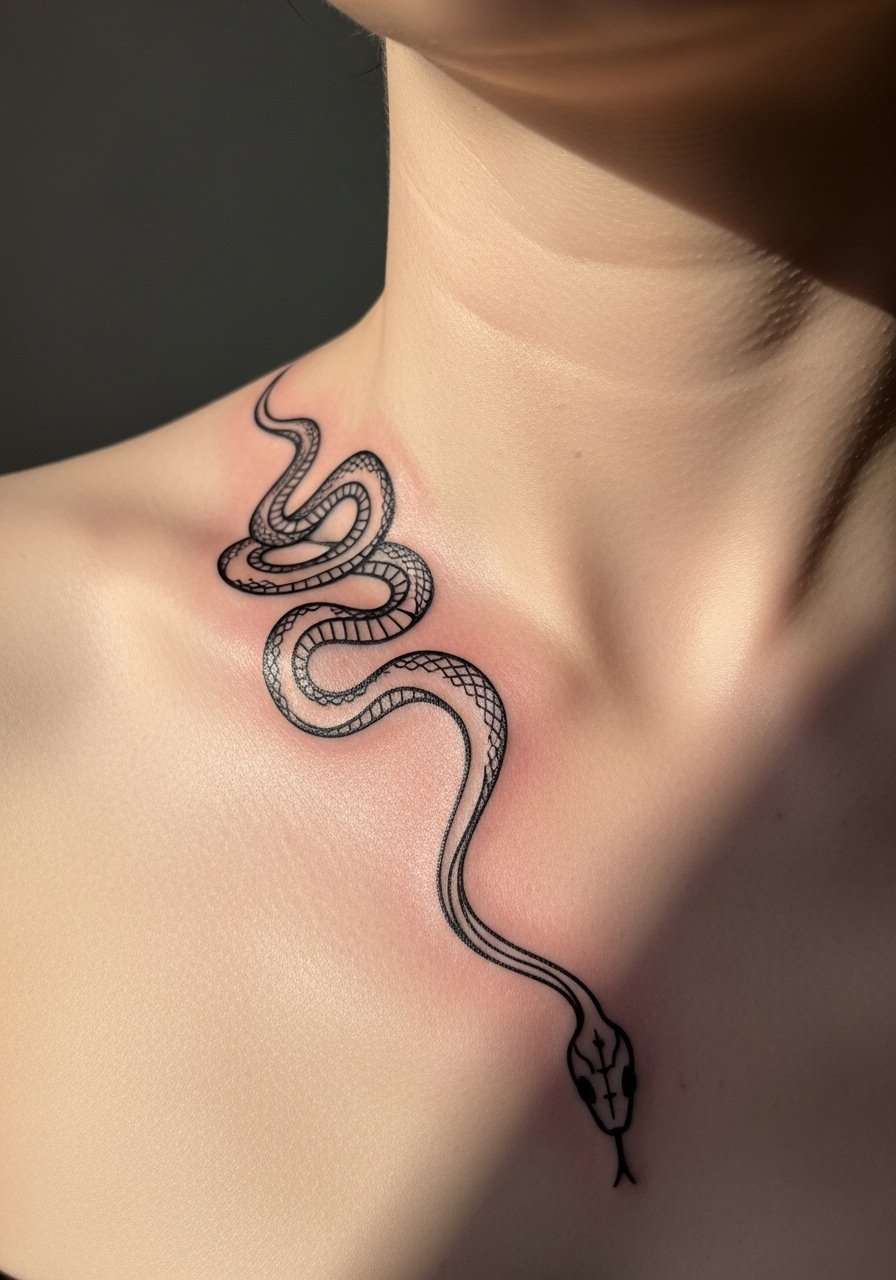
Most collarbone pieces read well when the line follows natural bone angles. If you want subtlety, ask for a slightly thicker contour line so the snake keeps shape in photos. The collarbone can be painful because the skin sits close to bone. A common aging issue is fading on thin skin, so plan a touch-up around year two. This placement looks great with low necklines. Think about how visible you want it for work when you book your consult.
11. Micro-Realism Inner Wrist Head
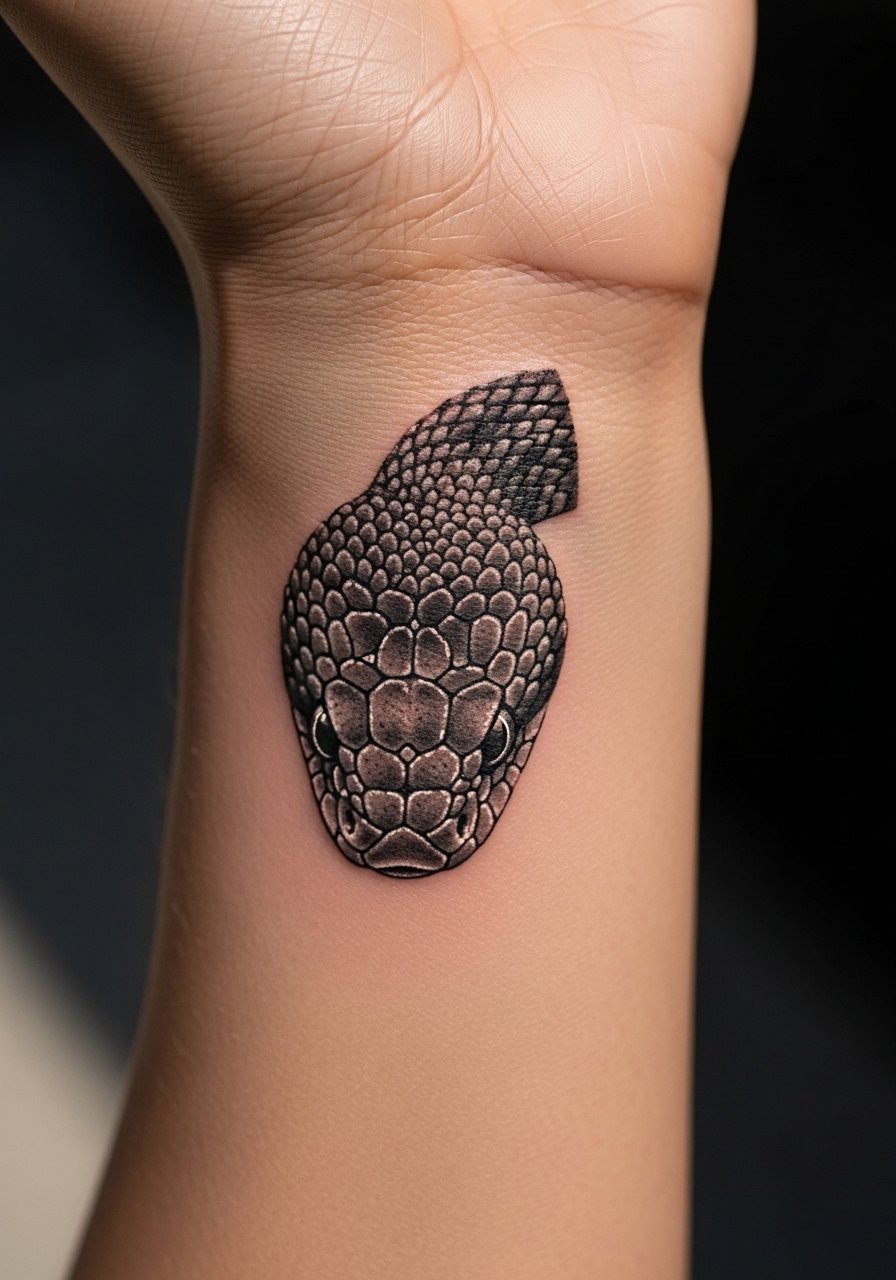
There is visual punch when a tiny head has crisp focal points like an eye and a fang. The mistake beginners make is squeezing too much stipple and micro-detail into a wrist piece. Ask for emphasis on one focal area so the rest can fade gracefully. Inner wrist pain is moderate and this is a single session job. Expect early softening of stipple shading and plan a touch-up at 12 to 18 months. Use high-contrast shading so the head photographs well on darker skin.
12. Irezumi-Style Snake with Koi on Calf
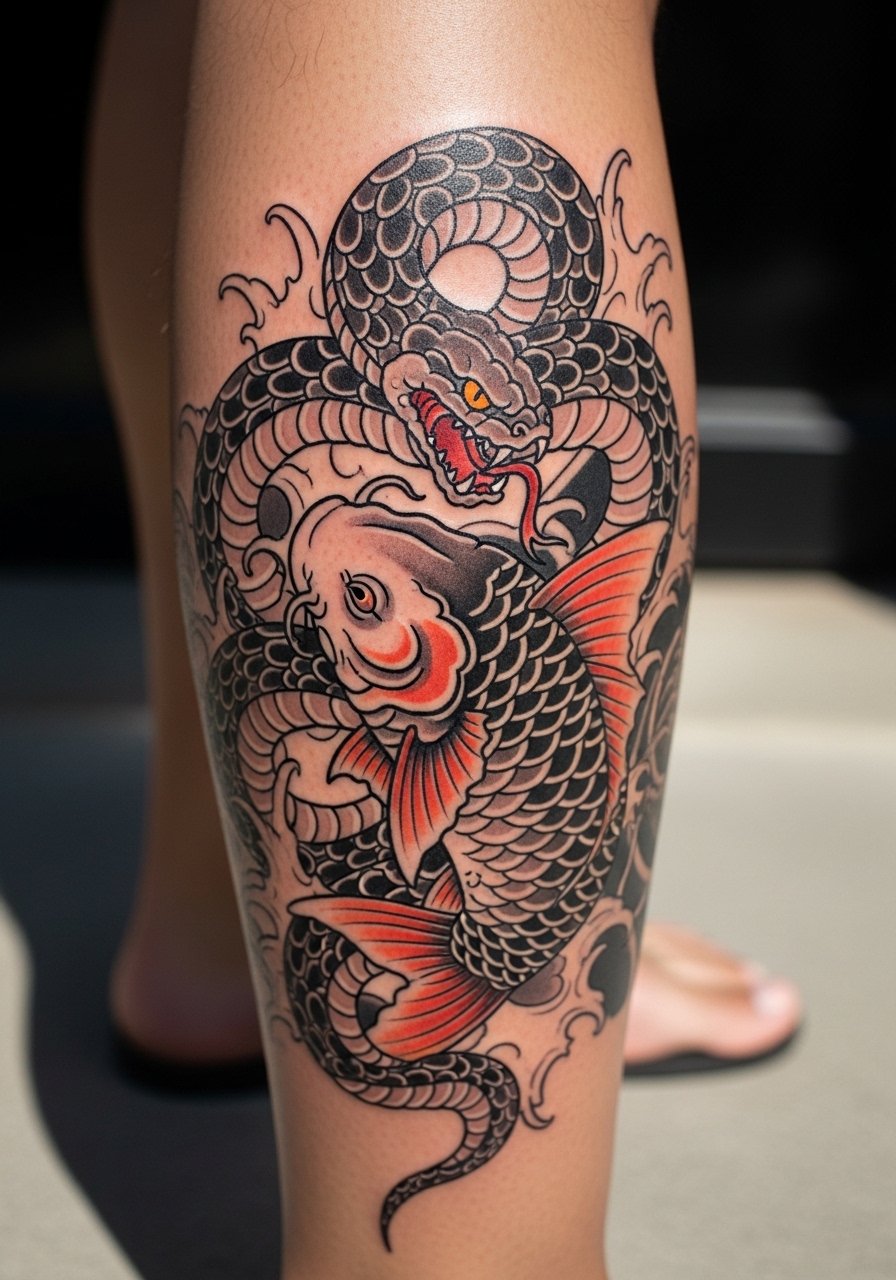
The visual impact of traditional Japanese motifs comes from large scale and strong negative space. The mistake is shrinking these elements down for a small spot. If you like this aesthetic, reserve a larger canvas like the calf so the scales and koi fins maintain clarity. Pain is moderate to low and sessions may be multiple depending on size. Respect the cultural origin by asking for stylized variations rather than direct replicas. This route gives a powerful, long-lasting result for someone ready to invest more time.
13. Rainbow Spine Serpent
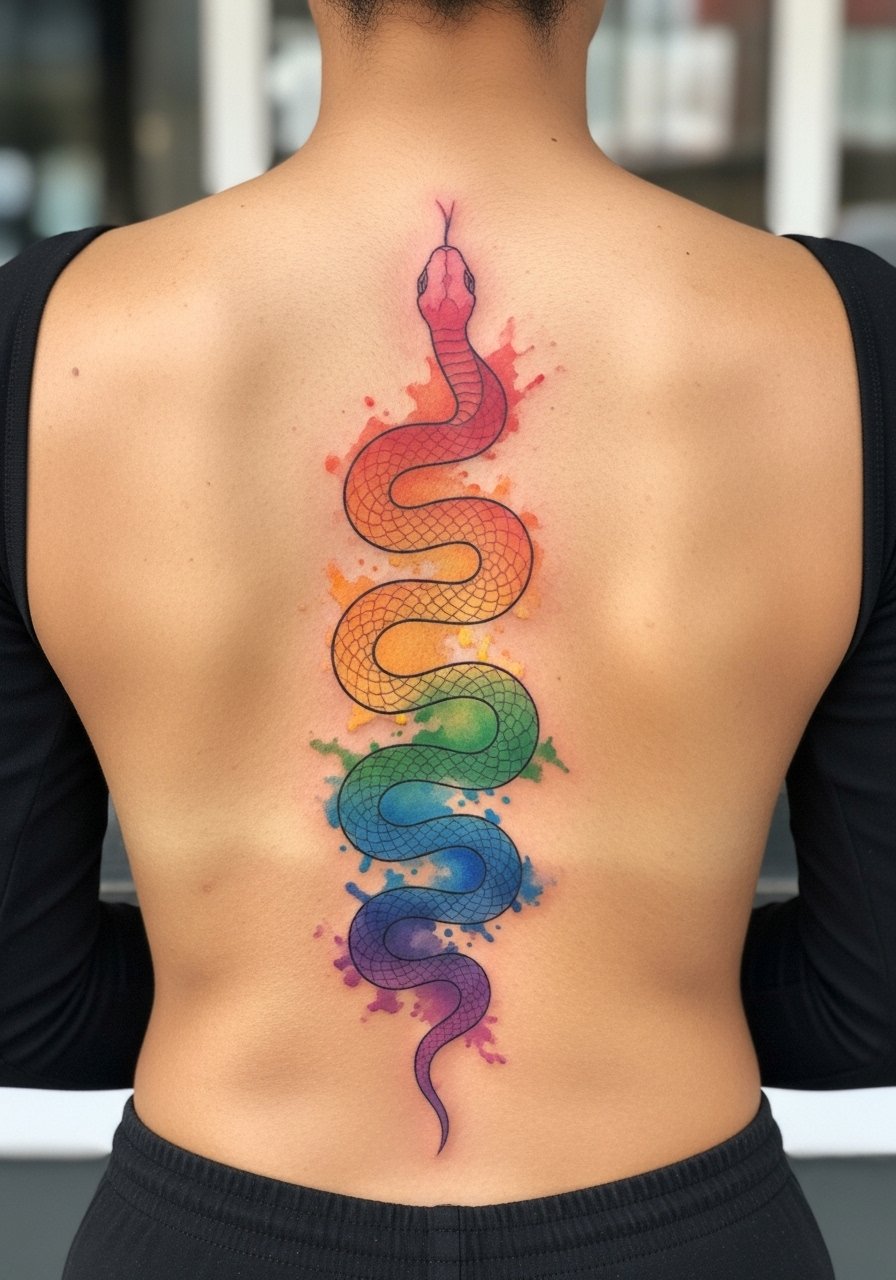
When you consult for a spine piece, specify that you want saturated banded color rather than soft washes because that holds better on vertical stretches. The usual mistake is asking for full watercolor blending which often loses shape after months. Spine work can be painful and may need two sessions for clean color. Keep gradients narrow and bold for Pride or color planning. Expect some color migration near the edges and plan a color touch-up after the first healing cycle.
14. Ribcage Tribal Geometric Snake
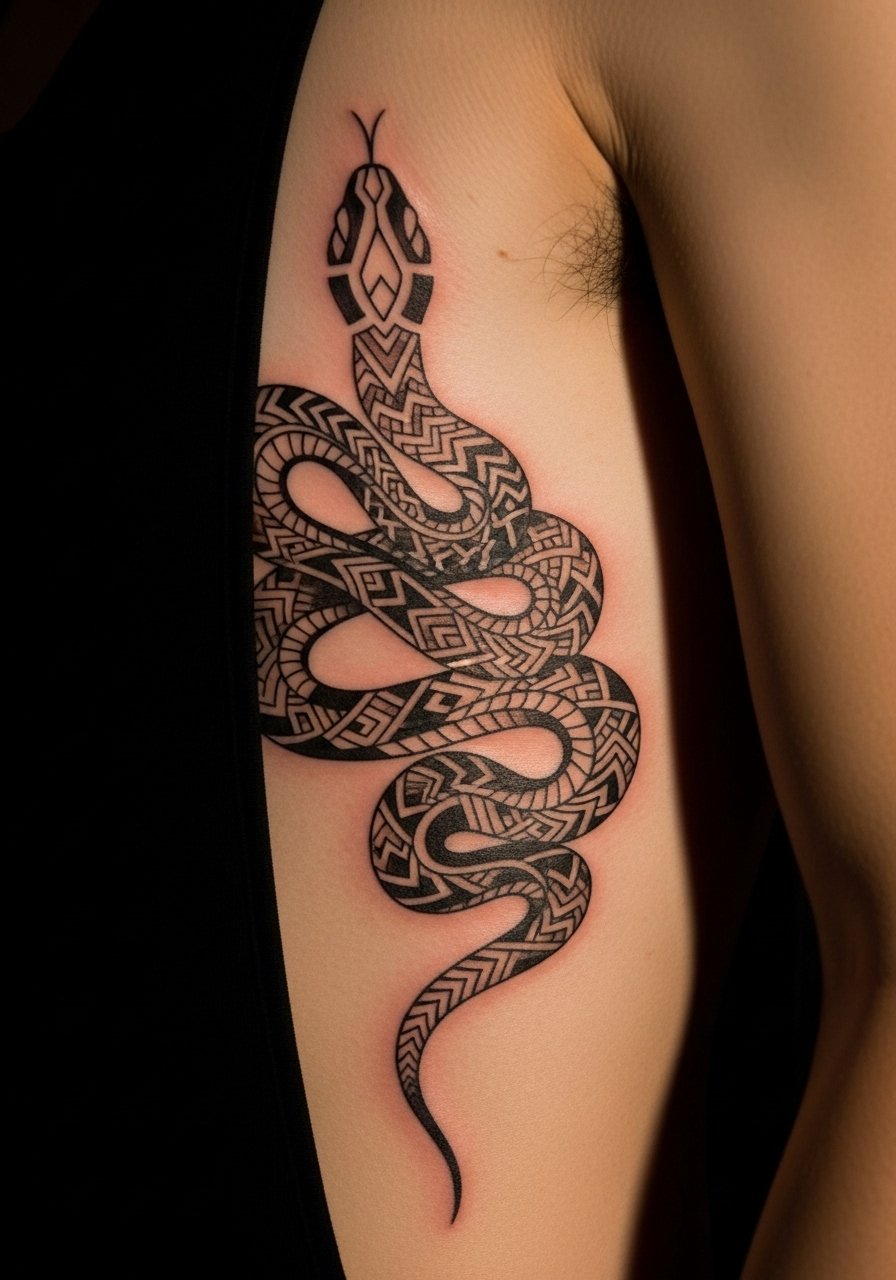
Fair warning: ribs are a high pain area and geometric details need breathing room. The common error is overcomplicating the pattern at a small scale which leads to muddied lines. Ask your artist to scale up primary motifs and leave negative space to keep contrasts over time. This placement benefits from artists experienced with rib stretches. Expect the session to be longer and the healing to require patience. If you plan forward mobility, check how the piece sits when you breathe deeply during your consult.
15. Throat and Upper Chest Coil
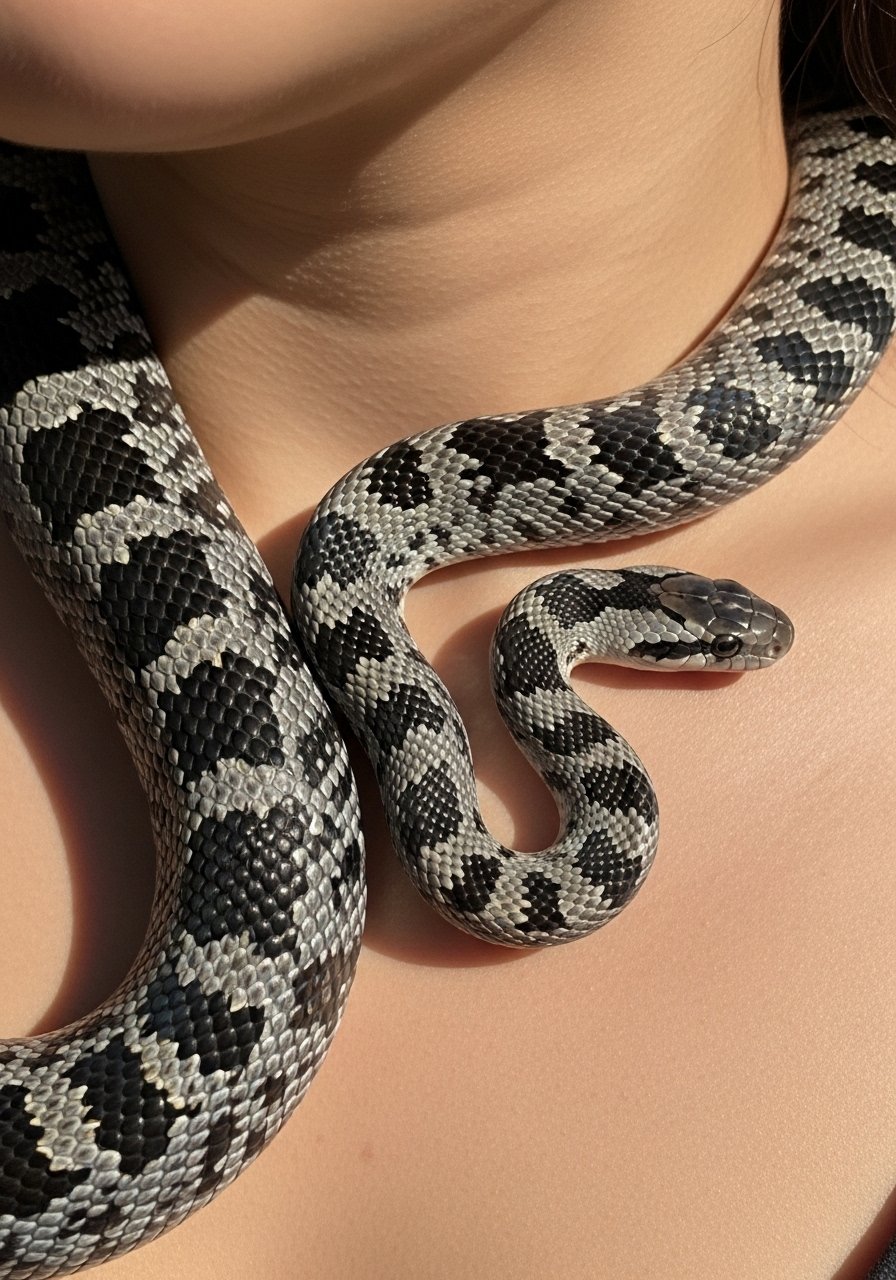
A client at a shop mentioned everyone notices neck coils instantly. This is a bold placement and professional considerations matter. When you book, ask the artist about hairline neck motion and how that affects linework longevity. The mistake is assuming a tiny coil will remain crisp; neck skin moves and stretches. Expect higher pain and possibly multiple sessions for a detailed coil. Talk through career visibility and ask for healed photos on similar skin to set realistic expectations.
16. Single-Needle Fine Line Foot Accent
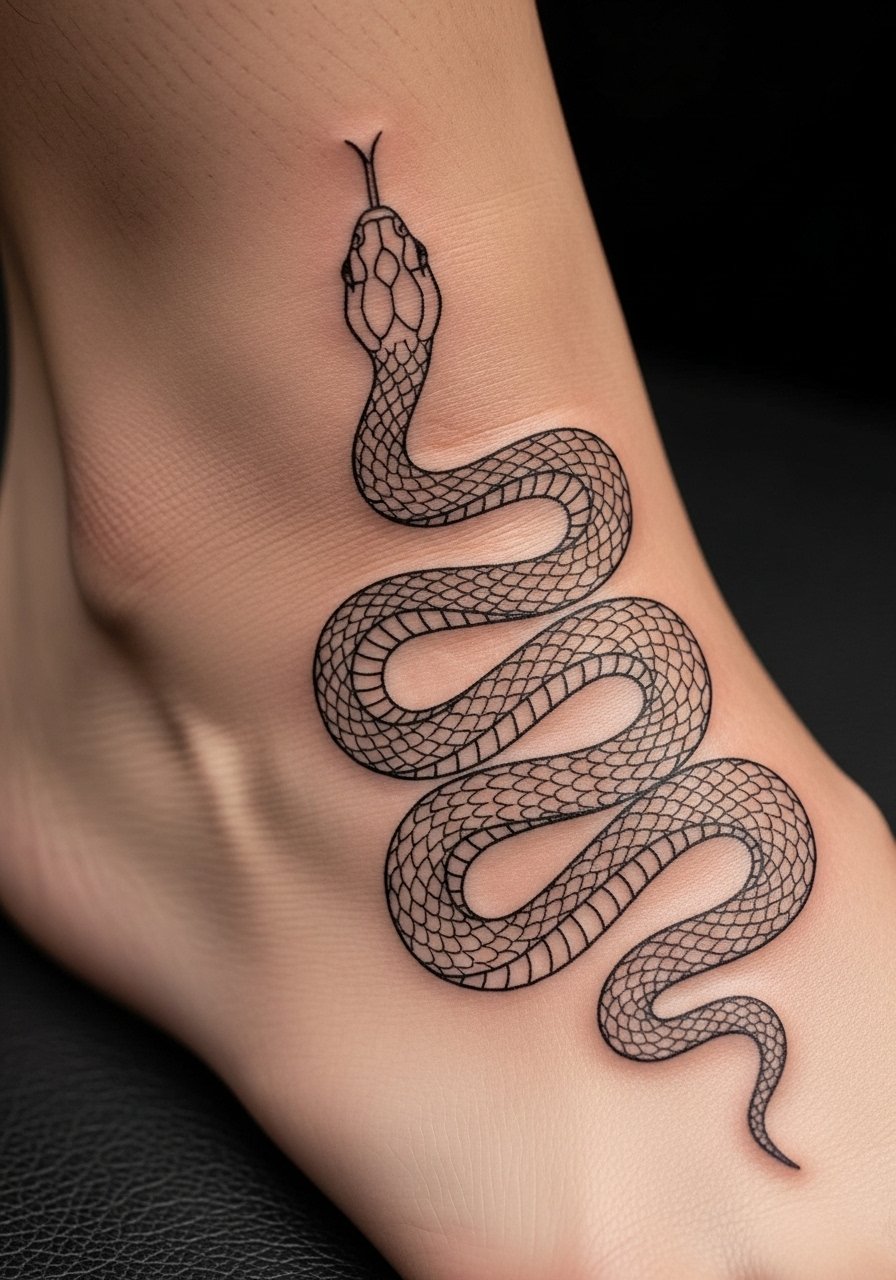
Fair warning: feet are notorious for fast fading because of friction from shoes. If you insist on fine line, tell the artist you accept touch-ups and choose slightly thicker single-needle work for endurance. The common mistake is picking overly intricate scales that disappear after a few months. Pain is sharp but session time is short. For summer reveals, this piece is a low-commitment tryout. Expect to rework the top of the foot sooner than forearm placements.
17. Dual Foot Opposing Color Snakes
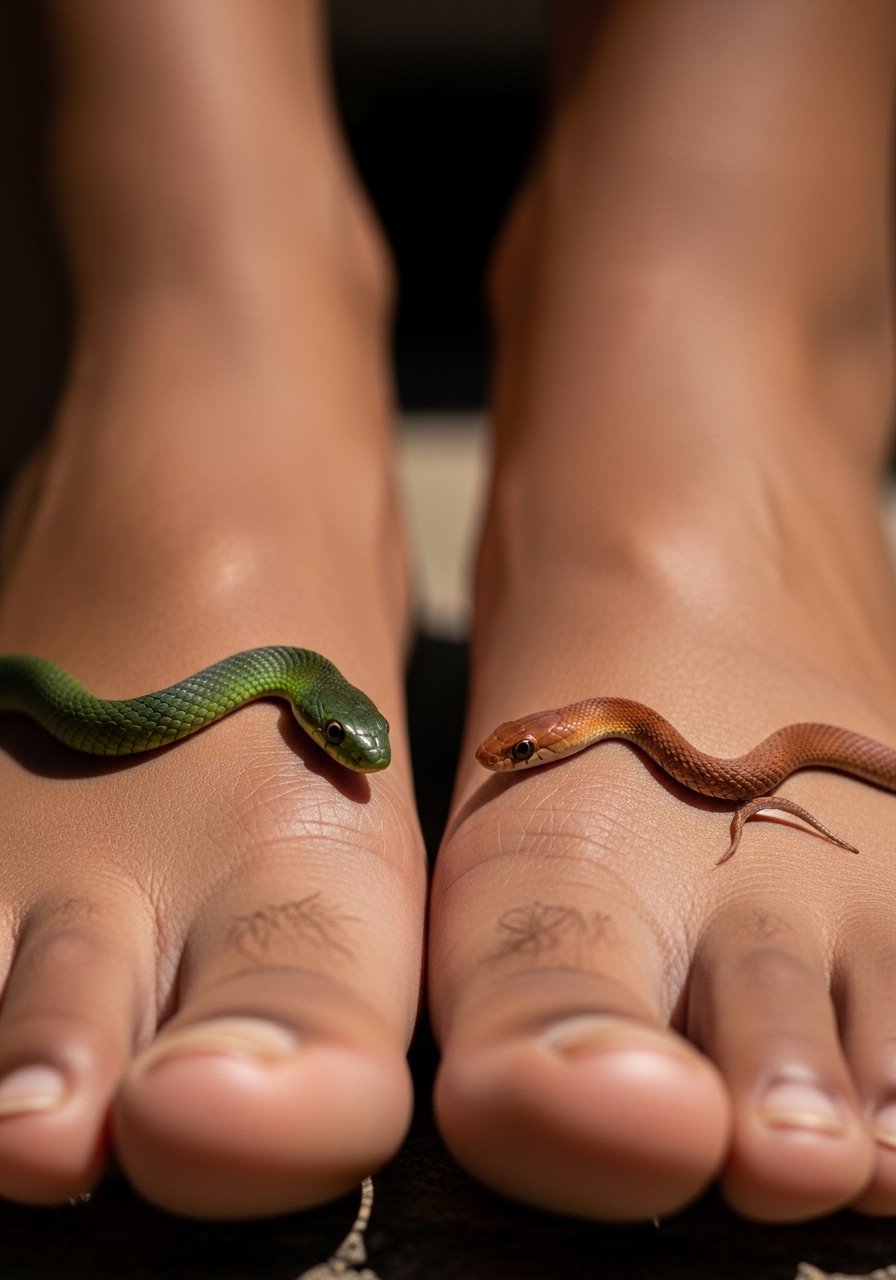
Most people do these as matching but opposing color pairs and the movement across walking gives them a narrative without words. The aging wrinkle is color migration and faster fading on feet. Tell your artist you want saturated color bands instead of gradients so the contrast remains. The mistake is using too many tiny color transitions at this scale. Pain is brief and the session is quick. If you plan symmetrical symbolism, take healed references on varied skin tones in your consult.
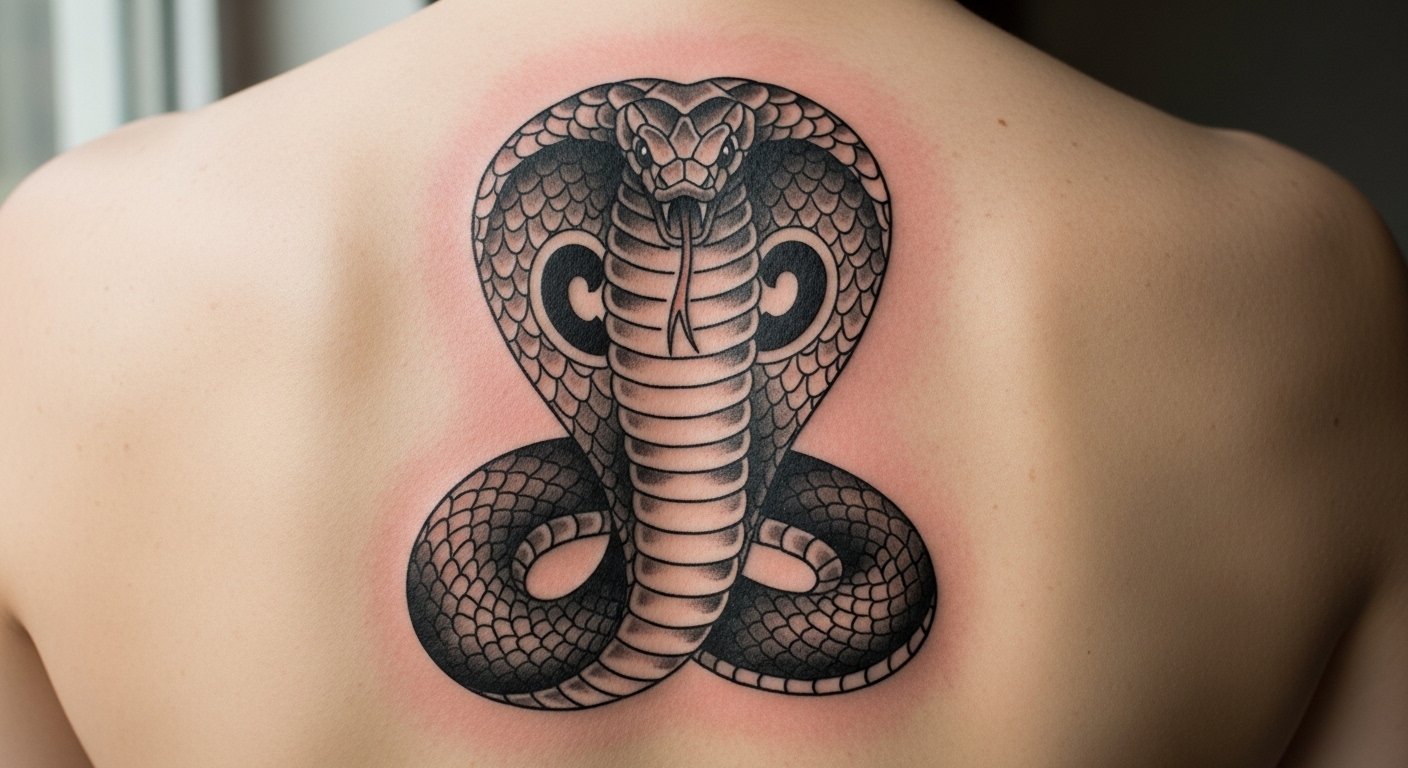
18. Small Back-of-Arm Cobra Hood
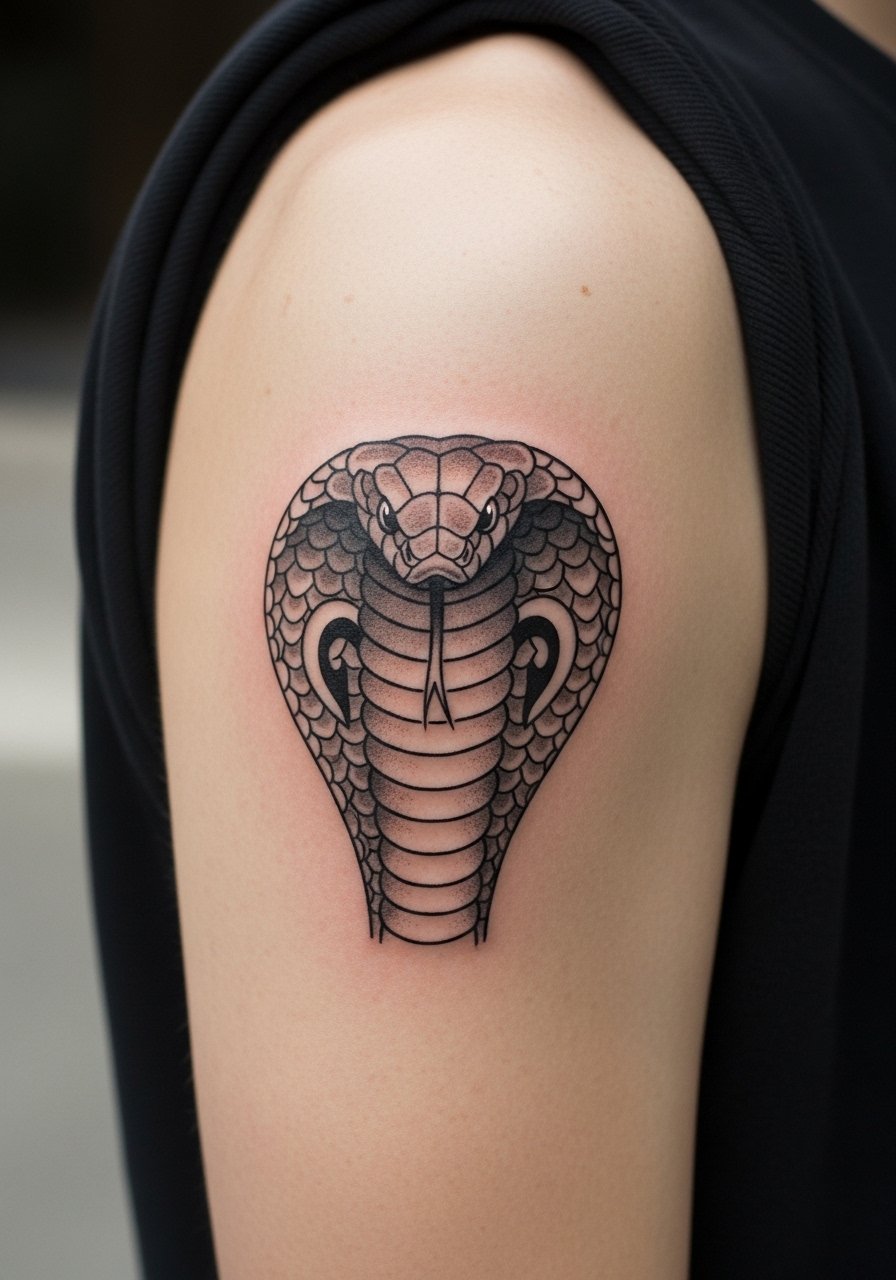
There is something about a bold hood that reads from across a room. For beginners who want drama without a sleeve, place a compact cobra on the back of the arm where it can expand later. The mistake is asking for micro realism in the hood at a tiny size. Ask for clear, heavy outlines and pace out any intricate scale work for future sessions. Pain is moderate. A sizable hood ages better than tiny detailed heads because strong outlines hold saturation longer.
19. Minimal Stipple Tail on Sternum
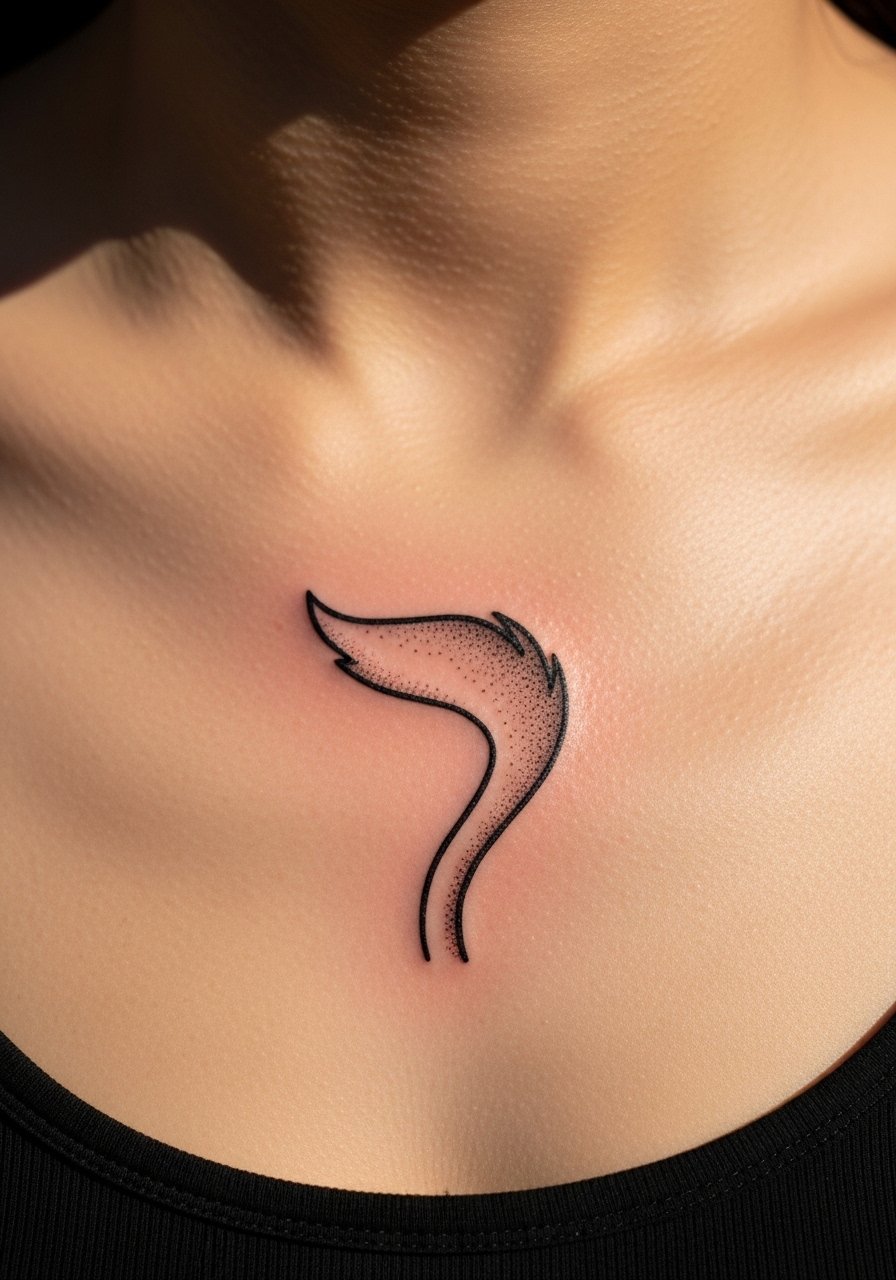
The sternum can be a sensitive place and stipple needs room to breathe. The mistake is compressing dot work into a compact area that will look patchy once healed. Ask your artist to space dots and include a simple anchor shape to keep the design readable. Pain is high on the sternum and booking requires a specialist who does chest work often. Be aware this placement may be more visible with certain tops and plan accordingly.
20. Thin Line Behind-Ear Accent
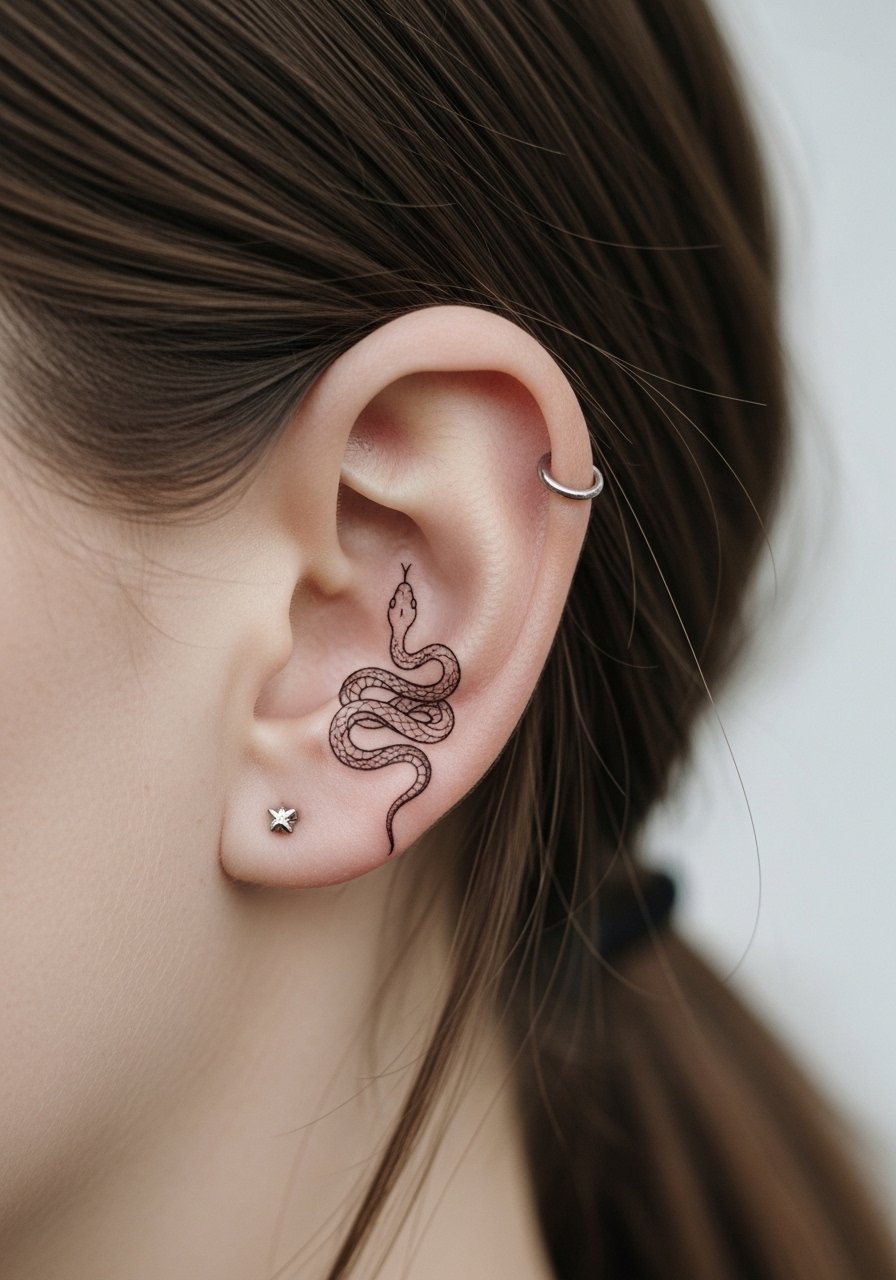
When you sit down for this one, tell the artist you want a quick accent and accept that behind-ear ink can fade faster because of exposure to hair oils and sun. The common client mistake is expecting long-term crispness without touch-ups. Pain is low and session time is very short. This is a subtle first tattoo that hides well and can be echoed later with larger work. Ask your artist about aftercare that avoids heavy hair products right after healing.
21. Feathered Quetzalcoatl Motif on Shoulder Blade
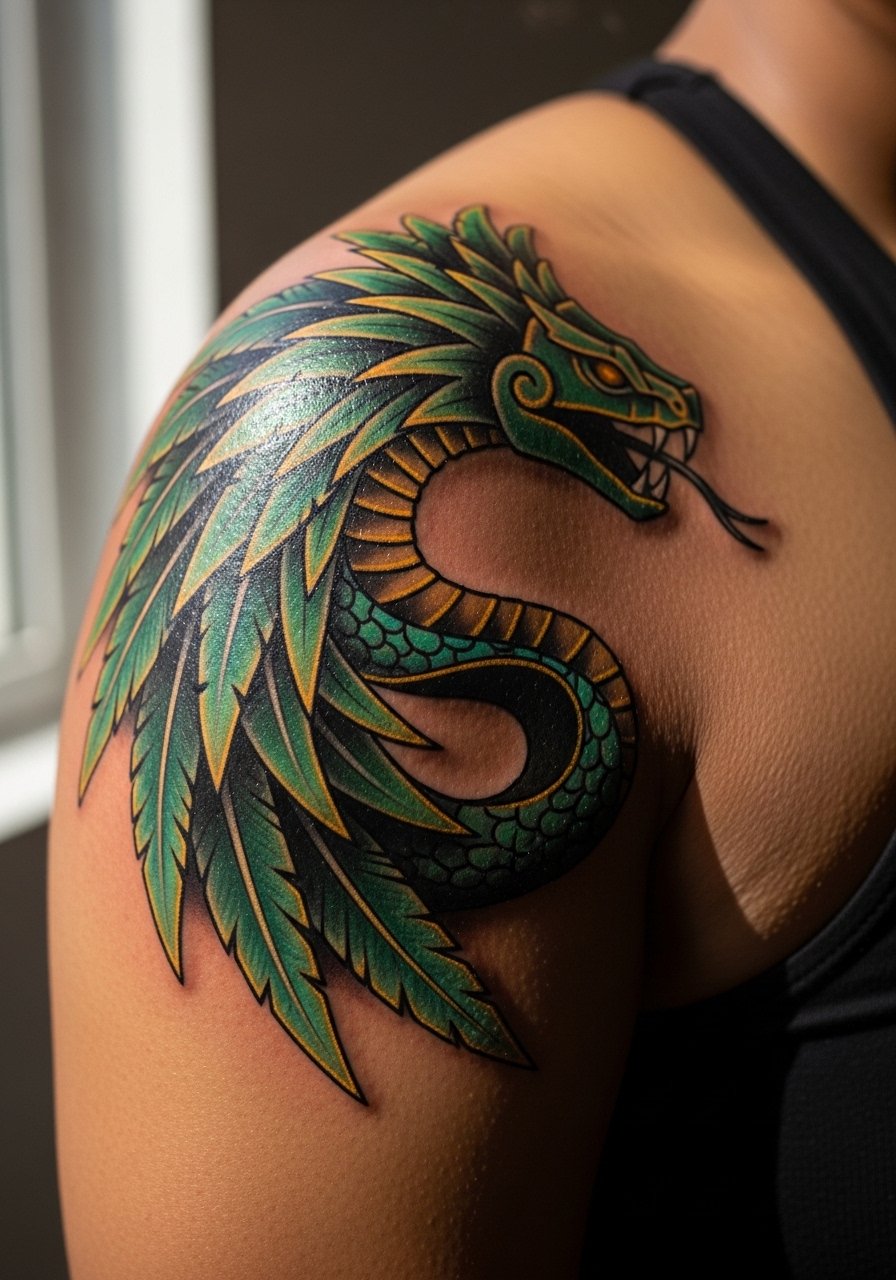
This design traces to Mesoamerican tradition so it is wise to approach with respect. Some prefer direct homage while others use stylized elements to avoid cultural appropriation. Ask your artist about sourcing imagery and consider discussing cultural origin respectfully during the consult. Shoulder blade skin holds detail well and pain is moderate. The mistake is copying sacred symbols without understanding provenance. A well-scaled stylized motif can be both beautiful and considerate.
22. Tiny Back-of-Hand Tail Spot
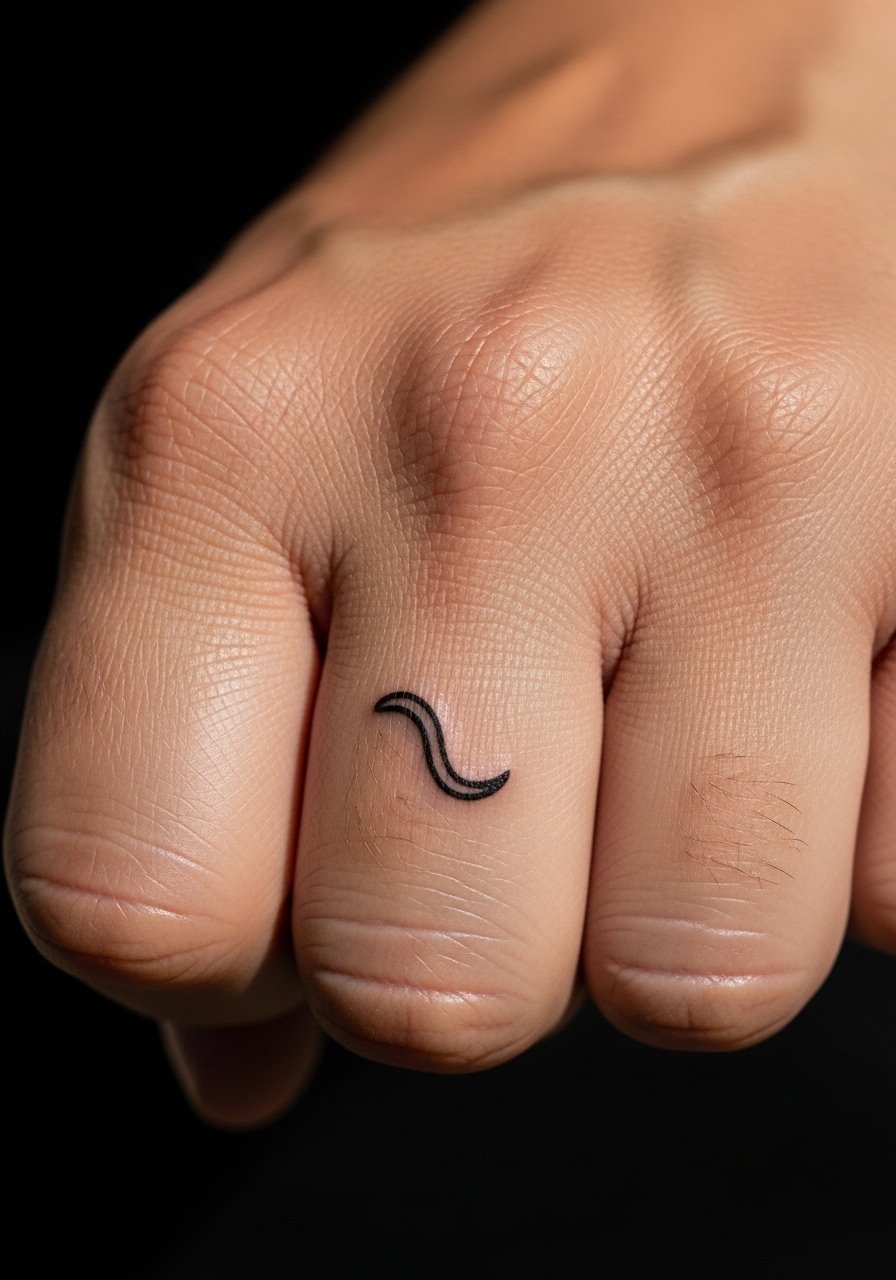
Fair warning: hand ink fades faster and has higher blowout risk because of thin skin and movement. If you want a back-of-hand tail, request confident simple lines and expect touch-ups. The mistake is packing scales into a tiny square that will blur. Pain is sharp but quick. This placement affects professional visibility so consider workplace implications before booking. If you do proceed, find an artist experienced with hand placements.
23. Rib-to-Thigh Flowing Snake
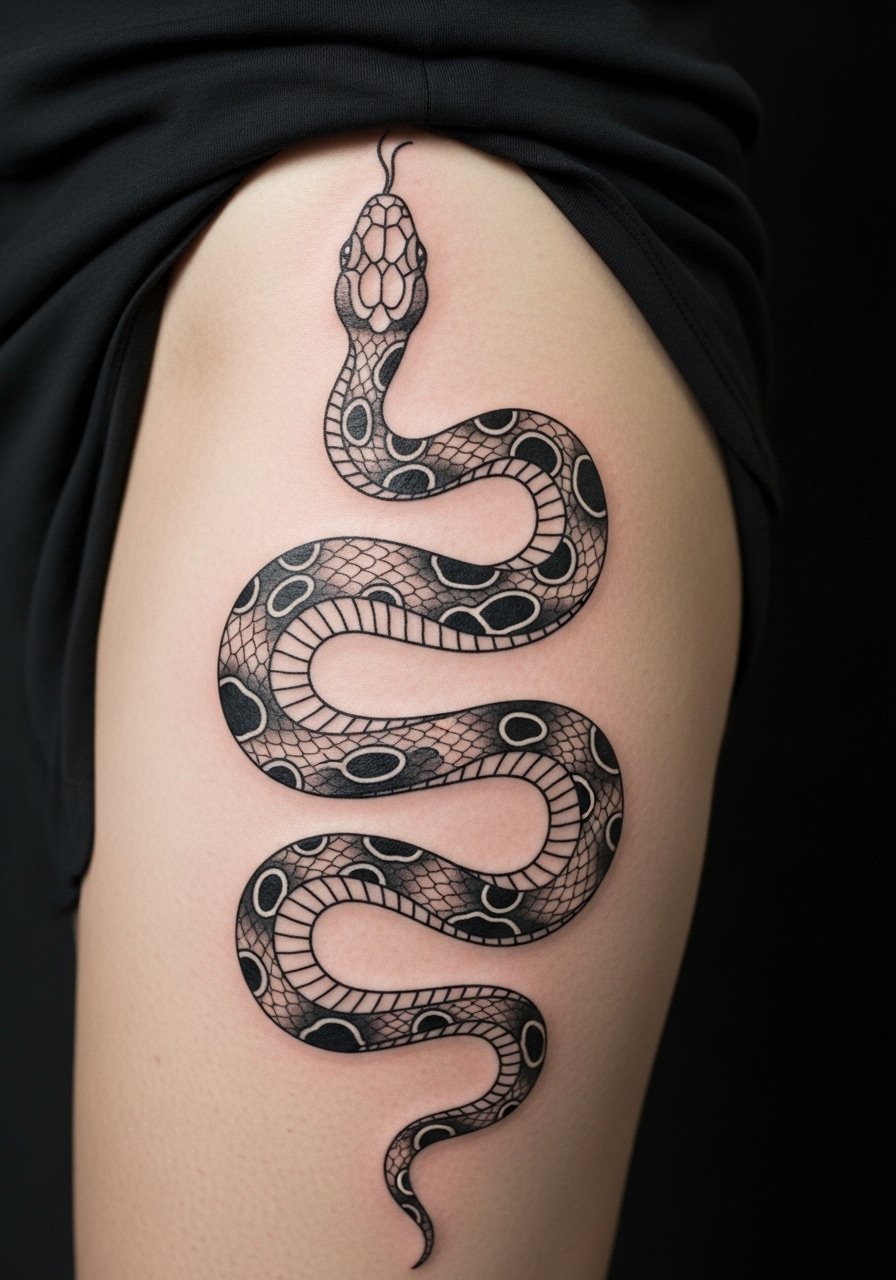
Most people underestimate skin shift across ribs and thigh when mapping a long flowing piece. The common error is tight detailing along natural fold lines. Ask your artist to sketch the flow while you move so the snake still reads when standing and sitting. Pain varies across zones and session time may be split. This is a buildable canvas that lets you add complementary imagery later. Expect touch-ups if you have major body changes.
24. Tiny Solar-Powered Sun and Snake Ankle
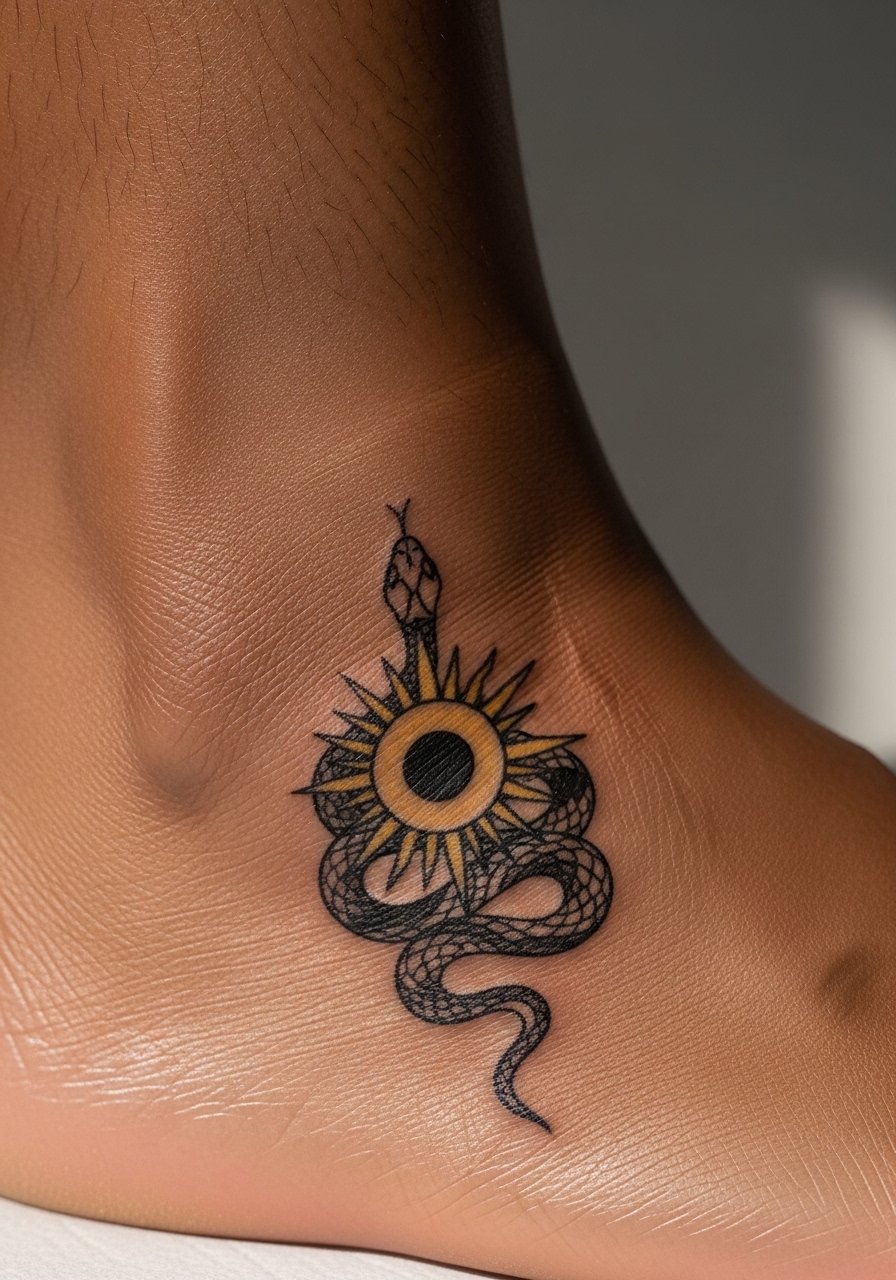
There is a visual benefit when you anchor a small snake to a simple geometric sun so the composition stays readable. The mistake is choosing pale yellow washes that vanish on darker tones. Ask for concentrated pigment and bold outlines around the sun. Pain is manageable and session time is short. This is a playful beginner piece that photographs well when contrast is planned during consultation.
25. Minimal Tail on Finger Side
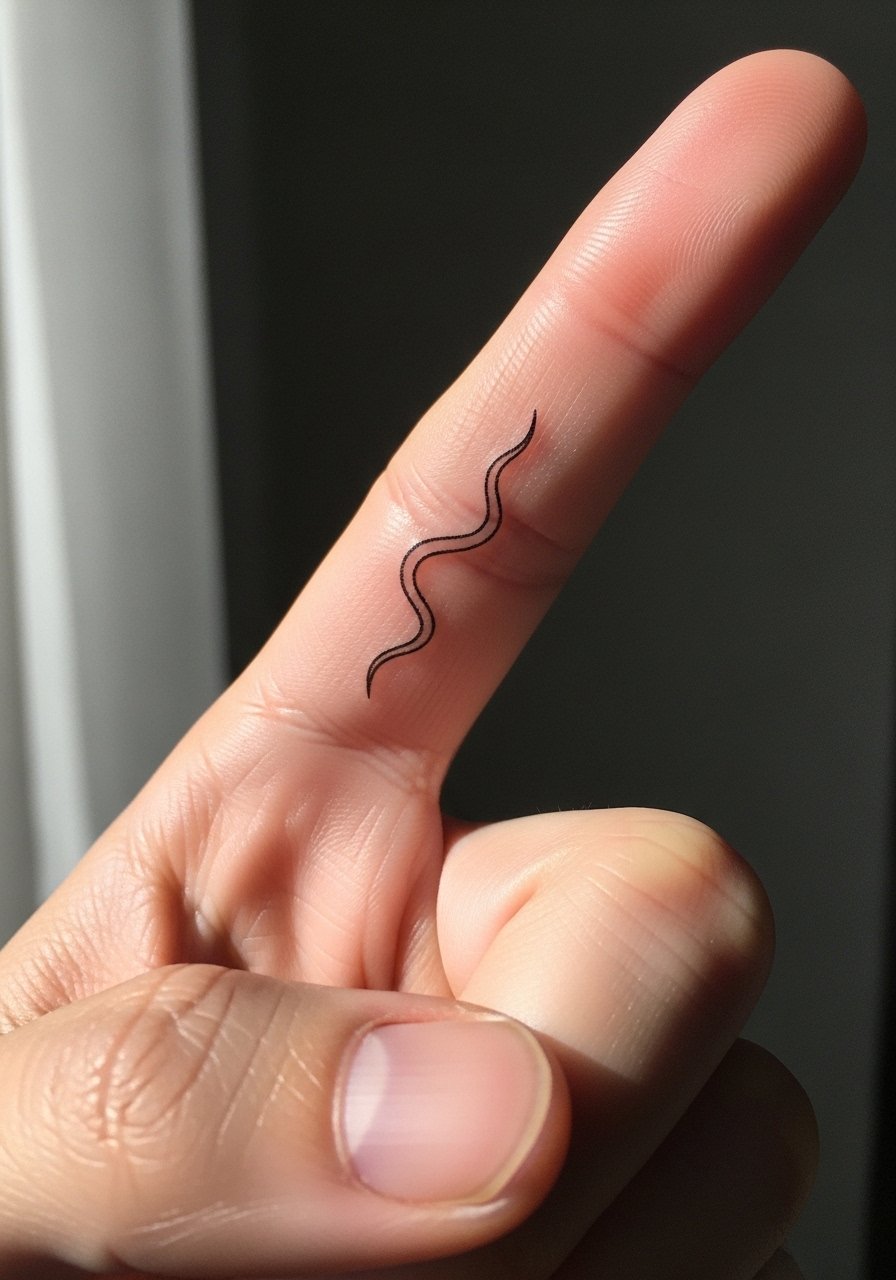
A visual impact lead works here because side-of-finger ink is discreet and playful. The common mistake is expecting permanence without touch-ups due to frequent hand washing. Ask for a slightly thicker contour and accept that finger ink requires maintenance. Pain is sharp but brief. This is one of the stealthiest first snake tattoos and it is easy to expand into rings or hand pieces if you want more later.
Tattoo Prep and Aftercare Essentials
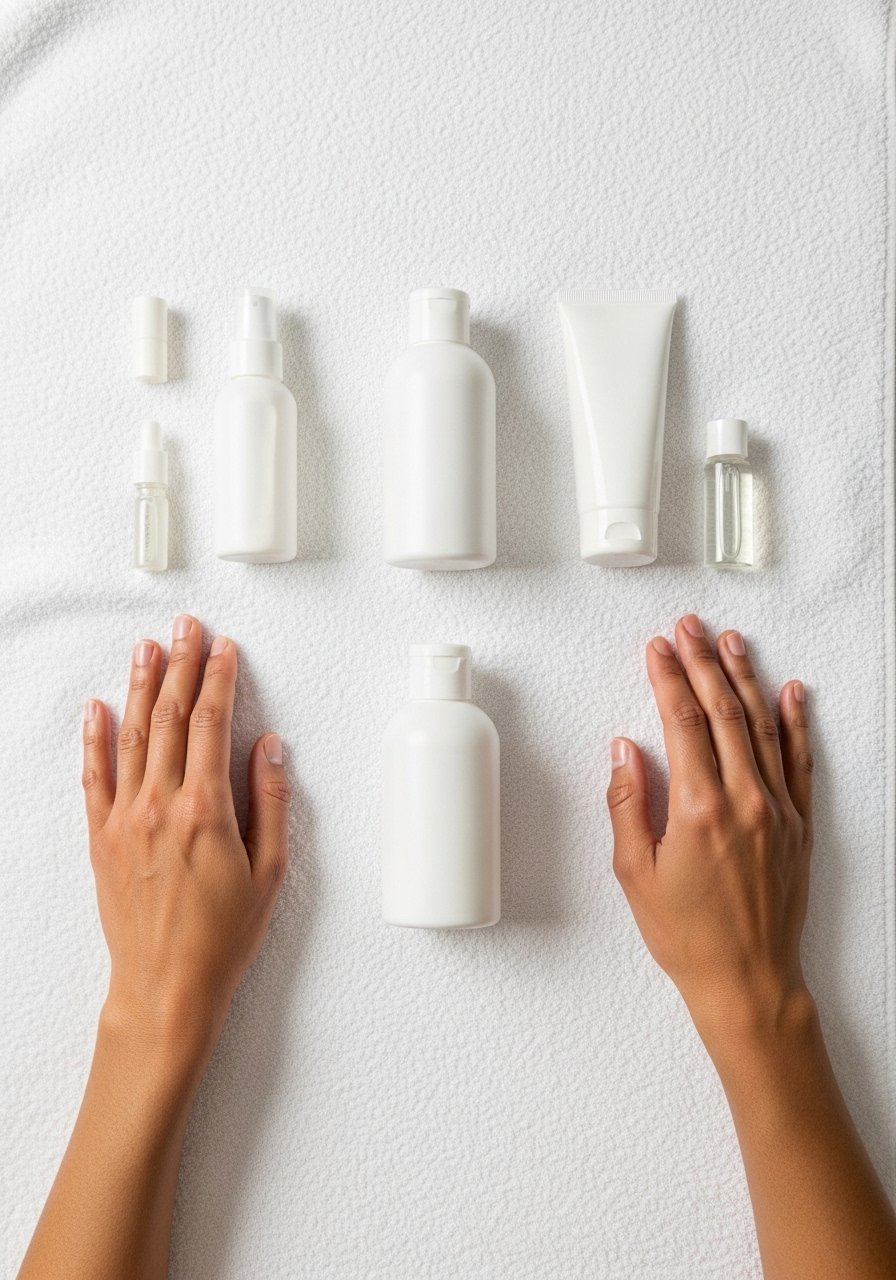
InkSafe thin fragrance-free tattoo balm. A thinner balm artists mention for fine line work on oily skin. Use sparingly in the first week to avoid clogging delicate lines.
Healix aftercare spray. An aftercare spray noted for faster drying in humid climates. Useful for short sessions when you need breathability.
Hada+Labo hydrating lotion. A rice-based hydration option that keeps color-rich tattoos from drying into scabs. Apply after initial scab stage.
Lightweight fragrance-free balm. For everyday moisturizing without heavy greasiness. Good for color retention on forearms and calves.
Medical-grade second skin bandage, 6-inch roll. Use for occlusive healing if your artist recommends an initial barrier.
Fragrance-free gentle foaming cleanser. Clean the area twice daily during the first week with gentle motion.
Broad-spectrum mineral SPF 50 sunscreen. Essential for protecting healed tattoos from UV fade. Apply to healed skin, not open wounds.
Silicone scar sheet pack. Helps with raised spots and smoothing healed texture on older inks.
Every tattoo is different. Always follow your artist's specific aftercare instructions. Consult a dermatologist if you have skin concerns or unusual healing issues.
Frequently Asked Questions
Q: Will fine line snakes on the wrist blur faster than on the forearm?
A: It depends on motion and thickness. Wrists move a lot and are washed frequently so hairline work often softens sooner. If you want a wrist snake, ask for slightly thicker linework and plan a touch-up around year one to two.
Q: Do watercolor-style spine snakes need different aftercare than blackwork?
A: Yes and no. The basic steps are the same, but watercolor areas benefit from careful pigment saturation during the session and diligent sun protection once healed. Expect color adjustments at the year mark if hues soften.
Q: Is a snake on the ribcage risky for fine line detail?
A: Artists split into two camps on this. One camp says ribs stretch and blur fine lines within two years. The other camp says precise depth and spacing let fine line settle fine. Ask the artist for healed examples on similar skin and be ready to compromise on scale.
Q: How should I phrase my consult if I want a snake and peony that ages well?
A: Say you want the composition to follow arm anatomy, slightly larger petal shapes, and solid color blocks instead of micro detailing. Request healed photos of similar pieces and ask about a planned touch-up timeline.
Q: For a first snake tattoo, what search terms or places find reliable artists?
A: Use tags like #SnakeTattooWomen and #FineLineSnake on Instagram, search Tattoodo or Booksy for "snake specialist" filters, and check r/tattoos and r/tattooadvice for guest-spot leads. Guest spots on TikTok tied to city hashtags can also reveal itinerant artists.
Q: I have dark skin. Which snake styles photograph best?
A: High-contrast blackwork and heavier outline neo-traditional styles hold up better on darker tones. Fine line can still work but ask for stronger saturation and contrast so details remain visible in photos.
Q: Is Saniderm recommended for snake tattoos or is dry healing better?
A: There is a clear split. One group of artists favors occlusive dressings for tidy, fast heals. Another group prefers dry healing to avoid trapped moisture. Ask your artist which method they use and why, and follow their timing for removal or dry care.