
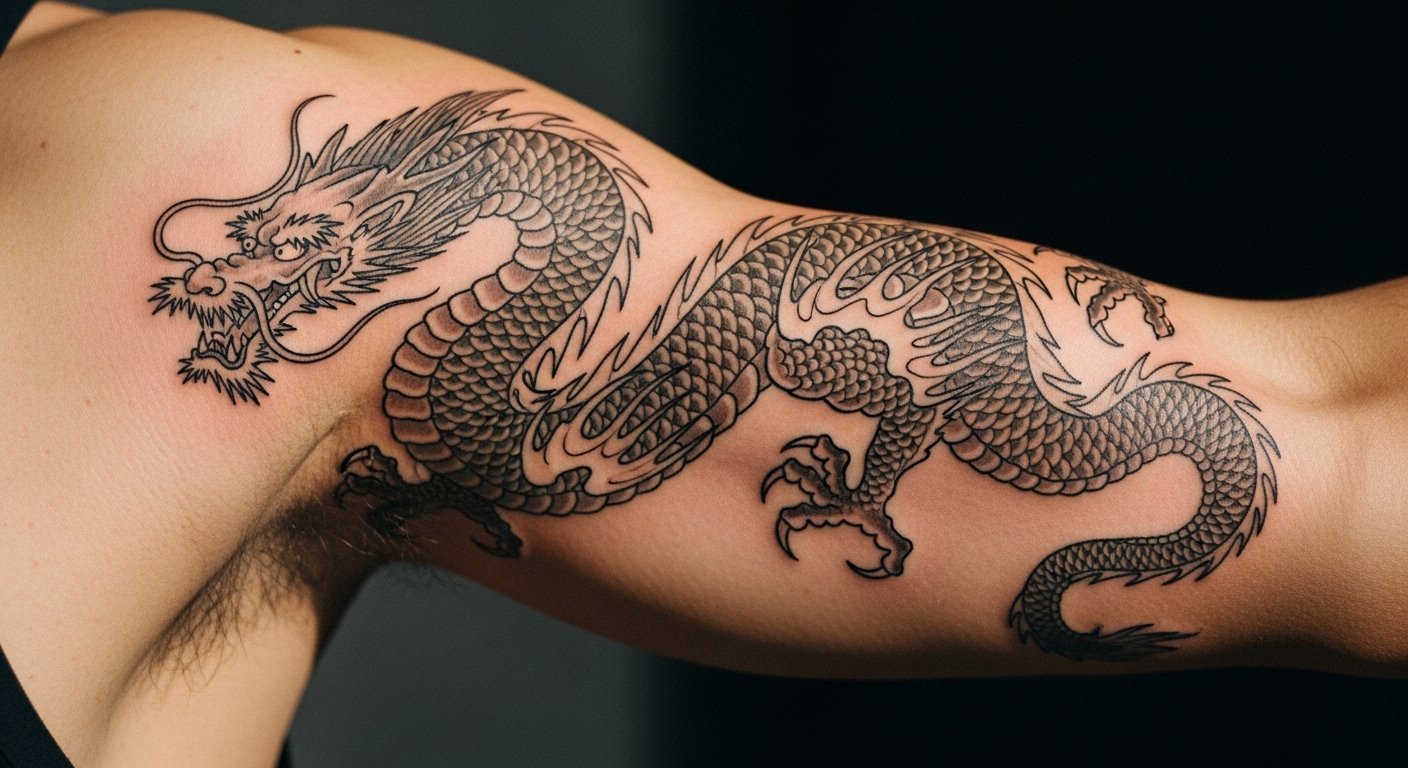
Someone I know spent nine months saving reference images only to realize the real problem was choosing a Japanese dragon that would age well on their skin, heal cleanly, and fit a lifestyle. They worried about ink migration, visible detail on darker skin, and finding someone who understands traditional linework. These 20 designs show how different approaches solve those exact problems and what to say in consultation to get a dragon that still looks good years from now.
1. Full Irezumi Back Dragon, Classic Flow
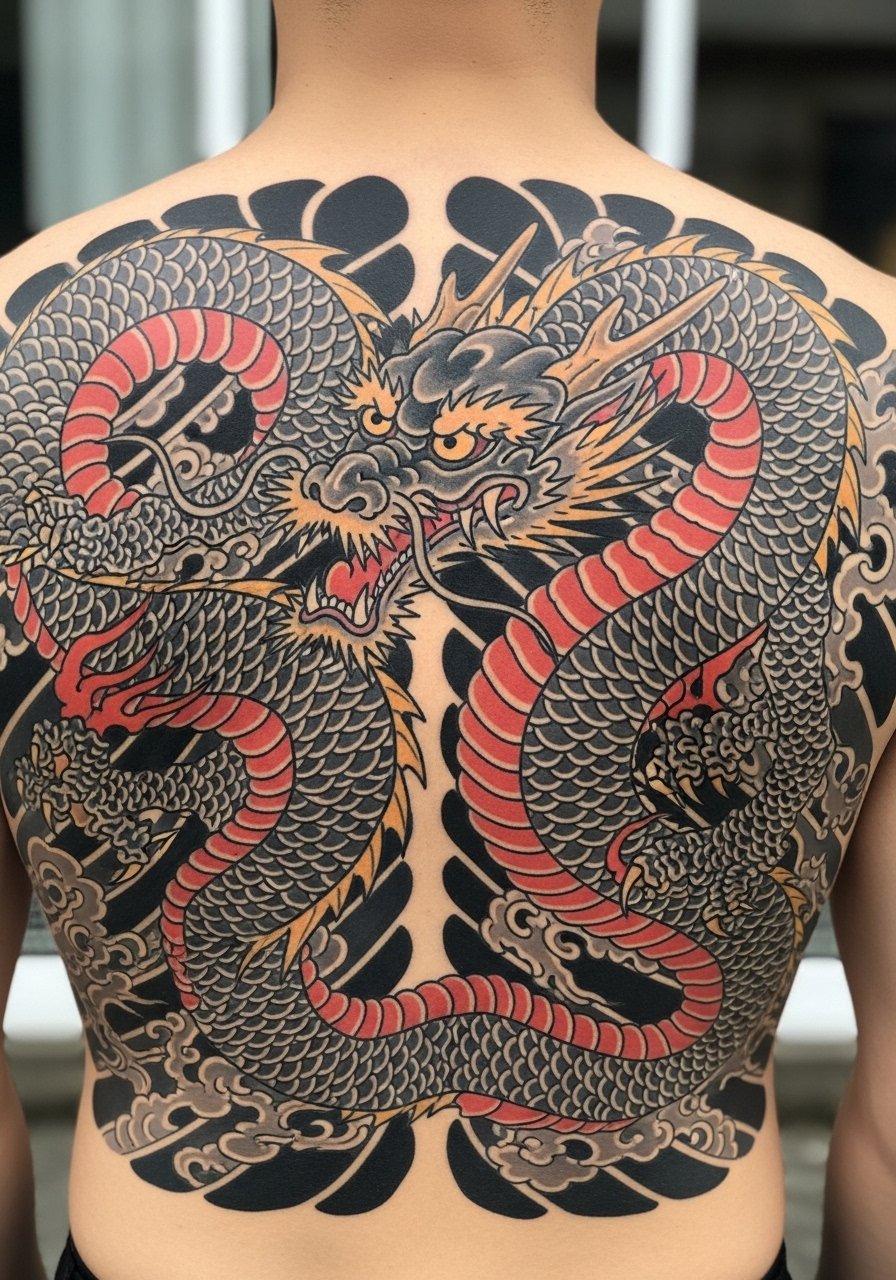
When you want a dragon that reads from a distance, a full back Irezumi is the go-to. Expect longer sessions and a few visits, but the result holds up because the bold linework and heavy saturation resist early fading. Tell your artist you want classic wind and wave panels around the dragon so the composition breathes. A common mistake is asking for tiny facial details on a full back. Those small details blur over time if the artist compacts them. Pain is spread out over many hours, but expect tender spots along the spine. Touch-ups are often cosmetic and predictable after two to five years depending on sun exposure.
2. Coiled Sleeve Dragon That Wraps the Arm
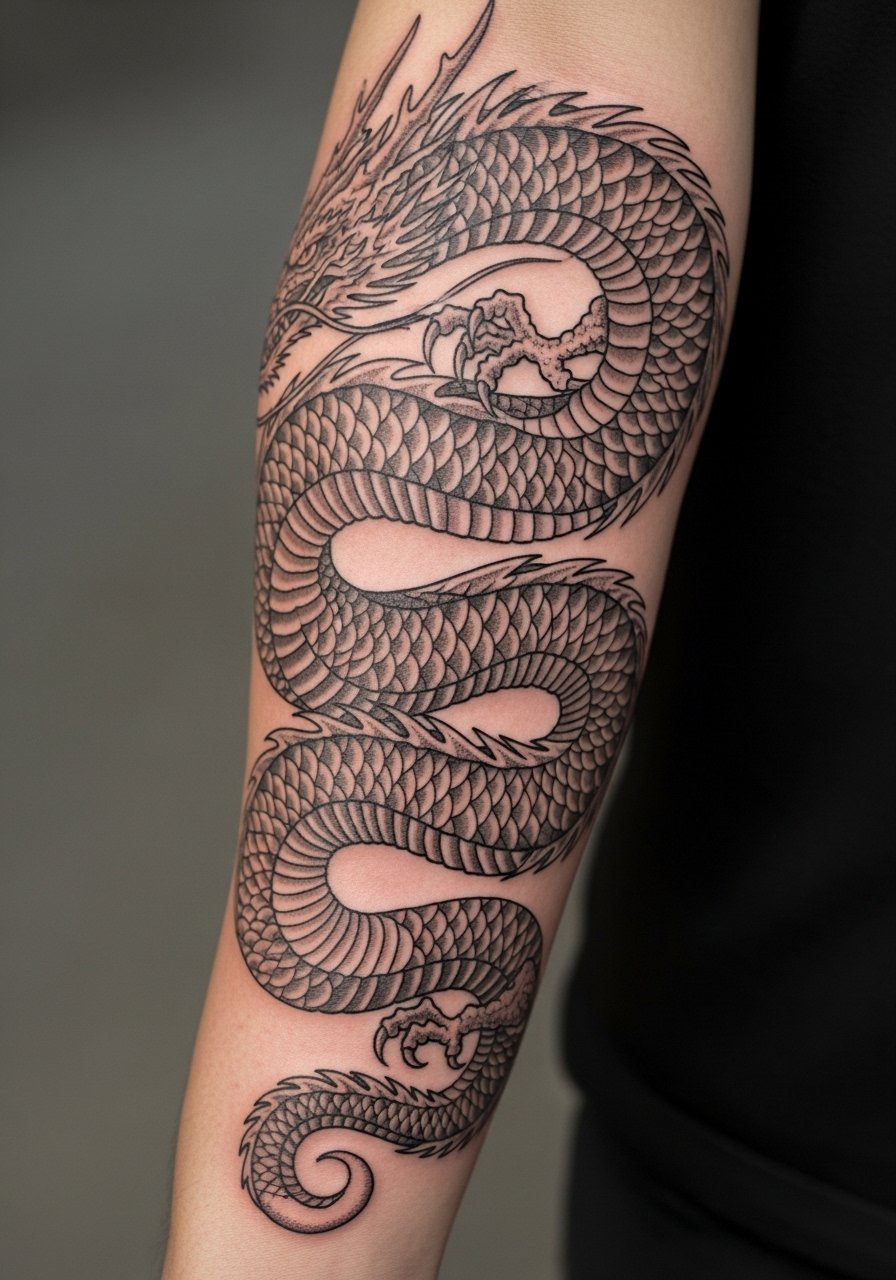
Fair warning, sleeves take commitment. A coiled dragon that wraps the arm works when you want continuous motion from shoulder to wrist. In consultation, point to images that show how the head meets the elbow crease so the piece flows when you bend your arm. The typical mistake is squeezing too much fine detail into the lower forearm where skin stretches more. At six months the sleeve reads cohesive. At two years linework may soften on the inner arm. Expect several sessions, each a few hours long. Blowout risk increases near soft tissue like the inner bicep, so ask your artist how they avoid overworking that area.
3. Dragon and Koi, Yin-Yang Storytelling
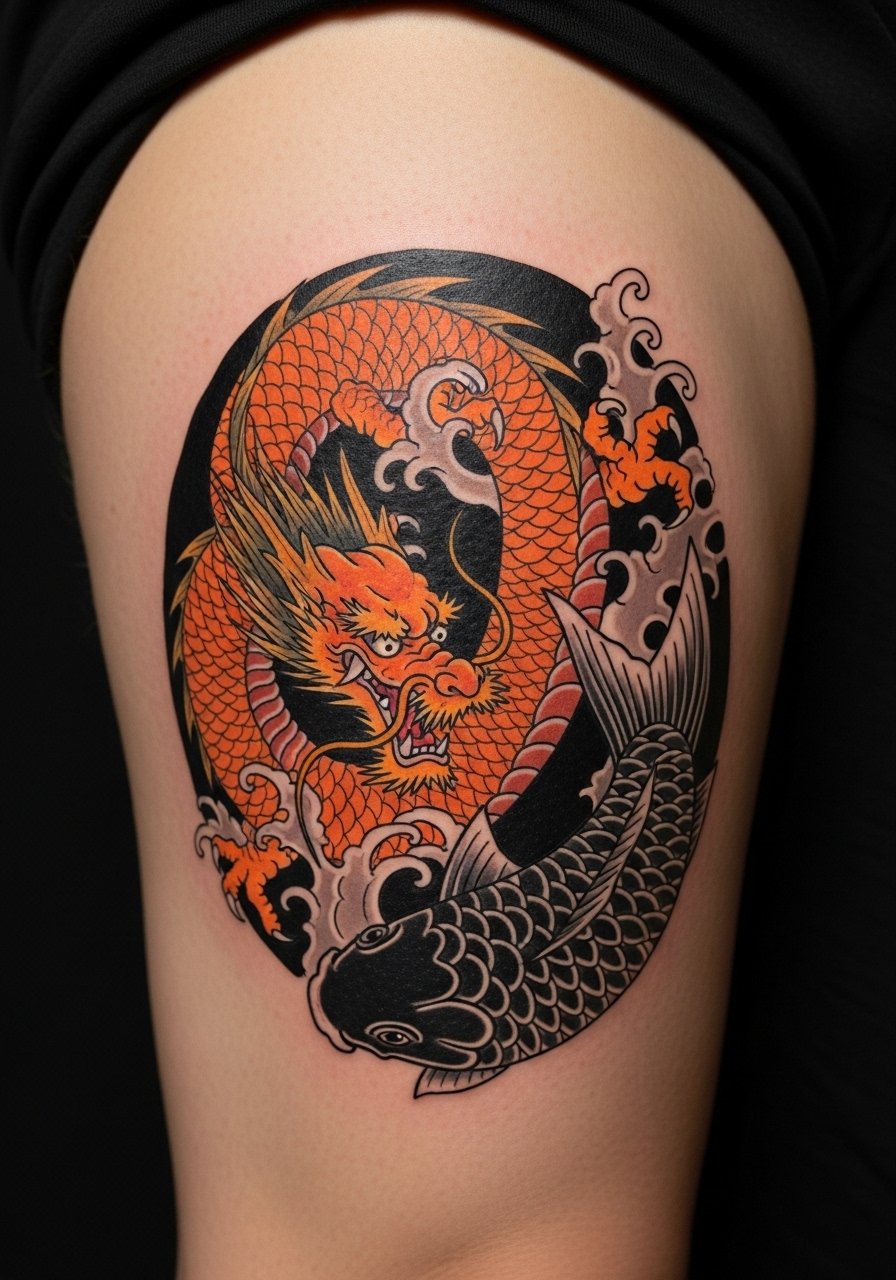
Someone I know chose this pairing to tell a narrative about struggle and reward. When you want symbolism, use the koi to balance the dragon visually and thematically. Tell your artist the roles you want each creature to play so the composition does not become a cluttered tangle. A common version that ages poorly puts both figures too small and close together. At six months the colors pop. At five years the orange can need a refresh if you sunbake the area. Thigh placement is medium pain and sits well under clothing for longer healing. Expect one to three sessions depending on size.
4. Dragon with Cherry Blossoms, Feminine Edge
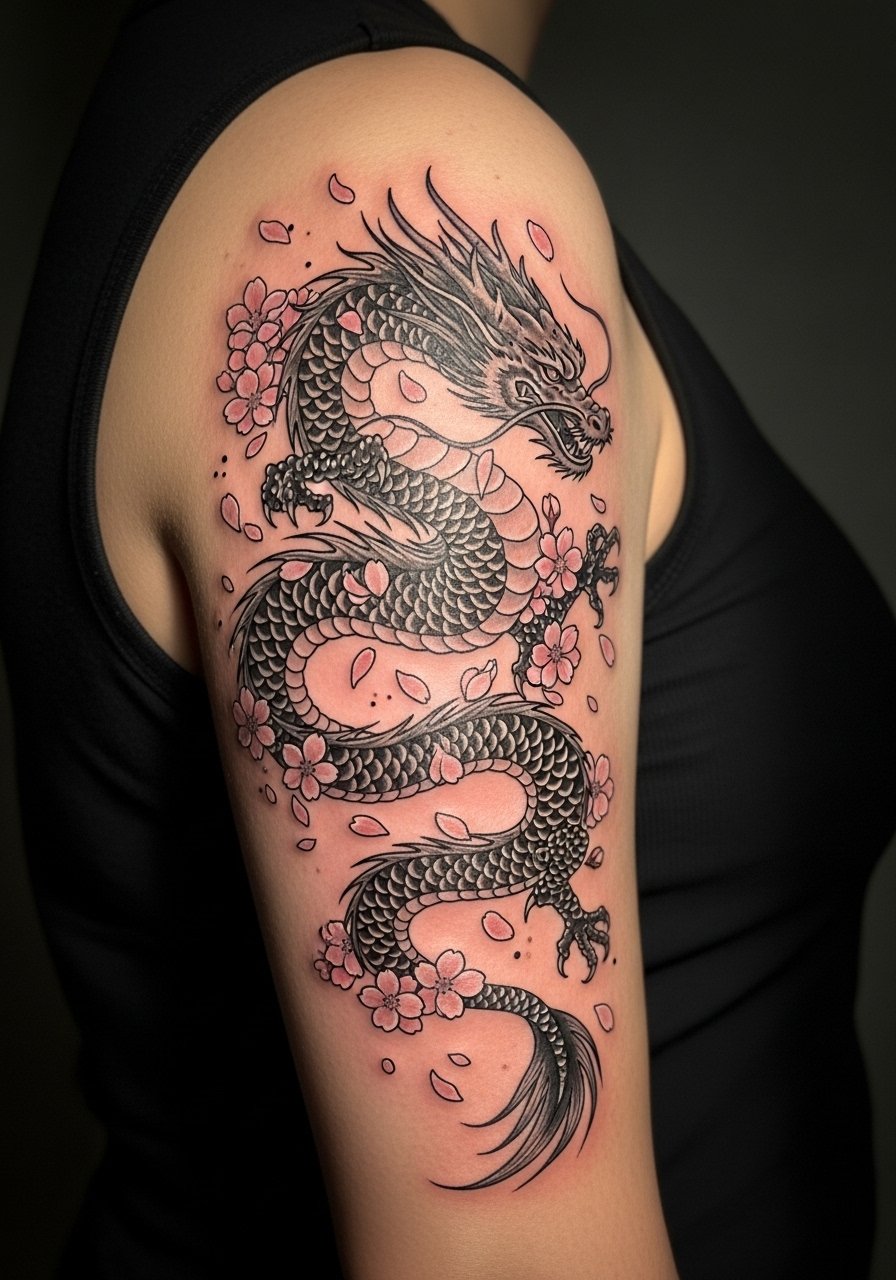
Most watercolor or pastel floral combos fade faster, but pairing strong black linework for the dragon with softer blossoms keeps the piece readable. When you sit down with your artist, show examples of petal scale and ask for slightly larger petals than on a print. Artists split on whether fine cherry blossom dots hold on ribs. One camp says the skin stretch blurs tiny dots within two years. The other camp argues that with proper depth and spacing fine detail lasts. Discuss which side your artist practices before booking. Rib placement is painful for most people, so prepare mentally and schedule shorter sessions.
5. Minimal Fine-Line Dragon for Inner Forearm
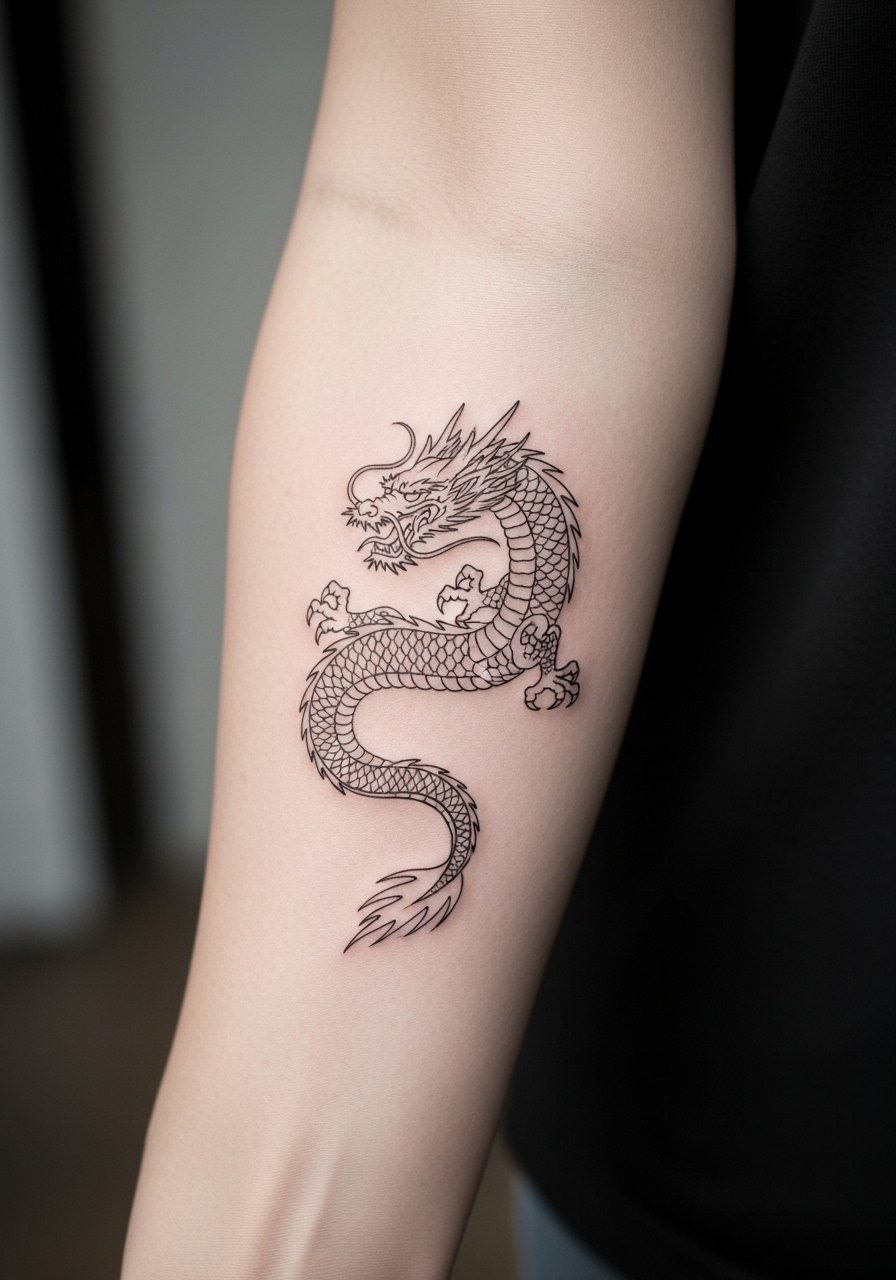
When you want subtlety that still reads up close, fine-line works on the inner forearm. In consultation ask the artist to use slightly more spacing between scales and to avoid ultra-micro facial details. The controversy here is real. One group of artists warns fine-line on forearms blurs faster than bold lines. Another group says well-spaced single-needle work heals clean on forearms if done by someone practiced in fine-line. Expect low to moderate pain and a quick one or two hour session for small pieces. Touch-ups may be needed around year two or three, especially if you wear sunscreen inconsistently.
6. Watercolor Dragon with Ink Wash Clouds
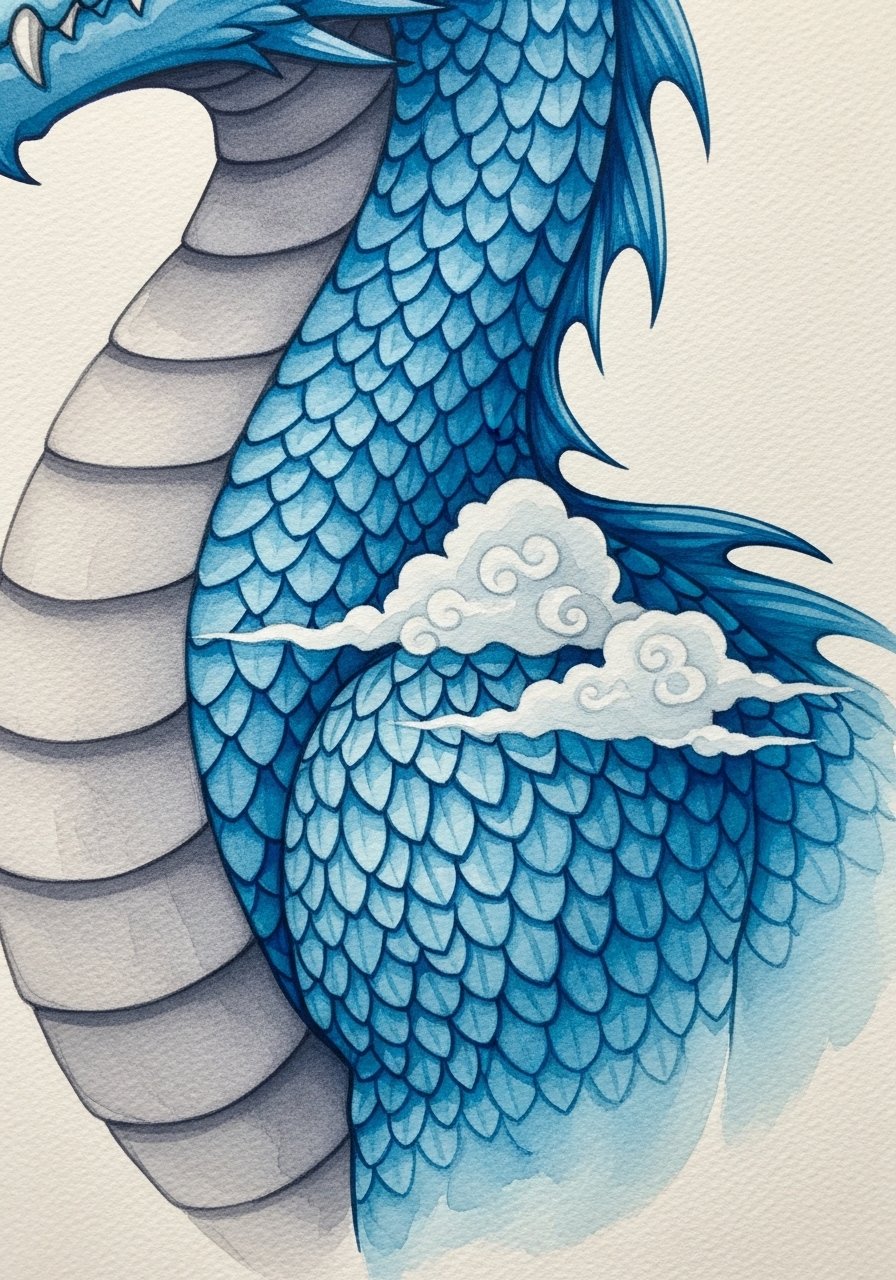
Most watercolor-only tattoos age poorly because they lack anchoring outlines. This version uses soft washes for color but keeps firm black anchors for the dragon silhouette so it does not dissolve into a bruise after a few years. Tell your artist you want clear anchor points and faster saturation near the outline. The big mistake is asking for a full watercolor dragon without strong linework. Session time varies, often two to four hours for medium pieces. Expect earlier touch-ups for the washes around year two. When booking, ask where the artist learned watercolor technique.
7. Blackwork Dragon Silhouette on the Chest
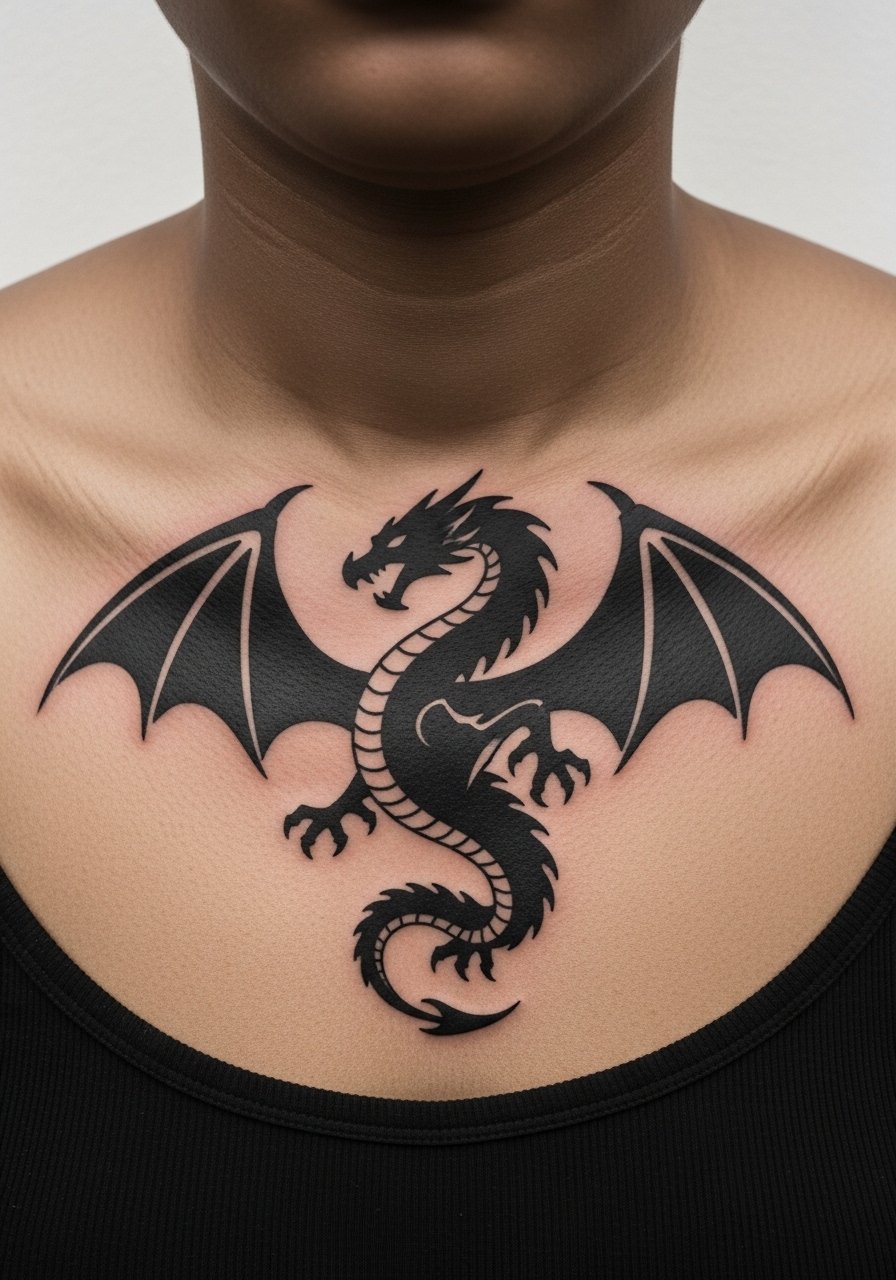
There is something about negative space that makes black silhouettes feel modern and enduring. A chest silhouette hides small line variation and ages uniformly because of heavy saturation. In consult, specify edge crispness and whether you want slight whisker details in the head. A common mistake is trying to add tiny internal linework inside a silhouette, which defeats the concept. Chest pieces can be intense during sessions near the sternum. Professional consideration note applies for sternum work because it is a specialized placement that some artists avoid unless they have experience.
8. Small Ankle Dragon, Compact and Custom
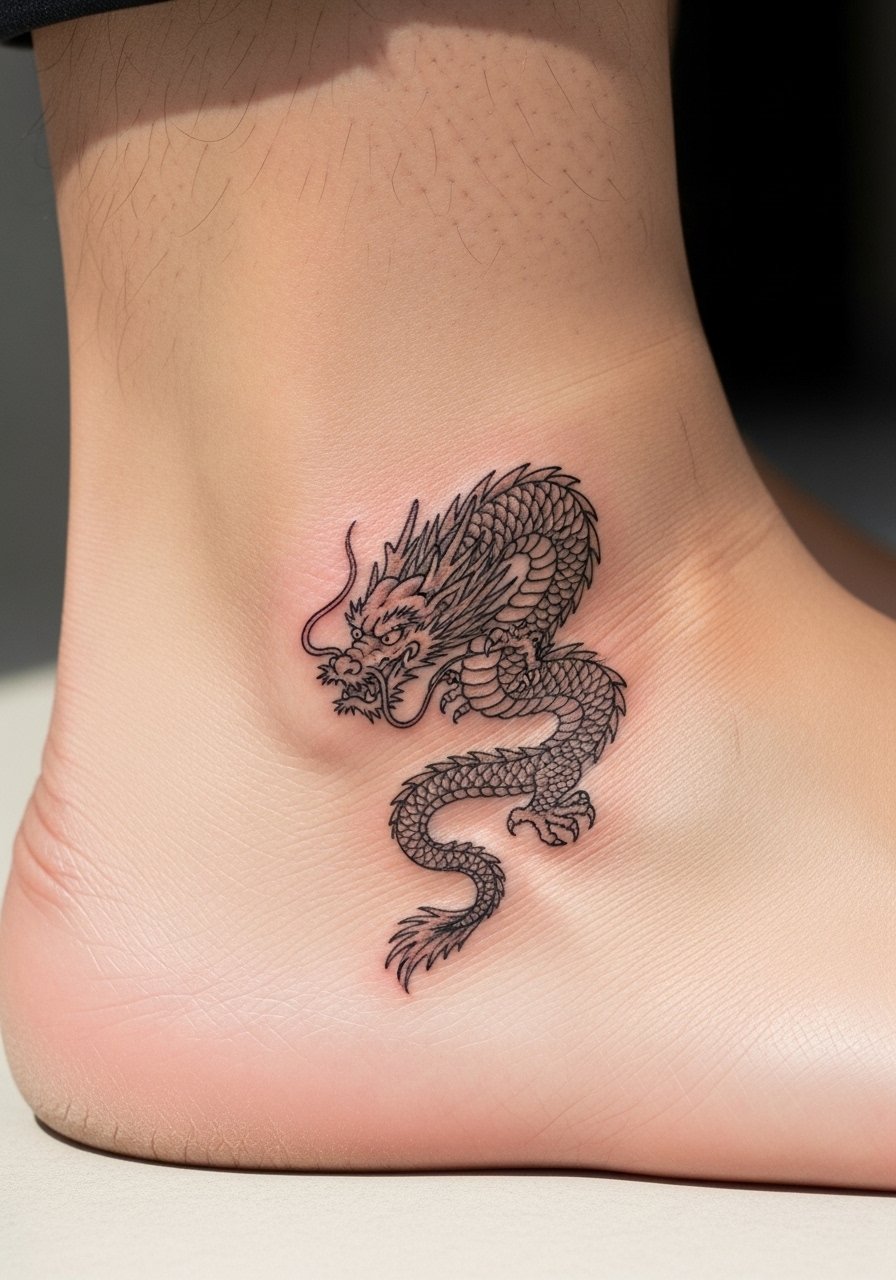
The ankle is a high-movement area that shifts a small design quickly. Someone I know wanted a compact dragon that still felt detailed. Ask for slightly bolder scale outlines than you think you need so the design holds up under friction from socks and shoes. The usual error is making the dragon too intricate for the real estate. Expect a short session, 45 to 90 minutes, and a higher likelihood of touch-up because of abrasion during healing. Hand and foot placements have longer visible healing bumps, so follow aftercare closely.
9. Dragon Head Over Shoulder Blade, Expressive Focus
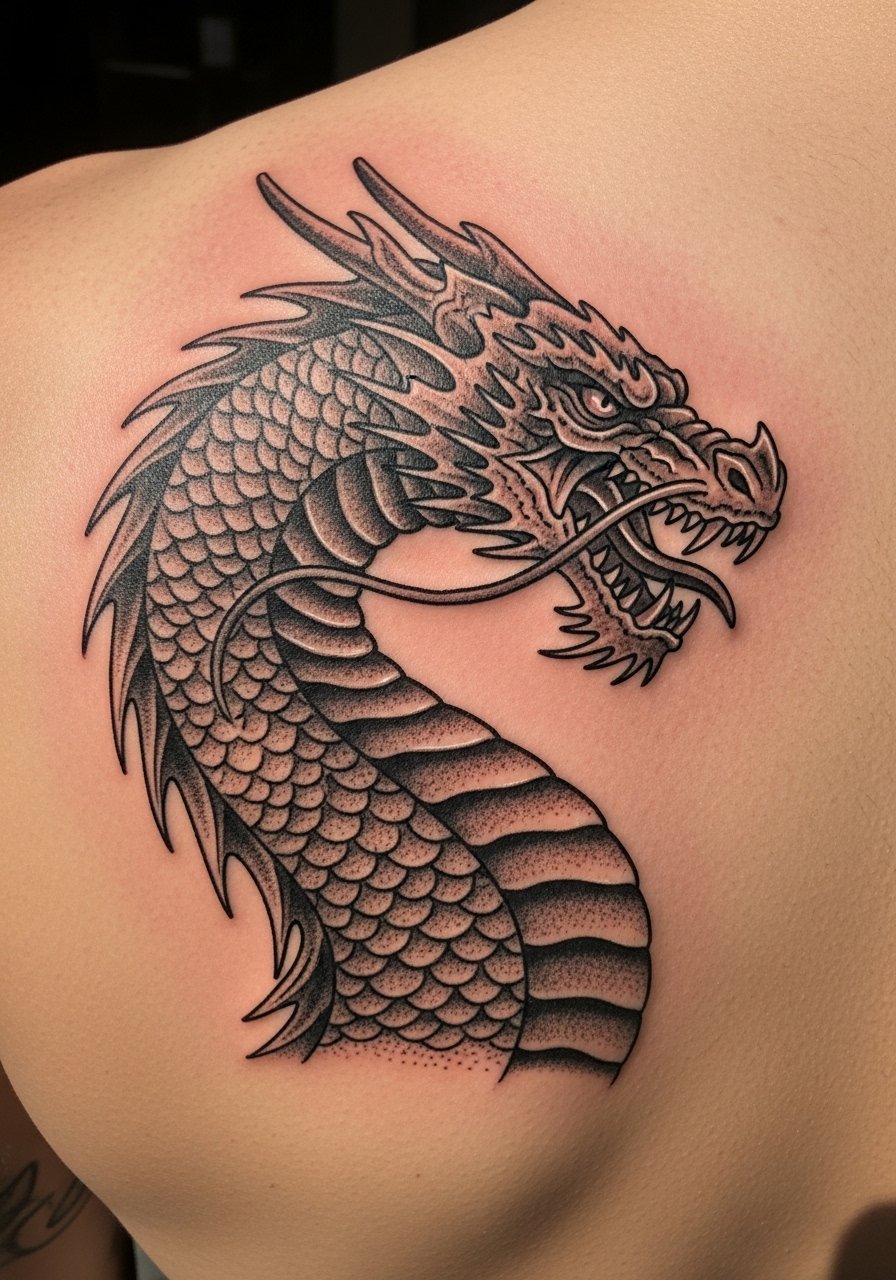
There is a visual punch to isolating the head of the dragon on the shoulder blade. In conversation with the artist, request strong jawline linework and stipple shading behind the scales to suggest depth. A common mistake is compressing too many facial features into a small head. At six months the jawline defines the piece. At two years expect some softening in stipple work depending on exposure. Sessions are comfortable since the shoulder blade offers a stable canvas. Ask about touch-up timing if you want crisp teeth or whisker lines to remain distinct.
10. Half-Sleeve Dragon with Windbars and Waves
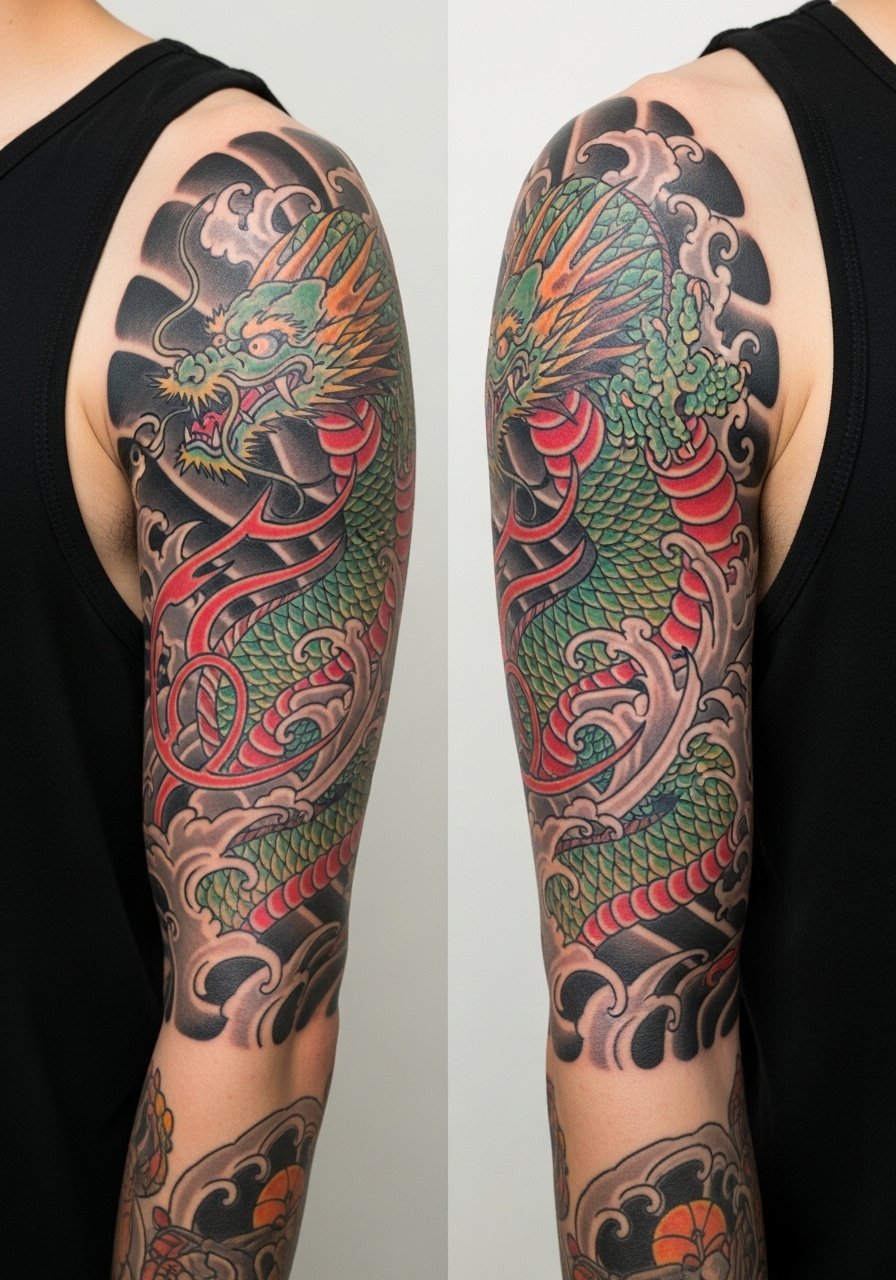
There is a reason windbars and waves are classic companions for a dragon. They guide the eye and make the piece read from both close up and far away. Tell your artist you want consistent panel spacing so the dragon does not feel like it is floating on skin. A common aging problem is too many tiny waves that turn into visual noise over time. Sessions usually span multiple days. Inner forearm and elbow bits can require careful needle depth to prevent blowout. Discuss realistic touch-up expectations for the colored sections before you start.
11. Dragon Shell Backpiece with Negative Space
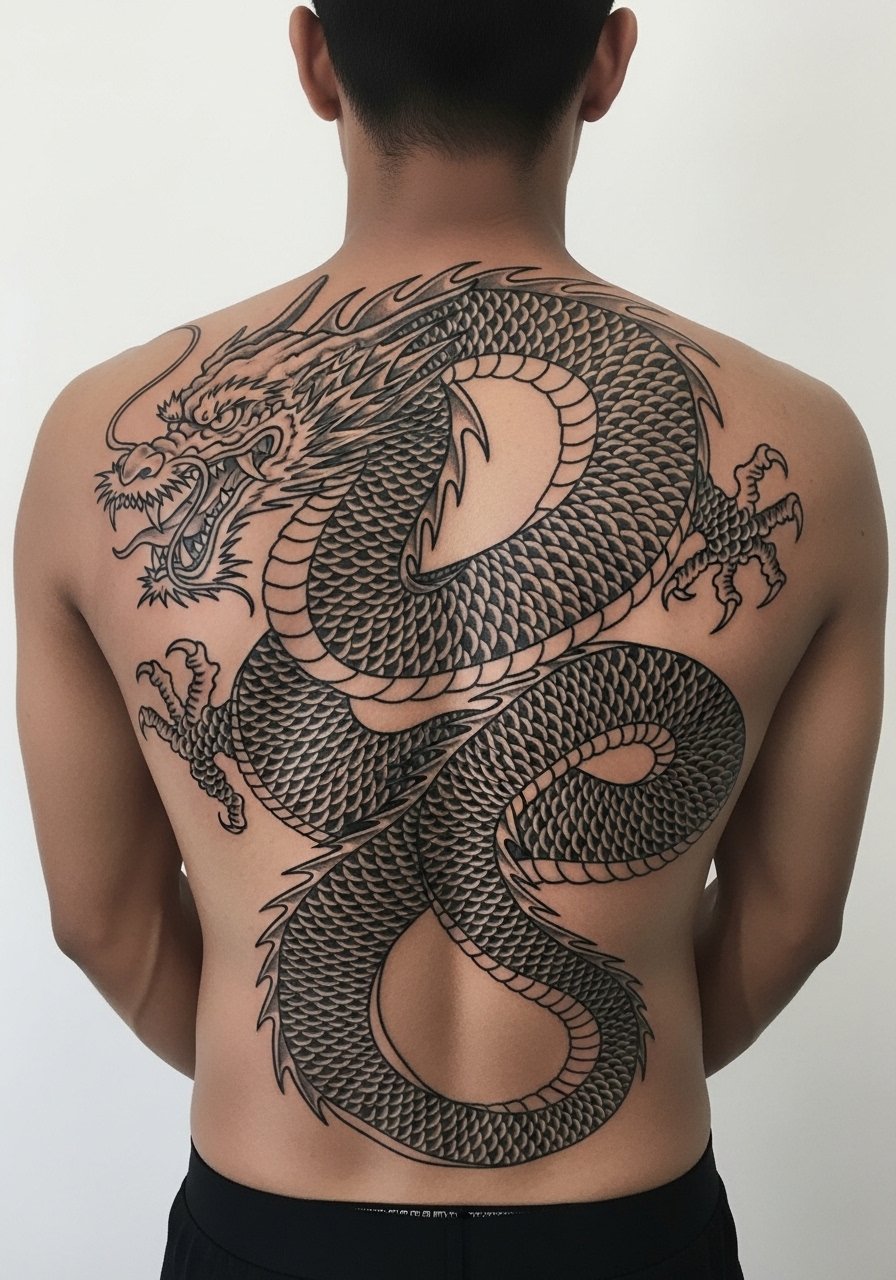
Visual impact can come from removing ink as much as adding it. A backpiece that uses negative space for scales reads cleanly and reduces the need for heavy color touch-ups. During consultation mention how much bare skin you want visible to prevent a slog of saturated black. The usual error is committing to an all-black block without planning for future expansions or cover-ups. Sessions are long but predictable. On darker skin tones the negative space approach can maintain contrast longer because it avoids small color patches that can lose vibrancy.
12. Dragon Mask Fusion with Hannya Elements
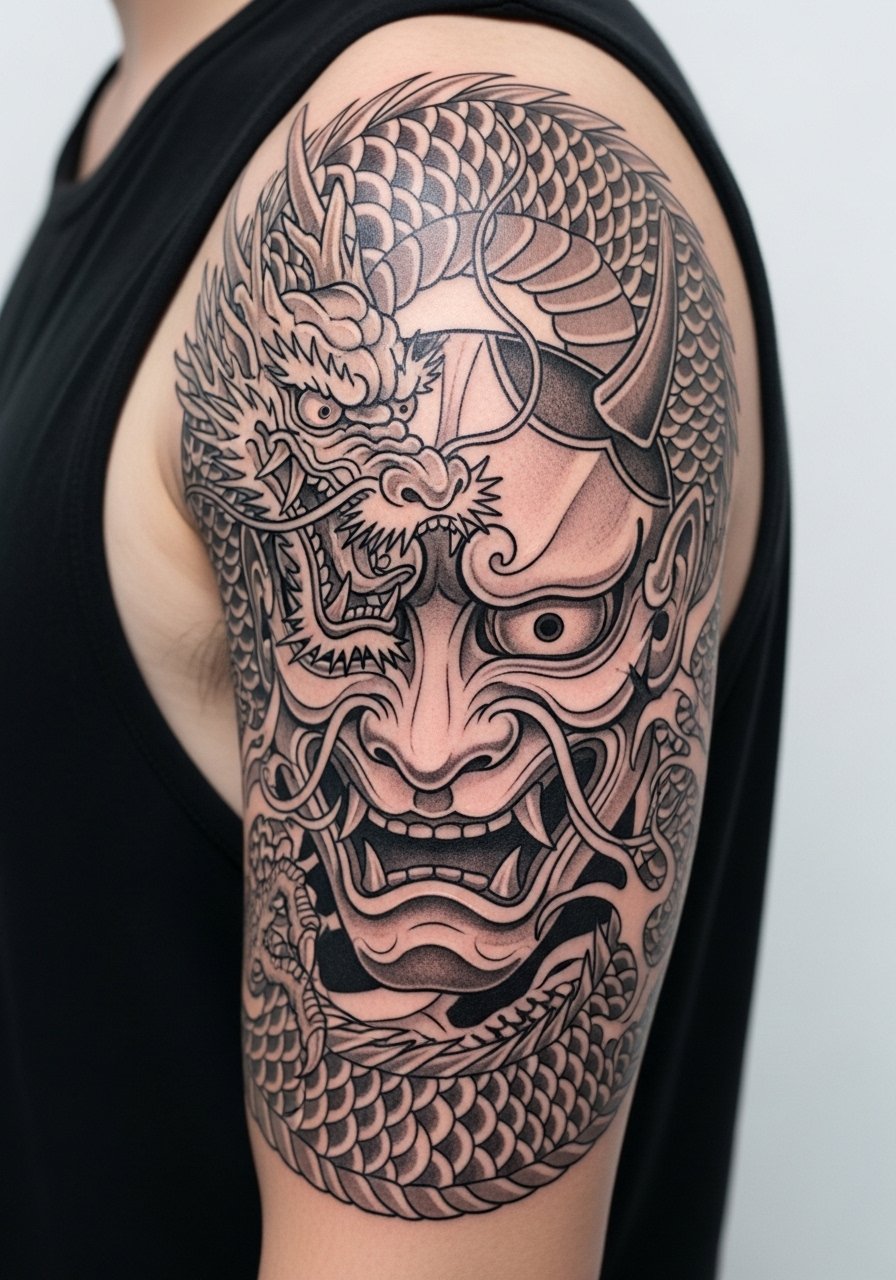
Cultural fusion designs need sensitivity. This hybrid blends a dragon with theater mask motifs rooted in certain traditions, so mention to your artist which elements you want literal and which you want adapted. Many people prefer slight variation rather than exact ritual imagery. Ask for spacing that keeps mask features readable at a distance. A common mistake is overloading the mask with micro detail that will muddle on softer skin. Sessions are medium length. Touch-ups for small facial lines may be needed by year three.
13. Micro-Realism Dragon Eye on the Wrist
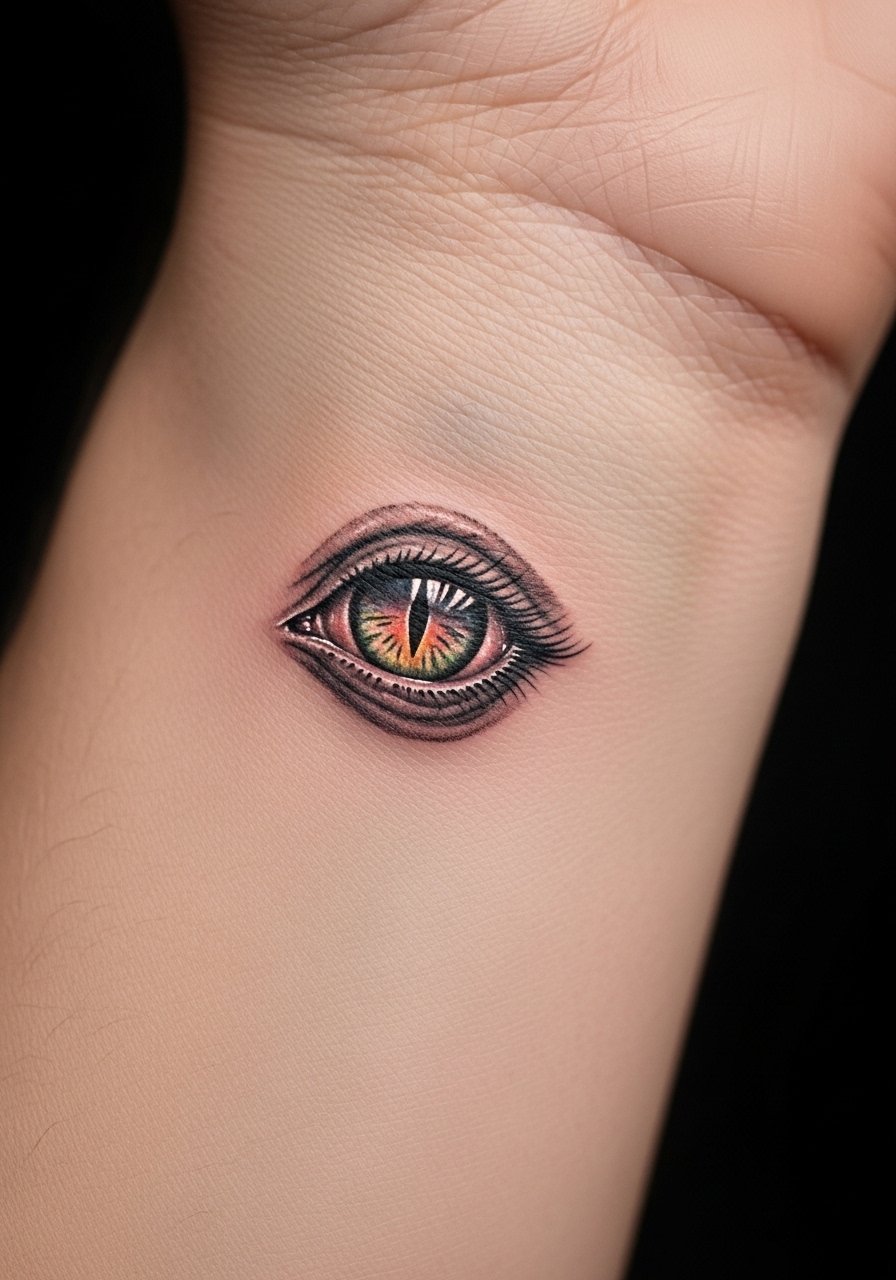
The wrist is unforgiving for micro-realism. You need an artist who shows healed examples of small realism pieces on wrists. Tell your artist you accept slightly larger scale to preserve reflective highlights. The key mistake is insisting on extreme photorealism at a very small size. Healing can feel scratchy and the wrist shows wear from movement. Expect one short session and a likely touch-up in a year if you wear watches or bracelets that rub the area.
14. Dragon Tail That Wraps a Calf
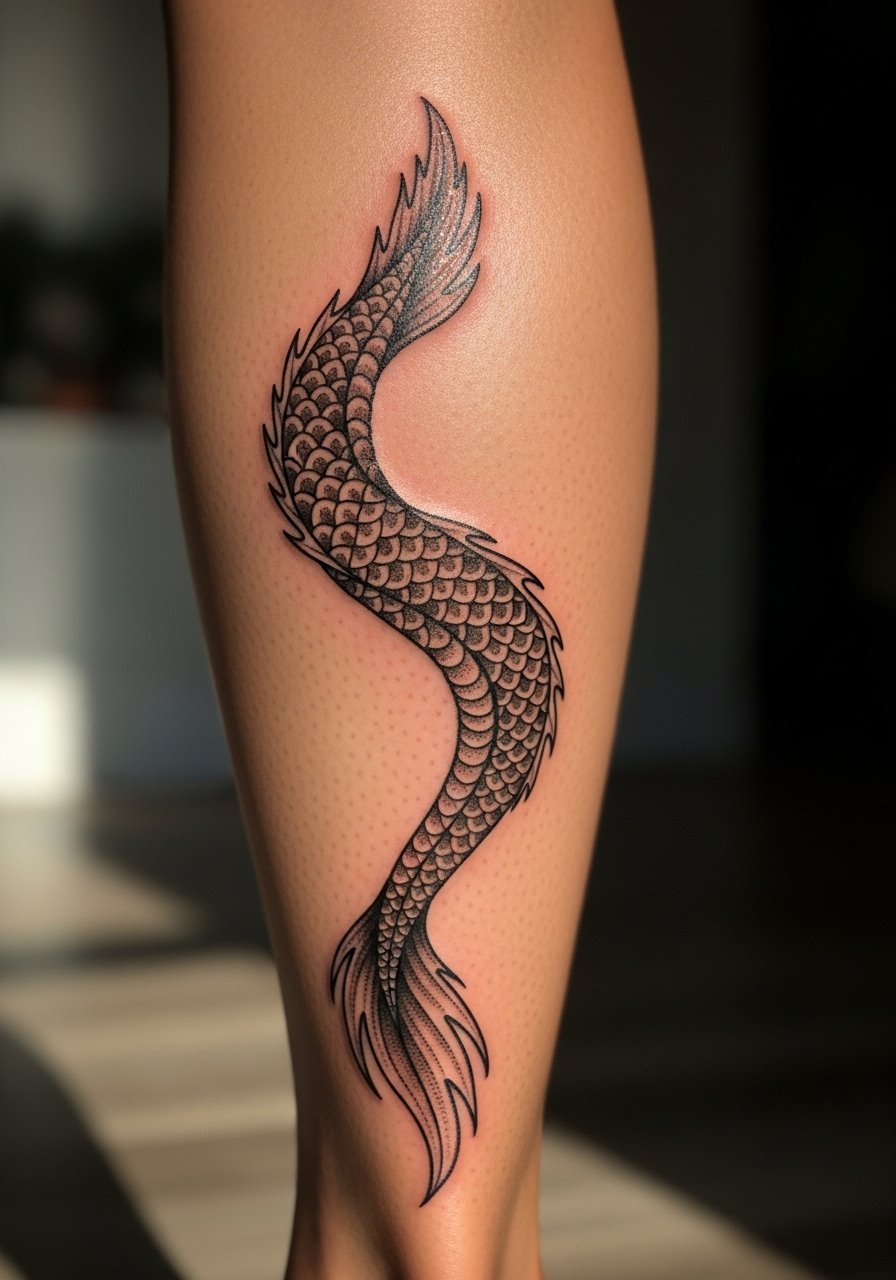
A tail-focused piece on the calf gives motion without committing to a full dragon body. In consult, show how the tail will look when you are standing and when you are seated so the rhythm works. A common mistake is placing a tail that ends mid-muscle where it looks awkward when you sit. Calf skin tolerates saturation well so touch-ups are often minimal. Sessions are comfortable and healing is straightforward because clothing usually protects the area during recovery.
15. Neck and Collarbone Dragon, Bold Placement Note
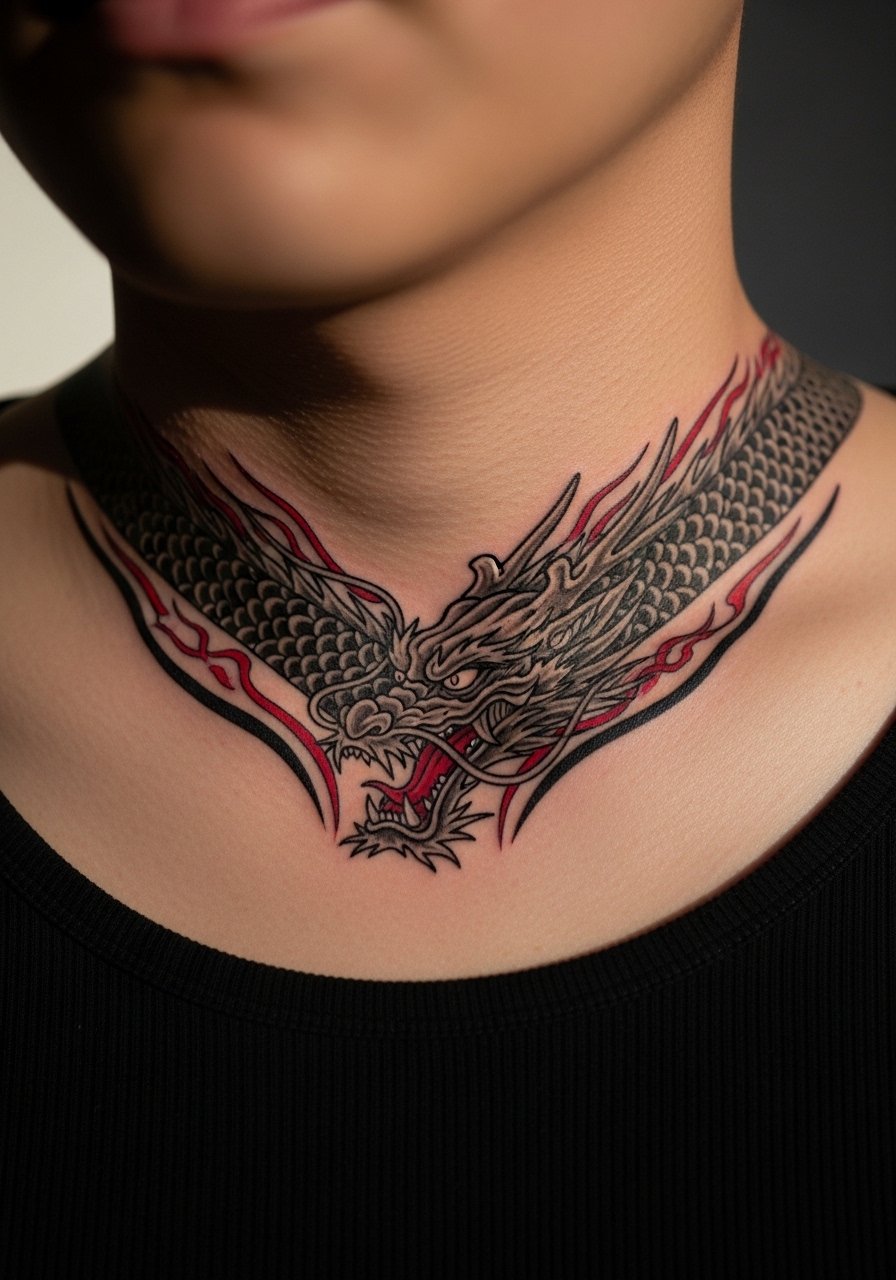
Neck placements change how visible a tattoo is to employers and strangers, so think about career context before booking. This placement reads dramatically because the collarbone gives a natural ridge for the dragon to align with. Tell your artist how visible you want the piece when wearing workplace attire. A common error is too much fine work near the throat where touch-ups are tricky. Neck sessions can be quick but intense. Ask the studio about their experience with collarbone banding to prevent blowout.
16. Sleeve Accent: Dragon Scales Peeking from Under Clothing
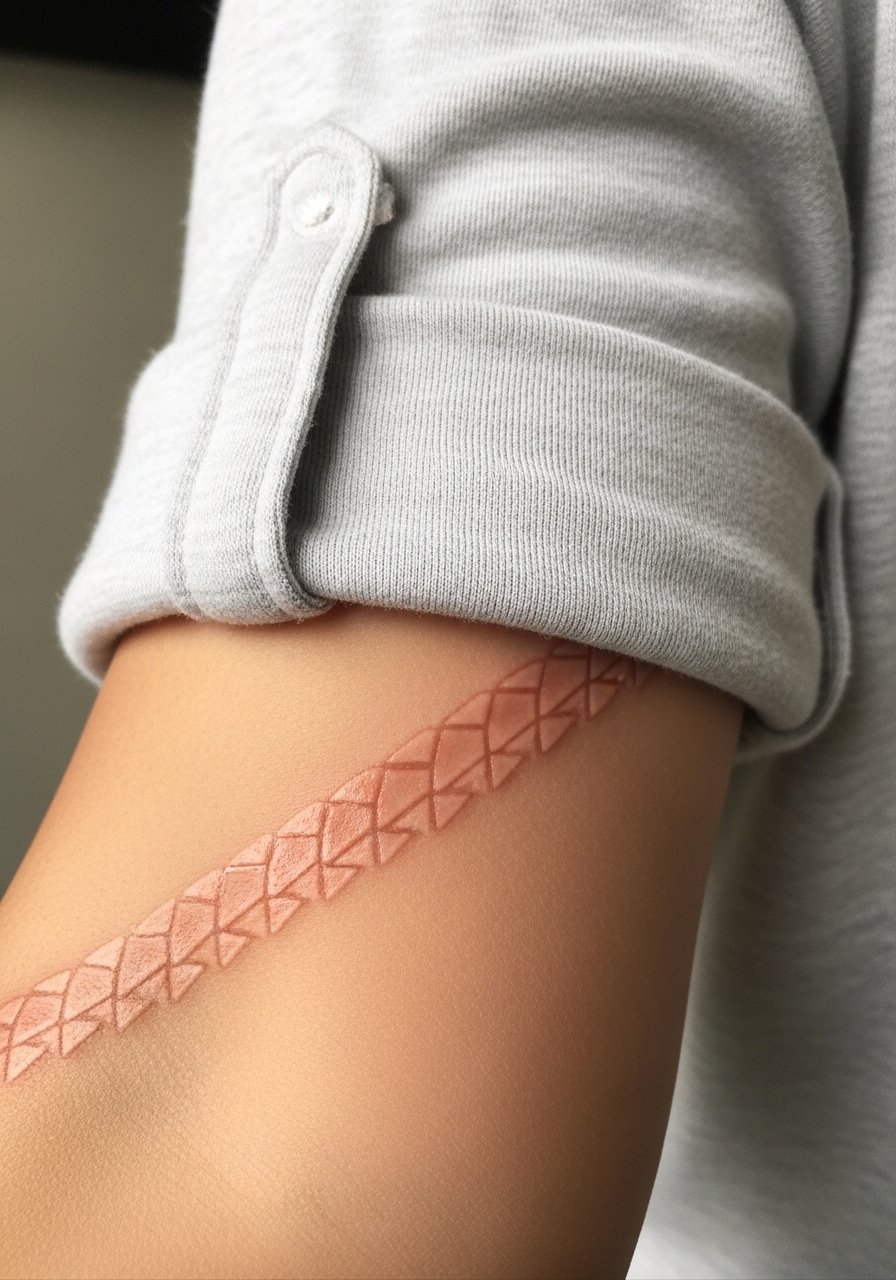
There is a subtlety to using dragon scales as accents rather than a full creature. This works for someone who wants a hint of theme without a full commitment. In consultation, ask for scale size that reads when the cuffed shirt exposes it. People often request tiny scales that vanish when clothing shifts. Session time is short and healing is easy. Scales near joints need slightly bolder edges to prevent early loss of definition. This option suits those testing a larger dragon idea before committing.
17. Arm Band Dragon, Repeating Motif
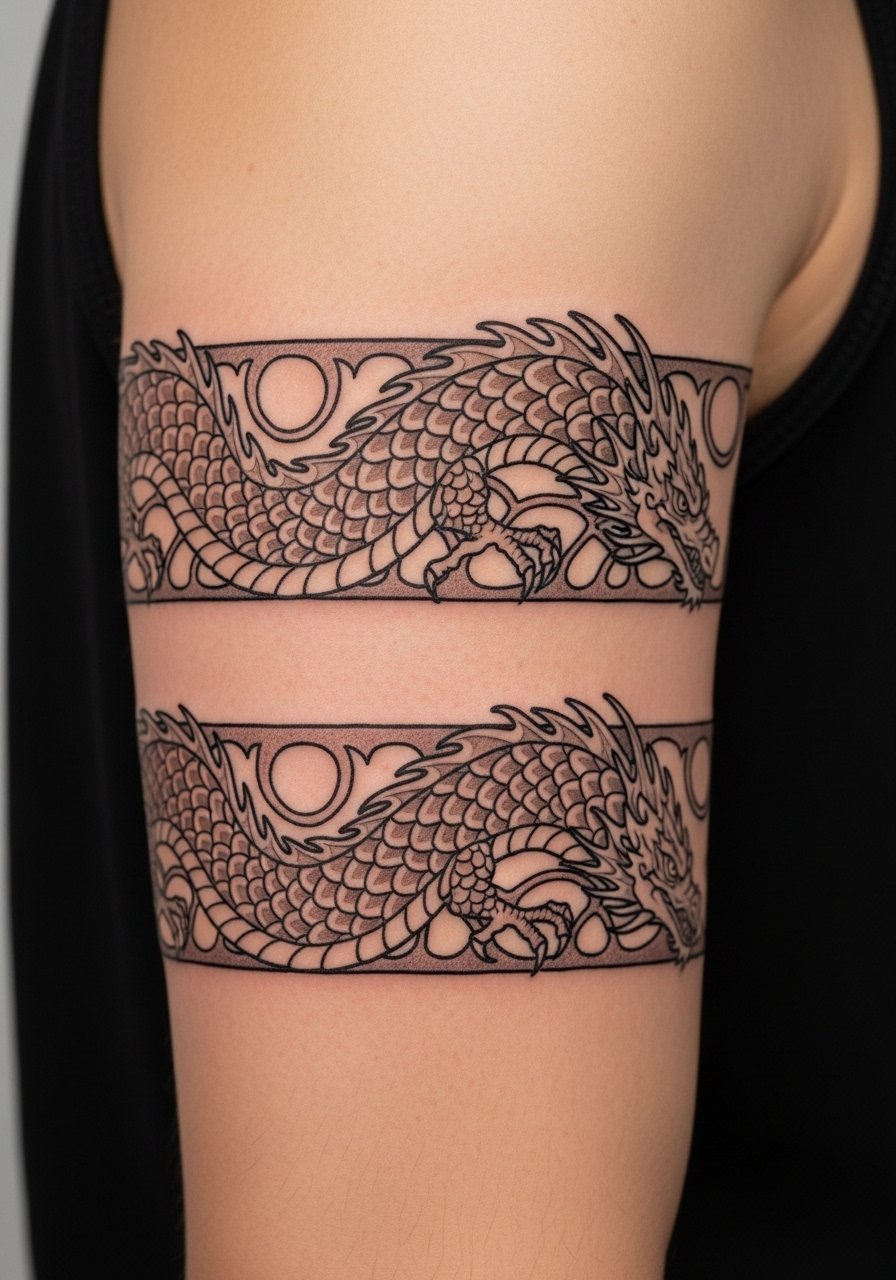
When you want an ornamental approach, a band can substitute for a full dragon while keeping thematic integrity. Tell your artist whether you want an unbroken loop or slight breaks for negative space so the piece does not look like a sticker. The typical mistake is going too thin with the band, which can cause lines to blur into one another on active muscle areas. Expect a single session for most bands. Long-term, bands suffer from distortion as muscle tone changes, so plan placement with future body changes in mind.
18. Dragon Over a Komainu or Temple Scene
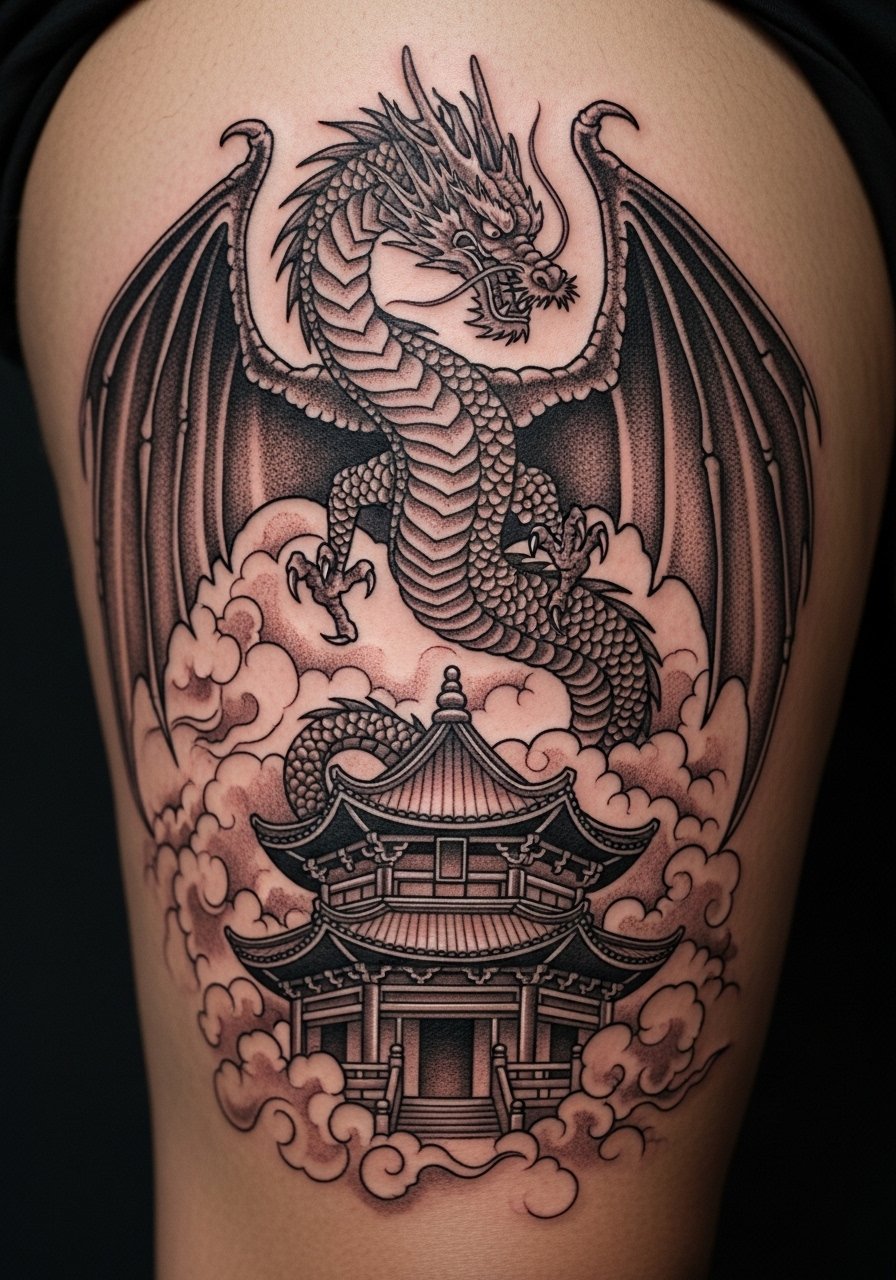
Combining architectural elements can create narrative depth. When you include a temple or guardian figure, mention the relative scale between the dragon and structure so one does not overpower the other. A common mistake is cramming too much architecture into a small canvas, which flattens depth. Sessions can be multiple and may alternate shading and color days. If the concept is culturally rooted, note respectful adaptation preferences in your brief to the artist.
19. Geometric Dragon with Dot Work Shading
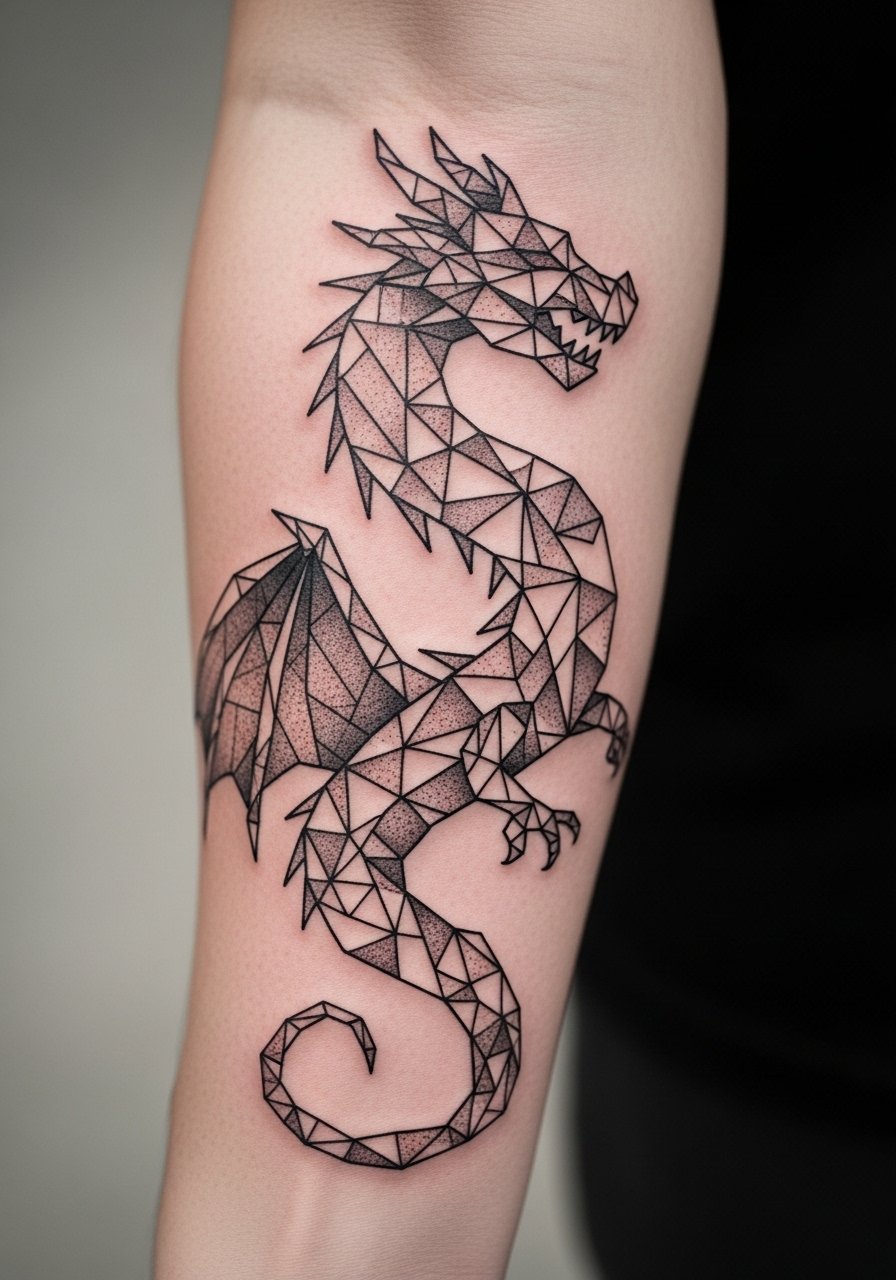
A geometric take trims narrative detail for a modern look that still reads as a dragon from a distance. Tell your artist you want gradual dot work density changes so the facets do not look flat. The usual error is making facet lines too close together which muddies at healing. This style ages with pleasing texture because dot work softens uniformly. Expect moderate session time because stippling is time intensive. Ask how the artist spaces dots to avoid overlapping over years.
20. Vintage Tattoo Flash Dragon with Banner
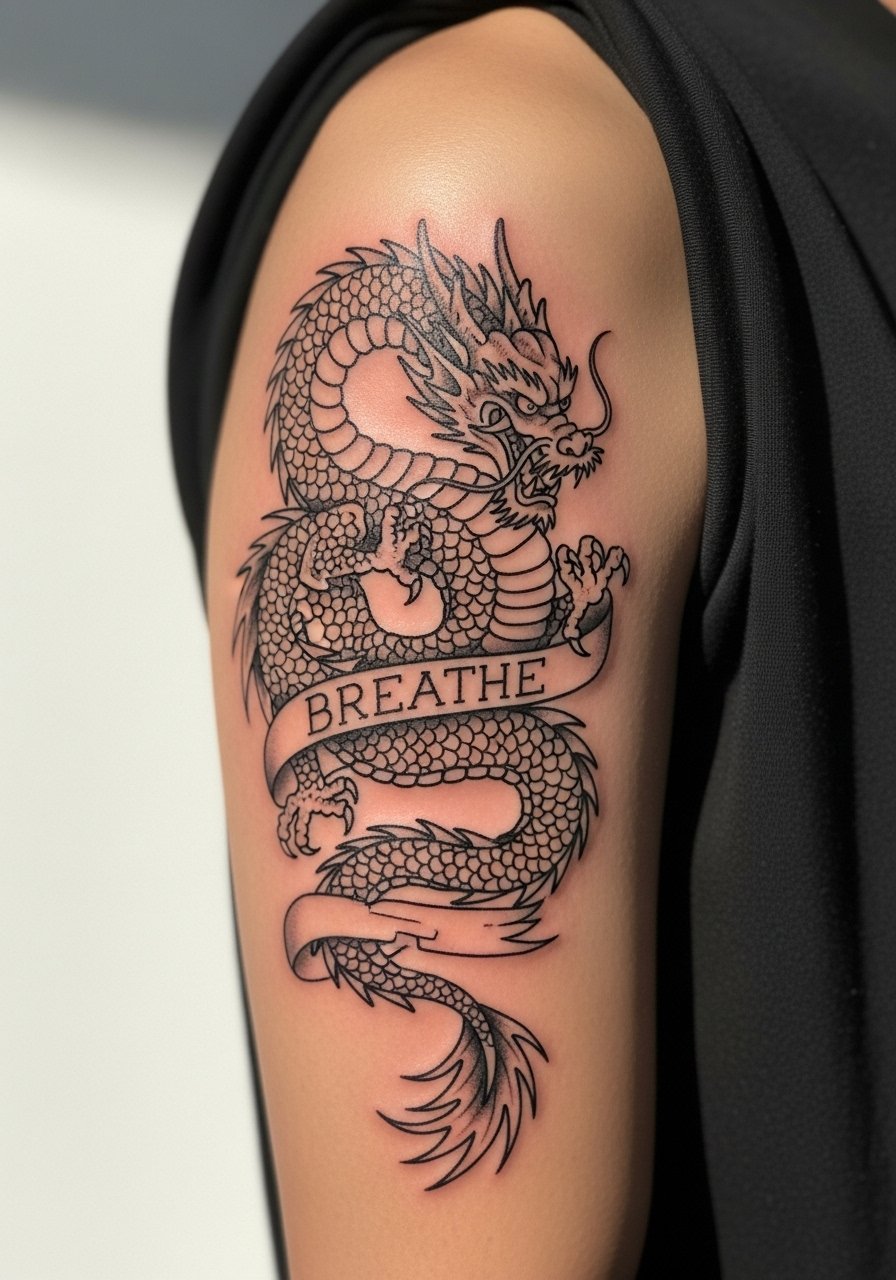
When you want a retro vibe, old-school flash elements give a timeless read. Bring the exact banner text you want, because photo prompts and placement need precise wording. The common mistake is choosing tiny script for a moving area. At six months the banner settles nicely if letter spacing was generous. Sessions are typically short. For hands-on professions think about visibility and workplace policies before committing to a highly visible upper arm banner.
Tattoo Prep and Aftercare Essentials
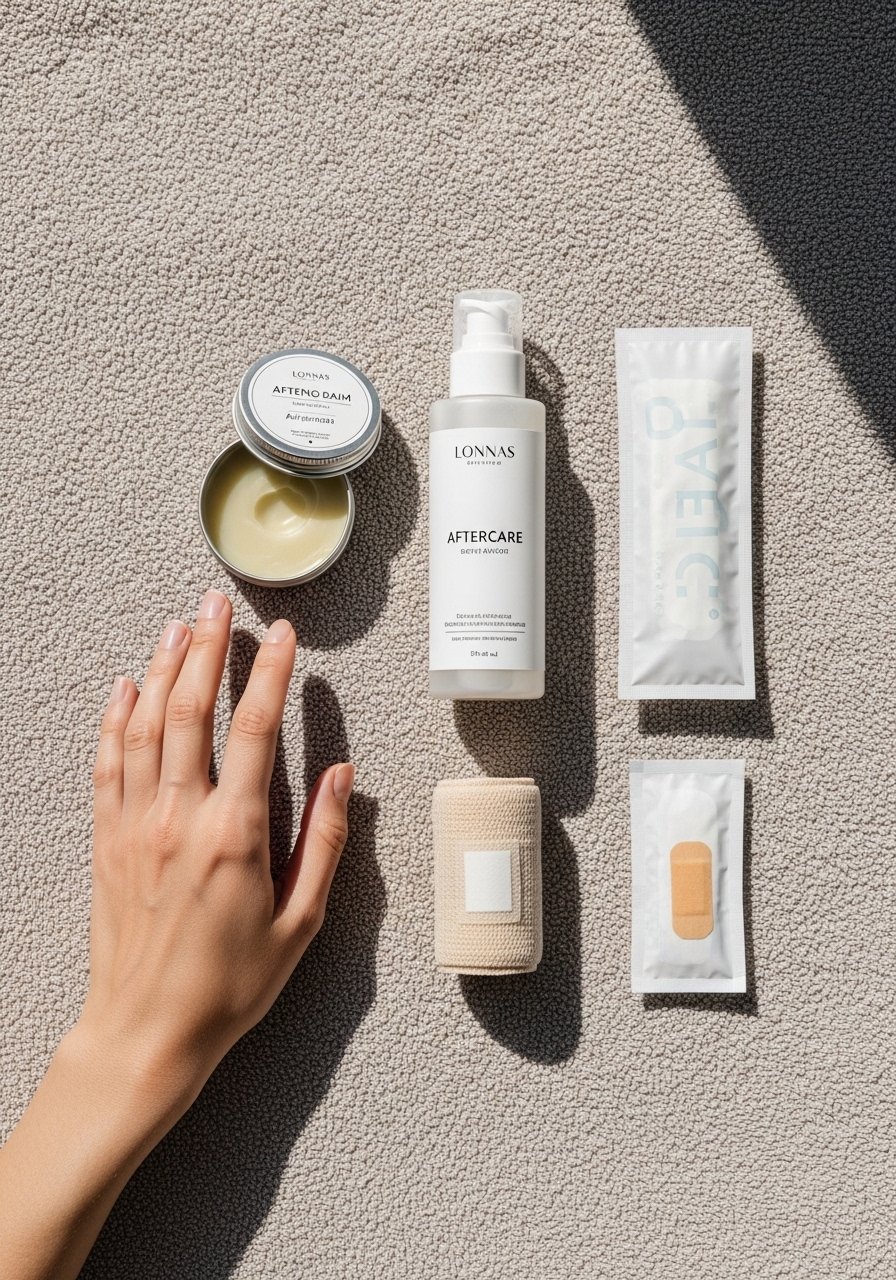
H2Ocean Aftercare Tattoo Gel. A gel that many choose for initial cleaning and soothing. Use for the first week to keep the area clean without stripping color. Applies easily and rinses off.
Tattoo Goo Aftercare Lotion. A lesser-known balm option for ongoing moisturizing after scabs fall. Use sparingly to keep pores clear and avoid clogging.
After Inked Tattoo Moisturizer. Lightweight lotion that absorbs quickly. Good for daily maintenance once primary healing is complete.
Bepanthen Nappy Ointment. Used by some as an occlusive during early healing. Apply thinly and only as your artist recommends.
TattooMed Aftercare Cream. Designed specifically for tattoo recovery. Helps reduce irritation and maintain saturation.
fragrance-free gentle foaming cleanser. Use for daily cleaning in the first week to remove sweat and debris without irritating fresh ink.
medical-grade second skin bandage. Useful for large pieces to keep out friction during the first 24 to 48 hours. Follow your artist's guidance on wear time.
Every tattoo is different. Always follow your artist's specific aftercare instructions. Consult a dermatologist if you have skin concerns or unusual healing issues.
Frequently Asked Questions
Q: Will fine-line Japanese dragons blur faster than bolder traditional pieces on a full sleeve?
A: From what I have seen, fine-line elements generally soften sooner than bold traditional work on sleeves. The deciding factors are scale, spacing, and the artist's technique. If you want fine detail on a sleeve, ask for slightly larger negative spaces and a portfolio of healed sleeves to confirm the artist's track record. Expect touch-ups earlier if you get a lot of sun on that arm.
Q: Do watercolor-style dragons need different aftercare than traditional blackwork?
A: Watercolor washes often sit more superficially so keeping them protected from UV during healing matters more. Use a gentle cleanser and a lightweight moisturizer as your artist suggests. For long-term maintenance, sunscreen is essential for watercolor sections because the pigment can fade faster without bold outlines to anchor it.
Q: How should I search for an artist who understands Irezumi flow without naming specific studios?
A: Look through local shop portfolios, search regional tattoo convention guest lists, browse curated directories, and check long-form Reddit threads about big pieces in your city. Filter for healed photos of large-scale work that show cohesive windbars and wave panels. Ask studios about their experience with multi-session backpieces before you book.
Q: What is the realistic touch-up timeline for a dragon with mixed blackwork and color?
A: In my experience, blackwork often needs less frequent touch-up than color. Expect potential color refreshes around year two to four depending on sun exposure and placement. Black outlines generally last longer, but subtle shading and stipple areas may require a touch-up sooner if they are in high-friction zones.
Q: Are there special considerations for dragons on darker skin tones?
A: Yes. On darker skin tones contrast matters more than tiny color gradations. Ask the artist to prioritize clear silhouettes, bolder scale outlines, and saturation methods proven on darker skin. Bring healed examples in similar skin tones to the consult so both you and the artist share realistic expectations.
Q: Can I get a dragon across the sternum and expect clean healing?
A: Sternum tattoos are doable but they are a specialized placement. The skin there moves a lot and can be thin in places. Ask whether the artist has healed examples on sternum work and plan for shorter sessions if you are sensitive. Expect some tender healing and schedule touch-ups only if lines soften more than you prefer.
Q: What should I say during the consultation to prevent a design that ages poorly?
A: Ask the artist which elements they think will require future touch-ups and why. Request healed photos of similar pieces, specify minimum line thickness for long-term clarity, and discuss placement mechanics like joint movement or clothing friction. Saying these practical things will lead to a stronger, longer-lasting dragon.