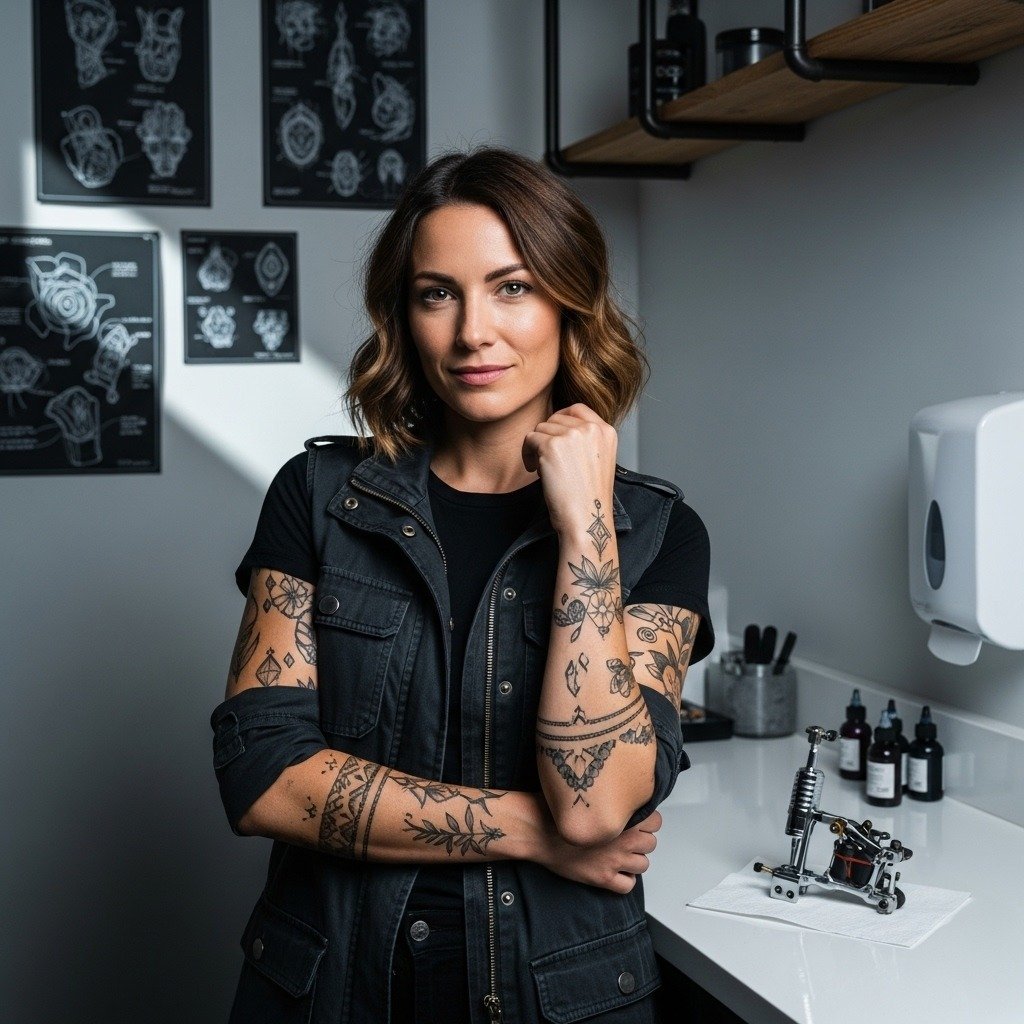

Someone I know spent nearly a year swiping through saved posts before booking anything. The real snag was the same for both of us. It was not finding a cute match. It was picking a style that would age well and feel right on real skin. After talking with artists at five shops across Brooklyn and seeing a handful of healed pieces, I pulled together designs that travel well and read as pairs on any timeline.
1. Fine Line Arrow on Inner Forearm
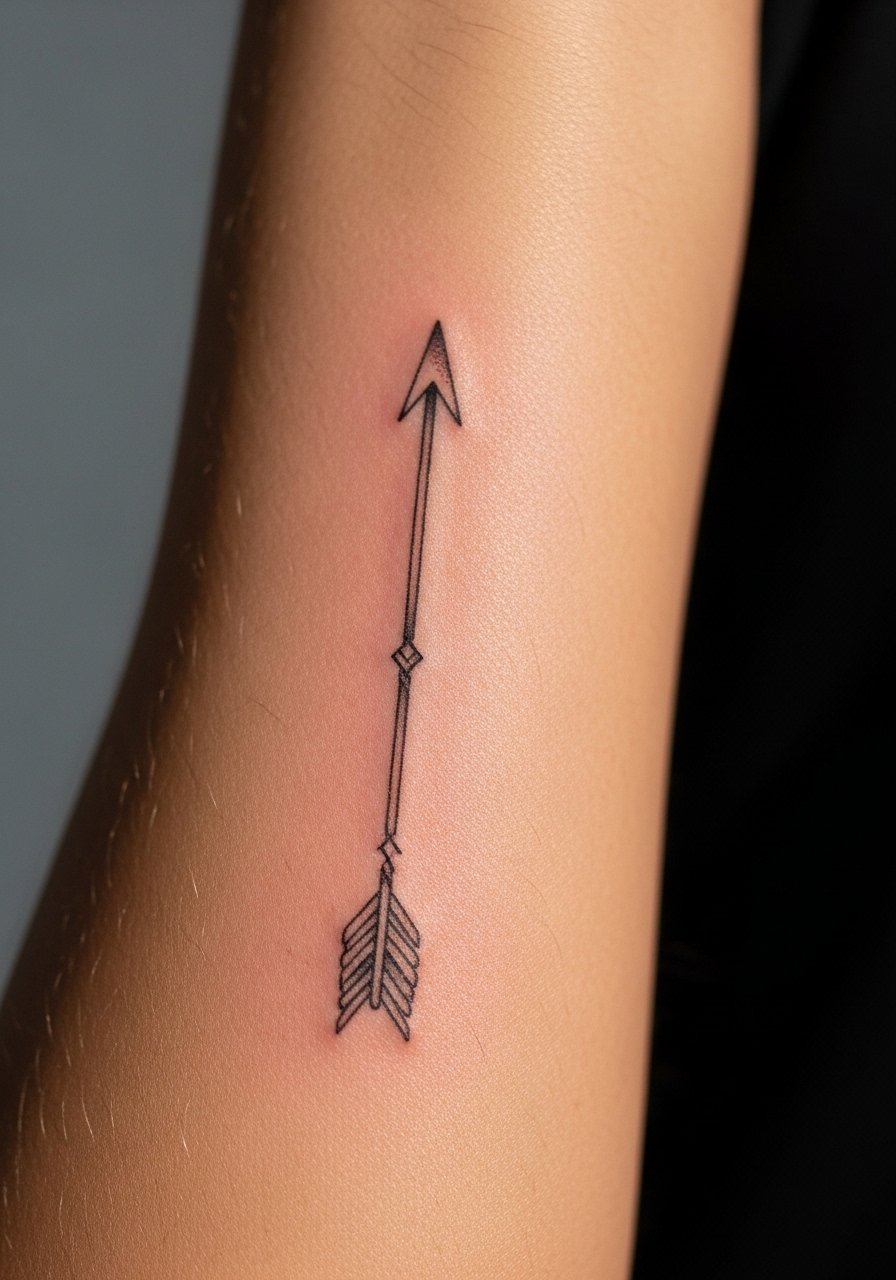
Someone I know first saw this on a friend and liked how it read as both simple and deliberate. Fine line arrows work best when scaled so the shaft has room, not when shrunken down until it looks like a speck. Tell your artist you want consistent linework and slight spacing between details so touch-ups are easier in year two. Expect a low to medium pain level on the forearm and a single short session under an hour. A common mistake is asking for ultra-thin lines without asking about future touch-ups. Over time thin lines can soften and need a top-up at around year three, especially on skin that tans or peels a lot.
2. Tiny Matching Star Cluster on Upper Wrist
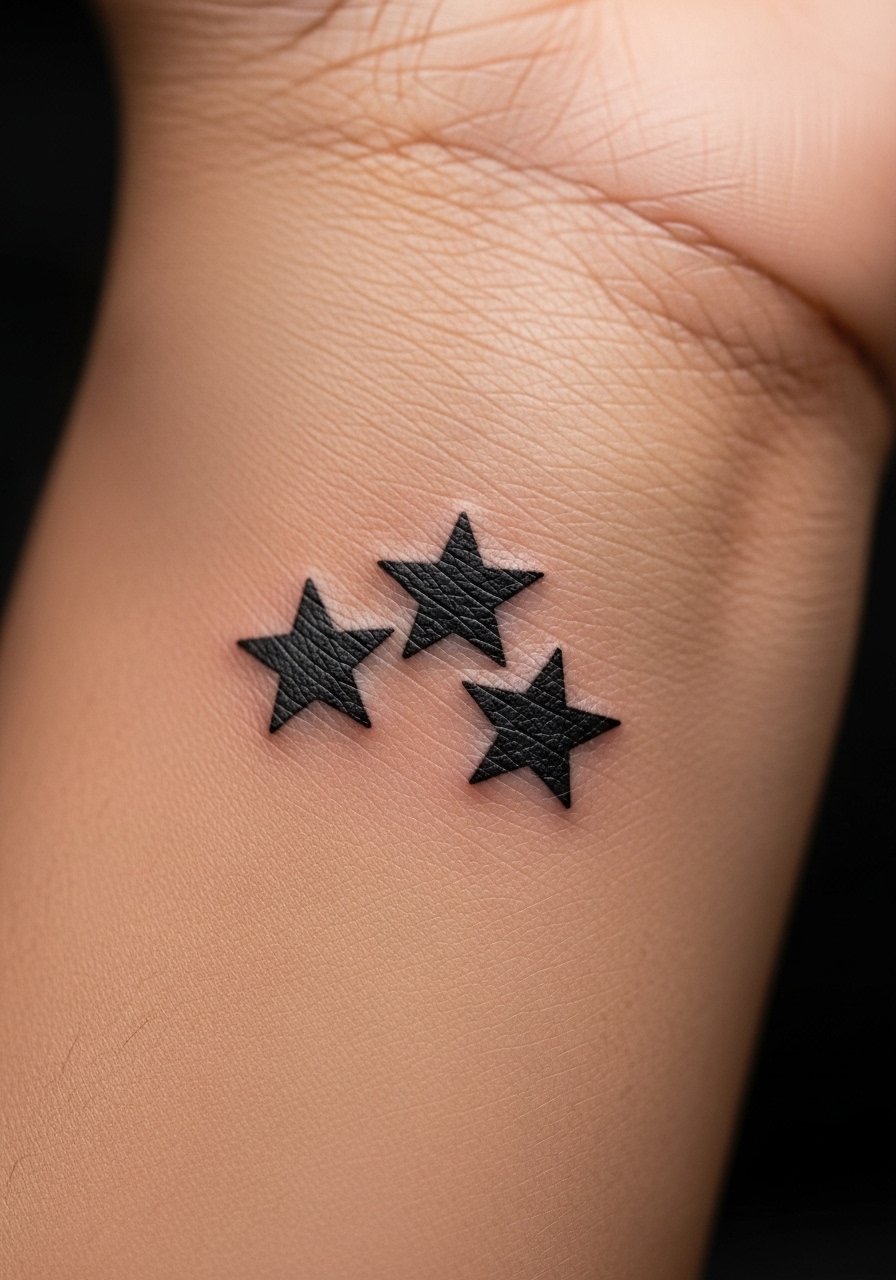
Fair warning about wrists. They bruise and scab differently than fleshier spots and the skin sits right over small bones. Pick a slightly larger star than you think will fit so the negative space holds over time. Ask your artist for consistent dot spacing and tell them you want the stars spread so they read as a cluster rather than a single smudge. Session time is brief and usually under 30 minutes. Many people make the mistake of matching at a party and choosing too-small dots. Expect lighter saturation at six months and plan a quick touch-up if lines blur along the edges.
3. Split Crescent Moons on Ankles
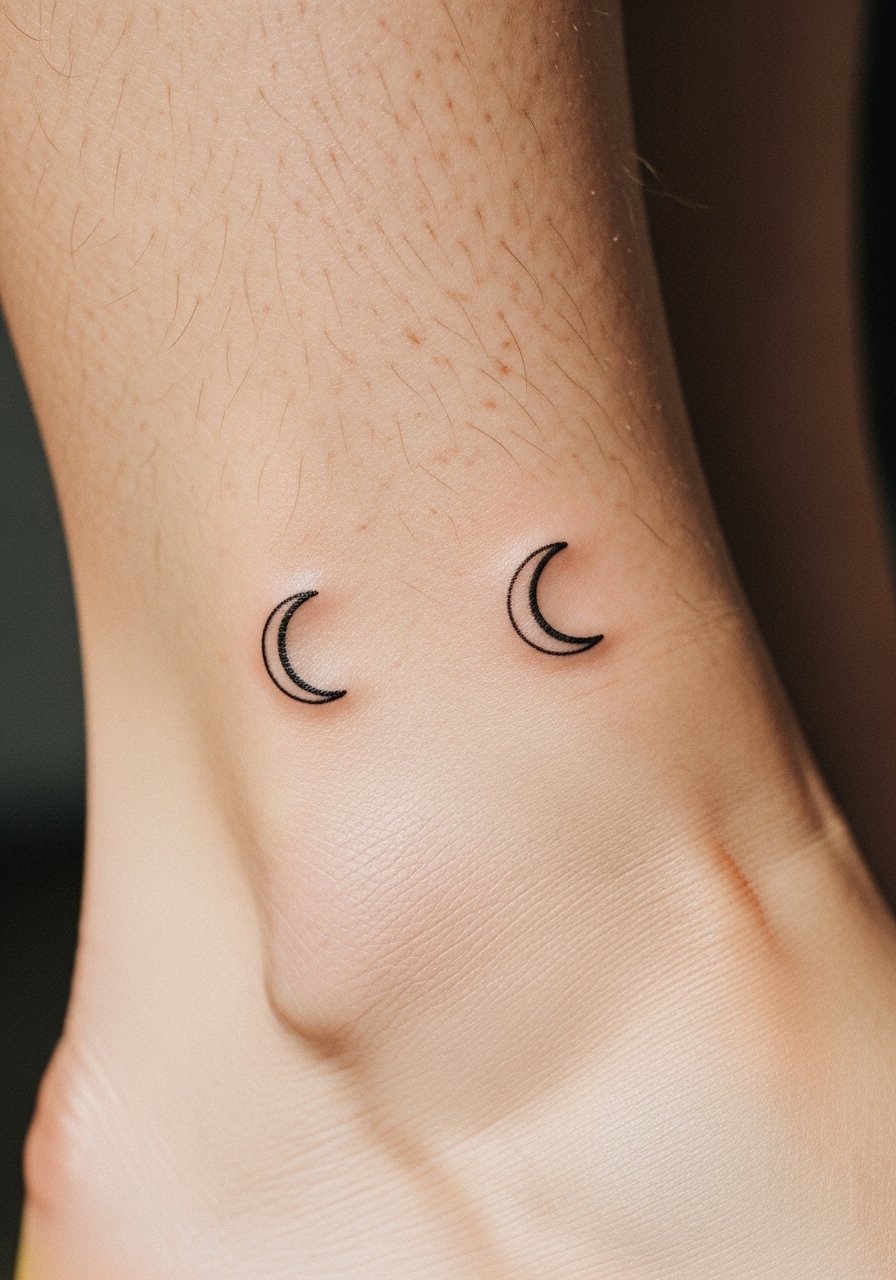
Most small ankle tattoos age better than you'd think, if you avoid overly skinny lines. The charm of matching crescents is they play as halves of a whole when you stand together. Tell your artist you want slightly reinforced linework where the crescent curves, so the inner curve holds at two years. Ankles are a moderate pain and the session is quick. A frequent misstep is getting ink too close to the bone where blowout risk climbs. At two years you may notice some softening, but a simple touch-up keeps the crescents crisp.
4. Minimalist Puzzle Piece on Opposite Upper Arms
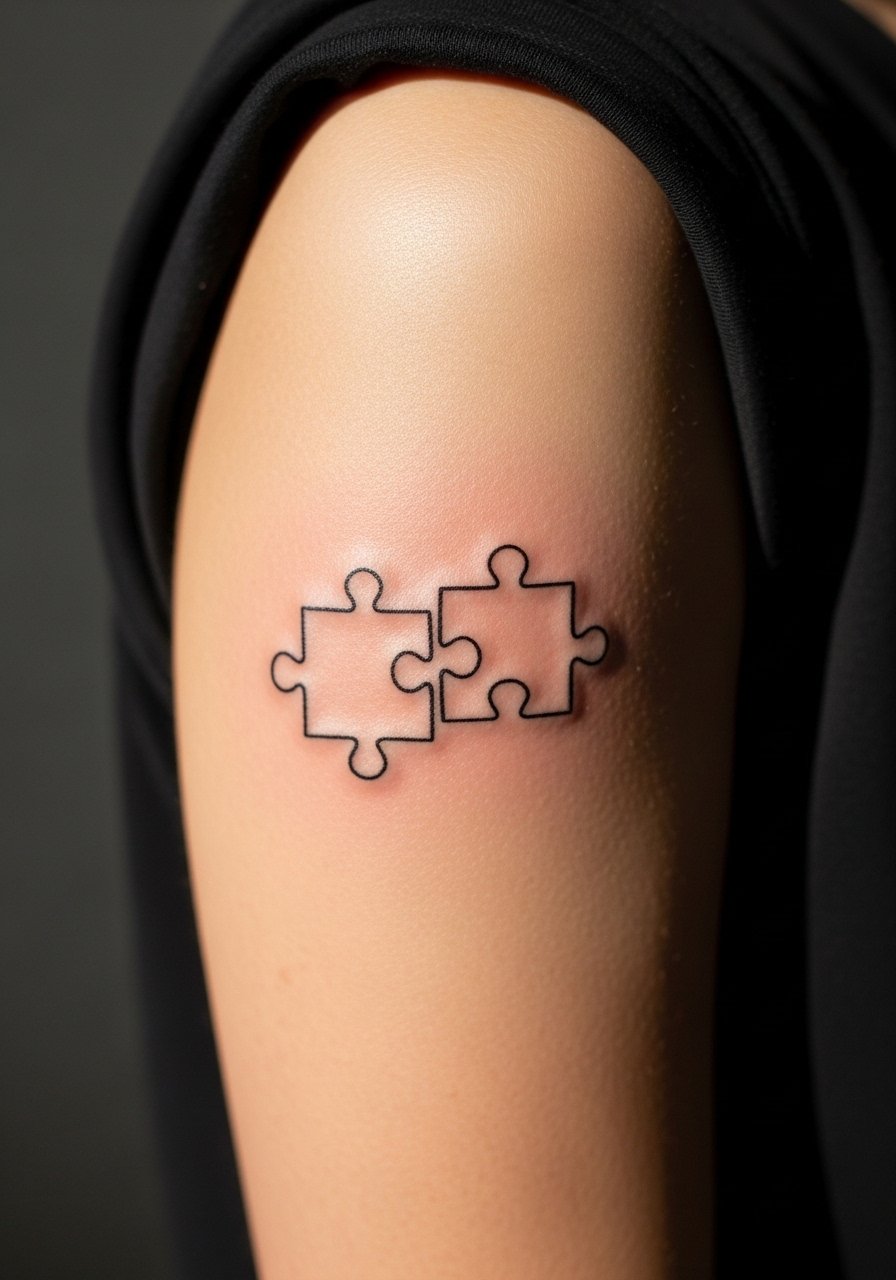
There is a visual impact to two halves that lock together on opposite arms. This style suits people who want a statement without heavy saturation. During the consult, show images of the exact interlock you want and have your artist trace the scale on each arm to ensure the pieces align when you stand side by side. Upper arm pain is low and session time is usually under an hour. A common mistake is making the tab too small which makes the join look awkward on motion. Over five years, the edges can soften so plan a touch-up as the pair matures.
5. Twin Flame Linework on Ribcage
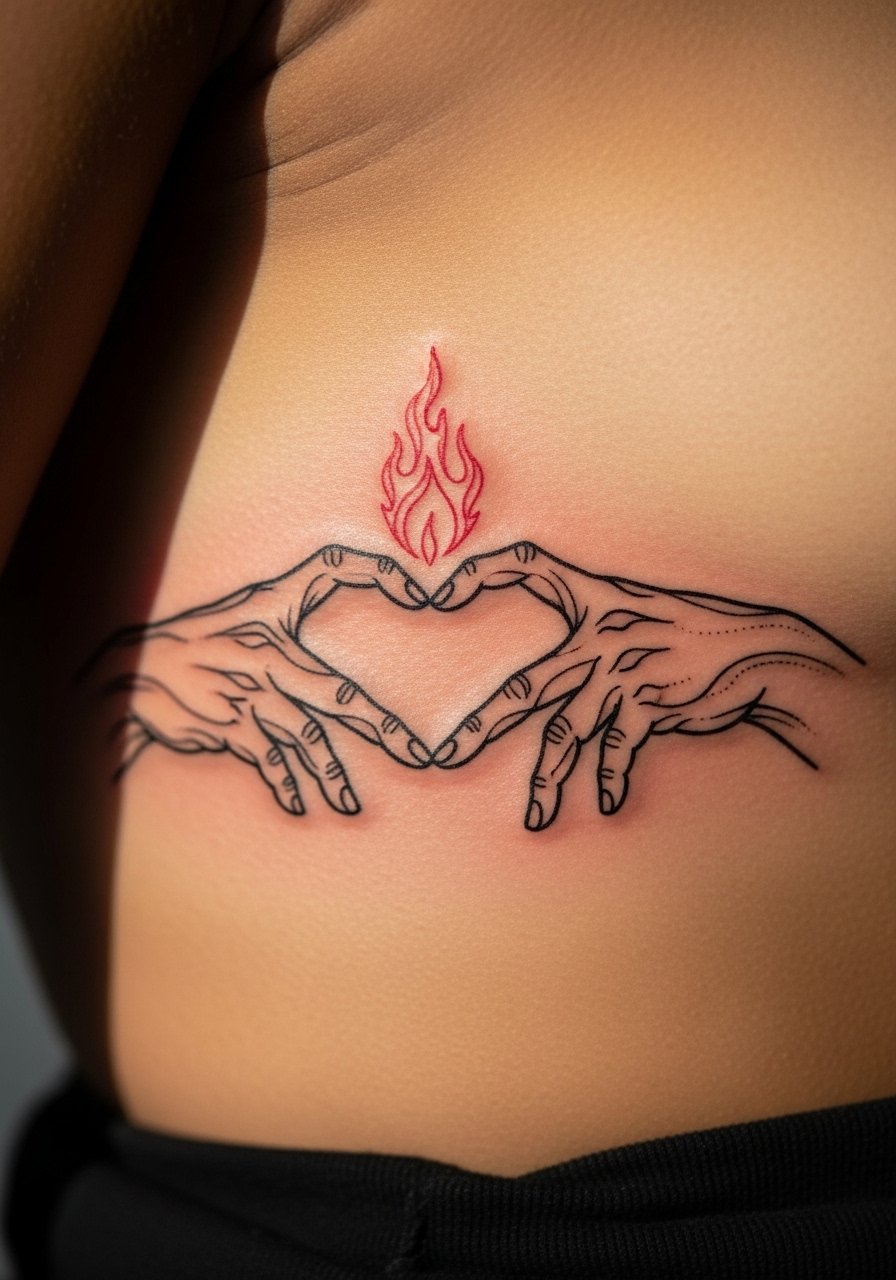
Fine line on the ribs splits artists into two camps. One group warns that ribs stretch and fine lines blur within two years. The other group says that with deliberate needle depth and spacing fine line can settle well on ribs. Ask your artist where they land before booking. The ribs are high on the pain scale and sessions can run longer than an hour if you want color. A common mistake is requesting ultra-delicate detail without planning for touch-ups. If you want long-term clarity, discuss slight boldening of contour lines so the design keeps its shape as skin shifts.
6. Micro-Realism Ladybug on Shoulder Blade

The shoulder blade offers a forgiving canvas and the ladybug carries obvious luck connotations in some circles. A typical misstep is asking for too much tiny detail that reads like a blur at six months. Tell the artist you want a slightly simplified spot pattern so the shell reads as distinct dots at a distance. Shoulder sessions are moderate in discomfort and usually done in one short block. Over two years color may dull a touch, but good saturation and occasional SPF will keep the red alive for longer. If you work with fitted clothes, check how straps will rub during healing.
7. Complementary Koi Scale Band on Calves
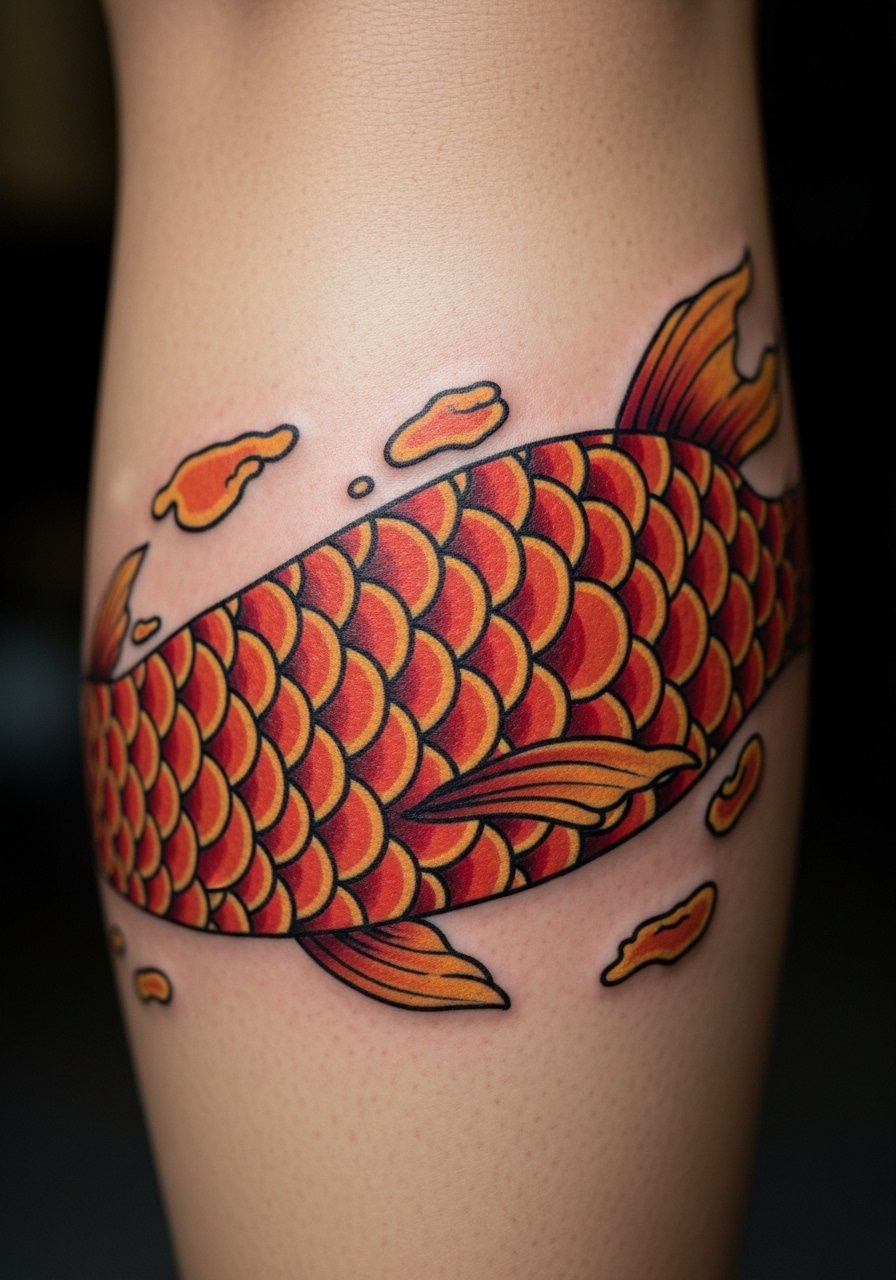
When two calves create a mirrored flow the design feels whole whether you stand apart or together. In consults, say you want the scales to read as a band from a distance and as individual detail up close. Calves tend to tolerate longer sessions and pain is medium. A common error is overfilling with tiny scales which can blur into texture at year three. Plan for a session that might run one to two hours and expect a touch-up at year three if you want the color restored. Discuss how the design sits with muscle shape so it does not warp when you move.
8. Minimal Wine Glass Outline on Inner Ankle
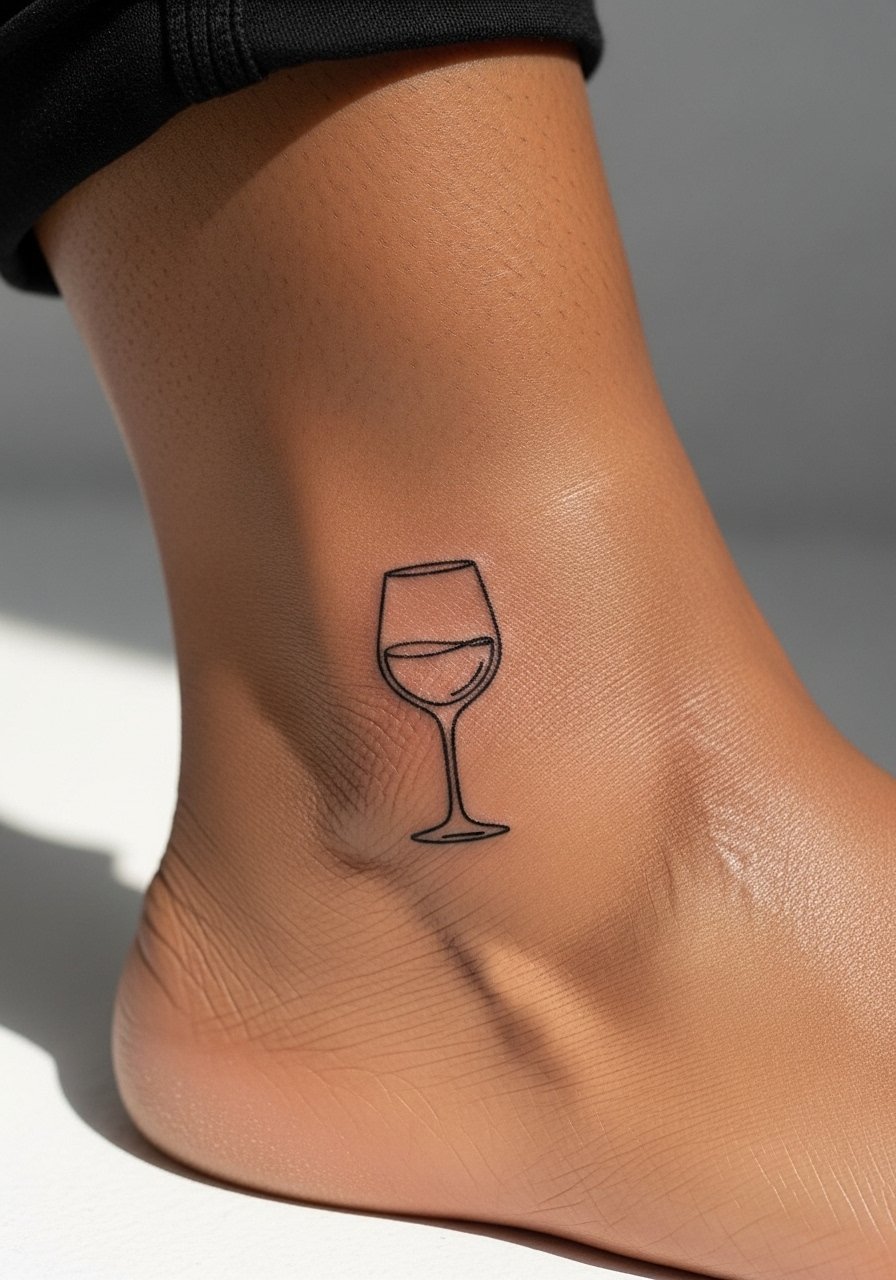
I noticed couples and friends pick matching wine glasses at small gatherings because it reads as a joke and a commitment. Keep the outline a touch bolder than you think so it stays readable when shoes and socks rub. Tell your artist you want a clean single-line flow with a slightly reinforced stem where wear happens. Ankles are a medium pain and a quick session. A common mistake is choosing an ultra-fine single line which can fade into a thin smudge. Expect minor softening at two years and a simple touch-up restores the crisp outline.
9. Tiny Sushi Icons on Inner Forearms
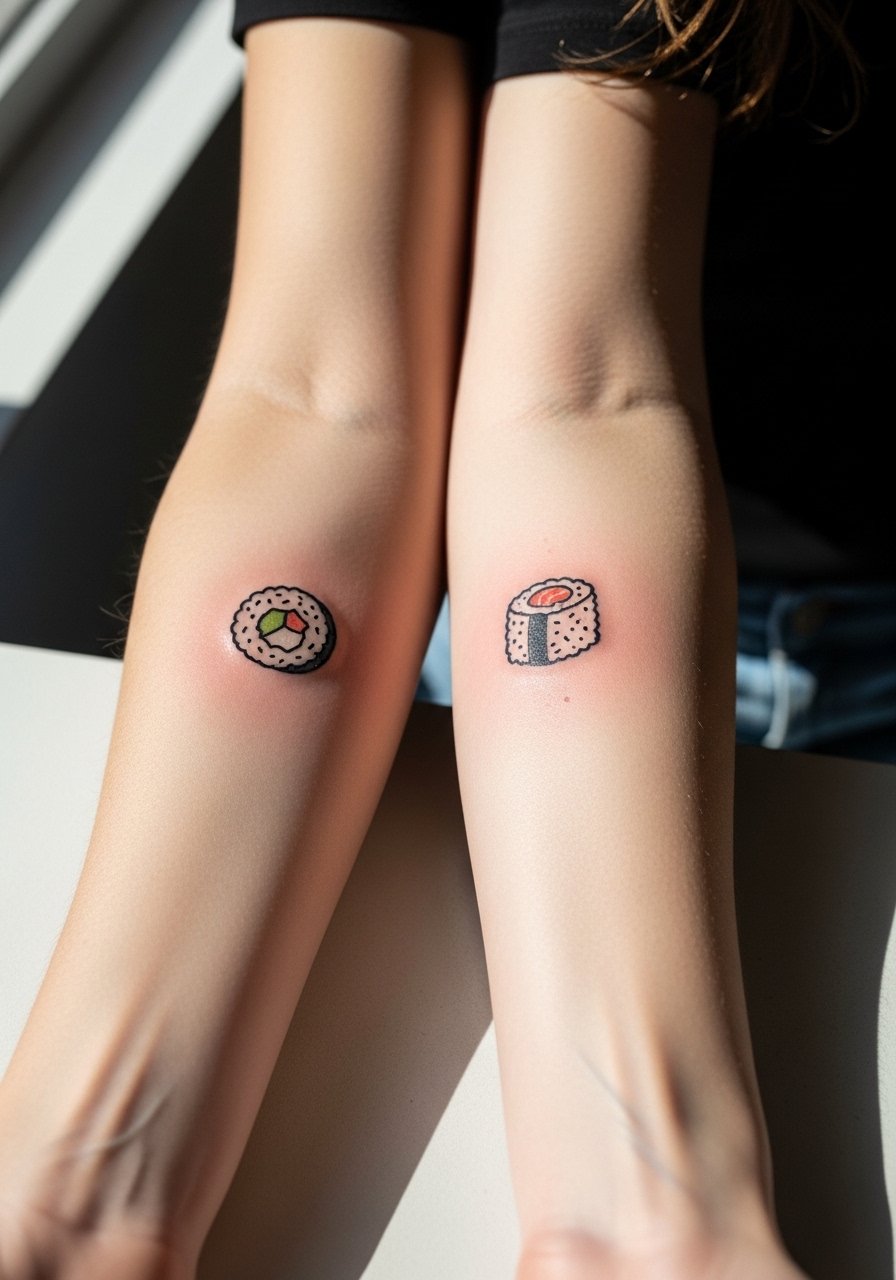
There is playful energy in matching micro icons that nod to an inside joke. For forearm placement, ask your artist to space the icons so they can be seen when your arms are relaxed, not only when flexed. Forearms are low pain with sessions often under 45 minutes. A mistake I see is asking for minute color dots that are too tight, which can bleed together after healing. At six months the color might lose a notch of saturation, and a touch-up keeps the dots popping. If you want the icons mirrored, specify left-right orientation in your consult.
10. Interlocking Constellations with Exact Coordinates on Collarbone
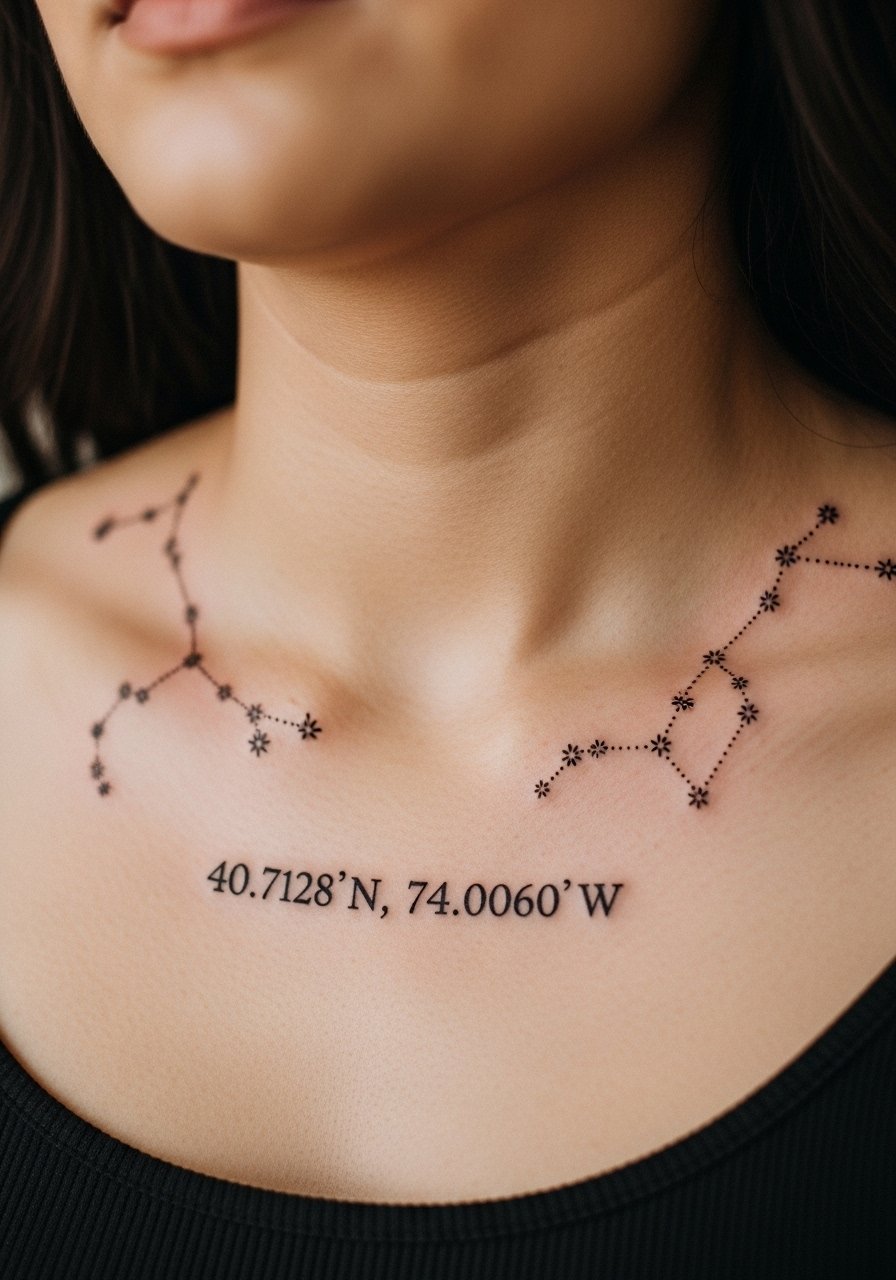
When you pick coordinates make them meaningful and exact. Use an exact string like 40.7128 N, 74.0060 W so image generators and stencils render real characters. Collarbones can be fussy for healing because movement and clothing rub the area, so mention during your consult that you sleep on your back and want placement slightly under the collarbone to reduce chafing. Pain is medium and sessions vary by length of text. A common error is choosing long strings without testing shirt collars. Expect gentle softening at two years and plan to check line clarity at year three.
11. Scripted "BFF" in Cursive Behind the Wrist
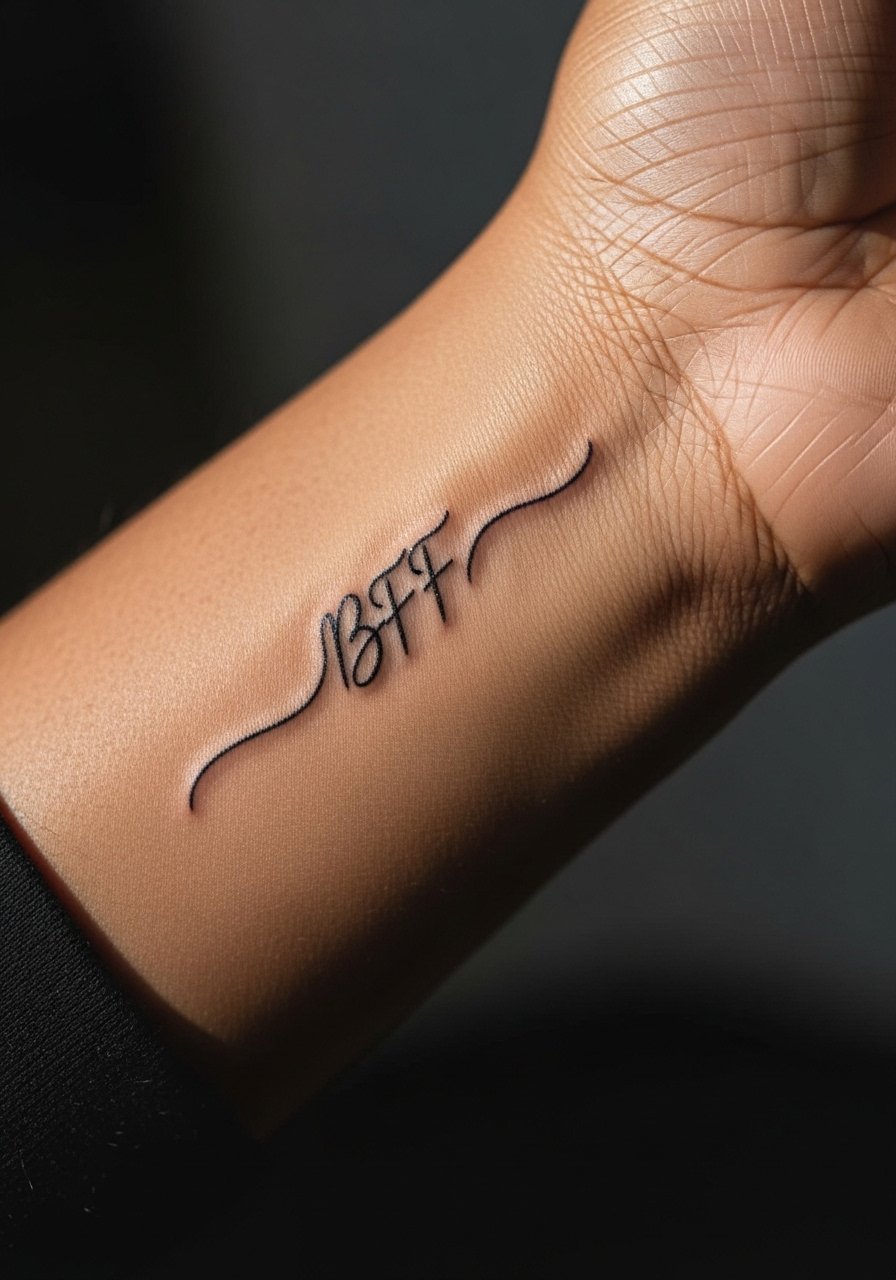
A short script behind the wrist reads intimate and is easy to show or hide. Because the text is visible, tell your artist the exact case and style you want, for example the exact text "BFF" in cursive. Behind-wrist skin moves and the letters can blur if strokes are too thin, so request slightly denser strokes for longevity. This placement is on the more sensitive side and the session is brief. A typical mistake is picking a script that looks delicate in a photo but dissolves after healing. Expect touch-ups sooner on wrist script than on fleshier placements.
12. Delicate Daisy Pair on Inner Ankles
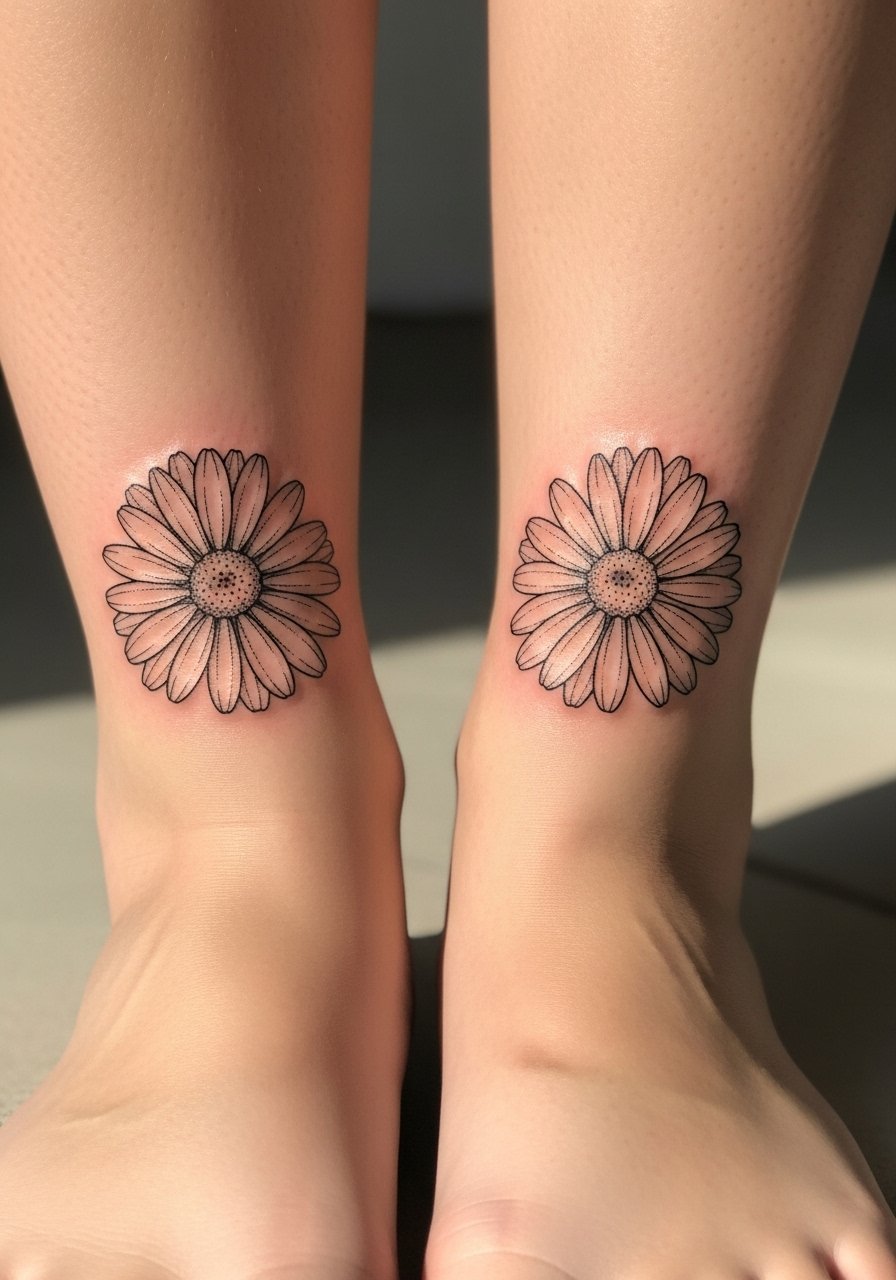
There is a certain balance to two matching florals on the ankles that reads quiet and intentional. If you want them to read clearly over time, ask for slightly bolder petal outlines and a small stipple center rather than an ultra-thin dot. Ankles are moderate in pain and sessions are short. A frequent mistake is asking for micro filigree inside petals that will blur into noise after a year. Over two to five years the petals can soften, but a touch-up preserves the daisy shape. Think about shoe straps during healing to avoid unnecessary rubbing.
Tattoo Prep and Aftercare Essentials
Fragrance-free gentle foaming cleanser for tattooed skin. Use daily during the first week to remove excess ointment and sweat without stripping moisture. Good for sensitive skin and helps prevent clogged pores.
Lightweight fragrance-free balm with non-comedogenic formula. Apply thin layers after cleaning to keep the surface pliable while it scabs and peels. Works during the first five to seven days.
Medical-grade second skin bandage, small pack. Use for the first 24 hours on spots that rub from clothing. It keeps contaminants out and keeps ink in place during the most vulnerable hours.
Breathable healing ointment designed for tattoos. A good option when you want moisture without a heavy residue. Use when scabs begin to form to ease flaking.
Silicone-based scar prevention sheet, small size. For small touch-up areas or raised edges after healing as directed by a pro. Helps with texture smoothing over time.
Soft non-stick gauze pads, sterile pack. Useful if a fresh tattoo oozes and you need to blot gently without pulling scabs.
Aquaphor healing ointment, small tube. Use as your one mainstream option for the first 24 to 48 hours if recommended by your artist and you prefer a widely available ointment.
Every tattoo is different. Always follow your artist's specific aftercare instructions. Consult a dermatologist if you have skin concerns or unusual healing issues.
Frequently Asked Questions
Q: Will fine line friendship tattoos blur faster than bolder traditional pieces on areas like ribs and wrists?
A: From what I've seen, fine line tends to soften faster because there is less pigment per stroke. That is especially true on ribs and wrists where the skin moves a lot. If you love the fine look, ask for slightly stronger contour lines and plan a touch-up down the road.
Q: How should two people plan matching pieces if one tans heavily and the other does not?
A: Talk about placement and ink saturation during your consultation. I advise choosing spots that age similarly on each body and picking a line weight that reads well across a tan. Bring photos of your natural tan level so the artist can recommend contrast and saturation.
Q: Do tattoos on ankles or feet have higher blowout risk and need special treatment?
A: Ankles and feet can have higher blowout risk because the skin is thin and sits over bone. Ask for slightly bolder outlines and avoid ultra-fine detail right at the edge of the bone. Expect a touch-up sooner than on fleshier areas.
Q: Are coordinates or short scripts okay if someone wants exact text like a date or the word "BFF"?
A: Exact text works fine as long as you give the artist the precise characters you want. For small scripts pick a font that has breathing room so letters do not merge after healing. Show the exact case and spacing during the consult.
Q: If two friends pick complementary tattoos, how should they handle artists and bookings?
A: You can use different artists if schedules require it, but tell each artist you want a matched scale and line weight. A quick way to coordinate is to bring the same stencil size or have both artists compare a printed reference. That reduces mismatch risk.
Q: Should we use a product like the silicone scar sheet or a daily balm long term for maintenance?
A: Short term use of silicone sheets after full healing can help texture if raised areas develop. Daily balm for long-term maintenance is not necessary. Instead use sunscreen on healed tattoos and a light moisturizing lotion as needed. If you plan to use a specific product during healing, mention it to your artist first.