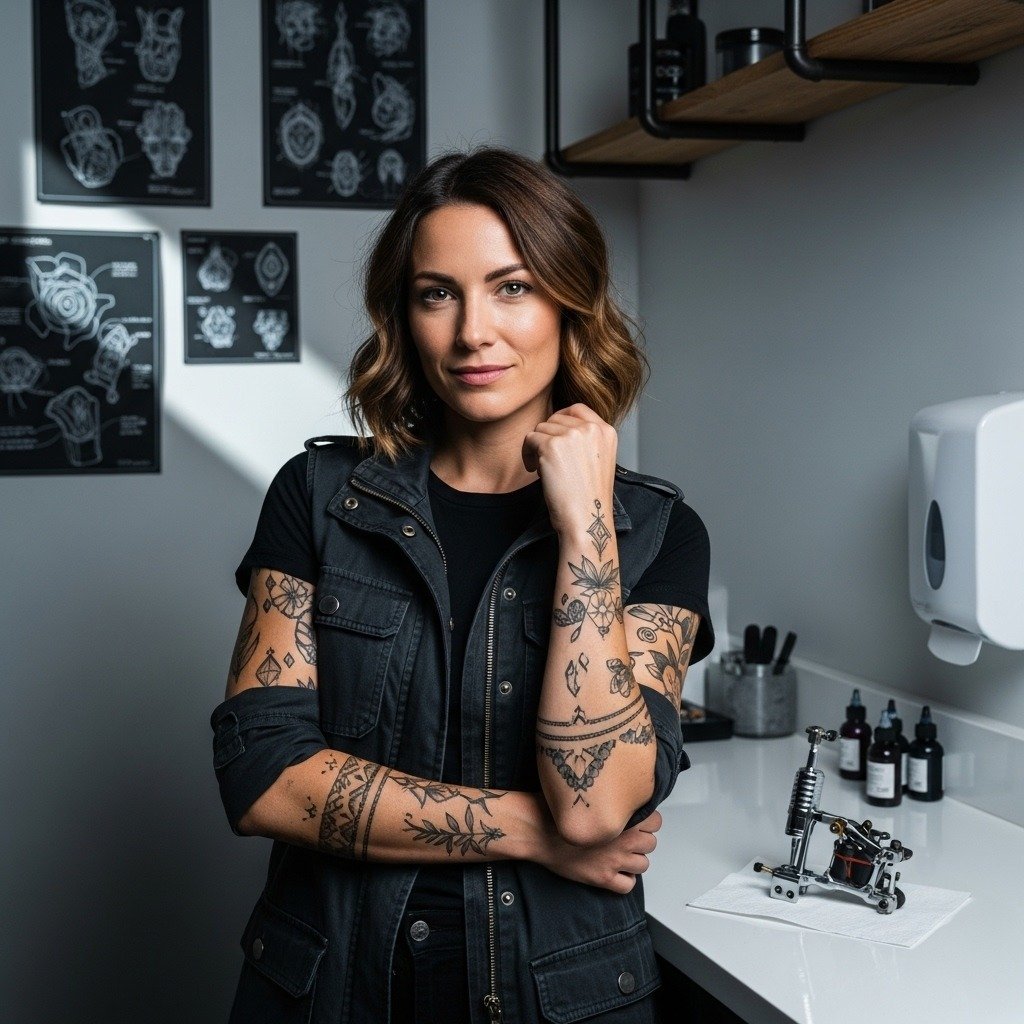

Someone I know spent months saving reference photos before booking. The real problem was not picking an animal, it was matching a style and placement that would still read well after two years of sun and life. I spent time in five shops across Brooklyn and talked with an artist who specializes in fine line, and the same themes kept coming up. These 25 darker animal ideas show how technique, placement, and realistic expectations change the result.
1. Geometric Lion Head on Inner Forearm
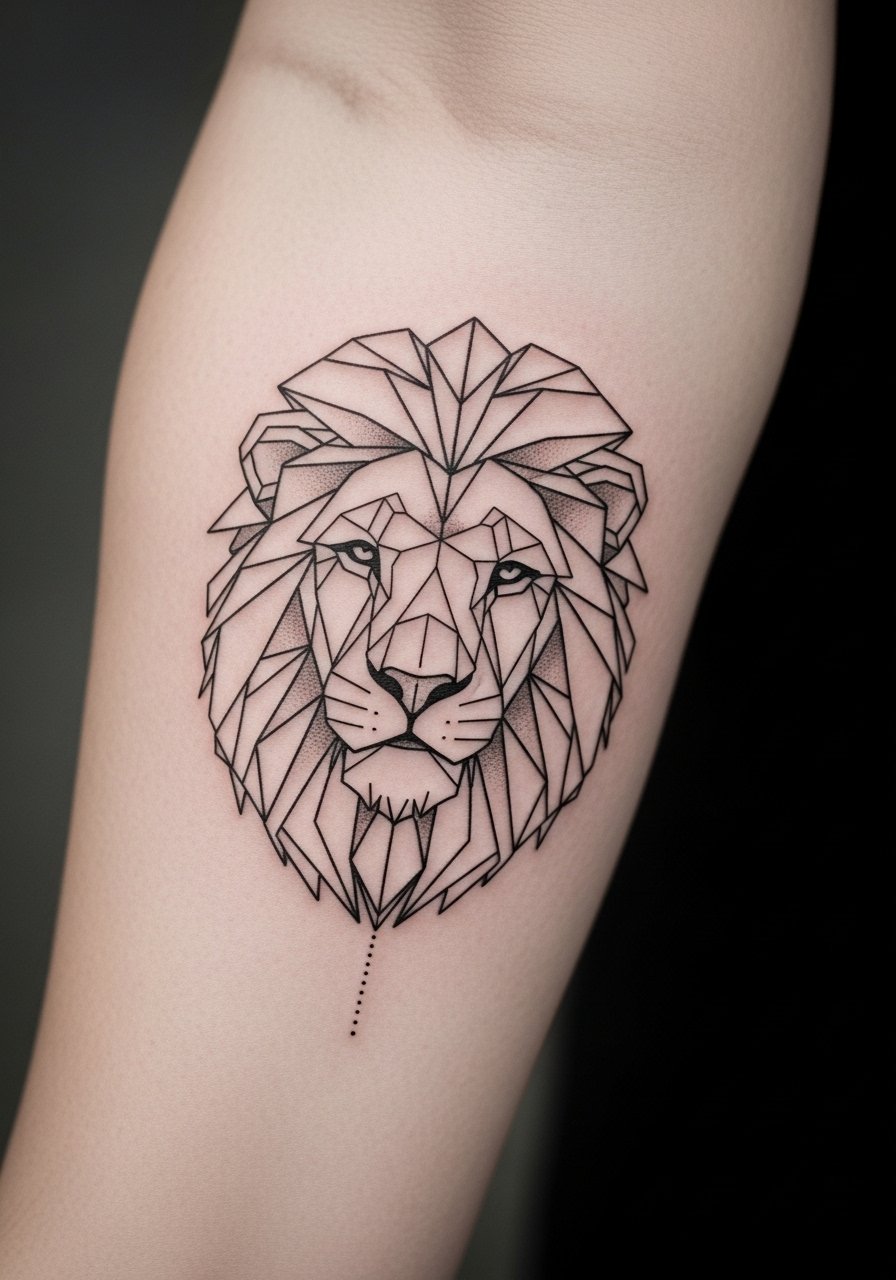
Someone I know first saw a geometric lion on a forearm and booked the next week. Ask for slightly heavier linework than a scalpels thin trace, because geometric segments that are too fine can blur within two years. Forearm pain is mild to moderate and a single session of about ninety minutes is common for this size. This version prioritizes negative space between facets so the mane ages with readable separation. A common mistake is shrinking the geometric panels down to fit a wrist, which makes the shapes lose definition. Best for people who want symbolism of courage without a full portrait.
2. Micro-Realism Wolf Head on Upper Bicep
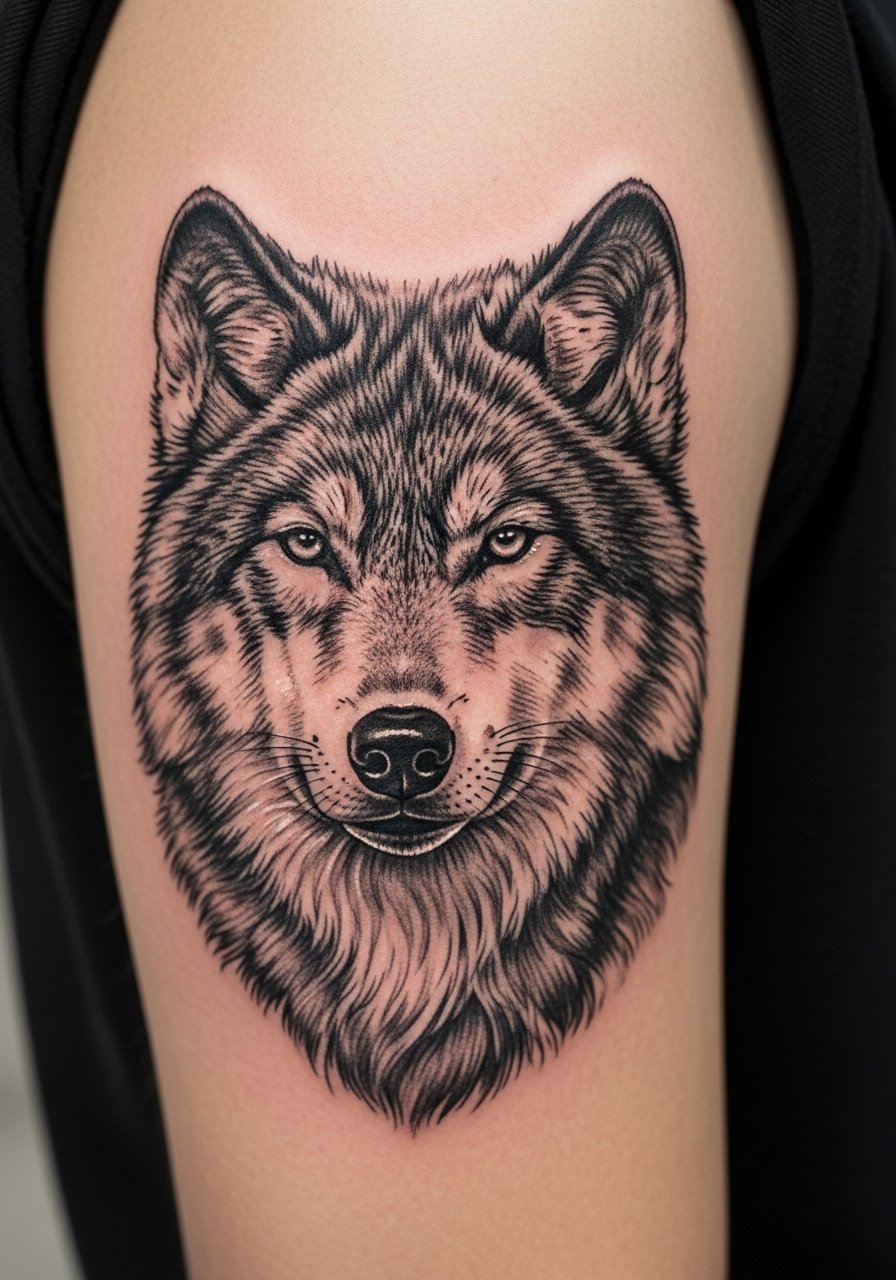
Fair warning, the upper bicep can feel tender as the needle crosses muscle, but most people handle a two-hour session well. For micro-realism ask your artist to show healed photos of similar pieces on similar skin tones. The risk here is over-detailing the muzzle and whisker area, which fades into a gray smudge if placed too small. At six months the contrast should still read sharp, and at five years expect softer edges that benefit from a light touch-up. This is best for someone who wants a realistic animal with a slightly moody palette and a piece that reads from across a room.
3. Watercolor Owl with Dark Florals on Shoulder Blade
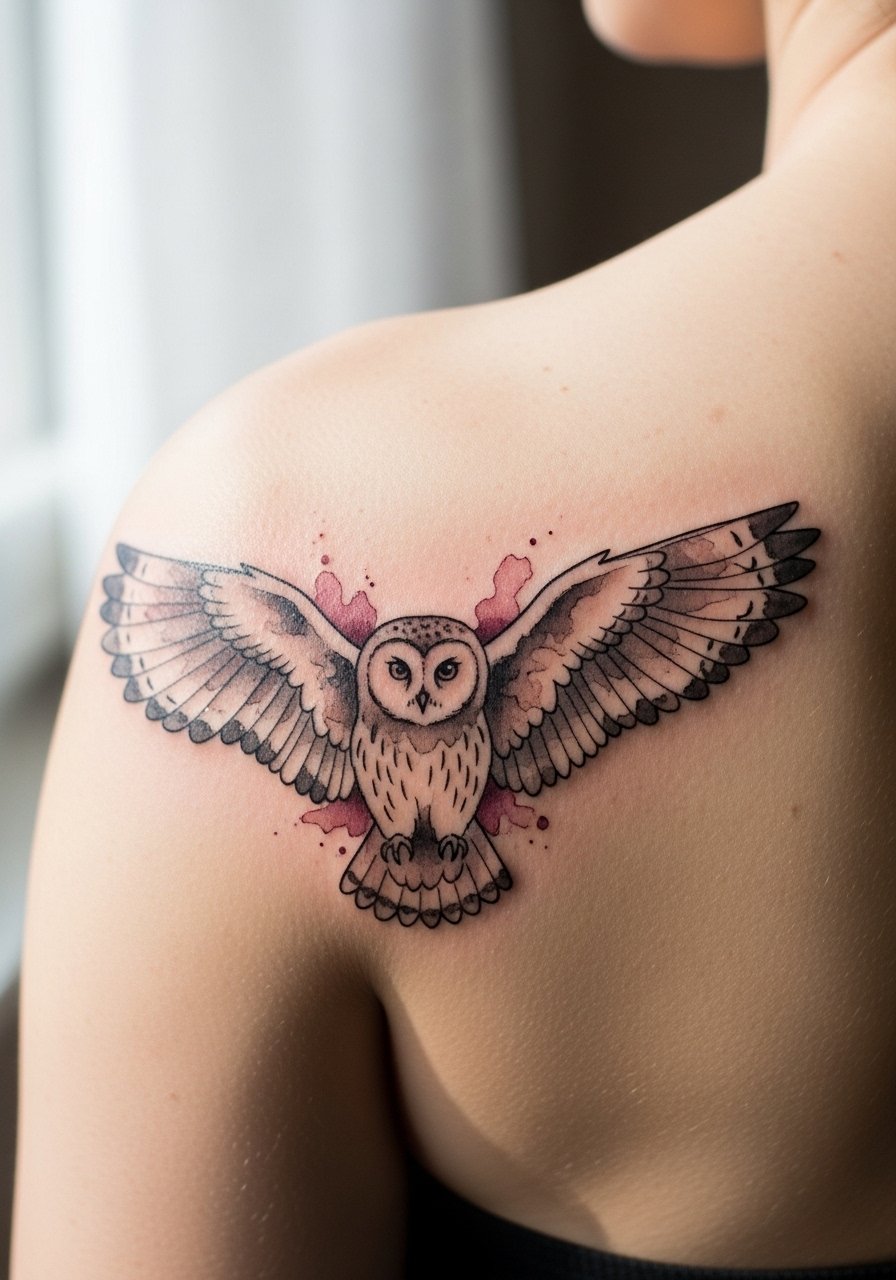
Most watercolor pieces from several years ago faded into bruised-looking patches. One camp says watercolor requires constant touch-ups and specialized aftercare. The other camp argues that anchoring the watercolor with fine black linework keeps the color readable longer. If you like painterly feathers, request a version with subtle linework framing the owls eyes and wings. Shoulder blade sessions are moderate and often split into one longer visit. The common mistake is asking for saturated pastels without a line anchor, which can spread and muddy on healing.
4. Fine Line Fox Behind the Ear
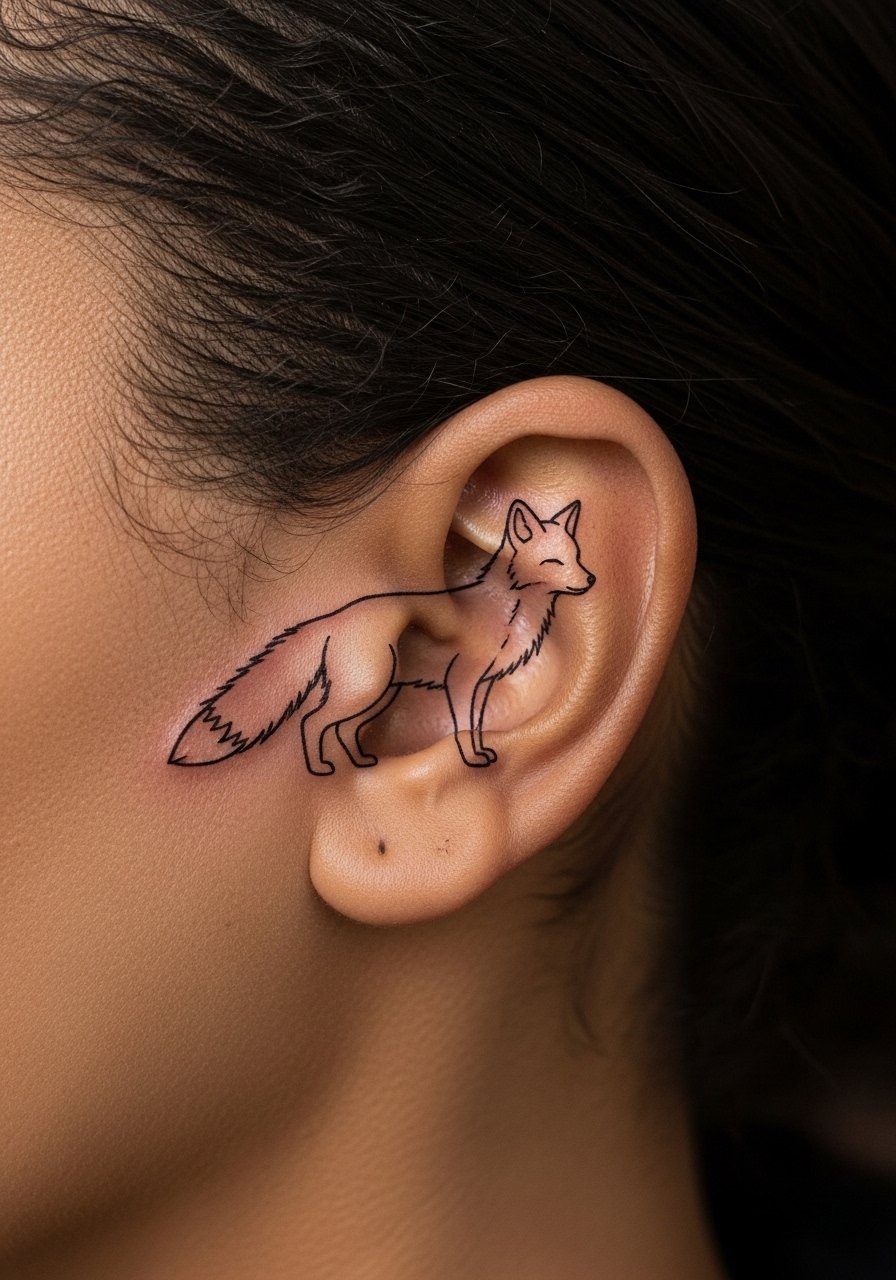
When you sit down for this one bring reference photos that show the exact line weight you want. Behind the ear is a sensitive spot and sessions are short, often under thirty minutes, but the skin there shifts a lot when you move. Fine line works if the artist places slightly more pigment per pass. A frequent error is asking for extremely thin whiskers that vanish after healing. Best for someone who wants a small, mysterious mark that can be hidden by hair when needed.
5. Blackwork Snake Wrapping the Ribcage
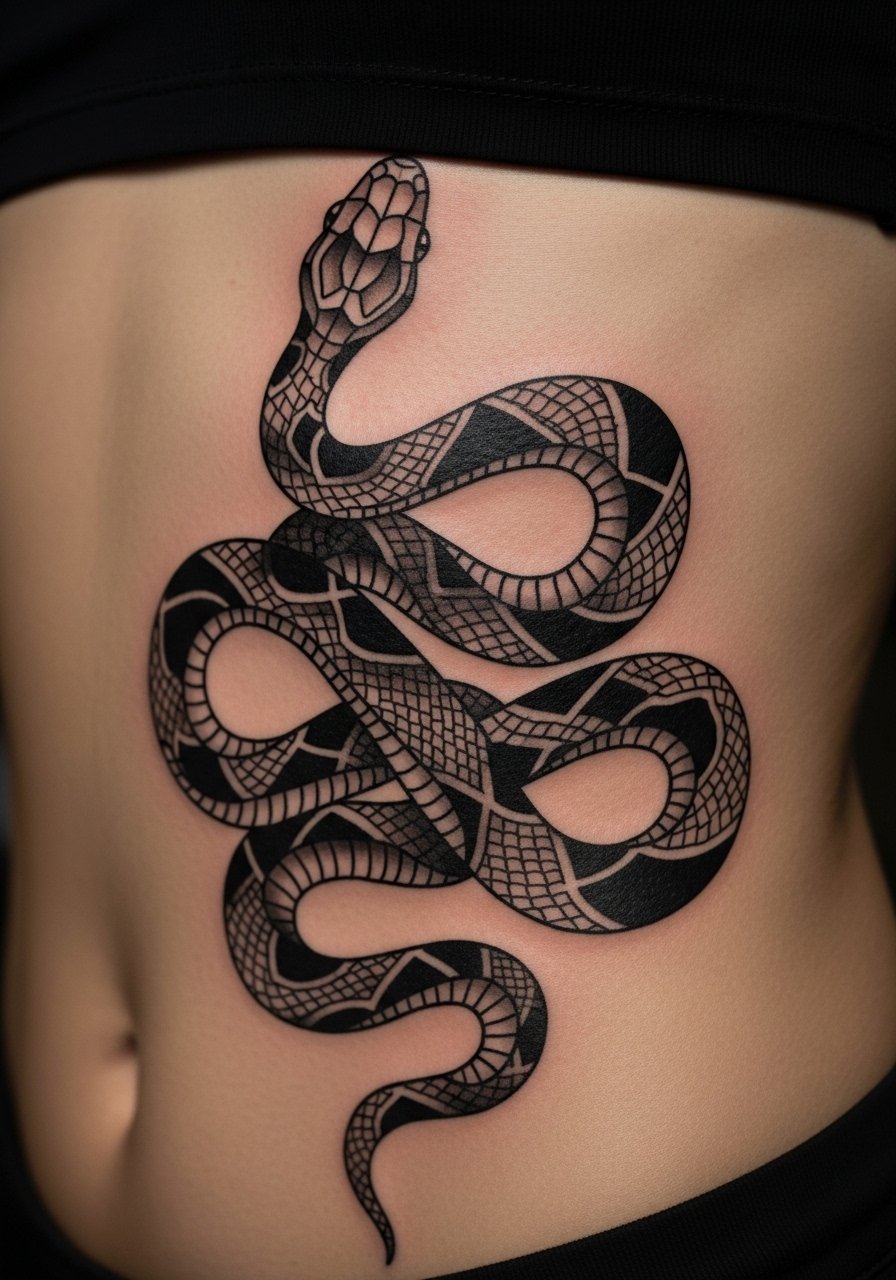
Fair warning, ribs score high on pain scales but the visual payoff is dramatic. Artists split on whether dense blackwork on ribs holds as well as on the thigh. One group says the stretch of the torso causes saturation shifts. The other group says consistent needle depth and heavy saturation prevent patchiness. If you pick the second approach, expect a longer session and a possible touch-up at year two. Avoid asking to compress too many coils into a small rib area, because that invites blowout and loss of form.
6. Micro-Realism Panther on Outer Thigh
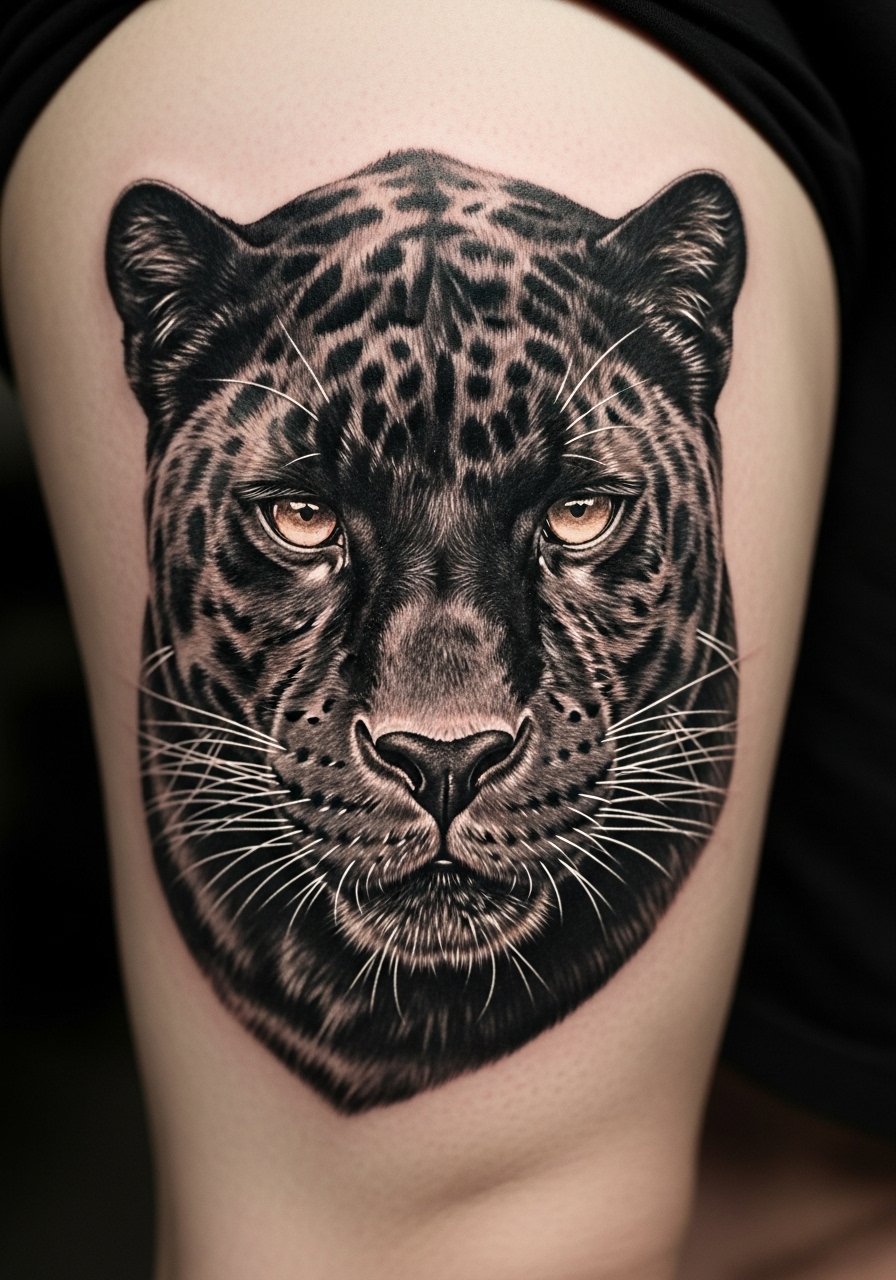
There is something about bold black saturation on the thigh that ages predictably. Thigh skin holds pigment well and pain is typically mild to moderate. This piece often takes two sessions if you want the panther surrounded by shadow. Tell your artist to plan for high saturation in the first pass so the black reads in low light. A common mistake is trying to shrink a realistic panther into a palm-sized stamp, which flattens the expression. Best for someone who wants a moody, high-contrast anchor piece.
7. Raven with Script on Forearm
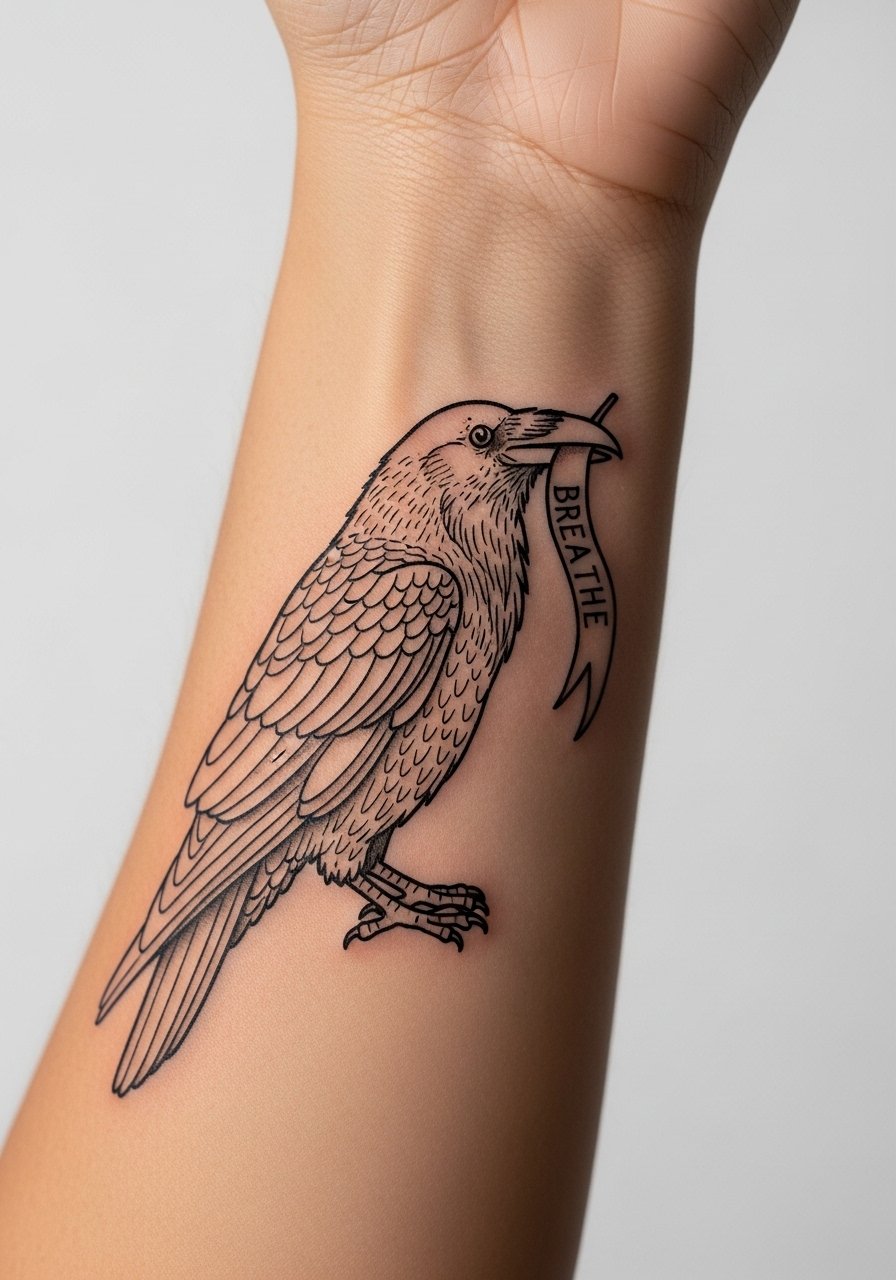
When you consult for script include the exact text, because image generators and artists need the precise lettering. Forearm sessions are comfortable for most people and usually finish in one to two hours for this scale. Ravens read well in stark black, but be explicit about font size so letters do not blur into the feathers. A typical mistake is squeezing long script into a thin banner. Choose slightly larger lettering to prevent softening at year two. Good for someone who wants a readable line with symbolic weight.
8. Stag Antlers Across the Sternum
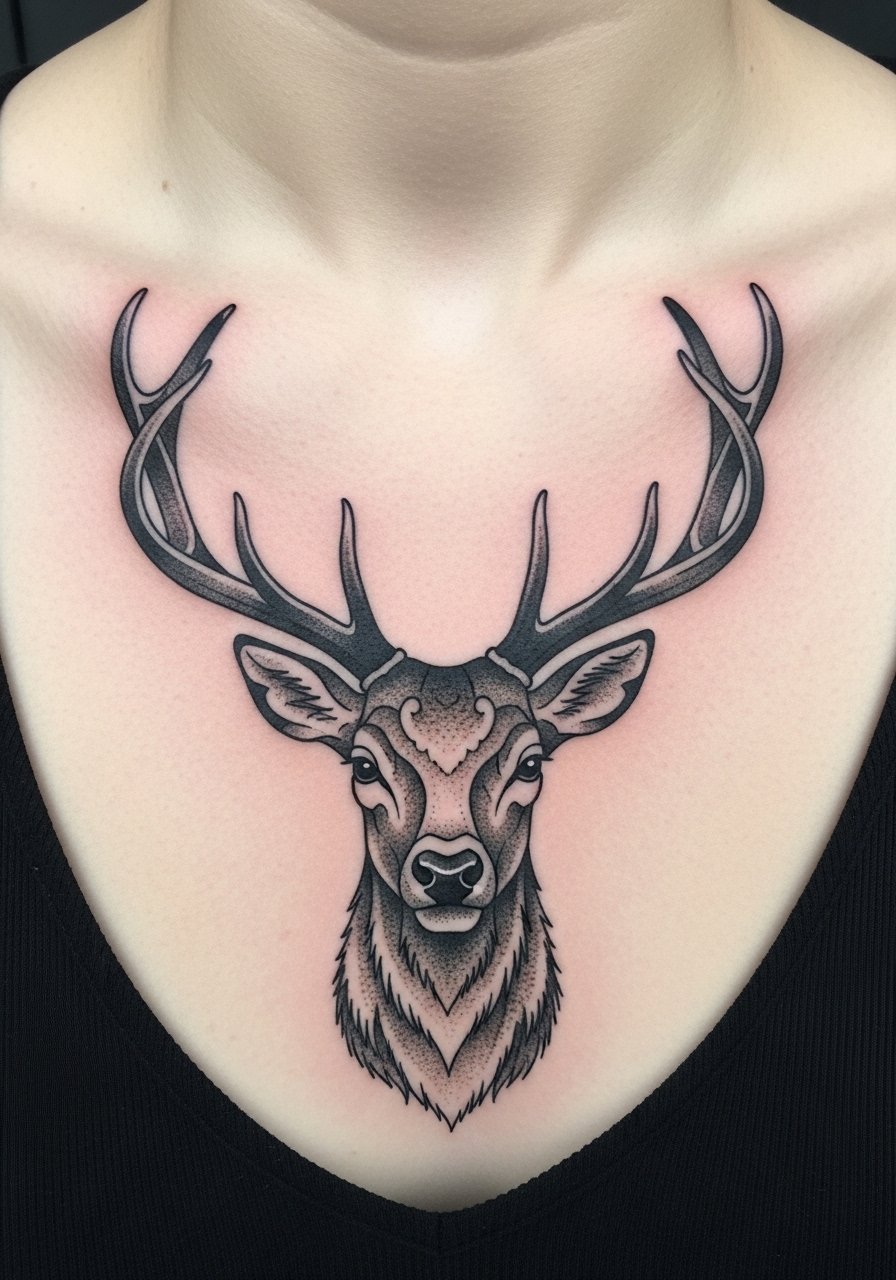
Sternum placement is intense on the pain scale and careful session planning helps. Antler details need room to breathe, because very fine tips can disappear after healing. Some artists advise splitting this into two sittings to manage swelling. The most common error is designing antlers that extend too far into thin skin near the clavicle, where blowout risk rises. If you want a strong central piece with natural symmetry this placement reads like armor while still feeling feminine.
9. Bear Portrait on Calf
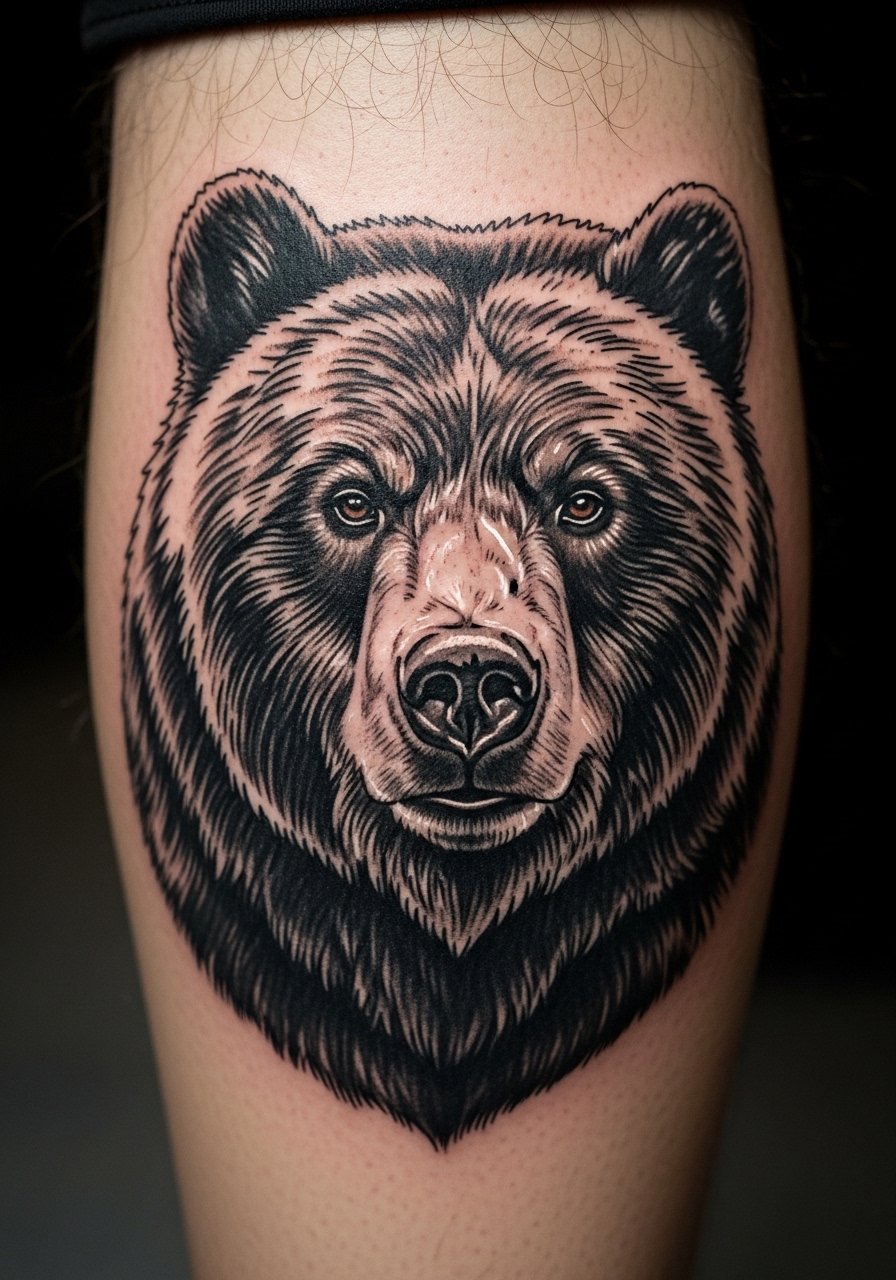
Calf tattoos are forgiving for saturation and often heal with good depth. Sessions can range between ninety and one hundred eighty minutes depending on detail. For portrait-style animal faces ask to see healed examples of fur texture on the same skin tone. A mistake people make is requesting tiny pupils and very small highlights that vanish. Over time the midtones soften, so plan a touch-up window at year three. Ideal for someone who wants a large leg piece that ages into a wearable canvas.
10. Elephant with Mandala Accents on Upper Arm
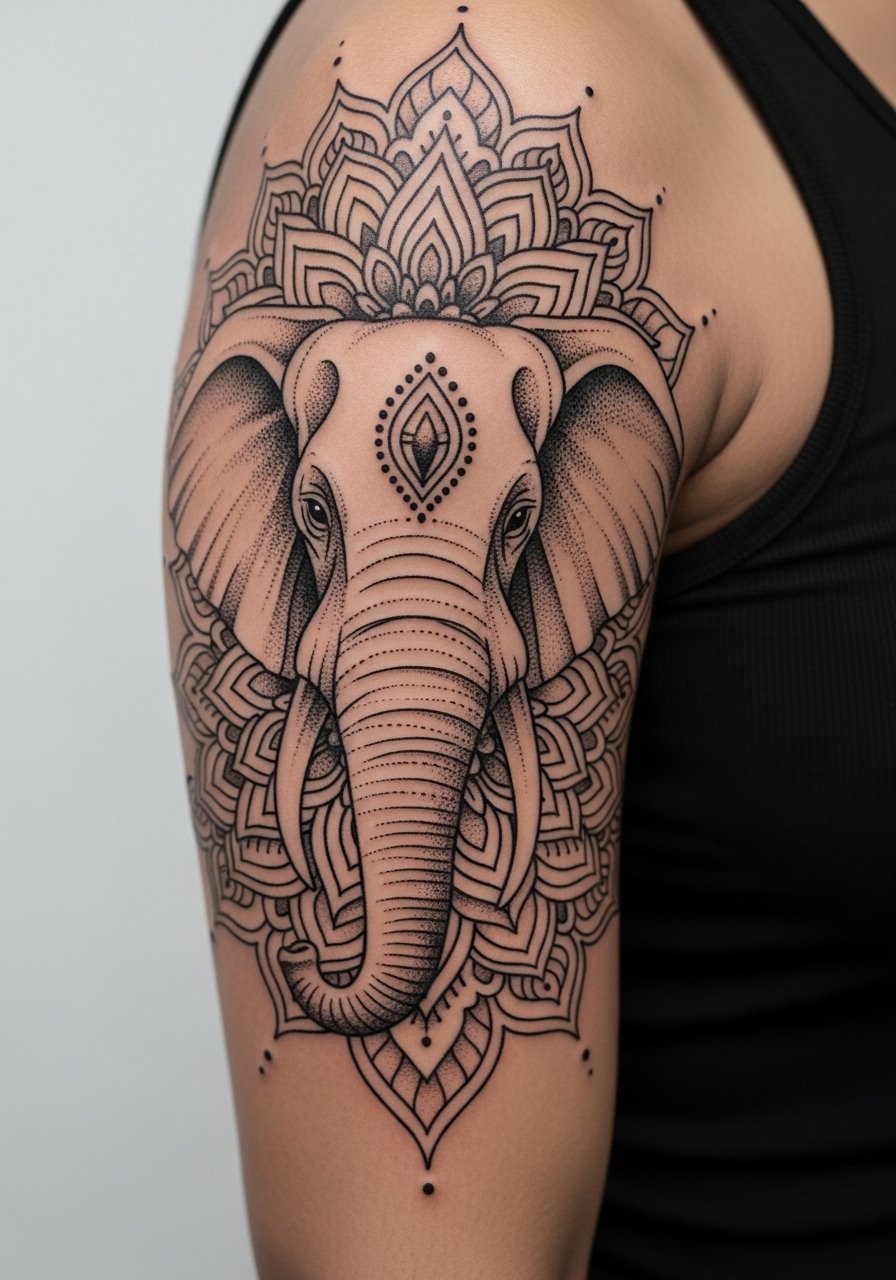
When you sit with your artist, mention the cultural origins of mandala patterns and ask for respectful nods rather than direct replicas. Upper arm skin tolerates dense stipple shading well and sessions are often split into one two-hour visit. A common mistake is cramming mandala detail into a small circle, which blurs into gray. For longevity, use bold anchor lines around the trunk and fine dot work inside the mandala. Best for someone who likes ornamental symmetry paired with an animal motif.
11. Tiny Turtle on Ankle
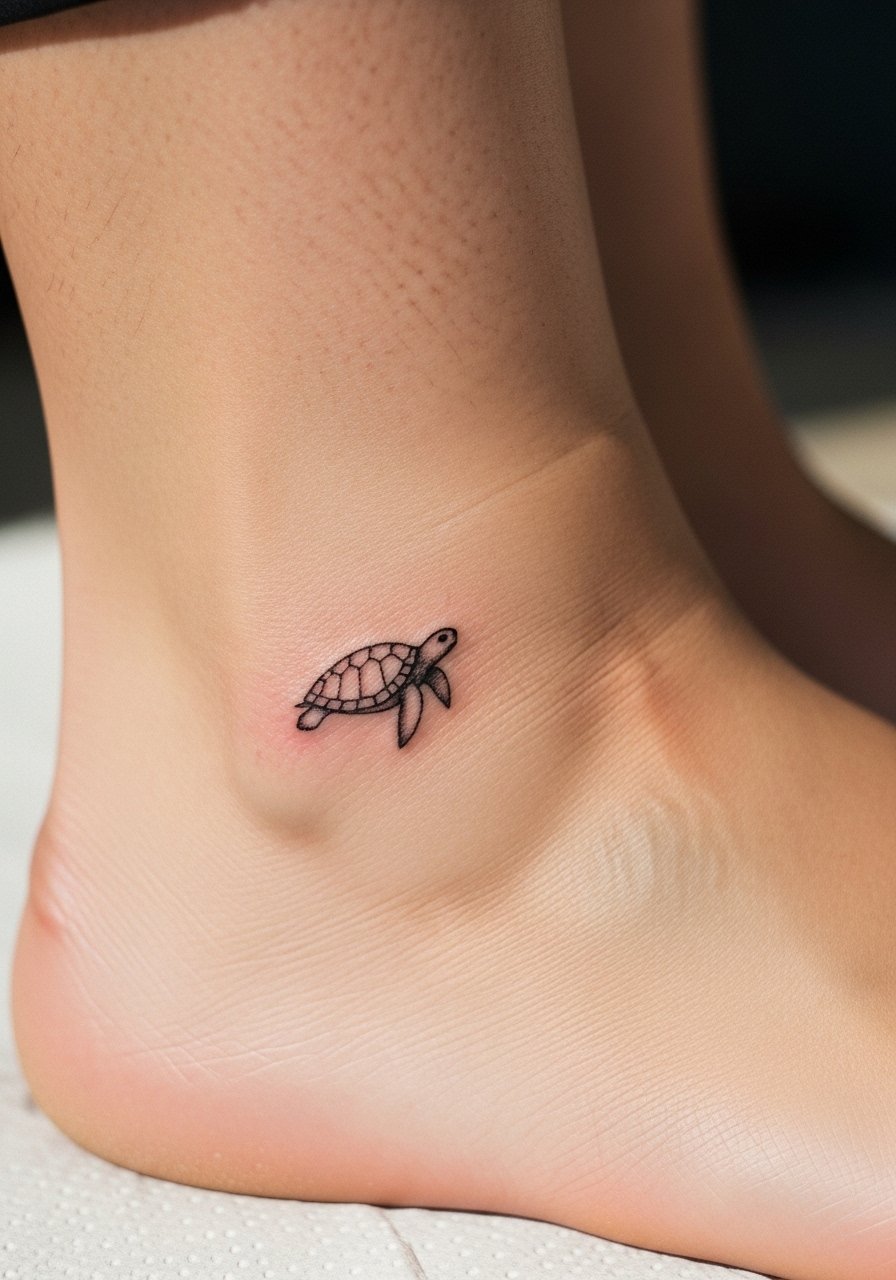
Ankle tattoos sting more than a wrist but they heal quickly for little pieces. Tiny animals are trending, yet the biggest mistake is going too small with linework. At six months a cramped outline can look like a tiny smudge. Ask for slightly thicker outer lines and a simpler silhouette. Sessions are usually brief, under thirty minutes. Best for someone who wants a subtle symbol with low commitment and the option to expand into a small collection later.
12. Hummingbird Near the Clavicle
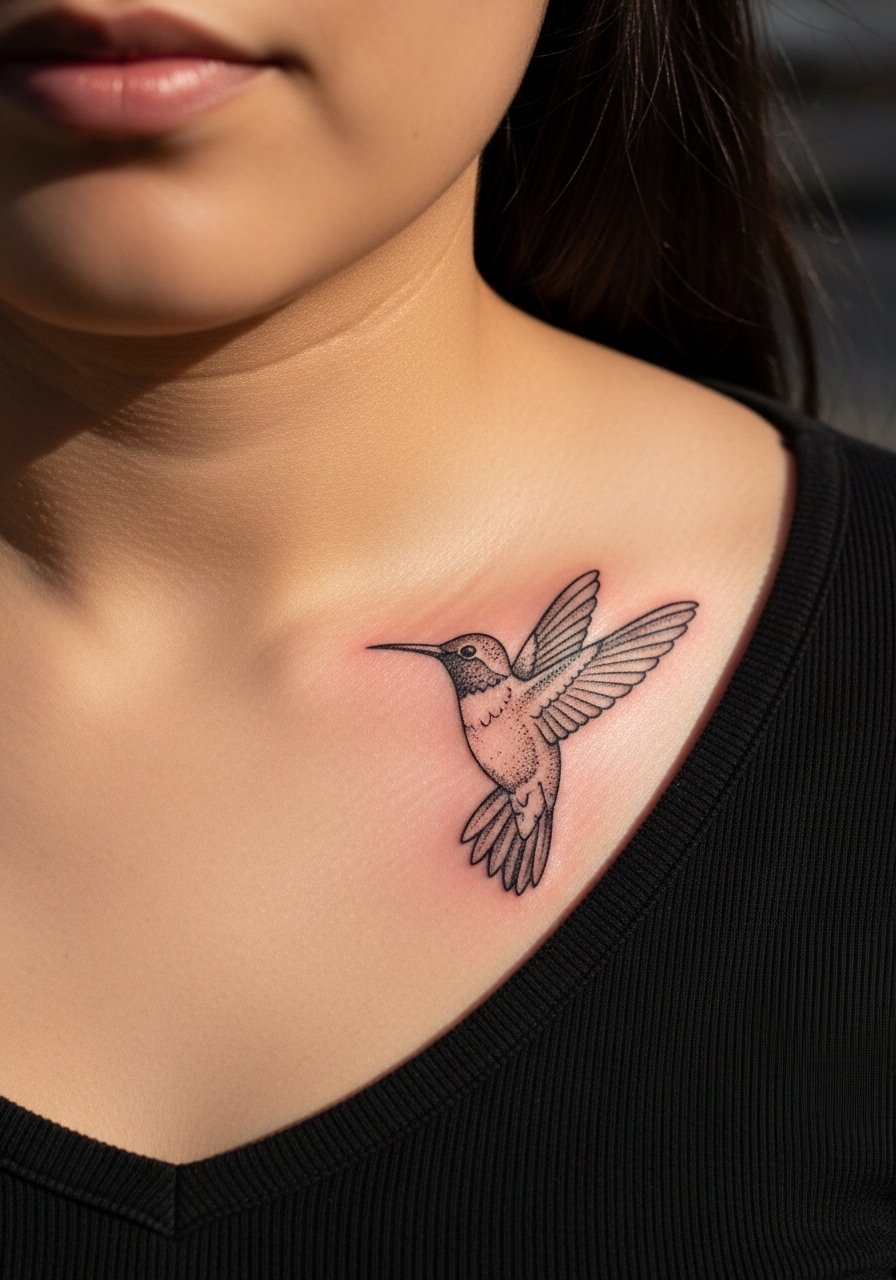
The clavicle placement is delicate and sessions for this size are short. Tell your artist whether you want motion emphasized or a static pose. A common error is requesting excessive tiny color gradients without strong edges, which watercolors often do poorly with on high-movement skin. For a darker approach, ask for contrast in the wing tips to keep the silhouette readable. This is a good pick for someone who wants a light-feeling placement that still reads when wearing open necklines.
13. Cat Silhouette Behind the Shoulder
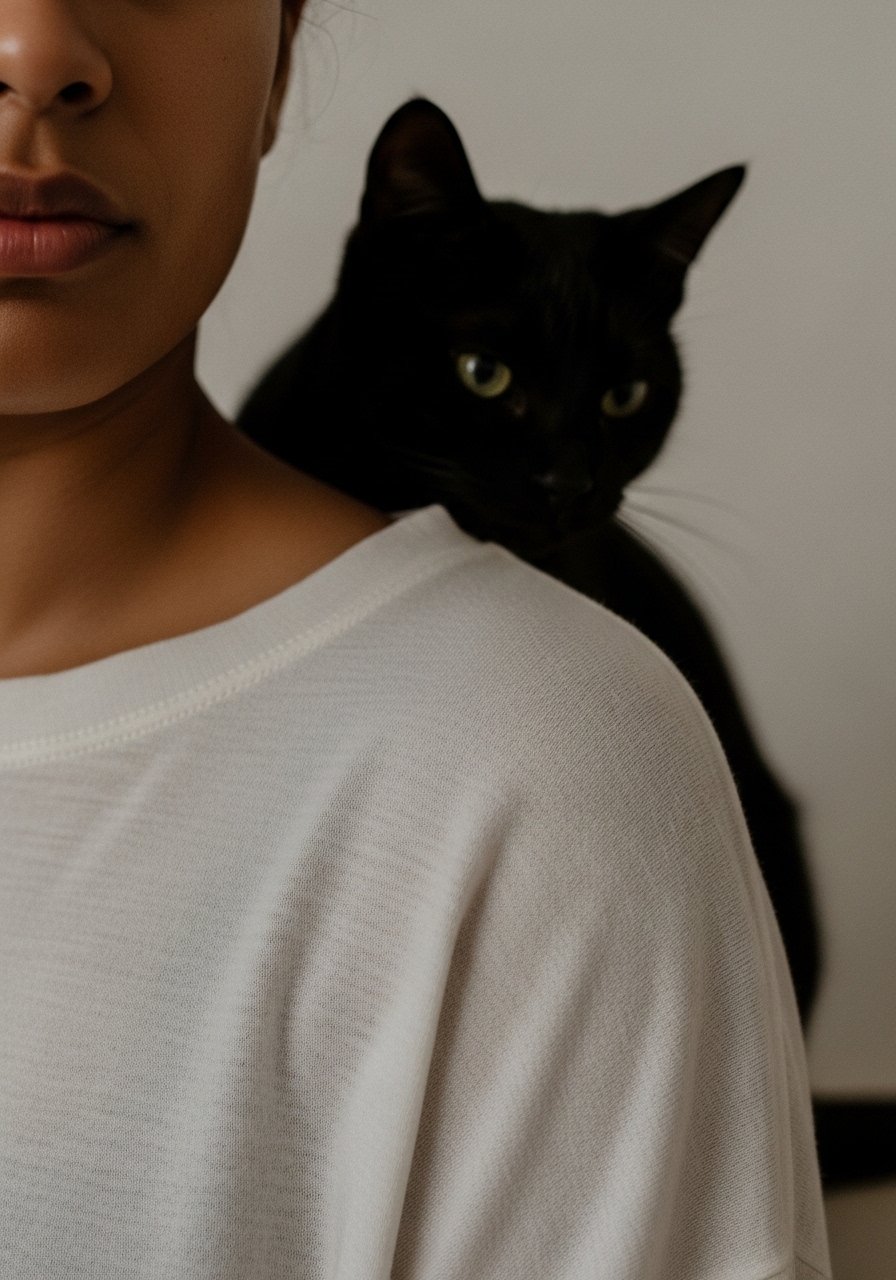
I've seen silhouettes hold up well when the negative space is intentional. Behind the shoulder is moderate in pain and great for a single-session piece under an hour. The trap is overcomplicating a silhouette with tiny inner details. Keep it simple and let the shape do the work. At two years the crisp edge should still be distinct if the lines are confident. Best for someone who wants an elemental nod to a feline companion without portrait realism.
14. Flamingo Blackwork on Outer Thigh
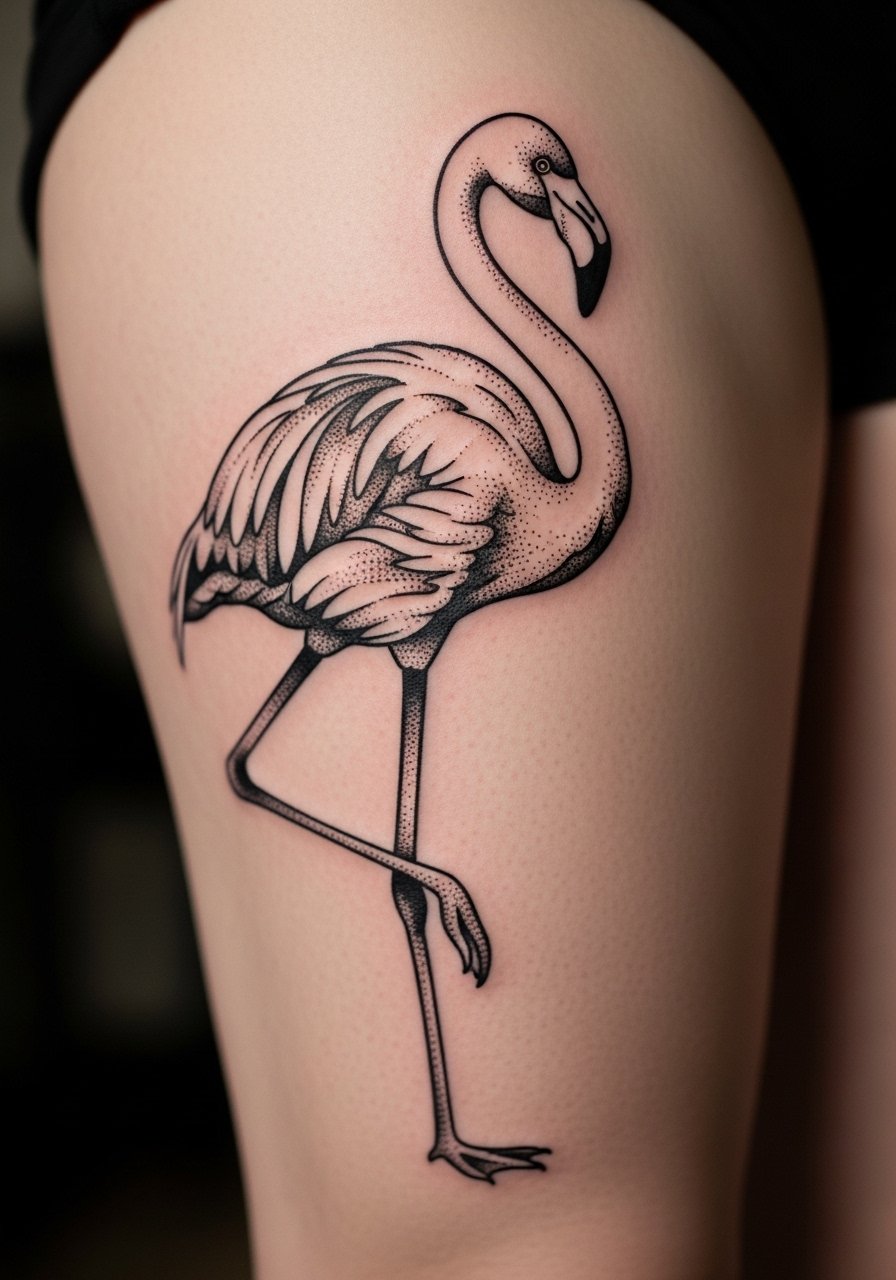
There is a misconception that flamingos need pink to read as animals. The right blackwork composition can convey posture and elegance without color. Thigh skin keeps the leg of the flamingo sharp, and pain is usually tolerable. Avoid asking for too many fine feather lines that mimic watercolor. Instead choose contrasting blocks of negative space and stipple shading so it reads distance. Great for someone who likes reinterpretations of traditionally colorful subjects.
15. Koi with Dark Shading Flowing into Sleeve
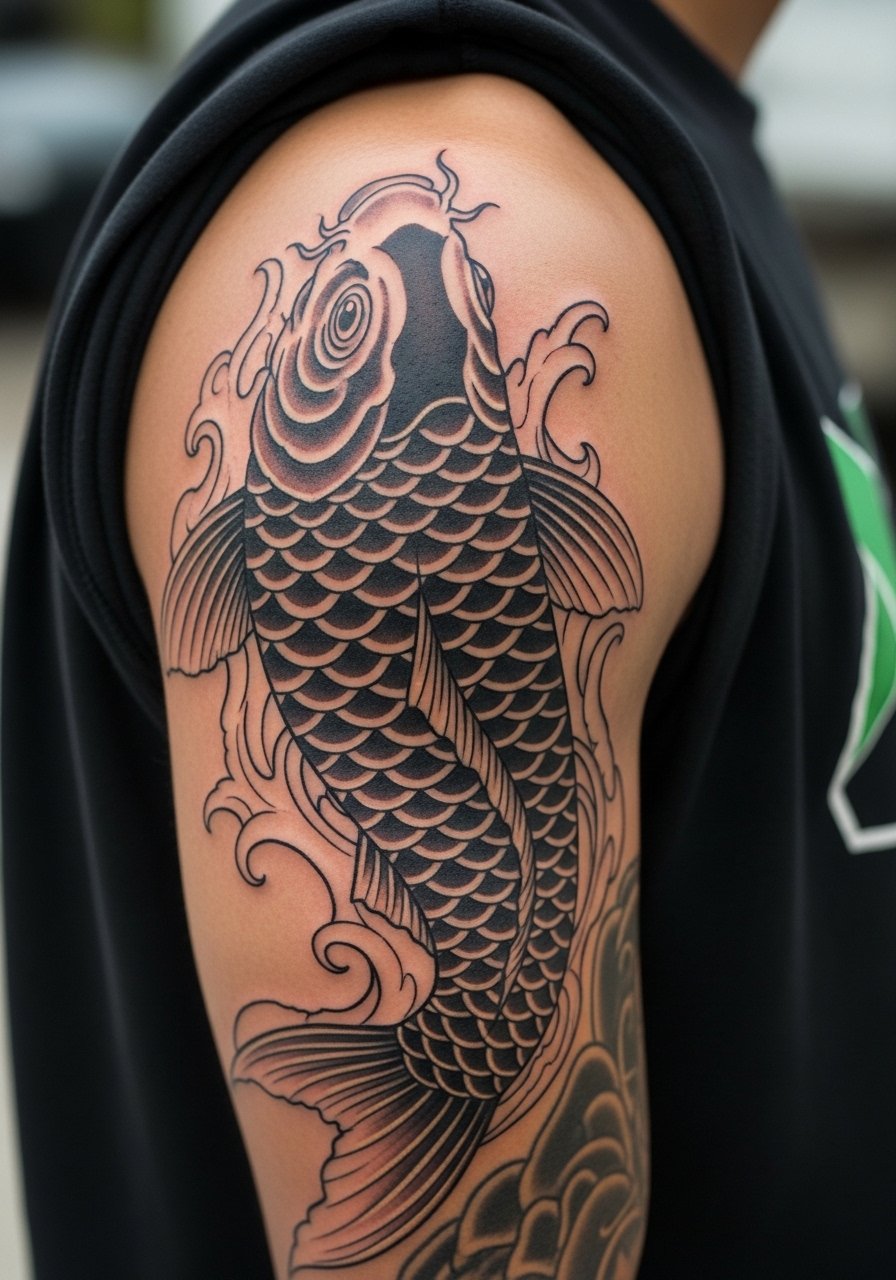
Visual impact matters for multi-piece flow. For a koi that becomes part of a sleeve, plan negative space channels so future additions do not crowd the scales. Sessions are longer and often split into multiple appointments. A frequent mistake is starting with too much fine detail in scales, which later blends when a sleeve fills in. Discuss future expansion during your initial consult so the artist can map composition. Best for someone planning a cohesive arm narrative.
16. Small Spider Web Elbow Accent
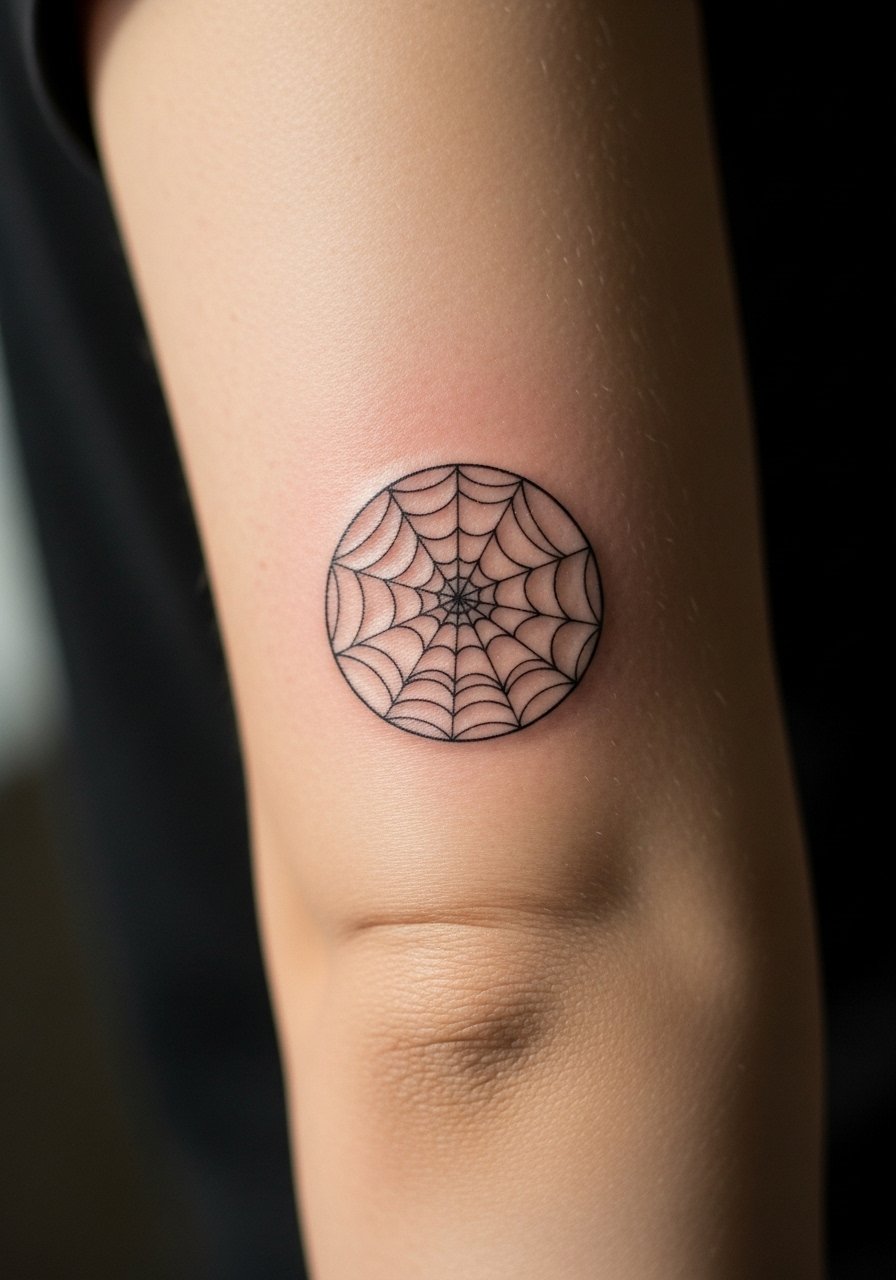
Elbow tattoos sit over a joint and the skin there shifts a lot. Expect more touch-up consideration than on flat areas. One common error is placing concentric fine lines too close together, which can spread and lose the web effect. Keep lines bold enough to maintain shape over motion. Sessions are quick but sometimes uncomfortable when the needle crosses the bony edge. Choose this if you want a subtle gothic accent that frames the arm.
17. Scorpion on Inner Wrist
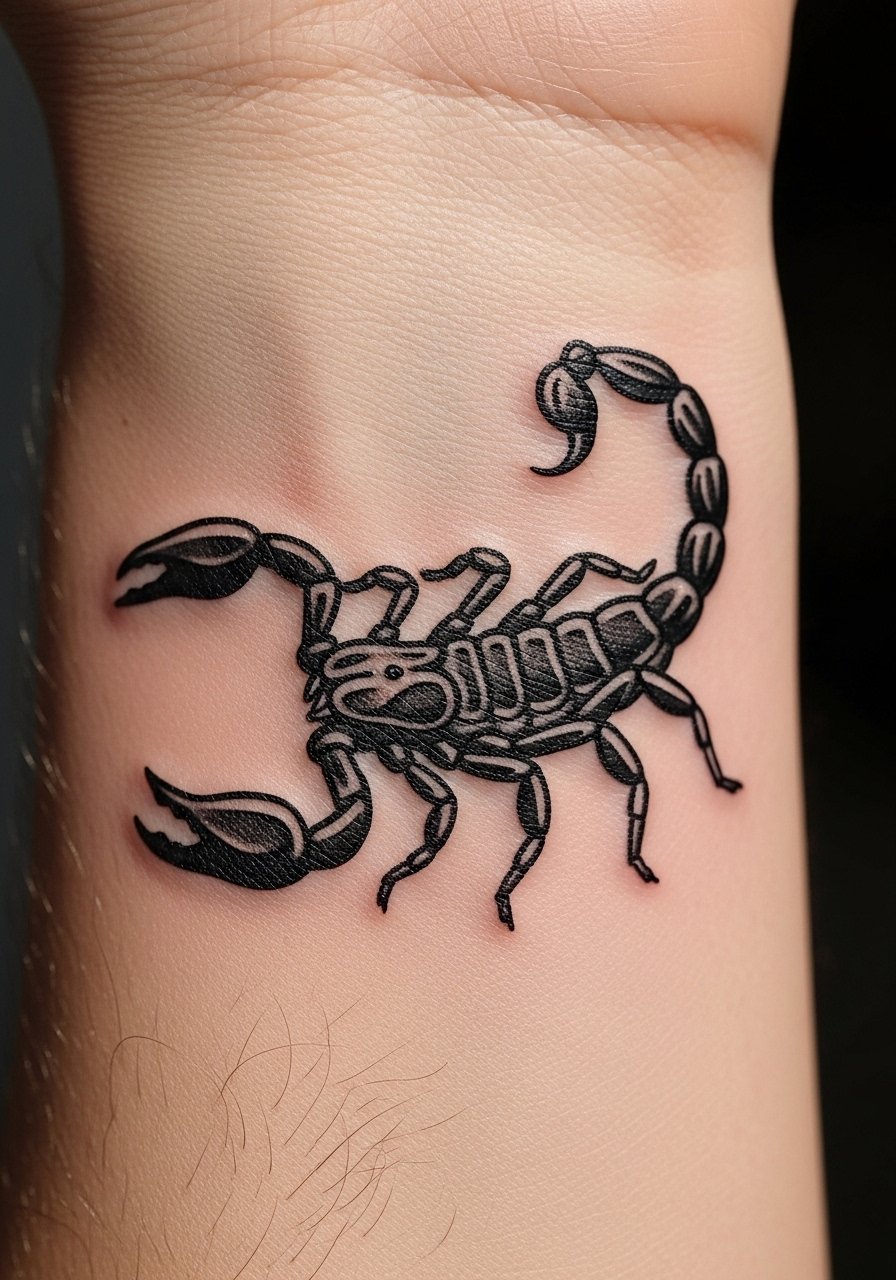
Wrist placements show on a daily basis and can affect professional perceptions. Think about career implications before committing. Sessions are short but the skin in that area is thin and touch-ups may be needed within a couple of years. A mistake is requesting extremely tiny claw details. Scale the claws slightly larger so they remain legible as the piece ages. Good for someone who wants a compact, slightly edgy symbol on a visible spot.
18. Shark Fin Behind the Ankle
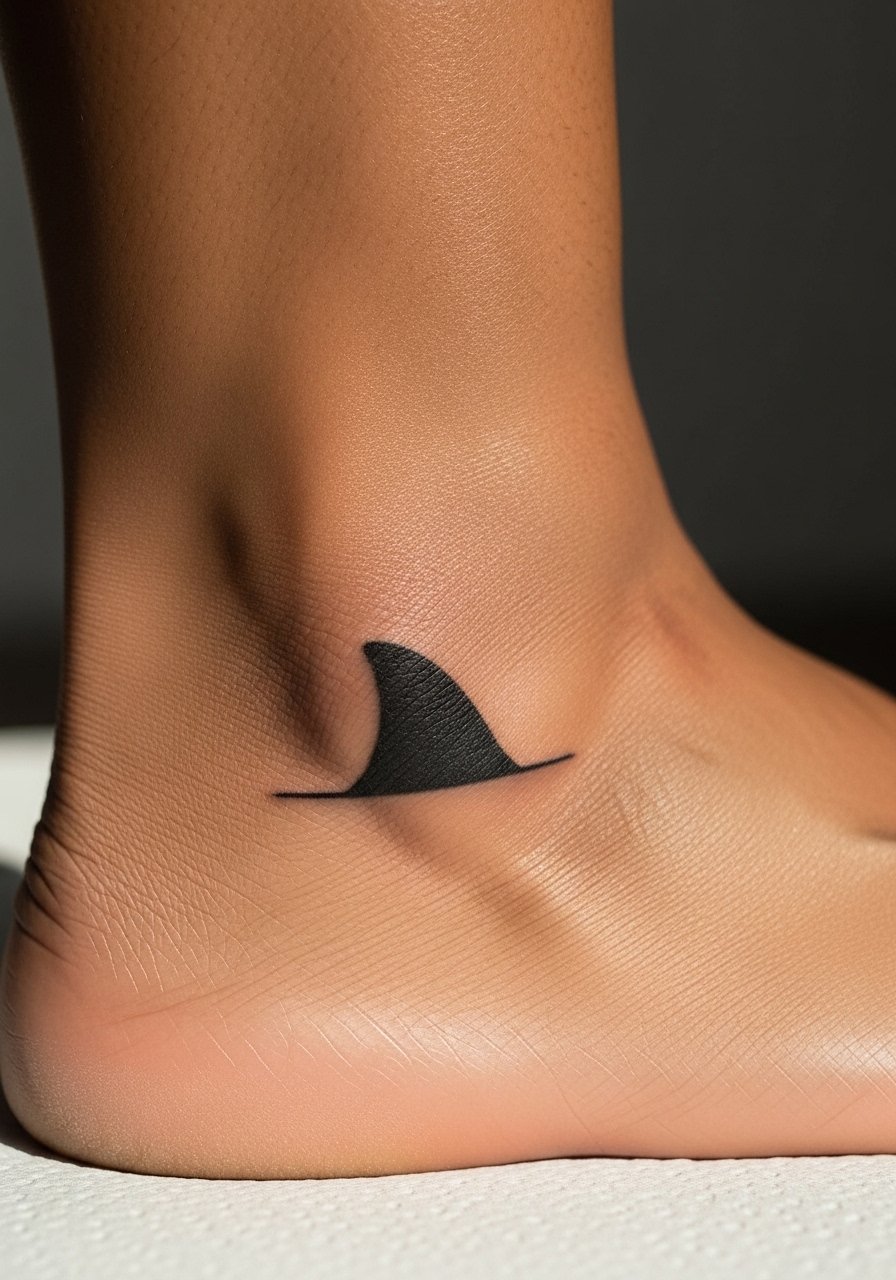
Ankle back placement is discreet and heals quickly for small silhouettes. The session is brief and pain is moderate. People often try to add tiny waves or text that do not age well in such a small area. Keep it spare and bold so the fin still reads after a few years. Consider a slightly larger scale if you plan to add ocean-themed pieces later. Best for someone who wants a compact marine nod with low maintenance.
19. Galloping Horse Ribcage Panel
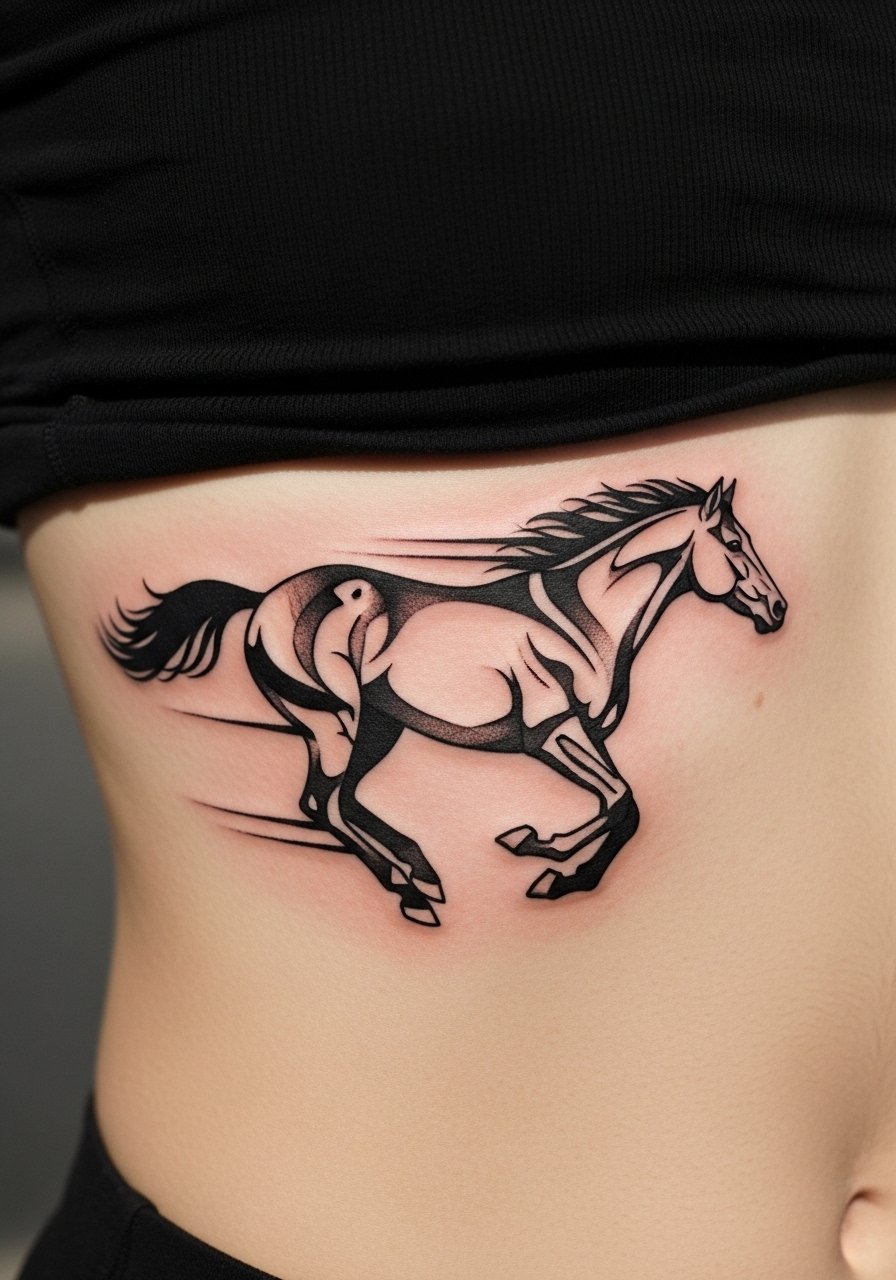
Fair warning: the ribcage rates high on pain and exhibits more swelling. One camp suggests staging the horse across two sessions to control saturation. The other camp says a skilled artist can finish in one long session while maintaining crisp motion lines. Either way, expect planning for breath control during work. The most common mistake is cramming too many motion lines into a small layout. If you want a dynamic running pose, give the figure room to breathe.
20. Tiny Frog on Finger
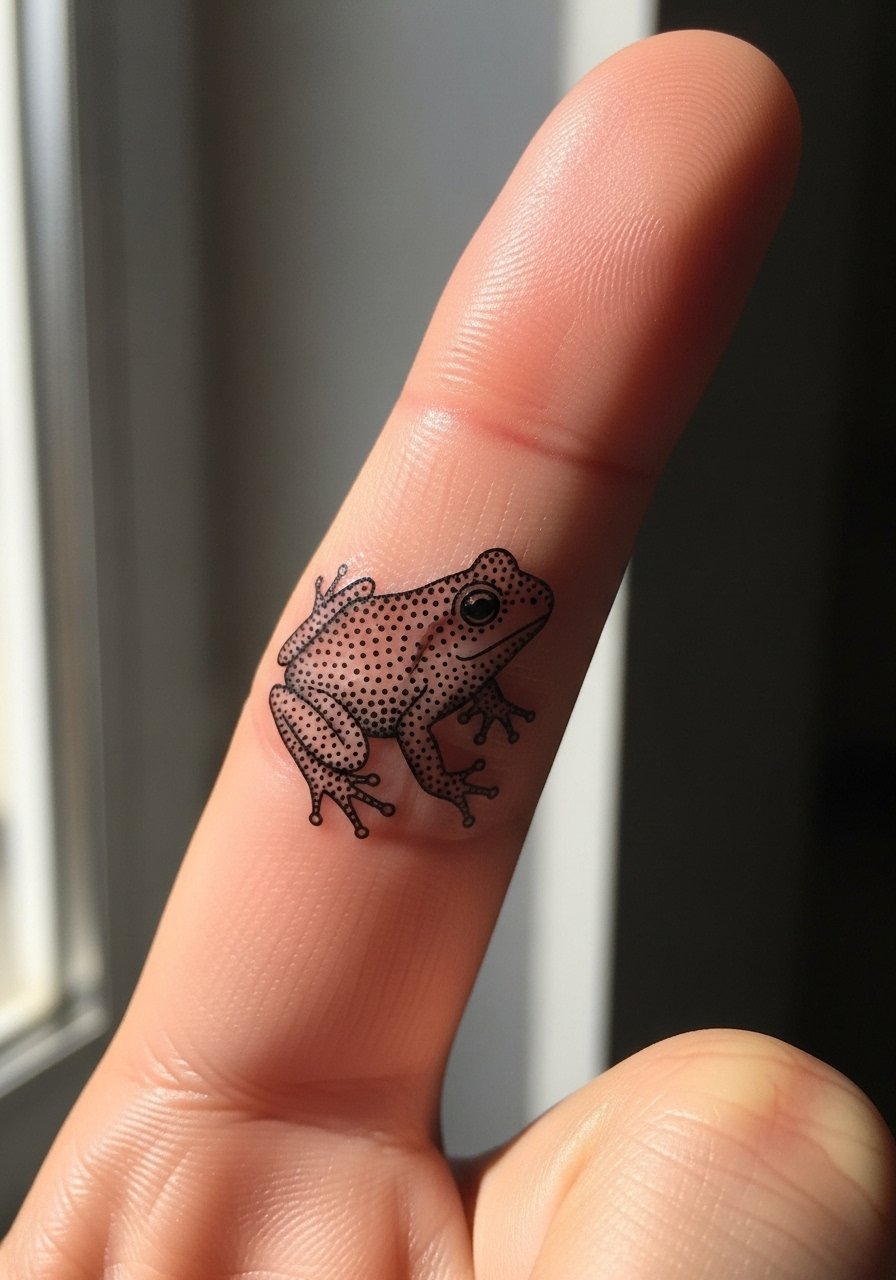
Finger tattoos hold symbolism but fade faster because of constant use and washing. Expect touch-ups more frequently than other placements. A common error is requesting detailed shading on such a small plane, which blurs within months. Simpler silhouettes with intentional negative space last longer. Sessions are short and often done in a single visit. Pick this if you like a small, personal mark that you do not mind refreshing down the line.
21. Crested Lizard Along the Side of the Hand
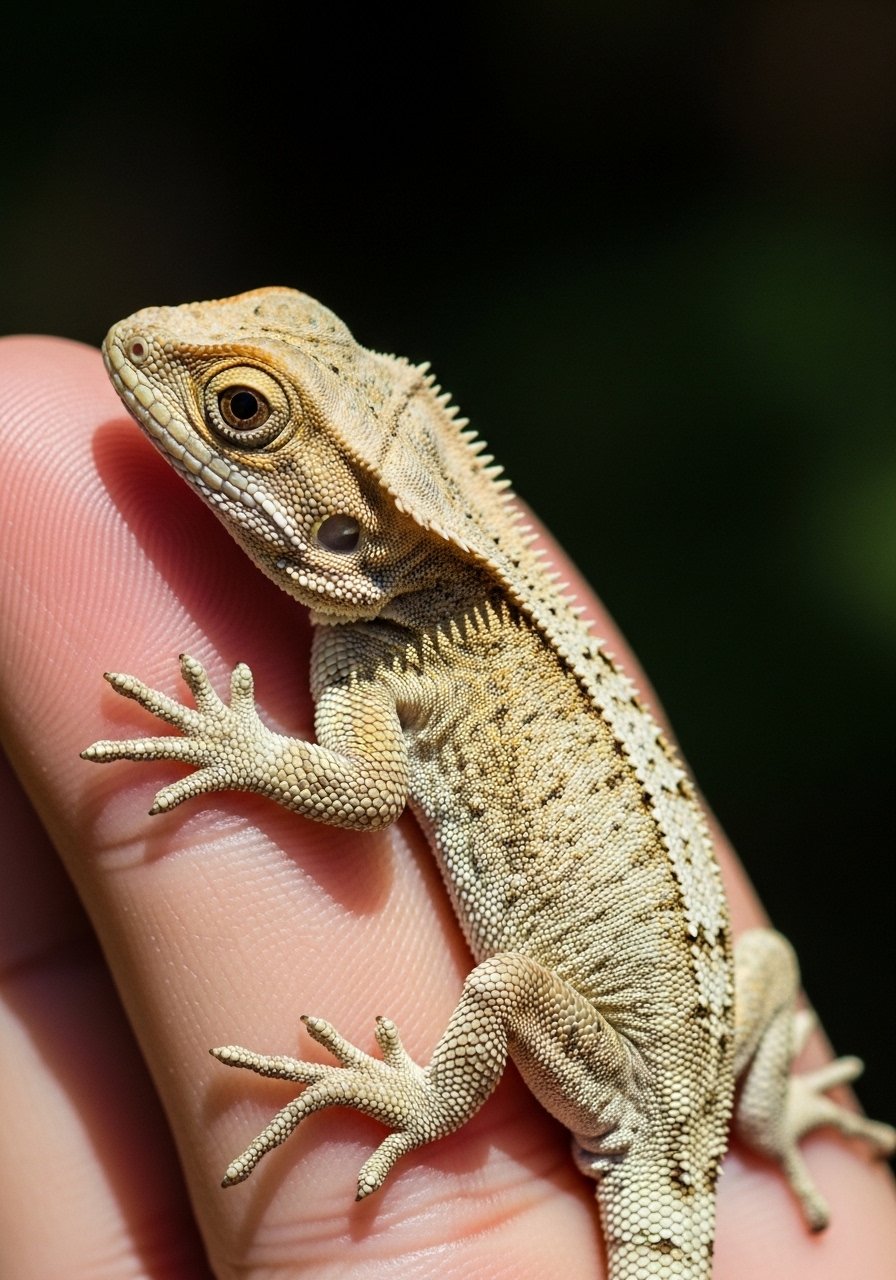
Hand placements still affect hiring in some industries, so think about career trajectory before committing. The hand moves a lot and heals differently than torso skin. Expect that detailed scales will soften quickly and that touch-ups are common. The common mistake is asking for high fidelity scales; plan for simplified texture blocks instead. Sessions are short but may sting more due to thin skin. Good for someone who wants a visible and tactile tiny creature.
22. Raccoon Mask on Inner Forearm
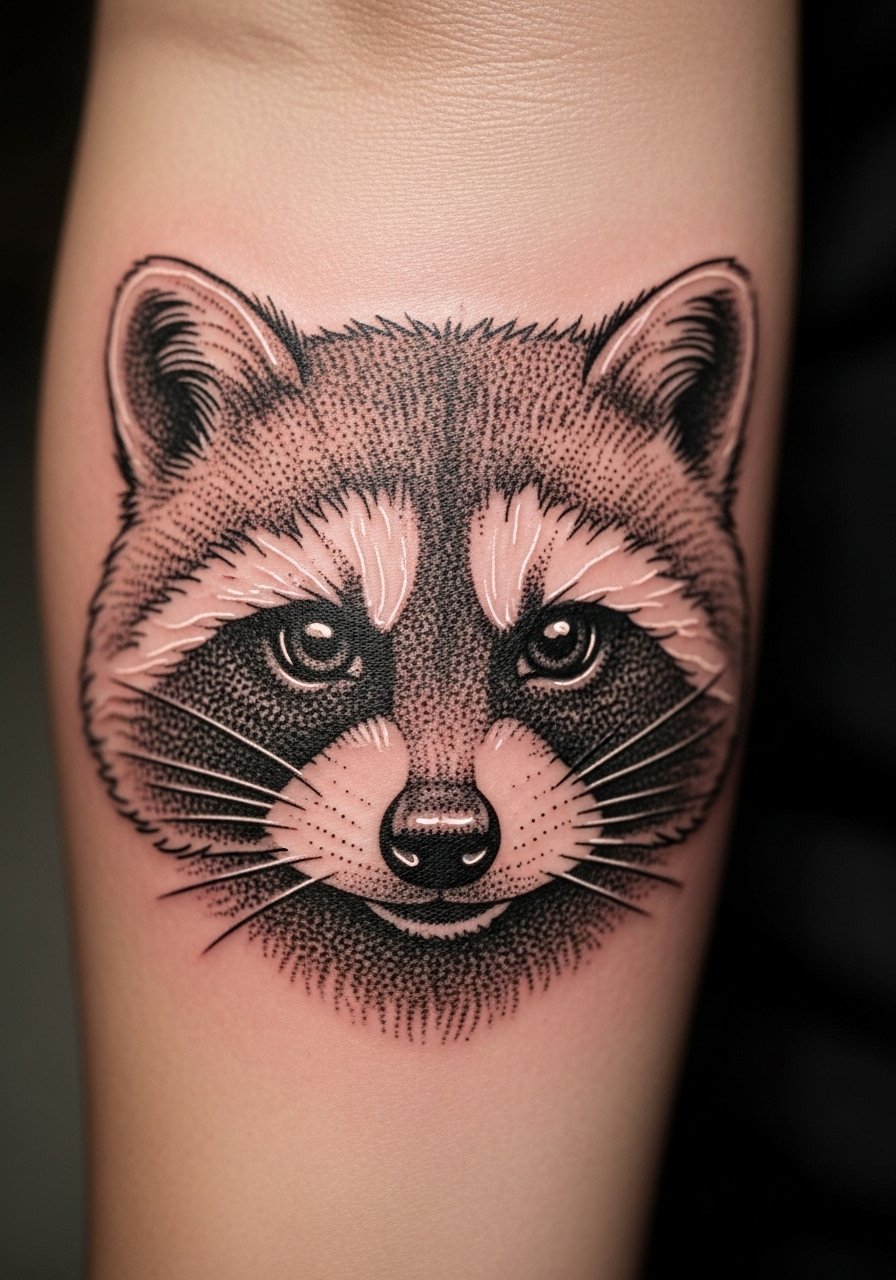
When you sit down with the artist, request healed examples of facial markings on similar skin. Inner forearm is forgiving for contrast and the pain is mild. A typical error is overcomplicating the face with tiny fur strokes that blur over time. Ask for a balance between anchor lines and stippling so the mask retains character. This is great for someone who appreciates playful nocturnal imagery with a darker edge.
23. Owl Talon Clutching Crescent Moon on Upper Arm
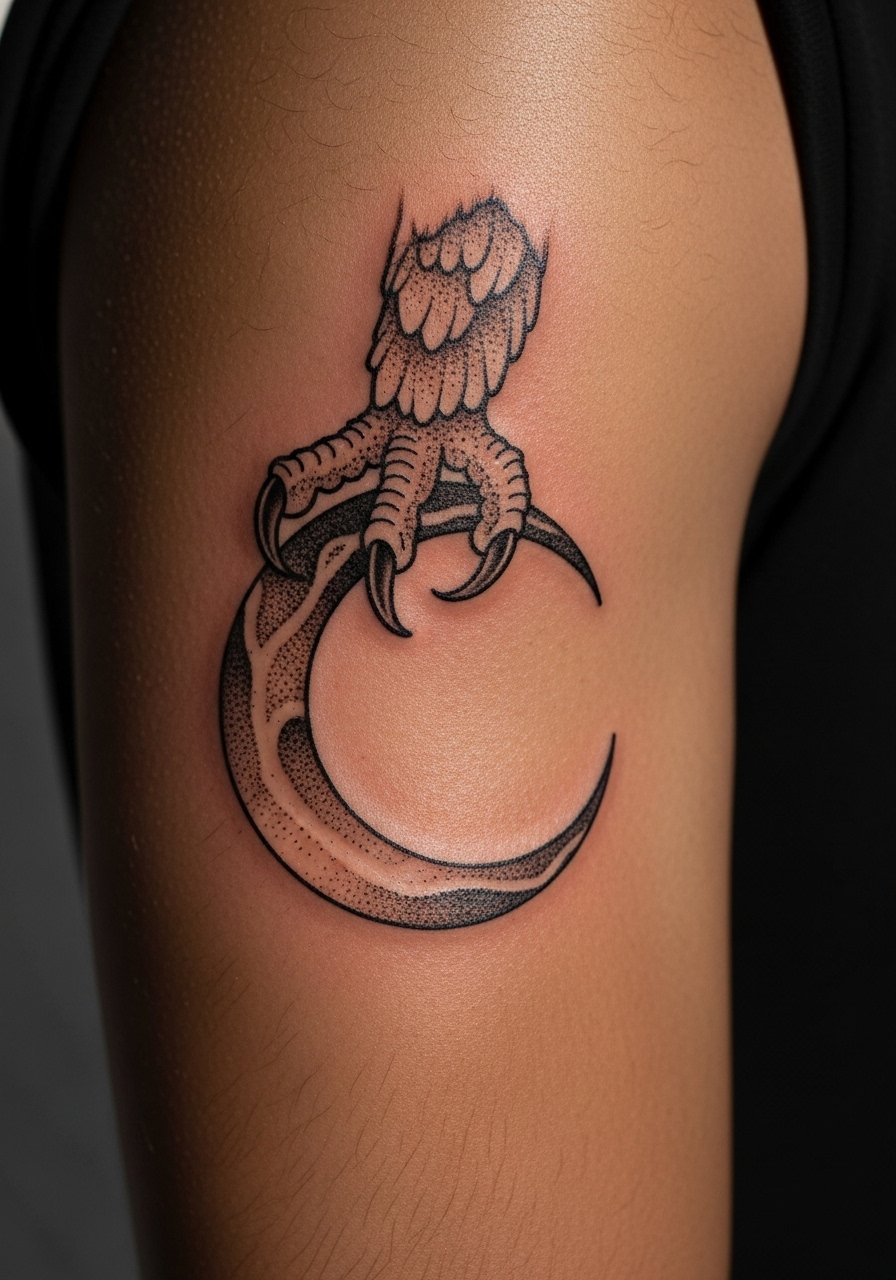
I've noticed talon compositions look best when the moon is kept simple. Upper arm sessions are comfortable and often finished in one sitting for this scale. The mistake is adding too many talon barbs that read like noise. Keep claw tips bold and moon negative space clean so the silhouette holds. Best for someone who wants a slightly ominous nocturnal motif that pairs well with sleeve extensions.
24. Jaguar Dot Work on Shoulder Cap
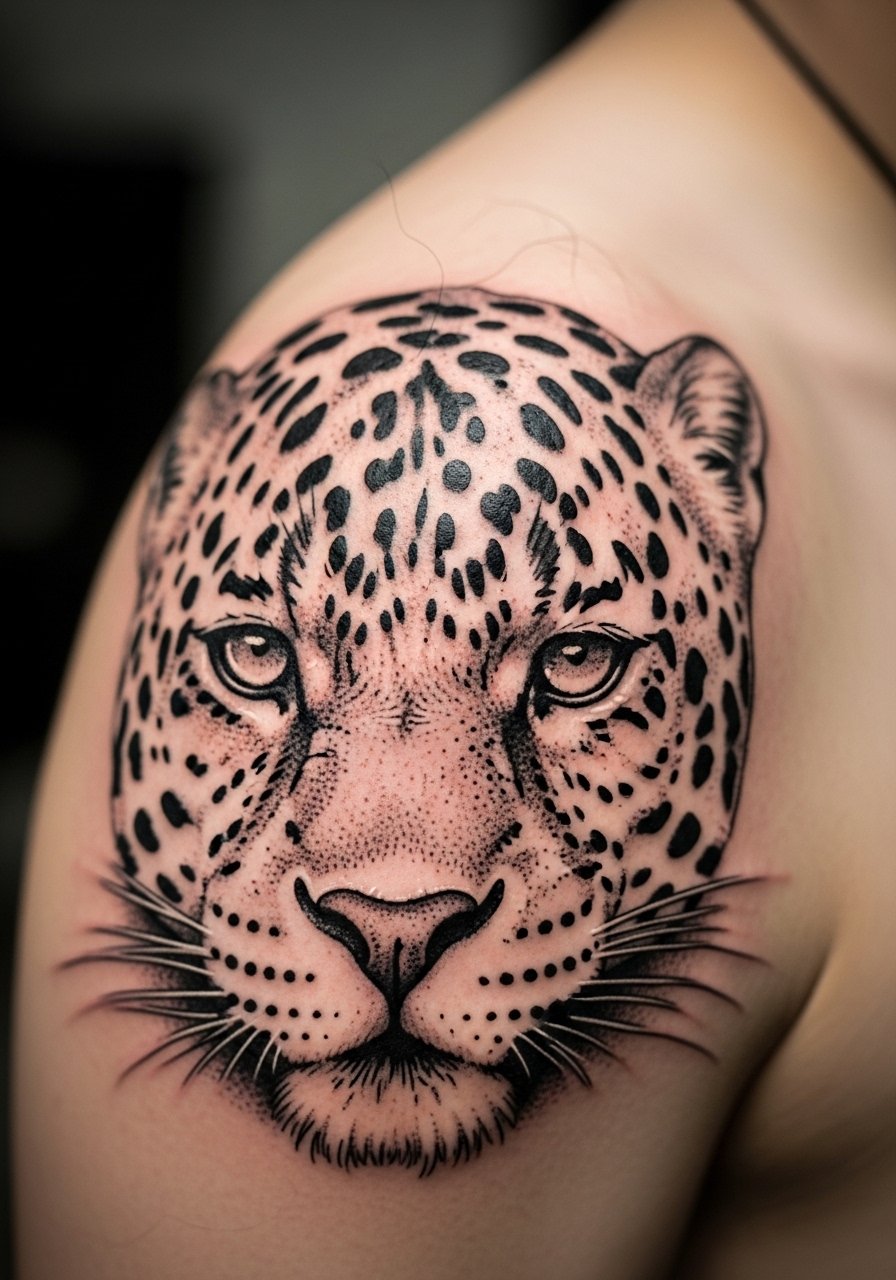
Dot work can age beautifully when dots are spaced properly. One common error is packing dots too tightly which creates a patchy gray over time. Shoulder cap is an excellent canvas because it does not stretch as much. Sessions can be longer depending on density. Ask the artist to show healed dot work samples from year two onwards. This piece suits someone who likes textural animals that read well both close-up and at a distance.
25. Dark Moth Down the Spine
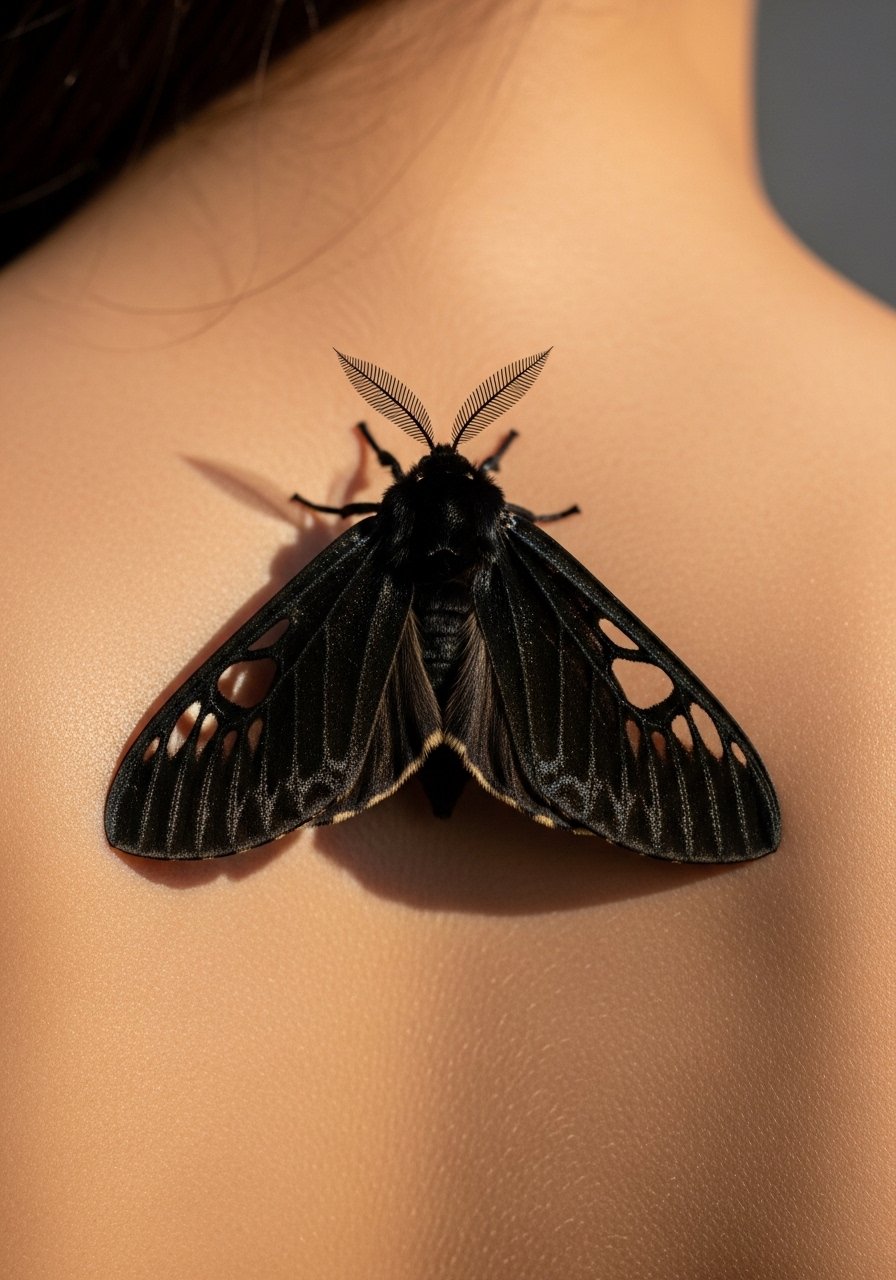
Spine pieces are striking but painful, especially over the vertebrae. For a moth that ages, keep wing veins bold enough to stay visible as the ink softens. A common mistake is making those veins hairline thin, which makes the pattern disappear. Sessions might be split to manage discomfort. This is ideal for someone seeking a vertically oriented statement that aligns with clothing lines and can be hidden or shown depending on wardrobe.
Tattoo Prep and Aftercare Essentials
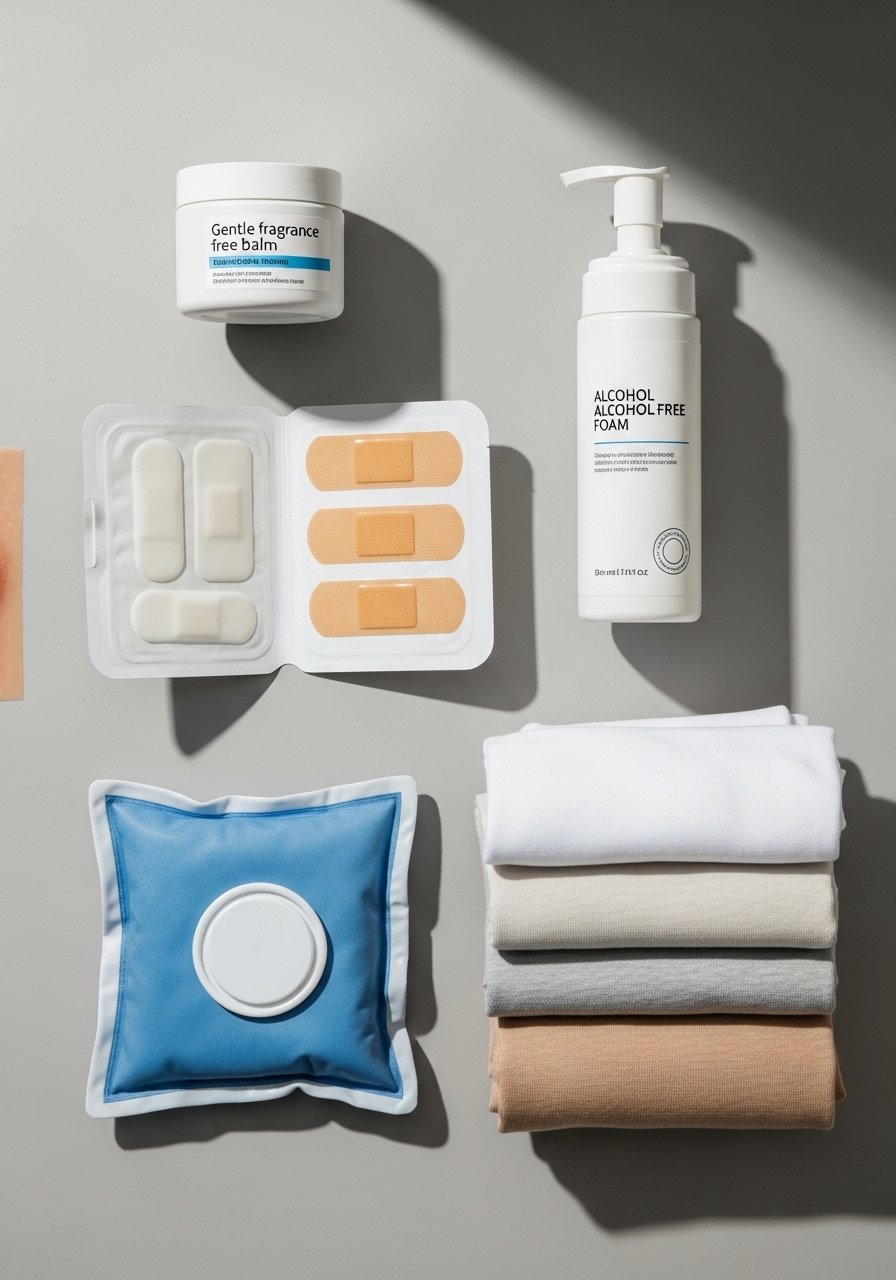
Fragrance-free gentle foaming cleanser for sensitive skin. Use a mild cleanser in the first week to remove debris without stripping natural oils. A low-foam formula helps avoid excessive rubbing.
Lightweight fragrance-free balm in a small tin. Apply sparingly during the seal phase to keep the surface moisturized without suffocating the skin.
Medical-grade second skin bandage, 6-inch roll. Useful for high-friction placements and for overnight protection during the first two days.
Silicone scar-management sheet, small size. For tattoo touch-up scars or raised areas after healing consider gentle silicone therapy per artist advice.
Cooling gel cold pack, reusable. Good for immediate after-session swelling control, applied intermittently with a cloth barrier.
Compression-friendly loose cotton shirts. Wear breathable clothing over fresh tattoos to reduce irritation during the first week.
Aquaphor Healing Ointment. One mainstream ointment in this list. Use sparingly and only if your artist mentions it, because some prefer lighter balms.
Lightweight SPF 50 mineral sunscreen. Protect healed tattoos from UV to preserve saturation and contrast.
Every tattoo is different. Always follow your artist's specific aftercare instructions. Consult a dermatologist if you have skin concerns or unusual healing issues.
Frequently Asked Questions
Q: Will fine line animal tattoos blur faster on ribs than on forearms?
A: It depends on movement and skin type. Ribs stretch with breathing and that increases risk that very thin lines will soften. One camp of artists says avoid ultra-thin lines there. The other camp says with controlled needle depth and slightly heavier line weight you can get lasting results. Ask to see healed rib examples from the artist before booking.
Q: Do watercolor-style animal pieces need different aftercare than blackwork?
A: From what I've gathered, watercolor pieces benefit from gentle cleaning and minimal heavy ointments so color sits in the epidermis rather than building a thick film. Blackwork often needs deeper saturation and sometimes occlusive protection in the first 48 hours. Follow the artist's aftercare for the specific style you choose.
Q: How often do blackwork pieces like panthers or solid animals need touch-ups?
A: Expect a touch-up conversation in year two to three depending on sun exposure and placement. Thigh and upper arm saturate well so they typically need less frequent top-ups than hands and fingers. Planning for a single light touch-up keeps heavy black looking uniform over time.
Q: Are hand and face placements still risky for job prospects?
A: Yes, in some industries visible tattoos remain a consideration. I suggest thinking about your career path and whether you want visible work permanently before choosing hand or face placements. If you go ahead, consider smaller marks that can be covered by accessories or hair when needed.
Q: How should I discover an artist who does durable dot work or micro-realism for animal pieces?
A: Use discovery pathways like local tattoo directories, recent convention guest lists, and community forums. Search hashtags that include the style plus your city or region and filter for healed photos in captions. Spend time reading forum threads for healed examples and ask artists about their touch-up policy before booking.