
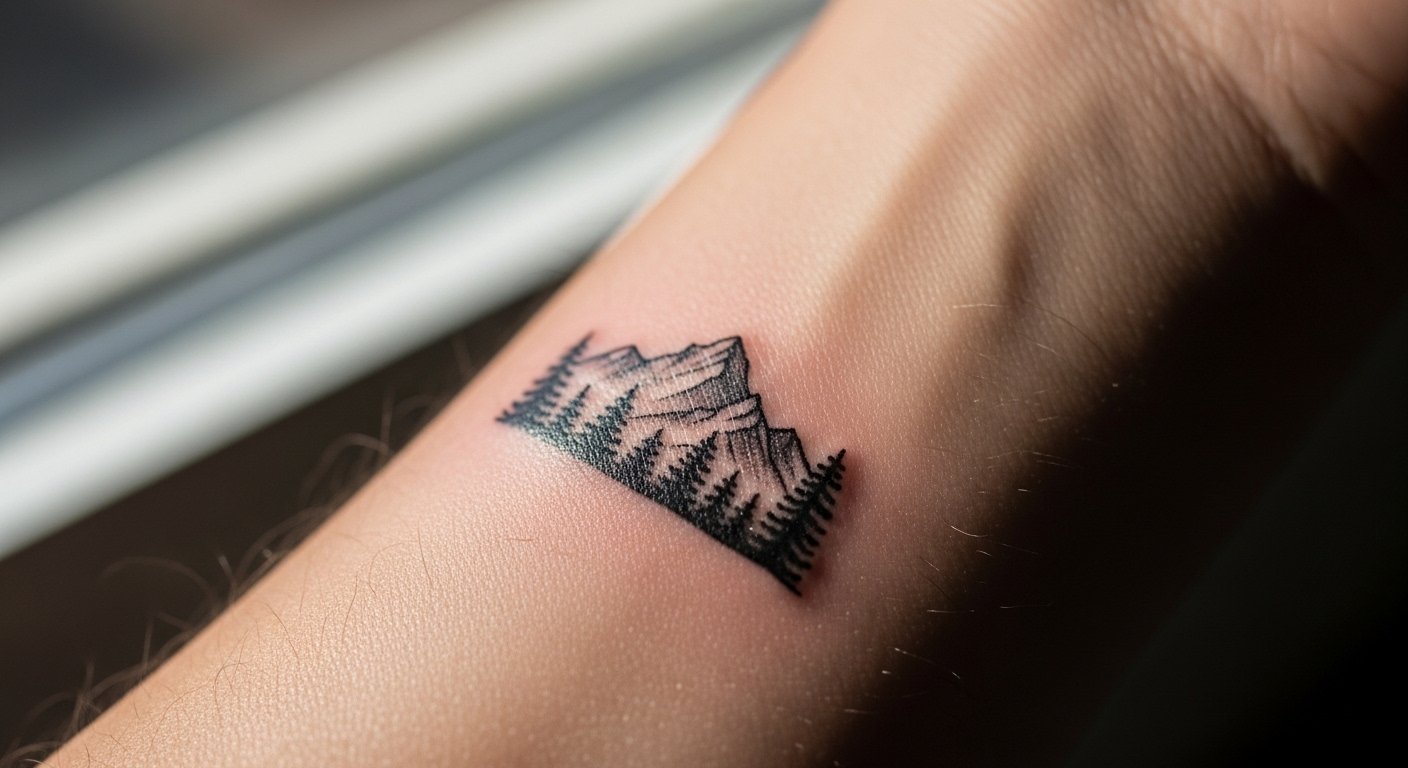
Someone I know spent nine months bookmarking wrist photos before booking. The real problem was not finding pretty art. It was knowing which small line or symbol would still feel intentional three years from now. Below are twenty wrist tattoos for women that carry clear meaning, plus notes on how each one ages, what to ask your artist, and the common mistakes to avoid.
1. Fine-line Arrow on the Inner Wrist
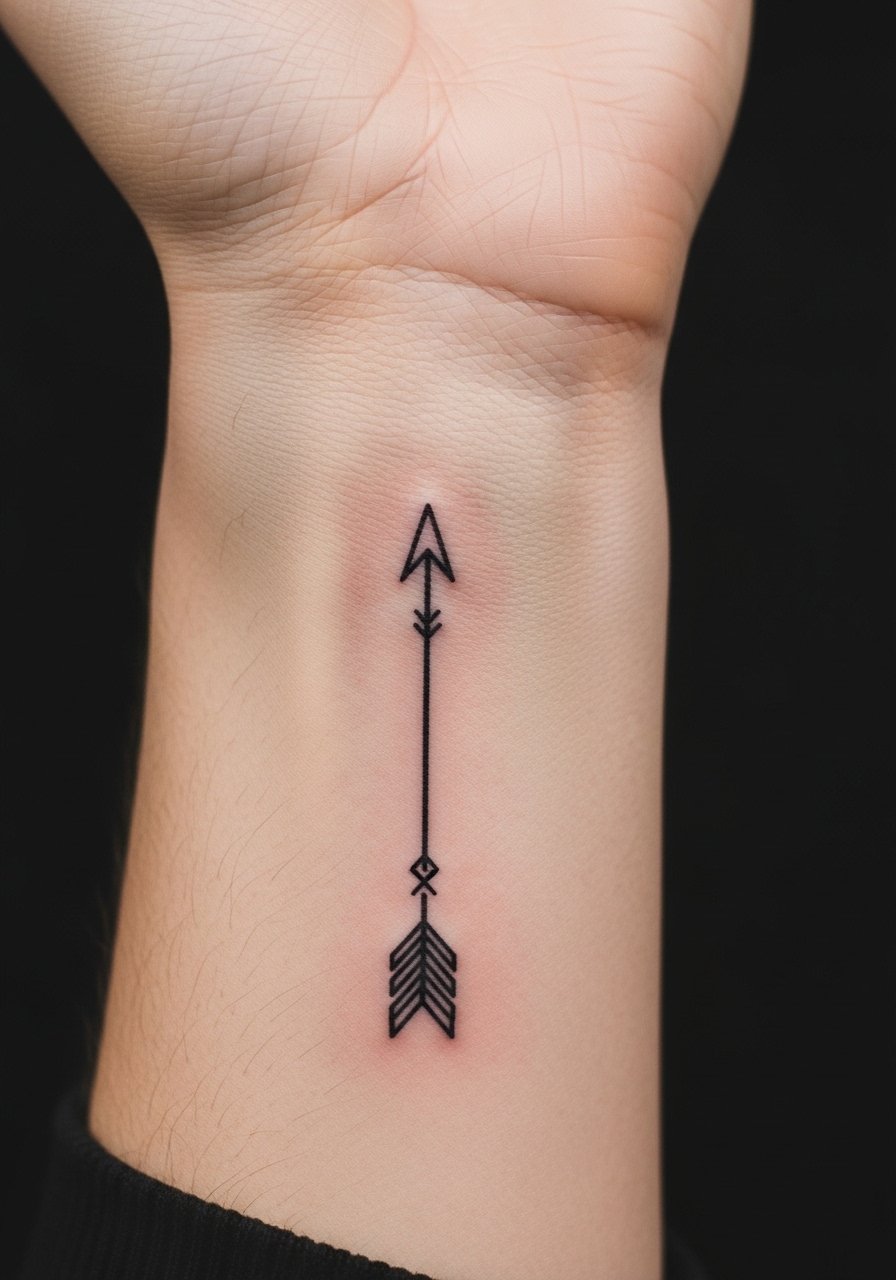
Someone I know first booked a tiny arrow because they wanted a daily reminder to move forward. Fine-line arrows read best when they are scaled to the wrist width. Tell your artist you want single-needle linework with a small gap between shaft and fletching so the design has breathing room. The biggest mistake is asking for a hairline arrow that sits too close to the wrist crease. Expect mild fading by year two and a likely touch-up around year three. Pain is low to moderate and a single short session will do. For placement over tendons expect sharper discomfort and a higher blowout risk if lines are placed too densely.
2. Semicolon in Minimal Script
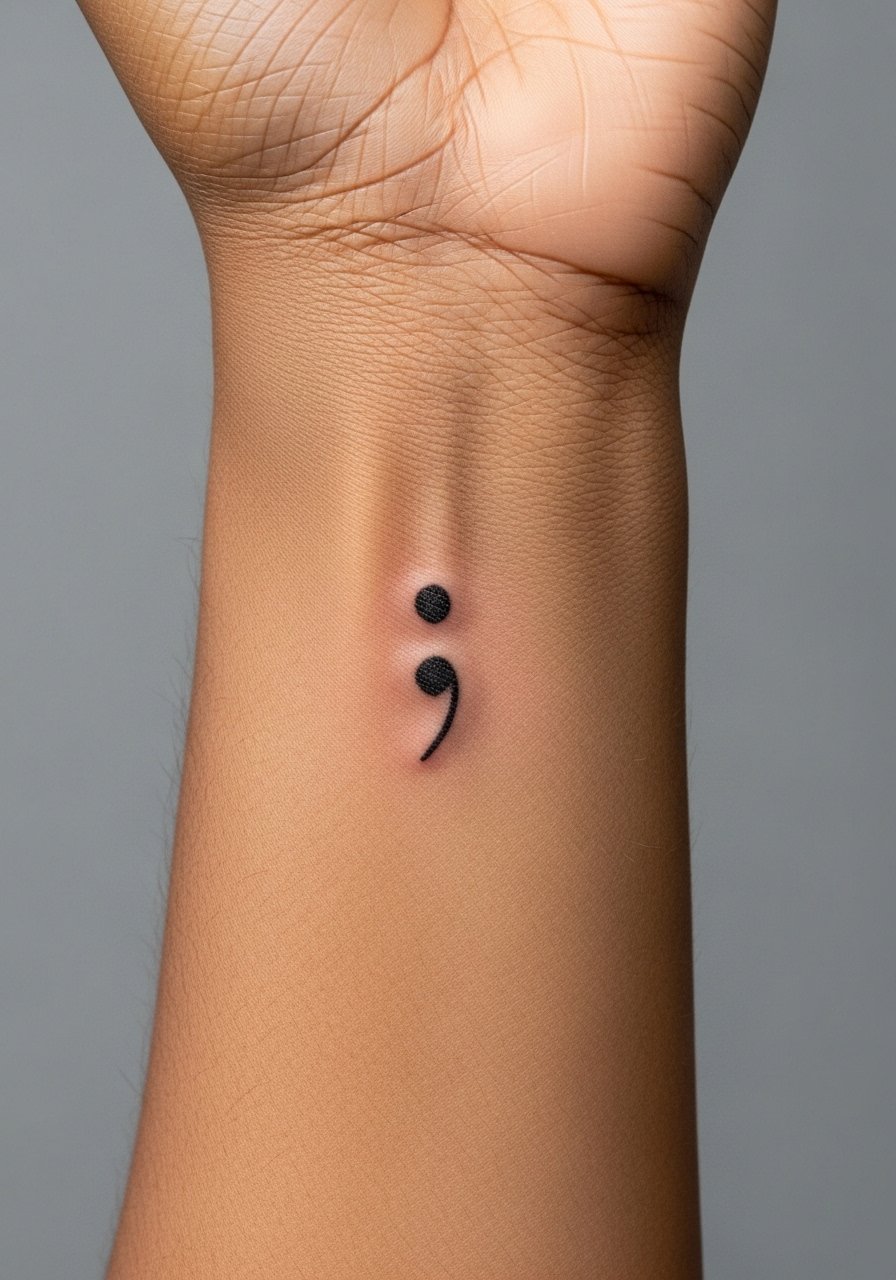
I have seen semicolons become quiet anchor pieces for people processing survival stories. Request a precision script so the dot and the curve keep contrast as the ink settles. A common mistake is compressing the symbol with extra flourishes that blur into a smudge over time. This style heals cleanly at six months but the dot can soften by year two, so plan for a small touch-up when the line edges feather. Session time is quick and pain is mild. If the semicolon sits very close to the wrist bone, expect sharper sensation during the session.
3. Heartbeat Line with Important Date
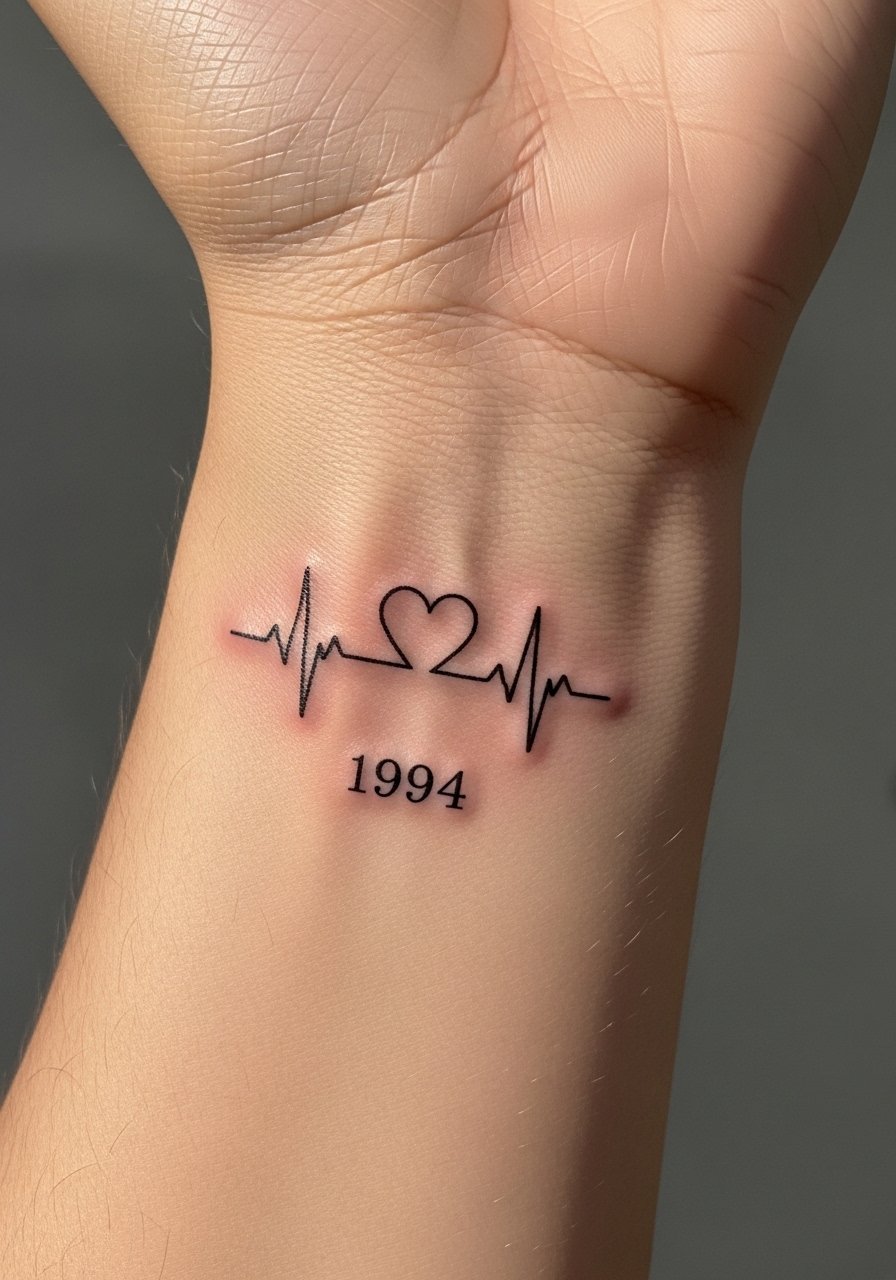
When someone wants a literal memory on their wrist, a heartbeat line that ends in a date reads as a private timeline. Use a clean minimal electrocardiogram motif and specify the exact year or date text you want. For text include the exact string '1994' so the final art is crisp. The usual mistake is shrinking the numbers until they become unreadable after a year. Expect moderate touch-up needs near the numbers because tiny numerals blur faster than straight linework. This takes one short session and is best for people who like literal symbolism.
4. Tiny Single-Word Script: "Breathe"
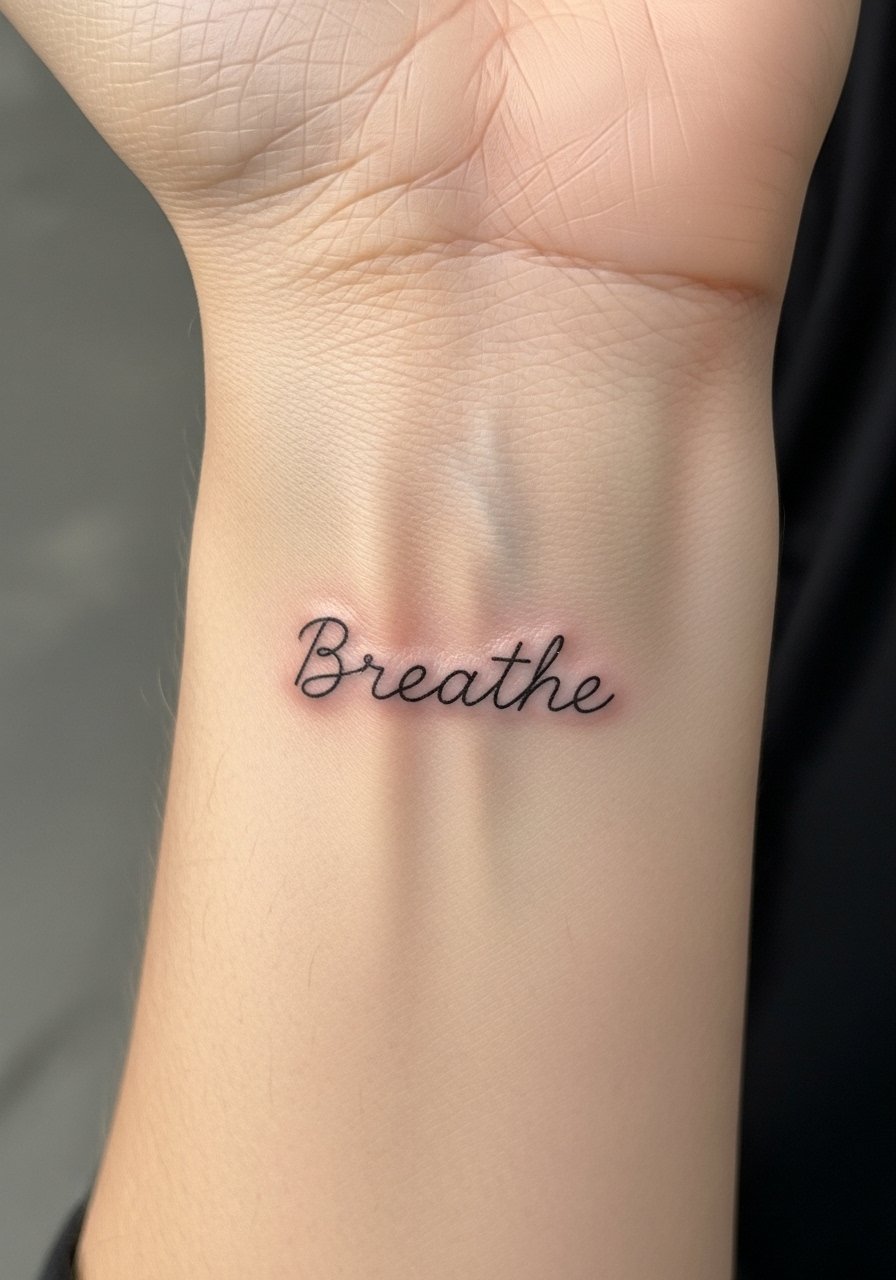
A simple coping word functions like a tactile prompt when you glance at your wrist. Ask for a continuous single-stroke script without loops that trap ink. The main mistake is ornate lettering with tight counters. Those details bleed into a gray smear as the skin heals. Expect the word to soften at six months and need a micro touch-up by year three if you want the original contrast back. This placement is low to moderate on pain and feels very visible, which is the point for a daily prompt.
5. Micro-Realism Feather Along the Wrist Bone
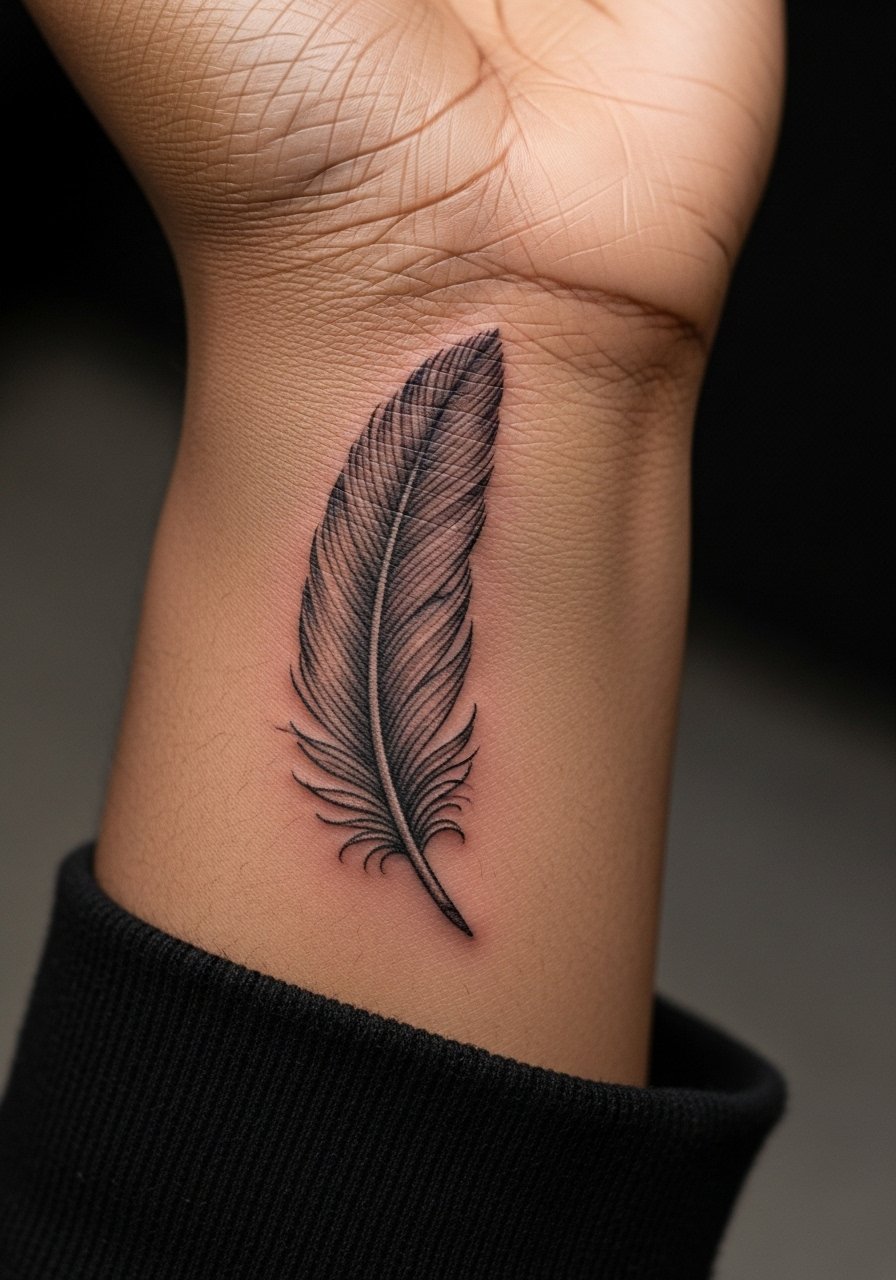
I once saw a healed feather that still read like a sketch five years later. Micro-realism needs tight shading and controlled saturation. During consultation say you want shallow shading with stipple techniques so the barbs read instead of turning into a gray blot. A common error is over-saturating at the start, which can create a heavy patch later. Expect slightly longer session time than a line piece and plan for a touch-up at year two to refresh the lighter shades. Wrist bone placements can be sharper to tattoo and may need more aftercare attention.
6. Tiny Lotus Facing Upward
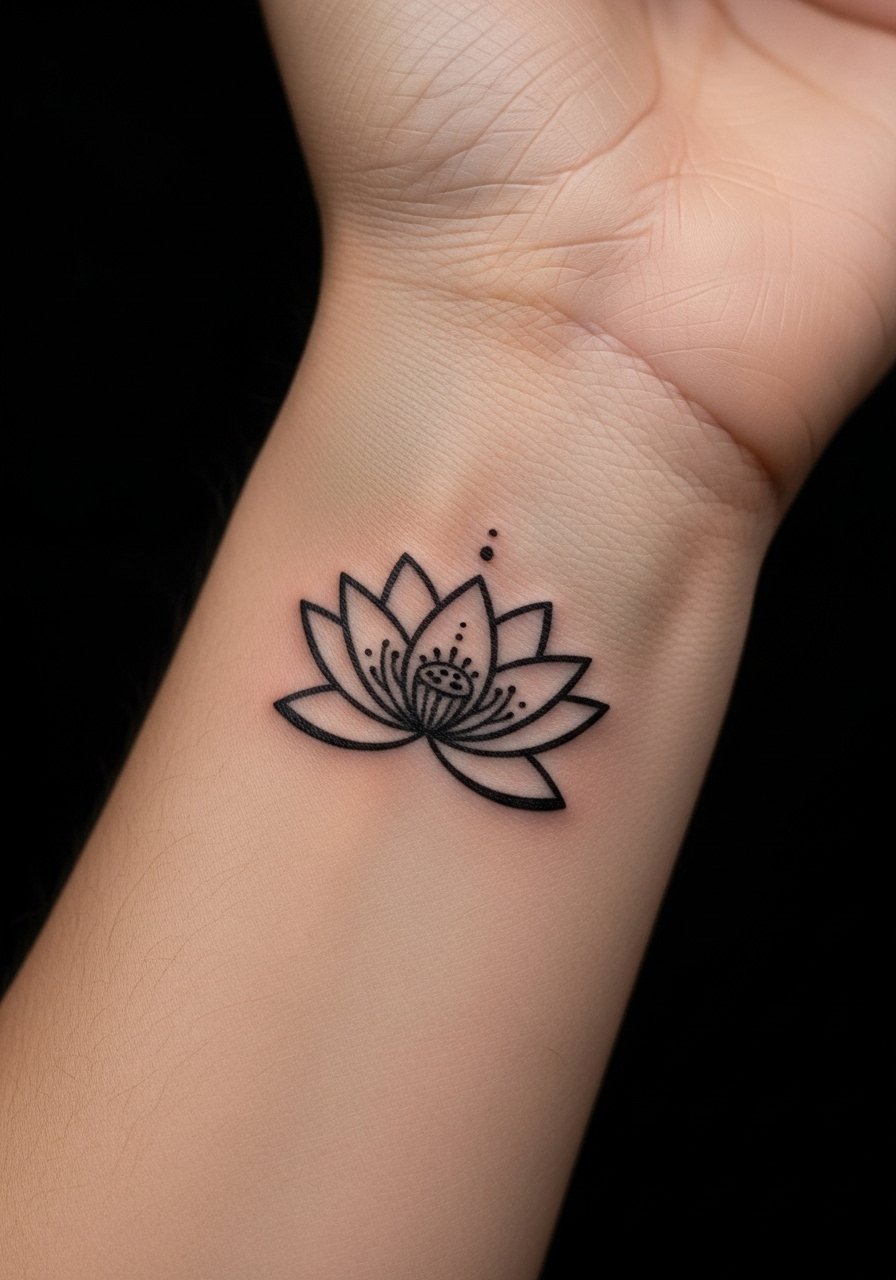
The lotus often signals growth after struggle. If you are mindful of cultural roots, say you want an interpretation that nods to the symbol rather than a direct religious rendering. The mistake I see is loading the petals with micro detail that disappears after a year. Ask for slightly bolder linework in the petal edges and stipple shading inside. This holds up better than ultra-fine floral filigree. Expect mild pain and a short session. Artists differ on how much internal detail survives, so ask how they handle long-term saturation.
7. Mandala Cuff That Wraps the Wrist
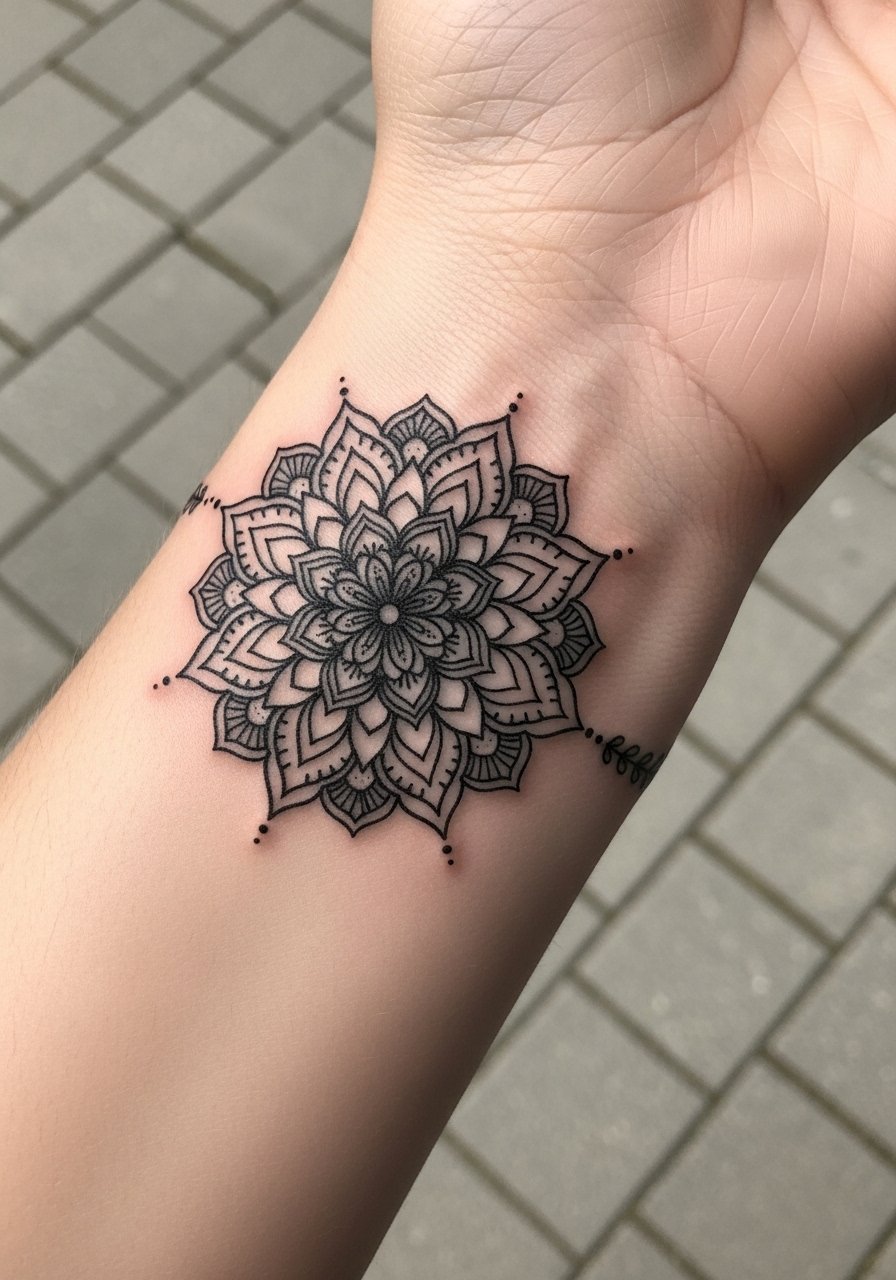
Mandala cuffs split people in my circles. One camp believes intricate mandala work can be scaled down and remain crisp. The other camp warns that tiny repeating patterns blur and lose geometry within two years. Say you want bolder main lines and slightly larger inner shapes so the pattern retains its structure. Common mistakes are insisting on a highly detailed cuff that sits too small. This design needs a longer session and may require a touch-up at year two. Note the design has origins in contemplative traditions, so some people opt for variations instead of replicas.
8. Tiny Compass Rose Near Wrist Crease
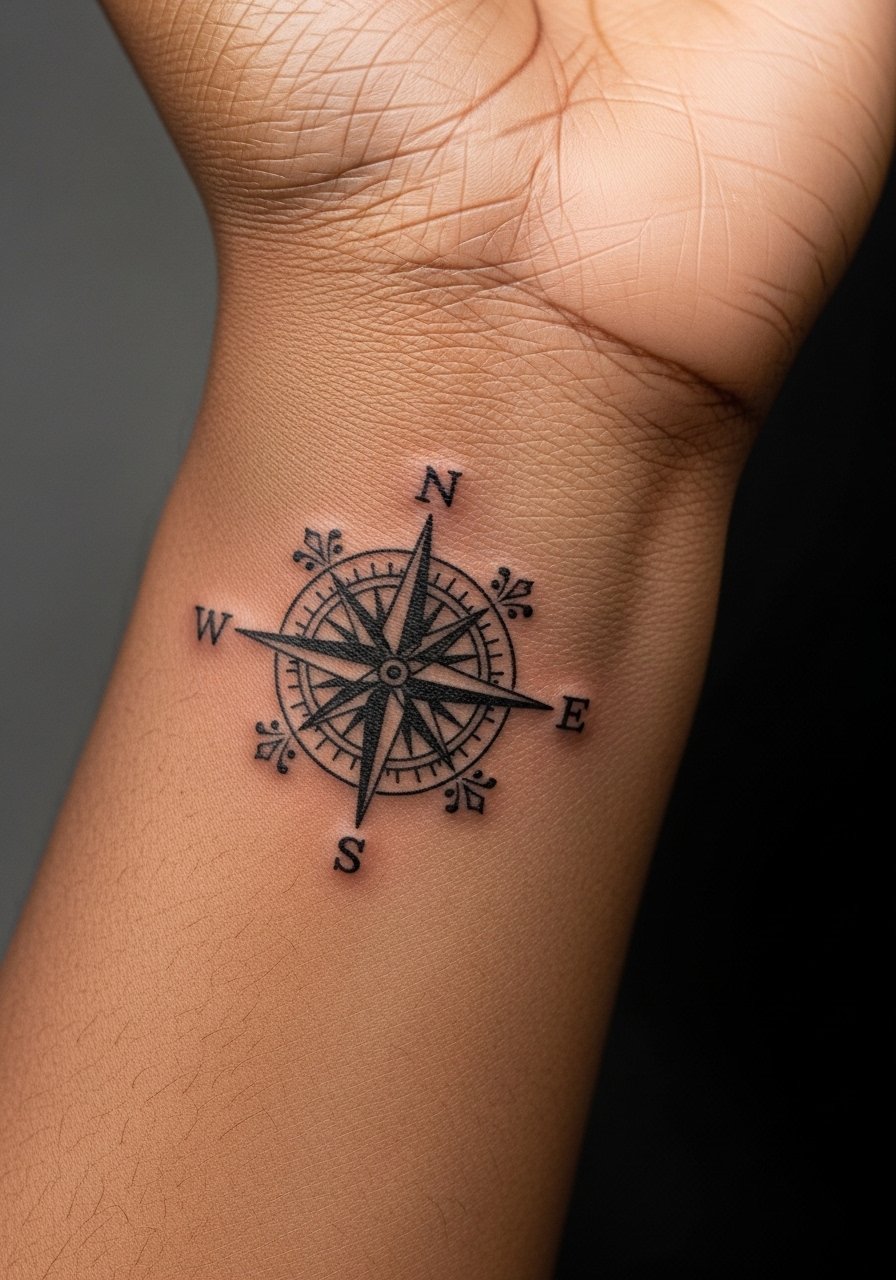
A compass rose reads as direction, travel, or personal navigation. Tell your artist to keep cardinal points simple and the central dot slightly larger. Too many tiny decorative marks around the points is the common mistake because those elements fill in as time goes on. Expect mild pain and a short session. If you want a readable design across years, avoid micro-lettering for the N E S W markers. For a wrist crease placement anticipate more movement during healing and plan aftercare accordingly.
9. Floral Vine That Wraps the Side of the Wrist
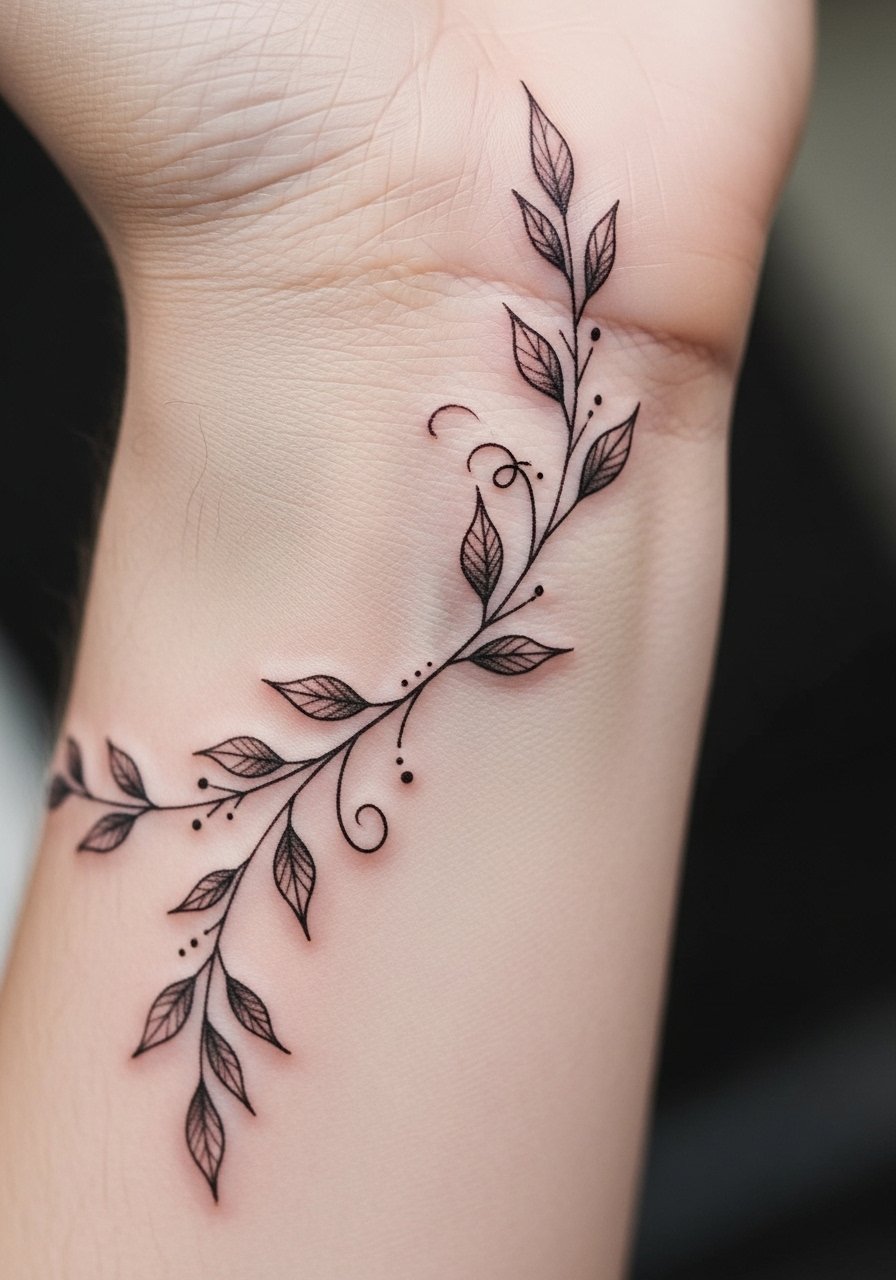
There is a nice readable rhythm to a vine that follows the wrist contour. Ask for spaced leaves with occasional negative space so the silhouette stays legible as skin shifts. The frequent mistake is packing too many tiny leaves close together, which merges after healing. At six months the vine should look soft and at two years the silhouette may need a light touch-up to crisp the leaf edges. Session time is moderate. This design suits people who want a piece that interacts with bracelets or watches.
10. Single Tiny Lock and Key Symbol
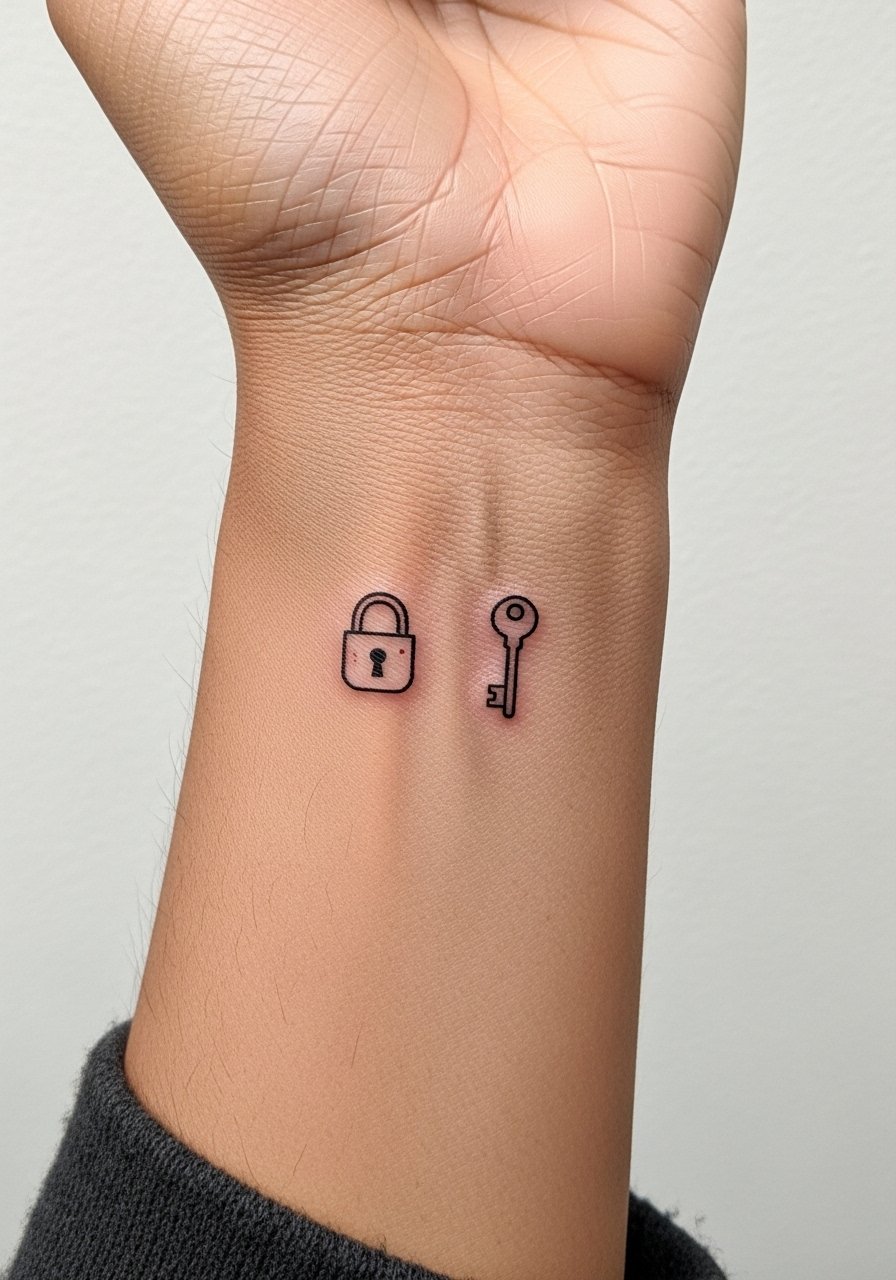
Lock-and-key pairs lend themselves to personal meanings about trust or safety. When you consult, specify scale so both elements remain proportionate on a small canvas. The mistake is requesting ornate filigree that disappears. Expect this to be a short session with low to moderate pain. If the lock includes tiny initials decide whether you want full letters or simple shapes, because letters under three millimeters will blur. This pairing can be split across both wrists for a matching set.
11. Tiny Wave Line for Ocean Memory
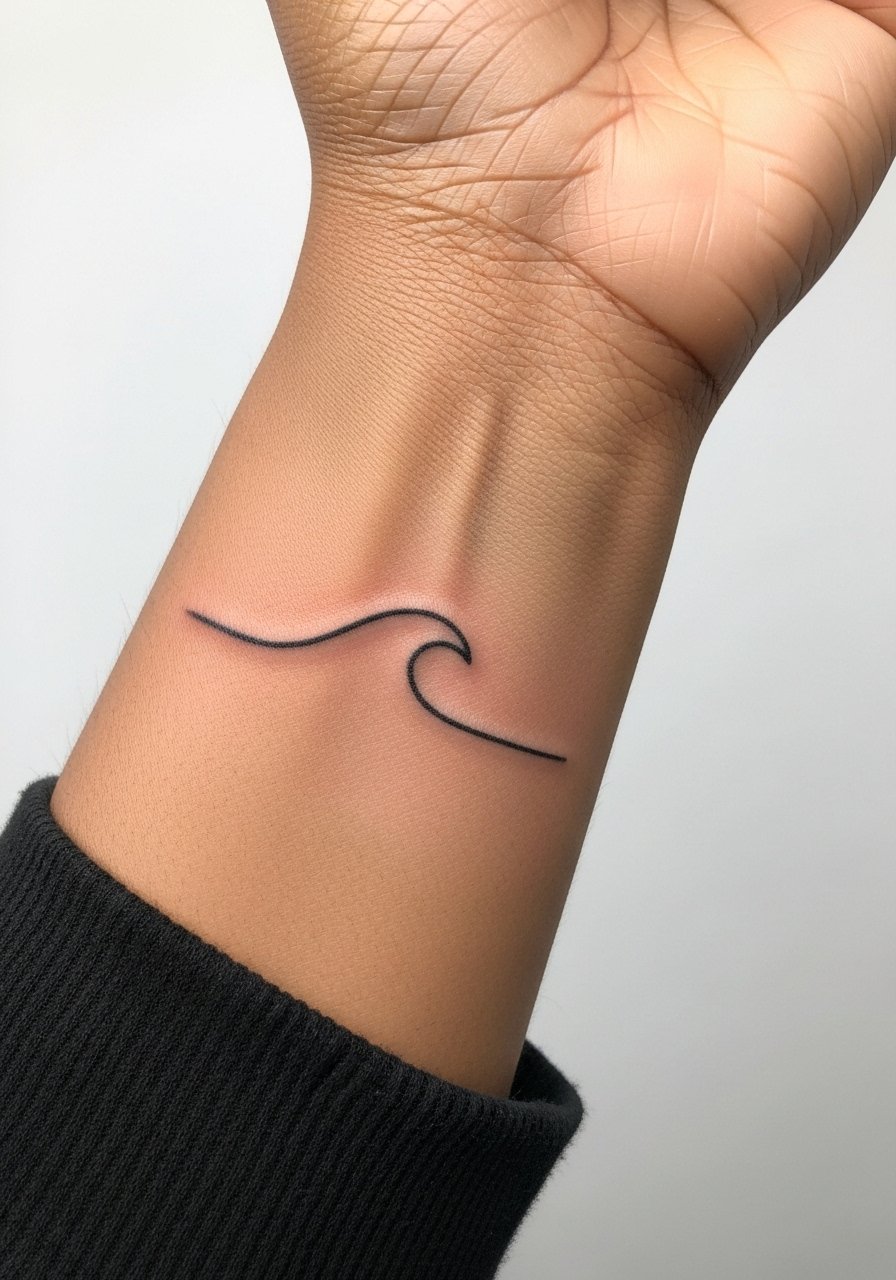
A single wave is a popular shorthand for ocean ties or resilience. Request a single continuous curve in medium lineweight so it reads from a distance but does not look heavy up close. The common error is making the line too thin and delicate. That version loses presence within a year. This piece heals predictably and needs an occasional touch-up if you want crisp edges at year three. Session time is short. For people working outdoors remember UV exposure is the biggest ink killer.
12. Coordinates of a Meaningful Place
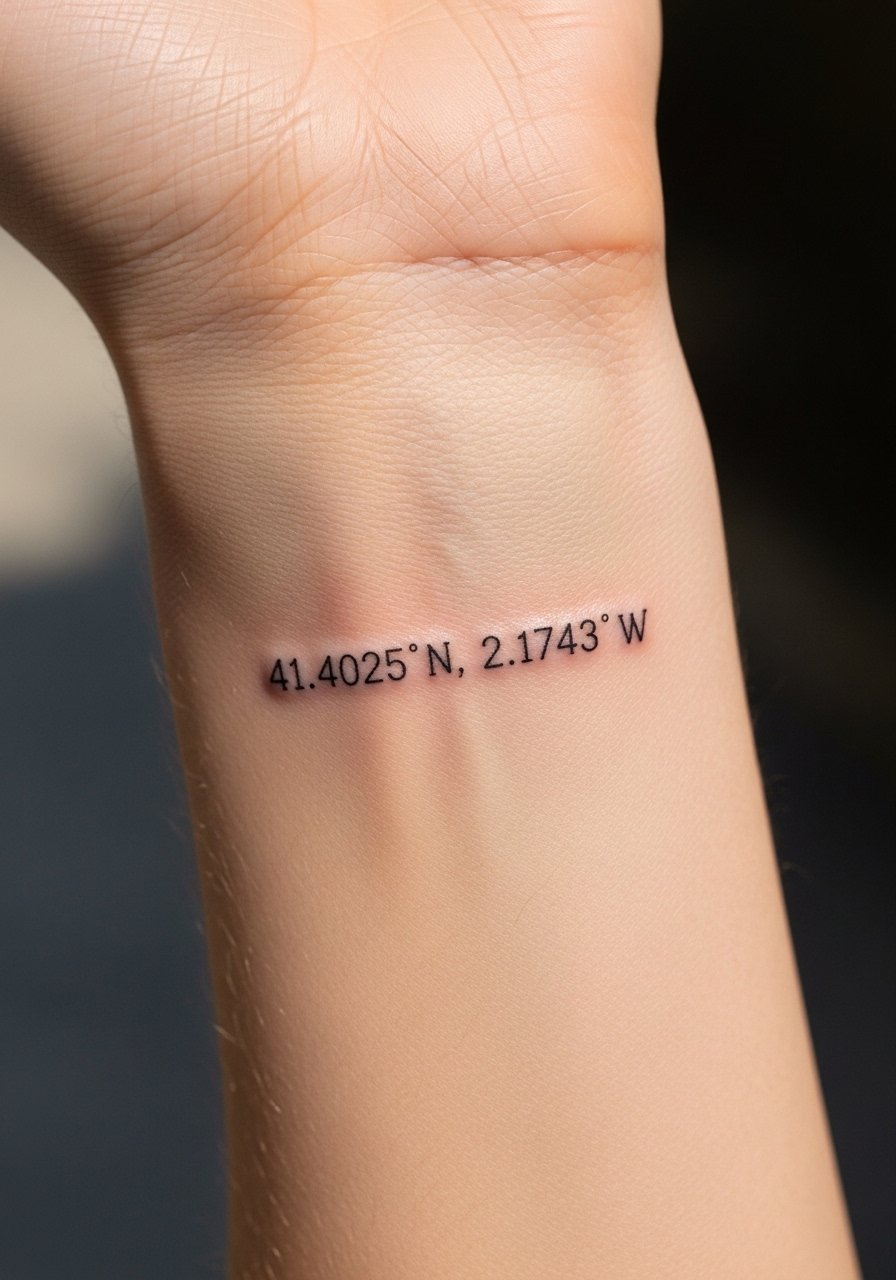
Coordinates are quietly specific and private. When you give coordinates be exact with the string '41.4025 N, 2.1743 W' so the final lettering does not invent characters. Small numbers tend to blur so ask for a slightly larger type size and clean spacing. The usual mistake is condensing the numbers to fit, which ruins legibility later. Expect low pain and a short session. If you want long-term readability plan a touch-up around year two.
13. Tiny Crescent Moon with Three Stars
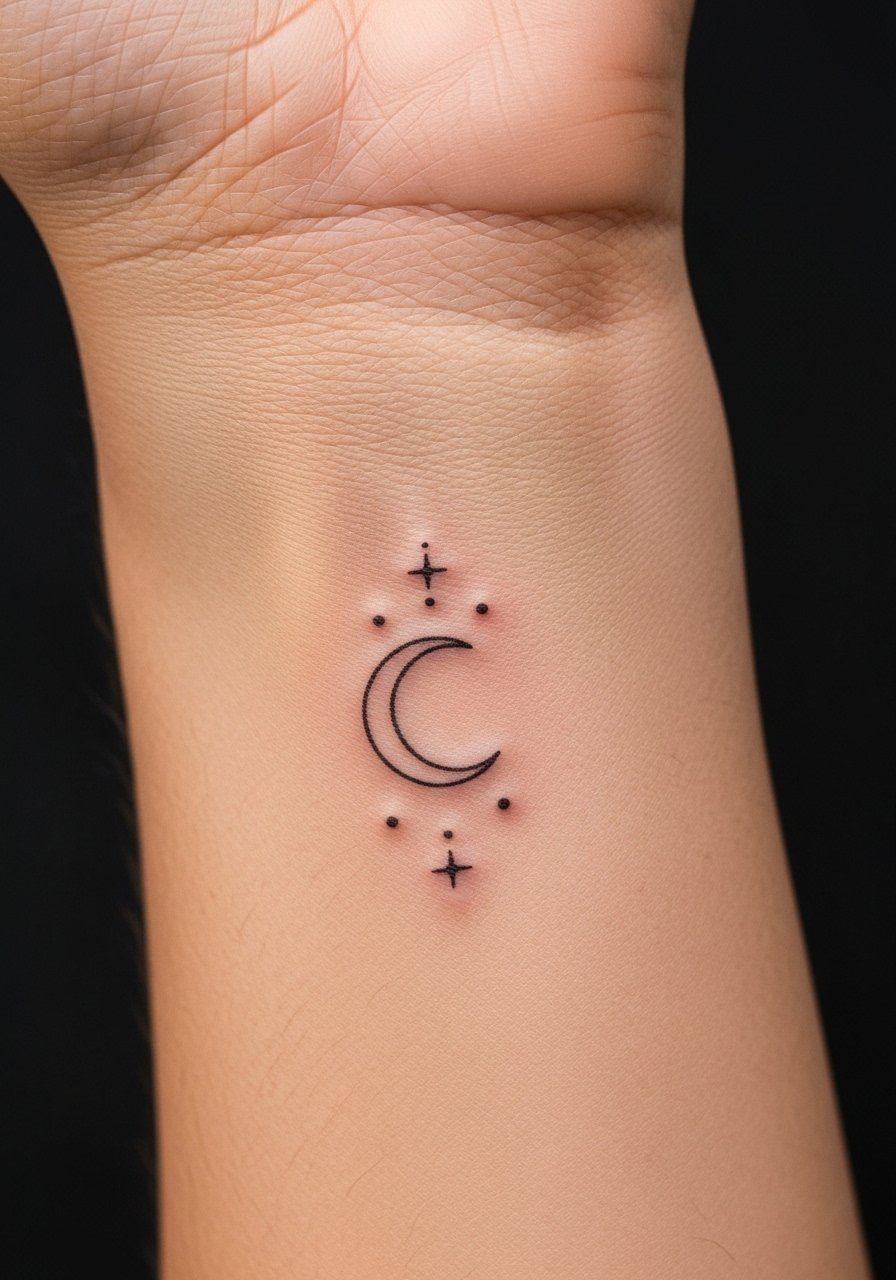
The moon and stars act as compact personal astronomy or phases-of-self motifs. Tell your artist to space the stars so they do not sit too close to the crescent. A common mistake is dot clustering that turns into a blur. This heals neatly and keeps shape well if dots are not undersized. Session time is brief and pain is low. For a slightly more graphic look ask for solid black shapes rather than micro-dot shading.
14. Tiny Bee or Insect Symbol
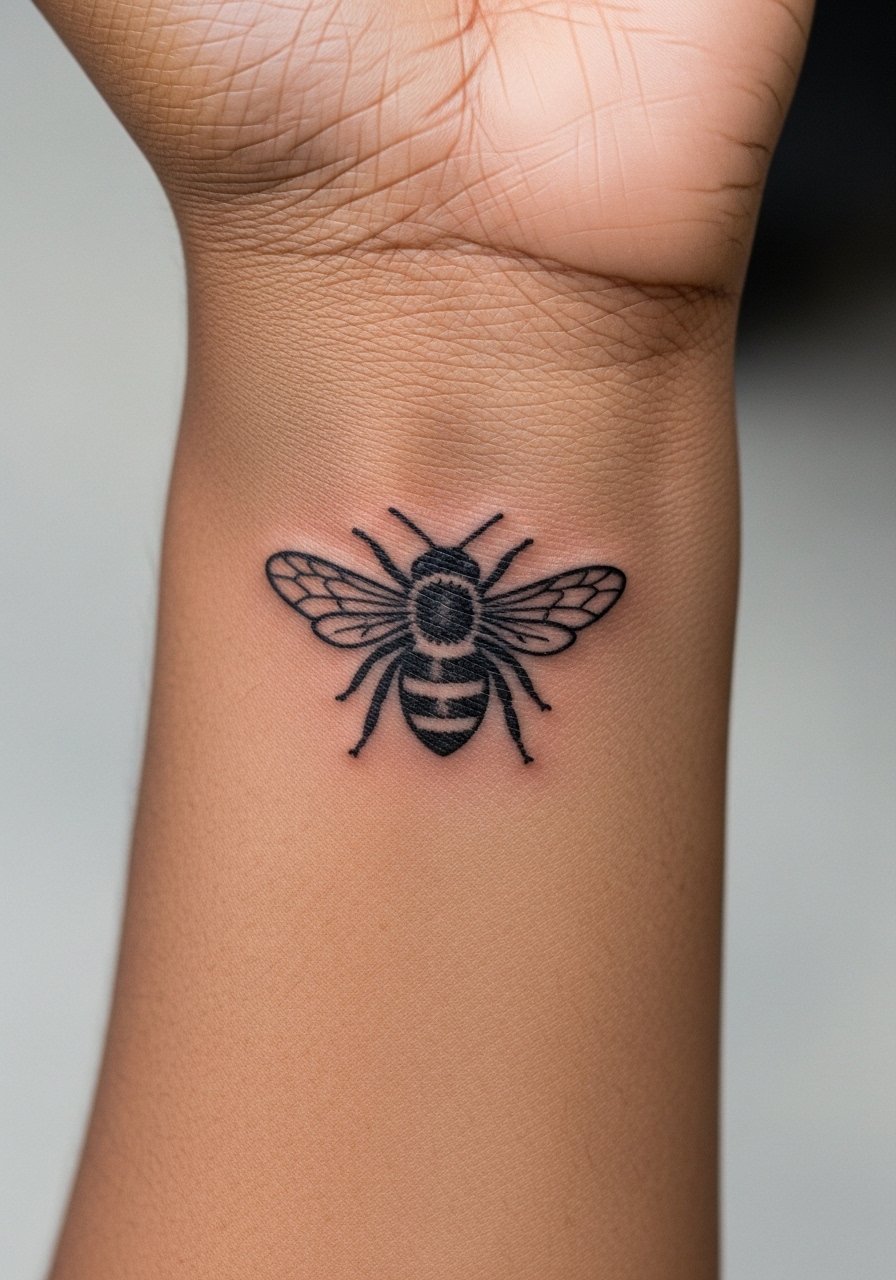
Bees symbolize community, work, or a loved one. Ask for simplified silhouette linework rather than many tiny wing veins. The mistake is requesting excessive micro detail in wings that fills in during healing. Expect a short session and a likely touch-up if you choose thin line veins. This piece works well for people who prefer symbolic rather than literal images.
15. Paper Crane in Origami Lines
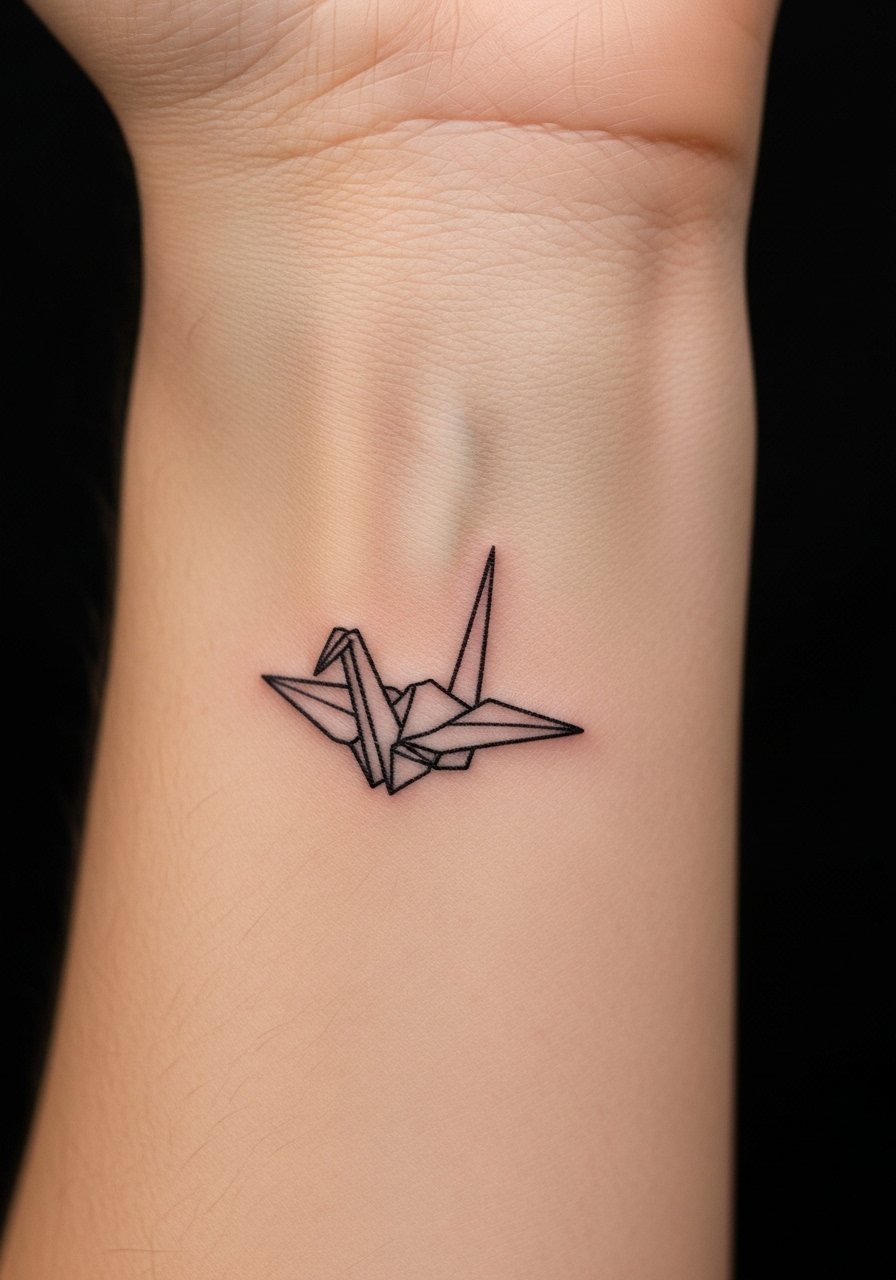
The paper crane can signal peace, hope, or a careful promise. If cultural meaning matters to you, keep the design understated and avoid adding unrelated symbols. Tell your artist you want clear geometric folds rather than textured shading. Small folded angles can merge, so avoid dense internal lines and ask for moderate spacing. Healing is straightforward. Expect a short session and a touch-up at year two if the creases soften.
16. Tiny Soundwave of a Loved One Saying 'I Love You'
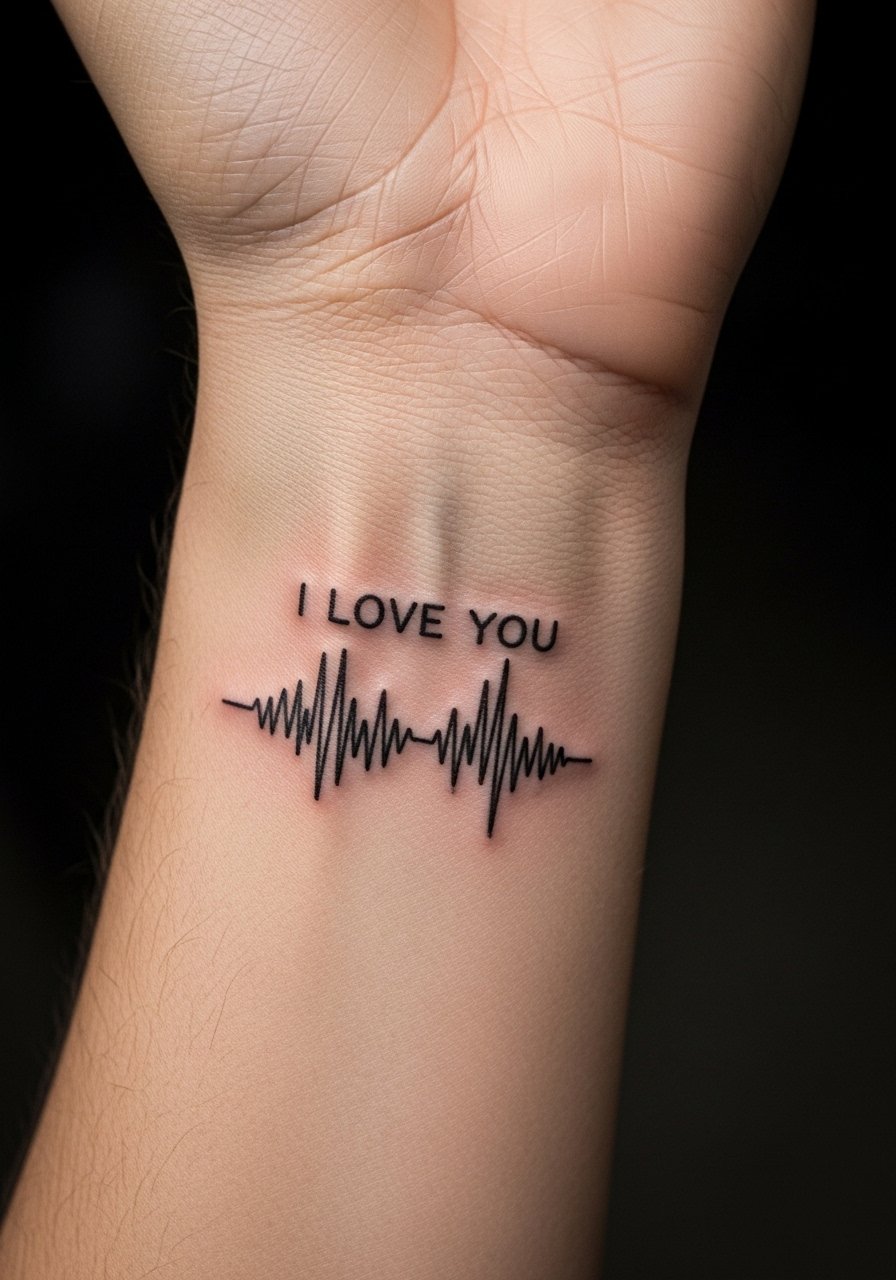
Soundwave tattoos feel uniquely literal when you scan a clip and turn it into a waveform. When you bring audio, say you want the exact moment that forms the phrase 'I Love You' so the visual matches. A common mistake is compressing the waveform into a too-small width which loses definition. The piece needs clear spacing horizontally and will need a touch-up if lines soften. This takes a slightly longer session because of the precise translation from audio to art.
17. Tiny Compass Needle with North Marked
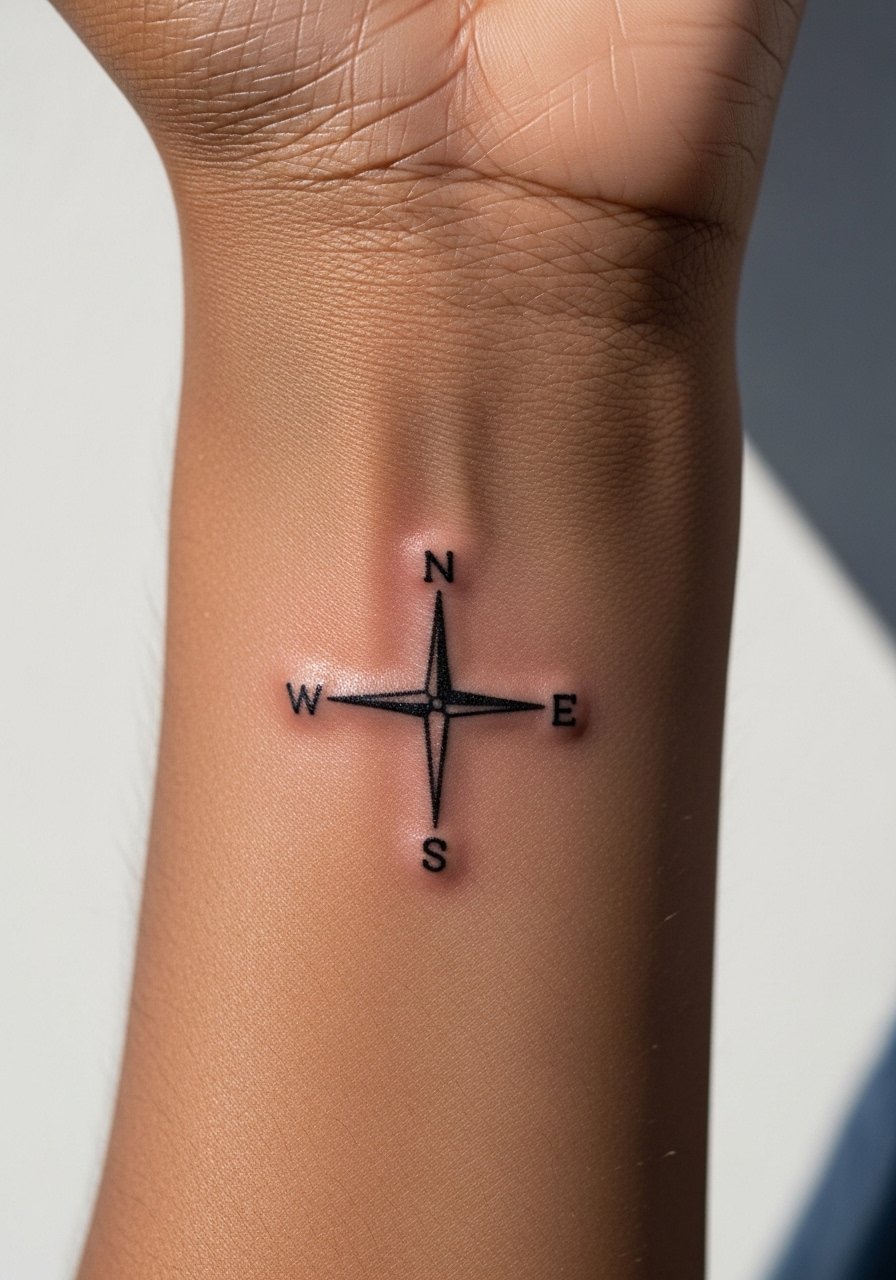
A single needle reads as direction or moral north without the extra clutter of a full compass. Ask for a slightly elongated needle and a single bold north marker. The mistake people make is adding mini numerals or too many ticks which fade. Expect very little pain and a quick session. This version ages better than a fully detailed compass because it relies on one clear shape.
18. Tiny Botanical Sprig with Stipple Shading
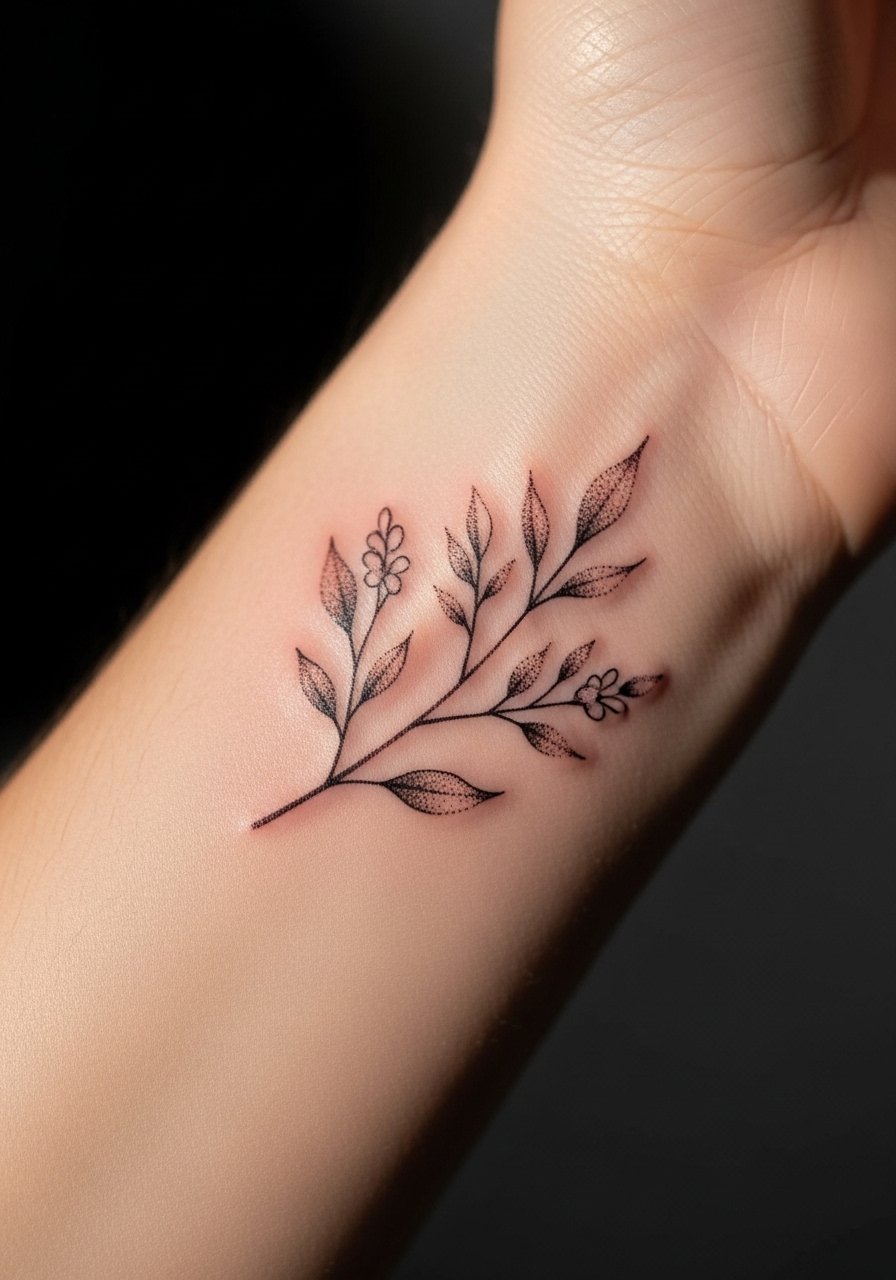
Stipple shading gives texture without heavy blocks of color. Tell your artist you want dot work that graduates outward so the center reads darker and edges stay soft. The common mistake is requesting dense stippling at a tiny scale. Those dots merge into a gray patch. Stipple holds well when artists space dots deliberately. Expect a bit more session time than plain lines and plan for a touch-up if dots migrate. Stipple is a technique many artists offer, so use hashtags or local directories to find artists who list dot work in their portfolios.
19. Tiny Roman Numerals for a Special Date
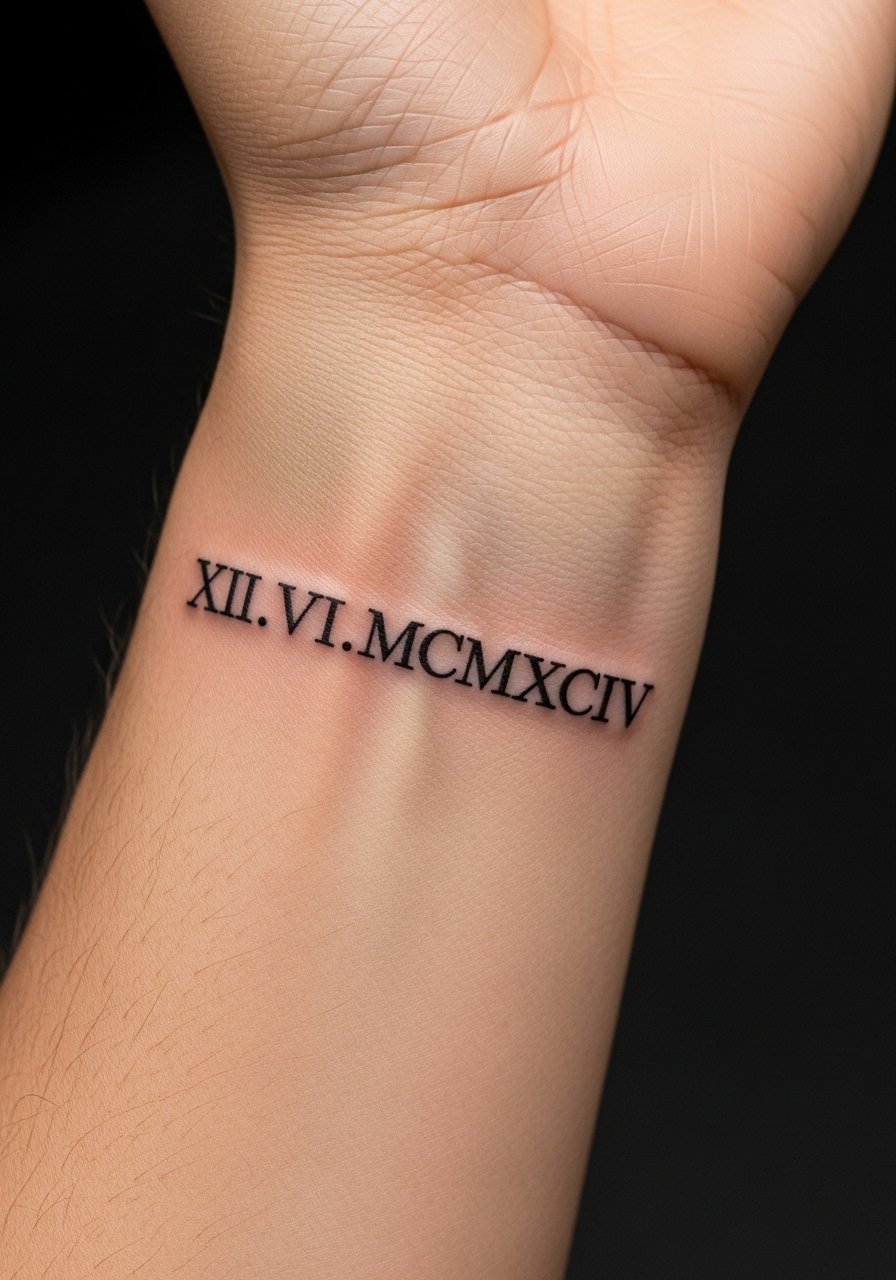
Roman numerals feel formal and compact for memorial dates. Provide the exact string 'XII.VI.MCMXCIV' to avoid transcription errors. The biggest mistake is shrinking numerals so small that strokes blur together. Opt for slightly wider spacing and modest lineweight. Healing is straightforward but small serifs can feather, so expect a micro touch-up around year two. This piece is quick to tattoo and reads as elegant when scaled correctly.
20. Tiny Geometric Triangle Stack
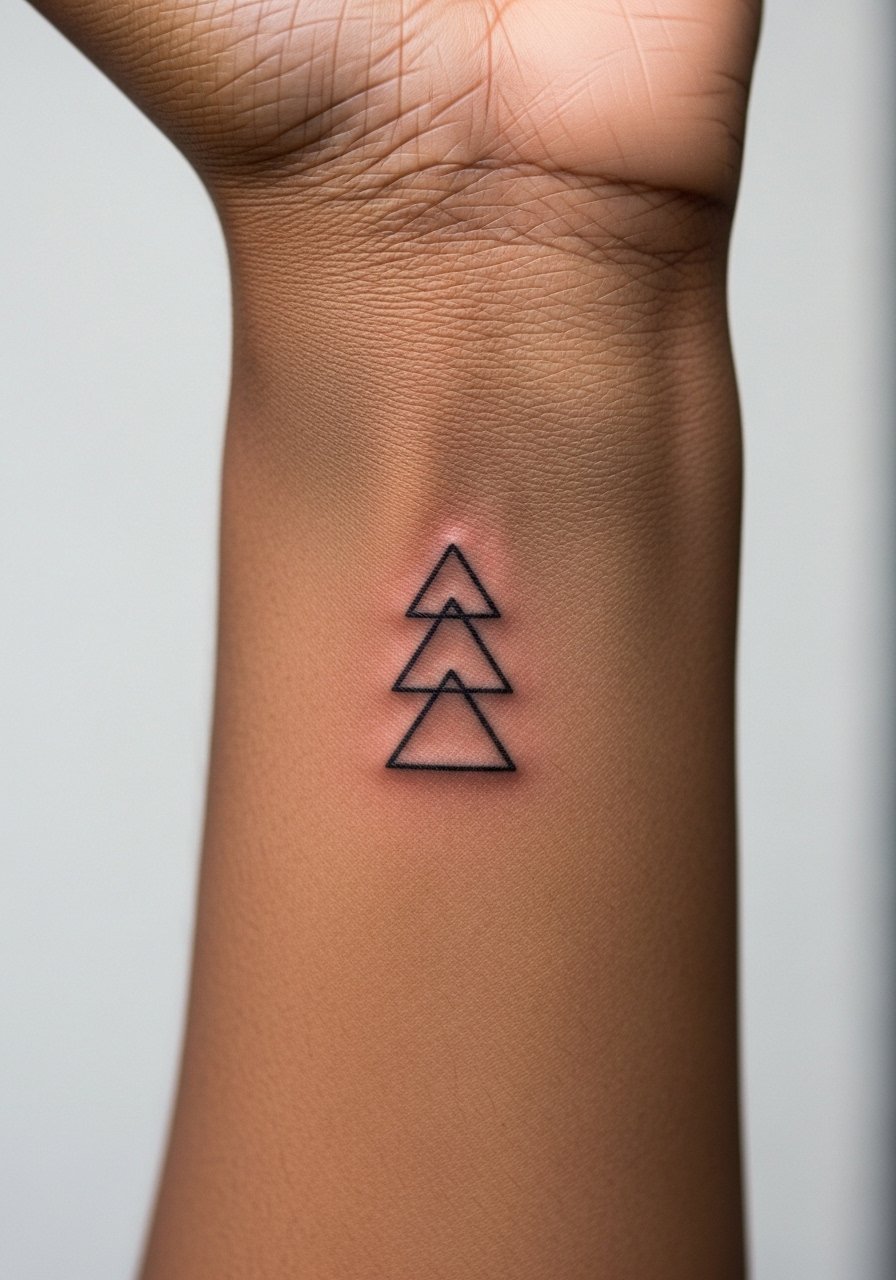
Geometric stacks can represent stages, balance, or personal principles. Tell your artist whether you want filled triangles or just outlines. The common error is making the shapes too small so that acute angles soften. Cleanly spaced triangles with clear negative space survive best. Expect a short session and low pain. If the design extends toward the hand know that hand-area work can have professional consequences in some jobs, so consider placement carefully.
Tattoo Prep and Aftercare Essentials
Fragrance-free gentle foaming cleanser for daily cleaning. Use for gentle washing during the first two weeks to remove residue without stripping moisture. Ideal for people who react to heavy ointments.
Medical-grade second skin bandage, single large sheet. Useful for protecting fresh wrist tattoos from rubbing by sleeves or watches during the first 24 to 48 hours.
Lightweight fragrance-free balm for daily moisturizing. Apply sparingly after the initial peeling phase to prevent dryness without clogging pores.
After Inked Tattoo Moisturizer. A popular lower-odor option that absorbs quickly and keeps small pieces from flaking during the first month.
H2Ocean Tattoo Aftercare Ointment. Good for the first few days when you need a thin protective layer. Use as a short-term dressing rather than a long-term moisturizer.
Lightweight sunblock stick with at least 30 SPF. UV protection is the single most important long-term step to keep wrist tattoos vibrant.
Soft adhesive bandage strips for protecting wrist seams overnight. Use to stop clothing friction while a wrist piece settles in the first week.
Small silicone scar sheet for long-term smoothing. If an area heals raised or textured, a brief run of silicone therapy can smooth the surface before a touch-up.
Every tattoo is different. Always follow your artist's specific aftercare instructions. Consult a dermatologist if you have skin concerns or unusual healing issues.
Frequently Asked Questions
Q: Will fine-line wrist tattoos blur faster than bold blackwork on the same spot?
A: From what I have seen, fine-line work tends to soften sooner because the ink sits in thinner strokes. Bold blackwork usually keeps its silhouette longer. If you prefer fine line, ask the artist for slightly stronger initial lineweight and plan for a touch-up around year two or three.
Q: Do mandala cuffs require special care or a specific artist approach because of their detail?
A: Yes. One camp of artists scales mandalas up to preserve geometry. The other camp uses micro-line detail and accepts faster softening. Tell your artist you want the pattern to remain geometric at two years and they will adjust scale and spacing accordingly. If you are unsure, look for portfolios with healed photos of cuff work from conventions or local studio listings.
Q: How should I request coordinates or dates so they stay legible on a wrist tattoo?
A: Always give the exact text string when you book. For coordinates use the full pattern like '41.4025 N, 2.1743 W' and for dates use either numerals or clear Roman numerals like 'XII.VI.MCMXCIV'. Ask for slightly larger type and deliberate spacing to prevent numerals from merging.
Q: Are soundwave tattoos reliably scannable long term if I want to keep the audio link?
A: It depends. If the waveform is given enough horizontal room and drawn in clear lines it stays readable longer. Narrow or compressed waveforms are the main problem. Plan for a slightly wider placement across the wrist and save the original audio file so you can recreate it if a touch-up is needed.
Q: Should I worry about a wrist tattoo affecting my job if it extends onto the hand?
A: Hand placements still carry professional implications in some fields. If your piece will reach the hand, consider keeping it closer to the inner wrist or pick a design that can be shown or covered easily with a watch. If you do want hand-area art, look for artists with proven healed hand portfolios.
Q: How often do small wrist tattoos typically need touch-ups?
A: From what I have seen, small wrist pieces often need a micro touch-up between two and five years, depending on lineweight, placement, and sun exposure. Fine-line pieces are usually sooner. Using sun protection and gentle moisturizers extends the interval.
Q: Where do I find artists who specialize in dot work, stipple shading, or healed photos for wrists?
A: Use niche hashtags and directories. Search community tags like #dotworktattoo, #stippleshading, and #wristtattoo, and browse local studio listings or Reddit threads in r/tattoos for healed-photo threads. Visiting conventions and checking portfolios from artists who list these techniques helps you find someone with proven healed results.