
Someone I know spent months saving reference photos, then figured out the real problem was matching a design to her foot shape and lifestyle. Foot skin, sandals, and constant movement change how ink looks and heals. Read on for approachable ideas that fit arches, flatter wide feet, and first-timer pain thresholds while giving concrete notes to take to a consultation.
1. Delicate Daisy on Top of Foot
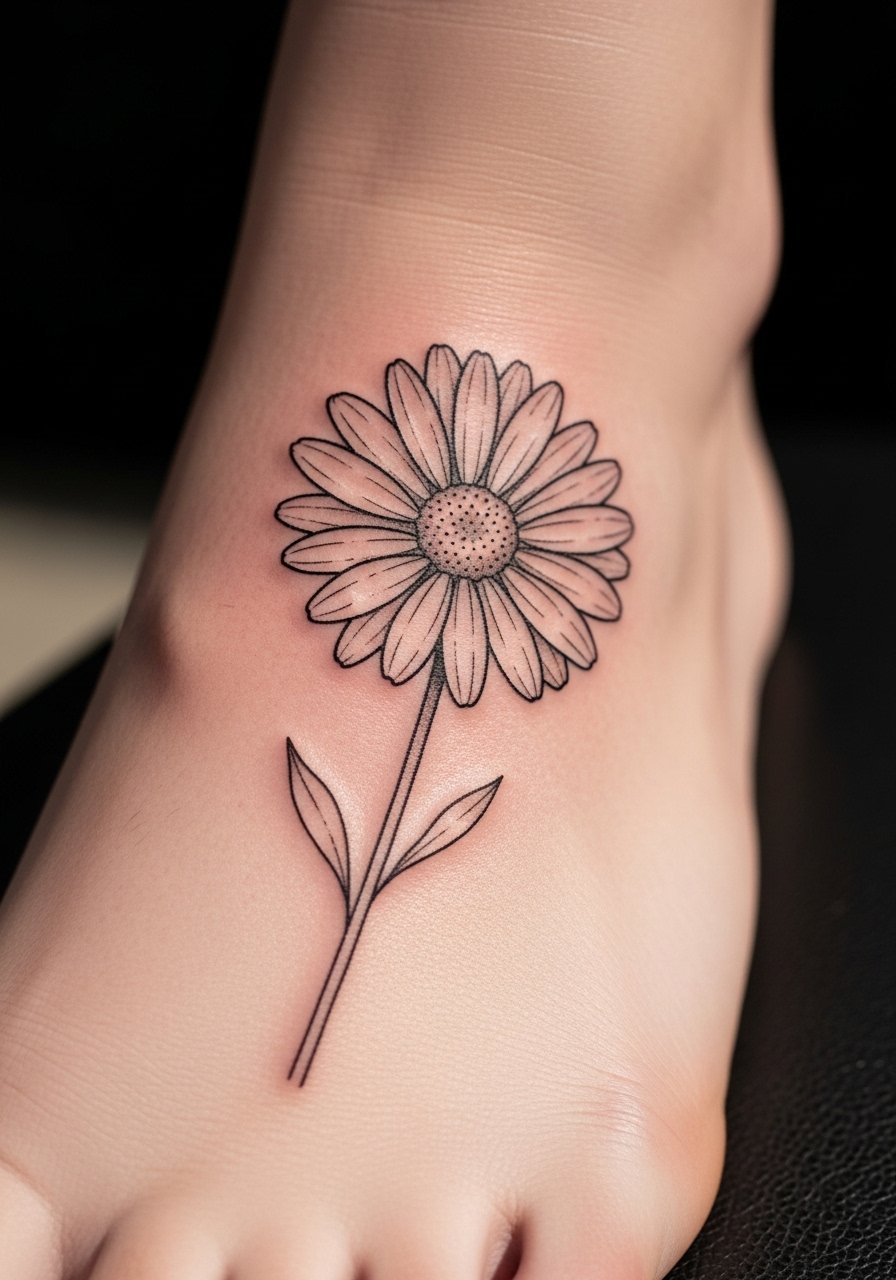
Someone I know picked a tiny daisy because she wanted visibility in sandals without heavy saturation. Tell your artist you want single-needle linework with one to two millimeter spacing between petals so the petals do not merge as the ink spreads. Pain is moderate for the top of the foot and a typical session takes 30 to 45 minutes. Common mistakes include asking for too many tiny petal details, which means faster fading and earlier touch-up needs. Expect soft edge settling at six months, clearer contrast at two years, and a likely touch-up window around year three if you want crisp edges.
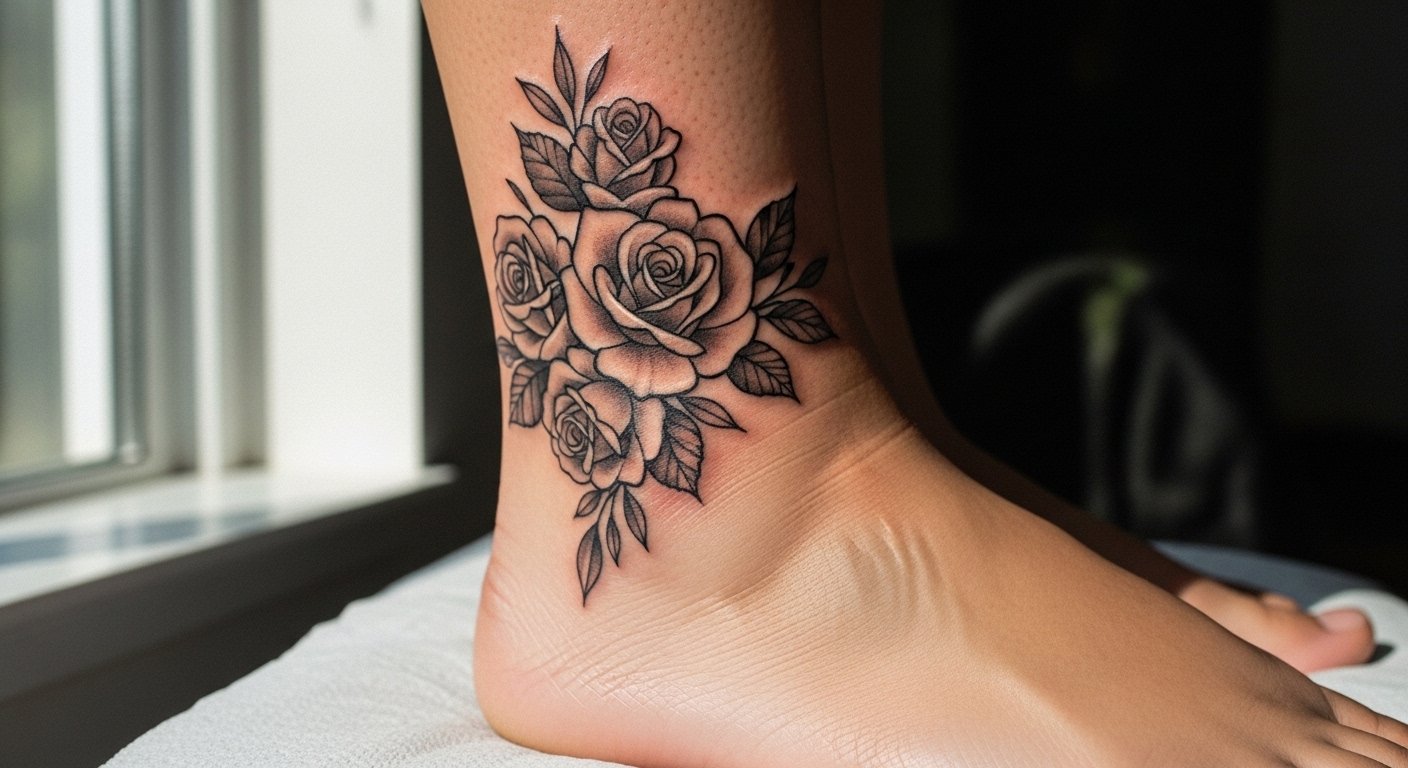
2. Small Rose Sprig Wrapping the Ankle
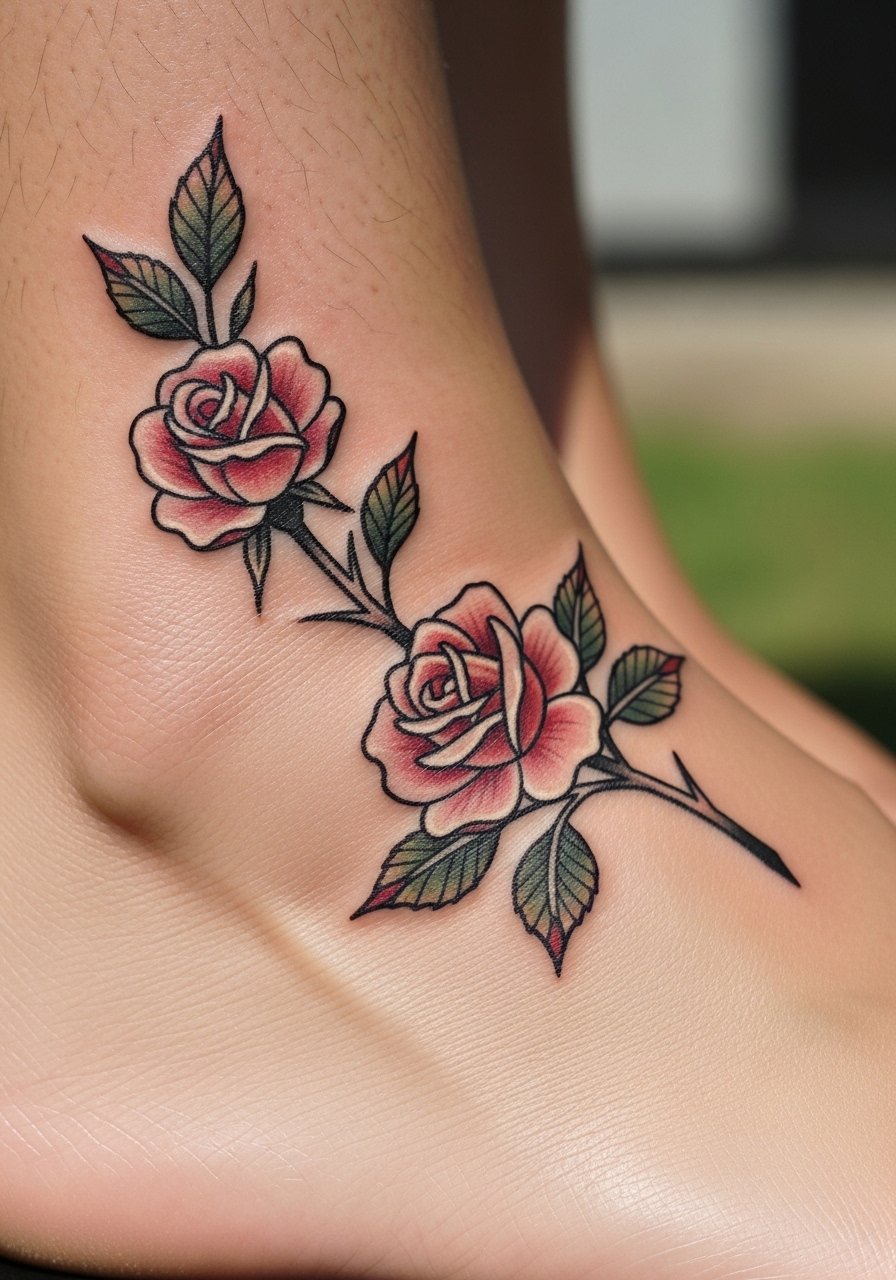
This gives the feel of a wrap without committing to a full sleeve around the ankle. In consultation ask for slightly thicker outlines near the base so color or gray shading keeps saturation longer. Pain around the ankle can spike where bone is close to skin, and a 45 to 90 minute session is common depending on color. Artists disagree on color versus black and gray for roses. One camp says color reads beautifully for a few years, the other warns black and gray holds up longer as lines age. Name which camp you prefer and ask about touch-up timelines before booking.
3. Watercolor Butterfly on Top of Foot
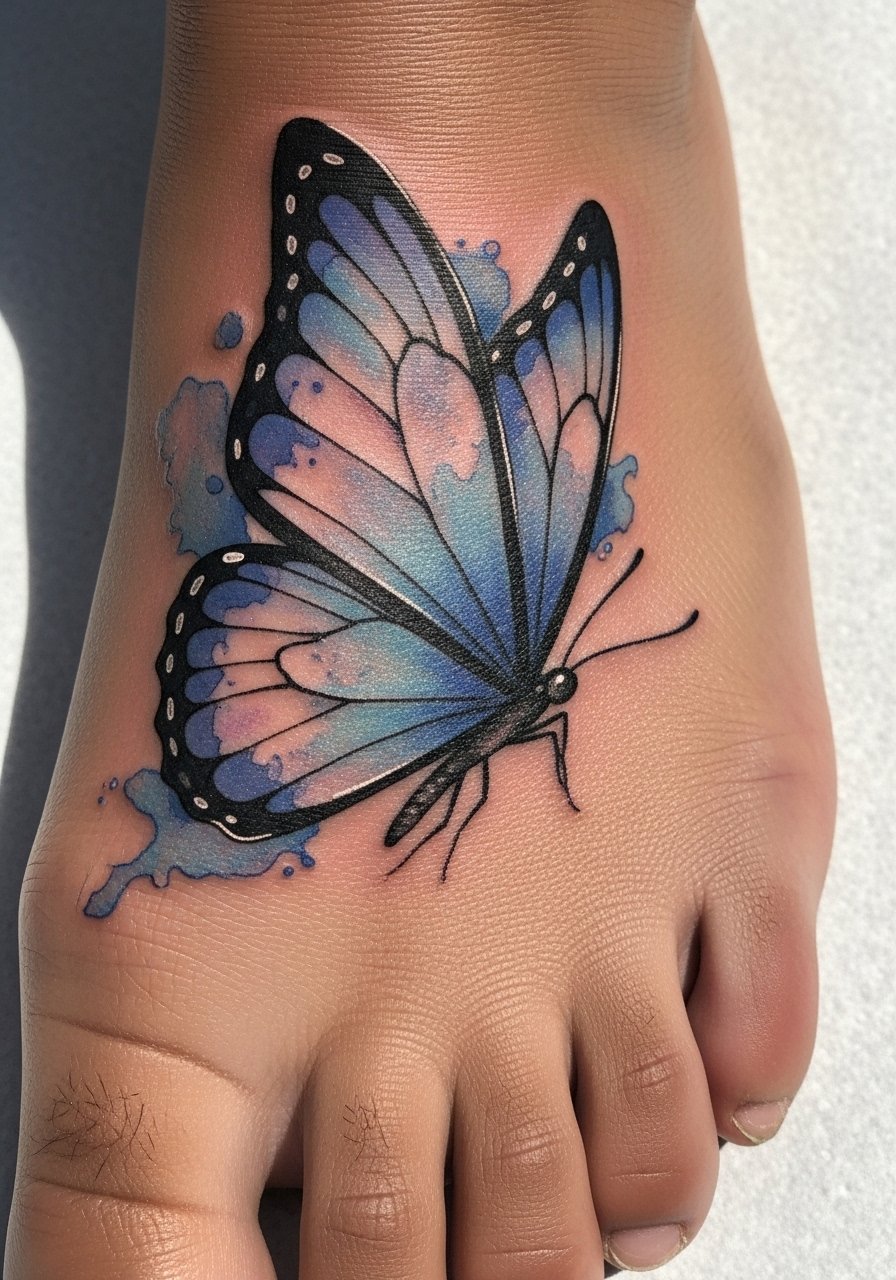
Watercolor-style butterflies look airy, but they demand thought about saturation and placement. Ask for concentrated pigment near the body and softer washes at the wings so the design keeps a sense of shape as it fades. This placement feels sharp at the start and dulls over two to five years without refresh. Pain is moderate and sessions usually run 45 minutes to an hour. A common mistake is requesting blurred edges only; if edges are too soft there is no anchor and the piece becomes wash-like as it ages. Plan for a touch-up around year two to boost wing contrast.
4. Micro Single-Needle Symbol on Arch
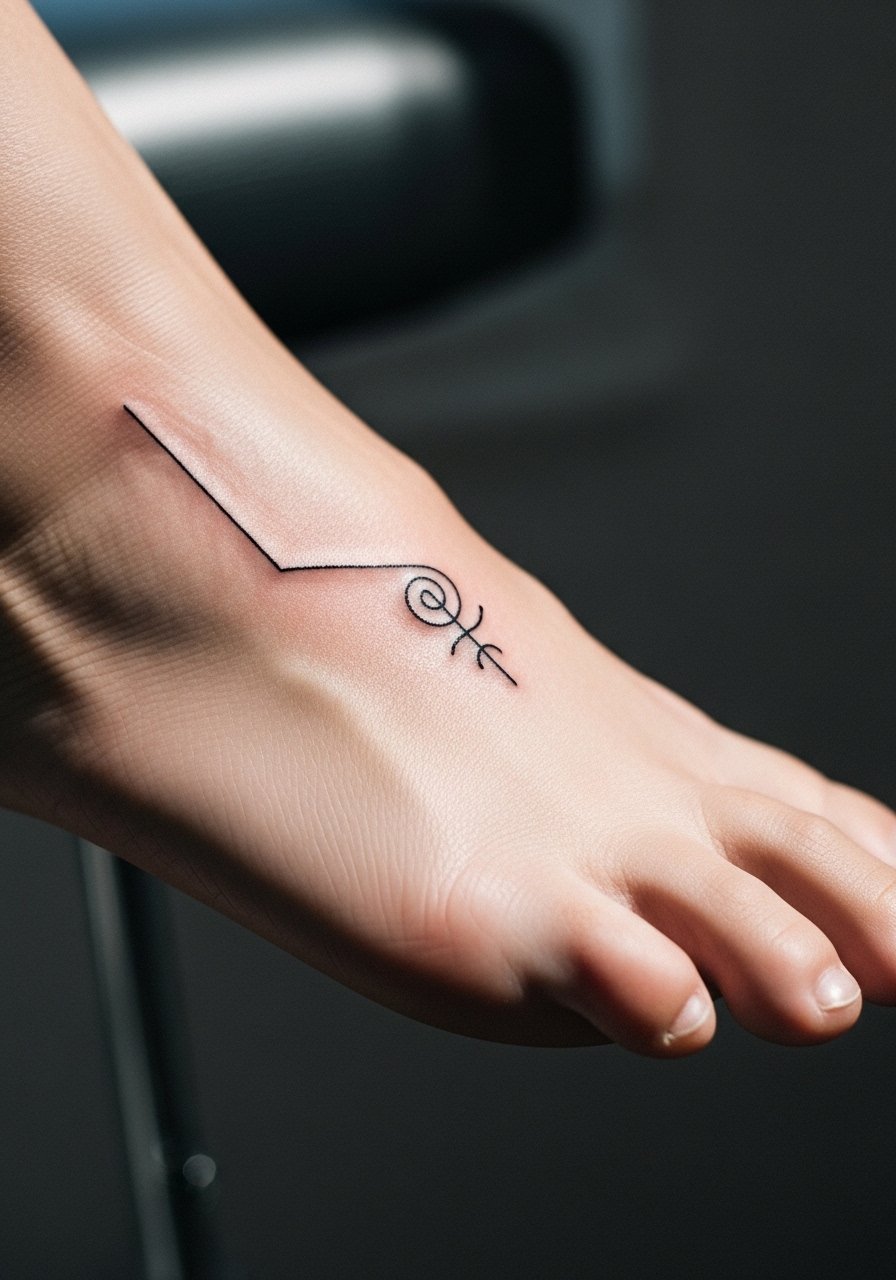
The arch is a quiet place for a first tattoo if you want something discreet. Tell your artist you want deep but shallow enough placement so the single-needle line settles without spreading. Pain is low to moderate compared with the top because the arch has softer tissue. Session time is short, often under 30 minutes. The biggest mistake is asking for ultra-fine details in a single-needle build when the artist recommends slightly bolder lineweight to avoid early blurring. Expect clean definition at six months and a small touch-up chance in two to three years.
5. Script Quote Along the Foot Edge
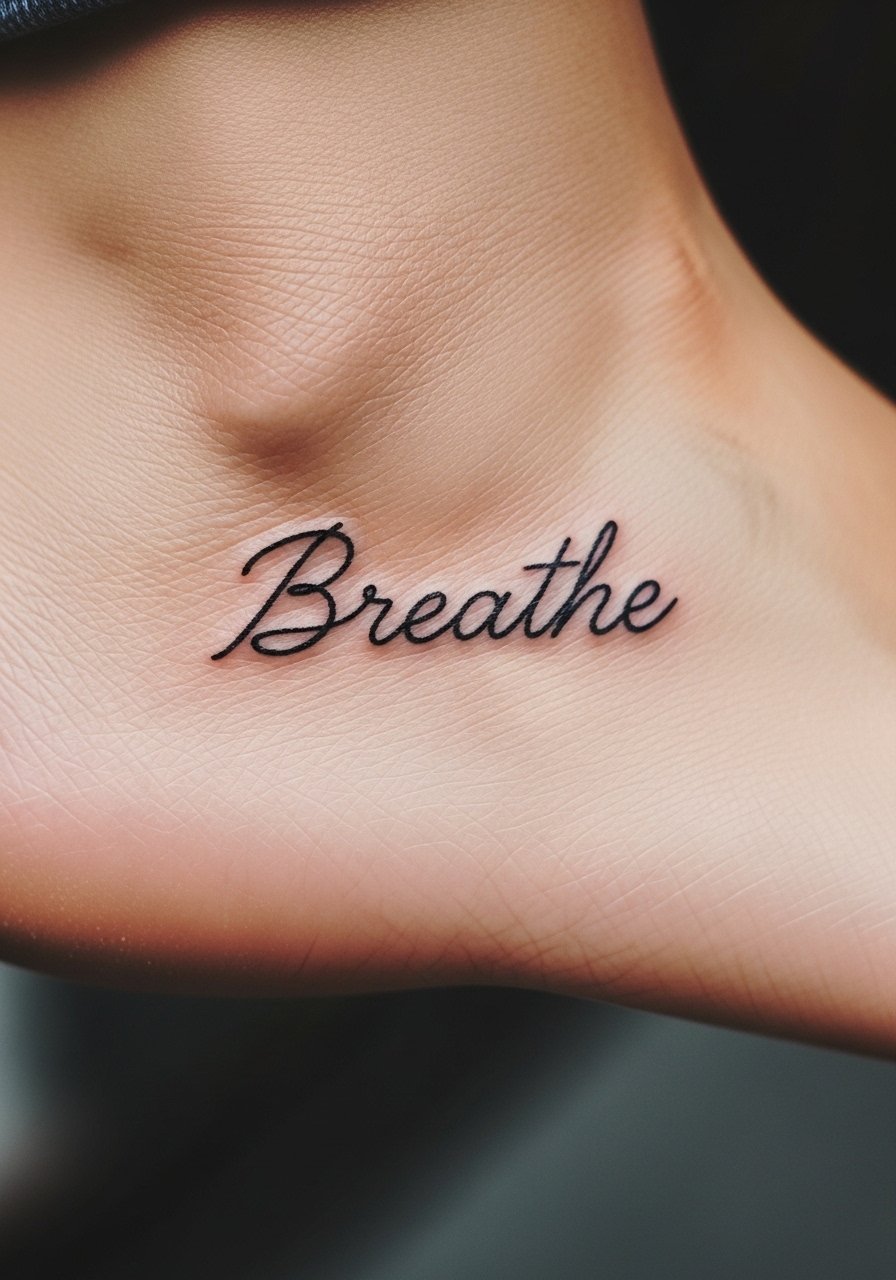
I advise keeping script between two and three inches along the edge so letters stay legible. Bring the exact phrase in the font style you want and confirm letter spacing on the foot curve. Pain is moderate along the edge and a single session handles most short lines. A common error is choosing extremely thin cursive with tight loops, which is at high risk for blurring and legibility loss. At two years the script may need a touch-up to restore crisp counters. Ask your artist about kerning on curved surfaces during consultation.
6. Geometric Blackwork That Follows the Foot Curve
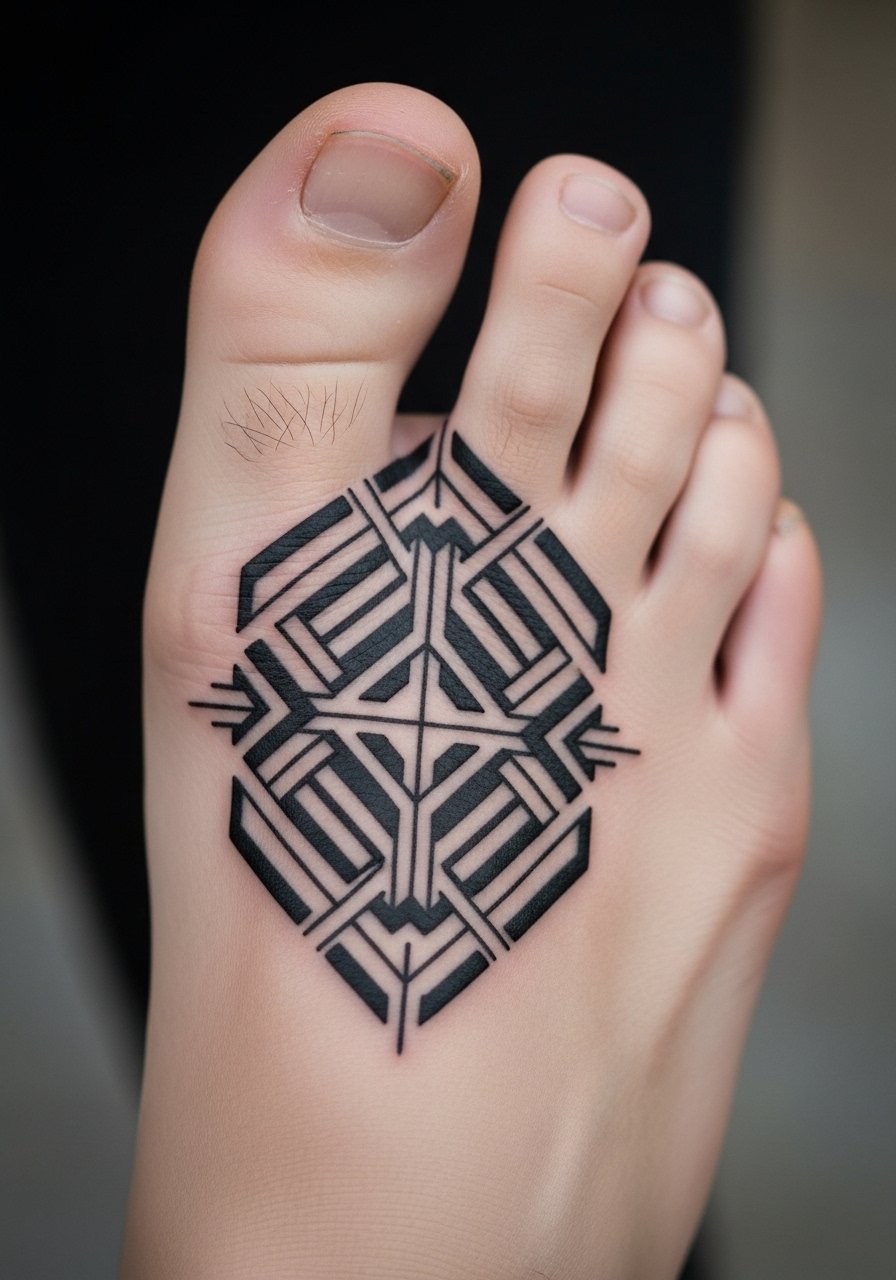
Geometric pieces read like permanent jewelry when they flow with the foot anatomy. Tell the artist to map the design over a photo of your foot so the grid aligns with your arch and toes. Expect moderate pain from repeated linework and a typical session of 60 to 90 minutes for a 2 to 4 inch cluster. Mistakes include compressing too many lines into a tight area, which causes blowout and muddiness. At five years, heavier blackwork keeps form better than ultra-fine geometry, so plan touch-ups accordingly if you want sharp contrast long term.
7. Wave Motif on Flatter Foot Side
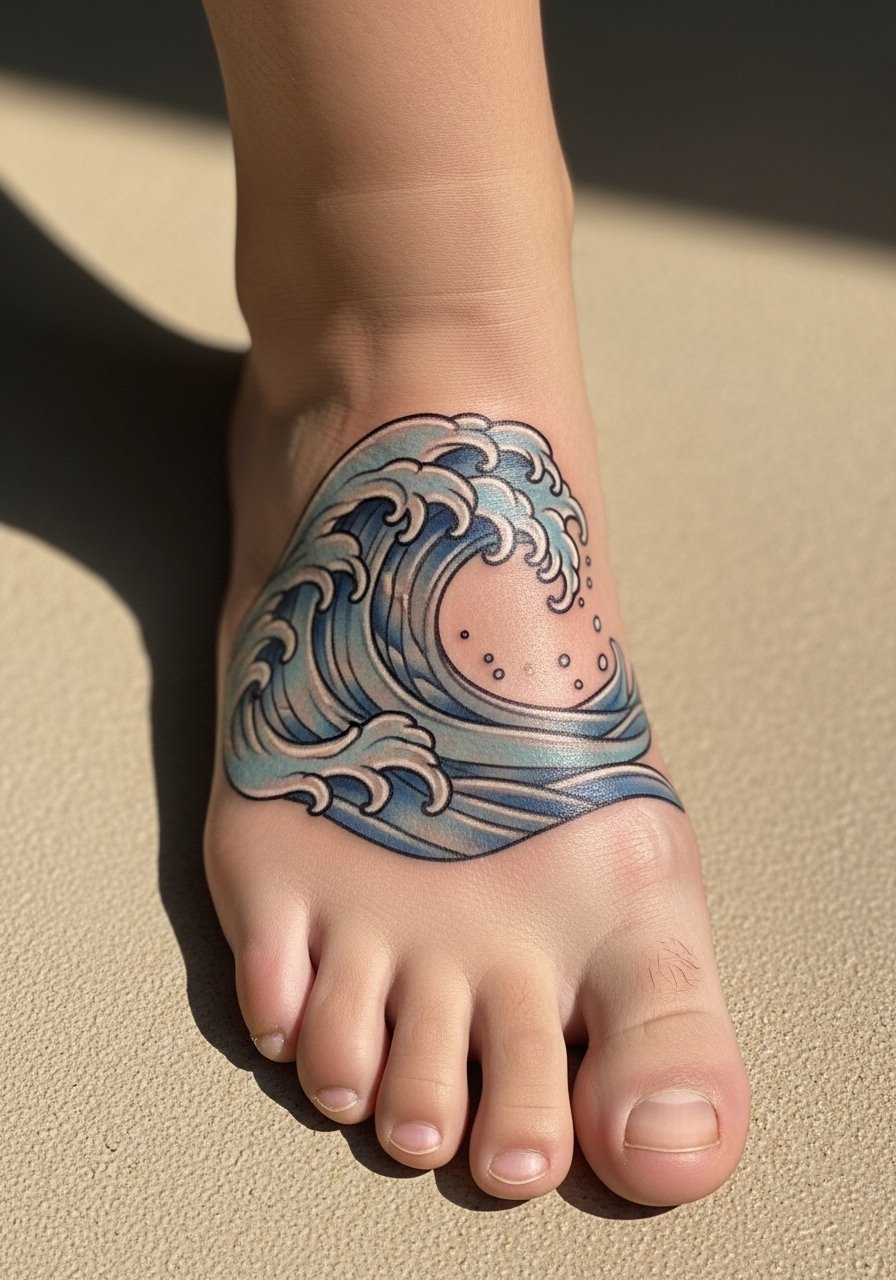
I suggest this for flatter feet because the side holds pigment more evenly. Describe to your artist where your foot flattens so the wave crest sits on a stable plane. Pain is lower on the flatter side and a single session of about 45 minutes usually suffices. A common mistake is placing the crest over a high-movement area like the ball, which accelerates fading. Expect subtle softening at two years and plan on a touch-up anytime you want the blues to pop again.
8. Mandala on High Arch
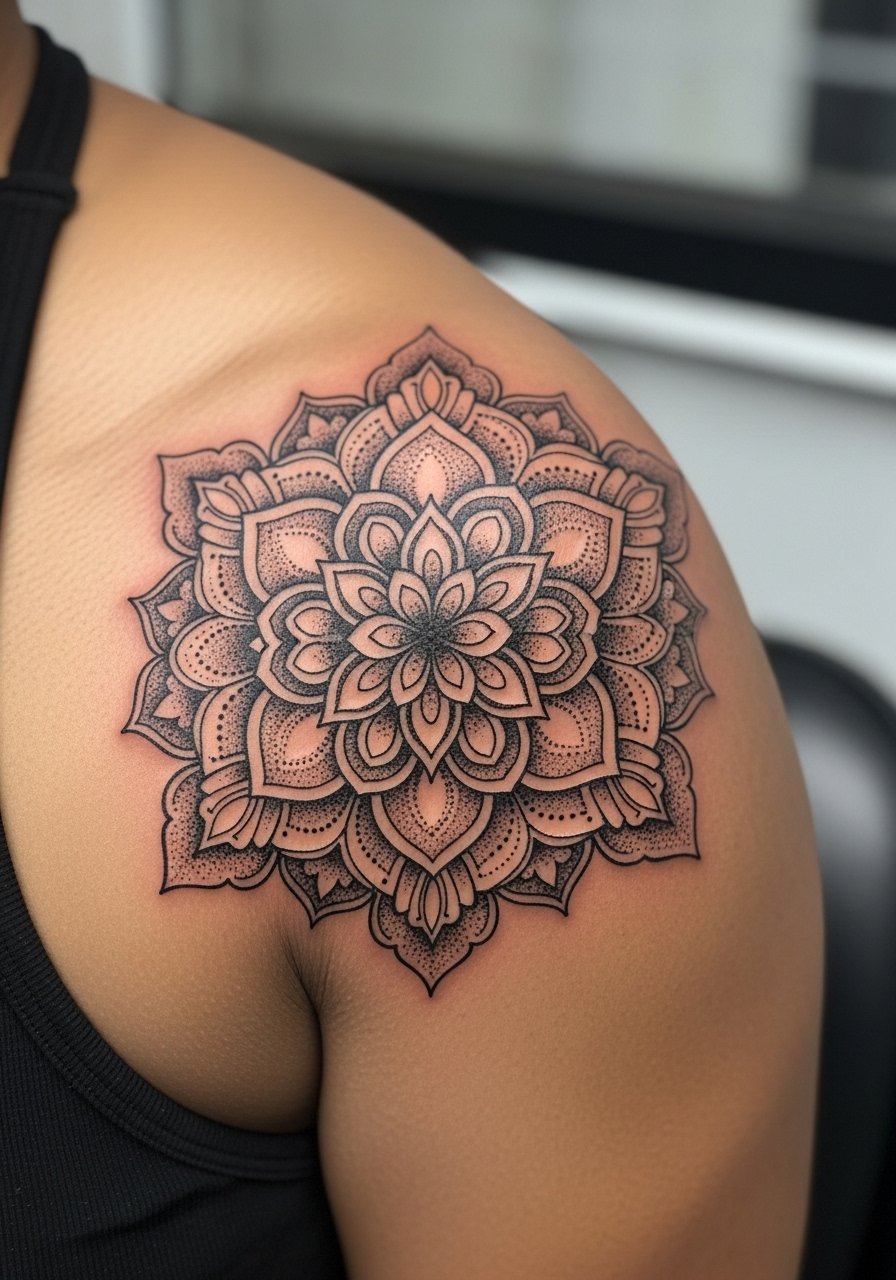
A mandala uses the arch as a natural circular canvas, but it needs even spacing and strong linework to avoid distortion. Mention stipple shading and dot work in your consult so your artist can plan spacing that resists blur. Pain on the arch is moderate and this usually takes two shorter sessions for a 3-inch diameter. Note cultural origins when discussing design choices; this pattern traces to spiritual traditions so some people adapt motifs rather than replicate sacred imagery directly. Blowout risk increases with tiny internal detail, and a touch-up at year three is common to restore crisp dots.
9. Ankle-Wrapping Vine Extending to Foot
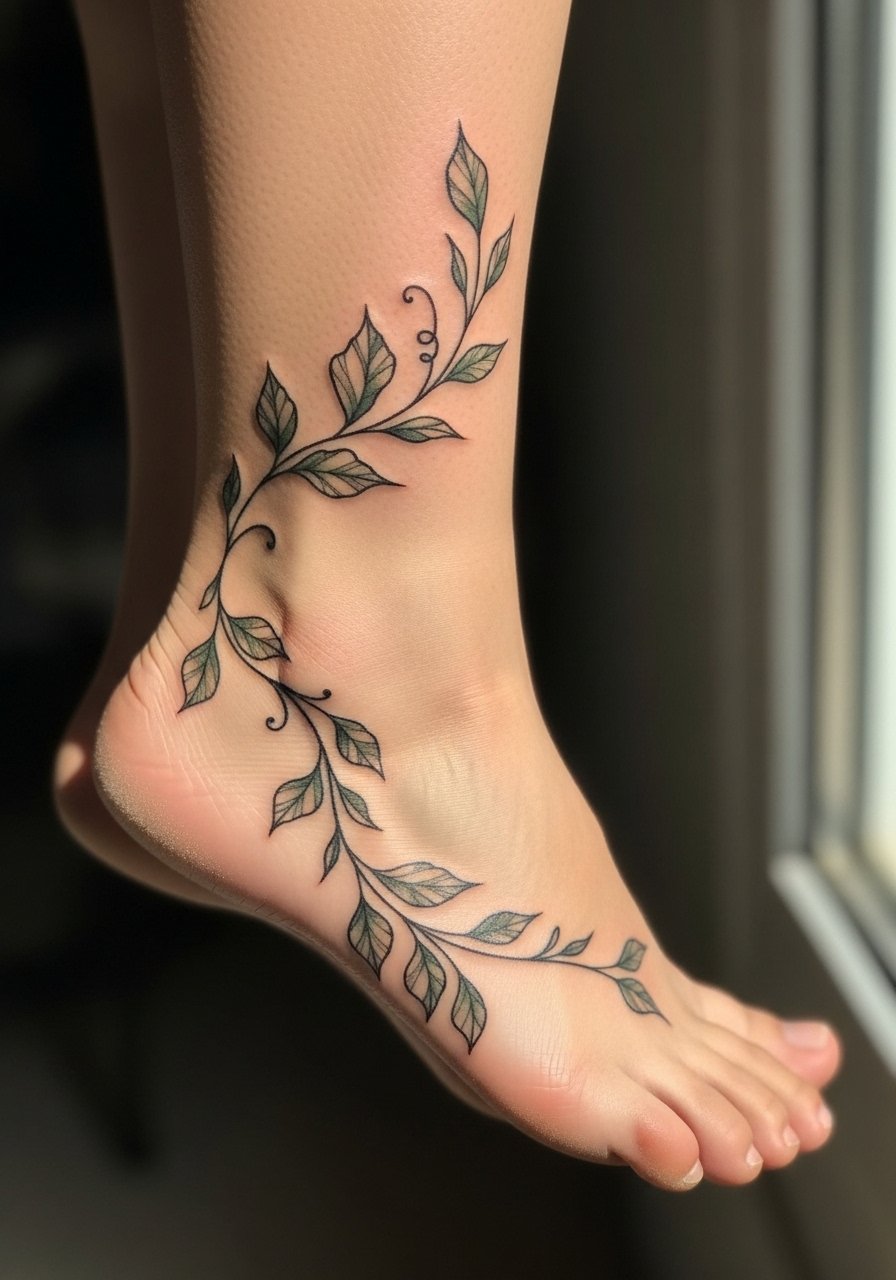
Ankle-wrap vines are excellent for movement and flow, and I recommend showing the artist photos of your shoe and sock choices so the wrap complements your wardrobe. Pain spikes where the vine crosses the ankle bone, and session time varies from 60 to 120 minutes for a 4-inch wrap. One camp of artists prefers continuous wrap to avoid break in flow, another prefers small gaps to reduce blowout; ask which they favor and why. Scaling too thin is a frequent mistake, since thin tendrils can lose definition. Plan touch-ups for sections that sit near shoe edges.
10. Micro Botanical Vertical on Narrow Foot
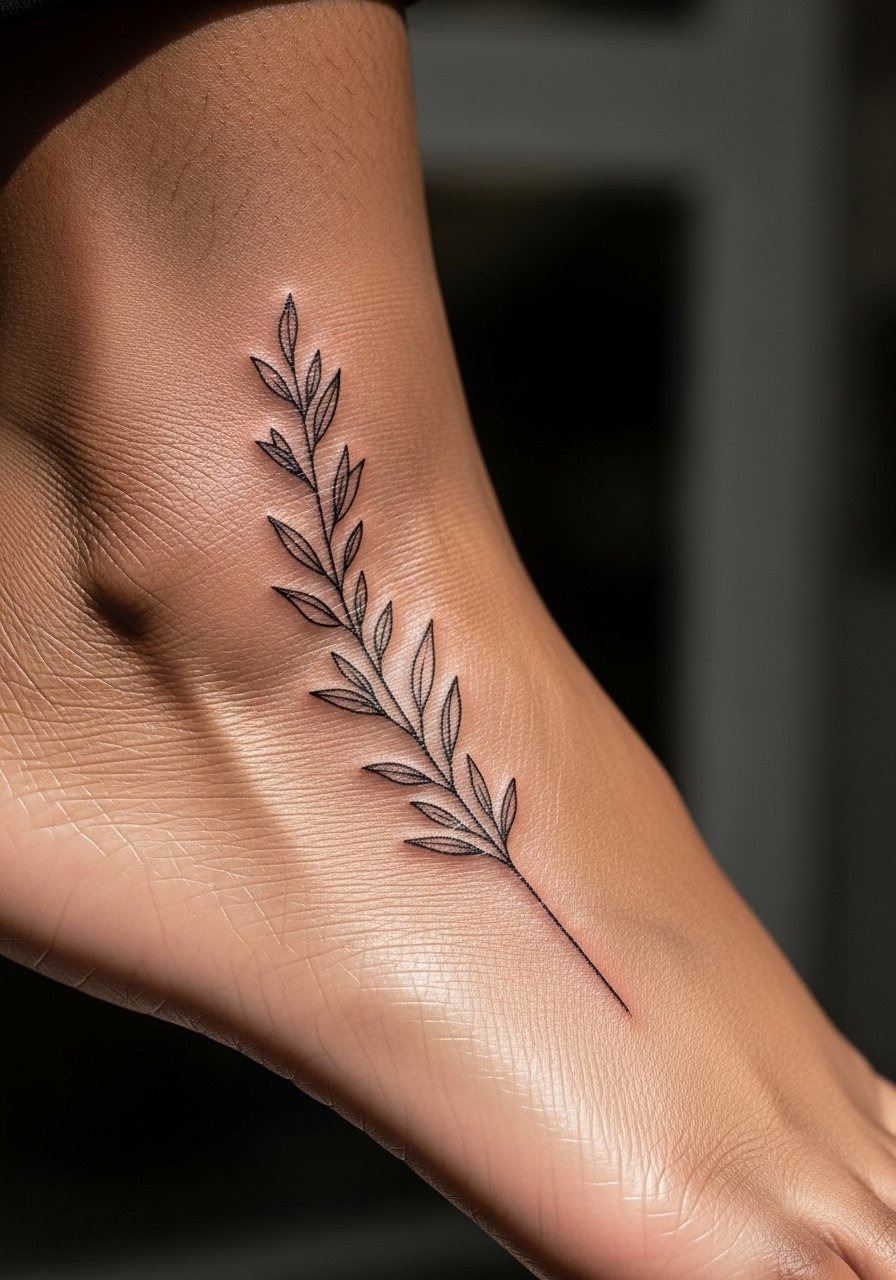
Vertical botanicals flatter long, narrow feet by following the natural line of the foot. During consultation, ask for a mockup photographed on your foot to verify length and tilt. Pain is generally lower on the side and a short session of 30 to 45 minutes is common. A real mistake is making the sprig too long for the foot, which causes the leaf details to compress and blur. At two years expect slight softening in the tips and consider a small touch-up to sharpen leaf points.
11. Constellation Following the Foot Curve
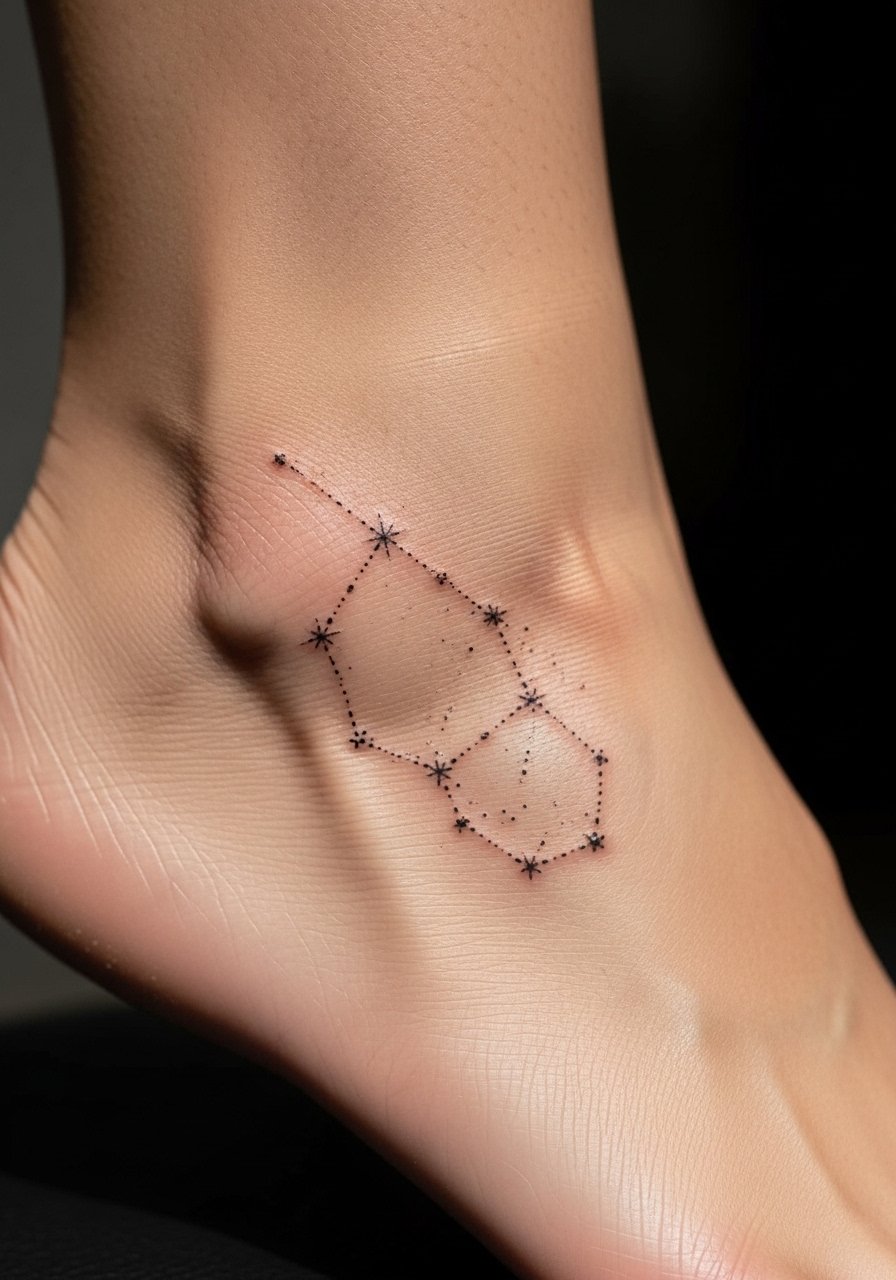
Constellations function like permanent jewelry because they follow a curve and read as an accessory. Tell your artist which stars to include and whether you want dots slightly raised or very flat for longevity. Pain is moderate and a single session often takes 30 to 45 minutes. A common mistake is requesting extremely close dot spacing, which can merge into a gray blur. Expect dot contrast to soften by year three and plan a touch-up if you want high-definition points to remain visible.
12. Foot Rosary with Beads and Cross on Side
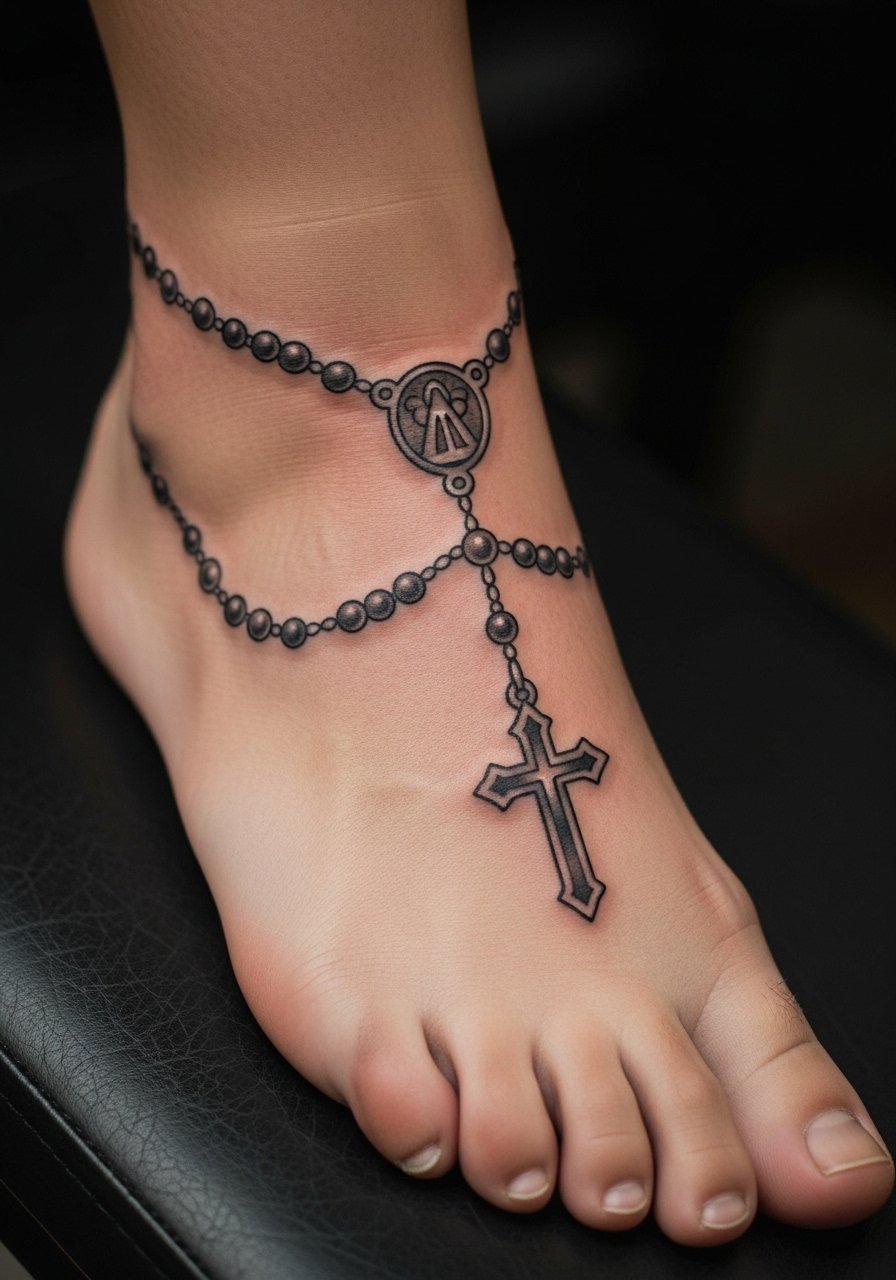
This design blends spirituality and discreet fashion, so bring reference images for bead size and cross style. Pain is higher as the rosary wraps around bony sections and a two-session plan is common for a 4-inch composition. There is a debate about heavily shaded beads versus simple dots. One camp favors deep shading for longevity and three-dimensional look, the other opts for dot beads to avoid saturation that blurs. Name your preference and ask about touch-up expectations up front.
13. Micro-Realism Wildflower Cluster Near Toes
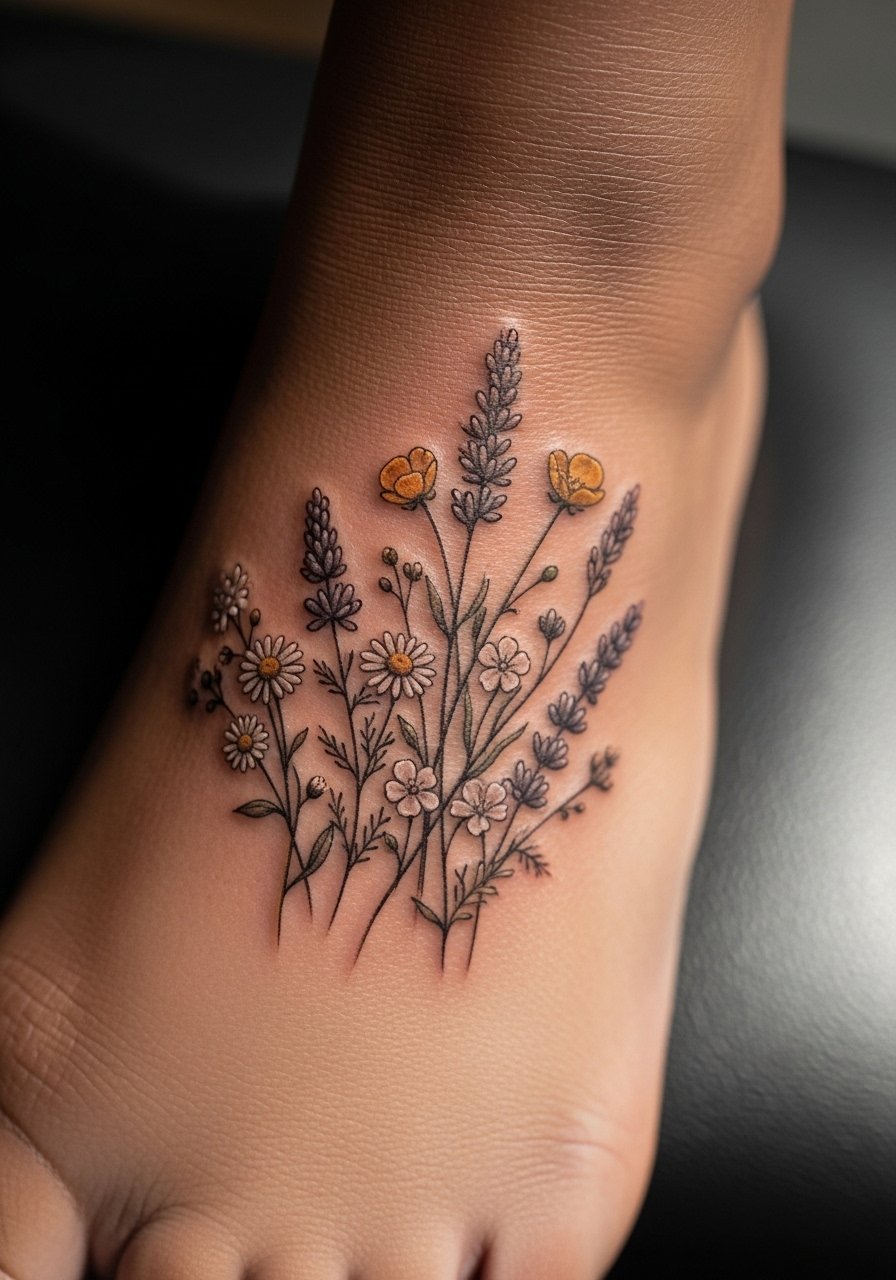
Placing a micro-realism cluster near the toes gives a delicate peek of botanical detail. Request reference photos that show leaf veins at the scale you want because too much tiny realism can disappear. Toe-side skin moves a lot and pain can be sharp near joints, so expect a 45 to 75 minute session. A common mistake is packing in too many species; simplicity preserves clarity. At six months colors or shading might soften, and touch-up within two years is common if you want to retain fine realism.
14. Mehndi-Inspired Floral Along Sole Side
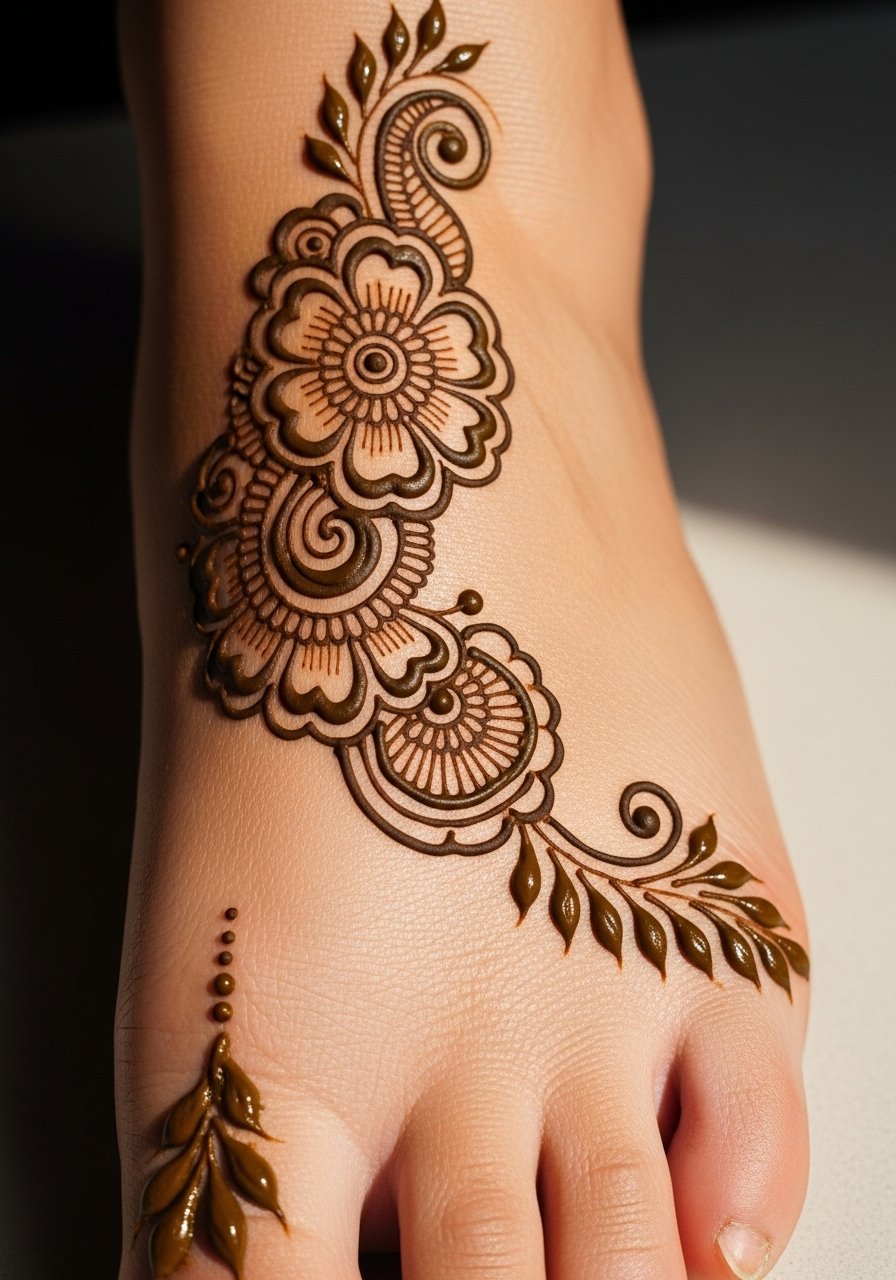
This is one of the more under-covered placements because the sole side can be concealed when needed. Be clear that you want pattern adaptation rather than a direct replication if you are mindful of cultural context. Pain is typically lower on the inner sole side because of thicker skin, but healing can be tricky due to friction. Sessions vary by size and often finish in 60 minutes. A common misstep is ignoring shoe friction during healing, which causes scabbing and pigment loss. Expect potential faster fading and discuss a realistic touch-up plan.
15. Dot Work Mandala at Mid-Foot
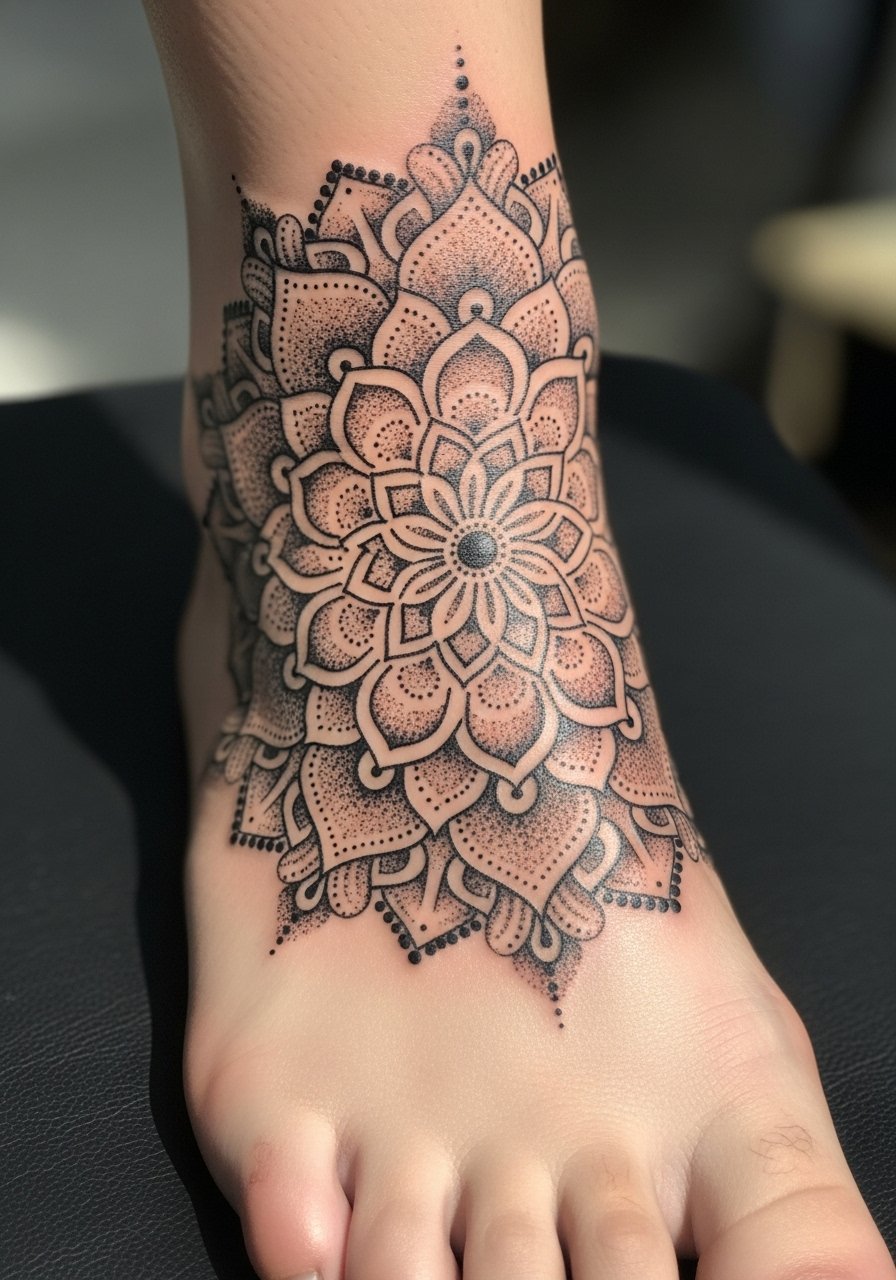
Dot work plays well on flat mid-foot real estate because stipple shading keeps edges softer and less prone to blowout. Ask your artist to space dots deliberately and to show a scaled stencil over your foot so symmetry matches your arch. Pain is moderate and a typical session may be 60 to 90 minutes depending on diameter. A mistake I see is asking for dots too close, which creates muddy shading. After six months the mandala looks cohesive and a touch-up at two to three years preserves crisp radial lines.
Tattoo Prep and Aftercare Essentials
Lightweight fragrance-free balm for daily moisture. Use this in the days after initial peeling to keep the area supple without heavy residue. Apply in a thin layer two to three times a day after washing.
Medical-grade second skin bandage, 6-inch roll. Useful for the first 48 to 72 hours to protect against friction if you need to wear sneakers.
Fragrance-free gentle foaming cleanser. Clean tattoos gently twice a day during the initial healing to remove sweat and dirt without stripping oils.
Silicone scar sheets for long-term hydration. Helpful months after healing to minimize textural changes and keep edges smooth.
Gentle saline wound wash. Use for stubborn crusts or to rinse away contaminants during the first week.
Non-stick sterile gauze pads. Keep a box on hand for short-term covering if your footwear rubs the area.
Saniderm adhesive bandage roll. This is the one mainstream protective film I mention. It reduces friction and keeps contaminants out during early healing for people who can avoid heavy sweating.
Mineral sunscreen SPF 30 for tattoos. Once fully healed use mineral sunscreen to protect ink from UV-driven fading.
Every tattoo is different. Always follow your artist's specific aftercare instructions. Consult a dermatologist if you have skin concerns or unusual healing issues.
Frequently Asked Questions
Q: Will fine line foot tattoos blur faster than bolder work on the top of the foot?
A: From what I've seen, very fine single-needle work on the top will show softening sooner than thicker linework. The top of the foot moves and has thinner skin, so expect some loss of crispness and plan a possible touch-up at two to three years if you want sharper edges.
Q: How should I pick between color and black and gray for a rose that wraps the ankle?
A: Artists split on this. One camp prefers color for immediate vibrancy and one camp favors black and gray for longevity. Your lifestyle and willingness to touch up determine the choice. If you want color, ask about saturation strategy and plan for a refresh at year two or three.
Q: Are watercolor-style foot tattoos harder to care for while healing?
A: They can be, because soft washes rely on subtle saturation. Keep movement low, avoid tight shoes during the first week, and follow a bandaging plan. Gentle cleansing and light balm layers help preserve washes through the peeling phase.
Q: How does foot shape affect design choice for a first tattoo?
A: Foot shape matters. High arches work well for centered mandalas and top placements. Flatter feet favor side waves and ankle wraps. Bring photos of your bare foot and your foot in sandals to the consult so the artist can map a design that fits your anatomy.
Q: If I want a constellation that looks like jewelry, what should I show my artist?
A: Bring photos showing the curve you want the constellation to follow and specify dot size for visibility. Ask for a mockup photographed on your foot so spacing looks intentional rather than random. Expect a touch-up in two to three years if you want the dots to remain highly contrasted.
Q: Is there a realistic timeline for touch-ups on ankle-wrapping vines and mandalas?
A: Yes. For ankle wraps and mandalas plan on a potential touch-up window between year two and year four, depending on shoe friction and sun exposure. Discuss your commitment to long-term maintenance during the consult so the design can be scaled and spaced to match your expectations.