
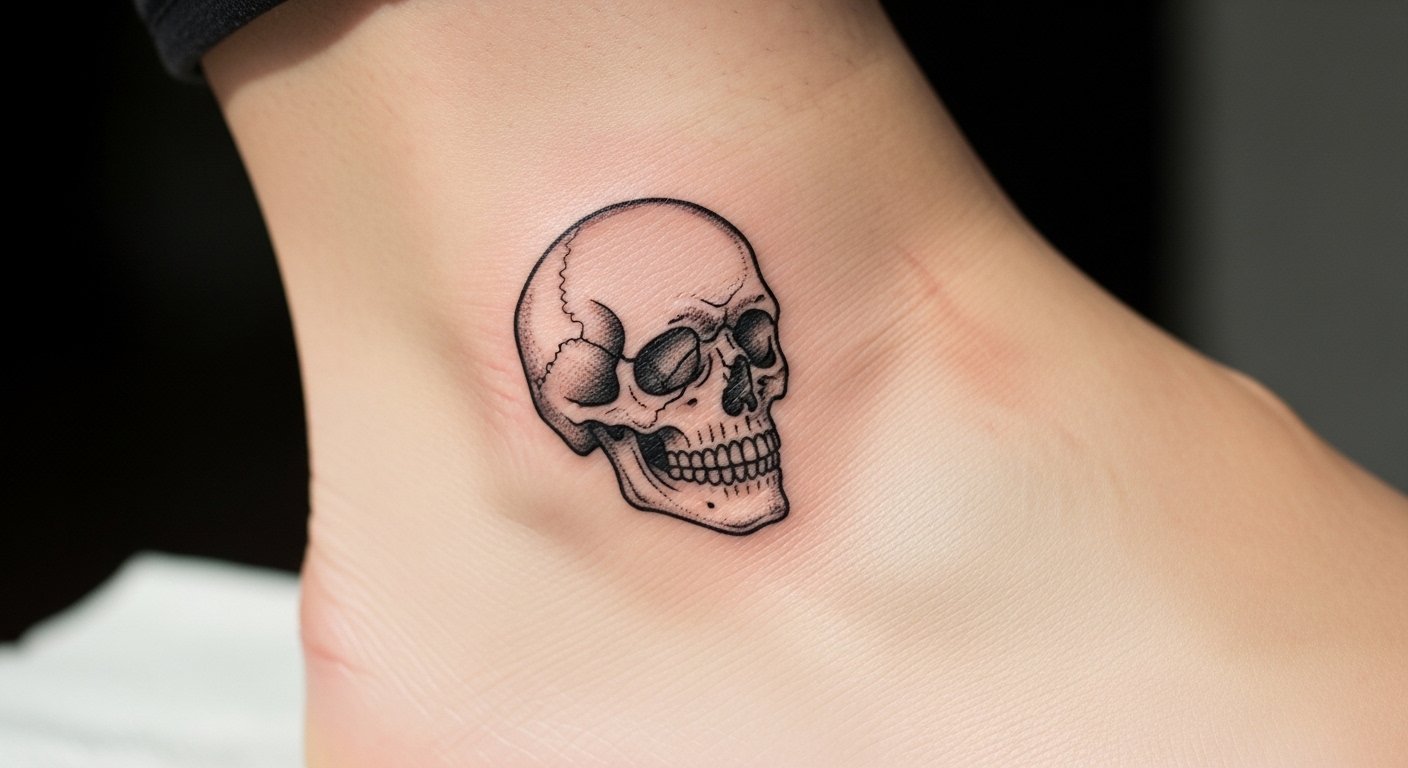
Someone I know spent nine months pinning tattoo flash before they realized the hard part was not the art. It was understanding which small gothic piece will still read clearly after two winters, and which will blur into an indistinct stain. I spent time in five shops across Brooklyn and talked with an artist at a Brooklyn shop who specializes in fine line. Below are twenty small gothic tattoos that hold up, with what to ask for at consultation and what to expect as they heal.
1. Fine Line Crescent Moon on the Inner Wrist

Someone I saw get this on their inner wrist wanted something delicate that still felt gothic. Fine line here reads like jewelry, but fair warning, the wrist moves a lot and lines can blur if placed too close together. Ask your artist for slightly heavier contour lines than the reference flash and for a narrow gap between crescent points to avoid merging over time. Session time is short, about 30 to 45 minutes, and pain is mild to moderate. Expect soft fading at six months and clearer touch-up needs around year two. Common mistake is asking for hairline details that the wrist cannot hold.
2. Micro-Realism Raven Head Behind the Ear
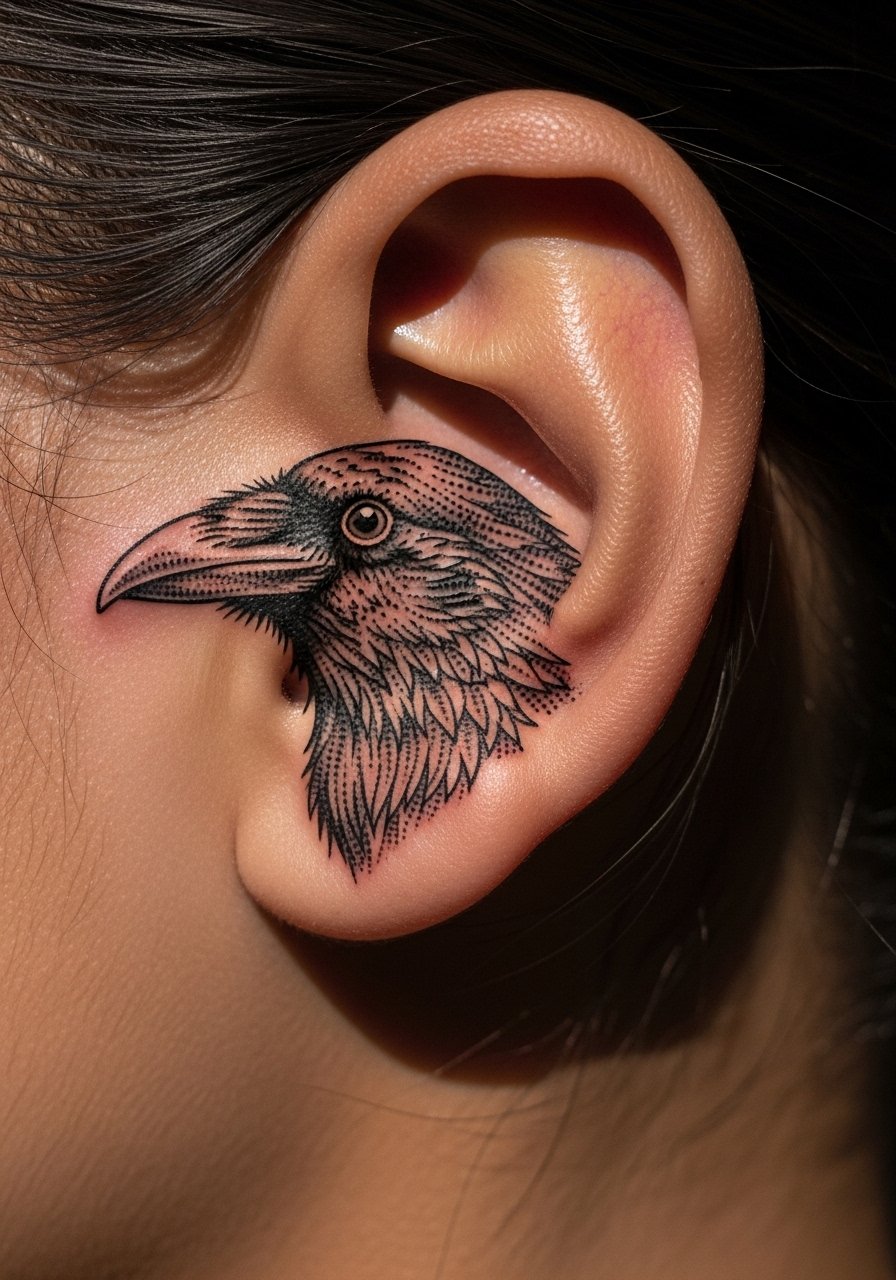
Fair warning, behind the ear can be a sharp spot for pain. Micro-realism works surprisingly well in that pocket of skin because the curve gives depth without needing large saturation. Tell your artist you want compact feather stipple shading rather than solid black fills so the feather texture ages into a readable silhouette. Session time often runs 45 to 75 minutes. Blowout risk is moderate because the skin is thin, so expect a touch-up at the one to two year mark. Hand this design to someone comfortable with small details that will soften as the ink settles.
3. Black Rose on the Side of the Finger

A finger is convenient but fickle. Most shops warn that finger tattoos fade faster due to friction and frequent washing. One camp argues you should avoid detailed petals here. The other camp says bold simplified petals with negative space hold up better. If you choose this, ask for simplified shapes, strong contrast, and a plan for a yearly touch-up. Session time is usually under 30 minutes. Expect color loss at six months and a visible softening by year two. For anyone whose job requires heavy hand use, think long term before committing.
4. Tiny Dagger on the Ribcage

The ribcage splits artists into two camps. One group warns that constant chest movement and thin skin make fine line blur in a few years. The other group says with proper needle depth and slightly bolder lines, ribs accept fine detail nicely. When you consult, ask where the artist sits in that debate and request photos of healed ribs they have done. Pain is high here and session time is 45 to 90 minutes depending on placement. Expect early swelling and a touch-up window at year two if lines have softened.
5. Gothic Script "Memento Mori" on the Collarbone
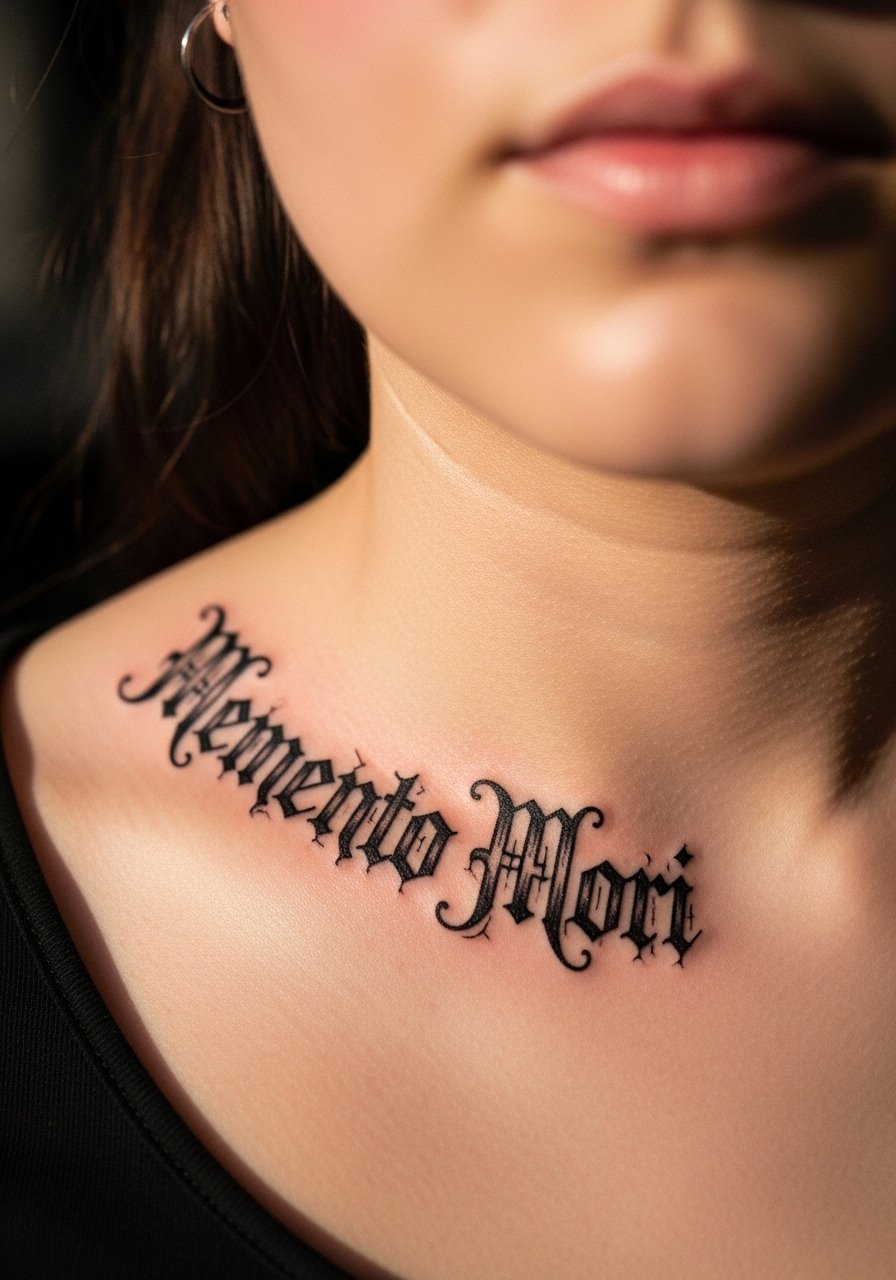
A collarbone script needs strong letter spacing and a slightly heavier stroke than you might first pick. The worst mistake is tiny blackletter that blurs into an unreadable block. Ask your artist for clear open counters and to stencil the phrase on your body so you can judge scale. Session time is quick, often 30 to 50 minutes, and pain is moderate to high near bone. Expect letters to soften within two years and plan for touch-ups if keeping crisp blackletter is important.
6. Miniature Stipple-Work Moth on the Upper Arm

I recommend stipple shading for moth wings because dot work scales down without needing heavy saturation. Tell your artist you want defined wing veins and a gradient built from dots rather than solid fills. Session time is usually 45 to 60 minutes and pain is modest on the upper arm. At six months the dots will merge slightly, so expect a gentle softening rather than loss of definition. This style ages well when left with breathing room around the design.
7. Tiny Coffin with Thorns on the Side of the Hand
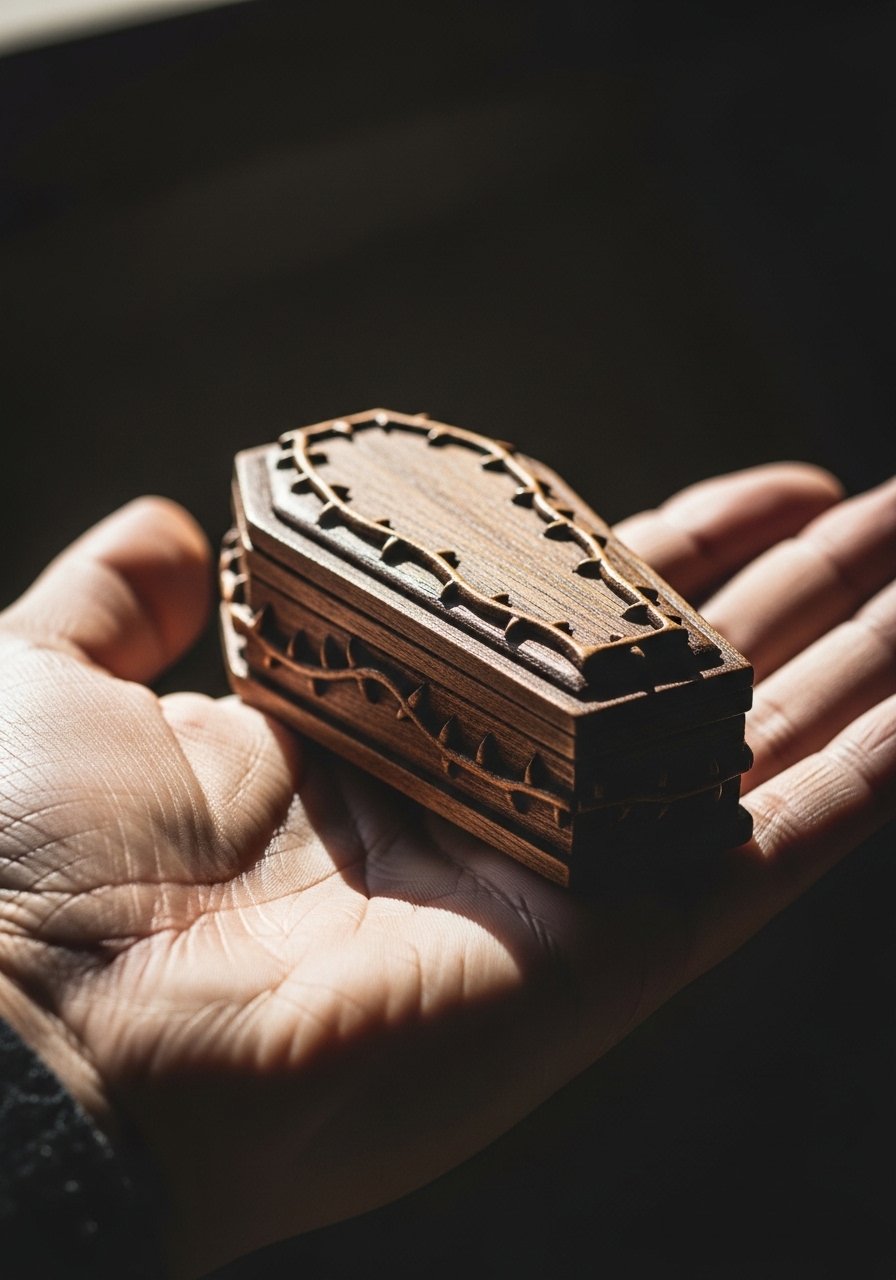
Hand tattoos remain controversial for careers and longevity. One camp accepts them as wearable expression. The other warns many employers still react negatively and hands fade quickly. If you move ahead, ask for bold outlines and minimal interior detail because hands get a lot of friction. Session time is short and pain is high. Expect faster fading and the need for touch-ups at year one to maintain crisp edges.
8. Miniature Raven Silhouette on the Calf

Calf skin holds saturation well and lowers blowout risk compared with the wrist or ribs. A solid raven silhouette reads from a distance and remains legible after years. Ask for a single-session saturation pass and a clear edge rather than overly intricate feather details. Session time is 30 to 60 minutes and pain is mild. Expect nice long-term retention with a touch-up possibly at year three if you prefer deep black saturation.
9. Black Cat with Arched Back on the Ankle
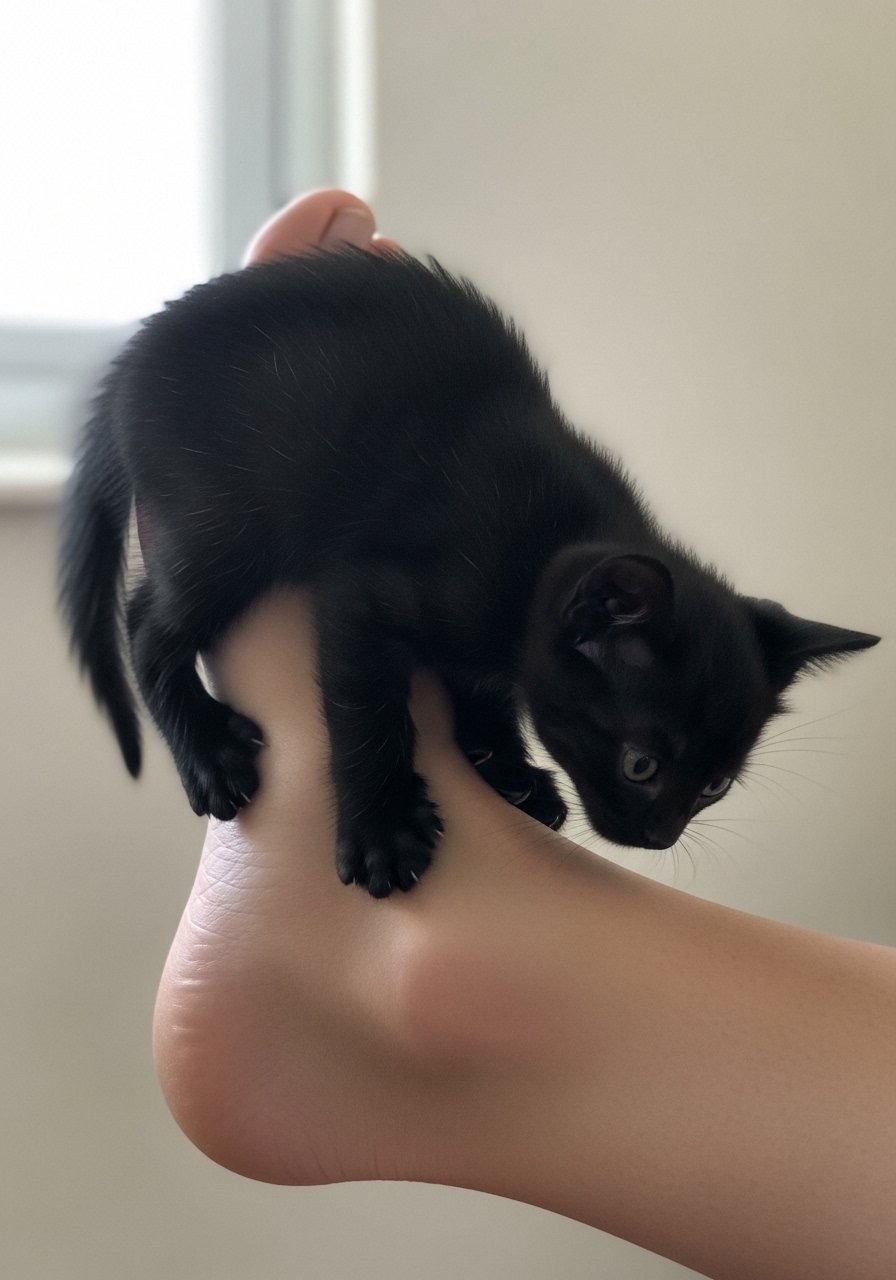
Ankle placement is forgiving if you avoid thin spidery lines. For a gothic cat, ask for compact negative-space eyes and a dense fill. Session time runs 30 to 45 minutes and pain is moderate. Expect some fading at six months if your shoes rub the area, so place it slightly above the boney ankle for longer life. This design suits anyone wanting a compact emblem with clear silhouette.
10. Stained-Glass Rose Window on the Inner Arm
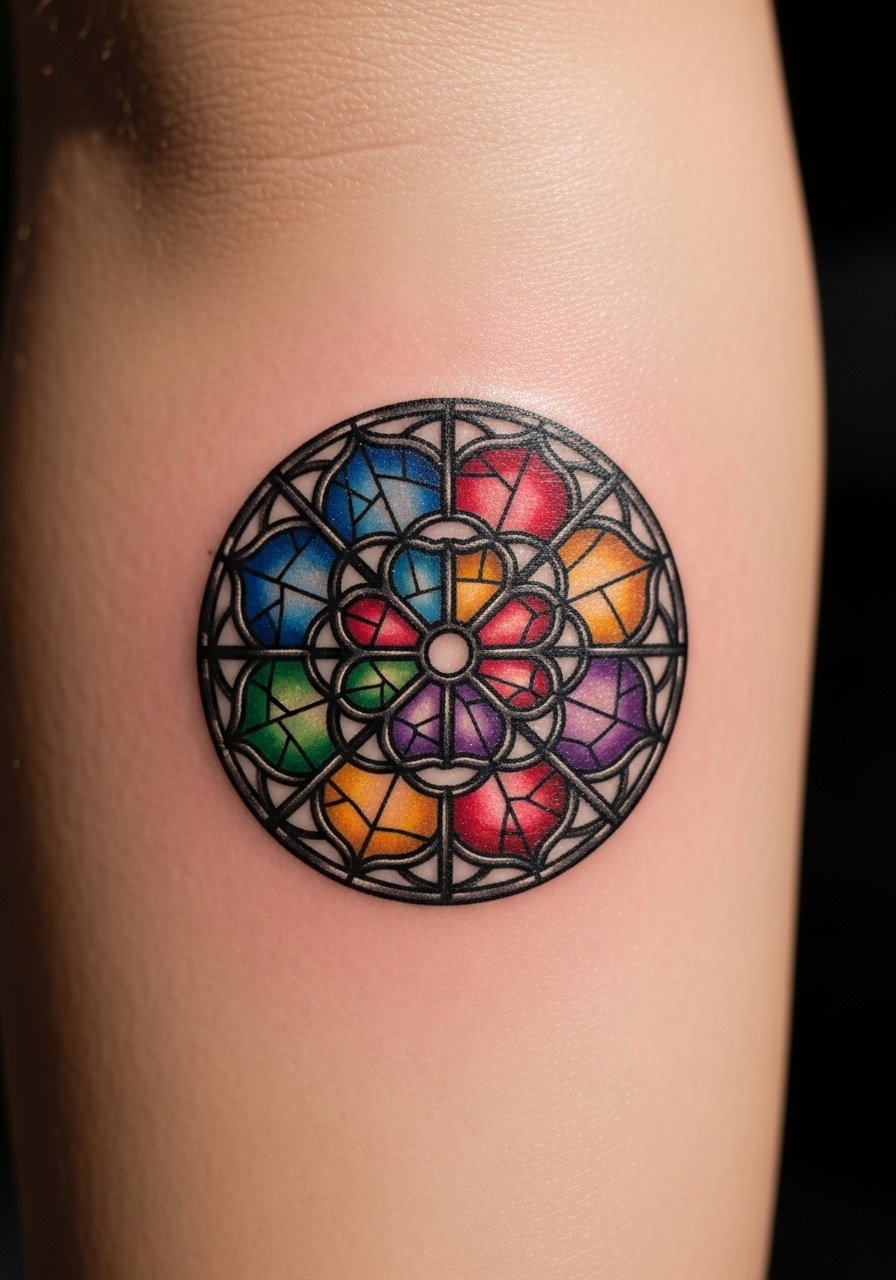
There are two ways artists approach tiny stained-glass. One camp layers thin black lines with micro-color fills. The other avoids multiple small color blocks because they can muddy. I favor clean black outlines with one or two saturated color accents for small sizes. Tell your artist which colors you want preserved and ask for slightly heavier outlines. Session time is 60 to 90 minutes. Expect color to need a refresh sooner than blackwork, often around year two.
11. Mini Tarot Card "The Hanged Man" on the Thigh
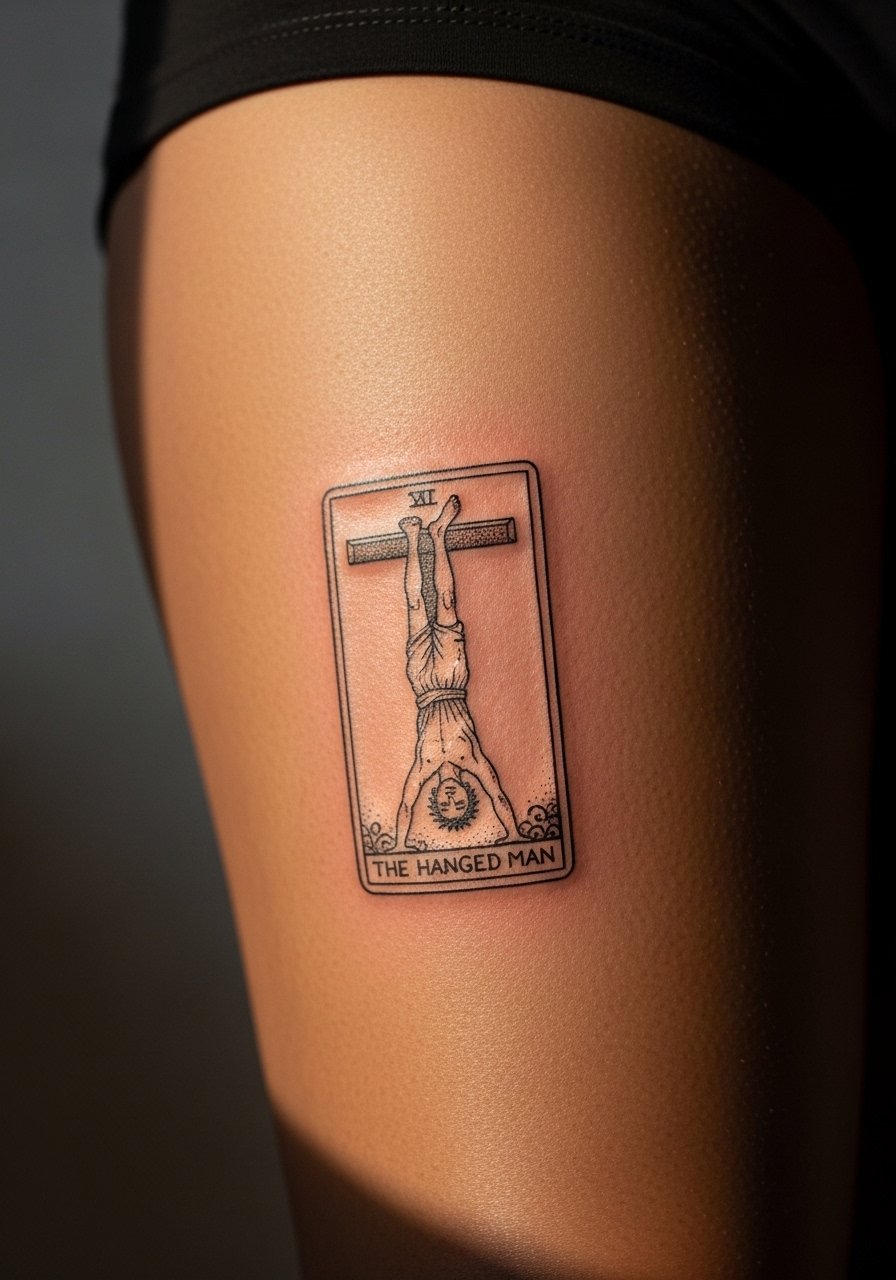
Thigh skin is a great canvas for detail because it tolerates finer work and lower blowout risk. For a tarot card, tell your artist you want condensed iconography and a ruled border to keep the card readable. Session time is 60 to 90 minutes and pain is moderate. At six months the lines will soften slightly but the composition generally stays intact. Thigh placement gives you privacy and makes touch-ups easy.
12. Tiny Hourglass with Sand Running Out on the Rib Edge

Rib edge details need spacing. The biggest mistake is cramming tiny sand grains into a narrow shape. Ask for larger grain dots and stronger outer lines so the hourglass still reads after healing. Pain is high and session time often 45 to 75 minutes. Expect some softening along the edge and plan for a touch-up if you want the sand grains to remain distinct after two years.
13. Gothic Cross in Blackwork on the Back of the Neck
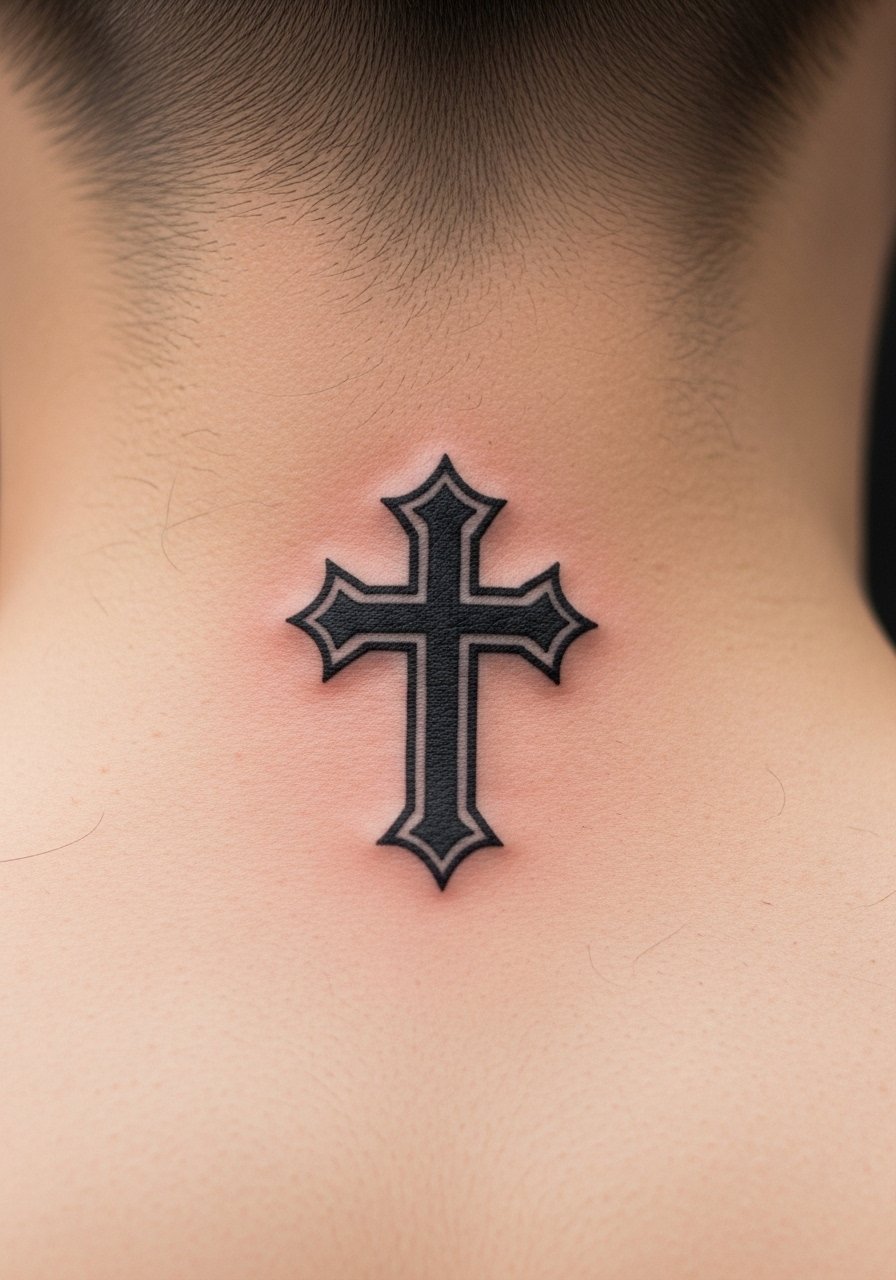
Neck placements show immediately and can affect job interviews in some fields. If you are concerned, center the cross low on the neck and keep it small. Ask for dense black saturation and clean symmetry because off-balance crosses are obvious. Session time is usually 30 to 45 minutes and pain is moderate to high. Expect reliable long-term retention for solid blackwork with periodic touch-ups around year three.
14. Miniature Stipple Skull on the Inner Bicep
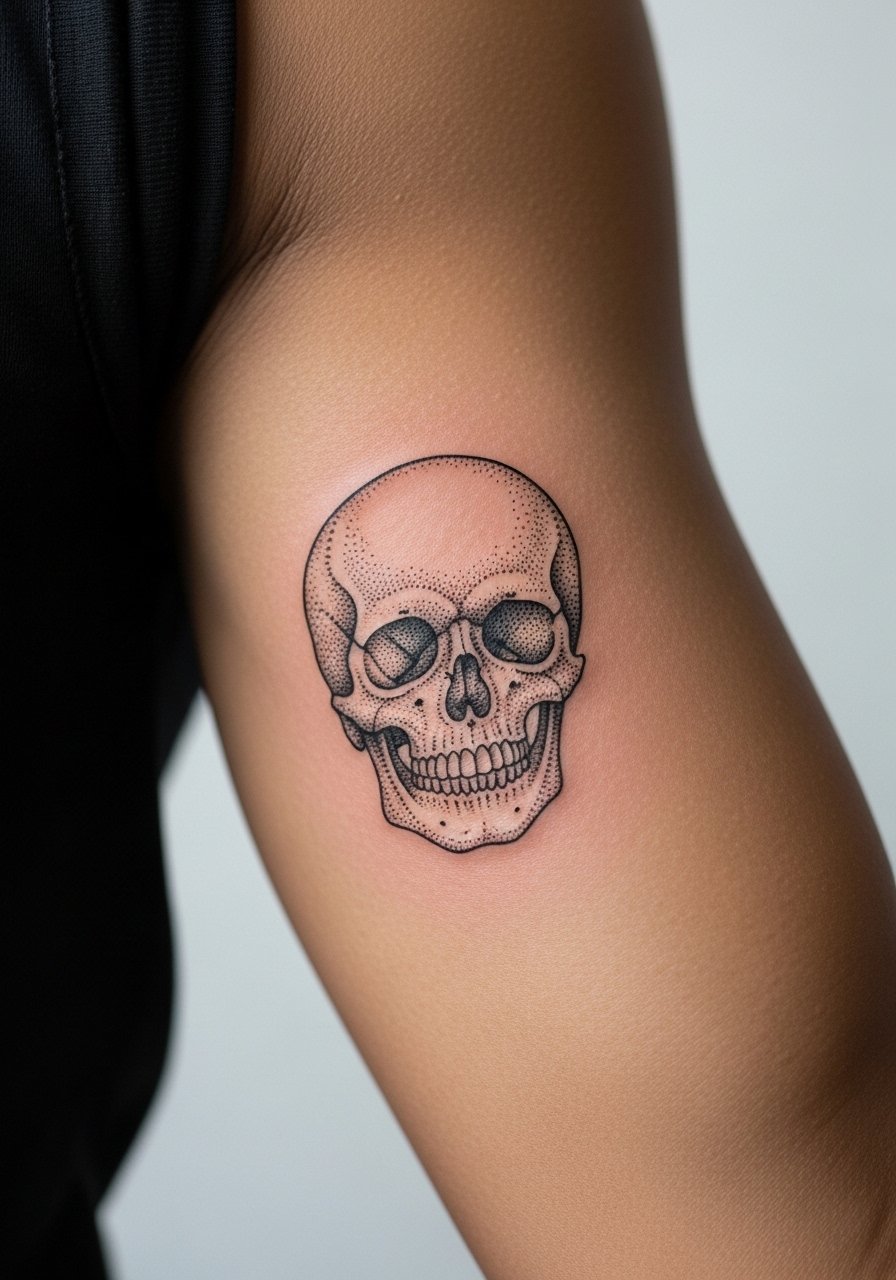
An inner bicep sits in a low-friction area so stipple work holds up better than on hands or feet. Tell your artist you want denser stipple where shadows fall and lighter dots for highlights. Session time is 45 to 60 minutes and pain is modest. At six months the skull will look softer but its structure will remain. This spot is a good compromise for people who want a gothic motif that can be hidden easily.
15. Tiny Candles with Dripping Wax on the Finger Joint
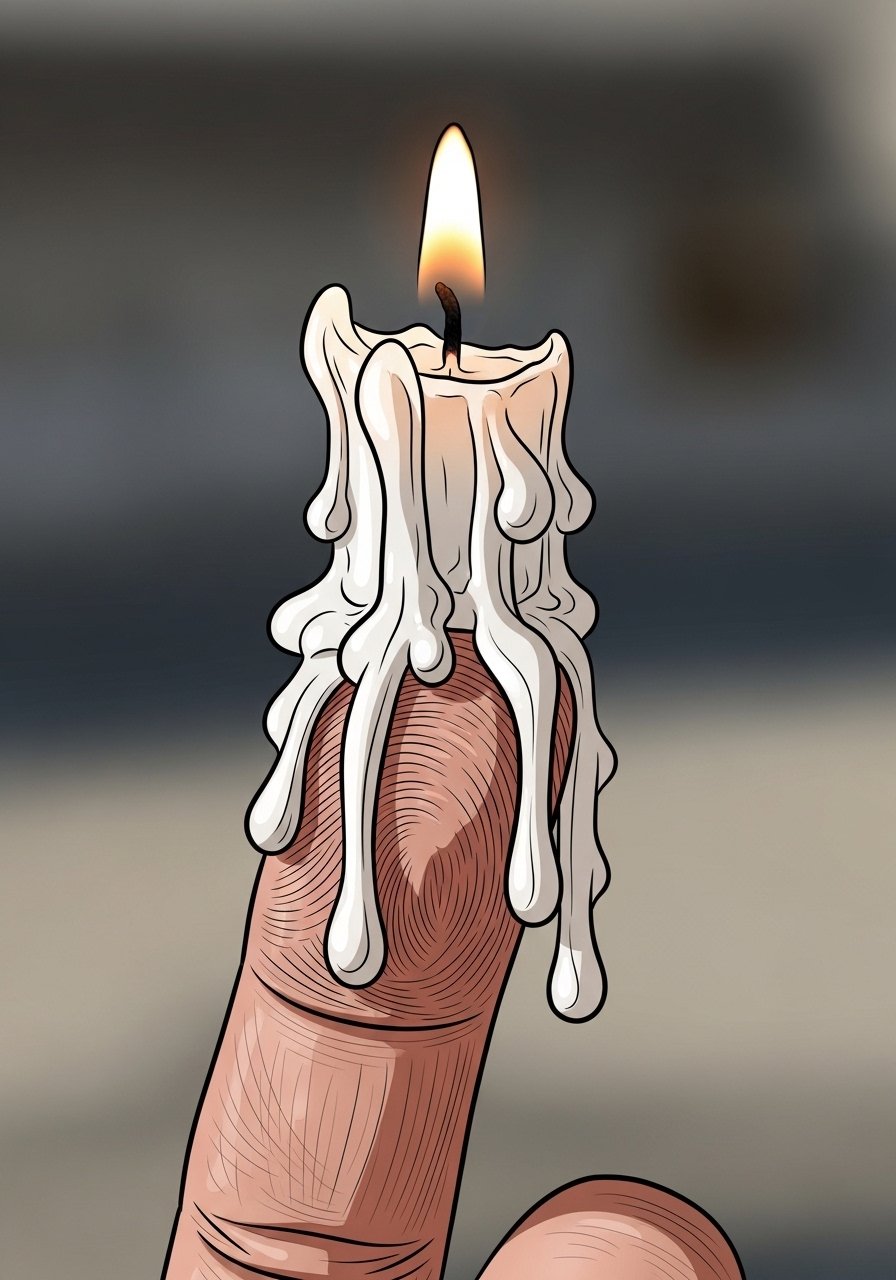
Finger joint tattoos see heavy wear and often need frequent touch-ups. One camp recommends avoiding joint placements. The other says simple bold motifs with strong outlines can last. If you go for it, pick a simplified silhouette and ask for solid black outlines so the shape stays legible. Session time is 20 to 40 minutes and pain is high. Expect a one-year touch-up if you wear rings or use your hands a lot.
16. Minimalist Black Chalice on the Sternum
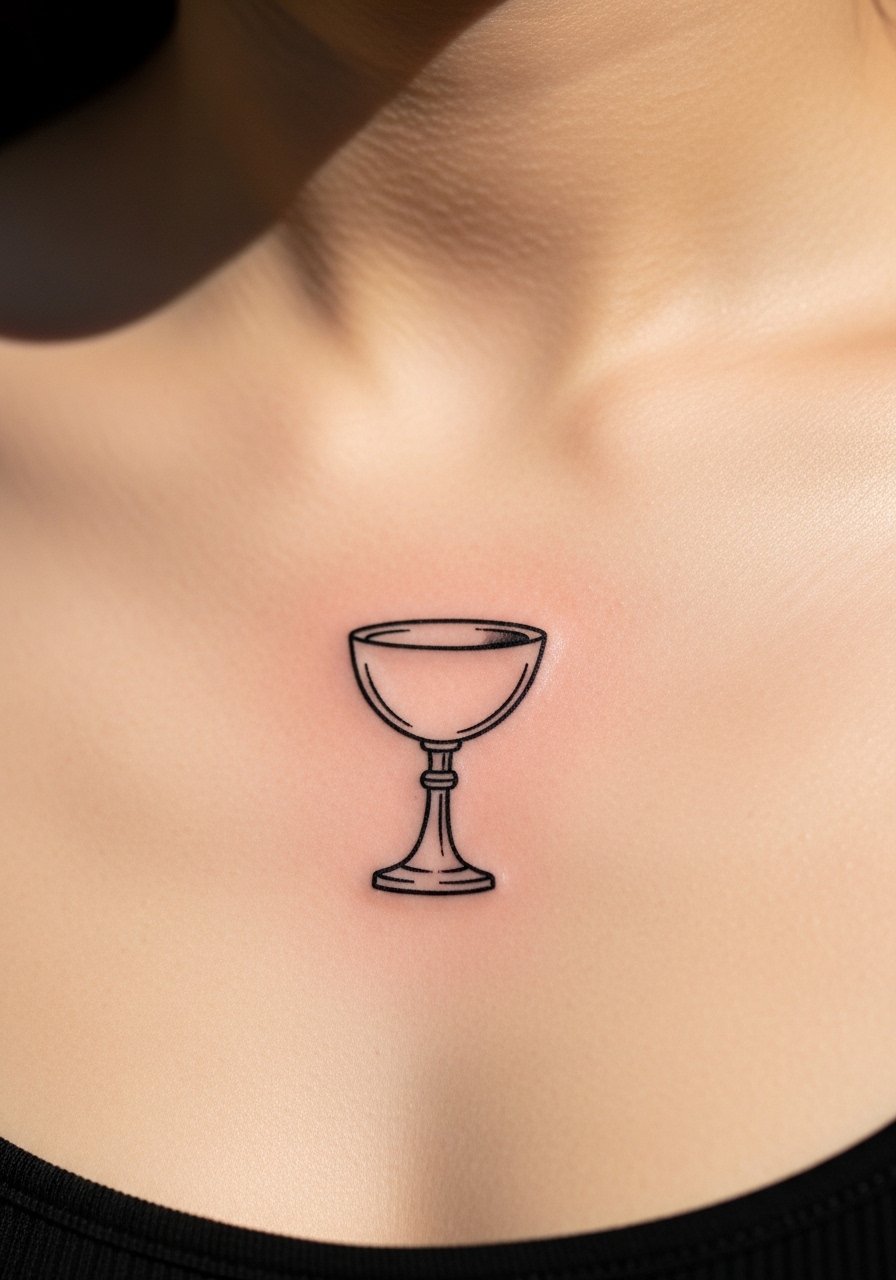
Sternum skin moves with breathing and sits over bone which makes it sensitive. For a chalice, ask for a compact vertical design with more emphasis on silhouette than interior detail. Pain is high and session time is 45 to 75 minutes. Expect early swelling and a possible touch-up at year two to sharpen the outline. If you are getting chest work, discuss how the piece will sit with future additions.
17. Tiny Bat in Flight on the Shoulder Blade

Shoulder blade skin tolerates small silhouettes well. Ask for a compact wing span and clean negative-space eyes so the bat reads from a distance. Session time is typically 30 to 60 minutes and pain is modest. Expect good longevity for solid silhouettes, with a touch-up only if you want the black to remain deeply saturated.
18. Micro Blackletter Initial on the Side of the Thumb
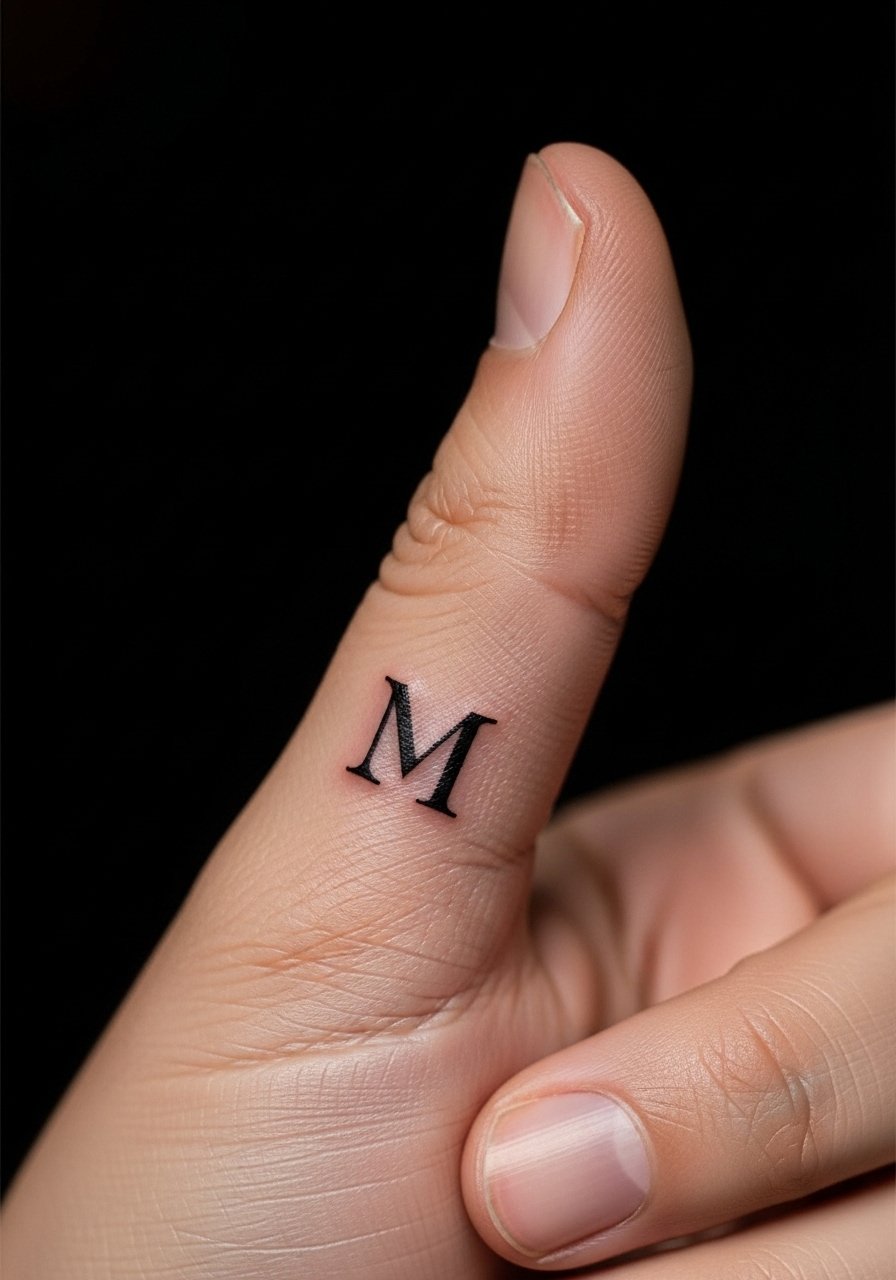
Thumb sides are a high-fade zone because of hand washing and wear. Keep letters as simple glyphs with open counters. The common mistake is tiny, ornate blackletter that blurs in a year. Session time is short and pain is high. Plan for a yearly touch-up if you want the blackletter to stay crisp.
19. Tiny Pentagram within a Ring of Thorns on the Inner Ankle

Gothic symbology can prompt reactions, so be mindful of context. For this, ask for a clean geometric star and evenly spaced thorns so the circle remains balanced as lines settle. Session time is 30 to 50 minutes and pain is moderate. Expect stable long-term shape with occasional softening at the points that touch the skin most.
20. Micro Cathedral Silhouette Behind the Ear Lobe

Behind-ear placements are subtle and can be surprisingly detailed if kept small and bold. Tell your artist to emphasize the roofline and window cutouts rather than interior ornament. Session time is under an hour and pain is moderate. Expect gentle softening at the edges by year two, but overall readable form for years if done with confident linework.
Tattoo Prep and Aftercare Essentials
Healing matters for small gothic pieces because minute details can vanish during a poor recovery. Below is a compact shopping list grouped by stage so you can prepare and maintain your new ink.
Healing and aftercare essentials
fragrance-free gentle foaming cleanser. Use for the first week to keep the area clean without stripping natural oils.
lightweight fragrance-free balm. Apply a thin layer after cleansing to prevent over-moisturizing and clogging.
medical-grade second skin bandage, single-use sheets. Useful for the first 24 to 48 hours when your tattoo is most vulnerable.
Aquaphor Healing Ointment. A single mainstream option to use sparingly for scab-prone spots.
Pre-appointment prep
unscented antimicrobial soap for pre-cleaning. Use the night before to remove lotions and oils.
thin breathable bandage strips. Handy if you need to protect a small spot after showering.
Long-term maintenance
broad-spectrum mineral sunscreen SPF 50. UV kills contrast, especially on small blackwork.
silicone scar sheet, small size. Useful if raised scarring appears after healing.
Every tattoo is different. Always follow your artist's specific aftercare instructions. Consult a dermatologist if you have skin concerns or unusual healing issues.
Frequently Asked Questions
Q: Will a fine line crescent moon on the wrist need touch-ups sooner than a black rose on the ankle?
A: It often does. Fine line relies on narrow spacing so it can blur faster on high-movement spots like the wrist. A black rose on the ankle sits in lower-friction skin and usually needs touch-ups less frequently. Ask your artist for a maintenance plan and expect to reassess at year two.
Q: Are stipple moths and dot work safer choices than solid black for small Gothic pieces?
A: Yes for small sizes. Stipple shading preserves texture and prevents heavy saturation that can blur into a blob. If you like contrast, combine stipple with a clean black outline to hold the shape longer.
Q: Is getting a tiny tattoo on the fingers or thumb worth it if I want long-term clarity?
A: Expect frequent fading on fingers and thumbs because of washing and use. If you want durability, enlarge the motif slightly, pick bold outlines, or accept yearly touch-ups as part of the plan.
Q: How should I talk to my artist about the ribcage debate on fine line work?
A: Ask the artist where they stand and request to see healed ribcage photos from their portfolio. Artists split into two camps on this issue, so get their healed examples before you book. That tells you how they manage depth and spacing on moving skin.
Q: Do I need a different aftercare routine for small color accents in stained-glass style tattoos?
A: Slightly different. Small color blocks can lose saturation faster than black, so prioritize mineral sunscreen once healed and gentle moisturization during the first month. If you want color longevity, discuss pigment choices with your artist.
Q: Can neck or hand placements affect job prospects and still be a good small gothic tattoo choice?
A: They can affect some job prospects. One camp sees visible tattoos as fine personal expression. Another cautions that certain employers still react negatively. If career impact matters, choose a placement that hides easily or keep the design very small and discreet.