Someone I know spent months bookmarking surreal tattoo posts, then froze at booking because they did not know which designs age well or which placements hide mistakes. I visited five shops across Brooklyn and talked with artists who specialize in photorealism and blackwork. What I learned is simple: pick the distortion you want, scale it to the body area, and plan sessions so shading builds depth. Below are 12 easy surreal tattoo ideas for men that balance impact with longevity and practical notes you can use at your consult.
1. Photorealistic Melting Clock on Outer Forearm
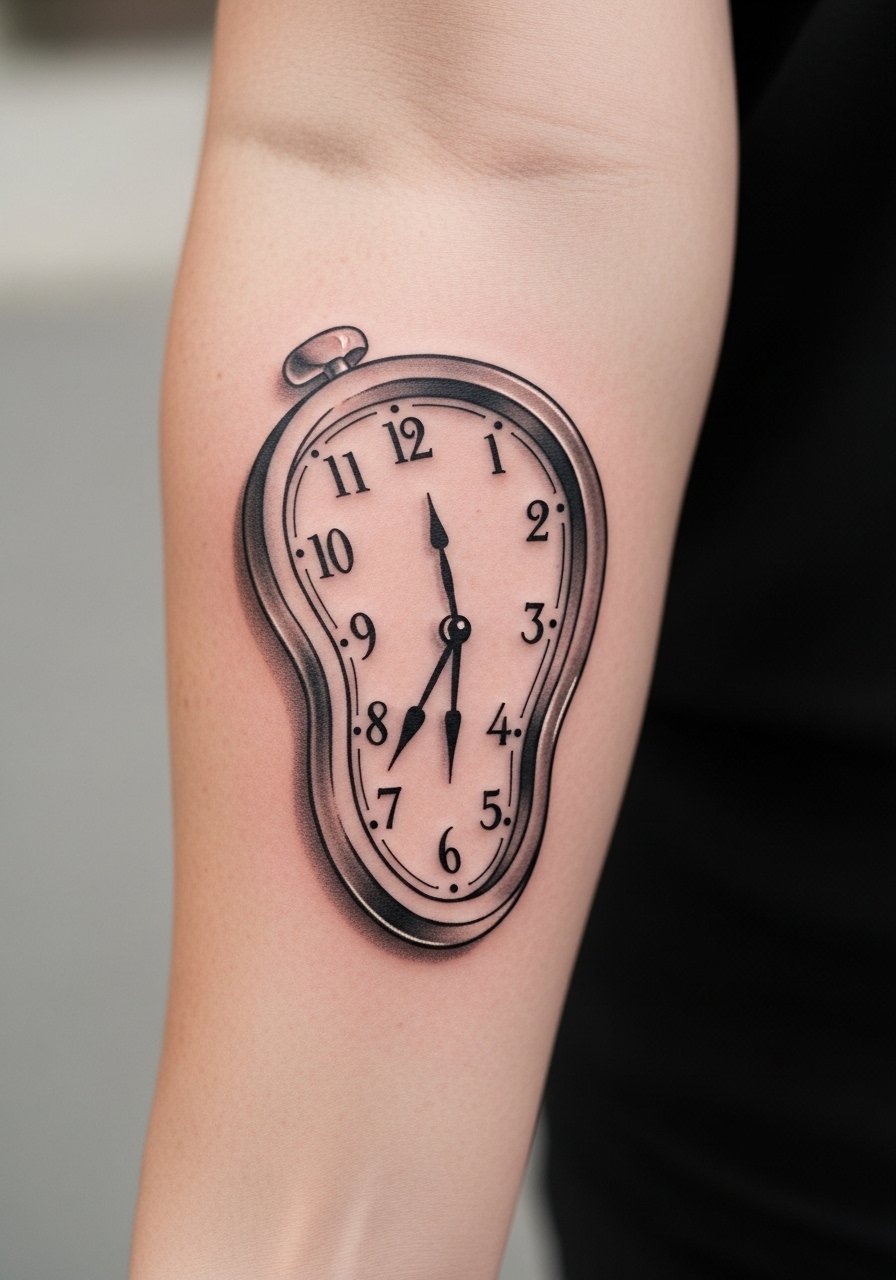
Someone I know first saw this on a friend and booked the same artist. Forearm placement reads well from a distance and gives the photoreal detail room to breathe. Tell your artist you want strong contrast between highlights and the deepest shadows so the clock keeps its form as it heals. The common mistake is shrinking the design too small. At three months the edges look crisp, and with black and gray saturation a well-done piece still reads at two years. Expect moderate pain for the outer forearm and a one to two hour session for a 4 to 6 inch piece. Ask about touch-up expectations in year two.
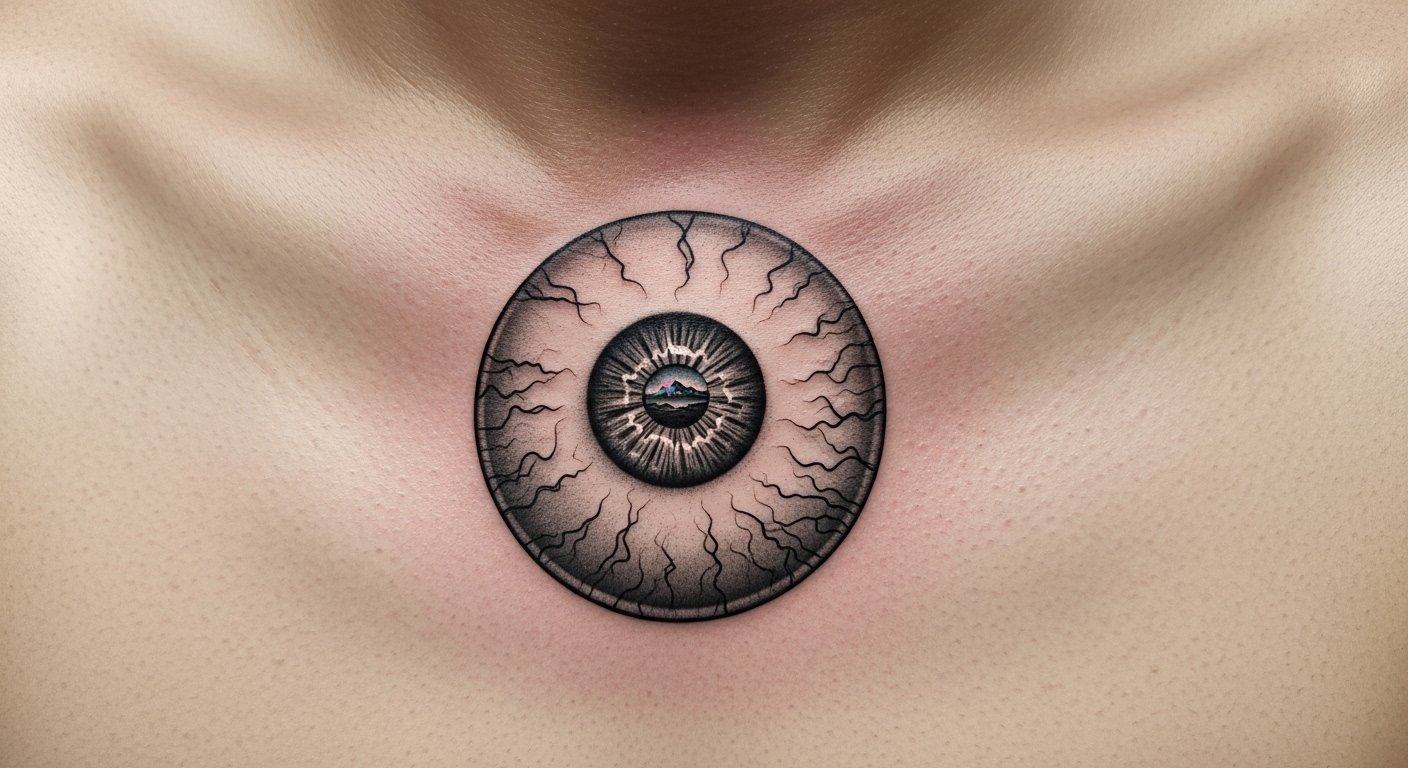
2. Floating Eyeballs with Distorted Landscapes on Upper Chest
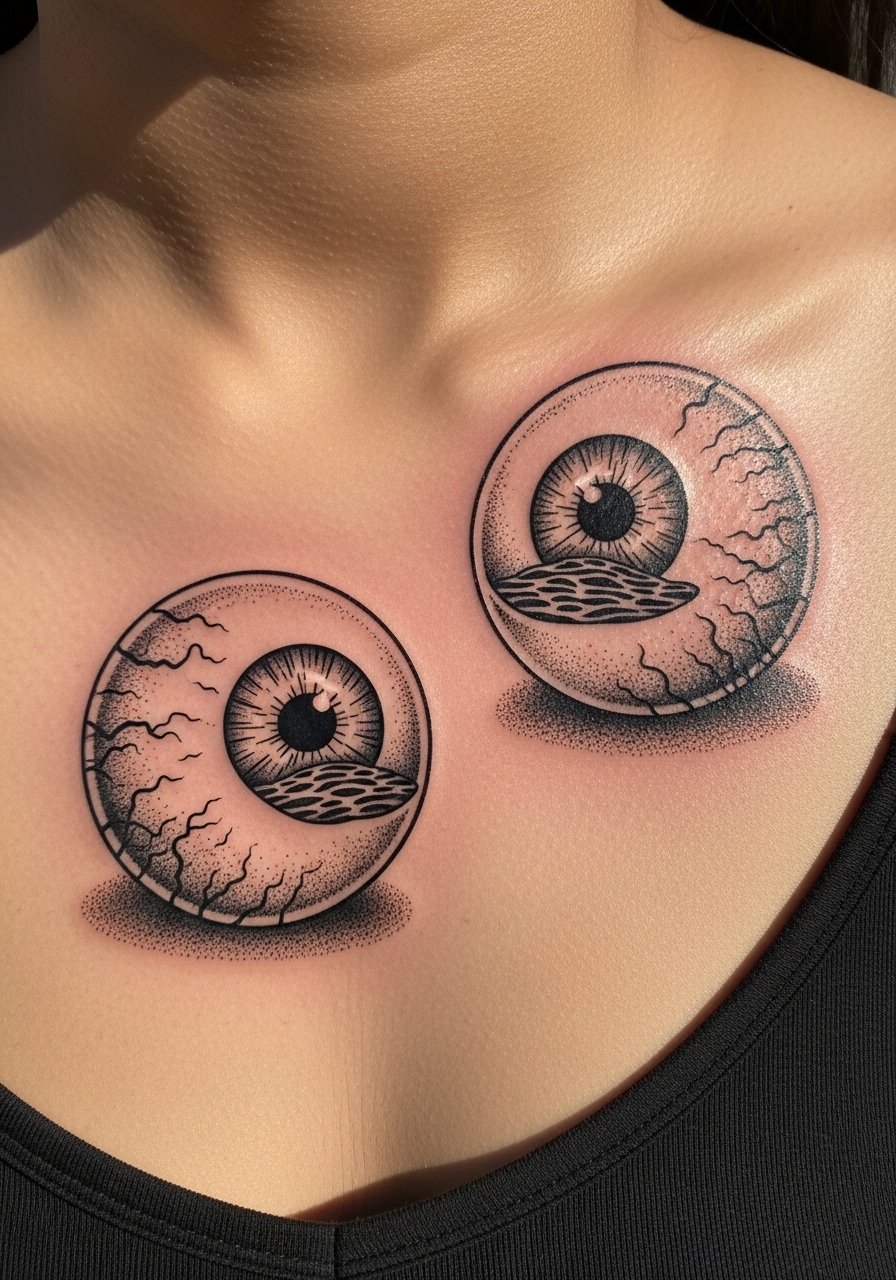
Fair warning: curved skin on the chest can make perspective tricks warp if scaling is off. I recommend this for someone who wants visible surrealism in shirts that open at the collar. Say during the consult that you want the landscape to follow the chest curve so the eyeball appears to float outward. Artists split on whether dense black fills on the chest speed healing or trap moisture. If you prefer a more durable look, ask for slightly heavier linework around focal points. Session time is about two to three hours for a six inch composition. Expect low risk of blowout if the lines are spaced.
3. Body Morphing into Mechanical Gears on Outer Bicep
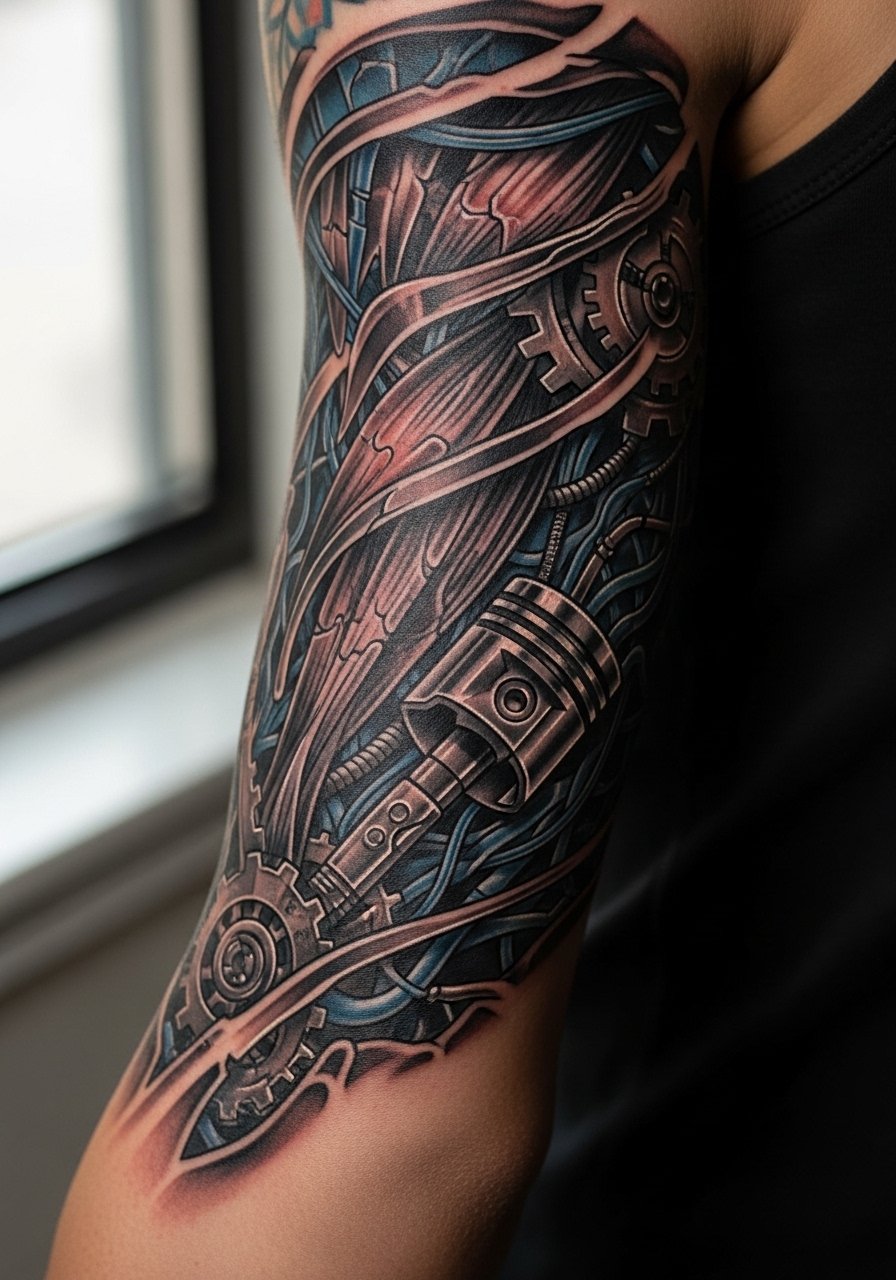
When you sit down with your artist for this one, bring photos of the exact muscle shape you want to work with. The outer bicep flexes, so the design needs to read at rest and in motion. A frequent mistake is wrapping too tightly around the arm which breaks the gear patterns when you flex. This style needs heavier black and gray saturation to keep metallic tones readable over time. Sessions run longer, often split into 4 to 5 sessions for an eight inch wrap. Pain is moderate and you should plan for touch-ups in two to four years depending on sun exposure.
4. Distorted Skull with Serpentine Coils on Outer Thigh
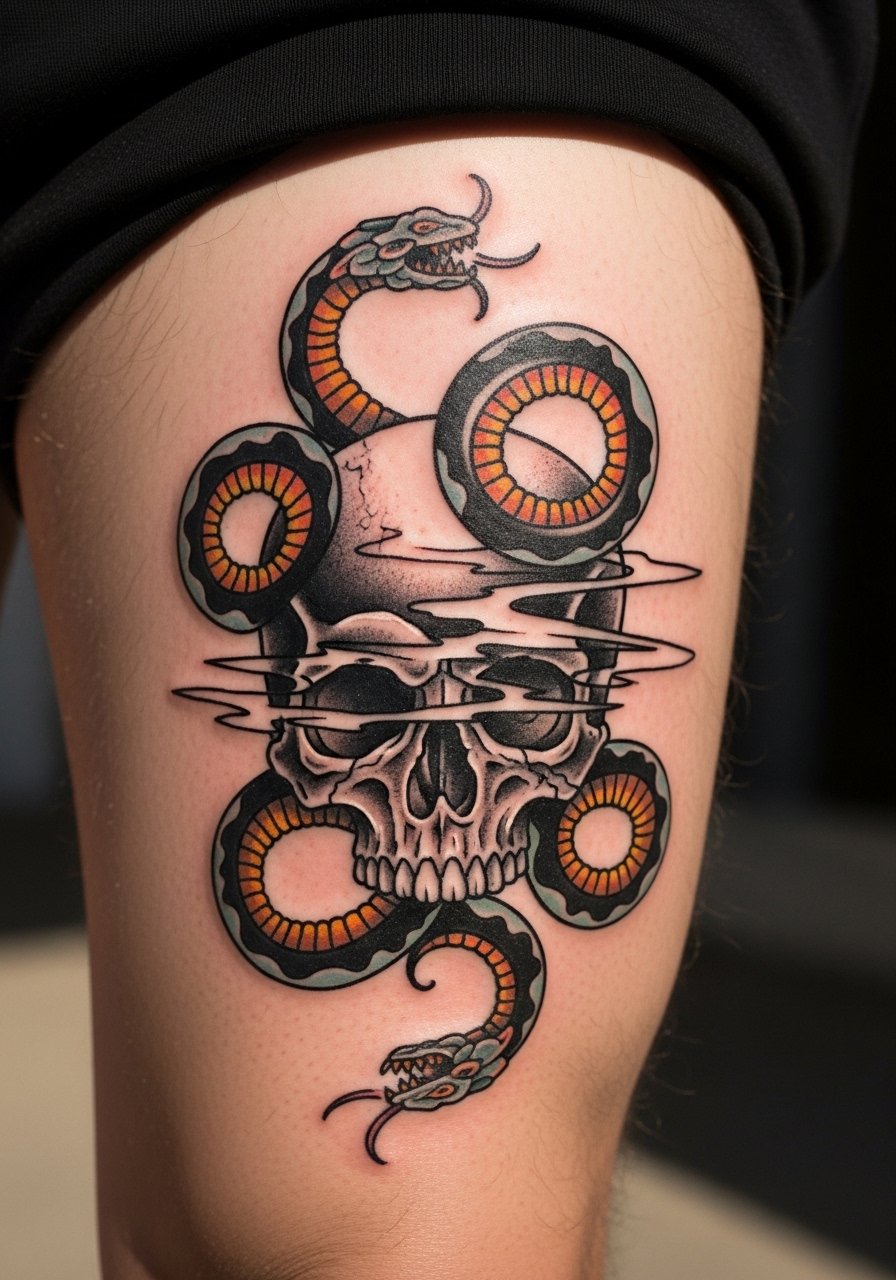
The thigh is great for larger surreal pieces because the canvas stretches but does not suffer as much from everyday abrasion. Most people choose the thigh when they want a dramatic design without daily visibility. Tell your artist you want color accents only in the snakes so the skull stays legible as the ink fades. A common error is cramming too much tiny detail into the skull; that detail often becomes muddy after a year. Expect low to moderate pain and two to four shorter sessions. Thigh pieces usually need fewer touch-ups than hands or fingers.
5. Juxtaposed Elephant with Giraffe Legs on Shoulder Cap
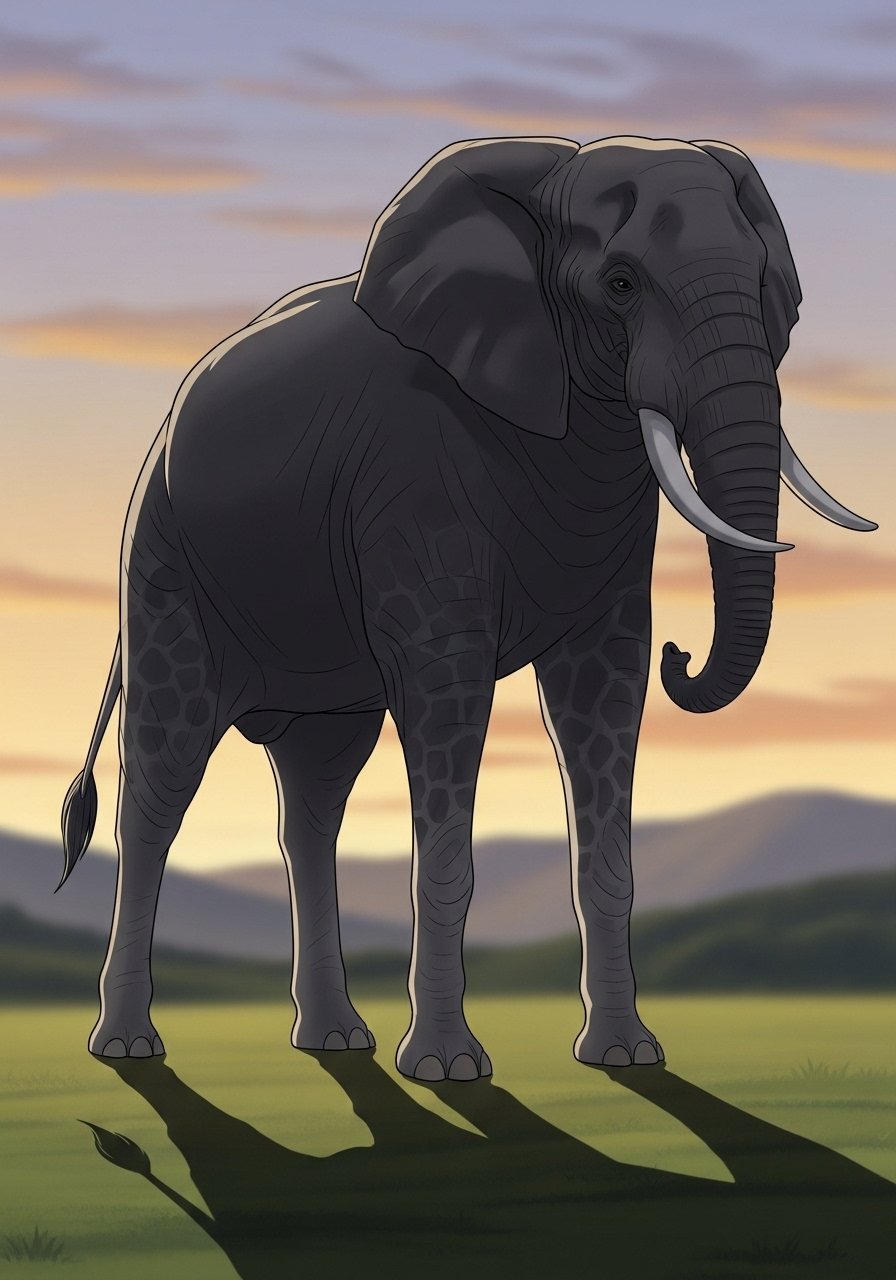
A single session can deliver this size if you keep it to shoulder cap scale. Many men pick this for a Dalí homage without repeating the obvious clock motif. The biggest mistake is using too fine a line for the thin giraffe legs. Ask for confident linework and breathing room so each leg reads separately at six months and two years. This placement is great for coverability under shirt sleeves and heals with low friction. Pain is mild to moderate and the session often runs one to two hours.
6. Floating Objects in Abstract Voids on Calf
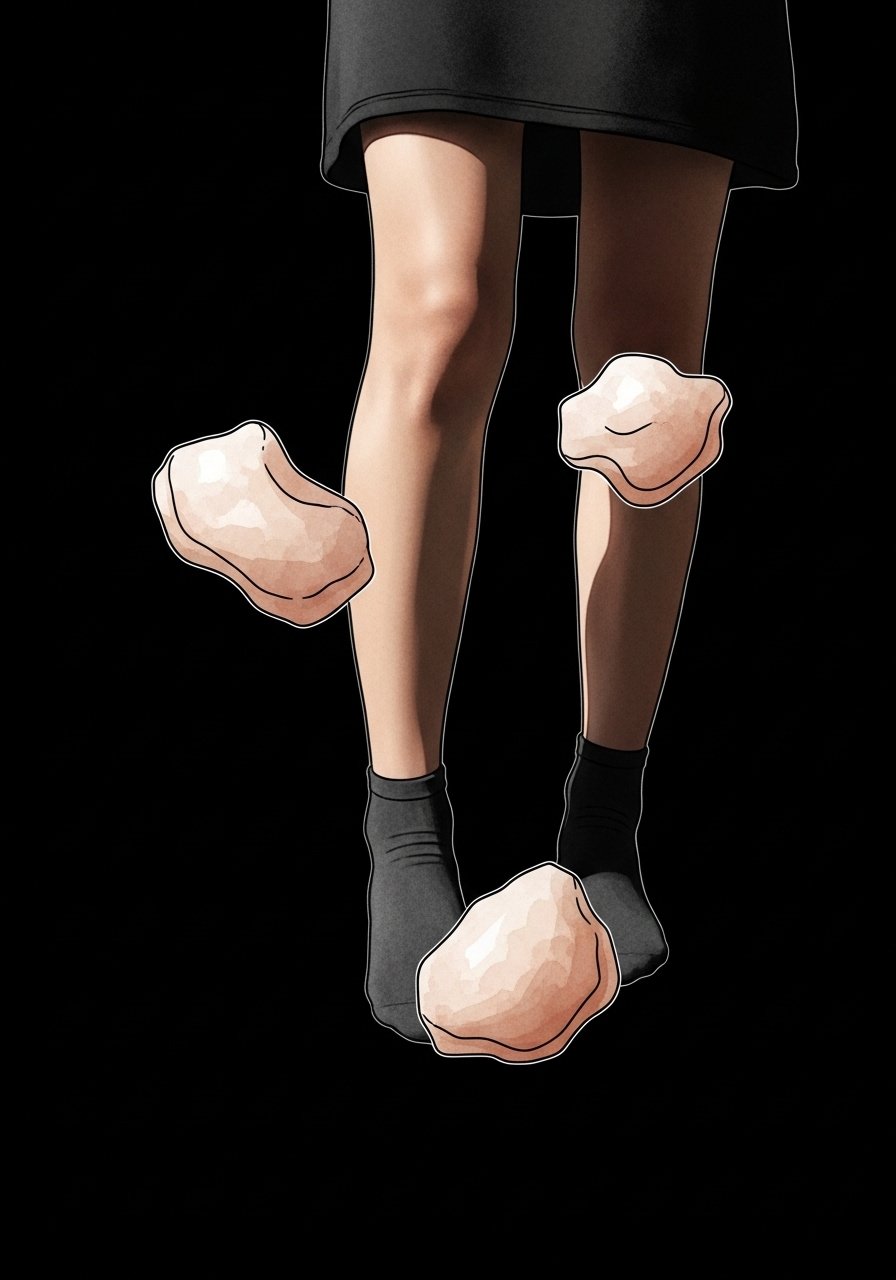
Most watercolor trending pieces faded badly when artists used weak saturation. This version keeps the ethereal edges but locks in a strong black void to preserve contrast. If you want minimal sessions, choose a single focal object plus the void instead of a crowded collage. Calf skin tolerates longer sits so two sessions over days is common for a medium piece. Pain is low, and healing is straightforward unless you spend a lot of time running or wearing tight socks that rub the area. Ask your artist about layering the color so it has depth at six months.
7. Grotesque Biomechanical Limbs on Ribcage
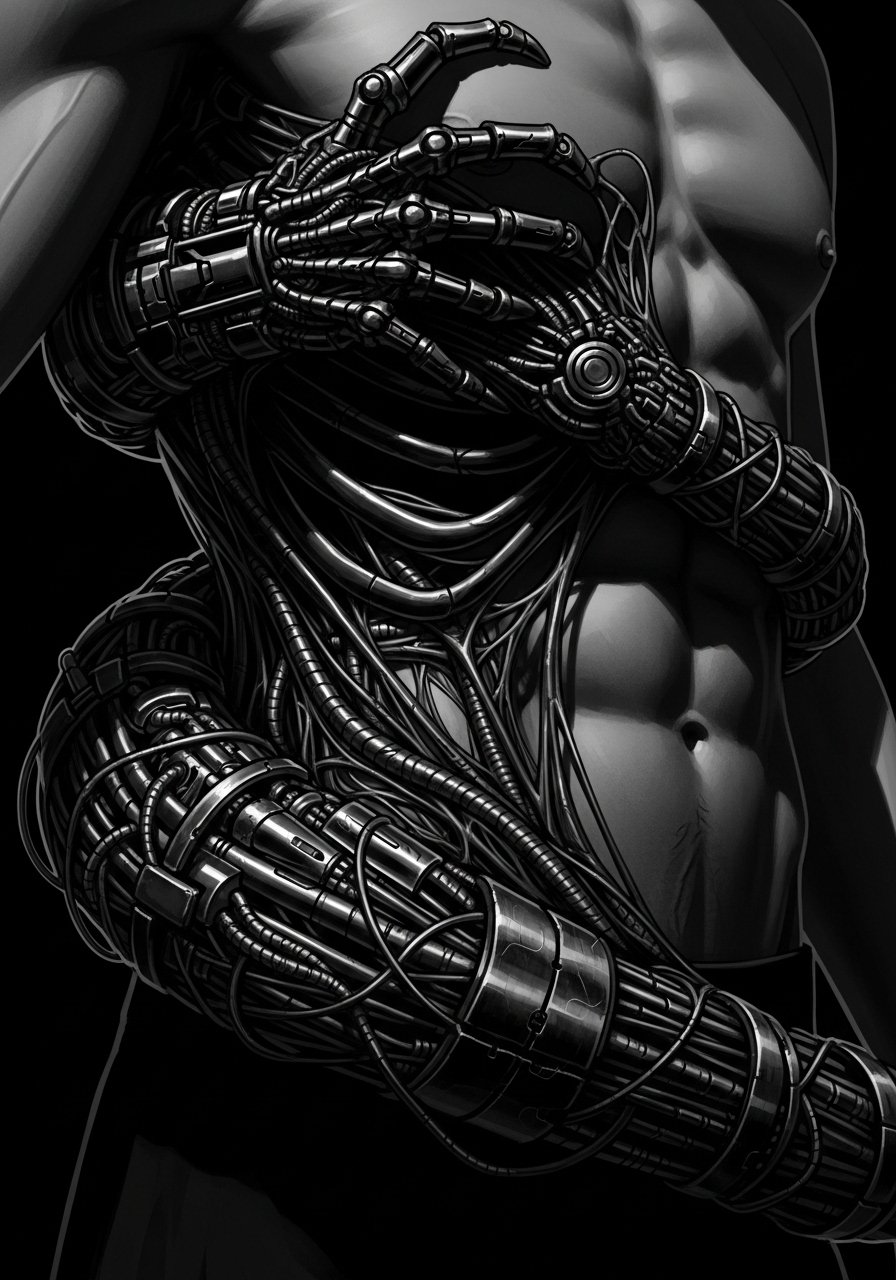
Artists split on long ribcage sessions. One camp says ribs take more time because the skin stretches with breathing and movement which can blur tiny lines. The other camp says with proper needle depth and spacing the piece holds up fine. I recommend shorter multiple sessions instead of one marathon. Pain is high for ribs, so numbing cream is a common topic but some artists warn it can remove real-time placement feedback. Expect several sessions and plan touch-ups around year two if fine mechanical filigree is present.
8. Melting Figures with Impossible Architecture on Upper Back
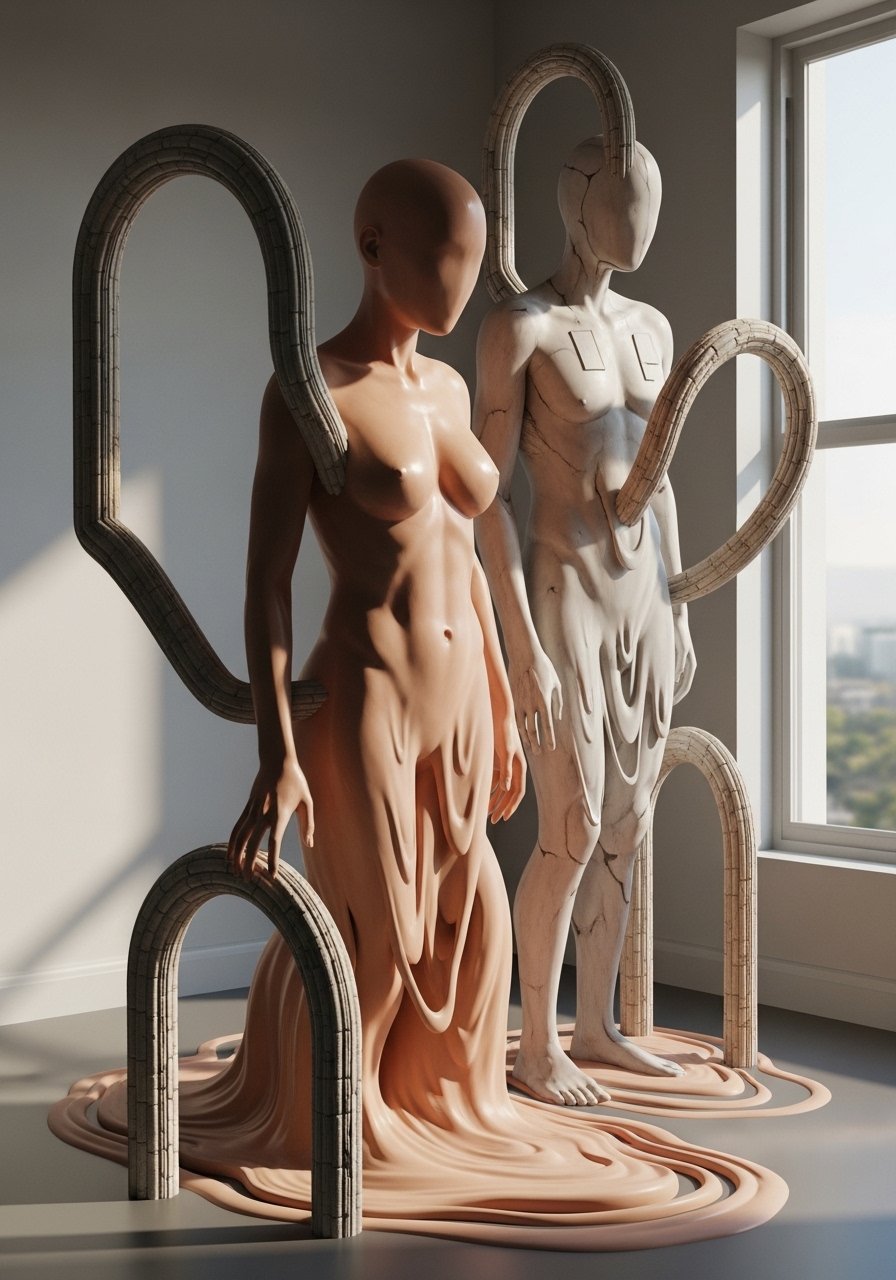
Most full-back surreal panels take months of planning and many sessions. If you want to keep this manageable, pick one compositional axis like a melting figure leading into a single arch instead of a whole cityscape. Tell your artist you want strong grayscale depth so the architecture reads at a distance. A common mistake is starting too small on the back which makes the perspective feel cramped. Pain varies by area but many find the upper back tolerable for multi-hour sessions. Expect a multi-month build and a touch-up after the final session has healed.
9. Surreal Snake Morphing into Clock on Inner Wrist
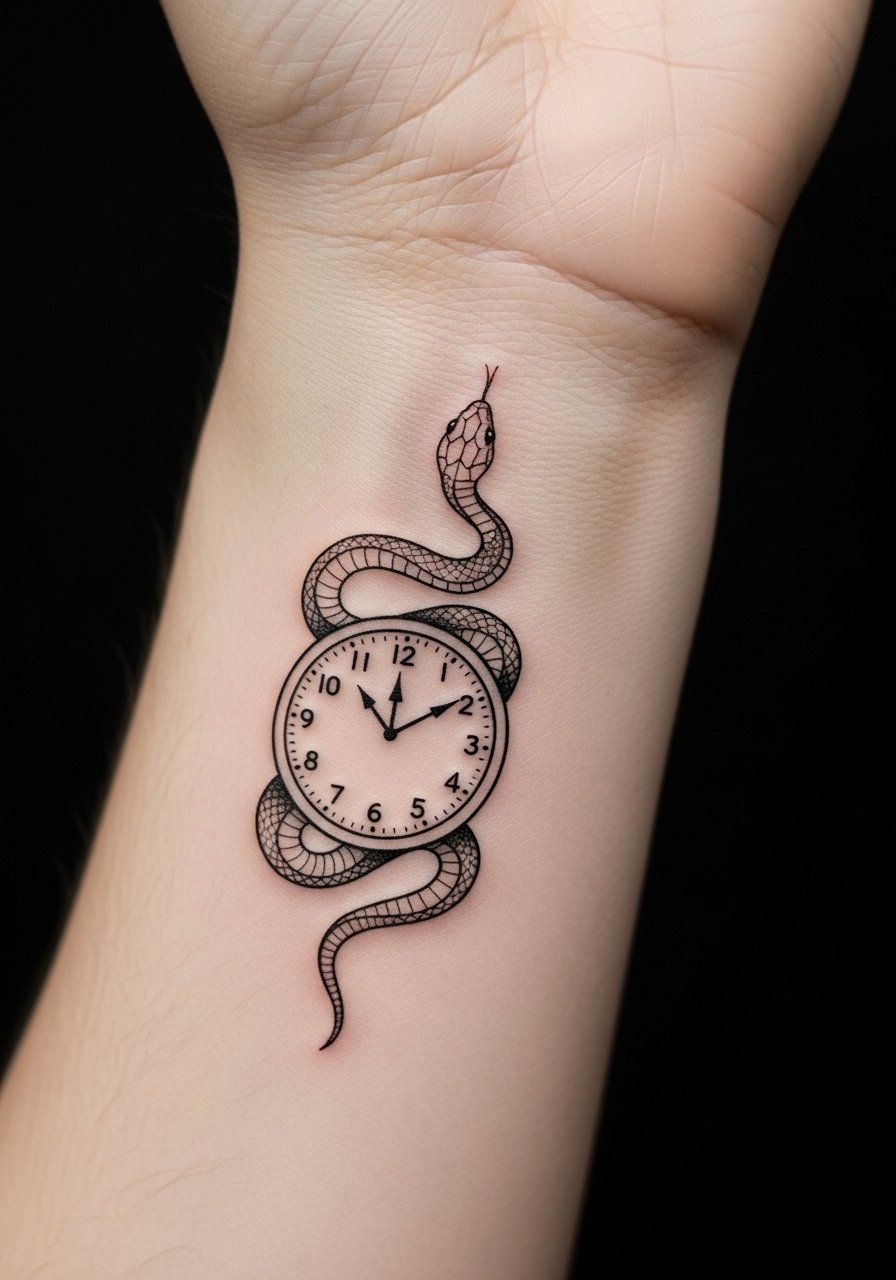
Fine line on wrists splits artists into two camps. One group warns fine line fades faster on wrists because the skin rubs and the area sees heavy movement. The other group says precise depth and spacing can make fine line last. If you favor longevity, ask for slightly heavier anchors around the clock and keep the smallest decorative lines away from high-movement edges. Pain is low to moderate on the inner wrist and a single one to two hour session often suffices. Expect touch-ups sooner than on the forearm.
10. Distorted Faces Emerging from Shadows on Side Neck
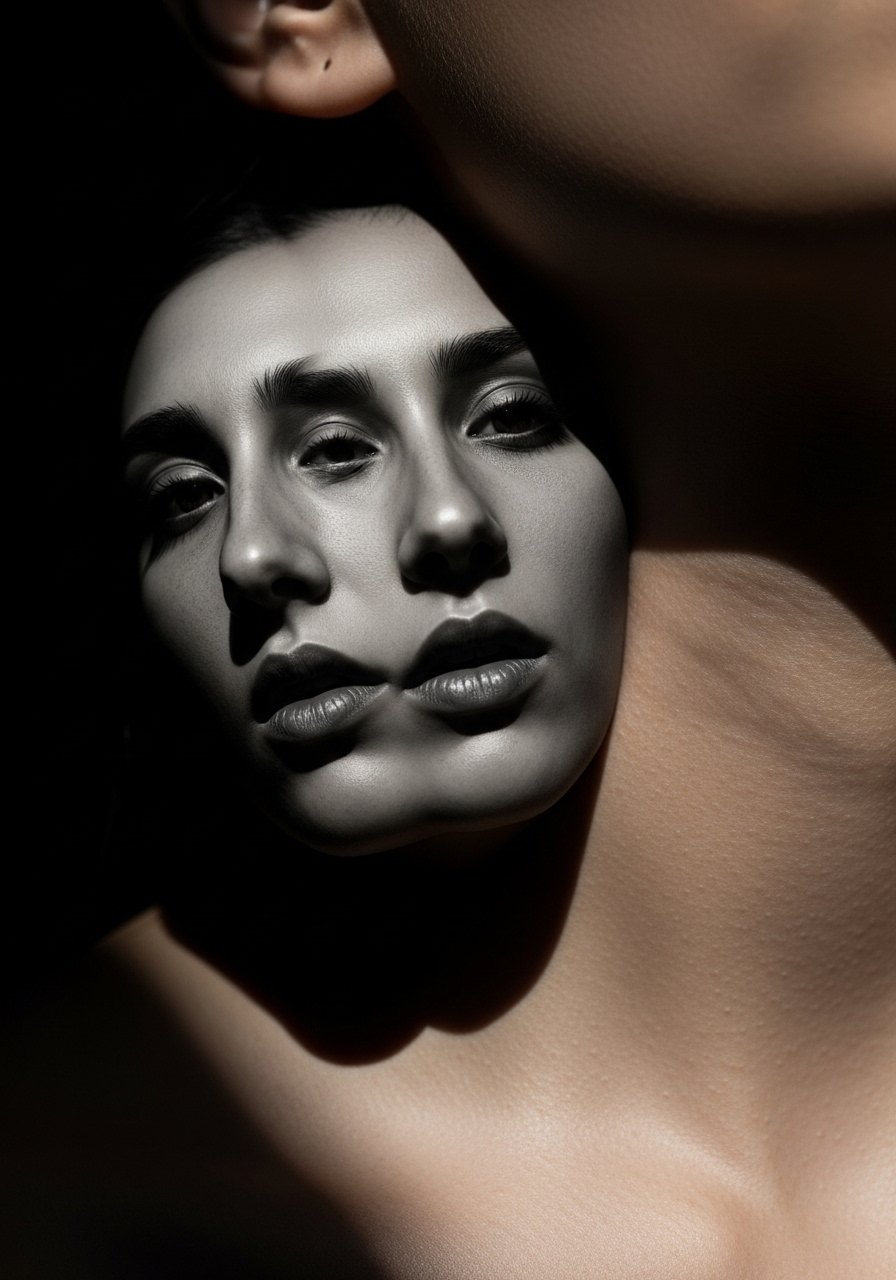
Neck placements are visible and come with lifestyle considerations. Hand this one to an artist who documents healed neck work in portfolios. A frequent mistake is asking for too many tiny facial details; micro-realism needs space to age. The side neck hides well under collars but can be obvious with open shirts. Pain is moderate and sessions are usually single sits. Some workplaces still react to visible neck tattoos so plan placement carefully if your job requires discretion.
11. Minimalist Morphing Mountain Range on Inner Forearm
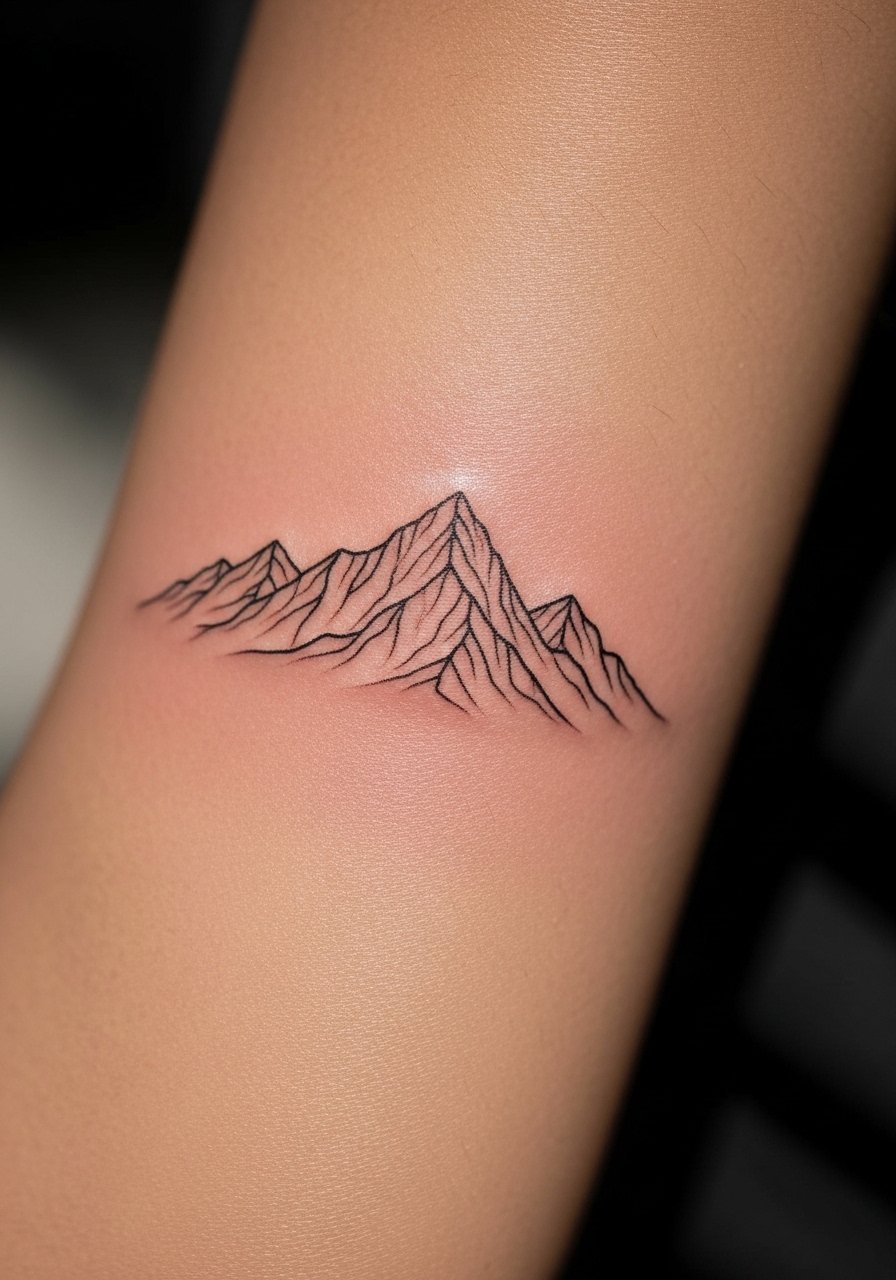
The inner forearm is forgiving and great for small surreal ideas that look custom without a huge time commitment. The mistake I see is requesting extremely thin parallel lines that will merge over time. Ask for modest spacing and slightly varied line weight so the mountains keep separation at six months. Pain is low compared to ribs and the session is usually under two hours. This is a strong choice for a first surreal tattoo because it reads well and touches up easily if needed.
12. Mecha Morph Adapted for Flexed Bicep on Upper Arm
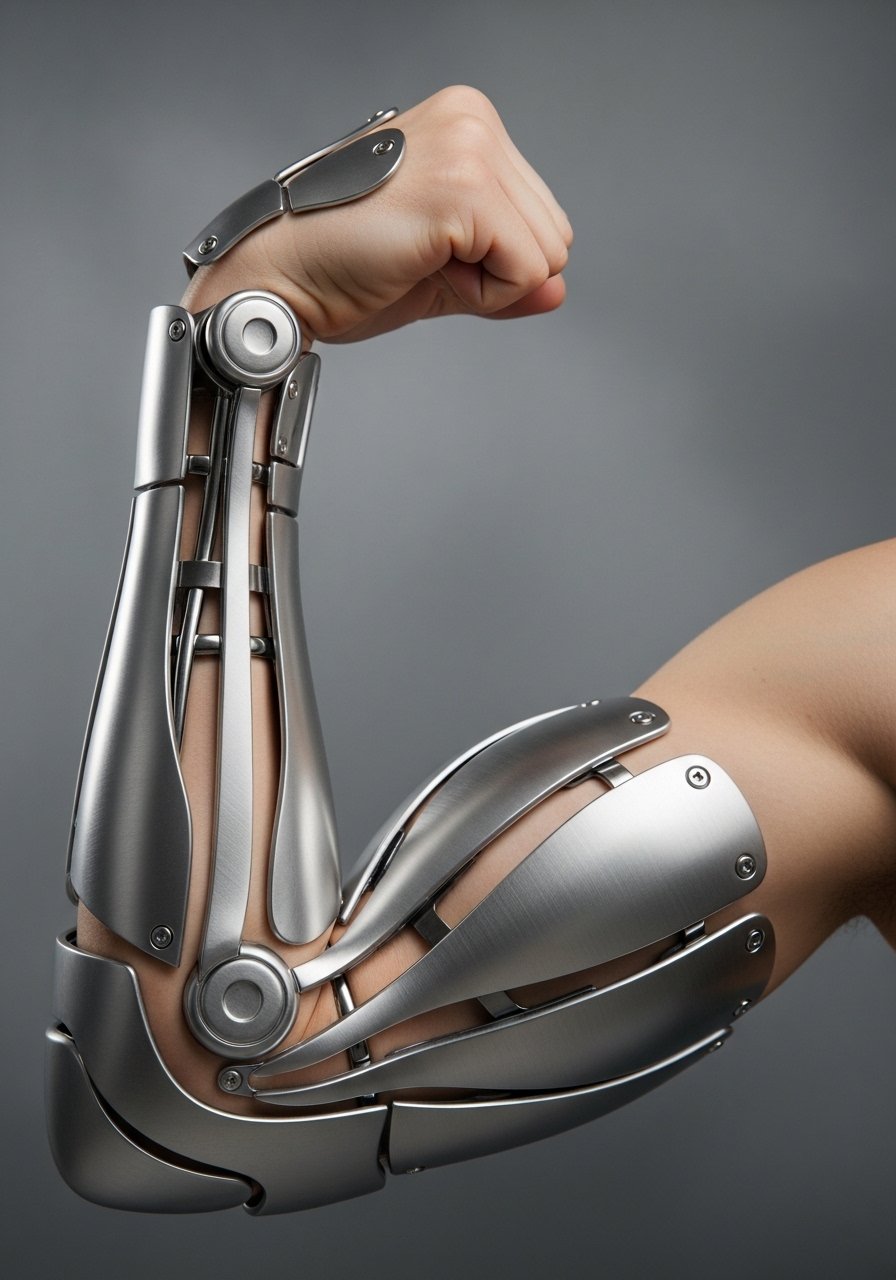
Bodybuilders and athletic guys pick this because the design takes advantage of muscle shape. The trick is communicating how you want the plates to change when you flex. During your consult, show a photo of the relaxed and flexed arm so the artist can plan the morph lines. A common error is placing too much detail over the inner bicep which stretches oddly. Sessions are four to five hours split across visits and heavier saturation helps the metallic look stay prominent. Expect periodic touch-ups as the skin changes with your training.
Tattoo Prep and Aftercare Essentials

Fragrance-free gentle foaming cleanser. Use this for the first 48 hours when you are rinsing ink residue. A foaming formula cleans without stripping freshly tattooed skin.
Lightweight fragrance-free moisturizing balm. Apply a thin layer during the peeling phase to stop flaking while avoiding clogged pores.
Medical-grade second skin bandage, 6-inch roll. Useful for large panels or ribcage pieces to protect against friction during the first 24 hours.
Unscented mineral sunscreen SPF 30 for tattoos. Once healed, keep surreal shading protected from UV to slow fading.
Fragrance-free moisturizing lotion. Long-term maintenance for satin-like healed skin. Apply daily to keep saturation even.
Lightweight occlusive healing balm. Use sparingly in the first week to lock in moisture for dense blackwork areas.
Saniderm medical adhesive bandage pack. Popular for keeping a clean environment during initial healing. Note there are two camps on occlusive healing and dry healing. Talk to your artist about whether a second skin bandage fits your piece.
Every tattoo is different. Always follow your artist's specific aftercare instructions. Consult a dermatologist if you have skin concerns or unusual healing issues.
Frequently Asked Questions
Q: Will fine line surreal tattoos blur faster on wrists and fingers than blackwork?
A: It depends on placement and daily wear. Wrists and fingers are high-movement and high-friction areas so ultra-fine lines often need attention sooner. If you want longevity, request slightly heavier anchors and accept a touch-up window around year one to three.
Q: For a large surreal back panel, how should I plan sessions and budgeting?
A: Break the project into composition, linework, and shading sessions. Many people budget by session rather than a flat price because shading builds over multiple visits. Ask your artist for a realistic session count and book a follow-up touch-up eight to 12 weeks after the last session.
Q: Which heals better for photorealistic surrealism, Saniderm or dry healing?
A: Artists are split. One camp favors Saniderm for cleaner initial healing and less infection risk. The other camp prefers dry healing to avoid sealing sweat and trapping ink loss in fine detail. My advice is to ask the artist which method they use for similar pieces and follow their protocol for best results.
Q: Do surreal pieces need special career consideration when placed on neck or hands?
A: Yes. Neck and hand placements remain visible and could affect conservative workplaces. If you need discretion, pick placements that hide under collars or sleeves or scale the design to sit where clothing conceals it.
Q: How often do surreal tattoos need touch-ups compared with traditional work?
A: Fine line surreal tattoos often need touch-ups sooner than saturated blackwork. Expect a touch-up in the first one to three years for fine details. Dense black or well-saturated grayscale generally stretches longer between touch-ups.
Q: Can I adapt a surreal biomechanical design to muscle changes from training?
A: Absolutely. Bring photos of the relaxed and flexed muscle to the consult so your artist can plan how panels should shift. Designs that follow muscle flow and use larger shapes tend to age better with body changes.